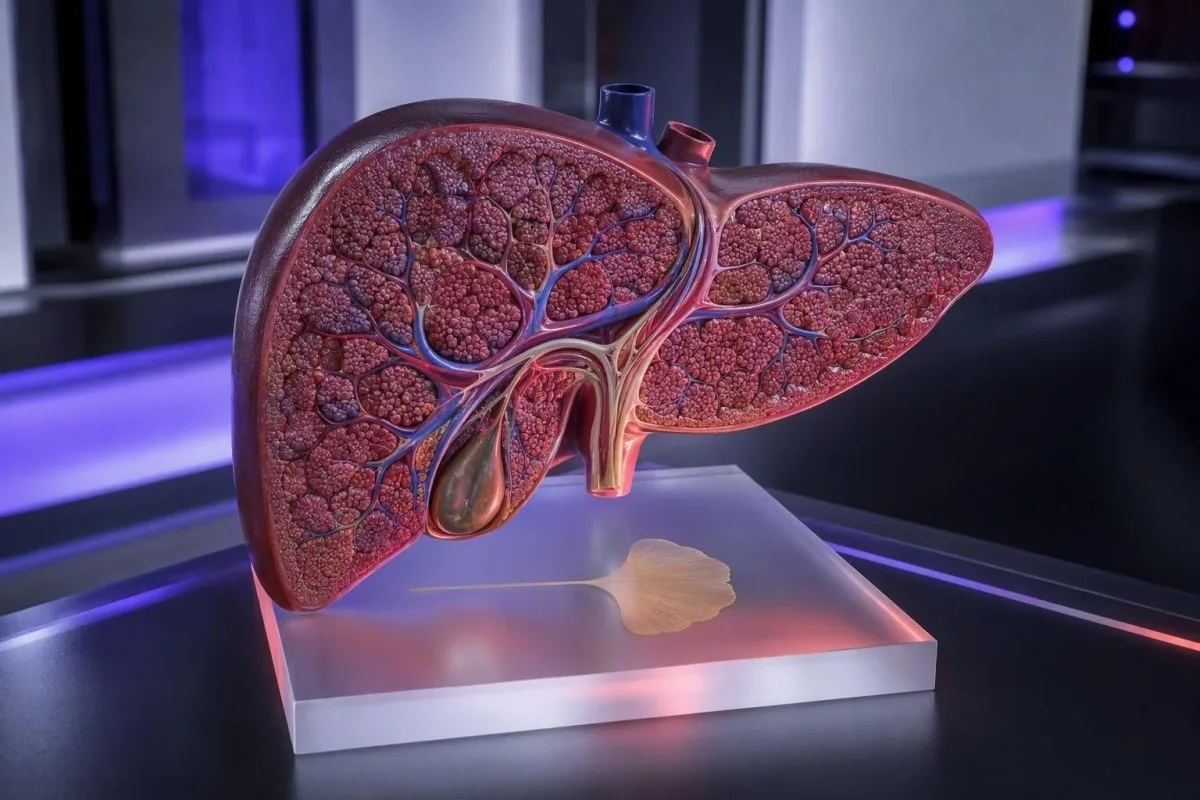
ALT je bežne uvádzaná pečeňová enzým, ale je skôr signálom stresu buniek ako diagnózou. Význam vyplýva z jej veľkosti, vzoru, načasovania a zvyšku vášho pečeňového panelu.


- Význam ALT: ALT je skratka pre alanínaminotransferázu, enzým meraný v IU/L, ktorý je koncentrovaný v pečeňových bunkách.
- Typický rozsah: Mnohé dospelé laboratóriá používajú hornú hranicu ALT 35 IU/L pre ženy a 45 IU/L pre mužov, hoci rozhodujúci je rozsah samotnej správy.
- Mierne zvýšenie: ALT pod 2-násobkom hornej hranice laboratória je bežný a často si vyžaduje plánované opakovanie, nie paniku.
- dôležitý je vzorec: ALT s vysokou AST, ALP, GGT, bilirubínom alebo INR znamená niečo iné ako izolované zvýšenie ALT.
- Vplyv cvičenia: Intenzívny silový tréning môže zvýšiť ALT a AST na 7 dní alebo dlhšie, najmä ak je aj kreatínkináza vysoká.
- Kontrola liekov: Acetaminofén, statíny, antibiotiká, antiepileptiká, doplnky a bylinné prípravky môžu ovplyvniť ALT.
- Naliehavé príznaky: Žltačka, zmätenosť, silná bolesť v pravej hornej časti brucha, opakované vracanie alebo veľmi tmavý moč si vyžadujú klinické posúdenie v ten istý deň.
- Trendová hodnota: Klesajúca ALT po odstránení spúšťača je zvyčajne upokojujúcejšia ako jeden izolovaný hraničný výsledok.
Čo znamená ALT v krvnom teste
ALT je skratka pre alanínaminotransferázu, enzým, ktorý pomáha bunkám prenášať aminové skupiny počas energetického metabolizmu. Meria sa, pretože ALT vstupuje do krvného obehu, keď sú pečeňové bunky v strese alebo poškodené; samotný o sebe nedokazuje trvalé poškodenie pečene.
ALT sa nachádza hlavne vo vnútri hepatocytov, pracovných buniek pečene, aj keď malé množstvá sa vyskytujú v kostrovom svalstve a iných tkanivách. Zvýšený výsledok znamená, že do vzorky sa dostalo viac enzýmu, ako sa očakávalo; bez sprievodných dôkazov nemôže identifikovať steatózu pečene, hepatitídu, poškodenie liekmi ani cvičenie.
V mojej klinickej praxi najužitočnejšia prvá otázka nie je “ako vysoko je?”, ale “vysoko v porovnaní s akou základnou líniou a akými inými značkami?”. ALT 58 IU/L po novom cvičení v posilňovni je iný problém ako ALT 58 IU/L s bilirubínom 65 µmol/L a žltými očami.
Kantesti je Analyzátor krvných testov s umelou inteligenciou ktorý číta ALT spolu s AST, ALP, GGT, bilirubínom, albumínom, počtom krvných doštičiek, liekmi a predchádzajúcimi výsledkami namiesto toho, aby považoval jednu označenú hodnotu za diagnózu. Pre širšiu mapu súvisiacich meraní si pozrite naše sprievodca biomarkerov.
Prečo sa môže objaviť starší názov SGPT
Niektoré správy stále nazývajú ALT “sérum glutamát-pyruvát transamináza” alebo SGPT. ALT a SGPT sa vzťahujú na rovnaký test enzýmu, hoci moderné laboratórne hlásenie zvyčajne používa ALT.
Prečo lekári merajú alanínaminotransferázu
Klinici objednávajú test alanínaminotransferázy na detekciu hepatocelulárneho stresu, monitorovanie známeho ochorenia pečene a kontrolu poškodenia spôsobeného liekmi. ALT je často súčasťou pečeňového panelu alebo komplexného metabolického panelu, aj keď osoba nemá žiadne príznaky.
ALT sa bežne kontroluje počas prehliadok diabetu alebo lipidov, pretože steatopatická choroba pečene spojená s metabolickou dysfunkciou, predtým nazývaná steatóza pečene, môže byť tichá roky. Usmernenie AASLD z roku 2023 odporúča posúdiť u osôb s metabolickými rizikovými faktormi a nevysvetleným zvýšením pečeňových enzýmov riziko steatopatickej choroby pečene a fibrózy (Rinella et al., 2023).
Normálna ALT nevylučuje významnú fibrózu a vysoká ALT nemeria štádium fibrózy. Videla som pacientov s ALT 24 IU/L a zmysluplným jazvením pri špecializovanom posúdení, najmä s diabetom 2. typu; skóre fibrózy a zobrazovanie odpovedajú na inú otázku.
Monitorovanie ALT je tiež praktické po zmene liekov, ale malo by byť premyslene naplánované. Náš sprievodca ročnými krvnými testami vysvetľuje, prečo by frekvencia testovania mala sledovať riziko, príznaky a liečbu, a nie iba návyk.
Normálne rozsahy ALT a prečo sa laboratórne hraničné hodnoty líšia
Referenčné rozsahy ALT u dospelých sa bežne pohybujú od približne 7 do 35 IU/L pre ženy a 10 až 45 IU/L pre mužov, ale rozsahy sa líšia podľa metódy, populácie a laboratória. Vždy používajte hornú hranicu uvedenú vedľa vášho vlastného výsledku, nie internetový limit.
Horná hranica je štatistická, zvyčajne odvodená z referenčnej populácie, nie záruka, že každá hodnota pod ňou odráža úplne zdravú pečeň. Niektoré európske laboratóriá používajú horné hranice špecifické pre pohlavie blízko 25 IU/L pre ženy a 35 IU/L pre mužov, čo môže skôr identifikovať metabolické riziko, ale tiež vytvára viac hraničných označení.
Hodnota pod dvojnásobkom hornej hranice normy sa často nazýva mierne zvýšenie. Pre laboratórium s hornou hranicou 40 IU/L si ALT 55 až 80 IU/L zaslúži kontext a zvyčajne plán opakovania, zatiaľ čo ALT 400 IU/L je 10-násobok hornej hranice a mení naliehavosť.
Dr. Thomas Klein radí pacientom, aby si zaznamenávali názov laboratória, jednotky, referenčný rozsah, dátum odberu, konzumáciu alkoholu a cvičenie v predchádzajúcom týždni. To robí rozdiely vo výsledkoch medzi návštevami oveľa interpretovateľnejšími.
Ako ALT a AST spolupracujú
ALT a AST by sa mali interpretovať spoločne, pretože ALT je relatívne zameraná na pečeň, zatiaľ čo AST je tiež hojne zastúpená v kostrovom a srdcovom svale. Pomer AST k ALT môže naznačovať vzory, ale nemôže sám o sebe diagnostikovať ochorenie súvisiace s alkoholom alebo cirhózu.
Keď ALT prevýši AST, lekári často zvažujú metabolickú steatózu, vírusovú hepatitídu alebo účinky liekov, aj keď existuje mnoho výnimiek. Pomer AST:ALT nad 2 sa môže vyskytnúť pri poškodení pečene spojenom s alkoholom, ale pokročilá fibróza, poškodenie svalov a časový odstup po akútnom poškodení môžu tiež ovplyvniť pomer.
52-ročný maratónsky bežec s AST 89 IU/L, ALT 61 IU/L a kreatínkinázou 1 450 IU/L po pretekoch potrebuje iný rozhovor ako niekto s rovnakými enzýmami a kreatínkinázou 90 IU/L. Dôvodom, prečo sa obávame o AST a vysokú CK, je uvoľňovanie zo svalov; samotná ALT nie je tak špecifická pre svaly, ale môže tiež stúpnuť.
Pre svalovú stránku tohto rozlíšenia si prečítajte naše vysvetlenie príznakov zvýšenej AST. Ak je fyzická aktivita pravdepodobnou príčinou, vyhnite sa neobvykle namáhavému tréningu 7 dní pred opakovaným odberom, pokiaľ váš lekár neposkytne iné odporúčanie.
Prečo ALP, GGT a bilirubín menia význam ALT
ALT indikuje hepatocelulárny vzor, zatiaľ čo alkalická fosfatáza, GGT a bilirubín pomáhajú identifikovať cholestázu alebo narušený prietok žlče. ALT spolu s vysokou ALP a GGT by mali podnietiť zváženie ochorenia žlčových ciest, účinkov liekov alebo zápalu pečene, namiesto predpokladania jednoduchej tukovej pečene.
Lekár môže vypočítať R pomer: ALT vydelená hornou hranicou, potom vydelená ALP vydelenou hornou hranicou. R pomer 5 alebo vyšší podporuje hepatocelulárne poškodenie, 2 alebo nižší podporuje cholestatické poškodenie a 2 až 5 naznačuje zmiešaný vzor; toto je nástroj na triedenie, nie konečná diagnóza.
GGT je užitočné, keď je ALP zvýšená, pretože zvýšenie GGT podporuje hepatobiliárny zdroj, zatiaľ čo ALP môže stúpať aj z kostného obratu. Izolovaný nárast ALP pri normálnej GGT preto môže smerovať skôr k otázkam týkajúcim sa kostí a vitamínu D ako k zobrazovaciemu vyšetreniu pečene.
Tmavý moč, bledé stolice, svrbenie, horúčka alebo žltačka so zvýšeným bilirubínom nie sú príznaky typu “počkaj na ďalší ročný test”. Naše sprievodca vzorcom cholestázy vysvetľuje kombinácie, ktoré by mali byť posúdené promptne.
Bežné príčiny zvýšenej ALT
Zvýšená ALT najčastejšie odráža metabolické steatotické ochorenie pečene, expozíciu alkoholu, vírusovú hepatitídu, účinky liekov alebo dočasný nárast súvisiaci s cvičením. Pravdepodobnosť každej príčiny sa mení s telesnou hmotnosťou, glukózou, triglyceridmi, vzorcom konzumácie alkoholu, cestovaním, liekmi a veľkosťou zvýšenia.
Metabolické steatotické ochorenie pečene je obzvlášť pravdepodobné, keď zvýšenie ALT sprevádza centrálne priberanie na váhe, triglyceridy nad 150 mg/dL, nízky HDL cholesterol, zvýšená glykémia nalačno alebo diabetes mellitus 2. typu. Môže sa vyskytnúť aj u ľudí s menšou postavou, najmä s viscerálnym tukom, genetickou predispozíciou, spánkovou apnoe alebo určitými liekmi.
Testovanie na vírusovú hepatitídu závisí od expozície a rizika, nie len od ALT. Povrchový antigén hepatitídy B a protilátka proti hepatitíde C s konfirmačným testovaním RNA sú štandardnými súčasťami zameraného posúdenia, ak to naznačuje anamnéza, geografia alebo vzor enzýmov; náš sprievodca hepatitídou C pokrýva obvyklú cestu.
Menej bežné, ale dôležité príčiny zahŕňajú hemochromatózu, autoimunitnú hepatitídu, Wilsonovu chorobu u mladších ľudí, celiakiu a deficit alfa-1 antitrypsínu. Dr. Thomas Klein videl škody vyplývajúce z predpokladu, že každá zvýšená ALT súvisí s alkoholom; štruktúrované vyšetrenie je láskavejšie a presnejšie.
Lieky a doplnky, ktoré môžu zvýšiť ALT
Lieky a doplnky môžu zvýšiť ALT priamym poškodením pečene, zmeneným prietokom žlče, metabolickými účinkami alebo nesúvisiacou náhodou. Nezastavujte predpísaný liek náhle kvôli jednému výsledku; kontaktujte predpisujúceho lekára, ktorý môže zvážiť prínos lieku voči vzoru a trendu.
Acetaminofén, nazývaný aj paracetamol, môže spôsobiť výrazné zvýšenie ALT pri predávkovaní a niekedy miernejšie zmeny pri vysokej terapeutickej expozícii. Pre väčšinu dospelých je obvyklý maximálny limit 4 000 mg denne, ale mnohí lekári odporúčajú nižší limit pre ľudí, ktorí pravidelne pijú alkohol, majú ochorenie pečene, sú starší alebo používajú kombinované lieky proti prechladnutiu.
Statíny môžu spôsobiť malé zvýšenie ALT, avšak vážne poškodenie pečene súvisiace so statínmi je zriedkavé; prerušenie liečby kardiovaskulárnych liekov bez rady môže byť riskantnejšie ako enzymatický marker. Smernica ACG odporúča potvrdiť abnormálne výsledky pečeňových chemikálií a starostlivo získať anamnézu predpisovaných liekov, liekov bez predpisu a doplnkov pred rozsiahlym testovaním (Kwo et al., 2017).
Extrakt zo zeleného čaju, anabolické produkty, vysoké dávky vitamínu A, viaczložkové “detoxikačné” prášky a neregulované doplnky na kulturistiku si zaslúžia osobitné otázky, pretože štítky môžu byť neúplné. Pozrite si náš praktický sprievodca bezpečnosťou doplnkov pred pridaním nového produktu.
Môže cvičenie dočasne zvýšiť ALT?
Áno, namáhavé cvičenie môže dočasne zvýšiť ALT, najmä po neznámom silovom tréningu, vytrvalostných udalostiach alebo svalovom zranení. AST a kreatínkináza sa zvyčajne zvýšia výraznejšie a hodnoty sa môžu ustáliť 3 až 10 dní v závislosti od intenzity cvičenia a svalovej hmoty.
Bežným omylom je, že zvýšená ALT vždy znamená poškodenie pečene. V praxi môže náročné cvičenie zahŕňajúce excentrické zdvíhanie – pomalé klesavé pohyby – narušiť svalové membrány natoľko, že zmení AST, ALT, LDH a CK bez vnútorného ochorenia pečene.
Pre čisté zopakovanie testu zvyčajne žiadam stabilných, dobre sa cítiacich pacientov, aby sa vyhli intenzívnemu tréningu 5 až 7 dní, vyhli sa alkoholu niekoľko dní, udržiavali normálnu hydratáciu a pokiaľ je to možné, použili rovnaké laboratórium. Toto nie je vhodné, ak existujú príznaky „red flag“ alebo ALT niekoľkonásobne nad normou; tieto situácie si najprv vyžadujú lekársku radu.
Kantesti je Nástroj na analýzu krvných testov poháňaný AI používané v 127+ krajinách, ktoré môžu porovnať ALT, AST, CK a predchádzajúce odbery na označenie vzoru kompatibilného s cvičením bez toho, aby sa vyhlásilo za neškodné. Športovci si môžu tiež pozrieť načasovanie krvných testov maratónca.
Príznaky, ktoré spôsobujú, že výsledok ALT je naliehavejší
Väčšina miernych zvýšení ALT nespôsobuje príznaky, ale žltačka, veľmi tmavý moč, bledá stolica, silná bolesť brucha, zmätenosť, ľahké tvorba modrín alebo pretrvávajúce vracanie vyžadujú okamžité lekárske posúdenie. Príznaky sú dôležité, pretože môžu naznačovať narušené spracovanie bilirubínu, obštrukciu žlčových ciest, akútnu hepatitídu alebo zníženú syntetickú funkciu pečene.
Vyhľadajte starostlivosť v ten istý deň pri žltých očiach alebo koži, zmätenosti, novej ospalosti, rýchlo sa zhoršujúcej bolesti pod pravými rebrami alebo neschopnosti udržať tekutiny v sebe. Tieto príznaky majú väčšiu váhu, keď je ALT nad 5-násobkom hornej hranice, bilirubín je zvýšený alebo INR je predĺžený.
Tehotenstvo mení prah starostlivosti: svrbenie dlaní alebo chodidiel, bolesť v pravom hornom bruchu, bolesť hlavy, poruchy videnia alebo vysoký krvný tlak si vyžadujú urgentné pôrodnícke posúdenie, aj keď je ALT len mierne zvýšená. Tehotenské špecifické stavy vyžadujú iné postupy ako bežné ambulantné testovanie pečene.
Zmeny v moči môžu pridať indície, ale samy o sebe nie sú diagnostické. Náš článok o príčinách tmavého moču pomáha rozlíšiť dehydratáciu a lieky od varovných príznakov súvisiacich s bilirubínom.
Čo sa zvyčajne stane po abnormálnom výsledku ALT
Po abnormálnom výsledku ALT lekári zvyčajne potvrdia výsledok, skontrolujú expozície a opakujú alebo rozšíria panel na základe veľkosti zvýšenia a príznakov. Jeden mierny výsledok často vedie k opakovanému testu o týždne až niekoľko mesiacov, zatiaľ čo výrazné zvýšenie alebo žltačka si vyžadujú rýchlejšie posúdenie.
Rozumné prvé vyšetrenie zahŕňa vzorce pitia alkoholu, nedávne ochorenie, zmeny telesnej hmotnosti, cestovanie, rodinnú anamnézu, lieky na predpis a bez predpisu, doplnky stravy a cvičenie počas predchádzajúcich 7 dní. Bežné následné testy zahŕňajú AST, ALP, GGT, bilirubín, albumín, kompletný krvný obraz, INR, skríning hepatitídy, feritín so saturačným faktorom transferínu a glukózu alebo HbA1c.
Ultrazvuk je často užitočný pri steatóze, žlčových kameňoch, dilatácii žlčových ciest alebo štrukturálnej zmene, ale nespoľahlivo určuje štádium včasnej fibrózy. FIB-4 používa vek, AST, ALT a počet trombocytov na odhad rizika fibrózy; stáva sa menej spoľahlivým u osôb mladších ako 35 rokov a nemal by sa používať počas akútneho ochorenia.
Kantesti AI je službe na interpretáciu výsledkov AI laboratórnych testov ktorý organizuje tieto súvisiace markery a longitudinálne výsledky na diskusiu s lekárom. Náš vysvetlivka k pečeňovému panelu ukazuje, aká je úloha každej súčasti následného testovania.
Prečo sú trendy ALT užitočnejšie ako jedno číslo
Trend ALT je často informatívnejší ako jeden výsledok, pretože ukazuje, či sa signál zlepšuje, pretrváva alebo zrýchľuje. Zmena zo 72 na 34 IU/l po 6 týždňoch nesie inú klinickú správu ako zmena z 34 na 72 IU/l, aj keď obe čísla môžu byť blízko laboratórneho limitu.
Biologické variácie, hydratácia, variácie v metóde stanovenia a načasovanie môžu mierne ovplyvniť hodnotu ALT medzi odbermi. Opakovanie v rovnakom laboratóriu, v podobnom čase dňa, po porovnateľnej aktivite a expozícii alkoholu, znižuje šum a uľahčuje identifikáciu skutočnej zmeny.
Pretrvávajúce zvýšenie trvajúce viac ako 6 mesiacov si vyžaduje dôkladnejšie posúdenie, najmä pri cukrovke, obezite, rodinnej anamnéze ochorenia pečene, poklese trombocytov alebo zvýšení bilirubínu. Naopak, mierne stabilné ALT u dôkladne posúdeného pacienta sa môže sledovať, namiesto aby sa naháňalo opakovaným rozsiahlym testovaním.
Kantesti AI interpretuje trendy ALT spolu so sprievodným AST, počtom trombocytov, bilirubínom a metabolickými markermi, namiesto toho, aby posun o 3 IU/l považoval za progresiu ochorenia. Pozrite si naše sprievodnú príručku pre longitudinálne testovanie pre podrobnosti, ktoré stojí za zaznamenanie po každom odbere.
Mýty o ALT, ktoré môžu viesť k zlým rozhodnutiam
ALT nie je v prísnom zmysle “pečeňové testy”, pretože meria únik enzýmov, nie schopnosť pečene tvoriť albumín, koagulačné faktory alebo žlč. Albumín, INR, bilirubín, počet trombocytov, symptómy a zobrazovacie metódy môžu povedať viac ako samotné ALT.
Normálne ALT neoprávňuje ignorovať nadmerný príjem alkoholu, cukrovku alebo silnú rodinnú anamnézu ochorenia pečene. Podobne ani zvýšené ALT nedokazuje, že príčinou bol alkohol; tento predpoklad môže poškodiť dôveru a oddialiť diagnostiku vírusových, autoimunitných, genetických alebo liekmi spôsobených ochorení.
“Pečeňové detoxikácie” sú ďalšou bežnou pascou. Pečeň už zvláda metabolizmus a detoxikáciu, zatiaľ čo agresívne pôst, neregulované bylinky a rýchla strata hmotnosti môžu niekedy zhoršiť symptómy alebo laboratórne markery; dôkazy pre komerčné detoxikačné režimy sú úprimne slabé.
Ak je súčasťou diskusie strava, zamerajte sa na udržateľnú zmenu hmotnosti, dostatočný príjem bielkovín, vlákniny a obmedzenie ultra spracovaných potravín, namiesto zázračných produktov. Naše založené na dôkazoch sprievodca stravovaním pre pečeň je bezpečnejším východiskom.
Interpretácia ALT u detí, tehotných žien a starších osôb
Interpretácia ALT si vyžaduje kontext špecifický pre vek u detí, tehotných žien a starších dospelých, pretože referenčné limity a pravdepodobné príčiny sa líšia. Pediatrické referenčné hodnoty ALT sú často nižšie ako referenčné rozsahy dospelých laboratórií a príznaky pečene súvisiace s tehotenstvom si vyžadujú rýchlejšie posúdenie špecialistom.
U detí sa čoraz častejšie rozpoznáva steatické ochorenie pečene súvisiace s obezitou, ale do diferenciálnej diagnostiky musia zostať vírusové choroby, svalové poruchy, celiakia a dedičné metabolické ochorenia. Perzistentné zvýšenie ALT by mal interpretovať pediater, namiesto aplikovania dospeláckeho myslenia “menej ako 40 IU/l je v poriadku”.
Počas tehotenstva by ALT mala vo všeobecnosti zostať v rámci ne-tehotenského referenčného intervalu; vzostup s hypertenziou, nízkymi trombocytmi, svrbením alebo nevoľnosťou si vyžaduje rýchle posúdenie tehotenských porúch. Albumín často klesá v dôsledku rozšírenia objemu plazmy, takže albumín a ALT by sa nemali interpretovať s rovnakou logikou.
U starších dospelých polyfarmácia a krehkosť zvyšujú hodnotu úplného prehľadu liekov. Náš sprievodca laboratórnymi testami pre seniorov načrtáva otázky, ktoré si treba priniesť na stretnutie.
Bezpečné používanie AI interpretácie pre výsledky ALT
AI môže pomôcť pri organizovaní výsledku ALT, ale nemôže vás vyšetriť, overiť príznaky ani nahradiť lekárske posúdenie potenciálne vážnych pečeňových hodnôt. Najbezpečnejšie použitie je príprava: identifikujte vzor, uchovajte pôvodnú správu a položte cielené otázky kvalifikovanému lekárovi.
Od 5. septembra 2026 je Kantesti platforma na interpretáciu krvného testu AI ktorá analyzuje nahrané laboratórne správy približne za 60 sekúnd a zasadzuje ALT do kontextu súvisiacich hodnôt, historického trendu a hlásených liekov. Je navrhnutá na zlepšenie kvality otázok, nie na stanovenie diagnózy alebo predpisovanie liečby.
Pre presnosť skontrolujte, či je obrázok správy čitateľný, či sú jednotky správne zachytené a či výsledok z predchádzajúceho roka nie je zamenený za dnešnú hodnotu. Klinický prístup Kantesti je formovaný lekárskym dohľadom; čitatelia si môžu pozrieť naše štandardy lekárskej validácie a Lekárska poradná rada pri rozhodovaní, ako používať interpretáciu podporovanú AI.
Prineste si na kontrolu tri veci: kompletný panel, zoznam každého lieku a doplnku s dávkami a časovú os konzumácie alkoholu, choroby, cestovania a intenzívneho cvičenia. Táto skromná príprava často zabráni zbytočnému poplachu a zabráni prehliadnutiu významného vzoru.
Praktický kontrolný zoznam pred vaším ďalším testom ALT
Pred plánovaným opakovaným testom ALT udržujte svoju rutinu stabilnú a zaznamenávajte faktory, ktoré môžu zmeniť hladinu enzýmov. Vyhnite sa intenzívnemu tréningu 5 až 7 dní, ak je to klinicky bezpečné, vyhýbajte sa alkoholu niekoľko dní a nemenite predpísané lieky, pokiaľ vám to nepovie predpisujúci lekár.
Zaznamenajte užívanie acetaminofénu alebo paracetamolu, antibiotík, nových doplnkov, nedávnej horúčky, gastroenteritídy, očkovaní, pôstu a rýchlej zmeny hmotnosti. Pôst zvyčajne nie je potrebný len pre ALT, aj keď môže byť požiadaný, ak sa pri rovnakej návšteve merajú hladiny glukózy, triglyceridov alebo iné testy.
Opýtajte sa lekára, či by opakovaný test ALT mal zahŕňať AST, ALP, GGT, bilirubín, albumín, krvné doštičky a CK. Odpoveď často závisí od prvého vzoru; izolovaná ALT 48 IU/L po vzpieraní si nevyžaduje rovnaké vyšetrenie ako ALT 248 IU/L s bilirubínom 48 µmol/L.
Ak potrebujete pomoc so zostavením otázok z vašej správy, naše kontrolný zoznam presnosti AI reportu je užitočné pred návštevou. Organizačné informácie o našej práci nájdete v O Kantesti.
Často kladené otázky
Čo znamená ALT vo výsledkoch laboratórnych testov?
ALT je skratka pre alanínaminotransferázu, enzým nachádzajúci sa prevažne v bunkách pečene a meraný v medzinárodných jednotkách na liter (IU/L). Mnohé laboratóriá používajú horné hranice okolo 35 IU/L pre dospelé ženy a 45 IU/L pre dospelých mužov, hoci referenčný interval uvedený na individuálnej správe je správnym porovnávacím údajom. Zvýšená ALT signalizuje stres alebo poškodenie buniek, ale sama o sebe nemôže určiť príčinu. AST, ALP, GGT, bilirubín, lieky, alkohol, cvičenie a symptómy určujú, čo výsledok znamená.
Je ALT 50 IU/L vysoká?
ALT 50 IU/L je v laboratóriách s hornou hranicou 35 alebo 40 IU/L mierne zvýšená, ale v niektorých laboratóriách s hornou hranicou 55 IU/L je blízko normy. Hodnota okolo 50 IU/L je zvyčajne menej naliehavá, ak sú bilirubín, ALP, INR a symptómy normálne, hoci si stále vyžaduje kontext a často opakované vyšetrenie. Bežnými vysvetleniami sú nedávne posilňovanie, alkohol, metabolická steatóza, lieky a doplnky stravy. Pretrvávajúce zvýšenie nad 6 mesiacov si vyžaduje štruktúrovanú klinickú revíziu.
Môže cvičenie zvýšiť hladiny ALT?
Intenzívne cvičenie môže zvýšiť hladiny ALT, AST, LDH a kreatínkinázy, pretože kostrové svalstvo uvoľňuje enzýmy po intenzívnej alebo neobvyklej námahe. Zvýšenie môže pretrvávať 3 až 10 dní, pričom AST a kreatínkináza často stúpajú viac ako ALT. Vyhnutie sa neobvykle namáhavým aktivitám 5 až 7 dní pred plánovaným opakovaním môže objasniť, či k tomu prispelo cvičenie. Výrazné zvýšenie ALT, žltačka, silná bolesť alebo tmavý moč si stále vyžadujú okamžitú lekársku pomoc, namiesto predpokladu, že je zodpovedné cvičenie.
Čo je dôležitejšie, ALT alebo AST?
Ani ALT, ani AST nie sú univerzálne dôležitejšie, pretože pár poskytuje viac informácií ako každý výsledok samostatne. ALT je viac zameraný na pečeň, zatiaľ čo AST sa nachádza aj v kostrovom svalstve a môže sa po cvičení alebo svalovom zranení výrazne zvýšiť. Pomer AST k ALT vyšší ako 2 sa môže vyskytnúť pri poškodení pečene spojenom s alkoholom, ale nie je diagnostický a môže sa objaviť aj pri pokročilej fibróze alebo svalovom uvoľňovaní. Klinici interpretujú obe hodnoty spolu s GGT, ALP, bilirubínom, kreatínkinázou, počtom krvných doštičiek a klinickou anamnézou.
Kedy by sa mal výsledok vysokého ALT považovať za urgentný?
Zvýšený výsledok ALT vyžaduje urgentné posúdenie, ak je viac ako 5-násobkom hornej hranice laboratórneho limitu, rýchlo stúpa alebo sa vyskytuje so žltačkou, zmätenosťou, silnou bolesťou v pravej hornej časti brucha, pretrvávajúcim zvracaním, ľahkým tvorením modrín alebo veľmi tmavým močom. Zvýšenie bilirubínu, predĺžené INR, nízka hladina glukózy alebo nízky počet krvných doštičiek zvyšujú obavy, pretože môžu naznačovať viac než len izolované uvoľnenie enzýmov. Tehotenstvom vyvolaná svrbenie, bolesti hlavy, zrakové symptómy alebo vysoký krvný tlak so zvýšenou ALT si tiež vyžadujú urgentné pôrodnícke posúdenie. Izolovaný mierny výsledok pod 2-násobkom hornej hranice sa zvyčajne posudzuje menej urgentne, ale nemal by sa ignorovať.
Môže steatóza pečene spôsobiť vysokú hladinu ALT?
Steatóza pečene asociovaná s metabolickou dysfunkciou je častou príčinou mierne zvýšenej ALT, najmä pri hladine triglyceridov nad 150 mg/dL, zvýšenej glukóze, diabetes mellitus 2. typu, centrálnej nadváhe alebo nízkej hladine HDL cholesterolu. ALT môže byť normálna napriek tukovej infiltrácii pečene alebo fibróze, takže normálny výsledok nevylučuje klinicky relevantné ochorenie. Usmernenie AASLD z roku 2023 podporuje posúdenie rizika fibrózy u osôb s metabolickými rizikovými faktormi a nevysvetleným zvýšením enzýmov. Udržateľné riadenie hmotnosti, kontrola diabetu, redukcia alkoholu a monitorovanie pod vedením lekára sú viac podložené dôkazmi ako detoxikačné produkty.
Získajte analýzu krvných testov s podporou AI už dnes
Pridajte sa k viac než 2 miliónom používateľov na celom svete, ktorí dôverujú Kantesti pri okamžitej a presnej analýze laboratórnych testov. Nahrajte svoje výsledky krvných testov a získajte komplexnú interpretáciu biomarkerov 15,000+ v priebehu sekúnd.
📚 Citované publikácie výskumu
Klein, T., Mitchell, S., & Weber, H. (2026). Sprievodca: krvná skupina B negatívna, LDH krvný test a počet retikulocytov. Kantesti AI Medical Research.
Klein, T., Mitchell, S., & Weber, H. (2026). Hnačka po pôste, čierne škvrny v stolici a gastrointestinálny sprievodca 2026. Kantesti AI Medical Research.
📖 Externé lekárske referencie
⚕️ Vyhlásenie o lekárskej starostlivosti
Tento článok je určený len na vzdelávacie účely a nepredstavuje lekárske poradenstvo. Pri rozhodnutiach o diagnostike a liečbe sa vždy poraďte s kvalifikovaným poskytovateľom zdravotnej starostlivosti.
Signály dôvery E-E-A-T Trust Signals
Skúsenosti
Klinické hodnotenie vedené lekárom pracovných postupov interpretácie laboratórnych výsledkov.
Odbornosť
Laboratórna medicína so zameraním na to, ako sa biomarkery správajú v klinickom kontexte.
Autoritatívnosť
Napísané Dr. Thomasom Kleinom, recenzia Dr. Sarah Mitchell a prof. Dr. Hans Weber.
Dôveryhodnosť
Interpretácia založená na dôkazoch s jasnými následnými krokmi na zníženie poplachu.