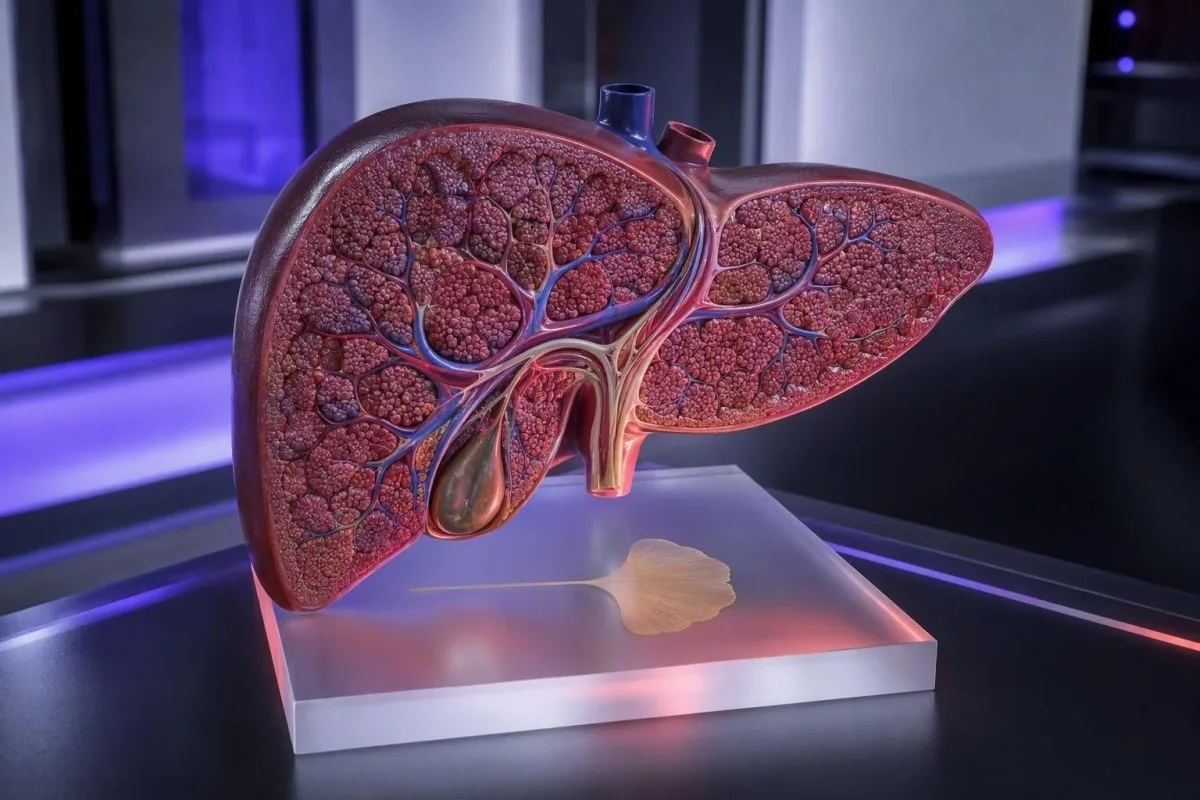
ALTは一般的に報告される肝臓酵素ですが、診断というよりは細胞ストレスのシグナルです。その意味は、その大きさ、パターン、タイミング、そして他の肝臓パネルの結果によって決まります。.


- ALTの意味: ALTはアラニンアミノトランスフェラーゼの略で、肝細胞に多く含まれる酵素で、IU/Lで測定されます。.
- 典型的な範囲: 多くの成人向け検査室では、女性の上限を35 IU/L、男性の上限を45 IU/Lとしていますが、検査結果の記載範囲が優先されます。.
- 軽度の上昇: 検査室の上限の2倍未満のALTは一般的であり、パニックになるのではなく、計画的な再検査がしばしば適切です。.
- パターンが重要: AST、ALP、GGT、ビリルビン、またはINRが高い場合のALTは、単独のALT上昇とは異なる意味を持ちます。.
- 運動の影響: 強度の高いレジスタンストレーニングは、特にクレアチンキナーゼも高い場合、7日間以上ALTとASTを上昇させることがあります。.
- 薬剤の見直し: アセトアミノフェン、スタチン、抗生物質、抗てんかん薬、サプリメント、およびハーブ製品はALTに影響を与える可能性があります。.
- 緊急性のある症状: 黄疸、錯乱、右上腹部の激しい痛み、繰り返す嘔吐、または非常に濃い尿は、同日中に臨床評価が必要です。.
- トレンド値: トリガー除去後のALT値の低下は、単一の境界線上の結果よりも通常、より安心できるものです。.
血液検査におけるALTの意味
ALTはアラニンアミノトランスフェラーゼの略です, 。これは、エネルギー代謝中にアミノ基の転移を助ける酵素です。肝細胞がストレスを受けたり損傷したりすると循環系に放出されるため測定されます。それ自体では、永続的な肝障害を証明するものではありません。.
ALTは主に肝臓の機能細胞である肝細胞の内部に存在しますが、骨格筋やその他の組織にも少量存在します。結果の上昇は、予想よりも多くの酵素がサンプルに到達したことを意味します。併発する証拠なしには、脂肪肝、肝炎、薬剤性障害、または運動を特定することはできません。.
私の臨床診療では、最も有用な最初の質問は「どれくらい高いか?」ではなく、「どの基準値および他のどのようなマーカーと比較して高いか?」です。新しいジムのルーチン後のALT 58 IU/Lは、ビリルビン 65 µmol/Lと黄疸を伴うALT 58 IU/Lとは異なる問題です。.
カンテスティは AI血液検査分析装置 診断として1つのフラグ付き値を扱うのではなく、AST、ALP、GGT、ビリルビン、アルブミン、血小板数、薬剤、および過去の結果と並んでALTを読み取ります。関連測定値のより広範なマップについては、当社の バイオマーカーガイド.
古い名称SGPTが表示される理由
一部の報告では、ALTを「セリン・グルタミン酸・ピルビン酸トランスアミナーゼ」または SGPT. と呼んでいます。ALTとSGPTは同じ酵素検査を指しますが、現代の臨床検査報告では通常ALTが使用されます。.
臨床医がアラニンアミノトランスフェラーゼを測定する理由
臨床医は アラニンアミノトランスフェラーゼ検査 を注文して、肝細胞のストレスを検出し、既知の肝疾患を監視し、薬剤関連の障害をチェックします。ALTは、症状がない場合でも、肝機能パネルまたは包括的代謝パネルに含まれることがよくあります。.
ALTは、糖尿病または脂質レビュー中に一般的にチェックされます。これは、以前は脂肪肝疾患と呼ばれていた代謝機能障害関連脂肪肝疾患が、何年も無症状である可能性があるためです。2023年のAASLDガイダンスでは、代謝リスク因子と原因不明の肝酵素上昇がある人を、脂肪肝疾患および線維症リスク(Rinella et al., 2023)について評価することが推奨されています。.
正常なALTは有意な線維症を除外するものではなく、高いALTは線維症の段階を測定するものではありません。私は、特に2型糖尿病の場合、ALT 24 IU/Lで専門医による評価で意味のある瘢痕が見られた患者を経験しました。線維症スコアと画像診断は異なる質問に答えます。.
ALTのモニタリングは、薬剤変更後にも実用的ですが、慎重にスケジュールを設定する必要があります。 年次血液検査 に関する当社のガイドは、検査頻度は習慣だけでなく、リスク、症状、および治療に従うべきである理由を説明しています。.
ALTの正常範囲と検査室の基準値が異なる理由
成人のALT基準範囲は、一般的に女性で約7〜35 IU/L、男性で10〜45 IU/Lですが、範囲はアッセイ、集団、および検査室によって異なります。インターネットのカットオフではなく、常に自分の結果の横に印刷されている上限値を使用してください。.
上限値は統計的なものであり、通常は基準集団から導き出されますが、それ以下のすべての値が完全に健康な肝臓を反映していることを保証するものではありません。一部のヨーロッパの臨床検査室では、女性で約25 IU/L、男性で35 IU/Lに近い性別固有の上限値を使用しており、これにより代謝リスクを早期に特定できますが、境界線上のフラグも多く作成されます。.
上限値の2倍未満の値は、軽度の高値と呼ばれることがよくあります。上限値が40 IU/Lの臨床検査室の場合、ALT 55〜80 IU/Lは文脈と通常は再検査計画に値しますが、ALT 400 IU/Lは上限値の10倍であり、緊急性が変化します。.
トーマス・クライン医師は、検査機関名、単位、範囲、採取日、飲酒量、および前週の運動を記録しておくよう患者に勧めています。これにより、 検査結果の訪問ごとの違いが はるかに解釈しやすくなります。.
ALTとASTはどのように連携して機能するか
ALTとASTは一緒に解釈されるべきです。なぜなら、ALTは比較的肝臓に特異的であるのに対し、ASTは骨格筋や心筋にも豊富に存在するからです。ASTとALTの比率はパターンを示唆しますが、それだけではアルコール関連疾患や肝硬変を診断することはできません。.
ALTがASTを超える場合、臨床医は代謝性脂肪肝、ウイルス性肝炎、または薬剤の影響を考慮することがよくありますが、例外も数多くあります。AST:ALT比が2を超える場合はアルコール関連肝障害で起こり得ますが、進行した線維症、筋肉損傷、急性障害後のタイミングも比率を変化させる可能性があります。.
89 IU/LのAST、61 IU/LのALT、およびレース後のクレアチンキナーゼ1,450 IU/Lを持つ52歳のマラソンランナーは、同じ酵素とクレアチンキナーゼ90 IU/Lを持つ人とは異なる会話を必要とします。ASTと高CKを懸念する理由は筋肉の放出です。ALT単独では筋肉特異性は低いですが、上昇することもあります。.
この区別の筋肉側の側面については、当社の説明をお読みください。 AST高値の症状. 。身体活動が潜在的な原因である可能性がある場合は、臨床医が指示しない限り、再検査の7日前までは異常に激しいトレーニングを避けてください。.
ALP、GGT、ビリルビンがALTの意味をどのように変えるか
ALTは肝細胞パターンを示しますが、アルカリホスファターゼ、GGT、およびビリルビンは胆汁うっ滞または胆汁の流れの障害を特定するのに役立ちます。ALTと高ALPおよびGGTは、単純な脂肪肝を想定するのではなく、胆管疾患、薬剤の影響、または肝臓の炎症を考慮する必要があります。.
臨床医はR比を計算することがあります。ALTを上限値で割り、次にALPを上限値で割ります。R比が5以上は肝細胞障害を支持し、2以下は胆汁うっ滞障害を支持し、2から5は混合パターンを示唆します。これはスクリーニングツールであり、最終診断ではありません。.
GGTはALPが上昇した場合に有用です。なぜなら、GGTの上昇は肝胆道系からの由来を支持するからです。一方、ALPは骨代謝からも上昇することがあります。したがって、GGTが正常でALPのみが単独で上昇した場合は、肝臓の画像診断ではなく、骨とビタミンDに関する疑問につながる可能性があります。.
濃い尿、薄い便、かゆみ、発熱、またはビリルビン高値に伴う黄疸は、「次の年次検査まで待つ」症状ではありません。当社の 胆汁うっ滞パターンガイド は、迅速に評価されるべき組み合わせを説明しています。.
ALT上昇の一般的な原因
ALTの上昇は、最も頻繁には代謝性脂肪肝疾患、アルコール曝露、ウイルス性肝炎、薬剤の影響、または一時的な運動関連の上昇を反映します。それぞれの原因の確率は、体重、血糖、トリグリセリド、飲酒パターン、旅行歴、薬剤、および上昇の大きさによって変化します。.
代謝性脂肪肝疾患は、ALT上昇が中心性肥満、トリグリセリド150 mg/dL超、HDLコレステロール低値、空腹時血糖上昇、または2型糖尿病を伴う場合に特に可能性が高いです。内臓脂肪、遺伝、睡眠時無呼吸、または特定の薬剤により、体格の小さい人にも起こり得ます。.
ALTのみに依存せず、曝露歴とリスクに応じてウイルス性肝炎の検査を行います。肝炎B表面抗原および肝炎C抗体検査、確認のためのRNA検査は、病歴、地理的要因、または酵素パターンが示唆する場合に、的を絞った評価の標準的な一部となります。当院の C型肝炎ガイド には、通常の経路が記載されています。.
より一般的ではありませんが重要な原因としては、ヘモクロマトーシス、自己免疫性肝炎、若年者におけるウィルソン病、セリアック病、α-1アンチトリプシン欠損症などがあります。トーマス・クライン医師は、ALTの上昇がすべてアルコール関連であると決めつけることによる弊害を目の当たりにしてきました。体系的な検査が、より親切で正確なアプローチです。.
ALTを上昇させる可能性のある医薬品とサプリメント
薬剤やサプリメントは、直接的な肝障害、胆汁の流れの変化、代謝への影響、または無関係な偶発的な原因により、ALTを上昇させることがあります。一度の結果で処方薬を急に中止しないでください。処方医に連絡し、薬の利益とパターンおよび経過を比較検討してもらってください。.
パラセタモールとしても知られるアセトアミノフェンは、過剰摂取で著しいALT上昇を引き起こす可能性があり、高用量の治療域でも軽度の変化を引き起こすことがあります。ほとんどの成人では、通常の最大摂取量は1日4,000mgですが、アルコールを定期的に摂取する人、肝疾患のある人、高齢者、または複合風邪薬を使用している人には、より低い上限を推奨する医師が多くいます。.
スタチンは軽度のALT上昇を引き起こす可能性がありますが、重篤なスタチン関連肝障害はまれです。自己判断で心血管系薬剤を中止することは、酵素値の異常よりもリスクが高い可能性があります。ACGガイドラインでは、広範な検査の前に、異常な肝臓の生化学検査を確認し、処方薬、市販薬、サプリメントの履歴を慎重に確認することを推奨しています(Kwo et al., 2017)。.
緑茶エキス、アナボリック製品、高用量のビタミンA、複数の成分を含む「デトックス」パウダー、規制されていないボディビルディング用サプリメントは、ラベルが不完全な場合があるため、特に質問する価値があります。新しい製品を追加する前に、当院の実用的な サプリメント安全性ガイド をご確認ください。.
運動は一時的にALTを上昇させることがありますか?
はい、激しい運動は、特に不慣れなレジスタンストレーニング、持久系イベント、または筋肉の損傷の後に、一時的にALTを上昇させることがあります。ASTとクレアチンキナーゼは通常より顕著に上昇し、運動強度と筋肉量によっては、値が落ち着くまで3日から10日かかる場合があります。.
ALTの上昇は常に肝障害を意味するという誤解が一般的です。実際には、特にエキセントリックなリフティング(ゆっくりとした下降運動)を伴うハードなセッションは、肝臓の病変がないにもかかわらず、AST、ALT、LDH、CKを変化させるほど筋肉の膜を損傷する可能性があります。.
正常な再検査のため、通常、病状が安定している患者さんには、5日から7日間激しいトレーニングを避け、数日間アルコールを避け、水分補給を通常通り行い、可能であれば同じ検査室で検査を受けるように依頼します。これは、赤信号となる症状がある場合や、ALTが基準値の数倍以上ある場合には適切ではありません。そのような状況では、まず医師の診察が必要です。.
カンテスティは AI搭載の血液検査解析ツール ALT、AST、CK、および過去の検査値を比較して、運動に関連するパターンを特定し、それが無害であると断定せずにフラグを立てることができる、127+カ国で使用されている マラソン検査時期.
ALTの結果をより緊急にする症状
ほとんどの軽度のALT上昇は無症状ですが、黄疸、濃い尿、白っぽい便、激しい腹痛、錯乱、出血傾向、または持続的な嘔吐は、速やかな医学的評価が必要です。症状は、ビリルビン処理能力の低下、胆汁の閉塞、急性肝炎、または肝合成機能の低下を示す可能性があるため重要です。.
眼や皮膚の黄色化、錯乱、新たな眠気、右季肋部痛の急速な悪化、または水分を保持できない場合は、即日受診してください。これらの症状は、ALTが基準値上限の5倍以上、ビリルビンが上昇している、またはINRが延長している場合に、より重要視されます。.
妊娠は懸念の閾値を変えます。手のひらや足の裏のかゆみ、右上の腹部不快感、頭痛、視覚障害、または高血圧は、ALTが軽度に上昇している場合でも、緊急の産科的評価が必要です。妊娠特有の状態は、日常の外来肝機能検査とは異なる経路を必要とします。.
尿の変化は手がかりを追加できますが、それ自体では診断的ではありません。当院の記事 尿の色が濃くなる原因 は、脱水と薬剤をビリルビン関連の警告サインから区別するのに役立ちます。.
異常なALTの結果の後に通常何が起こるか
ALTの結果が異常だった場合、臨床医は通常、結果を確認し、曝露歴を見直し、上昇の程度と症状に基づいてパネルを繰り返すか拡大します。一度の軽度な結果は、数週間から数ヶ月での再検査につながることが多いですが、著しい上昇や黄疸がある場合は、より迅速な評価が必要です。.
賢明な最初のレビューには、過去7日間のアルコール摂取パターン、最近の病気、体重の変化、旅行歴、家族歴、処方薬および市販薬、サプリメント、運動が含まれます。一般的なフォローアップ検査には、AST、ALP、GGT、ビリルビン、アルブミン、全血球計算、INR、肝炎スクリーニング、フェリチンとトランスフェリン飽和度、およびグルコースまたはHbA1cが含まれます。.
超音波検査は、脂肪肝、胆石、胆管拡張、または構造的変化にしばしば有用ですが、初期線維症の段階を確実に評価することはできません。FIB-4は、年齢、AST、ALT、および血小板数を線維症リスクの推定に使用します。35歳未満では信頼性が低下し、急性疾患中には使用すべきではありません。.
Kantesti AIは、 AIラボ検査解釈サービス これら関連マーカーと経時的結果を整理し、臨床医との議論に役立てます。当社の 肝機能検査パネル解説 は、各フォローアップコンポーネントがどのように貢献するかを示しています。.
ALTの傾向が1つの数値よりも有用な理由
ALTの傾向は、単一の結果よりも情報量が多いことがよくあります。なぜなら、それが回復傾向、持続傾向、または加速傾向にあるかどうかを示すからです。6週間後に72から34 IU/Lへの変化は、両方の数値が検査室のカットオフ値付近であっても、34から72 IU/Lへの変化とは異なる臨床的メッセージを持ちます。.
生物学的変動、水分補給、アッセイ変動、およびタイミングは、採取ごとにALTをわずかに変動させることがあります。同じ検査室で、1日の同様の時間に、同様の活動およびアルコール暴露後に再検査することで、ノイズが減少し、真の変化が特定しやすくなります。.
6か月以上持続する高値は、特に糖尿病、肥満、肝疾患の家族歴、血小板減少、またはビリルビンの上昇がある場合、より慎重な評価を必要とします。逆に、徹底的に評価された患者における安定した軽度のALTは、広範な反復検査で追跡するのではなく、監視される可能性があります。.
Kantesti AIは、3 IU/Lの変動を疾患の進行と見なすのではなく、付随するAST、血小板数、ビリルビン、および代謝マーカーとともにALTの傾向を解釈します。当社の 縦断的検査ガイド には、各採取後に記録する価値のある詳細が記載されています。.
誤った判断につながる可能性のあるALTに関する誤解
ALTは、アルブミン、凝固因子、または胆汁を生成する肝臓の能力ではなく、酵素の漏出を測定するため、厳密な意味での「肝機能検査」ではありません。アルブミン、INR、ビリルビン、血小板数、症状、および画像検査は、ALT単独よりもより重要な物語を伝える可能性があります。.
正常なALTは、大量のアルコール摂取、糖尿病、または肝疾患の強い家族歴を無視することを許可しません。同様に、ALTの上昇はアルコールが原因であることを証明するものではありません。この仮定は、信頼を損ない、ウイルス性、自己免疫性、遺伝性、または薬剤関連の状態の診断を遅らせる可能性があります。.
“「肝臓デトックス」もまた一般的な落とし穴です。肝臓はすでに代謝と解毒を行っていますが、過度な断食、規制されていないハーブ、および急速な体重減少は、時として症状や検査マーカーを悪化させる可能性があります。市販のデトックスレジメンの証拠は、正直なところ乏しいです。.
食事が議論の一部である場合、奇跡的な製品ではなく、持続可能な体重変化、十分なタンパク質、食物繊維、および加工食品の削減に焦点を当ててください。当社のエビデンスに基づいた 肝臓のための食事ガイド は、より安全な出発点です。.
小児、妊娠中、高齢者におけるALTの解釈
ALTの解釈は、小児、妊娠中、高齢者において年齢別の文脈を必要とします。なぜなら、参照限界と可能性のある原因が異なるからです。小児のALTカットオフは、成人の検査室範囲よりも低いことが多く、妊娠関連の肝症状は、より迅速な専門医主導の評価を必要とします。.
小児では、肥満関連の脂肪肝疾患がますます認識されていますが、ウイルス性疾患、筋疾患、セリアック病、および遺伝性代謝疾患は、鑑別診断に残しておく必要があります。成人の「40 IU/L未満なら大丈夫」という考え方を適用するのではなく、小児科医が持続的なALT上昇を解釈すべきです。.
妊娠中は、ALTは一般的に非妊娠中の参照範囲内に留まるべきです。高血圧、低血小板、かゆみ、または吐き気を伴う上昇は、妊娠特異的疾患の迅速な評価を必要とします。アルブミンは、血漿量 expansionにより一般的に低下するため、アルブミンとALTは同じ論理で解釈されるべきではありません。.
高齢者では、多剤併用療法と衰弱は、完全な薬剤レビューの価値を高めます。当社の 高齢者向け薬剤検査ガイド は、診察に持参すべき質問を概説しています。.
ALTの結果にAI解釈を安全に使用する
AIはALTの結果を整理するのに役立ちますが、診察を行ったり、症状を確認したり、重篤な肝臓のパターンを評価したりすることはできません。最も安全な使い方は準備段階での活用です。パターンを特定し、元のレポートを保存し、資格のある医師に的を絞った質問をしてください。.
2026年9月5日現在、Kantestiは AI血液検査の読み方プラットフォーム アップロードされた検査レポートを約60秒でレビューし、ALTを関連値、傾向履歴、報告された薬剤の文脈の中に配置します。これは、診断を下したり治療法を処方したりするためではなく、質問の質を向上させるために設計されています。.
正確性を期すために、レポート画像が読みやすいこと、単位が正しく取り込まれていること、過去の年の結果が今日の値と混同されていないことを確認してください。Kantestiの臨床的アプローチは医師の監督によって形成されています。読者は、AI支援解釈の使用方法を決定する際に、当社の 医学的な検証基準 そして 医療諮問委員会 をレビューできます。.
レビューには3つのものを持参してください。全パネル、用量を含めたすべての薬剤とサプリメントのリスト、そしてアルコール、病気、旅行、激しい運動のタイムラインです。このささやかな準備は、しばしば不必要な警報を防ぎ、意味のあるパターンが見逃されるのを防ぎます。.
次回のALT検査の前に確認すべき実用的なチェックリスト
予定されたALT再検査の前に、ルーチンを安定させ、酵素を変動させる可能性のある要因を記録してください。臨床的に安全な場合は、5日から7日間激しいトレーニングを避け、数日間アルコールを避け、処方医の指示がない限り処方薬を変更しないでください。.
アセトアミノフェンまたはパラセタモールの使用、抗生物質、新しいサプリメント、最近の発熱、胃腸炎、ワクチン接種、絶食、急速な体重変化を記録してください。ALT単独では通常絶食は必要ありませんが、同じ受診でグルコース、トリグリセリド、または他の検査が測定されている場合は要求されることがあります。.
臨床医に、再検査のALTにAST、ALP、GGT、ビリルビン、アルブミン、血小板、およびCKを含めるべきかどうか尋ねてください。答えはしばしば最初のパターンに依存します。ウェイトリフティング後のALT 48 IU/Lの単独の値は、ビリルビン 48 µmol/Lを伴うALT 248 IU/Lと同じワークアップを必要としません。.
レポートから質問をまとめるのに助けが必要な場合は、当社の Kantesti AIは、日付の付いた値をトレンドとして整理でき、サプリの開始または中止後の「単発のフラグ」よりも、しばしば有益な情報になります。自動解釈を頼りにする前に、当社の が受診前に役立ちます。当社の活動に関する組織的な情報については、 Kantestiについて.
よくある質問
検査結果のALTとは何の略ですか?
ALTはアラニンアミノトランスフェラーゼの略で、主に肝細胞に見られる酵素であり、国際単位/リットル(IU/L)で測定されます。多くの検査室では、成人女性の上限を約35 IU/L、成人男性の上限を約45 IU/Lとしていますが、個々の検査結果に記載されている基準範囲が正しい比較対象となります。ALTの上昇は細胞のストレスや損傷を示しますが、それだけでは原因を特定することはできません。AST、ALP、GGT、ビリルビン、薬剤、アルコール、運動、症状によって、結果の意味が決まります。.
ALT 50 IU/L は高いですか?
50 IU/LのALTは、基準値上限が35または40 IU/Lの検査室では軽度上昇ですが、上限が55 IU/Lの検査室では正常値に近い値です。ビリルビン、ALP、INR、および症状が正常であれば、通常50 IU/L前後の値は緊急性は低いですが、状況を考慮し、しばしば再検査が必要です。最近のウェイトトレーニング、アルコール、脂肪肝、薬剤、サプリメントが一般的な原因です。6ヶ月以上持続する上昇は、体系的な臨床評価に値します。.
運動はALTの値を上げることがありますか?
激しい運動は、骨格筋が激しい、または不慣れな運動後に酵素を放出するため、ALT、AST、LDH、クレアチンキナーゼを上昇させることがあります。上昇は3日から10日間持続する可能性があり、しばしばASTとクレアチンキナーゼはALTよりも増加します。予定された再検査の5日から7日前までに、異常に激しい運動を避けることで、運動が寄与したかどうかを明確にすることができます。著しいALT上昇、黄疸、重度の痛み、または濃い尿がある場合は、運動が原因であると仮定するのではなく、引き続き速やかに医師の診察を受ける必要があります。.
ALTとASTではどちらがより重要ですか?
ALTもASTも、単独の結果よりもペアの方がより多くの情報を提供するため、普遍的にどちらかがより重要ということはありません。ALTは肝臓に特異的ですが、ASTは骨格筋にも存在し、運動や筋肉の損傷後に著しく上昇することがあります。ASTとALTの比率が2を超えると、アルコール関連の肝障害が起こることがありますが、これは診断的なものではなく、進行した線維症や筋肉からの放出でも現れる可能性があります。臨床医は、GGT、ALP、ビリルビン、クレアチンキナーゼ、血小板数、および臨床歴とともに両方の値を解釈します。.
ALT が高値であった場合に、緊急対応が必要となるのはどのような場合ですか?
ALT値が著しく高い場合(正常上限の5倍超)、急激に上昇した場合、あるいは黄疸、錯乱、重度の右上腹部痛、持続的な嘔吐、容易なあざ、または非常に濃い尿を伴う場合は、緊急の評価が必要です。ビリルビン高値、INRの延長、低血糖、または血小板減少は、酵素の単独放出以上のものを示す可能性があるため、懸念を高めます。ALT上昇を伴う妊娠関連のかゆみ、頭痛、視覚症状、または高血圧も、緊急の産科的評価が必要です。正常上限の2倍未満の軽度の結果は、通常、緊急性は低いですが、無視すべきではありません。.
脂肪肝はALTの上昇を引き起こしますか?
代謝機能障害関連脂肪肝疾患は、特にトリグリセリドが150 mg/dLを超え、血糖値上昇、2型糖尿病、中心性肥満、またはHDLコレステロール低下を伴う場合に、ALT値が軽度上昇する一般的な原因です。ALT値は肝脂肪や線維化があっても正常でありうるため、正常値であっても臨床的に関連のある疾患を除外するものではありません。2023年のAASLDガイドラインは、代謝リスク因子および原因不明の酵素上昇がある人々の線維化リスク評価を支持しています。持続的な体重管理、糖尿病管理、アルコール摂取量の削減、および臨床医によるモニタリングは、デトックス製品よりもエビデンスに基づいています。.
今日、AIによる血液検査分析を
いますぐ利用しませんか。即時で正確な検査分析を提供するKantestiを信頼する、世界中の200万人以上のユーザーに参加してください。血液検査結果をアップロードすると、15,000+のバイオマーカーについて数秒で包括的な解釈が得られます。.
📚 参考文献
Klein, T., Mitchell, S., & Weber, H. (2026). B型(Rh陰性)血液型、LDH血液検査、網赤血球数ガイド.。 Kantesti AI Medical Research.
Klein, T., Mitchell, S., & Weber, H. (2026). 断食後の下痢、便の黒い斑点、消化管ガイド2026.。 Kantesti AI Medical Research.
📖 外部の医学的参考文献
⚕️ 医療免責事項
この記事は教育目的のみを対象としており、医療助言を構成するものではありません。診断や治療の判断を行う際は、必ず有資格の医療提供者にご相談ください。.
E-E-A-T 信頼性シグナル
経験
医師主導による、検査結果解釈ワークフローの臨床レビュー。.
専門知識
臨床的な文脈においてバイオマーカーがどのように振る舞うかに焦点を当てた検査医学。.
権威
トーマス・クライン博士が執筆し、サラ・ミッチェル博士およびハンス・ヴェーバー教授によるレビュー。.
信頼性
アラームを減らすための明確なフォローアップ経路を備えた、エビデンスに基づく解釈。.