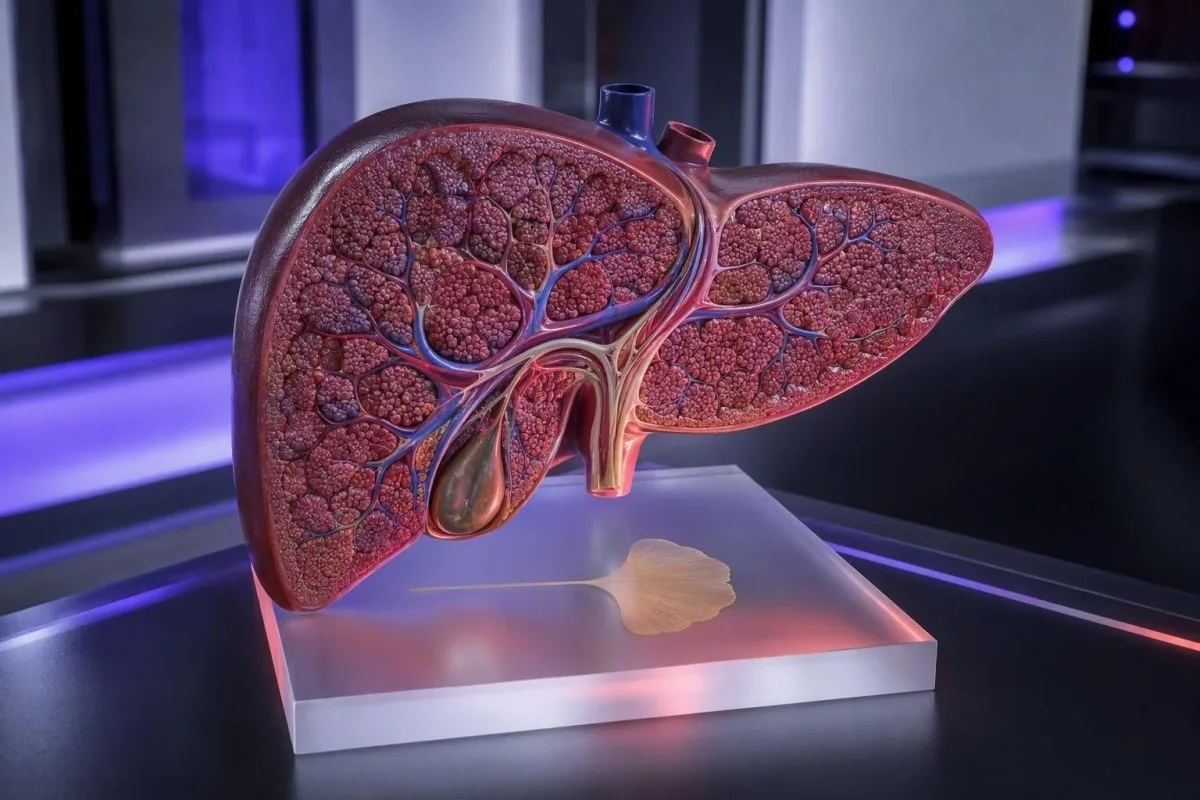
ALT هو إنزيم كبدي شائع القياس، لكنه يعتبر مؤشراً على إجهاد الخلايا وليس تشخيصاً. المعنى مستمد من حجمه، ونمطه، وتوقيته، وباقي تحاليل الكبد لديك.


- معنى ALT: ALT يرمز إلى ألانين أمينوترانسفيراز، وهو إنزيم يُقاس بوحدة IU/L ويتركز في خلايا الكبد.
- النطاق المعتاد: تستخدم العديد من المختبرات للبالغين حداً أقصى لـ ALT يبلغ 35 IU/L للنساء و 45 IU/L للرجال، على الرغم من أن النطاق الخاص بالتقرير هو الحاسم.
- ارتفاع بسيط: يعتبر ALT الذي يقل عن ضعف الحد الأعلى للمختبر أمراً شائعاً وغالباً ما يستدعي تكراراً مخططاً له، وليس حالة هلع.
- النمط مهم: ALT مع ارتفاع AST، ALP، GGT، البيليروبين، أو INR يعني شيئاً مختلفاً عن ارتفاع ALT المنفرد.
- تأثير التمرين: يمكن أن يزيد تدريب المقاومة المكثف من ALT و AST لمدة 7 أيام أو أكثر، خاصة عندما يكون الكرياتين كيناز مرتفعاً أيضاً.
- مراجعة الأدوية: يمكن أن يؤثر الأسيتامينوفين، والستاتينات، والمضادات الحيوية، وأدوية الصرع، والمكملات الغذائية، والمنتجات العشبية على ALT.
- أعراض عاجلة: اليرقان، الارتباك، ألم شديد في الربع العلوي الأيمن من البطن، القيء المتكرر، أو البول الداكن جداً يتطلب تقييماً سريرياً في نفس اليوم.
- قيمة الاتجاه: انخفاض إنزيم ALT بعد إزالة المحفز يكون عادةً مطمئنًا أكثر من نتيجة واحدة غير حاسمة.
ماذا يعني ALT في تحليل الدم
ALT يرمز إلى ألانين أمينوترانسفيراز, ، وهو إنزيم يساعد الخلايا على نقل مجموعات الأمين أثناء استقلاب الطاقة. يتم قياسه لأن ALT يدخل الدورة الدموية عندما تكون خلايا الكبد مجهدة أو مصابة؛ لا يثبت، بحد ذاته، تلفًا دائمًا في الكبد.
يوجد ALT بشكل أساسي داخل خلايا الكبد (hepatocytes)، وهي الخلايا العاملة في الكبد، على الرغم من وجود كميات صغيرة في العضلات الهيكلية والأنسجة الأخرى. نتيجة مرتفعة تعني أن المزيد من الإنزيم وصل إلى العينة أكثر من المتوقع؛ لا يمكنه تحديد الكبد الدهني، أو التهاب الكبد، أو إصابة الأدوية، أو التمارين الرياضية دون دليل مصاحب.
في ممارستي السريرية، السؤال الأول الأكثر فائدة ليس “ما مدى ارتفاعه؟” بل “مرتفع مقارنة بأي خط أساس وما هي العلامات الأخرى؟” إنزيم ALT بقيمة 58 وحدة دولية/لتر بعد روتين رياضي جديد يمثل مشكلة مختلفة عن إنزيم ALT بقيمة 58 وحدة دولية/لتر مع بيليروبين 65 ميكرومول/لتر وعيون صفراء.
كانتيستي هو محلل اختبار الدم بالذكاء الاصطناعي والذي يقرأ ALT جنبًا إلى جنب مع AST، ALP، GGT، البيليروبين، الألبومين، عدد الصفائح الدموية، الأدوية، والنتائج السابقة بدلاً من اعتبار قيمة واحدة محددة كتشخيص. للحصول على خريطة أوسع للقياسات ذات الصلة، راجع الخاص بالواسمات الحيوية.
لماذا قد يظهر الاسم القديم SGPT
لا تزال بعض التقارير تسمي ALT “سيروم جلوتاميك-بيروفيك ترانس أميناز” أو SGPT. يشير ALT و SGPT إلى نفس اختبار الإنزيم، على الرغم من أن التقارير المخبرية الحديثة تستخدم عادةً ALT.
لماذا يقيس الأطباء إنزيم ألانين أمينوترانسفيراز
يطلب الأطباء اختبار ألانين أمينوترانسفيراز للكشف عن إجهاد خلايا الكبد، ومراقبة أمراض الكبد المعروفة، والتحقق من الإصابات المتعلقة بالأدوية. غالبًا ما يتم تضمين ALT في لوحة الكبد أو لوحة التمثيل الغذائي الشاملة، حتى عندما لا يعاني الشخص من أي أعراض.
يتم فحص ALT بشكل شائع أثناء مراجعات مرض السكري أو الدهون لأن مرض الكبد الدهني المرتبط بخلل وظيفي في التمثيل الغذائي، والذي كان يسمى سابقًا مرض الكبد الدهني، يمكن أن يكون صامتًا لسنوات. تنصح إرشادات AASLD لعام 2023 بتقييم الأشخاص الذين لديهم عوامل خطر استقلابية وارتفاع غير مبرر في إنزيمات الكبد للكشف عن مرض الكبد الدهني وخطر التليف (Rinella et al., 2023).
لا يستبعد ALT الطبي وجود تليف كبير، ولا يقيس ALT المرتفع مرحلة التليف. لقد رأيت مرضى لديهم ALT 24 وحدة دولية/لتر وندبات ذات معنى عند التقييم المتخصص، خاصة مع مرض السكري من النوع 2؛ درجات التليف والتصوير يجيبان على سؤال مختلف.
مراقبة ALT عملية أيضًا بعد تغيير الدواء، ولكن يجب جدولتها بعناية. دليلنا لـ فحوصات الدم السنوية يشرح سبب وجوب اتباع تكرار الاختبار للمخاطر والأعراض والعلاج بدلاً من العادة وحدها.
النطاقات الطبيعية لـ ALT وسبب اختلاف الحدود المخبرية
تتراوح النطاقات المرجعية لـ ALT للبالغين عادةً من حوالي 7 إلى 35 وحدة دولية/لتر للنساء و 10 إلى 45 وحدة دولية/لتر للرجال، ولكن النطاقات تختلف حسب المقايسة والسكان والمختبر. استخدم دائمًا الحد الأعلى المطبوع بجانب نتيجتك الخاصة بدلاً من حد إنترنت.
الحد الأعلى هو إحصائي، مستمد عادةً من مجموعة سكان مرجعية، وليس ضمانًا بأن كل قيمة أقل منه تعكس كبدًا صحيًا تمامًا. تستخدم بعض المختبرات الأوروبية حدودًا عليا محددة حسب الجنس بالقرب من 25 وحدة دولية/لتر للنساء و 35 وحدة دولية/لتر للرجال، والتي يمكن أن تحدد المخاطر الأيضية في وقت مبكر ولكنها تخلق أيضًا المزيد من العلامات غير الحاسمة.
غالبًا ما تسمى القيمة التي تقل عن ضعف الحد الأعلى للطبيعي ارتفاعًا طفيفًا. بالنسبة لمختبر بحد أعلى يبلغ 40 وحدة دولية/لتر، فإن ALT 55 إلى 80 وحدة دولية/لتر تستحق السياق وعادةً خطة تكرار، في حين أن ALT 400 وحدة دولية/لتر يساوي 10 أضعاف الحد الأعلى ويغير الإلحاح.
الدكتور توماس كلاين ينصح المرضى بتسجيل اسم المختبر، الوحدات، النطاق، تاريخ سحب العينة، استهلاك الكحول، وممارسة الرياضة في الأسبوع السابق. هذا يجعل اختلافات النتائج بين الزيارات أكثر قابلية للتفسير بكثير.
كيف يعمل ALT و AST معًا
يجب تفسير ALT و AST معًا لأن ALT يركز بشكل كبير على الكبد بينما يتواجد AST بكثرة أيضًا في العضلات الهيكلية والقلبية. نسبة AST إلى ALT يمكن أن تشير إلى أنماط، لكنها لا يمكن أن تشخص مرضًا متعلقًا بالكحول أو تليف الكبد بمفردها.
عندما تتجاوز ALT قيمة AST، غالبًا ما يفكر الأطباء في الدهون الأيضية، التهاب الكبد الفيروسي، أو آثار الأدوية، على الرغم من وجود العديد من الاستثناءات. يمكن أن تحدث نسبة AST:ALT أعلى من 2 في إصابة الكبد المرتبطة بالكحول، ولكن التليف المتقدم، إصابة العضلات، والتوقيت بعد إصابة حادة يمكن أن تؤثر أيضًا على النسبة.
عداء ماراثون يبلغ من العمر 52 عامًا لديه AST 89 وحدة دولية/لتر، ALT 61 وحدة دولية/لتر، وكرياتين كيناز 1450 وحدة دولية/لتر بعد سباق يحتاج إلى حديث مختلف عن شخص لديه نفس الإنزيمات وكرياتين كيناز 90 وحدة دولية/لتر. السبب الذي يجعلنا نقلق بشأن AST بالإضافة إلى CK المرتفع هو إفراز العضلات؛ ALT وحده أقل تحديدًا للعضلات ولكنه يمكن أن يرتفع أيضًا.
للجانب العضلي لهذا التمييز، اقرأ شرحنا لـ أعراض ارتفاع AST. إذا كانت النشاط البدني سببًا محتملاً، تجنب التدريب الشاق بشكل غير عادي لمدة 7 أيام قبل التكرار إلا إذا نصح طبيبك بخلاف ذلك.
لماذا يغير ALP، GGT والبيليروبين معنى ALT
يشير ALT إلى نمط خلوي كبدي، بينما تساعد الفوسفاتاز القلوي، GGT، والبيليروبين في تحديد الركود الصفراوي أو ضعف تدفق الصفراء. يجب أن يدفع ALT بالإضافة إلى ارتفاع ALP و GGT إلى التفكير في مرض القنوات الصفراوية، آثار الأدوية، أو التهاب الكبد بدلاً من افتراض مجرد الكبد الدهني.
قد يحسب الطبيب نسبة R: ALT مقسومة على حدها الأعلى، ثم مقسومة على ALP مقسومة على حدها الأعلى. تدعم نسبة R البالغة 5 أو أكثر الإصابة الخلوية الكبدية، 2 أو أقل تدعم الإصابة الركودية الصفراوية، و 2 إلى 5 تشير إلى نمط مختلط؛ هذه أداة فرز، وليست تشخيصًا نهائيًا.
GGT مفيد عندما يرتفع ALP لأن ارتفاع GGT يدعم مصدرًا كبديًا صفراويًا، بينما يمكن أن يرتفع ALP أيضًا من دوران العظام. لذلك، يمكن أن يؤدي ارتفاع ALP المعزول مع GGT طبيعي إلى أسئلة تتعلق بالعظام وفيتامين د بدلاً من تصوير الكبد.
البول الداكن، البراز الشاحب، الحكة، الحمى، أو اليرقان مع ارتفاع البيليروبين ليست أعراضًا يمكن “الانتظار للاختبار السنوي القادم”. لنمط الكولستاز يشرح التوليفات التي يجب تقييمها على الفور.
الأسباب الشائعة لارتفاع ALT
يشير ارتفاع ALT في أغلب الأحيان إلى مرض الكبد الدهني الأيضي، التعرض للكحول، التهاب الكبد الفيروسي، آثار الأدوية، أو ارتفاع مؤقت مرتبط بالتمارين الرياضية. احتمال كل سبب يتغير مع وزن الجسم، الجلوكوز، الدهون الثلاثية، نمط الكحول، السفر، الأدوية، وحجم الارتفاع.
الكبد الدهني الاستقلابي (Metabolic steatotic liver disease) يزداد احتمال حدوثه عندما يصاحب ارتفاع ALT زيادة الوزن المركزي، وثلاثي الغليسريد (triglycerides) فوق 150 ملغ/ديسيلتر، وانخفاض HDL، وارتفاع نسبة السكر في الدم عند الصيام، أو داء السكري من النوع 2. يمكن أن يحدث لدى الأشخاص ذوي الأجسام الأصغر أيضًا، خاصة مع وجود دهون حشوية، أو عوامل وراثية، أو انقطاع التنفس أثناء النوم، أو بعض الأدوية.
يعتمد اختبار التهاب الكبد الفيروسي على التعرض للخطر، وليس فقط على ALT. مستضد التهاب الكبد B السطحي (Hepatitis B surface antigen) والأجسام المضادة لالتهاب الكبد C (hepatitis C antibody) مع اختبار RNA التأكيدي هي أجزاء قياسية من تقييم مركز عندما يدعم التاريخ أو الجغرافيا أو نمط الإنزيم ذلك؛ دليلنا الخاص بـ التهاب الكبد C يغطي المسار المعتاد.
تشمل الأسباب الأقل شيوعًا ولكن المهمة داء ترسب الأصبغة الدموية (hemochromatosis)، والتهاب الكبد المناعي الذاتي (autoimmune hepatitis)، ومرض ويلسون (Wilson disease) لدى الشباب، ومرض الاضطرابات الهضمية (celiac disease)، ونقص ألفا-1 أنتيتريبسين (alpha-1 antitrypsin deficiency). شهد الدكتور توماس كلاين (Dr. Thomas Klein) أضرار افتراض أن كل ارتفاع في ALT مرتبط بالكحول؛ الفحص المنظم أكثر لطفًا ودقة.
الأدوية والمكملات التي يمكن أن ترفع ALT
يمكن للأدوية والمكملات الغذائية أن ترفع ALT من خلال تلف مباشر للكبد، أو تغير في تدفق الصفراء، أو تأثيرات استقلابية، أو مصادفة غير مرتبطة. لا توقف دواءً موصوفًا بشكل مفاجئ بسبب نتيجة واحدة؛ اتصل بالطبيب الذي يمكنه موازنة فائدة الدواء مقابل النمط والاتجاه.
يمكن للأسيتامينوفين (Acetaminophen)، المعروف أيضًا باسم الباراسيتامول (paracetamol)، أن يسبب ارتفاعًا ملحوظًا في ALT عند الجرعات الزائدة وأحيانًا تغييرات أخف عند التعرض العلاجي العالي. بالنسبة لمعظم البالغين، الحد الأقصى المعتاد هو 4000 ملغ يوميًا، ولكن العديد من الأطباء يوصون بسقف أقل للأشخاص الذين يتناولون الكحول بانتظام، أو لديهم أمراض في الكبد، أو أكبر سنًا، أو يستخدمون علاجات البرد المركبة.
يمكن للستاتينات (Statins) أن تنتج زيادات صغيرة في ALT، ومع ذلك فإن تلف الكبد الخطير المرتبط بالستاتينات نادر؛ إيقاف دواء القلب والأوعوعاء (cardiovascular medicine) دون استشارة يمكن أن يكون أكثر خطورة من مؤشر الإنزيم. توصي إرشادات ACG بتأكيد كيمياء الكبد غير الطبيعية وأخذ تاريخ دقيق للأدوية الموصوفة، والأدوية المتاحة دون وصفة طبية، والمكملات الغذائية قبل إجراء اختبارات مكثفة (Kwo et al., 2017).
مستخلص الشاي الأخضر، والمنتجات الابتنائية (anabolic products)، وفيتامين A بجرعة عالية، ومساحيق “التخلص من السموم” متعددة المكونات، والمكملات غير المنظمة لكمال الأجسام تستحق أسئلة محددة لأن الملصقات يمكن أن تكون غير كاملة. راجع دليلنا العملي لـ سلامة المكملات الغذائية قبل إضافة منتج جديد.
هل يمكن أن يزيد التمرين ALT مؤقتاً؟
نعم، يمكن أن يؤدي التمرين البدني المكثف إلى زيادة مؤقتة في ALT، خاصة بعد تدريب المقاومة غير المألوف، أو أحداث التحمل، أو إصابة العضلات. ترتفع AST و Creatine Kinase بشكل أكثر وضوحًا عادةً، وقد تستغرق القيم من 3 إلى 10 أيام للاستقرار اعتمادًا على شدة التمرين وكتلة العضلات.
الاعتقاد الخاطئ الشائع هو أن ارتفاع ALT يعني دائمًا تلفًا في الكبد. في الممارسة العملية، يمكن لجلسة قوية تتضمن رفعًا لا مركزيًا - حركات خفض بطيئة - أن تعطل أغشية العضلات بما يكفي لتغيير AST، و ALT، و LDH، و CK دون اضطراب كبدي جوهري.
لإعادة فحص نظيف، أطلب عادةً من المرضى المستقرين والأصحاء تجنب التدريب الشاق لمدة 5 إلى 7 أيام، وتجنب الكحول لعدة أيام، والحفاظ على الترطيب طبيعيًا، واستخدام نفس المختبر قدر الإمكان. هذا غير مناسب إذا كانت هناك أعراض تنذر بالخطر أو ALT أعلى بعدة مرات من النطاق؛ هذه الحالات تتطلب استشارة طبية أولاً.
كانتيستي هو أداة تحليل ديال تحاليل الدم مدعومة بالذكاء الاصطناعي المستخدمة في 127+ دولة يمكنها مقارنة ALT، AST، CK، والسحوبات السابقة للإشارة إلى نمط متوافق مع التمرين دون الإعلان عن أنه غير ضار. يمكن للرياضيين أيضًا مراجعة توقيت اختبارات الدم للماراثون.
الأعراض التي تجعل نتيجة ALT أكثر إلحاحاً
معظم ارتفاعات ALT الطفيفة لا تسبب أعراضًا، ولكن اليرقان (jaundice)، والبول الداكن جدًا، والبراز الباهت، وآلام شديدة في البطن، والارتباك، وسهولة الكدمات، أو القيء المستمر تتطلب تقييمًا طبيًا فوريًا. الأعراض مهمة لأنها قد تشير إلى ضعف في معالجة البيليروبين، أو انسداد الصفراء، أو التهاب الكبد الحاد، أو انخفاض وظيفة الكبد الاصطناعية.
اطلب الرعاية في نفس اليوم للعيون أو الجلد الأصفر، الارتباك، النعاس الجديد، تفاقم الألم بسرعة تحت الضلوع اليمنى، أو عدم القدرة على الاحتفاظ بالسوائل. هذه الأعراض تحمل وزنًا أكبر عندما يكون ALT أعلى من 5 أضعاف الحد الأعلى، ويكون البيليروبين مرتفعًا، أو يكون INR ممتدًا.
يغير الحمل عتبة القلق: الحكة في راحتي اليدين أو باطن القدمين، الانزعاج في الجزء العلوي الأيمن من البطن، الصداع، اضطراب الرؤية، أو ارتفاع ضغط الدم يتطلب تقييمًا عاجلاً من طبيب التوليد حتى عندما يكون ALT مرتفعًا بشكل متواضع فقط. تتطلب الحالات الخاصة بالحمل مسارًا مختلفًا عن اختبارات الكبد الروتينية للمرضى الخارجيين.
يمكن أن تضيف تغييرات البول أدلة ولكنها ليست تشخيصية بحد ذاتها. مقالتنا عن أسباب البول الداكن تساعد في التمييز بين الجفاف والأدوية وعلامات التحذير المتعلقة بالبيليروبين.
ما يحدث عادة بعد نتيجة ALT غير طبيعية
بعد نتيجة غير طبيعية لـ ALT، يؤكد الأطباء عادةً النتيجة، ويراجعون التعرضات، ويكررون أو يوسعون اللوحة بناءً على حجم الارتفاع والأعراض. غالبًا ما تؤدي نتيجة خفيفة واحدة إلى تكرارها في غضون أسابيع إلى بضعة أشهر، بينما يتطلب الارتفاع الملحوظ أو اليرقان تقييمًا أسرع.
تشمل المراجعة الأولى المعقولة نمط استهلاك الكحول، والمرض الأخير، وتغيرات وزن الجسم، والسفر، والتاريخ العائلي، والأدوية الموصوفة وغير الموصوفة، والمكملات الغذائية، والتمارين الرياضية خلال الأيام السبعة السابقة. تشمل اختبارات المتابعة الشائعة AST، ALP، GGT، البيليروبين، الألبومين، تعداد الدم الكامل، INR، فحص التهاب الكبد، الفيريتين مع تشبع الترانسفيرين، والجلوكوز أو HbA1c.
غالبًا ما يكون الموجات فوق الصوتية مفيدة لتدهن الكبد، وحصوات المرارة، وتوسع القناة الصفراوية، أو التغير الهيكلي، ولكنها لا تحدد مرحلة التليف المبكر بشكل موثوق. يستخدم FIB-4 العمر، و AST، و ALT، وعدد الصفائح الدموية لتقدير خطر التليف؛ يصبح أقل موثوقية تحت سن 35 ولا ينبغي استخدامه أثناء المرض الحاد.
Kantesti AI هو خدمة تفسير تحاليل مختبر الذكاء الاصطناعي الذي ينظم هذه العلامات ذات الصلة والنتائج الطولية للمناقشة مع طبيب. شارح لوحة الكبد يوضح ما تساهم به كل مكون متابعة.
لماذا تعتبر اتجاهات ALT أكثر فائدة من رقم واحد
غالبًا ما يكون اتجاه ALT أكثر إفادة من نتيجة واحدة لأنه يوضح ما إذا كانت الإشارة تتراجع، أو مستمرة، أو تتسارع. يحمل التغيير من 72 إلى 34 وحدة دولية/لتر بعد 6 أسابيع رسالة سريرية مختلفة عن 34 إلى 72 وحدة دولية/لتر، على الرغم من أن كلا الرقمين قد يكونان قريبين من الحد الأقصى للمختبر.
يمكن للاختلاف البيولوجي، والترطيب، واختلاف الفحص، والتوقيت أن تحرك ALT بشكل متواضع بين السحوبات. تكرارها في نفس المختبر، وفي وقت مماثل من اليوم، بعد نشاط وتعرض للكحول مماثل، يقلل من الضوضاء ويجعل التغيير الحقيقي أسهل في التعرف عليه.
يستدعي الارتفاع المستمر لأكثر من 6 أشهر تقييمًا أكثر تعمدًا، خاصة مع مرض السكري، والسمنة، والتاريخ العائلي لأمراض الكبد، وانخفاض الصفائح الدموية، أو ارتفاع البيليروبين. وعلى العكس من ذلك، يمكن مراقبة ALT الخفيف المستقر لدى المريض الذي تم تقييمه بشكل شامل بدلاً من متابعته باختبارات واسعة متكررة.
يفسر Kantesti AI اتجاهات ALT مع مرافق AST، وعدد الصفائح الدموية، والبيليروبين، والعلامات الأيضية بدلاً من التعامل مع تحول 3 وحدات دولية/لتر على أنه تقدم المرض. انظر لاختبارات طولية للتفاصيل التي تستحق التسجيل بعد كل سحب.
المفاهيم الخاطئة حول ALT التي يمكن أن تؤدي إلى قرارات سيئة
ALT ليس “تحليل وظائف الكبد” بالمعنى الدقيق للكلمة لأنه يقيس تسرب الإنزيم، وليس قدرة الكبد على إنتاج الألبومين، وعوامل التخثر، أو الصفراء. قد تخبر الألبومين، و INR، والبيليروبين، وعدد الصفائح الدموية، والأعراض، والتصوير قصة أكثر أهمية من ALT وحده.
لا يعني ALT الطبيعي الإذن بتجاهل استهلاك الكحول المفرط، أو مرض السكري، أو التاريخ العائلي القوي لأمراض الكبد. وبالمثل، فإن ALT المرتفع لا يثبت أن الكحول كان السبب؛ هذا الافتراض يمكن أن يضر الثقة ويؤخر تشخيص الحالات الفيروسية، أو المناعية الذاتية، أو الوراثية، أو المتعلقة بالأدوية.
“تنقية الكبد” هي فخ شائع آخر. يتعامل الكبد بالفعل مع الأيض والتخلص، بينما يمكن للصيام الشديد، والأعشاب غير المنظمة، وفقدان الوزن السريع أن يؤدي أحيانًا إلى تفاقم الأعراض أو علامات المختبر؛ الأدلة على أنظمة إزالة السموم التجارية ضعيفة بصراحة.
إذا كان النظام الغذائي جزءًا من المناقشة، ركز على التغيير المستدام للوزن، والبروتين الكافي، والألياف، وتقليل الأطعمة المصنعة للغاية بدلاً من المنتجات السحرية. دليلنا القائم على الأدلة دليل طعام الكبد هو نقطة انطلاق أكثر أمانًا.
تفسير ALT لدى الأطفال، والحوامل، وكبار السن
يتطلب تفسير ALT سياقًا خاصًا بالعمر عند الأطفال والحمل وكبار السن لأن حدود المرجعية والأسباب المحتملة تختلف. غالبًا ما تكون الحدود القصوى لـ ALT عند الأطفال أقل من نطاقات المختبر لدى البالغين، وتتطلب الأعراض المتعلقة بالكبد أثناء الحمل تقييمًا أسرع بقيادة أخصائي.
عند الأطفال، يزداد الاعتراف بمرض الكبد الدهني المرتبط بالسمنة، ولكن يجب أن تظل الأمراض الفيروسية، واضطرابات العضلات، ومرض الاضطرابات الهضمية، والحالات الأيضية الوراثية في التشخيص التفريقي. يجب على طبيب الأطفال تفسير ارتفاع ALT المستمر بدلاً من تطبيق التفكير لدى البالغين “أقل من 40 وحدة دولية/لتر جيد”.
أثناء الحمل، يجب أن يظل ALT بشكل عام ضمن النطاق المرجعي لغير الحوامل؛ ارتفاعه مع ارتفاع ضغط الدم، وانخفاض الصفائح الدموية، والحكة، أو الغثيان يتطلب تقييمًا فوريًا للاضطرابات الخاصة بالحمل. غالبًا ما ينخفض الألبومين بسبب توسع حجم البلازما، لذلك لا ينبغي تفسير الألبومين و ALT بنفس المنطق.
عند كبار السن، تزيد تعدد الأدوية والضعف من قيمة مراجعة طبية كاملة. دليل مخبري متقدم للأدوية يحدد الأسئلة التي يجب طرحها في الموعد.
استخدام الذكاء الاصطناعي في التفسير بأمان لنتائج ALT
يمكن للذكاء الاصطناعي المساعدة في تنظيم نتيجة ALT، لكنه لا يمكنه فحصك، أو التحقق من الأعراض، أو استبدال التقييم الطبي لنمط كبدي يحتمل أن يكون خطيرًا. الاستخدام الأكثر أمانًا هو التحضير: تحديد النمط، وحفظ التقرير الأصلي، وطرح أسئلة مركزة على طبيب مؤهل.
اعتبارًا من 5 سبتمبر 2026، Kantesti هو منصة تفسير تحليل الدم ديال AI الذي يقوم بمراجعة تقارير المختبر التي تم تحميلها في حوالي 60 ثانية ويضع ALT في سياق القيم ذات الصلة، وتاريخ الاتجاه، والأدوية المبلغ عنها. تم تصميمه لتحسين جودة الأسئلة، وليس لإصدار تشخيص أو وصف علاج.
للدقة، تحقق من أن صورة التقرير قابلة للقراءة، وأن الوحدات تم التقاطها بشكل صحيح، وأن نتيجة من عام سابق لم يتم الخلط بينها وبين قيمة اليوم. يتم تشكيل النهج السريري لـ Kantesti بواسطة إشراف طبيب؛ يمكن للقراء مراجعة معايير التحقق الطبي و المجلس الاستشاري الطبي عند اتخاذ قرار بشأن كيفية استخدام التفسير المدعوم بالذكاء الاصطناعي.
أحضر ثلاثة أشياء للمراجعة: اللوحة الكاملة، وقائمة بكل دواء ومكمل غذائي بالجرعات، وجدول زمني للكحول، والمرض، والسفر، والتمارين الرياضية المكثفة. هذا التحضير المتواضع غالبًا ما يمنع الإنذار غير الضروري ويمنع تفويت نمط ذي مغزى.
قائمة مرجعية عملية قبل اختبار ALT القادم الخاص بك
قبل إعادة فحص ALT المخطط لها، حافظ على روتينك ثابتًا ووثق العوامل التي يمكن أن تغير الإنزيمات. تجنب التدريب المكثف لمدة 5 إلى 7 أيام حيث يكون ذلك آمنًا سريريًا، وتجنب الكحول لعدة أيام، ولا تغير الأدوية الموصوفة إلا إذا أخبرك الطبيب بذلك.
سجل أي استخدام للأسيتامينوفين أو الباراسيتامول، والمضادات الحيوية، والمكملات الغذائية الجديدة، والحمى الأخيرة، والتهاب المعدة والأمعاء، واللقاحات، والصيام، والتغير السريع في الوزن. الصيام لا يلزم عادةً لـ ALT وحده، على الرغم من أنه قد يُطلب إذا تم قياس الجلوكوز أو الدهون الثلاثية أو اختبارات أخرى في نفس الزيارة.
اسأل الطبيب عما إذا كان يجب أن تشمل إعادة فحص ALT اختبارات AST، ALP، GGT، البيليروبين، الألبومين، الصفائح الدموية، و CK. غالبًا ما يعتمد الجواب على النمط الأول؛ لا يحتاج ALT المنفرد البالغ 48 وحدة دولية/لتر بعد رفع الأثقال إلى نفس الفحص مثل ALT البالغ 248 وحدة دولية/لتر مع بيليروبين 48 ميكرومول/لتر.
إذا كنت بحاجة إلى مساعدة في تجميع الأسئلة من تقريرك، فإن قائمة التحقق من دقة تقرير AI مفيد قبل الزيارة. للحصول على معلومات تنظيمية حول عملنا، راجع نبذة عن كانتستي.
الأسئلة الشائعة
آش كتعني ALT في نتائج التحاليل؟
ALT كتعني Alanine aminotransferase، واحد الإنزيم موجود بالأساس فالخلايا ديال الكبد و كيتم القياس ديالو بالوحدات الدولية في اللتر (IU/L). بزاف ديال المختبرات كيستعملو الحدود العليا تقريبا 35 IU/L للنساء البالغات و 45 IU/L للرجال البالغين، واخا أن الفاصل المرجعي المطبوع على التقرير الفردي هو المقارن الصحيح. ارتفاع ALT كيشير للإجهاد أو التلف ديال الخلايا و لكن ما كيقدرش يحدد السبب بوحدو. AST، ALP، GGT، البيليروبين، الأدوية، الكحول، الرياضة، والأعراض هي اللي كتحدد شنو كيعني النتيجة.
هل إنزيم ALT 50 وحدة دولية/لتر مرتفع؟
ALT ديال 50 IU/L طالع شوية في المختبرات لي الحد الأقصى ديالها هو 35 أو 40 IU/L، ولكن قريب من العادي في بعض المختبرات لي الحد الأقصى ديالها هو 55 IU/L. قيمة قريبة من 50 IU/L عادة ما تكون أقل استعجالا ملي تيكون البيليروبين، ALP، INR، والأعراض طبيعية، بالرغم من أنها تستاهل السياق وغالبا إعادة الفحص. تدريب رفع الأثقال مؤخرا، الكحول، تراكم الدهون في الكبد، الأدوية، والمكملات الغذائية هي تفسيرات شائعة. الارتفاع المستمر أكثر من 6 أشهر كيتطلب مراجعة سريرية منظمة.
هل يمكن أن يرفع التمرين مستويات ALT؟
يمكن للتمارين الرياضية المكثفة أن ترفع مستوى ALT و AST و LDH و creatine kinase لأن العضلات الهيكلية تطلق إنزيمات بعد مجهود شديد أو غير مألوف. قد يستمر الارتفاع لمدة 3 إلى 10 أيام، وغالبًا ما تزداد مستويات AST و creatine kinase أكثر من ALT. تجنب النشاط الشاق بشكل غير عادي لمدة 5 إلى 7 أيام قبل تكرار الفحص المخطط له يمكن أن يوضح ما إذا كانت التمارين قد ساهمت في ذلك. لا يزال الارتفاع الملحوظ في ALT أو اليرقان أو الألم الشديد أو البول الداكن يتطلب استشارة طبية فورية بدلاً من افتراض أن التمارين هي السبب.
شنو المهم أكتر، ALT ولا AST؟
لا يعتبر ALT أو AST أكثر أهمية عالميًا لأن الزوج يوفر معلومات أكثر من أي نتيجة بمفردها. ALT أكثر تركيزًا على الكبد، بينما يوجد AST أيضًا في العضلات الهيكلية ويمكن أن يرتفع بشكل كبير بعد التمرين أو إصابة العضلات. قد يحدث نسبة AST إلى ALT فوق 2 مع إصابة الكبد المرتبطة بالكحول، ولكنها ليست تشخيصية ويمكن أن تظهر أيضًا مع التليف المتقدم أو إطلاق العضلات. يفسر الأطباء كلا القيمتين مع GGT، ALP، البيليروبين، الكرياتين كيناز، عدد الصفائح الدموية، والتاريخ السريري.
متى يجب التعامل مع نتيجة ALT المرتفعة على أنها حالة طارئة؟
ارتفاع نتيجة إنزيم ALT يتطلب تقييمًا عاجلاً عندما يكون أكثر من 5 مرات الحد الأعلى للمختبر، أو يرتفع بسرعة، أو يحدث مع اليرقان، أو الارتباك، أو ألم شديد في الجزء العلوي الأيمن من البطن، أو القيء المستمر، أو سهولة الكدمات، أو بول داكن جدًا. ارتفاع البيليروبين، أو ارتفاع INR لفترة طويلة، أو انخفاض الجلوكوز، أو انخفاض الصفائح الدموية يمكن أن يزيد القلق لأنها قد تشير إلى أكثر من مجرد إطلاق إنزيم معزول. الحكة المرتبطة بالحمل، أو الصداع، أو الأعراض البصرية، أو ارتفاع ضغط الدم مع ارتفاع ALT تتطلب أيضًا تقييمًا عاجلاً للتوليد. النتيجة الطفيفة المعزولة التي تقل عن ضعفي الحد الأعلى يتم تقييمها عادةً بشكل أقل إلحاحًا ولكن لا ينبغي تجاهلها.
هل يمكن أن يسبب الكبد الدهني ارتفاع إنزيم ALT؟
مرض الكبد الدهني المرتبط بالخلل الأيضي هو سبب شائع لارتفاع إنزيم ALT بشكل طفيف، خاصة مع الدهون الثلاثية أعلى من 150 ملغ/ديسيلتر، أو ارتفاع نسبة السكر في الدم، أو مرض السكري من النوع 2، أو زيادة الوزن المركزي، أو انخفاض كوليسترول HDL. يمكن أن يكون إنزيم ALT طبيعيًا على الرغم من وجود دهون في الكبد أو تليف، لذلك فإن النتيجة الطبيعية لا تستبعد وجود مرض ذي صلة سريرية. تدعم إرشادات AASLD لعام 2023 تقييم مخاطر التليف لدى الأشخاص الذين يعانون من عوامل الخطر الأيضية وارتفاع إنزيمات غير مبرر. يعتبر التحكم المستدام في الوزن، والتحكم في مرض السكري، وتقليل استهلاك الكحول، والمراقبة الموجهة من قبل الطبيب أكثر فعالية بناءً على الأدلة من منتجات التخلص من السموم.
احصل على تحليل الدم بالذكاء الاصطناعي اليوم
انضم إلى أكثر من 2 مليون مستخدم عالمي يثقون في Kantesti لتحليل فوري ودقيق لنتائج التحاليل المخبرية. ارفع نتائج تحليل الدم الخاصة بك واحصل على تفسير شامل لـ 15,000+ للـ biomarkers في ثوانٍ.
📚 أبحاث منشورة مُشار إليها
Klein, T., Mitchell, S., & Weber, H. (2026). دليل فصيلة الدم B السالبة، تحليل LDH، وعدّ الخلايا الشبكية. Kantesti بحث طبي بالذكاء الاصطناعي.
Klein, T., Mitchell, S., & Weber, H. (2026). الإسهال بعد الصيام، ووجود بقع سوداء في البراز، ودليل الجهاز الهضمي 2026. Kantesti بحث طبي بالذكاء الاصطناعي.
📖 مراجع طبية خارجية
⚕️ إخلاء مسؤولية طبية
هذه المقالة لأغراض تعليمية فقط ولا تشكل نصيحة طبية. استشر دائمًا مقدم رعاية صحية مؤهلًا لاتخاذ قرارات التشخيص والعلاج.
إشارات الثقة E-E-A-T
خبرة
مراجعة سريرية يقودها الأطباء لسير عمل تفسير التحاليل.
خبرة
تركيز طب المختبر على كيفية سلوك الـ biomarkers في السياق السريري.
السلطة
مكتوب من طرف الدكتور Thomas Klein مع مراجعة من طرف الدكتورة Sarah Mitchell والأستاذ الدكتور Hans Weber.
الجدارة بالثقة
تفسير قائم على الأدلة مع مسارات متابعة واضحة لتقليل الإنذار.