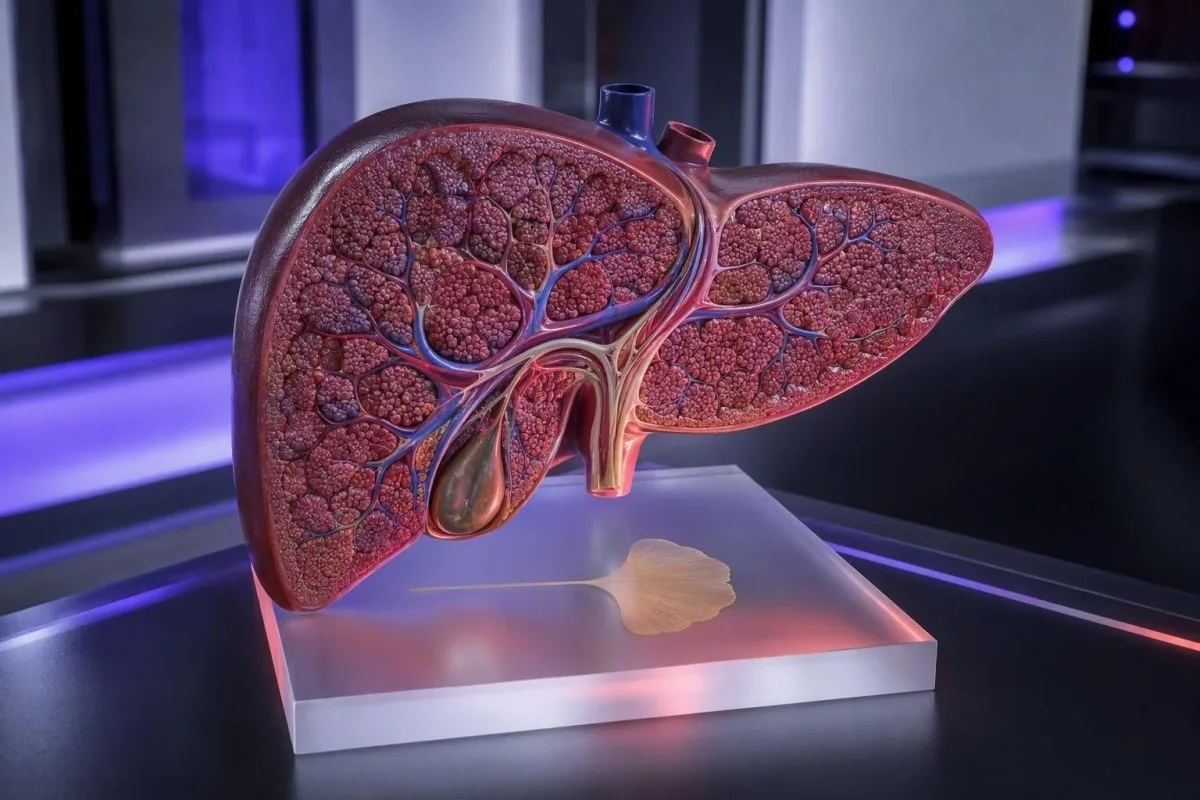
ALT - еш кына хәбәр ителгән бавыр ферменты, ләкин ул диагноз түгел, ә күзәнәк стрессы сигналы. Аның мәгънәсе аның зурлыгы, үрнәге, вакыты һәм сезнең башка бавыр панеленнән килә.


- ALT мәгънәсе: ALT аспартатаминотрансферазны аңлата, бу IU/Lда үлчәнгән фермент, ул бавыр күзәнәкләрендә тупланган.
- Гадәти диапазон: Күп кенә олы лабораторияләр хатын-кызлар өчен 35 IU/L һәм ир-атлар өчен 45 IU/L югары чикне кулланалар, гәрчәк отчетның үз диапазоны хәлиткеч булса да.
- Йомшак күтәрелү: Лабораториянең югары чигеннән 2 тапкыр азрак ALT - бу гадәти күренеш һәм еш кына паника урынына планлаштырылган кабатлауны таләп итә.
- үрнәк мөһим: Югары AST, ALP, GGT, билирубин яки INR белән ALT аерым ALT югарылыгыннан аерылып тора.
- Күнегүләр эффекты: Тулы каршылыклы күнегүләр 7 көн яки аннан да күбрәк вакытка ALT һәм ASTны арттыра ала, аеруча креатин киназа да югары булганда.
- Даруларны карап чыгу: Ацетаминофен, статиннар, антибиотиклар, антиконвульсантлар, өстәмәләр һәм үлән продуктлары ALTны йогынты ясый ала.
- Ашыгыч симптомнар: Сары, буталу, уң кул өлешенең каты авыртуы, кабатлап тору, яки бик караңгы сидек бер үк көнне клиник бәяләүне таләп итә.
- Кулланудагы кыйммәт: Триггерны алгач кимегән ALT, бер тапкыр чикләнгән нәтиҗәгә караганда, гадәттә, күбрәк ышанычлы.
Кан сынавында ALT нәрсә аңлата
ALT - аланин аминотрансферазасы, энергия метаболизмы вакытында күзәнәкләргә амино төркемнәрен тапшырырга ярдәм итүче фермент. Ул үлчәнә, чөнки ALT бавыр күзәнәкләре стресс яки җәрәхәтләнгәндә канга керә; ул, үз аллы, бавырның даими зарарлануын исбатламый.
ALT, нигездә, гепатоцитлар эчендә, бавырның эшләүче күзәнәкләрендә табыла, ләкин аз күләмдә скелет мускулларында һәм башка тукымаларда да очрый. Югары нәтиҗә, көтелгәннән күбрәк фермент үрнәккә килгән дигәнне аңлата; ул майлы бавырны, гепатитны, даруларны зарарлауны яки физик активлыкны өстәмә дәлилләрсез ачыклый алмый.
Минем клиник практикада, иң файдалы беренче сорау “ул ничек югары?” түгел, ә “нәрсәгә карата югары һәм нинди башка маркерларга карата?” Дигән сорау. Яңа спорт залы рутинасыннан соң 58 IU/L ALT, 65 мкмоль/л билирубин һәм сары күзләр белән 58 IU/L ALT дан аерым проблема.
Кантести - ЯИ анализы ул AST, ALP, GGT, билирубин, альбумин, тромбоцитлар саны, дарулар һәм элеккеге нәтиҗәләр белән беррәттән ALTны укый, бер флаглы кыйммәтне диагноз итеп карамыйча. Тулырак үлчәмнәр картасы өчен, безнең биомаркер кулланмасы.
Ни өчен SGPT исеме күренергә мөмкин
Кайбер отчетларда ALT әле дә “serum glutamic-pyruvic transaminase” яки SGPT. дип атала. ALT һәм SGPT бер үк ферментны аңлата, ләкин заманча лаборатория отчеты гадәттә ALT куллана.
Ни өчен клиницистлар аспартатаминотрансферазны үлчиләр
Табиблар аланин аминотрансфераза тестын гепатоцеллюляр стрессны ачыклау, билгеле бавыр авыруларын күзәтү һәм дарулар белән бәйле зарарлануны тикшерү өчен кушалар. ALT еш кына бавыр панеленә яки комплекслы метаболик панелга кертелә, хәтта кешедә симптомнар булмаганда да.
ALT еш кына шикәр диабеты яки липид тикшерүләре вакытында тикшерелә, чөнки метаболик дисфункция белән бәйле стеатотик бавыр авыруы, элек майлы бавыр авыруы дип аталган, еллар буе яшерен булырга мөмкин. 2023 AASLD җитәкчелеге метаболик куркыныч факторлары һәм аңлашылмаган бавыр ферменты югарылыгы булган кешеләрне стеатотик бавыр авыруы һәм фиброз куркынычын (Rinella et al., 2023) бәяләргә киңәш итә.
Нормаль ALT зур фиброзны инкар итми, һәм югары ALT фиброз стадиясен үлчәмә. Мин 24 IU/L ALT һәм табиб тикшерүендә, аеруча 2 типлы шикәр диабеты булган пациентларны күргәнмен; фиброз балллары һәм күренешләр башка сорауга җавап бирәләр.
Дарулар үзгәргәч, ALT күзәтүе дә файдалы, ләкин аны уйлап планлаштырырга кирәк. Безнең еллык кан анализы буенча кулланма тестуы ешлыгы ни өчен сәбәп, симптомнар һәм дәвалауны, ә гадәтне генә түгел, ә рискны, симптомнарны һәм дәвалауны алырга тиешлеген аңлата.
ALT нормаль диапазоннары һәм ни өчен лаборатория чикләре төрле
Олыларның ALT чикләре гадәттә хатын-кызлар өчен 7-35 IU/L һәм ир-атлар өчен 10-45 IU/L тәшкил итә, ләкин чикләр анализ, популяция һәм лаборатория буенча аерыла. Интернеттагы чик урынына һәрвакыт үз нәтиҗәгездә күрсәтелгән өске чикне кулланыгыз.
Өске чик - статистик, гадәттә, чикле популяциядән алынган, бу аның астында булган һәр кыйммәт тулысынча сәламәт бавырны чагылдыра дигән гарантия түгел. Кайбер Европа лабораторияләре хатын-кызлар өчен 25 IU/L һәм ир-атлар өчен 35 IU/L якынрак чикләрне куллансалар, бу метаболик куркынычны иртәрәк ачыклый ала, ләкин күбрәк чиклекле флаглар да булдыра.
Нормаль өске чиктән ике тапкыр азрак кыйммәт еш кына зәгыйфь югарылык дип атала. 40 IU/L өске чик белән лаборатория өчен, ALT 55-80 IU/L контекст һәм, гадәттә, кабатлау планына лаек, ә ALT 400 IU/L - өске чиктән 10 тапкыр югарырак һәм шартларны үзгәртә.
Доктор Томас Кляйн пациентларга лаборатория исемен, берәмлекләрне, диапазонын, тапшыру көнен, эчемлекләрне һәм алдагы атнада физик күнегүләрне язып куярга киңәш итә. Бу визитлар арасындагы нәтиҗәләр аермаларын күпкә аңлаешлырак итә.
ALT һәм AST ничек бергә эшли
ALT һәм AST бергәләп интерпретацияләнергә тиеш, чөнки ALT күбесенчә бавырга бәйле, ә AST шулай ук скелет һәм йөрәк мускулларында да бар. AST-ның ALT белән чагыштырмасы үрнәкләрне күрсәтә ала, ләкин ул ялгызы алкогольгә бәйле авыру яки циррозны диагнозлый алмый.
ALT AST-ны узып киткәндә, клиницистлар еш кына метаболик стеатоз, вируслы гепатит яки дарулар йогынтысын уйлыйлар, шулай да күп искәрмәләр бар. AST:ALT чагыштырмасы 2-дән артса, ул алкогольгә бәйле бавыр җәрәхәтләрендә булырга мөмкин, ләкин алга киткән фиброз, мускул җәрәхәтләре һәм үткер зарардан соңгы вакыт та чагыштырманы үзгәртергә мөмкин.
AST 89 МЕ/л, ALT 61 МЕ/л һәм креатин киназа 1450 МЕ/л булган 52 яшьлек марафончы ярыштан соң, ферментлар һәм креатин киназа 90 МЕ/л булган кешедән аерым карала. AST плюс югары CK өчен борчылу сәбәбе - мускулларның чыгарылышы; ALT ялгызы мускуллар өчен азрак специфик, ләкин ул да артырга мөмкин.
Бу аерманың мускул ягы өчен, безнең аңлатманы укыгыз югары AST симптомнары. Физик активлык сәбәпче булырга мөмкин дип уйланса, клиницистыгыз башкача киңәш итмәсә, кабатлау алдыннан 7 көн дәвамында гадәти булмаган көчле күнегүләрдән сакланыгыз.
Нәрсә өчен ALP, GGT һәм билирубин ALT мәгънәсен үзгәртә
ALT гепатоцеллюляр үрнәкне күрсәтә, шул ук вакытта эшкәртмәле фосфатаза, GGT һәм билирубин холестазны яки үт агымы бозылуын ачыкларга булыша. ALT өстәп югары ALP һәм GGT үт юллары авыруын, дарулар йогынтысын яки бавыр ялкынсынуын уйларга этәрергә тиеш, гади майлы бавыр дип уйларга урын калдырмыйча.
Клиницист R-чагыштырманы исәпләргә мөмкин: ALTны аның югары чигенә бүлү, аннары ALPны аның югары чигенә бүлгәннән соң бүлү. 5 яки аннан да күбрәк R-чагыштырмасы гепатоцеллюляр җәрәхәтне хуплый, 2 яки аннан да азрак холестатик җәрәхәтне хуплый, һәм 2-5 арасы катлаулы үрнәкне күрсәтә; бу чиратлау коралы, соңгы диагноз түгел.
ALP күтәрелгәндә GGT файдалы, чөнки GGT күтәрелү гепатобилиар чыганакны хуплый, шул ук вакытта ALP сөяк әйләнешеннән дә артырга мөмкин. Шулай итеп, нормаль GGT белән изолирланган ALP арту сөяк һәм D витамины сорауларына, бавырны төшерүгә караганда, этәрергә мөмкин.
Кара төстәге сидек, агарынган катыклар, кычыту, температура яки сары авыру билирубин күтәрелгәндә “киләсе еллык тестны көтегез” симптомнары түгел. Безнең холестаз үрнәге буенча кулланма тиз арада бәяләнергә тиешле комбинацияләрне аңлата.
Югары ALTның сәбәпләре
ALT күтәрелү күбесенчә метаболик майлы бавыр авыруын, алкогольгә дучар булуны, вируслы гепатитны, дарулар йогынтысын яки вакытлыча физик күнегүләргә бәйле күтәрелүне чагылдыра. Һәр сәбәпнең ихтималы тән авырлыгы, глюкоза, триглицеридлар, алкоголь үрнәге, сәяхәт, дарулар һәм күтәрелү зурлыгы белән үзгәрә.
Метаболик стеатозлы бавыр авыруы аеруча еш була, әгәр дә ALT күтәрелү үзәк авырлык җыелу, 150 мг/дл артык триглицеридлар, түбән HDL холестерин, күтәрелгән буш ашказаны глюкозасы яки 2 нче тип диабет белән бергә барса. Ул кечкенә тәнле кешеләрдә дә, аеруча висцераль май, генетика, йокы апноэсы яки кайбер дарулар булганда да очрарга мөмкин.
Вируль гепатитны тикшерү экспозициягә һәм куркынычлыкка бәйле, ALT гына түгел. Гепатит В өслек антигены һәм гепатит С антитәнчекләре, раслаучы РНК тикшерү белән бергә, стандарт өлешләре булып тора, тарих, география яки фермент үрнәге аны хупласа; безнең гепатит С җитәкчелеге гадәти юлны үз эченә ала.
Азрак таралган, ләкин мөһим сәбәпләр арасында гемохроматоз, аутоиммун гепатит, яшь кешеләрдә Вильсон авыруы, целиакия, һәм альфа-1 антитрипсин дефициты бар. Доктор Томас Кляйн һәр күтәрелгән ALT алкогольгә бәйле дип уйлауның зарарын күргән; структураланган эшләү йомшаграк һәм төгәлрәк.
ALTны күтәрә алган дарулар һәм өстәмәләр
Дарулар һәм өстәмәләр ALTны туры бавыр зарарлану, үт су юлының үзгәрүе, метаболик йогынтылар яки бәйләнмәгән очраклылык аша арттырырга мөмкин. Бер нәтиҗә өчен билгеләнгән даруны кинәт туктатмагыз; дару кулланучы белән элемтәгә керегез, ул дару файдасын үрнәк һәм тенденция белән чагыштыра ала.
Ацетаминофен, шулай ук парацетамол дип атала, доза артканда, һәм кайвакыт югары терапевтик экспозициядә йомшак үзгәрешләр китереп чыгарырга мөмкин. Күпчелек олылар өчен, гадәти максимум көненә 4000 мг, ләкин күп клиницистлар алкоголь эчүчеләр, бавыр авырулары булган, карт яки берләштерелгән салкын дарулар кулланган кешеләр өчен түбәнрәк чик тәкъдим итәләр.
Статиннар ALTның кечкенә артуын китереп чыгарырга мөмкин, ләкин статинга бәйле бавыр зарарлану сирәк; кардиоваскуляр даруны киңәшсез туктату фермент флагыннан куркынычрак булырга мөмкин. ACG җитәкчелеге аномаль бавыр химияләрен раслауны һәм киң тикшерү алдыннан (Kwo et al., 2017) шикәр, рецептсыз һәм өстәмә тарихны җентекләп тикшерүне тәкъдим итә.
Яшел чәй экстракты, анаболик продуктлар, югары дозадагы А витамины, күп компонентлы “детокс” порошоклары, һәм чикләнмәгән бодибилдинг өстәмәләре аерым сорауларга лаек, чөнки этикеткалар тулы булмаска мөмкин. Яңа продукт өстәгәнче безнең практик өстәмә куркынычсызлык җитәкчелегебезне карагыз .
Күнегүләр вакытлыча ALTны арттыра аламы?
Әйе, көчле күнегүләр вакытлыча ALTны арттырырга мөмкин, аеруча таныш булмаган көч сынашу, чыдамлык чаралары яки мускул зарарланганнан соң. AST һәм креатин киназа гадәттә күбрәк күренә, һәм күрсәткечләр күнегү интенсивлыгы һәм мускул массасына карап, 3-10 көн эчендә нормальләшергә мөмкин.
Еш очрый торган ялгыш фикер - күтәрелгән ALT һәрвакыт бавыр зарарлануын аңлата. Гамәлдә, эксцентрик күтәрүне үз эченә алган катлаулы сессия - әкрен төшерү хәрәкәтләре - мускул мембраналарын AST, ALT, LDH һәм CK ны бавыр авыруы булмаганда үзгәртерлек дәрәҗәдә бозырга мөмкин.
Чиста тикшерү өчен, мин гадәттә тотрыклы, сәламәт пациентлардан 5-7 көн дәвамында көчле тренировкалардан, берничә көн алкогольдән баш тартырга, гидратацияне нормаль тотарга һәм мөмкин булганда бер үк лабораторияне кулланырга сорыйм. Бу кызыл флаг симптомнары яки нормадан берничә тапкыр югарырак ALT булса, яраклы түгел; мондый очракларга башта клиник киңәш кирәк.
Кантести - AI нигезендәге кан анализы тикшерү коралы 127+ илләрендә кулланылган, ALT, AST, CK, һәм алдагы тартымнарны чагыштыра ала, бу күнегүләргә яраклы үрнәкне флаглый, аны зарарсыз дип әйтмичә. Спортчылар шулай ук карарга мөмкин марафон кан анализы вакыты.
ALT нәтиҗәсен тизрәк таләп итә торган симптомнар
Күпчелек йомшак ALT күтәрелүе бернинди симптомнар да китерми, ләкин сарысу, бик караңгы сыеклык, ачык төстәге тизәк, каты корсак авыртуы, буталчыклык, җиңелчә җәрәхәтләнү яки озакка сузылган косу тиз медицина тикшерүне таләп итә. Симптомнар мөһим, чөнки алар билирубин эшкәртү, үт юлы авыруы, үткен гепатит яки бавыр синтез функциясенең кимүен күрсәтергә мөмкин.
Күзнең яки тиренең сарылашуы, буталчыклык, яңа йокычанлык, уң кабырга астында тиз начарлана барган авырту яки сыеклыкны эчендә тота алмау өчен шул ук көнне табибка мөрәҗәгать итегез. Бу симптомнар ALT чик чигеннән 5 тапкыр югарырак булганда, билирубин күтәрелгәндә, яки INR озын булганда зуррак йогынты ясый.
Йөклелек борчылу чикләрен үзгәртә: пальмалар яки табаннарның кычытканнары, уң-өске корыч авыртуы, баш авыртуы, күрү бозылуы, яки югары кан басымы, хәтта ALT уртача күтәрелгән очракта да, тиз акушерлык тикшерүне таләп итә. Йөклелеккә хас шартлар гадәти амбулатор бавыр тикшерүеннән аерым юлны таләп итә.
Сыеклык үзгәрешләре өстәмә мәгълүмат бирә ала, ләкин алар үзләре диагноз куя алмыйлар. Безнең мәкалә караңгы сыеклык сәбәпләре турында сусызлануны һәм даруларны билирубинга бәйле күренүче билгеләрдән аерырга ярдәм итә.
Аномаль ALT нәтиҗәсеннән соң гадәттә нәрсә була
Аномаль ALT нәтиҗәсеннән соң, клиницистлар, гадәттә, нәтиҗәне раслыйлар, экспозицияне карыйлар һәм күтәрелү зурлыгына һәм симптомнарга карап панельне кабатлыйлар яки киңәйтәләр. Берничә йомшак нәтиҗә еш кына берничә ай эчендә кабатлауга китерә, ә билгеләнгән күтәрелеш яки сарылык тизрәк бәяләүне таләп итә.
Акыллы беренче карау эчемлек паттерны, соңгы авыру, тән авырлыгы үзгәрешләре, сәяхәт, гаилә тарихы, рецепт һәм рецептсыз дарулар, өстәмәләр һәм алдагы 7 көн эчендә физик активлыкны үз эченә ала. Гадәти күзәтү сынаулары AST, ALP, GGT, билирубин, альбумин, тулы кан саны, INR, гепатит скринингы, ферритин һәм трансферрин туендыру, һәм глюкоза яки HbA1c.
УЗИ еш кына стеатоз, үт ташлары, үт юлларының киңәюе яки структур үзгәрешләр өчен файдалы, ләкин ул иртә фиброзны ышанычлы этаплый алмый. FIB-4 фиброз куркынычын бәяләү өчен яшь, AST, ALT һәм тромбоцит санын куллана; ул 35 яшькә кадәр ышанычлы түгел һәм острая авыру вакытында кулланылмаска тиеш.
Kantesti AI — ул AI лаборатория тестларын аңлату хезмәтендә басылып чыга бу бәйләнешле маркерларны һәм озынлыклы нәтиҗәләрне клиницист белән сөйләшү өчен оештыра. Безнең бавыр панеле аңлатмасы һәрбер күзәтү компонентының өлешчә кертүен күрсәтә.
Ни өчен ALT тенденцияләре бер саннан күбрәк файдалы
ALT тренды еш кына берничә нәтиҗәгә караганда күбрәк мәгълүмат бирә, чөнки ул сигналның бетүен, даими булуын яки тизләнүен күрсәтә. 6 атнадан соң 72 дән 34 IU/L га кадәр үзгәреш 34 дән 72 IU/L га кадәр үзгәрештән аерым клиник хәбәрне үз эченә ала, ике сан да лаборатория чигенә якын булса да.
Биологик вариация, гидратация, анализ вариациясе, һәм вакыты ALT ны үрнәкләр арасында йомшак кына хәрәкәт итә ала. Бер үк лабораториядә, көннең охшаш вакытында, охшаш активлык һәм алкоголь экспозициясеннән соң кабатлау, шомны киметә һәм реаль үзгәрешне идентификацияләүне җиңеләйтә.
6 айдан артык даими күтәрелү, аеруча диабет, семантика, бавыр авыруларының гаилә тарихы, тромбоцитларның кимүе яки билирубинның артуы белән, деликатлауны таләп итә. Киресенчә, тулысынча бәяләнгән пациентта тотрыклы йомшак ALT, кабатланган киң тестлар белән эзләү урынына күзәтелергә мөмкин.
Kantesti AI ALT трендларын киләсе AST, тромбоцитлар саны, билирубин һәм метаболик маркерлар белән интерпретацияли, 3 IU/L үзгәрешне авыру үсеше итеп карау урынына. Безнең карагыз озынча (longitudinal) тикшерүләр буенча кулланма һәрбер үрнәк алганнан соң язып куярга кирәк булган детальләр өчен.
Яхшы булмаган карарларга китерә алган ALT ялгыш аңлаулар
ALT “бавыр функциясе анализы” түгел, чөнки ул фермент агып чыгуын үлчи, бавырның альбумин, кан оешу факторлары яки үт ясау сәләтен түгел. Альбумин, INR, билирубин, тромбоцитлар саны, симптомнар һәм имиджинг ALT га караганда күбрәк эзлекле хикәя сөйли ала.
Нормаль ALT, зур алкоголь куллану, диабет яки бавыр авыруларының көчле гаилә тарихын игътибарсыз калдырырга рөхсәт бирми. Шулай ук, арткан ALT алкоголь сәбәп булуын исбатламый; бу фараз ышанычны бозарга һәм вируслы, автоиммун, генетик яки дарулар белән бәйле шартларны диагностикалауны кичектерергә мөмкин.
“Бавыр детокс” тагын бер гадәти капка. Бавыр инде метаболизмны һәм чистартуны башкара, шул ук вакытта агрессив ач тору, көйләнмәгән үләннәр һәм тиз авырлыкны югалту кайвакыт симптомнарны яки лаборатория маркерларын начарайтырга мөмкин; коммерция детокс режимы өчен дәлилләр чыннан да начар.
Диета әңгәмә өлеше булса, тотрыклы авырлыкны үзгәртү, җитәрлек аксым, клетчатка һәм ультра- эшкәртелгән ризыкны киметүгә игътибар итегез, мөгаен, могҗиза продуктларына караганда. Безнең дәлилләргә нигезләнгән бавыр ризык юл күрсәтмәсе куркынычсызрак башлангыч нокта.
Балаларда, жүктән саклануда һәм олы яшьтә ALT интерпретациясе
ALT интерпретациясенә балаларда, кошларда һәм олы яшьтәгеләрдә яшькә бәйле контекст кирәк, чөнки сылтама чикләре һәм ышанычлы сәбәпләр төрле. Педиатрик ALT чикләре еш кына олылар лаборатория диапазоннарыннан түбәнрәк, һәм кошлар белән бәйле бавыр симптомнары тизрәк белгеч-башлангыч бәяләүне таләп итә.
Балаларда, семантика белән бәйле стеатотик бавыр авыруы артканнан-артканнан ачыклана, ләкин вируслы авырулар, мускуллар авырулары, целиак авыруы һәм туган метаболик шартлар дифференциалда булырга тиеш. Педиатрик клиницист даими ALT күтәрелешен интерпретацияләргә тиеш, олыларны “40 IU/L астында ул яхшы” фикерләүне кулланмыйча.
Кошлар вакытында, ALT, гомумән алганда, кош булмаган сылтама интервалында калырга тиеш; гипертензия, аз тромбоцитлар, кычыту яки күңелсезләнү белән арту кошлар-специфик бозулар өчен тиз бәяләүне таләп итә. Альбумин, плазма-күләмен киңәйтү сәбәпле, еш кына кими, шуңа күрә альбумин һәм ALT бер үк логика белән интерпретацияләнергә тиеш түгел.
Олы яшьтәгеләрдә полифармация һәм фрейлти тулы медицина карауның кыйммәтен арттыра. Безнең олы яшьтәге кешеләр өчен медицина лабораториясе кулланмасы очрашуга алып барырга кирәк булган сорауларны күрсәтә.
ALT нәтиҗәләре өчен AI интерпретациясен куркынычсыз куллану
AI ALT нәтиҗәсен оештырырга ярдәм итә ала, ләкин ул сезне карый алмый, симптомнарны раслый алмый, яисә бавырның потенциаль куркынычлы күренешенә медицина бәясен алыштыра алмый. Иң куркынычсыз куллану - әзерләнү: күренешне ачыклагыз, төп отчетны саклагыз һәм квалификацияле клиницистка төгәл сораулар белән килегез.
5 сентябрь, 2026 елдан башлап, Kantesti - бу AI кан анализы нәтиҗәләрен аңлату платформасы ул якынча 60 секунд эчендә йөкләнгән лаборатория отчетларын карый һәм ALTны бәйле кыйммәтләр, тенденция тарихы һәм хәбәр ителгән дарулар контекстына сала. Ул диагноз кую яки дәвалау билгеләү өчен түгел, ә сораулар сыйфатын яхшырту өчен эшләнгән.
Төгәллек өчен, отчетның күчермәсе укыла торганмы, берәмлекләр дөрес язылганмы, һәм узган елгы нәтиҗә бүгенгесе белән буталмаганмы, тикшерегез. Kantesti клиник алымы табиб күзәтүе астында формалаша; укучылар безнең медицина валидация стандартлары һәм Медицина консультатив советы AI-ярдәмле интерпретацияне ничек кулланырга дип уйлаганда, карап чыга алалар.
Карый алган вакытта өч әйбер алып килегез: тулы панель, һәр дару һәм өстәмәләр исемлеге, дозалары белән, һәм алкоголь, авыру, сәяхәт һәм көчле физик күнегүләр вакытлыча. Бу гади әзерлек күп вакыт артык борчылуны булдырмый һәм мөһим күренешне сагынып калмавын тәэмин итә.
Сезнең чираттагы ALT сынавы алдыннан практик чек-лист
Планлаштырылган ALTны кабат сынап карар алдыннан, үз гадәтегезне тотрыклы тотыгыз һәм ферментларны үзгәртә ала торган факторларны языгыз. Клиник яктан куркыныч булса, 5-7 көн дәвамында каты күнегүләрдән сакланыгыз, берничә көн алкогольдән сакланыгыз, һәм табиб әйтмәсә, билгеләнгән даруларны үзгәртмәгез.
Парацетамол яки ацетаминофен куллану, антибиотиклар, яңа өстәмәләр, күптән түгел булган температура, гастроэнтерит, вакциналар, ач тору, һәм тиз авырлыкны үзгәртүне языгыз. ALT өчен генә ач тору гадәттә кирәкми, ләкин глюкоза, триглицеридлар яки башка тестлар шул ук визитта үлчәнсә, ул соралырга мөмкин.
Клиницисттан кабат ALT сынавына AST, ALP, GGT, билирубин, альбумин, тромбоцитлар һәм CK кертергә кирәкме, дип сорагыз. Җавап еш кына беренче күренешкә бәйле; авырлык күтәргәнгә 48 IU/L булган изолирланган ALT, 48 µmol/L билирубин белән ALT 248 IU/L кебек эшкәртүне таләп итми.
Әгәр сезгә отчетыгыздан сораулар җыяр өчен ярдәм кирәк булса, безнең AI доклад төгәллеге чек-листын кулланыгыз визит алдыннан файдалы. Эшебез турында оештыру мәгълүматы өчен, карагыз Кантести турында.
Еш бирелә торган сораулар
ALT дигән сүз лаборатория нәтиҗәләрендә нәрсә аңлата?
ALT (аланин аминотрансфераза) - бу, аеруча бавыр күзәнәкләрендә очрый торган һәм литрга халыкара берәмлектә (МЕ/л) үлчәнә торган фермент. Күп кенә лабораторияләр өлкән хатын-кызлар өчен 35 МЕ/л, өлкән ир-атлар өчен 45 МЕ/л тирәсендәге югары чикләрне куллана, әмма һәр хисапта язылган сылтама интервалы дөрес чагыштыру өчен кулланыла. Югарыланган ALT күзәнәк стрессын яки зарарлануын күрсәтә, ләкин сәбәбен үзе генә ачыклый алмый. AST, ALP, GGT, билирубин, дарулар, алкоголь, физик күнегүләр һәм симптомнар нәтиҗәнең нәрсә аңлатканын билгели.
ALT 50 IU/L югарымы?
50 МЕ/л ALT лабораторияләрдә, чикләре 35 яки 40 МЕ/л булганда, бераз күтәрелгән, ләкин 55 МЕ/л чикле кайбер лабораторияләрдә нормага якын. Билирубин, ALP, INR һәм симптомнар нормаль булганда, 50 МЕ/л тирәсе күрсәткеч гадәттә азрак ашыгыч, әмма ул контекстны һәм еш кына кабатлауны таләп итә. Күптән түгел авыр атлетика, алкоголь, метаболик стеатоз, дарулар һәм өстәмәләр - моның сәбәпләре еш очрый. 6 айдан артык давам иткән күтәрелеш структуралы клиник карауны таләп итә.
күнегүләр ALT дәрәҗәләрен күтәрә аламы?
Көчле физик йөкләнешләр ALT, AST, LDH һәм креатинкиназа дәрәҗәсен күтәрергә мөмкин, чөнки көчле яки таныш булмаган физик күнегүләр ясаганнан соң скелет мускуллары ферментларны чыгара. Бу күтәрелеш 3-10 көн дәвам итә ала, AST һәм креатинкиназа еш кына ALT караганда югарырак күтәрелә. Кабат анализ ясарга планлаштырганчы 5-7 көн дәвамында гадәти булмаган көчле физик активлыктан баш тарту, бу күренешкә физик күнегүләр сәбәпчеме икәнен ачыкларга ярдәм итә ала. ALT нык күтәрелсә, сары, каты авырту яки караңгы сидек барлыкка килсә, физик күнегүләр сәбәпче дип уйлау урынына, тиз арада медицина ярдәме мөрәҗәгать итәргә кирәк.
ALTмы яки ASTмы, кайсысы мөһимрәк?
ALT та, AST та берсе дә универсаль рәвештә әһәмиятлерәк түгел, чөнки бу ике күрсәткеч бергә аерым-aерым алгандагыга караганда күбрәк мәгълүмат бирә. ALT бавырга күбрәк бәйле, шул ук вакытта AST скелет мускулларында да була һәм физик активлыктан яки мускул җәрәхәтләреннән соң әһәмиятле күтәрелергә мөмкин. Алкоголь белән бәйле бавыр җәрәхәтләрендә AST-ның ALT белән чагыштырмасы 2-дән югарырак булырга мөмкин, ләкин ул диагноз кую өчен җитәрлек түгел һәм шулай ук алдынгы фиброз яки мускул җыелуы белән дә барлыкка килергә мөмкин. Табиблар ике бәяне дә GGT, ALP, билирубин, креатин киназа, тромбоцитлар саны һәм клиник анамнез белән бергәләп интерпретациялиләр.
Кайчан югары ALT нәтиҗәсен ашыгыч дип санарга кирәк?
ALT күтәрелүнең югары нәтиҗәсе лаборатория чикләреннән 5 тапкыр югарырак булганда, тиз күтәрелгәндә, яки сары, буталу, уң яктагы карынның өске өлешендә авырту, даими косу, тиз күгәрү, яки бик караңгы сидек белән бергә булганда, тиз арада бәяләнергә тиеш. Билирубинның күтәрелүе, озайтылган INR, аз глюкоза, яки аз тромбоцитлар борчылуны арттырырга мөмкин, чөнки алар ферментны аерым чыгарудан күбрәкне күрсәтә ала. Йөклелеккә бәйле кычышу, баш авырту, күрү симптомнары, яки ALT күтәрелү белән югары кан басымы да тиз акушерлык бәяләвен таләп итә. Чикләнгән, 2 тапкырга кадәр чикләрдән түбәнрәк булган йомшак нәтиҗә гадәттә азрак ашыгыч бәяләнә, ләкин игътибарсыз калдырырга ярамый.
Майлы бавыр ALT күтәрелүенә китерергә мөмкинме?
Метаболизм белән бәйле стеатозлы бавыр авыруы - бу еш кына ALT күрсәткече аз гына күтәрелгәндә күзәтелә, аеруча триглицеридлар 150 мг/дл дан югары булганда, глюкоза күтәрелгәндә, 2 нче тип диабет булганда, корсакта май тупланганда яки HDL холестерин түбән булганда. ALT бавырда май яки фиброз булса да нормаль булырга мөмкин, шуңа күрә нормаль нәтиҗә клиник яктан мөһим авыруны кире какмый. 2023 AASLD җитәкчелеге метаболик риск факторлары һәм аңлашылмаган фермент күтәрелү булган кешеләрдә фиброз рискын бәяләүне хуплый. Торышлы авырлыкны контрольдә тоту, диабетны контрольдә тоту, алкоголь кулланмау һәм табиб күзәтчелегендә мониторинг детокс продуктларыннан күбрәк файдалы.
Бүген үк AI белән эшләнгән кан анализы тикшерүе
Дөнья буенча 2 миллионнан артык кулланучы кушылыгыз: алар Kantestiны тиз һәм төгәл лаборатория анализы өчен ышана. Кан анализы нәтиҗәләрегезне йөкләгез һәм 15,000+ биомаркерларын секундлар эчендә тулы аңлатма белән алыгыз.
📚 Сылтама бирелгән тикшеренү басмалары
Klein, T., Mitchell, S., & Weber, H. (2026). В (B) тискәре кан төре, LDH кан анализы һәм ретикулоцитлар санын тикшерү буенча кулланма. Kantesti AI медицина тикшеренүе.
Klein, T., Mitchell, S., & Weber, H. (2026). Уразадан соң диарея, тизәктә кара таплар һәм ашказаны-эчәк юллары буенча кулланма 2026. Kantesti AI медицина тикшеренүе.
📖 Тышкы медицина белешмәләре
⚕️ Медицина кисәтүе
Бу мәкалә бары тик белем бирү максатларында гына һәм медицина киңәше булып тормый. Диагноз һәм дәвалау карарлары өчен һәрвакыт квалификацияле сәламәтлек саклау белгеченә мөрәҗәгать итегез.
E-E-A-T ышаныч сигналлары
Тәҗрибә
Табиб җитәкчелегендә лаборатория нәтиҗәләрен аңлату эш процессларын клиник тикшерү.
Белгечлек
Лаборатория медицинасы: биомаркерларның клиник контекстта үз-үзләрен тотышын аңлау.
Авторититет
Доктор Томас Кляйн тарафыннан язылган, доктор Сара Митчелл һәм профессор доктор Ханс Вебер тарафыннан тикшерелгән.
Ышанычлылык
Ачык күзәтү юллары белән куркуны киметү өчен дәлилләргә нигезләнгән аңлату.