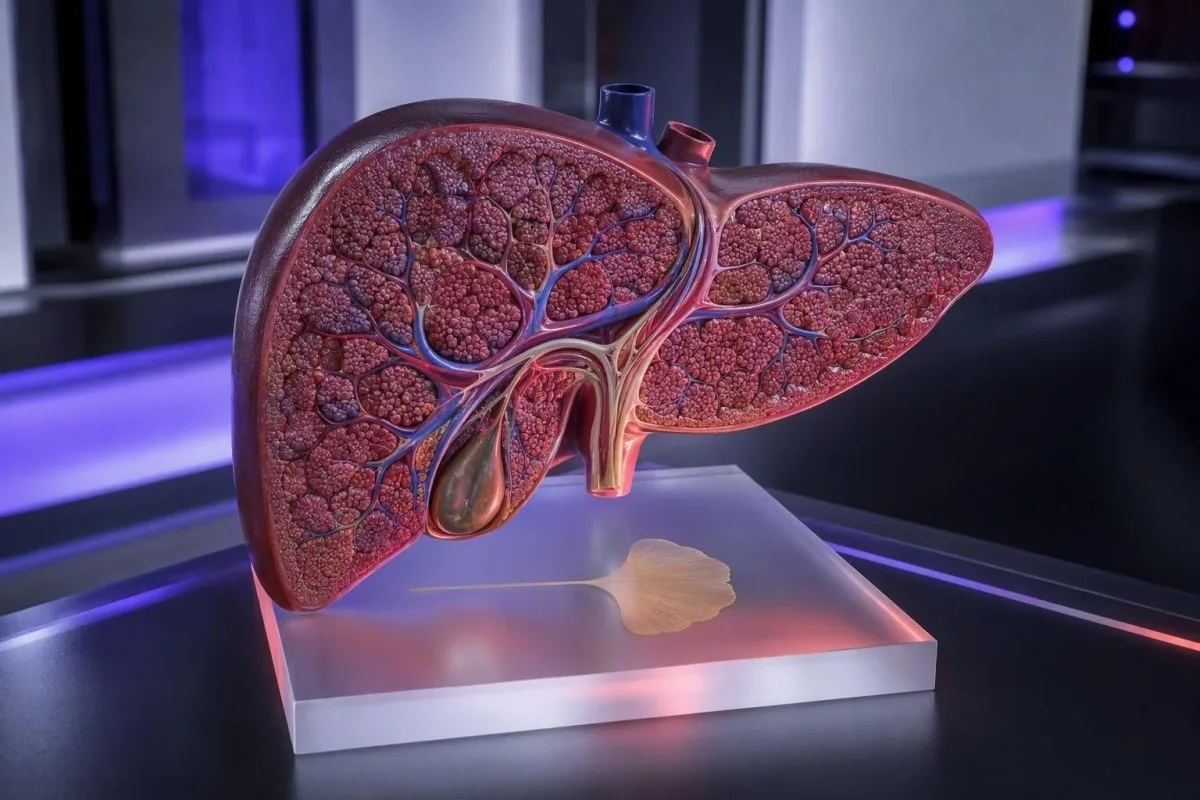
ALT je pogosto poročana jetrna encimska vrednost, vendar je znak celičnega stresa in ne diagnoza. Njen pomen izhaja iz njene velikosti, vzorca, časovnega poteka in ostalih vrednosti jetrnih testov.


- Pomen ALT: ALT je okrajšava za alanin aminotransferazo, encim, ki se meri v enotah IU/L in je skoncentriran v jetrnih celicah.
- Tipičen razpon: Številni laboratoriji za odrasle uporabljajo zgornjo mejo ALT 35 IU/L za ženske in 45 IU/L za moške, čeprav je referenčni razpon laboratorija odločilen.
- Blago povišanje: Vrednost ALT, ki je manj kot dvakrat višja od zgornje laboratorijske meje, je pogosta in pogosto upravičuje načrtovano ponavljanje testa, ne panike.
- pomemben je vzorec: ALT z visoko vrednostjo AST, ALP, GGT, bilirubina ali INR pomeni nekaj drugega kot izolirana povišana vrednost ALT.
- Učinek vadbe: Intenzivno trening z utežmi lahko zviša ALT in AST za 7 dni ali dlje, še posebej, če je tudi kreatin kinaza povišana.
- Pregled zdravil: Acetaminofen, statini, antibiotiki, zdravila proti epileptičnim napadom, prehranska dopolnila in zeliščni pripravki lahko vplivajo na ALT.
- Nujni simptomi: Rumeničnost, zmedenost, močna bolečina v zgornjem desnem delu trebuha, ponavljajoče se bruhanje ali zelo temen urin zahtevajo oceno pri zdravniku še isti dan.
- Trendna vrednost: Padajoča vrednost ALT po odstranitvi sprožitelja je običajno bolj pomirjujoča kot en sam mejni rezultat.
Kaj pomeni ALT na krvnem testu
ALT pomeni alanin aminotransferazo, encim, ki pomaga celicam pri prenosu amino skupin med energijsko presnovo. Merimo ga, ker ALT vstopi v obtok, ko so jetrne celice pod stresom ali poškodovane; sam po sebi ne dokazuje trajne poškodbe jeter.
ALT se nahaja predvsem znotraj hepatocitov, delovnih celic jeter, čeprav se majhne količine pojavljajo v skeletnih mišicah in drugih tkivih. Zvišana vrednost pomeni, da je v vzorec prišlo več encima, kot je bilo pričakovano; ne morejo pa brez spremljajočih dokazov identificirati zamaščenih jeter, hepatitisa, poškodbe zaradi zdravil ali telesne aktivnosti.
V moji klinični praksi najpomembnejše prvo vprašanje ni “kako visoko je?”, ampak “visoko v primerjavi s katero osnovno vrednostjo in drugimi označevalci?”. ALT 58 IU/L po novi telovadbi je drugačen problem kot ALT 58 IU/L z bilirubinom 65 µmol/L in rumenimi očmi.
Kantesti je AI analizator krvi ki brani ALT skupaj z AST, ALP, GGT, bilirubinom, albuminom, številom trombocitov, zdravili in prejšnjimi rezultati, namesto da bi eno označeno vrednost obravnaval kot diagnozo. Za širši zemljevid povezanih meritev glejte naš vodnik za biomarkerje.
Zakaj se lahko pojavi starejše ime SGPT
Nekatera poročila še vedno imenujejo ALT “serum glutamat-piruvat transaminaza” ali SGPT. ALT in SGPT se nanašata na isti test encima, čeprav sodobna laboratorijska poročila običajno uporabljajo ALT.
Zakaj klinični zdravniki merijo alanin aminotransferazo
Klinični zdravniki naročijo test alanin aminotransferaze za odkrivanje stresa hepatocitov, spremljanje znanih jetrnih bolezni in preverjanje poškodb, povezanih z zdravili. ALT je pogosto vključen v jetrno ploščo ali celovito presnovno ploščo, tudi če oseba nima simptomov.
ALT se pogosto preverja med pregledi sladkorne bolezni ali lipidov, ker lahko steatotična bolezen jeter, povezana s presnovno disfunkcijo, prej imenovana zamaščenost jeter, traja leta neopazno. Smernice AASLD iz leta 2023 svetujejo oceno oseb s presnovnimi dejavniki tveganja in nepojasnjeno povišanje jetrnih encimov za steatotično bolezen jeter in tveganje za fibrozo (Rinella et al., 2023).
Normalna vrednost ALT ne izključuje pomembne fibroze, povišana vrednost ALT pa ne meri stopnje fibroze. Videla sem bolnike z ALT 24 IU/L in pomembnimi brazgotinami pri specialistični oceni, zlasti pri tipu 2 sladkorne bolezni; rezultati fibroze in slikovne preiskave odgovarjajo na druga vprašanja.
Spremljanje ALT je praktično tudi po spremembi zdravil, vendar ga je treba skrbno načrtovati. Naš vodnik po letnih krvnih preiskavah pojasnjuje, zakaj bi morala pogostost testiranja slediti tveganju, simptomom in zdravljenju, ne le navadi.
Normalne vrednosti ALT in zakaj se laboratorijske mejne vrednosti razlikujejo
Referenčne vrednosti ALT za odrasle se običajno gibljejo od približno 7 do 35 IU/L za ženske in 10 do 45 IU/L za moške, vendar se vrednosti razlikujejo glede na metodo, populacijo in laboratorij. Vedno uporabite zgornjo mejo, natisnjeno ob vašem rezultatu, namesto spletne mejne vrednosti.
Zgornja meja je statistična, običajno izpeljana iz referenčne populacije, ne pa zagotovilo, da vsaka vrednost pod njo odraža povsem zdrava jetra. Nekateri evropski laboratoriji uporabljajo mejne vrednosti, specifične za spol, blizu 25 IU/L za ženske in 35 IU/L za moške, kar lahko prej odkrije presnovno tveganje, vendar tudi ustvari več mejnih zastavitev.
Vrednost pod dvakratno zgornjo mejo normale se pogosto imenuje blaga elevacija. Za laboratorij z zgornjo mejo 40 IU/L, ALT 55 do 80 IU/L zahteva kontekst in običajno načrt ponovitve, medtem ko je ALT 400 IU/L 10-kratna zgornja meja in spremeni nujnost.
Dr. Thomas Klein svetuje pacientom, naj zabeležijo ime laboratorija, enote, referenčne vrednosti, datum odvzema, vnos alkohola in telesno aktivnost v tednu pred preiskavo. To omogoča lažjo primerjavo rezultatov med obiski in je veliko bolj razumljiva.
Kako ALT in AST delujeta skupaj
ALT in AST je treba interpretirati skupaj, saj je ALT razmeroma specifičen za jetra, medtem ko je AST prisoten tudi v skeletnih in srčnih mišicah. Razmerje AST proti ALT lahko nakazuje na vzorce, vendar samo po sebi ne more diagnosticirati bolezni, povezane z alkoholom, ali ciroze.
Ko ALT preseže AST, klinični strokovnjaki pogosto upoštevajo metabolično steatozo, virusni hepatitis ali učinke zdravil, čeprav obstaja veliko izjem. Razmerje AST:ALT, večje od 2, se lahko pojavi pri poškodbi jeter, povezani z alkoholom, vendar lahko napredovala fibroza, poškodba mišic in čas po akutni poškodbi prav tako vplivajo na razmerje.
52-letni maratonski tekač z AST 89 IU/L, ALT 61 IU/L in kreatin kinazo 1.450 IU/L po dirki potrebuje drugačen pogovor kot nekdo z enakimi encimi in kreatin kinazo 90 IU/L. Razlog, zakaj nas skrbi AST skupaj z visoko CK, je sproščanje iz mišic; samo ALT je manj specifičen za mišice, vendar se lahko tudi zviša.
Za razumevanje mišičnega izvora te razlike preberite našo razlago simptomov visoke vrednosti AST. Če je telesna aktivnost verjeten vzrok, se izogibajte nenavadno intenzivnemu treningu 7 dni pred ponovno preiskavo, razen če vaš zdravnik svetuje drugače.
Zakaj ALP, GGT in bilirubin spremenijo pomen ALT
ALT nakazuje na jetrno-celični vzorec, medtem ko alkalna fosfataza, GGT in bilirubin pomagajo pri identificiranju holestaze ali motenega pretoka žolča. Kombinacija ALT, visoke ALP in GGT bi morala spodbujati razmislek o boleznih žolčnih vodov, učinkih zdravil ali jetrni vnetju, namesto da bi domnevali preprosto maščobno jetra.
Klinični strokovnjak lahko izračuna R-razmerje: ALT deljen z zgornjo mejo, nato deljen z ALP deljen z zgornjo mejo. R-razmerje 5 ali več podpira jetrno-celično poškodbo, 2 ali manj podpira holestatsko poškodbo, 2 do 5 pa nakazuje na mešani vzorec; to je orodje za razvrščanje, ne dokončna diagnoza.
GGT je uporaben, kadar je ALP povišana, ker zvišanje GGT podpira jetrno-biliarno izvora, medtem ko se ALP lahko zviša tudi zaradi obnove kosti. Izolirano zvišanje ALP ob normalni GGT lahko zato usmeri k vprašanjem o kosteh in vitaminu D, namesto k slikanju jeter.
Temen urin, svetlo blato, srbenje, vročina ali zlatenica z povišanim bilirubinom niso simptomi, za katere bi “čakali na naslednji letni pregled”. Naš vodnik za holestatski vzorec pojasnjuje kombinacije, ki jih je treba oceniti takoj.
Pogosti vzroki za povišan ALT
Zvišan ALT najpogosteje odraža metabolično maščobno bolezen jeter, izpostavljenost alkoholu, virusni hepatitis, učinke zdravil ali začasno zvišanje zaradi telesne aktivnosti. Verjetnost vsakega vzroka se spreminja s telesno težo, glukozo, trigliceridi, vzorcem pitja alkohola, potovanji, zdravili in velikostjo zvišanja.
Zamaščena jetra (steatoza) so še posebej verjetna, ko povišanje ALT spremlja centralna pridobitev telesne teže, trigliceridi nad 150 mg/dL, nizek HDL holesterol, zvišana glukoza na tešče ali sladkorna bolezen tipa 2. Pojavi se lahko tudi pri ljudeh z manjšo telesno težo, zlasti pri visceralni maščobi, genetiki, apneji v spanju ali nekaterih zdravilih.
Testiranje na virusni hepatitis je odvisno od izpostavljenosti in tveganja, ne le od ALT. Test na površinski antigen hepatitisa B in protitelesa proti hepatitisu C s potrditvenim testiranjem RNA so standardni deli osredotočene ocene, ko zgodovina, geografija ali vzorec encimov to podpirajo; naš vodnik po hepatitisu C pokriva običajno pot.
Manj pogosti, a pomembni vzroki vključujejo hemochromatosis, avtoimunski hepatitis, Wilsonovo bolezen pri mlajših osebah, celiakijo in pomanjkanje alfa-1 antitripsina. Dr. Thomas Klein je videl škodo zaradi domneve, da je vsako povišanje ALT povezano z alkoholom; strukturiran pregled je bolj prijazen in natančnejši.
Zdravila in prehranska dopolnila, ki lahko zvišajo ALT
Zdravila in dodatki lahko zvišajo ALT zaradi neposredne poškodbe jeter, spremenjenega pretoka žolča, presnovnih učinkov ali nepovezane naključnosti. Ne prekinjajte predpisanega zdravila nenadoma zaradi enega rezultata; obrnite se na predpisovalca, ki lahko oceni korist zdravila glede na vzorec in trend.
Acetaminofen, imenovan tudi paracetamol, lahko povzroči izrazito zvišanje ALT pri prevelikem odmerjanju in včasih milejše spremembe pri visoki terapevtski izpostavljenosti. Za večino odraslih je običajna najvišja meja 4.000 mg na dan, vendar mnogi zdravniki priporočajo nižjo mejo za ljudi, ki redno uživajo alkohol, imajo bolezen jeter, so starejši ali uporabljajo kombinirane pripravke za prehlad.
Statini lahko povzročijo majhne poraste ALT, vendar je resna poškodba jeter zaradi statinov redka; prekinitev zdravila za srčno-žilne bolezni brez posvetovanja je lahko bolj tvegana kot encimska zastavica. Smernice ACG priporočajo potrditev nenormalnih jetrnih kemijskih analiz in skrbno anamnezo predpisanih, brez recepta in dodatkov, preden se izvedejo obsežne preiskave (Kwo et al., 2017).
Izvleček zelenega čaja, anabolični izdelki, visoki odmerki vitamina A, praški za “razstrupljanje” z več sestavinami in neregulirani dodatki za bodybuilding si zaslužijo posebna vprašanja, ker lahko nalepke niso popolne. Preglejte naš praktični vodnik o varnosti dodatkov pred dodajanjem novega izdelka.
Ali lahko vadba začasno zviša ALT?
Da, naporna vadba lahko začasno zviša ALT, zlasti po neobičajni vadbi za moč, vzdržljivostnih dogodkih ali poškodbi mišic. AST in kreatin kinaza se običajno bolj dvigneta, vrednosti pa se lahko ustalijo v 3 do 10 dneh, odvisno od intenzivnosti vadbe in telesne mase.
Pogosta napačna predstava je, da povišan ALT vedno pomeni poškodbo jeter. V praksi lahko trda seja, ki vključuje ekscentrično dvigovanje – počasne gibe spuščanja – dovolj moti mišične membrane, da spremeni AST, ALT, LDH in CK brez notranje jetrne motnje.
Za čisto ponovno preverjanje običajno prosim stabilne, dobro počutne bolnike, naj se izogibajo močni vadbi 5 do 7 dni, alkoholu za več dni, naj vzdržujejo normalno hidracijo in naj po možnosti uporabljajo isti laboratorij. To ni primerno, če obstajajo simptomi rdeče zastavice ali ALT je večkrat nad referenčnim območjem; te situacije najprej potrebujejo klinični nasvet.
Kantesti je Orodje za analizo krvnih testov z umetno inteligenco uporabljenih v 127+ državah, ki lahko primerjajo ALT, AST, CK in prejšnje odvzeme, da zaznajo vzorec, združljiv s telesno aktivnostjo, ne da bi ga razglasili za neškodljivega. Športniki lahko pregledajo tudi čas testiranja krvi za maraton.
Simptomi, zaradi katerih je rezultat ALT bolj nujen
Večina blagih povišanj ALT ne povzroča simptomov, vendar zlatenica, zelo temen urin, bledo blato, močna bolečina v trebuhu, zmedenost, lahka nastanitev modric ali vztrajno bruhanje zahtevajo takojšnjo zdravniško oceno. Simptomi so pomembni, ker lahko kažejo na moteno obravnavo bilirubina, zamašitev žolčnih poti, akutni hepatitis ali zmanjšano jetrno sintetično funkcijo.
Poiščite istoimensko oskrbo ob rumenih očeh ali koži, zmedi, novi zaspanosti, hitro poslabšujoči se bolečini pod desnim rebrom ali nezmožnosti zadrževanja tekočine. Ti simptomi imajo večjo težo, kadar je ALT nad 5-kratno zgornjo mejo, bilirubin je povišan ali INR je podaljšan.
Nosečnost spremeni prag skrbi: srbenje dlanov ali podplatov, nelagodje v desnem zgornjem delu trebuha, glavobol, motnje vida ali visok krvni tlak potrebujejo nujno porodničarsko oceno, tudi kadar je ALT le zmerno povišan. Stanja, specifična za nosečnost, zahtevajo drugačno pot od rutinskega ambulantnega testiranja jeter.
Spremembe urina lahko dodajo namige, vendar same po sebi niso diagnostične. Naš članek o vzrokih za temen urin pomaga razlikovati dehidracijo in zdravila od opozorilnih znakov, povezanih z bilirubinom.
Kaj se običajno zgodi po nenormalnem rezultatu ALT
Po nenormalnem rezultatu ALT klinični strokovnjaki običajno potrdijo rezultat, pregledajo izpostavljenost in ponovijo ali razširijo ploščo na podlagi velikosti povišanja in simptomov. En sam blag rezultat pogosto vodi do ponovitve v tednih do nekaj mesecih, medtem ko izrazito povišanje ali zlatenica upravičujeta hitrejšo oceno.
Razumen prvi pregled vključuje vzorec pitja alkohola, nedavne bolezni, spremembe telesne teže, potovanja, družinsko anamnezo, zdravila na recept in brez recepta, prehranska dopolnila ter telesno aktivnost v preteklih 7 dneh. Običajni nadaljnji testi vključujejo AST, ALP, GGT, bilirubin, albumin, popolno krvno sliko, INR, presejanje na hepatitis, ferritin z nasičenostjo transferina ter glukozo ali HbA1c.
Ultrazvok je pogosto uporaben za steatozo, žolčne kamne, dilatacijo žolčnih vodov ali strukturno spremembo, vendar z zgodnje fibroze ne more zanesljivo oceniti stopnje. FIB-4 uporablja starost, AST, ALT in število trombocitov za oceno tveganja za fibrozo; postane manj zanesljiv pri starostih pod 35 let in ga ne smemo uporabljati med akutno boleznijo.
Kantesti AI je storitvi za interpretacijo laboratorijskih testov AI ki organizira te povezane označevalce in longitudinalne rezultate za razpravo s kliničnim strokovnjakom. Naš razlagalnik jetrnih testov prikazuje, kateri del spremljevalnega postopka prispeva.
Zakaj so trendi ALT bolj uporabni kot ena sama številka
Trend ALT je pogosto bolj informativen kot posamezen rezultat, ker kaže, ali se signal umirja, vztraja ali pospešuje. Sprememba s 72 na 34 IU/L po 6 tednih nosi drugačno klinično sporočilo kot 34 na 72 IU/L, čeprav sta obe števili lahko blizu laboratorijske meje.
Biološka variacija, hidracija, variacija testa in čas lahko zmerno premaknejo ALT med odvzemi. Ponovitev pri istem laboratoriju, ob podobnem času dneva, po primerljivi aktivnosti in izpostavljenosti alkoholu, zmanjša šum in olajša prepoznavanje resnične spremembe.
Vztrajno povišanje več kot 6 mesecev upravičuje bolj premišljeno oceno, zlasti pri sladkorni bolezni, debelosti, družinski anamnezi bolezni jeter, upadu trombocitov ali naraščajočem bilirubinu. Nasprotno, stabilen blag ALT pri temeljito ocenjenem bolniku se lahko spremlja, namesto da bi ga zasledovali s ponavljajočimi se širokimi testi.
Kantesti AI interpretira trende ALT s spremljajočim AST, številom trombocitov, bilirubinom in metaboličnimi označevalci, namesto da bi 3 IU/L premik obravnaval kot napredovanje bolezni. Glejte naš vodnik za longitudinalno testiranje za podrobnosti, ki jih je vredno zabeležiti po vsakem odvzemu.
Zmotna prepričanja o ALT, ki lahko vodijo do napačnih odločitev
ALT ni “jetrni funkcijski testi” v ožjem smislu, ker meri uhajanje encimov, ne sposobnosti jeter, da proizvajajo albumin, strjevalne faktorje ali žolč. Albumin, INR, bilirubin, število trombocitov, simptomi in slikovna diagnostika lahko povedo bolj pomembno zgodbo kot samo ALT.
Normalna vrednost ALT ne daje dovoljenja za ignoriranje močnega uživanja alkohola, sladkorne bolezni ali močne družinske anamneze bolezni jeter. Prav tako povišana vrednost ALT ne dokazuje, da je bil alkohol vzrok; ta predpostavka lahko škoduje zaupanju in odloži diagnozo virusnih, avtoimunskih, genetskih ali z zdravili povezanih stanj.
“Jetrni razstrupljevalci” so še ena pogosta past. Jetra že obvladujejo metabolizem in čiščenje, medtem ko lahko agresivno postenje, neregulirana zelišča in hitra izguba teže včasih poslabšajo simptome ali laboratorijske označevalce; dokazi za komercialne razstrupljevalne režime so iskreno slabi.
Če je prehrana del pogovora, se osredotočite na trajnostno spremembo teže, zadostno količino beljakovin, vlaknin in zmanjšanje ultrapredelane hrane namesto na čudežne izdelke. Naš znanstveno podprt vodnik po hrani za jetra je varnejša izhodiščna točka.
Interpretacija ALT pri otrocih, nosečnicah in starejših
Interpretacija ALT potrebuje starostno specifičen kontekst pri otrocih, nosečnicah in starejših odraslih, ker se referenčne meje in verjetni vzroki razlikujejo. Pediatrične vrednosti ALT so pogosto nižje od odraslih laboratorijskih območij, nosečniški jetrni simptomi pa zahtevajo hitrejšo oceno pod vodstvom strokovnjaka.
Pri otrocih se vse bolj prepoznava debelostno povezana steatotična jetrna bolezen, vendar morajo biti virusne bolezni, mišične motnje, celiakija in dedne metabolične bolezni v diferencialni diagnozi. Pediatrični klinični strokovnjak naj interpretira vztrajno povišanje ALT, namesto da bi uporabili odraslo razmišljanje “pod 40 IU/L je v redu”.
Med nosečnostjo naj ALT običajno ostane znotraj referenčnega intervala za nenevarnost; dvig s hipertenzijo, nizkim številom trombocitov, srbenjem ali slabostjo potrebuje nujno oceno za nosečniško specifične motnje. Albumin pogosto pade zaradi povečanja volumna plazme, zato albumin in ALT ne smeta biti interpretirana z isto logiko.
Pri starejših odraslih polifarmacija in krhkost povečujeta vrednost popolnega pregleda zdravil. Naš Priročnik za laboratorijske preiskave zdravil za starejše izpostavlja vprašanja, ki jih je treba postaviti na posvetu.
Varno uporabljanje interpretacije z umetno inteligenco za rezultate ALT
Umetna inteligenca lahko pomaga pri organizaciji izvida ALT, vendar vas ne more pregledati, potrditi simptomov ali nadomestiti zdravniške ocene za potencialno resno jetrno sliko. Najvarnejša uporaba je priprava: prepoznajte vzorec, shranite izvirno poročilo in se s konkretnimi vprašanji obrnite na usposobljenega zdravnika.
Od 5. septembra 2026 je Kantesti platforma za razlaga krvne slike z AI ki v približno 60 sekundah pregleda naložena laboratorijska poročila in umesti ALT v kontekst povezanih vrednosti, zgodovine trendov in prijavljenih zdravil. Zasnovan je za izboljšanje kakovosti vprašanj, ne za izdajo diagnoze ali predpisovanje zdravljenja.
Za natančnost preverite, ali je slika poročila berljiva, ali so enote pravilno zajete in ali se rezultat iz preteklega leta ne zamenja za današnjo vrednost. Klinični pristop Kantesti je oblikovan pod nadzorom zdravnika; bralci lahko pregledajo naš standarde medicinske validacije in Zdravniški svetovalni odbor pri odločanju o uporabi interpretacije s podporo umetne inteligence.
Na pregled prinesite tri stvari: celoten panel, seznam vseh zdravil in prehranskih dopolnil z odmerki ter časovnico uživanja alkohola, bolezni, potovanj in intenzivne telesne dejavnosti. Ta skromna priprava pogosto prepreči nepotrebno zaskrbljenost in zagotovi, da ne bo spregledana pomembna slika.
Praktični seznam pred naslednjim testom ALT
Pred načrtovanim ponovnim testiranjem ALT naj bo vaša rutina stabilna in dokumentirajte dejavnike, ki lahko vplivajo na encime. Če je klinično varno, se izogibajte intenzivnemu treningu 5 do 7 dni, izogibajte se alkoholu več dni in ne spreminjajte predpisanih zdravil, razen če vam to naroči predpisovalec.
Zabeležite vsako uporabo acetaminofena ali paracetamola, antibiotike, nova prehranska dopolnila, nedavno vročino, gastroenteritis, cepljenja, postenje in hitre spremembe telesne teže. Postenje običajno ni potrebno za sam ALT, čeprav se lahko zahteva, če se ob istem obisku merijo glukoza, trigliceridi ali drugi testi.
Vprašajte zdravnika, ali naj ponovni ALT vključuje AST, ALP, GGT, bilirubin, albumin, trombocite in CK. Odgovor je pogosto odvisen od prve slike; izoliran ALT 48 IE/L po dvigovanju uteži ne potrebuje enake obravnave kot ALT 248 IE/L z bilirubinom 48 µmol/L.
Če potrebujete pomoč pri sestavljanju vprašanj iz vašega poročila, je naš kontrolno listo za točnost AI poročila uporaben pred obiskom. Za organizacijske informacije o našem delu glejte O Kantestiju.
Pogosto zastavljena vprašanja
Kaj pomeni ALT na laboratorijskih izvidih?
ALT pomeni alaninska aminotransferaza, encim, ki se nahaja predvsem v jetrnih celicah in se meri v mednarodnih enotah na liter (IU/L). Veliko laboratorijev uporablja zgornje meje okoli 35 IU/L za odrasle ženske in 45 IU/L za odrasle moške, čeprav je referenčni interval, natisnjen na posameznem poročilu, pravilen primerjalnik. Zvišan ALT kaže na stres ali poškodbo celic, vendar sam po sebi ne more določiti vzroka. AST, ALP, GGT, bilirubin, zdravila, alkohol, telesna dejavnost in simptomi določajo, kaj rezultat pomeni.
Je ALT 50 IU/L visoko?
ALT vrednosti 50 IU/L je v laboratorijih z zgornjo mejo 35 ali 40 IU/L zmerno povišana, vendar je v nekaterih laboratorijih z zgornjo mejo 55 IU/L blizu normale. Vrednost okoli 50 IU/L je običajno manj nujna, če so bilirubin, ALP, INR in simptomi normalni, čeprav si še vedno zasluži obravnavo v kontekstu in pogosto ponovitev. Nedavna vadba z utežmi, alkohol, metabolična steatoza, zdravila in dodatki so pogosti vzroki. Trajna povišana vrednost po 6 mesecih upravičuje strukturiran klinični pregled.
Ali lahko vadba zviša ravni ALT?
Intenzivna vadba lahko zviša vrednosti ALT, AST, LDH in kreatin kinaze, saj skeletna mišica sprošča encime po intenzivnem ali neobičajnem naporu. Zvišanje lahko traja 3 do 10 dni, pri čemer se AST in kreatin kinaza pogosto zvišata bolj kot ALT. Izogibanje nenavadno intenzivni dejavnosti 5 do 7 dni pred načrtovanim ponovnim testiranjem lahko pojasni, ali je k zvišanju prispevala vadba. Izrazito zvišanje ALT, zlatenica, močna bolečina ali temen urin še vedno zahtevajo takojšen zdravniški nasvet, namesto da bi domnevali, da je odgovorna vadba.
Kaj je pomembnejše, ALT ali AST?
Niti ALT niti AST ni univerzalno bolj pomemben, ker par zagotavlja več informacij kot vsak rezultat posebej. ALT je bolj osredotočen na jetra, medtem ko je AST prisoten tudi v skeletnih mišicah in se lahko znatno zviša po telesni dejavnosti ali poškodbi mišic. Razmerje AST proti ALT, ki je višje od 2, se lahko pojavi pri jetrni okvari, povezani z alkoholom, vendar ni diagnostično in se lahko pojavi tudi pri napredovani fibrozi ali sproščanju iz mišic. Klinični zdravniki obe vrednosti razlagajo skupaj z GGT, ALP, bilirubinom, kreatin kinazo, število trombocitov in klinično anamnezo.
Kdaj naj se na visoko vrednost ALT odzovemo kot na nujno?
Visok rezultat ALT potrebuje nujno oceno, kadar je več kot 5-kratnik zgornje meje laboratorija, hitro narašča ali se pojavi ob zlatenici, zmedenosti, močni bolečini v desnem zgornjem delu trebuha, vztrajnem bruhanju, lahkem nastajanju podplutb ali zelo temnem urinu. Zvišana raven bilirubina, podaljšan INR, nizka raven glukoze ali nizko število trombocitov povečajo skrb, ker lahko kažejo na več kot samo izolirano sproščanje encimov. Vnetje zaradi nosečnosti, glavobol, vidne simptome ali visok krvni tlak ob povišani vrednosti ALT prav tako potrebujejo nujno oceno pri ginekologu. Izoliran blag rezultat pod 2-kratnikom zgornje meje se običajno oceni manj nujno, vendar ga ne gre zanemariti.
Lahko maščobna jetra povzročijo povišan ALT?
Maščobna jetrna bolezen, povezana z metabolično disfunkcijo, je pogost vzrok rahlo povišanega ALT, zlasti pri trigliceridih nad 150 mg/dL, zvišani glukozi, sladkorni bolezni tipa 2, centralni debelosti ali nizkem HDL holesterolu. ALT je lahko normalen kljub maščobi v jetrih ali fibrozi, zato normalen rezultat ne izključi klinično pomembne bolezni. Smernice AASLD iz leta 2023 podpirajo oceno tveganja za fibrozo pri osebah s presnovnimi dejavniki tveganja in nepojasnjeno povišanje encimov. Trajno obvladovanje telesne teže, obvladovanje sladkorne bolezni, zmanjšanje uživanja alkohola in spremljanje pod vodstvom zdravnika so bolj utemeljeni od izdelkov za razstrupljanje.
Danes pridobite analizo krvnih preiskav z umetno inteligenco
Pridružite se več kot 2 milijonoma uporabnikov po vsem svetu, ki zaupajo Kantesti za takojšnjo, natančno analizo laboratorijskih preiskav. Naložite svoje rezultate krvnih preiskav in v nekaj sekundah prejmite celovito razlago biomarkerjev 15,000+.
📚 Citirane raziskovalne publikacije
Klein, T., Mitchell, S., & Weber, H. (2026). Vodnik za krvno skupino B negativno, LDH krvni test in število retikulocitov. Kantesti AI Medical Research.
Klein, T., Mitchell, S., & Weber, H. (2026). Driska po postu, črne pike v blatu in prebavila, vodnik 2026. Kantesti AI Medical Research.
📖 Zunanje medicinske reference
⚕️ Medicinska izjava o omejitvi odgovornosti
Ta članek je namenjen izobraževalnim namenom in ne predstavlja medicinskega nasveta. Za odločitve o diagnozi in zdravljenju se vedno posvetujte z usposobljenim izvajalcem zdravstvenih storitev.
E-E-A-T zaupanja vredni signali
Izkušnje
Zdravniški klinični pregled delovnih postopkov za interpretacijo laboratorijskih izvidov.
Strokovno znanje
Laboratorijska medicina s poudarkom na tem, kako se biomarkerji obnašajo v kliničnem kontekstu.
Avtoritativnost
Napisal dr. Thomas Klein, pregledala dr. Sarah Mitchell in prof. dr. Hans Weber.
Zanesljivost
Interpretacija na podlagi dokazov z jasnimi nadaljnjimi potmi za zmanjšanje alarmiranja.