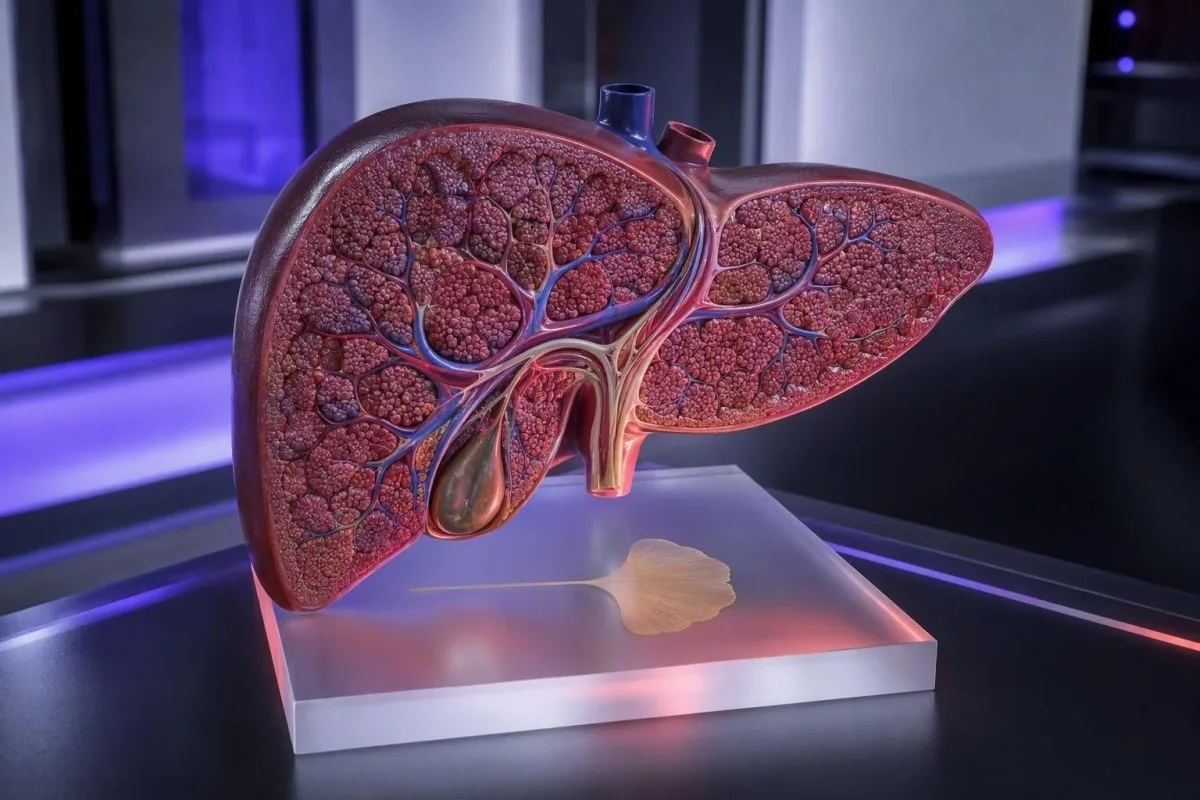
Ang ALT ay isang karaniwang iniuulat na liver enzyme, ngunit ito ay isang signal ng cell stress sa halip na isang diagnosis. Ang kahulugan ay nagmumula sa laki, pattern, timing, at iba pang bahagi ng iyong liver panel.


- Kahulugan ng ALT: Ang ALT ay nangangahulugang alanine aminotransferase, isang enzyme na sinusukat sa IU/L na nakatuon sa mga liver cell.
- Karaniwang saklaw: Maraming adult laboratory ang gumagamit ng ALT upper limit na 35 IU/L para sa kababaihan at 45 IU/L para sa kalalakihan, bagaman ang saklaw ng report mismo ay mapagpasyahan.
- Banayad na pagtaas: Ang ALT na mas mababa sa 2 beses ng laboratory upper limit ay karaniwan at madalas na nangangailangan ng nakaplanong pag-ulit, hindi pagpapanic.
- Mahalaga ang pattern: Ang ALT na may mataas na AST, ALP, GGT, bilirubin, o INR ay nangangahulugang iba kaysa sa nakahiwalay na pagtaas ng ALT.
- Epekto ng ehersisyo: Ang mabigat na resistance training ay maaaring magpataas ng ALT at AST sa loob ng 7 araw o higit pa, lalo na kapag mataas din ang creatine kinase.
- Pagsusuri ng mga gamot: Ang acetaminophen, statins, antibiotics, antiseizure drugs, supplements, at herbal products ay maaaring makaapekto sa ALT.
- Mga sintomas na nangangailangan ng agarang atensyon: Ang paninilaw ng balat (jaundice), pagkalito, matinding sakit sa kanang itaas na bahagi ng tiyan, paulit-ulit na pagsusuka, o napakadilim na ihi ay nangangailangan ng agarang klinikal na pagsusuri sa parehong araw.
- Halaga ng trend: Ang pagbaba ng ALT pagkatapos alisin ang isang sanhi ay karaniwang mas nakakapanatag kaysa sa isang nakahiwalay na resulta na nasa hangganan lamang.
Ano ang ibig sabihin ng ALT sa isang blood test
Ang ALT ay nangangahulugang alanine aminotransferase, isang enzyme na tumutulong sa mga selula na ilipat ang mga amino group sa panahon ng metabolismo ng enerhiya. Ito ay sinusukat dahil ang ALT ay pumapasok sa sirkulasyon kapag ang mga selula ng atay ay stressed o nasugatan; hindi nito, sa sarili nito, pinatutunayan ang permanenteng pinsala sa atay.
Ang ALT ay pangunahing matatagpuan sa loob ng mga hepatocyte, ang mga selula ng atay na gumagana, bagaman may maliliit na halaga sa skeletal muscle at iba pang mga tisyu. Ang mas mataas na resulta ay nangangahulugang mas maraming enzyme ang nakarating sa sample kaysa sa inaasahan; hindi nito matutukoy ang fatty liver, hepatitis, pinsala mula sa gamot, o ehersisyo nang walang kasamang ebidensya.
Sa aking klinikal na kasanayan, ang pinaka-kapaki-pakinabang na unang tanong ay hindi “gaano kataas ito?” kundi “mataas kumpara sa ano ang baseline at ano ang iba pang mga marker?” Ang isang ALT na 58 IU/L pagkatapos ng bagong routine sa gym ay ibang problema mula sa ALT 58 IU/L na may bilirubin na 65 µmol/L at naninilaw na mga mata.
Si Kantesti ay isang AI blood test analyzer na nagbabasa ng ALT kasama ng AST, ALP, GGT, bilirubin, albumin, platelet count, gamot, at mga nakaraang resulta sa halip na ituring ang isang na-flag na halaga bilang isang diagnosis. Para sa mas malawak na mapa ng mga kaugnay na pagsukat, tingnan ang aming gabay sa biomarker.
Bakit maaaring lumitaw ang lumang pangalang SGPT
Ang ilang mga ulat ay tinatawag pa rin ang ALT na “serum glutamic-pyruvic transaminase” o SGPT. Ang ALT at SGPT ay tumutukoy sa parehong enzyme test, bagaman ang modernong laboratory reporting ay karaniwang gumagamit ng ALT.
Bakit sinusukat ng mga clinician ang alanine aminotransferase
Ang mga clinician ay nag-oorder ng pagsusuri sa alanine aminotransferase upang matukoy ang hepatocellular stress, subaybayan ang kilalang sakit sa atay, at suriin kung may pinsala na nauugnay sa gamot. Ang ALT ay madalas na kasama sa isang liver panel o comprehensive metabolic panel, kahit na ang isang tao ay walang sintomas.
Ang ALT ay karaniwang sinusuri sa panahon ng mga pagsusuri sa diabetes o lipid dahil ang metabolic dysfunction-associated steatotic liver disease, na dating tinatawag na fatty liver disease, ay maaaring tahimik sa loob ng maraming taon. Ang gabay ng AASLD noong 2023 ay nagpapayo sa pagsusuri ng mga tao na may metabolic risk factors at hindi maipaliwanag na pagtaas ng liver-enzyme para sa steatotic liver disease at panganib ng fibrosis (Rinella et al., 2023).
Ang normal na ALT ay hindi nagbubukod ng makabuluhang fibrosis, at ang mataas na ALT ay hindi sumusukat ng yugto ng fibrosis. Nakakita ako ng mga pasyente na may ALT na 24 IU/L at makabuluhang peklat sa espesyalistang pagsusuri, lalo na sa type 2 diabetes; ang mga fibrosis score at imaging ay sumasagot ng ibang tanong.
Ang pagsubaybay sa ALT ay praktikal din pagkatapos ng pagbabago ng gamot, ngunit dapat itong iiskedyul nang maingat. Ang aming gabay sa taunang pagsusuri ng dugo ay nagpapaliwanag kung bakit ang dalas ng pagsubok ay dapat sumunod sa panganib, sintomas, at paggamot sa halip na sa gawi lamang.
Mga normal na saklaw ng ALT at bakit nag-iiba ang mga laboratory cutoff
Ang mga karaniwang reference range ng ALT para sa mga matatanda ay mula sa humigit-kumulang 7 hanggang 35 IU/L para sa mga babae at 10 hanggang 45 IU/L para sa mga lalaki, ngunit ang mga saklaw ay nag-iiba ayon sa assay, populasyon, at laboratoryo. Laging gamitin ang pinakamataas na limitasyon na nakalimbag sa tabi ng iyong sariling resulta sa halip na isang internet cutoff.
Ang pinakamataas na limitasyon ay statistical, karaniwang nagmula sa isang reference population, hindi isang garantiya na ang bawat halaga sa ibaba nito ay sumasalamin sa isang ganap na malusog na atay. Ang ilang European laboratoryo ay gumagamit ng sex-specific na pinakamataas na limitasyon malapit sa 25 IU/L para sa mga babae at 35 IU/L para sa mga lalaki, na maaaring makilala ang metabolic risk nang mas maaga ngunit lumilikha din ng mas maraming borderline flag.
Ang isang halaga na mas mababa sa dalawang beses sa pinakamataas na limitasyon ng normal ay kadalasang tinatawag na bahagyang pagtaas. Para sa isang laboratoryo na may pinakamataas na limitasyon na 40 IU/L, ang ALT na 55 hanggang 80 IU/L ay nangangailangan ng konteksto at karaniwang isang plano para ulitin, habang ang ALT na 400 IU/L ay 10 beses ang pinakamataas na limitasyon at nagpapabago sa pagkaapurahan.
Pinapayuhan ni Dr. Thomas Klein ang mga pasyente na itago ang pangalan ng laboratoryo, mga yunit, saklaw, petsa ng pagkuha, pag-inom ng alak, at ehersisyo sa nakaraang linggo. Ito ay gumagawa ng pagkakaiba ng resulta sa pagitan ng mga pagbisita mas madaling bigyang-kahulugan.
Paano nagtutulungan ang ALT at AST
Ang ALT at AST ay dapat bigyang-kahulugan nang magkasama dahil ang ALT ay medyo nakatuon sa atay habang ang AST ay sagana rin sa skeletal at cardiac muscle. Ang ratio ng AST-sa-ALT ay maaaring magpahiwatig ng mga pattern, ngunit hindi nito maaaring masuri nang mag-isa ang sakit na nauugnay sa alkohol o cirrhosis.
Kapag ang ALT ay lumampas sa AST, madalas isinasaalang-alang ng mga clinician ang metabolic steatosis, viral hepatitis, o mga epekto ng gamot, bagaman maraming mga pagbubukod. Ang ratio ng AST:ALT na higit sa 2 ay maaaring mangyari sa pinsala sa atay na nauugnay sa alkohol, ngunit ang advanced fibrosis, pinsala sa kalamnan, at ang oras pagkatapos ng isang talamak na pinsala ay maaari ring baguhin ang ratio.
Ang isang 52-taong-gulang na runner ng marathon na may AST na 89 IU/L, ALT na 61 IU/L, at creatine kinase na 1,450 IU/L pagkatapos ng isang karera ay nangangailangan ng ibang pag-uusap mula sa isang tao na may parehong mga enzyme at creatine kinase na 90 IU/L. Ang dahilan kung bakit tayo nag-aalala tungkol sa AST kasama ang mataas na CK ay paglabas ng kalamnan; ang ALT lamang ay hindi gaanong tiyak sa kalamnan ngunit maaari ring tumaas.
Para sa bahagi ng kalamnan ng pagkakaibang ito, basahin ang aming paliwanag ng mataas na sintomas ng AST. Kung ang pisikal na aktibidad ay isang posibleng sanhi, iwasan ang hindi pangkaraniwang mabigat na pagsasanay sa loob ng 7 araw bago ulitin maliban kung ipinayo ng iyong clinician.
Bakit binabago ng ALP, GGT, at bilirubin ang kahulugan ng ALT
Ang ALT ay nagpapahiwatig ng isang hepatocellular pattern, samantalang ang alkaline phosphatase, GGT, at bilirubin ay tumutulong na matukoy ang cholestasis o may kapansanan na daloy ng apdo. Ang ALT kasama ang mataas na ALP at GGT ay dapat maghikayat ng pagsasaalang-alang sa sakit sa bile-duct, mga epekto ng gamot, o pamamaga sa atay kaysa sa pag-aakala ng simpleng matabang atay.
Maaaring kalkulahin ng isang clinician ang R ratio: ALT na hinati sa itaas na limitasyon nito, pagkatapos ay hinati sa ALP na hinati sa itaas na limitasyon nito. Ang R ratio na 5 o higit pa ay sumusuporta sa pinsalang hepatocellular, 2 o mas mababa ang sumusuporta sa pinsalang cholestatic, at 2 hanggang 5 ay nagpapahiwatig ng pinagsamang pattern; ito ay isang kasangkapan sa pag-uuri, hindi isang pangwakas na diagnosis.
Ang GGT ay kapaki-pakinabang kapag mataas ang ALP dahil ang pagtaas ng GGT ay sumusuporta sa pinagmulan ng hepatobiliary, samantalang ang ALP ay maaari ding tumaas mula sa pagpalit ng buto. Ang nakahiwalay na pagtaas ng ALP na may normal na GGT ay samakatuwid ay maaaring humantong sa mga katanungan tungkol sa buto at bitamina D kaysa sa imaging ng atay.
Madilim na ihi, maputlang dumi, pangangati, lagnat, o paninilaw ng balat na may mataas na bilirubin ay hindi mga sintomas na “hintayin ang susunod na taunang pagsusuri”. Ang aming gabay sa cholestasis pattern ay nagpapaliwanag ng mga kombinasyon na dapat tasahin kaagad.
Mga karaniwang sanhi ng mataas na ALT
Ang mataas na ALT ay kadalasang sumasalamin sa metabolic steatotic liver disease, pagkakalantad sa alkohol, viral hepatitis, mga epekto ng gamot, o isang pansamantalang pagtaas na may kaugnayan sa ehersisyo. Ang posibilidad ng bawat sanhi ay nagbabago sa timbang ng katawan, glucose, triglycerides, pattern ng alkohol, paglalakbay, gamot, at laki ng pagtaas.
Ang metabolic steatotic liver disease ay lalong malamang kapag ang pagtaas ng ALT ay kasabay ng sentral na pagtaas ng timbang, triglycerides na higit sa 150 mg/dL, mababang HDL cholesterol, mataas na fasting glucose, o type 2 diabetes. Maaari itong mangyari sa mga tao na may mas maliliit na katawan, lalo na sa visceral fat, genetics, sleep apnea, o ilang mga gamot.
Ang pagsusuri sa viral hepatitis ay nakadepende sa exposure at panganib, hindi lamang sa ALT. Ang Hepatitis B surface antigen at hepatitis C antibody na may confirmatory RNA testing ay karaniwang bahagi ng nakatuong pagsusuri kapag ang kasaysayan, heograpiya, o pattern ng enzyme ay sumusuporta dito; ang aming gabay sa hepatitis C ay sumasaklaw sa karaniwang proseso.
Ang mga hindi gaanong karaniwan ngunit mahalagang sanhi ay kinabibilangan ng hemochromatosis, autoimmune hepatitis, Wilson disease sa mga mas batang tao, celiac disease, at alpha-1 antitrypsin deficiency. Nakita ni Dr. Thomas Klein ang pinsala ng pag-aakalang ang bawat mataas na ALT ay may kaugnayan sa alkohol; ang isang nakabalangkas na pagsusuri ay mas mabuti at mas tumpak.
Mga gamot at supplement na maaaring magpataas ng ALT
Ang mga gamot at suplemento ay maaaring magpataas ng ALT sa pamamagitan ng direktang pinsala sa atay, pagbabago ng daloy ng apdo, mga epekto sa metabolismo, o hindi kaugnay na pagkakataon. Huwag biglaang itigil ang isang iniresetang gamot dahil sa isang resulta; makipag-ugnayan sa nagreseta na maaaring timbangin ang benepisyo ng gamot laban sa pattern at trend.
Ang Acetaminophen, na tinatawag ding paracetamol, ay maaaring magdulot ng malaking pagtaas ng ALT sa overdose at minsan ay banayad na pagbabago sa mataas na therapeutic exposure. Para sa karamihan ng mga matatanda, ang karaniwang pinakamataas ay 4,000 mg araw-araw, ngunit maraming kliniko ang nagrerekomenda ng mas mababang limitasyon para sa mga taong regular na umiinom ng alkohol, may sakit sa atay, mas matanda, o gumagamit ng mga kumbinasyong lunas sa sipon.
Ang mga Statins ay maaaring magdulot ng bahagyang pagtaas ng ALT, gayunpaman, ang malubhang statin-related na pinsala sa atay ay bihira; ang pagtigil sa gamot sa cardiovascular nang walang payo ay maaaring mas mapanganib kaysa sa babala ng enzyme. Inirerekomenda ng ACG guideline ang pagkumpirma ng abnormal na liver chemistries at ang maingat na kasaysayan ng reseta, over-the-counter, at suplemento bago ang malawakang pagsusuri (Kwo et al., 2017).
Ang green tea extract, anabolic products, mataas na dosis ng bitamina A, multi-ingredient na “detox” powders, at mga hindi reguladong bodybuilding supplements ay nangangailangan ng mga espesipikong tanong dahil maaaring hindi kumpleto ang mga label. Suriin ang aming praktikal gabay sa kaligtasan ng suplemento bago magdagdag ng bagong produkto.
Maaari bang pansamantalang magpataas ng ALT ang ehersisyo?
Oo, ang matinding ehersisyo ay maaaring pansamantalang magpataas ng ALT, lalo na pagkatapos ng hindi pamilyar na resistance training, endurance events, o pinsala sa kalamnan. Karaniwang mas malaki ang pagtaas ng AST at creatine kinase, at maaaring tumagal ng 3 hanggang 10 araw bago bumaba ang mga halaga depende sa tindi ng ehersisyo at masa ng kalamnan.
Ang karaniwang maling akala ay ang pagtaas ng ALT ay palaging nangangahulugan ng pinsala sa atay. Sa praktika, ang isang mahirap na sesyon na kinabibilangan ng eccentric lifting—mabagal na pagbaba ng mga galaw—ay maaaring makagambala sa mga lamad ng kalamnan nang sapat upang baguhin ang AST, ALT, LDH, at CK nang walang likas na karamdaman sa atay.
Para sa isang malinis na muling pagsusuri, karaniwan kong hinihiling sa mga matatag, malusog na pasyente na iwasan ang masiglang pagsasanay sa loob ng 5 hanggang 7 araw, iwasan ang alkohol sa loob ng ilang araw, panatilihing normal ang hydration, at gamitin ang parehong laboratoryo kung posible. Hindi ito angkop kung mayroong mga sintomas ng red-flag o ang ALT ay ilang beses na mas mataas kaysa sa normal na saklaw; ang mga sitwasyong iyon ay nangangailangan muna ng payong klinikal.
Si Kantesti ay isang AI-powered tool para sa pagsusuri ng dugo ginagamit sa 127+ na mga bansa na maaaring ihambing ang ALT, AST, CK, at mga nakaraang draw upang markahan ang isang pattern na tugma sa ehersisyo nang hindi idinedeklarang ligtas ito. Maaari ding suriin ng mga atleta ang timing ng marathon blood test.
Mga sintomas na nagpapabilis ng resulta ng ALT
Karamihan sa mga banayad na pagtaas ng ALT ay hindi nagdudulot ng sintomas, ngunit ang paninilaw ng balat (jaundice), napakadilim na ihi, maputlang dumi, matinding sakit sa tiyan, pagkalito, madaling pagpapasa ng dugo, o patuloy na pagsusuka ay nangangailangan ng agarang medikal na pagsusuri. Mahalaga ang mga sintomas dahil maaari itong magpahiwatig ng kapansanan sa paghawak ng bilirubin, pagbara ng apdo, acute hepatitis, o nabawasang paggana ng atay.
Humingi ng agarang pangangalaga para sa paninilaw ng mata o balat, pagkalito, bagong pagkaantok, mabilis na lumalalang sakit sa ilalim ng kanang tadyang, o kawalan ng kakayahang manatili ang mga likido sa loob. Ang mga sintomas na ito ay mas mahalaga kapag ang ALT ay higit sa 5 beses sa itaas ng limitasyon, ang bilirubin ay mataas, o ang INR ay mahaba.
Binabago ng pagbubuntis ang threshold para sa pag-aalala: pangangati ng mga palad o talampakan, discomfort sa kanang itaas na bahagi ng tiyan, sakit ng ulo, pagbabago sa paningin, o mataas na presyon ng dugo ay nangangailangan ng agarang pagsusuri ng obstetric kahit na ang ALT ay bahagyang tumaas lamang. Ang mga kondisyon na partikular sa pagbubuntis ay nangangailangan ng ibang proseso mula sa karaniwang outpatient liver testing.
Ang pagbabago sa ihi ay maaaring magdagdag ng mga pahiwatig ngunit hindi ito diagnostiko sa kanilang sarili. Ang aming artikulo tungkol sa mga sanhi ng madilim na ihi ay tumutulong na makilala ang dehydration at mga gamot mula sa mga babalang nauugnay sa bilirubin.
Ano ang karaniwang nangyayari pagkatapos ng abnormal na resulta ng ALT
Pagkatapos ng abnormal na resulta ng ALT, karaniwang kinukumpirma ng mga kliniko ang resulta, sinusuri ang mga exposure, at inuulit o pinapalawak ang panel batay sa laki ng pagtaas at mga sintomas. Ang isang solong banayad na resulta ay kadalasang humahantong sa pag-uulit sa loob ng ilang linggo hanggang ilang buwan, habang ang malaking pagtaas o jaundice ay nangangailangan ng mas mabilis na pagtatasa.
Ang isang makatuwirang unang pagsusuri ay kinabibilangan ng pattern ng alak, kamakailang sakit, pagbabago sa timbang ng katawan, paglalakbay, kasaysayan ng pamilya, reseta at hindi reseta na gamot, pandagdag, at ehersisyo sa loob ng nakaraang 7 araw. Ang mga karaniwang follow-up na pagsubok ay kinabibilangan ng AST, ALP, GGT, bilirubin, albumin, full blood count, INR, hepatitis screening, ferritin na may transferrin saturation, at glucose o HbA1c.
Ang ultrasound ay madalas na kapaki-pakinabang para sa steatosis, gallstones, bile-duct dilation, o pagbabago sa istraktura, ngunit hindi nito maaasahang masusukat ang maagang fibrosis. Ang FIB-4 ay gumagamit ng edad, AST, ALT, at bilang ng platelet upang tantyahin ang panganib ng fibrosis; ito ay nagiging hindi gaanong maaasahan sa edad na wala pang 35 at hindi dapat gamitin sa panahon ng matinding sakit.
Ang Kantesti AI ay isang serbisyo ng AI lab test interpretation na nag-oorganisa ng mga kaugnay na marker at longitudinal na resulta para sa talakayan sa isang clinician. Ang aming gabay sa liver panel ay nagpapakita kung ano ang ambag ng bawat bahagi ng follow-up.
Bakit mas kapaki-pakinabang ang mga trend ng ALT kaysa sa isang numero
Ang isang trend ng ALT ay madalas na mas nagbibigay-kaalaman kaysa sa isang solong resulta dahil ipinapakita nito kung ang signal ay nawawala, nananatili, o bumibilis. Ang pagbabago mula 72 hanggang 34 IU/L pagkatapos ng 6 na linggo ay nagdadala ng ibang klinikal na mensahe kaysa sa 34 hanggang 72 IU/L, kahit na ang parehong numero ay maaaring malapit sa isang laboratory cutoff.
Ang biological variation, hydration, assay variation, at timing ay maaaring bahagyang magpabago sa ALT sa pagitan ng mga pagkuha. Ang pag-uulit sa parehong laboratoryo, sa katulad na oras ng araw, pagkatapos ng maihahambing na aktibidad at pagkakalantad sa alak, ay nagpapababa ng ingay at ginagawang mas madaling matukoy ang tunay na pagbabago.
Ang patuloy na pagtaas ng higit sa 6 na buwan ay nangangailangan ng mas masusing pagtatasa, lalo na sa diabetes, obesidad, kasaysayan ng pamilya ng sakit sa atay, pagbaba ng platelet, o pagtaas ng bilirubin. Sa kabilang banda, ang isang matatag na banayad na ALT sa isang lubusang nasuri na pasyente ay maaaring subaybayan sa halip na habulin ng paulit-ulit na malawak na pagsubok.
Ang Kantesti AI ay nagbibigay-kahulugan sa mga trend ng ALT kasama ang kasamang AST, bilang ng platelet, bilirubin, at mga metabolic marker sa halip na ituring ang pagbabago ng 3 IU/L bilang paglala ng sakit. Tingnan ang aming gabay sa longitudinal na pagsusuri para sa mga detalyeng karapat-dapat itala pagkatapos ng bawat pagkuha.
Mga maling akala tungkol sa ALT na maaaring humantong sa maling desisyon
Ang ALT ay hindi isang “liver function test” sa mahigpit na kahulugan dahil sinusukat nito ang pagtagas ng enzyme, hindi ang kakayahan ng atay na gumawa ng albumin, clotting factors, o bile. Ang albumin, INR, bilirubin, bilang ng platelet, sintomas, at imaging ay maaaring magsabi ng mas makabuluhang kuwento kaysa sa ALT lamang.
Ang normal na ALT ay hindi nagbibigay ng pahintulot na balewalain ang mabigat na pag-inom ng alak, diabetes, o malakas na kasaysayan ng pamilya ng sakit sa atay. Gayundin, ang mataas na ALT ay hindi nagpapatunay na alak ang sanhi; ang pag-aakalang ito ay maaaring makasira sa tiwala at makapagpabagal sa diagnosis ng mga viral, autoimmune, genetic, o gamot-na-kaugnay na kondisyon.
“Ang ”Liver detoxes" ay isa pang karaniwang bitag. Ang atay ay nakikipag-ugnayan na sa metabolismo at paglilinis, habang ang agresibong pag-aayuno, hindi regular na mga halamang gamot, at mabilis na pagbaba ng timbang ay minsan ay maaaring magpalala ng mga sintomas o laboratory marker; ang ebidensya para sa komersyal na detox regimen ay sa totoo lang mahirap.
Kung ang diyeta ay bahagi ng talakayan, tumuon sa napapanatiling pagbabago ng timbang, sapat na protina, fiber, at nabawasan na ultra-processed na pagkain sa halip na mga produktong himala. Ang aming evidence-based gabay sa pagkain para sa atay ay isang mas ligtas na panimula.
Interpretasyon ng ALT sa mga bata, buntis, at mas matatandang edad
Ang interpretasyon ng ALT ay nangangailangan ng konteksto na angkop sa edad sa mga bata, pagbubuntis, at matatandang matatanda dahil ang mga reference limit at malamang na mga sanhi ay magkakaiba. Ang mga pediatric ALT cutoff ay madalas na mas mababa kaysa sa adult laboratory ranges, at ang mga sintomas sa atay na nauugnay sa pagbubuntis ay nangangailangan ng mas mabilis na pagtatasa na pinamumunuan ng espesyalista.
Sa mga bata, ang sakit sa atay na may steatosis na nauugnay sa obesidad ay lalong kinikilala, ngunit ang mga viral illnesses, muscle disorders, celiac disease, at minanang metabolic conditions ay dapat manatili sa differential. Ang isang pediatric clinician ay dapat magbigay-kahulugan sa patuloy na pagtaas ng ALT sa halip na ilapat ang adult na pag-iisip na “wala pang 40 IU/L ay okay.”.
Sa pagbubuntis, ang ALT ay karaniwang dapat manatili sa loob ng non-pregnant reference interval; ang pagtaas na may hypertension, mababang platelet, pangangati, o pagduduwal ay nangangailangan ng agarang pagtatasa para sa mga karamdaman na partikular sa pagbubuntis. Karaniwang bumababa ang albumin dahil sa paglawak ng plasma-volume, kaya ang albumin at ALT ay hindi dapat bigyan-kahulugan gamit ang parehong lohika.
Sa matatandang matatanda, ang polypharmacy at frailty ay nagpapataas ng halaga ng isang buong pagsusuri ng gamot. Ang aming gabay sa laboratoryo ng gamot para sa mga senior ay nagbabalangkas ng mga tanong na dadalhin sa appointment.
Ligtas na paggamit ng AI interpretation para sa mga resulta ng ALT
Maaaring makatulong ang AI sa pag-oorganisa ng resulta ng ALT, ngunit hindi nito magagawang suriin ka, beripikahin ang mga sintomas, o palitan ang medikal na pagtatasa para sa isang potensyal na malubhang pattern ng atay. Ang pinakaligtas na paggamit ay paghahanda: tukuyin ang pattern, i-save ang orihinal na ulat, at magdala ng mga tiyak na tanong sa isang kwalipikadong kliniko.
Simula Setyembre 5, 2026, ang Kantesti ay isang AI blood test interpretation platform na sinusuri ang mga in-upload na ulat ng laboratoryo sa loob ng humigit-kumulang 60 segundo at inilalagay ang ALT sa konteksto ng mga kaugnay na halaga, kasaysayan ng trend, at mga iniulat na gamot. Ito ay idinisenyo upang mapabuti ang kalidad ng mga tanong, hindi upang magbigay ng diagnosis o magreseta ng paggamot.
Para sa katumpakan, suriin na mababasa ang imahe ng ulat, tama ang pagkakuha ng mga yunit, at hindi nagkakamali ang isang resulta mula sa nakaraang taon para sa halaga ngayon. Ang klinikal na diskarte ng Kantesti ay hinuhubog ng pangangasiwa ng doktor; maaaring suriin ng mga mambabasa ang aming mga pamantayan sa medikal na pag-validate at Medical Advisory Board kapag nagpapasya kung paano gamitin ang interpretasyong suportado ng AI.
Magdala ng tatlong bagay sa isang pagsusuri: ang buong panel, isang listahan ng bawat gamot at suplemento kasama ang mga dosis, at isang timeline ng alak, sakit, paglalakbay, at matinding ehersisyo. Ang simpleng paghahandang iyon ay madalas na pumipigil sa hindi kinakailangang alarma at pumipigil sa isang makabuluhang pattern na hindi mapansin.
Isang praktikal na checklist bago ang iyong susunod na ALT test
Bago ang isang nakaplanong pag-ulit ng ALT, panatilihing matatag ang iyong routine at idokumento ang mga salik na maaaring magpabago ng mga enzyme. Iwasan ang mabigat na pag-eehersisyo sa loob ng 5 hanggang 7 araw kung ligtas sa klinikal, iwasan ang alak sa loob ng ilang araw, at huwag baguhin ang mga iniresetang gamot maliban kung sasabihin ng nagreseta.
Itala ang anumang paggamit ng acetaminophen o paracetamol, antibiotics, bagong suplemento, kamakailang lagnat, gastroenteritis, bakuna, pag-aayuno, at mabilis na pagbabago ng timbang. Ang pag-aayuno ay karaniwang hindi kinakailangan para lamang sa ALT, bagaman maaari itong hilingin kung ang glucose, triglycerides, o iba pang mga pagsusuri ay sinusukat sa parehong pagbisita.
Itanong sa kliniko kung ang pag-ulit ng ALT ay dapat isama ang AST, ALP, GGT, bilirubin, albumin, platelets, at CK. Ang sagot ay madalas na nakasalalay sa unang pattern; ang isang nakahiwalay na ALT na 48 IU/L pagkatapos ng weightlifting ay hindi nangangailangan ng parehong pagsusuri tulad ng ALT na 248 IU/L na may bilirubin na 48 µmol/L.
Kung kailangan mo ng tulong sa pagbuo ng mga tanong mula sa iyong ulat, ang aming checklist ng katumpakan ng AI report ay kapaki-pakinabang bago ang pagbisita. Para sa impormasyong pang-organisasyon tungkol sa aming trabaho, tingnan ang Tungkol sa Kantesti.
Mga Madalas Itanong
Ano ang ibig sabihin ng ALT sa mga resulta ng laboratoryo?
Ang ALT ay nangangahulugang alanine aminotransferase, isang enzyme na pangunahing matatagpuan sa mga selula ng atay at sinusukat sa international units per litre (IU/L). Maraming laboratoryo ang gumagamit ng mga itaas na limitasyon na nasa humigit-kumulang 35 IU/L para sa mga babaeng nasa hustong gulang at 45 IU/L para sa mga lalaking nasa hustong gulang, bagaman ang reference interval na nakalimbag sa indibidwal na ulat ang tamang paghahambing. Ang pagtaas ng ALT ay nagpapahiwatig ng stress o pinsala sa selula ngunit hindi nito matutukoy ang sanhi nang mag-isa. Ang AST, ALP, GGT, bilirubin, mga gamot, alkohol, ehersisyo, at mga sintomas ang magpapasya kung ano ang ibig sabihin ng resulta.
Ang ALT ba ay 50 IU/L na mataas?
Ang ALT na 50 IU/L ay bahagyang mataas sa mga laboratoryo na may limitasyong 35 o 40 IU/L, ngunit malapit ito sa normal sa ilang laboratoryo na may limitasyong 55 IU/L. Ang halaga na nasa mga 50 IU/L ay karaniwang hindi gaanong kagyat kapag normal ang bilirubin, ALP, INR, at mga sintomas, bagaman ito ay nangangailangan pa rin ng konteksto at madalas na pag-uulit. Ang mga kamakailang weightlifting, alak, metabolic steatosis, gamot, at suplemento ay mga karaniwang paliwanag. Ang patuloy na pagtaas na lampas sa 6 na buwan ay nangangailangan ng isang nakabalangkas na klinikal na pagsusuri.
Makakapagpataas ba ng mga antas ng ALT ang ehersisyo?
Ang mabigat na ehersisyo ay maaaring magpataas ng ALT, AST, LDH, at creatine kinase dahil ang kalamnan ng kalansay ay naglalabas ng mga enzyme pagkatapos ng matindi o hindi pamilyar na pagsisikap. Ang pagtaas ay maaaring tumagal ng 3 hanggang 10 araw, kung saan ang AST at creatine kinase ay madalas na tumataas nang higit pa kaysa sa ALT. Ang pag-iwas sa hindi karaniwang mabigat na aktibidad sa loob ng 5 hanggang 7 araw bago ang isang planong pag-uulit ay maaaring linawin kung ang ehersisyo ay nag-ambag. Ang malaking pagtaas ng ALT, paninilaw ng balat, matinding sakit, o madilim na ihi ay nangangailangan pa rin ng agarang payo medikal sa halip na ipagpalagay na ang ehersisyo ang may kasalanan.
Ano ang mas mahalaga, ALT o AST?
Hindi unibersal na mas mahalaga ang ALT o AST dahil ang pares ay nagbibigay ng mas maraming impormasyon kaysa sa alinman sa resulta nang mag-isa. Ang ALT ay mas nakatuon sa atay, habang ang AST ay naroroon din sa skeletal muscle at maaaring tumaas nang malaki pagkatapos ng ehersisyo o pinsala sa kalamnan. Ang AST-to-ALT ratio na higit sa 2 ay maaaring mangyari sa pinsala sa atay na nauugnay sa alkohol, ngunit hindi ito nakapagpapasuri at maaari ding lumitaw sa advanced fibrosis o paglabas ng kalamnan. Binibigyang-kahulugan ng mga clinician ang parehong halaga kasama ang GGT, ALP, bilirubin, creatine kinase, platelet count, at ang klinikal na kasaysayan.
Kailan dapat ituring na apurahan ang mataas na resulta ng ALT?
Ang mataas na resulta ng ALT ay nangangailangan ng agarang pagsusuri kapag ito ay higit sa 5 beses ng pinakamataas na limitasyon ng laboratoryo, mabilis na tumataas, o nangyayari kasabay ng paninilaw ng balat (jaundice), pagkalito, matinding pananakit sa kanang itaas na bahagi ng tiyan, patuloy na pagsusuka, madaling pagkakaroon ng pasa, o napakadilim na ihi. Ang pagtaas ng bilirubin, prolonged na INR, mababang glucose, o mababang platelets ay maaaring magpataas ng pag-aalala dahil maaari itong magpahiwatig ng higit pa sa isolated enzyme release. Ang pangangati na may kaugnayan sa pagbubuntis, sakit ng ulo, mga sintomas sa paningin, o mataas na presyon ng dugo kasabay ng pagtaas ng ALT ay nangangailangan din ng agarang pagsusuri ng obstetric. Ang isolated na banayad na resulta na mas mababa sa 2 beses ng pinakamataas na limitasyon ay karaniwang sinusuri nang hindi gaanong kagyat ngunit hindi dapat balewalain.
Ang fatty liver ba ay maaaring maging sanhi ng mataas na ALT?
Ang metabolic dysfunction-associated steatotic liver disease ay isang karaniwang sanhi ng bahagyang mataas na ALT, lalo na kung ang triglycerides ay higit sa 150 mg/dL, mataas na glucose, type 2 diabetes, pagtaas ng timbang sa gitnang bahagi ng katawan, o mababang HDL cholesterol. Maaaring normal ang ALT sa kabila ng taba sa atay o fibrosis, kaya ang normal na resulta ay hindi nagbubukod ng sakit na may klinikal na kabuluhan. Sinusuportahan ng 2023 AASLD guidance ang pagtatasa sa panganib ng fibrosis sa mga taong may metabolic risk factors at hindi maipaliwanag na pagtaas ng enzyme. Ang napapanatiling pamamahala sa timbang, kontrol sa diabetes, pagbabawas ng alak, at pagsubaybay na idinidirekta ng clinician ay mas nakabatay sa ebidensya kaysa sa mga detox product.
Kumuha ng AI-Powered Blood Test Analysis Ngayon
Sumali sa mahigit 2 milyong user sa buong mundo na nagtitiwala sa Kantesti para sa agarang at tumpak na pagsusuri ng lab test. I-upload ang iyong resulta ng blood test at makakuha ng komprehensibong interpretasyon ng mga biomarker ng 15,000+ sa loob ng ilang segundo.
📚 Mga Sanggunian na Publikasyon sa Pananaliksik
Klein, T., Mitchell, S., & Weber, H. (2026). Gabay sa B Negatibong Uri ng Dugo, LDH Blood Test, at Bilang ng Reticulocyte. Kantesti AI Medical Research.
Klein, T., Mitchell, S., & Weber, H. (2026). Pagtatae Pagkatapos ng Pag-aayuno, Mga Itim na Batik sa Dumi at Gabay sa GI 2026. Kantesti AI Medical Research.
📖 Mga Panlabas na Sanggunian sa Medikal
⚕️ Pagtatanggi sa Medikal
Ang artikulong ito ay para sa mga layuning pang-edukasyon lamang at hindi ito bumubuo ng medikal na payo. Palaging kumonsulta sa isang kwalipikadong tagapagbigay ng pangangalagang pangkalusugan para sa mga desisyon sa diagnosis at paggamot.
Mga Signal ng Tiwala ng E-E-A-T
Karanasan
Pinamumunuan ng manggagamot na klinikal na pagsusuri ng mga daloy ng interpretasyon ng mga pagsusuri sa laboratoryo.
Kadalubhasaan
Pokus sa laboratoryong medisina kung paano kumikilos ang mga biomarker sa kontekstong klinikal.
Pagka-awtoridad
Isinulat ni Dr. Thomas Klein na may pagsusuri ni Dr. Sarah Mitchell at Prof. Dr. Hans Weber.
Pagiging Mapagkakatiwalaan
Interpretasyong nakabatay sa ebidensya na may malinaw na mga susunod na hakbang upang mabawasan ang pag-aalarma.