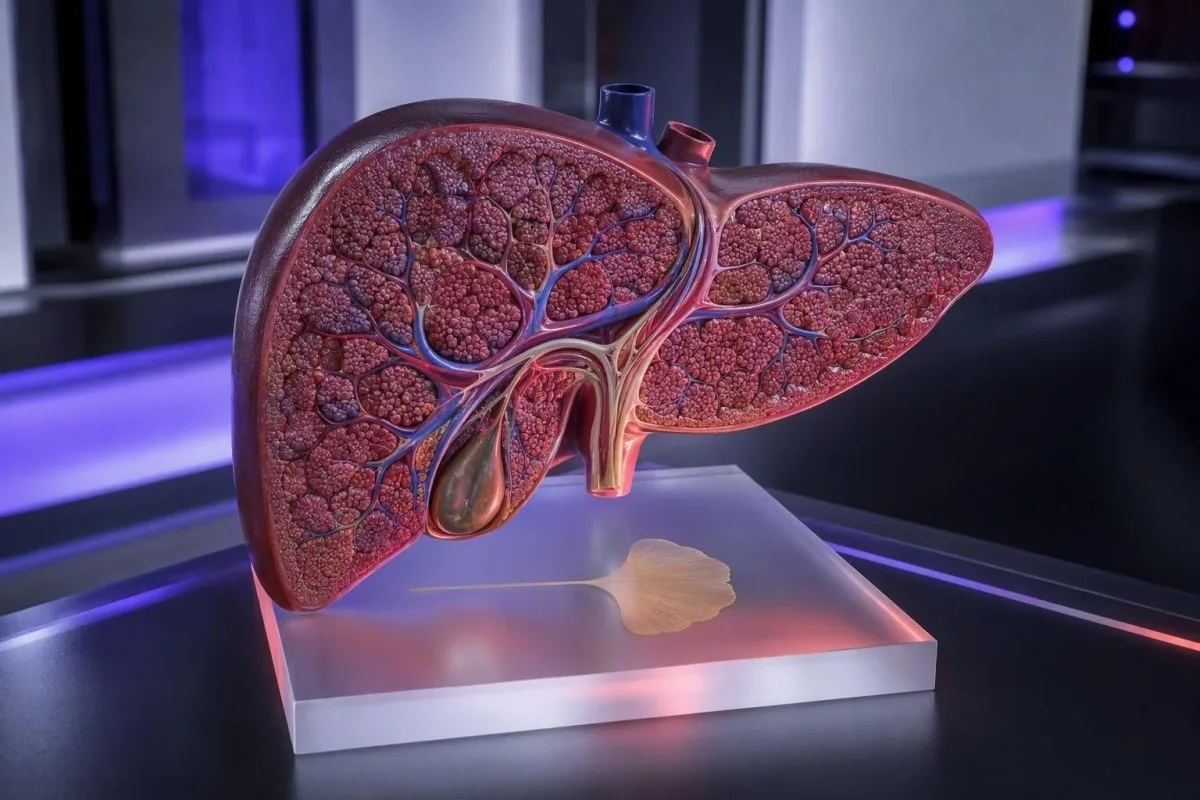
ALT és una enzim hepàtica que s'informa habitualment, però és un senyal d'estrès cel·lular més que un diagnòstic. El significat prové de la seva mida, patró, moment i la resta del seu panell hepàtic.


- Significat d'ALT: ALT significa alanina aminotransferasa, una enzim mesurada en IU/L que es concentra a les cèl·lules hepàtiques.
- Rang típic: Molts laboratoris d'adults utilitzen un límit superior d'ALT de 35 IU/L per a dones i 45 IU/L per a homes, encara que el rang propi de l'informe és decisiu.
- Elevació lleu: ALT per sota de 2 vegades el límit superior del laboratori és comú i sovint mereix una repetició planificada, no pànic.
- el patró és important: ALT amb AST, ALP, GGT, bilirubina o INR elevats significa alguna cosa diferent que una elevació aïllada d'ALT.
- Efecte de l’exercici: L'entrenament de força intens pot augmentar ALT i AST durant 7 dies o més, particularment quan la creatina quinasa també és alta.
- Revisió de la medicació: L'acetaminofè, les estatinas, els antibiòtics, els fàrmacs antiepilèptics, els suplements i els productes herbaris poden afectar ALT.
- Símptomes urgents: La icterícia, la confusió, el dolor sever a la part superior dreta de l'abdomen, el vòmit repetit o l'orina molt fosca necessiten una avaluació clínica el mateix dia.
- Valor de tendència: Una ALT decreixent després de retirar un factor desencadenant sol ser més tranquil·litzadora que un sol resultat borderline.
El que significa ALT en un anàlisi de sang
ALT significa alanina aminotransferasa, una enzima que ajuda les cèl·lules a transferir grups amino durant el metabolisme energètic. Es mesura perquè l'ALT entra a la circulació quan les cèl·lules hepàtiques estan estressades o danyades; no demostra, per si sola, un dany hepàtic permanent.
L'ALT es troba principalment dins dels hepatòcits, les cèl·lules funcionals del fetge, encara que petites quantitats es troben en el múscul esquelètic i altres teixits. Un resultat elevat significa que més enzima ha arribat a la mostra del que s'esperava; no pot identificar fetge gras, hepatitis, dany per medicació, o exercici sense evidència acompanyant.
En la meva pràctica clínica, la primera pregunta més útil no és “quant és d'alt?” sinó “en comparació amb quin valor de referència i quins altres marcadors?”. Una ALT de 58 UI/L després d'una nova rutina de gimnàs és un problema diferent d'una ALT de 58 UI/L amb bilirrubina de 65 µmol/L i ulls grocs.
Kantesti és una Analitzador de sang amb IA que llegeix ALT al costat d'AST, FA, GGT, bilirrubina, albúmina, recompte de plaquetes, medicaments i resultats anteriors en lloc de tractar un valor marcat com a diagnòstic. Per a un mapa més ampli de mesures relacionades, vegeu la nostra guia de biomarcadors.
Per què pot aparèixer el nom antic SGPT
Alguns informes encara anomenen ALT “transaminasa glutàmica-pirúvica sèrica” o SGPT. ALT i SGPT es refereixen a la mateixa prova enzimàtica, tot i que els informes de laboratori moderns solen utilitzar ALT.
Per què els clínics mesuren l'alanina aminotransferasa
Els clínics demanen una prova d' alanina aminotransferasa per detectar estrès hepatocel·lular, monitorar malalties hepàtiques conegudes i comprovar si hi ha danys relacionats amb medicaments. L'ALT sovint s'inclou en un panell hepàtic o en un panell metabòlic complet, fins i tot quan una persona no té símptomes.
L'ALT es comprova habitualment durant les revisions de diabetis o lípids perquè la malaltia hepàtica esteatòtica associada a disfunció metabòlica, anteriorment anomenada fetge gras, pot ser silenciosa durant anys. La guia de l'AASLD de 2023 aconsella avaluar les persones amb factors de risc metabòlic i elevació inexplicable d'enzimes hepàtiques per detectar la malaltia hepàtica esteatòtica i el risc de fibrosi (Rinella et al., 2023).
Una ALT normal no exclou una fibrosi significativa, i una ALT alta no mesura l'estadi de fibrosi. He vist pacients amb ALT de 24 UI/L i cicatrius significatives en avaluació especialitzada, especialment amb diabetis tipus 2; les puntuacions de fibrosi i les imatges responen a una pregunta diferent.
El seguiment de l'ALT també és pràctic després d'un canvi de medicació, però s'ha de programar amb cura. La nostra guia de anàlisis de sang anuals explica per què la freqüència de les proves ha de seguir el risc, els símptomes i el tractament en lloc de només l'hàbit.
Rangos normals d'ALT i per què els límits del laboratori varien
Els rangs de referència d'ALT en adults solen anar d'aproximadament 7 a 35 UI/L per a dones i de 10 a 45 UI/L per a homes, però els rangs varien segons l'assaig, la població i el laboratori. Utilitzeu sempre el límit superior imprès al costat del vostre propi resultat en lloc d'un valor de tall d'internet.
El límit superior és estadístic, normalment derivat d'una població de referència, no una garantia que cada valor per sota d'ell reflecteixi un fetge completament sa. Alguns laboratoris europeus utilitzen límits superiors específics per sexe prop de 25 UI/L per a dones i 35 UI/L per a homes, cosa que pot identificar el risc metabòlic abans, però també crea més alertes borderline.
Un valor inferior a dues vegades el límit superior de la normalitat s'anomena sovint elevació lleu. Per a un laboratori amb un límit superior de 40 UI/L, una ALT de 55 a 80 UI/L requereix context i normalment un pla de repetició, mentre que una ALT de 400 UI/L és 10 vegades el límit superior i canvia la urgència.
El Dr. Thomas Klein aconsella als pacients que guardin el nom del laboratori, les unitats, el rang, la data de la presa de sang, la ingesta d'alcohol i l'exercici de la setmana anterior. Això fa que les diferències de resultats entre visites siguin molt més interpretables.
Com ALT i AST treballen junts
L'ALT i l'AST s'han d'interpretar conjuntament perquè l'ALT es centra principalment en el fetge, mentre que l'AST també és abundant en el múscul esquelètic i cardíac. Una relació AST/ALT pot suggerir patrons, però no pot diagnosticar per si sola malalties relacionades amb l'alcohol o la cirrosi.
Quan l'ALT supera l'AST, els clínics solen considerar la esteatosi metabòlica, la hepatitis vírica o els efectes de medicaments, tot i que hi ha moltes excepcions. Una relació AST:ALT superior a 2 pot ocórrer en lesions hepàtiques associades a l'alcohol, però la fibrosi avançada, les lesions musculars i el moment després d'un insult agut també poden canviar la relació.
Un corredor de maratons de 52 anys amb AST 89 IU/L, ALT 61 IU/L i creatina quinasa 1.450 IU/L després d'una cursa necessita una conversa diferent que algú amb els mateixos enzims i creatina quinasa 90 IU/L. La raó per la qual ens preocupem per l'AST més CK alta és per alliberament muscular; l'ALT sol és menys específic del múscul però també pot augmentar.
Per a la part muscular d'aquesta distinció, llegeixi la nostra explicació sobre símptomes d'AST alta. Si l'activitat física és un desencadenant plausible, eviti entrenaments inusualment intensos durant 7 dies abans de la repetició, tret que el seu metge li indiqui el contrari.
Per què ALP, GGT i bilirubina canvien el significat d'ALT
L'ALT indica un patró hepatocel·lular, mentre que la fosfatasa alcalina, el GGT i la bilirrubina ajuden a identificar la colèstasi o el flux biliar alterat. ALT més ALP i GGT elevats haurien de fer considerar malalties dels conductes biliars, efectes de medicaments o inflamació hepàtica en lloc d'assumir simplement fetge gras.
Un metge pot calcular una relació R: ALT dividit pel seu límit superior, després dividit per ALP dividit pel seu límit superior. Una relació R de 5 o superior dóna suport a la lesió hepatocel·lular, 2 o inferior dóna suport a la lesió colestàtica, i 2 a 5 suggereix un patró mixt; això és una eina de triatge, no un diagnòstic definitiu.
El GGT és útil quan l'ALP està elevat perquè l'elevació del GGT dóna suport a una font hepatobiliar, mentre que l'ALP també pot augmentar pel recanvi ossi. Per tant, un augment aïllat de l'ALP amb GGT normal pot dirigir cap a preguntes sobre els ossos i la vitamina D en lloc d'imatges hepàtiques.
Orina fosca, excrements pàl·lids, picor, febre o icterícia amb bilirrubina elevada no són símptomes de “esperar la propera prova anual”. El nostre guia del patró de colestasi explica les combinacions que s'han d'avaluar ràpidament.
Causes comunes d'ALT elevada
L'elevació de l'ALT reflexa més sovint malaltia hepàtica esteatòtica metabòlica, exposició a l'alcohol, hepatitis vírica, efectes de medicaments o un augment temporal relacionat amb l'exercici. La probabilitat de cada causa canvia amb el pes corporal, la glucosa, els triglicèrids, el patró d'alcohol, els viatges, els medicaments i la magnitud de l'elevació.
La malaltia hepàtica esteatòtica metabòlica és especialment probable quan l'elevació de l'ALT acompanya l'augment de pes central, triglicèrids superiors a 150 mg/dL, HDL baix, glucosa en dejú elevat o diabetis tipus 2. També pot ocórrer en persones amb cossos més petits, particularment amb greix visceral, genètica, apnea del son o certs medicaments.
La prova d'hepatitis viral depèn de l'exposició i el risc, no només de l'ALT. L'antigen de superfície de l'Hepatitis B i els anticossos de l'Hepatitis C amb proves d'ARN confirmadores són parts estàndard d'una avaluació enfocada quan la història, la geografia o el patró enzimàtic ho suggereixen; la nostra guia d'hepatitis C cobreix el camí habitual.
Causes menys comunes però importants inclouen hemocromatosi, hepatitis autoimmune, malaltia de Wilson en persones joves, celiaquia i deficiència d'alfa-1 antitripsina. El Dr. Thomas Klein ha vist el dany d'assumir que cada ALT elevat està relacionat amb l'alcohol; un estudi estructurat és més amable i precís.
Medicaments i suplements que poden elevar ALT
Els medicaments i suplements poden elevar l'ALT per dany hepàtic directe, alteració del flux biliar, efectes metabòlics o una coincidència no relacionada. No interrompeu un medicament prescrit bruscament a causa d'un resultat; contacteu el prescritor que pot avaluar el benefici del fàrmac en comparació amb el patró i la tendència.
L'acetaminofè, també anomenat paracetamol, pot causar una marcada elevació de l'ALT en sobredosi i de vegades canvis més lleus amb una alta exposició terapèutica. Per a la majoria dels adults, la dosi màxima habitual és de 4.000 mg diaris, però molts clínics recomanen un límit inferior per a persones que beuen alcohol regularment, tenen malalties hepàtiques, són grans o utilitzen remeis combinats per al refredat.
Les estàtines poden produir petits augments de l'ALT, però el dany hepàtic greu relacionat amb les estàtines és rar; interrompre un medicament cardiovascular sense consell pot ser més arriscat que el senyal enzimàtic. La guia de l'ACG recomana confirmar les anomalies bioquímiques hepàtiques i fer una història acurada de prescripcions, medicaments de venda lliure i suplements abans de proves exhaustives (Kwo et al., 2017).
L'extracte de te verd, els productes anabòlics, la vitamina A en dosis altes, les pols “detox” de múltiples ingredients i els suplements no regulats per al culturisme mereixen preguntes específiques perquè les etiquetes poden ser incompletes. Reviseu la nostra guia pràctica de seguretat de suplements abans d'afegir un producte nou.
Pot l'exercici augmentar temporalment ALT?
Sí, l'exercici intens pot augmentar temporalment l'ALT, especialment després d'un entrenament de resistència no familiar, esdeveniments d'enduriment o lesions musculars. L'AST i la creatina quinasa solen augmentar més prominentment, i els valors poden trigar de 3 a 10 dies a normalitzar-se segons la intensitat de l'exercici i la massa muscular.
La concepció errònia comuna és que una ALT elevada sempre significa dany hepàtic. A la pràctica, una sessió intensa que implica aixecament excèntric —moviments lents de descens— pot alterar les membranes musculars prou com per modificar AST, ALT, LDH i CK sense un trastorn hepàtic intrínsec.
Per a una nova revisió neta, normalment demano als pacients estables i bé que evitin l'entrenament vigorós durant 5 a 7 dies, evitin l'alcohol durant diversos dies, mantinguin la hidratació normal i utilitzin el mateix laboratori si és possible. Això no és adequat si hi ha símptomes d'alerta o una ALT diverses vegades superior al rang; aquestes situacions necessiten consell clínic primer.
Kantesti és una Eina d’anàlisi d’analítica de sang impulsada per IA utilitzat a tot el món que pot comparar l'ALT, l'AST, la CK i els resultats anteriors per assenyalar un patró compatible amb l'exercici sense declarar-lo inofensiu. Els atletes també poden revisar el moment de les proves de sang per a maratons.
Símptomes que fan més urgent un resultat d'ALT
La majoria de les elevacions lleus de l'ALT no causen símptomes, però la icterícia, l'orina molt fosca, les femtes pàl·lides, el dolor abdominal sever, la confusió, la facilitat per patir hematomes o els vòmits persistents requereixen una avaluació mèdica ràpida. Els símptomes són importants perquè poden indicar una alteració del processament de la bilirubina, obstrucció biliar, hepatitis aguda o una disminució de la funció sintètica del fetge.
Busqueu atenció el mateix dia per ulls o pell groguencs, confusió, somnolència nova, dolor que empitjora ràpidament sota les costelles dretes o incapacitat per retenir líquids. Aquests símptomes tenen més pes quan l'ALT està per sobre de 5 vegades el límit superior, la bilirubina està elevada o l'INR està prolongat.
L'embaràs canvia el llindar de preocupació: picor als palmells o plantes dels peus, malestar abdominal superior dret, mal de cap, alteracions visuals o pressió arterial alta necessiten una avaluació obstètrica urgent fins i tot quan l'ALT només està modestament elevat. Les condicions específiques de l'embaràs requereixen un camí diferent de les proves hepàtiques rutinàries ambulatoris.
Els canvis en l'orina poden afegir pistes, però no són diagnòstics per si sols. El nostre article sobre causes d'orina fosca ajuda a distingir la deshidratació i els medicaments dels signes d'alerta relacionats amb la bilirubina.
Què sol passar després d'un resultat anòmal d'ALT
Després d'un resultat anòmal de l'ALT, els clínics solen confirmar el resultat, revisar les exposicions i repetir o ampliar el panell segons la magnitud de l'elevació i els símptomes. Un únic resultat lleu sovint condueix a una repetició en setmanes o pocs mesos, mentre que una elevació marcada o icterícia requereix una avaluació més ràpida.
Una revisió inicial sensata inclou el patró de consum d'alcohol, malalties recents, canvis de pes corporal, viatges, antecedents familiars, fàrmacs de prescripció i sense recepta, suplements i exercici durant els 7 dies anteriors. Les proves de seguiment comunes inclouen AST, ALP, GGT, bilirubina, albúmina, hemograma complet, INR, cribratge d'hepatitis, ferritina amb saturació de transferrina, i glucosa o HbA1c.
L'ecografia sovint és útil per a la esteatosi, els càlculs biliars, la dilatació del conducte biliar o els canvis estructurals, però no posa en escena de manera fiable la fibrosi precoç. FIB-4 utilitza l'edat, AST, ALT i el recompte de plaquetes per estimar el risc de fibrosi; es torna menys fiable per sota dels 35 anys i no s'ha d'utilitzar durant malalties agudes.
Kantesti AI és una servei d’interpretació de proves del laboratori d’IA que organitza aquests marcadors relacionats i els resultats longitudinals per a la discussió amb un metge. El nostre explicador del panell hepàtic mostra el que aporta cada component del seguiment.
Per què les tendències d'ALT són més útils que un sol número
Una tendència de l'ALT sovint és més informativa que un resultat únic, ja que mostra si el senyal s'està resolent, és persistent o s'està accelerant. Un canvi de 72 a 34 IU/L després de 6 setmanes té un missatge clínic diferent que de 34 a 72 IU/L, encara que tots dos números puguin estar prop d'un límit de laboratori.
La variació biològica, la hidratació, la variació de l'assaig i el moment poden moure l'ALT modestament entre extraccions. Repetir al mateix laboratori, a una hora del dia similar, després d'una activitat i exposició a l'alcohol comparables, redueix el soroll i fa que un canvi real sigui més fàcil d'identificar.
L'elevació persistent durant més de 6 mesos mereix una avaluació més deliberada, especialment amb diabetis, obesitat, antecedents familiars de malaltia hepàtica, disminució de plaquetes o augment de bilirubina. Per contra, una ALT lleu estable en un pacient avaluat exhaustivament pot ser monitorada en lloc de perseguida amb proves àmplies repetides.
Kantesti AI interpreta les tendències de l'ALT amb l'AST, el recompte de plaquetes, la bilirubina i els marcadors metabòlics acompanyants en lloc de tractar un canvi de 3 IU/L com a progressió de la malaltia. Vegeu el nostre guia de proves longitudinals per als detalls que val la pena registrar després de cada extracció.
Malentesos sobre ALT que poden portar a decisions incorrectes
L'ALT no és una “prova de funció hepàtica” en el sentit estricte, ja que mesura la fugida enzimàtica, no la capacitat del fetge per produir albúmina, factors de coagulació o bilis. L'albúmina, l'INR, la bilirubina, el recompte de plaquetes, els símptomes i les imatges poden explicar una història més rellevant que l'ALT sola.
Una ALT normal no dóna permís per ignorar un consum elevat d'alcohol, diabetis o antecedents familiars forts de malaltia hepàtica. Així mateix, una ALT elevada no demostra que l'alcohol fos la causa; aquesta suposició pot danyar la confiança i retardar el diagnòstic de condicions víriques, autoimmunes, genètiques o relacionades amb medicaments.
“Les ”desintoxicacions hepàtiques" són un altre parany comú. El fetge ja s'encarrega del metabolisme i la depuració, mentre que el dejuni agressiu, les herbes no regulades i la pèrdua de pes ràpida de vegades poden empitjorar els símptomes o els marcadors de laboratori; l'evidència per a règims de desintoxicació comercials és honestament pobre.
Si la dieta forma part de la discussió, centreu-vos en un canvi de pes sostenible, proteïnes adequades, fibra i reducció d'aliments ultraprocessats en lloc de productes miracle. La nostra guia d'aliments per al fetge basada en evidències és un punt de partida més segur.
Interpretació d'ALT en nens, embaràs i edat avançada
La interpretació de l'ALT necessita un context específic de l'edat en nens, embaràs i adults grans, ja que els límits de referència i les causes probables difereixen. Els límits de tall pediàtriques de l'ALT sovint són inferiors als intervals de laboratori d'adults, i els símptomes hepàtics relacionats amb l'embaràs requereixen una avaluació més ràpida dirigida per especialistes.
En nens, la malaltia hepàtica esteatòtica relacionada amb l'obesitat es reconeix cada vegada més, però les malalties víriques, els trastorns musculars, la celiaquia i les condicions metabòliques hereditàries han de romandre en el diagnòstic diferencial. Un metge pediàtric ha d'interpretar l'elevació persistent de l'ALT en lloc d'aplicar el pensament adult de “menys de 40 IU/L està bé”.
Durant l'embaràs, l'ALT generalment ha de romandre dins de l'interval de referència no embarassada; un augment amb hipertensió, plaquetes baixes, picor o nàusees necessita una avaluació ràpida per a trastorns específics de l'embaràs. L'albúmina sovint cau a causa de l'expansió del volum plasmàtic, de manera que l'albúmina i l'ALT no s'han d'interpretar amb la mateixa lògica.
En adults grans, la polifarmàcia i la fragilitat augmenten el valor d'una revisió completa de la medicació. La nostra guia de laboratori de medicació per a gent gran descriu preguntes per portar a la cita.
Ús segur de la interpretació per IA per a resultats d'ALT
La IA pot ajudar a organitzar un resultat d'ALT, però no us pot examinar, verificar símptomes ni substituir l'avaluació mèdica per a un patró hepàtic potencialment greu. L'ús més segur és la preparació: identificar el patró, conservar l'informe original i portar preguntes enfocades a un professional qualificat.
A data de 5 de setembre de 2026, Kantesti és un plataforma d’interpretació d’anàlisi de sang AI que revisa informes de laboratori penjats en uns 60 segons i situa l'ALT en el context de valors relacionats, historial de tendències i medicaments reportats. Està dissenyat per millorar la qualitat de les preguntes, no per emetre un diagnòstic ni prescriure tractament.
Per a la precisió, comproveu que la imatge de l'informe sigui llegible, que les unitats estiguin capturades correctament i que un resultat d'un any anterior no es confongui amb el valor d'avui. L'enfocament clínic de Kantesti està modelat per la supervisió mèdica; els lectors poden revisar la nostra estàndards de validació mèdica i Consell Assessor Mèdic en decidir com utilitzar la interpretació assistida per IA.
Porteu tres coses a una revisió: el panell complet, una llista de tots els medicaments i suplements amb dosis, i una cronologia d'alcohol, malalties, viatges i exercici intens. Aquesta modesta preparació sovint evita alarmes innecessàries i impedeix que es passi per alt un patró significatiu.
Una llista de verificació pràctica abans del seu proper anàlisi d'ALT
Abans d'una reavaluació planificada de l'ALT, mantingueu la vostra rutina estable i documenteu els factors que poden canviar els enzims. Eviteu entrenaments intensos durant 5 a 7 dies, sempre que sigui clínicament segur, eviteu l'alcohol durant diversos dies i no canvieu els medicaments prescrits tret que el prescripció us ho indiqui.
Registreu qualsevol ús d'acetaminofèn o paracetamol, antibiòtics, nous suplements, febre recent, gastroenteritis, vacunes, dejuni i canvis ràpids de pes. El dejuni no sol ser necessari per a l'ALT sol, tot i que es pot demanar si es mesuren glucosa, triglicèrids o altres proves en la mateixa visita.
Pregunteu al metge si la repetició de l'ALT ha d'incloure AST, ALP, GGT, bilirubina, albúmina, plaquetes i CK. La resposta sovint depèn del primer patró; un ALT aïllat de 48 UI/L després d'un entrenament de força no necessita el mateix seguiment que un ALT de 248 UI/L amb bilirubina de 48 µmol/L.
Si necessiteu ajuda per elaborar preguntes a partir del vostre informe, el nostre checklist de precisió del informe de l’IA és útil abans de la visita. Per a informació organitzativa sobre el nostre treball, consulteu Sobre Kantesti.
Preguntes freqüents
A què correspon ALT en els resultats de laboratori?
ALT significa alanina aminotransferasa, una enzima que se encuentra predominantemente en las células hepáticas y se mide en unidades internacionales por litro (UI/L). Muchos laboratorios utilizan límites superiores alrededor de 35 UI/L para mujeres adultas y 45 UI/L para hombres adultos, aunque el intervalo de referencia impreso en el informe individual es el comparador correcto. Un nivel elevado de ALT indica estrés o lesión celular, pero no puede identificar la causa por sí solo. La AST, la ALP, la GGT, la bilirrubina, los medicamentos, el alcohol, el ejercicio y los síntomas determinan el significado del resultado.
És ALT 50 IU/L alt?
Un ALT de 50 UI/L està lleugerament elevat en laboratoris amb un límit superior de 35 o 40 UI/L, però està a prop del valor normal en alguns laboratoris amb un límit superior de 55 UI/L. Un valor al voltant de 50 UI/L sol ser menys urgent quan la bilirubina, la FA, l'INR i la simptomatologia són normals, tot i que encara mereix context i sovint una repetició. Pèrdua de pes recent, alcohol, esteatosi metabòlica, medicaments i suplements són explicacions comunes. Una elevació persistent més enllà de 6 mesos requereix una revisió clínica estructurada.
L’exercici pot augmentar els nivells d’ALT?
L'exercici intens pot elevar ALT, AST, LDH i creatina cinasa perquè el múscul esquelètic allibera enzims després d'un esforç intens o desconegut. L'elevació pot persistir de 3 a 10 dies, amb un augment freqüent de AST i creatina cinasa més que d'ALT. Evitar activitats inusualment intenses durant 5 a 7 dies abans d'una repetició planificada pot aclarir si l'exercici hi va contribuir. L'elevació marcada d'ALT, icterícia, dolor intens o orina fosca encara requereix consell mèdic urgent en lloc d'assumir que l'exercici n'és el responsable.
Què és més important, ALT o AST?
Ni l'ALT ni l'AST són universalment més importants perquè el parell proporciona més informació que qualsevol resultat per separat. L'ALT està més centrat en el fetge, mentre que l'AST també està present al múscul esquelètic i pot augmentar considerablement després de l'exercici o una lesió muscular. Una relació AST/ALT superior a 2 pot ocórrer amb lesió hepàtica associada a l'alcohol, però no és diagnòstica i també pot aparèixer amb fibrosi avançada o alliberament muscular. Els clínics interpreten ambdós valors amb GGT, ALP, bilirubina, creatina quinasa, recompte de plaquetes i l'historial clínic.
Quan s'ha de tractar un resultat ALT elevat com a urgent?
Un resultat d'ALT elevat requereix una avaluació urgent quan és més de 5 vegades el límit superior del laboratori, augmenta ràpidament o s'acompanya d'icterícia, confusió, dolor intens a la part superior dreta de l'abdomen, vòmits persistents, facilitat per fer-se blaus o orina molt fosca. L'elevació de bilirrubina, un INR prolongat, la glucosa baixa o les plaquetes baixes poden augmentar la preocupació perquè poden indicar més que una simple alliberació enzimàtica. La picor relacionada amb l'embaràs, el mal de cap, els símptomes visuals o la pressió arterial alta amb elevació d'ALT també requereixen una avaluació obstètrica urgent. Un resultat lleu aïllat per sota de 2 vegades el límit superior normalment s'avalua amb menys urgència, però no s'ha d'ignorar.
El fetge gras pot causar ALT alt?
La malaltia hepàtica esteatòtica associada a disfunció metabòlica és una causa freqüent d'ALT lleugerament elevada, especialment amb triglicèrids superiors a 150 mg/dL, glucosa elevada, diabetis tipus 2, augment de pes central o baix colesterol HDL. L'ALT pot ser normal malgrat el greix hepàtic o la fibrosi, de manera que un resultat normal no descarta una malaltia clínicament rellevant. La guia de l'AASLD de 2023 recolza l'avaluació del risc de fibrosi en persones amb factors de risc metabòlic i elevació enzimàtica inexplicable. La gestió sostenible del pes, el control de la diabetis, la reducció de l'alcohol i el seguiment dirigit pel metge són més basats en l'evidència que els productes detox.
Obteniu avui una anàlisi de sang amb IA
Uneix-te a més de 2 milions d’usuaris a tot el món que confien en Kantesti per a una anàlisi instantània i precisa de proves de laboratori. Pengeu els vostres resultats d’anàlisi de sang i rebeu una interpretació completa de biomarcadors 15,000+ en segons.
📚 Publicacions de recerca citades
Klein, T., Mitchell, S., & Weber, H. (2026). Guia de tipus de sang B negatiu, prova de sang de LDH i recompte de reticulòcits. Kantesti Recerca mèdica amb IA.
Klein, T., Mitchell, S., & Weber, H. (2026). Diarrea després del dejuni, taques negres a la femta i guia gastrointestinal 2026. Kantesti Recerca mèdica amb IA.
📖 Referències mèdiques externes
⚕️ Avís mèdic
Aquest article és només per a finalitats educatives i no constitueix assessorament mèdic. Consulteu sempre un professional sanitari qualificat per a decisions de diagnòstic i tractament.
Senyals de confiança E-E-A-T
Experiència
Revisió clínica liderada per metges dels fluxos de treball d’interpretació de laboratori.
Experiència
Enfocament en medicina de laboratori sobre com es comporten els biomarcadors en context clínic.
Autoritat
Escrit pel Dr. Thomas Klein amb revisió de la Dra. Sarah Mitchell i el Prof. Dr. Hans Weber.
Fiabilitat
Interpretació basada en l’evidència amb vies de seguiment clares per reduir l’alarma.