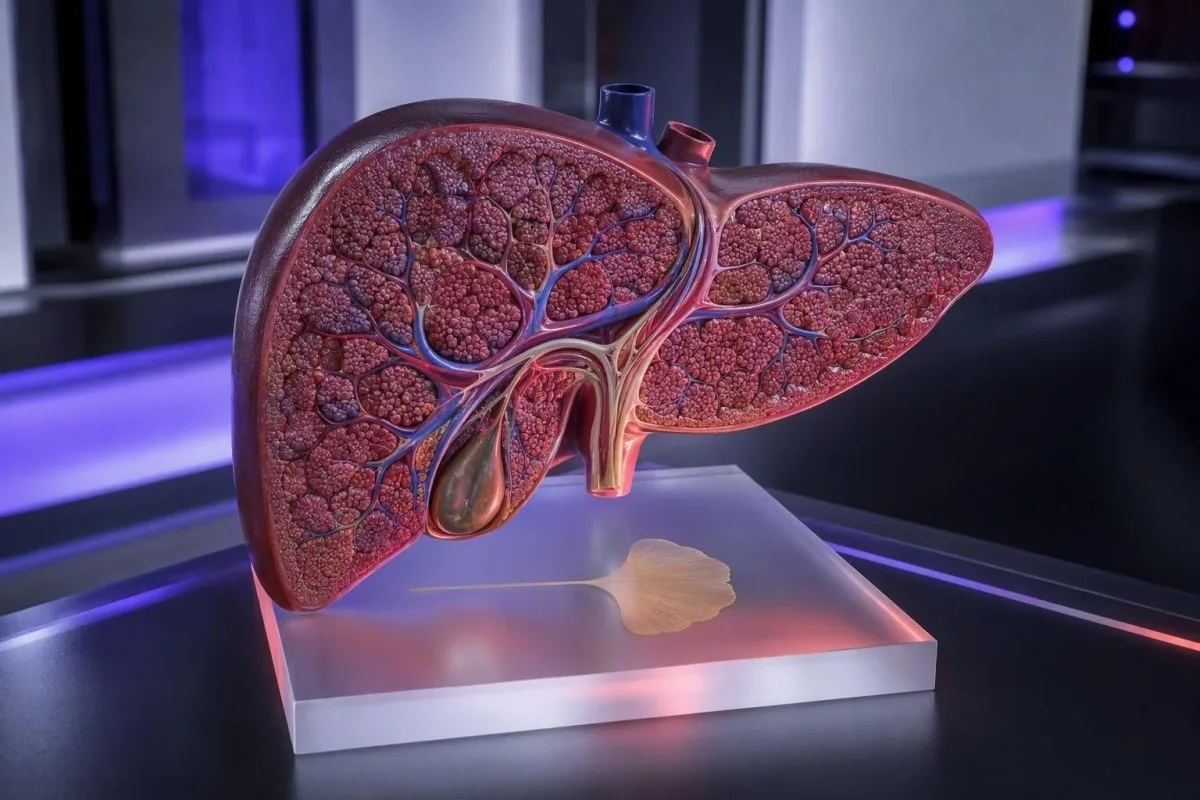
ALT ni kiwango cha kawaida cha kimeng'enya cha ini kinachoripotiwa, lakini ni ishara ya mafadhaiko ya seli badala ya utambuzi. Maana hutokana na ukubwa wake, muundo, muda, na sehemu nyingine ya paneli yako ya ini.


- Maana ya ALT: ALT inasimama kwa alanini aminotransferasi, kimeng'enya kinachopimwa katika IU/L ambacho kimejilimbikizia kwenye seli za ini.
- Masafa ya kawaida: Maabara nyingi za watu wazima hutumia kikomo cha juu cha ALT cha 35 IU/L kwa wanawake na 45 IU/L kwa wanaume, ingawa kiwango cha ripoti yenyewe ndicho huamua.
- Kuongezeka kidogo: ALT chini ya mara 2 ya kikomo cha juu cha maabara ni ya kawaida na mara nyingi hugharimu kurudiwa kwa mpango, sio hofu.
- muundo (pattern) ni muhimu: ALT yenye AST, ALP, GGT, bilirubini, au INR ya juu ina maana tofauti na kuinuka kwa ALT pekee.
- Athari ya mazoezi: Mazoezi makali ya nguvu yanaweza kuongeza ALT na AST kwa siku 7 au zaidi, hasa wakati kreatini kinase pia iko juu.
- Mapitio ya dawa: Acetaminophen, statins, viuavijasumu, dawa za kuzuia kifafa, virutubisho, na bidhaa za mitishamba zinaweza kuathiri ALT.
- Dalili za dharura: Matatizo ya manjano, kuchanganyikiwa, maumivu makali ya tumbo la kulia juu, kutapika mara kwa mara, au mkojo mweusi sana huhitaji tathmini ya kimatibabu siku hiyo hiyo.
- Thamani ya mwelekeo: Kushuka kwa ALT baada ya kuondoa kichocheo kwa kawaida huleta uhakika zaidi kuliko matokeo moja tu ya mpaka.
Maana ya ALT kwenye kipimo cha damu
ALT inasimama kwa alanine aminotransferase, enzyme ambayo husaidia seli kuhamisha vikundi vya amino wakati wa kimetaboliki ya nishati. Inapimwa kwa sababu ALT huingia katika mzunguko wa damu wakati seli za ini zinapokuwa na msongo au jeraha; yenyewe haiwezi kuthibitisha uharibifu wa kudumu wa ini.
ALT hupatikana zaidi ndani ya hepatocytes, seli zinazofanya kazi za ini, ingawa kiasi kidogo hupatikana katika misuli ya mifupa na tishu zingine. Matokeo yaliyoinuliwa huashiria kuwa enzyme zaidi imefikia sampuli kuliko ilivyotarajiwa; haiwezi kutambua ini yenye mafuta, hepatitis, uharibifu wa dawa, au mazoezi bila ushahidi unaofanana.
Katika mazoezi yangu ya kimatibabu, swali la kwanza muhimu zaidi si “imefikia kiwango gani cha juu?” bali “juu ikilinganishwa na kiwango cha msingi kipi na alama zingine gani?” ALT ya 58 IU/L baada ya utaratibu mpya wa mazoezi ni tatizo tofauti na ALT 58 IU/L ikiwa na bilirubini 65 µmol/L na macho ya njano.
Kantesti ni Mchambuzi wa mtihani wa damu wa AI ambayo inasoma ALT pamoja na AST, ALP, GGT, bilirubini, albamini, hesabu ya chembechembe za damu, dawa, na matokeo ya awali badala ya kutibu thamani moja iliyoangaziwa kama utambuzi. Kwa ramani pana ya vipimo vinavyohusiana, angalia yetu biomarker guide.
Kwa nini jina la zamani SGPT linaweza kuonekana
Ripoti zingine bado huita ALT “serum glutamic-pyruvic transaminase” au SGPT. ALT na SGPT hurejelea kipimo sawa cha enzyme, ingawa ripoti za kisasa za maabara kwa kawaida hutumia ALT.
Kwa nini waganga hupima alanini aminotransferasi
Waganga huagiza kipimo cha alanine aminotransferase kugundua msongo wa seli za ini, kufuatilia ugonjwa unaojulikana wa ini, na kuangalia uharibifu unaohusiana na dawa. ALT mara nyingi hujumuishwa katika jopo la ini au jopo kamili la kimetaboliki, hata wakati mtu hana dalili.
ALT mara nyingi huangaliwa wakati wa ukaguzi wa kisukari au lipid kwa sababu ugonjwa wa ini wenye mafuta unaohusishwa na dysfunction ya kimetaboliki, uliokuwa unaitwa ugonjwa wa ini wenye mafuta, unaweza kuwa wa kimya kwa miaka. Mwongozo wa AASLD wa 2023 unashauri kutathmini watu wenye mambo hatarishi ya kimetaboliki na kuongezeka kwa enzymes za ini ambazo hazijulikani kwa ugonjwa wa ini wenye mafuta na hatari ya fibrosis (Rinella et al., 2023).
ALT ya kawaida haiondoi fibrosis kubwa, na ALT ya juu haipimi kiwango cha fibrosis. Nimeona wagonjwa wenye ALT 24 IU/L na makovu yenye maana kwenye tathmini ya wataalamu, hasa kwa aina ya 2 ya kisukari; alama za fibrosis na upigaji picha hujibu swali tofauti.
Ufuatiliaji wa ALT pia ni wa vitendo baada ya mabadiliko ya dawa, lakini unapaswa kupangwa kwa uangalifu. Mwongozo wetu wa vipimo vya damu vya kila mwaka unaelezea kwa nini mzunguko wa upimaji unapaswa kufuata hatari, dalili, na matibabu badala ya mazoea pekee.
Viwango vya kawaida vya ALT na kwa nini mipaka ya maabara hutofautiana
Viwango vya kawaida vya ALT kwa watu wazima kwa kawaida huanzia kuhusu 7 hadi 35 IU/L kwa wanawake na 10 hadi 45 IU/L kwa wanaume, lakini viwango hutofautiana kulingana na kipimo, idadi ya watu, na maabara. Daima tumia kikomo cha juu kilichoandikwa kando ya matokeo yako mwenyewe badala ya kikomo cha mtandaoni.
Kikomo cha juu ni cha takwimu, kwa kawaida hutokana na idadi ya watu wa kumbukumbu, si dhamana kwamba kila thamani chini yake inaonyesha ini yenye afya kabisa. Baadhi ya maabara za Ulaya hutumia vikomo vya juu maalum kwa jinsia karibu 25 IU/L kwa wanawake na 35 IU/L kwa wanaume, ambavyo vinaweza kutambua hatari ya kimetaboliki mapema lakini pia kuunda bendera nyingi za mpaka.
Thamani chini ya mara mbili ya kikomo cha juu cha kawaida mara nyingi huchukuliwa kuwa ongezeko dogo. Kwa maabara yenye kikomo cha juu cha 40 IU/L, ALT 55 hadi 80 IU/L inahitaji muktadha na kawaida mpango wa kurudia, wakati ALT 400 IU/L ni mara 10 ya kikomo cha juu na hubadilisha uharaka.
Daktari Thomas Klein anashauri wagonjwa kuhifadhi jina la maabara, vitengo, kiwango, tarehe ya kuchukua sampuli, ulaji wa pombe, na mazoezi katika wiki iliyotangulia. Hii inafanya tofauti za matokeo kati ya vipimo ziwe rahisi kueleweka zaidi.
Jinsi ALT na AST hufanya kazi pamoja
ALT na AST zinapaswa kutafsiriwa pamoja kwa sababu ALT inahusu zaidi ini wakati AST pia inapatikana kwa wingi katika misuli ya mifupa na moyo. Uwiano wa AST kwa ALT unaweza kuonyesha mifumo, lakini hauwezi kugundua ugonjwa unaohusiana na pombe au cirrhosis peke yake.
Wakati ALT inapozidi AST, wataalamu wa matibabu mara nyingi huzingatia steatosis ya kimetaboliki, hepatitis ya virusi, au athari za dawa, ingawa kuna majina mengi ya tofauti. Uwiano wa AST:ALT zaidi ya 2 unaweza kutokea katika uharibifu wa ini unaohusiana na pombe, lakini fibrosis ya juu, uharibifu wa misuli, na muda baada ya mshtuko mkali pia unaweza kubadilisha uwiano.
Mwanariadha wa marathon mwenye umri wa miaka 52 na AST 89 IU/L, ALT 61 IU/L, na creatine kinase 1,450 IU/L baada ya mbio anahitaji mazungumzo tofauti na mtu aliye na enzymes sawa na creatine kinase 90 IU/L. Sababu tunayojali kuhusu AST pamoja na CK ya juu ni kutolewa kwa misuli; ALT peke yake haihusiani sana na misuli lakini inaweza kupanda pia.
Kwa upande wa misuli wa tofauti hii, soma maelezo yetu kuhusu dalili za AST ya juu. Ikiwa shughuli za kimwili ni sababu inayowezekana, epuka mafunzo magumu sana kwa siku 7 kabla ya kurudia kipimo isipokuwa daktari wako amekushauri vinginevyo.
Kwa nini ALP, GGT na bilirubini hubadilisha maana ya ALT
ALT inaonyesha mfumo wa hepatocellular, wakati alkaline phosphatase, GGT, na bilirubin husaidia kutambua cholestasis au mtiririko wa bile uliozuiliwa. ALT pamoja na ALP na GGT ya juu inapaswa kusababisha kuzingatia ugonjwa wa mfereji wa bile, athari za dawa, au kuvimba kwa ini badala ya kudhani ini lenye mafuta rahisi.
Daktari anaweza kuhesabu uwiano wa R: ALT kugawanywa na kikomo chake cha juu, kisha kugawanywa na ALP kugawanywa na kikomo chake cha juu. Uwiano wa R wa 5 au zaidi unasaidia uharibifu wa hepatocellular, 2 au chini unasaidia uharibifu wa cholestatic, na 2 hadi 5 unaonyesha muundo mchanganyiko; hii ni zana ya kuainisha, sio utambuzi wa mwisho.
GGT ni muhimu wakati ALP imeongezeka kwa sababu ongezeko la GGT linaunga mkono chanzo cha hepatobiliary, wakati ALP pia inaweza kuongezeka kutoka kwa kubadilika kwa mfupa. Kupanda kwa pekee kwa ALP na GGT ya kawaida kwa hiyo kunaweza kuelekeza maswali kuhusu mfupa na vitamini D badala ya upigaji picha wa ini.
Mkojo wa giza, kinyesi cha rangi hafifu, kuwasha, homa, au homa ya njano na bilirubin iliyoinuliwa sio dalili za “kusubiri kipimo cha kila mwaka kijacho”. Yetu wa cholestasis inaelezea mchanganyiko ambao unapaswa kutathminiwa mara moja.
Sababu za kawaida za kuongezeka kwa ALT
ALT iliyoinuliwa mara nyingi huonyesha ugonjwa wa ini wenye mafuta ya kimetaboliki, athari za pombe, hepatitis ya virusi, athari za dawa, au ongezeko la muda linalohusiana na mazoezi. Uwezekano wa kila sababu hubadilika kulingana na uzito wa mwili, glukosi, triglycerides, muundo wa pombe, safari, dawa, na ukubwa wa ongezeko.
Ugonjwa wa ini wenye mafuta ya kimetaboliki huenda ukatokea hasa wakati ongezeko la ALT linaambatana na ongezeko la uzito wa kati, triglycerides zaidi ya 150 mg/dL, HDL cholesterol ya chini, glukosi iliyoinuliwa wakati wa kufunga, au kisukari cha aina ya 2. Inaweza kutokea kwa watu wenye miili midogo pia, hasa na mafuta ya visceral, jenetiki, apnea ya usingizi, au dawa fulani.
Upimaji wa homa ya ini ya virusi hutegemea kuathirika na hatari, sio tu ALT. Antijeni ya uso ya Hepatitis B na kingamwili ya Hepatitis C pamoja na upimaji wa uthibitisho wa RNA ni sehemu za kawaida za tathmini inayolenga wakati historia, jiografia, au muundo wa enzyme unaiunga mkono; mwongozo wetu wa homa ya ini C unashughulikia njia ya kawaida.
Sababu ambazo si za kawaida lakini ni muhimu ni pamoja na hemochromatosis, homa ya ini ya kiotomatiki, ugonjwa wa Wilson kwa vijana, ugonjwa wa celiac, na upungufu wa alpha-1 antitrypsin. Dk. Thomas Klein ameona madhara ya kudhani kuwa kila ALT iliyoinuka inahusiana na pom. uchunguzi uliopangwa ni mzuri zaidi na sahihi zaidi.
Dawa na virutubisho vinavyoweza kuongeza ALT
Dawa na virutubisho vinaweza kuongeza ALT kupitia uharibifu wa moja kwa moja wa ini, mabadiliko ya mtiririko wa nyongo, athari za kimetaboliki, au kutoelewana bila uhusiano. Usisimamishe dawa iliyoagizwa ghafla kwa sababu ya matokeo moja; wasiliana na daktari anayeweza kupima faida ya dawa dhidi ya muundo na mwelekeo.
Acetaminophen, pia inaitwa paracetamol, inaweza kusababisha ongezeko kubwa la ALT katika dozi nyingi na wakati mwingine mabadiliko madogo kwa matumizi ya juu ya matibabu. Kwa watu wazima wengi, kiwango cha juu cha kawaida ni 4,000 mg kila siku, lakini waganga wengi wanapendekeza kikomo cha chini kwa watu wanaokunywa pom kwa kawaida, wana magonjwa ya ini, ni wazee, au wanatumia dawa za homa za mchanganyiko.
Statins zinaweza kuzalisha ongezeko dogo la ALT, lakini uharibifu mkubwa wa ini unaohusiana na statin ni nadra; kusimamisha dawa ya moyo na mishipa bila ushauri kunaweza kuwa na hatari zaidi kuliko bendera ya enzyme. Mwongozo wa ACG unapendekeza kuthibitisha kemikali za ini zisizo za kawaida na kuchukua historia makini ya maagizo, za kaunta, na za virutubisho kabla ya upimaji wa kina (Kwo et al., 2017).
Dondoo ya chai ya kijani, bidhaa za anabolic, vitamini A ya kiwango cha juu, poda za “detox” za viungo vingi, na virutubisho vya kujenga mwili visivyo na udhibiti vinafaa kuulizwa maswali maalum kwa sababu lebo zinaweza kuwa hazijakamilika. Kagua mwongozo wetu wa usalama wa virutubisho kabla ya kuongeza bidhaa mpya.
Je, mazoezi yanaweza kuongeza ALT kwa muda?
Ndiyo, mazoezi makali yanaweza kuongeza ALT kwa muda, hasa baada ya mafunzo ya upinzani ambayo hayajafahamika, matukio ya uvumilivu, au majeraha ya misuli. AST na creatine kinase kwa kawaida huongezeka zaidi, na maadili yanaweza kuchukua siku 3 hadi 10 kutulia kulingana na kiwango cha mazoezi na wingi wa misuli.
Dhana potofu ya kawaida ni kwamba ALT iliyoinuka mara zote inamaanisha uharibifu wa ini. Kwa vitendo, kikao kigumu kinachohusisha kuinua eccentric—miondoko ya kupunguza polepole—kinaweza kuharibu utando wa misuli vya kutosha kubadilisha AST, ALT, LDH, na CK bila ugonjwa wa ini.
Kwa ukaguzi mpya, mimi huuliza wagonjwa walio imara, wenye afya nzuri kuepuka mafunzo makali kwa siku 5 hadi 7, kuepuka pom kwa siku kadhaa, kuweka unywaji maji kuwa wa kawaida, na kutumia maabara sawa inapowezekana. Hii si sahihi ikiwa kuna dalili za kuogofya au ALT mara kadhaa juu ya kiwango; hali hizo zinahitaji ushauri wa kimatibabu kwanza.
Kantesti ni Zana ya uchambuzi wa vipimo vya damu inayotumia AI hutumiwa katika nchi 127+ ambazo zinaweza kulinganisha ALT, AST, CK, na michoro ya awali ili kuashiria muundo unaoendana na mazoezi bila kuutangaza kuwa hauna madhara. Wanariadha wanaweza pia kukagua muda wa upimaji wa damu kwa marathon.
Dalili zinazofanya matokeo ya ALT kuwa ya dharura zaidi
Matokeo mengi madogo ya ALT hayana dalili, lakini manjano, mkojo mweusi sana, kinyesi cheupe, maumivu makali ya tumbo, kuchanganyikiwa, kutokwa na damu kwa urahisi, au kutapika kwa kudumu kunahitaji tathmini ya haraka ya kimatibabu. Dalili ni muhimu kwa sababu zinaweza kuonyesha usindikaji wa bilirubini ulioharibika, kizuizi cha nyongo, homa ya ini kali, au kupungua kwa utendaji kazi wa ini.
Tafuta huduma ya siku hiyo hiyo kwa macho au ngozi ya njano, kuchanganyikiwa, usingizi mpya, maumivu yanayozidi kuwa mabaya chini ya mbavu za kulia, au kutoweza kumeza vimiminika. Dalili hizi zina uzito zaidi wakati ALT iko juu ya mara 5 ya kikomo cha juu, bilirubini imeongezeka, au INR imeongezeka.
Mimba hubadilisha kiwango cha wasiwasi: kuwashwa kwa viganja vya mikono au nyayo, usumbufu wa tumbo la juu kulia, maumivu ya kichwa, usumbufu wa kuona, au shinikizo la damu la juu huhitaji tathmini ya haraka ya uzazi hata wakati ALT imeongezeka kwa wastani tu. Masharti maalum ya ujauzito yanahitaji njia tofauti na upimaji wa kawaida wa ini kwa wagonjwa wa nje.
Mabadiliko ya mkojo yanaweza kuongeza dalili lakini si uchunguzi kwa wenyewe. Makala yetu kuhusu visababishi vya mkojo mweusi husaidia kutofautisha upungufu wa maji mwilini na dawa kutoka kwa ishara za onyo zinazohusiana na bilirubini.
Kinachotokea kwa kawaida baada ya matokeo ya ALT yasiyo ya kawaida
Baada ya matokeo ya ALT yasiyo ya kawaida, waganga kwa kawaida huthibitisha matokeo, huchunguza maambukizi, na kurudia au kupanua jopo kulingana na ukubwa wa ongezeko na dalili. Matokeo moja madogo mara nyingi husababisha kurudia kwa wiki hadi miezi michache, wakati ongezeko kubwa au manjano kunastahili tathmini ya haraka zaidi.
Uhakiki wa kwanza wenye maana hujumuisha mtindo wa pombe, ugonjwa wa hivi karibuni, mabadiliko ya uzito wa mwili, safari, historia ya familia, dawa za dawa na zisizo za dawa, virutubisho, na mazoezi wakati wa siku 7 zilizopita. Vipimo vya kawaida vya ufuatiliaji ni pamoja na AST, ALP, GGT, bilirubini, albmini, hesabu kamili ya damu, INR, uchunguzi wa homa, feritini na uenezi wa uhamisho, na glukosi au HbA1c.
Kipimo cha ultrasound mara nyingi ni muhimu kwa steatosis, mawe ya nyongo, upanuzi wa njia ya nyongo, au mabadiliko ya kimuundo, lakini hakiainishi kwa uhakika fibrosis ya mapema. FIB-4 hutumia umri, AST, ALT, na hesabu ya chembechembe za damu ili kukadiria hatari ya fibrosis; inakuwa haitegemewi chini ya umri wa miaka 35 na haipaswi kutumiwa wakati wa ugonjwa unaoendelea.
Kantesti AI ni huduma ya kutafsiri vipimo vya maabara ya AI unaopanga alama hizi zinazohusiana na matokeo ya muda mrefu kwa ajili ya kujadili na daktari. Yetu kipaukuzaji cha lugha ya vipimo vya ini inaonyesha mchango wa kila kipengele cha ufuatiliaji.
Kwa nini mienendo ya ALT ni muhimu zaidi kuliko nambari moja
Mwenendo wa ALT mara nyingi huwa na taarifa zaidi kuliko matokeo moja kwa sababu huonyesha ikiwa ishara inatengenea, inaendelea, au inaharakisha. Mabadiliko kutoka 72 hadi 34 IU/L baada ya wiki 6 hubeba ujumbe tofauti wa kimatibabu kuliko 34 hadi 72 IU/L, hata ingawa nambari zote mbili zinaweza kuwa karibu na kikomo cha maabara.
Mabadiliko ya kibiolojia, kiwango cha unyevu mwilini, mabadiliko ya kipimo, na muda vinaweza kusogeza ALT kidogo kati ya michoro. Kurudia katika maabara ile ile, wakati sawa wa siku, baada ya shughuli zinazofanana na utumiaji wa pombe, hupunguza kelele na kufanya mabadiliko halisi yawe rahisi kutambuliwa.
Mwinuko unaoendelea kwa zaidi ya miezi 6 unastahili tathmini ya makini zaidi, hasa ikiwa na kisukari, unene kupita kiasi, historia ya familia ya magonjwa ya ini, kupungua kwa chembechembe za damu, au kuongezeka kwa bilirubini. Kinyume chake, ALT tulivu kidogo kwa mgonjwa aliyetathminiwa kikamilifu anaweza kufuatiliwa badala ya kufuatiliwa kwa vipimo vingi vya kurudia.
Kantesti AI hutafsiri mitindo ya ALT pamoja na AST, hesabu ya chembechembe za damu, bilirubini, na viashiria vya kimetaboliki badala ya kutibu mabadiliko ya 3 IU/L kama maendeleo ya ugonjwa. Tazama yetu upimaji wa muda mrefu kwa maelezo yanayostahili kurekodiwa baada ya kila michoro.
Dhana potofu za ALT zinazoweza kusababisha maamuzi mabaya
ALT si “kipimo cha utendaji wa ini” kwa maana halisi kwa sababu inapima uvujaji wa kimeng'enya, si uwezo wa ini kutengeneza albmini, vipengele vya kuganda damu, au nyongo. Albumin, INR, bilirubini, hesabu ya chembechembe za damu, dalili, na upigaji picha vinaweza kueleza hadithi yenye matokeo zaidi kuliko ALT pekee.
ALT ya kawaida haitoi ruhusa ya kupuuza ulaji mzito wa pombe, kisukari, au historia kubwa ya familia ya magonjwa ya ini. Vile vile, ALT iliyoinuka haithibitishi kwamba pombe ndiyo iliyosababisha; dhana hii inaweza kuharibu uaminifu na kuchelewesha utambuzi wa magonjwa yanayosababishwa na virusi, mfumo wa kinga, jenetiki, au dawa.
“Utoaji sumu kwa ini” ni mtego mwingine wa kawaida. Ini tayari hufanya kazi ya kimetaboliki na kusafisha, wakati kufunga kwa nguvu, mimea isiyodhibitiwa, na kupunguza uzito haraka wakati mwingine kunaweza kuzidisha dalili au alama za maabara; ushahidi kwa ajili ya rejimeni za kutoa sumu za kibiashara ni duni kwa uaminifu.
Ikiwa lishe ni sehemu ya majadiliano, zingatia mabadiliko endelevu ya uzito, protini ya kutosha, nyuzi, na kupunguza vyakula vilivyochakatwa sana badala ya bidhaa za miujiza. Yetu inayotokana na ushahidi mwongozo wa chakula cha ini ni sehemu salama ya kuanzia.
Tafsiri ya ALT kwa watoto, wajawazito na wazee
Tafsiri ya ALT inahitaji muktadha maalum wa umri kwa watoto, wajawazito, na wazee kwa sababu mipaka ya marejeleo na sababu zinazowezekana zinatofautiana. Vizingiti vya ALT vya watoto mara nyingi huwa chini kuliko mipaka ya maabara ya watu wazima, na dalili za ini zinazohusiana na ujauzito zinahitaji tathmini ya haraka inayoongozwa na wataalamu.
Kwa watoto, ugonjwa wa ini wenye mafuta unaohusiana na unene unazidi kutambulika, lakini magonjwa ya virusi, magonjwa ya misuli, ugonjwa wa celiac, na hali za kimetaboliki za kurithi lazima zibaki katika tofauti. Daktari wa watoto anapaswa kutafsiri mwinuko unaoendelea wa ALT badala ya kutumia fikra za watu wazima “chini ya 40 IU/L ni sawa”.
Wakati wa ujauzito, ALT kwa ujumla inapaswa kubaki ndani ya kiwango cha marejeleo kisicho cha ujauzito; ongezeko la shinikizo la damu, chembechembe chache za damu, kuwashwa, au kichefuchefu huhitaji tathmini ya haraka kwa magonjwa maalum ya ujauzito. Albumin mara nyingi huanguka kwa sababu ya upanuzi wa kiasi cha plasma, kwa hivyo albmin na ALT haipaswi kutafsiriwa kwa mantiki sawa.
Kwa wazee, matumizi ya dawa nyingi na udhaifu huongeza thamani ya uhakiki kamili wa dawa. Yetu mwongozo wa maabara ya dawa za wazee unaorodhesha maswali ya kuleta kwenye miadi.
Kutumia tafsiri ya AI kwa usalama kwa matokeo ya ALT
AI inaweza kusaidia kupanga matokeo ya ALT, lakini haiwezi kukuchunguza, kuthibitisha dalili, au kuchukua nafasi ya tathmini ya kimatibabu kwa muundo unaowezekana wa ini. Matumizi salama zaidi ni maandalizi: tambua muundo, hifadhi ripoti ya asili, na ulete maswali yaliyoangaziwa kwa daktari aliyehitimu.
Kufikia Septemba 5, 2026, Kantesti ni jukwaa la tafsiri ya vipimo vya damu la AI ambayo hupitia ripoti za maabara zilizopakiwa kwa takriban sekunde 60 na huweka ALT katika muktadha wa maadili yanayohusiana, historia ya mwelekeo, na dawa zilizoripotiwa. Imeundwa kuboresha ubora wa maswali, sio kutoa utambuzi au kuagiza matibabu.
Kwa usahihi, angalia kuwa picha ya ripoti inaonekana, vitengo vimenaswa kwa usahihi, na matokeo kutoka mwaka uliopita hayakukosewa kwa thamani ya leo. Mbinu ya kimatibabu ya Kantesti inaundwa na usimamizi wa daktari; wasomaji wanaweza kukagua yetu viwango vyetu vya uthibitisho wa kitabibu na Bodi ya Ushauri wa Matibabu wanapoamua jinsi ya kutumia tafsiri inayoungwa na AI.
Lete vitu vitatu kwenye ukaguzi: jopo kamili, orodha ya kila dawa na nyongeza na vipimo, na ratiba ya pombe, ugonjwa, safari, na mazoezi makali. Maandalizi hayo madogo mara nyingi huzuia hofu isiyo ya lazima na kuzuia muundo wa maana kukosa.
Orodha ya vitendo kabla ya kipimo chako kijacho cha ALT
Kabla ya kurudiwa kwa ALT iliyopangwa, weka utaratibu wako thabiti na uandike mambo ambayo yanaweza kubadilisha enzymes. Epuka mafunzo mazito kwa siku 5 hadi 7 inapokuwa salama kimatibabu, epuka pombe kwa siku kadhaa, na usibadilishe dawa zilizowekwa isipokuwa ikiwa daktari atakuelekeza.
Rekodi matumizi yoyote ya acetaminophen au paracetamol, viuavijasumu, virutubisho vipya, homa ya hivi karibuni, ugonjwa wa matumbo, chanjo, kufunga, na mabadiliko ya uzito ya haraka. Kufunga kwa kawaida hakuhitajiki kwa ALT pekee, ingawa inaweza kuombwa ikiwa sukari, triglycerides, au vipimo vingine vinapimwa katika ziara moja.
Muulize daktari ikiwa kurudiwa kwa ALT kunapaswa kujumuisha AST, ALP, GGT, bilirubini, albmini, chembe za damu, na CK. Jibu mara nyingi hutegemea muundo wa kwanza; ALT pekee ya 48 IU/L baada ya kuinua uzito haihitaji uchunguzi sawa na ALT 248 IU/L yenye bilirubini 48 µmol/L.
Ikiwa unahitaji usaidizi wa kukusanya maswali kutoka kwa ripoti yako, yetu orodha ya ukaguzi ya usahihi ya ripoti ya AI inasaidia kabla ya ziara. Kwa habari ya shirika kuhusu kazi yetu, angalia Kuhusu Kantesti.
Maswali Yanayoulizwa Mara Kwa Mara
ALT inasimamia nini katika matokeo ya vipimo?
ALT inasimama kwa alanine aminotransferase, enzyme inayopatikana zaidi katika seli za ini na hupimwa kwa vitengo vya kimataifa kwa lita (IU/L). Maabara nyingi hutumia mipaka ya juu karibu 35 IU/L kwa wanawake wazima na 45 IU/L kwa wanaume wazima, ingawa kiwango cha marejeleo kilichochapishwa kwenye ripoti ya kibinafsi ndicho kiwango sahihi cha kulinganisha. ALT iliyoinuliwa huashiria msongo au jeraha la seli lakini haiwezi kutambua sababu kwa yenyewe. AST, ALP, GGT, bilirubini, dawa, pombe, mazoezi, na dalili huamua maana ya matokeo.
Je, ALT 50 IU/L ni nyingi?
ALT ya 50 IU/L imeongezeka kidogo katika maabara zenye kikomo cha juu cha 35 au 40 IU/L, lakini iko karibu na kawaida katika baadhi ya maabara zenye kikomo cha juu cha 55 IU/L. Thamani inayozunguka 50 IU/L kwa kawaida huwa na uharaka mdogo wakati bilirubini, ALP, INR, na dalili zikiwa kawaida, ingawa bado inahitaji muktadha na mara nyingi marudio. Mazoezi ya uzito ya hivi karibuni, pombe, mafuta mwilini, dawa, na virutubisho ni maelezo ya kawaida. Kuongezeka kwa muda unaozidi miezi 6 kunahitaji mapitio ya kimatibabu yenye muundo.
Je, mazoezi yanaweza kuongeza viwango vya ALT?
Mazoezi makali yanaweza kuongeza viwango vya ALT, AST, LDH, na creatine kinase kwa sababu misuli ya mifupa hutoa vimeng'enya baada ya mazoezi makali au yasiyozoeleka. Ongezeko hili linaweza kudumu kwa siku 3 hadi 10, huku AST na creatine kinase mara nyingi zikiongezeka zaidi kuliko ALT. Kuepuka shughuli makali zisizo za kawaida kwa siku 5 hadi 7 kabla ya kurudia kipimo kunaweza kubainisha ikiwa mazoezi yalichangia. Kuinuka kwa ALT, manjano, maumivu makali, au mkojo mweusi bado kunahitaji ushauri wa daktari mara moja badala ya kudhani mazoezi ndiyo sababu.
Ni ipi muhimu zaidi, ALT au AST?
ALT wala AST si muhimu zaidi kwa ujumla kwa sababu jozi hiyo hutoa habari zaidi kuliko matokeo yoyote pekee. ALT inalenga zaidi kwenye ini, wakati AST pia iko kwenye misuli ya mifupa na inaweza kupanda kwa kiasi kikubwa baada ya mazoezi au majeraha ya misuli. Uwiano wa AST kwa ALT zaidi ya 2 unaweza kutokea na jeraha la ini linalohusishwa na pombe, lakini sio uchunguzi na inaweza pia kuonekana na fibrosis ya hali ya juu au kutolewa kwa misuli. Waganga hutafsiri maadili yote mawili pamoja na GGT, ALP, bilirubini, kreatini kinase, hesabu ya chembechembe, na historia ya kimatibabu.
Lini matokeo ya juu ya ALT yanapaswa kuchukuliwa kuwa ya haraka?
Matokeo ya juu ya ALT yanahitaji tathmini ya haraka yanapozidi mara 5 kikomo cha juu cha maabara, hupanda kwa kasi, au hutokea pamoja na njano, kuchanganyikiwa, maumivu makali ya tumbo la juu kulia, kutapika kuendelea, kuharibika kwa urahisi kwa damu, au mkojo mweusi sana. Kuongezeka kwa bilirubini, INR ndefu, sukari ya chini ya damu, au chembechembe za damu chache kunaweza kuongeza wasiwasi kwa sababu vinaweza kuonyesha zaidi ya kutolewa kwa enzyme pekee. Muwasho unaohusiana na ujauzito, maumivu ya kichwa, dalili za kuona, au shinikizo la damu la juu pamoja na kuongezeka kwa ALT pia huhitaji tathmini ya haraka ya uzazi. Matokeo madogo yaliyotengwa chini ya mara 2 ya kikomo cha juu kawaida hupimwa kwa uharaka mdogo lakini haipaswi kupuuzwa.
Je, ini lenye mafuta linaweza kusababisha ALT ya juu?
Ugonjwa wa ini wenye mafuta unaohusishwa na shida ya kimetaboliki ni sababu ya kawaida ya ALT iliyoinuliwa kidogo, haswa na kiwango cha mafuta mwilini (triglycerides) zaidi ya 150 mg/dL, sukari iliyoinuka, kisukari cha aina ya 2, unene wa kati au kiwango cha chini cha HDL cholesterol. ALT inaweza kuwa kawaida licha ya mafuta au fibrosis ini, kwa hivyo matokeo ya kawaida hayatengui ugonjwa unaohusika kimatibabu. Mwongozo wa AASLD wa 2023 unasaidia tathmini ya hatari ya fibrosis kwa watu walio na mambo hatarishi ya kimetaboliki na mwinuko usioeleweka wa enzymes. Kudhibiti uzito kwa njia endelevu, kudhibiti kisukari, kupunguza matumizi ya pombe, na ufuatiliaji unaoelekezwa na daktari ni msingi zaidi kuliko bidhaa za "detox".
Pata Uchambuzi wa Vipimo vya Damu kwa AI Leo
Jiunge na zaidi ya watumiaji 2 milioni duniani kote wanaoamini Kantesti kwa uchambuzi wa papo hapo na sahihi wa vipimo vya maabara. Pakia matokeo yako ya vipimo vya damu na upate tafsiri ya kina ya viashiria vya 15,000+ ndani ya sekunde.
📚 Machapisho ya Utafiti Yanayorejelewa
Klein, T., Mitchell, S., & Weber, H. (2026). Mwili wa damu Aina ya B Negativu, Mwongozo wa Kipimo cha Damu cha LDH na Hesabu ya Reticulocyte. Kantesti uchambuzi wa damu kwa AI ya utafiti wa matibabu.
Klein, T., Mitchell, S., & Weber, H. (2026). Kuhara Baada ya Kufunga, Madoa Meusi kwenye Kinyesi na Mwongozo wa GI 2026. Kantesti uchambuzi wa damu kwa AI ya utafiti wa matibabu.
📖 Marejeo ya Nje ya Tiba
⚕️ Kanusho la Kimatibabu
Makala haya ni kwa madhumuni ya elimu tu na si ushauri wa kimatibabu. Wasiliana na mtoa huduma aliyehitimu kila wakati kwa maamuzi ya utambuzi na matibabu.
E-E-A-T Trust Signals
Uzoefu
Mapitio ya kimatibabu inayoongozwa na daktari ya mifumo ya tafsiri ya maabara.
Utaalamu
Kuzingatia dawa za maabara kuhusu jinsi viashiria (biomarkers) vinavyobadilika katika muktadha wa kliniki.
Mamlaka
Imeandikwa na Dk. Thomas Klein kwa mapitio ya Dk. Sarah Mitchell na Prof. Dk. Hans Weber.
Uaminifu
Tafsiri inayotegemea ushahidi yenye njia zilizo wazi za ufuatiliaji ili kupunguza tahadhari za hofu.