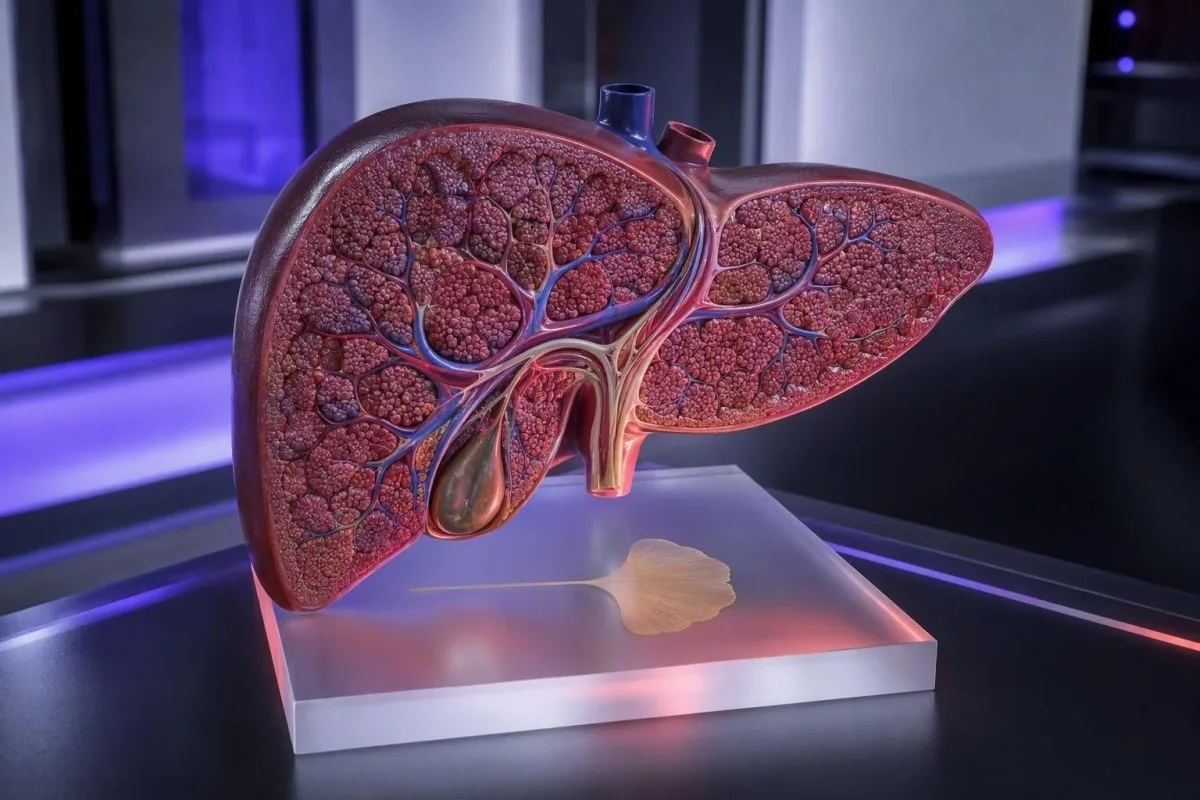
ALT - гэта распаўсюджаны паказчык пячоначных ферментаў, але ён з'яўляецца сігналам стрэсу клетак, а не дыягназам. Значэнне залежыць ад яго памеру, характару, часу і астатніх паказчыкаў вашай печані.


- Значэнне ALT: ALT - гэта аланінамінатрансфераза, фермент, які вымяраецца ў МЕ/л і які канцэнтруецца ў клетках печані.
- Тыповы дыяпазон: Многія дарослыя лабараторыі выкарыстоўваюць верхнюю мяжу ALT 35 МЕ/л для жанчын і 45 МЕ/л для мужчын, хоць дыяпазон, прыведзены ў справаздачы, з'яўляецца вызначальным.
- Нязначнае павышэнне: ALT ніжэй за 2-кратны верхні мяжу лабараторыі сустракаецца часта і часта патрабуе планавага паўтарэння, а не панікі.
- важны ўзор: ALT з высокімі AST, ALP, GGT, білірубінам або INR азначае нешта іншае, чым ізаляванае павышэнне ALT.
- Уплыў фізічных нагрузак: Інтэнсіўныя сілавыя трэніроўкі могуць павысіць ALT і AST на 7 дзён або даўжэй, асабліва калі таксама высокі креатінкіназа.
- Агляд лекаў: Ацетамінафен, статыны, антыбіётыкі, супрацьэпілептычныя прэпараты, дабаўкі і травяныя прадукты могуць уплываць на ALT.
- Неадкладныя сімптомы: Жаўтуха, разгубленасць, моцны боль у правай верхняй частцы жывата, паўторная ваніты або вельмі цёмная мача патрабуюць ацэнкі лекара ў той жа дзень.
- Тэндэнцыя значэння: Зніжэнне ALT пасля выдалення трыгера звычайна больш абнадзейлівае, чым адзін ізаляваны памежны вынік.
Што азначае ALT у аналізе крыві
ALT азначае аланінамінатрансферазу, фермент, які дапамагае клеткам пераносіць амінагрупы падчас энергетычнага метабалізму. Ён вымяраецца, таму што ALT трапляе ў кровазварот, калі клеткі печані знаходзяцца пад стрэсам або пашкоджаны; сам па сабе ён не з'яўляецца доказам пастаяннага пашкоджання печані.
ALT знаходзіцца галоўным чынам унутры гепатацытаў, працоўных клетак печані, хоць невялікія колькасці прысутнічаюць у шкірных цягліцах і іншых тканінах. Павышаны вынік азначае, што больш фермента патрапіла ў пробу, чым чакалася; ён не можа вызначыць тлушчавую дыстрафію печані, гепатыт, пашкоджанне ад лекаў або фізічную нагрузку без суправаджаючых доказаў.
У сваёй клінічнай практыцы найбольш карысным першым пытаннем з'яўляецца не “наколькі ён высокі?”, а “высокі ў параўнанні з якім базавым узроўнем і якімі іншымі маркерамі?”. ALT 58 МЕ/л пасля новай трэніроўкі ў трэнажорнай зале - гэта іншая праблема, чым ALT 58 МЕ/л з білірубінам 65 мкмоль/л і жоўтымі вачыма.
Кантэсці — гэта Аналізатар крыві са штучным інтэлектам які чытае ALT разам з AST, ALP, GGT, білірубінам, альбумінам, колькасцю трамбацытаў, лекамі і папярэднімі вынікамі, а не разглядае адно адзначанае значэнне як дыягназ. Больш шырокую карту звязаных вымярэнняў гл. у нашым кіраўніцтва па біямаркерах.
Чаму можа з'явіцца старая назва SGPT
Некаторыя справаздачы ўсё яшчэ называюць ALT “сыроватачным глутамата-піруватным трансміназай” або SGPT. ALT і SGPT абазначаюць аднолькавы тэст на фермент, хоць сучасная лабараторная справаздачнасць звычайна выкарыстоўвае ALT.
Чаму клініцысты вымяраюць аланінамінатрансферазу
Клініцысты прызначаюць тэст на аланінамінатрансферазу для выяўлення стрэсу гепатацытаў, маніторынгу вядомых захворванняў печані і праверкі на пашкоджанне, выкліканае лекамі. ALT часта ўключаецца ў панэль печані або комплексную метабалічную панэль, нават калі ў чалавека няма сімптомаў.
ALT часта правяраецца падчас аглядаў на цукровы дыябет або ліпіды, таму што метабалічна дысфункцыянальнае стэатотычнае захворванне печані, раней званае тлушчавым захворваннем печані, можа быць бессімптомным на працягу многіх гадоў. Рэкамендацыі AASLD 2023 года раяць ацэньваць людзей з метабалічнымі фактарамі рызыкі і невытлумачальным павышэннем узроўню ферментаў печані на прадмет стэатотычнага захворвання печані і рызыкі фіброзу (Rinella et al., 2023).
Нармальны ўзровень ALT не выключае значнага фіброзу, а высокі ўзровень ALT не вымярае стадыю фіброзу. Я бачыў пацыентаў з ALT 24 МЕ/л і значным рубцам па спецыялістычнай ацэнцы, асабліва з цукровым дыябетам 2 тыпу; шкалы фіброзу і візуалізацыя адказваюць на іншае пытанне.
Маніторынг ALT таксама практычны пасля змены лекаў, але яго трэба планаваць з улікам абставін. Наш даведнік па штогадовых аналізах крыві тлумачыць, чаму частата тэсціравання павінна адпавядаць рызыцы, сімптомам і лячэнню, а не толькі звычцы.
Нармальныя межы ALT і чаму лабараторныя паказчыкі адрозніваюцца
Звычайныя рэферэнтныя дыяпазоны ALT для дарослых звычайна складаюць ад 7 да 35 МЕ/л для жанчын і ад 10 да 45 МЕ/л для мужчын, але дыяпазоны адрозніваюцца ў залежнасці ад аналізу, папуляцыі і лабараторыі. Заўсёды выкарыстоўвайце верхнюю мяжу, надрукаваную побач з вашым уласным вынікам, а не інтэрнэт-паказнік.
Верхняя мяжа з'яўляецца статыстычнай, звычайна атрыманай з рэферэнтнай папуляцыі, а не гарантыяй таго, што кожнае значэнне ніжэй за яе адлюстроўвае цалкам здаровую печань. Некаторыя еўрапейскія лабараторыі выкарыстоўваюць палавыя нормы верхніх межаў каля 25 МЕ/л для жанчын і 35 МЕ/л для мужчын, што можа раней выявіць метабалічны рызыку, але таксама стварае больш памежных сігналаў.
Значэнне менш чым у два разы вышэй за верхнюю мяжу нормы часта называюць лёгкім павышэннем. Для лабараторыі з верхняй мяжой 40 МЕ/л, ALT 55-80 МЕ/л патрабуе кантэксту і звычайна плана паўторнага аналізу, у той час як ALT 400 МЕ/л - гэта ў 10 разоў вышэй за верхнюю мяжу і змяняе тэрміновасць.
Доктар Томас Кляйн раіць пацыентам захоўваць назву лабараторыі, адзінкі, дыяпазон, дату ўзяцця пробы, спажыванне алкаголю і фізічную актыўнасць за папярэдні тыдзень. Гэта робіць адрозненні вынікаў паміж візітамі значна больш зразумелымі.
Як ALT і AST працуюць разам
ALT і AST трэба інтэрпрэтаваць разам, таму што ALT адносна арыентаваны на печань, у той час як AST таксама прысутнічае ў скелетных і сардэчных цягліцах. Суадносіны AST да ALT могуць прапанаваць заканамернасці, але яны не могуць дыягнаставаць захворванні, звязаныя з алкаголем, або цыроз асобна.
Калі ALT перавышае AST, клініцысты часта разглядаюць метабалічны стэатоз, вірусны гепатыт або лекавыя эфекты, хоць існуе мноства выключэнняў. Суадносіны AST:ALT вышэй за 2 могуць узнікаць пры пашкоджанні печані, звязаным з алкаголем, але прасунуты фіброз, пашкоджанне цягліц і час пасля вострага ўздзеяння таксама могуць змяніць суадносіны.
52-гадовы марафонец з AST 89 МЕ/л, ALT 61 МЕ/л і крэатынкіназай 1450 МЕ/л пасля забегу патрабуе іншай размовы, чым чалавек з тымі ж ферментамі і крэатынкіназай 90 МЕ/л. Прычына, па якой нас турбуе AST плюс высокая КК, - гэта вызваленне цягліц; толькі ALT менш спецыфічны для цягліц, але таксама можа павышацца.
Што тычыцца цягліцавага аспекта гэтага адрознення, прачытайце наша тлумачэнне сімптомы высокага AST. Калі фізічная актыўнасць з'яўляецца магчымай прычынай, пазбягайце незвычайна напружаных трэніровак за 7 дзён да паўторнага тэставання, калі ваш лекар не параіць іншае.
Чаму ALP, GGT і білірубін змяняюць значэнне ALT
ALT паказвае на печаначна-клетачны патыск, у той час як шчолачная фасфатаза, GGT і білірубін дапамагаюць вызначыць халестаз або парушэнне адтоку жоўці. ALT плюс высокі ALP і GGT павінны выклікаць разгляд захворванняў жоўцевых шляхоў, лекавых эфектаў або запалення печані, а не меркаваць прастудную тлушчавую печань.
Клініцыст можа разлічыць R-суадносіны: ALT, падзелены на яго верхнюю мяжу, затым падзелены на ALP, падзелены на яго верхнюю мяжу. R-суадносіны 5 або больш сведчаць аб печаначна-клетачным пашкоджанні, 2 або менш - аб халестатычным пашкоджанні, а ад 2 да 5 - аб змешаным патыску; гэта інструмент сартавання, а не канчатковы дыягназ.
GGT карысны, калі ALP павышаны, таму што павышэнне GGT сведчыць аб гепатабіліярнай крыніцы, у той час як ALP таксама можа павышацца ад абмену касцяной тканіны. Ізаляванае павышэнне ALP пры нармальным GGT можа, такім чынам, накіраваць на пытанні, звязаныя з косткамі і вітамінам D, а не на візуалізацыю печані.
Цёмная моча, бледны кал, сверб, ліхаманка або жаўтуха з павышаным білірубінам - гэта не сімптомы “пачакайце наступнага штогадовага тэсту”. Наш даведнік па ўзору халестазу тлумачыць камбінацыі, якія павінны быць ацэнены неадкладна.
Агульныя прычыны павышэння ALT
Павышэнне ALT часцей за ўсё адлюстроўвае метабалічнае захворванне печані, звязанае са стэатозам, уздзеянне алкаголю, вірусны гепатыт, лекавыя эфекты або часовае павышэнне, звязанае з фізічнымі нагрузкамі. Верагоднасць кожнай прычыны змяняецца ў залежнасці ад вагі цела, глюкозы, трыгліцерыдаў, характару спажывання алкаголю, падарожжаў, лекаў і велічыні павышэння.
Метаболічнае захворванне печані са стэатозам асабліва верагодна, калі павышэнне АЛТ суправаджаецца цэнтральным наборам вагі, трыгліцеры вышэй 150 мг/дл, нізкі ўзровень ЛПВП, павышаны ўзровень глюкозы нашча або цукровы дыябет 2 тыпу. Яно можа сустракацца і ў людзей з меншымі целамі, асабліва пры наяўнасці вісцаральнага тлушчу, генетычнай схільнасці, апноэ ў сне або прыёме некаторых лекаў.
Тэсціраванне на вірусны гепатыт залежыць ад уздзеяння і рызыкі, а не толькі ад АЛТ. Бактэрыяльны антыген гепатыту В і антыцелы да гепатыту С з пацвярджаючым тэсціраваннем РНК з'яўляюцца стандартнымі часткамі мэтанакіраванай ацэнкі, калі гісторыя, геаграфія або патэрн ферментаў пацвярджаюць гэта; наш даведнік па гепатыце З апісвае звычайны шлях.
Менш распаўсюджаныя, але важныя прычыны ўключаюць гемахроматоз, аутоіммунный гепатыт, хваробу Вілсана ў маладых людзей, целиакію і дэфіцыт альфа-1-антытрыпсіна. Доктар Томас Кляйн бачыў шкоду ад меркавання, што кожнае павышэнне АЛТ звязана з алкаголем; структураваная праца з'яўляецца больш гуманнай і дакладнай.
Лекі і дабаўкі, якія могуць павысіць ALT
Лекавыя сродкі і харчовыя дабаўкі могуць павышаць АЛТ праз прамое пашкоджанне печані, парушэнне адтоку жоўці, метабалічныя эфекты або нязвязаную супадзенне. Не спыняйце прызначаны лекавы сродак раптоўна з-за аднаго выніку; звярніцеся да лекара, які можа ацаніць карысць лекаў у параўнанні з патэрнам і тэндэнцыяй.
Ацетамінофен, таксама званы парацэтамолам, можа выклікаць значнае павышэнне АЛТ пры перадазіроўцы і часам менш выяўленыя змены пры высокай тэрапеўтычнай дозе. Для большасці дарослых звычайны максімум складае 4000 мг у суткі, але многія лекары рэкамендуюць ніжнюю мяжу для людзей, якія рэгулярна ўжываюць алкаголь, маюць захворванні печані, старэйшыя або выкарыстоўваюць камбінаваныя сродкі ад прастуды.
Стаціны могуць выклікаць невялікае павышэнне АЛТ, аднак сур'ёзнае пашкоджанне печані, звязанае са стацінамі, рэдка; спыненне сардэчна-сасудзістага лекавага сродку без кансультацыі можа быць больш небяспечным, чым сігнал фермента. Кіруючыя прынцыпы ACG рэкамендуюць пацвярджаць анамальныя паказчыкі печані і праводзіць дбайны збор гісторыі прыёму лекаў па рэцэпце, без рэцэпту і харчовых дабавак перад правядзеннем шырокага тэсціравання (Kwo et al., 2017).
Экстракт зялёнага гарбаты, анабалічныя прадукты, высокія дозы вітаміна А, шматкампанентныя парашкі для “дэтоксікацыі” і нерэгуляваныя харчовыя дабаўкі для бодзібілдынгу заслугоўваюць спецыяльных пытанняў, паколькі этыкеткі могуць быць няпоўнымі. Азнаёмцеся з нашым практычным даведнікам па бяспецы харчовых дабавак перад даданнем новага прадукту.
Ці можа фізічная актыўнасць часова павысіць ALT?
Так, інтэнсіўныя фізічныя практыкаванні могуць часова павысіць АЛТ, асабліва пасля непрывычнай сілавой трэніроўкі, эндзіранс-мерапрыемстваў або траўмы цягліц. АСТ і крэацінкіназа звычайна павышаюцца больш выяўлена, і значэнні могуць патрабаваць ад 3 да 10 дзён для нармалізацыі ў залежнасці ад інтэнсіўнасці практыкаванняў і мышачнай масы.
распаўсюджанае памылковае меркаванне заключаецца ў тым, што павышэнне АЛТ заўсёды азначае пашкоджанне печані. На практыцы, цяжкая трэніроўка, якая ўключае эксцэнтрычныя нагрузкі - павольныя рухі апускання - можа парушыць мембраны цягліц да такой ступені, што зменіць АСТ, АЛТ, ЛДГ і СК без унутранага захворвання печані.
Для чыстага паўторнага аналізу я звычайна прашу стабільных, добра сябе адчуваючых пацыентаў пазбягаць інтэнсіўных трэніровак на працягу 5-7 дзён, пазбягаць алкаголю на працягу некалькіх дзён, падтрымліваць нармальны ўзровень гідратацыі і, калі магчыма, выкарыстоўваць тую ж лабараторыю. Гэта не адпавядае, калі ёсць сімптомы "чырвонага сцяга" або АЛТ у некалькі разоў вышэй нормы; такія сітуацыі патрабуюць спачатку клінічнай кансультацыі.
Кантэсці — гэта Інструмент аналізу вынікаў аналізу крыві з падтрымкай AI выкарыстоўваюцца ў 127+ краінах, якія могуць параўноўваць ALT, AST, CK і папярэднія аналізы, каб вызначыць шаблон, сумяшчальны з практыкаваннем, не абвяшчаючы яго бяспечным. Атлеты таксама могуць праглядаць час правядзення аналізаў крыві для марафонцаў.
Сімптомы, якія робяць вынік ALT больш тэрміновым
Большасць лёгкіх павышэнняў АЛТ не выклікаюць сімптомаў, але жаўтуха, вельмі цёмная моча, бледны кал, моцны боль у жываце, спутанность свядомасці, лёгкія сінякі або пастаянная ваніты патрабуюць неадкладнай медыцынскай дапамогі. Сімптомы маюць значэнне, паколькі яны могуць сведчыць аб парушэнні метабалізму білірубіну, абструкцыі жоўцевых шляхоў, вострым гепатыце або зніжэнні сінтэтычнай функцыі печані.
Звярніцеся за медыцынскай дапамогай у той жа дзень пры жаўценні вачэй ці скуры, спутаннасці свядомасці, новай санлівасці, хутка прагрэсуючым болі пад правымі рабрынамі або немагчымасці ўтрымліваць вадкасць. Гэтыя сімптомы маюць большы вагу, калі АЛТ перавышае верхнюю мяжу ў 5 разоў, павышаны білірубін або працяглы час згортвання крыві (INR).
Цяжарнасць змяняе парог для занепакоенасці: сверб далоняў або падэшваў, дыскамфорт у правым верхнім квадранце жывата, галаўны боль, парушэнне зроку або высокі крывяны ціск патрабуюць тэрміновай акушэрскай ацэнкі, нават калі АЛТ павышаны толькі ўмерана. Спецыфічныя для цяжарнасці станы патрабуюць іншага падыходу, чым звычайныя амбулаторныя аналізы печані.
Змены ў мачы могуць дадаць падказкі, але не з'яўляюцца дыягнастычнымі самі па сабе. Наш артыкул аб прычынах цёмнай мочы дапамагае адрозніць абязводжванне і лекі ад папераджальных знакаў, звязаных з білірубінам.
Што звычайна адбываецца пасля анамальнага выніку ALT
Пасля анамальнага выніку ALT, клініцысты звычайна пацвярджаюць вынік, правяраюць уздзеянне і паўтараюць або пашыраюць панэль у залежнасці ад ступені павышэння і сімптомаў. Адзін лёгкі вынік часта прыводзіць да паўтарэння праз тыдні да некалькіх месяцаў, у той час як значнае павышэнне або жаўтуха патрабуюць хутчэйшай ацэнкі.
Разумны першы агляд уключае ў сябе рэжым ужывання алкаголю, нядаўнія захворванні, змены вагі цела, падарожжы, сямейны анамнез, адпускаемыя па рэцэпце і без рэцэпту лекі, дабаўкі і фізічныя практыкаванні за папярэднія 7 дзён. Звычайныя наступныя тэсты ўключаюць AST, ALP, GGT, білірубін, альбумін, поўны аналіз крыві, INR, скрынінг на гепатыт, феритин з насычэннем трансферынам і глюкозу або HbA1c.
Ультрагукавое даследаванне часта карысна пры стеатозе, камянях у жоўцевым пузыры, пашырэнні жоўцевых пратокаў або структурных зменах, але яно не дазваляе надзейна вызначыць стадыю ранняга фіброзу. FIB-4 выкарыстоўвае ўзрост, AST, ALT і колькасць трамбацытаў для ацэнкі рызыкі фіброзу; ён становіцца менш надзейным ва ўзросце да 35 гадоў і не павінен выкарыстоўвацца падчас вострых захворванняў.
Kantesti AI — гэта сервісі інтерпретації тестів ШІ які арганізуе гэтыя звязаныя маркеры і падоўжныя вынікі для абмеркавання з клініцыстам. Наш тлумач панэлі печані паказвае, што ўносіць кожны кампанент наступнага кантролю.
Чаму тэндэнцыі ALT больш карысныя, чым адна лічба
Трэнд ALT часта больш інфарматыўны, чым адзін вынік, таму што ён паказвае, ці вырашаецца сігнал, ён трывалы ці ўзмацняецца. Змена з 72 да 34 МЕ/л праз 6 тыдняў нясе іншае клінічнае паведамленне, чым 34 да 72 МЕ/л, нават калі абодва лікі могуць быць блізкія да лабараторнай мяжы.
Біялагічныя варыяцыі, гідратацыя, варыяцыі аналізу і час могуць нязначна змяняць ALT паміж узяццем проб. Паўторнае ўзяцце ў той жа лабараторыі, прыблізна ў той жа час сутак, пасля параўнальнай актыўнасці і ўздзеяння алкаголю, памяншае шум і палягчае выяўленне сапраўднай змены.
Устойлівае павышэнне на працягу больш за 6 месяцаў патрабуе больш дэталёвай ацэнкі, асабліва пры наяўнасці дыябету, атлусцення, сямейнага анамнезу захворванняў печані, зніжэння колькасці трамбацытаў або павышэння білірубіна. Наадварот, стабільны лёгкі ALT у старанна абследаванага пацыента можа кантралявацца, а не адсочвацца паўторнымі шырокімі тэстамі.
Kantesti AI інтэрпрэтуе трэнды ALT разам з AST, колькасцю трамбацытаў, білірубінам і метабалічнымі маркерамі, а не разглядае змену на 3 МЕ/л як прагрэсаванне захворвання. Глядзіце нашу кіраўніцтва па доўгатэрміновым тэсціраванні для дэталяў, якія варта запісаць пасля кожнага ўзяцця пробы.
Памылковыя ўяўленні аб ALT, якія могуць прывесці да няправільных рашэнняў
ALT не з'яўляецца “печаначным пробай” у строгім сэнсе, таму што ён вымярае выцяканне ферментаў, а не здольнасць печані выпрацоўваць альбумін, фактары згортвання або жоўць. Альбумін, INR, білірубін, колькасць трамбацытаў, сімптомы і візуалізацыя могуць расказаць больш значную гісторыю, чым адзін толькі ALT.
Нармальны ALT не дае дазволу ігнараваць моцнае ўжыванне алкаголю, дыябет або моцны сямейны анамнез захворванняў печані. Акрамя таго, павышаны ALT не даказвае, што прычынай быў алкаголь; гэтае меркаванне можа пашкодзіць давер і затрымаць дыягностыку вірусных, аутоіммунных, генетычных або медыкаментозных захворванняў.
“Детоксы печані” - гэта яшчэ адна распаўсюджаная пастка. Печань ужо ажыццяўляе метабалізм і ачышчэнне, у той час як інтэнсіўнае галаданне, нерэгуляваныя травы і хуткае зніжэнне вагі часам могуць пагоршыць сімптомы або лабараторныя маркеры; доказы камерцыйных праграм детокса недастатковыя.
Калі дыета з'яўляецца часткай абмеркавання, засяродзьцеся на ўстойлівых зменах вагі, дастатковай колькасці бялку, клятчаткі і памяншэнні ўльтраапрацаваных прадуктаў, а не на цудоўных прадуктах. Наша базавая на доказах кіраўніцтва па харчаванні для печані з'яўляецца больш бяспечнай адпраўной кропкай.
Інтэрпрэтацыя ALT у дзяцей, цяжарных і пажылых людзей
Інтэрпрэтацыя ALT патрабуе ўзроставай кантэксту ў дзяцей, цяжарных і пажылых людзей, таму што эталонныя межы і верагодныя прычыны адрозніваюцца. Педыятрычныя мяжы ALT часта ніжэйшыя за лабараторныя дыяпазоны для дарослых, а сімптомы печані, звязаныя з цяжарнасцю, патрабуюць больш хуткай ацэнкі пад кіраўніцтвам спецыяліста.
У дзяцей усё часцей распазнаецца захворванне печані, звязанае з атлусценнем, але вірусныя захворванні, парушэнні цягліц, целиакия і спадчынныя метабалічныя захворванні павінны заставацца ў дыферэнцыяле. Педыятрычны клініцыст павінен інтэрпрэтаваць пастаяннае павышэнне ALT, а не прымяняць дарослыя разважанні “менш за 40 МЕ/л - гэта нармальна”.
Падчас цяжарнасці ALT звычайна павінен заставацца ў межах эталоннага інтэрвалу для нецяжарных; павышэнне разам з гіпертэнзіяй, нізкімі трамбацытамі, свербам або млоснасцю патрабуе хуткай ацэнкі на наяўнасць спецыфічных для цяжарнасці расстройстваў. Альбумін часта зніжаецца з-за пашырэння аб'ёму плазмы, таму альбумін і ALT не павінны інтэрпрэтавацца з той жа логікай.
У пажылых людзей поліпрагмазія і слабасць павялічваюць каштоўнасць поўнага агляду лекаў. Наш кіраўніцтва па лабараторных аналізах для пажылых людзей апісвае пытанні, якія трэба задаць на прыёме.
Бяспечнае выкарыстанне ІІ для інтэрпрэтацыі вынікаў ALT
ШІ можа дапамагчы арганізаваць вынік ALT, але ён не можа абследаваць вас, праверыць сімптомы або замяніць медыцынскую ацэнку патэнцыйна сур'ёзнай карціны печані. Самае бяспечнае выкарыстанне — падрыхтоўка: вызначце карціну, захавайце арыгінальны справаздачу і задайце сфакусаваныя пытанні кваліфікаванаму клініцысту.
Па стане на 5 верасня 2026 г. Kantesti з'яўляецца Платформа AI для расшыфроўкі аналізу крыві які ацэньвае загружаныя лабараторныя справаздачы прыкладна за 60 секунд і змяшчае ALT у кантэксце звязаных значэнняў, гісторыі тэндэнцый і паведамленых лекаў. Ён прызначаны для павышэння якасці пытанняў, а не для пастаноўкі дыягназу або прызначэння лячэння.
Для дакладнасці праверце, што малюнак справаздачы чытэльны, адзінкі захоплены правільна, і вынік з папярэдняга года не памылкова прыняты за сённяшняе значэнне. Клінічны падыход Kantesti фармуецца пад наглядам лекара; чытачы могуць азнаёміцца з нашымі стандарты медыцынскай валідацыі і Медыцынская кансультатыўная рада пры прыняцці рашэння аб тым, як выкарыстоўваць інтэрпрэтацыю, падтрымоўваную ШІ.
Прынясіце тры рэчы на агляд: поўную панэль, спіс кожных лекаў і дадаткаў з дозамі, а таксама часовую шкалу алкаголю, хвароб, падарожжаў і інтэнсіўных практыкаванняў. Гэтая сціплая падрыхтоўка часта прадухіляе непатрэбную трывогу і не дазваляе прапусціць значную карціну.
Практычны кантрольны спіс перад наступным аналізам ALT
Перад запланаваным паўторным тэставаннем ALT прытрымлівайцеся звычайнага ладу жыцця і дакументуйце фактары, якія могуць змяніць ферменты. Пазбягайце інтэнсіўных трэніровак на працягу 5-7 дзён, калі гэта клінічна бяспечна, пазбягайце алкаголю на некалькі дзён і не змяняйце прызначаныя лекі, калі гэтага не парэкамендуе лекар.
Запішыце любое выкарыстанне ацетамінофена або парацэтамолу, антыбіётыкаў, новых дабавак, нядаўняй ліхаманкі, гастроентериту, вакцын, галадання і хуткага змены вагі. Галаданне звычайна не патрабуецца толькі для ALT, хоць яно можа быць запатрабавана, калі на гэтым жа візіце вымяраюцца глюкоза, трыгліцерыды або іншыя тэсты.
Спытайце ў лекара, ці павінна паўторнае тэставанне ALT ўключаць AST, ALP, GGT, білірубін, альбумін, трамбацыты і CK. Адказ часта залежыць ад першапачатковай карціны; ізаляваная ALT 48 МЕ/л пасля трэніроўкі з абцяжарваннямі не патрабуе такога ж даследавання, як ALT 248 МЕ/л з білірубінам 48 мкмоль/л.
Калі вам патрэбна дапамога ў складанні пытанняў з вашай справаздачы, наша чэк-ліст дакладнасці AI-справаздачы карысна перад візітам. Для арганізацыйнай інфармацыі аб нашай працы глядзіце Пра Кантэшці.
Часта задаваныя пытанні
Што азначае ALT у выніках аналізаў?
ALT азначае аланінамінатрансфіраза, фермент, які пераважна знаходзіцца ў клетках печані і вымяраецца ў міжнародных адзінках на літр (МЕ/л). Многія лабараторыі выкарыстоўваюць верхнія межы каля 35 МЕ/л для дарослых жанчын і 45 МЕ/л для дарослых мужчын, хоць эталонны інтэрвал, надрукаваны ў індывідуальнай справаздачы, з'яўляецца правільным для параўнання. Павышаны ALT сігналізуе пра стрэс ці пашкоджанне клетак, але сам па сабе не можа вызначыць прычыну. AST, ALP, GGT, білірубін, лекі, алкаголь, фізічныя нагрузкі і сімптомы вызначаюць значэнне выніку.
Ці з'яўляецца АЛТ 50 МЕ/л высокім?
ALT 50 ед/л пры выкарыстанні лабараторый з верхнім мяжой 35 або 40 ед/л мякка павышаны, але набліжаецца да нормы ў некаторых лабараторыях з верхнім мяжой 55 ед/л. Значэнне каля 50 ед/л звычайна менш тэрміновае, калі білірубін, ALP, INR і сімптомы нармальныя, хоць яно ўсё яшчэ патрабуе кантэксту і часта паўторнага аналізу. Нядаўнія трэніроўкі з абцяжарваннямі, алкаголь, метабалічны стэатоз, лекі і харчовыя дабаўкі з'яўляюцца распаўсюджанымі прычынамі. Устойлівае павышэнне на працягу 6 месяцаў патрабуе планавага клінічнага агляду.
Ці можа фізічная нагрузка павышаць узровень ALT?
Інтэнсіўныя фізічныя нагрузкі могуць павышаць ALT, AST, LDH і креатинкиназу, паколькі шкілетныя мышцы вызваляюць ферменты пасля інтэнсіўных або непрывычных нагрузак. Павышэнне можа захоўвацца ад 3 да 10 дзён, прычым AST і креатинкиназа часта павялічваюцца больш, чым ALT. Пазбяганне незвычайна інтэнсіўных нагрузак за 5-7 дзён да запланаванага паўторнага аналізу можа высветліць, ці спрыялі гэтаму фізічныя нагрузкі. Выразнае павышэнне ALT, жаўтуха, моцны боль або цёмная моча па-ранейшаму патрабуюць неадкладнай медыцынскай кансультацыі, а не меркавання, што адказныя за гэта фізічныя нагрузкі.
Што больш важна, ALT ці AST?
Ні ALT, ні AST не з'яўляюцца універсальна больш важнымі, паколькі іх спалучэнне дае больш інфармацыі, чым кожны вынік асобна. ALT больш спецыфічны для печані, у той час як AST таксама прысутнічае ў шкірачных цягліцах і можа значна павышацца пасля фізічных нагрузак або траўмаў цягліц. Суадносіны AST да ALT, якія перавышаюць 2, могуць назірацца пры пашкоджанні печані, звязаным з алкаголем, але гэта не з'яўляецца дыягнастычным і можа таксама з'яўляцца пры прагрэсуючым фіброзе або вызваляцца з цягліц. Клініцысты інтэрпрэтуюць абодва значэнні разам з GGT, ALP, білірубінам, креатінкіназай, колькасцю трамбацытаў і анамнезам.
Калі высокі ўзровень ALT трэба лічыць тэрміновым?
Высокі паказчыкі ALT патрабуюць тэрміновай ацэнкі, калі яны больш чым у 5 разоў перавышаюць верхнюю мяжу лабараторных нормаў, хутка растуць або суправаджаюцца жаўтухай, спутанностью свядомасці, моцным болем у правым верхнім квадранце жывата, працяглым ванітамі, лёгкім утварэннем сінякоў або вельмі цёмным колерам мачы. Павышэнне билирубина, пралангаваны INR, нізкі ўзровень глюкозы або нізкі ўзровень трамбацытаў павялічваюць занепакоенасць, паколькі яны могуць сведчыць не толькі аб вызваленні ферментаў. Сверб, галаўны боль, парушэнні зроку, звязаныя з цяжарнасцю, або высокае крывяны ціск разам з павышэннем ALT таксама патрабуюць тэрміновай ацэнкі акушэрам. Ізаляваны лёгкі вынік ніжэй за 2-кратную верхнюю мяжу звычайна ацэньваецца менш тэрмінова, але не павінен быць праігнараваны.
Ці можа тлушчавая дыстрафія печані выклікаць высокі ўзровень АЛТ?
Стеатотическая хвароба печані, звязаная з метабалічнай дысфункцыяй, з'яўляецца частай прычынай нязначнага павышэння ўзроўню ALT, асабліва пры ўзроўні трыгліцерыдаў вышэй 150 мг/дл, павышаным узроўні глюкозы, дыябеце 2 тыпу, цэнтральным наборам вагі або нізкім узроўнем халестэрыну HDL. ALT можа быць нармальным, нягледзячы на тлушчавую дыстрафію печані або фіброз, таму нармальны вынік не выключае клінічна значную хваробу. Рэкамендацыі AASLD 2023 года падтрымліваюць ацэнку рызыкі фіброзу ў людзей з фактарамі метабалічнага рызыкі і невытлумачальным павышэннем ферментаў. Устойлівае кіраванне вагой, кантроль дыябету, зніжэнне спажывання алкаголю і маніторынг пад кіраўніцтвам лекара з'яўляюцца больш абгрунтаванымі, чым дэтоксікацыйныя прадукты.
Атрымаць аналіз крыві з AI сёння
Далучайцеся больш чым да 2 мільёнаў карыстальнікаў па ўсім свеце, якія давяраюць Kantesti для імгненнага, дакладнага аналізу лабараторных тэстаў. Загрузіце вынікі аналізу крыві і атрымайце поўную інтэрпрэтацыю біямаркераў 15,000+ за лічаныя секунды.
📚 Публікацыі даследаванняў са спасылкамі
Кляйн, Т., Мітчэл, С., і Вебер, Г. (2026). Кроў тыпу B (Rh-), даведнік па аналізе LDH і падліку ретыкулоцитов. Kantesti AI Medical Research.
Кляйн, Т., Мітчэл, С., і Вебер, Г. (2026). Дыярэя пасля галадання, чорныя плямкі ў кале і кіраўніцтва па ЖКТ 2026. Kantesti AI Medical Research.
📖 Знешнія медыцынскія спасылкі
⚕️ Медыцынская адмова ад адказнасці
Гэты артыкул прызначаны толькі для адукацыйных мэт і не з’яўляецца медычнай парадай. Заўсёды кансультуйцеся з кваліфікаваным спецыялістам аховы здароўя для прыняцця рашэнняў па дыягностыцы і лячэнні.
Сігналы даверу E-E-A-T
Вопыт
Клінічны агляд, які вядзе лекар, працэсаў інтэрпрэтацыі лабараторных паказчыкаў.
Экспертыза
Фокус лабараторнай медыцыны на тым, як біямаркеры паводзяць сябе ў клінічным кантэксце.
Аўтарытэтнасць
Напісана доктарам Томасам Кляйнам, з аглядам доктара Сара Мітчэл і праф. доктара Ганса Вебера.
Надзейнасць
Інтэрпрэтацыя на аснове доказаў з выразнымі шляхамі далейшых дзеянняў, каб паменшыць трывогу.