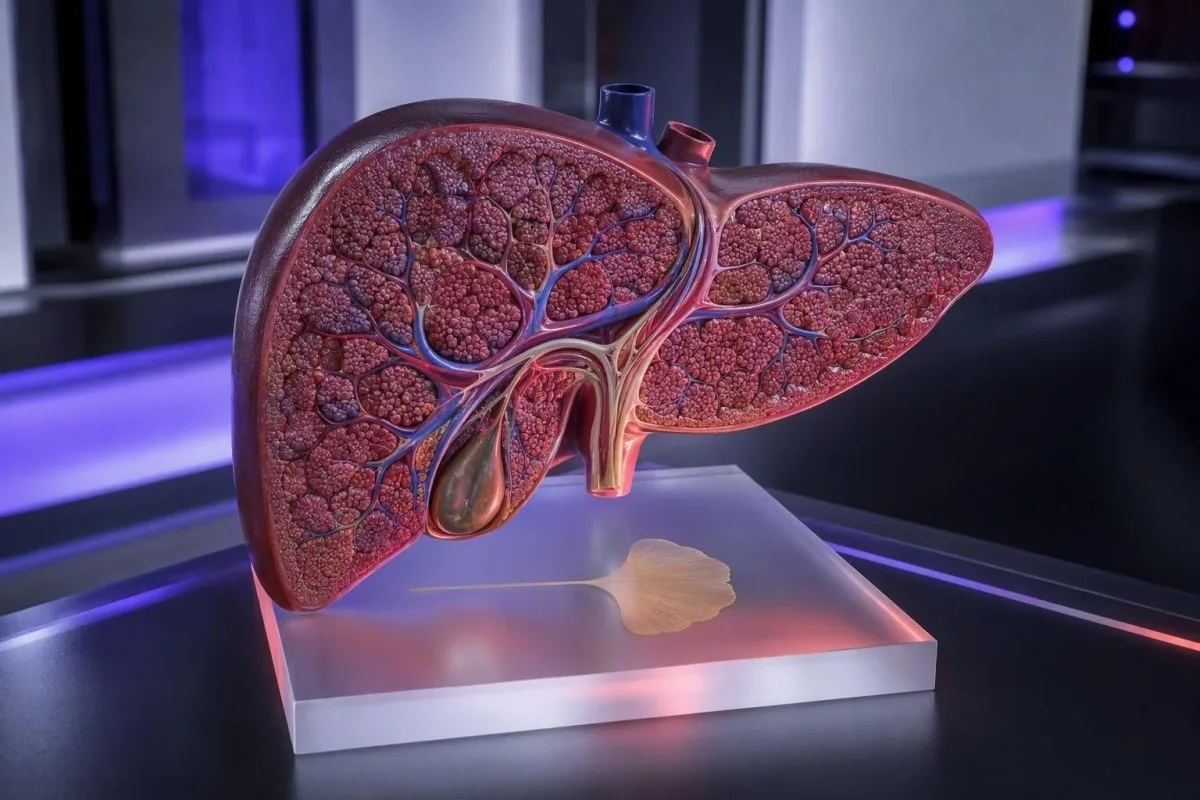
ALT is 'n algemeen gerapporteerde lewerensiem, maar dit is 'n sein van selstres eerder as 'n diagnose. Die betekenis kom van sy grootte, patroon, tydsberekening en die res van jou lewerpaneel.


- ALT betekenis: ALT staan vir alanine aminotransferase, 'n ensiem wat in IU/L gemeet word en in lewerselle gekonsentreer is.
- Tipiese reeks: Baie volwasse laboratoriums gebruik 'n ALT boonste limiet van 35 IU/L vir vroue en 45 IU/L vir mans, hoewel die verslag se eie reeks deurslaggewend is.
- Ligte verhoging: ALT onder 2 keer die laboratorium se boonste limiet is algemeen en regverdig dikwels 'n beplande herhaling, nie paniek nie.
- Patroon is belangrik: ALT met hoë AST, ALP, GGT, bilirubien, of INR beteken iets anders as geïsoleerde ALT-verhoging.
- Oefeningseffek: Swaar weerstandsoefening kan ALT en AST vir 7 dae of langer verhoog, veral wanneer kreatienkinase ook hoog is.
- Hersiening van medikasie: Acetaminophen, statins, antibiotika, antiepileptiese middels, aanvullings, en kruieprodukte kan ALT beïnvloed.
- Dringende simptome: Geelsug, verwarring, ernstige pyn in die regter boonste abdominale area, herhaalde braking, of baie donker urine benodig kliniese assessering op dieselfde dag.
- Trend waarde: 'n Dalende ALT na die verwydering van 'n sneller is gewoonlik meer gerusstellend as een geïsoleerde grenslynresultaat.
Wat ALT beteken op 'n bloedtoets
ALT staan vir alanien aminotransferase, 'n ensiem wat selle help om aminogroepe tydens energie metabolisme oor te dra. Dit word gemeet omdat ALT in die bloedstroom kom wanneer lewerselle gestres of beseer word; dit bewys op sigself nie permanente lewerskade nie.
ALT word hoofsaaklik binne hepatosiete, die werkende lewerselle, aangetref, hoewel klein hoeveelhede in skeletspiere en ander weefsels voorkom. 'n Verhoogde resultaat beteken meer ensiem het die monster bereik as wat verwag is; dit kan nie vetsugtige lewer, hepatitis, medikasiebesering, of oefening identifiseer sonder gepaardgaande bewyse nie.
In my kliniese praktyk is die nuttigste eerste vraag nie “hoe hoog is dit?” nie, maar “hoog in vergelyking met watter basislyn en watter ander merkers?” 'n ALT van 58 IU/L na 'n nuwe gimnasiumroetine is 'n ander probleem as ALT 58 IU/L met bilirubien 65 µmol/L en geel oë.
Kantesti is 'n KI-bloedtoetsontleder wat ALT langs AST, ALP, GGT, bilirubien, albumien, bloedplaatjietelling, medikasie, en vorige resultate lees eerder as om een gemerkte waarde as 'n diagnose te behandel. Vir 'n breër kaart van verwante metings, sien ons biomerkergids.
Waarom die ouer naam SGPT mag verskyn
Sommige verslae noem steeds ALT “serum glutamic-pyruvic transaminase” of SGPT. ALT en SGPT verwys na dieselfde ensiemtoets, hoewel moderne laboratoriumverslae gewoonlik ALT gebruik.
Waarom klinici alanine aminotransferase meet
Klinici bestel 'n alanien aminotransferase toets om hepatosellulêre stres op te spoor, bekende lewersiekte te monitor, en te kyk vir medikasie-verwante besering. ALT word dikwels ingesluit in 'n lewerpaneel of uitgebreide metaboliese paneel, selfs wanneer 'n persoon geen simptome het nie.
ALT word algemeen nagegaan tydens diabetes of lipiedbeoordelings omdat metaboliese disfunksie-geassosieerde steatotiese lewersiekte, voorheen vetsugtige lewersiekte genoem, jare lank stil kan wees. Die 2023 AASLD-riglyn adviseer om mense met metaboliese risiko faktore en onverklaarbare lewer-ensiem verhoging te assesseer vir steatotiese lewersiekte en fibrose risiko (Rinella et al., 2023).
'n Normale ALT sluit nie beduidende fibrose uit nie, en 'n hoë ALT meet nie die fibrose stadium nie. Ek het pasiënte met ALT 24 IU/L en betekenisvolle littekenvorming op spesialisassessering gesien, veral met tipe 2 diabetes; fibrose tellings en beeldvorming beantwoord 'n ander vraag.
ALT-monitering is ook prakties na 'n medikasieverandering, maar dit moet deurdag geskeduleer word. Ons gids tot jaarlikse bloedtoetse verduidelik waarom toetsfrekwensie risiko, simptome, en behandeling moet volg eerder as slegs gewoonte.
ALT normale reekse en waarom laboratoriumafsnitte verskil
Volwasse ALT verwysingsreekse loop gewoonlik van ongeveer 7 tot 35 IU/L vir vroue en 10 tot 45 IU/L vir mans, maar reekse wissel volgens toetsmetode, bevolking, en laboratorium. Gebruik altyd die boonste limiet wat langs jou eie resultaat gedruk is eerder as 'n internet afsnylyn.
Die boonste limiet is statisties, gewoonlik afgelei van 'n verwysingsbevolking, nie 'n waarborg dat elke waarde daaronder 'n volkome gesonde lewer weerspieël nie. Sommige Europese laboratoriums gebruik geslags-spesifieke boonste limiete naby 25 IU/L vir vroue en 35 IU/L vir mans, wat metaboliese risiko vroeër kan identifiseer, maar ook meer grenslyn vlae skep.
'n Waarde onder twee keer die boonste limiet van normaal word dikwels ligte verhoging genoem. Vir 'n laboratorium met 'n boonste limiet van 40 IU/L, verdien ALT 55 tot 80 IU/L konteks en gewoonlik 'n herhaalplan, terwyl ALT 400 IU/L 10 keer die boonste limiet is en die dringendheid verander.
Dr. Thomas Klein adviseer pasiënte om die laboratoriumnaam, eenhede, reeks, trekdatum, alkoholgebruik, en oefening in die voorafgaande week te stoor. Dit maak Resultaatverskille tussen besoeke baie meer interpreteerbaar.
Hoe ALT en AST saamwerk
ALT en AST moet saam geïnterpreteer word omdat ALT relatief lewer-gefokus is terwyl AST ook volop in skelet- en hartspier is. 'n AST-tot-ALT-verhouding kan patrone voorstel, maar dit kan nie alkohol-verwante siekte of sirrose alleen diagnoseer nie.
Wanneer ALT AST oorskry, oorweeg klinici dikwels metaboliese steatose, virale hepatitis, of medikasie-effekte, hoewel daar baie uitsonderings is. 'n AST:ALT-verhouding bo 2 kan voorkom in alkohol-geassosieerde lewerskade, maar gevorderde fibrose, spierskade, en tydsberekening na 'n akute besering kan ook die verhouding verskuif.
'n 52-jarige marathon-atleet met AST 89 IU/L, ALT 61 IU/L, en kreatienkinase 1,450 IU/L na 'n wedloop benodig 'n ander gesprek as iemand met dieselfde ensieme en kreatienkinase 90 IU/L. Die rede waarom ons bekommerd is oor AST plus hoë CK is spier-vrystelling; ALT alleen is minder spier-spesifiek maar kan ook styg.
Vir die spierkant van hierdie onderskeid, lees ons verduideliking van hoë AST-simptome. Indien fisiese aktiwiteit 'n geloofwaardige sneller is, vermy ongewoon strawwe oefening vir 7 dae voor die herhaal-toets, tensy u klinikus anders aanbeveel.
Waarom ALP, GGT en bilirubien ALT-betekenis verander
ALT dui 'n hepatosellulêre patroon aan, terwyl alkaliese fosfatase, GGT, en bilirubien help om cholestase of verswakte galsirkulasie te identifiseer. ALT plus hoë ALP en GGT moet oorweging van galwegsiekte, medikasie-effekte, of lewerontsteking aanmoedig eerder as om eenvoudige vetsugtige lewer aan te neem.
'n Klinikus mag 'n R-verhouding bereken: ALT gedeel deur sy boonste limiet, dan gedeel deur ALP gedeel deur sy boonste limiet. 'n R-verhouding van 5 of meer ondersteun hepatosellulêre besering, 2 of minder ondersteun cholestatiese besering, en 2 tot 5 dui 'n gemengde patroon aan; dit is 'n triage-instrument, nie 'n finale diagnose nie.
GGT is nuttig wanneer ALP verhoog is omdat GGT-verhoging 'n hepatobilêre bron ondersteun, terwyl ALP ook van beenomset kan styg. 'n Geïsoleerde ALP-styging met normale GGT kan dus lei na been- en vitamien D-vrae eerder as lewerbeelding.
Donker urine, bleek stoelgange, jeuk, koors, of geelsug met verhoogde bilirubien is nie “wag vir die volgende jaarlikse toets”-simptome nie. Ons cholestase-patroongids verduidelik die kombinasies wat vinnig beoordeel moet word.
Algemene oorsake van verhoogde ALT
Verhoogde ALT weerspieël meestal metaboliese vetsugtige lewersiekte, alkohol blootstelling, virale hepatitis, medikasie-effekte, of 'n tydelike oefening-verwante styging. Die waarskynlikheid van elke oorsaak verander met liggaamsgewig, glukose, trigliseriede, alkoholpatroon, reis, medisyne, en die grootte van die styging.
Metaboliese vetsugtige lewersiekte is veral waarskynlik wanneer ALT-verhoging gepaard gaan met sentrale gewigstoename, trigliseriede bo 150 mg/dL, lae HDL cholesterol, verhoogde vasglukose, of tipe 2 diabetes. Dit kan ook voorkom by mense met kleiner liggame, veral met viscerale vet, genetika, slaapapnee, of sekere medisyne.
Virale hepatitis-toetse hang af van blootstelling en risiko, nie ALT alleen nie. Hepatitis B-oppervlakantigeen en hepatitis C-teenliggaam met bevestigende RNA-toetse is standaardonderdele van 'n gefokusde evaluasie wanneer die geskiedenis, geografie of ensiempatroon dit ondersteun; ons hepatitis C-gids dek die gewone pad.
Minder algemene maar belangrike oorsake sluit hemochromatose, outo-immuun hepatitis, Wilson-siekte by jonger mense, coeliakie, en alfa-1-antitripsiendeffek in. Dr. Thomas Klein het die skade gesien van die aanname dat elke verhoogde ALT alkohol-verwante is; 'n gestruktureerde opvolg is vriendeliker en meer akkuraat.
Medisyne en aanvullings wat ALT kan verhoog
Medisyne en aanvullings kan ALT verhoog deur direkte lewerskade, veranderde galsirkulasie, metaboliese effekte, of 'n onverwante toeval. Moenie 'n voorgeskrewe medisyne skielik stop as gevolg van een resultaat nie; kontak die voorskrywer wat die middelvoordeel kan afweeg teen die patroon en neiging.
Parasetamol, ook genoem asetaminofen, kan duidelike ALT-verhoging veroorsaak in oordosis en soms ligter veranderinge by hoë terapeutiese blootstelling. Vir die meeste volwassenes is die gewone maksimum 4,000 mg daagliks, maar baie dokters beveel 'n laer perk aan vir mense wat gereeld alkohol drink, lewersiekte het, ouer is, of kombinasie verkoue middels gebruik.
Statins kan klein ALT-verhogings produseer, nogtans is ernstige statin-verwante lewerskade skaars; om 'n kardiovaskulêre medisyne sonder advies te stop, kan gevaarliker wees as die ensiemvlag. Die ACG-riglyn beveel aan om abnormale lewer chemieë te bevestig en 'n sorgvuldige voorgeskrewe, oor-die-toonbank, en aanvullende geskiedenis te neem voor uitgebreide toetsing (Kwo et al., 2017).
Groen tee-ekstrak, anaboliese produkte, hoë-dosis vitamien A, multi-bestanddeel “ontgiftings” poeiers, en ongereguleerde liggaamsbou-aanvullings verdien spesifieke vrae omdat etikette onvolledig kan wees. Hersien ons praktiese aanvullings-veiligheidsgids voordat jy 'n nuwe produk byvoeg.
Kan oefening ALT tydelik verhoog?
Ja, strawwe oefening kan ALT tydelik verhoog, veral na onbekende weerstand opleiding, uithouvermoë-gebeure, of spierskade. AST en kreatienkinase styg gewoonlik prominenter, en waardes kan 3 tot 10 dae neem om te stabiliseer, afhangende van oefenintensiteit en spiermassa.
Die algemene wanopvatting is dat 'n verhoogde ALT altyd lewerskade beteken. In die praktyk kan 'n strawwe sessie met eksentrieke oefening - stadige verlagingbewegings - spier membrane genoeg ontwrig om AST, ALT, LDH, en CK te verander sonder 'n intrinsieke lewerversteuring.
Vir 'n skoon herkontrole, vra ek gewoonlik stabiele, gesonde pasiënte om strawwe oefening vir 5 tot 7 dae te vermy, alkohol vir 'n paar dae te vermy, hidrasie normaal te hou, en dieselfde laboratorium te gebruik wanneer moontlik. Dit is nie gepas as daar rooi-vlag simptome is of 'n ALT verskeie kere bo die normale reeks is nie; daardie situasies benodig eers kliniese advies.
Kantesti is 'n KI-aangedrewe bloedtoets-analisehulpmiddel gebruik oor 127+ lande wat ALT, AST, CK, en vorige trekkings kan vergelyk om 'n oefening-versoenbare patroon te vlag sonder om dit as skadeloos te verklaar. Atlete kan ook marathon bloedtoets-tydsberekening.
Simptome wat 'n ALT-resultaat meer dringend maak
Hersien Die meeste ligte ALT-verhogings veroorsaak geen simptome nie, maar geelsug, baie donker urine, ligte stoelgang, erge buikpyn, verwarring, maklike kneusing, of aanhoudende braking vereis onmiddellike mediese assessering. Simptome is belangrik omdat hulle geïmpareerde bilirubien-hantering, galobstruksie, akute hepatitis, of verminderde lewer sintetiese funksie kan aandui.
Soek dieselfde-dag sorg vir geel oë of vel, verwarring, nuwe slaperigheid, vinnig verslegtende pyn onder die regterribbes, of onvermoë om vloeistowwe binne te hou. Hierdie simptome dra meer gewig wanneer ALT bo 5 keer die boonste limiet is, bilirubien verhoog is, of INR verleng is.
Swangerskap verander die drempel vir bekommernis: jeuk van handpalms of sole, regter-bo-buik ongemak, hoofpyn, gesigsversteuring, of hoë bloeddruk benodig dringende obstetriese assessering selfs wanneer ALT slegs beskeie verhoog is. Swangerskap-spesifieke toestande vereis 'n ander pad as roetine buitepasiënt lewertoetse.
Urinêre veranderinge kan leidrade byvoeg, maar is nie op hul eie diagnosties nie. Ons artikel oor donker urine oorsake help om dehidrasie en medisyne van bilirubien-verwante waarskuwingstekens te onderskei.
Wat gebeur gewoonlik na 'n abnormale ALT-resultaat
Na 'n abnormale ALT-resultaat, bevestig dokters gewoonlik die resultaat, hersien blootstellings, en herhaal of brei die paneel uit gebaseer op die grootte van die verhoging en simptome. 'n Enkele ligte resultaat lei dikwels tot 'n herhaling in weke tot 'n paar maande, terwyl duidelike verhoging of geelsug vinniger assessering regverdig.
'n Sinnige eerste oorsig sluit alkoholpatroon, onlangse siekte, liggaamsgewigveranderinge, reis, familiegeskiedenis, voorgeskrewe en nie-voorgeskrewe dwelms, aanvullings, en oefening gedurende die voorafgaande 7 dae in. Algemene opvolgtoetse sluit AST, ALP, GGT, bilirubien, albumien, volledige bloedtelling, INR, hepatitis-sifting, ferrietien met oortappingsversadiging, en glukose of HbA1c in.
Ultrasonografie is dikwels nuttig vir steatose, galstene, galbuisverwyding, of strukturele verandering, maar dit bepaal vroeë fibrose nie betroubaar nie. FIB-4 gebruik ouderdom, AST, ALT, en plaatjie-telling om fibrose-risiko te skat; dit word minder betroubaar onder die ouderdom van 35 en moet nie tydens akute siekte gebruik word nie.
Kantesti AI is ’n KI-labtoets-interpretasiediens wat hierdie verwante merkers en langtermynresultate organiseer vir bespreking met 'n klinikus. Ons lewerpaneel-verduideling toon wat elke opvolgkomponent bydra.
Waarom ALT-tendense nuttiger is as een getal
'n ALT-tendens is dikwels meer insiggewend as 'n enkele resultaat omdat dit toon of die sein oplos, aanhoudend is, of versnel. 'n Verandering van 72 na 34 IU/L na 6 weke dra 'n ander kliniese boodskap as 34 na 72 IU/L, hoewel albei getalle naby 'n laboratoriumafsnit kan wees.
Biologiese variasie, hidrasie, toets variasie, en tydsberekening kan ALT beskeie tussen trekke beweeg. Herhaal by dieselfde laboratorium, op 'n soortgelyke tyd van die dag, na vergelykbare aktiwiteit en alkoholblootstelling, verminder geraas en maak 'n werklike verandering makliker om te identifiseer.
Aanhoudende verhoging vir meer as 6 maande verdien 'n meer doelgerigte assessering, veral met diabetes, vetsug, familiegeskiedenis van lewersiekte, plaatjie-afname, of stygende bilirubien. Omgekeerd, 'n stabiele ligte ALT in 'n deeglik beoordeelde pasiënt kan gemonitor word eerder as om met herhaalde breë toetsing gejaag te word.
Kantesti KI interpreteer ALT-tendense met die gepaardgaande AST, plaatjie-telling, bilirubien, en metaboliese merkers eerder as om 'n 3 IU/L-verskuiwing as siekteprogressie te behandel. Sien ons longitudinale toetsriglyn vir die besonderhede wat die moeite werd is om na elke trek te rekord.
ALT-misverstande wat tot swak besluite kan lei
ALT is nie “n ”lewerfunksietoets" in die streng sin nie, omdat dit ensiemlekkasie meet, nie die lewer se vermoë om albumien, stollingfaktore, of gal te maak nie. Albumien, INR, bilirubien, plaatjie-telling, simptome, en beeldvorming mag 'n meer gevolglike storie vertel as ALT alleen.
Normale ALT gee nie toestemming om swaar alkoholgebruik, diabetes, of 'n sterk familiegeskiedenis van lewersiekte te ignoreer nie. Eweneens, verhoogde ALT bewys nie dat alkohol die oorsaak was nie; hierdie aanname kan vertroue skaad en diagnose van virale, outo-immuun, genetiese, of medikasie-verwante toestande vertraag.
“Lewerdetoksasies” is 'n ander algemene val. Die lewer hanteer reeds metabolisme en suiwering, terwyl aggressiewe vas, ongereguleerde kruie, en vinnige gewigsverlies soms simptome of laboratoriummerkers kan vererger; bewyse vir kommersiële detoksregimens is eerlikwaar swak.
Indien dieet deel van die bespreking is, fokus op volhoubare gewigsverandering, voldoende proteïen, vesel, en verminderde ultra-verwerkte voedsel eerder as wonderprodukte. Ons bewysgebaseerde lewer-eetgids is 'n veiliger beginpunt.
ALT-interpretasie by kinders, swangerskap en ouer ouderdom
ALT-interpretasie benodig ouderdom-spesifieke konteks by kinders, swangerskap, en ouer volwassenes omdat verwysingsgrense en waarskynlike oorsake verskil. Pediatriese ALT-afsnitte is dikwels laer as volwasse laboratoriumreekse, en swangerskap-verwante lewersimptome vereis vinniger spesialis-geleide assessering.
By kinders word vetsug-verwante steatotiese lewersiekte toenemend erken, maar virale siektes, spierafwykings, coeliakie, en oorerflike metaboliese toestande moet in die differensiaal bly. “n Pediatriese klinikus moet aanhoudende ALT-verhoging interpreteer eerder as om volwasse ”onder 40 IU/L is fyn" denke toe te pas.
Gedurende swangerskap moet ALT oor die algemeen binne die nie-swanger verwysingsinterval bly; 'n styging met hipertensie, lae plaatjies, jeuk, of naarheid benodig vinnige assessering vir swangerskap-spesifieke afwykings. Albumien daal algemeen weens plasma-volume uitsetting, so albumien en ALT moet nie met dieselfde logika geïnterpreteer word nie.
By ouer volwassenes verhoog poliërmasie en broosheid die waarde van 'n volledige medisyne-oorsig. Ons senior medikasie laboratoriumgids skets vrae om na die afspraak te bring.
Veilige gebruik van KI-interpretasie vir ALT-resultate
KI kan help om 'n ALT-resultaat te organiseer, maar dit kan jou nie ondersoek nie, simptome verifieer, of mediese assessering vir 'n potensieel ernstige lewerpatroon vervang. Die veiligste gebruik is voorbereiding: identifiseer die patroon, bewaar die oorspronklike verslag, en bring gefokusde vrae na 'n gekwalifiseerde klinikus.
Vanaf 5 September 2026, is Kantesti 'n AI bloedtoets interpretasie platform wat opgelaaide laboratoriumverslae binne ongeveer 60 sekondes hersien en ALT in die konteks van verwante waardes, neigingsgeskiedenis, en gerapporteerde medikasie plaas. Dit is ontwerp om die kwaliteit van vrae te verbeter, nie om 'n diagnose uit te reik of behandeling voor te skryf nie.
Vir akkuraatheid, kyk dat die verslagbeeld leesbaar is, die eenhede korrek vasgelê is, en 'n resultaat van 'n vorige jaar nie met vandag se waarde verwar word nie. Kantesti se kliniese benadering word gevorm deur mediese toesig; lesers kan ons mediese valideringstandaarde en Mediese Adviesraad hersien wanneer hulle besluit hoe om KI-ondersteunde interpretasie te gebruik.
Bring drie dinge na 'n oorsig: die volledige paneel, 'n lys van elke medisyne en aanvulling met dosisse, en 'n tydlyn van alkohol, siekte, reis, en intense oefening. Daardie beskeie voorbereiding voorkom dikwels onnodige alarm en verhoed dat 'n betekenisvolle patroon misgeloop word.
'n Praktiese kontrolelys voor jou volgende ALT-toets
Voor 'n beplande ALT-hertoetsing, hou jou roetine stabiel en dokumenteer faktore wat ensieme kan verskuif. Vermy swaar opleiding vir 5 tot 7 dae waar klinies veilig, vermy alkohol vir 'n paar dae, en verander nie voorgeskrewe medisyne tensy die voorskrywer jou vertel om dit te doen nie.
Teken enige asetamino_fen of parasetamol gebruik, antibiotika, nuwe aanvullings, onlangse koors, gastro-enteritis, entstowwe, vas, en vinnige gewigsverandering aan. Vas word gewoonlik nie vir ALT alleen vereis nie, hoewel dit versoek mag word indien glukose, trigliseriede, of ander toetse tydens dieselfde besoek gemeet word.
Vra die klinikus of herhaalde ALT AST, ALP, GGT, bilirubien, albumien, plaatjies, en CK moet insluit. Die antwoord hang dikwels af van die eerste patroon; 'n geïsoleerde ALT van 48 IU/L na gewigoptel benodig nie dieselfde opvolgwerk as ALT 248 IU/L met bilirubien 48 µmol/L nie.
As jy hulp benodig om vrae uit jou verslag saam te stel, is ons AI-verslag akkuraatheidskontrolelys nuttig voor die besoek. Vir organisatoriese inligting oor ons werk, sien Oor Kantesti.
Gereelde vrae
Waarvoor staan ALT op laboratoriumuitslae?
ALT staan vir alanien aminotransferase, 'n ensiem wat hoofsaaklik in lewerselle voorkom en gemeet word in internasionale eenhede per liter (IU/L). Baie laboratoriums gebruik boonste limiete van ongeveer 35 IU/L vir volwasse vroue en 45 IU/L vir volwasse mans, hoewel die verwysingsinterval wat op die individuele verslag gedruk is, die korrekte vergelykingsbasis is. 'n Verhoogde ALT dui op stres of besering van selle, maar kan nie self die oorsaak identifiseer nie. AST, ALP, GGT, bilirubien, medisyne, alkohol, oefening en simptome bepaal wat die resultaat beteken.
Is ALT 50 IU/L hoog?
ALT van 50 IE/L is lig verhoog in laboratoriums met 'n boonste limiet van 35 of 40 IE/L, maar is naby normaal in sommige laboratoriums met 'n boonste limiet van 55 IE/L. 'n Waarde rondom 50 IE/L is gewoonlik minder dringend wanneer bilirubien, ALP, INR, en simptome normaal is, hoewel dit steeds konteks en dikwels 'n herhaling verdien. Onlangse gewigstraining, alkohol, metaboliese steatose, medikasie, en aanvullings is algemene verklarings. Aanhoudende verhoging verby 6 maande regverdig 'n gestruktureerde kliniese oorsig.
Kan oefening ALT-vlakke verhoog?
Oormatige oefening kan ALT, AST, LDH en kreatienkinase verhoog omdat skeletspiere ensieme vrystel na intense of onbekende inspanning. Die styging kan 3 tot 10 dae voortduur, met AST en kreatienkinase wat dikwels meer styg as ALT. Om ongewoon strawwe aktiwiteit vir 5 tot 7 dae voor 'n beplande herhaling te vermy, kan dit duidelik maak of oefening bygedra het. Merkbare ALT-verhoging, geelsug, erge pyn of donker urine vereis steeds dringende mediese advies eerder as om aan te neem dat oefening verantwoordelik is.
Wat is belangriker, ALT of AST?
Nóg ALT nog AST is universeel belangriker omdat die paar meer inligting verskaf as enige resultaat alleen nie. ALT is meer lewer-gerig, terwyl AST ook in skeletspiere voorkom en aansienlik kan styg na oefening of spierbesering. 'n AST-tot-ALT-verhouding bo 2 kan voorkom met alkohol-geassosieerde lewerskade, maar dit is nie diagnosties nie en kan ook voorkom met gevorderde fibrose of spierafgifte. Klinici interpreteer beide waardes met GGT, ALP, bilirubien, kreatienkinase, bloedplaatjiegetal en die kliniese geskiedenis.
Wanneer moet 'n hoë ALT-uitslag as dringend beskou word?
'n Hoë ALT-resultaat benodig dringende assessering wanneer dit meer as 5 keer die laboratorium se boonste limiet is, vinnig styg, of voorkom met geelsug, verwarring, erge pyn in die regter boonste abdominale streek, aanhoudende braking, maklike kneusplekke, of baie donker urine. Bilirubien-verhoging, 'n verlengde INR, lae glukose, of lae bloedplaatjies kan kommer verhoog omdat dit kan dui op meer as geïsoleerde ensiemvrystelling. Swangerskap-verwante jeuk, hoofpyn, visuele simptome, of hoë bloeddruk met ALT-verhoging benodig ook dringende verloskundige assessering. 'n Geïsoleerde ligte resultaat onder 2 keer die boonste limiet word gewoonlik minder dringend beoordeel, maar moet nie geïgnoreer word nie.
Kan vetter lewer 'n hoë ALT veroorsaak?
Metaboliese disfunksie-geassosieerde steatotiese lewersiekte is 'n algemene oorsaak van ligte verhoogde ALT, veral met trigliseriede bo 150 mg/dL, verhoogde glukose, tipe 2 diabetes, sentrale gewigstoename, of lae HDL cholesterol. ALT kan normaal wees ten spyte van lewer vet of fibrose, so 'n normale resultaat sluit nie klinies relevante siekte uit nie. Die 2023 AASLD-riglyne ondersteun fibrose risikobepaling by mense met metaboliese risikofaktore en onverklaarde ensiemverhoging. Volhoubare gewigsbestuur, diabetesbeheer, alkoholvermindering, en klinikus-gerigte monitering is meer bewysgebaseerd as detoks-produkte.
Kry vandag KI-aangedrewe bloedtoets-analise
Sluit aan by meer as 2 miljoen gebruikers wêreldwyd wat Kantesti vertrou vir onmiddellike, akkurate laboratoriumtoetsanalise. Laai jou bloedtoetsresultate op en ontvang omvattende interpretasie van 15,000+-biomerkers binne sekondes.
📚 Verwysde navorsingspublikasies
Klein, T., Mitchell, S., & Weber, H. (2026). B Negatiewe Bloedgroep, LDH-bloedtoets en retikulosiettelling-gids. Kantesti KI Mediese Navorsing.
Klein, T., Mitchell, S., & Weber, H. (2026). Diarree na vas, swart spikkels in stoelgang en GI-gids 2026. Kantesti KI Mediese Navorsing.
📖 Eksterne mediese verwysings
⚕️ Mediese Vrywaring
Hierdie artikel is slegs vir opvoedkundige doeleindes en vorm nie mediese advies nie. Raadpleeg altyd ’n gekwalifiseerde gesondheidsorgverskaffer vir besluite oor diagnose en behandeling.
E-E-A-T Vertrouenseine
Ervaring
Kliniese oorsig gelei deur ’n geneesheer van laboratorium-interpretasie-werksvloei.
Kundigheid
Laboratoriumgeneeskunde fokus op hoe biomerkers in ’n kliniese konteks optree.
Gesagsvermoë
Geskryf deur dr. Thomas Klein met hersiening deur dr. Sarah Mitchell en prof. dr. Hans Weber.
Betroubaarheid
Bewysgebaseerde interpretasie met duidelike opvolgpaaie om alarm te verminder.