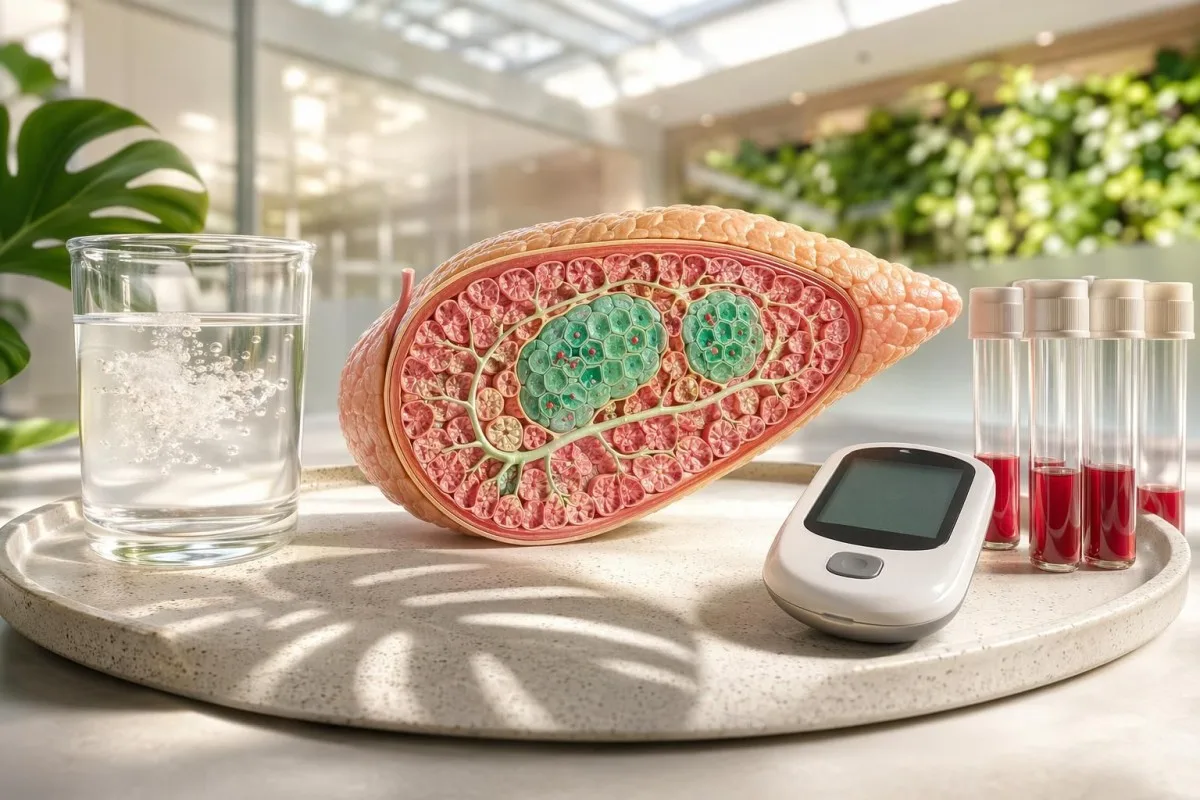
Praktický popôrodný skríningový sprievodca pre každého, komu bolo povedané, že cukry v tehotenstve sú opäť v norme, no stále chce vedieť, čo bude nasledovať.


- 75 g OGTT v 4–12 týždňoch po pôrode je preferovaný test po gestačnom diabete, pretože odhalí problémy s 2-hodinovou glukózou, ktoré môže nalačno nameraná glukóza prehliadnuť.
- Diabetesové hraničné hodnoty sú nalačná plazmatická glukóza ≥126 mg/dl, glukóza v 2. hodine OGTT ≥200 mg/dl, HbA1c ≥6.5% alebo náhodná glukóza ≥200 mg/dl spolu s príznakmi.
- Hraničné hodnoty pre prediabetes sú nalačná glukóza 100–125 mg/dl, glukóza v 2. hodine OGTT 140–199 mg/dl alebo HbA1c 5.7–6.4%.
- HbA1c v skorom popôrodnom období môže byť po pôrode falošne nízky v dôsledku popôrodnej straty krvi alebo zvýšeného obratu červených krviniek, preto by nemal nahrádzať OGTT v 4–12 týždňoch.
- Glukóza v tehotenstve v norme po pôrode nezmazáva budúce riziko; gestačný diabetes je často stresový test pre beta-bunky, ktorý odhalí zraniteľnosť roky pred vznikom diabetu 2. typu.
- Interval opätovného vyšetrenia každé 1–3 roky doživotne, ak je popôrodný skríning normálny, a zvyčajne raz ročne, ak je akýkoľvek výsledok v pásme prediabetu.
- Pred ďalším tehotenstvom požiadajte o vyšetrenie glukózy pred počatím alebo skoro v prvom trimestri, najmä ak si predchádzajúci GDM vyžadoval inzulín alebo lieky.
- Rizikové ukazovatele ako nalačno inzulín, triglyceridy, HDL, ALT a pomer albumín/kreatinín v moči nediagnostikujú diabetes, ale pomáhajú odhadnúť kardiometabolické riziko.
Krvné testy, ktoré diagnostikujú diabetes po gestačnom diabete
Krvné testy, ktoré zistia diabetes po gestačnom diabete, sú 75 g 2-hodinový orálny glukózový tolerančný test, nalačná plazmatická glukóza, HbA1ca náhodná plazmatická glukóza keď sú prítomné klasické príznaky. OGTT je zvyčajne najlepší popôrodný skríningový test na diabetes v 4–12 týždňoch, pretože zachytí poruchu 2-hodinového spracovania glukózy ešte predtým, než sa nalačno glukóza alebo HbA1c stanú abnormálnymi.
Ako Thomas Klein, MD, hovorím pacientom, že nejde len o to, či je číslo dnes vysoké; ide o to, či má pankreas po tehotenstve stále dostatočnú rezervu. Nalačno glukóza 94 mg/dl môže pôsobiť upokojujúco, zatiaľ čo hodnota OGTT po 2 hodinách 168 mg/dl potichu hovorí, že odpoveď inzulínu v prvej fáze zaostáva.
Diagnóza diabetu mimo tehotenstva sa stanovuje pomocou nalačnej plazmatickej glukózy ≥126 mg/dl, glukóza pri 2-hodinovom OGTT ≥200 mg/dl, HbA1c ≥6.5%, alebo náhodnej plazmatickej glukózy ≥200 mg/dl s príznakmi, ako je smäd, časté močenie alebo nevysvetlený úbytok hmotnosti. Pre jednoduché porovnanie diagnostických a monitorovacích testov sú naše hraničné hodnoty testu na diabetes sprievodca užitočným doplnkom.
Kantesti je analyzátor AI krvných testov, ktorý v rovnakom klinickom kontexte číta popôrodnú glukózu, HbA1c, lipidy a markery obličiek, nie ako izolované „príznaky“. V našej analýze nahraných laboratórnych správ 2M+ sa stále objavuje jeden vzorec: ľudia si pamätajú diagnózu z tehotenstva, ale výsledok ich OGTT v 4–12 týždňoch sa často vôbec nedostane do dlhodobého zdravotného záznamu.
Prečo normálna glukóza v tehotenstve neznamená, že sa budúce riziko „resetuje“
Normálna glukóza po pôrode nezresetuje budúce riziko diabetu, pretože gestačný diabetes zvyčajne odráža obmedzenú rezervu beta-buniek počas stresu tehotenstva. Pôrod odstráni placentárne hormóny, ale nemusí nevyhnutne obnoviť inzulínovú rezistenciu, genetické riziko, sklon k tukovej pečeni ani zraniteľnosť pankreatických beta-buniek.
Placenta produkuje hormóny, ktoré zvyšujú inzulínovú rezistenciu, často najvýraznejšie po 24–28 týždňoch. Keď sa glukóza po narodení normalizuje, znamená to, že stresor pominul; nepreukazuje to, že bunky produkujúce inzulín majú neobmedzenú rezervu.
Bellamy et al. uviedli v časopise The Lancet, že ženy s predchádzajúcim gestačným diabetom mali približne 7-násobne vyššie riziko neskoršieho diabetu 2. typu v porovnaní s tými bez GDM (Bellamy et al., 2009). V bežnej praxi vidím zhluk rizika pri prírastku obvodu pásu, triglyceridoch nad 150 mg/dl, nízkom HDL, rodinnej anamnéze, PCOS a narušení spánku počas prvých dvoch popôrodných rokov.
Normálny HbA1c z 5.3% šesť mesiacov po pôrode môže ešte stále koexistovať s včasnou inzulínovou rezistenciou. Ak chcete hlbší metabolický pohľad, náš sprievodca vyšetrením inzulínovej rezistencie vysvetľuje, prečo sa nalačno inzulín a glukóza môžu posúvať ešte predtým, než A1C prekročí hranicu pre prediabetes.
Kedy sa má uskutočniť skríning diabetu po pôrode
Skríning popôrodného diabetu by sa mal uskutočniť 4–12 týždňov po pôrode, ideálne s 75 g 2-hodinovým OGTT. Ak sa toto okno premeškalo, najlepší čas na vyšetrenie je teraz; nečakal by som na ďalšiu každoročnú preventívnu prehliadku, ak od tehotenstva uplynulo 6 mesiacov alebo 6 rokov.
Americká diabetologická asociácia odporúča 75 g OGTT v 4–12 týždňoch po pôrode a celoživotný skríning každé 1–3 roky po gestačnom diabete (American Diabetes Association Professional Practice Committee, 2024). ACOG tiež podporuje popôrodný skríning v tomto skorom okne a mnohé gynekologické ambulancie sa ho teraz snažia objednať ešte pred návštevou o 6 týždňov, aby sa naň nezabudlo (ACOG, 2018).
Dojčenie, fragmentácia spánku a popôrodné zmeny hmotnosti môžu všetky meniť glukózu zo dňa na deň, ale nie sú dôvodom na vynechanie vyšetrenia. Väčšina pacientok môže absolvovať OGTT počas dojčenia; praktický problém býva často starostlivosť o dieťa počas 2-hodinového čakacieho času v laboratóriu, nie biológia.
Ak po pôrode potrebujete aj kontroly anémie, funkcie štítnej žľazy, pečeňových enzýmov alebo markerov obličiek, náš zoznam popôrodných laboratórnych vyšetrení uvádza, ktoré testy sa bežne kombinujú so skríningom glukózy. Jediné vyšetrenie často môže pokryť viac než jeden popôrodný problém.
Ako sa interpretuje 75 g orálny glukózový tolerančný test
Ten/Tá/To orálny glukózový tolerančný test po tehotenstve meria nalačno glukózu a 2-hodinovú glukózu po 75 g glukózovom nápoji. Hodnota po ≥200 mg/dl 2 hodinách diagnostikuje diabetes, zatiaľ čo v rozmedzí 140 – 199 mg/dl. diagnostikuje poruchu glukózovej tolerancie, aj keď je nalačno glukóza normálna.
Test funguje preto, že „provokuje“ inzulínový systém, namiesto toho, aby sa pozoroval v pokoji. Z mojej skúsenosti ľudia s predchádzajúcim GDM často zvládnu časť nalačno, ale zlyhajú v 2-hodinovej časti; tento vzorec poukazuje na oneskorené uvoľňovanie inzulínu po jedle.
Pripravte sa obvyklým stravovaním aspoň 3 dni, ideálne vrátane aspoň 150 g sacharidov denne , pokiaľ vám váš lekár nepovedal inak. Veľmi nízkosacharidová diéta pred OGTT môže prehnať vzostup glukózy a skomplikovať interpretáciu; náš pravidlá nalačno sprievodca pokrýva detaily týkajúce sa vody, kávy a načasovania.
Počas 2-hodinového čakania sa nesnažte cvičiť naplno a oznámte laboratóriu, ak zvraciate alebo nedokážete vypiť nápoj. Výsledok by sa mal zopakovať alebo nahradiť iným diagnostickým testom, ak sa postup neukončil správne.
Čo môže a nemôže odhaliť nalačno nameraná glukóza
Lačná plazmatická glukóza odhalí diabetes, keď je lačná hodnota ≥126 mg/dl, ale môže prehliadnuť izolovanú poruchu glukózovej tolerancie po jedle po gestačnom diabete. Je užitočný, lacný a opakovateľný; je však príliš „hrubý“, aby nahradil popôrodný OGTT.
Lačná glukóza 100–125 mg/dl je podľa kritérií ADA prediabetes, zatiaľ čo <100 mg/dl sa vo všeobecnosti považuje za normálne v Spojených štátoch. Niektoré medzinárodné systémy používajú 110 mg/dl ako dolnú hranicu pre zhoršenú lačnú glykémiu, čo je jeden z dôvodov, prečo sa pacienti pri presune medzi krajinami mýlia.
Klinická pasca je lačná glukóza 88-96 mg/dl s 2-hodinovým OGTT 155-185 mg/dl. Tomu človeku môžu povedať, že je všetko v poriadku, ak sa objedná iba lačná glukóza, no biológia glukózy v čase jedla je už abnormálna.
Ranná glukóza je ovplyvnená dlžným spánkom, jedením neskoro v noci, kortikosteroidmi, infekciou a fenoménom úsvitu. Naša sprievodné pravidlá pre lačný cukor vysvetľuje, prečo by sa jediný ranný výsledok mal interpretovať s ohľadom na predchádzajúci večer a kvalitu spánku.
Prečo je HbA1c výhodný, ale po pôrode nie je dokonalý
HbA1c odhaľuje diabetes pri ≥6.5%, ale je menej spoľahlivý v prvých 4-12 popôrodných týždňoch, pretože krvné straty pri pôrode a obrat červených krviniek môžu výsledok zkresliť. HbA1c je užitočný neskôr, najmä na dlhodobé sledovanie, ale nemal by nahrádzať prvý popôrodný OGTT.
HbA1c odhaduje priemernú glukózu približne počas 8-12 týždňov, váži sa skôr na posledný mesiac. Po pôrode môže anémia, transfúzia, nedostatok železa alebo rýchla náhrada červených krviniek posunúť hodnotu mimo skutočného príbehu o glukóze.
Nedostatok železa môže u niektorých pacientov falošne zvyšovať HbA1c, zatiaľ čo nedávne krvácanie ho môže falošne znižovať. Je to jedna z tých oblastí, kde kontext znamená viac než číslo; popôrodný HbA1c 5.6% nemusí byť až tak upokojujúci, ak je 8 ng/mL a OGTT sa nikdy nevykonalo.
Ak sa váš A1c nezhoduje s hodnotami z glukometra alebo so symptómami, prečítajte si náš sprievodca presnosťou A1c predtým, než hodnotu prijmete ako danú. Zvyčajne kombinujem HbA1c s glukózou nalačno, CBC a feritínom, keď popôrodný príbeh pôsobí nejednoznačne.
Kedy je potrebná rýchla akcia pri náhodnej glukóze alebo príznakoch
Náhodná plazmatická glukóza zachytí diabetes, keď je ≥200 mg/dl a sú prítomné symptómy. Po gestačnom diabete je potrebné urgentné prehodnotenie pri vysokej glukóze s vracaním, dehydratáciou, rýchlym úbytkom hmotnosti, ketónmi, rozmazaným videním alebo nezvyčajnou vyčerpanosťou.
Väčšina diabetu po GDM je 2. typu, ale popôrodný autoimunitný diabetes sa občas môže objaviť, najmä ak je úbytok hmotnosti rýchly a sú prítomné ketóny. Videla som pacientky, ktoré boli odbité ako len unavené nové mamičky, keď ich glukóza bola 280 mg/dl a už mali ketózu.
Náhodná glukóza v rozmedzí 140 – 199 mg/dl. nie je sama osebe diagnostická, ale mala by viesť k glukóze nalačno, HbA1c alebo OGTT v závislosti od načasovania a symptómov. Náhodná hodnota nad 300 mg/dL, najmä ak je prítomná bolesť brucha alebo namáhavé dýchanie, sa má riešiť ako zdravotnú starostlivosť v ten istý deň.
Jedna izolovane vysoká hodnota sa môže objaviť po infekcii, po kortikosteroidoch alebo po veľmi jedle s vysokým obsahom sacharidov, ale rozhoduje vzorec. Náš sprievodca neočakávane vysokou glukózou vysvetľuje, ako klinici odlišujú stresovú hyperglykémiu od skorého diabetu.
Krvné ukazovatele, ktoré ukazujú riziko ešte predtým, než sa diabetes objaví
Fasting inzulín, C-peptid, triglyceridy, HDL, ALT a pomer albumín/kreatinín v moči nedokážu diagnostikovať diabetes, ale pomáhajú ukázať metabolické riziko po gestačnom diabete. Tieto markery môžu odhaliť inzulínovú rezistenciu, tendenciu k tukovej pečeni alebo skoré stresové poškodenie obličiek, zatiaľ čo glukóza je ešte technicky normálna.
Inzulín nalačno nad približne 15 – 20 µIU/ml môže naznačovať inzulínovú rezistenciu, hoci sa laboratórne metódy líšia a neexistuje univerzálny diagnostický prah. HOMA-IR využíva nalačno inzulín a nalačno glukózu; hodnoty nad 2.0-2.5 často vzbudzujú podozrenie u dospelých, no interpretáciu mení etnicita, BMI a voľba testu.
Triglyceridy nad 150 mg/dl a HDL pod 50 mg/dl u žien často sprevádza inzulínová rezistencia. ALT nad približne 25-30 IU/L u ženy s predchádzajúcim GDM môže byť skorým znakom tukovej pečene, aj keď laboratórny príznak stále uvádza normu.
Kantesti je platforma na interpretáciu biomarkerov AI, ktorá berie normálny A1c po gestačnom diabete ako otázku rizikového markeru, nie ako zelenú „navždy“. Ak chcete vypočítať inzulínovú rezistenciu z vašich hodnôt, výpočtom HOMA-IR sprievodca ukazuje vzorec a jeho obmedzenia.
Ako často opakovať test, ak je popôrodný skríning v norme
Ak je popôrodný skríning po gestačnom diabete normálny, opakujte každé 1-3 roky pre celý život. Zopakujte skôr, často ročne, ak sa zvyšuje hmotnosť, objaví sa prediabetes, plánuje sa ďalšie tehotenstvo alebo lieky ako steroidy či antipsychotiká zvyšujú riziko hyperglykémie.
Odporúčanie ADA pre celoživotný skríning každých 1-3 rokov existuje preto, že riziko diabetu sa časom zvyšuje, nielen v prvom popôrodnom roku. V mojej ambulancii zvyčajne volím 1-ročný interval pre každého s prediabetom, GDM liečeným inzulínom, BMI nad 30, silnou rodinnou anamnézou alebo PCOS.
Normálny test v roku 2026 je stále užitočný, pretože sa stane vaším východiskom. Nalačno glukóza, ktorá sa posúva z 82 na 96 mg/dL počas 3 rokov, môže byť významnejšia než jeden výsledok označený ako abnormálny, najmä ak sa zároveň zvyšujú triglyceridy a obvod pása.
Kantesti AI vie zakresľovať glukózu, HbA1c, triglyceridy a ALT v čase, takže malé zmeny sú viditeľné skôr, než sa stanú dramatickými. Náš analýza trendov článok vysvetľuje, prečo sklon a zhlukovanie často záležia viac než jediný laboratórny „flag“.
Čo si vypýtať od svojho lekára, aby objednal
Požiadajte o 75 g 2-hodinový OGTT v 4–12 týždňoch po pôrode, alebo nalačno plazmatickú glukózu plus HbA1c, ak OGTT nie je uskutočniteľné. Pri dlhodobom riziku sa opýtajte, či sa majú kontrolovať lipidy, ALT, kreatinín, eGFR a pomer albumín–kreatinín v moči spolu s vašimi ukazovateľmi glukózy.
Rozumná prvá objednávka po pôrode často znie: nalačno glukóza, 75 g 2-hodinová glukóza, HbA1c, CBC, ak došlo k výraznej strate krvi pri pôrode, feritín, ak sa predpokladá anémia, lipidový profil a CMP, ak je kardiometabolické riziko vysoké. Nie každý pacient potrebuje všetky testy, ale objednávka by mala zodpovedať príbehu z tehotenstva.
Ak ste mali počas tehotenstva nalačno hyperglykémiu alebo ste potrebovali inzulín, bol by som prísnejší pri skoršom sledovaní. Ak bol váš GDM mierny a liečený diétou, OGTT stále záleží, ale dlhodobý interval môže byť bližšie k 2–3 roky keď sú všetky výsledky normálne.
Pre čitateľov, ktorí chcú pochopiť, čo každý ukazovateľ skutočne meria, náš sprievodca biomarkerov pokrýva tisíce laboratórnych ukazovateľov a bežné rozdiely v jednotkách. To je obzvlášť užitočné, keď jeden laboratórny výsledok uvádza glukózu v mg/dL a iný v mmol/L.
Čo robia lekári s hraničnými alebo protichodnými výsledkami
Hraničné alebo rozporuplné výsledky diabetu by sa zvyčajne mali zopakovať alebo potvrdiť iným diagnostickým testom. Nalačno glukóza 124 mg/dL, HbA1c 6.4%, alebo 2-hodinový OGTT 198 mg/dL nie je len „takmer“; ide o výsledok tesne pod/pri prahu, ktorý si zaslúži plán.
Bez klasických príznakov väčšina lekárov potvrdí diabetes opakovaným abnormálnym výsledkom. Ak sa dva rôzne testy nezhodujú, test nad diagnostickým prahom sa zvyčajne zopakuje a kontext pacienta určí, ako rýchlo sa to stane.
Thomas Klein, MD, praktické pravidlo: nenechajte slovo „hraničné“, aby výsledok pôsobil neškodne. 2-hodinový OGTT 196 mg/dL po predchádzajúcom GDM často nesie vyššie budúce riziko než nalačno glukóza 101 mg/dl, aj keď oba sa môžu zaradiť pod prediabetes.
Náš sprievodca prahy prediabetu vysvetľuje, ako nalačno glukóza, A1c a OGTT definujú rôzne biologické problémy. Prediabetes po GDM často rámujem ako „liečebné okno“ skôr než ako čakáreň.
Špeciálne situácie: dojčenie, anémia, PCOS a lieky
Dojčenie, anémia, PCOS, lieky GLP-1, steroidy a ochorenia štítnej žľazy môžu zmeniť, ako sa majú interpretovať laboratórne testy na diabetes po pôrode. Hraničné hodnoty glukózy zostávajú rovnaké, ale dôvera, ktorú vkladáte do HbA1c, nalačno glukózy alebo hladín inzulínu, sa môže výrazne zmeniť.
Dojčenie často zlepšuje metabolizmus glukózy a môže znížiť riziko budúceho diabetes mellitus 2. typu, no neodstraňuje potrebu skríningu. Ak po pôrode užívate inzulín alebo sulfonylureá, opýtajte sa svojho lekára na riziko hypoglykémie počas dlhšieho dojčenia alebo pri vynechaných jedlách.
PCOS pridáva samostatnú dráhu inzulínovej rezistencie a predchádzajúci GDM spolu s PCOS je jedna z kombinácií, ktorým venujem zvýšenú pozornosť. Naša Laboratórne vzorce pri PCOS vysvetľuje, prečo môžu byť dôležité nalačno inzulín, lipidy a androgény, aj keď glukóza ešte nie je diagnosticky preukázaná.
Steroidné injekcie, vysoké dávky prednizónu, niektoré antipsychotiká a závažná deprivácia spánku môžu dočasne zvýšiť hladinu glukózy. Dôkazy týkajúce sa presných popôrodných prahov spánku sú úprimne zmiešané, no vidím horšie hodnoty nalačno, keď je spánok fragmentovaný pod 5-6 hodinami počas týždňov.
Ako Kantesti bezpečne číta laboratórne výsledky pri popôrodnom diabete
Kantesti číta popôrodné diabetologické laboratórne výsledky tak, že kombinuje prahové hodnoty glukózy s načasovaním, anamnézou tehotenstva, indíciami anémie, vzorcami lipidov a markermi obličiek. Cieľom nie je nahradiť vášho lekára; ide o to, aby bol rizikový profil jasnejší ešte pred vašou návštevou.
Kantesti je nástroj na analýzu krvných testov poháňaný AI, ktorý používajú 2M+ ľudia v 127 krajinách, s interpretáciou PDF alebo fotografie krvného testu približne 60 sekúnd. Pri skríningu popôrodného diabetu naša neurónová sieť oddeľuje diagnostické kritériá pre glukózu od markerov rizikového kontextu, ako sú triglyceridy, HDL, ALT a ACR v moči.
Typické nahranie môže ukázať HbA1c 5.5%, nalačno glukóza 92 mg/dL, feritín 10 ng/mL a bez OGTT. Kantesti AI by z týchto hodnôt diabetes nediagnostikoval, no malo by označiť, že skorý popôrodný A1C môže byť nespoľahlivý a že odporúčané OGTT chýba.
Naše metódy sú v súlade s publikovanými klinickými štandardmi a interným posúdením lekárov; čitatelia môžu vidieť naše štandardov klinickej validácie a predregistrované AI benchmark. Ak nahrávate sken namiesto zadávania hodnôt, tak pracovný postup nahrávania PDF vysvetľuje, ako sa správy čítajú a kontrolujú.
Praktický plán opakovaného testovania pre rok 2026 a ďalšie obdobie
Od 26. mája 2026 je najbezpečnejší plán po gestačnom diabete OGTT o 4-12 týždňoch, opakovaný skríning každé 1-3 roky a skoršie vyšetrenie pred ďalším tehotenstvom. Ak je akýkoľvek výsledok v pásme prediabetu, liečte ho ako aktívne preventívne okno, nie ako miernu laboratórnu zvedavosť.
Môj bežný postup je jednoduchý: absolvujte prvé popôrodné OGTT, uložte výsledok a potom si ďalšiu kontrolu glukózy dajte do kalendára ešte predtým, než sa život príliš zaneprázdni. Ak vaše 2-hodinové OGTT je v rozmedzí 140 – 199 mg/dl., požiadajte o jasný interval následného vyšetrenia, výživový plán a cieľ pre cvičenie, nie o neurčitú pripomienku, aby ste si dávali pozor.
Ak je váš diabetologický skríning normálny, aj tak povedzte každému budúcemu lekárovi, že ste mali GDM. Tá jedna veta zmení, ako čítam nalačno glukózu z 103 mg/dL, hladinu triglyceridov z 180 mg/dl, alebo HbA1c, ktoré sa postupne zvyšuje z 5,2% až 5,6% počas niekoľkých rokov.
Kantesti Ltd je britská spoločnosť v oblasti zdravotníckych technológií a naši lekári posudzujú medicínsky obsah prostredníctvom nášho lekárska poradná rada a procesu klinickej správy a riadenia opísaného v O nás. Pointa: správne testy nie sú zložité, ale načasovanie a interpretácia sú dôležitejšie, než väčšina ľudí je informovaná.
Súvisiace Kantesti publikácie výskumu
Skríning popôrodného diabetu často prebieha v rámci širšej kontroly laboratórnych výsledkov, ktorá zahŕňa CBC, stav železa a markery obličiek. Uvedené Kantesti publikácie s DOI nižšie podporujú metódy interpretácie susediacich krvných testov vrátane indexov červených krviniek a pomerov funkcie obličiek, ktoré môžu ovplyvniť dôveryhodnosť HbA1c alebo hodnotenie dlhodobého metabolického rizika.
Často kladené otázky
Aké krvné testy odhalia diabetes po gestačnom diabete?
Krvné testy, ktoré odhalia diabetes po gestačnom diabete, sú 75 g 2-hodinový orálny glukózový tolerančný test, nalačno plazmatická glukóza, HbA1c a náhodná plazmatická glukóza, keď sú prítomné príznaky. Diabetes sa diagnostikuje pri glykémii nalačno ≥126 mg/dl, glukóze v 2-hodinovom OGTT ≥200 mg/dl, HbA1c ≥6,5% alebo náhodnej glukóze ≥200 mg/dl pri typických príznakoch. OGTT sa uprednostňuje v období 4–12 týždňov po pôrode, pretože dokáže odhaliť poruchu 2-hodinového spracovania glukózy aj vtedy, keď je glykémia nalačno normálna.
Je orálny glukózový tolerančný test po tehotenstve lepší než HbA1c?
Áno, orálny glukózový tolerančný test po tehotenstve je zvyčajne lepší než HbA1c pre prvý popôrodný skríning v 4–12 týždňoch. HbA1c môže byť skreslený krvácaním pri pôrode, anémiou, transfúziou alebo rýchlym obratom erytrocytov, zatiaľ čo OGTT priamo meria spracovanie glukózy po glukózovej výzve 75 g. HbA1c sa stáva užitočnejším neskôr na skríning zameraný na dlhodobé sledovanie a monitorovanie trendov.
Kedy sa má vykonať skríning popôrodného diabetu po GDM?
Skríning popôrodného diabetu po gestačnom diabete sa má vykonať 4–12 týždňov po pôrode, ideálne s 75 g 2-hodinovým OGTT. Ak sa toto okno premeškalo, vyšetrenie sa má vykonať čo najskôr, namiesto čakania na príznaky. Ak je popôrodný výsledok normálny, opakovať skríning diabetu každé 1–3 roky počas celého života.
Môže byť HbA1c normálny, ale OGTT abnormálny po gestačnom diabete?
Áno, HbA1c môže byť normálne, zatiaľ čo OGTT je po gestačnom diabete abnormálne. Človek môže mať HbA1c 5,3% a nalačno glukózu 92 mg/dl, ale hodnotu OGTT po 2 hodinách 160 mg/dl, čo je porucha glukózovej tolerancie. Stáva sa to preto, že HbA1c odráža priemernú glukózu, zatiaľ čo OGTT zaťažuje inzulínovú odpoveď po podaní glukózy.
Čo znamenajú výsledky prediabetu po gestačnom diabete?
Prediabetes po gestačnom diabete sa definuje ako nalačno plazmatická glukóza 100 – 125 mg/dL, 2-hodinová OGTT glukóza 140 – 199 mg/dL alebo HbA1c 5,7 – 6,4%. Abnormalita pri 2-hodinovej OGTT je po GDM obzvlášť častá a môže byť prehliadnutá, ak sa objedná len nalačno glukóza. Prediabetes by zvyčajne mal viesť k ročnému sledovaniu a k štruktúrovanému preventívnemu plánu.
Ako často mám opakovať vyšetrenie, ak je môj popôrodný skríning v norme?
Ak je váš popôrodný skríning diabetu po gestačnom diabete normálny, opakujte vyšetrenie každé 1 – 3 roky do konca života. Mnohí klinickí lekári sa rozhodnú pre každoročné testovanie, ak ste mali GDM liečený inzulínom, prediabetes, PCOS, BMI nad 30, silnú rodinnú anamnézu alebo stúpajúce triglyceridy. Vyšetrenie by sa malo zopakovať aj pred ďalším tehotenstvom alebo na začiatku prvého trimestra.
Ovplyvňuje dojčenie výsledky krvných testov pri cukrovke?
Dojčenie môže zlepšiť metabolizmus glukózy a môže znížiť riziko budúceho diabetu 2. typu, no neodstraňuje potrebu popôrodného skríningu diabetu. Diagnostické hraničné hodnoty pre nalačno glukózu, OGTT a HbA1c sa nemenia len preto, že niekto dojčí. Ak sa po pôrode používajú lieky na diabetes, klinickí pracovníci môžu upraviť načasovanie alebo dávku, aby znížili riziko hypoglykémie počas dlhých kŕmení alebo vynechaných jedál.
Môžem namiesto pôrodnej glukózovej tolerančnej skúšky použiť kontinuálny glukózový monitor?
Nie. Kontinuálny glukózový monitor môže ukazovať užitočné denné vzorce hladiny glukózy, ale nenahrádza laboratórne pôstne hladiny glukózy, HbA1c alebo 75 g OGTT na diagnostiku cukrovky po tehotenskej cukrovke. Váš lekár ho môže použiť neskôr na podporu rozhodnutí týkajúcich sa životného štýlu alebo liečby.
Potrebuje môj bábätko vyšetrenie na diabetes, pretože som mala gestačný diabetes?
Glukóza u novorodenca môže byť skontrolovaná v nemocnici, najmä ak ste počas tehotenstva používali inzulín alebo lieky, ale väčšina detí nepotrebuje pokračujúce krvné testy na diabetes iba kvôli tomu, že matka mala gestačný diabetes. Dodržiavajte pravidelné pediatrické kontroly a podporujte rodinné návyky týkajúce sa vyvážených jedál, aktivity a spánku.
Čo ak neznesiem glukózový nápoj pri popôrodnom OGTT?
Povedzte to svojmu lekárovi pred vyšetrením. Môžu preplánovať vyšetrenie pomocou stratégií proti nevoľnosti, skontrolovať nalačno glukózu a HbA1c alebo dočasne použiť údaje z domáceho alebo kontinuálneho monitorovania glukózy, no tieto alternatívy nemusia úplne nahradiť diagnostické OGTT.
Získajte analýzu krvných testov s podporou AI už dnes
Pridajte sa k viac než 2 miliónom používateľov na celom svete, ktorí dôverujú Kantesti pri okamžitej a presnej analýze laboratórnych testov. Nahrajte svoje výsledky krvných testov a získajte komplexnú interpretáciu biomarkerov 15,000+ v priebehu sekúnd.
📚 Citované publikácie výskumu
Klein, T., Mitchell, S., & Weber, H. (2026). Krvný test RDW: Kompletný sprievodca RDW-CV, MCV a MCHC. Kantesti AI Medical Research.
Klein, T., Mitchell, S., & Weber, H. (2026). Vysvetlenie pomeru BUN/kreatinínu: Sprievodca testom funkcie obličiek. Kantesti AI Medical Research.
📖 Externé lekárske referencie
American Diabetes Association Professional Practice Committee (2024). 2. Diagnostika a klasifikácia diabetu: Štandardy starostlivosti o diabetes — 2024. Diabetes Care.
⚕️ Vyhlásenie o lekárskej starostlivosti
Tento článok je určený len na vzdelávacie účely a nepredstavuje lekárske poradenstvo. Pri rozhodnutiach o diagnostike a liečbe sa vždy poraďte s kvalifikovaným poskytovateľom zdravotnej starostlivosti.
Signály dôvery E-E-A-T Trust Signals
Skúsenosti
Klinické hodnotenie vedené lekárom pracovných postupov interpretácie laboratórnych výsledkov.
Odbornosť
Laboratórna medicína so zameraním na to, ako sa biomarkery správajú v klinickom kontexte.
Autoritatívnosť
Napísané Dr. Thomasom Kleinom, recenzia Dr. Sarah Mitchell a prof. Dr. Hans Weber.
Dôveryhodnosť
Interpretácia založená na dôkazoch s jasnými následnými krokmi na zníženie poplachu.