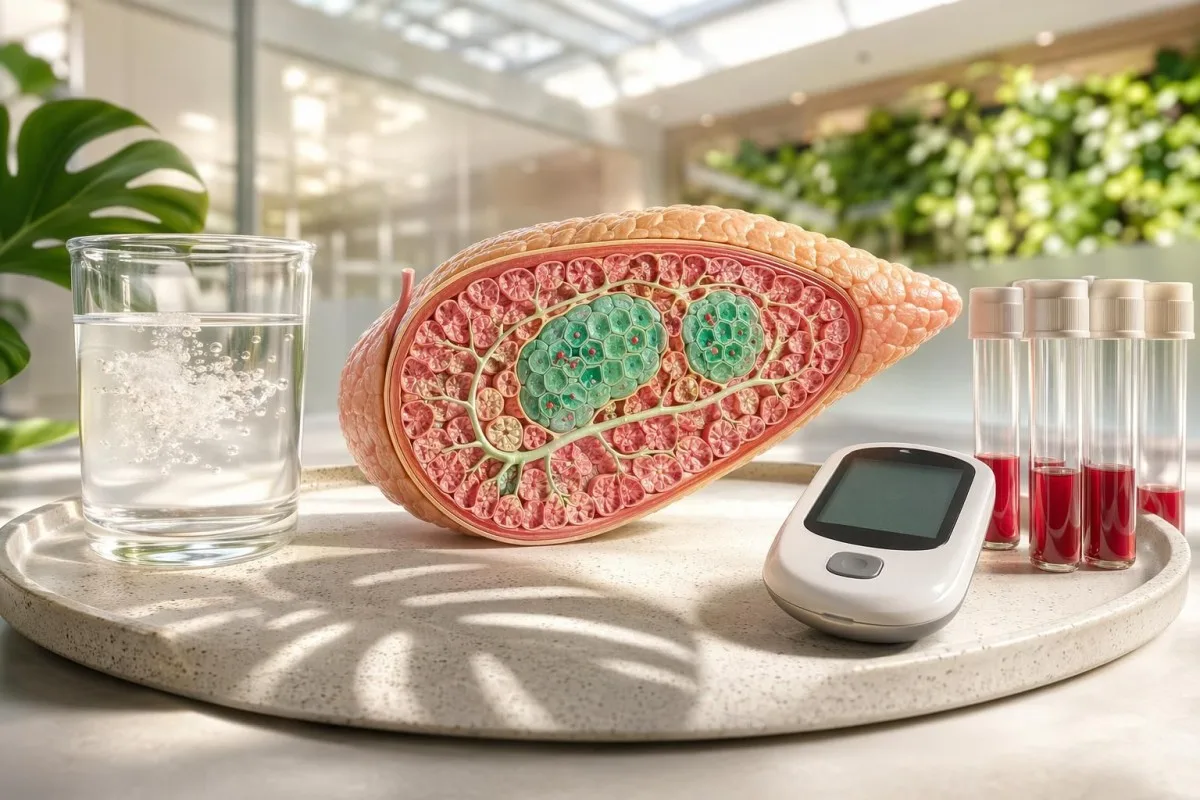
Un ghid practic de screening postpartum pentru oricine a fost informat că glicemia din timpul sarcinii a revenit la normal, dar încă vrea să știe ce urmează.


- 75 g TTOG la 4-12 săptămâni postpartum este testul preferat după diabetul gestațional, deoarece detectează probleme ale glicemiei la 2 ore pe care glicemia à jeun le poate rata.
- Praguri pentru diabet sunt glicemie plasmatică à jeun ≥126 mg/dL, glicemie la 2 ore la OGTT ≥200 mg/dL, HbA1c ≥6.5% sau glicemie aleatorie ≥200 mg/dL cu simptome.
- Praguri pentru prediabet sunt glicemie à jeun 100-125 mg/dL, glicemie la 2 ore la OGTT 140-199 mg/dL sau HbA1c 5.7-6.4%.
- HbA1c precoce postpartum poate fi fals scăzut după pierdere de sânge la naștere sau după o rată crescută de turnover al globulelor roșii, deci nu ar trebui să înlocuiască OGTT la 4-12 săptămâni.
- Glicemia normală din timpul sarcinii după naștere nu șterge riscul viitor; diabetul gestațional este adesea un test de stres al celulelor beta care evidențiază vulnerabilitatea cu ani înainte de diabetul de tip 2.
- Interval de retestare la fiecare 1-3 ani pe viață dacă screeningul postpartum este normal și, de obicei, anual dacă există orice rezultat în intervalul de prediabet.
- Înainte de o altă sarcină solicitați testarea glicemiei înainte de concepție sau la începutul primului trimestru, mai ales dacă GDM anterioară a necesitat insulină sau medicație.
- Markeri de risc precum insulina à jeun, trigliceridele, HDL, ALT și raportul albumină-creatinină din urină nu diagnostichează diabetul, dar ajută la estimarea riscului cardiometabolic.
Analizele de sânge care diagnostică diabetul după diabetul gestațional
Analizele de sânge care detectează diabetul după diabet gestațional sunt cele testul de toleranță orală la glucoză de 75 g la 2 ore, glicemia plasmatică à jeun, HbA1c, și glicemia plasmatică aleatorie atunci când sunt prezente simptome clasice. OGTT este, de obicei, cel mai bun test de screening pentru diabetul postpartum la 4-12 săptămâni, deoarece identifică gestionarea afectată a glicemiei la 2 ore înainte ca glicemia à jeun sau HbA1c să devină anormale.
După cum le spun pacienților, ca Thomas Klein, MD, întrebarea nu este doar dacă valoarea este mare astăzi; este dacă pancreasul mai are suficientă rezervă după sarcină. O glicemie à jeun de 94 mg/dL poate părea liniștitoare, în timp ce o valoare la OGTT de 168 mg/dL la 2 ore spune, în tăcere, că răspunsul insulinic din prima fază rămâne în urmă.
Un diagnostic de diabet în afara sarcinii se stabilește prin glicemie plasmatică à jeun ≥126 mg/dL, glucoza la OGTT de 2 ore ≥200 mg/dL, HbA1c ≥6.5%, sau prin glicemie plasmatică aleatorie ≥200 mg/dL în prezența unor simptome precum sete, urinări frecvente sau scădere inexplicabilă în greutate. Pentru o comparație pe înțelesul tuturor a testelor de diagnostic și monitorizare, ale noastre praguri de testare pentru diabet ghidul nostru este un companion util.
Kantesti este un analizor de analize de sânge cu AI care citește glicemia postpartum, HbA1c, lipidele și markerii renali în același context clinic, nu ca indicatori izolați. În analiza noastră a rapoartelor de laborator încărcate de 2M+, apare constant un tipar: oamenii își amintesc diagnosticul din timpul sarcinii, dar rezultatul OGTT la 4-12 săptămâni nu ajunge adesea niciodată în evidența de sănătate pe termen lung.
De ce glicemia normală din timpul sarcinii nu resetează riscul viitor
Glicemia normală după naștere nu resetează riscul viitor de diabet, deoarece diabetul gestațional reflectă, de obicei, o rezervă limitată a celulelor beta în contextul stresului din timpul sarcinii. Nașterea elimină hormonii placentari, dar nu repară neapărat rezistența la insulină, riscul genetic, tendința de ficat gras sau vulnerabilitatea celulelor beta pancreatice.
Placenta produce hormoni care cresc rezistența la insulină, adesea cel mai vizibil după 24-28 de săptămâni. Când glicemia se normalizează după naștere, asta înseamnă că factorul de stres a dispărut; nu dovedește că celulele producătoare de insulină au o rezervă nelimitată.
Bellamy și colab. au raportat în The Lancet că femeile cu diabet gestațional anterior au un risc de aproximativ 7 ori mai mare de diabet de tip 2 ulterior comparativ cu cele fără GDM (Bellamy și colab., 2009). În practica de zi cu zi, văd gruparea riscului cu creștere în circumferința taliei, trigliceride peste 150 mg/dL, HDL scăzut, istoric familial, PCOS și perturbarea somnului în primii doi ani postpartum.
Un HbA1c normal de 5.3% la șase luni după naștere poate încă coexista cu rezistența timpurie la insulină. Dacă vrei o perspectivă metabolică mai profundă, ghidul nostru pentru pentru testarea rezistenței la insulină explică de ce insulina și glucoza à jeun pot fluctua înainte ca A1C să treacă de linia prediabetului.
Când ar trebui să aibă loc screeningul pentru diabet postpartum
Screeningul pentru diabet postpartum ar trebui să aibă loc la 4-12 săptămâni după naștere, de preferat cu un OGTT de 75 g pe 2 ore. Dacă acest interval a fost ratat, cel mai bun moment pentru testare este acum; nu aș aștepta următorul control anual dacă sarcina a fost acum 6 luni sau 6 ani.
American Diabetes Association recomandă un OGTT de 75 g la 4-12 săptămâni postpartum și screening pe toată durata vieții la fiecare 1-3 ani după diabet gestațional (American Diabetes Association Professional Practice Committee, 2024). ACOG susține, de asemenea, screeningul postpartum în această fereastră timpurie, iar multe clinici obstetricale încearcă acum să îl programeze înainte de vizita de 6 săptămâni, ca să nu fie uitat (ACOG, 2018).
Alăptarea, fragmentarea somnului și schimbările postpartum ale greutății pot modifica toate glicemia de la o zi la alta, dar nu sunt motive să sari peste testare. Majoritatea pacienților pot face OGTT în timp ce alăptează; problema practică este adesea îngrijirea copilului în timpul așteptării de 2 ore la laborator, nu biologia.
Dacă ai nevoie și de verificări pentru anemie, funcția tiroidiană, enzime hepatice sau markeri renali după naștere, ghidul nostru checklist pentru analizele postpartum arată ce teste sunt frecvent asociate cu screeningul pentru glucoză. O singură programare poate acoperi adesea mai mult de o problemă postpartum.
Cum se interpretează testul de toleranță orală la glucoză de 75 g
The testul de toleranță orală la glucoză după sarcină măsoară glicemia à jeun și glicemia la 2 ore după o băutură cu 75 g de glucoză. O valoare la 2 ore ≥200 mg/dL diagnostichează diabetul, în timp ce la OGTT de 2 ore diagnostichează toleranța alterată la glucoză, chiar și atunci când glicemia à jeun este normală.
Testul funcționează deoarece pune sistemul de insulină la încercare, nu îl observă în repaus. Din experiența mea, persoanele cu GDM în antecedente trec adesea partea de à jeun, dar pică partea de la 2 ore; acest tipar indică secreție întârziată de insulină după mese.
Pregătește-te cu alimentația obișnuită pentru cel puțin 3 zile, ideal incluzând cel puțin 150 g de carbohidrați pe zi dacă clinicianul tău nu ți-a spus altceva. O dietă foarte săracă în carbohidrați înainte de un OGTT poate exagera creșterea glicemiei și poate face interpretarea dificilă; ghidul nostru regulile de post acoperă detalii despre apă, cafea și momentul administrării.
Nu face efort intens în timpul așteptării de 2 ore și spune laboratorului dacă vomiți sau nu poți termina băutura. Un rezultat ar trebui repetat sau înlocuit cu un alt test de diagnostic dacă procedura nu a fost finalizată corect.
Ce poate și ce nu poate detecta glicemia à jeun
Glicemia plasmatică a jeun detectează diabetul atunci când valoarea a jeun este ≥126 mg/dL, dar poate rata intoleranța izolată la glucoză postprandială după diabet gestațional. Este util, ieftin și reproductibil; este însă prea „brut” pentru a înlocui OGTT-ul postpartum.
O glicemie à jeun de 100-125 mg/dL este prediabet conform criteriilor ADA, în timp ce <100 mg/dL este, în general, considerată normală în Statele Unite. Unele sisteme internaționale folosesc 110 mg/dL ca prag inferior pentru afectarea prin jeun, ceea ce este una dintre cauzele confuziei pacienților atunci când se mută între țări.
Capcana clinică este o glicemie a jeun de 88-96 mg/dL cu un OGTT de 2 ore de 155-185 mg/dL. Persoana respectivă poate fi asigurată că „totul este în regulă” dacă s-a comandat doar glicemia a jeun, însă biologia glicemiei din timpul mesei este deja anormală.
Glicemia de dimineață este influențată de datoria de somn, alimentația târzie, corticosteroizii, infecția și fenomenul de zori. N à jeun explică de ce un singur rezultat de dimineață trebuie interpretat având în vedere seara precedentă și calitatea somnului.
De ce HbA1c este convenabil, dar imperfect după naștere
HbA1c detectează diabetul la ≥6.5%, dar este mai puțin fiabil în primele 4-12 săptămâni postpartum, deoarece pierderea de sânge la naștere și turnoverul eritrocitelor pot distorsiona rezultatul. HbA1c este utilă mai târziu, mai ales pentru monitorizarea pe termen lung, dar nu ar trebui să înlocuiască primul OGTT postpartum.
HbA1c estimează glicemia medie pe aproximativ 8-12 săptămâni, înclinat spre cea mai recentă lună. După naștere, anemia, transfuzia, deficitul de fier sau înlocuirea rapidă a eritrocitelor pot devia valoarea de la povestea reală a glicemiei.
Deficitul de fier poate crește fals HbA1c la unii pacienți, în timp ce o pierdere recentă de sânge îl poate scădea fals. Este una dintre acele zone în care contează mai mult contextul decât numărul; un HbA1c postpartum de 5.6% poate să nu fie la fel de liniștitor dacă feritina este 8 ng/mL și nu s-a făcut niciodată OGTT.
Dacă A1c-ul tău nu se potrivește cu valorile din testele prin înțepare la deget sau cu simptomele, citește ghidul nostru despre acuratețea A1c înainte să accepți valoarea ca atare. De obicei, combin HbA1c cu glicemia à jeun, CBC și feritina atunci când povestea postpartum pare inconsistentă.
Când glicemia aleatorie sau simptomele necesită acțiune rapidă
Glicemia plasmatică aleatorie detectează diabetul atunci când este ≥200 mg/dL și există simptome. După diabet gestațional, este necesară o reevaluare urgentă pentru glicemie mare cu vărsături, deshidratare, pierdere rapidă în greutate, cetone, vedere încețoșată sau epuizare neobișnuită.
Cea mai mare parte a diabetului după DGM este de tip 2, dar diabetul autoimun postpartum poate apărea ocazional, mai ales dacă scăderea în greutate este rapidă și sunt prezente cetone. Am văzut pacienți considerați doar obosiți ca părinți noi, când glicemia lor era 280 mg/dL și erau deja în cetoză.
O glicemie aleatorie de la OGTT de 2 ore nu pune diagnosticul de unul singur, dar ar trebui să determine glicemie à jeun, HbA1c sau OGTT, în funcție de moment și simptome. O valoare aleatorie peste , tensiune arterială în creștere și un istoric de diabet gestațional. Cronometrarea bazată pe risc bate o abordare unică pentru toți., mai ales cu durere abdominală sau respirație dificilă, trebuie tratată ca îngrijire medicală în aceeași zi.
O singură valoare mare poate apărea după o boală, steroizi sau o masă foarte bogată în carbohidrați, dar contează tiparul. Ghidul nostru despre glicemie mare neașteptată explică cum separă clinicienii hiperglicemia de stres de diabetul precoce.
Markerii din sânge care indică risc înainte ca diabetul să apară
Insulina à jeun, C-peptidul, trigliceridele, HDL, ALT și raportul albumină-creatinină din urină nu diagnostică diabetul, dar ajută să evidențieze riscul metabolic după diabetul gestațional. Acești markeri pot dezvălui rezistență la insulină, tendință de ficat gras sau stres renal precoce, în timp ce glicemia este încă, din punct de vedere tehnic, normală.
O insulină à jeun peste aproximativ 15-20 µIU/mL poate sugera rezistența la insulină, deși metodele de laborator diferă și nu există un prag diagnostic universal. HOMA-IR folosește insulină à jeun și glucoză à jeun; valori peste 2.0-2.5 ridică adesea suspiciunea la adulți, dar etnia, BMI și alegerea testului modifică interpretarea.
Trigliceridele peste 150 mg/dL și HDL sub 50 mg/dL la femei adesea se asociază cu rezistența la insulină. ALT peste aproximativ 25-30 IU/L la o femeie cu GDM în antecedente poate fi un indiciu timpuriu de ficat gras, chiar și atunci când indicatorul de laborator încă spune „normal”.
Kantesti este o platformă de interpretare a biomarkerilor AI care tratează un A1C normal după diabet gestațional ca o întrebare-marker de risc, nu ca un „verde” pentru totdeauna. Dacă vrei să calculezi rezistența la insulină din valorile tale, ghidul calcul HOMA-IR arată formula și limitările ei.
Cât de des trebuie repetat testul dacă screeningul postpartum este normal
Dacă screeningul postpartum este normal după diabet gestațional, repetă la fiecare 1-3 ani pentru toată viața. Repetă mai devreme, adesea anual, dacă crește greutatea, apare prediabetul, este planificată o altă sarcină sau medicamente precum steroizii ori antipsihoticele cresc riscul de hiperglicemie.
Recomandarea ADA pentru screening pe viață la fiecare 1-3 ani există deoarece riscul de diabet crește în timp, nu doar în primul an postpartum. În clinica mea, de obicei aleg la 1 an intervalul pentru oricine are prediabet, GDM tratat cu insulină, BMI peste 30, istoric familial puternic sau PCOS.
Un test normal în 2026 este încă util deoarece devine baza ta de referință. O glucoză à jeun care „derivă” de la 82 la 96 mg/dL pe parcursul a 3 ani poate fi mai relevant decât un rezultat semnalizat, mai ales dacă trigliceridele și circumferința taliei cresc în același timp.
Kantesti AI poate să traseze în timp glucoza, HbA1c, trigliceridele și ALT, astfel încât micile modificări să fie vizibile înainte să devină dramatice. Articolul nostru explică de ce panta și gruparea contează adesea mai mult decât un singur rezultat de laborator semnalat ca atare. analiza tendințelor Articolul nostru explică de ce panta și gruparea contează adesea mai mult decât un singur indicator de laborator.
Ce să ceri clinicianului să prescrie
Cereți o OGTT de 75 g la 2 ore la 4-12 săptămâni postpartum, sau glicemie plasmatică à jeun plus HbA1c dacă OGTT nu este fezabil. Pentru riscul pe termen lung, întrebați dacă ar trebui verificate lipidele, ALT, creatinina, eGFR și raportul albumină-creatinină din urină împreună cu markerii dvs. de glucoză.
O primă recomandare rezonabilă postpartum citește adesea: glucoză à jeun, glucoză la 75 g la 2 ore, HbA1c, CBC dacă a existat pierdere de sânge semnificativă la naștere, feritină dacă se suspectează anemie, profil lipidic și CMP dacă riscul cardiometabolic este crescut. Nu fiecare pacientă are nevoie de toate testele, dar recomandarea ar trebui să se potrivească cu povestea sarcinii.
Dacă ați avut hiperglicemie à jeun în timpul sarcinii sau ați avut nevoie de insulină, aș fi mai agresiv cu monitorizarea timpurie. Dacă GDM a fost ușoară și controlată prin dietă, OGTT încă contează, dar ritmul pe termen lung poate fi mai apropiat de fiecare 2-3 ani când toate rezultatele sunt normale.
Pentru cititorii care vor să înțeleagă ce măsoară efectiv fiecare marker, articolul nostru acoperă mii de markeri de laborator și diferențe comune de unități. Acest lucru este deosebit de util când un laborator raportează glucoza în mg/dL și altul în mmol/L. pentru biomarkeri acoperă mii de markeri de laborator și diferențe comune de unități. Acest lucru este deosebit de util atunci când un laborator raportează glucoza în mg/dL și altul în mmol/L.
Ce fac medicii cu rezultatele la limită sau contradictorii
Rezultatele limită sau contradictorii pentru diabet ar trebui, de obicei, repetate sau confirmate cu un test diagnostic diferit. O glicemie à jeun de 124 mg/dL, HbA1c de 6.4%, sau un OGTT la 2 ore de 198 mg/dL nu este un motiv de a da din umeri; este un rezultat aproape de prag care merită un plan.
Fără simptome clasice, majoritatea clinicianilor confirmă diabetul cu un rezultat anormal repetat. Dacă două teste diferite nu sunt de acord, testul de deasupra pragului diagnostic este, de obicei, repetat, iar contextul pacientei decide cât de repede se întâmplă asta.
Thomas Klein, MD, regulă practică: nu lăsați cuvântul „limită” să facă rezultatul să pară inofensiv. Un OGTT la 2 ore de 196 mg/dL după un GDM anterior are adesea un risc viitor mai mare decât o glicemie à jeun de 101 mg/dL, chiar dacă ambele pot fi încadrate la prediabet.
Ghidul nostru pentru pragurile pentru prediabet explică cum glicemia à jeun, A1c și OGTT definesc probleme biologice diferite. Adesea formulez prediabetul după GDM ca o fereastră de tratament, nu ca o sală de așteptare.
Situații speciale: alăptarea, anemia, PCOS și medicamentele
Alăptarea, anemia, PCOS, medicamentele GLP-1, steroizii și boala tiroidiană pot schimba modul în care ar trebui interpretate analizele postpartum pentru diabet. Punctele de tăiere pentru glucoză rămân aceleași, dar încrederea pe care o acordați HbA1c, glicemiei à jeun sau nivelurilor de insulină poate să se schimbe substanțial.
Alăptarea îmbunătățește adesea metabolismul glucozei și poate reduce riscul viitor de diabet de tip 2, dar nu elimină necesitatea screeningului. Dacă luați insulină sau sulfoniluree postpartum, întrebați clinicianul despre riscul de hipoglicemie în timpul alăptărilor mai lungi sau al meselor omise.
PCOS adaugă o cale separată de rezistență la insulină, iar GDM anterioară plus PCOS este una dintre combinațiile pe care le tratez cu un respect suplimentar. Noi Tipare de analize pentru PCOS ghidul explică de ce insulina bazală, lipidele și androgenii pot conta chiar și atunci când glucoza nu este încă diagnostică.
Injekțiile cu steroizi, prednisonul în doze mari, unele antipsihotice și privarea severă de somn pot crește temporar glicemia. Dovezile privind pragurile exacte de somn postpartum sunt, sincer, amestecate, dar văd valori bazale mai proaste când somnul este fragmentat sub 5-6 ore timp de săptămâni.
Cum citește Kantesti în siguranță analizele pentru diabet postpartum
Kantesti citește analizele pentru diabet postpartum combinând pragurile de glucoză cu momentul, istoricul sarcinii, indicii de anemie, tiparele lipidice și markerii renali. Scopul nu este să vă înlocuiască clinicianul; este să facă mai clar tiparul de risc înainte de programare.
Kantesti este un instrument de analiză a testelor de sânge bazat pe AI, folosit de 2M+ de persoane din 127 de țări, cu interpretare pentru PDF-ul sau fotografia analizelor de sânge în aproximativ 60 de secunde. Pentru screeningul diabetului postpartum, rețeaua noastră neuronală separă criteriile de glucoză diagnostică de markerii de context al riscului, precum trigliceridele, HDL, ALT și ACR din urină.
O încărcare tipică ar putea arăta HbA1c 5.5%, glucoză à jeun 92 mg/dL, feritina 10 ng/mL și fără OGTT. AI Kantesti nu ar diagnostica diabetul pe baza acelor valori, dar ar trebui să semnaleze că A1c postpartum timpurie poate fi nesigură și că OGTT-ul recomandat lipsește.
Metodele noastre sunt aliniate cu standardele clinice publicate și cu revizuirea internă a medicilor; cititorii pot vedea validare clinică și Benchmark AI. Dacă încărcați o scanare în loc să introduceți valori, PDF explică modul în care rapoartele sunt citite și verificate.
Un plan practic de retestare pentru 2026 și mai departe
Începând cu 26 mai 2026, cel mai sigur plan după diabet gestațional este OGTT la 4-12 săptămâni, repetarea screeningului la fiecare 1-3 ani și testarea mai devreme înainte de o altă sarcină. Dacă orice rezultat se află în intervalul de prediabet, tratați-l ca pe o fereastră activă de prevenție, nu ca pe o curiozitate ușoară de laborator.
Textul meu obișnuit este simplu: faceți primul OGTT postpartum, salvați rezultatul, apoi puneți următorul control al glicemiei în calendar înainte să se aglomereze viața. Dacă OGTT-ul dvs. de 2 ore este la OGTT de 2 ore, cereți un interval clar de urmărire, un plan de nutriție și un obiectiv de exerciții, nu un memento vag să aveți grijă.
Dacă screeningul dvs. pentru diabet este normal, spuneți totuși fiecărui clinician viitor că ați avut GDM. Această singură linie schimbă modul în care citesc o glicemie à jeun de 103 mg/dL, un nivel de trigliceride de 180 mg/dL, sau un HbA1c care crește de la 5,2% până la 5,6% pe parcursul mai multor ani.
Kantesti Ltd este o companie britanică de tehnologie medicală, iar medicii noștri revizuiesc conținutul medical prin intermediul procesului nostru de consiliul medical consultativ și guvernanță clinică descris pe Despre noi. Pe scurt: testele potrivite nu sunt complicate, dar momentul și interpretarea contează mai mult decât li se spune majorității oamenilor.
Publicații de cercetare Kantesti aferente
Screeningul pentru diabet postpartum se află adesea într-o analiză de laborator mai amplă, care include CBC, statusul fierului și markeri renali. Publicațiile Kantesti DOI enumerate mai jos susțin metode de interpretare a analizelor de sânge adiacente, inclusiv indici ai celulelor roșii și rapoarte de funcție renală care pot afecta încrederea în HbA1c sau evaluarea riscului metabolic pe termen lung.
Întrebări frecvente
Ce analize de sânge detectează diabetul după diabet gestațional?
Testele de sânge care detectează diabetul după diabet gestațional sunt testul de toleranță orală la glucoză de 75 g la 2 ore, glicemia plasmatică à jeun, HbA1c și glicemia plasmatică aleatorie atunci când sunt prezente simptome. Diagnosticul de diabet se stabilește prin glicemie à jeun ≥126 mg/dL, glucoză la OGTT la 2 ore ≥200 mg/dL, HbA1c ≥6.5% sau glucoză aleatorie ≥200 mg/dL în prezența simptomelor clasice. OGTT este preferat la 4-12 săptămâni postpartum deoarece poate detecta un control/management al glicemiei la 2 ore afectat chiar și atunci când glicemia à jeun este normală.
Este testul de toleranță orală la glucoză după sarcină mai bun decât HbA1c?
Da, testul de toleranță orală la glucoză după sarcină este, de obicei, mai bun decât HbA1c pentru prima evaluare postpartum la 4-12 săptămâni. HbA1c poate fi distorsionat de pierderea de sânge la naștere, anemie, transfuzie sau de o rotație rapidă a eritrocitelor, în timp ce OGTT măsoară direct gestionarea glucozei după o încărcare cu 75 g de glucoză. HbA1c devine mai util ulterior pentru screeningul pe termen lung și monitorizarea tendințelor.
Când trebuie efectuat screeningul pentru diabet postpartum după DGG?
Screeningul pentru diabet postpartum după diabet gestațional trebuie efectuat la 4-12 săptămâni după naștere, ideal cu un TTGO de 75 g la 2 ore. Dacă intervalul respectiv a fost omis, testarea trebuie făcută cât mai curând posibil, fără a aștepta apariția simptomelor. Dacă rezultatul postpartum este normal, repetarea screeningului pentru diabet se face la fiecare 1-3 ani pe durata întregii vieți.
Poate HbA1c să fie normal, dar OGTT să fie anormal după diabet gestațional?
Da, HbA1c poate fi normală, în timp ce OGTT este anormal după diabet gestațional. O persoană poate avea HbA1c 5,3% și glicemie à jeun 92 mg/dL, dar o valoare la OGTT de 2 ore de 160 mg/dL, ceea ce reprezintă toleranță alterată la glucoză. Acest lucru se întâmplă deoarece HbA1c reflectă glicemia medie, în timp ce OGTT testează răspunsul la insulină după o încărcare cu glucoză.
Ce înseamnă rezultatele: prediabet după diabet gestațional?
Prediabetul după diabet gestațional este definit prin glicemie à jeun 100-125 mg/dL, glicemie la 2 ore la OGTT 140-199 mg/dL sau HbA1c 5,7-6,4%. O anomalie la OGTT la 2 ore este deosebit de frecventă după DGM și poate fi omisă dacă se solicită doar glicemia à jeun. Prediabetul ar trebui, de obicei, să declanșeze un control anual și un plan de prevenție structurat.
Cât de des ar trebui să repet testarea dacă screeningul postpartum este normal?
Dacă testul pentru diabet postpartum este normal după diabet gestațional, retestați la fiecare 1-3 ani pe viață. Mulți clinicieni aleg testarea anuală dacă ați avut GDM tratat cu insulină, prediabet, SOP, BMI peste 30, antecedente familiale puternice sau trigliceride în creștere. Testarea ar trebui, de asemenea, repetată înainte de o altă sarcină sau la începutul primului trimestru.
Alăptarea modifică rezultatele analizelor de sânge pentru diabet?
Alăptarea poate îmbunătăți metabolismul glucozei și poate reduce riscul viitor de diabet zaharat de tip 2, dar nu elimină necesitatea screeningului pentru diabet postpartum. Valorile-limită diagnostice pentru glucoza à jeun, OGTT și HbA1c nu se modifică deoarece o persoană alăptează. Dacă se utilizează medicamente pentru diabet postpartum, clinicienii pot ajusta momentul sau doza pentru a reduce riscul de hipoglicemie în timpul alăptărilor lungi sau al meselor omise.
Pot folosi un monitor continuu de glucoză în locul testului de toleranță la glucoză postpartum?
Nu. Un monitor continuu de glucoză poate arăta modele utile ale glucozei zi de zi, dar nu înlocuiește glucoza serică à jeun de laborator, HbA1c sau un OGTT de 75 g pentru diagnosticarea diabetului după diabetul gestațional. Medicul dumneavoastră îl poate folosi ulterior pentru a sprijini deciziile legate de stilul de viață sau tratament.
Bebelușul meu are nevoie de teste pentru diabet deoarece am avut diabet gestațional?
Glucoza nou-născutului poate fi verificată în spital, mai ales dacă ați folosit insulină sau medicamente în timpul sarcinii, dar majoritatea copiilor nu au nevoie de teste de sânge periodice pentru diabet doar din cauza diabetului gestațional al mamei. Păstrați vizitele regulate la pediatru și susțineți obiceiurile familiei legate de mese echilibrate, activitate și somn.
Ce se întâmplă dacă nu pot tolera băutura cu glucoză pentru OGTT postpartum?
Spune-i clinicianului tău înainte de test. Este posibil să reprogrameze cu strategii pentru greață, să verifice glicemia a jeun și HbA1c sau să utilizeze temporar date din monitorizarea la domiciliu ori din monitorizarea continuă a glucozei, dar aceste alternative pot să nu înlocuiască complet OGTT-ul diagnostic.
Obține astăzi analiză de sânge cu AI
Alătură-te a peste 2 milioane de utilizatori din întreaga lume care au încredere în Kantesti pentru analiza instantanee și precisă a analizelor de laborator. Încarcă rezultatele analizelor tale de sânge și primește o interpretare completă a biomarkerilor 15,000+ în câteva secunde.
📚 Publicații de cercetare citate
Klein, T., Mitchell, S., & Weber, H. (2026). Analiza de sânge RDW: Ghid complet pentru RDW-CV, MCV & MCHC. Kantesti AI Medical Research.
Klein, T., Mitchell, S., & Weber, H. (2026). Raportul BUN/Creatinină explicat: Ghid de testare a funcției renale. Kantesti AI Medical Research.
📖 Referințe medicale externe
Comitetul pentru practică profesională al American Diabetes Association (2024). 2. Diagnosticarea și clasificarea diabetului: Standarde de îngrijire în diabet—2024. Diabetes Care.
⚕️ Declarație medicală
Acest articol are doar scop educațional și nu constituie sfat medical. Consultă întotdeauna un furnizor calificat de servicii medicale pentru decizii privind diagnosticarea și tratamentul.
Semnale de încredere E-E-A-T
Experienţă
Revizuire clinică condusă de medici a fluxurilor de lucru pentru interpretarea analizelor.
Expertiză
Focalizare pe medicina de laborator asupra modului în care biomarkerii se comportă în context clinic.
Autoritate
Scris de dr. Thomas Klein, cu revizuire de dr. Sarah Mitchell și prof. dr. Hans Weber.
Încredere
Interpretare bazată pe dovezi, cu căi clare de urmărire pentru a reduce alarmele.