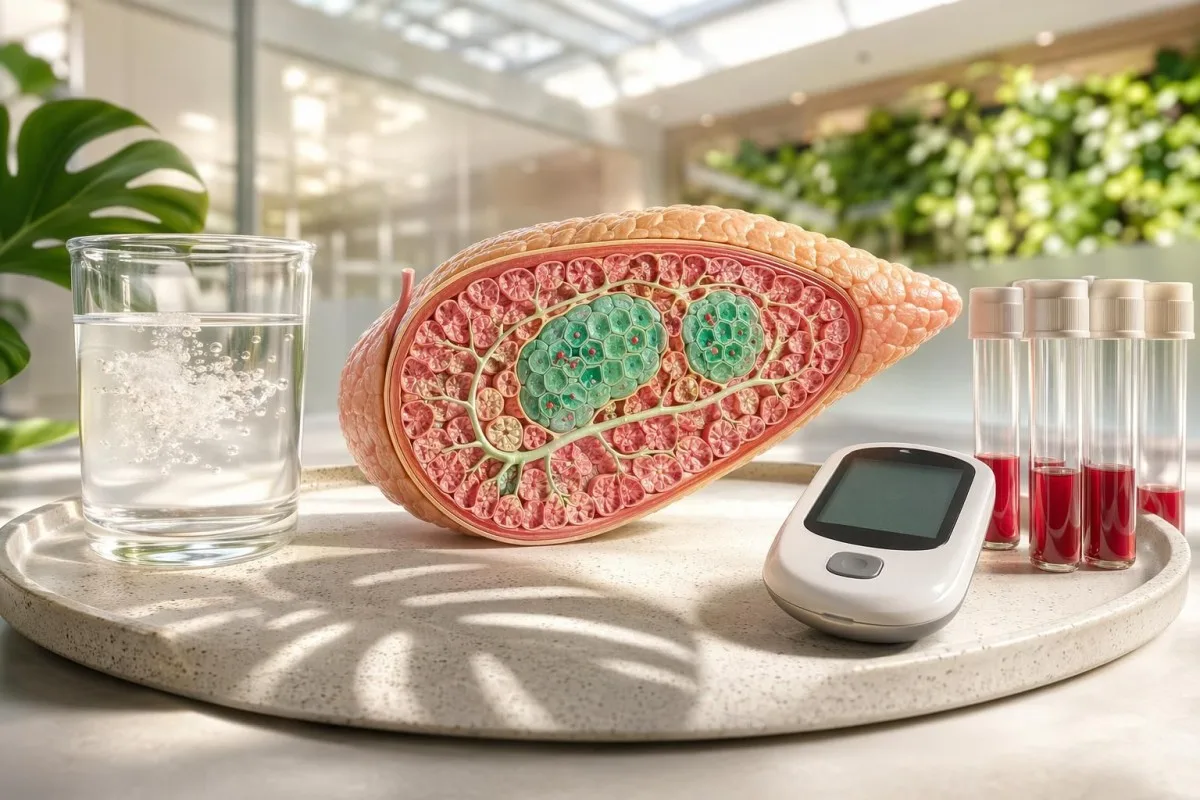
ان لوگوں کے لیے ایک عملی پوسٹ پارٹم اسکریننگ گائیڈ جنہیں بتایا گیا کہ حمل کے شوگرز دوبارہ نارمل ہیں، مگر پھر بھی یہ جاننا چاہتے ہیں کہ آگے کیا ہوتا ہے۔.


- 75 گرام OGTT حمل کے دوران ذیابیطس کے بعد 4-12 ہفتے میں یہ ترجیحی ٹیسٹ ہے کیونکہ یہ 2 گھنٹے والی گلوکوز کی پریشانیوں کو پکڑتا ہے جو فاسٹنگ گلوکوز سے چھوٹ سکتی ہیں۔.
- ذیابیطس کی حدیں فاسٹنگ پلازما گلوکوز ≥126 mg/dL، 2 گھنٹے OGTT گلوکوز ≥200 mg/dL، HbA1c ≥6.5%، یا علامات کے ساتھ رینڈم گلوکوز ≥200 mg/dL۔.
- پری ڈایابیٹس کی کٹ آف ویلیوز فاسٹنگ گلوکوز 100-125 mg/dL، 2 گھنٹے OGTT گلوکوز 140-199 mg/dL، یا HbA1c 5.7-6.4%۔.
- ڈلیوری کے فوراً بعد HbA1c ڈلیوری کے بعد خون کے ضیاع (blood loss) یا سرخ خلیوں کی تیز گردش (high red-cell turnover) کی وجہ سے یہ غلط طور پر کم ہو سکتا ہے، اس لیے اسے 4-12 ہفتے میں OGTT کا متبادل نہیں بنانا چاہیے۔.
- نارمل حمل والی گلوکوز ڈلیوری کے بعد مستقبل کا خطرہ ختم نہیں ہوتا؛ حمل کے دوران ذیابیطس اکثر ایک بیٹا سیل اسٹریس ٹیسٹ ہوتی ہے جو ٹائپ 2 ذیابیطس سے کئی سال پہلے کمزوری کو ظاہر کر دیتی ہے۔.
- دوبارہ جانچ کا وقفہ اگر postpartum اسکرین نارمل ہو تو زندگی بھر ہر 1-3 سال بعد، اور اگر کوئی نتیجہ prediabetes کی حد میں ہو تو عموماً سالانہ۔.
- اگلی حمل سے پہلے حمل سے پہلے یا پہلی سہ ماہی کے اوائل میں glucose testing کروانے کی درخواست کریں، خاص طور پر اگر پہلے GDM میں insulin یا دوا کی ضرورت پڑی ہو۔.
- رسک مارکرز مثلاً fasting insulin، triglycerides، HDL، ALT اور urine albumin-creatinine ratio diabetes کی تشخیص نہیں کرتے، لیکن یہ cardiometabolic رسک کا اندازہ لگانے میں مدد دیتے ہیں۔.
حمل کے دوران ذیابیطس کے بعد ذیابیطس کی تشخیص کرنے والے خون کے ٹیسٹ
وہ خون کے ٹیسٹ جو gestational diabetes کے بعد diabetes کا پتہ لگاتے ہیں وہ ہیں 75 گرام 2 گھنٹے کا اورل گلوکوز ٹالرنس ٹیسٹ, فاسٹنگ پلازما گلوکوز, HbA1c، اور رینڈم پلازما گلوکوز جب classic علامات موجود ہوں۔ OGTT عموماً 4-12 ہفتوں میں postpartum diabetes اسکریننگ کے لیے بہترین ٹیسٹ ہوتا ہے کیونکہ یہ fasting glucose یا HbA1c کے غیر معمولی ہونے سے پہلے ہی 2-hour glucose کی خرابی کو پکڑ لیتا ہے۔.
Thomas Klein, MD کے طور پر میں مریضوں کو بتاتا ہوں کہ سوال صرف یہ نہیں کہ آج نمبر کتنا زیادہ ہے؛ سوال یہ ہے کہ کیا حمل کے بعد بھی pancreas کے پاس اتنا reserve موجود ہے۔ 94 mg/dL کا fasting glucose اطمینان بخش لگ سکتا ہے، جبکہ 168 mg/dL کا 2-hour OGTT نتیجہ خاموشی سے بتاتا ہے کہ پہلے مرحلے کا insulin response پیچھے رہ رہا ہے۔.
حمل کے باہر diabetes کی تشخیص fasting plasma glucose سے کی جاتی ہے ≥126 ملی گرام/ڈی ایل, ، 2 گھنٹے OGTT گلوکوز ≥200 ملی گرام/ڈی ایل, ، HbA1c ≥6.5%, ، یا random plasma glucose ≥200 ملی گرام/ڈی ایل علامات کے ساتھ جیسے پیاس، بار بار پیشاب آنا یا بغیر وجہ وزن میں کمی۔ تشخیصی اور مانیٹرنگ ٹیسٹوں کا سادہ زبان میں تقابل کرنے کے لیے، ہمارے diabetes ٹیسٹ cutoffs سے جان سکتے ہیں۔ ذیابیطس سے متعلق مارکرز کو آرڈر کرنے اور تشریح کرنے کے پس منظر کے لیے، ہماری.
Kantesti ایک AI blood test analyzer ہے جو postpartum glucose، HbA1c، lipids اور kidney markers کو اسی کلینیکل سیاق میں پڑھتا ہے، نہ کہ انہیں الگ الگ فلیگز کی طرح۔ 2M+ میں اپ لوڈ کی گئی لیب رپورٹس کے ہمارے تجزیے میں ایک پیٹرن بار بار سامنے آتا ہے: لوگ pregnancy کی تشخیص یاد رکھتے ہیں، لیکن ان کا 4-12 ہفتوں والا OGTT نتیجہ اکثر طویل مدتی صحت کے ریکارڈ میں کبھی داخل نہیں ہوتا۔.
کیوں نارمل حمل والی گلوکوز مستقبل کے خطرے کو ختم نہیں کرتی
بچے کی پیدائش کے بعد نارمل glucose مستقبل کے diabetes رسک کو ری سیٹ نہیں کرتا کیونکہ gestational diabetes عموماً حمل کے دوران stress کی وجہ سے beta-cell reserve کی محدودیت کو ظاہر کرتی ہے۔ ڈیلیوری placental hormones ختم کر دیتی ہے، مگر یہ لازماً insulin resistance، genetic risk، fatty liver کی طرف رجحان، یا pancreatic beta-cell کی کمزوری کو ٹھیک نہیں کرتی۔.
placenta ایسے hormones بناتی ہے جو insulin resistance کو بڑھاتے ہیں، اور یہ اکثر سب سے زیادہ نمایاں 24-28 ہفتوں کے بعد ہوتا ہے۔ جب پیدائش کے بعد glucose نارمل ہو جاتا ہے تو اس کا مطلب ہے کہ stressor ختم ہو گیا ہے؛ یہ ثابت نہیں کرتا کہ insulin بنانے والے خلیوں کے پاس لامحدود reserve ہے۔.
Bellamy et al. نے The Lancet میں رپورٹ کیا کہ جن خواتین کو پہلے gestational diabetes رہا ہو ان میں بعد میں 7 گنا زیادہ رسک ہوتا ہے type 2 diabetes کا، ان کے مقابلے میں جنہیں GDM نہیں ہوا تھا (Bellamy et al., 2009)۔ روزمرہ پریکٹس میں میں رسک کلسٹر کو waist gain، triglycerides جو 150 mg/dL, سے زیادہ ہوں، کم HDL، خاندانی تاریخ، PCOS اور پہلے دو postpartum سالوں میں نیند میں خلل کے ساتھ دیکھتا ہوں۔.
ایک نارمل HbA1c جس کی 5.3% بچے کی پیدائش کے چھ ماہ بعد بھی یہ ابتدائی انسولین ریزسٹنس کے ساتھ ساتھ موجود ہو سکتا ہے۔ اگر آپ گہرا میٹابولک زاویہ چاہتے ہیں تو ہماری انسولین ریزسٹنس ٹیسٹنگ سے کریں۔ بتاتی ہے کہ فاسٹنگ انسولین اور گلوکوز A1C کے پریڈایبیٹیز کی حد کو پار کرنے سے پہلے کیسے بڑھ/بگڑ سکتے ہیں۔.
پوسٹ پارٹم ذیابیطس کی اسکریننگ کب ہونی چاہیے
زچگی کے بعد ذیابیطس کی اسکریننگ بچے کی پیدائش کے 4-12 ہفتے بعد ہونی چاہیے, ، ترجیحاً 75 g 2-hour OGTT کے ساتھ۔ اگر یہ مدت چھوٹ گئی تھی تو ٹیسٹ کا بہترین وقت اب ہے؛ اگر حمل کو 6 ماہ یا 6 سال ہو چکے ہیں تو میں اگلی سالانہ فزیکل کا انتظار نہیں کروں گا۔.
امریکن ڈایبیٹیز ایسوسی ایشن 4-12 ہفتے بعد 75 g OGTT کی سفارش کرتی ہے اور gestational diabetes کے بعد تاحیات ہر کے وقفے اکثر کم ہو کر اسکریننگ (American Diabetes Association Professional Practice Committee, 2024)۔ ACOG بھی اسی ابتدائی ونڈو میں پوسٹپارٹم اسکریننگ کی حمایت کرتا ہے، اور بہت سے آبسٹیٹرک کلینکس اب کوشش کرتے ہیں کہ اسے 6 ہفتے کے وزٹ سے پہلے آرڈر کر دیا جائے تاکہ اسے بھلایا نہ جا سکے (ACOG, 2018)۔.
بریسٹ فیڈنگ، نیند کا ٹوٹ پھوٹ کا شکار ہونا اور زچگی کے بعد وزن میں تبدیلی—یہ سب روز بروز گلوکوز کو بدل سکتے ہیں، مگر یہ ٹیسٹنگ چھوڑنے کی وجوہات نہیں ہیں۔ زیادہ تر مریض بریسٹ فیڈنگ کے دوران بھی OGTT کر سکتے ہیں؛ عملی مسئلہ اکثر 2 گھنٹے کی لیب ویٹ کے دوران بچوں کی دیکھ بھال ہوتا ہے، نہ کہ بایولوجی۔.
اگر آپ کو ڈلیوری کے بعد انیمیا، تھائرائڈ فنکشن، جگر کے انزائمز یا گردے کے مارکرز کی بھی جانچ درکار ہے تو ہماری پوسٹ پارٹم لیب چیک لسٹ بتاتی ہے کہ کون سے ٹیسٹ عموماً گلوکوز اسکریننگ کے ساتھ ساتھ کیے جاتے ہیں۔ ایک ہی اپائنٹمنٹ اکثر ایک سے زیادہ پوسٹپارٹم مسائل کا احاطہ کر سکتی ہے۔.
75 گرام زبانی گلوکوز ٹالرنس ٹیسٹ کی تشریح کیسے کی جاتی ہے
دی حمل کے بعد oral glucose tolerance test 75 g گلوکوز ڈرنک کے بعد فاسٹنگ گلوکوز اور 2-hour گلوکوز ناپتا ہے۔ 2-hour ویلیو ≥200 ملی گرام/ڈی ایل ذیابیطس کی تشخیص کرتی ہے، جبکہ 140-199 mg/dL impaired glucose tolerance کی تشخیص کرتی ہے، یہاں تک کہ جب فاسٹنگ گلوکوز نارمل ہو۔.
یہ ٹیسٹ اس لیے کام کرتا ہے کہ یہ انسولین سسٹم کو آرام کی حالت میں دیکھنے کے بجائے اسے چیلنج کرتا ہے۔ میرے تجربے میں، جن لوگوں کو پہلے GDM رہا ہو وہ اکثر فاسٹنگ والا حصہ پاس کر لیتے ہیں مگر 2-hour والا حصہ فیل ہو جاتا ہے؛ یہ پیٹرن کھانے کے بعد انسولین کے اخراج میں تاخیر کی طرف اشارہ کرتا ہے۔.
کم از کم 3 دن کے لیے نارمل ڈائٹ،, کے لیے معمول کے مطابق کھانے کے ساتھ تیاری کریں، مثالی طور پر کم از کم روزانہ 150 g کاربوہائیڈریٹ شامل کریں جب تک کہ آپ کے معالج نے دوسری ہدایت نہ دی ہو۔ OGTT سے پہلے بہت کم کارب ڈائٹ گلوکوز کے بڑھنے کو بڑھا چڑھا کر دکھا سکتی ہے اور تشریح کو مشکل بنا سکتی ہے؛ ہماری روزہ رکھنے کے اصول گائیڈ پانی، کافی اور ٹائمنگ کی تفصیلات کور کرتی ہے۔.
2 گھنٹے کی ویٹ کے دوران سخت ورزش نہ کریں، اور اگر آپ قے کر دیں یا ڈرنک مکمل نہ کر سکیں تو لیب کو بتائیں۔ اگر طریقہ کار ٹھیک طرح سے مکمل نہیں ہوا تو نتیجے کو دوبارہ کیا جانا چاہیے یا کسی دوسرے تشخیصی ٹیسٹ سے تبدیل کیا جانا چاہیے۔.
روزہ رکھنے (فاسٹنگ) والی گلوکوز کیا معلوم کر سکتی ہے اور کیا نہیں
روزہ پلازما گلوکوز ذیابیطس کا پتہ لگاتا ہے جب روزہ کی ویلیو ہو ≥126 ملی گرام/ڈی ایل, ، لیکن یہ حمل کے دوران ذیابیطس کے بعد صرف کھانے کے بعد ہونے والی گلوکوز عدم برداشت کو چھوٹ سکتا ہے۔ یہ مفید، سستا اور قابلِ تکرار ہے؛ مگر یہ اتنا موٹا (blunt) ٹیسٹ ہے کہ اسے postpartum OGTT کا متبادل نہیں بنایا جا سکتا۔.
روزہ رکھنے کے دوران گلوکوز 100-125 mg/dL ADA کے معیار کے مطابق پریڈایابیٹیز ہے، جبکہ <100 mg/dL عام طور پر ریاستہائے متحدہ میں نارمل سمجھا جاتا ہے۔ کچھ بین الاقوامی نظام استعمال کرتے ہیں 110 mg/dL بطور کم تر حدِ متاثرہ روزہ گلوکوز؛ یہی ایک وجہ ہے کہ مریض ممالک کے درمیان منتقل ہونے پر کنفیوژ ہو جاتے ہیں۔.
کلینیکل ٹریپ یہ ہے کہ روزہ گلوکوز 88-96 mg/dL ہو اور 2 گھنٹے کا OGTT 155-185 mg/dL ہو۔ اگر صرف روزہ گلوکوز کا آرڈر دیا گیا ہو تو اس شخص کو بتایا جا سکتا ہے کہ سب کچھ ٹھیک ہے، مگر کھانے کے وقت ان کی گلوکوز بایولوجی پہلے ہی غیر معمولی ہو چکی ہوتی ہے۔.
صبح کا گلوکوز نیند کی کمی، رات گئے کھانا، کورٹیکوسٹیرائڈز، انفیکشن اور ڈان فینومینن سے متاثر ہوتا ہے۔ ہمارے روزہ رکھنے والی شوگر کی رہنمائی سے یہ واضح ہوتا ہے کہ ایک ہی صبح کے نتیجے کی تشریح پچھلی رات اور نیند کے معیار کو ذہن میں رکھ کر کرنی چاہیے۔.
کیوں HbA1c ڈلیوری کے بعد آسان ہے مگر مکمل نہیں
HbA1c ذیابیطس کا پتہ لگاتا ہے جب ≥6.5%, ، لیکن یہ پیدائش کے بعد پہلے 4-12 ہفتوں میں کم قابلِ اعتماد ہوتا ہے کیونکہ ڈیلیوری کے دوران خون کا نقصان اور ریڈ-سیل ٹرن اوور نتیجے کو بگاڑ سکتے ہیں۔ HbA1c بعد میں مفید ہے، خاص طور پر طویل مدتی فالو اپ کے لیے، مگر اسے پہلی postpartum OGTT کا متبادل نہیں بنانا چاہیے۔.
HbA1c تقریباً کے دوران اوسط گلوکوز کا اندازہ لگاتا ہے 8-12 ہفتوں میں دوبارہ چیک کریں۔, ، سب سے حالیہ مہینے کی طرف زیادہ جھکاؤ کے ساتھ۔ بچے کی پیدائش کے بعد، خون کی کمی، خون کی منتقلی، آئرن کی کمی یا سرخ خلیوں کی تیزی سے تبدیلی اصل گلوکوز کی کہانی سے قدر کو ہٹا سکتی ہے۔.
آئرن کی کمی بعض مریضوں میں HbA1c کو غلط طور پر بڑھا سکتی ہے، جبکہ حالیہ خون بہنے سے اسے غلط طور پر کم کیا جا سکتا ہے۔ یہ انہی میں سے ایک ایسا معاملہ ہے جہاں نمبر سے زیادہ سیاق و سباق اہم ہوتا ہے؛ اگر postpartum HbA1c 5.6% ہو تو بھی اگر ferritin 8 ng/mL ہو تو یہ اتنا اطمینان بخش نہیں ہو سکتا اور OGTT کبھی کیا ہی نہ گیا ہو۔.
اگر آپ کا A1c فنگر اسٹک ریڈنگز یا علامات سے میل نہیں کھاتا تو قدر کو محض ویسے ہی قبول کرنے سے پہلے ہماری گائیڈ پڑھیں A1c accuracy ۔ جب postpartum کہانی غیر مربوط محسوس ہو تو میں عموماً HbA1c کو fasting glucose، CBC اور ferritin کے ساتھ ملا کر دیکھتا ہوں۔.
کب بے ترتیب (رینڈم) گلوکوز یا علامات پر فوری کارروائی ضروری ہے
Random plasma glucose ذیابطیس کا پتہ لگاتا ہے جب یہ ≥200 ملی گرام/ڈی ایل اور علامات موجود ہوں۔ gestational diabetes کے بعد، اگر زیادہ گلوکوز کے ساتھ قے، پانی کی کمی، تیزی سے وزن کم ہونا، کیٹونز، دھندلا نظر یا غیر معمولی تھکن ہو تو فوری جائزہ ضروری ہے۔.
GDM کے بعد زیادہ تر ذیابطیس ٹائپ 2 ہوتی ہے، لیکن postpartum آٹو امیون ذیابطیس کبھی کبھار ظاہر ہو سکتی ہے، خاص طور پر اگر وزن تیزی سے کم ہو اور کیٹونز موجود ہوں۔ میں نے ایسے مریض دیکھے ہیں جنہیں محض تھکے ہوئے نئے والدین سمجھ کر نظر انداز کر دیا گیا، حالانکہ ان کا گلوکوز 280 ملی گرام/ڈی ایل تھا اور وہ پہلے ہی کیٹوٹک تھیں۔.
اگر random glucose 140-199 mg/dL ہو تو یہ خود بذاتِ خود تشخیصی نہیں ہے، لیکن اس سے timing اور علامات کے مطابق fasting glucose، HbA1c یا OGTT کی طرف اشارہ ملنا چاہیے۔ اگر random قدر 300 mg/dL, سے زیادہ ہو، خاص طور پر اگر پیٹ میں درد یا سانس لینے میں دقت ہو، تو اسے اسی دن کی طبی دیکھ بھال کے طور پر علاج کیا جانا چاہیے۔.
ایک ہی بار کی زیادہ قدر بیماری، سٹیرائڈز یا بہت زیادہ کاربوہائیڈریٹ والے کھانے کے بعد ہو سکتی ہے، لیکن پیٹرن اہم ہے۔ ہماری گائیڈ غیر متوقع طور پر زیادہ گلوکوز بتاتی ہے کہ معالجین stress hyperglycemia کو ابتدائی ذیابطیس سے کیسے الگ کرتے ہیں۔.
وہ خون کے مارکرز جو ذیابیطس ظاہر ہونے سے پہلے خطرہ دکھاتے ہیں
Fasting insulin، C-peptide، triglycerides، HDL، ALT اور urine albumin-creatinine ratio ذیابطیس کی تشخیص نہیں کرتے، مگر یہ gestational diabetes کے بعد میٹابولک رسک دکھانے میں مدد دیتے ہیں۔ یہ مارکرز انسولین ریزسٹنس، فیٹی لیور کی طرف رجحان یا گردوں پر ابتدائی دباؤ ظاہر کر سکتے ہیں جبکہ گلوکوز ابھی تکنیکی طور پر نارمل ہو۔.
fasting insulin اگر تقریباً اس سے زیادہ ہو 15-20 µIU/mL سے زیادہ ہو انسولین ریزسٹنس کی نشاندہی کر سکتا ہے، اگرچہ لیب کے طریقے مختلف ہوتے ہیں اور کوئی عالمی تشخیصی کٹ آف موجود نہیں۔ HOMA-IR میں فاسٹنگ انسولین اور فاسٹنگ گلوکوز استعمال ہوتا ہے؛ اس سے اوپر کی قدریں 2.0-2.5 بالغوں میں اکثر شک بڑھاتی ہیں، مگر نسلی پس منظر، BMI اور اسسیے کی پسند تشریح کو بدل دیتی ہے۔.
ٹرائی گلیسرائیڈز 150 mg/dL اور HDL کی سطح 50 mg/dL خواتین میں اکثر انسولین ریزسٹنس کے ساتھ ساتھ چلتی ہے۔ ALT تقریباً 25-30 IU/L اگر کسی عورت میں پہلے GDM رہا ہو تو یہ ایک ابتدائی فیٹی-لیور (چربی والی جگر) کی علامت ہو سکتی ہے، چاہے لیب کا فلیگ ابھی بھی نارمل کہہ رہا ہو۔.
Kantesti ایک AI بایومارکر تشریح پلیٹ فارم ہے جو gestational diabetes کے بعد نارمل A1c کو ہمیشہ کے لیے “سبز سگنل” نہیں بلکہ رسک مارکر سوال کے طور پر دیکھتا ہے۔ اگر آپ اپنے نمبروں سے انسولین ریزسٹنس کا حساب لگانا چاہتے ہیں تو HOMA-IR کے حساب گائیڈ فارمولا اور اس کی حدود دکھاتی ہے۔.
اگر پوسٹ پارٹم اسکرین نارمل ہو تو کتنی بار دوبارہ ٹیسٹ کرنا چاہیے
اگر gestational diabetes کے بعد پوسٹ پارٹم اسکریننگ نارمل ہو تو ہر 1-3 سال میں زندگی بھر دوبارہ ٹیسٹ کریں. ۔ اگر وزن بڑھ جائے، پریڈایابیٹس ظاہر ہو، کوئی اور حمل پلان ہو، یا اسٹیرائڈز یا اینٹی سائیکوٹکس جیسی دوائیں گلوکوز کے رسک کو بڑھائیں تو پہلے ہی دوبارہ ٹیسٹ کریں، اکثر سالانہ۔.
ADA کی سفارش ہے کہ زندگی بھر ہر 1-3 سال بعد اسکریننگ کی جائے کیونکہ ذیابیطس کا رسک وقت کے ساتھ بڑھتا ہے، صرف پہلے پوسٹ پارٹم سال تک نہیں۔ میری کلینک میں میں عموماً 1 سال کا وقفہ ان ہر فرد کے لیے منتخب کرتا ہوں جنہیں پریڈایابیٹس ہو، انسولین سے علاج شدہ GDM ہو، BMI 30 سے زیادہ ہو، مضبوط خاندانی تاریخ ہو یا PCOS ہو۔.
2026 میں نارمل ٹیسٹ اب بھی مفید ہے کیونکہ یہ آپ کا بیس لائن بن جاتا ہے۔ فاسٹنگ گلوکوز کا 82 سے 96 mg/dL میں 3 سال کے دوران بڑھنا ایک ایسے واحد نتیجے سے زیادہ معنی خیز ہو سکتا ہے جو فلیگ ہو، خاص طور پر اگر ٹرائیگلیسرائیڈز اور کمر کا طواف اسی وقت بڑھیں۔.
Kantesti AI وقت کے ساتھ گلوکوز، HbA1c، ٹرائیگلیسرائیڈز اور ALT کا چارٹ بنا سکتا ہے تاکہ چھوٹی تبدیلیاں واضح نظر آئیں اس سے پہلے کہ وہ ڈرامائی بن جائیں۔ ہمارا trend analysis مضمون بتاتا ہے کہ کیوں اکثر سلوپ اور کلسٹرنگ ایک ہی لیب فلیگ سے زیادہ اہمیت رکھتی ہیں۔.
اپنے معالج سے کیا آرڈر کروانے کو پوچھیں
درخواست کریں 75 g 2-hour OGTT پیدائش کے بعد 4-12 ہفتوں میں، یا اگر OGTT ممکن نہ ہو تو فاسٹنگ پلازما گلوکوز کے ساتھ HbA1c۔ طویل مدتی رسک کے لیے پوچھیں کہ کیا آپ کے گلوکوز مارکرز کے ساتھ لیپڈز، ALT، کریٹینین، eGFR اور یورین البومین-کریٹینین ریشو بھی چیک کیا جانا چاہیے۔.
ایک سمجھدار پہلی پوسٹپارٹم آرڈر عموماً یہ پڑھتی ہے: فاسٹنگ گلوکوز، 75 g 2-hour گلوکوز، HbA1c، CBC اگر ڈلیوری کے دوران خون کی کمی زیادہ ہوئی تھی، اگر اینیمیا کا شبہ ہو تو فیرٹین، اگر کارڈیو میٹابولک رسک زیادہ ہو تو لیپڈ پینل اور CMP۔ ہر مریض کو ہر ٹیسٹ کی ضرورت نہیں ہوتی، لیکن آرڈر کو حمل کی کہانی کے مطابق ہونا چاہیے۔.
اگر آپ کو حمل کے دوران فاسٹنگ ہائپرگلیسیمیا تھا یا انسولین کی ضرورت پڑی تھی، تو میں ابتدائی فالو اپ کے معاملے میں زیادہ سختی کروں گا۔ اگر آپ کا GDM ہلکا تھا اور ڈائٹ سے کنٹرول تھا، تو OGTT پھر بھی اہم ہے، لیکن طویل مدتی فریکوئنسی ہر 2-3 سال کے قریب ہو سکتی ہے جب تمام نتائج نارمل ہوں۔.
ان قارئین کے لیے جو سمجھنا چاہتے ہیں کہ ہر مارکر دراصل کیا ناپتا ہے، ہمارا بایومارکر گائیڈ ہزاروں لیب مارکرز اور عام یونٹ فرقوں کا احاطہ کرتا ہے۔ یہ خاص طور پر مددگار ہے جب ایک لیب گلوکوز mg/dL میں رپورٹ کرے اور دوسری mmol/L میں۔.
ڈاکٹرز سرحدی (بارڈر لائن) یا متضاد نتائج کے ساتھ کیا کرتے ہیں
بارڈر لائن یا متضاد ڈایبیٹیز کے نتائج عموماً دوبارہ کیے جائیں یا کسی مختلف تشخیصی ٹیسٹ سے کنفرم کیے جائیں۔ فاسٹنگ گلوکوز کی 124 mg/dL, ، HbA1c 6.4%, ، یا 2-hour OGTT کی 198 mg/dL کوئی ہلکی بات نہیں؛ یہ ایک قریب-حد (near-threshold) نتیجہ ہے جس کے لیے ایک پلان ہونا چاہیے۔.
کلاسک علامات کے بغیر، زیادہ تر معالج ڈایبیٹیز کی تصدیق ایک بار پھر غیر معمولی نتیجے سے کرتے ہیں۔ اگر دو مختلف ٹیسٹ آپس میں اختلاف کریں، تو عموماً وہ ٹیسٹ جو تشخیصی حد سے اوپر ہو دوبارہ کیا جاتا ہے، اور مریض کا سیاق و سباق طے کرتا ہے کہ یہ کتنی جلدی ہوتا ہے۔.
تھامس کلائن، MD، عملی اصول: لفظ بارڈر لائن کو اس نتیجے کو بے ضرر محسوس نہ کرنے دیں۔ 2-hour OGTT کی 196 mg/dL پہلے کے GDM کے بعد اکثر مستقبل کے رسک میں اتنا زیادہ اضافہ کرتی ہے جتنا کہ فاسٹنگ گلوکوز کی 101 mg/dL, ، چاہے دونوں کو پری ڈایبیٹیز کے تحت ہی فائل کیا جائے۔.
ہماری رہنمائی پری ڈایبیٹیز کی حدیں بتاتا ہے کہ فاسٹنگ گلوکوز، A1c اور OGTT مختلف حیاتیاتی مسائل کی تعریف کیسے کرتے ہیں۔ میں اکثر GDM کے بعد پری ڈایبیٹیز کو انتظار گاہ (waiting room) کے بجائے ایک علاج کی ونڈو (treatment window) کے طور پر فریم کرتا ہوں۔.
خصوصی صورتیں: بریسٹ فیڈنگ، انیمیا، PCOS اور ادویات
بریسٹ فیڈنگ، اینیمیا، PCOS، GLP-1 ادویات، سٹیرائڈز اور تھائرائڈ بیماری یہ بدل سکتی ہیں کہ پوسٹپارٹم ڈایبیٹیز لیبز کی تشریح کیسے کی جانی چاہیے۔ گلوکوز کٹ آف وہی رہتے ہیں، لیکن HbA1c، فاسٹنگ گلوکوز یا انسولین لیولز پر آپ جو اعتماد رکھتے ہیں وہ کافی حد تک بدل سکتا ہے۔.
بریسٹ فیڈنگ اکثر گلوکوز میٹابولزم کو بہتر بناتی ہے اور مستقبل میں ٹائپ 2 ذیابطیس کے خطرے کو کم کر سکتی ہے، لیکن یہ اسکریننگ کی ضرورت کو ختم نہیں کرتی۔ اگر آپ زچگی کے بعد انسولین یا سلفونائیل یوریز لے رہی ہیں تو طویل فیڈز یا چھوٹے ہوئے کھانوں کے دوران ہائپوگلیسیمیا کے خطرے کے بارے میں اپنے معالج سے پوچھیں۔.
PCOS ایک الگ انسولین ریزسٹنس راستہ بھی شامل کرتا ہے، اور پہلے سے GDM کے ساتھ PCOS ان کمبینیشنز میں سے ایک ہے جن کا میں اضافی احترام کے ساتھ علاج کرتا ہوں۔ ہماری PCOS لیب پیٹرنز گائیڈ بتاتی ہے کہ فاسٹنگ انسولین، لیپڈز اور اینڈروجن کیوں اہم ہو سکتے ہیں، حتیٰ کہ جب گلوکوز ابھی تشخیصی نہ ہو۔.
سٹیرائڈ انجیکشنز، ہائی ڈوز پریڈنیسولون، کچھ اینٹی سائیکوٹکس اور شدید نیند کی کمی عارضی طور پر گلوکوز کو بڑھا سکتے ہیں۔ عین زچگی کے بعد نیند کی حدوں کے بارے میں شواہد ایمانداری سے ملا جلا ہیں، لیکن میں نیند کے ٹوٹنے کی صورت میں فاسٹنگ ویلیوز کو مزید خراب دیکھتا ہوں جب نیند 5-6 گھنٹے ہفتوں تک.
Kantesti پوسٹ پارٹم ذیابیطس لیبز کو محفوظ طریقے سے کیسے پڑھتا ہے
Kantesti زچگی کے بعد ذیابطیس کی لیب رپورٹس کو گلوکوز کی حدوں کو ٹائمنگ، حمل کی ہسٹری، اینیمیا کے اشاروں، لیپڈ پیٹرنز اور گردے کے مارکرز کے ساتھ ملا کر پڑھتی ہے۔ مقصد آپ کے معالج کی جگہ لینا نہیں ہے؛ یہ آپ کی اپائنٹمنٹ سے پہلے رسک پیٹرن کو زیادہ واضح کرنا ہے۔.
Kantesti ایک AI سے چلنے والا بلڈ ٹیسٹ اینالیسس ٹول ہے جو 2M+ افراد 127 ممالک میں استعمال کرتے ہیں، جس میں تقریباً 60 سیکنڈ. کے اندر بلڈ ٹیسٹ PDF یا تصویر کی تشریح شامل ہوتی ہے۔ زچگی کے بعد ذیابطیس اسکریننگ کے لیے، ہمارا نیورل نیٹ ورک تشخیصی گلوکوز معیار کو رسک-سیاق و سباق کے مارکرز جیسے ٹرائیگلیسرائیڈز، HDL، ALT اور یورین ACR سے الگ کرتا ہے۔.
ایک عام اپلوڈ میں HbA1c 5.5%, ، روزہ رکھنے کے بعد گلوکوز 92 mg/dL, ، فیرٹین 10 این جی/ملی لیٹر اور کوئی OGTT نہیں دکھ سکتا۔ Kantesti AI ان نمبروں کی بنیاد پر ذیابطیس کی تشخیص نہیں کرے گا، لیکن یہ ضرور فلیگ کرے گا کہ ابتدائی زچگی کے بعد A1c غیر قابلِ اعتماد ہو سکتا ہے اور تجویز کردہ OGTT غائب ہے۔.
ہمارے طریقے شائع شدہ کلینیکل معیارات اور اندرونی معالجین کی ریویو کے مطابق ہیں؛ قارئین دیکھ سکتے ہیں کہ ہماری کلینیکل ویلیڈیشن معیار اور پری-رجسٹرڈ AI بینچ مارک. کیا ہیں۔ اگر آپ ویلیوز ٹائپ کرنے کے بجائے کوئی اسکین اپلوڈ کر رہے ہیں تو پی ڈی ایف اپ لوڈ ورک فلو بتاتا ہے کہ رپورٹس کیسے پڑھی اور چیک کی جاتی ہیں۔.
2026 اور اس کے بعد کے لیے ایک عملی ریٹیسٹنگ پلان
26 مئی 2026 تک، حمل کے دوران ذیابطیس (gestational diabetes) کے بعد سب سے محفوظ منصوبہ یہ ہے کہ 4-12 ہفتوں میں OGTT کروائیں، ہر 1-3 سال بعد دوبارہ اسکریننگ کریں، اور اگلی حمل سے پہلے پہلے ٹیسٹنگ کرائیں۔ اگر کوئی بھی نتیجہ پریڈیابٹیز کی رینج میں ہو تو اسے ہلکی سی لیب دلچسپی نہیں بلکہ فعال پریوینشن ونڈو سمجھ کر علاج کریں۔.
میرا معمول کا اسکرپٹ سادہ ہے: پہلا زچگی کے بعد OGTT کروائیں، نتیجہ محفوظ کریں، پھر اگنی گلوکوز چیک کو کیلنڈر پر لگا دیں اس سے پہلے کہ زندگی مصروف ہو جائے۔ اگر آپ کا 2-گھنٹے OGTT 140-199 mg/dL, ، تو احتیاط کی مبہم یاد دہانی کے بجائے واضح فالو اپ وقفہ، نیوٹریشن پلان اور ایکسرسائز ٹارگٹ مانگیں۔.
اگر آپ کی ذیابطیس اسکریننگ نارمل ہے تو بھی ہر آئندہ معالج کو بتائیں کہ آپ کو GDM تھا۔ یہ ایک لائن اس بات کو بدل دیتی ہے کہ میں فاسٹنگ گلوکوز کو 103 mg/dL, ، ٹرائیگلیسرائیڈ لیول کو 180 mg/dL, ، یا HbA1c کو جو سے بڑھتا جا رہا ہے، کیسے پڑھتا ہوں۔ 5.2% سے 5.6% کئی سالوں کے دوران۔.
Kantesti Ltd ایک برطانیہ کی ہیلتھ ٹیکنالوجی کمپنی ہے، اور ہمارے معالج ہمارے طبی مشاورتی بورڈ اور کلینیکل گورننس کے عمل کے ذریعے میڈیکل مواد کا جائزہ لیتے ہیں جو اس پر بیان ہے ہمارے بارے میں. ۔ خلاصہ یہ ہے: درست ٹیسٹ پیچیدہ نہیں ہوتے، لیکن ٹائمنگ اور تشریح زیادہ اہمیت رکھتی ہے جتنا کہ زیادہ تر لوگوں کو بتایا جاتا ہے۔.
متعلقہ Kantesti تحقیقی اشاعتیں
زچگی کے بعد ذیابیطس کی اسکریننگ اکثر ایک وسیع لیب ریویو کے اندر آتی ہے جس میں CBC، آئرن کی حالت اور گردے کے مارکر شامل ہوتے ہیں۔ نیچے درج Kantesti DOI اشاعتیں ملحقہ بلڈ-ٹیسٹ تشریح کے طریقوں کی حمایت کرتی ہیں، جن میں ریڈ-سیل انڈیکس اور گردے کے فنکشن کے تناسب شامل ہیں جو HbA1c پر اعتماد یا طویل مدتی میٹابولک رسک اسسمنٹ کو متاثر کر سکتے ہیں۔.
اکثر پوچھے گئے سوالات
کون سے خون کے ٹیسٹ حمل کے دوران ذیابیطس کے بعد ذیابیطس کا پتہ لگاتے ہیں؟
وہ خون کے ٹیسٹ جو حمل کے دوران ذیابیطس (gestational diabetes) کے بعد ذیابیطس کا پتہ لگاتے ہیں، ان میں 75 گرام 2 گھنٹے کا زبانی گلوکوز ٹالرنس ٹیسٹ، فاسٹنگ پلازما گلوکوز، HbA1c اور جب علامات موجود ہوں تو رینڈم پلازما گلوکوز شامل ہیں۔ ذیابیطس کی تشخیص فاسٹنگ گلوکوز ≥126 mg/dL، 2 گھنٹے OGTT گلوکوز ≥200 mg/dL، HbA1c ≥6.5%، یا کلاسک علامات کے ساتھ رینڈم گلوکوز ≥200 mg/dL سے کی جاتی ہے۔ OGTT کو پیدائش کے بعد 4-12 ہفتوں میں ترجیح دی جاتی ہے کیونکہ یہ فاسٹنگ گلوکوز نارمل ہونے کے باوجود 2 گھنٹے کے گلوکوز ہینڈلنگ میں خرابی کا پتہ لگا سکتا ہے۔.
کیا حمل کے بعد زبانی گلوکوز ٹالرینس ٹیسٹ، HbA1c کے مقابلے میں بہتر ہے؟
ہاں، حمل کے بعد زبانی گلوکوز ٹالرینس ٹیسٹ عموماً 4-12 ہفتوں میں پہلی پوسٹپارٹم اسکریننگ کے لیے HbA1c سے بہتر ہوتا ہے۔ HbA1c کو ڈیلیوری کے دوران خون کی کمی، خون کی کمی (anemia)، ٹرانسفیوژن یا سرخ خلیوں کی تیز رفتار تبدیلی سے متاثر کیا جا سکتا ہے، جبکہ OGTT 75 گرام گلوکوز کے چیلنج کے بعد گلوکوز کے ہینڈلنگ کو براہِ راست ناپتا ہے۔ HbA1c بعد میں طویل مدتی اسکریننگ اور رجحان (trend) کی نگرانی کے لیے زیادہ مفید ہو جاتا ہے۔.
GDM کے بعد زچگی کے بعد ذیابیطس کی اسکریننگ کب کرنی چاہیے؟
زچگی کے بعد ذیابیطس کی اسکریننگ، اگر حمل کے دوران ذیابیطس ہوئی تھی، تو ڈیلیوری کے 4-12 ہفتے بعد کرنی چاہیے، مثالی طور پر 75 گرام 2 گھنٹے کی OGTT کے ذریعے۔ اگر یہ مدت چھوٹ گئی ہو تو علامات کا انتظار کرنے کے بجائے جیسے ممکن ہو ویسے ہی ٹیسٹنگ کرنی چاہیے۔ اگر زچگی کے بعد نتیجہ نارمل ہو تو زندگی بھر ہر 1-3 سال بعد ذیابیطس کی اسکریننگ دہرائی جائے۔.
کیا HbA1c نارمل ہو سکتا ہے لیکن حمل کے دوران ذیابیطس کے بعد OGTT غیر معمول ہو؟
جی ہاں، HbA1c نارمل ہو سکتا ہے جبکہ حمل کے دوران ذیابیطس کے بعد OGTT غیر معمولی ہو۔ کسی شخص کا HbA1c 5.3% اور روزہ رکھنے والا گلوکوز 92 mg/dL ہو سکتا ہے لیکن 2 گھنٹے کا OGTT ویلیو 160 mg/dL ہو، جو کہ impaired glucose tolerance ہے۔ ایسا اس لیے ہوتا ہے کہ HbA1c اوسط گلوکوز کی عکاسی کرتا ہے، جبکہ OGTT گلوکوز کی مقدار لینے کے بعد انسولین کے ردِعمل کو جانچتا ہے۔.
حمل کے دوران ذیابطیس کے بعد پریڈیابیٹس کا کیا مطلب ہے؟
حمل کے بعد ذیابیطس (gestational diabetes) کے بعد پریڈیابیٹس کی تعریف روزہ رکھنے والے پلازما گلوکوز 100-125 mg/dL، 2 گھنٹے OGTT گلوکوز 140-199 mg/dL، یا HbA1c 5.7-6.4% سے ہوتی ہے۔ 2 گھنٹے OGTT میں اسامانی کیفیت خاص طور پر GDM کے بعد عام ہے اور اگر صرف روزہ گلوکوز کا آرڈر دیا جائے تو اسے نظرانداز کیا جا سکتا ہے۔ پریڈیابیٹس عموماً سالانہ فالو اپ اور ایک منظم حفاظتی منصوبہ شروع کرنے کا تقاضا کرتی ہے۔.
اگر میرا زچگی کے بعد کا اسکریننگ ٹیسٹ نارمل ہو تو مجھے کتنی بار دوبارہ ٹیسٹ کروانا چاہیے؟
اگر آپ کی زچگی کے بعد ذیابیطس کی اسکریننگ حمل کے دوران ذیابیطس (gestational diabetes) کے بعد نارمل ہو تو زندگی بھر ہر 1-3 سال بعد دوبارہ ٹیسٹ کروائیں۔ بہت سے معالجین سالانہ جانچ کا انتخاب کرتے ہیں اگر آپ کو انسولین سے علاج شدہ GDM ہوا ہو، پریڈیابیٹیز ہو، PCOS ہو، BMI 30 سے زیادہ ہو، مضبوط خاندانی تاریخ ہو، یا ٹرائیگلیسرائیڈز بڑھ رہے ہوں۔ اگر آپ دوبارہ حمل کی منصوبہ بندی کر رہی ہوں یا پہلی سہ ماہی کے اوائل میں بھی ٹیسٹنگ دوبارہ کرنی چاہیے۔.
کیا دودھ پلانے سے ذیابیطس کے خون کے ٹیسٹ کے نتائج بدل جاتے ہیں؟
دودھ پلانا گلوکوز میٹابولزم کو بہتر بنا سکتا ہے اور مستقبل میں ٹائپ 2 ذیابیطس کے خطرے کو کم کر سکتا ہے، لیکن یہ بعد از زچگی ذیابیطس اسکریننگ کی ضرورت کو ختم نہیں کرتا۔ روزہ رکھنے والے گلوکوز، OGTT اور HbA1c کے تشخیصی کٹ آف اس لیے تبدیل نہیں ہوتے کہ کوئی شخص دودھ پلا رہا ہے۔ اگر بعد از زچگی ذیابیطس کی دوائیں استعمال کی جائیں تو معالجین طویل فیڈز یا کھانا چھوٹ جانے کے دوران ہائپوگلیسیمیا کے خطرے کو کم کرنے کے لیے وقت یا خوراک میں ایڈجسٹمنٹ کر سکتے ہیں۔.
کیا میں پوسٹ پارٹم گلوکوز ٹالرنس ٹیسٹ کی بجائے کنٹینیوس گلوکوز مانیٹر استعمال کر سکتا ہوں؟
نہیں. ایک کنٹینیوس گلوکوز مانیٹر روزانہ کی مفید گلوکوز پیٹرن دکھا سکتا ہے، لیکن یہ لیبارٹری فاسٹنگ گلوکوز، HbA1c، یا 75 g OGTT کو گیسٹیشنل ڈائیبیٹس کے بعد ڈائیبیٹس کی تشخیص کے لیے تبدیل نہیں کرتا۔ آپ کا معالج طرز زندگی یا علاج کے فیصلوں کی حمایت کے لیے اسے بعد میں استعمال کر سکتا ہے۔.
کیا میرے بچے کو ذیابیطس کی جانچ کی ضرورت ہے کیونکہ مجھے حمل کے دوران ذیابیطس (gestational diabetes) ہوئی تھی؟
نوزائیدہ کے خون میں گلوکوز کی جانچ ہسپتال میں کی جا سکتی ہے، خاص طور پر اگر آپ نے حمل کے دوران انسولین یا کوئی دوا استعمال کی ہو، لیکن زیادہ تر بچوں کو صرف اس وجہ سے کہ ماں کو حمل کے دوران ذیابیطس ہوئی تھی، مسلسل ذیابیطس کے خون کے ٹیسٹوں کی ضرورت نہیں ہوتی۔ باقاعدہ اطفال کے دورے جاری رکھیں اور متوازن کھانوں، سرگرمی، اور نیند کے حوالے سے خاندانی عادات کی حمایت کریں۔.
اگر میں پوسٹپارٹم OGTT کے لیے گلوکوز ڈرنک برداشت نہیں کر پاؤں تو کیا ہوگا؟
ٹیسٹ سے پہلے اپنے معالج کو بتائیں۔ وہ متلی کی حکمتِ عملیوں کے ساتھ دوبارہ شیڈول کر سکتے ہیں، فاسٹنگ گلوکوز اور HbA1c چیک کر سکتے ہیں، یا عارضی طور پر ہوم یا کنٹینیئس گلوکوز ڈیٹا استعمال کر سکتے ہیں، لیکن یہ متبادل تشخیصی OGTT کا مکمل متبادل نہیں ہو سکتے۔.
آج ہی اے آئی سے طاقتور خون کے ٹیسٹ کا تجزیہ حاصل کریں
دنیا بھر میں 2M+ صارفین میں شامل ہوں جو فوری اور درست لیب ٹیسٹ تجزیے کے لیے Kantesti پر بھروسہ کرتے ہیں۔ اپنے خون کے ٹیسٹ کے نتائج اپلوڈ کریں اور چند سیکنڈ میں 15,000+ بایومارکرز کی جامع تشریح حاصل کریں۔.
📚 حوالہ دی گئی تحقیقی اشاعتیں
کلائن، ٹی.، مچل، ایس.، اور ویبر، ایچ. (2026). RDW بلڈ ٹیسٹ: RDW-CV، MCV اور MCHC کے لیے مکمل گائیڈ.۔ Kantesti اے آئی میڈیکل ریسرچ۔.
کلائن، ٹی.، مچل، ایس.، اور ویبر، ایچ. (2026). BUN/کریٹینائن تناسب کی وضاحت کی گئی: گردے کے فنکشن ٹیسٹ گائیڈ.۔ Kantesti اے آئی میڈیکل ریسرچ۔.
📖 بیرونی طبی حوالہ جات
امریکن ڈایبیٹس ایسوسی ایشن پروفیشنل پریکٹس کمیٹی (2024)۔. 2. ذیابیطس کی تشخیص اور درجہ بندی: Standards of Care in Diabetes—2024.۔ Diabetes Care.
⚕️ میڈیکل ڈس کلیمر
یہ مضمون صرف تعلیمی مقاصد کے لیے ہے اور طبی مشورہ نہیں ہے۔ تشخیص اور علاج کے فیصلوں کے لیے ہمیشہ کسی مستند صحت کے ماہر سے رجوع کریں۔.
E-E-A-T اعتماد کے اشارے
تجربہ
معالج کی قیادت میں لیب تشریح کے ورک فلو کا کلینیکل جائزہ۔.
مہارت
لیبارٹری میڈیسن کا فوکس یہ کہ بایومارکرز کلینیکل سیاق میں کیسے برتاؤ کرتے ہیں۔.
مستندیت
ڈاکٹر تھامس کلائن نے لکھا، ڈاکٹر سارہ مچل اور پروف. ڈاکٹر ہانس ویبر نے نظرثانی کی۔.
امانت داری
شواہد پر مبنی تشریح واضح فالو اپ راستوں کے ساتھ تاکہ گھبراہٹ کم ہو۔.