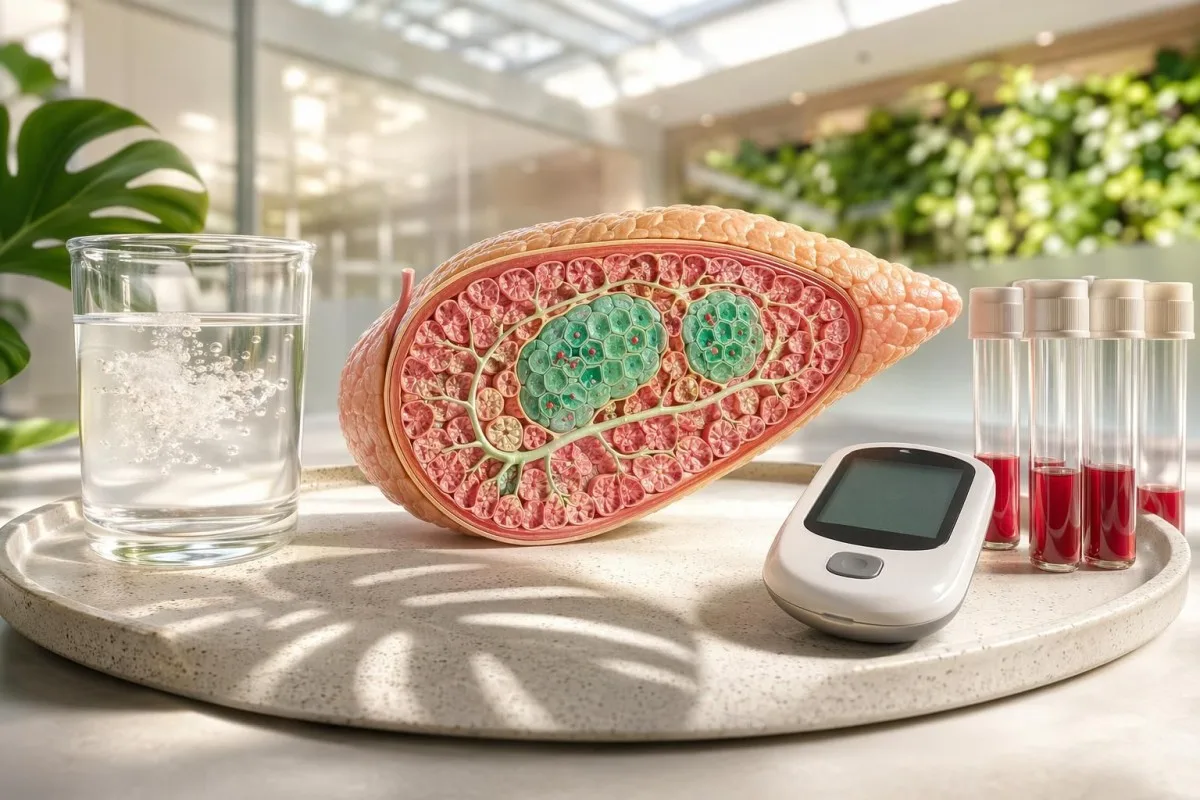
Практичен водич за постпартален скрининг за секого на кого му рекле дека шеќерите во бременоста повторно се нормални, но сепак сака да знае што следува.


- 75 g OGTT на 4-12 недели по породувањето е претпочитаниот тест по гестациски дијабетес, бидејќи открива проблеми со глукозата по 2 часа што глукозата на гладно може да ги пропушти.
- Дијабетесни гранични вредности се глукоза во плазма на гладно ≥126 mg/dL, глукоза на OGTT по 2 часа ≥200 mg/dL, HbA1c ≥6.5%, или случајна глукоза ≥200 mg/dL со симптоми.
- Прагoви за преддијабетес се глукоза на гладно 100-125 mg/dL, глукоза на OGTT по 2 часа 140-199 mg/dL, или HbA1c 5.7-6.4%.
- HbA1c рано по породувањето може лажно да биде ниско поради загуба на крв по породувањето или зголемен промет на црвени крвни клетки, па затоа не треба да го заменува OGTT на 4-12 недели.
- Нормална глукоза во бременоста по породувањето не го брише идниот ризик; гестацискиот дијабетес често е стрес-тест за бета-клетките што ја открива ранливоста години пред тип 2 дијабетес.
- Интервал за повторно испитување на секои 1-3 години доживотно ако постпарталниот скрининг е нормален, а обично секоја година ако има било каков резултат во опсегот на преддијабетес.
- Пред друга бременост побарајте тестирање за глукоза пред зачнување или рано во првиот триместар, особено ако претходниот GDM барал инсулин или медикација.
- Маркери на ризик како што се инсулин на гладно, триглицериди, HDL, ALT и однос албумин-креатинин во урина не дијагностицираат дијабетес, но помагаат да се процени кардиометаболниот ризик.
Крвните анализи што дијагностицираат дијабетес по гестациски дијабетес
Крвните анализи што го откриваат дијабетесот по гестациски дијабетес се оралниот тест за толеранција на глукоза од 75 g за 2 часа, глукозата во плазма на гладно, HbA1c, и случајна плазматска глукоза кога се присутни класични симптоми. OGTT обично е најдобриот постпартален тест за скрининг на дијабетес на 4-12 недели, бидејќи открива нарушено ракување со глукозата во 2-часовниот период пред глукозата на гладно или HbA1c да станат абнормални.
Како Томас Клајн, MD, им велам на пациентите дека прашањето не е само дали бројката е висока денес; туку дали панкреасот сè уште има доволна резерва по бременоста. Глукозата на гладно од 94 mg/dL може да изгледа смирувачки, додека вредноста од 168 mg/dL на 2-часовниот OGTT тивко кажува дека одговорот на инсулин во првата фаза заостанува.
Дијагноза на дијабетес надвор од бременост се поставува со глукоза во плазма на гладно ≥126 mg/dL, глукоза на OGTT после 2 часа ≥200 mg/dL, HbA1c ≥6.5%, или случајна плазматска глукоза ≥200 mg/dL со симптоми како што се жед, често мокрење или необјаснето губење на телесна тежина. За споредба на тестовите за дијагностицирање и следење на јазик разбирлив за секого, нашите гранични вредности за тестот за дијабетес водич е корисен придружник.
Kantesti е анализатор на AI крвни тестови кој чита постпартална глукоза, HbA1c, липиди и маркери за бубрези во истиот клинички контекст, наместо како изолирани аларми. Во нашата анализа на 2M+ прикачени лабораториски извештаи, една шема постојано се појавува: луѓето ја паметат дијагнозата за бременост, но резултатот од нивниот OGTT на 4-12 недели често никогаш не влегува во долгорочната здравствена евиденција.
Зошто нормалната глукоза во бременоста не го ресетира идниот ризик
Нормалната глукоза по породувањето не го ресетира идниот ризик за дијабетес, затоа што гестацискиот дијабетес обично одразува ограничена резерва на бета-клетки под стресот на бременоста. Породувањето ги отстранува плацентарните хормони, но не мора да ја поправи инсулинската резистентност, генетскиот ризик, склоноста кон масен црн дроб или ранливоста на панкреасните бета-клетки.
Плацентата произведува хормони што ја зголемуваат инсулинската резистентност, често најзабележливо по 24-28 недели. Кога глукозата се нормализира по раѓањето, тоа значи дека стресорот исчезнал; не докажува дека клетките што произведуваат инсулин имаат неограничена резерва.
Bellamy и сор. објавија во The Lancet дека жените со претходен гестациски дијабетес имаат околу 7-пати поголем ризик за подоцнежен тип 2 дијабетес во споредба со оние без GDM (Bellamy и сор., 2009). Во секојдневната пракса, го гледам кластерот на ризик со зголемување на обемот на половината, триглицериди над 150 mg/dL, низок HDL, фамилијарна историја, PCOS и нарушување на спиењето во првите две постпартални години.
Нормален HbA1c од 5.3% шест месеци по породувањето сè уште може да коегзистира со рана инсулинска резистентност. Ако сакате подлабок метаболен поглед, нашиот водич за тест за инсулинска резистенција објаснува зошто инсулинот и глукозата на гладно можат да „отстапат“ пред A1C да ја премине границата за преддијабетес.
Кога треба да се направи постпартален скрининг за дијабетес
Скринингот за дијабетес по породувањето треба да се направи 4-12 недели по породувањето, по можност со 75 g 2-часовен OGTT. Ако овој прозорец бил пропуштен, најдобро време за тестирање е сега; не би чекал/а до следниот годишен превентивен преглед ако бременоста била пред 6 месеци или 6 години.
Американското здружение за дијабетес препорачува 75 g OGTT на 4-12 недели по породувањето и доживотен скрининг на секои 1-3 години по гестациски дијабетес (American Diabetes Association Professional Practice Committee, 2024). ACOG исто така го поддржува скринингот по породувањето во овој раен период, и многу гинеколошки ординации сега се обидуваат да го нарачаат пред посетата за 6 недели за да не се заборави (ACOG, 2018).
Доењето, фрагментацијата на сонот и промените во телесната тежина по породувањето можат сите да ја менуваат глукозата од ден на ден, но тие не се причини да се прескокне тестирањето. Повеќето пациенти можат да го направат OGTT додека дојат; практичниот проблем често е грижата за дете за време на 2-часовното чекање во лабораторија, а не биологијата.
Ако по породувањето ви требаат и проверки за анемија, функција на тироидната жлезда, ензими на црниот дроб или маркери за бубрези, нашиот список за лабораториски анализи по породувањето наведува кои тестови најчесто се комбинираат со скринингот за глукоза. Една единствена закажана посета често може да покрие повеќе од еден проблем по породувањето.
Како се толкува тестот за орален глукозотолерантен тест од 75 g
На орален тест за толеранција на глукоза по бременост мери глукоза на гладно и глукоза по 2 часа по внес на 75 g глукоза. Вредноста по 2 часа ≥200 mg/dL дијагностицира дијабетес, додека 140-199 mg/dL дијагностицира нарушена толеранција на глукоза, дури и кога глукозата на гладно е нормална.
Тестот функционира затоа што го „предизвикува“ системот за инсулин, наместо да го набљудува во мирување. Според моето искуство, луѓето со претходен GDM често го поминуваат делот на гладно, но не го поминуваат делот по 2 часа; оваа шема укажува на одложено лачење на инсулин после оброци.
Подгответе се со вообичаено јадење најмалку 3 дена, идеално вклучувајќи најмалку 150 g јаглехидрати дневно освен ако вашиот лекар не ви кажал/а поинаку. Многу нискојаглехидратна исхрана пред OGTT може да го преувеличи порастот на глукозата и да ја направи интерпретацијата нејасна; нашиот правилата за постење водич ги опфаќа деталите за вода, кафе и тајминг.
Не вежбајте напорно за време на 2-часовното чекање и кажете ѝ на лабораторијата ако повратите или не можете да ја завршите напитката. Резултатот треба да се повтори или да се замени со друг дијагностички тест ако постапката не била правилно завршена.
Што може и што не може да открие глукозата на гладно
Глукозата во плазма на гладно открива дијабетес кога вредноста на гладно е ≥126 mg/dL, но може да пропушти изолирана нетолеранција на глукоза после оброк по гестациски дијабетес. Корисно е, ефтино и повторливо; едноставно е премногу „грубо“ за да го замени постпарталниот OGTT.
Постената глукоза од 100-125 mg/dL е предијабетес според ADA критериумите, додека <100 mg/dL генерално се смета за нормално во Соединетите Американски Држави. Некои меѓународни системи користат 110 mg/dL како понизок праг за нарушена глукоза на гладно, што е една од причините пациентите да се збунат при премин меѓу држави.
Клиничката замка е глукоза на гладно од 88-96 mg/dL со 2-часовен OGTT од 155-185 mg/dL. На таа личност може да ѝ се каже дека сè е во ред ако е назначена само глукоза на гладно, но биологијата на глукозата во време на оброкот веќе е абнормална.
Утринската глукоза е под влијание на долгов на сон, јадење до доцна навечер, кортикостероиди, инфекција и феноменот на зори. Нашето водич за утринска гликоза објаснува зошто единечниот утрински резултат треба да се толкува имајќи ги предвид претходната вечер и квалитетот на сонот.
Зошто HbA1c е практичен, но не е совршен по породувањето
HbA1c открива дијабетес при ≥6.5%, но е помалку сигурен во првите 4-12 постпартални недели затоа што загубата на крв при породување и обновувањето на еритроцитите може да го искриват резултатот. HbA1c е корисен подоцна, особено за долгорочно следење, но не треба да го замени првиот постпартален OGTT.
HbA1c ја проценува просечната глукоза во период од приближно 8-12 недели, пондерирано кон најновиот месец. По породувањето, анемија, трансфузија, дефицит на железо или брза замена на црвените крвни клетки може да ја оддалечат вредноста од вистинската приказна за глукозата.
Дефицитот на железо кај некои пациенти може лажно да го покачи HbA1c, додека неодамнешното крварење може лажно да го намали. Ова е едно од оние подрачја каде што контекстот е поважен од бројката; постпартален HbA1c од 5.6% можеби нема да биде толку смирувачки ако феритин е 8 ng/mL и OGTT никогаш не е направен.
Ако вашиот A1c не се совпаѓа со мерењата од прст или со симптомите, прочитајте го нашиот водич за точност на A1c пред да ја прифатите вредноста како што е. Обично HbA1c го комбинирам со глукоза на гладно, CBC и феритин кога постпарталната приказна делува недоследна.
Кога случајната глукоза или симптомите бараат брза реакција
Случајната плазматска глукоза го открива дијабетесот кога е ≥200 mg/dL и се присутни симптоми. По гестациски дијабетес, потребен е итен преглед за висока глукоза со повраќање, дехидратација, брзо губење на тежина, кетони, заматен вид или невообичаен замор.
Повеќето случаи на дијабетес по GDM се тип 2, но постпарталниот автоимун дијабетес повремено може да се појави, особено ако губењето на тежината е брзо и се присутни кетони. Сум видел пациенти отпуштени како само уморни нови родители кога нивната глукоза беше 280 mg/dL и тие веќе имаа кетотичност.
Случајна глукоза од 140-199 mg/dL не е дијагностичка сама по себе, но треба да поттикне глукоза на гладно, HbA1c или OGTT во зависност од времето и симптомите. Случајна вредност над 300 mg/dL, особено со абдоминална болка или отежнато дишење, треба да се третира како медицинска грижа истиот ден.
Една изолирано висока вредност може да се случи по болест, стероиди или многу оброк со висока содржина на јаглехидрати, но шемата е важна. Нашиот водич за неочекувано висока глукоза објаснува како клиничарите ја разликуваат стресната хипергликемија од раниот дијабетес.
Крвни маркери што го покажуваат ризикот пред да се појави дијабетес
Инсулин на гладно, C-пептид, триглицериди, HDL, ALT и уринарен албумин-креатинин сооднос не дијагностицираат дијабетес, но помагаат да се прикаже метаболичкиот ризик по гестациски дијабетес. Овие маркери можат да откријат инсулинска резистентност, склоност кон масен црн дроб или рано бубрежно оптоварување додека глукозата сè уште технички е нормална.
Инсулин на гладно над приближно 15-20 µIU/mL може да укаже на инсулинска резистентност, иако лабораториските методи се разликуваат и нема универзален дијагностички праг. HOMA-IR користи инсулин на гладно и глукоза на гладно; вредности над 2.0-2.5 често ја зголемуваат сомнителноста кај возрасни, но етничката припадност, BMI и изборот на анализа ја менуваат интерпретацијата.
Триглицериди над 150 mg/dL и HDL под 50 mg/dL кај жените често одат заедно со инсулинска резистентност. ALT над околу 25-30 IU/L кај жена со претходен GDM може да биде рана индикација за масен црн дроб, дури и кога лабораторискиот флаг сè уште вели дека е нормално.
Kantesti е платформа за интерпретација на AI биомаркери која третира нормален A1C по гестациски дијабетес како прашање за маркер на ризик, а не како „зелено светло“ засекогаш. Ако сакате да ја пресметате инсулинската резистентност од вашите вредности, водичот ја прикажува пресметка на HOMA-IR формулата и нејзините ограничувања.
Колку често да се повтори тестирањето ако постпарталниот скрининг е нормален
Ако постпарталниот скрининг е нормален по гестациски дијабетес, повторете на секои 1-3 години за цел живот. Повторете порано, често секоја година, ако се зголеми телесната тежина, се појави предијабетес, планира се уште една бременост или лекови како стероиди или антипсихотици го зголемуваат ризикот за глукоза.
Препораката на ADA за доживотен скрининг на секои 1-3 години постои затоа што ризикот за дијабетес расте со текот на времето, не само во првата постпартална година. Во мојата ординација, обично ја избирам 1-годишната интервал за секого со предијабетес, GDM третиран со инсулин, BMI над 30, силна семејна историја или PCOS.
Нормален тест во 2026 сè уште е корисен затоа што станува вашата основна вредност. Глукозата на гладно што се поместува од 82 до 96 mg/dL во тек на 3 години може да биде поважна од една резултат што е означен, особено ако триглицеридите и обемот на половината растат во исто време.
Kantesti AI може да ја прикажува гликозата, HbA1c, триглицеридите и ALT со текот на времето, така што малите промени се видливи пред да станат драматични. Нашата анализа на трендови статија објаснува зошто наклонот и групирањето често се поважни од единствена лабораториска ознака.
Што да побарате од вашиот клиничар да нарача
Побарајте 75 g 2-часовен OGTT на 4-12 недели по породувањето, или гликоза во плазма на гладно плус HbA1c ако OGTT не е изводлив. За долгорочен ризик, прашајте дали треба да се проверат липиди, ALT, креатинин, eGFR и однос албумин-креатинин во урина со вашите маркери за гликоза.
Разумен прв налог по породувањето често гласи: гликоза на гладно, 75 g 2-часовна гликоза, HbA1c, CBC ако имало значителна загуба на крв при породување, феритин ако се сомнева на анемија, липиден профил и CMP ако кардиометаболниот ризик е висок. Не секој пациент има потреба од сите тестови, но налогот треба да одговара на приказната од бременоста.
Ако сте имале хипергликемија на гладно за време на бременоста или сте имале потреба од инсулин, би бил поагресивен со рано следење. Ако вашиот GDM бил благ и контролиран со диета, OGTT сè уште е важен, но долгорочниот ритам може да биде поблиску до на секои 2-3 години кога сите резултати се нормални.
За читателите кои сакаат да разберат што точно мери секој маркер, нашата водич за биомаркери опфаќа илјадници лабораториски маркери и вообичаени разлики во единици. Ова е особено корисно кога една лабораторија ја пријавува гликозата во mg/dL, а друга во mmol/L.
Што прават лекарите со гранични или спротивставени резултати
Гранични или конфликтни резултати за дијабетес обично треба да се повторят или да се потврдат со различен дијагностички тест. Гликоза на гладно од 124 mg/dL, HbA1c од 6.4%, или 2-часовен OGTT од 198 mg/dL не е само „рамо до праг“; тоа е резултат близок до прагот кој заслужува план.
Без класични симптоми, повеќето клиничари го потврдуваат дијабетесот со повторен абнормален резултат. Ако два различни теста не се согласуваат, тестот над дијагностичкиот праг обично се повторува, а контекстот на пациентот одлучува колку брзо тоа ќе се случи.
Thomas Klein, MD, практично правило: не дозволувајте зборот „гранично“ да направи резултатот да се чувствува безопасно. 2-часовен OGTT од 196 mg/dL по претходен GDM често носи поголем ризик во иднина отколку гликоза на гладно од 101 mg/dL, дури и ако и двете може да се заведат под преддијабетес.
Нашиот водич за прагови за преддијабетес објаснува како гликоза на гладно, A1c и OGTT дефинираат различни биолошки проблеми. Често го поставувам преддијабетесот по GDM како прозорец за третман, наместо како чекална.
Специјални ситуации: доење, анемија, PCOS и лекови
Доење, анемија, PCOS, GLP-1 лекови, стероиди и болести на тироидната жлезда можат да го променат начинот на кој треба да се интерпретираат лабораториските резултати за дијабетес по породувањето. Границите за гликоза остануваат исти, но довербата што ја ставате во HbA1c, гликозата на гладно или нивоата на инсулин може значително да се промени.
Доењето често го подобрува метаболизмот на глукозата и може да го намали ризикот од идeн тип 2 дијабетес, но не ја елиминира потребата од скрининг. Ако по породувањето земате инсулин или сулфонилуреа, прашајте го вашиот лекар за ризикот од хипогликемија при подолги доења или пропуштени оброци.
PCOS додава посебна патека на инсулинска резистентност, и претходниот GDM плус PCOS е една од комбинациите со која се однесувам со особено внимание. Наш Лабораториски обрасци кај PCOS објаснува зошто инсулинот на гладно, липидите и андрогените можат да бидат важни дури и кога глукозата сè уште не е дијагностичка.
Стероидни инјекции, високи дози преднизон, некои антипсихотици и тешка лишеност од сон можат привремено да ја подигнат глукозата. Доказите околу точните прагови за сон по породувањето се искрено мешани, но гледам полоши вредности на гладно кога сонот е фрагментиран под 5-6 часа со недели.
Како Kantesti безбедно ги чита лабораториските резултати за постпартален дијабетес
Kantesti ги чита лабораториските резултати за дијабетес по породувањето со комбинирање на прагови за глукоза со тајминг, историја на бременост, индиции за анемија, липидни обрасци и маркери за бубрези. Целта не е да го замени вашиот лекар; таа е да го направи ризичниот обрасцe појасен пред вашиот преглед.
Kantesti е алатка за анализа на крвни тестови со AI, која ја користат 2M+ луѓе во 127 земји, со интерпретација на PDF или фотографија од крвен тест за околу 60 секунди. За скрининг за дијабетес по породувањето, нашата невронска мрежа ги одвојува дијагностичките критериуми за глукоза од маркерите за ризик-контекст како триглицериди, HDL, ALT и уринарен ACR.
Типично прикачување може да прикаже HbA1c 5.5%, глукоза на гладно 92 mg/dL, феритин 10 ng/mL и без OGTT. Kantesti AI нема да дијагностицира дијабетес од тие бројки, но треба да означи дека раниот A1C по породувањето може да биде несигурен и дека препорачаниот OGTT недостасува.
Нашите методи се усогласени со објавени клинички стандарди и внатрешна ревизија од лекари; читателите можат да видат наш стандарди за клиничка валидација и претходно регистриран AI бенчмарк. Ако прикачувате скен наместо да ги внесувате вредностите, на работен тек за прикачување PDF објаснува како извештаите се читаат и проверуваат.
Практичен план за повторно тестирање за 2026 и понатаму
Од 26 мај 2026 година, најбезбедниот план по гестациски дијабетес е OGTT на 4-12 недели, повторен скрининг на секои 1-3 години и порано тестирање пред друга бременост. Ако кој било резултат е во опсегот на предијабетес, третирајте го како активен прозорец за превенција, а не како блага лабораториска љубопитност.
Мојата вообичаена формула е едноставна: направете го првиот OGTT по породувањето, зачувајте го резултатот, а потоа внесете ја следната проверка на глукозата во календарот пред животот да стане зафатен. Ако вашиот 2-часовен OGTT е 140-199 mg/dL, побарајте јасен интервал за следење, план за исхрана и цел за вежбање наместо нејасно потсетување да внимавате.
Ако вашиот скрининг за дијабетес е нормален, сепак кажете на секој идeн лекар дека сте имале GDM. Таа една реченица го менува начинот на кој јас читам глукоза на гладно од 103 mg/dL, ниво на триглицериди од 180 mg/dL, или HbA1c што се искачува од 5.2% до 5.6% во текот на неколку години.
Kantesti Ltd е британска компанија за здравствена технологија, и нашите лекари го прегледуваат медицинскиот материјал преку нашата медицински советодавен одбор и процесот на клиничко управување опишан во За нас. Крајна поента: вистинските тестови не се комплицирани, но времето и интерпретацијата се поважни отколку што на повеќето луѓе им е кажано.
Поврзани Kantesti научни публикации
Скринингот за дијабетес по породувањето често се наоѓа во поширок преглед на лабораториски анализи што вклучува CBC, статус на железо и маркери за бубрези. Наведените Kantesti DOI публикации подолу поддржуваат методи за интерпретација на сродни крвни тестови, вклучувајќи индекси на еритроцити и соодноси за функцијата на бубрезите кои можат да влијаат на доверливоста на HbA1c или на проценката на долгорочниот метаболички ризик.
Често поставувани прашања
Кои крвни тестови откриваат дијабетес по гестациски дијабетес?
Крвните анализи што откриваат дијабетес по гестациски дијабетес се тестот за орален глукозотолерантен тест од 75 g во 2 часа, гликоза на гладно во плазма, HbA1c и случајна гликоза во плазма кога се присутни симптоми. Дијабетесот се дијагностицира со гликоза на гладно ≥126 mg/dL, гликоза на OGTT по 2 часа ≥200 mg/dL, HbA1c ≥6.5% или случајна гликоза ≥200 mg/dL со класични симптоми. OGTT се претпочита 4-12 недели по породувањето затоа што може да открие нарушено ракување со гликозата по 2 часа дури и кога гликозата на гладно е нормална.
Дали оралниот тест за глукозна толеранција по бременоста е подобар од HbA1c?
Да, оралниот тест за толеранција на глукоза по бременоста обично е подобар од HbA1c за првиот постпартален скрининг на 4–12 недели. HbA1c може да биде нарушен од крварење при породување, анемија, трансфузија или брза промена на еритроцитите, додека OGTT директно ја мери обработката на глукозата по предизвик со 75 g глукоза. HbA1c станува покорисен подоцна за долгорочен скрининг и следење на трендови.
Кога треба да се направи скрининг за постпартален дијабетес по ГДМ?
Скрининг за дијабетес по породување кај жени со гестациски дијабетес треба да се направи 4–12 недели по породувањето, идеално со 75 g 2-часовен ОГТТ. Ако тој временски период е пропуштен, тестирањето треба да се направи што е можно поскоро, наместо да се чекаат симптоми. Ако резултатот по породувањето е нормален, повторен скрининг за дијабетес треба да се прави на секои 1–3 години во текот на целиот живот.
Дали HbA1c може да биде нормален, но OGTT да биде абнормален по гестациски дијабетес?
Да, HbA1c може да биде нормален додека OGTT е абнормален по гестациски дијабетес. Едно лице може да има HbA1c 5.3% и глукоза на гладно 92 mg/dL, но вредност на OGTT по 2 часа од 160 mg/dL, што е нарушена толеранција на глукоза. Ова се случува затоа што HbA1c ја одразува просечната глукоза, додека OGTT го „тестира“ инсулинскиот одговор по внес на глукоза.
Што значат резултатите за преддијабетес по гестациски дијабетес?
Предијабетес по гестациски дијабетес се дефинира со глукоза на гладно во плазма 100-125 mg/dL, глукоза на 2-часовен OGTT 140-199 mg/dL или HbA1c 5.7-6.4%. Абнормалност на 2-часовен OGTT е особено честа по GDM и може да се пропушти ако се назначи само глукоза на гладно. Предијабетесот обично треба да иницира годишно следење и структурирана превентивна програма.
Колку често треба да се направи повторно тестирање ако мојот постпартален скрининг е нормален?
Ако вашиот постпартален скрининг за дијабетес е нормален по гестациски дијабетес, повторувајте го тестирањето на секои 1-3 години до крајот на животот. Многу клиничари избираат годишно тестирање ако сте имале GDM третирана со инсулин, предијабетес, PCOS, BMI над 30, силна фамилијарна историја или растечки триглицериди. Тестирањето треба да се повтори и пред друга бременост или рано во првиот триместар.
Дали доењето ги менува резултатите од крвна слика за дијабетес?
Доењето може да го подобри метаболизмот на глукозата и може да го намали ризикот од идeн развој на дијабетес тип 2, но не ја елиминира потребата за постпартален скрининг за дијабетес. Дијагностичките гранични вредности за глукоза на гладно, OGTT и HbA1c не се менуваат затоа што некој дои. Ако се користат лекови за дијабетес по породувањето, клиничарите може да го прилагодат времето или дозата за да го намалат ризикот од хипогликемија за време на долги доења или пропуштени оброци.
Може ли да користам континуиран монитор за гликоза наместо постпартален тест за толеранција на гликоза?
Не. Континуираниот монитор за гликоза може да прикаже корисни обрасци на гликоза од ден за ден, но не го заменува лабораториската гликоза на гладно, HbA1c или 75 g OGTT за дијагностицирање на дијабетес по гестациски дијабетес. Вашиот лекар може да го користи подоцна за поддршка на одлуки за животен стил или лекување.
Дали на моето бебе му треба тестирање за дијабетес затоа што имав гестациски дијабетес?
Глукозата кај новороденчето може да се провери во болница, особено ако сте користеле инсулин или лекови за време на бременоста, но повеќето деца не треба да прават континуирани крвни тестови за дијабетес само поради мајчиниот гестациски дијабетес. Одржувајте редовни педијатриски прегледи и поддржувајте ги навиките на семејството околу урамнотежени оброци, активност и сон.
Што ако не можам да ја поднесам глукозната течност за постпарталниот OGTT?
Кажете му на вашиот лекар пред тестот. Можеби ќе го закажат повторно со стратегии за гадење, ќе ја проверат гликозата на гладно и HbA1c, или привремено ќе користат податоци од домашно или континуирано мерење на гликоза, но овие алтернативи можеби нема целосно да го заменат дијагностичкиот OGTT.
Добијте AI анализа на крв со моќ на вештачка интелигенција денес
Придружете се на над 2 милиони корисници ширум светот кои му веруваат на Kantesti за инстантна, точна анализа на лабораториски тестови. Поставете ги вашите резултати од крвна слика и добијте сеопфатно толкување на 15,000+ биомаркери за секунди.
📚 Реферирани научни публикации
Клајн, Т., Мичел, С., и Вебер, Х. (2026). Крвен тест за RDW: комплетен водич за RDW-CV, MCV и MCHC. AI Medical Research.
Клајн, Т., Мичел, С., и Вебер, Х. (2026). Објаснување на односот BUN/креатинин: Водич за тестирање на функцијата на бубрезите. AI Medical Research.
📖 Надворешни медицински референци
Американска асоцијација за дијабетес, Професионален комитет за практика (2024). 2. Дијагноза и класификација на дијабетес: Стандарди на грижа за дијабетес—2024. Diabetes Care.
⚕️ Медицинско одрекување од одговорност
Овој напис е само за едукативни цели и не претставува медицински совет. Секогаш консултирајте се со квалификуван здравствен работник за одлуки за дијагноза и третман.
Сигнали за доверба E-E-A-T
Искуство
Клиничка ревизија водена од лекар за работните текови на толкување на лабораториски резултати.
Експертиза
Фокус на лабораториска медицина за тоа како биомаркерите се однесуваат во клинички контекст.
Авторитивност
Напишано од д-р Thomas Klein, со ревизија од д-р Sarah Mitchell и проф. д-р Hans Weber.
Доверливост
Толкување засновано на докази со јасни патеки за следење за да се намали алармирањето.