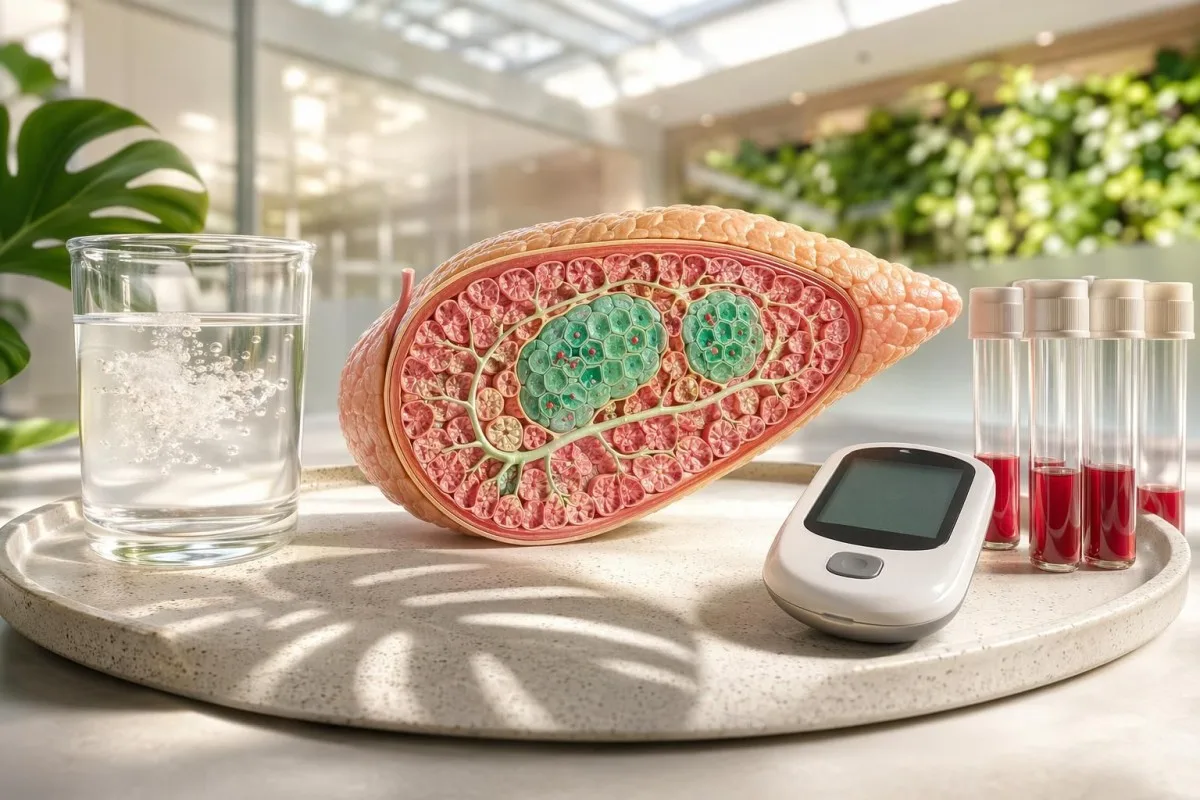
یک راهنمای عملی برای غربالگری پس از زایمان برای هر کسی که گفته شده قندهای بارداریاش دوباره طبیعی شدهاند، اما همچنان میخواهد بداند قدم بعدی چیست.


- 75 گرم OGTT در ۴ تا ۱۲ هفته پس از زایمان، آزمایش ترجیحی بعد از دیابت بارداری است؛ زیرا مشکلات قند ۲ ساعته را که گلوکز ناشتا ممکن است از دست بدهد، تشخیص میدهد.
- آستانههای دیابت عبارتاند از: گلوکز پلاسما ناشتا ≥126 میلیگرم/دسیلیتر، گلوکز OGTT دو ساعته ≥200 میلیگرم/دسیلیتر، HbA1c ≥6.5%، یا گلوکز تصادفی ≥200 میلیگرم/دسیلیتر همراه با علائم.
- آستانههای پیشدیابت عبارتاند از: گلوکز ناشتا 100 تا 125 میلیگرم/دسیلیتر، گلوکز OGTT دو ساعته 140 تا 199 میلیگرم/دسیلیتر، یا HbA1c 5.7 تا 6.4%.
- HbA1c در اوایل دوران پس از زایمان میتواند بعد از زایمان بهطور کاذب پایین باشد به دلیل خونریزی یا افزایش گردش گلبولهای قرمز، بنابراین نباید جایگزین OGTT در ۴ تا ۱۲ هفته شود.
- قند طبیعی در بارداری پس از زایمان، خطر آینده را پاک نمیکند؛ دیابت بارداری اغلب یک آزمون استرس سلولهای بتا است که آسیبپذیری را سالها پیش از دیابت نوع ۲ آشکار میکند.
- فاصلهٔ بازآزمایی هر ۱ تا ۳ سال برای تمام عمر است اگر غربالگریِ پس از زایمان طبیعی باشد، و معمولاً سالانه است اگر هر نتیجهای در محدودهٔ پیشدیابت باشد.
- قبل از بارداریِ بعدی پیش از بارداری یا اوایل سهماههٔ اول، بهخصوص اگر GDM قبلی نیاز به انسولین یا دارو داشته است، درخواستِ انجام تست گلوکز بدهید.
- نشانگرهای خطر مانند انسولین ناشتا، تریگلیسریدها، HDL، ALT و نسبت آلبومین به کراتینینِ ادرار، دیابت را تشخیص نمیدهند، اما به برآوردِ خطر قلبیمتابولیک کمک میکنند.
آزمایشهای خونی که دیابت را پس از دیابت بارداری تشخیص میدهند
آزمایشهای خونی که دیابت را پس از GDM تشخیص میدهند عبارتاند از: تست تحمل گلوکز خوراکی ۷۵ گرمیِ ۲ ساعته, قند پلاسما در حالت ناشتا, هموگلوبین A1c، و گلوکز پلاسما بهصورت تصادفی زمانی که علائم کلاسیک وجود دارد. OGTT معمولاً بهترین تست غربالگریِ دیابت پس از زایمان در ۴ تا ۱۲ هفته است، زیرا اختلال در مدیریت گلوکزِ ۲ ساعته را پیش از آنکه گلوکز ناشتا یا HbA1c غیرطبیعی شود، پیدا میکند.
همانطور که توماس کلاین، MD، به بیمارانم میگویم: سؤال فقط این نیست که امروز عدد چقدر بالاست؛ سؤال این است که آیا پانکراس هنوز پس از بارداری ذخیرهٔ کافی دارد یا نه. گلوکز ناشتا با ۹۴ mg/dL ممکن است آرامکننده به نظر برسد، در حالی که مقدار OGTT دو ساعتهٔ ۱۶۸ mg/dL بهطور بیصدا میگوید پاسخ انسولینِ فاز اول عقب مانده است.
تشخیص دیابت خارج از بارداری با گلوکز پلاسما ناشتا ≥126 میلیگرم/دسیلیتر, ، گلوکز OGTT دو ساعته ≥200 میلیگرم/دسیلیتر, ، HbA1c ≥6.5%, ، یا گلوکز پلاسما بهصورت تصادفی ≥200 میلیگرم/دسیلیتر همراه با علائمی مانند تشنگی، ادرار مکرر یا کاهش وزنِ بدون علت انجام میشود. برای مقایسهٔ سادهزبانِ تستهای تشخیصی و پایش، آستانههای تست دیابت ما ما همراه مفیدی است.
Kantesti یک آنالایزر تست خونِ مبتنی بر هوش مصنوعی است که گلوکز پس از زایمان، HbA1c، چربیها و نشانگرهای کلیه را در همان زمینهٔ بالینی میخواند، نه بهصورت پرچمهای جداگانه. در تحلیل ما از گزارشهای آزمایشگاهیِ بارگذاریشدهٔ 2M+، یک الگو مدام تکرار میشود: افراد تشخیصِ دوران بارداری را به خاطر میآورند، اما نتیجهٔ OGTT آنها در ۴ تا ۱۲ هفتهٔ پس از زایمان اغلب هرگز وارد پروندهٔ سلامتِ بلندمدت نمیشود.
چرا قند طبیعی در بارداری، خطر آینده را از بین نمیبرد
گلوکز طبیعی پس از زایمان، خطر آیندهٔ دیابت را از نو تنظیم نمیکند، زیرا GDM معمولاً بازتابِ ذخیرهٔ محدود سلولهای بتا تحت استرسِ بارداری است. زایمان هورمونهای جفت را حذف میکند، اما لزوماً مقاومت به انسولین، ریسک ژنتیکی، تمایل به کبد چرب یا آسیبپذیری سلولهای بتای پانکراس را ترمیم نمیکند.
جفت هورمونهایی تولید میکند که مقاومت به انسولین را بالا میبرند و اغلب، این موضوع بیشتر از همه بعد از ۲۴ تا ۲۸ هفته دیده میشود. وقتی پس از تولد، گلوکز به حالت طبیعی برمیگردد، یعنی عامل استرسزا از بین رفته است؛ این امر ثابت نمیکند که سلولهای تولیدکنندهٔ انسولین ذخیرهٔ نامحدودی دارند.
بلَمی و همکاران در The Lancet گزارش کردند که زنانی با دیابت بارداریِ قبلی حدوداً ۷ برابر خطر بیشتری برای دیابت نوع ۲ در آینده نسبت به کسانی دارند که GDM نداشتهاند (Bellamy et al., 2009). در عملِ روزمره، من خوشهٔ خطر را همراه با افزایش دور کمر، تریگلیسریدهای بالاتر از 150 میلیگرم/دسیلیتر, ، HDL پایین، سابقهٔ خانوادگی، PCOS و بههمریختگی خواب در دو سال اول پس از زایمان میبینم.
HbA1c طبیعیِ 5.3% شش ماه پس از زایمان هنوز میتواند همزمان با مقاومت زودرس به انسولین وجود داشته باشد. اگر دید متابولیک عمیقتری میخواهید، راهنمای ما برای آزمایش مقاومت به انسولین توضیح میدهد چرا انسولین و گلوکز ناشتا میتوانند قبل از اینکه A1C از خط پیشدیابت عبور کند، دچار نوسان شوند.
زمان انجام غربالگری دیابت پس از زایمان چه زمانی است
غربالگری دیابت پس از زایمان باید ۴ تا ۱۲ هفته پس از زایمان انجام شود, ، ترجیحاً با یک OGTT دو ساعته ۷۵ گرمی. اگر این بازه از دست رفت، بهترین زمان برای تست همین حالاست؛ اگر بارداری ۶ ماه یا ۶ سال پیش بوده، منتظر معاینه سالانه بعدی نمیمانم.
انجمن دیابت آمریکا توصیه میکند OGTT ۷۵ گرمی در ۴ تا ۱۲ هفته پس از زایمان و غربالگری مادامالعمر هر ۱ تا ۳ سال بعد از دیابت بارداری انجام شود (American Diabetes Association Professional Practice Committee, 2024). ACOG نیز از غربالگری در این بازه اولیه حمایت میکند و بسیاری از کلینیکهای زنان و زایمان اکنون تلاش میکنند آن را قبل از ویزیت ۶ هفتهای سفارش دهند تا فراموش نشود (ACOG, 2018).
شیردهی، تکهتکه شدن خواب و تغییرات وزن پس از زایمان همگی میتوانند باعث شوند قند روزبهروز تغییر کند، اما دلیل برای صرفنظر کردن از تست نیستند. بیشتر بیماران میتوانند OGTT را هنگام شیردهی انجام دهند؛ مسئله عملی معمولاً مراقبت از کودک در زمان انتظار دو ساعته در آزمایشگاه است، نه زیستشناسی.
اگر بعد از زایمان همچنین نیاز به بررسی کمخونی، عملکرد تیروئید، آنزیمهای کبدی یا نشانگرهای کلیه دارید، ما چکلیست آزمایشهای پس از زایمان مشخص میکند کدام تستها معمولاً همراه با غربالگری گلوکز انجام میشوند. یک قرار ملاقات واحد اغلب میتواند بیش از یک مشکل پس از زایمان را پوشش دهد.
نحوه تفسیر تست تحمل گلوکز خوراکی ۷۵ گرمی
این تست تحمل گلوکز خوراکی پس از بارداری گلوکز ناشتا و گلوکز ۲ ساعته را پس از نوشیدن یک محلول گلوکز ۷۵ گرمی اندازهگیری میکند. مقدار ۲ ساعته ≥200 میلیگرم/دسیلیتر دیابت را تشخیص میدهد، در حالی که در محدوده اختلال تحمل گلوکز را تشخیص میدهد، حتی وقتی گلوکز ناشتا طبیعی است.
این تست کار میکند چون سیستم انسولین را به چالش میکشد، نه اینکه آن را در حالت استراحت مشاهده کند. در تجربه من، افرادی که قبلاً GDM داشتهاند اغلب بخش ناشتا را پشت سر میگذارند اما بخش ۲ ساعته را ناموفق میگذرانند؛ این الگو نشاندهنده ترشح دیرتر انسولین بعد از وعدههای غذایی است.
با تغذیه معمول آماده شوید برای حداقل 3 روز رژیم غذایی معمولی داشته باشید، شب قبل تمرین سخت و تنبیهی انجام ندهید، و یک روزهداری قهرمانانه 24 ساعته نداشته باشید که مقدار تکراری را بهتر از سطح واقعی پایهتان نشان دهد., ، و ایدهآل شامل حداقل 150 g کربوهیدرات در روز مگر اینکه پزشک شما چیز دیگری گفته باشد. خیلی کمکربوهیدرات کردن قبل از OGTT میتواند افزایش گلوکز را اغراقآمیز کند و تفسیر را دشوار سازد؛ راهنمای ما قوانین ناشتا بودن جزئیات مربوط به آب، قهوه و زمانبندی را پوشش میدهد.
در زمان انتظار دو ساعته تمرین سخت انجام ندهید و اگر استفراغ کردید یا نتوانستید نوشیدنی را کامل کنید به آزمایشگاه اطلاع دهید. اگر مراحل بهدرستی تکمیل نشده باشد، نتیجه باید تکرار شود یا با یک تست تشخیصی دیگر جایگزین گردد.
گلوکز ناشتا چه چیزهایی را میتواند و چه چیزهایی را نمیتواند تشخیص دهد
گلوکز پلاسما در حالت ناشتا دیابت را تشخیص میدهد وقتی مقدار ناشتا ≥126 میلیگرم/دسیلیتر, ، اما میتواند عدمتحمل گلوکز پس از غذا را بهصورت جداگانه پس از دیابت بارداری از دست بدهد. این روش مفید، ارزان و قابل تکرار است؛ اما آنقدر ابزارِ کندی است که نمیتواند جایگزین OGTT پس از زایمان شود.
قند خون ناشتا برابر با 100-125 میلیگرم بر دسیلیتر طبق معیارهای ADA پیشدیابت است، در حالی که <100 میلیگرم بر دسیلیتر بهطور کلی در ایالات متحده طبیعی در نظر گرفته میشود. برخی نظامهای بینالمللی از ۱۱۰ میلیگرم بر دسیلیتر بهعنوان آستانه پایینِ اختلال در قند ناشتا استفاده میکنند؛ که یکی از دلایل گیج شدن بیماران هنگام جابهجایی بین کشورهاست.
دام بالینی این است: گلوکز ناشتا 88-96 میلیگرم/دسیلیتر با OGTT دو ساعته 155-185 میلیگرم/دسیلیتر. ممکن است به آن فرد گفته شود همهچیز خوب است اگر فقط گلوکز ناشتا درخواست شده باشد، در حالی که زیستشناسی قندِ زمانِ وعده غذایی او از قبل غیرطبیعی است.
گلوکز صبحگاهی تحت تأثیر کمبود خواب، خوردن در اواخر شب، کورتیکواستروئیدها، عفونت و پدیده سپیدهدم قرار میگیرد. ما قند ناشتا توضیح میدهد چرا باید یک نتیجه منفردِ صبحگاهی با در نظر گرفتن شبِ قبل و کیفیت خواب تفسیر شود.
چرا HbA1c بعد از زایمان هم راحت است اما کامل نیست
HbA1c دیابت را در ≥6.5%, تشخیص میدهد، اما در 4-12 هفته اول پس از زایمان کمتر قابلاعتماد است، زیرا خونریزی هنگام زایمان و گردش گلبولهای قرمز میتواند نتیجه را دچار اعوجاج کند. HbA1c در مراحل بعدی مفید است، بهویژه برای پیگیری طولانیمدت، اما نباید جایگزین OGTT اول پس از زایمان شود.
HbA1c میانگین گلوکز را طی حدوداً 8-12 هفته, ، به سمت ماه اخیر وزن داده شده است. پس از زایمان، کمخونی، انتقال خون، کمبود آهن یا جایگزینی سریع گلبولهای قرمز میتواند مقدار را از روایت واقعیِ قند خون منحرف کند.
کمبود آهن میتواند در برخی بیماران HbA1c را بهطور کاذب بالا ببرد، در حالی که خونریزی اخیر میتواند آن را بهطور کاذب پایین بیاورد. این یکی از همان حوزههایی است که زمینه از عدد مهمتر است؛ یک HbA1c پس از زایمانِ 5.6% ممکن است اگر فریتین 8 ng/mL باشد و OGTT هرگز انجام نشده باشد، چندان هم آرامبخش نباشد.
اگر A1c شما با قرائتهای انگشتی یا علائم همخوانی ندارد، راهنمای ما درباره دقت A1c را قبل از اینکه مقدار را در ظاهر بپذیرید بخوانید. معمولاً وقتی روایت پس از زایمان نامنسجم به نظر میرسد، HbA1c را همراه با گلوکز ناشتا، CBC و فریتین ترکیب میکنم.
چه زمانی گلوکز تصادفی یا علائم نیاز به اقدام سریع دارند
گلوکز پلاسما بهصورت تصادفی، دیابت را زمانی تشخیص میدهد که ≥200 میلیگرم/دسیلیتر و علائم وجود داشته باشد. پس از دیابت بارداری، در صورت وجود گلوکز بالا همراه با استفراغ، کمآبی، کاهش وزن سریع، کتونها، تاری دید یا خستگی غیرعادی، بررسی فوری لازم است.
بیشتر دیابت پس از GDM از نوع 2 است، اما دیابت خودایمنی پس از زایمان گاهی میتواند ظاهر شود، بهویژه اگر کاهش وزن سریع باشد و کتونها وجود داشته باشند. دیدهام بیمارانی که قندشان 280 میلیگرم/دسیلیتر بود، صرفاً بهعنوان والدین جدیدِ خسته نادیده گرفته شدند، در حالی که از قبل کتوتیک بودند.
یک گلوکز تصادفیِ در محدوده بهتنهایی تشخیصی نیست، اما باید بسته به زمانبندی و علائم، گلوکز ناشتا، HbA1c یا OGTT را به دنبال داشته باشد. یک مقدار تصادفی بالاتر از 300 mg/dL, ، بهویژه اگر درد شکمی یا تنفسِ دشوار وجود داشته باشد، باید بهعنوان مراقبت پزشکی همانروزه در نظر گرفته شود.
یک مقدار بالای منفرد میتواند بعد از بیماری، استروئیدها یا یک وعده غذایی بسیار پرکربوهیدرات رخ دهد، اما الگو مهم است. راهنمای ما درباره گلوکز بالای غیرمنتظره توضیح میدهد که پزشکان چگونه هایپرگلیسمی ناشی از استرس را از دیابتِ زودرس جدا میکنند.
نشانگرهای خونی که پیش از ظاهر شدن دیابت، خطر را نشان میدهند
انسولین ناشتا، پپتید C، تریگلیسریدها، HDL، ALT و نسبت آلبومین به کراتینین ادرار، دیابت را تشخیص نمیدهند، اما به نشان دادن خطر متابولیک پس از دیابت بارداری کمک میکنند. این نشانگرها میتوانند در حالی که از نظر فنی هنوز قند طبیعی است، مقاومت به انسولین، تمایل به کبد چرب یا فشار زودرس بر کلیه را آشکار کنند.
انسولین ناشتا بالاتر از حدود 15-20 µIU/mL میتواند نشاندهنده مقاومت به انسولین باشد، هرچند روشهای آزمایشگاهی متفاوتاند و هیچ آستانه تشخیصی جهانی وجود ندارد. HOMA-IR از انسولین ناشتا و گلوکز ناشتا استفاده میکند؛ مقادیر بالاتر از 2.0-2.5 اغلب در بزرگسالان شک را بیشتر میکند، اما قومیت، BMI و انتخاب روش سنجش تفسیر را تغییر میدهند.
تریگلیسریدها بالاتر از 150 میلیگرم/دسیلیتر و HDL پایینتر از 50 میلیگرم/دسیلیتر در زنان اغلب همراه با مقاومت به انسولین دیده میشود. ALT بالاتر از حدود 25-30 IU/L در یک زن با سابقه GDM میتواند یک سرنخ اولیه از کبد چرب باشد، حتی زمانی که برچسب آزمایش هنوز میگوید طبیعی است.
Kantesti یک پلتفرم تفسیر زیستنشانگرهای AI است که یک A1c طبیعی پس از دیابت بارداری را بهعنوان سؤالِ نشانگرِ ریسک در نظر میگیرد، نه چراغ سبز برای همیشه. اگر بخواهید مقاومت به انسولین را از اعداد خودتان محاسبه کنید، راهنما محاسبه HOMA-IR فرمول و محدودیتهای آن را نشان میدهد.
اگر غربالگری پس از زایمان طبیعی بود، هر چند وقت یکبار باید دوباره آزمایش داد
اگر غربالگری پس از زایمان بعد از دیابت بارداری طبیعی باشد، هر 1-3 سال برای تمام عمر تکرار شود. اگر وزن افزایش یابد، پیشدیابت ظاهر شود، برنامهریزی برای بارداری دیگری وجود داشته باشد، یا داروهایی مانند استروئیدها یا آنتیسایکوتیکها خطر افزایش گلوکز را بالا ببرند، زودتر—اغلب سالانه—تکرار کنید.
توصیه ADA برای غربالگری مادامالعمر هر 1-3 سال وجود دارد چون خطر دیابت در طول زمان افزایش مییابد، نه فقط در سال اول پس از زایمان. در کلینیک من، معمولاً فاصله 1 ساله را برای هر کسی که پیشدیابت دارد، GDM با درمان انسولینی دارد، BMI بالاتر از 30 دارد، سابقه خانوادگی قوی دارد یا PCOS دارد انتخاب میکنم.
یک تست طبیعی در سال 2026 هنوز مفید است چون تبدیل به خط پایه شما میشود. گلوکز ناشتا که از 82 به 96 mg/dL طی 3 سال تغییر کند، ممکن است از یک نتیجهای که برچسبگذاری شده معنادارتر باشد، بهویژه اگر تریگلیسریدها و دور کمر همزمان افزایش پیدا کنند.
Kantesti AI میتواند گلوکز، HbA1c، تریگلیسریدها و ALT را در طول زمان ترسیم کند تا تغییرات کوچک قبل از اینکه به تغییرات چشمگیر تبدیل شوند، قابل مشاهده باشند. مقاله ما تحلیل روند توضیح میدهد چرا شیب و خوشهبندی اغلب مهمتر از یک پرچم آزمایشگاهیِ منفرد است.
چه چیزهایی را باید از پزشکتان بخواهید درخواست کند
از یک OGTT دو ساعته 75 گرم در 4 تا 12 هفته پس از زایمان، یا در صورت عدم امکان OGTT، گلوکز پلاسما ناشتا بهعلاوه HbA1c درخواست کنید. برای ارزیابی خطر بلندمدت، بپرسید آیا باید لیپیدها، ALT، کراتینین، eGFR و نسبت آلبومین به کراتینین ادرار همراه با نشانگرهای گلوکز شما بررسی شوند یا نه.
یک دستور منطقیِ نخستین آزمایش پس از زایمان اغلب اینطور خوانده میشود: گلوکز ناشتا، گلوکز 75 گرم دو ساعته، HbA1c، CBC اگر در زمان زایمان خونریزی شدید رخ داده باشد، فریتین اگر کمخونی مشکوک باشد، پنل لیپیدی و CMP اگر خطر قلبیمتابولیک بالا باشد. هر بیمار به همهٔ این تستها نیاز ندارد، اما دستور باید با داستان بارداری همخوان باشد.
اگر در دوران بارداری دچار هایپرگلیسمی ناشتا بودهاید یا نیاز به انسولین داشتید، من پیگیری زودهنگام را تهاجمیتر انجام میدهم. اگر GDM شما خفیف بوده و با رژیم کنترل شده باشد، OGTT همچنان مهم است، اما ریتم پیگیری بلندمدت ممکن است نزدیکتر به هر 2-3 سال زمانی باشد که همهٔ نتایج طبیعی هستند.
برای خوانندگانی که میخواهند بدانند هر نشانگر دقیقاً چه چیزی را اندازه میگیرد، مقاله ما بیومارکر ما هزاران نشانگر آزمایشگاهی و تفاوتهای رایج در واحدها را پوشش میدهد. این موضوع بهویژه وقتی مفید است که یک آزمایشگاه گلوکز را بر حسب mg/dL گزارش میکند و دیگری آن را بر حسب mmol/L گزارش میدهد.
پزشکان با نتایج مرزی یا متناقض چه میکنند
نتایج مرزی یا متناقضِ دیابت معمولاً باید تکرار شوند یا با یک تست تشخیصی متفاوت تأیید گردند. گلوکز ناشتاِ 124 mg/dL, ، HbA1c از 6.4%, ، یا OGTT دو ساعتهٔ 198 mg/dL شوخی نیست؛ نتیجهای نزدیک به آستانه است و نیاز به یک برنامه دارد.
بدون علائم کلاسیک، بیشتر پزشکان دیابت را با یک نتیجه غیرطبیعیِ تکراری تأیید میکنند. اگر دو تست متفاوت با هم اختلاف داشته باشند، معمولاً تستی که بالاتر از آستانهٔ تشخیصی است تکرار میشود و زمینهٔ بیمار تعیین میکند این اتفاق چقدر سریع رخ دهد.
Thomas Klein, MD، قانون عملی: نگذارید کلمهٔ «مرزی» باعث شود نتیجه بیخطر به نظر برسد. OGTT دو ساعتهٔ 196 mg/dL بعد از GDM قبلی اغلب بیش از گلوکز ناشتا با 101 میلیگرم بر دسیلیتر, ریسک آینده به همراه دارد، حتی اگر هر دو ممکن است زیر عنوان پیشدیابت ثبت شوند.
راهنمای ما برای آستانههای پیشدیابت توضیح میدهد که گلوکز ناشتا، A1c و OGTT چگونه مشکلات زیستی متفاوتی را تعریف میکنند. من اغلب پیشدیابت پس از GDM را نه بهعنوان یک «اتاق انتظار»، بلکه بهعنوان یک «پنجرهٔ درمان» توصیف میکنم.
شرایط ویژه: شیردهی، کمخونی، PCOS و داروها
شیردهی، کمخونی، PCOS، داروهای GLP-1، استروئیدها و بیماریهای تیروئید میتوانند نحوهٔ تفسیر آزمایشهای دیابت پس از زایمان را تغییر دهند. حدهای قطعِ گلوکز ثابت میمانند، اما میزان اعتمادی که به HbA1c، گلوکز ناشتا یا سطح انسولین میگذارید ممکن است بهطور قابلتوجهی تغییر کند.
شیردهی اغلب متابولیسم گلوکز را بهبود میدهد و ممکن است خطر ابتلا به دیابت نوع ۲ در آینده را کاهش دهد، اما نیاز به غربالگری را از بین نمیبرد. اگر پس از زایمان انسولین یا سولفونیلیورها مصرف میکنید، از پزشک خود درباره خطر هیپوگلیسمی در شیردهیهای طولانیتر یا وعدههای غذایی جاافتاده سؤال کنید.
PCOS یک مسیر جداگانه برای مقاومت به انسولین اضافه میکند، و GDM قبلی همراه با PCOS یکی از ترکیبهایی است که با احترام بیشتری برای درمانش در نظر میگیرم. ما الگوهای آزمایشگاهی PCOS توضیح میدهد چرا انسولین ناشتا، چربیها و آندروژنها حتی زمانی که گلوکز هنوز معیار تشخیصی را ندارد هم میتوانند مهم باشند.
تزریقهای استروئیدی، پردنیزولون با دوز بالا، برخی داروهای ضدروانپریشی و کمخوابی شدید میتوانند بهطور موقت قند خون را بالا ببرند. شواهد درباره آستانههای دقیق خواب پس از زایمان واقعاً متفاوت است، اما وقتی خواب بهصورت تکهتکه زیر 5-6 ساعت برای هفتهها باشد، مقادیر بدترِ ناشتا را میبینم.
چگونه Kantesti آزمایشهای دیابت پس از زایمان را با ایمنی میخواند
Kantesti آزمایشهای دیابت پس از زایمان را با ترکیب آستانههای گلوکز و زمانبندی، سابقه بارداری، نشانههای کمخونی، الگوهای چربی و نشانگرهای کلیه میخواند. هدف جایگزینی پزشک شما نیست؛ هدف این است که الگوی ریسک قبل از قرار ملاقات روشنتر شود.
Kantesti یک ابزار تحلیل آزمایش خون مبتنی بر AI است که توسط 2M+ نفر در 127 کشور استفاده میشود و تفسیر PDF یا عکسِ آزمایش خون را در حدود 60 ثانیه. ارائه میدهد. برای غربالگری دیابت پس از زایمان، شبکه عصبی ما معیارهای تشخیصی گلوکز را از نشانگرهای زمینهمحور ریسک مانند تریگلیسریدها، HDL، ALT و ACR ادرار جدا میکند.
یک آپلود معمول ممکن است نشان دهد HbA1c 5.5%, ، قند ناشتا 92 میلیگرم/دسیلیتر, ، فریتین 10 نانوگرم بر میلیلیتر و بدون OGTT. Kantesti AI از روی این اعداد دیابت را تشخیص نمیدهد، اما باید هشدار دهد که A1c زودهنگام پس از زایمان ممکن است قابلاعتماد نباشد و OGTT پیشنهادی وجود ندارد.
روشهای ما با استانداردهای بالینی منتشرشده و بازبینی داخلی پزشکان همسو است؛ خوانندگان میتوانند اعتبارسنجی بالینیِ ما و بنچمارک هوش مصنوعی. را ببینند. اگر بهجای تایپ مقادیر، اسکن را آپلود میکنید، بخش آپلود PDF ما توضیح میدهد گزارشها چگونه خوانده و بررسی میشوند.
یک برنامه عملی برای تکرار آزمایش در سال ۲۰۲۶ و بعد از آن
از 26 می 2026، امنترین برنامه بعد از دیابت بارداری این است: OGTT در 4-12 هفته، تکرار غربالگری هر 1-3 سال، و انجام آزمایشهای زودتر قبل از بارداری بعدی. اگر هر نتیجهای در محدوده پیشدیابت باشد، آن را بهعنوان یک پنجره پیشگیری فعال در نظر بگیرید، نه یک کنجکاوی خفیف آزمایشگاهی.
متن معمول من ساده است: اولین OGTT پس از زایمان را انجام دهید، نتیجه را ذخیره کنید، سپس بررسی بعدی گلوکز را قبل از اینکه زندگی شلوغ شود در تقویم بگذارید. اگر OGTT دو ساعته شما در محدوده, است، بهجای یک یادآوری مبهم برای احتیاط، یک بازه پیگیری روشن، برنامه تغذیه و هدف تمرینی بخواهید.
اگر غربالگری دیابت شما طبیعی است، باز هم به هر پزشک آینده بگویید که GDM داشتهاید. همان یک خط نحوه خواندن من از یک گلوکز ناشتا را تغییر میدهد که 103 میلیگرم/دسیلیتر, ، سطح تریگلیسرید 180 میلیگرم/دسیلیتر, ، یا HbA1c که از 5.2% تا 5.6% در طول چندین سال.
Kantesti Ltd یک شرکت فناوری سلامت در بریتانیا است و پزشکان ما محتوای پزشکی را از طریق هیئت مشاوران پزشکی و فرایند حاکمیت بالینی که در درباره ما. شرح داده شده بررسی میکنند. نکته اصلی: آزمایشهای درست پیچیده نیستند، اما زمانبندی و تفسیر از چیزی که به بیشتر افراد گفته میشود مهمتر است.
مقالات پژوهشی مرتبط Kantesti
غربالگری دیابت پس از زایمان اغلب در چارچوب بررسی گستردهتری از آزمایشهای آزمایشگاهی قرار میگیرد که شامل CBC، وضعیت آهن و نشانگرهای کلیه است. انتشارات DOI فهرستشده Kantesti در ادامه، از روشهای تفسیر مکملِ آزمایش خون پشتیبانی میکنند، از جمله شاخصهای گلبول قرمز و نسبتهای عملکرد کلیه که میتوانند بر اطمینان HbA1c یا ارزیابی ریسک متابولیک بلندمدت اثر بگذارند.
سوالات متداول
چه آزمایشهای خونی دیابت را پس از دیابت بارداری تشخیص میدهند؟
آزمایشهای خونی که دیابت را پس از دیابت بارداری تشخیص میدهند عبارتاند از آزمون تحمل گلوکز خوراکی ۷۵ گرم ۲ ساعته، گلوکز پلاسما ناشتا، HbA1c و گلوکز پلاسما تصادفی در زمانی که علائم وجود دارد. دیابت با گلوکز ناشتا ≥126 میلیگرم/دسیلیتر، گلوکز OGTT دو ساعته ≥200 میلیگرم/دسیلیتر، HbA1c ≥6.5% یا گلوکز تصادفی ≥200 میلیگرم/دسیلیتر همراه با علائم کلاسیک تشخیص داده میشود. OGTT ترجیح داده میشود در ۴ تا ۱۲ هفته پس از زایمان، زیرا میتواند اختلال در مدیریت گلوکز دو ساعته را حتی زمانی که گلوکز ناشتا طبیعی است، شناسایی کند.
آیا تست تحمل گلوکز خوراکی پس از بارداری بهتر از HbA1c است؟
بله، آزمون تحمل گلوکز خوراکی پس از بارداری معمولاً برای اولین غربالگری پس از زایمان در ۴ تا ۱۲ هفته بهتر از HbA1c است. HbA1c میتواند به دلیل خونریزی هنگام زایمان، کمخونی، انتقال خون یا گردش سریع گلبولهای قرمز دچار اعوجاج شود، در حالی که OGTT بهطور مستقیم نحوه مدیریت گلوکز را پس از یک چالش ۷۵ گرمی گلوکز اندازهگیری میکند. HbA1c بعداً برای غربالگری طولانیمدت و پایش روندها مفیدتر میشود.
غربالگری دیابت پس از زایمان چه زمانی باید بعد از GDM انجام شود؟
غربالگری دیابت پس از زایمان در صورت ابتلا به دیابت بارداری باید ۴ تا ۱۲ هفته پس از زایمان انجام شود، بهطور ایدهآل با OGTT دو ساعته ۷۵ گرمی. اگر این بازه از دست رفت، آزمایش باید به محض اینکه عملی باشد انجام شود، نه اینکه منتظر بروز علائم بمانیم. اگر نتیجه پس از زایمان طبیعی باشد، غربالگری دیابت هر ۱ تا ۳ سال یکبار تا پایان عمر تکرار شود.
آیا HbA1c میتواند طبیعی باشد اما OGTT بعد از دیابت بارداری غیرطبیعی باشد؟
بله، HbA1c میتواند در حالی که OGTT بعد از دیابت بارداری غیرطبیعی است طبیعی باشد. ممکن است فردی HbA1c برابر با 5.3% و قند خونِ ناشتا 92 میلیگرم/دسیلیتر داشته باشد، اما مقدار OGTT دو ساعته 160 میلیگرم/دسیلیتر باشد که نشاندهنده اختلال در تحمل گلوکز است. این اتفاق رخ میدهد زیرا HbA1c میانگین گلوکز را منعکس میکند، در حالی که OGTT پاسخ انسولین را پس از یک بارِ گلوکز تحت فشار قرار میدهد.
نتایج به چه معناست: پیشدیابت بعد از دیابت بارداری؟
پیشدیابت پس از دیابت بارداری با قند پلاسما ناشتا 100-125 میلیگرم/دسیلیتر، قند OGTT دو ساعته 140-199 میلیگرم/دسیلیتر، یا HbA1c 5.7-6.4% تعریف میشود. ناهنجاری در OGTT دو ساعته بهویژه پس از GDM شایع است و اگر فقط قند ناشتا درخواست شود ممکن است نادیده گرفته شود. پیشدیابت معمولاً باید پیگیری سالانه و یک برنامه پیشگیری ساختارمند را به دنبال داشته باشد.
هر چند وقت یکبار باید دوباره آزمایش بدهم اگر غربالگری پس از زایمان من طبیعی است؟
اگر غربالگری دیابت پس از زایمان شما بعد از دیابت بارداری طبیعی باشد، برای تمام عمر هر ۱ تا ۳ سال یکبار دوباره آزمایش دهید. بسیاری از پزشکان در صورتی که دیابت بارداری با انسولین درمان شده باشد، پیشدیابت داشته باشید، PCOS داشته باشید، BMI بالاتر از ۳۰ باشد، سابقه خانوادگی قوی داشته باشید یا تریگلیسریدها در حال افزایش باشند، آزمایش سالانه را انتخاب میکنند. همچنین باید آزمایش قبل از بارداری بعدی یا اوایل سهماهه اول تکرار شود.
آیا شیردهی نتایج آزمایش خون دیابت را تغییر میدهد؟
شیردهی میتواند متابولیسم گلوکز را بهبود دهد و ممکن است خطر ابتلا به دیابت نوع ۲ را در آینده کاهش دهد، اما نیاز به غربالگری دیابت پس از زایمان را از بین نمیبرد. آستانههای تشخیصی برای گلوکز ناشتا، OGTT و HbA1c به این دلیل که فرد در حال شیردهی است تغییر نمیکنند. اگر داروهای دیابت پس از زایمان استفاده شوند، پزشکان ممکن است زمانبندی یا دوز را برای کاهش خطر هیپوگلیسمی در طول شیردهیهای طولانی یا وعدههای غذاییِ از دسترفته تنظیم کنند.
آیا میتوانم به جای تست تحمل گلوکز پس از زایمان، از دستگاه پایش مداوم قند خون استفاده کنم؟
خیر. یک دستگاه پایش مداوم قند خون میتواند الگوهای مفید قند خون روزانه را نشان دهد، اما جایگزین گلوکز ناشتای آزمایشگاهی، HbA1c، یا OGTT ۷۵ گرمی برای تشخیص دیابت پس از دیابت بارداری نیست. پزشک شما ممکن است بعداً از آن برای حمایت از تصمیمات مربوط به سبک زندگی یا درمان استفاده کند.
آیا به دلیل اینکه من دیابت بارداری داشتم، نوزادم به آزمایش دیابت نیاز دارد؟
ممکن است قند خون نوزاد در بیمارستان بررسی شود، بهویژه اگر در دوران بارداری از انسولین یا دارو استفاده کرده باشید، اما بیشتر کودکان بهتنهایی به دلیل دیابت بارداریِ مادر، نیازی به آزمایشهای مداوم خون برای دیابت ندارند. ویزیتهای منظمِ پزشک اطفال را ادامه دهید و عادات خانوادگی را در زمینه وعدههای غذایی متعادل، فعالیت و خواب حمایت کنید.
اگر نتوانم نوشیدنی گلوکز را برای OGTT پس از زایمان تحمل کنم چه میشود؟
قبل از انجام تست به پزشک خود اطلاع دهید. ممکن است با راهکارهای کاهش تهوع، زمان تست را دوباره تنظیم کنند، گلوکز ناشتا و HbA1c را بررسی کنند، یا بهطور موقت از دادههای قند خون خانگی یا پایش مداوم گلوکز استفاده کنند؛ اما این جایگزینها ممکن است بهطور کامل جایگزین OGTT تشخیصی نشوند.
همین امروز آنالیز آزمایش خون با هوش مصنوعی را دریافت کنید
به بیش از 2 میلیون کاربر در سراسر جهان بپیوندید که Kantesti را برای تحلیل فوری و دقیق آزمایشهای آزمایشگاهی مورد اعتماد قرار میدهند. نتایج آزمایش خون خود را بارگذاری کنید و در عرض چند ثانیه، تفسیر جامع 15,000+ از نشانگرهای زیستی را دریافت کنید.
📚 انتشارات پژوهشی ارجاعشده
کلاین، تی.، میچل، اس.، و وبر، اچ. (۲۰۲۶). آزمایش خون RDW: راهنمای کامل برای RDW-CV، MCV و MCHC. پژوهش پزشکی مبتنی بر هوش مصنوعی Kantesti.
کلاین، تی.، میچل، اس.، و وبر، اچ. (۲۰۲۶). نسبت BUN به کراتینین توضیح داده شده است: راهنمای آزمایش عملکرد کلیه. پژوهش پزشکی مبتنی بر هوش مصنوعی Kantesti.
📖 منابع پزشکی خارجی
کمیته تمرین حرفهای انجمن دیابت آمریکا (2024). 2. تشخیص و طبقهبندی دیابت: استانداردهای مراقبت در دیابت—2024. Diabetes Care.
⚕️ سلب مسئولیت پزشکی
این مقاله فقط برای اهداف آموزشی است و توصیه پزشکی محسوب نمیشود. برای تصمیمهای مربوط به تشخیص و درمان، همیشه با یک ارائهدهنده مراقبتهای بهداشتی واجد شرایط مشورت کنید.
سیگنالهای اعتماد E-E-A-T
تجربه
بازبینی بالینی مبتنی بر نظر پزشک از فرایندهای تفسیر آزمایشگاه.
تخصص
تمرکز بر پزشکی آزمایشگاهی و اینکه نشانگرهای زیستی در زمینه بالینی چگونه رفتار میکنند.
اقتدارگرایی
نوشتهشده توسط دکتر توماس کلاین، با بازبینی توسط دکتر سارا میچل و پروفسور دکتر هانس وبر.
قابل اعتماد بودن
تفسیر مبتنی بر شواهد با مسیرهای پیگیری روشن برای کاهش هشدارها.