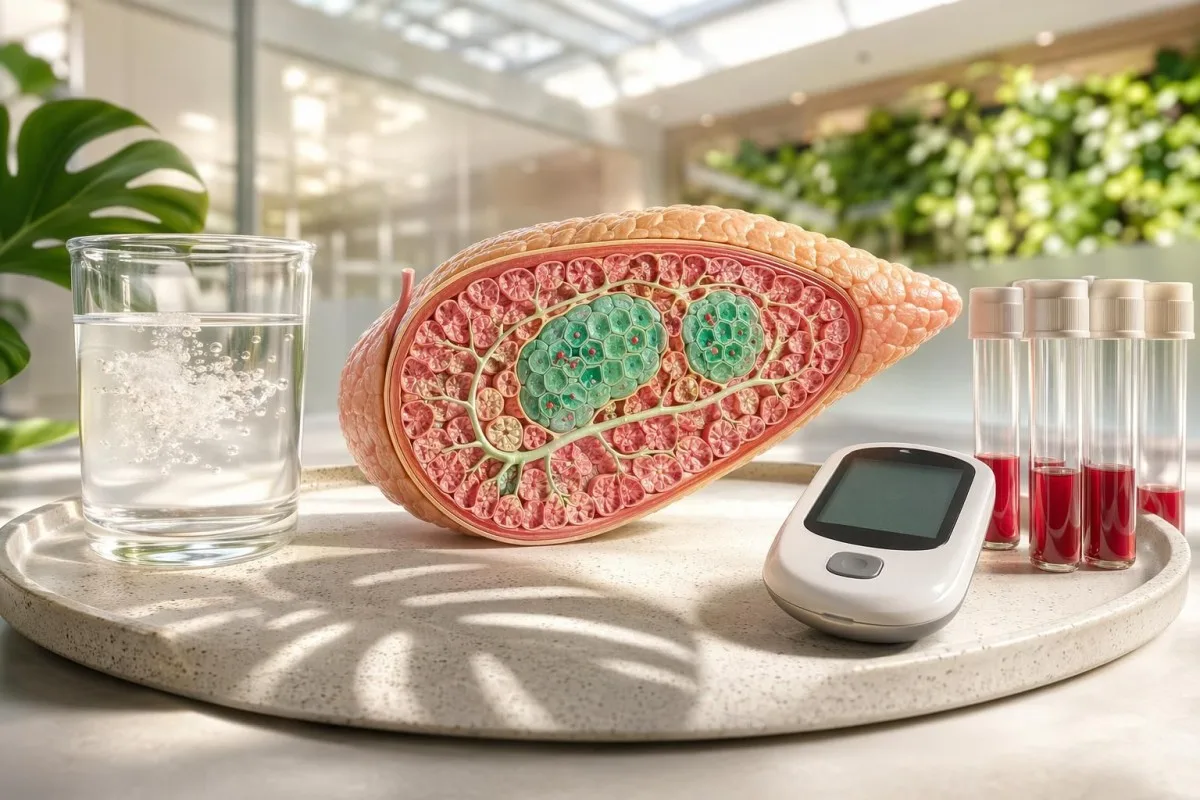
პრაქტიკული მშობიარობის შემდგომი სკრინინგის გზამკვლევი ყველასთვის, ვისაც უთხრეს, რომ ორსულობის შაქრები ისევ ნორმაშია, მაგრამ მაინც სურს იცოდეს, რა ხდება შემდეგ.


- 75 გ OGTT მშობიარობიდან 4-12 კვირაში ჩატარებული ტესტი არის სასურველი ტესტი გესტაციური დიაბეტის შემდეგ, რადგან ის ამოავლენს 2-საათიან გლუკოზის პრობლემებს, რომლებიც შეიძლება გამოტოვოს უზმოზე გლუკოზამ.
- დიაბეტის ზღვრული მაჩვენებლები არის უზმოზე პლაზმური გლუკოზა ≥126 მგ/დლ, 2-საათიანი OGTT გლუკოზა ≥200 მგ/დლ, HbA1c ≥6.5%, ან შემთხვევითი გლუკოზა ≥200 მგ/დლ სიმპტომებთან ერთად.
- პრედიაბეტის ზღვრული მაჩვენებლები არის უზმოზე გლუკოზა 100-125 მგ/დლ, 2-საათიანი OGTT გლუკოზა 140-199 მგ/დლ, ან HbA1c 5.7-6.4%.
- HbA1c მშობიარობიდან ადრეულ პერიოდში შეიძლება იყოს ცრუად დაბალი მშობიარობის შემდეგ სისხლის დაკარგვის ან ერითროციტების მაღალი ბრუნვის გამო, ამიტომ მან არ უნდა ჩაანაცვლოს OGTT 4-12 კვირაში.
- ორსულობის ნორმალური გლუკოზა მშობიარობის შემდეგ მომავალი რისკი არ ქრება; გესტაციური დიაბეტი ხშირად არის ბეტა-უჯრედების სტრეს-ტესტი, რომელიც ავლენს მოწყვლადობას წლების წინ, სანამ განვითარდება ტიპი 2 დიაბეტი.
- ხელახალი ტესტირების ინტერვალი ყოველ 1-3 წელიწადში ერთხელ მთელი სიცოცხლის განმავლობაში, თუ მშობიარობის შემდგომი სკრინინგი ნორმალურია, ხოლო ჩვეულებრივ ყოველწლიურად, თუ რომელიმე შედეგი პრედიბეტების დიაპაზონშია.
- მომდევნო ორსულობამდე მოითხოვეთ გლუკოზის ტესტირება ჩასახვამდე ან პირველ ტრიმესტრში ადრეულ პერიოდში, განსაკუთრებით თუ წინა GDM-ს ესაჭიროებოდა ინსულინი ან მედიკამენტი.
- რისკის მარკერები მაგალითად, უზმოზე ინსულინი, ტრიგლიცერიდები, HDL, ALT და შარდის ალბუმინ-კრეატინინის თანაფარდობა არ სვამს დიაბეტის დიაგნოზს, მაგრამ ისინი ხელს უწყობს კარდიომეტაბოლური რისკის შეფასებას.
სისხლის ანალიზები, რომლებიც გესტაციური დიაბეტის შემდეგ დიაბეტის დიაგნოსტირებას ახდენს
სისხლის ანალიზები, რომლებიც ამოიცნობს დიაბეტს გესტაციური დიაბეტის შემდეგ, არის 75 გ 2-საათიანი პერორალური გლუკოზის ტოლერანტობის ტესტი, უზმოზე პლაზმურ გლუკოზას, HbA1c, და შემთხვევითი პლაზმური გლუკოზა როდესაც კლასიკური სიმპტომები არსებობს. OGTT, როგორც წესი, არის საუკეთესო ტესტი მშობიარობის შემდგომი დიაბეტის სკრინინგისთვის 4-12 კვირაში, რადგან ის პოულობს 2-საათიანი გლუკოზის დამუშავების დარღვევას მანამდე, სანამ უზმოზე გლუკოზა ან HbA1c გახდება არანორმალური.
როგორც თომას კლაინი, MD, ვეუბნები პაციენტებს, კითხვა მხოლოდ ის არ არის, მაღალია თუ არა მაჩვენებელი დღეს; კითხვა ის არის, საკმარისი რეზერვი კიდევ აქვს თუ არა პანკრეასს ორსულობის შემდეგ. უზმოზე გლუკოზა 94 მგ/დლ შეიძლება დამამშვიდებლად გამოიყურებოდეს, მაშინ როცა 2-საათიანი OGTT-ის მაჩვენებელი 168 მგ/დლ ჩუმად ამბობს, რომ პირველი ფაზის ინსულინის პასუხი ჩამორჩება.
ორსულობის გარეთ დიაბეტის დიაგნოზი დგინდება უზმოზე პლაზმური გლუკოზით ≥126 მგ/დლ, 2-საათიანი OGTT გლუკოზა ≥200 მგ/დლ, HbA1c ≥6.5%, ან შემთხვევითი პლაზმური გლუკოზით ≥200 მგ/დლ ისეთი სიმპტომების ფონზე, როგორიცაა წყურვილი, ხშირი შარდვა ან აუხსნელი წონის კლება. დიაგნოსტიკური და მონიტორინგის ტესტების მარტივი ენით შედარებისთვის, ჩვენი დიაბეტის ტესტის ზღვრები სახელმძღვანელო სასარგებლო კომპანიონია.
Kantesti არის AI სისხლის ტესტის ანალიზატორი, რომელიც კითხულობს მშობიარობის შემდგომ გლუკოზას, HbA1c-ს, ლიპიდებს და თირკმლის მარკერებს იმავე კლინიკურ კონტექსტში, როგორც იზოლირებულ დროშებს, ისე არა. 2M+-ის ანალიზში, რომელიც ატვირთულ ლაბორატორიულ ანგარიშებს ეხებოდა, ერთი ნიმუში მუდმივად მეორდება: ადამიანები ახსოვთ ორსულობის დიაგნოზი, მაგრამ მათი 4-12 კვირის OGTT-ის შედეგი ხშირად საერთოდ არ ხვდება გრძელვადიან ჯანმრთელობის ჩანაწერში.
რატომ არ „გადატვირთავს“ მომავალი რისკი ორსულობის ნორმალური გლუკოზა
მშობიარობის შემდეგ ნორმალური გლუკოზა არ „გადატვირთავს“ დიაბეტის მომავალ რისკს, რადგან გესტაციური დიაბეტი ჩვეულებრივ ასახავს შეზღუდულ ბეტა-უჯრედულ რეზერვს ორსულობის სტრესის პირობებში. მშობიარობა ხსნის პლაცენტურ ჰორმონებს, მაგრამ ეს სულაც არ ნიშნავს, რომ ინსულინრეზისტენტობა, გენეტიკური რისკი, ცხიმოვანი ღვიძლის მიდრეკილება ან პანკრეასის ბეტა-უჯრედების დაუცველობა აუცილებლად გამოსწორდება.
პლაცენტა წარმოქმნის ჰორმონებს, რომლებიც ზრდის ინსულინრეზისტენტობას, ხშირად ყველაზე მეტად 24-28 კვირის შემდეგ. როდესაც დაბადების შემდეგ გლუკოზა ნორმალიზდება, ეს ნიშნავს, რომ სტრესორი გაქრა; ეს არ ამტკიცებს, რომ ინსულინის წარმომქმნელ უჯრედებს შეუზღუდავი რეზერვი აქვთ.
ბელამი და სხვ. The Lancet-ში იტყობინებოდნენ, რომ ქალებს, რომლებსაც ჰქონდათ წინა გესტაციური დიაბეტი, ჰქონდათ დაახლოებით 7-ჯერ უფრო მაღალი რისკი მოგვიანებით ტიპი 2 დიაბეტის განვითარებისთვის, ვიდრე მათ, ვისაც არ ჰქონდათ GDM (Bellamy et al., 2009). ყოველდღიურ პრაქტიკაში ვხედავ რისკების ამ „კონას“ წელის მატებასთან, ტრიგლიცერიდების მაღალ დონესთან 150 მგ/დლ, დაბალ HDL-თან, ოჯახურ ანამნეზთან, PCOS-თან და ძილის დარღვევასთან ერთად მშობიარობის შემდგომი პირველი ორი წლის განმავლობაში.
ნორმალური HbA1c of 5.3% მშობიარობიდან ექვსი თვის შემდეგაც შეიძლება თანაარსებობდეს ინსულინრეზისტენტობის ადრეული ნიშნები. თუ გსურთ უფრო ღრმა მეტაბოლური ხედვა, ჩვენი სახელმძღვანელო ინსულინრეზისტენტობის ტესტირებას ხსნის, რატომ შეიძლება უზმოზე ინსულინი და გლუკოზა ირყეოდეს მანამ, სანამ A1C არ გადალახავს პრედიაბეტის ზღვარს.
როდის უნდა ჩატარდეს მშობიარობის შემდგომი დიაბეტის სკრინინგი
მშობიარობის შემდგომი დიაბეტის სკრინინგი უნდა ჩატარდეს 4-12 კვირაში მშობიარობის შემდეგ, სასურველია 75 გ 2-საათიანი OGTT-ით. თუ ეს ვადა გამოტოვებული იყო, ტესტირების საუკეთესო დრო ახლაა; არ დაველოდებოდი შემდეგ წლიურ შემოწმებას, თუ ორსულობა 6 თვის ან 6 წლის წინ იყო.
ამერიკის დიაბეტის ასოციაცია რეკომენდაციას უწევს 75 გ OGTT-ს 4-12 კვირაში მშობიარობის შემდეგ და სიცოცხლის განმავლობაში სკრინინგს ყოველ 1-3 წლამდე გესტაციური დიაბეტის შემდეგ (American Diabetes Association Professional Practice Committee, 2024). ACOG-იც მხარს უჭერს მშობიარობის შემდგომ სკრინინგს ამ ადრეულ ფანჯარაში და ბევრ მეან-გინეკოლოგიურ კლინიკაში ახლა ცდილობენ მისი დანიშვნას 6-კვირიანი ვიზიტის წინ, რათა არ გამორჩეთ (ACOG, 2018).
ძუძუთი კვება, ძილის ფრაგმენტაცია და მშობიარობის შემდგომი წონის ცვლილებები ყველამ შეიძლება შეცვალოს გლუკოზა დღე-დღეზე, მაგრამ ეს არ არის ტესტირების გამოტოვების მიზეზი. პაციენტების უმეტესობას შეუძლია OGTT-ის ჩატარება ძუძუთი კვების დროს; პრაქტიკული პრობლემა ხშირად არის ბავშვზე ზრუნვა 2-საათიანი ლაბორატორიული ლოდინის განმავლობაში და არა ბიოლოგია.
თუ მშობიარობის შემდეგ ასევე გჭირდებათ ანემიის, ფარისებრი ჯირკვლის ფუნქციის, ღვიძლის ფერმენტების ან თირკმლის მარკერების შემოწმება, ჩვენი მშობიარობის შემდგომი ლაბორატორიული შემოწმების სია აჩვენებს, რომელი ტესტები ხშირად ერთიანდება გლუკოზის სკრინინგთან. ერთი ვიზიტი ხშირად შეიძლება მოიცავდეს ერთზე მეტ მშობიარობის შემდგომ პრობლემას.
როგორ ხდება 75 გ პერორალური გლუკოზის ტოლერანტობის ტესტის (OGTT) ინტერპრეტაცია
The ორსულობის შემდეგ პერორალური გლუკოზის ტოლერანტობის ტესტი ზომავს უზმოზე გლუკოზას და 2-საათიან გლუკოზას 75 გ გლუკოზის სასმელის მიღების შემდეგ. 2-საათიანი მაჩვენებელი ≥200 მგ/დლ დიაგნოსტირებს დიაბეტს, ხოლო 140-199 მგ/დლ დიაგნოსტირებს გლუკოზის დაქვეითებულ ტოლერანტობას, მაშინაც კი, როცა უზმოზე გლუკოზა ნორმალურია.
ტესტი მუშაობს იმიტომ, რომ ის გამოწვევას უქმნის ინსულინის სისტემას და არა მის დაკვირვებას მოსვენებულ მდგომარეობაში. ჩემი გამოცდილებით, წინა GDM-ის მქონე ადამიანები ხშირად აბარებენ უზმოზე ნაწილს, მაგრამ ვერ აბარებენ 2-საათიან ნაწილს; ეს ნიმუში მიუთითებს ინსულინის დაგვიანებულ სეკრეციაზე ჭამის შემდეგ.
მოემზადეთ ჩვეულებრივი კვებით სულ მცირე 3 დღის განმავლობაში ნორმალური დიეტით,, იდეალურად კი სულ მცირე 150 გ ნახშირწყლით დღეში , თუ თქვენსმა კლინიცისტმა სხვაგვარად არ გითხრათ. ძალიან დაბალნახშირწყლოვანი რეჟიმი OGTT-მდე შეიძლება გაზარდოს გლუკოზის მატების სიდიდე და გაართულოს ინტერპრეტაცია; ჩვენი უზმოზე მომზადების წესები სახელმძღვანელო მოიცავს წყლის, ყავისა და დროის დეტალებს.
არ ივარჯიშოთ ძლიერად 2-საათიანი ლოდინის განმავლობაში და აცნობეთ ლაბორატორიას, თუ მოინდომებთ ან ვერ დაასრულებთ სასმელს. შედეგი უნდა განმეორდეს ან შეიცვალოს სხვა დიაგნოსტიკური ტესტით, თუ პროცედურა სათანადოდ არ დასრულდა.
რას შეუძლია და რას ვერ აღმოაჩენს უზმოზე გლუკოზა
უზმოზე პლაზმური გლუკოზა აღმოაჩენს დიაბეტს, როდესაც უზმოზე მაჩვენებელი არის ≥126 მგ/დლ, მაგრამ შეიძლება გამოტოვოს იზოლირებული პოსტპრანდიალური გლუკოზის აუტანლობა გესტაციური დიაბეტის შემდეგ. ის სასარგებლოა, იაფია და განმეორებადია; უბრალოდ ზედმეტად უხეშია, რომ ჩაანაცვლოს მშობიარობის შემდგომი OGTT.
უზმოზე გლუკოზა 100-125 მგ/დლ არის პრედიაბეტი ADA-ის კრიტერიუმებით, მაშინ როცა <100 მგ/დლ ზოგადად ნორმად ითვლება შეერთებულ შტატებში. ზოგიერთი საერთაშორისო სისტემა იყენებს 110 მგ/დლ-ზე მეტია, როგორც უზმოზე გლუკოზის დაქვეითების ქვედა ზღვარს, რაც ერთ-ერთი მიზეზია, რის გამოც პაციენტები იბნევიან ქვეყნებს შორის გადაადგილებისას.
კლინიკური ხაფანგია უზმოზე გლუკოზა 88-96 მგ/დლ, ხოლო 2-საათიანი OGTT — 155-185 მგ/დლ. ამ ადამიანს შეიძლება უთხრან, რომ ყველაფერი რიგზეა, თუ მხოლოდ უზმოზე გლუკოზა დაინიშნა, მაგრამ მისი კვების დროინდელი გლუკოზის ბიოლოგია უკვე დარღვეულია.
დილის გლუკოზაზე გავლენას ახდენს ძილის დეფიციტი, გვიან ღამით ჭამა, კორტიკოსტეროიდები, ინფექცია და დილის გარიჟრაჟის ფენომენი. ჩვენი უზმოზე შაქრის სახელმძღვანელო ხსნის, რატომ უნდა შეფასდეს ერთი დილის შედეგი წინა საღამოს და ძილის ხარისხის გათვალისწინებით.
რატომ არის HbA1c მოსახერხებელი, მაგრამ არასრულყოფილი მშობიარობის შემდეგ
HbA1c დიაბეტს აღმოაჩენს ≥6.5%, მაგრამ ნაკლებად სანდოა მშობიარობის შემდგომ პირველ 4-12 კვირაში, რადგან მშობიარობის შედეგად სისხლის დანაკარგმა და ერითროციტების ბრუნვამ შეიძლება შედეგი დაამახინჯოს. HbA1c სასარგებლოა მოგვიანებით, განსაკუთრებით გრძელვადიანი დაკვირვებისთვის, მაგრამ არ უნდა ჩაანაცვლოს პირველი მშობიარობის შემდგომი OGTT.
HbA1c აფასებს საშუალო გლუკოზას დაახლოებით 8-12 კვირაში, ყველაზე მეტად ბოლო თვისკენ არის გადახრილი. მშობიარობის შემდეგ ანემია, ტრანსფუზია, რკინადეფიციტი ან ერითროციტების სწრაფი ჩანაცვლება შეიძლება მნიშვნელობა გადააცილოს გლუკოზის ჭეშმარიტ ისტორიას.
რკინადეფიციტმა ზოგიერთ პაციენტში შეიძლება ცრუად გაზარდოს HbA1c, ხოლო ბოლოდროინდელმა სისხლის დაკარგვამ შეიძლება ცრუად შეამციროს. ეს არის ერთ-ერთი ის სფერო, სადაც კონტექსტი უფრო მნიშვნელოვანია, ვიდრე რიცხვი; მშობიარობის შემდგომი HbA1c 5.6% შეიძლება არც ისე დამამშვიდებელი იყოს, თუ ფერიტინი 8 ნგ/მლ და OGTT არასოდეს ჩატარებულა.
თუ თქვენი A1c არ ემთხვევა თითიდან გაზომვებს ან სიმპტომებს, წაიკითხეთ ჩვენი გზამკვლევი A1c-ის სიზუსტეზე სანამ მნიშვნელობას პირდაპირ სახეზე მიიღებთ. ჩვეულებრივ, როდესაც მშობიარობის შემდგომი ისტორია არათანმიმდევრული ჩანს, HbA1c-ს ვუთავსებ უზმოზე გლუკოზას, CBC-ს და ფერიტინს.
როდის არის საჭირო სწრაფი მოქმედება შემთხვევითი გლუკოზის ან სიმპტომების დროს
შემთხვევითი პლაზმური გლუკოზა აღმოაჩენს დიაბეტს, როცა ის ≥200 მგ/დლ და სიმპტომები არსებობს. გესტაციური დიაბეტის შემდეგ საჭიროა სასწრაფო გადახედვა მაღალი გლუკოზისას, რომელსაც ახლავს ღებინება, დეჰიდრატაცია, წონის სწრაფი კლება, კეტონები, ბუნდოვანი მხედველობა ან უჩვეულო ძლიერი დაღლილობა.
GDM-ის შემდეგ დიაბეტის უმეტესობა ტიპი 2-ია, მაგრამ მშობიარობის შემდგომი აუტოიმუნური დიაბეტი ზოგჯერ შეიძლება გამოჩნდეს, განსაკუთრებით თუ წონის კლება სწრაფია და კეტონები არსებობს. მინახავს პაციენტები, რომლებსაც უბრალოდ დაღლილ ახალ მშობლებად თვლიდნენ, როცა მათი გლუკოზა 280 მგ/დლ და ისინი უკვე კეტოტიკები იყვნენ.
შემთხვევითი გლუკოზა 140-199 მგ/დლ თავისთავად არ არის დიაგნოსტიკური, მაგრამ მან უნდა გამოიწვიოს უზმოზე გლუკოზის, HbA1c-ის ან OGTT-ის შემოწმება—დროისა და სიმპტომების მიხედვით. შემთხვევითი მაჩვენებელი 300 მგ/დლ, -ზე მეტი, განსაკუთრებით თუ არის მუცლის ტკივილი ან გაძნელებული სუნთქვა, უნდა განიხილებოდეს როგორც იმავე დღის სამედიცინო დახმარების საჭიროება.
ერთი იზოლირებული მაღალი მაჩვენებელი შეიძლება მოხდეს ავადმყოფობის, სტეროიდების ან ძალიან მაღალი ნახშირწყლოვანი კერძის შემდეგ, მაგრამ მნიშვნელოვანია ნიმუში. ჩვენი გზამკვლევი მოულოდნელად მაღალი გლუკოზის შესახებ ხსნის, როგორ განასხვავებენ კლინიცისტები სტრეს-ჰიპერგლიკემიას ადრეული დიაბეტისგან.
სისხლის მარკერები, რომლებიც აჩვენებს რისკს მანამ, სანამ დიაბეტი გამოჩნდება
უზმოზე ინსულინი, C-პეპტიდი, ტრიგლიცერიდები, HDL, ALT და შარდის ალბუმინ-კრეატინინის თანაფარდობა არ სვამს დიაბეტის დიაგნოზს, მაგრამ ეხმარება აჩვენოს მეტაბოლური რისკი გესტაციური დიაბეტის შემდეგ. ეს მარკერები შეიძლება გამოავლინოს ინსულინრეზისტენტობა, ცხიმოვანი ღვიძლისკენ მიდრეკილება ან თირკმლის ადრეული სტრესი, სანამ გლუკოზა ტექნიკურად ჯერ კიდევ ნორმალურია.
უზმოზე ინსულინი დაახლოებით 15-20 µIU/mL შეუძლია მიუთითოს ინსულინრეზისტენტობაზე, თუმცა ლაბორატორიული მეთოდები განსხვავდება და არ არსებობს უნივერსალური დიაგნოსტიკური ზღვარი. HOMA-IR იყენებს უზმოზე ინსულინს და უზმოზე გლუკოზას; მნიშვნელობები ზემოთ 2.0-2.5 ხშირად ზრდის ეჭვს ზრდასრულებში, მაგრამ ეთნიკურობა, BMI და ანალიზის არჩევანი ცვლის ინტერპრეტაციას.
ტრიგლიცერიდები ზემოთ 150 მგ/დლ და HDL ქვემოთ 50 მგ/დლ ქალებში ხშირად თან ახლავს ინსულინრეზისტენტობა. ALT დაახლოებით ზემოთ 25-30 IU/L ქალში, რომელსაც ჰქონდა GDM, შეიძლება იყოს ადრეული ცხიმოვანი ღვიძლის მინიშნება, მაშინაც კი, როცა ლაბორატორიული სიგნალი ჯერ კიდევ ნორმალურს ამბობს.
Kantesti არის AI ბიომარკერის ინტერპრეტაციის პლატფორმა, რომელიც განიხილავს ნორმალურ A1c-ს გესტაციური დიაბეტის შემდეგ როგორც რისკის მარკერის კითხვას და არა როგორც „მწვანე შუქს“ სამუდამოდ. თუ გსურთ გამოთვალოთ ინსულინრეზისტენტობა თქვენი მაჩვენებლებიდან, HOMA-IR-ის გამოთვლასთან სახელმძღვანელო აჩვენებს ფორმულას და მის შეზღუდვებს.
რამდენად ხშირად უნდა განმეორდეს ტესტირება, თუ მშობიარობის შემდგომი სკრინინგი ნორმალურია
თუ მშობიარობის შემდგომი სკრინინგი ნორმალურია გესტაციური დიაბეტის შემდეგ, გაიმეორეთ ყოველ 1-3 წელიწადში სიცოცხლის განმავლობაში. გაიმეორეთ უფრო ადრე, ხშირად ყოველწლიურად, თუ იმატებს წონა, ჩნდება პრედიაბეტი, დაგეგმილია კიდევ ერთი ორსულობა, ან მედიკამენტები, როგორიცაა სტეროიდები ან ანტიფსიქოტიკები, ზრდის გლუკოზის რისკს.
ADA-ის რეკომენდაცია სიცოცხლის განმავლობაში სკრინინგის ყოველ 1-3 წელიწადში არსებობს, რადგან დიაბეტის რისკი დროთა განმავლობაში იზრდება, და არა მხოლოდ მშობიარობის შემდგომ პირველ წელს. ჩემს კლინიკაში, მე ჩვეულებრივ ვირჩევ 1-წლიან ინტერვალს ყველასთვის, ვისაც აქვს პრედიაბეტი, ინსულინით ნამკურნალები GDM, BMI 30-ზე მეტი, ძლიერი ოჯახური ანამნეზი ან PCOS.
2026 წელს ჩატარებული ნორმალური ტესტი მაინც სასარგებლოა, რადგან ის ხდება თქვენი საბაზისო მაჩვენებელი. უზმოზე გლუკოზის ცვლა 82-დან 96 მგ/დლ-მდე 3 წლის განმავლობაში შეიძლება უფრო მნიშვნელოვანი იყოს, ვიდრე ერთი მონიშნული შედეგი, განსაკუთრებით თუ ტრიგლიცერიდები და წელის გარშემოწერილობა იმავე დროს იზრდება.
Kantesti AI-ს შეუძლია დროთა განმავლობაში დახაზოს გლუკოზა, HbA1c, ტრიგლიცერიდები და ALT, რათა მცირე ცვლილებები შესამჩნევი იყოს მანამ, სანამ ისინი დრამატულად გახდება. ჩვენი ტრენდების ანალიზი სტატია ხსნის, რატომ არის ხშირად უფრო მნიშვნელოვანი სლოპი და კლასტერული განაწილება, ვიდრე ერთი ლაბორატორიული „ალამი“.
რა უნდა სთხოვოთ თქვენს კლინიცისტს, რომ დანიშნოს
მოითხოვეთ 75 გ 2-საათიანი OGTT მშობიარობიდან 4-12 კვირაში, ან უზმოზე პლაზმური გლუკოზა პლუს HbA1c, თუ OGTT შეუძლებელია. გრძელვადიანი რისკისთვის, ჰკითხეთ, უნდა შემოწმდეს თუ არა ლიპიდები, ALT, კრეატინინი, eGFR და შარდის ალბუმინ-კრეატინინის თანაფარდობა თქვენს გლუკოზის მარკერებთან ერთად.
მშობიარობის შემდეგ პირველი გონივრული დანიშნულება ხშირად ასე იკითხება: უზმოზე გლუკოზა, 75 გ 2-საათიანი გლუკოზა, HbA1c, CBC თუ იყო მშობიარობისას მნიშვნელოვანი სისხლის დაკარგვა, ფერიტინი თუ ეჭვობენ ანემიას, ლიპიდური პანელი და CMP თუ კარდიომეტაბოლური რისკი მაღალია. ყველა პაციენტს არ სჭირდება ყველა ტესტი, მაგრამ დანიშნულება უნდა შეესაბამებოდეს ორსულობის ისტორიას.
თუ ორსულობის დროს გქონდათ უზმოზე ჰიპერგლიკემია ან გჭირდებოდათ ინსულინი, მე უფრო აგრესიულად მოვითხოვდი ადრეულ კონტროლს. თუ თქვენი GDM იყო მსუბუქი და კონტროლდებოდა დიეტით, OGTT მაინც მნიშვნელოვანია, მაგრამ გრძელვადიანი სიხშირე შეიძლება უფრო ახლოს იყოს ყოველ 2-3 წელიწადში როცა ყველა შედეგი ნორმალურია.
იმ მკითხველებისთვის, ვისაც სურს გაიგოს, რას ზომავს თითოეული მარკერი რეალურად, ჩვენი ბიომარკერის სახელმძღვანელო მოიცავს ათასობით ლაბორატორიულ მარკერს და გავრცელებულ განსხვავებებს ერთეულებში. ეს განსაკუთრებით სასარგებლოა, როცა ერთი ლაბი გლუკოზას იუწყება mg/dL-ში, ხოლო მეორე — mmol/L-ში.
რას აკეთებენ ექიმები სასაზღვრო ან ურთიერთსაწინააღმდეგო შედეგების დროს
დიაბეტის სასაზღვრო ან ურთიერთსაწინააღმდეგო შედეგები, როგორც წესი, უნდა განმეორდეს ან დადასტურდეს სხვა დიაგნოსტიკური ტესტით. უზმოზე გლუკოზა 124 mg/dL, HbA1c — 6.4%, ან 2-საათიანი OGTT 198 mg/dL არ არის „ხელის ქნევა“; ეს არის თითქმის-საზღვრული შედეგი, რომელიც საჭიროებს გეგმას.
კლასიკური სიმპტომების გარეშე, კლინიკოსების უმეტესობა დიაბეტს ადასტურებს განმეორებული არანორმალური შედეგით. თუ ორი სხვადასხვა ტესტი არ ეთანხმება ერთმანეთს, დიაგნოსტიკური ზღურბლის ზემოთ მყოფი ტესტი, როგორც წესი, მეორდება, ხოლო პაციენტის კონტექსტი განსაზღვრავს, რამდენად სწრაფად მოხდება ეს.
თომას კლაინი, MD, პრაქტიკული წესი: ნუ მისცემთ სიტყვას „სასაზღვრო“ უფლებას, შედეგი უვნებლად მოგეჩვენოთ. 2-საათიანი OGTT 196 mg/dL წინა GDM-ის შემდეგ ხშირად ატარებს უფრო დიდ მომავალ რისკს, ვიდრე უზმოზე გლუკოზა 101 მგ/დლ, მიუხედავად იმისა, რომ ორივე შეიძლება მოხვდეს პრედიაბეტის კატეგორიაში.
ჩვენი გზამკვლევი პრედიაბეტის ზღურბლები ხსნის, როგორ განსაზღვრავს უზმოზე გლუკოზა, A1c და OGTT სხვადასხვა ბიოლოგიურ პრობლემას. მე ხშირად ვაფორმებ პრედიაბეტს GDM-ის შემდეგ როგორც მკურნალობის ფანჯარას და არა როგორც „მოლოდინის ოთახს“.
სპეციალური სიტუაციები: ძუძუთი კვება, ანემია, PCOS და მედიკამენტები
ძუძუთი კვება, ანემია, PCOS, GLP-1 მედიკამენტები, სტეროიდები და ფარისებრი ჯირკვლის დაავადება შეიძლება შეცვალოს, როგორ უნდა იქნას ინტერპრეტირებული მშობიარობის შემდგომი დიაბეტის ლაბორატორიული ანალიზები. გლუკოზის ზღურბლები იგივე რჩება, მაგრამ ის, რამდენად დიდ ნდობას უცხადებთ HbA1c-ს, უზმოზე გლუკოზას ან ინსულინის დონეებს, შეიძლება მნიშვნელოვნად შეიცვალოს.
ძუძუთი კვება ხშირად აუმჯობესებს გლუკოზის მეტაბოლიზმს და შესაძლოა შეამციროს მომავალი ტიპი 2 დიაბეტის რისკი, მაგრამ არ გამორიცხავს სკრინინგის საჭიროებას. თუ მშობიარობის შემდეგ იღებთ ინსულინს ან სულფონილშარდოვანებს, ჰკითხეთ თქვენს კლინიცისტს ჰიპოგლიკემიის რისკის შესახებ უფრო ხანგრძლივი კვების ან გამოტოვებული კვებების დროს.
PCOS ამატებს ინსულინრეზისტენტობის ცალკე გზას და წარსული GDM-ისა და PCOS-ის კომბინაცია ერთ-ერთი იმ კომბინაციათაგანია, რომელსაც განსაკუთრებული ყურადღებით ვეკიდები. ჩვენი PCOS-ის ლაბორატორიული შაბლონები სახელმძღვანელო ხსნის, რატომ შეიძლება იყოს მნიშვნელოვანი უზმოზე ინსულინი, ლიპიდები და ანდროგენები მაშინაც კი, როცა გლუკოზა ჯერ დიაგნოსტიკურ დონეს არ აღწევს.
სტეროიდული ინექციები, მაღალი დოზის პრედნიზონი, ზოგიერთი ანტიფსიქოზური პრეპარატი და ძილის მძიმე დეფიციტი დროებით ზრდის გლუკოზას. მტკიცებულებები ზუსტ მშობიარობის შემდგომ ძილის ზღვრებთან დაკავშირებით გულწრფელად შერეულია, მაგრამ ვხედავ უფრო ცუდ უზმოზე მაჩვენებლებს, როცა ძილი ფრაგმენტირებულია ქვემოთ 5-6 საათის განმავლობაში.
როგორ კითხულობს Kantesti მშობიარობის შემდგომი დიაბეტის ანალიზებს უსაფრთხოდ
Kantesti კითხულობს მშობიარობის შემდგომ დიაბეტის ლაბორატორიულ ანალიზებს, აერთიანებს გლუკოზის ზღვრებს და ვადებს, ორსულობის ისტორიას, ანემიის მინიშნებებს, ლიპიდურ შაბლონებსა და თირკმლის მარკერებს. მიზანი არ არის თქვენი კლინიცისტის ჩანაცვლება; ეს არის რისკის შაბლონის უფრო მკაფიოდ გამოკვეთა თქვენს დანიშვნამდე.
Kantesti არის AI-ზე დაფუძნებული სისხლის ანალიზის ინსტრუმენტი, რომელსაც 2M+ ადამიანი იყენებს 127 ქვეყანაში; სისხლის ანალიზის PDF-ის ან ფოტოს ინტერპრეტაცია დაახლოებით 60 წამში. .
ტიპური ატვირთვა შეიძლება აჩვენებდეს HbA1c 5.5%, უზმოზე გლუკოზა 92 მგ/დლ, ფერიტინი 10 ნგ/მლ და OGTT-ის გარეშე. Kantesti AI არ დაადგენს დიაბეტს ამ რიცხვებიდან, მაგრამ უნდა მონიშნოს, რომ ადრეული მშობიარობის შემდგომი A1c შეიძლება იყოს არასანდო და რომ რეკომენდებული OGTT აკლია.
ჩვენი მეთოდები შეესაბამება გამოქვეყნებულ კლინიკურ სტანდარტებს და შიდა ექიმის განხილვას; მკითხველებს შეუძლიათ ნახონ ჩვენი კლინიკური ვალიდაციის სტანდარტების და წინასწარ რეგისტრირებული AI ბენჩმარკი. თუ თქვენ ატვირთავთ სკანს და არა მნიშვნელობების აკრეფას, PDF ატვირთვის სამუშაო პროცესი განმარტავს, როგორ იკითხება და მოწმდება ანგარიშები.
პრაქტიკული ხელახალი ტესტირების გეგმა 2026 წლიდან და შემდეგ
2026 წლის 26 მაისის მდგომარეობით, გესტაციური დიაბეტის შემდეგ ყველაზე უსაფრთხო გეგმაა OGTT 4-12 კვირაში, განმეორებითი სკრინინგი ყოველ 1-3 წელიწადში და უფრო ადრეული ტესტირება მომდევნო ორსულობამდე. თუ რომელიმე შედეგი არის პრედიაბეტის დიაპაზონში, მოექეცით მას როგორც აქტიურ პრევენციის ფანჯარას და არა როგორც მსუბუქ ლაბორატორიულ ცნობისმოყვარეობას.
ჩემი ჩვეულებრივი ტექსტი მარტივია: მიიღეთ პირველი მშობიარობის შემდგომი OGTT, შეინახეთ შედეგი და შემდეგ ჩაწერეთ შემდეგი გლუკოზის შემოწმება კალენდარში, სანამ ცხოვრება არ გახდება დატვირთული. თუ თქვენი 2-საათიანი OGTT არის 140-199 მგ/დლ, მოითხოვეთ მკაფიო შემდგომი ინტერვალი, კვების გეგმა და ვარჯიშის სამიზნე, ვიდრე ბუნდოვანი შეხსენება იმისა, რომ ფრთხილად იყოთ.
თუ თქვენი დიაბეტის სკრინინგი ნორმალურია, მაინც უთხარით ყველა მომავალ კლინიცისტს, რომ გქონდათ GDM. ეს ერთი ხაზი ცვლის იმას, როგორ ვკითხულობ უზმოზე გლუკოზას 103 მგ/დლ, ტრიგლიცერიდების დონეს 180 მგ/დლ, ან HbA1c-ს, რომელიც იწევს ზემოთ 5.2%-დან 5.6%-მდე რამდენიმე წლის განმავლობაში.
Kantesti Ltd არის გაერთიანებული სამეფოს ჯანდაცვის ტექნოლოგიების კომპანია და ჩვენი ექიმები სამედიცინო კონტენტს განიხილავენ ჩვენი სამედიცინო საკონსულტაციო საბჭოს და კლინიკური მართვის (governance) პროცესის მეშვეობით, რომელიც აღწერილია ჩვენს შესახებ. მთავარი აზრი: სწორი ტესტები რთული არ არის, მაგრამ დროის ფაქტორი და ინტერპრეტაცია უფრო მნიშვნელოვანია, ვიდრე ადამიანებს უმეტესად ეუბნებიან.
დაკავშირებული Kantesti კვლევითი პუბლიკაციები
მშობიარობის შემდგომი დიაბეტის სკრინინგი ხშირად თავსდება უფრო ფართო ლაბორატორიულ მიმოხილვაში, რომელიც მოიცავს CBC-ს, რკინის სტატუსს და თირკმლის მარკერებს. ქვემოთ ჩამოთვლილი Kantesti DOI პუბლიკაციები მხარს უჭერს მიმდებარე სისხლის ტესტების ინტერპრეტაციის მეთოდებს, მათ შორის ერითროციტების ინდექსებსა და თირკმლის ფუნქციის კოეფიციენტებს, რომლებიც შეიძლება გავლენას ახდენდეს HbA1c-ის სანდოობაზე ან გრძელვადიანი მეტაბოლური რისკის შეფასებაზე.
ხშირად დასმული კითხვები
რომელი სისხლის ანალიზები ამჟღავნებს დიაბეტს გესტაციური დიაბეტის შემდეგ?
გესტაციური დიაბეტის შემდეგ დიაბეტის აღმოსაჩენად ჩატარებული სისხლის ანალიზებია 75 გ 2-საათიანი ორალური გლუკოზის ტოლერანტობის ტესტი, უზმოზე პლაზმური გლუკოზა, HbA1c და შემთხვევითი პლაზმური გლუკოზა, როდესაც აღინიშნება სიმპტომები. დიაბეტი დიაგნოსტირდება უზმოზე გლუკოზით ≥126 მგ/დლ, 2-საათიანი OGTT გლუკოზით ≥200 მგ/დლ, HbA1c ≥6.5%, ან შემთხვევითი გლუკოზით ≥200 მგ/დლ კლასიკური სიმპტომების არსებობისას. OGTT უპირატესია მშობიარობიდან 4-12 კვირის განმავლობაში, რადგან მას შეუძლია გამოავლინოს 2-საათიანი გლუკოზის დამუშავების დარღვევა მაშინაც კი, როდესაც უზმოზე გლუკოზა ნორმალურია.
მშობიარობის შემდეგ ჩატარებული გლუკოზის პერორალური ტოლერანტობის ტესტი უკეთესია, ვიდრე HbA1c?
დიახ, ორსულობის შემდეგ პერორალური გლუკოზის ტოლერანტობის ტესტი ჩვეულებრივ უკეთესია, ვიდრე HbA1c, მშობიარობის შემდგომი პირველი სკრინინგისთვის 4-12 კვირაში. HbA1c შეიძლება დამახინჯდეს მშობიარობის დროს სისხლის დანაკარგით, ანემიით, ტრანსფუზიით ან ერითროციტების სწრაფი განახლებით, მაშინ როცა OGTT პირდაპირ ზომავს გლუკოზის დამუშავებას 75 გ გლუკოზის გამოწვევის შემდეგ. HbA1c უფრო სასარგებლო ხდება მოგვიანებით გრძელვადიანი სკრინინგისა და ტენდენციების მონიტორინგისთვის.
როდის უნდა ჩატარდეს მშობიარობის შემდგომი დიაბეტის სკრინინგი GDM-ის შემდეგ?
მშობიარობის შემდგომი დიაბეტის სკრინინგი გესტაციური დიაბეტის შემდეგ უნდა ჩატარდეს მშობიარობიდან 4-12 კვირის განმავლობაში, იდეალურად 75 გ 2-საათიანი OGTT-ით. თუ ეს ვადა გამოტოვებულია, ტესტირება უნდა ჩატარდეს რაც შეიძლება მალე, ვიდრე სიმპტომების მოლოდინში. თუ მშობიარობის შემდგომი შედეგი ნორმალურია, დიაბეტის სკრინინგი უნდა განმეორდეს სიცოცხლის განმავლობაში ყოველ 1-3 წელიწადში ერთხელ.
შეიძლება HbA1c იყოს ნორმალური, მაგრამ OGTT იყოს არანორმალური გესტაციური დიაბეტის შემდეგ?
დიახ, HbA1c შეიძლება იყოს ნორმალური, მაშინ როცა OGTT არანორმალურია გესტაციური დიაბეტის შემდეგ. ადამიანს შეიძლება ჰქონდეს HbA1c 5.3% და უზმოზე გლუკოზა 92 მგ/დლ, მაგრამ 2-საათიანი OGTT მაჩვენებელი 160 მგ/დლ, რაც წარმოადგენს გლუკოზისადმი დაქვეითებულ ტოლერანტობას. ეს ხდება იმიტომ, რომ HbA1c ასახავს საშუალო გლუკოზას, ხოლო OGTT ამოწმებს ინსულინის პასუხს გლუკოზის დატვირთვის შემდეგ.
რას ნიშნავს პრედიაბეტი გესტაციური დიაბეტის შემდეგ?
გესტაციური დიაბეტის შემდეგ პრედიაბეტი განისაზღვრება უზმოზე პლაზმური გლუკოზით 100-125 მგ/დლ, 2-საათიანი OGTT გლუკოზით 140-199 მგ/დლ ან HbA1c 5.7-6.4%-ით. 2-საათიანი OGTT-ის დარღვევა განსაკუთრებით ხშირია GDM-ის შემდეგ და შეიძლება გამორჩეს, თუ მხოლოდ უზმოზე გლუკოზა დაინიშნება. პრედიაბეტმა, როგორც წესი, უნდა გამოიწვიოს ყოველწლიური შემდგომი დაკვირვება და პრევენციის სტრუქტურირებული გეგმა.
რამდენად ხშირად უნდა ჩავიტარო ხელახალი ტესტირება, თუ მშობიარობის შემდგომი სკრინინგი ნორმალურია?
თუ მშობიარობის შემდგომი დიაბეტის სკრინინგი ნორმალურია გესტაციური დიაბეტის შემდეგ, გაიმეორეთ ყოველ 1-3 წელიწადში სიცოცხლის განმავლობაში. მრავალი კლინიცისტი ირჩევს ყოველწლიურ ტესტირებას, თუ გქონდათ ინსულინით მკურნალობადი GDM, პრედიაბეტი, PCOS, BMI 30-ზე მეტი, ძლიერი ოჯახური ანამნეზი ან ტრიგლიცერიდების მზარდი მაჩვენებლები. ტესტირება ასევე უნდა განმეორდეს სხვა ორსულობამდე ან პირველ ტრიმესტრში ადრეულ პერიოდში.
ცვლის თუ არა ძუძუთი კვება დიაბეტის სისხლის ანალიზის შედეგებს?
ძუძუთი კვებამ შეიძლება გააუმჯობესოს გლუკოზის მეტაბოლიზმი და შესაძლოა შეამციროს მომავალი ტიპი 2 დიაბეტის რისკი, მაგრამ არ გამორიცხავს მშობიარობის შემდგომ დიაბეტის სკრინინგის საჭიროებას. უზმოზე გლუკოზის, OGTT-ისა და HbA1c-ის დიაგნოსტიკური ზღვრები არ იცვლება იმის გამო, რომ ადამიანი ძუძუთი კვებავს. თუ მშობიარობის შემდგომ გამოიყენება დიაბეტის სამკურნალო საშუალებები, კლინიცისტებმა შეიძლება დაარეგულირონ დრო ან დოზა, რათა შემცირდეს ჰიპოგლიკემიის რისკი ხანგრძლივი კვების ან გამოტოვებული კვებების დროს.
შემიძლია თუ არა უწყვეტი გლუკოზის მონიტორის გამოყენება მშობიარობის შემდგომი გლუკოზის ტოლერანტობის ტესტის ნაცვლად?
არა. უწყვეტი გლუკოზის მონიტორი შეიძლება აჩვენებდეს სასარგებლო ყოველდღიურ გლუკოზის ნიმუშებს, მაგრამ ის არ ცვლის ლაბორატორიულ მშიერ გლუკოზას, HbA1c-ს ან 75 გ OGTT-ს დიაბეტის დიაგნოსტიკისთვის გესტაციური დიაბეტის შემდეგ. თქვენმა ექიმმა შეიძლება მოგვიანებით გამოიყენოს იგი ცხოვრების წესის ან მკურნალობის გადაწყვეტილებების მხარდასაჭერად.
სჭირდება თუ არა ჩემს ბავშვს დიაბეტის ტესტირება, რადგან მე მქონდა გესტაციური დიაბეტი?
ახალშობილის გლუკოზა შეიძლება შემოწმდეს საავადმყოფოში, განსაკუთრებით თუ ორსულობის დროს იყენებდით ინსულინს ან მედიკამენტს, მაგრამ ბავშვების უმეტესობას არ სჭირდება დიაბეტის სისხლის ტესტების გაგრძელება მხოლოდ დედის გესტაციური დიაბეტის გამო. შეინარჩუნეთ რეგულარული პედიატრიული ვიზიტები და მხარი დაუჭირეთ ოჯახის ჩვევებს დაბალანსებული კვების, აქტივობისა და ძილის გარშემო.
რა მოხდება, თუ ვერ ვიტან გლუკოზის სასმელს მშობიარობის შემდგომ OGTT-ზე?
ტესტამდე უთხარით თქვენს ექიმს/კლინიცისტს. მათ შეუძლიათ გადააგეგმონ ტესტი გულისრევის მართვის სტრატეგიებით, შეამოწმონ უზმოზე გლუკოზა და HbA1c, ან დროებით გამოიყენონ სახლის ან უწყვეტი გლუკოზის მონაცემები, მაგრამ ეს ალტერნატივები შესაძლოა სრულად ვერ ჩაანაცვლოს დიაგნოსტიკურ OGTT-ს.
მიიღეთ AI-ით გაძლიერებული სისხლის ანალიზის განმარტება დღეს
შეუერთდით 2 მილიონზე მეტ მომხმარებელს მთელ მსოფლიოში, რომლებიც ენდობიან Kantesti-ს ლაბორატორიული ანალიზების მყისიერ და ზუსტ განმარტებაში. ატვირთეთ თქვენი სისხლის ანალიზის შედეგები და მიიღეთ 15,000+ ბიომარკერების ყოვლისმომცველი ინტერპრეტაცია წამებში.
📚 მითითებული კვლევითი პუბლიკაციები
კლაინი, ტ., მიტჩელი, ს., და ვებერი, ჰ. (2026). RDW სისხლის ანალიზი: სრული გზამკვლევი RDW-CV, MCV და MCHC-ისთვის. Kantesti AI სამედიცინო კვლევა.
კლაინი, ტ., მიტჩელი, ს., და ვებერი, ჰ. (2026). BUN/კრეატინინის თანაფარდობის ახსნა: თირკმლის ფუნქციის ტესტის სახელმძღვანელო. Kantesti AI სამედიცინო კვლევა.
📖 გარე სამედიცინო წყაროები
ამერიკის დიაბეტის ასოციაციის პროფესიული პრაქტიკის კომიტეტი (2024). 2. დიაგნოზი და დიაბეტის კლასიფიკაცია: დიაბეტის მოვლის სტანდარტები — 2024. Diabetes Care.
⚕️ სამედიცინო პასუხისმგებლობის შეზღუდვა
ეს სტატია მხოლოდ საგანმანათლებლო მიზნებისთვისაა და არ წარმოადგენს სამედიცინო რჩევას. დიაგნოზისა და მკურნალობის გადაწყვეტილებებისთვის ყოველთვის მიმართეთ კვალიფიციურ ჯანდაცვის სპეციალისტს.
E-E-A-T სანდოობის სიგნალები
გამოცდილება
ექიმის ხელმძღვანელობით კლინიკური მიმოხილვა ლაბორატორიული ინტერპრეტაციის სამუშაო პროცესებზე.
ექსპერტიზა
ლაბორატორიული მედიცინის აქცენტი იმაზე, როგორ იქცევიან ბიომარკერები კლინიკურ კონტექსტში.
ავტორიტეტულობა
დაწერილია დოქტორ თომას კლაინის მიერ, მიმოხილვა: დოქტორ სარა მიტჩელისა და პროფესორ დოქტორ ჰანს ვებერის მიერ.
სანდოობა
მტკიცებულებებზე დაფუძნებული ინტერპრეტაცია, მკაფიო შემდგომი ნაბიჯებით, რათა შემცირდეს განგაშის დონე.