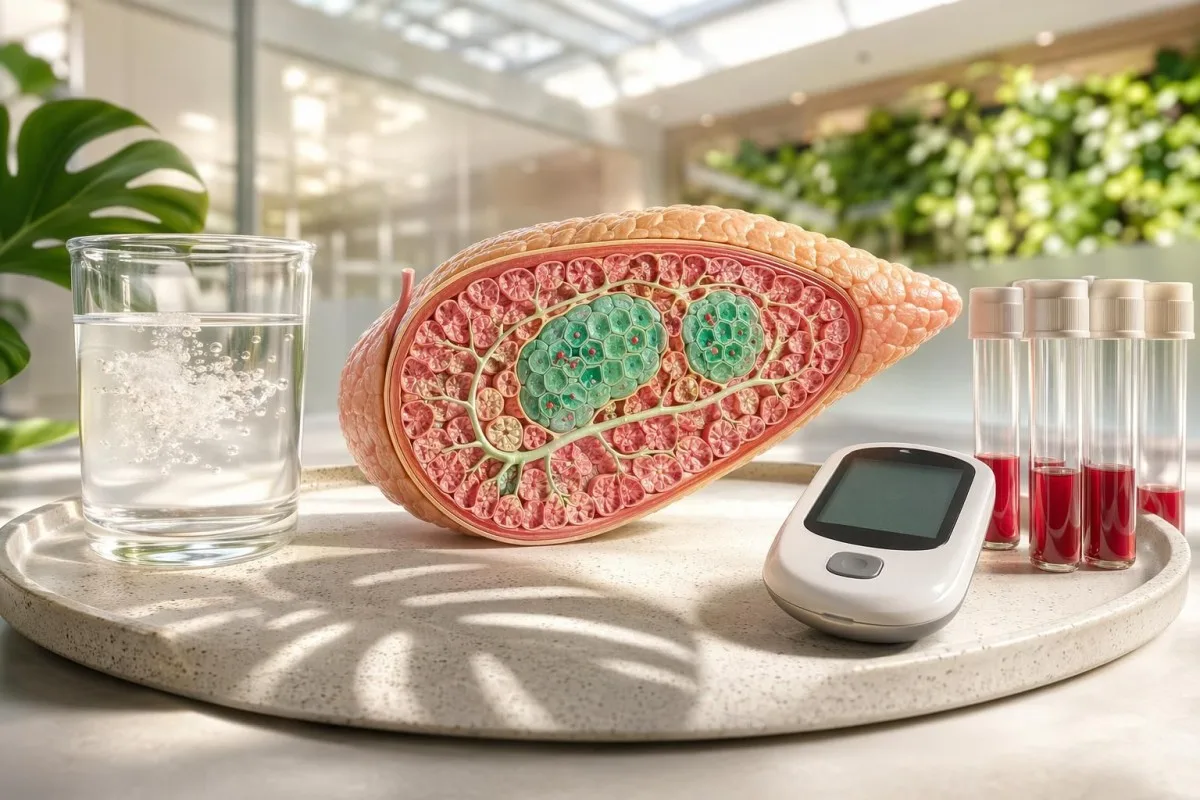
Практическое руководство по послеродовому скринингу для тех, кому сказали, что сахара во время беременности снова были в норме, но всё равно хочется понять, что будет дальше.


- 75 г ОГТТ на 4–12 неделе после родов — предпочтительный тест после гестационного диабета, потому что он выявляет проблемы с 2-часовой глюкозой, которые может пропустить натощаковая глюкоза.
- Пороговые значения для диабета это натощаковая плазменная глюкоза ≥126 мг/дл, глюкоза по OGTT через 2 часа ≥200 мг/дл, HbA1c ≥6.5% или случайная глюкоза ≥200 мг/дл при наличии симптомов.
- Пороговые значения предиабета это натощаковая глюкоза 100–125 мг/дл, глюкоза по OGTT через 2 часа 140–199 мг/дл или HbA1c 5.7–6.4%.
- HbA1c в раннем послеродовом периоде может быть ложно низким после родов из‑за кровопотери или повышенного обновления эритроцитов, поэтому он не должен заменять OGTT на 4–12 неделе.
- Глюкоза во время беременности в норме после родов не устраняет будущий риск; гестационный диабет часто является стресс‑тестом для β‑клеток, который выявляет уязвимость за годы до развития диабета 2 типа.
- Интервал повторного обследования каждые 1–3 года пожизненно, если послеродовой скрининг нормальный, и обычно ежегодно, если любой результат находится в диапазоне предиабета.
- Перед следующей беременностью попросите провести тестирование на глюкозу до зачатия или в начале первого триместра, особенно если в прошлом GDM требовал инсулина или лекарств.
- Маркеры риска такие как инсулин натощак, триглицериды, HDL, ALT и соотношение альбумин/креатинин в моче, не диагностируют диабет, но помогают оценить кардиометаболический риск.
Анализы крови, которые диагностируют диабет после гестационного диабета
Анализы крови, которые выявляют диабет после гестационного диабета, это пероральный глюкозотолерантный тест 75 г с измерением через 2 часа, глюкоза плазмы натощак, HbA1c, и случайная плазменная глюкоза при наличии классических симптомов. OGTT обычно является лучшим тестом для послеродового скрининга диабета на 4–12 неделе, потому что он выявляет нарушения утилизации 2-часовой глюкозы до того, как натощаковая глюкоза или HbA1c станут ненормальными.
Как Thomas Klein, MD, я говорю пациентам, что вопрос заключается не только в том, насколько высоко число сегодня; вопрос в том, есть ли у поджелудочной железы достаточно резерва после беременности. Глюкоза натощак 94 мг/дл может выглядеть обнадеживающе, тогда как значение OGTT через 2 часа 168 мг/дл тихо говорит о том, что ответ инсулина в первой фазе запаздывает.
Диагноз диабета вне беременности ставят по глюкозе плазмы натощак ≥126 мг/дл, глюкоза при ОГТТ через 2 часа ≥200 мг/дл, HbA1c ≥6.5%, или по случайной плазменной глюкозе ≥200 мг/дл при наличии таких симптомов, как жажда, частое мочеиспускание или необъяснимая потеря веса. Для сравнения диагностических и мониторинговых тестов простым языком наши пороговые значения теста на диабет гид — полезное дополнение.
Kantesti — это анализатор AI для анализа крови, который считывает послеродовую глюкозу, HbA1c, липиды и маркеры почек в том же клиническом контексте, а не как изолированные «флажки». В нашем анализе загруженных лабораторных отчетов 2M+ постоянно появляется один и тот же паттерн: люди помнят диагноз во время беременности, но результат их OGTT на 4–12 неделе часто так и не попадает в долгосрочную историю здоровья.
Почему нормальная глюкоза во время беременности не «обнуляет» будущий риск
Нормальная глюкоза после родов не «обнуляет» будущий риск диабета, потому что гестационный диабет обычно отражает ограниченный резерв β-клеток на фоне стресса беременности. Роды устраняют плацентарные гормоны, но это не обязательно восстанавливает инсулинорезистентность, генетический риск, склонность к жировой болезни печени или уязвимость β-клеток поджелудочной железы.
Плацента вырабатывает гормоны, которые повышают инсулинорезистентность, часто наиболее заметно после 24–28 недель. Когда глюкоза нормализуется после рождения, это означает, что стресс-фактор исчез; это не доказывает, что клетки, вырабатывающие инсулин, имеют неограниченный резерв.
Bellamy и соавт. сообщили в The Lancet, что у женщин с предшествующим гестационным диабетом риск примерно в 7 раз выше развития диабета 2 типа по сравнению с теми, у кого не было GDM (Bellamy et al., 2009). В повседневной практике я вижу кластер риска при прибавке окружности талии, триглицеридах выше 150 мг/дл, низком HDL, семейном анамнезе, PCOS и нарушениях сна в первые два послеродовых года.
Нормальный HbA1c из 5.3% Через шесть месяцев после родов это всё ещё может сосуществовать с ранней инсулинорезистентностью. Если вам нужен более глубокий метаболический взгляд, наше руководство тестированием на инсулинорезистентность объясняет, почему натощак инсулин и глюкоза могут «дрейфовать», прежде чем A1C пересечёт порог предиабета.
Когда должен проводиться послеродовой скрининг на диабет
Скрининг послеродового диабета должен проводиться через 4–12 недель после родов, предпочтительно с проведением 75 g 2-hour OGTT. Если это окно было упущено, лучшее время для тестирования — сейчас; я бы не ждал следующего ежегодного профилактического осмотра, если беременность была 6 месяцев или 6 лет назад.
Американская диабетическая ассоциация рекомендует 75 g OGTT через 4–12 недель после родов и пожизненный скрининг каждые 1–3 лет после гестационного диабета (American Diabetes Association Professional Practice Committee, 2024). ACOG также поддерживает послеродовый скрининг в этом раннем окне, и многие акушерские клиники теперь стараются назначить его до визита на 6-й неделе, чтобы он не был пропущен (ACOG, 2018).
Грудное вскармливание, фрагментация сна и послеродовые изменения массы тела могут все менять уровень глюкозы изо дня в день, но это не причины пропускать тестирование. Большинство пациенток могут пройти OGTT во время грудного вскармливания; практическая проблема обычно связана с уходом за ребёнком во время ожидания в лаборатории на протяжении 2 часов, а не с биологией.
Если вам также нужны проверки на анемию, функцию щитовидной железы, печёночные ферменты или маркеры функции почек после родов, наше чек-лист послеродовых анализов описывает, какие тесты обычно сочетают со скринингом глюкозы. Один визит часто может охватить более одной послеродовой проблемы.
Как интерпретируется пероральный тест на толерантность к глюкозе 75 г
The пероральный тест на толерантность к глюкозе после беременности измеряет глюкозу натощак и глюкозу через 2 часа после приёма 75 g глюкозы. Значение через 2 часа ≥200 мг/дл диагностирует диабет, тогда как в диапазоне 140–199 мг/дл. диагностирует нарушение толерантности к глюкозе, даже когда глюкоза натощак нормальная.
Тест работает потому, что он «проверяет» систему инсулина, а не наблюдает её в состоянии покоя. По моему опыту, у людей с перенесённым GDM часто проходит натощак, но не проходит часть через 2 часа; такой паттерн указывает на задержку секреции инсулина после приёмов пищи.
Подготовьтесь с обычным режимом питания минимум 3 дней, желательно включая как минимум 150 г углеводов в день если только ваш врач не сказал иначе. Слишком низкоуглеводная диета перед OGTT может преувеличить подъём глюкозы и сделать интерпретацию затруднительной; наше правила натощак руководство охватывает детали по воде, кофе и времени.
Не выполняйте интенсивные физические упражнения во время ожидания 2 часа и сообщите в лабораторию, если вырвете или не сможете допить напиток. Результат следует повторить или заменить другим диагностическим тестом, если процедура была выполнена неправильно.
Что может и чего не может выявить натощаковая глюкоза
Глюкоза плазмы натощак выявляет диабет, когда значение натощак равно ≥126 мг/дл, но она может пропустить изолированную непереносимость глюкозы после приема пищи после гестационного диабета. Это полезно, недорого и воспроизводимо; просто слишком грубо, чтобы заменить послеродовой ОГТТ.
Натощак глюкоза 100–125 мг/дл является предиабетом по критериям ADA, тогда как . Когда триглицериды выше обычно считается нормой в Соединенных Штатах. Некоторые международные системы используют 110 мг/дл как нижний порог нарушенной глюкозы натощак, и это одна из причин, почему пациенты путаются при переезде между странами.
Клиническая ловушка — глюкоза натощак 88–96 мг/дл при 2-часовом ОГТТ 155–185 мг/дл. Этому человеку могут сказать, что всё в порядке, если назначили только глюкозу натощак, но биология глюкозы во время приема пищи у него уже нарушена.
Утренняя глюкоза зависит от дефицита сна, позднего ночного приема пищи, кортикостероидов, инфекции и феномена зари. Наш руководство по уровню сахара натощак объясняет, почему единичный утренний результат следует интерпретировать с учетом предыдущего вечера и качества сна.
Почему HbA1c удобен, но несовершенен после родов
HbA1c выявляет диабет при ≥6.5%, но менее надежен в первые 4–12 послеродовых недель, потому что кровопотеря при родах и обновление эритроцитов могут исказить результат. HbA1c полезен позже, особенно для длительного наблюдения, но не должен заменять первый послеродовой ОГТТ.
HbA1c оценивает среднюю глюкозу примерно за 8-12 недель, с уклоном в сторону самого недавнего месяца. После родов анемия, переливание крови, дефицит железа или быстрое замещение эритроцитов могут увести показатель от истинной картины глюкозы.
Дефицит железа может ложно повышать HbA1c у некоторых пациентов, тогда как недавняя кровопотеря может ложно снижать его. Это одна из тех областей, где контекст важнее, чем цифра; послеродовой HbA1c 5.6% может быть не таким обнадеживающим, если ферритин 8 нг/мл и ОГТТ никогда не выполнялся.
Если ваш A1c не соответствует показаниям из пальца или симптомам, прочитайте наше руководство по точности A1c прежде чем принимать значение за чистую монету. Обычно я сочетаю HbA1c с глюкозой натощак, CBC и ферритином, когда послеродовая история кажется противоречивой.
Когда при случайной глюкозе или симптомах нужна срочная помощь
Случайная плазменная глюкоза выявляет диабет, когда она ≥200 мг/дл и присутствуют симптомы. После гестационного диабета требуется срочный пересмотр при высокой глюкозе с рвотой, обезвоживанием, быстрой потерей веса, кетонами, затуманенным зрением или необычной выраженной утомляемостью.
Большинство случаев диабета после ГДМ — это тип 2, но послеродовой аутоиммунный диабет иногда может появляться, особенно если потеря веса быстрая и присутствуют кетоны. Я видел(а) пациентов, которых списывали как просто уставших новых родителей, когда их глюкоза была 280 мг/дл и они уже были с кетонами.
Случайная глюкоза в диапазоне 140–199 мг/дл. сама по себе не является диагностической, но она должна побудить проверить глюкозу натощак, HbA1c или ОГТТ в зависимости от сроков и симптомов. Случайное значение выше 300 мг/дл, особенно при боли в животе или затрудненном дыхании, следует рассматривать как необходимость медицинской помощи в тот же день.
Один изолированный высокий показатель может случиться после болезни, на фоне стероидов или после очень высокоуглеводного приема пищи, но важен характер изменений. Наше руководство по неожиданно высокой глюкозе объясняет, как клиницисты отличают стресс-гипергликемию от раннего диабета.
Показатели крови, которые указывают на риск до появления диабета
Инсулин натощак, C-пептид, триглицериды, HDL, ALT и отношение альбумин/креатинин в моче не диагностируют диабет, но помогают оценить метаболический риск после гестационного диабета. Эти маркеры могут выявить инсулинорезистентность, склонность к жировой болезни печени или ранний стресс для почек, пока глюкоза технически еще остается нормальной.
Инсулин натощак выше примерно 15–20 мкМЕ/мл может указывать на инсулинорезистентность, хотя лабораторные методы различаются и не существует универсального диагностического порога. HOMA-IR использует инсулин натощак и глюкозу натощак; значения выше 2.0-2.5 часто вызывают подозрение у взрослых, но этническая принадлежность, BMI и выбор анализа меняют интерпретацию.
Триглицериды выше 150 мг/дл и HDL ниже 50 мг/дл у женщин часто сочетаются с инсулинорезистентностью. ALT выше примерно 25-30 МЕ/л у женщины с предшествующим GDM может быть ранним признаком жировой болезни печени даже тогда, когда лабораторный флаг все еще говорит о норме.
Kantesti — это платформа для интерпретации AI-биомаркеров, которая рассматривает нормальный A1C после гестационного диабета как вопрос о маркере риска, а не как «зелёный свет» навсегда. Если вы хотите рассчитать инсулинорезистентность по вашим показателям, то расчётом HOMA-IR руководство показывает формулу и её ограничения.
Как часто нужно повторять анализ, если послеродовой скрининг нормальный
Если послеродовый скрининг после гестационного диабета нормальный, пересдавайте каждые 1-3 года на протяжении жизни. Пересдавайте раньше, часто ежегодно, если увеличивается масса тела, появляется предиабет, планируется ещё одна беременность или лекарства вроде стероидов либо антипсихотиков повышают риск по глюкозе.
Рекомендация ADA по пожизненному скринингу каждые 1-3 года существует потому, что риск диабета растёт со временем, а не только в первый послеродовый год. В моей клинике я обычно выбираю 1 год интервал для любого человека с предиабетом, GDM с инсулинотерапией, BMI выше 30, при выраженном семейном анамнезе или PCOS.
Нормальный тест в 2026 году всё ещё полезен, потому что он становится вашей базовой точкой. Глюкоза натощак, которая «дрейфует» с 82 до 96 мг/дл в течение 3 лет может быть более значимой, чем один результат, отмеченный флагом, особенно если триглицериды и окружность талии растут одновременно.
Kantesti AI может отслеживать глюкозу, HbA1c, триглицериды и ALT во времени, чтобы небольшие сдвиги были видны до того, как они станут драматичными. Наша анализ трендов статья объясняет, почему наклон и кластеризация часто важнее, чем один лабораторный флаг.
Что попросить вашего врача назначить
Попросите 75 г 2-часовой OGTT через 4–12 недель после родов или натощак глюкозу плазмы плюс HbA1c, если OGTT выполнить невозможно. Для оценки долгосрочного риска спросите, нужно ли проверить липиды, ALT, креатинин, eGFR и соотношение альбумин/креатинин в моче вместе с вашими маркерами глюкозы.
Разумный первый заказ после родов часто выглядит так: натощак глюкоза, 75 г 2-часовой глюкозы, HbA1c, CBC, если при родах была значительная кровопотеря, ферритин, если подозревается анемия, липидный профиль и CMP, если риск кардиометаболический высокий. Не каждому пациенту нужны все тесты, но назначение должно соответствовать истории беременности.
Если во время беременности у вас была натощак гипергликемия или вам требовался инсулин, я бы был более настойчив в раннем наблюдении. Если ваш GDM был легким и контролировался диетой, OGTT по-прежнему важен, но долгосрочный ритм может быть ближе к каждому 2–3 года когда все результаты нормальные.
Для читателей, которые хотят понять, что именно измеряет каждый маркер, наша руководство по биомаркерам охватывает тысячи лабораторных маркеров и различия в распространённых единицах. Это особенно полезно, когда одна лаборатория сообщает глюкозу в мг/дл, а другая — в ммоль/л.
Что делают врачи при пограничных или противоречивых результатах
Пограничные или противоречивые результаты по диабету обычно следует повторить или подтвердить другим диагностическим тестом. Натощак глюкоза 124 мг/дл, HbA1c 6.4%, или 2-часовой OGTT 198 мг/дл — это не повод отмахнуться; это результат почти на пороге, который требует плана.
Без классических симптомов большинство клиницистов подтверждают диабет повторным аномальным результатом. Если два разных теста расходятся, обычно повторяют тест, который выше диагностического порога, а контекст пациента определяет, как быстро это произойдёт.
Thomas Klein, MD, практическое правило: не позволяйте слову «пограничный» сделать результат ощущаемым безобидным. 2-часовой OGTT 196 мг/дл после предшествующего GDM часто несёт больший будущий риск, чем натощак глюкоза 101 мг/дл, даже если оба могут быть отнесены к предиабету.
Наше руководство по пороговые значения предиабета объясняет, как натощак глюкоза, A1c и OGTT определяют разные биологические проблемы. Я часто описываю предиабет после GDM как «окно для лечения», а не как «комнату ожидания».
Особые ситуации: грудное вскармливание, анемия, СПКЯ и лекарства
Грудное вскармливание, анемия, PCOS, лекарства GLP-1, стероиды и заболевания щитовидной железы могут изменить то, как следует интерпретировать лабораторные анализы на диабет после родов. Пороговые значения глюкозы остаются теми же, но уверенность, которую вы вкладываете в HbA1c, натощак глюкозу или уровни инсулина, может существенно измениться.
Грудное вскармливание часто улучшает метаболизм глюкозы и может снизить риск будущего сахарного диабета 2 типа, но не устраняет необходимость скрининга. Если вы принимаете инсулин или сульфонилмочевину после родов, спросите своего врача о риске гипогликемии при более длительных кормлениях или пропущенных приемах пищи.
СПКЯ добавляет отдельный путь инсулинорезистентности, и перенесенный ГСД в сочетании с СПКЯ — одно из тех сочетаний, к которым я отношусь с особым вниманием. Наша Лабораторные паттерны при СПКЯ объясняет, почему натощаковый инсулин, липиды и андрогены могут иметь значение даже тогда, когда глюкоза еще не соответствует диагностическим критериям.
Инъекции стероидов, прием высоких доз преднизолона, некоторые антипсихотики и тяжелая недосыпанность могут временно повышать уровень глюкозы. Доказательства относительно точных порогов сна в послеродовом периоде, честно говоря, неоднозначны, но я вижу худшие показатели натощак, когда сон фрагментирован ниже 5–6 часов в течение недель.
Как Kantesti безопасно интерпретирует лабораторные анализы на послеродовой диабет
Kantesti считывает лабораторные анализы на послеродовой диабет, объединяя пороги глюкозы с временными параметрами, историей беременности, признаками анемии, липидными паттернами и маркерами функции почек. Цель — не заменить вашего врача; цель — сделать профиль риска более понятным до вашего визита.
Kantesti — это инструмент анализа результатов анализа крови с помощью ИИ, используемый 2M+ людьми в 127 странах, с интерпретацией PDF или фото результатов анализа крови примерно за 60 секунд. Для скрининга послеродового диабета наша нейросеть отделяет диагностические критерии глюкозы от маркеров контекста риска, таких как триглицериды, HDL, ALT и мочевой ACR.
Типичная загрузка может показать HbA1c 5.5%, натощак глюкоза 92 мг/дл, ферритин 10 нг/мл и отсутствие OGTT. Kantesti ИИ не поставит диагноз диабета по этим значениям, но должен отметить, что ранний послеродовой A1C может быть ненадежным, и что рекомендованный OGTT отсутствует.
Наши методы согласованы с опубликованными клиническими стандартами и внутренним врачебным разбором; читатели могут увидеть наши стандартов клинической валидации и предварительно зарегистрированные AI benchmark. Если вы загружаете скан, а не вводите значения, то рабочий процесс загрузки PDF объясняет, как отчеты читаются и проверяются.
Практический план повторного тестирования на 2026 год и далее
По состоянию на 26 мая 2026 года самый безопасный план после гестационного диабета — OGTT на 4–12 неделе, повторный скрининг каждые 1–3 года и более раннее тестирование перед другой беременностью. Если любой результат попадает в диапазон предиабета, относитесь к этому как к активному окну профилактики, а не как к легкому лабораторному любопытству.
Мой обычный сценарий простой: пройти первый OGTT после родов, сохранить результат, а затем поставить следующий контроль глюкозы в календарь, прежде чем жизнь станет слишком насыщенной. Если ваш OGTT на 2 часа в диапазоне 140–199 мг/дл., попросите четкий интервал наблюдения, план питания и целевой показатель по физической активности, а не расплывчатое напоминание «быть осторожнее».
Если ваш скрининг на диабет нормальный, все равно сообщите каждому будущему врачу, что у вас был ГСД. Эта одна строка меняет то, как я интерпретирую натощаковую глюкозу 103 мг/дл, уровень триглицеридов 180 мг/дл, или HbA1c, который постепенно растет с 5,2% до 5,6% в течение нескольких лет.
Kantesti Ltd — это британская компания в сфере медицинских технологий, и наши врачи рассматривают медицинский контент через наш медицинский консультативный совет и процесс клинического управления, описанный на О нас. Суть: правильные анализы несложны, но важнее, чем большинству людей говорят, — сроки и интерпретация.
Связанные публикации Kantesti
Скрининг послеродового диабета часто входит в более широкий обзор лабораторных показателей, который включает CBC, показатели железа и маркеры функции почек. Указанные ниже публикации Kantesti с DOI поддерживают методы интерпретации смежных анализов крови, включая индексы эритроцитов и соотношения показателей функции почек, которые могут влиять на достоверность HbA1c или оценку долгосрочного метаболического риска.
Часто задаваемые вопросы
Какие анализы крови выявляют диабет после гестационного диабета?
Анализы крови, которые выявляют диабет после гестационного диабета, включают 75 г 2-часовой пероральный тест на толерантность к глюкозе, глюкозу натощак, HbA1c и случайную глюкозу плазмы при наличии симптомов. Диабет диагностируют при уровне глюкозы натощак ≥126 мг/дл, глюкозы при 2-часовом OGTT ≥200 мг/дл, HbA1c ≥6.5% или случайной глюкозе ≥200 мг/дл при наличии классических симптомов. OGTT предпочтителен на 4–12 неделе после родов, поскольку он может выявить нарушение утилизации 2-часовой глюкозы даже тогда, когда глюкоза натощак находится в пределах нормы.
Является ли пероральный тест на толерантность к глюкозе после беременности лучше, чем HbA1c?
Да, пероральный глюкозотолерантный тест после беременности обычно лучше, чем HbA1c, для первого послеродового скрининга в 4–12 недель. HbA1c может быть искажён из-за послеродовой кровопотери, анемии, переливания крови или быстрого обновления эритроцитов, тогда как ОГТТ напрямую измеряет утилизацию глюкозы после пероральной нагрузки 75 г глюкозы. HbA1c становится более полезным позже для скрининга в долгосрочной перспективе и мониторинга динамики.
Когда следует проводить скрининг на послеродовой диабет после ГСД?
Скрининг на послеродовой диабет после гестационного диабета следует проводить через 4–12 недель после родов, желательно с помощью 75 г 2-часового ОГТТ. Если этот срок был пропущен, обследование следует выполнить как можно скорее, а не ждать появления симптомов. Если послеродовой результат нормальный, повторный скрининг на диабет следует проводить каждые 1–3 года в течение всей жизни.
Может ли HbA1c быть нормальным, но OGTT быть аномальным после гестационного диабета?
Да, HbA1c может быть нормальным, в то время как OGTT оказывается патологическим после гестационного диабета. У человека может быть HbA1c 5,3% и глюкоза натощак 92 мг/дл, но значение OGTT через 2 часа — 160 мг/дл, что соответствует нарушенной толерантности к глюкозе. Это происходит потому, что HbA1c отражает средний уровень глюкозы, тогда как OGTT проверяет инсулиновый ответ после нагрузки глюкозой.
Что означают результаты: преддиабет после гестационного диабета?
Предиабет после гестационного диабета определяется по уровню глюкозы натощак 100–125 мг/дл, глюкозе через 2 часа при ОГТТ 140–199 мг/дл или HbA1c 5,7–6,4%. Отклонение при ОГТТ через 2 часа особенно часто встречается после ГДМ и может быть пропущено, если назначается только глюкоза натощак. Предиабет обычно должен приводить к ежегодному наблюдению и к разработке структурированного плана профилактики.
Как часто мне следует повторно проходить обследование, если мой послеродовой скрининг в норме?
Если ваш послеродовой скрининг на диабет нормальный после гестационного диабета, проходите повторное обследование каждые 1–3 года пожизненно. Многие клиницисты выбирают ежегодное тестирование, если у вас был ГСД, получавший инсулинотерапию, предиабет, СПКЯ, BMI выше 30, выраженный семейный анамнез или повышающиеся триглицериды. Тестирование также следует повторить перед следующей беременностью или в начале первого триместра.
Влияет ли грудное вскармливание на результаты анализа крови при диабете?
Грудное вскармливание может улучшать метаболизм глюкозы и потенциально снижать риск развития будущего сахарного диабета 2 типа, но оно не устраняет необходимость в послеродовом скрининге на диабет. Диагностические пороговые значения для глюкозы натощак, ОГТТ и HbA1c не меняются из-за того, что человек кормит грудью. Если после родов применяются противодиабетические препараты, клиницисты могут скорректировать время приема или дозу, чтобы снизить риск гипогликемии во время длительных кормлений или при пропуске приемов пищи.
Могу ли я использовать непрерывный монитор глюкозы вместо послеродового теста на толерантность к глюкозе?
Нет. Непрерывный монитор глюкозы может показывать полезные ежедневные закономерности уровня глюкозы, но он не заменяет лабораторное определение уровня глюкозы натощак, HbA1c или 75-граммовый OGTT для диагностики диабета после гестационного диабета. Ваш врач может использовать его позже для поддержки решений по образу жизни или лечению.
Нужно ли моему ребенку обследование на диабет, потому что у меня был гестационный диабет?
У новорожденного может быть проверен уровень глюкозы в стационаре, особенно если во время беременности вы использовали инсулин или лекарственные препараты, но большинству детей не требуются продолжающиеся анализы крови на диабет только из‑за материнского гестационного диабета. Посещайте плановые педиатрические осмотры и поддерживайте семейные привычки, связанные с сбалансированным питанием, активностью и сном.
Что делать, если я не могу переносить прием глюкозного напитка для послеродового ОГТТ?
Сообщите вашему врачу до проведения теста. Возможно, они перенесут обследование с учетом стратегий против тошноты, проверят уровень глюкозы натощак и HbA1c или временно используют данные домашнего или непрерывного мониторинга глюкозы, но эти альтернативы могут не полностью заменить диагностический ОГТТ.
Получите анализ крови с помощью ИИ уже сегодня
Присоединяйтесь к более чем 2 миллионам пользователей по всему миру, которые доверяют Kantesti для мгновенного и точного анализа лабораторных тестов. Загрузите результаты анализа крови и получите комплексную интерпретацию биомаркеров 15,000+ за считанные секунды.
📚 Ссылки на научные публикации
Кляйн, Т., Митчелл, С., и Вебер, Х. (2026). Анализ крови RDW: полное руководство по RDW-CV, MCV и MCHC. Kantesti AI Medical Research.
Кляйн, Т., Митчелл, С., и Вебер, Х. (2026). Объяснение соотношения мочевины и креатинина: руководство по проведению анализов функции почек. Kantesti AI Medical Research.
📖 Внешние медицинские источники
Профессиональный комитет Американской диабетической ассоциации (2024). 2. Диагностика и классификация диабета: Стандарты медицинской помощи при диабете — 2024. Diabetes Care.
⚕️ Медицинское предупреждение
Эта статья предназначена только для образовательных целей и не является медицинской консультацией. Всегда консультируйтесь с квалифицированным специалистом здравоохранения по вопросам диагностики и решений по лечению.
Сигналы доверия E-E-A-T
Опыт
Клинический обзор рабочих процессов интерпретации лабораторных данных под руководством врача.
Экспертиза
Акцент на лабораторной медицине: как биомаркеры ведут себя в клиническом контексте.
Авторитетность
Написано доктором Томасом Кляйном при рецензировании доктором Сарой Митчелл и профессором доктором Хансом Вебером.
Доверие
Интерпретация на основе доказательств с понятными маршрутами дальнейших действий, чтобы снизить тревожность.