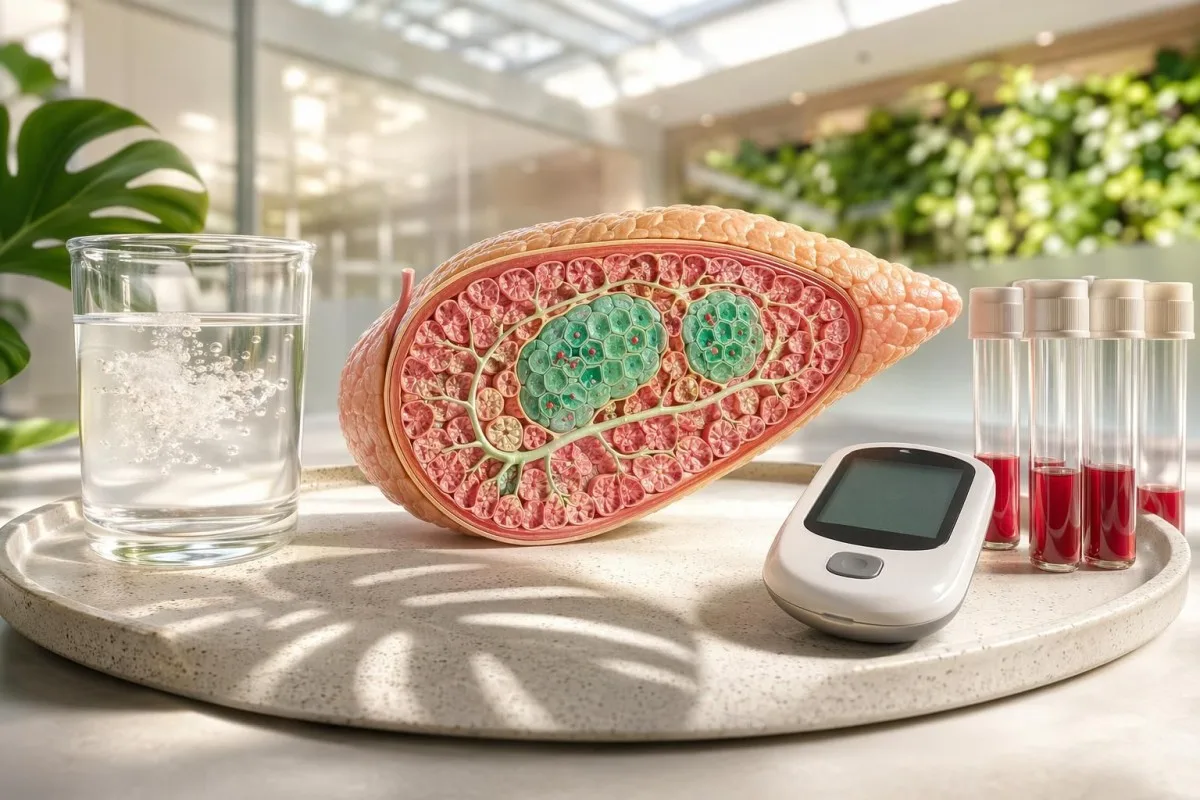
Հետծննդյան սկրինինգի գործնական ուղեցույց բոլորի համար, ում հղիության շաքարները նորից նորմալ են եղել, բայց դեռ ցանկանում է հասկանալ, թե ինչ է լինելու հաջորդը։.


- 75 գ OGTT Հետծննդաբերությունից հետո 4-12 շաբաթում նախընտրելի թեստն է, քանի որ այն հայտնաբերում է 2-ժամյա գլյուկոզայի խնդիրներ, որոնք կարող է բաց թողնել ծոմ պահած գլյուկոզան։.
- Շաքարախտի շեմեր ծոմ պահած պլազմային գլյուկոզա ≥126 մգ/դլ, 2-ժամյա OGTT գլյուկոզա ≥200 մգ/դլ, HbA1c ≥6.5% կամ պատահական գլյուկոզա ≥200 մգ/դլ՝ ախտանիշների առկայությամբ։.
- Նախադիաբետի սահմանային արժեքներ ծոմ պահած գլյուկոզա 100-125 մգ/դլ, 2-ժամյա OGTT գլյուկոզա 140-199 մգ/դլ կամ HbA1c 5.7-6.4%։.
- HbA1c՝ վաղ հետծննդյան շրջանում կարող է կեղծ ցածր լինել ծննդաբերությունից հետո արյան կորստի կամ կարմիր արյան բջիջների բարձր շրջանառության պատճառով, ուստի այն չպետք է փոխարինի OGTT-ին 4-12 շաբաթում։.
- Հղիության ընթացքում նորմալ գլյուկոզա ծննդաբերությունից հետո չի վերացնում ապագա ռիսկը. հղիության շաքարախտը հաճախ բետա-բջջային սթրես թեստ է, որը բացահայտում է խոցելիությունը տարիներ առաջ՝ մինչև 2-րդ տիպի շաքարախտի զարգացումը։.
- Ժամանակային միջակայք կրկնակի հետազոտության համար ողջ կյանքի ընթացքում հետծննդյան սքրինինգը նորմալ լինելու դեպքում՝ յուրաքանչյուր 1-3 տարին մեկ, իսկ եթե որևէ արդյունք գտնվում է նախադիաբետային տիրույթում՝ սովորաբար՝ տարեկան.
- Մինչև հաջորդ հղիությունը խնդրեք գլյուկոզայի հետազոտություն կատարել՝ հղիանալուց առաջ կամ առաջին եռամսյակի սկզբում, հատկապես եթե նախորդ GDM-ը պահանջել է ինսուլին կամ դեղորայք.
- Ռիսկի մարկերներ ինչպիսիք են՝ ծոմ պահած ինսուլինը, տրիգլիցերիդները, HDL-ը, ALT-ը և մեզի ալբումին-կրեատինին հարաբերակցությունը՝ չեն ախտորոշում շաքարախտ, սակայն օգնում են գնահատել սրտամետաբոլիկ ռիսկը.
Արյան անալիզները, որոնք ախտորոշում են շաքարախտը հղիության շաքարախտից հետո
Արյան անալիզները, որոնք հայտնաբերում են շաքարախտը հղիության ընթացքում շաքարախտից հետո, հետևյալն են՝ 75 գ 2-ժամյա բանավոր գլյուկոզայի հանդուրժողականության թեստը, ծոմ պահած պլազմային գլյուկոզան, HbA1c, և պատահական պլազմային գլյուկոզան երբ առկա են դասական ախտանշաններ։ OGTT-ն սովորաբար հետծննդյան շաքարախտի լավագույն սքրինինգ թեստն է՝ 4-12 շաբաթում, քանի որ այն հայտնաբերում է 2-ժամյա գլյուկոզայի մշակման խանգարումը՝ նախքան ծոմային գլյուկոզան կամ HbA1c-ը կդառնան աննորմալ.
Որպես Thomas Klein, MD, ես հիվանդներին ասում եմ, որ հարցը միայն այն չէ, թե այսօր թիվը որքան բարձր է. հարցն այն է, թե հղիությունից հետո ենթաստամոքսային գեղձը դեռևս բավարար պահուստ ունի՞։ 94 մգ/դլ ծոմային գլյուկոզան կարող է հանգստացնող թվալ, մինչդեռ 168 մգ/դլ 2-ժամյա OGTT-ի արդյունքը լուռ ասում է, որ առաջին փուլում ինսուլինի պատասխանը հետ է մնում.
Հղիությունից դուրս շաքարախտի ախտորոշումը կատարվում է ծոմային պլազմային գլյուկոզայով ≥126 մգ/դլ, 2-ժամյա OGTT-ի գլյուկոզա ≥200 մգ/դլ, HbA1c ≥6.5%, կամ պատահական պլազմային գլյուկոզայով ≥200 մգ/դլ այնպիսի ախտանշանների առկայությամբ, ինչպիսիք են ծարավը, հաճախակի միզարձակումը կամ չբացատրված քաշի կորուստը։ Ախտորոշիչ և մոնիթորինգ թեստերի պարզ լեզվով համեմատության համար մեր շաքարախտի թեստերի շեմերը ուղեցույցը օգտակար ուղեկից է։.
Kantesti-ը AI արյան անալիզատոր է, որը նույն կլինիկական համատեքստում կարդում է հետծննդյան գլյուկոզան, HbA1c-ը, լիպիդները և երիկամային մարկերները՝ որպես մեկուսացված «դրոշակներ» դիտարկելու փոխարեն։ 2M+-ի վերլուծության ընթացքում, որը վերբեռնվել է լաբորատոր հաշվետվություններով, մեկ օրինաչափություն անընդհատ կրկնվում է. մարդիկ հիշում են հղիության ախտորոշումը, բայց նրանց 4-12 շաբաթվա OGTT-ի արդյունքը հաճախ երբեք չի հայտնվում երկարաժամկետ առողջության գրանցամատյանում.
Ինչու հղիության ընթացքում նորմալ գլյուկոզան չի վերացնում ապագա ռիսկը
Ծննդաբերությունից հետո նորմալ գլյուկոզան չի «վերականգնում» ապագա շաքարախտի ռիսկը, քանի որ հղիության ընթացքում շաքարախտը սովորաբար արտացոլում է հղիության սթրեսի պայմաններում բետա-բջիջների սահմանափակ պահուստը։ Ծննդաբերությունը հեռացնում է պլացենտային հորմոնները, բայց դա պարտադիր չէ, որ վերականգնի ինսուլինային դիմադրողականությունը, գենետիկ ռիսկը, ճարպային լյարդի հակվածությունը կամ ենթաստամոքսային գեղձի բետա-բջիջների խոցելիությունը.
Պլացենտան արտադրում է հորմոններ, որոնք բարձրացնում են ինսուլինային դիմադրողականությունը՝ հաճախ առավել նկատելի 24-28 շաբաթներից հետո։ Երբ ծննդից հետո գլյուկոզան նորմալանում է, դա նշանակում է, որ սթրեսորը վերացել է. դա չի ապացուցում, որ ինսուլին արտադրող բջիջներն ունեն անսահմանափակ պահուստ.
Bellamy et al.-ը The Lancet-ում հայտնել է, որ նախորդ հղիության ընթացքում շաքարախտ ունեցող կանանց մոտ հետագայում 2-րդ տիպի շաքարախտի ռիսկը մոտավորապես 7 անգամ ավելի բարձր է քան նրանց մոտ, ովքեր չունեն GDM (Bellamy et al., 2009)։ Ամենօրյա պրակտիկայում ես տեսնում եմ ռիսկերի կուտակում՝ գոտկատեղի ավելացումով, տրիգլիցերիդներով՝ բարձր 150 մգ/դլ, ցածր HDL-ով, ընտանեկան պատմությամբ, PCOS-ով և քնի խանգարումներով՝ հետծննդյան առաջին երկու տարիների ընթացքում.
Նորմալ HbA1c-ը՝ 5.3% ծննդաբերությունից վեց ամիս անց էլ կարող է համակեցել ինսուլինային վաղ դիմադրության հետ։ Եթե ցանկանում եք ավելի խորացված նյութափոխանակային պատկերացում, մեր ուղեցույցը ինսուլինային դիմադրողականության թեստավորման հետ։ բացատրում է, թե ինչու ծոմային ինսուլինը և գլյուկոզան կարող են շեղվել, նախքան A1C-ը կանցնի նախադիաբետի սահմանագիծը։.
Ե՞րբ պետք է կատարվի հետծննդյան շաքարախտի սկրինինգը
Հետծննդյան շաքարախտի սքրինինգը պետք է կատարվի ծննդաբերությունից հետո 4-12 շաբաթվա ընթացքում, ցանկալի է՝ 75 գ 2-ժամյա OGTT-ով։ Եթե այդ պատուհանը բաց է թողնվել, թեստավորման լավագույն ժամանակն այժմ է. ես չէի սպասի հաջորդ տարեկան ֆիզիկական զննությանը, եթե հղիությունը եղել է 6 ամիս կամ 6 տարի առաջ։.
Շաքարախտի ամերիկյան ասոցիացիան խորհուրդ է տալիս 75 գ OGTT՝ ծննդաբերությունից հետո 4-12 շաբաթվա ընթացքում և ցմահ սքրինինգ՝ յուրաքանչյուր 1-3 տարի հղիության ընթացքում շաքարախտի (American Diabetes Association Professional Practice Committee, 2024) հետո։ ACOG-ն նույնպես աջակցում է հետծննդյան սքրինինգին այս վաղ պատուհանում, և շատ մանկաբարձական կլինիկաներ այժմ փորձում են այն նշանակել մինչև 6-շաբաթյա այցը, որպեսզի չմոռացվի (ACOG, 2018)։.
Կրծքով կերակրումը, քնի մասնատումը և հետծննդյան քաշի փոփոխությունները կարող են բոլորը փոխել գլյուկոզան օրեցօր, բայց դրանք պատճառներ չեն թեստավորումը բաց թողնելու համար։ Շատ հիվանդներ կարող են կատարել OGTT-ը՝ կրծքով կերակրելիս. գործնական խնդիրն հաճախ 2-ժամյա լաբորատոր սպասման ընթացքում երեխայի խնամքն է, ոչ թե կենսաբանությունը։.
Եթե ծննդաբերությունից հետո ձեզ նույնպես անհրաժեշտ են անեմիայի, վահանաձև գեղձի ֆունկցիայի, լյարդի ֆերմենտների կամ երիկամային մարկերների ստուգումներ, մեր հետծննդյան լաբորատոր հետազոտությունների ստուգաթերթիկը ներկայացնում է, թե որ թեստերն են սովորաբար զուգակցվում գլյուկոզայի սքրինինգի հետ։ Մեկ այցելությունը հաճախ կարող է ընդգրկել մեկից ավելի հետծննդյան խնդիր։.
Ինչպես է մեկնաբանվում 75 գ բանավոր գլյուկոզայի հանդուրժողականության թեստը
Այն հղիությունից հետո բերանային գլյուկոզայի հանդուրժողականության թեստ չափում է ծոմային գլյուկոզան և 2-ժամյա գլյուկոզան՝ 75 գ գլյուկոզայի ըմպելիքից հետո։ 2-ժամյա արժեքը ≥200 մգ/դլ ախտորոշում է շաքարախտ, մինչդեռ 140-199 մգ/դլ ախտորոշում է գլյուկոզայի խանգարված հանդուրժողականություն՝ նույնիսկ երբ ծոմային գլյուկոզան նորմալ է։.
Թեստն աշխատում է, քանի որ այն մարտահրավեր է նետում ինսուլինային համակարգին՝ այլ ոչ թե դիտարկում այն հանգստի պայմաններում։ Իմ փորձով՝ նախորդ GDM ունեցող մարդիկ հաճախ անցնում են ծոմային մասը, բայց ձախողում են 2-ժամյա մասը. այդ օրինաչափությունը ցույց է տալիս ինսուլինի ուշացած սեկրեցիա՝ ուտելուց հետո։.
Պատրաստվեք սովորական սննդակարգով՝ առնվազն , նախորդ գիշերը՝ ոչ «պատժիչ» մարզում, և ոչ էլ հերոսական 24-ժամյա ծոմ, որը կրկնվող արժեքը դարձնում է ավելի լավ, քան ձեր իրական ելակետը։, իդեալականում ներառելով առնվազն 150 գ ածխաջուր օրական , եթե ձեր բուժողը այլ բան չի ասել։ Շատ ցածր ածխաջրային սննդակարգով գնալը OGTT-ից առաջ կարող է չափազանցնել գլյուկոզայի բարձրացումը և դարձնել մեկնաբանությունը բարդ. մեր ծոմ պահելու կանոնները։ ուղեցույցը ներառում է ջրի, սուրճի և ժամանակի մանրամասները։.
Չափազանց ուժեղ մի մարզվեք 2-ժամյա սպասման ընթացքում և տեղեկացրեք լաբորատորիան, եթե փսխում եք կամ չեք կարողանում ավարտել ըմպելիքը։ Արդյունքը պետք է կրկնվի կամ փոխարինվի մեկ այլ ախտորոշիչ թեստով, եթե ընթացակարգը պատշաճ կերպով չի ավարտվել։.
Ինչ կարող է և ինչ չի կարող հայտնաբերել ծոմ պահած գլյուկոզան
Ծոմային պլազմային գլյուկոզան հայտնաբերում է շաքարախտը, երբ ծոմային արժեքը ≥126 մգ/դլ, բայց այն կարող է բաց թողնել միայնակ հետճաշային գլյուկոզայի անհանդուրժողականությունը հղիության շաքարախտից հետո։ Այն օգտակար է, էժան և կրկնելի. պարզապես չափազանց «կոպիտ» է՝ հետծննդյան OGTT-ը փոխարինելու համար։.
Ծոմ պահած գլյուկոզը՝ 100-125 մգ/դլ ADA չափանիշներով պրեդիաբետ է, մինչդեռ <100 մգ/դլ ԱՄՆ-ում ընդհանուր առմամբ համարվում է նորմալ։ Որոշ միջազգային համակարգեր օգտագործում են 110 մգ/դլ-ից բարձր որպես ծոմային խանգարման ստորին շեմ, և դա է մեկ պատճառը, թե ինչու են հիվանդները շփոթվում, երբ տեղափոխվում են երկրից երկիր։.
Կլինիկական «թակարդը» 88-96 մգ/դլ ծոմային գլյուկոզան է՝ 2-ժամյա OGTT-ով 155-185 մգ/դլ։ Այդ մարդուն կարող է ասել, որ ամեն ինչ կարգին է, եթե միայն ծոմային գլյուկոզա է նշանակվել, սակայն նրա սննդային ժամերի գլյուկոզայի կենսաբանությունը արդեն աննորմալ է։.
Առավոտյան գլյուկոզան ազդում է քնի պարտքից, ուշ գիշերային սննդ ընդունումից, կորտիկոստերոիդներից, վարակից և «արշալույսի երևույթից»։ Մեր ծոմ պահելու շաքարի ուղեցույցը բացատրում է, թե ինչու մեկ առավոտյան արդյունքը պետք է մեկնաբանել՝ հաշվի առնելով նախորդ երեկոն և քնի որակը։.
Ինչու HbA1c-ը հարմար է, բայց ոչ կատարյալ՝ ծննդաբերությունից հետո
HbA1c-ն հայտնաբերում է շաքարախտը ≥6.5%, բայց այն ավելի քիչ հուսալի է հետծննդյան առաջին 4-12 շաբաթների ընթացքում, քանի որ ծննդաբերության ժամանակ արյան կորուստը և էրիթրոցիտների շրջանառության արագացումը կարող են աղավաղել արդյունքը։ HbA1c-ն օգտակար է ավելի ուշ, հատկապես երկարաժամկետ հետևողականության համար, բայց այն չպետք է փոխարինի առաջին հետծննդյան OGTT-ին։.
HbA1c-ն գնահատում է միջին գլյուկոզան մոտավորապես 8-12 շաբաթ անց, թեքված դեպի ամենավերջին ամիսը։ Ծննդաբերությունից հետո անեմիան, փոխներարկումը, երկաթի դեֆիցիտը կամ կարմիր արյան բջիջների արագ փոխարինումը կարող են արժեքը շեղել իրական գլյուկոզայի պատմությունից։.
Երկաթի դեֆիցիտը որոշ հիվանդների մոտ կարող է կեղծ բարձրացնել HbA1c-ը, մինչդեռ վերջին արյունահոսությունը կարող է կեղծ իջեցնել այն։ Սա այն դեպքերից է, որտեղ համատեքստն ավելի կարևոր է, քան թիվը. հետծննդյան HbA1c-ը 5.6% կարող է այնքան էլ հանգստացնող չլինել, եթե ֆերիտինը 8 նգ/մլ է, և OGTT-ն երբևէ չի կատարվել։.
Եթե ձեր A1c-ը չի համընկնում մատից չափման ցուցանիշների կամ ախտանիշների հետ, կարդացեք մեր ուղեցույցը A1c-ի ճշգրտության մասին ՝ նախքան արժեքը բառացի ընդունելը։ Ես սովորաբար HbA1c-ը համադրում եմ ծոմային գլյուկոզայի, CBC-ի և ֆերիտինի հետ, երբ հետծննդյան պատմությունը անհամապատասխան է թվում։.
Ե՞րբ է պետք արագ գործողություն՝ պատահական գլյուկոզայի կամ ախտանիշների դեպքում
Պլազմայի պատահական գլյուկոզան հայտնաբերում է շաքարախտը, երբ այն ≥200 մգ/դլ և ախտանիշները առկա են։ Գեստացիոն շաքարախտից հետո անհրաժեշտ է շտապ վերանայում՝ բարձր գլյուկոզայի դեպքում՝ փսխումով, ջրազրկմամբ, քաշի արագ անկմամբ, կետոններով, մշուշոտ տեսողությամբ կամ անսովոր ուժասպառությամբ։.
GDM-ից հետո շաքարախտի մեծ մասը 2-րդ տիպն է, բայց հետծննդյան աուտոիմուն շաքարախտը երբեմն կարող է ի հայտ գալ, հատկապես եթե քաշի կորուստը արագ է և առկա են կետոններ։ Ես տեսել եմ հիվանդների, որոնց պարզապես «հոգնած նոր ծնողներ» էին համարել, երբ նրանց գլյուկոզան 280 մգ/դլ էր, և նրանք արդեն կետոտիկ էին։.
Պատահական գլյուկոզան 140-199 մգ/դլ ինքնին ախտորոշիչ չէ, բայց այն պետք է հանգեցնի ծոմային գլյուկոզայի, HbA1c-ի կամ OGTT-ի՝ կախված ժամանակից և ախտանիշներից։ Պատահական արժեքը՝ 300 մգ/դլ, հատկապես որովայնային ցավի կամ դժվարաշնչության դեպքում, պետք է դիտարկել որպես նույն օրվա բժշկական օգնության կարիք։.
Մեկ անգամ բարձր արժեքը կարող է լինել հիվանդությունից, ստերոիդներից կամ շատ բարձր ածխաջրային սննդից հետո, բայց կարևոր է օրինաչափությունը։ Մեր ուղեցույցը անսպասելի բարձր գլյուկոզայի մասին բացատրում է, թե ինչպես են կլինիկոսները տարբերակում սթրեսային հիպերգլիկեմիան վաղ շաքարախտից։.
Արյան մարկերներ, որոնք ցույց են տալիս ռիսկը նախքան շաքարախտի ի հայտ գալը
Ծոմային ինսուլինը, C-պեպտիդը, տրիգլիցերիդները, HDL-ը, ALT-ը և մեզի ալբումին-կրեատինին հարաբերակցությունը չեն ախտորոշում շաքարախտ, բայց օգնում են ցույց տալ նյութափոխանակային ռիսկը գեստացիոն շաքարախտից հետո։ Այս մարկերները կարող են բացահայտել ինսուլինային դիմադրողականություն, ճարպային լյարդի հակվածություն կամ երիկամների վաղ սթրես, մինչդեռ գլյուկոզան դեռ տեխնիկապես նորմալ է։.
Ծոմային ինսուլինը՝ մոտավորապես 15-20 µIU/mL կարող է մատնանշել ինսուլինային ռեզիստենտություն, թեև լաբորատոր մեթոդները տարբերվում են և չկա համընդհանուր ախտորոշիչ շեմ։ HOMA-IR-ը օգտագործում է ծոմ պահած ինսուլինը և ծոմ պահած գլյուկոզան. արժեքները, որոնք գերազանցում են 2.0-2.5 հաճախ մեծացնում են կասկածը մեծահասակների մոտ, սակայն էթնիկ պատկանելությունը, BMI-ը և անալիզի ընտրությունը փոխում են մեկնաբանությունը։.
Տրիգլիցերիդները՝ 150 մգ/դլ և HDL-ը ցածր 50 մգ/դլ կանանց մոտ հաճախ ուղեկցվում է ինսուլինային ռեզիստենտությամբ։ ALT-ը մոտավորապես 25-30 IU/L-ից բարձր նախորդ GDM ունեցող կնոջ մոտ կարող է լինել վաղ ճարպային լյարդի հուշում, նույնիսկ երբ լաբորատոր նշումը դեռ ասում է նորմալ։.
Kantesti-ը AI բիոմարկերների մեկնաբանման հարթակ է, որը նորմալ A1c-ը գեստացիոն դիաբետից հետո դիտարկում է որպես ռիսկի գնահատման հարց, այլ ոչ թե «կանաչ լույս» հավերժ։ Եթե ցանկանում եք հաշվարկել ինսուլինային ռեզիստենտությունը ձեր թվերից, ապա HOMA-IR հաշվարկի հետ ուղեցույցը ցույց է տալիս բանաձևը և դրա սահմանափակումները։.
Որքա՞ն հաճախ է պետք կրկնակի թեստավորում, եթե հետծննդյան սկրինինգը նորմալ է
Եթե հետծննդյան սքրինինգը նորմալ է գեստացիոն դիաբետից հետո, ապա կրկնեք յուրաքանչյուր 1-3 տարին մեկ՝ ողջ կյանքի ընթացքում. ։ Ավելի շուտ կրկնեք, հաճախ՝ տարեկան, եթե քաշը ավելանում է, ի հայտ է գալիս պրեդիաբետ, նախատեսվում է ևս մեկ հղիություն, կամ դեղամիջոցներ, ինչպիսիք են ստերոիդները կամ հակահոգեբուժականները, բարձրացնում են գլյուկոզայի ռիսկը։.
ADA-ի առաջարկությունը՝ ողջ կյանքի ընթացքում սքրինինգ անել յուրաքանչյուր 1-3 տարին մեկ, գոյություն ունի, քանի որ դիաբետի ռիսկը ժամանակի ընթացքում աճում է, ոչ միայն հետծննդյան առաջին տարում։ Իմ կլինիկայում ես սովորաբար ընտրում եմ 1 տարվա միջակայքը ցանկացած մարդու համար, ով ունի պրեդիաբետ, ինսուլինով բուժվող GDM, BMI-ը 30-ից բարձր, ուժեղ ընտանեկան պատմություն կամ PCOS։.
2026-ին նորմալ թեստը դեռ օգտակար է, քանի որ այն դառնում է ձեր բազային ցուցանիշը։ Ծոմ պահած գլյուկոզան, որը շեղվում է 82-ից մինչև 96 մգ/դլ 3 տարվա ընթացքում կարող է ավելի նշանակալից լինել, քան մեկ անգամ նշված արդյունքը, հատկապես եթե տրիգլիցերիդները և գոտկատեղի շրջագիծը միաժամանակ աճում են։.
Kantesti AI-ը կարող է ժամանակի ընթացքում գծագրել գլյուկոզան, HbA1c-ը, տրիգլիցերիդները և ALT-ը, որպեսզի փոքր շեղումները տեսանելի լինեն նախքան դրանք կդառնան դրամատիկ։ Մեր տրենդային վերլուծություն հոդվածը բացատրում է, թե ինչու թեքությունը (slope) և կլաստերավորումը հաճախ ավելի կարևոր են, քան մեկ լաբորատոր ցուցանիշի առանձին «դրոշակումը»։.
Ի՞նչ հարցնել ձեր կլինիկիստին՝ պատվիրելու համար
Խնդրեք 75 գ 2-ժամյա OGTT ծննդաբերությունից հետո 4-12 շաբաթվա ընթացքում, կամ՝ ծոմային պլազմային գլյուկոզա գումարած HbA1c, եթե OGTT-ն հնարավոր չէ։ Երկարաժամկետ ռիսկի համար հարցրեք՝ արդյոք պետք է ստուգել լիպիդները, ALT-ը, կրեատինինը, eGFR-ը և մեզի ալբումին-կրեատինին հարաբերակցությունը ձեր գլյուկոզայի ցուցանիշների հետ միասին։.
Հետծննդյան շրջանում հաճախ ողջամիտ առաջին նշանակումը կարդացվում է այսպես՝ ծոմային գլյուկոզա, 75 գ 2-ժամյա գլյուկոզա, HbA1c, CBC, եթե եղել է ծննդաբերության ժամանակ արյան զգալի կորուստ, ֆերիտին, եթե կասկածվում է անեմիա, լիպիդային պրոֆիլ և CMP, եթե սրտամետաբոլիկ ռիսկը բարձր է։ Յուրաքանչյուր հիվանդի պետք չէ յուրաքանչյուր թեստը, բայց նշանակումը պետք է համապատասխանի հղիության պատմությանը։.
Եթե հղիության ընթացքում ունեցել եք ծոմային հիպերգլիկեմիա կամ անհրաժեշտ է եղել ինսուլին, ես ավելի ագրեսիվ կլինեի վաղ հետհսկման հարցում։ Եթե ձեր GDM-ը մեղմ էր և վերահսկվում էր սննդակարգով, OGTT-ն դեռևս կարևոր է, բայց երկարաժամկետ հաճախականությունը կարող է ավելի մոտ լինել յուրաքանչյուր 2-3 տարին մեկ -ին, երբ բոլոր արդյունքները նորմալ են։.
Այն ընթերցողների համար, ովքեր ցանկանում են հասկանալ, թե իրականում ինչ է չափում յուրաքանչյուր մարկերը, մեր բիոմարկերների ուղեցույցում -ը ընդգրկում է հազարավոր լաբորատոր մարկերներ և սովորական միավորների տարբերությունները։ Սա հատկապես օգտակար է, երբ մի լաբորատորիա գլյուկոզան հայտնում է mg/dL-ով, իսկ մյուսը՝ mmol/L-ով։.
Ինչ են անում բժիշկները սահմանային կամ հակասական արդյունքների դեպքում
Սահմանային կամ հակասական շաքարախտի արդյունքները սովորաբար պետք է կրկնվեն կամ հաստատվեն այլ ախտորոշիչ թեստով։ Ծոմային գլյուկոզան՝ 124 mg/dL, HbA1c՝ 6.4%, կամ 2-ժամյա OGTT՝ 198 mg/dL պարզապես «չարժե ուշադրություն դարձնել» չէ․ դա շեմին մոտ արդյունք է, որը պահանջում է պլան։.
Առանց դասական ախտանիշների, բուժող բժիշկների մեծ մասը շաքարախտը հաստատում է կրկնվող աննորմալ արդյունքով։ Եթե երկու տարբեր թեստեր չեն համընկնում, սովորաբար կրկնվում է այն թեստը, որը գտնվում է ախտորոշիչ շեմից վեր, և հիվանդի համատեքստը որոշում է, թե որքան արագ դա տեղի կունենա։.
Թոմաս Քլայն, MD, գործնական կանոն․ թույլ մի տվեք, որ «սահմանային» բառը արդյունքը անվնաս թվա։ 2-ժամյա OGTT՝ 196 mg/dL նախորդ GDM-ից հետո հաճախ ավելի շատ ապագա ռիսկ է կրում, քան ծոմային գլյուկոզան՝ 101 մգ/դլ, նույնիսկ եթե երկուսն էլ կարող են գրանցվել որպես պրեդիաբետ։.
Մեր ուղեցույցը՝ պրեդիաբետի շեմեր բացատրում է, թե ինչպես ծոմային գլյուկոզան, A1c-ը և OGTT-ն սահմանում են տարբեր կենսաբանական խնդիրներ։ Ես հաճախ պրեդիաբետը GDM-ից հետո ձևակերպում եմ որպես բուժման «պատուհան», այլ ոչ թե որպես սպասասրահ։.
Հատուկ իրավիճակներ՝ կրծքով կերակրում, անեմիա, PCOS և դեղամիջոցներ
Կրծքով կերակրումը, անեմիան, PCOS-ը, GLP-1 դեղերը, ստերոիդները և վահանաձև գեղձի հիվանդությունը կարող են փոխել, թե ինչպես պետք է մեկնաբանվեն հետծննդյան շրջանում շաքարախտի լաբորատոր տվյալները։ Գլյուկոզայի շեմերը մնում են նույնը, բայց այն վստահությունը, որը դուք դնում եք HbA1c-ի, ծոմային գլյուկոզայի կամ ինսուլինի մակարդակների վրա, կարող է էականորեն փոխվել։.
Ο θηλασμός հաճախ բարելավում է գլյուկոզայի նյութափոխանակությունը և կարող է նվազեցնել ապագա տիպ 2 շաքարախտի ռիսկը, բայց չի վերացնում սկրինինգի անհրաժեշտությունը։ Եթե հետծննդյան շրջանում ընդունում եք ինսուլին կամ սուլֆոնիլուրեա, դիմեք ձեր բժշկին՝ ավելի երկար կերակրումների կամ բաց թողնված սնունդների ժամանակ հիպոգլիկեմիայի ռիսկի մասին։.
PCOS-ը ավելացնում է ինսուլին-դիմադրության առանձին ուղի, և նախորդ GDM-ը գումարած PCOS-ը այն համակցություններից է, որոնց հետ ես վերաբերվում եմ հատկապես մեծ ուշադրությամբ։ Մեր PCOS-ի լաբորատոր օրինաչափությունները բացատրում է, թե ինչու կարող են կարևոր լինել ծոմ պահելու ինսուլինը, լիպիդները և անդրոգենները նույնիսկ այն դեպքում, երբ գլյուկոզան դեռ ախտորոշիչ չէ։.
Ստերոիդային ներարկումները, բարձր դոզայով պրեդնիզոնը, որոշ հակահոգեբուժական դեղեր և քնի խիստ պակասը կարող են ժամանակավորապես բարձրացնել գլյուկոզան։ Ապացույցները՝ կապված հետծննդյան քնի ճշգրիտ շեմերի հետ, անկեղծորեն խառն են, բայց ես տեսնում եմ ավելի վատ ծոմ պահելու ցուցանիշներ, երբ քունը մասնատված է՝ ստորև 5-6 ժամ շաբաթների ընթացքում։.
Ինչպես է Kantesti-ն անվտանգ կարդում հետծննդյան շաքարախտի լաբորատոր տվյալները
Kantesti-ն կարդում է հետծննդյան շաքարախտի լաբորատոր տվյալները՝ համադրելով գլյուկոզայի շեմերը և ժամանակային գործոնը, հղիության պատմությունը, անեմիայի նշումները, լիպիդային օրինաչափությունները և երիկամային մարկերները։ Նպատակը ձեր բժշկին փոխարինելը չէ. դա է՝ ձեր այցից առաջ ռիսկի օրինաչափությունը ավելի պարզ դարձնելը։.
Kantesti-ն AI-ով աշխատող արյան թեստի վերլուծության գործիք է, որն օգտագործում են 2M+ մարդիկ 127 երկրներում՝ արյան թեստի PDF-ի կամ լուսանկարի մեկնաբանությամբ՝ մոտ 60 վայրկյանում. ։ Հետծննդյան շաքարախտի սկրինինգի համար մեր նեյրոնային ցանցը առանձնացնում է ախտորոշիչ գլյուկոզայի չափանիշները ռիսկ-համատեքստի մարկերներից, ինչպիսիք են տրիգլիցերիդները, HDL-ը, ALT-ը և մեզի ACR-ը։.
Տիպիկ ներբեռնումը կարող է ցույց տալ HbA1c 5.5%, ծոմ պահած գլյուկոզա 92 մգ/դլ, ֆերիտին 10 նգ/մլ և առանց OGTT-ի։ Kantesti AI-ը չի ախտորոշի շաքարախտը այդ թվերից, բայց պետք է նշի, որ վաղ հետծննդյան A1c-ը կարող է անվստահելի լինել և որ առաջարկված OGTT-ն բացակայում է։.
Մեր մեթոդները համահունչ են հրապարակված կլինիկական չափանիշներին և ներքին բժիշկների վերանայմանը. ընթերցողները կարող են տեսնել մեր կլինիկական վավերացման չափանիշների և նախապես գրանցված AI բենչմարկը. ։ Եթե դուք ներբեռնում եք սկան՝ արժեքներ մուտքագրելու փոխարեն, ապա PDF-ի վերբեռնման աշխատանքային հոսքը բացատրում է, թե ինչպես են կարդացվում և ստուգվում հաշվետվությունները։.
Կրկնակի թեստավորման գործնական պլան 2026թ․ և դրանից հետո
2026 թվականի մայիսի 26-ի դրությամբ՝ գեստացիոն շաքարախտից հետո ամենաանվտանգ պլանը OGTT-ն է 4-12 շաբաթում, կրկնվող սկրինինգը յուրաքանչյուր 1-3 տարին մեկ և ավելի վաղ թեստավորում՝ մինչև հաջորդ հղիությունը։ Եթե որևէ արդյունք գտնվում է նախաշաքարախտի միջակայքում, վերաբերվեք դրան որպես ակտիվ կանխարգելման պատուհան, ոչ թե որպես մեղմ լաբորատոր հետաքրքրասիրություն։.
Իմ սովորական սցենարը պարզ է. ստացեք առաջին հետծննդյան OGTT-ն, պահեք արդյունքը, ապա հաջորդ գլյուկոզայի ստուգումը դրեք օրացույցում՝ մինչև կյանքը կդառնա զբաղված։ Եթե ձեր 2-ժամյա OGTT-ն 140-199 մգ/դլ, է, խնդրեք հստակ հետագա ստուգման միջակայք, սնուցման պլան և ֆիզիկական ակտիվության թիրախ՝ այլ ոչ թե անորոշ հիշեցում՝ զգույշ լինել։.
Եթե ձեր շաքարախտի սկրինինգը նորմալ է, այնուամենայնիվ ասեք յուրաքանչյուր ապագա բժշկին, որ դուք ունեցել եք GDM։ Այդ մեկ տողը փոխում է, թե ինչպես եմ ես կարդում ծոմ պահելու գլյուկոզան՝ 103 մգ/դլ, տրիգլիցերիդների մակարդակը՝ 180 մգ/դլ, կամ HbA1c-ը, որը բարձրանում է՝ սկսած 5.2%-ից մինչև 5.6% մի քանի տարվա ընթացքում։.
Kantesti Ltd-ը Մեծ Բրիտանիայի առողջապահական տեխնոլոգիական ընկերություն է, և մեր բժիշկները վերանայում են բժշկական բովանդակությունը մեր բժշկական խորհրդատվական խորհուրդը և կլինիկական կառավարման գործընթացի միջոցով, որը նկարագրված է Մեր մասին. ։ Ամփոփելով՝ ճիշտ թեստերը բարդ չեն, բայց ժամանակացույցն ու մեկնաբանությունը ավելի կարևոր են, քան մարդկանց մեծամասնությանը ասում են։.
Առնչվող Kantesti հետազոտական հրապարակումներ
Հետծննդյան շաքարախտի սքրինինգը հաճախ տեղակայվում է ավելի լայն լաբորատոր վերանայման շրջանակում, որը ներառում է CBC, երկաթի կարգավիճակ և երիկամային մարկերներ։ Ստորև նշված Kantesti DOI հրապարակումները աջակցում են հարակից արյան թեստերի մեկնաբանման մեթոդներին, այդ թվում՝ էրիթրոցիտների ինդեքսներին և երիկամային ֆունկցիայի հարաբերակցություններին, որոնք կարող են ազդել HbA1c-ի նկատմամբ վստահության կամ երկարաժամկետ մետաբոլիկ ռիսկի գնահատման վրա։.
Հաճախակի տրվող հարցեր
Որո՞նք են արյան անալիզները, որոնք հայտնաբերում են շաքարախտը հղիության ընթացքում շաքարախտ ունենալուց հետո։
Արյան անալիզները, որոնք հայտնաբերում են շաքարախտը գեստացիոն շաքարախտից հետո, 75 գ 2-ժամյա բանավոր գլյուկոզայի հանդուրժողականության թեստն են, ծոմ պահած պլազմային գլյուկոզան, HbA1c-ը և պատահական պլազմային գլյուկոզան՝ երբ առկա են ախտանշաններ։ Շաքարախտը ախտորոշվում է ծոմ պահած գլյուկոզայով ≥126 մգ/դլ, 2-ժամյա OGTT-ի գլյուկոզայով ≥200 մգ/դլ, HbA1c ≥6.5% կամ պատահական գլյուկոզայով ≥200 մգ/դլ՝ դասական ախտանշանների առկայության դեպքում։ OGTT-ն նախընտրելի է հետծննդյան 4-12 շաբաթների ընթացքում, քանի որ այն կարող է հայտնաբերել 2-ժամյա գլյուկոզայի մշակման խանգարումը նույնիսկ այն ժամանակ, երբ ծոմ պահած գլյուկոզան նորմալ է։.
Արդյո՞ք հղիությունից հետո կատարվող բանավոր գլյուկոզայի հանդուրժողականության թեստն ավելի լավ է, քան HbA1c-ը։
Այո, հղիությունից հետո բանավոր գլյուկոզայի հանդուրժողականության թեստը սովորաբար ավելի լավ է, քան HbA1c-ը, հետծննդյան առաջին սքրինինգի համար՝ 4–12 շաբաթների ընթացքում։ HbA1c-ը կարող է խեղաթյուրվել ծննդաբերության ժամանակ արյան կորստից, անեմիայից, փոխներարկումից կամ էրիթրոցիտների արագ վերափոխումից, մինչդեռ OGTT-ն ուղղակիորեն չափում է գլյուկոզայի մշակումը՝ 75 գ գլյուկոզայի բեռնվածությունից հետո։ HbA1c-ը հետագայում ավելի օգտակար է դառնում երկարաժամկետ սքրինինգի և միտումների մոնիթորինգի համար։.
Ե՞րբ պետք է կատարվի հետծննդյան շաքարախտի սքրինինգը ԳԴՄ-ից հետո։
Հղիության ընթացքում շաքարային դիաբետի առկայության դեպքում հետծննդյան շաքարային դիաբետի սքրինինգը պետք է կատարվի ծննդաբերությունից հետո 4-12 շաբաթվա ընթացքում, իդեալական՝ 75 գ 2-ժամյա OGTT-ով։ Եթե այդ ժամկետը բաց է թողնվել, ապա հետազոտությունը պետք է կատարվի հնարավորինս շուտ՝ առանց ախտանշանների սպասելու։ Եթե հետծննդյան արդյունքը նորմալ է, ապա շաքարային դիաբետի սքրինինգը պետք է կրկնել կյանքի ընթացքում յուրաքանչյուր 1-3 տարին մեկ։.
Կարո՞ղ է HbA1c-ն նորմալ լինել, բայց OGTT-ն՝ աննորմալ՝ հղիության շաքարախտից հետո։
Այո, HbA1c-ը կարող է նորմալ լինել, մինչդեռ OGTT-ն կարող է աննորմալ լինել հղիության շաքարախտից հետո։ Մարդը կարող է ունենալ HbA1c 5.3% և ծոմ պահած գլյուկոզա 92 մգ/դլ, բայց 2-ժամյա OGTT-ի արժեքը՝ 160 մգ/դլ, ինչը խանգարված գլյուկոզայի հանդուրժողականություն է։ Դա տեղի է ունենում, քանի որ HbA1c-ը արտացոլում է միջին գլյուկոզան, մինչդեռ OGTT-ն սթրեսի է ենթարկում ինսուլինային պատասխանը գլյուկոզայի բեռնումից հետո։.
Ի՞նչ են նշանակում արդյունքները՝ նախադիաբետ՝ հղիության ընթացքում շաքարախտ ունենալուց հետո։
Հղիության ընթացքում շաքարախտից հետո պրեդիաբետը սահմանվում է ծոմ պահած պլազմային գլյուկոզայով 100-125 մգ/դլ, 2-ժամյա OGTT գլյուկոզայով 140-199 մգ/դլ կամ HbA1c 5.7-6.4%-ով։ 2-ժամյա OGTT-ի շեղումը հատկապես հաճախ հանդիպում է GDM-ից հետո և կարող է բաց թողնվել, եթե նշանակվում է միայն ծոմ պահած գլյուկոզա։ Պրեդիաբետը սովորաբար պետք է հանգեցնի տարեկան հսկողության և կանխարգելման կառուցվածքային ծրագրի մեկնարկի։.
Որքա՞ն հաճախ պետք է կրկնակի հետազոտություն անցնեմ, եթե հետծննդյան իմ զննումը նորմալ է։
Եթե ձեր հետծննդյան շաքարախտի սքրինինգը նորմալ է գեստացիոն շաքարախտից հետո, ապա կյանքի ընթացքում կրկնեք հետազոտությունը յուրաքանչյուր 1-3 տարին մեկ։ Շատ կլինիկոսներ ընտրում են տարեկան ստուգում, եթե ունեցել եք ինսուլինով բուժվող GDM, պրեդիաբետ, PCOS, BMI 30-ից բարձր, ուժեղ ընտանեկան պատմություն կամ տրիգլիցերիդների աճ։ Հետազոտությունը պետք է կրկնվի նաև մինչև մեկ այլ հղիություն կամ առաջին եռամսյակի սկզբում։.
Արդյո՞ք կրծքով կերակրումը փոխում է շաքարախտի արյան անալիզի արդյունքները։
Կրծքով կերակրումը կարող է բարելավել գլյուկոզայի նյութափոխանակությունը և կարող է նվազեցնել ապագա տիպ 2 շաքարախտի ռիսկը, սակայն այն չի վերացնում հետծննդյան շաքարախտի սքրինինգի անհրաժեշտությունը։ Արյան ծոմային գլյուկոզայի, OGTT-ի և HbA1c-ի ախտորոշիչ շեմային արժեքները չեն փոխվում՝ անկախ նրանից, թե մարդը կրծքով է կերակրում։ Եթե հետծննդյան շրջանում օգտագործվում են շաքարախտի դեղամիջոցներ, բժիշկները կարող են հարմարեցնել դեղաչափի կամ ընդունման ժամանակացույցը՝ երկարատև կերակրումների կամ բաց թողնված սնունդների ընթացքում հիպոգլիկեմիայի ռիսկը նվազեցնելու համար։.
Կարո՞ղ եմ արդյոք օգտագործել անընդհատ գլյուկոզայի մոնիտոր՝ հետծննդյան գլյուկոզայի հանդուրժողականության թեստի փոխարեն:
Ոչ։ Անընդհատ գլյուկոզայի մոնիտորը կարող է ցույց տալ օրական գլյուկոզայի օգտակար օրինաչափություններ, բայց այն չի փոխարինում լաբորատորային քաղցած գլյուկոզային, HbA1c-ին կամ 75 գ OGTT-ին՝ գեստացիոն դիաբետից հետո դիաբետը ախտորոշելու համար։ Ձեր բժիշկը կարող է այն օգտագործել ավելի ուշ՝ ապրելակերպի կամ բուժման որոշումները աջակցելու համար։.
Արդյո՞ք իմ երեխային անհրաժեշտ է շաքարախտի հետազոտություն, քանի որ ես ունեցել եմ գեստացիոն շաքարախտ։
Նորածնի գլյուկոզան կարող է ստուգվել հիվանդանոցում, հատկապես եթե հղիության ընթացքում օգտագործել եք ինսուլին կամ դեղորայք, սակայն երեխաների մեծ մասը կարիք չունի շարունակական շաքարախտի արյան հետազոտությունների միայն այն պատճառով, որ մայրը ունեցել է գեստացիոն շաքարախտ։ Պահպանեք պարբերական մանկաբուժական այցելությունները և աջակցեք ընտանիքի սովորություններին՝ հավասարակշռված սնունդ, ֆիզիկական ակտիվություն և քուն։.
Իսկ եթե ես չեմ կարողանում հանդուրժել գլյուկոզայի ըմպելիքը հետծննդյան OGTT-ի համար։
Թեստից առաջ տեղեկացրեք ձեր բուժաշխատողին։ Նրանք կարող են վերանշանակել՝ սրտխառնոցի դեմ ռազմավարություններով, ստուգել ծոմային գլյուկոզան և HbA1c-ը կամ ժամանակավորապես օգտագործել տնային կամ շարունակական գլյուկոզայի տվյալներ, սակայն այդ այլընտրանքները կարող են ամբողջությամբ չփոխարինել ախտորոշիչ OGTT-ին։.
Ստացեք AI-ով աշխատող արյան անալիզի վերլուծություն այսօր
Միացեք ավելի քան 2 միլիոն օգտատերերի ամբողջ աշխարհում, ովքեր վստահում են Kantesti-ին՝ լաբորատոր թեստերի ակնթարթային, ճշգրիտ վերլուծության համար։ Վերբեռնեք ձեր արյան անալիզի արդյունքները և ստացեք 15,000+ բիոմարկերների համապարփակ մեկնաբանություն վայրկյանների ընթացքում։.
📚 Հղված հետազոտական հրապարակումներ
Klein, T., Mitchell, S., & Weber, H. (2026). RDW արյան անալիզ. Ամբողջական ուղեցույց RDW-CV-ի, MCV-ի և MCHC-ի համար.։ Kantesti AI Medical Research.
Klein, T., Mitchell, S., & Weber, H. (2026). BUN/կրեատինին հարաբերակցության բացատրությունը. Երիկամների ֆունկցիայի թեստի ուղեցույց.։ Kantesti AI Medical Research.
📖 Արտաքին բժշկական հղումներ
Ամերիկյան Շաքարախտի Ասոցիացիայի Մասնագիտական պրակտիկայի կոմիտե (2024)։. 2. Շաքարախտի ախտորոշում և դասակարգում. Շաքարախտի խնամքի չափորոշիչներ—2024. Diabetes Care.
⚕️ Բժշկական հրաժարում
Այս հոդվածը միայն կրթական նպատակների համար է և չի հանդիսանում բժշկական խորհրդատվություն։ Ախտորոշման և բուժման որոշումների համար միշտ խորհրդակցեք որակավորված բուժաշխատողի հետ։.
E-E-A-T վստահության ազդանշաններ
Փորձառություն
Բժշկի կողմից ղեկավարվող կլինիկական վերանայում՝ լաբորատոր մեկնաբանության աշխատանքային հոսքերի համար։.
Մասնագիտություն
Լաբորատոր բժշկության կենտրոնացում՝ այն բանի վրա, թե ինչպես են բիոմարկերները դրսևորվում կլինիկական համատեքստում։.
Հեղինակություն
Գրված է դոկտոր Թոմաս Քլայնի կողմից՝ դոկտոր Սառա Միթչելի և պրոֆեսոր դոկտոր Հանս Վեբերի կողմից վերանայմամբ։.
Հուսալիություն
Ապացույցների վրա հիմնված մեկնաբանություն՝ հստակ հետագա քայլերի ուղիներով՝ ահազանգերը նվազեցնելու համար։.