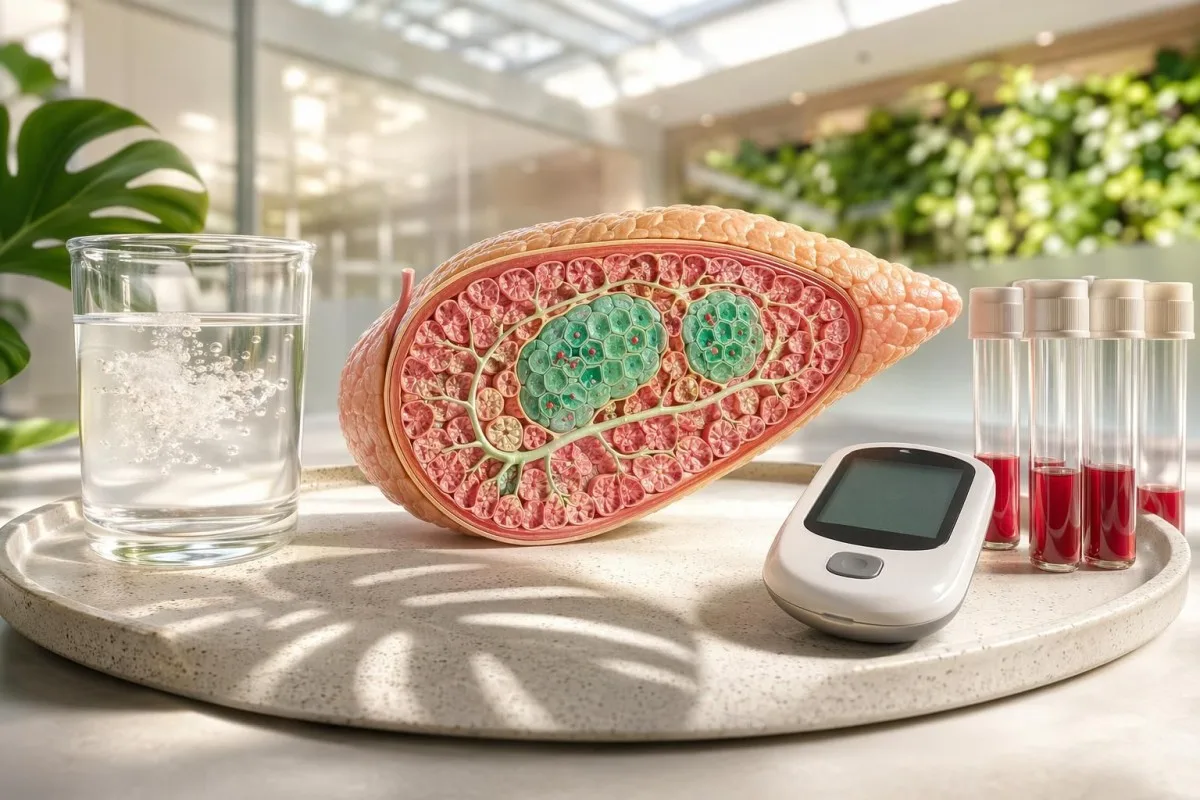
Жирэмсний үеийн сахарууд дахин хэвийн болсон гэж хэлсэн ч цаашид юу болохыг мэдэхийг хүсдэг хүнд зориулсан төрсний дараах практик шинжилгээний гарын авлага.


- 75 г OGTT Жирэмсний үеийн чихрийн шижингийн дараа төрсний дараах 4–12 долоо хоногт хийх нь илүүд үздэг шинжилгээ бөгөөд энэ нь хоосон ходоодны глюкоз орхигдуулж болох 2 цагийн глюкозын асуудлыг илрүүлдэг.
- Чихрийн шижингийн босго үзүүлэлтүүд нь хоосон ходоодны плазмын глюкоз ≥126 мг/дл, 2 цагийн OGTT глюкоз ≥200 мг/дл, HbA1c ≥6.5%, эсвэл шинж тэмдэгтэй үед санамсаргүй глюкоз ≥200 мг/дл байна.
- Урьдчилан чихрийн шижингийн таслалууд нь хоосон ходоодны глюкоз 100–125 мг/дл, 2 цагийн OGTT глюкоз 140–199 мг/дл, эсвэл HbA1c 5.7–6.4% байна.
- Төрсний дараах эхэн үеийн HbA1c Төрсний дараах цус алдалт эсвэл улаан эсийн эргэлт ихэссэнээс болж HbA1c худал бага гарч болох тул 4–12 долоо хоногт OGTT-ийг орлох ёсгүй.
- Жирэмсний үеийн хэвийн глюкоз Төрсний дараа ирээдүйн эрсдэлийг арилгаж чадахгүй; жирэмсний үеийн чихрийн шижин нь ихэвчлэн бета эсийн стресс тест бөгөөд 2-р хэлбэрийн чихрийн шижин үүсэхээс олон жилийн өмнө эмзэг байдлыг илрүүлдэг.
- Дахин шинжилгээ хийх хугацааны интервал Хэрэв төрсний дараах үзлэг хэвийн бол насан туршид 1–3 жил тутамд, харин ямар нэг үр дүн урьдчилсан чихрийн шижингийн (prediabetes) хүрээнд байвал ихэвчлэн жил бүр.
- Дараагийн жирэмслэлтийн өмнө Жирэмслэхээс өмнө эсвэл эхний гурван сарын эхэн үед глюкозын шинжилгээ хийлгэхийг хүс; ялангуяа өмнө нь GDM нь инсулин эсвэл эм шаардсан байсан бол.
- Эрсдэлийн маркерууд Жишээлбэл өлөн үеийн инсулин, триглицерид, HDL, ALT болон шээсний альбумин-креатинины харьцаа нь чихрийн шижинг оношлохгүй боловч зүрх-метаболизмын эрсдэлийг ойролцоогоор тооцоолоход тусалдаг.
Жирэмсний үеийн чихрийн шижингийн дараах чихрийн шижинг оношлох цусны шинжилгээнүүд
Жирэмсний үеийн чихрийн шижингийн дараах чихрийн шижгийг илрүүлэх цусны шинжилгээнүүд нь 75 г 2 цагийн аман глюкозын тэсвэрлэлтийн тест (OGTT), өлөн үеийн плазмын глюкоз, HbA1c, ба санамсаргүй плазмын глюкоз сонгодог шинж тэмдгүүд илэрсэн үед. OGTT нь ихэвчлэн төрсний дараах 4–12 долоо хоногт чихрийн шижингийн хамгийн сайн скрининг шинжилгээ байдаг, учир нь өлөн үеийн глюкоз эсвэл HbA1c хэвийн бус болохоос өмнө 2 цагийн глюкозын зохицуулалт алдагдсаныг илрүүлдэг.
Thomas Klein, MD, би өвчтөнүүдэд “асуулт нь зөвхөн өнөөдрийн тоо өндөр эсэх биш; жирэмслэлтийн дараа нойр булчирхай хангалттай нөөцөө хадгалж чадаж байгаа эсэх” гэж хэлдэг. 94 мг/дл-ийн өлөн үеийн глюкоз тайвшруулж харагдаж болох ч 168 мг/дл-ийн 2 цагийн OGTT утга нь эхний үеийн инсулины хариу удааширч байгааг чимээгүйхэн илтгэнэ.
Жирэмслэлтийн гаднах үед чихрийн шижингийн оношийг өлөн үеийн плазмын глюкозоор тогтооно ≥126 мг/дЛ, 2 цагийн OGTT-ийн глюкоз ≥200 мг/дЛ, HbA1c ≥6.5%, эсвэл шинж тэмдэгтэй үед санамсаргүй плазмын глюкозоор ≥200 мг/дЛ цангах, ойр ойрхон шээх, эсвэл тайлбарлагдахгүй жин буурах зэрэг шинж тэмдгүүдийн хамт. Оношилгоо ба хяналтын шинжилгээнүүдийн ялгааг энгийн хэлээр харьцуулахын тулд манай чихрийн шижингийн шинжилгээний таслалууд Kantesti нь улс орон, хэл, нэгжийн системүүдийн хүрээнд лабораторийн тайлалд төвлөрсөн анагаах ухаан, инженерийн багийн бүтээл юм; та бидний талаар илүү ихийг.
Kantesti нь AI цусны шинжилгээний анализатор бөгөөд тусгаарлагдсан “анхааруулах тэмдэг” мэт биш, харин нэг ижил эмнэлзүйн нөхцөлд төрсний дараах глюкоз, HbA1c, липидүүд болон бөөрний маркеруудыг уншдаг. 2M+-д байршуулсан лабораторийн тайлангуудын бидний дүн шинжилгээнд нэг хэв маяг байнга давтагддаг: хүмүүс жирэмслэлтийн үеийн оношийг санаж байдаг ч 4–12 долоо хоногийн OGTT-ийн үр дүн нь ихэнхдээ урт хугацааны эрүүл мэндийн бүртгэлд ордоггүй.
Жирэмсэн үеийн хэвийн глюкоз ирээдүйн эрсдэлийг яагаад “арилгаж” чаддаггүй вэ
Төрсний дараа глюкоз хэвийн болох нь ирээдүйн чихрийн шижингийн эрсдэлийг “дахин тохируулдаггүй”, учир нь жирэмсний үеийн чихрийн шижин нь ихэвчлэн жирэмсний стрессийн үед бета-эсийн нөөц хязгаарлагдсаныг илэрхийлдэг. Төрөлт нь ихэсийн дааврыг арилгадаг боловч инсулины эсэргүүцлийг заавал засч залруулна гэсэн үг биш; мөн удамшлын эрсдэл, өөхөн элэг үүсэх хандлага, эсвэл нойр булчирхайн бета-эсийн эмзэг байдлыг заавал нөхөн сэргээдэггүй.
Ихэс нь инсулины эсэргүүцлийг нэмэгдүүлэх даавруудыг үүсгэдэг бөгөөд ихэнхдээ 24–28 долоо хоногийн дараа хамгийн тод ажиглагддаг. Төрсний дараа глюкоз хэвийн болох нь стресс үүсгэгч арилсан гэсэн үг; инсулин үүсгэдэг эсүүд хязгааргүй нөөцтэй гэсэн баталгаа биш.
Bellamy болон бусад The Lancet сэтгүүлд өмнөх жирэмсний үеийн чихрийн шижинтэй эмэгтэйчүүдэд 7 дахин өндөр эрсдэл GDM-гүй хүмүүстэй харьцуулахад хожуу 2-р хэлбэрийн чихрийн шижин үүсэх (Bellamy et al., 2009). Өдөр тутмын практикт би эрсдэлийн бөөгнөрөл нь бүсэлхийн тойргийн өсөлт, триглицерид 150 мг/дл, өндөр байх, HDL бага байх, гэр бүлийн түүх, PCOS болон төрсний дараах эхний хоёр жилд нойр алдагдахтай хамт илүү ихээр харагддаг.
HbA1c хэвийн байх нь 5.3% Төрснөөс хойш зургаан сарын дараа ч эрт үеийн инсулины эсэргүүцэлтэй зэрэгцэн оршиж болно. Хэрэв та бодисын солилцооны гүнзгий дүр зургийг хүсвэл манай инсулины эсэргүүцлийн шинжилгээтэй харьцуул. нь A1C нь предиабетын шугамыг давахын өмнө өлөн үеийн инсулин ба глюкоз хэрхэн хэлбэлзэж болохыг тайлбарладаг.
Төрсний дараах чихрийн шижингийн шинжилгээг хэзээ хийх ёстой вэ
Төрсний дараах үеийн чихрийн шижингийн үзлэгийг төрснөөс хойш 4–12 долоо хоногийн дараа хийх ёстой, боломжтой бол 75 г 2 цагийн OGTT-ээр. Хэрэв энэ хугацааг алдсан бол хамгийн сайн цаг нь одоо; хэрэв жирэмслэлт 6 сар эсвэл 6 жилийн өмнө байсан бол дараагийн жил тутмын үзлэгийг хүлээхгүй байхыг зөвлөе.
Америкийн Чихрийн Шижингийн Нийгэмлэг (American Diabetes Association) нь төрсний дараах 4–12 долоо хоногт 75 г OGTT хийх, мөн гестационы үеийн чихрийн шижинтэй байсан тохиолдолд насан туршид 1-3 жил бүртгэлтэй үзлэг хийхийг зөвлөдөг (American Diabetes Association Professional Practice Committee, 2024). Мөн ACOG нь энэ эрт үеийн цонхонд төрсний дараах үзлэгийг дэмждэг бөгөөд олон эх барихын эмнэлгүүд одоо 6 долоо хоногийн үзлэгээс өмнө захиалахыг хичээдэг тул мартагдахгүй (ACOG, 2018).
Хөхөөр хооллох, нойрны хуваагдал, төрсний дараах жингийн өөрчлөлтүүд бүгд өдөр өдрөөр глюкозыг өөрчилж болох ч эдгээр нь шинжилгээг алгасах шалтгаан биш. Ихэнх өвчтөнүүд хөхөөр хооллож байхдаа OGTT өгч чадна; бодит асуудал нь ихэвчлэн 2 цагийн лабораторийн хүлээлтийн үеийн хүүхэд асаргаа байдаг, биологи биш.
Хэрэв төрсний дараа цус багадалт, бамбай булчирхайн үйл ажиллагаа, элэгний ферментүүд эсвэл бөөрний маркеруудыг мөн шалгах шаардлагатай бол манай төрсний дараах лабораторийн шалгах хуудас нь глюкозын үзлэгтэй хамт ихэвчлэн ямар шинжилгээнүүд хослон хийгддэгийг дэлгэрэнгүй жагсаадаг. Нэг удаагийн цаг авахад олон төрлийн төрсний дараах асуудлыг хамарч чаддаг.
75 г аман глюкозын тэсвэржилтийн сорил (OGTT)-ыг хэрхэн тайлбарладаг вэ
The жирэмсний дараах үеийн аман глюкозын тэсвэрлэлтийн тест нь 75 г глюкоз уусны дараах өлөн үеийн глюкоз болон 2 цагийн глюкозыг хэмждэг. 2 цагийн үзүүлэлт ≥200 мг/дЛ нь чихрийн шижинг оношилдог бол 140-199 mg/dL нь өлөн үеийн глюкоз хэвийн байсан ч глюкозын тэсвэржилт алдагдсаныг оношилно.
Тест ажилладаг шалтгаан нь инсулины системийг амарч байхад нь ажиглахын оронд сорьж шалгадагтай холбоотой. Миний туршлагаар өмнө нь GDM-тэй байсан хүмүүс ихэвчлэн өлөн үеийн хэсгийг давдаг ч 2 цагийн хэсэгт унадаг; энэ хэв маяг нь хоолны дараах инсулины ялгаралт хожуу явагддагийг илтгэнэ.
Хамгийн багадаа 3 хоногийн турш хэвийн хооллолттой,, ердийн хооллолтоор бэлтгэ, боломжтой бол өдөрт 150 г нүүрс ус оруулах хэрэгтэй, хэрэв таны эмч өөрөөр хэлээгүй бол. OGTT-оос өмнө маш бага нүүрсустөрөгчтэй хооллолт хийх нь глюкозын өсөлтийг хэтрүүлж, тайлбарыг будлиантай болгоно; манай мацаг барих дүрэм гарын авлага нь ус, кофе болон цагийн нарийвчилсан мэдээллийг хамардаг.
2 цагийн хүлээлтийн үед хүнд дасгал хийхгүй, бөөлжсөн эсвэл уух ундаагаа дуусгаж чадахгүй бол лабораторид мэдэгдээрэй. Процедурыг зөв гүйцэтгээгүй бол үр дүнг давтан хийх эсвэл өөр оношлогооны шинжилгээгээр солих шаардлагатай.
Хоосон ходоодны глюкоз юу илрүүлж, юу илрүүлж чадахгүй вэ
Өлөн үеийн плазмын глюкоз нь өлөн үеийн үзүүлэлт нь ≥126 мг/дЛ, байхад чихрийн шижинг илрүүлдэг, гэхдээ жирэмсний үеийн чихрийн шижин (gestational diabetes)-ийн дараах ганц удаагийн хоолны дараах глюкозын үл тэвчих байдлыг алдаж болно. Энэ нь хэрэглэхэд хялбар, хямд, давтагдах боломжтой; харин төрсний дараах OGTT-ийг орлохдоо хэтэрхий бүдүүлэг.
Хоолгүй (мацаг барьсан) үеийн глюкоз 100-125 мг/дЛ нь ADA-ийн шалгуураар урьдчилан чихрийн шижин (prediabetes) байна, харин <100 мг/дл нь АНУ-д ерөнхийдөө хэвийн гэж үздэг. Зарим олон улсын системүүд 110 мг/дл-ээс дээш байвал -ийг өлөн үеийн глюкозын буурсан (impaired-fasting) доод босго гэж ашигладаг бөгөөд энэ нь өвчтөнүүд улс орон солих үед төөрөгдөх нэг шалтгаан болдог.
Эмнэлзүйн занга нь өлөн үеийн глюкоз 88-96 мг/дл байх бөгөөд 2 цагийн OGTT нь 155-185 мг/дл байх явдал юм. Хэрэв зөвхөн өлөн үеийн глюкозын шинжилгээ хийсэн бол тэр хүнд бүх зүйл хэвийн гэж хэлж болох ч хоолны үеийн глюкозын биологи нь аль хэдийн хэвийн бус болсон байж болно.
Өглөөний глюкоз нь нойрны өр (sleep debt), шөнө орой хооллох, кортикостероидууд, халдвар, мөн “өглөөний үүрийн үзэгдэл” (dawn phenomenon)-д нөлөөлдөг. Манай мацаг барьсан сахарын удирдамж нь ганцхан өглөөний үр дүнг өмнөх оройн байдал болон нойрны чанарыг харгалзан тайлбарлах ёстойг тайлбарладаг.
HbA1c нь тохиромжтой боловч төрсний дараа яагаад төгс биш вэ
HbA1c нь чихрийн шижингийг ≥6.5%, үед илрүүлдэг, гэхдээ төрсний дараах эхний 4-12 долоо хоногт цус алдалт болон улаан эсийн эргэлт өөрчлөгдөх нь үр дүнг гажуудуулж болзошгүй тул найдвартай байдал нь бага байдаг. HbA1c нь дараа нь, ялангуяа урт хугацааны хяналтад хэрэгтэй, гэхдээ төрсний дараах анхны OGTT-ийг орлож болохгүй.
HbA1c нь ойролцоогоор 8-12 долоо хоногийн дараа дахин шалгана., хамгийн сүүлийн сар руу илүү хандсан. Төрсний дараа цус багадалт, сэлбэлт (трансфузи), төмрийн дутагдал эсвэл улаан эсийн хурдан солилцоо нь тухайн үеийн жинхэнэ глюкозын түүхээс утгыг хазайлгаж болно.
Төмрийн дутагдал зарим өвчтөнд HbA1c-ийг худал өндөрсгөж болдог бол, харин саяхан болсон цус алдалт түүнийг худал бууруулж болно. Энэ бол тооноос илүү нөхцөл чухал байдаг нэг хэсэг; төрсний дараах HbA1c нь 5.6% байвал ферритин нь 8 нг/мл бөгөөд OGTT хийгдээгүй бол тийм ч тайвшруулахгүй байж магадгүй.
Хэрэв таны A1c хурууны үзүүрийн хэмжилт эсвэл шинж тэмдгүүдтэй нийцэхгүй байвал уг утгыг нүүрэн дээр нь шууд хүлээн зөвшөөрөхөөс өмнө манай A1c-ийн нарийвчлал гарын авлагыг уншаарай. Төрсний дараах түүх зөрчилтэй мэт санагдах үед би ихэвчлэн HbA1c-ийг өлөн үеийн глюкоз, CBC болон ферритинтэй хамт хослуулж үздэг.
Санамсаргүй глюкоз эсвэл шинж тэмдэг илэрвэл хэзээ яаралтай арга хэмжээ авах хэрэгтэй вэ
Санамсаргүй плазмын глюкоз нь ≥200 мг/дЛ бөгөөд шинж тэмдэг илэрч байвал чихрийн шижинг илрүүлнэ. Жирэмсний үеийн чихрийн шижин (GDM)-ийн дараа бөөлжих, шингэн алдалт, хурдан жин хасах, кетон, бүдэг хараа эсвэл ер бусын ядаргаа дагалдсан өндөр глюкозын үед яаралтай дахин үнэлгээ шаардлагатай.
GDM-ийн дараах ихэнх чихрийн шижин нь 2-р хэлбэр байдаг, гэхдээ төрсний дараах аутоиммун чихрийн шижин хааяа тохиолдож болно; ялангуяа жин хурдан буурч, кетон илэрч байвал. Би өвчтөнийг глюкоз нь 280 мг/дл байсан ч зүгээр л шинэ төрсөн эцэг эхийн ядарсан гэж үзүүлж байсныг харсан бөгөөд тэд аль хэдийн кетозтой байсан.
Санамсаргүй глюкоз нь 140-199 mg/dL өөрөө оношлохгүй, гэхдээ цаг хугацаа болон шинж тэмдгээс хамааран өлөн үеийн глюкоз, HbA1c эсвэл OGTT-ийг хийхэд хүргэх ёстой. Санамсаргүй утга нь 300 мг/дл, -аас дээш байвал, ялангуяа хэвлийн өвдөлт эсвэл амьсгалахад хүндрэлтэй байвал, нэг өдрийн дотор эмнэлгийн тусламж гэж үзэн яаралтай арга хэмжээ авах хэрэгтэй.
Нэг удаагийн өндөр утга нь өвчин, стероид эсвэл маш их нүүрс ус агуулсан хоолны дараа тохиолдож болох ч хэв шинж нь чухал. Гэнэтийн өндөр глюкозын тухай манай гарын авлага нь эмч нар стрессийн гипергликемийг эрт үеийн чихрийн шижингээс хэрхэн ялгаж салгадагийг тайлбарладаг.
Чихрийн шижин хараахан илрээгүй байхад эрсдэлийг харуулдаг цусны маркерууд
Өлөн үеийн инсулин, C-пептид, триглицерид, HDL, ALT болон шээсний альбумин-креатинины харьцаа нь чихрийн шижинг оношлохгүй, гэхдээ жирэмсний үеийн чихрийн шижингийн дараах бодисын солилцооны эрсдэлийг харуулахад тусалдаг. Эдгээр маркерууд нь глюкоз техникийн хувьд хэвийн хэвээр байх үед ч инсулины эсэргүүцэл, өөхөн элэг үүсэх хандлага эсвэл бөөрний эрт үеийн стрессийг илрүүлж чадна.
Өлөн үеийн инсулин ойролцоогоор 15-20 µIU/mL-ээс дээш инсулины эсэргүүцэл байж болзошгүйг илтгэж болох ч лабораторийн аргачлалууд өөр өөр байдаг бөгөөд бүх нийтийн оношлох нэгдсэн босго байхгүй. HOMA-IR нь өлөн үеийн инсулин болон өлөн үеийн глюкозыг ашигладаг; түвшин нь 2.0-2.5 ихэвчлэн насанд хүрэгчдэд сэжиг төрүүлдэг боловч угсаатны онцлог, BMI болон шинжилгээний арга сонголт нь тайлбарыг өөрчилдөг.
Триглицерид нь 150 мг/дл ба HDL нь 50 мг/дл-ээс дээш утгууд эмэгтэйчүүдэд ихэвчлэн инсулины эсэргүүцэлтэй хамт илэрдэг. ALT нь ойролцоогоор 25-30 IU/L өмнө нь GDM-тэй байсан эмэгтэйд лабораторийн “хэвийн” гэж тэмдэглэсэн хэвээр байсан ч өөхөн элэгний эрт үеийн дохио байж болно.
Kantesti нь AI биомаркерын тайлбарлах платформ бөгөөд жирэмсний үеийн чихрийн шижин (gestational diabetes)-ийн дараах хэвийн A1c-ийг “эрсдэлийн маркерын асуулт” гэж авч үздэг, үүрд “ногоон гэрэл” биш. Хэрэв та өөрийн тоонуудаас инсулины эсэргүүцлийг тооцоолохыг хүсвэл HOMA-IR тооцоололтой гарын авлага нь томьёо болон түүний хязгаарлалтуудыг харуулна.
Төрсний дараах шинжилгээ хэвийн гарсан бол хэр олон удаа дахин шинжилгээ өгөх вэ
Хэрэв жирэмсний үеийн чихрийн шижин (gestational diabetes)-ийн дараах үзлэг хэвийн гарвал, давтан шинжилгээг 1-3 жил тутамд хийнэ. Жин нэмэгдэх, предиабет илрэх, өөр жирэмслэлт төлөвлөгдөх, эсвэл стероид, антипсихотик зэрэг эмүүд глюкозын эрсдэлийг нэмэгдүүлэх тохиолдолд эрт, ихэвчлэн жил бүр давтан хийнэ.
ADA-ийн зөвлөмж нь насан туршид 1-3 жил тутамд давтан шинжилгээ хийхийг шаарддаг, учир нь чихрийн шижингийн эрсдэл зөвхөн эхний жирэмсний дараах жилд биш, цаг хугацааны явцад нэмэгддэг. Миний клиникт би ихэвчлэн 1 жилийн зайг предиабеттай, инсулинаар эмчилсэн GDM-тэй, BMI 30-аас дээш, гэр бүлийн хүчтэй түүхтэй эсвэл PCOS-той хүнд сонгодог.
2026 онд гарсан хэвийн шинжилгээ нь бас хэрэгтэй, учир нь энэ нь таны суурь (baseline) болно. Өлөн үеийн глюкоз 82-оос 96 мг/дл хүртэл 3 жилийн хугацаанд өөрчлөгдөх нь нэг удаагийн “анхааруулсан” үр дүнгээс илүү ач холбогдолтой байж магадгүй, ялангуяа триглицерид болон бүсэлхийн тойрог мөн зэрэг нэмэгдэж байвал.
Kantesti AI нь глюкоз, HbA1c, триглицерид болон ALT-ийг цаг хугацааны явцад графикаар харуулж чадна; ингэснээр жижиг өөрчлөлтүүд нь томоор мэдэгдэхээс өмнө харагдана. Манай хандлагын шинжилгээ нийтлэл нь налуу (slope) болон бөөгнөрөл (clustering) нь ганц лабораторийн дохионоос илүү олонтаа чухал байдгийг тайлбарладаг.
Эмчээсээ юу захиалуулах талаар асуух зүйлс
Дараахыг хүс: 75 г 2 цагийн OGTT төрсний дараах 4–12 долоо хоногт, эсвэл OGTT хийх боломжгүй бол өлөн үеийн плазмын глюкоз плюс HbA1c. Урт хугацааны эрсдэлийн хувьд глюкозын үзүүлэлтүүдтэйгээ хамт липид, ALT, креатинин, eGFR болон шээсний альбумин-креатинины харьцааг шалгах хэрэгтэй эсэхийг асуу.
Төрсний дараах эхний энгийн захиалга ихэвчлэн ингэж уншигддаг: өлөн үеийн глюкоз, 75 г 2 цагийн глюкоз, HbA1c, хэрэв их хэмжээний төрөх үеийн цус алдалт байсан бол CBC, цус багадалт сэжиглэгдсэн бол ферритин, зүрх-метаболизмын эрсдэл өндөр бол липидийн профайл ба CMP. Бүх өвчтөнд бүх шинжилгээ хэрэггүй, гэхдээ захиалга нь жирэмсний түүхтэйгээ таарах ёстой.
Хэрэв жирэмсний үед өлөн үеийн гипергликеми байсан эсвэл инсулин хэрэгтэй байсан бол би эрт хяналтыг илүү түрэмгий хийх байсан. Хэрэв таны GDM хөнгөн бөгөөд хоолны дэглэмээр хянагдсан бол OGTT нь мөн чухал хэвээр, гэхдээ урт хугацааны давтамж нь ойролцоогоор 2-3 жил тутам бүх үр дүн хэвийн байх үед л гэсэн хэмнэлтэй байж магадгүй.
Маркер бүр яг юу хэмждэгийг ойлгохыг хүсдэг уншигчдад зориулж манай биомаркерийн гарын авчим нь мянга мянган лабораторийн маркер болон нийтлэг нэгжийн ялгааг хамардаг. Ялангуяа нэг лаборатори глюкозыг mg/dL-ээр, нөгөө нь mmol/L-ээр мэдээлэх үед энэ нь их хэрэгтэй.
Хил хязгаарын эсвэл зөрүүтэй үр дүнтэй эмч нар юу хийдэг вэ
Хил хязгаарын эсвэл зөрүүтэй чихрийн шижингийн үр дүнг ихэвчлэн давтан хийх эсвэл өөр оношлогооны шинжилгээгээр баталгаажуулах шаардлагатай. Өлөн үеийн глюкоз 124 mg/dL, HbA1c 6.4%, эсвэл 2 цагийн OGTT 198 mg/dL гэдэг нь үл тоомсорлох зүйл биш; энэ бол босго орчимд байгаа үр дүн бөгөөд төлөвлөгөө шаарддаг.
Сонгодог шинж тэмдэггүй үед ихэнх эмч нар чихрийн шижгийг давтан гарсан хэвийн бус үр дүнгээр баталгаажуулдаг. Хоёр өөр шинжилгээ зөрвөл оношлогооны босгоос дээгүүр гарсан шинжилгээг ихэвчлэн давтан хийдэг бөгөөд өвчтөний нөхцөл байдал энэ үйл явц хэр хурдан болохыг шийддэг.
Thomas Klein, MD, практик дүрэм: “хил хязгаар” гэдэг үг үр дүнг хоргүй мэт мэдрүүлэхийг бүү зөвшөөр. Өмнөх GDM-тэй байсан тохиолдолд 2 цагийн OGTT 196 mg/dL нь өлөн үеийн глюкоз 101 мг/дл, -аас илүү ирээдүйн эрсдэл дагуулдаг нь элбэг, хоёуланг нь prediabetes гэж ангилж болох ч.
Манай гарын авлага prediabetes-ийн босго үзүүлэлтүүд нь өлөн үеийн глюкоз, A1c болон OGTT нь өөр өөр биологийн асуудлуудыг хэрхэн тодорхойлдгийг тайлбарладаг. Би ихэвчлэн GDM-ийн дараах prediabetes-ийг “хүлээлгийн өрөө” гэхээсээ илүү “эмчилгээний цонх” гэж хүрээлж ойлгуулдаг.
Тусгай нөхцөлүүд: хөхүүл, цус багадалт, PCOS ба эмүүд
Хөхөөр хооллох, цус багадалт, PCOS, GLP-1 эмүүд, стероидууд болон бамбай булчирхайн өвчин нь төрсний дараах үеийн чихрийн шижингийн лабораторийн шинжилгээг хэрхэн тайлбарлахыг өөрчилж болно. Глюкозын хязгаарууд хэвээрээ байдаг ч HbA1c, өлөн үеийн глюкоз эсвэл инсулины түвшинд тавих итгэлцэл мэдэгдэхүйц өөрчлөгдөж магадгүй.
Хөхөөр хооллолт нь ихэвчлэн глюкозын солилцоог сайжруулж, ирээдүйн 2-р хэлбэрийн чихрийн шижингийн эрсдэлийг бууруулж болох ч шинжилгээ хийх шаардлагыг үгүйсгэхгүй. Хэрэв та төрсний дараах үед инсулин эсвэл сульфонилмочевин ууж байгаа бол удаан үргэлжилсэн хөхүүлэлт эсвэл хоол алгасах үед гипогликемийн эрсдэлийн талаар эмчээсээ асуугаарай.
PCOS нь тусдаа инсулин тэсвэржилтийн зам нэмдэг бөгөөд өмнөх GDM + PCOS нь миний нэмэлт анхаарал хандуулдаг хослолуудын нэг. Манай PCOS лабораторийн хэв шинжүүд тайлбар нь глюкоз хараахан оношлох түвшинд хүрээгүй байсан ч өлөн үеийн инсулин, липидүүд болон андрогенүүд яагаад чухал байж болохыг өгүүлдэг.
Стероидын тарилга, өндөр тунтай преднизон, зарим антипсихотик эмүүд болон хүнд хэлбэрийн нойр дутуу байх нь глюкозыг түр хугацаанд өсгөж болно. Төрсний дараах нойрны яг ямар босгоос хамаарч нөлөөлдөг тухай нотолгоо үнэнчээр хэлэхэд холимог байдаг, гэхдээ нойр нь доорхи хэмжээнээс хуваагдмал байвал өлөн үеийн үзүүлэлтүүд муудахыг би хардаг. 5-6 цаг хэдэн долоо хоногийн турш.
Kantesti төрсний дараах чихрийн шижингийн лабораторийн шинжилгээг хэрхэн аюулгүй уншдаг вэ
Kantesti нь глюкозын босго түвшинг цаг хугацаатай нь, жирэмсний түүх, цус багадалтын шинж тэмдгүүд, липидийн хэв шинжүүд болон бөөрний маркеруудтай хавсран төрсний дараах үеийн чихрийн шижингийн лабораторийн шинжилгээг уншдаг. Зорилго нь таны эмчийг орлох биш; таны уулзалтын өмнө эрсдэлийн хэв маягийг илүү тодорхой болгох юм.
Kantesti нь 2M+ хүмүүсийн 127 улс дахь хэрэглэдэг, цусны шинжилгээний PDF эсвэл зураг дээрх тайлбарыг ойролцоогоор 60 секундын дотор. хийдэг AI-д суурилсан цусны шинжилгээний анализын хэрэгсэл юм. Төрсний дараах үеийн чихрийн шижингийн скринингийн хувьд манай нейрал сүлжээ триглицерид, HDL, ALT болон шээсний ACR зэрэг эрсдэлийн контекст маркеруудаас оношлох глюкозын шалгуурыг тусгаарладаг.
Ердийн нэг оруулалт нь HbA1c 5.5%, өлөн үеийн глюкоз 92 мг/дл, ферритин 10 нг/мл-ээс доогуур болон OGTT байхгүйг харуулж магадгүй. Kantesti AI нь эдгээр тоонуудаас чихрийн шижин оношлохгүй, гэхдээ төрсний дараах эхэн үеийн A1c найдваргүй байж болох бөгөөд зөвлөмж болгосон OGTT дутуу байгааг анхааруулах ёстой.
Манай аргачлалууд нийтлэгдсэн клиникийн стандартууд болон дотоод эмчийн хяналттай нийцсэн; уншигчид манай эмнэлзүйн баталгаажуулалтын стандартуудтай болон урьдчилан бүртгэгдсэн AI-ийн жишиг үнэлгээ. .-г харж болно. Хэрэв та утга бичихийн оронд скан оруулж байгаа бол PDF байршуулах ажлын урсгалаар тайланг хэрхэн уншиж, шалгадаг талаар тайлбарладаг.
2026 болон түүнээс хойшхи дахин шинжилгээний практик төлөвлөгөө
2026 оны 5-р сарын 26-ны байдлаар жирэмсний үеийн чихрийн шижингийн дараах хамгийн аюулгүй төлөвлөгөө нь 4-12 долоо хоногийн үед OGTT хийх, 1-3 жил тутам давтан скрининг хийх, мөн дараагийн жирэмслэлтээс өмнө эрт шинжилгээ өгөх юм. Хэрэв ямар нэг үр дүн нь предиабетын хүрээнд байвал үүнийг хөнгөн лабораторийн сониуч зүйл мэт биш, идэвхтэй урьдчилан сэргийлэх боломжийн цонх гэж эмчил.
Миний ердийн хэллэг энгийн: төрсний дараах эхний OGTT-г авч, үр дүнг нь хадгалаад, амьдрал завгүй болохоос өмнө дараагийн глюкозын шалгалтыг календарь дээр тавь. Хэрэв таны 2 цагийн OGTT 140-199 mg/dL, байвал, болгоомжтой байх тухай бүдэг сануулгаас илүү тодорхой хяналтын интервал, хоол тэжээлийн төлөвлөгөө, дасгалын зорилтыг асуугаарай.
Хэрэв таны чихрийн шижингийн скрининг хэвийн бол ирээдүйн бүх эмч нарт та GDM-тэй байсан гэдгийг хэлээрэй. Энэ нэг мөр нь миний өлөн үеийн глюкозыг унших арга, 103 мг/дл, триглицеридын түвшин 180 мг/дл, эсвэл HbA1c нь … гэж аажмаар нэмэгдэхийг уншихад нөлөөлдөг. 5.2%-ээс 5.6% хүртэл хэдэн жилийн турш.
Kantesti Ltd нь Их Британийн эрүүл мэндийн технологийн компани бөгөөд манай эмч нар манай эмнэлгийн зөвлөх зөвлөл болон доор тайлбарласан эмнэлзүйн удирдлага, засаглалын үйл явцаар дамжуулан эрүүл мэндийн агуулгыг хянаж үздэг. Бидний тухай. Гол санаа: зөв шинжилгээнүүд нь төвөгтэй биш боловч ихэнх хүнд хэлснээс илүүтэйгээр хугацаа, тайлбар нь илүү чухал байдаг.
Холбогдох Kantesti судалгааны хэвлэлүүд
Төрсний дараах үеийн чихрийн шижингийн илрүүлэг нь ихэвчлэн CBC, төмрийн байдал, бөөрний үзүүлэлтүүд зэрэг багтсан илүү өргөн хүрээний лабораторийн үнэлгээний дотор оршдог. Доор жагсаасан Kantesti DOI хэвлэлүүд нь улаан эсийн индексүүд болон бөөрний үйл ажиллагааны харьцаа зэрэг HbA1c-ийн итгэлцэл эсвэл урт хугацааны бодисын солилцооны эрсдэлийн үнэлгээнд нөлөөлж болох ойролцоо цусны шинжилгээний тайлбарлах аргуудыг дэмждэг.
Байнга асуудаг асуултууд
Жирэмсний үеийн чихрийн шижин өвчний дараа чихрийн шижинг илрүүлэх ямар цусны шинжилгээнүүд байдаг вэ?
Жирэмсний үеийн чихрийн шижин өвчний дараах чихрийн шижинг илрүүлэх цусны шинжилгээнд 75 г 2 цагийн аман глюкозын тэсвэрлэлтийн тест, өлөн үеийн плазмын глюкоз, HbA1c болон шинж тэмдэг илэрсэн үед санамсаргүй плазмын глюкоз орно. Чихрийн шижин нь өлөн үеийн глюкоз ≥126 мг/дл, 2 цагийн OGTT глюкоз ≥200 мг/дл, HbA1c ≥6.5%, эсвэл сонгодог шинж тэмдэгтэй үед санамсаргүй глюкоз ≥200 мг/дл гэсэн шалгуураар оношлогдоно. OGTT нь өлөн үеийн глюкоз хэвийн байсан ч 2 цагийн глюкозын зохицуулалт алдагдсаныг илрүүлж чаддаг тул төрсний дараах 4–12 долоо хоногт илүүд үздэг.
Жирэмсний дараах аман глюкозын тэсвэрлэлтийн сорил нь HbA1c-ээс илүү юу?
Тийм ээ, жирэмслэлтээс хойшхи амны хөндийн глюкозын тэсвэрлэлтийн тест нь ихэвчлэн 4–12 долоо хоногийн анхны төрсний дараах үзлэгт HbA1c-ээс илүү сайн байдаг. HbA1c нь төрөлтийн үеийн цус алдалт, цус багадалт, цус сэлбэлт эсвэл улаан эсийн хурдан солилцоо зэргээс шалтгаалан гажуудсан байж болно, харин OGTT нь 75 г глюкозын сорилын дараах глюкозын боловсруулалтыг шууд хэмждэг. HbA1c нь хожуу үед урт хугацааны үзлэг, чиг хандлагын хяналт хийхэд илүү хэрэгтэй болдог.
GDM-ийн дараах жирэмсний үеийн чихрийн шижин (GDM) илрүүлэлтийг төрсний дараа хэзээ хийх ёстой вэ?
Жирэмсний үеийн чихрийн шижинтэй байсан бол төрсний дараах чихрийн шижингийн үзлэгийг төрснөөс хойш 4–12 долоо хоногийн дараа хийх ёстой бөгөөд боломжтой бол 75 г-ын 2 цагийн OGTT (амаар глюкозын ачааллын сорил)-оор хийнэ. Хэрэв энэ хугацааг алдсан бол шинж тэмдэг хүлээлгүйгээр аль болох ойрын үед шинжилгээг хийх хэрэгтэй. Төрсний дараах үр дүн хэвийн гарвал насан туршид 1–3 жил тутамд чихрийн шижингийн дахин үзлэг хийнэ.
Жирэмсний үеийн чихрийн шижинтэй байсан ч HbA1c хэвийн байж болох уу, харин OGTT хэвийн бус байж болох уу?
Тийм ээ, жирэмсний үеийн чихрийн шижин өвчний дараа OGTT хэвийн бус байхад HbA1c хэвийн байж болно. Тухайн хүн HbA1c 5.3%, өлөн үеийн глюкоз 92 мг/дл байж болох ч 2 цагийн OGTT-ийн үзүүлэлт 160 мг/дл байх бөгөөд энэ нь глюкозын тэсвэржилт буурсан (impaired glucose tolerance) гэсэн үг. Учир нь HbA1c нь дундаж глюкозыг илэрхийлдэг бол OGTT нь глюкозын ачааллын дараах инсулины хариу урвалыг шалгадаг.
Жирэмсний үеийн чихрийн шижин өвчний дараах предиабетийн үр дүн юу гэсэн үг вэ?
Жирэмсний үеийн чихрийн шижин (GDM)-ийн дараах предиабет нь өлөн үеийн плазмын глюкоз 100–125 мг/дл, 2 цагийн OGTT глюкоз 140–199 мг/дл, эсвэл HbA1c 5.7–6.4%-ээр тодорхойлогдоно. 2 цагийн OGTT-ийн эмгэг нь ялангуяа GDM-ийн дараа түгээмэл тохиолддог бөгөөд зөвхөн өлөн үеийн глюкоз захиалсан бол анзаарагдахгүй байж болно. Предиабет нь ихэвчлэн жил бүрийн хяналт, мөн бүтэцтэй урьдчилан сэргийлэх төлөвлөгөөг хэрэгжүүлэхэд хүргэх ёстой.
Хэр олон удаа төрсний дараах үзлэгийн хариу хэвийн гарсан тохиолдолд дахин шинжилгээ өгөх ёстой вэ?
Хэрэв жирэмсний үеийн чихрийн шижинтэй байсан бол төрсний дараах чихрийн шижингийн шинжилгээ хэвийн гарсны дараа насан туршид 1–3 жил тутамд дахин шинжилнэ. Хэрэв та инсулинаар эмчилсэн GDM, урьдчилсан чихрийн шижин, PCOS, BMI 30-аас дээш, гэр бүлийн хүчтэй түүхтэй, эсвэл триглицерид нэмэгдэж байгаа бол олон эмч жил бүр шинжилгээ хийхийг сонгодог. Мөн өөр жирэмслэлтээс өмнө эсвэл эхний гурван сарын эхэнд дахин шинжилгээг хийх хэрэгтэй.
Хөхөөр хооллох нь чихрийн шижингийн цусны шинжилгээний хариуг өөрчилдөг үү?
Хөхөөр хооллох нь глюкозын солилцоог сайжруулж, ирээдүйн 2-р хэлбэрийн чихрийн шижингийн эрсдэлийг бууруулж болох ч төрсний дараах үеийн чихрийн шижингийн үзлэг хийх шаардлагыг арилгахгүй. Өлөн үеийн глюкоз, OGTT болон HbA1c-ийн оношлох босго үзүүлэлтүүд хэн нэгэн хөхөөр хооллож байгаа эсэхээс үл хамааран өөрчлөгдөхгүй. Хэрэв төрсний дараах үед чихрийн шижингийн эмүүд хэрэглэвэл эмч нар урт хугацааны хооллолт эсвэл хоол алдсан үед гипогликеми үүсэх эрсдэлийг бууруулахын тулд тун эсвэл хэрэглэх хугацааг тохируулж болно.
Жирэмсэмтлийн дараах глюкозын тэсвэрлэх чадварыг шалгахын оронд би тасралтгүй глюкозын хянагч ашиглаж болох уу?
Үгүй. Тасралтгүй глюкозын хянагч нь өдөр тутмын глюкозын хэв шинжийг харуулж чаддаг боловч жирэмсэмтлийн чихрийн шижинг оношлохын тулд лабораторийн өлсөх үеийн глюкоз, HbA1c эсвэл 75 г OGTT-г орлохгүй. Таны эмч амьдралын хэв маяг эсвэл эмчилгээний шийдвэрийг дэмжих зорилгоор үүнийг дараа нь ашиглаж болно.
Жирэмсний үеийн чихрийн шижинтэй байсан болохоор миний хүүхдэд чихрийн шижингийн шинжилгээ хэрэгтэй юу?
Нярайн глюкозыг эмнэлэгт шалгаж болох бөгөөд ялангуяа жирэмсний үед инсулин эсвэл эм хэрэглэсэн бол шалгана. Гэхдээ ихэнх хүүхдүүдэд зөвхөн эхийн жирэмсний үеийн чихрийн шижинтэй байсан учраас цаашид үргэлжлэх чихрийн шижингийн цусны шинжилгээ шаардлагагүй байдаг. Хүүхдийн тогтмол үзлэгийг үргэлжлүүлж, тэнцвэртэй хооллолт, хөдөлгөөн, нойрыг дэмжих гэр бүлийн дадлыг баримтлаарай.
Хэрэв би төрсний дараах OGTT-д зориулсан глюкозын уусмалыг тэсвэрлэж чадахгүй бол яах вэ?
Шинжилгээ өгөхөөс өмнө эмчдээ хэлээрэй. Тэд дотор муухайрахтай холбоотой арга хэмжээгээр дахин товлох, өлөн үеийн глюкоз болон HbA1c-ийг шалгах, эсвэл түр хугацаанд гэрийн эсвэл тасралтгүй глюкозын мэдээллийг ашиглах боломжтой байж болох ч эдгээр хувилбарууд нь оношилгооны OGTT-ийг бүрэн орлож чадахгүй байж болно.
Өнөөдөр AI-аар дэмжигдсэн цусны шинжилгээний тайлал аваарай
Лабораторийн шинжилгээний агшин зуур, үнэн зөв тайлалд итгэдэг дэлхийн 2 сая гаруй хэрэглэгчтэй нэгдээрэй. Цусны шинжилгээний хариугаа байршуулж, 15,000+ биомаркеруудын цогц тайллыг хэдхэн секундын дотор аваарай.
📚 Иш татсан судалгааны нийтлэлүүд
Клейн, Т., Митчелл, С., ба Вебер, Х. (2026). Маргаан голчлон 20–40 ng/mL-ийн “оновчтой” бүсэд, ялангуяа тусгай бүлгүүдэд төвлөрдөг.. Kantesti AI Медикл Рисерч.
Клейн, Т., Митчелл, С., ба Вебер, Х. (2026). BUN/Креатинины харьцааны тайлбар: Бөөрний үйл ажиллагааны шинжилгээний гарын авлага. Kantesti AI Медикл Рисерч.
📖 Гадаад эмнэлгийн лавлагаа
Америкийн Чихрийн Шижингийн Холбоо (ADA) Мэргэжлийн дадлын хорооны зөвлөмж (2024). 2. Чихрийн шижингийн оношлогоо ба ангилал: Чихрийн шижингийн тусламж үйлчилгээний стандарт—2024. Diabetes Care.
⚕️ Эмнэлгийн мэдэгдэл
Энэ нийтлэл зөвхөн боловсролын зорилготой бөгөөд эмнэлгийн зөвлөгөө биш болно. Оношилгоо, эмчилгээний шийдвэр гаргахдаа мэргэшсэн эрүүл мэндийн үйлчилгээ үзүүлэгчтэй заавал зөвлөлдөнө.
E-E-A-T итгэлийн дохио
Туршлага
Эмчийн удирдлагатай лабораторийн тайлалын ажлын урсгалын клиник хяналт.
Мэргэшсэн байдал
Биомаркерууд клиникийн нөхцөлд хэрхэн ажиллаж/өөрчлөгдөж байгаад чиглэсэн лабораторийн анагаах ухаан.
Эрх мэдэл
Доктор Томас Клейн бичсэн, Доктор Сара Митчелл, Проф. Доктор Ханс Вебер нар хянан тохиолдуулсан.
Найдвартай байдал
Сэрэмжлүүлгийг бууруулахын тулд тодорхой дараагийн алхамтай, нотолгоонд суурилсан тайлал.