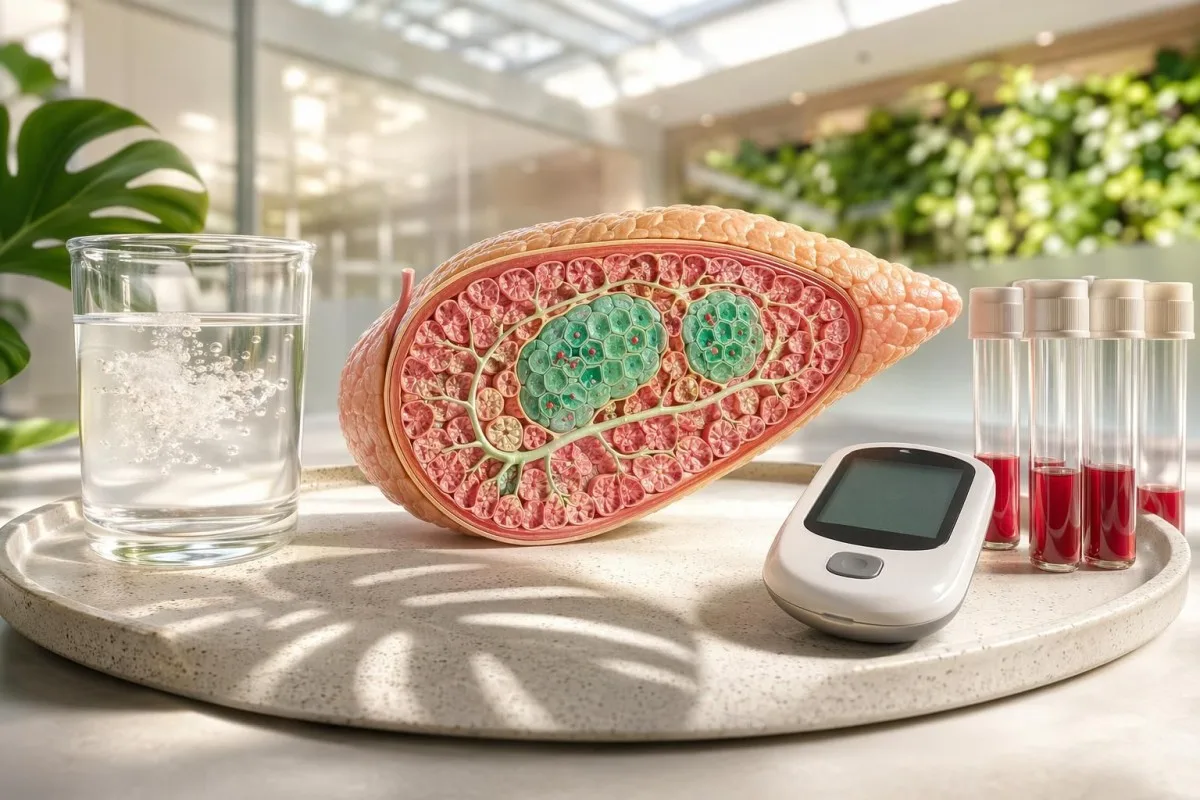
دليل عملي للفحص بعد الولادة لأي شخص قيل له إن سكر الحمل كان طبيعيًا مرة أخرى، لكنه ما زال يريد معرفة ما الذي سيحدث بعد ذلك.


- OGTT بجرعة 75 غرامًا يُعد إجراء الاختبار بعد 4-12 أسبوعًا من الولادة هو الاختبار المفضّل بعد سكري الحمل لأنه يكشف مشكلات سكر بعد ساعتين قد يفوتها سكر الصيام.
- حدود السكري هي: سكر بلازما صائم ≥126 ملغ/دل، أو سكر OGTT بعد ساعتين ≥200 ملغ/دل، أو HbA1c ≥6.5%، أو سكر عشوائي ≥200 ملغ/دل مع وجود أعراض.
- حدود ما قبل السكري هي: سكر صائم 100-125 ملغ/دل، أو سكر OGTT بعد ساعتين 140-199 ملغ/دل، أو HbA1c 5.7-6.4%.
- HbA1c في فترة ما بعد الولادة المبكرة يمكن أن يكون منخفضًا بشكل غير صحيح بعد الولادة بسبب فقدان الدم أو ارتفاع معدل دوران كريات الدم الحمراء، لذلك لا ينبغي أن يحل محل OGTT بعد 4-12 أسبوعًا.
- سكر الحمل الطبيعي بعد الولادة لا يُلغي الخطر المستقبلي؛ وغالبًا ما يكون سكري الحمل اختبارًا لإجهاد خلايا بيتا يكشف قابلية الإصابة قبل سنوات من النوع الثاني من السكري.
- فترة إعادة الفحص كل 1-3 سنوات مدى الحياة إذا كانت نتيجة فحص ما بعد الولادة طبيعية، وغالبًا سنويًا إذا كانت أي نتيجة ضمن نطاق ما قبل السكري.
- قبل حدوث حمل آخر اطلب إجراء اختبار الجلوكوز قبل الحمل أو في وقت مبكر من الثلث الأول، خاصة إذا كان GDM السابق قد استلزم إنسولينًا أو دواءً.
- مؤشرات الخطر مثل الإنسولين الصائم، والدهون الثلاثية، وHDL، وALT ونسبة ألبومين البول إلى الكرياتينين لا تُشخّص السكري، لكنها تساعد في تقدير خطر القلب والتمثيل الغذائي.
تحاليل الدم التي تُشخّص مرض السكري بعد سكري الحمل
فحوصات الدم التي تكشف السكري بعد سكري الحمل هي: اختبار تحمّل الجلوكوز الفموي لمدة ساعتين بجرعة 75 غرامًا, غلوكوز البلازما الصائم, الهيموغلوبين السكري التراكمي (HbA1c)، و سكر الدم العشوائي في البلازما عند وجود أعراض كلاسيكية. يكون OGTT عادةً أفضل اختبار لفحص السكري بعد الولادة في عمر 4-12 أسبوعًا لأنه يكتشف خلل التعامل مع الجلوكوز خلال ساعتين قبل أن يصبح سكر الصيام أو HbA1c غير طبيعيين.
كما أقول للمرضى، أنا الدكتور توماس كلاين، إن السؤال ليس فقط ما إذا كانت القيمة مرتفعة اليوم؛ بل ما إذا كان البنكرياس ما يزال يملك احتياطيًا كافيًا بعد الحمل. قد يبدو سكر صائم قدره 94 ملغ/دل مطمئنًا، بينما تشير قيمة OGTT لمدة ساعتين البالغة 168 ملغ/دل بهدوء إلى أن استجابة الإنسولين في المرحلة الأولى تتأخر.
يتم إجراء تشخيص السكري خارج فترة الحمل بواسطة سكر الدم البلازمي الصائم ≥126 ملغ/دل, ، غلوكوز اختبار OGTT بعد ساعتين ≥200 ملغ/دل, ، HbA1c ≥6.5%, ، أو سكر الدم البلازمي العشوائي ≥200 ملغ/دل مع أعراض مثل العطش، أو التبول المتكرر، أو نقص الوزن غير المبرر. وللمقارنة المبسطة بين اختبارات التشخيص والمتابعة، فإن حدود اختبار السكري لدينا دليلنا رفيق مفيد.
Kantesti هو محلل اختبار دم بالذكاء الاصطناعي يقرأ جلوكوز ما بعد الولادة وHbA1c والدهون وعلامات الكلى في السياق السريري نفسه بدلًا من كونها إشارات منفصلة. في تحليلنا لتقارير المختبرات المرفوعة لـ 2M+، يظهر نمط واحد باستمرار: يتذكر الناس تشخيص الحمل، لكن نتيجة OGTT لديهم بعد 4-12 أسبوعًا غالبًا لا تُدرج أبدًا في السجل الصحي طويل الأمد.
لماذا لا يعيد سكر الحمل الطبيعي ضبط خطر المستقبل
إن كون الجلوكوز طبيعيًا بعد الولادة لا يعيد ضبط خطر الإصابة بالسكري مستقبلًا، لأن سكري الحمل غالبًا ما يعكس محدودية احتياطي خلايا بيتا تحت ضغط الحمل. يزيل الولادة هرمونات المشيمة، لكنها لا تصلح بالضرورة مقاومة الإنسولين، أو الخطر الوراثي، أو قابلية الكبد الدهني، أو هشاشة خلايا بيتا البنكرياسية.
تنتج المشيمة هرمونات تدفع مقاومة الإنسولين إلى الارتفاع، وغالبًا ما يكون ذلك أوضح بعد 24-28 أسبوعًا. عندما يعود الجلوكوز إلى الطبيعي بعد الولادة، فهذا يعني أن عامل الضغط قد زال؛ ولا يثبت أن خلايا إنتاج الإنسولين لديها احتياطي غير محدود.
أفاد Bellamy وآخرون في The Lancet أن النساء اللاتي لديهن سكري حمل سابق كنّ معرضات لخطر أعلى بنحو 7 أضعاف للإصابة بداء السكري من النوع 2 لاحقًا مقارنةً بغير المصابات بـ GDM (Bellamy et al., 2009). في الممارسة اليومية، أرى تجمع الخطر مع زيادة محيط الخصر، والدهون الثلاثية فوق 150 ملغ/دل, ، وHDL منخفض، والتاريخ العائلي، وPCOS، واضطراب النوم خلال أول سنتين بعد الولادة.
HbA1c طبيعي قدره 5.3% يمكن أن يستمر ذلك حتى ستة أشهر بعد الولادة مع وجود مقاومة إنسولين مبكرة. إذا كنت تريد نظرة أعمق على التمثيل الغذائي، فإن دليلنا إلى لاختبار مقاومة الإنسولين يشرح لماذا يمكن أن يتذبذب كل من الإنسولين الصائم والجلوكوز قبل أن يتجاوز A1C خط ما قبل السكري.
متى يجب إجراء فحص سكري ما بعد الولادة
يجب أن يحدث فحص سكري ما بعد الولادة بعد, ، ويفضّل إجراء اختبار تحمّل الجلوكوز الفموي OGTT بجرعة 75 غ لمدة ساعتين. إذا فاتت هذه الفترة، فإن أفضل وقت لإجراء الفحص هو الآن؛ ولن أنتظر الفحص السنوي التالي إذا كانت مدة الحمل 6 أشهر أو 6 سنوات مضت.
توصي الجمعية الأمريكية للسكري بإجراء OGTT بجرعة 75 غ بعد 4-12 أسبوعًا من الولادة، مع استمرار الفحص مدى الحياة كل 1-3 سنوات بعد سكري الحمل (American Diabetes Association Professional Practice Committee, 2024). كما تدعم ACOG إجراء فحص ما بعد الولادة في هذه النافذة المبكرة، وتحاول العديد من العيادات النسائية الآن ترتيب ذلك قبل زيارة الأسبوع السادس حتى لا يُنسى (ACOG, 2018).
يمكن أن تؤدي الرضاعة الطبيعية وتجزؤ النوم وتغيرات الوزن بعد الولادة إلى تغيّر مستويات الجلوكوز يومًا بعد يوم، لكنها ليست أسبابًا لتخطي الفحص. يستطيع معظم المرضى إجراء OGTT أثناء الرضاعة الطبيعية؛ والمشكلة العملية غالبًا تكون رعاية الطفل أثناء انتظار المختبر لمدة ساعتين، وليس الجانب البيولوجي.
إذا كنت تحتاج أيضًا إلى فحوصات لفقر الدم أو وظائف الغدة الدرقية أو إنزيمات الكبد أو مؤشرات الكلى بعد الولادة، فإن قائمة فحوصات المختبر بعد الولادة توضح الفحوصات التي تُقترن عادةً مع فحص الجلوكوز. يمكن لموعد واحد غالبًا أن يغطي أكثر من مشكلة واحدة بعد الولادة.
كيفية تفسير اختبار تحمّل الجلوكوز الفموي بجرعة 75 غ
ال اختبار تحمّل الجلوكوز الفموي بعد الحمل يقيس الجلوكوز الصائم وجلوكوز بعد ساعتين من شرب 75 غ من الجلوكوز. قيمة ساعتين ≥200 ملغ/دل تشخّص السكري، بينما ضمن نطاق تشخّص ضعف تحمّل الجلوكوز، حتى عندما يكون الجلوكوز الصائم طبيعيًا.
يعمل الاختبار لأنه يختبر نظام الإنسولين بدلًا من مراقبته وهو في حالة راحة. من واقع خبرتي، غالبًا ما ينجح الأشخاص الذين لديهم GDM سابق في جزء الصيام لكن يفشلون في جزء الساعتين؛ ويشير هذا النمط إلى تأخر إفراز الإنسولين بعد الوجبات.
استعد بتناولك المعتاد لمدة لا تقل عن 3 أيام, ، ويفضّل أن تشمل على الأقل 150 غ من الكربوهيدرات يوميًا ما لم يكن طبيبك قد أخبرك بخلاف ذلك. إن اتباع نظام منخفض جدًا من الكربوهيدرات قبل OGTT قد يبالغ في ارتفاع الجلوكوز ويجعل التفسير معقدًا؛ فإن قواعد الصيام دليلنا يغطي تفاصيل الماء والقهوة والتوقيت.
لا تمارس تمرينًا شاقًا أثناء انتظار ساعتين، وأخبر المختبر إذا تقيأت أو لم تستطع إنهاء الشراب. يجب إعادة النتيجة أو استبدالها باختبار تشخيصي آخر إذا لم يكتمل الإجراء بشكل صحيح.
ما الذي يمكن أن يكشفه سكر الصيام وما لا يمكنه
يكتشف غلوكوز البلازما الصائم السكري عندما تكون قيمة الصيام ≥126 ملغ/دل, ، لكنه قد يفوّت عدم تحمّل الغلوكوز بعد الوجبة بشكل منفرد بعد سكري الحمل. وهو مفيد ورخيص وقابل للتكرار؛ لكنه شديد البساطة بحيث لا يمكنه أن يحل محل اختبار OGTT بعد الولادة.
يعطي سكر صائم قدره 100-125 ملغ/دل هو ما قبل السكري وفق معايير ADA، بينما <100 ملغ/دل يُنظر إليه عمومًا على أنه طبيعي في الولايات المتحدة. تستخدم بعض الأنظمة الدولية 110 ملغ/دل كحد أدنى لمرحلة الصيام غير الطبيعية، وهي إحدى أسباب ارتباك المرضى عند الانتقال بين الدول.
الفخ السريري هو غلوكوز صائم يبلغ 88-96 ملغ/دل مع OGTT لمدة ساعتين يبلغ 155-185 ملغ/دل. قد يُقال لذلك الشخص إن كل شيء على ما يرام إذا تم طلب غلوكوز الصيام فقط، بينما تكون بيولوجيا الغلوكوز وقت الوجبات لديهم بالفعل غير طبيعية.
يتأثر غلوكوز الصباح بديْن النوم، وتناول الطعام المتأخر ليلًا، والستيرويدات القشرية، والعدوى، وظاهرة الفجر. يوضح مقال حدود HbA1c لماذا ينبغي تفسير نتيجة صباحية واحدة مع أخذ مساء اليوم السابق وجودة النوم في الاعتبار.
لماذا يُعد HbA1c مناسبًا لكنه غير كامل بعد الولادة
HbA1c يكتشف السكري عند ≥6.5%, ، لكنه أقل موثوقية في أول 4-12 أسبوعًا بعد الولادة لأن فقدان دم الولادة وتبدّل كريات الدم الحمراء يمكن أن يشوها النتيجة. يكون HbA1c مفيدًا لاحقًا، خاصة للمتابعة طويلة الأمد، لكن لا ينبغي أن يحل محل أول OGTT بعد الولادة.
يقدّر HbA1c متوسط الغلوكوز على مدى قرابة 8-12 أسبوعًا, ، مع ترجيح الشهر الأحدث. بعد الولادة، قد يدفع فقر الدم أو نقل الدم أو نقص الحديد أو الاستبدال السريع لكريات الدم الحمراء القيمة بعيدًا عن القصة الحقيقية للغلوكوز.
يمكن أن يرفع نقص الحديد HbA1c بشكلٍ خاطئ لدى بعض المرضى، بينما قد يؤدي فقدان الدم مؤخرًا إلى خفضه بشكلٍ خاطئ. هذه إحدى تلك المجالات التي تكون فيها القرائن أهم من الرقم؛ فقد لا يكون HbA1c بعد الولادة 5.6% مطمئنًا بنفس القدر إذا كان 8 نانوغرام/مل و لم يتم إجراء اختبار OGTT.
إذا لم يتطابق A1c لديك مع قراءات وخز الإصبع أو الأعراض، اقرأ دليلنا حول دقة A1c قبل قبول القيمة كما هي. عادةً أقرن HbA1c مع الغلوكوز الصائم وCBC والفيريتين عندما تبدو قصة ما بعد الولادة غير متسقة.
متى يلزم اتخاذ إجراء سريع عند ارتفاع عشوائي في سكر الدم أو ظهور أعراض
يكشف غلوكوز البلازما العشوائي عن مرض السكري عندما يكون ≥200 ملغ/دل وتوجد أعراض. بعد سكري الحمل، يلزم إجراء مراجعة عاجلة عند ارتفاع الغلوكوز مع القيء أو الجفاف أو فقدان الوزن السريع أو الكيتونات أو تشوش الرؤية أو الإرهاق غير المعتاد.
معظم حالات السكري بعد GDM تكون من النوع 2، لكن قد يظهر أحيانًا سكري مناعي ذاتي بعد الولادة، خصوصًا إذا كان فقدان الوزن سريعًا وكانت الكيتونات موجودة. رأيت مرضى تم تجاهلهم على أنهم مجرد آباء/أمهات جدد متعبين عندما كان غلوكوزهم 280 ملغ/دل وكانت لديهم كيتونات بالفعل.
غلوكوز عشوائي قدره ضمن نطاق ليس تشخيصيًا بحد ذاته، لكن ينبغي أن يدفع إلى إجراء غلوكوز صائم أو HbA1c أو OGTT حسب توقيت الاختبار والأعراض. يجب التعامل مع قيمة عشوائية تزيد عن 300 ملغ/دل, ، خاصةً مع ألم بطني أو تنفس متعب/مجهد، على أنها رعاية طبية في نفس اليوم.
قد يحدث ارتفاع واحد معزول بعد مرض أو استخدام الستيرويدات أو وجبة عالية الكربوهيدرات جدًا، لكن النمط هو المهم. يوضح دليلنا حول ارتفاع الغلوكوز غير المتوقع كيف يفصل الأطباء بين فرط سكر الدم الناتج عن التوتر والسكري المبكر.
مؤشرات الدم التي تُظهر الخطر قبل ظهور السكري
لا تُشخّص مقاومة/مستويات الإنسولين الصائم وC-peptide والدهون الثلاثية وHDL وALT ونسبة ألبومين-كرياتينين في البول مرض السكري، لكنّها تساعد في إظهار خطر أيضي بعد سكري الحمل. قد تكشف هذه المؤشرات عن مقاومة الإنسولين أو ميل الكبد الدهني أو إجهاد مبكر في الكلى بينما يكون الغلوكوز ما يزال طبيعيًا تقنيًا.
إن كان الإنسولين الصائم أعلى من حوالي 15-20 ميكرو وحدة دولية/مل يمكن أن يشير إلى مقاومة الإنسولين، على الرغم من اختلاف طرق التحليل ولا توجد قيمة حدّية تشخيصية عالمية. يستخدم HOMA-IR الإنسولين الصائم والجلوكوز الصائم؛ القيم التي تتجاوز 2.0-2.5 غالبًا تثير الشك لدى البالغين، لكن العِرق وBMI واختيار الفحص يغيّر تفسير النتائج.
ارتفاع الدهون الثلاثية فوق 150 ملغ/دل وHDL أقل من 50 ملغ/دل لدى النساء غالبًا ما ترافقها مقاومة الإنسولين. ارتفاع ALT بما يقارب 25-30 وحدة دولية/لتر لدى امرأة لديها GDM سابق يمكن أن يكون علامة مبكرة على الكبد الدهني حتى عندما لا يزال تنبيه التحليل يشير إلى الطبيعي.
Kantesti هي منصة لتفسير مؤشرات حيوية للذكاء الاصطناعي تعالج كون A1C طبيعيًا بعد سكري الحمل كسؤال عن علامة خطر، وليس كإشارة خضراء إلى الأبد. إذا كنت تريد حساب مقاومة الإنسولين من أرقامك، فإن HOMA-IR يوضح الدليل الصيغة وحدودها.
كم مرة يجب إعادة الفحص إذا كانت نتيجة فحص ما بعد الولادة طبيعية
إذا كان فحص ما بعد الولادة طبيعيًا بعد سكري الحمل، فأعد الفحص كل 1-3 سنوات مدى الحياة. أعد الفحص في وقت أبكر، غالبًا سنويًا، إذا زاد الوزن، أو ظهرت مقدمات السكري، أو كان هناك تخطيط لحمل آخر، أو إذا رفعت أدوية مثل الستيرويدات أو مضادات الذهان من خطر ارتفاع الجلوكوز.
توصية ADA بإجراء فحص مدى الحياة كل 1-3 سنوات موجودة لأن خطر الإصابة بالسكري يرتفع مع الوقت، وليس فقط في السنة الأولى بعد الولادة. في عيادتي، غالبًا ما أختار كل سنة لأي شخص لديه مقدمات السكري، أو GDM مع علاج بالإنسولين، أو BMI أعلى من 30، أو تاريخ عائلي قوي، أو PCOS.
اختبار طبيعي في 2026 ما يزال مفيدًا لأنه يصبح خط الأساس لديك. ارتفاع/انجراف سكر صائم من 82 إلى 96 ملغ/دل خلال 3 سنوات قد يكون أكثر دلالة من نتيجة واحدة تم وضع علامة عليها، خصوصًا إذا ارتفعت الدهون الثلاثية ومحيط الخصر في الوقت نفسه.
يمكن لـ Kantesti AI رسم مستويات الغلوكوز وHbA1c والدهون الثلاثية وALT مع مرور الوقت بحيث تصبح الانحرافات الصغيرة واضحة قبل أن تتحول إلى تغيّرات درامية. يشرح تحليل الاتجاهات مقالتنا لماذا غالبًا ما تكون قيمة الميل والتكتّل أهم من مجرد علامة مخبرية واحدة.
ماذا تطلب من طبيبك أن يطلبه
اطلب إجراء اختبار OGTT لمدة ساعتين بجرعة 75 غرامًا بعد 4-12 أسبوعًا من الولادة، أو قياس سكر البلازما الصائم بالإضافة إلى HbA1c إذا لم يكن اختبار OGTT ممكنًا. ولتقييم الخطر على المدى الطويل، اسأل عما إذا كان ينبغي فحص الدهون، وALT، والكرياتينين، وeGFR ونسبة ألبومين-كرياتينين البول مع مؤشرات الغلوكوز لديك.
غالبًا ما يكون ترتيب ما بعد الولادة الأول المعقول كما يلي: سكر صائم، وغلوكوز بعد ساعتين بجرعة 75 غرامًا، وHbA1c، وCBC إذا كان هناك فقد دم كبير أثناء الولادة، وفيريتين إذا كان يُشتبه بوجود فقر دم، ولوحة الدهون، وCMP إذا كان خطر الاعتلال القلبي الاستقلابي مرتفعًا. لا يحتاج كل مريض إلى كل فحص، لكن يجب أن يتوافق ترتيب الفحوصات مع قصة الحمل.
إذا كان لديك فرط سكر صائم أثناء الحمل أو كنتِ بحاجة إلى إنسولين، فسأكون أكثر حزمًا في المتابعة المبكرة. إذا كان GDM لديك خفيفًا وتم التحكم فيه بالحمية، فإن OGTT ما يزال مهمًا، لكن وتيرة المتابعة طويلة الأمد قد تكون أقرب إلى كل 2-3 سنوات عندما تكون جميع النتائج طبيعية.
للقراء الذين يريدون فهم ما الذي تقيسه كل علامة فعليًا، يغطي للمؤشرات الحيوية آلاف العلامات المخبرية واختلافات الوحدات الشائعة. هذا مفيد بشكل خاص عندما تُبلغ إحدى المختبرات عن الغلوكوز بوحدة mg/dL بينما تُبلغ أخرى عن mmol/L.
ماذا يفعل الأطباء بالنتائج الحدّية أو المتضاربة
نتائج السكري الحدّية أو المتعارضة ينبغي عادةً إعادة إجرائها أو تأكيدها باختبار تشخيصي مختلف. إن سكر الدم الصائم البالغ 124 mg/dL, ، أو HbA1c قدره 6.4%, ، أو OGTT لمدة ساعتين بحدود 198 mg/dL ليس أمرًا يُستهان به؛ بل هي نتيجة قريبة من العتبة وتستحق خطة.
بدون أعراض كلاسيكية، يؤكد معظم الأطباء تشخيص السكري عبر نتيجة غير طبيعية متكررة. إذا اختلف اختباران مختلفان، فعادةً ما يُعاد الاختبار الذي يقع فوق العتبة التشخيصية، ويحدد سياق المريضة مدى سرعة حدوث ذلك.
توماس كلاين، MD، قاعدة عملية: لا تدع كلمة "حدّية" تجعل النتيجة تبدو بلا ضرر. إن OGTT لمدة ساعتين بحدود 196 mg/dL بعد GDM سابق غالبًا ما يحمل خطرًا مستقبليًا أكبر من سكر الدم الصائم البالغ 101 ملغ/دل, ، حتى لو كان كلاهما قد يُصنَّف ضمن ما قبل السكري.
دليلنا إلى عتبات ما قبل السكري يشرح كيف يحدد سكر الصيام وA1c وOGTT مشكلات بيولوجية مختلفة. غالبًا ما أقدّم ما قبل السكري بعد GDM على أنه نافذة علاجية بدلًا من كونه غرفة انتظار.
حالات خاصة: الرضاعة الطبيعية، فقر الدم، تكيس المبايض، والأدوية
يمكن أن تؤثر الرضاعة الطبيعية، وفقر الدم، وPCOS، وأدوية GLP-1، والستيرويدات، وأمراض الغدة الدرقية على كيفية تفسير تحاليل سكري ما بعد الولادة. تبقى نقاط القطع الخاصة بالغلوكوز كما هي، لكن الثقة التي تمنحها لـ HbA1c أو سكر الصيام أو مستويات الإنسولين قد تتغير بشكل كبير.
غالبًا ما يحسن الرضاعة الطبيعية استقلاب الجلوكوز وقد يقلل من خطر الإصابة بمرض السكري من النوع 2 في المستقبل، لكن ذلك لا يلغي الحاجة إلى الفحص. إذا كنتِ تتناولين الإنسولين أو السلفونيل يوريا بعد الولادة، فاسألي طبيبك/طبيبتك عن خطر حدوث هبوط سكر الدم أثناء الرضعات الطويلة أو عند تفويت الوجبات.
تضيف متلازمة تكيس المبايض مسارًا منفصلًا لمقاومة الإنسولين، ووجود سكري حمل سابق مع تكيس المبايض هو أحد التركيبات التي أتعامل معها باهتمام أكبر. نحن أنماط تحاليل تكيس المبايض يوضح هذا الدليل لماذا يمكن أن تكون الإنسولين الصائم والدهون والهرمونات الأندروجينية مهمة حتى عندما لا يكون الجلوكوز قد وصل بعد إلى مستوى التشخيص.
قد تدفع الحقن الستيرويدية، والجرعات العالية من بريدنيزون، وبعض مضادات الذهان، وقلة النوم الشديدة الجلوكوز إلى الارتفاع مؤقتًا. الأدلة حول حدود النوم الدقيقة بعد الولادة مختلطة بصراحة، لكنني أرى قيم صائم أسوأ عندما يكون النوم متقطعًا تحت 5-6 ساعات لأسابيع.
كيف تقرأ Kantesti تحاليل سكري ما بعد الولادة بأمان
تقرأ Kantesti تحاليل سكري ما بعد الولادة عبر دمج عتبات الجلوكوز مع التوقيت، وتاريخ الحمل، ودلائل فقر الدم، وأنماط الدهون، ومؤشرات الكلى. الهدف ليس استبدال طبيبك؛ بل جعل نمط المخاطر أوضح قبل موعدك.
Kantesti هي أداة لتحليل فحوصات الدم مدعومة بالذكاء الاصطناعي يستخدمها 2M+ شخصًا في 127 دولة، مع تفسير PDF أو صورة لتحليل الدم في حوالي 60 ثانية. لفحص سكري ما بعد الولادة، يفصل نموذجنا العصبي بين معايير الجلوكوز التشخيصية ومؤشرات سياق المخاطر مثل ثلاثي الغليسريد وHDL وALT وACR في البول.
قد يُظهر الرفع النموذجي HbA1c 5.5%, ، سكر صائم 92 ملغ/دل, ، وفيريتين 10 نانوغرام/مل (ng/mL) ولا يوجد OGTT. لن يشخّص ذكاء Kantesti السكري من تلك الأرقام، لكن ينبغي أن يعلّم أن HbA1c المبكر بعد الولادة قد يكون غير موثوق، وأن OGTT الموصى به مفقود.
تتوافق أساليبنا مع المعايير السريرية المنشورة ومراجعة الأطباء الداخلية؛ يمكن للقراء الاطلاع على للتحقق السريري و معيار الذكاء الاصطناعي. إذا كنتِ ترفعين مسحًا ضوئيًا بدلًا من كتابة القيم، فإن PDF يشرح كيفية قراءة التقارير والتحقق منها.
خطة عملية لإعادة الفحص لعام 2026 وما بعده
اعتبارًا من 26 مايو 2026، فإن أكثر خطة أمانًا بعد سكري الحمل هي OGTT بعد 4-12 أسبوعًا، وإعادة الفحص كل 1-3 سنوات، وإجراء فحوصات أبكر قبل أي حمل آخر. إذا كانت أي نتيجة ضمن نطاق ما قبل السكري، فاعتبريها نافذة وقاية نشطة، وليس مجرد فضول مخبري بسيط.
نصي المعتاد بسيط: احصلي على أول OGTT بعد الولادة، واحفظي النتيجة، ثم ضعي فحص الجلوكوز التالي في التقويم قبل أن تصبح الحياة مزدحمة. إذا كان OGTT لمدة ساعتين لديك ضمن نطاق, ، فاطلبي فترة متابعة واضحة وخطة تغذية وهدفًا للتمارين بدلًا من تذكير غامض بضرورة الحذر.
إذا كان فحص السكري لديك طبيعيًا، فمع ذلك أخبري كل طبيب/طبيبة مستقبلًا أنكِ أصبتِ بـ GDM. هذا السطر الواحد يغيّر الطريقة التي أقرأ بها جلوكوز صائم قدره 103 ملغ/دل, ، ومستوى ثلاثي الغليسريد قدره 180 ملغ/دل, ، أو HbA1c الذي يرتفع من 5.2% إلى 5.6% على مدى عدة سنوات.
Kantesti Ltd هي شركة لتقنيات الرعاية الصحية في المملكة المتحدة، ويقوم أطباؤنا بمراجعة المحتوى الطبي من خلال مجلس الاستشارات الطبية وعمليات الحوكمة السريرية الموضحة في معلومات عنا. الخلاصة: الفحوصات الصحيحة ليست معقدة، لكن التوقيت والتفسير أكثر أهمية مما يُقال لمعظم الناس.
المنشورات البحثية ذات الصلة Kantesti
غالبًا ما تقع فحوصات سكري ما بعد الولادة ضمن مراجعة مخبرية أوسع تشمل CBC وحالة الحديد ومؤشرات الكلى. تدعم منشورات Kantesti ذات DOI المدرجة أدناه طرق تفسير فحوصات الدم المتجاورة، بما في ذلك مؤشرات كريات الدم الحمراء ونِسَب وظائف الكلى التي يمكن أن تؤثر في موثوقية HbA1c أو تقييم المخاطر الاستقلابية طويلة الأجل.
الأسئلة الشائعة
ما فحوصات الدم التي تكشف عن السكري بعد سكري الحمل؟
فحوصات الدم التي تكشف عن الإصابة بالسكري بعد سكري الحمل هي اختبار تحمل الجلوكوز الفموي لمدة ساعتين بجرعة 75 غرامًا، وقياس سكر البلازما صائمًا، وHbA1c، وقياس سكر البلازما العشوائي عند وجود أعراض. يتم تشخيص السكري عندما تكون قيمة الجلوكوز الصائم ≥126 ملغ/دل، أو جلوكوز اختبار OGTT لمدة ساعتين ≥200 ملغ/دل، أو HbA1c ≥6.5%، أو جلوكوز عشوائي ≥200 ملغ/دل مع أعراض كلاسيكية. يُفضَّل إجراء اختبار OGTT بعد الولادة خلال 4-12 أسبوعًا لأنه يمكنه اكتشاف خلل التعامل مع جلوكوز الساعتين حتى عندما يكون سكر الصيام طبيعيًا.
هل اختبار تحمل الجلوكوز الفموي بعد الحمل أفضل من HbA1c؟
نعم، يكون اختبار تحمل الجلوكوز الفموي بعد الحمل عادةً أفضل من HbA1c للفحص الأول بعد الولادة خلال 4-12 أسبوعًا. قد يتأثر HbA1c بفقدان الدم أثناء الولادة، أو فقر الدم، أو نقل الدم، أو الدوران السريع لكريات الدم الحمراء، بينما يقيس اختبار OGTT بشكل مباشر كيفية تعامل الجسم مع الجلوكوز بعد تحدي بجرعة 75 غرامًا من الجلوكوز. يصبح HbA1c أكثر فائدة لاحقًا للفحص على المدى الطويل ومراقبة الاتجاهات.
متى يجب إجراء فحص سكري ما بعد الولادة بعد سكري الحمل؟
يجب إجراء فحص سكري ما بعد الولادة بعد سكري الحمل خلال 4-12 أسبوعًا بعد الولادة، ويفضل باستخدام اختبار تحمّل الجلوكوز الفموي (OGTT) بجرعة 75 غ لمدة ساعتين. إذا تم تفويت هذه الفترة، فيجب إجراء الفحص في أقرب وقت ممكن بدلًا من الانتظار لظهور الأعراض. إذا كانت نتيجة ما بعد الولادة طبيعية، فيجب تكرار فحص السكري كل 1-3 سنوات مدى الحياة.
هل يمكن أن يكون HbA1c طبيعيًا ولكن يكون اختبار تحمل الجلوكوز الفموي (OGTT) غير طبيعيًا بعد سكري الحمل؟
نعم، يمكن أن يكون HbA1c طبيعيًا بينما تكون OGTT غير طبيعية بعد سكري الحمل. قد يكون لدى الشخص HbA1c 5.3% وغلوكوز صائم 92 ملغ/دل، لكن قيمة OGTT بعد ساعتين تبلغ 160 ملغ/دل، وهذا يُعد ضعفًا في تحمل الغلوكوز. يحدث ذلك لأن HbA1c يعكس متوسط مستوى الغلوكوز، بينما تقوم OGTT باختبار استجابة الإنسولين بعد تناول جرعة من الغلوكوز.
ماذا تعني النتائج التي تشير إلى ما قبل السكري بعد سكري الحمل؟
يُعرَّف ما قبل السكري بعد سكري الحمل بأنه ارتفاع سكر البلازما الصائم 100-125 ملغ/دل، أو سكر اختبار تحمّل الجلوكوز الفموي (OGTT) بعد ساعتين 140-199 ملغ/دل، أو HbA1c 5.7-6.4%. يُعدّ وجود خلل في OGTT بعد ساعتين شائعًا بشكل خاص بعد GDM وقد يُفوَّت إذا طُلب قياس سكر الصائم فقط. ينبغي أن يؤدي ما قبل السكري عادةً إلى متابعة سنوية وخطة وقاية منظّمة.
كم مرة يجب أن أعيد الاختبار إذا كانت نتيجة فحص ما بعد الولادة طبيعية؟
إذا كانت نتيجة فحص سكري ما بعد الولادة طبيعية بعد سكري الحمل، فأعد الفحص كل 1-3 سنوات مدى الحياة. يختار العديد من الأطباء إجراء الفحص سنويًا إذا كنتِ قد عولجتِ بالأنسولين بسبب سكري الحمل، أو كان لديكِ ما قبل السكري، أو تكيس المبايض، أو BMI أعلى من 30، أو تاريخ عائلي قوي، أو ارتفاع الدهون الثلاثية. ينبغي أيضًا تكرار الفحص قبل حدوث حمل آخر أو في وقت مبكر من الثلث الأول من الحمل.
هل يغيّر الرضاعة الطبيعية نتائج تحليل الدم لمرض السكري؟
يمكن أن يحسّن الرضاعة الطبيعية استقلاب الغلوكوز وقد تقلل خطر الإصابة بمرض السكري من النوع 2 في المستقبل، لكنها لا تلغي الحاجة إلى إجراء فحوصات سكري ما بعد الولادة. لا تتغير حدود التشخيص الخاصة بقياس سكر الصيام وOGTT وHbA1c لأن الشخص يرضع طبيعيًا. إذا تم استخدام أدوية السكري بعد الولادة، فقد يقوم الأطباء بتعديل التوقيت أو الجرعة لتقليل خطر حدوث نقص سكر الدم أثناء الرضعات الطويلة أو الوجبات الفائتة.
هل يمكنني استخدام جهاز مراقبة الجلوكوز المستمر بدلاً من اختبار تحمل الجلوكوز بعد الولادة؟
لا. يمكن لجهاز مراقبة الجلوكوز المستمر أن يُظهر أنماط جلوكوز يومية مفيدة، ولكنه لا يحل محل جلوكوز الصيام المخبري، أو HbA1c، أو اختبار تحمل الجلوكوز الفموي 75 جم لتشخيص مرض السكري بعد سكري الحمل. قد يستخدمه طبيبك لاحقًا لدعم قرارات نمط الحياة أو العلاج.
هل يحتاج طفلي إلى إجراء فحوصات للسكري لأنني عانيت من سكري الحمل؟
قد يتم فحص سكر حديثي الولادة في المستشفى، خاصةً إذا كنتِ قد استخدمتِ الإنسولين أو دواءً أثناء الحمل، لكن معظم الأطفال لا يحتاجون إلى فحوصات دم مستمرة للسكري فقط بسبب سكري الحمل لدى الأم. حافظي على مواعيد زيارات طبيب الأطفال المنتظمة وادعمي عادات الأسرة المتعلقة بتناول وجبات متوازنة، والنشاط، والنوم.
ماذا لو لم أستطع تحمّل مشروب الجلوكوز لإجراء اختبار OGTT بعد الولادة؟
أخبر طبيبك/مقدم الرعاية الصحية قبل إجراء الاختبار. قد يعيدون جدولة الاختبار مع استراتيجيات لتخفيف الغثيان، أو يتحققون من سكر الصيام وHbA1c، أو يستخدمون بيانات سكر الدم المنزلية أو المراقبة المستمرة مؤقتًا، لكن قد لا تعوض هذه البدائل بالكامل اختبار OGTT التشخيصي.
احصل على تحليل الدم بالذكاء الاصطناعي اليوم
انضم إلى أكثر من 2 مليون مستخدم حول العالم يثقون في Kantesti لتحليل فوري ودقيق لفحوصات المختبر. ارفع نتائج تحليل الدم واحصل على تفسير شامل لمؤشرات 15,000+ الحيوية خلال ثوانٍ.
📚 منشورات بحثية مُشار إليها
كلاين، تي.، ميتشل، إس.، & ويبر، إتش. (2026). تحليل الدم لـ RDW: دليل شامل لـ RDW-CV وMCV وMCHC. Kantesti أبحاث طبية بالذكاء الاصطناعي.
كلاين، تي.، ميتشل، إس.، & ويبر، إتش. (2026). شرح نسبة اليوريا في الدم/الكرياتينين: دليل اختبار وظائف الكلى. Kantesti أبحاث طبية بالذكاء الاصطناعي.
📖 مراجع طبية خارجية
لجنة الممارسة المهنية التابعة للجمعية الأمريكية للسكري (2024). 2. تشخيص وتصنيف مرض السكري: معايير الرعاية في مرض السكري—2024. رعاية السكري.
⚕️ إخلاء مسؤولية طبية
هذه المقالة لأغراض تعليمية فقط ولا تشكل نصيحة طبية. استشر دائمًا مقدم رعاية صحية مؤهلًا لاتخاذ قرارات التشخيص والعلاج.
إشارات الثقة E-E-A-T
خبرة
مراجعة سريرية تقودها طبيبة/طبيب لخطوات تفسير نتائج المختبر.
خبرة
تركيز طب المختبر على كيفية سلوك المؤشرات الحيوية في السياق السريري.
السلطة
تمّت الكتابة بواسطة الدكتور توماس كلاين مع مراجعة من الدكتور سارة ميتشل والأستاذ الدكتور هانس فيبر.
الجدارة بالثقة
تفسير قائم على الأدلة مع مسارات متابعة واضحة لتقليل حالة الإنذار.