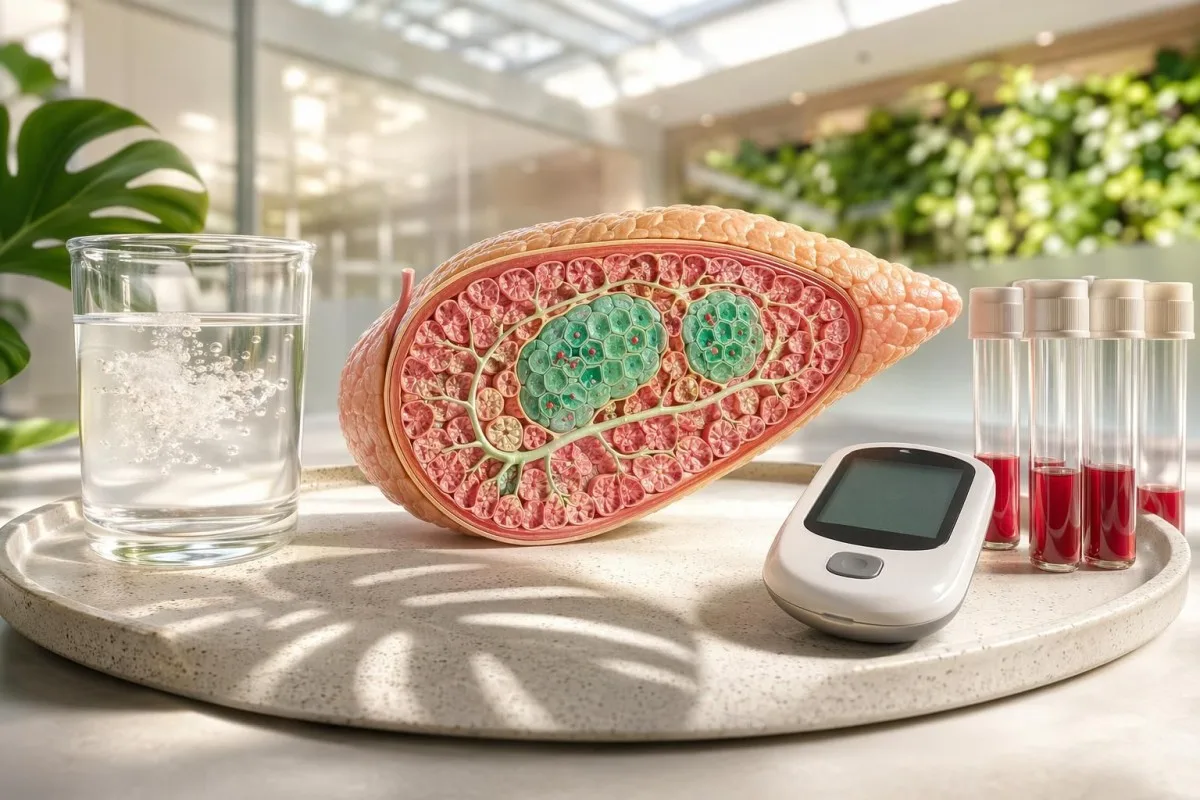
Praktinis pogimdyminės patikros vadovas kiekvienam, kuriam buvo pasakyta, kad nėštumo cukraus rodikliai vėl normalūs, bet vis tiek norisi žinoti, kas bus toliau.


- 75 g OGTT 4–12 savaičių po gimdymo yra pageidaujamas tyrimas po gestacinio diabeto, nes jis nustato 2 valandų gliukozės sutrikimus, kuriuos nevalgiusio gliukozė gali praleisti.
- Diabeto ribinės reikšmės yra nevalgiusio plazmos gliukozė ≥126 mg/dL, 2 valandų OGTT gliukozė ≥200 mg/dL, HbA1c ≥6.5% arba atsitiktinė gliukozė ≥200 mg/dL su simptomais.
- Prediabeto ribos yra nevalgiusio gliukozė 100–125 mg/dL, 2 valandų OGTT gliukozė 140–199 mg/dL arba HbA1c 5.7–6.4%.
- HbA1c ankstyvuoju pogimdyminiu laikotarpiu gali būti klaidingai mažas po gimdymo dėl kraujo netekimo arba didelės eritrocitų apykaitos, todėl jis neturėtų pakeisti OGTT po 4–12 savaičių.
- Normalūs nėštumo gliukozės rodikliai po gimdymo nepašalina būsimos rizikos; gestacinis diabetas dažnai yra beta ląstelių streso testas, kuris atskleidžia pažeidžiamumą dar kelerius metus iki 2 tipo diabeto.
- Pakartotinio tyrimo intervalas visam gyvenimui kas 1–3 metus, jei pogimdyminis patikrinimas yra normalus, o paprastai kasmet, jei bent vienas rezultatas patenka į prediabeto intervalą.
- Prieš kitą nėštumą paprašykite atlikti gliukozės tyrimą prieš pastojant arba anksti pirmąjį trimestrą, ypač jei ankstesnis GDM reikalavo insulino ar vaistų.
- Rizikos žymenys pavyzdžiui, nevalgiusio insulino, trigliceridų, HDL, ALT ir šlapimo albumino ir kreatinino santykis ne diagnozuoja diabetą, tačiau padeda įvertinti kardiometabolinę riziką.
Kraujo tyrimai, kuriais diagnozuojamas diabetas po gestacinio diabeto
Kraujo tyrimai, kurie nustato diabetą po gestacinio diabeto, yra 75 g 2 valandų geriamojo gliukozės tolerancijos testas, nevalgiusio plazmos gliukozės, HbA1c, ir atsitiktinė plazmos gliukozė kai yra būdingi klasikiniai simptomai. OGTT paprastai yra geriausias pogimdyminio diabeto patikros testas praėjus 4–12 savaičių, nes jis nustato sutrikusį 2 valandų gliukozės apdorojimą dar prieš tai, kai nevalgiusio gliukozės ar HbA1c rodikliai tampa nenormalūs.
Kaip Thomas Klein, MD, sakau pacientams, klausimas nėra tik tai, ar skaičius yra didelis šiandien; klausimas, ar po nėštumo kasa vis dar turi pakankamai rezervo. Nevalgiusio gliukozės kiekis 94 mg/dl gali atrodyti raminančiai, tačiau 2 valandų OGTT reikšmė 168 mg/dl tyliai rodo, kad pirmosios fazės insulino atsakas atsilieka.
Diagnozė, kad diabetas yra ne nėštumo metu, nustatoma pagal nevalgiusio plazmos gliukozę ≥126 mg/dL, 2 val. OGTT gliukozę ≥200 mg/dL, HbA1c ≥6.5%, arba atsitiktinę plazmos gliukozę ≥200 mg/dL esant tokiems simptomams kaip troškulys, dažnas šlapinimasis ar nepaaiškinamas svorio mažėjimas. Paprastam palyginimui tarp diagnostinių ir stebėsenos tyrimų mūsų diabeto tyrimų ribinės reikšmės gidas yra naudingas priedas.
Kantesti yra AI kraujo tyrimų analizatorius, kuris skaito pogimdyminę gliukozę, HbA1c, lipidus ir inkstų žymenis tame pačiame klinikiniame kontekste, o ne kaip atskirus „vėliavėlių“ signalus. Mūsų analizėje 2M+ įkeltose laboratorinių tyrimų ataskaitose nuolat pasikartoja vienas modelis: žmonės prisimena nėštimo diagnozę, tačiau jų 4–12 savaičių OGTT rezultatas dažnai niekada nepatenka į ilgalaikį sveikatos įrašą.
Kodėl normalus nėštumo gliukozės kiekis neatkuria būsimos rizikos
Normali gliukozė po gimdymo neatstato būsimos diabeto rizikos, nes gestacinis diabetas paprastai atspindi ribotą beta ląstelių rezervą nėštumo sukelto streso metu. Gimdymas pašalina placentos hormonus, tačiau tai nebūtinai atkuria insulino rezistenciją, genetinę riziką, polinkį į riebalinę kepenų ligą ar kasos beta ląstelių pažeidžiamumą.
Placenta gamina hormonus, kurie didina insulino rezistenciją, dažnai labiausiai pastebimai po 24–28 savaičių. Kai po gimdymo gliukozė normalizuojasi, tai reiškia, kad streso veiksnys išnyko; tai neįrodo, kad insulino gaminančios ląstelės turi neribotą rezervą.
Bellamy ir kt. pranešė žurnale „The Lancet“, kad moterims, kurioms buvo buvęs gestacinis diabetas, vėlesnio 2 tipo diabeto rizika buvo maždaug 7 kartus didesnė palyginti su tomis, kurioms nebuvo GDM (Bellamy ir kt., 2009). Kasdienėje praktikoje matau rizikos sankaupą, susijusią su liemens apimties didėjimu, trigliceridais virš 150 mg/dL, mažu HDL, šeimine anamneze, PCOS ir miego sutrikimais per pirmuosius dvejus pogimdyminius metus.
Normalus HbA1c yra 5.3% Praėjus šešiems mėnesiams po gimdymo, tai vis dar gali sutapti su ankstyvu insulino atsparumu. Jei norite gilesnio metabolinio vaizdo, mūsų vadovas insulino rezistentiškumo tyrimu paaiškina, kodėl nevalgius insulinas ir gliukozė gali svyruoti dar prieš A1C peržengiant prediabeto ribą.
Kada turėtų būti atliekama pogimdyminė diabeto patikra
Po gimdymo atliekamas diabeto patikrinimas turėtų būti atliekamas 4–12 savaičių po gimdymo, pageidautina atliekant 75 g 2 valandų OGTT. Jei šis laikotarpis buvo praleistas, geriausias laikas pasitikrinti yra dabar; aš nelaukčiau kito metinio sveikatos patikrinimo, jei nėštumas buvo prieš 6 mėnesius arba 6 metus.
Amerikos diabeto asociacija rekomenduoja 75 g OGTT praėjus 4–12 savaičių po gimdymo ir visą gyvenimą trunkantį patikrinimą kas 1–3 metų po gestacinio diabeto (American Diabetes Association Professional Practice Committee, 2024). Taip pat ACOG palaiko pogimdyminį patikrinimą šiame ankstyvame laikotarpyje, o daugelis akušerijos klinikų dabar stengiasi jį užsakyti dar prieš 6 savaičių vizitą, kad nebūtų pamiršta (ACOG, 2018).
Žindymas, miego fragmentacija ir pokyčiai po gimdymo dėl kūno svorio gali kasdien keisti gliukozę, tačiau tai nėra priežastys praleisti tyrimą. Dauguma pacientų gali atlikti OGTT žindydamos; praktinė problema dažniausiai būna vaikų priežiūra per 2 valandų laukimą laboratorijoje, o ne biologija.
Jei po gimdymo jums taip pat reikia patikrinti anemiją, skydliaukės funkciją, kepenų fermentus ar inkstų žymenis, mūsų pogimdyminio tyrimų kontrolinis sąrašas nurodo, kokie tyrimai dažniausiai derinami su gliukozės patikra. Vienas vizitas dažnai gali apimti daugiau nei vieną pogimdyminę problemą.
Kaip interpretuojamas 75 g geriamojo gliukozės tolerancijos testas
The geriamasis gliukozės toleravimo testas po nėštumo matuoja nevalgius gliukozę ir 2 valandų gliukozę po 75 g gliukozės gėrimo. 2 valandų rodmuo ≥200 mg/dL diagnozuoja diabetą, o 140–199 mg/dL diagnozuoja sutrikusią gliukozės toleranciją, net kai nevalgius gliukozė yra normali.
Tyrimas veikia todėl, kad jis išbando insulino sistemą, o ne stebi ją ramybės būsenoje. Mano patirtimi, žmonės, kuriems anksčiau buvo GDM, dažnai įveikia nevalgius dalį, bet nepavyksta 2 valandų dalyje; toks modelis rodo uždelstą insulino sekreciją po valgių.
Pasiruoškite įprastu valgymu bent 3 dienas, idealiai įskaitant bent 150 g angliavandenių per dieną , nebent jūsų gydytojas nurodė kitaip. Labai mažai angliavandenių prieš OGTT gali perdėti gliukozės padidėjimą ir apsunkinti interpretaciją; mūsų laikantis nevalgymo taisyklių vadovas apima vandens, kavos ir laiko detales.
Per 2 valandų laukimą nesportuokite intensyviai ir pasakykite laboratorijai, jei vemiate arba negalite baigti gėrimo. Rezultatą reikėtų pakartoti arba pakeisti kitu diagnostiniu tyrimu, jei procedūra nebuvo atlikta tinkamai.
Ką gali ir ko negali nustatyti nevalgiusio gliukozė
Nevalgiusio plazmos gliukozė nustato diabetą, kai nevalgiusio tyrimo reikšmė yra ≥126 mg/dL, tačiau ji gali praleisti izoliuotą gliukozės netoleravimą po valgio po gestacinio diabeto. Tai naudinga, pigu ir pakartojama; tiesiog per daug „apytikslu“, kad pakeistų pogimdyminį OGTT.
Nevalgiusio gliukozės kiekis 100–125 mg/dL pagal ADA kriterijus yra prediabetas, o <100 mg/dL Jungtinėse Valstijose paprastai laikoma normaliu. Kai kurios tarptautinės sistemos naudoja 110 mg/dl kaip žemesnę sutrikusios nevalgiusios glikemijos ribą, todėl pacientai susipainioja pereidami tarp šalių.
Klinikinė spąstai: nevalgiusio gliukozė 88–96 mg/dL, o 2 val. OGTT – 155–185 mg/dL. Tą žmogų gali patikinti, kad viskas gerai, jei buvo paskirtas tik nevalgiusio gliukozės tyrimas, tačiau jo gliukozės biologija valgymo metu jau yra pakitusi.
Ryto gliukozę veikia miego trūkumas, valgymas vėlai naktį, kortikosteroidai, infekcija ir aušros fenomenas. Mūsų nevalgiusio cukraus gairių paaiškina, kodėl vieną ryto rezultatą reikėtų interpretuoti atsižvelgiant į ankstesnį vakarą ir miego kokybę.
Kodėl HbA1c patogu, bet po gimdymo nėra tobulas
HbA1c nustato diabetą esant ≥6.5%, tačiau ji mažiau patikima per pirmąsias 4–12 pogimdyminių savaičių, nes gimdymo metu netekto kraujo ir eritrocitų apykaitos pokyčiai gali iškreipti rezultatą. HbA1c naudinga vėliau, ypač ilgalaikiam stebėjimui, bet neturėtų pakeisti pirmojo pogimdyminio OGTT.
HbA1c apskaičiuoja vidutinę gliukozę maždaug per 8–12 savaičių, linkusi į naujausią mėnesį. Po gimdymo anemija, transfuzija, geležies stoka arba greitas eritrocitų pakeitimas gali iškreipti vertę nuo tikros gliukozės istorijos.
Geležies stoka kai kuriems pacientams gali klaidingai padidinti HbA1c, o neseniai buvęs kraujo netekimas – klaidingai sumažinti. Tai viena iš tų sričių, kur kontekstas svarbesnis už skaičių; pogimdyminis HbA1c 5.6% gali būti ne toks raminantis, jei 8 ng/mL ir OGTT niekada nebuvo atliktas.
Jei jūsų A1c nesutampa su pirštų dūrio rodmenimis ar simptomais, perskaitykite mūsų vadovą apie A1c tikslumą prieš priimdami vertę kaip savaime suprantamą. Paprastai pogimdyminėje situacijoje, kai istorija atrodo nenuosekli, HbA1c derinu su nevalgiusio gliukozės, CBC ir feritino rodikliais.
Kada atsitiktinė gliukozė ar simptomai reikalauja skubaus veikimo
Atsitiktinė plazmos gliukozė nustato diabetą, kai ji yra ≥200 mg/dL ir yra simptomų. Po gestacinio diabeto būtina skubiai peržiūrėti, jei yra didelė gliukozė su vėmimu, dehidratacija, greitu svorio kritimu, ketonais, neryškiu matymu ar neįprastu išsekimu.
Dauguma diabeto po GDM yra 2 tipo, tačiau pogimdyminis autoimuninis diabetas kartais gali pasireikšti, ypač jei svorio kritimas yra greitas ir yra ketonų. Mačiau pacientus, kurių gliukozė buvo 280 mg/dL ir kurie jau turėjo ketonų, priskirtus tiesiog pavargusiems naujiems tėvams.
Atsitiktinė gliukozė 140–199 mg/dL savaime nėra diagnostinė, tačiau ji turėtų paskatinti nevalgiusios gliukozės, HbA1c arba OGTT tyrimą, priklausomai nuo laiko ir simptomų. Atsitiktinė vertė, viršijanti 300 mg/dL, ypač jei yra pilvo skausmas ar sunkus kvėpavimas, turi būti traktuojama kaip būtina medicininė pagalba tą pačią dieną.
Viena izoliuota didelė vertė gali atsirasti po ligos, steroidų ar labai daug angliavandenių turinčio valgio, tačiau svarbus yra modelis. Mūsų vadovas apie netikėtai didelę gliukozę paaiškina, kaip klinicistai atskiria streso sukeliamą hiperglikemiją nuo ankstyvo diabeto.
Kraujo žymenys, rodantys riziką dar prieš pasireiškiant diabetui
Nevalgiusio insulino, C-peptido, trigliceridų, HDL, ALT ir šlapimo albumino ir kreatinino santykis ne diagnozuoja diabeto, tačiau padeda įvertinti metabolinę riziką po gestacinio diabeto. Šie žymenys gali atskleisti insulino rezistenciją, polinkį į riebalinę kepenų ligą ar ankstyvą inkstų stresą, kai gliukozė dar techniškai yra normali.
Nevalgiusio insulino, viršijančio maždaug 15–20 µIU/mL gali rodyti insulino rezistenciją, nors laboratoriniai metodai skiriasi ir nėra visuotinai taikomos diagnostinės ribos. HOMA-IR naudoja nevalgiusio insulino ir nevalgiusio gliukozės rodiklius; reikšmės, viršijančios 2.0-2.5 dažnai sukelia įtarimą suaugusiesiems, tačiau etniškumas, BMI ir tyrimo pasirinkimas keičia interpretaciją.
Trigliceridai, viršijantys 150 mg/dL ir HDL žemiau 50 mg/dL moterims dažnai keliauja kartu su insulino rezistencija. ALT, viršijantis maždaug 25–30 IU/L moteriai, kuri anksčiau sirgo GDM, gali būti ankstyvas riebalinės kepenų ligos požymis, net jei laboratorijos žyma vis dar rodo, kad viskas normalu.
Kantesti yra AI biomarkerio interpretavimo platforma, kuri vertina normalų A1C po gestacinio diabeto kaip rizikos klausimą, o ne kaip „žalią šviesą“ visam laikui. Jei norite apskaičiuoti insulino rezistenciją pagal savo skaičius, pateikiama HOMA-IR skaičiavimu parodo formulę ir jos ribotumus.
Kaip dažnai pakartotinai tirti, jei pogimdyminė patikra normali
Jei po gestacinio diabeto pogimdyminė patikra yra normali, kartokite kas 1–3 metus visą gyvenimą. Kartokite anksčiau, dažnai kasmet, jei didėja svoris, atsiranda prediabetas, planuojamas kitas nėštumas arba vaistai, tokie kaip steroidai ar antipsichotikai, didina gliukozės riziką.
ADA rekomendacija visą gyvenimą tikrintis kas 1–3 metus egzistuoja todėl, kad diabeto rizika didėja laikui bėgant, o ne tik pirmaisiais pogimdyminiais metais. Mano kabinete dažniausiai renkuosi 1 metų intervalą bet kam, kam yra prediabetas, insulinu gydytas GDM, BMI virš 30, stipri šeiminė anamnezė arba PCOS.
Normalus tyrimas 2026 m. vis dar yra naudingas, nes jis tampa jūsų atskaitos tašku. Nevalgiusios gliukozės rodiklis, slenkantis nuo 82 iki 96 mg/dL per 3 metus gali būti reikšmingesnis nei vienas pažymėtas rezultatas, ypač jei tuo pačiu metu didėja trigliceridai ir juosmens apimtis.
Kantesti AI gali laikui bėgant sudaryti gliukozės, HbA1c, trigliceridų ir ALT grafikus, kad net maži pokyčiai būtų matomi dar prieš jiems tampant dramatiškais. Mūsų dinamikos analizė straipsnis paaiškina, kodėl nuolydis ir grupavimasis dažnai svarbiau už vieną laboratorinį „vėliavos“ rodiklį.
Ką paprašyti, kad paskirtų jūsų gydytojas
Paprašykite 75 g 2 val. OGTT praėjus 4–12 savaičių po gimdymo arba nevalgiusio plazmos gliukozės tyrimo kartu su HbA1c, jei OGTT atlikti neįmanoma. Dėl ilgalaikės rizikos paklauskite, ar su jūsų gliukozės žymenimis reikėtų patikrinti lipidus, ALT, kreatininą, eGFR ir šlapimo albumino–kreatinino santykį.
Protingas pirmas užsakymas po gimdymo dažnai skamba taip: nevalgiusio gliukozė, 75 g 2 val. gliukozė, HbA1c, CBC, jei buvo didelis gimdymo metu netektas kraujas, feritinas, jei įtariama anemija, lipidų profilis ir CMP, jei yra didelė kardiometabolinė rizika. Ne kiekvienam pacientui reikia visų tyrimų, bet užsakymas turėtų atitikti nėštumo istoriją.
Jei nėštumo metu turėjote nevalgiusio hiperglikemiją arba reikėjo insulino, ankstyvą stebėjimą daryčiau agresyviau. Jei jūsų GDM buvo lengvas ir kontroliuojamas dieta, OGTT vis tiek svarbus, tačiau ilgalaikis ritmas gali būti arčiau kas 2–3 metus kai visi rezultatai normalūs.
Skaitytojams, kurie nori suprasti, ką iš tikrųjų matuoja kiekvienas žymuo, mūsų biomarkerio gidas apima tūkstančius laboratorinių žymenų ir įprastus vienetų skirtumus. Tai ypač naudinga, kai viena laboratorija gliukozę pateikia mg/dL, o kita – mmol/L.
Ką gydytojai daro, kai rezultatai ribiniai arba prieštaringi
Ribiniai arba prieštaringi diabeto rezultatai paprastai turėtų būti pakartoti arba patvirtinti kitu diagnostiniu tyrimu. Nevalgiusio gliukozės kiekis 124 mg/dL, HbA1c 6.4%, arba 2 val. OGTT 198 mg/dL nėra „tiesiog taip“; tai beveik slenksčio rezultatas, kuriam reikia plano.
Neturint klasikinių simptomų, dauguma gydytojų diabetą patvirtina pakartodami nenormalų rezultatą. Jei du skirtingi tyrimai nesutaria, paprastai kartojamas tyrimas, kuris yra virš diagnostinio slenksčio, o paciento kontekstas nulemia, kaip greitai tai įvyksta.
Thomas Klein, MD, praktinė taisyklė: neleiskite žodžiui „ribinis“ padaryti, kad rezultatas atrodytų nepavojingas. 2 val. OGTT 196 mg/dL po ankstesnio GDM dažnai kelia didesnę būsimą riziką nei nevalgiusio gliukozės kiekis 101 mg/dL, net jei abu gali būti įrašyti kaip prediabetas.
Mūsų gidas, kaip prediabeto slenksčiai paaiškina, kaip nevalgiusio gliukozė, A1c ir OGTT apibrėžia skirtingas biologines problemas. Dažnai prediabetą po GDM įrėminu kaip gydymo langą, o ne kaip laukiamąjį.
Specialios situacijos: žindymas, anemija, PCOS ir vaistai
Žindymas, anemija, PCOS, GLP-1 vaistai, steroidai ir skydliaukės ligos gali pakeisti tai, kaip po gimdymo reikėtų interpretuoti diabeto laboratorinius tyrimus. Gliukozės ribos išlieka tos pačios, tačiau pasitikėjimas, kurį dedate į HbA1c, nevalgiusio gliukozės ar insulino lygius, gali reikšmingai pasikeisti.
Žindymas dažnai pagerina gliukozės apykaitą ir gali sumažinti būsimos 2 tipo diabeto riziką, tačiau jis nepašalina būtinybės atlikti patikrą. Jei po gimdymo vartojate insuliną ar sulfonilkarbamidus, paklauskite savo gydytojo apie hipoglikemijos riziką ilgesnių maitinimų ar praleistų valgymų metu.
PCOS prideda atskirą insulino rezistentiškumo kelią, o buvęs GDM kartu su PCOS yra viena iš kombinacijų, kurią gydau ypač atidžiai. Mūsų PCOS laboratoriniai modeliai paaiškina, kodėl nevalgiusio insulino, lipidų ir androgenų rodikliai gali būti svarbūs net tada, kai gliukozė dar nėra diagnostinė.
Steroidų injekcijos, didelės dozės prednizono, kai kurie antipsichoziniai vaistai ir sunkus miego trūkumas gali laikinai padidinti gliukozę. Įrodymai apie tikslias pogimdyminio miego ribas yra, tiesą sakant, nevienareikšmiai, bet matau blogesnes nevalgiusio gliukozės reikšmes, kai miegas fragmentuojasi žemiau 5–6 valandų savaites.
Kaip Kantesti saugiai nuskaito pogimdyminio diabeto laboratorinius tyrimus
Kantesti skaito pogimdyminio diabeto tyrimų rezultatus, sujungdama gliukozės ribas su laiku, nėštumo istorija, anemijos užuominomis, lipidų modeliais ir inkstų žymenimis. Tikslas – nepakeisti jūsų gydytojo; tai padaryti rizikos modelį aiškesnį prieš jūsų vizitą.
Kantesti yra AI pagrįstas kraujo tyrimų analizės įrankis, kurį 2M+ žmonės naudoja 127 šalyse, atliekant kraujo tyrimo PDF ar nuotraukos interpretaciją maždaug 60 sekundžių. Pogimdyminiam diabeto patikrinimui mūsų neuroninis tinklas atskiria diagnostinius gliukozės kriterijus nuo rizikos kontekstą atspindinčių žymenų, tokių kaip trigliceridai, HDL, ALT ir šlapimo ACR.
Tipiškas įkėlimas gali rodyti HbA1c 5.5%, nevalgius gliukozė 92 mg/dL, feritino 10 ng/mL ir nėra OGTT. Kantesti AI iš tų skaičių nenustatytų diabeto, tačiau turėtų pažymėti, kad ankstyvas pogimdyminis A1C gali būti nepatikimas ir kad rekomenduojamas OGTT trūksta.
Mūsų metodai suderinti su publikuotais klinikiniais standartais ir vidine gydytojų peržiūra; skaitytojai gali matyti mūsų klinikinio patvirtinimo standartus ir iš anksto registruotą AI vertinimą. Jei įkeliate skeną, o ne įvedate reikšmes, PDF įkėlimo darbo eigą paaiškina, kaip ataskaitos yra skaitomos ir tikrinamos.
Praktinis pakartotinio tyrimo planas 2026 metams ir vėliau
Nuo 2026 m. gegužės 26 d. saugiausias planas po gestacinio diabeto yra OGTT po 4–12 savaičių, pakartotinis patikrinimas kas 1–3 metus ir ankstesni tyrimai prieš kitą nėštumą. Jei bet kuris rezultatas patenka į prediabeto intervalą, traktuokite tai kaip aktyvios prevencijos laikotarpį, o ne kaip švelnų laboratorinį smalsumą.
Mano įprasta schema paprasta: atlikite pirmąjį pogimdyminį OGTT, išsaugokite rezultatą, o tada kitą gliukozės patikrą įrašykite į kalendorių, kol gyvenimas nepradėjo užimti. Jei jūsų 2 valandų OGTT yra 140–199 mg/dL, paprašykite aiškaus tolesnio intervalo, mitybos plano ir fizinio aktyvumo tikslo, o ne miglotos pastabos „būkite atsargūs“.
Jei jūsų diabeto patikra yra normali, vis tiek pasakykite kiekvienam būsimam gydytojui, kad turėjote GDM. Ši viena eilutė pakeičia, kaip aš vertinu nevalgiusio gliukozės reikšmę 103 mg/dL, trigliceridų lygį 180 mg/dL, arba HbA1c, kuris kyla nuo 5,2% iki 5,6% per kelerius metus.
Kantesti Ltd yra JK sveikatos technologijų įmonė, o mūsų gydytojai peržiūri medicininį turinį per mūsų medicinos patariamuoju organu ir klinikinės valdysenos procesą, aprašytą Apie mus. Esmė: tinkami tyrimai nėra sudėtingi, tačiau laikas ir interpretacija svarbesni, nei daugeliui žmonių yra pasakyta.
Susiję Kantesti moksliniai leidiniai
Pogimdyminė diabeto patikra dažnai įeina į platesnę laboratorinių tyrimų apžvalgą, kuri apima CBC, geležies būklę ir inkstų žymenis. Toliau išvardyti Kantesti DOI leidiniai palaiko gretutinius kraujo tyrimų interpretavimo metodus, įskaitant eritrocitų indeksus ir inkstų funkcijos santykius, kurie gali paveikti HbA1c patikimumą arba ilgalaikės metabolinės rizikos vertinimą.
Dažnai užduodami klausimai
Kokie kraujo tyrimai nustato diabetą po nėščioms moterims pasireiškusio diabeto?
Kraujo tyrimai, kuriais nustatomas diabetas po nėščioms moterims pasireiškusio gestacinio diabeto, yra 75 g 2 valandų geriamojo gliukozės toleravimo testas, nevalgiusio plazmos gliukozės koncentracija, HbA1c ir atsitiktinė plazmos gliukozės koncentracija, kai yra simptomų. Diabetas diagnozuojamas, kai nevalgiusio gliukozės kiekis ≥126 mg/dL, 2 valandų OGTT gliukozės kiekis ≥200 mg/dL, HbA1c ≥6.5% arba atsitiktinė gliukozės koncentracija ≥200 mg/dL esant būdingiems simptomams. OGTT yra teikiamas pirmenybė 4–12 savaičių po gimdymo, nes jis gali nustatyti sutrikusį 2 valandų gliukozės apdorojimą net tada, kai nevalgiusio gliukozės kiekis yra normalus.
Ar geriamasis gliukozės toleravimo testas po nėštumo yra geresnis nei HbA1c?
Taip, geriamasis gliukozės toleravimo testas po nėštumo paprastai yra geresnis nei HbA1c pirmam pogimdyminiam patikrinimui po 4–12 savaičių. HbA1c gali būti iškreiptas dėl gimdymo metu patirto kraujo netekimo, anemijos, transfuzijos arba greitos eritrocitų apykaitos, o OGTT tiesiogiai įvertina gliukozės apdorojimą po 75 g gliukozės išgėrimo. Vėliau HbA1c tampa naudingesnis ilgalaikiam patikrinimui ir pokyčių stebėsenai.
Kada po nėštumo diabetu (GDM) turėtų būti atliekamas pogimdyminis diabeto patikrinimas?
Gimdyvės diabeto patikra po nėštumo diabeto turėtų būti atliekama praėjus 4–12 savaičių po gimdymo, idealiai atliekant 75 g 2 valandų OGTT. Jei tas laikotarpis buvo praleistas, tyrimas turėtų būti atliekamas kaip įmanoma greičiau, o ne laukiant simptomų. Jei pogimdyvinis rezultatas yra normalus, diabeto patikra kartojama kas 1–3 metus visą gyvenimą.
Ar HbA1c gali būti normalus, bet OGTT gali būti nenormalus po nėščiųjų diabeto?
Taip, HbA1c gali būti normalus, kai OGTT yra nenormalus po nėščioms diabetui (gestaciniam diabetui). Asmuo gali turėti HbA1c 5.3% ir nevalgiusio gliukozės kiekį 92 mg/dL, tačiau 2 val. OGTT rodiklį 160 mg/dL, o tai reiškia sutrikusį gliukozės toleravimą. Taip nutinka todėl, kad HbA1c atspindi vidutinę gliukozę, o OGTT išprovokuoja insulino atsaką po gliukozės suvartojimo.
Ką reiškia rezultatai: prediabetas po nėštumo su gestaciniu diabetu?
Prediabetas po nėščiųjų diabeto (gestacinio diabeto) apibrėžiamas nevalgiusio plazmos gliukozės kiekio 100–125 mg/dL, 2 val. OGTT gliukozės 140–199 mg/dL arba HbA1c 5,7–6,4%. 2 val. OGTT rodiklio sutrikimas ypač dažnas po GDM ir gali būti nepastebėtas, jei užsakomas tik nevalgiusio gliukozės tyrimas. Prediabetas paprastai turėtų lemti kasmetinę stebėseną ir struktūruotą prevencijos planą.
Kaip dažnai turėčiau pakartotinai atlikti tyrimą, jei mano pogimdyminis patikrinimas yra normalus?
Jei jūsų pogimdyminis diabeto tyrimas yra normalus po nėštumo diabeto, kartokite tyrimą kas 1–3 metus visą gyvenimą. Daugelis gydytojų renkasi kasmetinius tyrimus, jei sergėte GDM, gydytu insulinu, turėjote prediabetą, PCOS, BMI virš 30, stiprią šeiminę anamnezę arba didėjančius trigliceridus. Tyrimą taip pat reikėtų pakartoti prieš kitą nėštumą arba anksti pirmąjį trimestrą.
Ar žindymas keičia diabeto kraujo tyrimo rezultatus?
Žindymas gali pagerinti gliukozės apykaitą ir gali sumažinti būsimos 2 tipo diabeto riziką, tačiau jis nepanaikina būtinybės atlikti pogimdyminį diabeto patikrinimą. Diagnostiniai nevalgiusio gliukozės kiekio, OGTT ir HbA1c ribiniai dydžiai nesikeičia dėl to, kad žmogus žindo. Jei pogimdyminiu laikotarpiu vartojami diabeto vaistai, gydytojai gali koreguoti vartojimo laiką ar dozę, kad sumažintų hipoglikemijos riziką ilgų maitinimų metu arba praleidus valgymus.
Ar galiu naudoti nuolatinį gliukozės matuoklį vietoj pogimdymos gliukozės toleravimo testo?
Ne. Nuolatinis gliukozės matuoklis gali parodyti naudingus kasdienius gliukozės rodmenis, tačiau jis nepakeičia laboratorinio gliukozės kiekio nevalgius, HbA1c ar 75 g OGTT diagnozuojant diabetą po nėštumo diabeto. Jūsų gydytojas gali jį naudoti vėliau, siekdamas paremti gyvensenos ar gydymo sprendimus.
Ar mano kūdikiui reikia atlikti diabeto tyrimus, nes man buvo gestacinis diabetas?
Naujagimio gliukozė gali būti patikrinta ligoninėje, ypač jei nėštumo metu vartojote insuliną ar vaistus, tačiau daugumai vaikų nereikia nuolatinių diabeto kraujo tyrimų vien tik dėl motinos gestacinio diabeto. Laikykitės reguliarių vizitų pas pediatrą ir palaikykite šeimos įpročius, susijusius su subalansuotais valgiais, fiziniu aktyvumu ir miego režimu.
Ką daryti, jei negaliu toleruoti gliukozės gėrimo atliekant pogimdyminį OGTT?
Prieš tyrimą pasakykite savo gydytojui. Jis gali atidėti tyrimą taikant pykinimo mažinimo strategijas, patikrinti nevalgiusio gliukozės kiekį ir HbA1c arba laikinai naudoti namuose ar nuolatinio gliukozės stebėjimo duomenis, tačiau šios alternatyvos gali nevisiškai pakeisti diagnostinį OGTT.
Gaukite AI pagrįstą kraujo tyrimo analizę jau šiandien
Prisijunkite prie daugiau nei 2 milijonų naudotojų visame pasaulyje, kurie pasitiki Kantesti dėl momentinės, tikslios laboratorinių tyrimų analizės. Įkelkite savo kraujo tyrimo rezultatus ir per kelias sekundes gaukite išsamią 15,000+ biomarkerių interpretaciją.
📚 Nuorodomis pagrįsti moksliniai leidiniai
Klein, T., Mitchell, S., & Weber, H. (2026). RDW kraujo tyrimas: išsamus RDW-CV, MCV ir MCHC vadovas. Kantesti AI Medical Research.
Klein, T., Mitchell, S., & Weber, H. (2026). BUN/kreatinino santykio paaiškinimas: inkstų funkcijos tyrimo vadovas. Kantesti AI Medical Research.
📖 Išorinės medicininės nuorodos
Amerikos diabeto asociacijos Profesinės praktikos komitetas (2024). 2. Diagnozė ir diabeto klasifikavimas: Diabeto priežiūros standartai—2024. „Diabetes Care“.
⚕️ Medicininis atsakomybės apribojimas
Šis straipsnis skirtas tik mokymo tikslais ir nesudaro medicininės konsultacijos. Visada kreipkitės į kvalifikuotą sveikatos priežiūros specialistą dėl diagnozės ir gydymo sprendimų.
E-E-A-T patikimumo signalai
Patirtis
Gydytojo vadovaujama klinikinė laboratorinių tyrimų interpretavimo darbo eigų peržiūra.
Ekspertizė
Laboratorinės medicinos dėmesys tam, kaip biomarkeriai elgiasi klinikiniame kontekste.
Autoritetas
Parašyta dr. Thomas Klein, peržiūrėjo dr. Sarah Mitchell ir prof. dr. Hans Weber.
Patikimumas
Įrodymais pagrįsta interpretacija su aiškiais tolesnių veiksmų keliais, siekiant sumažinti nerimą.