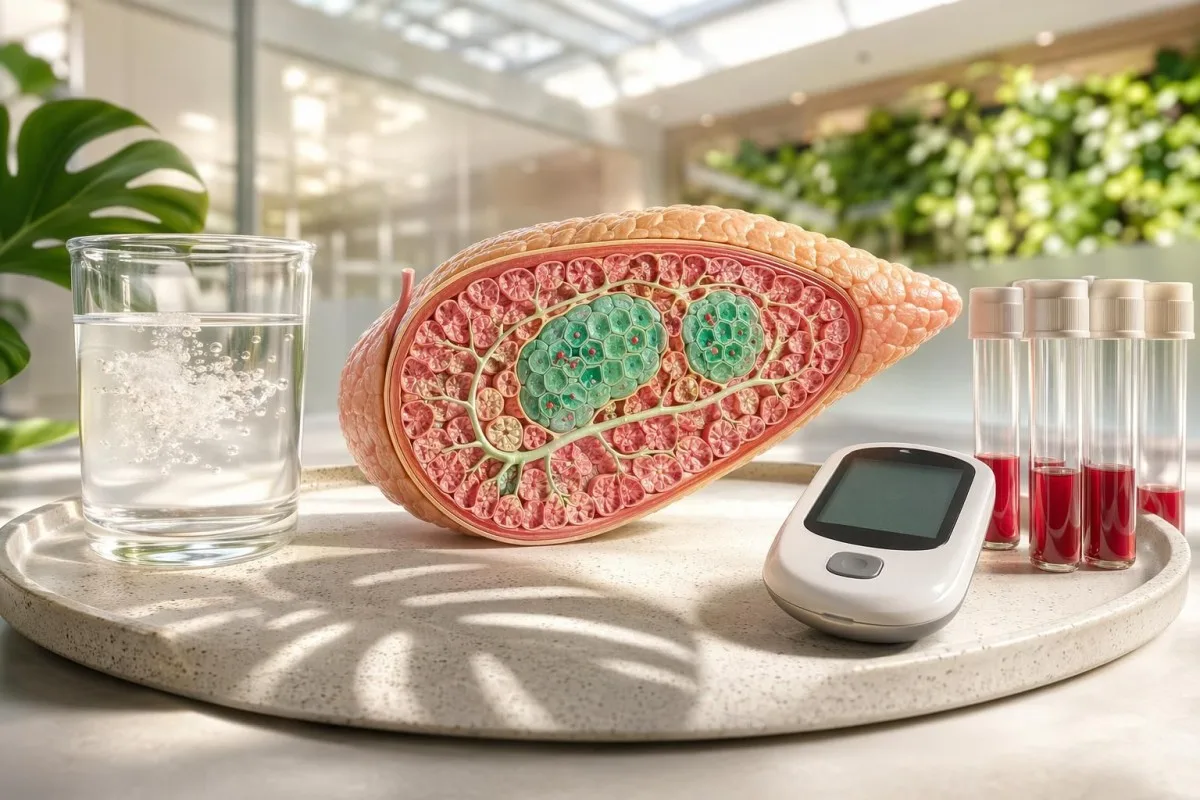
ھامىلدارلىق قەنتى نورمال دەپ ئېيتىلغان بولسىمۇ، ئەمما كېيىنكى قەدەملەرنى يەنىلا بىلىشنى خالايدىغان ھەر قانداق ئادەم ئۈچۈن ئەمەلىي تۇغۇتتىن كېيىنكى تەكشۈرۈش قوللانمىسى.


- 75 گ OGTT ھامىلدارلىقتىكى دىئابىتتىن كېيىنكى ئەڭ ياخشى سىناق 4-12 ھەپتە ئىچىدە ئېلىپ بېرىلىدۇ، چۈنكى ئۇ 2 سائەتلىك گلوكوز مەسىلىلىرىنى بايقىيدۇ؛ روزا تۇتقان گلوكوز ئۇنى قولدىن بېرىپ قويىدۇ.
- دىئابىت كېسىم نۇقتىلىرى روزا تۇتقان پلازما گلوكوزى ≥126 mg/dL، 2 سائەتلىك OGTT گلوكوزى ≥200 mg/dL، HbA1c ≥6.5%، ياكى ئالامەت بىلەن بىللە بولغان روزاسىز گلوكوز ≥200 mg/dL.
- ئالدىن دىئابىت (Prediabetes) چېكى روزا تۇتقان گلوكوز 100-125 mg/dL، 2 سائەتلىك OGTT گلوكوزى 140-199 mg/dL، ياكى HbA1c 5.7-6.4%.
- تۇغۇتتىن كېيىنكى دەسلەپكى مەزگىلدىكى HbA1c تۇغۇتتىن كېيىن قان يوقىتىش ياكى قىزىل قان ھۈجەيرىسىنىڭ ئايلىنىشىنىڭ يۇقىرى بولۇشى سەۋەبىدىن HbA1c يالغان تۆۋەن چىقىپ قېلىشى مۇمكىن، شۇڭا ئۇ 4-12 ھەپتىدىكى OGTT نىڭ ئورنىنى باسالمايدۇ.
- نورمال ھامىلدارلىق گلوكوزى تۇغۇتتىن كېيىن كەلگۈسىدىكى خەتەرنى يوققا چىقارمايدۇ؛ ھامىلدارلىقتىكى دىئابىت ھەمىشە بىر خىل β-ھۈجەيرە بېسىم سىنىقى بولۇپ، 2-تىپ دىئابىتتىن نەچچە يىل بۇرۇنلا ئاجىزلىقنى ئاشكارىلايدۇ.
- قايتا تەكشۈرۈش ئارىلىقى ئەگەر تۇغۇتتىن كېيىنكى تەكشۈرۈش نورمال بولسا ئۆمۈر بويى ھەر 1-3 يىلدا بىر قېتىم، ئالدىنقى نەتىجىلەر prediabetes دائىرىسىدە بولسا ئادەتتە يىلدا بىر قېتىم.
- كېيىنكى ھامىلىدارلىقتىن بۇرۇن ھامىلىدار بولۇشتىن بۇرۇن ياكى بىرىنچى ئۈچ ئايلىقنىڭ دەسلەپكى مەزگىلىدە، بولۇپمۇ ئىلگىرى GDM ئۈچۈن ئىنسۇلىن ياكى دورا لازىم بولغان بولسا، گلوكوزا تەكشۈرۈشىنى سوراڭ.
- خەتەر كۆرسەتكۈچلىرى مەسىلەن ئاچ قورساق ئىنسۇلىن، ترىگلىتسېرىد، HDL، ALT ۋە سۈيدۈك ئالبۇمىن-كرېئاتىنىن نىسبىتى دىئابېتنى دىئاگنوز قىلمايدۇ، ئەمما ئۇلار يۈرەك-مېتابولىزم خەتىرىنى مۆلچەرلەشكە ياردەم بېرىدۇ.
ھامىلدارلىقتىكى دىئابىتتىن كېيىن دىئابىتنى دىئاگنوز قىلىدىغان قان تەكشۈرۈشلەر
Gestational diabetes دىن كېيىن دىئابېتنى بايقىيدىغان قان تەكشۈرۈشلەر بولسا 75 g 2 سائەتلىك ئېغىز ئارقىلىق گلوكوزا بەرداشلىق سىنىقى (OGTT), روزا تۇتقان پلازما قان قەنتى, HbA1c, and تاسادىپىي قان پلازما گلوكوزا كلاسسىك ئالامەتلەر بولغاندا. OGTT ئادەتتە 4-12 ھەپتىدە تۇغۇتتىن كېيىنكى دىئابېتنى تەكشۈرۈش ئۈچۈن ئەڭ ياخشى سىناق، چۈنكى ئۇ ئاچ قورساق گلوكوزا ياكى HbA1c نورمالسىزلىشىشتىن بۇرۇنلا 2 سائەتلىك گلوكوزا بىر تەرەپ قىلىشنىڭ بۇزۇلغانلىقىنى بايقايدۇ.
Thomas Klein, MD بولۇش سۈپىتىم بىلەن مەن بىمارلارغا شۇنى دەيمەنكى، مەسىلە پەقەت بۈگۈنكى ساننىڭ يۇقىرى-تۆۋەنلىكىلا ئەمەس؛ مەسىلە شۇكى، ھامىلىدارلىقتىن كېيىن ئاشقازان ئاستى بېزىنىڭ يەنىلا يېتەرلىك زاپاس كۈچى بار-يوقلۇقى. 94 mg/dL ئاچ قورساق گلوكوزا خاتىرجەم كۆرۈنىشى مۇمكىن، ئەمما 168 mg/dL بولغان 2 سائەتلىك OGTT قىممىتى بىرىنچى باسقۇچلۇق ئىنسۇلىن ئىنكاسنىڭ كېچىكىۋاتقانلىقىنى جىمجىتلا بىلدۈرىدۇ.
ھامىلىدارلىق سىرتىدىكى دىئابېت دىئاگنوزى ئاچ قورساق پلازما گلوكوزا ئارقىلىق ≥126 mg/dL, ، 2 سائەتلىك OGTT گلوكوزى ≥200 mg/dL, ، HbA1c ≥6.5%, ، ياكى ئالامەتلەر بىلەن بىللە تاسادىپىي قان پلازما گلوكوزا ≥200 mg/dL ئارقىلىق ئېلىپ بېرىلىدۇ؛ مەسىلەن قانچىلىق، دائىم سىيىش ياكى سەۋەبسىز ئورۇقلاش. دىئاگنوز ۋە نازارەت سىناقلارىنى ئاددىراق سېلىشتۇرۇش ئۈچۈن، بىزنىڭ دىئابېت سىنىقىنىڭ چېكى يېتەكچىمىز ياخشى ھەمراھ.
Kantesti بولسا بىر AI قان سىنىقى ئانالىزاتورى بولۇپ، تۇغۇتتىن كېيىنكى گلوكوزا، HbA1c، لىپېدلار ۋە بۆرەك كۆرسەتكۈچلىرىنى ئوخشاش بىر كلىنىكىلىق مۇھىت ئىچىدە، يالغۇز «ئالاھىدە بەلگە» سۈپىتىدە ئەمەس، ئوقۇپ بېرىدۇ. 2M+ نى يوللانغان تەجرىبىخانا دوكلاتلىرىنى ئانالىز قىلغاندا، بىر خىل ئەندىزە داۋاملىق كۆرۈلىدۇ: كىشىلەر ھامىلىدارلىق دىئاگنوزىنى ئېسىدە تۇتىدۇ، ئەمما ئۇلارنىڭ 4-12 ھەپتىلىك OGTT نەتىجىسى كۆپىنچە ئۇزۇن مۇددەتلىك ساغلاملىق خاتىرىسىگە كىرەلمەيدۇ.
نېمىشقا نورمال ھامىلدارلىق گلوكوزى كەلگۈسىدىكى خەتەرنى قايتا تەڭشىمەيدۇ
تۇغۇتتىن كېيىنكى نورمال گلوكوزا كەلگۈسىدىكى دىئابېت خەتىرىنى قايتا تەڭشىمەيدۇ، چۈنكى gestational diabetes ئادەتتە ھامىلىدارلىق بېسىمى ئاستىدا چەكلىك beta-cell زاپاس كۈچىنى ئەكس ئەتتۈرىدۇ. تۇغۇت پلاسېنتا ھورمونلىرىنى يوقىتىدۇ، ئەمما ئۇ ئىنسۇلىنغا قارشى تۇرۇشنى، گېنتىك خەتەرنى، مايلىق جىگەرگە مايىللىقنى ياكى ئاشقازان ئاستى بېزىنىڭ beta-cell نىڭ ئاجىزلىقىنى زۆرۈر ھالدا رېپېر قىلىپ بەرمەيدۇ.
پلاسېنتا ئىنسۇلىنغا قارشى تۇرۇشنى كۈچەيتىدىغان ھورمونلارنى ئىشلەپ چىقىرىدۇ، بۇ كۆپىنچە 24-28 ھەپتىلەردىن كېيىن ئەڭ كۆرۈنەرلىك بولىدۇ. تۇغۇلغاندىن كېيىن گلوكوزا نورماللاشسا، بۇ بېسىمچى ئامىلنىڭ يوق بولغانلىقىدىن دېرەك؛ بۇ ئىنسۇلىن ئىشلەپ چىقىرىدىغان ھۈجەيرىلەرنىڭ زاپاس كۈچىنىڭ چەكسىز ئىكەنلىكىنى ئىسپاتلىمايدۇ.
Bellamy قاتارلىقلار The Lancet دا، ئىلگىرى gestational diabetes بولغان ئاياللارنىڭ كېيىنكى 2-تىپ دىئابېت خەتىرىنىڭ 7 ھەسسە يۇقىرىراق ئىكەنلىكىنى GDM بولمىغانلارغا سېلىشتۇرغاندا دوكلات قىلغان (Bellamy et al., 2009). كۈندىلىك ئەمەلىيەتتە، مەن خەتەر توپلىمىنى بەل بويىنىڭ ئېشىشى، ترىگلىتسېرىدنىڭ 150 mg/dL, يۇقىرى بولۇشى، HDL نىڭ تۆۋەن بولۇشى، ئائىلە تارىخى، PCOS ۋە تۇغۇتتىن كېيىنكى دەسلەپكى ئىككى يىلدا ئۇيقۇنىڭ بۇزۇلۇشى بىلەن بىللە كۆرۈۋاتىمەن.
نورمال HbA1c نىڭ 5.3% تۇغقاندىن كېيىنكى 6 ئاي ئىچىدە يەنىلا بالدۇر ئىنسۇلىنغا قارشى تۇرۇش بىلەن بىللە مەۋجۇت بولۇپ تۇرالايدۇ. ئەگەر سىز تېخىمۇ چوڭقۇر مېتابولىك قاراشنى خالىسىڭىز، بىزنىڭ ئىنسۇلىنغا قارشى تۇرۇشنى تەكشۈرۈش گەچۈرۈم قىلىنغان ئاچلىق ئىنسۇلىنى ۋە گلوكوزنىڭ A1c دىياگنوزى «پېرىدىئابېت» چېگرىسىدىن ئۆتۈشتىن بۇرۇن قانداق ئۆزگىرىپ كېتىدىغانلىقىنى چۈشەندۈرىدۇ.
تۇغۇتتىن كېيىن دىئابىتنى تەكشۈرۈش قاچان ئېلىپ بېرىلىشى كېرەك
تۇغقاندىن كېيىنكى دىئابېتنى تەكشۈرۈش 4-12 ھەپتە, ئىچىدە، ئەڭ ياخشىسى 75 g 2 سائەتلىك OGTT بىلەن قىلىنىشى كېرەك. ئەگەر بۇ ۋاقىت كۆزدىن كەچۈرۈلۈپ قالغان بولسا، ئەڭ ياخشى ۋاقىت ھازىر؛ ئەگەر ھامىلدارلىق 6 ئاي ياكى 6 يىل ئىلگىرى بولغان بولسا، كېلەر يىللىق ئادەتتىكى تەكشۈرۈشكە قەدەر ساقلىمايمەن.
ئامېرىكا دىئابېت جەمئىيىتى (American Diabetes Association) تۇغقاندىن كېيىنكى 4-12 ھەپتە ئىچىدە 75 g OGTT نى، ھەمدە گېستاتسىيىلىك دىئابېتتىن كېيىن ھايات بويى ھەر غا قىسقىرايدۇ قېتىم تەكشۈرۈشنى تەۋسىيە قىلىدۇ (American Diabetes Association Professional Practice Committee, 2024). ACOGمۇ بۇ دەسلەپكى ۋاقىت ئىچىدە تۇغقاندىن كېيىنكى تەكشۈرۈشنى قوللايدۇ، نۇرغۇنلىغان تۇغۇت-ئوبستېترىكا كىلىنىكلىرى ھازىر 6 ھەپتىلىك كۆرۈشتىن بۇرۇن بۇنى زاكاز قىلىشقا تىرىشىدۇ، شۇنداق بولغاندا ئۇ ئۇنتۇلۇپ قالمايدۇ (ACOG, 2018).
بالا ئېمىتىش، ئۇيقۇنىڭ پارچىلىنىشى ۋە تۇغقاندىن كېيىنكى بەدەن ئېغىرلىقىنىڭ ئۆزگىرىشىنىڭ ھەممىسى كۈندىن-كۈنگە گلوكوزنى ئۆزگەرتەلەيدۇ، ئەمما بۇلار تەكشۈرۈشنى چۈشۈرۈپ قويۇشنىڭ سەۋەبى ئەمەس. كۆپىنچە بىمارلار بالا ئېمىتىۋاتقان ۋاقىتتا OGTT قىلالايدۇ؛ ئەمەلىي مەسىلە كۆپىنچە 2 سائەتلىك تەجرىبىخانا كۈتۈش جەريانىدا بالىلارنى قاراش، بىئولوگىيە ئەمەس.
ئەگەر تۇغقاندىن كېيىن يەنە ئانېمىيە، قالقانسىمان بەز ئىقتىدارى، جىگەر ئېنزىملىرى ياكى بۆرەك بەلگىلىرىنى تەكشۈرۈش كېرەك بولسا، بىزنىڭ تۇغقاندىن كېيىنكى تەجرىبىخانا تەكشۈرۈش تىزىملىكى گلوكوزنى تەكشۈرۈش بىلەن دائىم بىرگە قىلىنىدىغان قايسى تەكشۈرۈشلەرنى كۆرسىتىپ بېرىدۇ. بىرلا قېتىملىق ئۇچرىشىش كۆپلىگەن تۇغقاندىن كېيىنكى مەسىلىلەرنى قاپلىشى مۇمكىن.
75 گراملىق ئېغىز ئارقىلىق گلوكوزا بەرداشلىق سىنىقى (OGTT) قانداق چۈشەندۈرۈلىدۇ
The ھامىلدارلىقتىن كېيىنكى ئېغىز ئارقىلىق گلوكوزغا بەرداشلىق سىنىقى 75 g گلوكوز ئىچىملىكىدىن كېيىن ئاچلىق گلوكوزى ۋە 2 سائەتلىك گلوكوزنى ئۆلچەيدۇ. 2 سائەتلىك قىممەت ≥200 mg/dL دىئابېتنى دىياگنوز قىلىدۇ، ئەمما 140-199 mg/dL ئاچلىق گلوكوزى نورمال بولسىمۇ، گلوكوزغا بەرداشلىقنىڭ بۇزۇلۇشىنى دىياگنوز قىلىدۇ.
بۇ سىناق ئىشلەيدۇ، چۈنكى ئۇ ئىنسۇلىن سىستېمىسىنى «سىنايدۇ»، ئۇنى ئارام ھالىتىدە كۆزىتىش ئەمەس. مېنىڭ تەجرىبەمگە ئاساسلانغاندا، ئىلگىرى GDM بولغان كىشىلەر كۆپىنچە ئاچلىق قىسمىنى ئۆتكۈزۈپ قويىدۇ، ئەمما 2 سائەتلىك قىسمىدا مەغلۇپ بولىدۇ؛ بۇ ئەندىزە تاماقتىن كېيىن ئىنسۇلىننىڭ كېچىكىپ ئاجرىلىشىنى كۆرسىتىدۇ.
كەم دېگەندە 3 كۈن نورمال يېمەك-ئىچمەك،, ئادەتتىكىچە يېيىش بىلەن تەييارلىنىڭ، ئەڭ ياخشىسى كەم دېگەندە ھەر كۈنى 150 g كاربون سۇ بىرىكمىسى ئەگەر سىزنىڭ دوختۇرىڭىز باشقىچە دېمىگەن بولسا. OGTT غا ئالدىن ئىنتايىن تۆۋەن كاربون سۇ بىرىكمىسى قىلىش گلوكوزنىڭ ئۆرلىشىنى چوڭايتىپ، چۈشەندۈرۈشنى قالايمىقانلاشتۇرۇۋېتىدۇ؛ بىزنىڭ تەييارلىق يەنىلا مۇھىم، بولۇپمۇ يېتەكچىمىز سۇ، قەھۋە ۋە ۋاقىت تەپسىلاتلىرىنى ئۆز ئىچىگە ئالىدۇ.
2 سائەتلىك كۈتۈش جەريانىدا قاتتىق چېنىقماڭ، قۇسسىڭىز ياكى ئىچىملىكنى تامام قىلالمىسىڭىز تەجرىبىخانىغا ئېيتىڭ. ئەگەر تەرتىپ توغرا تاماملانمىغان بولسا، نەتىجىنى قايتا تەكرارلاش ياكى باشقا دىياگنوز سىنىقى بىلەن ئالماشتۇرۇش كېرەك.
روزا تۇتقان گلوكوز نېمىنى بايقىيالايدۇ ۋە نېمىنى بايقىيالمايدۇ
ئاچ قورساق پلازما گلوكوزى دىئابىتنى بايقىيالايدۇ، ئەگەر ئاچ قورساق قىممىتى ≥126 mg/dL, ، لېكىن ئۇ گېستاتسىيەلىك دىئابىتتىن كېيىنكى يالغۇز تاماقتىن كېيىنكى گلوكوزغا مۇناسىۋەتلىك بەزى بەرداشلىقسىزلىكنى قولدىن بېرىپ قويۇشى مۇمكىن. ئۇ پايدىلىق، ئەرزان ۋە قايتا-قايتا قىلىشقا بولىدۇ؛ بىراق ئۇ تۇغۇتتىن كېيىنكى OGTT نى ئالماشتۇرغۇدەك دەرىجىدە بەك «ئېنىق بولمىغان» (blunt) ئۇسۇل.
روزا تۇتقان قان قەنتى 100-125 mg/dL ADA ئۆلچىمى بويىچە ئالدىن دىئابىت، ئەمما <100 mg/dL ئامېرىكىدا ئادەتتە نورمال دەپ قارىلىدۇ. بەزى خەلقئارالىق سىستېمىلار 110 mg/dL نى ئاچ قورساقتا بۇزۇلۇشنىڭ تۆۋەن چېكى دەپ ئىشلىتىدۇ؛ بۇنىڭ بىر سەۋەبى بىمارلارنىڭ دۆلەتلەر ئارىسىدا يۆتكىلىشتە گاڭگىراپ قېلىشى.
كلىنىكىلىق تۇزاق: ئاچ قورساق گلوكوزى 88-96 mg/dL بولۇپ، 2 سائەتلىك OGTT 155-185 mg/dL بولسا. ئەگەر پەقەت ئاچ قورساق گلوكوزى تەكشۈرۈلسە، ئۇ ئادەمگە ھەممە ئىش ياخشى دەپ ئېيتىلىشى مۇمكىن، لېكىن ئۇنىڭ تاماق ۋاقتىدىكى گلوكوز بىئولوگىيەسى ئاللىقاچان نورمالسىز بولۇپ بولغان.
ئەتىگەنلىك گلوكوز ئۇيقۇ قەرزى، كېچىدە كېچىكىپ يېيىش، كورتىكوستېرودلار، يۇقۇملىنىش ۋە «دائىن (dawn) ھادىسىسى» تەسىرگە ئۇچرايدۇ. بىزنىڭ روزا تۇتقان شېكەر يېتەكچىسى بىرلا ئەتىگەنلىك نەتىجىنى ئالدىنقى كەچتىكى ئەھۋال ۋە ئۇيقۇ سۈپىتىنى كۆزدە تۇتۇپ چۈشەندۈرۈش كېرەكلىكىنى چۈشەندۈرىدۇ.
نېمىشقا HbA1c قۇلاي، ئەمما تۇغۇتتىن كېيىن مۇكەممەل ئەمەس
HbA1c دىئابىتنى بايقىيالايدۇ ≥6.5%, ، لېكىن تۇغۇتتىن كېيىنكى دەسلەپكى 4-12 ھەپتە ئىچىدە ئۇ ئىشەنچىلىك ئەمەس؛ چۈنكى تۇغۇتتىن كېيىنكى قان يوقىتىش ۋە قىزىل قان ھۈجەيرىسىنىڭ يېڭىلىنىشى نەتىجىنى بۇرمىلاپ قويىدۇ. HbA1c كېيىنكى ۋاقىتتا پايدىلىق، بولۇپمۇ ئۇزۇن مۇددەتلىك ئىز قوغلاش ئۈچۈن، لېكىن ئۇ تۇغۇتتىن كېيىنكى تۇنجى OGTT نى ئالماشتۇرماسلىقى كېرەك.
HbA1c تەخمىنەن 8-12 ھەپتە, ، ئەڭ يېقىنقى ئايغا قاراپ ئېغىرلاشقان. تۇغۇتتىن كېيىن ئانېمىيە، قان سېلىش، تۆمۈر كەملىك ياكى قىزىل قان ھۈجەيرىسىنىڭ تېز ئالماشتۇرۇلۇشى قىممەتنى ھەقىقىي گلۇكوز ھېكايىسىدىن يىراقلاشتۇرۇپ قويىدۇ.
تۆمۈر كەملىك بەزى بىمارلاردا HbA1c نى يالغان يۇقىرى كۆرسىتىدۇ، ئەمما يېقىندا بولغان قان يوقىتىش ئۇنى يالغان تۆۋەن كۆرسىتىدۇ. بۇ خىل جايلاردا ساندىنمۇ بەكرەك ئەھۋال-ئورۇن مۇھىم؛ تۇغۇتتىن كېيىنكى HbA1c ئەگەر 5.6% بولسا، فېررىتىن 8 ng/mL ۋە OGTT قىلىنمىغان بولسا، ئۇنچە خاتىرجەم قىلماسلىقى مۇمكىن.
ئەگەر A1c بارماق ئۇچىدىكى ئۆلچەم ياكى ئالامەتلەر بىلەن ماس كەلمىسە، قىممەتنى يۈزەكى قوبۇل قىلىشتىن بۇرۇن بىزنىڭ A1c توغرىلىقى توغرىسىدىكى يېتەكچىمىزنى ئوقۇڭ. ئادەتتە تۇغۇتتىن كېيىنكى ھېكايە ماس كەلمىگەندەك تۇيۇلسا، مەن HbA1c نى ئاچ قورساق گلۇكوزى، CBC ۋە فېررىتىن بىلەن بىرگە ماسلاشتۇرىمەن.
قاچانلا روزاسىز گلوكوز ياكى كېسەللىك ئالامەتلىرى تېز ھەرىكەتنى تەلەپ قىلىدۇ
تاسادىپىي پلازما گلۇكوز دىئابېتنى ئۇ ≥200 mg/dL ۋە ئالامەتلەر مەۋجۇت بولغاندا بايقىيالايدۇ. ھامىلدارلىق دىئابېتىدىن كېيىن قۇسۇش، سۇسىزلىنىش، تېز ئورۇقلاش، كېتونلار، كۆرۈشنىڭ بۇزۇلۇشى ياكى ئادەتتىن تاشقىرى چارچاش بىلەن بىللە يۇقىرى گلۇكوز كۆرۈلسە، دەرھال قايتا كۆرۈنۈش لازىم.
GDM دىن كېيىنكى دىئابېتنىڭ كۆپىنچىسى 2-تىپ بولىدۇ، ئەمما تۇغۇتتىن كېيىنكى ئاپتومۇناسىۋى دىئابېت بەزىدە پەيدا بولىدۇ، بولۇپمۇ ئورۇقلاش تېز بولسا ۋە كېتونلار مەۋجۇت بولسا. مەن بەزى بىمارلارنىڭ گلۇكوزى 280 mg/dL بولۇپ، ئۇلار ئاللىقاچان كېتونلۇق بولسىمۇ، پەقەتلا چارچاپ قالغان يېڭى ئاتا-ئانىلار دەپ قاراپ قويۇلغانلىقىنى كۆردۈم.
تاسادىپىي گلۇكوز 140-199 mg/dL ئۆزىلا دىئاگنوز قويمايدۇ، ئەمما ۋاقىت ۋە ئالامەتكە ئاساسەن ئاچ قورساق گلۇكوزى، HbA1c ياكى OGTT نى تەلەپ قىلىشى كېرەك. تاسادىپىي قىممەت 300 mg/dL, دىن يۇقىرى بولسا، بولۇپمۇ قورساق ئاغرىقى ياكى نەپەس ئېلىشتا قىيىنچىلىق بولسا، شۇ كۈنىلا داۋالاش خىزمىتى دەپ قارىلىشى كېرەك.
بىرلا قېتىم يۇقىرى قىممەت كېسەللىك، ستېروئىد ياكى ئىنتايىن كۆپ كاربون سۇ بىرىكمىسى بار تاماقتىن كېيىن يۈز بېرىشى مۇمكىن، ئەمما ئەندىزە مۇھىم. بىزنىڭ ئويلىمىغان يۇقىرى گلۇكوز يېتەكچىمىز دوختۇرلارنىڭ بېسىملىق ھىپەرگلۇكوزنى دەسلەپكى دىئابېتتىن قانداق ئايرىدىغانلىقىنى چۈشەندۈرىدۇ.
دىئابىت پەيدا بولۇشتىن بۇرۇن خەتەرنى كۆرسىتىدىغان قان بەلگىلىرى
ئاچ قورساق ئىنسۇلىنى، C-پېپتىد، ترىگلىسېرېدلار، HDL، ALT ۋە سۈيدۈك ئالبۇمىن-كرېئاتىنىن نىسبىتى دىئابېتنى دىئاگنوز قىلمايدۇ، ئەمما ئۇلار ھامىلدارلىق دىئابېتىدىن كېيىنكى مېتابولىزىم خەۋپىنى كۆرسىتىشكە ياردەم بېرىدۇ. بۇ بەلگىلەر گلۇكوز تېخنىكى جەھەتتىن نورمال بولسىمۇ، ئىنسۇلىنغا قارشى تۇرۇش، ياغلىق جىگەرگە مايىللىق ياكى دەسلەپكى بۆرەك بېسىمىنى ئاشكارىلىيالايدۇ.
ئاچ قورساق ئىنسۇلىنى تەخمىنەن 15-20 µIU/mL دىن يۇقىرى ئىنسۇلىنغا قارشى تۇرۇشنى كۆرسىتىپ بېرەلەيدۇ، گەرچە تەجرىبىخانا ئۇسۇلىلار ئوخشىمايدۇ ۋە ھەممە ئادەمگە ماس كېلىدىغان ئومۇمىي دىئاگنوز قويۇش چېكى يوق. HOMA-IR روزا تۇتقان ئىنسۇلىن ۋە روزا تۇتقان قاندىكى شېكەرنى ئىشلىتىدۇ؛ چېكىدىن يۇقىرى 2.0-2.5 كۆپىنچە قۇرامىغا يەتكەنلەردە گۇماننى كۈچەيتىدۇ، ئەمما مىللەت، BMI ۋە تەكشۈرۈش ئۇسۇلىنىڭ تاللىنىشى ئىزاھاتنى ئۆزگەرتىدۇ.
ترىگلىتسېرىدلار 150 mg/dL ۋە HDL تۆۋەن 50 mg/dL ئاياللاردا كۆپىنچە ئىنسۇلىنغا قارشى تۇرۇش بىلەن بىللە كېلىدۇ. ALT تەخمىنەن 25-30 IU/L ئىلگىرى GDM بولغان ئايالدا، تەجرىبىخانا بەلگىسى يەنىلا نورمال دېيىۋاتقان بولسىمۇ، بالدۇر ماي-جىگەر (fatty liver) ئالامىتى بولالايدۇ.
Kantesti بولسا AI بىئوماركر ئىزاھلاش سۇپىسى بولۇپ، ھامىلدارلىق دىئابېتى (gestational diabetes) دىن كېيىن نورمال A1c نى «خەتەرلىك بەلگە» سوئالى سۈپىتىدە قارايدۇ، مەڭگۈ يېشىل چىراغ ئەمەس. ئەگەر سانلىرىڭىزدىن ئىنسۇلىنغا قارشى تۇرۇشنى ھېسابلىماقچى بولسىڭىز، ئۇ HOMA-IR ھېسابلاش يېتەكچىدە فورمۇلا ۋە ئۇنىڭ چەكلىمىلىرى كۆرسىتىلگەن.
تۇغۇتتىن كېيىنكى تەكشۈرۈش نورمال چىقسا قانچە قېتىم قايتا تەكشۈرۈش كېرەك
ئەگەر ھامىلدارلىق دىئابېتىدىن كېيىنكى تۇغۇتتىن ئىلگىرى/كېيىنكى تەكشۈرۈش نورمال چىقسا، ھەر 1-3 يىلدا بىر قېتىم. ئېغىرلىق ئاشسا، ئالدىن دىئابېتىز (prediabetes) كۆرۈلسە، يەنە بىر قېتىم ھامىلدارلىق پىلانلانسا، ياكى ستېروئىد ياكى ئانتىپسېخوتىك قاتارلىق دورىلار قاندىكى شېكەر خەۋپىنى ئاشۇرسا، تېخىمۇ بالدۇر، كۆپىنچە يىلدا بىر قېتىم قايتا تەكشۈرۈڭ.
ADA نىڭ ھايات بويى ھەر 1-3 يىلدا بىر قېتىم تەكشۈرۈش تەۋسىيەسى بار، چۈنكى دىئابېتىز خەۋىپى ۋاقىتنىڭ ئۆتۈشىگە ئەگىشىپ ئاشىدۇ، پەقەت تۇغۇتتىن كېيىنكى بىرىنچى يىلدىلا ئەمەس. مېنىڭ كلىنىكىمدا، مەن ئادەتتە 1 يىل ئارىلىقىنى ئالدىن دىئابېتىز بارلار، ئىنسۇلىن بىلەن داۋالانغان GDM بارلار، BMI 30 دىن يۇقىرىلار، ئائىلەدە كۈچلۈك تارىخ بارلار ياكى PCOS بارلار ئۈچۈن تاللايمەن.
2026-يىلىدىكى نورمال تەكشۈرۈش يەنىلا پايدىلىق، چۈنكى ئۇ سىزنىڭ ئاساسىي (baseline) كۆرسەتكۈچىڭىزگە ئايلىنىدۇ. روزا تۇتقان قاندىكى شېكەر 82 دىن 96 mg/dL غا 3 يىل ئىچىدە ئۆزگىرىپ چىقىشى، بولۇپمۇ ترىگلىسېرېد ۋە بەل ئايلانمىسى شۇ ۋاقىتتا ئاشسا، بەلگە قويۇلغان بىر قېتىملىق نەتىجىدىنمۇ تېخىمۇ مەنىلىك بولۇشى مۇمكىن.
Kantesti AI ۋاقىتنىڭ ئۆتۈشىگە ئەگىشىپ گلۇكوزا، HbA1c، ترىگلىسېرىد ۋە ALT نى خەرىتە قىلىپ بېرەلەيدۇ، شۇڭا كىچىك ئۆزگىرىشلەر چوڭىيىپ كېتىشتىن بۇرۇنلا كۆرۈنۈپ قالىدۇ. بىزنىڭ trend analysis ماقالىمىز نېمىشقا سىپات (slope) ۋە توپلىشىش (clustering) ھەمىشە يەككە تەجرىبىخانا كۆرسەتكۈچىنىڭ «خىتابى»دىنمۇ مۇھىم بولىدىغانلىقىنى چۈشەندۈرىدۇ.
كلىنىكىستىڭىزدىن نېمىلەرنى زاكاز قىلىشنى سوراش كېرەك
تۆۋەندىكىنى سوراڭ: 75 g 2-saatلىق OGTT تۇغۇتتىن كېيىنكى 4-12 ھەپتە ئىچىدە، ياكى OGTT مۇمكىن بولمىسا روزا تۇتقان پلازما گلۇكوزا بىلەن HbA1c نى. ئۇزۇن مۇددەتلىك خەتەر ئۈچۈن، گلۇكوزا كۆرسەتكۈچلىرىڭىز بىلەن بىللە لىپېدلار، ALT، كرېئاتىنىن، eGFR ۋە سۈيدۈك ئالبۇمىن-كرېئاتىنىن نىسبىتىنى تەكشۈرۈش كېرەكمۇ-يوقلۇقىنى سوراڭ.
تۇغۇتتىن كېيىنكى ئەقىلگە مۇۋاپىق بىرىنچى زاكاز كۆپىنچە مۇنداق ئوقۇلىدۇ: روزا تۇتقان گلۇكوزا، 75 g 2-hour گلۇكوزا، HbA1c، ئەگەر ئېغىر تۇغۇت قان يوقىتىش بولغان بولسا CBC، ئانېمىيە گۇمان قىلىنسا فېررىتين، يۈرەك-مېتابولىزم خەتىرى يۇقىرى بولسا لىپېد پانېلى ۋە CMP. ھەر بىر بىمارنىڭ ھەممە تەكشۈرۈشى لازىم ئەمەس، ئەمما زاكاز ھامىلدارلىق ھېكايىسىگە ماس كېلىشى كېرەك.
ئەگەر ھامىلدارلىق مەزگىلىدە روزا تۇتقاندا گلۇكوزا يۇقىرى بولغان بولسا ياكى ئىنسۇلىن لازىم بولغان بولسا، مەن بالدۇرراق قېتىملىق تەكشۈرۈشنى تېخىمۇ كەسكىن قىلىپ قىلىمەن. ئەگەر سىزنىڭ GDMڭىز يېنىك بولۇپ، يېمەك-ئىچمەك بىلەن كونترول قىلىنغان بولسا، OGTT يەنىلا مۇھىم، ئەمما ئۇزۇن مۇددەتلىك تەكشۈرۈش قېتىملىقى ھەر 2-3 يىل نەتىجىلەرنىڭ ھەممىسى نورمال بولغاندا تېخىمۇ يېقىن بولۇشى مۇمكىن.
ھەر بىر كۆرسەتكۈچنىڭ ئەمەلىيەتتە نېمىنى ئۆلچەيدىغانلىقىنى چۈشەنمەكچى بولغان ئوقۇرمەنلەر ئۈچۈن، بىزنىڭ بىئوماركىر قوللانمىمىز مىڭلىغان تەجرىبىخانا كۆرسەتكۈچلىرى ۋە كۆپ ئۇچرايدىغان بىرلىك پەرقلىرىنى ئۆز ئىچىگە ئالىدۇ. بولۇپمۇ بىر تەجرىبىخانىدا گلۇكوزا mg/dL دا، يەنە بىرى mmol/L دا دوكلات قىلسا، بۇ ناھايىتى پايدىلىق.
دوختۇرلار چېگرادىن چىققان ياكى زىددىيەتلىك نەتىجىلەر بىلەن نېمە قىلىدۇ
چېگرادىن سەل ئۆتكەن ياكى زىددىيەتلىك دىئابېت نەتىجىلىرى ئادەتتە قايتا تەكشۈرۈلۈپ ياكى باشقا بىر دىئاگنوز تەكشۈرۈشى بىلەن دەلىللەنسە كېرەك. روزا تۇتقان گلۇكوزا 124 mg/dL, ، HbA1c 6.4%, ، ياكى 2-hour OGTT 198 mg/dL بولسا «پەرۋا قىلمايدىغان» ئىش ئەمەس؛ بۇ دىئاگنوز چېگرىسىغا يېقىن نەتىجە بولۇپ، ئۇنىڭغا بىر پىلان لازىم.
كلاسسىك كېسەللىك ئالامەتلىرى بولمىسا، كۆپىنچە دوختۇرلار دىئابېتنى قايتا چىققان نورمالسىز نەتىجە بىلەن دەلىللەيدۇ. ئەگەر ئىككى خىل تەكشۈرۈش زىددىيەتلىك بولسا، ئادەتتە دىئاگنوز چېگرىسىدىن يۇقىرى چىققان تەكشۈرۈش قايتا قىلىنىدۇ، قايسى سۈرئەتتە شۇنداق قىلىنىدىغانلىقى بىمارنىڭ ئەھۋالىغا باغلىق.
توماس كلېين، MD، ئەمەلىي قائىدە: «چېگرادىن سەل ئۆتكەن» دېگەن سۆز نەتىجىنى زىيانسىزدەك ھېس قىلدۇرۇپ قويماسلىقى كېرەك. ئىلگىرىكى GDM دىن كېيىنكى 2-hour OGTT 196 mg/dL نىڭ كەلگۈسىدىكى خەتىرى، روزا تۇتقان گلۇكوزا 101 mg/dL, نىڭكىدىن كۆپ بولۇشى مۇمكىن؛ گەرچە ھەر ئىككىسى «پرىدىئابېت» دەپ تۈرگە كىرىپ قالسا.
بىزنىڭ قوللانمىمىز prediabetes thresholds روزا تۇتقان گلۇكوزا، A1c ۋە OGTT نىڭ ئوخشىمايدىغان بىئولوگىيەلىك مەسىلىلەرنى قانداق بەلگىلەيدىغانلىقىنى چۈشەندۈرىدۇ. مەن دائىم GDM دىن كېيىنكى prediabetes نى «كۈتۈش ئۆيى» دەپ ئەمەس، بەلكى داۋالاش پەنجىرىسى (treatment window) دەپ تەسۋىرلەيمەن.
ئالاھىدە ئەھۋاللار: بالا ئېمىتىش، ئانېمىيە، PCOS ۋە دورىلار
بالا ئېمىتىش، ئانېمىيە، PCOS، GLP-1 دورىلىرى، ستېروئىدلار ۋە قالقانسىمان بەز كېسەللىكى تۇغۇتتىن كېيىنكى دىئابېت تەجرىبىخانا نەتىجىلىرىنى قانداق ئىزاھلاش كېرەكلىكىنى ئۆزگەرتەلەيدۇ. گلۇكوزا چېكى ئوخشاش قالىدۇ، ئەمما HbA1c، روزا تۇتقان گلۇكوزا ياكى ئىنسۇلىنغا بولغان ئىشەنچىڭىز كۆرۈنەرلىك دەرىجىدە ئۆزگىرىپ كېتىشى مۇمكىن.
بالا ئېمىتىش ھەمىشە گلۇكوزا مېتابولىزمىنى ياخشىلايدۇ ۋە كەلگۈسىدىكى 2-تىپ دىئابېت خەۋپىنى تۆۋەنلىتىشى مۇمكىن، ئەمما ئۇ تەكشۈرۈش ئېھتىياجىنى يوققا چىقارمايدۇ. ئەگەر سىز بالا تۇغقاندىن كېيىن ئىنسۇلىن ياكى سۇلفونىلئۇرېيە دورىلىرىنى ئىستېمال قىلىۋاتقان بولسىڭىز، ئۇزۇنراق ئېمىتىش ياكى تاماقنى ئۆتكۈزۈپ قويۇش جەريانىدا يۈز بېرىدىغان قان قەنتى تۆۋەنلەش (hypoglycemia) خەۋپىنى دوختۇرىڭىزدىن سوراڭ.
PCOS ئايرىم بىر ئىنسۇلىنغا قارشى تۇرۇش يولىنى قوشىدۇ، GDM نىڭ ئالدىن بولغانلىقى بىلەن PCOS نىڭ بىرلىشىشى مەن داۋالىدىغان ئەڭ مۇھىم بىرىكمىلەرنىڭ بىرى. بىزنىڭ PCOS تەجرىبىخانا ئەندىزىلىرى بۇ يېتەكچى روزا تۇتقان ئىنسۇلىن، ياغلار (lipids) ۋە ئاندروگېنلارنىڭ گلۇكوزا تېخى دىئاگنوز قويۇش دەرىجىسىگە يەتمىگەن تەقدىردىمۇ نېمىشقا مۇھىم بولالايدىغانلىقىنى چۈشەندۈرىدۇ.
ستېروئىد ئوكۇللىرى، يۇقىرى مىقداردىكى پردنىزولون، بەزى ئانتىپسېخوتىك دورىلار ۋە ئېغىر ئۇيقۇسىزلىق ۋاقىتلىق ھالدا گلۇكوزىنى يۇقىرىلاشتۇرۇپ قويالايدۇ. ئېنىق باشتىن كېيىنكى ئۇيقۇ چېكى توغرىسىدىكى ئىسپاتلار راستىنى ئېيتسام ئارىلاشما؛ ئەمما ئۇيقۇ پارچىلىنىپ تۆۋەندە قالغاندا روزا تۇتقان قىممەتلەرنىڭ ناچارراق چىقىدىغانلىقىنى كۆرىمەن 5-6 سائەت ھەپتە.
Kantesti تۇغۇتتىن كېيىنكى دىئابىت تەكشۈرۈش نەتىجىلىرىنى بىخەتەر قانداق ئوقۇيدۇ
Kantesti باشتىن كېيىنكى دىئابېت تەجرىبىخانا نەتىجىلىرىنى گلۇكوزا چېكىنى ۋاقىت بىلەن بىرلەشتۈرۈپ، ھامىلىدارلىق تارىخى، ئانېمىيە ئالامەتلىرى، ياغ ئەندىزىلىرى ۋە بۆرەك كۆرسەتكۈچلىرىنى ئويلاشقان ھالدا ئوقۇيدۇ. نىشانىڭىزنى دوختۇرىڭىزنىڭ ئورنىنى ئالماق ئەمەس؛ ئۇ سىزنىڭ ئۇچرىشىشتىن بۇرۇن خەۋپ ئەندىزىسىنى تېخىمۇ ئېنىق قىلىش.
Kantesti بولسا 2M+ كىشىلەر تەرىپىدىن 127 دۆلەتتە ئىشلىتىلىدىغان AI ئارقىلىق قان تەكشۈرۈش ئانالىز قورالى؛ قان تەكشۈرۈش PDF ياكى رەسىم ئارقىلىق ئىزاھات تەخمىنەن 60 سېكۇنتتا. باشتىن كېيىنكى دىئابېتنى تەكشۈرۈش ئۈچۈن، بىزنىڭ نېرۋا تورىمىز دىئاگنوز قويۇشقا مۇناسىۋەتلىك گلۇكوزا ئۆلچەملىرىنى ترىگلىتسېرىد، HDL، ALT ۋە سۈيدۈك ACR قاتارلىق خەۋپ-كونتېكىست بەلگىلىرىدىن ئايرىيدۇ.
ئادەتتە يوللاش (upload) HbA1c 5.5%, ، روزا تۇتقان قان قەندى 92 mg/dL, ، فېررىتىن 10 ng/mL ۋە OGTT يوق بولۇشى مۇمكىن. Kantesti AI بۇ سانلاردىن دىئابېتنى دىئاگنوز قىلمايدۇ، ئەمما ئۇ بالدۇر باشتىن كېيىنكى A1c ئىشەنچسىز بولۇشى مۇمكىنلىكىنى ۋە تەۋسىيە قىلىنغان OGTT نىڭ يوقلىقىنى ئاگاھلاندۇرۇشى كېرەك.
بىزنىڭ ئۇسۇللىرىمىز ئېلان قىلىنغان كلىنىكىلىق ئۆلچەملەر ۋە ئىچكى دوختۇرلار تەكشۈرۈشى بىلەن ماسلاشقان؛ ئوقۇرمەنلەر بىزنىڭ كلىنىكىلىق تەكشۈرۈش ئۆلچەملىرىمىزگە ۋە ئالدىن تىزىمغا ئېلىنغان AI بنچمارك. نى كۆرەلەيدۇ. ئەگەر سىز قىممەت كىرگۈزۈشنىڭ ئورنىغا سىكانىر يوللاۋاتقان بولسىڭىز، PDF يوللاش خىزمەت ئېقىمى (workflow) دوكلاتلارنىڭ قانداق ئوقۇلۇپ ۋە تەكشۈرۈلىدىغانلىقىنى چۈشەندۈرىدۇ.
2026 ۋە ئۇنىڭدىن كېيىنكى دەۋر ئۈچۈن ئەمەلىي قايتا تەكشۈرۈش پىلانى
2026-يىلى 26-مايغا قەدەر، باشتىن كېيىنكى (gestational) دىئابېتتىن كېيىن ئەڭ بىخەتەر پىلان: 4-12 ھەپتىدە OGTT، ھەر 1-3 يىلدا قايتا تەكشۈرۈش، ۋە كېيىنكى ھامىلىدارلىققا قەدەر بالدۇرراق تەكشۈرۈش. ئەگەر ھەر قانداق نەتىجە prediabetes دائىرىسىدە بولسا، ئۇنى يېنىك تەجرىبىخانا قىزىقىشى دەپ ئەمەس، بەلكى ئاكتىپ ئالدىنى ئېلىش پەنجىرىسى دەپ داۋالاش كېرەك.
مېنىڭ ئادەتتىكى سۆزۈم ئاددىي: تۇغقاندىن كېيىنكى تۇنجى OGTT نى ئېلىڭ، نەتىجىنى ساقلاڭ، ئاندىن تۇرمۇش قىزىپ كېتىشتىن بۇرۇن كېيىنكى گلۇكوزا تەكشۈرۈشىنى كالېندارغا قويۇڭ. ئەگەر 2 سائەتلىك OGTT نىڭ 140-199 mg/dL, بولسا، ئېھتىيات قىلىڭ دېگەن تۇتۇق ئەسكەرتىشنىڭ ئورنىغا ئېنىق كېيىنكى تەكشۈرۈش ئارىلىقى، ئوزۇقلۇق پىلانى ۋە چېنىقىش نىشانىنى سوراڭ.
ئەگەر دىئابېتنى تەكشۈرۈش نەتىجىڭىز نورمال بولسا، كەلگۈسىدىكى ھەر بىر دوختۇرغا يەنە GDM بارلىقىڭىزنى ئېيتىڭ. شۇ بىر قۇر مېنىڭ روزا تۇتقان گلۇكوزا قىممىتىنى 103 mg/dL, ، ترىگلىتسېرىد دەرىجىسىنى 180 mg/dL, ، ياكى HbA1c نىڭ … دىن ئۆرلىشىنى ئوقۇشىمنى ئۆزگەرتىدۇ. 5.2% دىن 5.6% گىچە بىر نەچچە يىل داۋامىدا.
Kantesti Ltd بولسا ئەنگلىيەدىكى ساغلاملىق تېخنىكا شىركىتى بولۇپ، بىزنىڭ دوختۇرلىرىمىز بىز تۆۋەندە بايان قىلىنغان داۋالاش مەسلىھەتچىلەر ھەيئىتى ۋە ساغلاملىقنى باشقۇرۇش (clinical governance) جەريانى ئارقىلىق داۋالاش مەزمۇنىنى تەكشۈرىدۇ. بىز ھەققىدە. يەكۈن: توغرا تەكشۈرۈشلەر مۇرەككەپ ئەمەس، ئەمما ۋاقىت ۋە چۈشەندۈرۈش كۆپىنچە كىشىلەرگە ئېيتىلغاندىنمۇ مۇھىم.
مۇناسىۋەتلىك Kantesti تەتقىقات نەشرلىرى
تۇغۇتتىن كېيىنكى دىئابېتنى تەكشۈرۈش ھەمىشە CBC، تۆمۈر ھالىتى ۋە بۆرەك كۆرسەتكۈچلىرىنى ئۆز ئىچىگە ئالغان تېخىمۇ كەڭ كۆلەمدىكى تەجرىبىخانا تەكشۈرۈشىنىڭ ئىچىدە بولىدۇ. تۆۋەندە كۆرسىتىلگەن Kantesti DOI نەشرلىرى قوشنا قان تەكشۈرۈشنى چۈشەندۈرۈش ئۇسۇللىرىنى قوللايدۇ؛ بۇلار قىزىل ھۈجەيرە كۆرسەتكۈچلىرى ۋە بۆرەك ئىقتىدار نىسبەتلىرىنى ئۆز ئىچىگە ئالىدۇ، بۇلار HbA1c نىڭ ئىشەنچىلىك دەرىجىسى ياكى ئۇزۇن مۇددەتلىك مېتابولىك خەتەرنى باھالاشقا تەسىر كۆرسىتىدۇ.
دائىم سورايدىغان سوئاللار
تۇغۇتتىن كېيىنكى دىئابىت (gestational diabetes) دىن كېيىن دىئابىتنى بايقاشقا قايسى قان تەكشۈرۈشى ئىشلىتىلىدۇ؟
ھامىلىدارلىق بىلەن مۇناسىۋەتلىك دىئابىتېسدىن كېيىن دىئابىتېسنى بايقاش ئۈچۈن ئىشلىتىلىدىغان قان تەكشۈرۈشلەر 75 گرام 2 سائەتلىك ئېغىز ئارقىلىق گلۇكوزا بەرداشلىق سىنىقى، روزا تۇتقان پلازما گلۇكوزا، HbA1c ۋە ئالامەتلەر بولغاندا تاسادىپىي پلازما گلۇكوزادۇر. دىئابىتېس روزا تۇتقان گلۇكوزا ≥126 mg/dL، 2 سائەتلىك OGTT گلۇكوزا ≥200 mg/dL، HbA1c ≥6.5% ياكى تاسادىپىي گلۇكوزا ≥200 mg/dL بولۇپ، كلاسسىك ئالامەتلەر بىلەن بىللە بولغاندا دىئاگنوز قىلىنىدۇ. OGTT 4-12 ھەپتە تۇغۇتتىن كېيىن ئەۋزەل، چۈنكى ئۇ روزا تۇتقان گلۇكوزا نورمال بولسىمۇ 2 سائەتلىك گلۇكوزا بىر تەرەپ قىلىشنىڭ بۇزۇلۇشىنى بايقىيالايدۇ.
تۇغۇتتىن كېيىنكى ئېغىز ئارقىلىق گلۇكوزا بەرداشلىق سىنىقى HbA1c دىن ياخشىمۇ؟
ھەمىشە تۇغۇتتىن كېيىنكى تۇنجى تەكشۈرۈشتە (4-12 ھەپتە) ھامىلەدارلىقتىن كېيىنكى ئېغىز ئارقىلىق گلۇكوزا بەرداشلىق سىنىقى ئادەتتە HbA1c دىن ياخشىراق بولىدۇ. HbA1c تۇغۇتتىكى قان يوقىتىش، ئانېمىيە، قان قۇيۇش ياكى قىزىل قان ھۈجەيرىسىنىڭ تېز يېڭىلىنىشى بىلەن بۇزۇلۇپ كېتىدۇ، ئەمما OGTT 75 گ گلۇكوزا تەكشۈرۈش سىنىقىدىن كېيىنكى گلۇكوزا بىر تەرەپ قىلىشنى بىۋاسىتە ئۆلچەيدۇ. كېيىنچە HbA1c ئۇزۇن مۇددەتلىك تەكشۈرۈش ۋە يۈزلىنىشنى نازارەت قىلىشتا تېخىمۇ پايدىلىق بولىدۇ.
GDM دىن كېيىن تۇغۇتتىن كېيىنكى دىئابېتنى تەكشۈرۈش قاچان قىلىنىشى كېرەك؟
بوۋاق تۇغۇلغاندىن كېيىنكى دىئابېتنى تەكشۈرۈش، ھامىلدارلىق مەزگىلىدىكى دىئابېت (gestational diabetes) بولغانلاردا، تۇغۇلغاندىن كېيىن 4-12 ھەپتە ئىچىدە ئېلىپ بېرىلىشى كېرەك، ئەڭ ياخشىسى 75 گراملىق 2 سائەتلىك OGTT بىلەن. ئەگەر بۇ ۋاقىت ئارىلىقى ئۆتۈپ كەتكەن بولسا، ئالامەت كۈتۈپ تۇرماستىن، ئەمەلىيەتتە مۇمكىن بولغان ھامان تەكشۈرۈش ئېلىپ بېرىلىشى كېرەك. تۇغۇلغاندىن كېيىنكى نەتىجە نورمال بولسا، ھايات بويى ھەر 1-3 يىلدا دىئابېتنى قايتا تەكشۈرۈش كېرەك.
HbA1c نورمال بولسىمۇ، لېكىن ھامىلدارلىق دىئابېتىدىن كېيىن OGTT نورمالسىز بولامدۇ؟
ھەئە، ھامىلدارلىق دىئابېتىدىن كېيىن OGTT نورمالسىز بولغاندا HbA1c نورمال بولۇشى مۇمكىن. بىر ئادەمدە HbA1c 5.3% ۋە ئاچ قورساق قان قەندى 92 mg/dL بولسىمۇ، ئەمما 2 سائەتلىك OGTT قىممىتى 160 mg/dL بولۇپ، بۇ گلۇكوزا بەرداشلىقنىڭ بۇزۇلۇشى (impaired glucose tolerance) ھېسابلىنىدۇ. بۇنىڭ سەۋەبى شۇكى، HbA1c ئوتتۇرىچە قان قەندىنى ئەكس ئەتتۈرىدۇ، ئەمما OGTT گلۇكوزا يۈكلىگەندىن كېيىنكى ئىنسۇلىن ئىنكاسىنى سىنايدۇ.
ھامىلدارلىقتىن كېيىنكى دىئابىتتىن كېيىنكى «پرىدىئابىت» دېگەن نېمە مەنىنى بىلدۈرىدۇ؟
ھامىلىدارلىق دىئابېتىدىن كېيىنكى دىئابېت ئالدى (Prediabetes) روزا تۇتقان قان پلازما گلوكوزىسى 100-125 mg/dL، 2 سائەتلىك OGTT گلوكوزىسى 140-199 mg/dL ياكى HbA1c 5.7-6.4% بىلەن بەلگىلىنىدۇ. 2 سائەتلىك OGTT دا نورمالسىزلىق بولۇپ قېلىش بولۇپمۇ GDM دىن كېيىن كۆپ ئۇچرايدۇ، پەقەت روزا گلوكوزىسىلا تەلەپ قىلىنسا ئۇ سەل قارىلىپ قېلىشى مۇمكىن. دىئابېت ئالدى ئادەتتە ھەر يىلىدىن بىر قېتىملىق ئىز قوغلاش ۋە قۇرۇلمىلىق ئالدىنى ئېلىش پىلانىنى قوزغىتىشى كېرەك.
تۇغۇتتىن كېيىنكى تەكشۈرۈش نەتىجەم نورمال بولسا، قانچە قېتىم قايتا تەكشۈرۈش كېرەك؟
ئەگەر تۇغۇتتىن كېيىنكى دىئابېتنى تەكشۈرۈش ھامىلدارلىق دىئابېتى (gestational diabetes) دىن كېيىن نورمال چىقسا، ھاياتىڭىزنىڭ ئاخىرىغىچە ھەر 1-3 يىلدا بىر قېتىم قايتا تەكشۈرۈڭ. نۇرغۇن دوختۇرلار ئەگەر سىز ئىنسۇلىن بىلەن داۋالانغان GDM، ئالدىن دىئابېت (prediabetes)، PCOS، BMI 30 دىن يۇقىرى بولسا، ئائىلىدە كۈچلۈك تارىخ بولسا ياكى ترىگلىتسېرىد (triglycerides) كۆپىيىۋاتقان بولسا، ھەر يىلى تەكشۈرۈشنى تاللايدۇ. يەنە كېيىنكى ھامىلدارلىققا چىقىشتىن بۇرۇن ياكى بىرىنچى ئۈچ ئايلىقنىڭ دەسلەپكى مەزگىلىدەمۇ تەكشۈرۈشنى قايتا قىلىش كېرەك.
بالا ئېمىتىش دىئابىت قان تەكشۈرۈش نەتىجىسىنى ئۆزگەرتەمدۇ؟
بالا ئېمىتىش قان قەنتىنىڭ مېتابولىزمىنى ياخشىلاپ، كەلگۈسىدىكى 2-تىپ دىئابېت خەۋپىنى تۆۋەنلىتىشى مۇمكىن، ئەمما ئۇ تۇغۇتتىن كېيىنكى دىئابېتنى تەكشۈرۈش ئېھتىياجىنى يوققا چىقارمايدۇ. روزا تۇتقان قان قەنتى، OGTT ۋە HbA1c نىڭ دىئاگنوز قويۇش بۆسۈش قىممەتلىرى بالا ئېمىتىۋاتقان ئادەم بولغانلىقى ئۈچۈن ئۆزگەرمەيدۇ. تۇغۇتتىن كېيىن دىئابېت دورىلىرى ئىشلىتىلسە، دوختۇرلار ئۇزۇن ۋاقىت ئېمىتىش ياكى تاماقنى قولدىن بېرىش سەۋەبىدىن كېلىپ چىقىدىغان قان قەنتى تۆۋەنلەش (گىپوگلىسەمىيە) خەۋپىنى ئازايتىش ئۈچۈن ۋاقىتنى ياكى دورا مىقدارىنى تەڭشىشى مۇمكىن.
تۇغۇتتىن كېيىنكى گلوكوزا قوبۇل قىلىش ئىقتىدارىنى سىناش ئورنىغا مېنىڭ ausgelىغۇچى گلوكوزا ئۆلچىگۈچىنى ئىشلىتەلەيمەن؟
ياق. ausgelىغۇچى گلوكوزا ئۆلچىگۈچى كۈندۈزلۈك گلوكوزا ئەندىزىسىنى كۆرسىتىپ بېرەلەيدۇ، ئەمما ئۇ جىگەرنى يوقىتىش كېسەللىكىدىن كېيىن تۇغۇتتىن كېيىنكى جىگەرنى يوقىتىش كېسەللىكىنى دىئاگنوز قويۇش ئۈچۈن، 75 گرام OGTT ياكى HbA1c ئورنىنى ئالماشتۇرمايدۇ.
مەن ھامىلەدارلىق مەزگىلىدە دىئابېت (gestational diabetes) بولغان بولغاچقا، بالامغا دىئابېت تەكشۈرۈشى لازىممۇ؟
بوۋاقنىڭ قاندىكى گلوكوزى دوختۇرخانىدا تەكشۈرۈلۈشى مۇمكىن، بولۇپمۇ ھامىلەدارلىق مەزگىلىدە ئىنسۇلىن ياكى دورا ئىشلەتكەن بولسىڭىز، ئەمما كۆپىنچە بالىلارغا پەقەت ئانىسىنىڭ ھامىلەدارلىق دىئابېتى سەۋەبلىكلا داۋاملىق دىئابېت قان تەكشۈرۈشى لازىم بولمايدۇ. دائىملىق بالىلار دوختۇرىغا كۆرۈنۈشنى داۋاملاشتۇرۇڭ ۋە تەڭپۇڭ تاماق، ھەرىكەت ۋە ئۇيقۇغا مۇناسىۋەتلىك ئائىلە ئادەتلىرىنى قوللاڭ.
ئەگەر تۇغۇتتىن كېيىنكى OGTT دا قەنت ئىچىملىكىنى كۆتۈرەلمىسەمچۇ؟
تەكشۈرۈشتىن بۇرۇن دوختۇرىڭىزغا/ساغلاملىق خادىمڭىزغا ئېيتىڭ. ئۇلار كۆڭلى ئاينىشنى ئازايتىش ئۇسۇللىرى بىلەن قايتا ۋاقىت بەلگىلىشى، روزا تۇتقان قان قەنتىنى ۋە HbA1c نى تەكشۈرۈشى ياكى ۋاقىتلىق ھالدا ئۆيدىكى ياكى ئۈزلۈكسىز قان قەنتى سانلىق مەلۇماتلىرىنى ئىشلىتىشى مۇمكىن، ئەمما بۇ تاللاشلار دىئاگنوز قويۇش OGTT نى تولۇق ئالماشتۇرماسلىقى مۇمكىن.
بۈگۈنلا AI بىلەن قان تەكشۈرۈش تەھلىلى ئېلىڭ
دۇنيادىكى 2 مىليوندىن ئارتۇق ئىشلەتكۈچى Kantesti نى دەرھال، توغرا تەجرىبىخانا تەھلىلى ئۈچۈن ئىشەنچ قىلىدۇ. قان تەكشۈرۈش نەتىجىڭىزنى يوللاپ، 15,000+ بىئوماركىرلىرىنىڭ تولۇق چۈشەندۈرۈشىنى بىر نەچچە سېكۇنتتا ئېلىڭ.
📚 پايدىلىنىلغان تەتقىقات ئېلانلىرى
Klein, T., Mitchell, S., & Weber, H. (2026). RDW قان تەكشۈرۈشى: RDW-CV، MCV ۋە MCHC نىڭ تولۇق قوللانمىسى. Kantesti AI Medical Research.
Klein, T., Mitchell, S., & Weber, H. (2026). BUN/كرېئاتىنىن نىسبىتىنىڭ چۈشەندۈرۈلۈشى: بۆرەك ئىقتىدارى سىنىقى قوللانمىسى. Kantesti AI Medical Research.
📖 تاشقى داۋالاش پايدىلىنىش ماتېرىياللىرى
ئامېرىكا دىئابېت كېسىلى جەمئىيىتى (American Diabetes Association) كەسپىي ئەمەلىيەت كومىتېتى (2024). 2. دىئابېتنى دىئاگنوز قىلىش ۋە تۈرگە ئايرىش: دىئابېتتىكى پەرۋىش ئۆلچىمى—2024. Diabetes Care.
⚕️ تېببىي ئەسكەرتىش
بۇ ماقالە پەقەت تەربىيە-ئوقۇتۇش مەقسىتى ئۈچۈن بولۇپ، داۋالاش مەسلىھەتىنى تەشكىل قىلمايدۇ. دىئاگنوز قويۇش ۋە داۋالاش قارارلىرى ئۈچۈن ھەمىشە لاياقەتلىك ساغلاملىق مۇلازىمىتى تەمىنلىگۈچى بىلەن مەسلىھەتلىشىڭ.
E-E-A-T ئىشەنچ سىگناللىرى
تەجرىبە
دوختۇر رەھبەرلىكىدىكى لابوراتورىيە تەبىرىنى چۈشەندۈرۈش خىزمەت ئېقىملىرىنى بالىياتقۇچلۇق تەكشۈرۈش.
مۇتەخەسسىسلىك
بىئوماركىرلارنىڭ كىلىنىكىلىق مۇھىتتا قانداق ھەرىكەت قىلىدىغانلىقىغا مەركەزلەشكەن لابوراتورىيە تېبابىتى.
ھوقۇقدارلىق
دوكتور توماس كلېين تەرىپىدىن يېزىلغان، دوكتور سارا ميتچېل ۋە پروف. دوكتور ھانس ۋېبېر تەرىپىدىن تەكشۈرۈلگەن.
ئىشەنچلىكلىك
ئاگاھلاندۇرۇشنى ئازايتىش ئۈچۈن ئېنىق كېيىنكى قەدەملەر بىلەن ئىسپات-ئاساسلىق تەبىر.