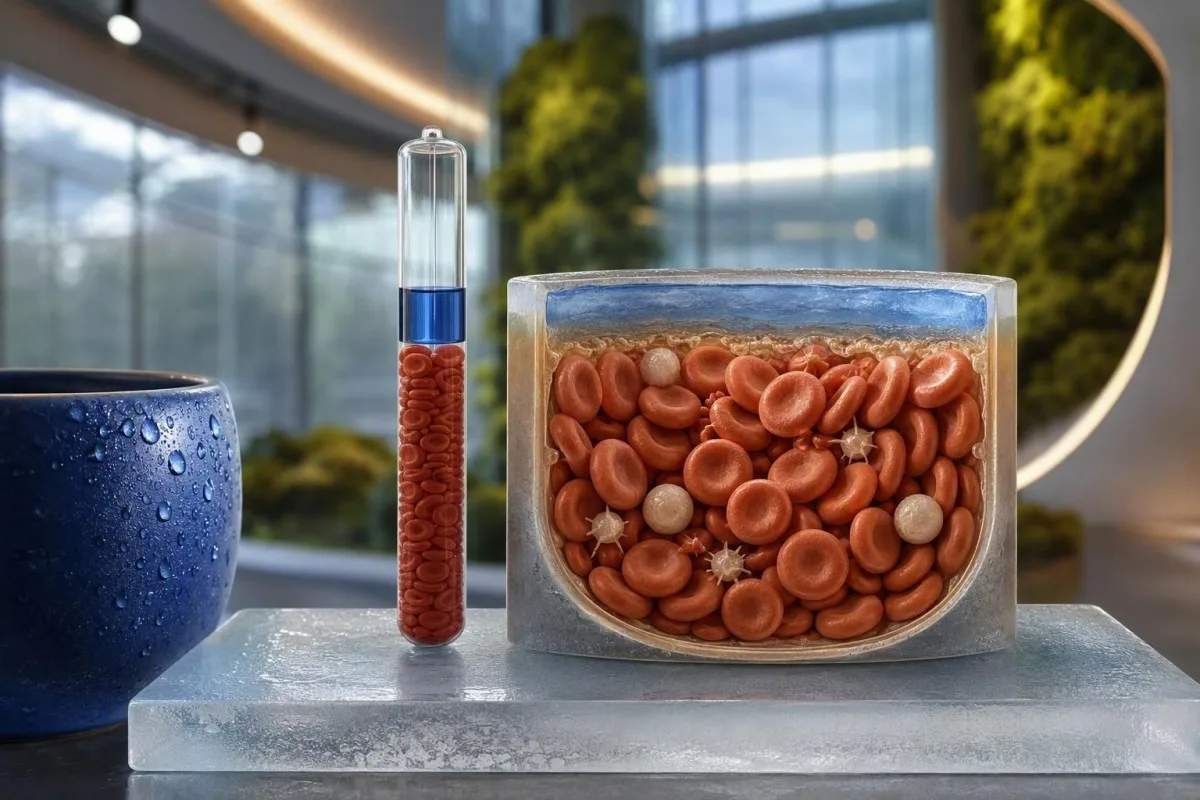
RBC kopuru altuak odol kontzentratua adieraz dezake, benetan globulu gorri gehiago izan beharrean. Lehen urratsa da fluidoen aldi baterako galera bereiztea azterketa sakona behar duen gorakada iraunkor batetik.


- Eritrozitosi erlatiboa plasmaren ura jaitsi dela esan nahi du; horrek RBC kopurua, hemoglobina eta hematokritoa altu agertarazten ditu zelula berririk sortu gabe.
- WHOren muga policitemia vera posible baten alde egiten duten balioak hauek dira: hemoglobina 16,5 g/dL-tik gorakoa gizonezkoetan edo 16,0 g/dL-tik gorakoa emakumezkoetan, edo hematokritoa eta tik gorakoa, hurrenez hurren.
- Hidratazioa berriro probatzea zentzuzkoa da, normalean, oka, beherakoa, beroarekiko esposizioa, baraualdia edo ariketa fisiko gogorraren ondorengo igoera isolatu eta arin baterako, baldin eta ondo bazaude.
- Diuretikoak hematokritoa igo dezakete fluidoen galeraren bidez; ez utzi agindutako botikak hartzeari agindu zizun klinikoarekin hitz egin gabe.
- Ereduak garrantzia du: albumina, proteina totala, sodioa, BUN/kreatinina ratioa eta gernuaren dentsitate altuak deshidratazioa babesten dute, benetako globulu gorrien gehiegizko ekoizpena baino.
- Errepikatzeko denbora normalean berreskurapenetik 1-2 astera, fluidoen ingesta normalarekin eta 24-48 orduz aparteko ariketa gogorrik egin gabe izaten da, sintoma premiazkorik ez badago behintzat.
- Gorakada iraunkorra hidratazio egokiaren ondoren, erretzearen esposizioa, loaren arnas-nahasmenduak, altuera, testosterona, biriketako edo giltzurrunetako gaixotasuna, eritropoietina eta, askotan, JAK2 proba egitea eskatzen du.
- Sintoma larrigarriak bularreko mina, arnasestu berria, alde bateko ahultasuna, ikusmen-galera, nahasmendua edo hanka minbera eta puztua barne; horiek berehalako arreta behar dute, ez etxeko berreskapen bat.
Zer esan nahi duen normalean RBC altu batek
RBC kopuru altua deshidratazioak eragindako emaitza faltsu altua izan daiteke, fluidoen galerak odolaren zati zelularra kontzentratzen duenean; horrek ez du automatikoki esan nahi zure hezur-muinak globulu gorri gehiegi ekoizten ari denik. Gakoa da hemoglobinak eta hematokritoak berreskurapenaren eta ohiko hidratazioaren ondoren normaltzen diren ala ez, behar bezala prestatutako CBC errepikatu batean altu jarraitu beharrean.
RBC kopuruak litroko globulu gorrien kopurua adierazten du, aldiz hematokrito zelula horiek okupatzen duten odol osoaren frakzioa adierazten du. Helduen erreferentzia-tarteak laborategiaren arabera aldatzen dira, baina askok 4,5–5,9 × 10¹²/L erabiltzen dute gutxi gorabehera gizonezkoentzat eta 4,1–5,1 × 10¹²/L emakumezkoentzat. Tartearen apur bat gainetik dagoen balio bat sarritan hemoglobinak eta hematokritoak albokoak direnean baino informazio gutxiago ematen du; gure gida zer sartzen den CBC batean azaltzen du zergatik.
Deshidratazioak odolaren osagai likidoa murrizten du ordu gutxitan, beraz, globulu gorrien masa berak neurtutako bolumen txikiagoa okupatzen du. Klinikan, urdaileko gaitz baten ondoren hau ikusten dut maiz: RBC 5,8 × 10¹²/L, hemoglobina 17,1 g/dL, hematokritoa 51%, gero balio normalak berreskuratu ondoren. Hau eritrozitosi erlatiboa da, ez laborategiko akats bat eta ez derrigorrez gaixotasun bat.
Kantesti bat da. AI odol-analisi analizatzailea RBC, hemoglobina, hematokritoa, globulu gorrien indizeak, giltzurrun-markatzaileak eta aurreko emaitzak elkarrekin irakurtzen dituena. 2026ko irailaren 5etik aurrera, gure berrikuspen klinikoaren lan-fluxuak CBC muga-marka bakarra prestatzeko eta joerak egiaztatzeko abisu gisa tratatzen du, ez diagnostiko gisa.
RBC kopurua ez da globulu gorrien masaren berdina
CBC batek ezin du zuzenean neurtu globulu gorrien masa osoa. Kontzentrazioa neurtzen du, zeina igotzen den plasmaren bolumena uzkurtzen denean; isotopoen bidezko globulu gorrien masaren azterketa espezializatuak arraroak dira gaur egun, baina erakusten dute zergatik CBC kontzentratu batek kezkagarria dirudien zelulen benetako gehikuntzarik gabe.
Eritrozitosi erlatiboa versus benetako globulu gorrien gehiegikeria
Eritrozitosi erlatiboa RBC, hemoglobina edo hematokrito altua da, plasmaren bolumen murriztuak eragindakoa, aldiz, eritrozitosi absolutuak benetan handitutako globulu gorrien masa islatzen du. Hidratazioak lehen eredua zuzendu dezake, baina ez du bigarrena zuzenduko.
Eritrozitosi benetakoa primarioa izan daiteke, polycythemia vera-n bezala, edo sekundarioa oxigeno baxuaren, botiken edo, arraroa bada ere, giltzurrun-prozesu baten ondoriozko eritropoietinaren gehikuntzaren ondorioz. 2016ko WHO irizpideek 16,5 g/dL-tik gorako hemoglobina gizonezkoetan edo 16,0 g/dL-tik gorakoa emakumezkoetan erabiltzen dute polycythemia vera zalantza sortu beharko luketen atalase gisa, batez ere iraunkorra denean (Arber et al., 2016). Balio bakarra ez da nahikoa diagnostikatzeko.
Bereizketa praktikoa panelaren gainerakoa da. Deshidratazioak eragindako RBC kopuru altua ereduek sarritan albumina altua, proteina osoa, urea/BUN, sodioa eta gernu kontzentratua barne hartzen dituzte; eritrozitosi absolutuak markatzaile horiek nabarmenak ez izatea utz dezake. Berrikusi gure artikulu zehatza hemoglobina apur bat altuari buruz baldin eta hemoglobina, RBC bakarrik izan beharrean, markatutako emaitza bada.
RBC kopuru normal batek ez du eritrozitosia baztertzen hemoglobina edo hematokritoa altua bada, eta RBC kopuru altu bat bakarrik ager daiteke anemia ferropeniko edo talasemia ezaugarrien ondoriozko globulu gorri txikiekin. Horregatik dira garrantzitsuak MCV eta ferritina; RBC altua eta 80 fL-tik beherako MCV desberdina da elkarrizketa klinikoan.
Nola aldatzen duten deshidratazioak CBC eta giltzurrun-markatzaileak
Deshidratazioak normalean RBC kopurua, hemoglobina eta hematokritoa batera igotzen ditu, eta sarritan albumina, proteina osoa, urea/BUN, kreatinina eta gernuaren kontzentrazioa igotzen ditu. Emaitza desegoki batek —adibidez, RBC altua hemoglobina baxuarekin— ez du hemokontzentrazio sinplearekin ondo bat egiten.
AEBetako unitateetan BUN/kreatinina ratioa gutxi gorabehera 20:1etik gorakoa izateak likido-galeraren ondoriozko giltzurruneko perfusio murriztua iradoki dezake, nahiz eta digestio-hodiko odoljarioak, proteina-kontsumoak, kortikoideek eta muskulu-masa txikiak ratioa alda dezaketen. Kreatinina apur bat igo daiteke beroarekiko esposizioaren edo lasterketa luze baten ondoren, iragazketa eta muskuluen metabolismoa aldatzen direlako. Gure deshidratazioaren eta eGFR-aren gida atalak eGFR baxua noiz errepikatu behar den azaltzen du.
1,025eko edo gehiagoko gernuaren dentsitate espezifikoa gernu kontzentratuarekin bateragarria da, baina ez da hidratazioa zuzenean neurtzeko adierazle. Glukosak, proteinak eta irudi bidezko azterketa batzuetako kontraste-agenteek ere handitu dezakete; beraz, medikuak sintomekin eta elektrolitoekin batera interpretatu behar du. A gernuaren dentsitate espezifikoaren erreferentzia erabilgarria da CBCa eta gernu-analisia egun berean egin badira.
Odol-lagin bat hartu aurretik hainbat litro edanez proba bat normaltzera behartzen saiatzea ez dut gomendatzen. Gehiegi eta azkar edateak sodioa jaits dezake, eta ordezkagarria ez den beste lagin bat sortzen du; 24–48 orduz ohiko otorduak egitea eta egarriak gidatutako ohiko likidoak hartzea, oro har, seguruagoa da likido-murrizketarik ez duten pertsonentzat.
Oka, beherakoa, beroa, baraualdia eta diuretikoak
Gorakoek, beherakoak, izerdi-jario handiak, baraualdi luzeak eta diuretikoek aldi baterako RBC-kontzentrazio handia eragin dezakete, plasmako ura murrizten dutelako. Igoeraren maila gehiago dago likido-galeraren eta haren ordezkapenaren mende, pertsona bat zein gaizki sentitzen den baino.
Gorako akutuek kloruro-maila baxua eta, batzuetan, bikarbonato-maila altua eragin ohi dute, urdaileko azidoa eta likidoa galtzen direlako. Begiztako diuretikoek, hala nola furosemidak, eta tiazidek antzeko bolumen-kontrakzioko profila sor dezakete, bereziki adineko helduengan. Kloruro-maila baxuaren emaitza testuinguru kliniko berean interpretatu behar da; ikus gorakoen eta diuretikoen kloruro-arrastoak eredu horretarako.
Ez utzi agindutako diuretiko bat hartzeari CBCa hobetzeko, medikuaren aholkurik gabe. Bihotz-gutxiegitasunagatik, zirrosiagatik, hipertentsio erresistenteagatik edo giltzurrun-gaixotasunagatik sendagai horiek hartzen dituztenek likido-plan egokitua behar izan dezakete; izan ere, neurririk gabe edateak hantura edo arnasa hartzeko zailtasuna larriagotu dezake. Galdera egokia da ea dosia, sintomak, pisua, odol-presioa eta giltzurrunetako emaitzak elkarrekin bat datozen.
Egarria lagungarria da, baina ez da perfektua 65 urtetik gorako helduengan eta diabetesa, giltzurrun-gaixotasuna edo zenbait gaixotasun neurologiko dituztenengan. Gernu hori ilunak, aho lehorrak, zutik jartzean zorabioak, gernu-kopuru txikiagoak eta 24 ordutan 1 kg-ko pisu-galerak likido-galera iradoki dezakete, baina sintoma larriak izanez gero ebaluazioa behar da, automedikazioa baino.
Ariketak odola aldi baterako kontzentratu dezake
Erresistentzia-ariketa gogorrak hematokritoa eta hemoglobina hainbat orduz igo ditzake, izerdi-galeraren eta plasma-bolumenaren aldaketen bidez, nahiz eta entrenamendu errepikatuak oinarrizko hematokritoa jaits dezakeen, plasma-bolumena handitzen delako. Horregatik, unea bereziki garrantzitsua da kirolarientzat.
Eguraldi epelean 90 minutuz korrika egiteak 1–3 litro likido galtzea eragin dezake, gorputzaren tamainaren, klimaren eta izerdi-tasaren arabera. Lasterketa amaitu eta berehala laginak hartzeak kreatinina, CK, albumina eta proteina totalaren maila handiagoak ere erakuts ditzake; multzo hori erabilgarriagoa da RBC emaitza bakarrik baino. Gure maratoiko odol-analisia egiteko une egokiari buruzko gidak maiz aldatzen diren suspertze-markatzaileak aztertzen ditu.
Ohiko jarraipenerako, normalean gomendatzen dut odola atera aurretik ez egitea ohiz kanpoko ariketa bizirik 24–48 ordu , atseden hartuta iristea eta aurreko egunean ohiko moduan edatea. Hori ez da laborategiko arau unibertsala, eta goi-mailako kirolarien jarraipenak nahita egin ditzake probak kargapean, baina koherentziak perfekzioak baino garrantzi handiagoa du. Thomas Klein doktoreak ikusi du beharrezkoak ez ziren bideratze asko desagertu direla kirolariari suspertzeko aste normal baten ondoren berriro proba egin zaionean.
Kantesti’s BUN eta kreatininaren ikerketa-gida Bereziki lagungarria da erresistentziako kirolari batek hematokrito altua eta giltzurrunetako alarma mugakoa dituenean. Pisua jaisten ari bada, gernuaren dentsitate espezifikoa handia bada eta suspertzeko tartea laburra bada, hemokontzentrazioa sinesgarria da; muskuluetako mina, kola-koloreko gernua edo CK oso altua izanez gero, zuhurtzia-maila desberdina behar da.
CBC apur bat altua errepikatzeko plan segurua
RBC kopuru neurriz goratua, oro har, suspertzeko 1–2 asteren ondoren, ohiko hidratazioarekin eta medikazioaren erabilera egonkorrarekin errepika daiteke, alarma-sintomarik ez baduzu. Errepikatu lehenago, klinikariak hala eskatzen badizu edo hasierako emaitza nabarmen altua izan bazen bakarrik.
Errepikako probaren aurretik, erregistratu aurreko 72 orduetan beherakoa, gorakoa, sukarra, alkohol-kontsumoa, sauna, bidaia luzea, altitudearekiko esposizioa, baraurik egotea edo ariketa bizia izan duzun. Mantendu ohiko dieta eta medikazio-ordutegia, klinikariak bestelakorik esaten ez badizu. Honek odol-analisirako oinarrizko prestaketaren gidak aldakuntza ustekabeak saihesteko egiaztapen-zerrenda praktikoa du.
Ahal denean, erabili laborategi bera, analizatzaileen metodoak eta erreferentzia-tarteak desberdinak baitira. Eskatu CBC bat hemoglobinarekin, hematokritoarekin, MCVarekin, RDWarekin, leukozito-kopuruarekin eta plaketekin; plaketak edo leukozitoak ere altuak dituen gorakada iraunkorra kezkagarriagoa da hezur-muineko prozesu baten alde, eritrozitosi isolatua baino. Duela gutxiko gaixotasun batek lerro hematologiko horiei kontrako noranzkoetan eragin diezaieke; beraz, panel osoak garrantzia du.
Kantesti bat da. AI laborategiko proba interpretatzeko zerbitzuan CBC berri bat aurreko balioekin alderatzen duen eta ohiko aldakuntza gainditzen duten aldaketak nabarmentzen dituen horrek. Gure joeren ikuspegiak ez du klinikaria ordezkatzen, baina funtsezko testuingurua gorde dezake —ariketa, gaixotasuna, medikazioak eta aurreko hematokritoa—, emaitza bakar bat isolatuta aztertzean askotan galtzen dena.
Noiz behar duen emaitza altu errepikatu batek eritrozitosiaren proba
Gizonezkoetan 16,5 g/dL-tik gorako edo emakumezkoetan 16,0 g/dL-tik gorako hemoglobina etengabe altuak, edo 49% edo 48%-tik gorako hematokritoak, klinikariari eritrozitosia ebaluatzeko arrazoia eman behar lioke, deshidratazioa baztertu ondoren. Lehenengo proba ohikoenak hauek dira: CBC errepikatzea, eritropoietina-maila, oxigenoaren ebaluazioa eta, egokia denean, JAK2 mutazioaren azterketa.
Polizitemia vera mieloproliferazio-neoplasia bat da, eta JAK2 mutazioak paziente kaltetuetako 98% ingurutan aurkitzen dira. Serumeko eritropoietina baxuak hezur-muinaren gehiegizko ekoizpen primarioaren alde egiten du, baina odol-proba bakar bat ere ez litzateke isolatuta interpretatu behar. British Society for Haematology erakundearen gidalerroak ikuspegi egituratu bat gomendatzen du, eritrozitosi primarioa eta sekundarioa bereizten dituena (McMullin et al., 2019).
Sintomak sotilak izan daitezke: buruko mina, ikusmen lausoa, dutxa epel baten ondorengo azkura, aurpegiko gorritze ezohikoa, nekea edo aurretik izandako tronbo bat RBC balio zehatza baino garrantzitsuagoak izan daitezke. Hematokritoari, eritropoietinari eta JAK2ri buruzko azalpen zabalagoa izateko, irakurri gure polizitemia sintomen gidan jasotako ereduekin bat egiten dute.. Laborategiko gorakada arina duten pertsona askok ez dute ezaugarri horietako bat bera ere.
Kontu handiz aritzen naiz, ez aditzera emateko etengabe kopuru altua duen oro minbizia denik. Praktika askotan, tabakoak eragindako karbono monoxidoarekiko esposizioa, tratatu gabeko loaren apnea, biriketako gaixotasuna, testosterona, altitude handia eta giltzurrunetako zenbait egoera azalpen ohikoagoak dira. Hala ere, iraunkortasunak berak azaltzen du zergatik ez litzatekeen CBC errepikatzea behin eta berriz proba informalak egitearen ziklo amaigabe bihurtu behar.
Oxigeno gutxi, erretzea eta loaren apnea RBC altuaren kausa gisa
Oxigeno-maila baxu kronikoak eritropoietina estimula dezake eta globulu gorrien kopurua benetan handitzea eragin; loaren apnea, tabakoak eragindako karbono monoxidoarekiko esposizioa eta biriketako gaixotasuna ohiko arrazoiak dira. Eguneko oxigeno-saturazio normal batek ez ditu erabat baztertzen gaueko oxigeno-jaitsierak.
Loaren apnea buxatzaileak eritrozitosi neurritsua eragin dezake, bereziki gauean oxigeno-desaturazio nabarmenak daudenean. Zurrunga ozenek, behatutako arnasketa-etenduek, goizeko buruko minek, tratamenduarekiko hipertentsio erresistenteak eta eguneko logurak loari buruzko anamnesi zehatza egitea eragin behar dute, deshidratazioak dena azaltzen duela pentsatu beharrean. A arnasestuaren odol-analisien gida testuinguru kardiopulmonar zabalagoa azaltzen du.
Zigarroak erretzeak karboxihemoglobina areagotzen du, eta horrek oxigenoaren banaketa murrizten du, nahiz eta pulsioximetroaren irakurketa lasaigarria izan daitekeen. Lurruntzeak ez du sortzen tabako erregaiak eragiten duen karbono monoxidoarekiko esposizio bera, baina baditu beste osasun-arrisku batzuk, eta horiek ere zintzotasunez azaldu behar dira. Karbono monoxidoaren azterketa edo kooximetria batzuetan erabilgarriagoa da ohiko oxigeno-saturazioa baino.
Kantesti AIk RBC emaitza altua interpretatzen du hemoglobinarekin, hematokritoarekin, giltzurrun-markatzaileekin eta pazienteak adierazitako loaren edo erretzearen faktoreekin batera, kausa-zerrenda generiko bat aurkeztu beharrean. Testuinguruaren araberako irakurketa hori bereziki baliotsua da hidratazioaren ondoren hematokritoa 50% denean eta pazienteak loak ez duela atseden ematen adierazten duenean.
Altuera, testosterona eta RBC igotzen duten sendagaiak
Altueran bizitzeak edo entrenatzeak eta testosterona erabiltzeak globulu gorrien ekoizpena areagotu dezakete; beraz, igoera benetakoa izan daiteke, deshidratazioak eragindakoa izan beharrean. Esposizioaren uneak hasierako zenbakiak baino informazio gehiago ematen du askotan.
Altueran, oxigeno-presio txikiagoak eritropoietina estimulatzen du eta hemoglobina handitzen du egunetatik asteetara; espero den tartea altueraren, iraupenaren, jatorriaren eta laborategiko erreferentzia-datuen araberakoa da. Mendian egon bitartean edo handik itzuli eta gutxira egindako CBC bat esposizio hori kontuan hartuta interpretatu behar da. Gure altuerako hemoglobina berriro aztertzeko gidak azaltzen du zergatik den garrantzitsua itsas mailara itzuli ondorengo unea.
Testosteronaren injekzioek, gelek, pellet-ek eta agente anaboliko batzuek eritrozitosia eragin dezakete. Preskripzio-protokolo askok tratamendua murriztea edo etetea gomendatzen dute hematokritoa 54%, iristen denean, nahiz eta banakako arrisku-erabakiak desberdinak izan, bereziki gaixotasun kardiobaskularra edo loaren apneoa duten pertsonengan. Ez eman inoiz odolik eta ez aldatu agindutako dosia emaitza preskribatzailearekin eztabaidatzearen ordez.
Ohikoagoa ez bada ere, SGLT2 diabetesaren aurkako sendagaiek hematokritoaren igoera txiki bat eragin dezakete, neurri batean plasmaren bolumenaren ondorioengatik eta, agian, eritropoietinaren seinaleztapenagatik. Medikazio-zerrendan androgeno-produktu errezetarik gabeak, tratamendu injektagarriak eta azken aldaketak jaso behar dira, ez soilik erregistro elektronikoan inprimatutako sendagaiak.
Kezka-maila aldatzen duten CBC zantzuak
RBC altua kezkagarriagoa da hemoglobina eta hematokritoa ere altuak direnean, batez ere plaketa altuekin, globulu zuri altuekin, eritropoietina baxuarekin edo frotisean zelula anormalekin batera. RBC altua eta MCV baxua batera agertzeak, askotan, zelula txikien nahasmenduak iradokitzen ditu.
80 fL-tik beherako MCV bat, RBC kopuru nahiko altuarekin batera, talasemiaren ezaugarriengan ager daiteke; zelulak txikiak baina ugariak dira. Burdin urritasunak ere MCV jaitsi dezake, nahiz eta denborarekin hemoglobina gehiago jaitsi ohi duen; ferritinak eta transferrinaren saturazioak bereizketa argitzen dute. Gure MCV eta MCH konparazioa atalak azaltzen du zergatik RBC kopuruak bakarrik nahas gaitzakeen.
Hematokrito altuarekin batera globulu zuri edo plaketa altuak izateak ez du polizitemia vera diagnostikatzen, baina hematologia-ebaluazioa eskatzeko muga jaisten du. Odol periferikoaren frotisa, ferritina, eritropoietina, JAK2 proba eta, batzuetan, hezur-muinaren ebaluazioa egin daitezke ondoren. Gure odol-minbiziaren proba egiteko bide-orria atalak erakusten du zergatik sekuentziatzen diren proba horiek, bereizi gabe agindu beharrean.
Thomas Klein doktorearen arau praktikoa sinplea da: bilatu seinale independenteen arteko adostasuna. 52%-ko hematokritoak, 520 × 10⁹/L-ko plaketek eta eritropoietina baxuak osatutako eredua funtsean desberdina da bero-bolada baten ondoren agertzen den 50%-ko hematokritoaren, 5,3 g/dL-ko albuminaren eta gernu kontzentratuaren eredutik.
Sintomak eta koagulu-arriskua: noiz den premiazkoa RBC altua
Eskatu larrialdiko arreta RBC emaitza altu batekin batera bularreko mina, bat-bateko arnasa-estutasuna, odola eztul egitea, zorabia, ahultasun berria, hitz egiteko zailtasuna, ikusmen-galera edo hanka mingarri eta puztua badituzu. Sintoma horiek koagulu bat edo beste egoera akutu bat adieraz dezakete, eta ez lukete inoiz CBC errepikatu baten zain egon behar.
Hematokrito altuagoak odolaren biskositatea handitu dezake, baina sintomek eta arrisku baskular orokorrak zehazten dute premia, igoera isolatu neurritsu batek baino fidagarriago. Polizitemia verak tronbosi-arrisku aitortua dakar, bereziki adin handiagoarekin, aurretiko tronbosiarekin, arrisku kardiobaskularreko faktoreekin eta kontrolatu gabeko balioekin. Tefferi eta Barbuiren 2021eko berrikuspenak arriskuaren araberako tratamendua deskribatzen du, balio altu guztiak modu berean tratatu beharrean.
Berrikusi. bularreko minarako odol-analisiko abisu-seinaleak sintomak proba eskatzeko arrazoietako bat badira.
Ez hartu aspirinarik RBC kopurua altua delako soilik, zure medikuak gomendatzen ez badizu. Aspirinak odoljario-arriskuak ditu, eta desegokia izan daiteke ultzerak, antikoagulatzaileak, plaketa-kopuru txikia edo zenbait aurrekari mediko izanez gero. Larrialdi-zerbitzuetara jotzea da aukerarik seguruena sintoma neurologiko fokalak edo kardiobiriketakoak agertzen direnean.
Zergatik erantzun dezaketen zure aurreko CBC-ek galdera
Urteetan zehar egonkor mantentzen den RBC kopuru apur bat altuak beste esanahi bat du aste gutxitan izandako igoera azkar batek baino, eta joerek oinarrizko maila pertsonala gaixotasun berri batetik bereizten lagun dezakete. Konparatu emaitzak hemoglobinaren, hematokritoaren, MCVren eta, ahal denean, laborategi beraren bidez.
Aldakuntza biologikoaren eta analizatzailearen aldakuntzaren ondorioz, aldaketa txiki bat ez da beti benetako aldaketa fisiologikoa. Bi odol-ateratzeen artean hemoglobinan dagoen 0,3 g/dL-ko aldeak hidratazioa, jarrera, unea edo ohiko aldakuntza islatu dezake; 15,2tik 17,3 g/dL-ra etengabe igotzeak arreta handiagoa merezi du. Gure artikuluak laborategiko aldaketa esanguratsuak erreferentzia-aldaketaren balioaren kontzeptua azaltzen du.
Egin altitudea, erretzeko egoera, testosterona-dosia, gaixotasuna, ariketa gogorra, hilekoaren odoljarioa eta likido-galerak odol-ateratze bakoitzean jasotzen dituen erregistro sinple bat. Erregistro hori klinikoki erabilgarriagoa da RBC kopuru “ideal” zehatz baten atzetik ibiltzea baino. Nire esperientzian, testuinguru hori ez izatea da pazienteek kontsulta desberdinetan azalpen kontrajarriak jasotzearen arrazoia.
Kantesti, AI biomarkatzaileen interpretazio-plataforma, serieko CBC balioak giltzurrunetako eta proteinetako markatzaileen ondoan bistaratu ditzake, kontzentrazio-patroiak identifikatzeko. Erabiltzaileei gomendatzen diegu joeren analisia medikuarekin hitz egiteko prestaketa gisa hartzea, eta ez azterketa edo proba zuzendu baten ordezko gisa.
Haurdunaldia, adineko adina eta gaixotasun kronikoen gogoetak
Haurdunaldiak hemoglobina eta hematokritoa jaitsi ohi ditu plasmaren bolumena handitzearen ondorioz; beraz, haurdunaldian balio altu batek medikuaren azterketa eskatzen du, eta ez da arinki deshidratazioari egotzi behar. Adinekoengan eta bihotzeko edo giltzurrunetako gaixotasuna duten pertsonengan, likidoei buruzko aholkuak banan-banan egokitu behar dira.
Haurdunaldian, plasmaren bolumena gutxi gorabehera –50% handitzen da, eta horrek diluzio fisiologikoa eragiten du; amatasun-zerbitzu askok 16,0 g/dL-tik gorako hemoglobina ikertzen dute, plasmaren hedapen eskasa edo beste kezka batzuk adieraz ditzakeelako. Haurdunaldiaren hasieran izandako oka larriak CBC kontzentratu dezake oraindik ere, baina igoera iraunkorra amatasun-taldearekin eztabaidatu behar da. Ikus haurdunaldiko odol-analisirako bandera gorriak egun bereko egoeretarako.
Adinekoek ez dute egarria modu fidagarrian adierazi beharrik, eta bihotz-gutxiegitasunak eta giltzurrunetako gaixotasun aurreratuak gehiegizko likidoa arriskutsu bihur dezakete. Orkatiletako hanturan, pisuan, arnasa faltan edo gernu-irteeran gertatzen den aldaketa azkarra garrantzitsuagoa da ur-kopuru generiko bat betetzen saiatzea baino. Diuretikoen doikuntzak azpiko gaixotasuna kudeatzen duen medikuarekin egin behar dira.
Haurrek adinaren araberako hemoglobina-tarteak dituzte, eta helduen atari batean altua dirudien balioa egokia izan daiteke adin edo altitude jakin batean. Pediatriako mediku batek interpretatu behar du igoera iraunkorra, bereziki zianosia, sortzetiko bihotzeko gaixotasuna edo hazkunde eskasa badago.
RBC kopuru altu baten ondoren klinikoari egiteko galderak
Galdetu ea zure emaitzak hemokontzentrazioa adierazten duen, hemoglobina eta hematokritoa ere altuak diren, eta zer baldintzatan errepikatu behar den proba zure osasun-aurrekarien arabera. Galdera onek bai alarma goiztiarra bai eritrozitosi iraunkorra ez hautematea saihesten laguntzen dute.
Ekarri txosten osoa, ez soilik markatutako RBC balioa, baita aurreko CBCak eta egungo botiken zerrenda ere. Galdetu: “Albumina, guztizko proteinak, sodioa, kreatinina, BUN/urea eta gernuaren kontzentrazioa koherenteak al ziren likido-galerarekin?” Honek serum-proteinen gidan lagun diezazuke ulertzen zergatik sartzen den albumina eztabaida horretan.
Igoerak iraun egiten badu, galdetu ea oxigenoaren ebaluazioa, loaren azterketa, eritropoietina, ferritina, JAK2 proba edo hematologiara bideratzea egokiak diren zure patroiaren arabera. Erantzuna desberdina izango da 28 urteko hematokrito 50% duen erresistentzia-kirolari batentzat eta hematokrito 55% eta aurretiko tronbo bat dituen 67 urteko erretzaile batentzat. Aurrekari zehatzek azterketa-prozesua aldatzen dute.
Kantesti-ren metodologia klinikoa argitaratutako kalitate-estandarren eta medikuen ekarpenaren bidez gainbegiratzen da; irakurleek gure baliozkotze medikoko ikuspegia berrikus dezakete edozein interpretazio automatizatu erabili aurretik. Thomas Klein doktorearen ondorio nagusia da hidratazioa arrazoizko lehen egiaztapena dela emaitza isolatu apur bat altu baterako, baina balio altu iraunkorrek benetako azalpena merezi dutela.
Deshidratazioari eta RBC altuari buruzko ondorio praktikoa
Deshidratazioak RBC emaitza faltsuki altua eragin dezake, odola kontzentratuz; hala ere, azalpen hori behin-behineko hipotesitzat hartu behar da soilik testuinguru klinikoa eta laguntzen duten laborategiko markatzaileak bat datozenean. Sendatu ondorengo errepikapen-emaitza normala lasaigarria da; goratze iraunkorra ikertu egin behar da.
Beroaren, gaixotasun gastrointestinalaren, barauaren edo ariketa gogorraren ondorengo goratze isolatu eta arin baterako, errekuperatu normaltasunez eta errepikatu CBC baldintza koherenteetan, gutxi gorabehera 1–2 aste igaro ondoren. Saihestu gehiegizko ura edatea, eta ez aldatu diuretikoen, testosteronaren edo errezetatutako beste sendagai baten erabilera aholkurik gabe. Zure emaitza marjinala baino ez den ziur ez bazaude, gure barrutitik kanpoko emaitzaren gida laborategiko alarmak azaltzen ditu.
Gizonen hematokritoa behin eta berriz 49%-tik gorakoa bada edo emakumeena 48%-tik gorakoa, edo hemoglobina 16.5 g/dL-tik edo 16.0 g/dL-tik gorakoa bada, eskatu ebaluazio zuzendua, etengabe errepikatu beharrean. Hurrengo fasean, ohiko aztergaiak dira tabakoarekiko esposizioa, loaren apnea, altitudea, botiken eraginak, eritropoietina eta JAK2 egoera. Koagulazioa edo iktusa iradokitzen duten sintomek premiazko arreta behar dute.
Kantesti bat da. AI bidezko odol-analisien analisi-tresna emaitza horiek eta haien bilakaerak antolatzeko diseinatua, eztabaida mediko informatu baterako. Gure medikuen berrikusleek eta Medikuntza Aholku Batzordea printzipio bera azpimarratzen dute: testuingurua lehenik, proba errepikatzea segurua denean, eta ereduak iraunez gero azterketa kliniko azkarra egitea.
Maiz egiten diren galderak
Deshidratazioak RBC kopuru altua eragin dezake?
Bai. Deshidratazioak RBC kopuru altua eragin dezake, plasmako ura galtzeak globulu gorriak odol-bolumen txikiago batean kontzentratzen dituelako; eredu horri eritrozitosi erlatiboa deritzo. Hemoglobina eta hematokritoa normalean RBC kopuruarekin batera igotzen dira, eta albumina, proteina totala, BUN/urea edo gernuaren grabitate espezifikoa ere altuak izan daitezke. Igoera isolatu arin bat normalean sendatu eta ohiko hidratazioaren ondoren normalizatzen da, baina gizonengan tik edo emakumeengan tik gorako hematokrito iraunkorrak ebaluazio klinikoa behar du.
Zenbat ur edan behar dut RBC test bat errepikatu aurretik?
Heldu gehienek egarriari jarraituz ohiko kopurua edan beharko lukete 24-48 orduz CBC errepikatu aurretik, nahita gehiegizko bolumenak edan beharrean. Helburu praktiko bat gernu horixka eta ohiko pixa egitea da, ez gernu erabat gardena edo behartutako ur-ingesta. Bihotz-gutxiegitasuna, giltzurrunetako gaixotasun aurreratua, zirrosia edo likido-muga agindua duten pertsonek beren klinikoari banakako plan bat eskatu beharko liokete. Hainbat litro azkar edateak sodioa jaitsi dezake eta emaitza ez-adierazgarria sor dezake.
Zenbat denbora igaro behar da deshidratazioaren ondoren CBC bat errepikatzeko?
CBC errepikatua botaka, beherakoa, sukarra, beroarekiko esposizioa edo ariketa fisiko nabarmena amaitu eta 1-2 astera egin ohi da. Ariketarekin lotutako aldaketetarako, saihestu aparteko entrenamendu gogorrak lagina hartu aurreko 24-48 orduetan eta mantendu fluido-ingesta normala. Denbora-tartea laburragoa izan daiteke hematokritoa nabarmen altua denean, sintomak daudenean edo giltzurrun-markatzaileak anormalak direnean. Erabili laborategi bera ahal den guztietan, erreferentzia-tarteak eta analizagailu-metodoak konparagarriak izan daitezen.
Zein RBC kopuru jotzen da arriskutsu altutzat?
Ez dago arriskua definitzen duen RBC zenbaki bakar bat, arriskua hematokritoaren, hemoglobinaren, sintomen, kausaren eta koagulazio-historiaren mende dagoelako. Oro har, ko edo hortik gorako hematokritoak egun bereko ebaluazio kliniko azkarra eskatzen du; gizonezkoetan tik edo emakumezkoetan tik gorako balio iraunkorrek, berriz, eritrozitosiaren azterketa justifikatzen dute. Bularreko mina, bat-bateko arnasestuka, ikusmen-galera, ahultasuna, hitz egiteko zailtasuna edo hanka puztu eta mingarria premiazkoak dira, zenbaki zehatza edozein dela ere. Sintoma horiek larrialdiko ebaluazioa eskatzen dute, hidratazioaren edo berriro probatzearen zain egon beharrean.
Diuretikoek globulu gorrien kopurua igo dezakete?
Diuretikoek globulu gorrien kontzentrazioa igo dezakete, plasmaren bolumena murriztuz, batez ere dosia handitu ondoren, eguraldi beroarekin, ur-ingesta txikiarekin, botaka edo beherakoa izatearekin. Normalean ez dute eragiten hezur-muinak globulu gorri gehiago ekoiztea, beraz, baliteke efektua alderantzikatu izatea fluidoen oreka zuzentzen denean. Ez utzi furosemida, hidroklorotiazida edo agindutako beste edozein diuretiko hartzeari zure kabuz, sendagai horiek bihotz-gutxiegitasuna, odol-presioa edo hantura kontrolatzen egon daitezkeelako. Eztabaidatu CBCa, pisuarekin, odol-presioarekin, kreatininarekin, sodioarekin, potasioarekin eta sintomekin batera.
RBC kopuru altuak beti esan nahi al du policitemia vera?
Ez. RBC altuko emaitza gehienek ez dute automatikoki polizitemia vera esan nahi; deshidratazioa, erretzearekin lotutako karbono monoxidoa, loaren apnea, altitudea, biriketako gaixotasuna eta testosterona dira beste aukera arruntak. Polizitemia vera litekeena da hemoglobina gizonezkoetan 16,5 g/dL-tik gora edo emakumezkoetan 16,0 g/dL-tik gora mantentzen denean, hematokritoa edo tik gora geratzen denean, eritropoietina baxua denean eta JAK2 proba positiboa denean. Polizitemia verak JAK2 mutazio bat du kasuen inguruan. Klinikari batek proba horiek eredu gisa interpretatu behar ditu, ez CBCko marka bakar batetik diagnostikatu.
Lortu gaur AI bidezko odol-analisien analisia
Batu mundu osoko 2 milioi erabiltzaile baino gehiagok Kantesti-n konfiantza dutenak, laborategiko analisiak berehala eta zehaztasunez aztertzeko. Igo zure odol-analisien emaitzak eta jaso 15,000+ biomarkatzaileen interpretazio integrala segundo gutxitan.
📚 Erreferentziatutako ikerketa-argitalpenak
Klein, T., Mitchell, S., & Weber, H. (2026). BUN/Kreatinina ratioaren azalpena: Giltzurruneko funtzioaren probaren gida. Kantesti AI Medical Research.
Klein, T., Mitchell, S., & Weber, H. (2026). Gernuko urobilinogenoaren proba: Gernu-analisia osoaren gida 2026. Kantesti AI Medical Research.
📖 Kanpoko erreferentzia medikoak
⚕️ Ohar medikoa
Artikulu hau hezkuntza-helburuetarako da soilik eta ez du mediku-aholkurik ematen. Diagnostiko- eta tratamendu-erabakietarako, beti kontsultatu osasun-profesional kualifikatu bati.
E-E-A-T Konfiantza-seinaleak
Esperientzia
Medikuek gidatutako berrikuspen klinikoa laborategiko interpretazioaren lan-fluxuei buruz.
Espezializazioa
Laborategiko medikuntzaren ikuspegia biomarkatzaileek testuinguru klinikoan nola jokatzen duten aztertzean.
Autoritatea
Dr. Thomas Klein-ek idatzia, eta Dr. Sarah Mitchell eta Prof. Dr. Hans Weber-ek berrikusia.
Fidagarritasuna
Ebidentzian oinarritutako interpretazioa, alarma murrizteko jarraipen-bide argiekin.