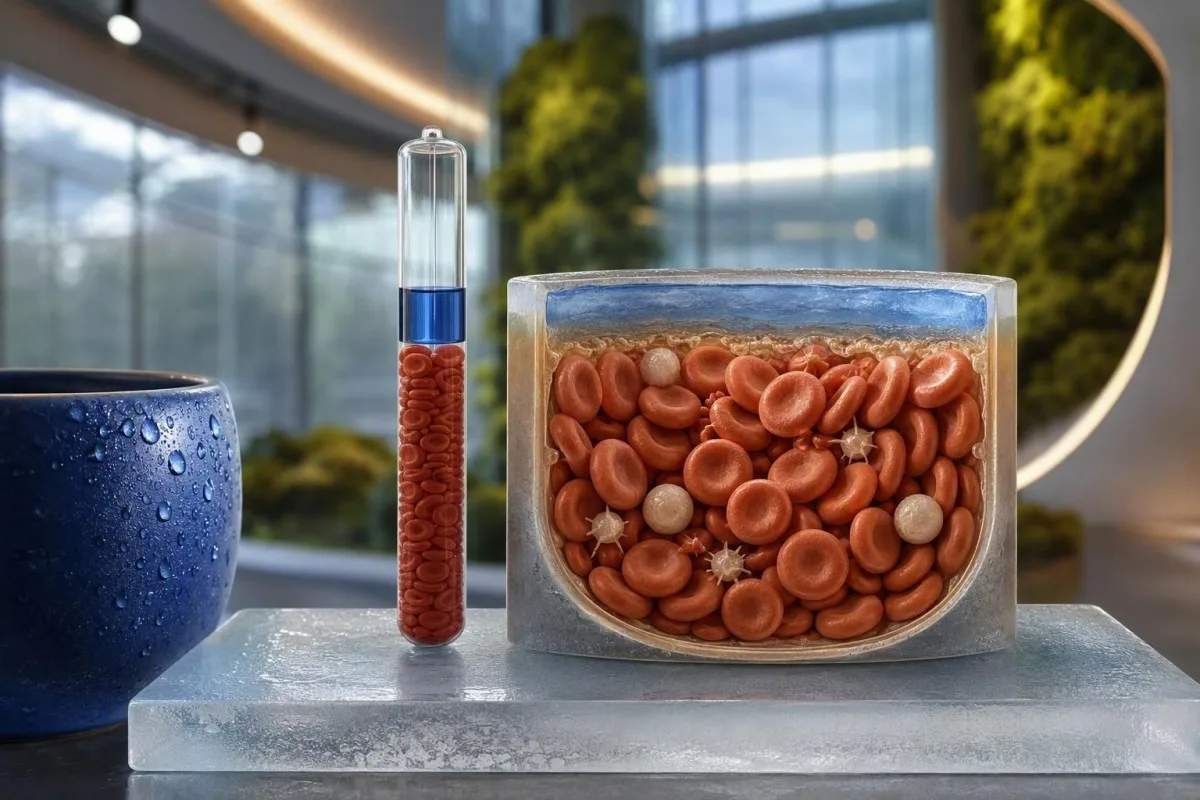
RBC-ის მაღალი მაჩვენებელი შესაძლოა სისხლის კონცენტრაციის მატებაზე მიუთითებდეს და არა ერითროციტების ჭარბ რაოდენობაზე. პირველი ამოცანაა დროებითი სითხის კარგვის გამიჯვნა მუდმივი მომატებისგან, რაც სათანადო კვლევას საჭიროებს.


- შედარებითი ერითროციტოზი ნიშნავს, რომ პლაზმაში წყლის შემცველობა შემცირდა, რის გამოც RBC, ჰემოგლობინისა და ჰემატოკრიტის მაჩვენებლები მაღალი ჩანს, ახალი უჯრედების წარმოქმნის გარეშე.
- WHO-ის ზღვარი მნიშვნელობები, რომლებიც ადასტურებს პოლიციტემია ვერას შესაძლებლობას, არის ჰემოგლობინი 16.5 გ/დლ-ზე მეტი მამაკაცებში ან 16.0 გ/დლ-ზე მეტი ქალებში, ან ჰემატოკრიტი, შესაბამისად, 49%-ზე და 48%-ზე მეტი.
- ჰიდრატაციის განმეორებითი ტესტი როგორც წესი, გონივრულია უმნიშვნელო, იზოლირებული მომატებისას ღებინების, დიარეის, სიცხის ზემოქმედების, შიმშილის ან დამღლელი ვარჯიშის შემდეგ — თუ სხვა მხრივ თავს კარგად გრძნობთ.
- დიურეტიკები შეიძლება გაზარდოს ჰემატოკრიტი სითხის კარგვის გამო; არ შეწყვიტოთ დანიშნული მედიკამენტების მიღება იმ ექიმთან კონსულტაციის გარეშე, რომელმაც ისინი დაგინიშნათ.
- ნიმუში მნიშვნელოვანია: მაღალი ალბუმინი, საერთო ცილა, ნატრიუმი, BUN/კრეატინინის თანაფარდობა და შარდის კუთრი წონა უფრო მეტად მიუთითებს გაუწყლოებაზე, ვიდრე ერითროციტების ნამდვილ ჭარბ წარმოქმნაზე.
- განმეორების დრო ჩვეულებრივ კეთდება გამოჯანმრთელებიდან, სითხის ნორმალური მიღებიდან და 24–48 საათის განმავლობაში ზედმეტად მძიმე ვარჯიშის გარეშე, თუ არ არსებობს გადაუდებელი სიმპტომები.
- მუდმივი მომატება ადეკვატური ჰიდრატაციის შემდეგ საჭიროებს შეფასებას მოწევის, ძილის დარღვევის, სიმაღლის, ტესტოსტერონის, ფილტვის ან თირკმლის დაავადების, ერითროპოეტინის და ხშირად JAK2 ტესტირების თვალსაზრისით.
- სასწრაფო სიმპტომები მოიცავს გულმკერდის ტკივილს, სუნთქვის ახალ უკმარისობას, ცალმხრივ სისუსტეს, მხედველობის დაკარგვას, ცნობიერების დაბინდვას ან მტკივნეულ შეშუპებულ ფეხს; ეს მდგომარეობები საჭიროებს დაუყოვნებლივ სამედიცინო ჩარევას და არა სახლის პირობებში განმეორებით ტესტირებას.
რას ნიშნავს ჩვეულებრივ RBC-ის მაღალი მაჩვენებელი
RBC-ის მაღალი მაჩვენებელი შეიძლება იყოს დეჰიდრატაციით გამოწვეული ცრუ მომატება, როდესაც სითხის დაკარგვა იწვევს სისხლის უჯრედული ნაწილის კონცენტრაციის ზრდას; ეს ავტომატურად არ ნიშნავს, რომ თქვენი ძვლის ტვინი გამოიმუშავებს ძალიან ბევრ ერითროციტს. მინიშნება იმაში მდგომარეობს, ნორმალიზდება თუ არა ჰემოგლობინი და ჰემატოკრიტი გამოჯანმრთელებისა და ადეკვატური სითხის მიღების შემდეგ, ნაცვლად იმისა, რომ დარჩეს მომატებული კარგად მომზადებულ განმეორებით CBC-ზე.
RBC-ის რაოდენობა აღნიშნავს ერითროციტების რაოდენობას ლიტრზე, ხოლო ჰემატოკრიტი აღნიშნავს მთლიანი სისხლის იმ ნაწილს, რომელსაც ეს უჯრედები იკავებს. ზრდასრულთა საცნობარო ინტერვალები ლაბორატორიების მიხედვით განსხვავდება, მაგრამ ბევრი მათგანი იყენებს დაახლოებით 4.5–5.9 × 10¹²/ლ-ს მამაკაცებისთვის და 4.1–5.1 × 10¹²/ლ-ს ქალებისთვის. ნორმაზე ოდნავ მაღალი მაჩვენებელი ხშირად ნაკლებად ინფორმაციულია, ვიდრე მის გვერდით არსებული ჰემოგლობინი და ჰემატოკრიტი; ჩვენი გზამკვლევი რა შედის CBC-ში ახსნილია, რატომ.
დეჰიდრატაცია საათების განმავლობაში ამცირებს სისხლის თხევად კომპონენტს, ამიტომ ერითროციტების ერთი და იგივე მასა იკავებს უფრო მცირე გაზომილ მოცულობას. კლინიკაში ამას ხშირად ვხედავ კუჭ-ნაწლავის ინფექციის შემდეგ: RBC 5.8 × 10¹²/ლ, ჰემოგლობინი 17.1 გ/დლ, ჰემატოკრიტი 51%, შემდეგ კი გამოჯანმრთელებისას ნორმალური მაჩვენებლები. ეს არის ფარდობითი ერითროციტოზი, არ არის ლაბორატორიული შეცდომა და აუცილებლად არ ნიშნავს დაავადებას.
კანტესტი არის AI სისხლის ტესტის ანალიზატორი რომელიც ერთად კითხულობს RBC-ს, ჰემოგლობინს, ჰემატოკრიტს, ერითროციტების ინდექსებს, თირკმლის მარკერებს და წინა შედეგებს. 2026 წლის 5 სექტემბრის მდგომარეობით, ჩვენი კლინიკური შეფასების სამუშაო პროცესი CBC-ის ერთეულ სასაზღვრო ნიშნულს განიხილავს როგორც მომზადების შემოწმებისა და ტენდენციის დადგენის სიგნალს და არა როგორც დიაგნოზს.
RBC-ის რაოდენობა არ არის იგივე, რაც ერითროციტების საერთო მასა
CBC-ით შეუძლებელია ერითროციტების საერთო მასის პირდაპირ გაზომვა. იგი ზომავს კონცენტრაციას, რომელიც იზრდება პლაზმის მოცულობის შემცირებისას; სპეციალიზებული იზოტოპური ერითროციტების მასის კვლევები დღეს იშვიათად არის საჭირო, მაგრამ ისინი ნათლად აჩვენებენ, თუ რატომ შეიძლება გამოიყურებოდეს კონცენტრირებული CBC საგანგაშოდ უჯრედების რეალური მატების გარეშე.
ფარდობითი ერითროციტოზი ნამდვილი ერითროციტოზის წინააღმდეგ
ფარდობითი ერითროციტოზი არის RBC-ის, ჰემოგლობინის ან ჰემატოკრიტის მაღალი მაჩვენებელი, რომელიც გამოწვეულია პლაზმის შემცირებული მოცულობით, მაშინ როდესაც აბსოლუტური ერითროციტოზი ასახავს ერითროციტების მასის ნამდვილ ზრდას. ჰიდრატაციამ შეიძლება გამოასწოროს პირველი ნიმუში, მაგრამ ვერ გამოასწორებს მეორეს.
ჭეშმარიტი ერითროციტოზი შეიძლება იყოს პირველადი, როგორც პოლიციტემია ვერას დროს, ან მეორადი, რაც გამოწვეულია ერითროპოეტინის მატებით დაბალი ჟანგბადის, მედიკამენტების ან, იშვიათად, თირკმლის პროცესების გამო. 2016 წლის WHO-ს კრიტერიუმები იყენებს ჰემოგლობინის 16.5 გ/დლ-ზე მეტ მაჩვენებელს მამაკაცებში ან 16.0 გ/დლ-ს ქალებში, როგორც ზღვრულ მნიშვნელობებს, რაც უნდა იწვევდეს პოლიციტემია ვერას ეჭვს, განსაკუთრებით მაშინ, როდესაც ეს მდგომარეობა მუდმივია (Arber et al., 2016). დიაგნოზის დასასმელად ერთი მაჩვენებელი საკმარისი არ არის.
პრაქტიკული განსხვავება დანარჩენ კვლევებშია. დეჰიდრატაციით გამოწვეული RBC-ის მაღალი მაჩვენებელი ნიმუშები ხშირად მოიცავს მაღალ ალბუმინს, საერთო ცილას, შარდოვანას/BUN-ს, ნატრიუმს და კონცენტრირებულ შარდს; აბსოლუტური ერითროციტოზის დროს ეს მარკერები შესაძლოა ნორმის ფარგლებში იყოს. იხილეთ ჩვენი თემატური სტატია ოდნავ მომატებული ჰემოგლობინი თუ შედეგი, რომელიც აღინიშნება, არის ჰემოგლობინი და არა მხოლოდ RBC.
ნორმალური RBC არ გამორიცხავს ერითროციტოზს, თუ ჰემოგლობინი ან ჰემატოკრიტი მაღალია, ხოლო RBC-ის მომატებული მაჩვენებელი შეიძლება გამოწვეული იყოს მცირე ზომის ერითროციტებით რკინადეფიციტური ანემიის ან თალასემიის ნიშნების გამო. ამიტომ არის MCV და ფერიტინი მნიშვნელოვანი; მაღალი RBC 80 fL-ზე დაბალი MCV-ით განსხვავებული კლინიკური განხილვის საგანია.
როგორ ცვლის გაუწყლოება CBC-სა და თირკმლის მარკერებს
დეჰიდრატაცია, როგორც წესი, ერთდროულად ზრდის RBC-ს, ჰემოგლობინს და ჰემატოკრიტს და ხშირად იწვევს ალბუმინის, საერთო ცილის, შარდოვანას/BUN-ის, კრეატინინის და შარდის კონცენტრაციის ზრდას. შეუსაბამო შედეგი — მაგალითად, მაღალი RBC დაბალი ჰემოგლობინით — არ შეესაბამება ჰემოკონცენტრაციის მარტივ სურათს.
BUN/კრეატინინის დაახლოებით 20:1-ზე მაღალი თანაფარდობა აშშ-ის საზომ ერთეულებში შეიძლება მიუთითებდეს სითხის დაკარგვით გამოწვეულ თირკმლის დაქვეითებულ პერფუზიაზე, თუმცა კუჭ-ნაწლავიდან სისხლდენამ, ცილების მიღებამ, კორტიკოსტეროიდებმა და კუნთოვანი მასის სიმცირემ შეიძლება ეს თანაფარდობა შეცვალოს. კრეატინინმა შეიძლება ზომიერად მოიმატოს სიცხეში ყოფნის ან ხანგრძლივი სირბილის შემდეგ, რადგან იცვლება როგორც ფილტრაცია, ისე კუნთების მეტაბოლიზმი. ჩვენი დეჰიდრატაციისა და eGFR-ის სახელმძღვანელო მასალა განმარტავს, როდის უნდა განმეორდეს დაბალი eGFR-ის შემოწმება.
შარდის ხვედრითი წონა 1.025 ან მეტი თავსებადია კონცენტრირებულ შარდთან, თუმცა ის ჰიდრატაციის პირდაპირი მაჩვენებელი არ არის. გლუკოზამ, ცილამ და ზოგიერთმა რენტგენოკონტრასტულმა აგენტმა ასევე შეიძლება გაზარდოს იგი, ამიტომ კლინიცისტმა ეს მაჩვენებელი სიმპტომებთან და ელექტროლიტებთან ერთად უნდა შეაფასოს. A შარდის ხვედრითი წონის საცნობარო მაჩვენებელი სასარგებლოა, როდესაც CBC და შარდის ანალიზი ერთსა და იმავე დღეს ჩატარდა.
არ გირჩევთ, ანალიზის ნორმალიზების მცდელობის მიზნით, სისხლის აღებამდე უშუალოდ რამდენიმე ლიტრი სითხის დალევას. სწრაფმა ჭარბმა სმამ შეიძლება შეამციროს ნატრიუმის დონე და გამოიწვიოს კიდევ ერთი არარეპრეზენტატიული ნიმუში; სითხის შეზღუდვის არმქონე ადამიანებისთვის ჩვეულებრივი კვება და 24–48 საათის განმავლობაში წყურვილით ნაკარნახევი სითხის ჩვეულებრივი მიღება, როგორც წესი, უფრო უსაფრთხოა.
ღებინება, დიარეა, სიცხე, შიმშილი და დიურეზულები
ღებინებამ, დიარეამ, ძლიერმა ოფლიანობამ, ხანგრძლივმა შიმშილმა და დიურეზულმა პრეპარატებმა შეიძლება დროებით გამოიწვიოს RBC-ის მაღალი კონცენტრაცია პლაზმის წყლის შემცირების გამო. მომატების ხარისხი უფრო მეტად სითხის დაკარგვასა და მის აღდგენაზეა დამოკიდებული, ვიდრე იმაზე, რამდენად ცუდად გრძნობს თავს ადამიანი.
მწვავე ღებინება ხშირად იწვევს ქლორიდის დაბალ დონეს და ზოგჯერ ბიკარბონატის მაღალ დონეს, რადგან კუჭის მჟავა და სითხე იკარგება. მარყუჟის დიურეზულებმა, როგორიცაა ფუროსემიდი, და თიაზიდებმა შეიძლება გამოიწვიოს მოცულობის შეკუმშვის მსგავსი სურათი, განსაკუთრებით ხანდაზმულებში. ქლორიდის დაბალი მაჩვენებელი იმავე კლინიკურ კონტექსტში უნდა განიხილებოდეს; იხილეთ ღებინებისა და დიურეზულების ფონზე ქლორიდის ცვლილების ნიშნები ამ ნიმუშისთვის.
ექიმის რჩევის გარეშე არ შეწყვიტოთ დანიშნული დიურეზული პრეპარატის მიღება CBC-ის გაუმჯობესების მიზნით. ადამიანებს, რომლებიც ამ პრეპარატებს გულის უკმარისობის, ციროზის, რეზისტენტული ჰიპერტენზიის ან თირკმლის დაავადების გამო იღებენ, შეიძლება სითხის ინდივიდუალურად მორგებული გეგმა დასჭირდეთ, რადგან განურჩევლად დიდი რაოდენობით სითხის მიღებამ შეიძლება შეშუპება ან ქოშინი გააუარესოს. სწორი კითხვაა, შეესაბამება თუ არა ერთმანეთს დოზა, სიმპტომები, წონა, არტერიული წნევა და თირკმლის ფუნქციის შედეგები.
წყურვილი სასარგებლო, მაგრამ არასრულყოფილი მაჩვენებელია 65 წელს გადაცილებულ მოზრდილებში და დიაბეტის, თირკმლის დაავადების ან გარკვეული ნევროლოგიური მდგომარეობების მქონე ადამიანებში. მუქი ყვითელი შარდი, პირის სიმშრალე, წამოდგომისას თავბრუსხვევა, შარდვის შემცირება და 24 საათში წონის 1 კგ-ით კლება შეიძლება სითხის დაკარგვაზე მიუთითებდეს, თუმცა მძიმე სიმპტომების შემთხვევაში საჭიროა შეფასება და არა თვითმკურნალობა.
ვარჯიშმა შეიძლება დროებით გამოიწვიოს სისხლის კონცენტრაცია
ინტენსიურმა გამძლეობის ვარჯიშმა შეიძლება რამდენიმე საათით გაზარდოს ჰემატოკრიტი და ჰემოგლობინი ოფლის დაკარგვისა და პლაზმის მოცულობის ცვლილების გამო, მიუხედავად იმისა, რომ განმეორებითმა ვარჯიშმა შესაძლოა პლაზმის მოცულობის გაფართოების შედეგად საბაზისო ჰემატოკრიტი შეამციროს. ამიტომ სპორტსმენებისთვის დროის შერჩევა განსაკუთრებით მნიშვნელოვანია.
თბილ ამინდში 90-წუთიანმა სირბილმა შეიძლება 1–3 ლიტრი სითხის დაკარგვა გამოიწვიოს, რაც დამოკიდებულია სხეულის ზომაზე, კლიმატსა და ოფლიანობის სიხშირეზე. შეჯიბრების დასრულებისთანავე აღებულმა ანალიზმა ასევე შეიძლება აჩვენოს კრეატინინის, CK-ის, ალბუმინისა და საერთო ცილის უფრო მაღალი მაჩვენებლები; ეს მაჩვენებლების ერთობლიობა უფრო ინფორმაციულია, ვიდრე მხოლოდ RBC-ის შედეგი. ჩვენი მარათონის შემდეგ სისხლის ანალიზის ჩატარების დროის გზამკვლევი განიხილავს აღდგენის მაჩვენებლებს, რომლებიც ხშირად იცვლება.
რუტინული მონიტორინგისთვის, ჩვეულებრივ, გირჩევთ, ანალიზის აღებამდე თავი აარიდოთ უჩვეულოდ ინტენსიურ ვარჯიშს 24–48 საათში , მიხვიდეთ დასვენებული და წინა დღეს ჩვეულებრივად მიიღოთ სითხე. ეს არ არის უნივერსალური ლაბორატორიული წესი და ელიტური სპორტსმენების მონიტორინგი შესაძლოა განზრახ ტვირთის პირობებში ტარდებოდეს — თუმცა თანმიმდევრულობა სრულყოფილებაზე მნიშვნელოვანია. დოქტორ თომას კლაინს უნახავს, როგორ გაქრა მრავალი არასაჭირო მიმართვა მას შემდეგ, რაც სპორტსმენს ნორმალური აღდგენის კვირის შემდეგ განმეორებითი ანალიზი ჩაუტარდა.
Kantesti-ის BUN და კრეატინინის კვლევების სახელმძღვანელო განსაკუთრებით სასარგებლოა, როდესაც გამძლეობის სპორტსმენს ერთდროულად აქვს მაღალი ჰემატოკრიტი და თირკმლის ფუნქციის სასაზღვრო მაჩვენებელი. წონის კლება, შარდის მაღალი ხვედრითი სიმკვრივე და აღდგენის მოკლე ინტერვალი ჰემოკონცენტრაციას შესაძლებელს ხდის; კუნთების ტკივილი, კოლასფერი შარდი ან ძალიან მაღალი CK სიფრთხილის სხვა დონეს მოითხოვს.
უსაფრთხო გეგმა CBC-ის უმნიშვნელოდ მომატებული შედეგის განმეორებისთვის
RBC-ის მაჩვენებლის მსუბუქი მატება, როგორც წესი, შეიძლება განმეორებით შემოწმდეს აღდგენის 1–2 კვირის, ჩვეულებრივი ჰიდრატაციისა და მედიკამენტების სტაბილური გამოყენების შემდეგ, თუ საგანგაშო სიმპტომები არ გაქვთ. განმეორებითი ანალიზი უფრო ადრე ჩაიტარეთ მხოლოდ იმ შემთხვევაში, თუ ამას თქვენი ექიმი გირჩევთ ან საწყისი შედეგი მნიშვნელოვნად იყო მომატებული.
განმეორებით ანალიზამდე ჩაინიშნეთ, გქონდათ თუ არა წინა 72 საათში დიარეა, ღებინება, ცხელება, ალკოჰოლის მიღება, საუნა, ხანგრძლივი მგზავრობა, სიმაღლეზე ყოფნა, შიმშილი ან ინტენსიური ვარჯიში. შეინარჩუნეთ ჩვეული კვებისა და მედიკამენტების მიღების რეჟიმი, თუ ექიმი სხვაგვარად არ გირჩევთ. ეს სისხლის საწყისი ანალიზისთვის მომზადების გზამკვლევი შეიცავს პრაქტიკულ ჩამონათვალს შემთხვევითი ცვალებადობის თავიდან ასაცილებლად.
შეძლებისდაგვარად გამოიყენეთ ერთი და იგივე ლაბორატორია, რადგან ანალიზატორის მეთოდები და რეფერენტული ინტერვალები განსხვავდება. მოითხოვეთ CBC ჰემოგლობინის, ჰემატოკრიტის, MCV-ის, RDW-ის, ლეიკოციტების რაოდენობისა და თრომბოციტების განსაზღვრით; მაღალი თრომბოციტების ან ლეიკოციტების თანხლებით მიმდინარე მატება ძვლის ტვინის პროცესზე უფრო მეტად მიუთითებს, ვიდრე იზოლირებული ერითროციტოზი. ახლახან გადატანილმა დაავადებამ შეიძლება ეს მაჩვენებლები საპირისპირო მიმართულებით შეცვალოს, ამიტომ სრული პანელის შეფასება მნიშვნელოვანია.
კანტესტი არის AI ლაბორატორიული ტესტის ინტერპრეტაციის სერვისზე რომელიც ახალ CBC-ს ადრინდელ მაჩვენებლებს ადარებს და აფიქსირებს ჩვეულებრივ ცვალებადობაზე მეტად გამოხატულ ცვლილებებს. ჩვენი დინამიკის შეფასების მიდგომა ექიმის კონსულტაციას ვერ შეცვლის, თუმცა შეუძლია შეინარჩუნოს უმნიშვნელოვანესი კონტექსტი — ვარჯიში, დაავადება, მედიკამენტები და ჰემატოკრიტის წინა მაჩვენებელი — რომელიც ხშირად იკარგება, როდესაც ცალკეულ შედეგს იზოლირებულად განიხილავენ.
როდის საჭიროებს განმეორებითი მაღალი შედეგი ერითროციტოზის ტესტირებას
მამაკაცებში 16.5 გ/დლ-ზე ან ქალებში 16.0 გ/დლ-ზე მაღალი ჰემოგლობინის მუდმივი მატება, ან ჰემატოკრიტი 49%-ზე ან 48%-ზე მაღალი, ექიმის მიერ ერითროციტოზის შეფასების საფუძველი უნდა გახდეს დეჰიდრატაციის გამორიცხვის შემდეგ. ჩვეულებრივ, საწყისი გამოკვლევებია განმეორებითი CBC, ერითროპოეტინის დონის განსაზღვრა, ჟანგბადის შეფასება და, საჭიროების შემთხვევაში, JAK2 მუტაციის ტესტირება.
პოლიციტემია ვერა არის მიელოპროლიფერაციული ნეოპლაზმა, რომლის დროსაც JAK2 მუტაციები პაციენტების დაახლოებით 98%-ში გვხვდება. შრატში ერითროპოეტინის დაბალი დონე ძვლის ტვინის პირველადი ჭარბი წარმოქმნის სასარგებლოდ მეტყველებს, თუმცა არც ერთი სისხლის ანალიზი არ უნდა განიმარტოს იზოლირებულად. ბრიტანეთის ჰემატოლოგიის საზოგადოება რეკომენდაციას უწევს სტრუქტურირებულ მიდგომას, რომელიც პირველად და მეორეულ ერითროციტოზს ერთმანეთისგან განასხვავებს (McMullin et al., 2019).
სიმპტომები შეიძლება შეუმჩნეველი იყოს: თავის ტკივილი, მხედველობის დაბინდვა, ქავილი თბილი შხაპის შემდეგ, სახის უჩვეულო მოწითალო შეფერილობა, დაღლილობა ან წარსულში გადატანილი თრომბოზი შესაძლოა უფრო მნიშვნელოვანი იყოს, ვიდრე RBC-ის ზუსტი მაჩვენებელი. ჰემატოკრიტის, ერითროპოეტინისა და JAK2-ის უფრო სრული განმარტებისთვის იხილეთ ჩვენი პოლიციტემიის სიმპტომების სახელმძღვანელოში. მსუბუქი ლაბორატორიული მატების მქონე ბევრ ადამიანს არც ერთი ეს ნიშანი არ აღენიშნება.
ფრთხილად ვარ, რომ არ შევქმნა შთაბეჭდილება, თითქოს ყოველი მუდმივად მაღალი მაჩვენებელი კიბოს ნიშნავს. მოწევასთან დაკავშირებული ნახშირჟანგის ზემოქმედება, არანამკურნალები ძილის აპნოე, ფილტვის დაავადება, ტესტოსტერონი, მაღალ სიმაღლეზე ცხოვრება და თირკმლის ზოგიერთი დაავადება ბევრ პრაქტიკაში უფრო ხშირი მიზეზებია. მიუხედავად ამისა, სწორედ მუდმივობაა მიზეზი, რის გამოც განმეორებითი CBC შემთხვევით განმეორებით შემოწმებათა უსასრულო ციკლად არ უნდა იქცეს.
ჟანგბადის ნაკლებობა, მოწევა და ძილის აპნოე, როგორც RBC-ის მომატების მიზეზები
ჟანგბადის ქრონიკულმა ნაკლებობამ შეიძლება ერითროპოეტინის გამომუშავება გაააქტიუროს და გამოიწვიოს RBC-ის მაჩვენებლის ჭეშმარიტი მატება; ხშირი მიზეზებია ძილის აპნოე, მოწევასთან დაკავშირებული ნახშირჟანგის ზემოქმედება და ფილტვის დაავადება. დღის განმავლობაში ჟანგბადის სატურაციის ნორმალური მაჩვენებელი ღამით ჟანგბადის დონის ვარდნას სრულად ვერ გამორიცხავს.
ობსტრუქციულმა ძილის აპნოემ შეიძლება ზომიერი ერითროციტოზი გამოიწვიოს, განსაკუთრებით მაშინ, როდესაც ღამით ჟანგბადის დესატურაციის მნიშვნელოვანი ეპიზოდებია. ხმამაღალი ხვრინვა, ძილში სუნთქვის შეჩერების შემჩნეული ეპიზოდები, დილის თავის ტკივილი, რეზისტენტული ჰიპერტენზია და დღის განმავლობაში ძილიანობა უნდა გახდეს ძილზე ორიენტირებული ანამნეზის შეკრების საფუძველი და არა იმის დაშვების მიზეზი, რომ ყველაფერს დეჰიდრატაცია ხსნის. A სუნთქვის გაძნელების სისხლის ანალიზის სახელმძღვანელო ასახავს უფრო ფართო კარდიოპულმონურ კონტექსტს.
სიგარეტის მოწევა ზრდის კარბოქსიჰემოგლობინის დონეს, რაც ამცირებს ჟანგბადის მიწოდებას, მიუხედავად იმისა, რომ პულსოქსიმეტრის მაჩვენებელი შესაძლოა დამამშვიდებლად გამოიყურებოდეს. ვეიპინგი არ იწვევს ნახშირჟანგის ისეთივე ზემოქმედებას, როგორსაც წვადი თამბაქო, თუმცა მას ჯანმრთელობისთვის სხვა რისკები აქვს და ამის შესახებაც გულწრფელად უნდა ვისაუბროთ. ნახშირჟანგის ტესტირება ან კოოქსიმეტრია ზოგჯერ უფრო ინფორმაციულია, ვიდრე ჟანგბადის სატურაციის რუტინული გაზომვა.
Kantesti AI მაღალ RBC-ის შედეგს განმარტავს ჰემოგლობინის, ჰემატოკრიტის, თირკმლის მარკერებისა და პაციენტის მიერ აღწერილი ძილის ან მოწევის ფაქტორებთან ერთად, ნაცვლად იმისა, რომ მიზეზების ზოგადი სია წარმოადგინოს. ასეთი კონტექსტური შეფასება განსაკუთრებით ღირებულია, როდესაც ჰემატოკრიტი ჰიდრატაციის შემდეგ 50%-ია და პაციენტი ძილის შემდეგ გამოუძინებლობის შეგრძნებას აღნიშნავს.
სიმაღლე, ტესტოსტერონი და მედიკამენტები, რომლებიც ზრდის RBC-ს
მაღალ სიმაღლეზე ცხოვრება ან ვარჯიში და ტესტოსტერონის გამოყენება შეიძლება აძლიერებდეს ერითროციტების წარმოქმნას, ამიტომ მაჩვენებლის მატება შესაძლოა რეალური იყოს და არა დეჰიდრატაციასთან დაკავშირებული. ზემოქმედების დრო ხშირად უფრო მეტ პასუხს იძლევა, ვიდრე საწყისი რიცხვითი მაჩვენებელი.
მაღალ სიმაღლეზე ჟანგბადის დაბალი წნევა ასტიმულირებს ერითროპოეტინის წარმოქმნას და დღეებისა და კვირების განმავლობაში ზრდის ჰემოგლობინის დონეს; მოსალოდნელი დიაპაზონი დამოკიდებულია სიმაღლეზე, ზემოქმედების ხანგრძლივობაზე, წარმომავლობასა და ლაბორატორიულ სარეფერენცო მონაცემებზე. მთაში ყოფნისას ან მის შემდეგ მალევე ჩატარებული CBC უნდა განიმარტოს ამ ზემოქმედების გათვალისწინებით. ჩვენი ჰემოგლობინის განმეორებითი ტესტირების გზამკვლევი მაღალ სიმაღლეზე განმარტავს, რატომ არის მნიშვნელოვანი ზღვის დონეზე დაბრუნების დრო.
ტესტოსტერონის ინექციებმა, გელებმა, იმპლანტებმა და ზოგიერთმა ანაბოლურმა პრეპარატმა შეიძლება ერითროციტოზი გამოიწვიოს. მრავალი დანიშვნის პროტოკოლი ამცირებს ან აჩერებს თერაპიას, როდესაც ჰემატოკრიტი აღწევს 54%, თუმცა ინდივიდუალური რისკის შეფასება განსხვავდება, განსაკუთრებით გულ-სისხლძარღვთა დაავადების ან ძილის აპნოეს მქონე ადამიანებში. არასოდეს ჩააბაროთ სისხლი და არ შეცვალოთ დანიშნული დოზა ექიმთან შედეგის განხილვის ნაცვლად.
შედარებით იშვიათად, SGLT2-ის დიაბეტის სამკურნალო პრეპარატებმა შეიძლება გამოიწვიოს ჰემატოკრიტის მცირე მატება, ნაწილობრივ პლაზმის მოცულობაზე ზემოქმედებისა და, შესაძლოა, ერითროპოეტინის სიგნალიზაციის მეშვეობით. მედიკამენტების სიაში უნდა შედიოდეს ურეცეპტოდ შეძენილი ანდროგენული პროდუქტები, საინექციო მკურნალობა და ბოლო ცვლილებები — არა მხოლოდ ელექტრონულ ჩანაწერში მითითებული პრეპარატები.
CBC-ის ნიშნები, რომლებიც ცვლის შეშფოთების დონეს
მაღალი RBC უფრო საყურადღებოა, როდესაც ჰემოგლობინი და ჰემატოკრიტიც მაღალია, განსაკუთრებით თრომბოციტების, ლეიკოციტების მომატების, ერითროპოეტინის დაბალი დონის ან ნაცხში პათოლოგიური უჯრედების არსებობისას. მაღალი RBC დაბალ MCV-თან ერთად ხშირად მცირე ზომის უჯრედებთან დაკავშირებულ დარღვევებზე მიუთითებს.
MCV-ის 80 fL-ზე დაბალი მაჩვენებელი შედარებით მაღალ RBC-ის რაოდენობასთან ერთად შეიძლება გვხვდებოდეს თალასემიის მატარებლობისას, როდესაც უჯრედები მცირე ზომისაა, თუმცა მრავლადაა. რკინის დეფიციტმაც შეიძლება შეამციროს MCV, თუმცა დროთა განმავლობაში ის უფრო ხშირად ამცირებს ჰემოგლობინს; ფერიტინი და ტრანსფერინის სატურაცია განასხვავებს ამ მდგომარეობებს. ჩვენი MCV და MCH შედარება განმარტავს, რატომ არის მხოლოდ RBC-ის რაოდენობა შეცდომაში შემყვანი.
მაღალი ჰემატოკრიტის ფონზე ლეიკოციტების ან თრომბოციტების მომატება პოლიციტემია ვერას დიაგნოზს არ ადასტურებს, თუმცა ჰემატოლოგის კონსულტაციისთვის საჭირო ზღვარს ამცირებს. შესაძლოა ჩატარდეს პერიფერიული სისხლის ნაცხის გამოკვლევა, ფერიტინისა და ერითროპოეტინის განსაზღვრა, JAK2-ის ტესტირება და ზოგჯერ ძვლის ტვინის შეფასება. ჩვენი სისხლის კიბოს ტესტირების გზა აჩვენებს, რატომ ინიშნება ეს ტესტები თანმიმდევრულად და არა განურჩევლად.
დოქტორ თომას კლაინის პრაქტიკული წესი მარტივია: ეძებეთ თანხვედრა დამოუკიდებელ სიგნალებს შორის. ჰემატოკრიტი 52%, თრომბოციტები 520 × 10⁹/L და დაბალი ერითროპოეტინი სრულიად განსხვავებული სურათია ჰემატოკრიტი 50%-ისგან სიცხის ტალღის შემდეგ, როდესაც ალბუმინი 5.3 გ/დლ-ია და შარდი კონცენტრირებულია.
სიმპტომები და თრომბის რისკი: როდის არის RBC-ის მაღალი მაჩვენებელი გადაუდებელი
დაუყოვნებლივ მიმართეთ გადაუდებელ დახმარებას, თუ მაღალი RBC-ის შედეგს თან ახლავს გულმკერდის ტკივილი, უეცარი ქოშინი, სისხლიანი ხველა, გულის წასვლა, ახალი სისუსტე, მეტყველების გაძნელება, მხედველობის დაკარგვა ან მტკივნეული, შეშუპებული ფეხი. ეს სიმპტომები შეიძლება მიუთითებდეს თრომბზე ან სხვა მწვავე მდგომარეობაზე და განმეორებით CBC-მდე ლოდინი არ შეიძლება.
ჰემატოკრიტის მატებამ შეიძლება გაზარდოს სისხლის სიბლანტე, თუმცა გადაუდებლობას უფრო საიმედოდ განსაზღვრავს სიმპტომები და სისხლძარღვთა საერთო რისკი, ვიდრე იზოლირებული, ზომიერი მატება. პოლიციტემია ვერა დაკავშირებულია თრომბოზის ცნობილ რისკთან, განსაკუთრებით ხანდაზმულ ასაკში, ადრე გადატანილი თრომბოზის, გულ-სისხლძარღვთა რისკის ფაქტორებისა და უკონტროლო მაჩვენებლების არსებობისას. Tefferi-ისა და Barbui-ს 2021 წლის მიმოხილვა აღწერს რისკზე მორგებულ მკურნალობას და არა ყველა მომატებული მაჩვენებლის ერთნაირად მართვას.
მხოლოდ თავის ტკივილი ხშირი და არასპეციფიკურია; თავის ტკივილი ახალ მხედველობის დარღვევებთან, სისუსტესთან ან დაბნეულობასთან ერთად — არა. ასევე, თბილი შხაპის შემდეგ ქავილი შეიძლება გვხვდებოდეს პოლიციტემია ვერას დროს, თუმცა ის მშრალ კანსა და ალერგიასაც ახასიათებს, ამიტომ ეს მინიშნებაა და არა დამადასტურებელი ნიშანი. გადახედეთ გულმკერდის ტკივილის დროს სისხლის ანალიზის საგანგაშო ნიშნები თუ სიმპტომები იმ მიზეზის ნაწილია, რის გამოც ანალიზი დაინიშნა.
არ მიიღოთ ასპირინი მხოლოდ RBC-ის მაღალი მაჩვენებლის გამო, თუ ამას თქვენი ექიმი არ გირჩევთ. ასპირინს სისხლდენის რისკი ახლავს და ის შესაძლოა შეუფერებელი იყოს წყლულების, ანტიკოაგულანტების, თრომბოციტების დაბალი რაოდენობის ან გარკვეული სამედიცინო ისტორიის შემთხვევაში. კეროვანი ნევროლოგიური ან კარდიოპულმონური სიმპტომების განვითარებისას სასწრაფო დახმარების გამოძახება უფრო უსაფრთხო არჩევანია.
რატომ შეიძლება თქვენმა წინა CBC-ებმა გასცეს პასუხი კითხვას
წლების განმავლობაში სტაბილურად ოდნავ მომატებულ RBC-ის რაოდენობას განსხვავებული მნიშვნელობა აქვს რამდენიმე კვირაში სწრაფ მატებასთან შედარებით, ხოლო დინამიკის შეფასება დაგვეხმარება პირადი საწყისი მაჩვენებლის ახალი დაავადებისგან გარჩევაში. შეძლებისდაგვარად, შედეგები შეადარეთ ჰემოგლობინის, ჰემატოკრიტის, MCV-ისა და იმავე ლაბორატორიის მონაცემების გამოყენებით.
ბიოლოგიური და ანალიზატორის ცვალებადობა ნიშნავს, რომ მცირე ცვლილება ყოველთვის ნამდვილ ფიზიოლოგიურ ცვლილებას არ წარმოადგენს. ორ აღებას შორის ჰემოგლობინის 0.3 გ/დლ-ით განსხვავება შეიძლება გამოწვეული იყოს ჰიდრატაციით, სხეულის პოზიციით, დროით ან ჩვეულებრივი ცვალებადობით; 15.2-დან 17.3 გ/დლ-მდე მდგრადი მატება კი მეტ ყურადღებას იმსახურებს. ჩვენი სტატია მნიშვნელოვანი ლაბორატორიული ცვლილებები განმარტავს საცნობარო ცვლილების მნიშვნელობის კონცეფციას.
ყოველი ანალიზის დროს მარტივად ჩაინიშნეთ სიმაღლე ზღვის დონიდან, მოწევის სტატუსი, ტესტოსტერონის დოზა, დაავადება, ინტენსიური ვარჯიში, მენსტრუალური სისხლდენა და სითხის დანაკარგი. ეს ჩანაწერი კლინიკურად უფრო სასარგებლოა, ვიდრე ერთი ზუსტი “იდეალური” RBC-ის მაჩვენებლის ძიება. ჩემი გამოცდილებით, სწორედ ამ კონტექსტის არქონაა მიზეზი, რის გამოც პაციენტები სხვადასხვა ვიზიტზე ურთიერთსაწინააღმდეგო განმარტებებს იღებენ.
Kantesti, რომელიც AI ბიომარკერების ინტერპრეტაციის პლატფორმა, შეუძლია სერიული CBC-ის მაჩვენებლების თირკმლისა და ცილების მარკერებთან ერთად ჩვენება, რათა კონცენტრაციის შაბლონები გამოვლინდეს. მომხმარებლებს ვურჩევთ, დინამიკის ანალიზი ექიმთან საუბრისთვის მომზადებად აღიქვან და არა გასინჯვის ან მიზანმიმართული გამოკვლევის შემცვლელად.
ორსულობა, ხანდაზმული ასაკი და ქრონიკული დაავადებების მოსაზრებები
ორსულობისას პლაზმის მოცულობის ზრდის გამო ჰემოგლობინი და ჰემატოკრიტი ჩვეულებრივ იკლებს, ამიტომ ორსულობის დროს მაღალი მაჩვენებელი ექიმმა უნდა შეაფასოს და ის უბრალოდ გაუწყლოებას არ უნდა მიეწეროს. ხანდაზმულებსა და გულის ან თირკმლის დაავადების მქონე ადამიანებში სითხის მიღების რეკომენდაციები ინდივიდუალურად უნდა განისაზღვროს.
ორსულობის დროს პლაზმის მოცულობა დაახლოებით 40–50%-ით იზრდება, რაც ფიზიოლოგიურ განზავებას იწვევს; სამშობიარო დაწესებულებები ხშირად იკვლევენ 16.0 გ/დლ-ზე მაღალ ჰემოგლობინს, რადგან ეს შესაძლოა მიუთითებდეს პლაზმის არასაკმარის გაფართოებაზე ან სხვა პრობლემაზე. ორსულობის ადრეულ ეტაპზე ძლიერი ღებინება მაინც შეიძლება CBC-ის მაჩვენებლების კონცენტრირებას იწვევდეს, თუმცა მდგრადი მატება სამშობიარო გუნდის წევრებთან უნდა განიხილოთ. იხილეთ ორსულობის სისხლის ანალიზის „წითელი დროშები“ იმავე დღეს შეფასების საჭირო შემთხვევებისთვის.
ხანდაზმულებმა შესაძლოა წყურვილი საიმედოდ ვერ აღიქვან, ხოლო გულის უკმარისობამ და თირკმლის შორსწასულმა დაავადებამ ჭარბი სითხე საშიში გახადოს. კოჭების შეშუპების, წონის, ქოშინის ან შარდის გამოყოფის სწრაფ ცვლილებას უფრო დიდი მნიშვნელობა აქვს, ვიდრე წყლის ზოგადი სამიზნე რაოდენობის მიღწევის მცდელობას. დიურეტიკების დოზის ცვლილება იმ ექიმთან უნდა შეთანხმდეს, რომელიც ძირითად დაავადებას მართავს.
ბავშვებს ჰემოგლობინის ასაკის შესაბამისი დიაპაზონები აქვთ და მაჩვენებელი, რომელიც ზრდასრულთა პორტალზე მაღალი ჩანს, შესაძლოა კონკრეტული ასაკისა ან სიმაღლისთვის ნორმალური იყოს. მუდმივი მატება პედიატრმა უნდა შეაფასოს, განსაკუთრებით ციანოზის, თანდაყოლილი გულის დაავადების ან ზრდის შეფერხების არსებობისას.
კითხვები, რომლებიც უნდა დაუსვათ ექიმს RBC-ის მაღალი მაჩვენებლის შემდეგ
იკითხეთ, მიუთითებს თუ არა თქვენი შედეგი ჰემოკონცენტრაციაზე, არის თუ არა ჰემოგლობინი და ჰემატოკრიტიც მაღალი და განმეორებითი ანალიზის ჩასატარებლად რომელი პირობებია შესაფერისი თქვენი ჯანმრთელობის ისტორიის გათვალისწინებით. სათანადო კითხვები ხელს უშლის როგორც ნაადრევ შეშფოთებას, ისე ხანგრძლივი ერითროციტოზის გამორჩენას.
თან იქონიეთ სრული ანგარიში და არა მხოლოდ მონიშნული RBC-ის მაჩვენებელი, ასევე წინა CBC-ის შედეგები და მიმდინარე მედიკამენტების სია. იკითხეთ: “შეესაბამებოდა თუ არა ალბუმინი, საერთო ცილა, ნატრიუმი, კრეატინინი, BUN/შარდოვანა და შარდის კონცენტრაცია სითხის დაკარგვას?” ეს სისხლის შრატის ცილების სახელმძღვანელო დაგეხმარებათ გაიგოთ, რატომ არის ალბუმინი ამ განხილვის ნაწილი.
თუ მატება გრძელდება, იკითხეთ, შეესაბამება თუ არა თქვენს სურათს ჟანგბადის შეფასება, ძილის კვლევა, ერითროპოეტინის, ფერიტინის ან JAK2-ის გამოკვლევა ან ჰემატოლოგთან მიმართვა. პასუხი განსხვავებული იქნება 28 წლის, ჰემატოკრიტის 50%-ის მქონე გამძლეობის სპორტსმენისა და 67 წლის მწეველის შემთხვევაში, რომელსაც ჰემატოკრიტი 55% აქვს და ადრე თრომბი ჰქონდა. კონკრეტული ანამნეზი განსაზღვრავს გამოკვლევის გეგმას.
Kantesti-ის კლინიკურ მეთოდოლოგიას ზედამხედველობენ გამოქვეყნებული ხარისხის სტანდარტებისა და ექიმთა ჩართულობის საფუძველზე; ნებისმიერი ავტომატიზებული ინტერპრეტაციის გამოყენებამდე მკითხველებს შეუძლიათ გაეცნონ ჩვენს სამედიცინო ვალიდაციის მიდგომა . დოქტორ თომას კლაინის საბოლოო დასკვნაა, რომ მსუბუქად იზოლირებული შედეგის შემთხვევაში ჰიდრატაციის შემოწმება გონივრული პირველი ნაბიჯია, თუმცა მუდმივად მაღალი მაჩვენებლები საფუძვლიან ახსნას საჭიროებს.
პრაქტიკული დასკვნა გაუწყლოებისა და RBC-ის მაღალი მაჩვენებლის შესახებ
დეჰიდრატაციამ შეიძლება გამოიწვიოს RBC-ის ცრუაღალი შედეგი სისხლის კონცენტრაციის გამო, თუმცა ეს მხოლოდ სამუშაო ახსნად უნდა განიხილებოდეს მაშინ, როდესაც კლინიკური კონტექსტი და თანმხლები ლაბორატორიული მარკერები ერთმანეთს შეესაბამება. გამოჯანმრთელების შემდეგ განმეორებით მიღებული ნორმალური შედეგი დამამშვიდებელია; მუდმივი მატება გამოკვლევას საჭიროებს.
სიცხის, კუჭ-ნაწლავის დაავადების, შიმშილის ან ინტენსიური ვარჯიშის შემდეგ იზოლირებული, მსუბუქი მატების შემთხვევაში, ჩვეულებრივად გამოჯანმრთელდით და დაახლოებით 1–2 კვირაში გაიმეორეთ CBC თანმიმდევრული პირობების დაცვით. მოერიდეთ წყლის ჭარბად მიღებას და ექიმის რჩევის გარეშე არ შეცვალოთ დიურეტიკების, ტესტოსტერონის ან სხვა დანიშნული მედიკამენტების მიღება. თუ არ ხართ დარწმუნებული, თქვენი შედეგი მხოლოდ ზღვრულად არის თუ არა მომატებული, ჩვენი დიაპაზონს მიღმა შედეგის სახელმძღვანელო განმარტავს ლაბორატორიულ მონიშვნებს.
მამაკაცებში განმეორებით 49%-ზე, ხოლო ქალებში 48%-ზე მაღალი ჰემატოკრიტის, ან შესაბამისად 16.5 გ/დლ-ზე და 16.0 გ/დლ-ზე მაღალი ჰემოგლობინის შემთხვევაში, უსასრულოდ განმეორების ნაცვლად მოითხოვეთ მიზანმიმართული შეფასება. შემდეგ ეტაპზე ჩვეულებრივ განიხილება თამბაქოს კვამლის ზემოქმედება, ძილის აპნოე, სიმაღლე, მედიკამენტების ეფექტები, ერითროპოეტინი და JAK2-ის სტატუსი. შედედების ან ინსულტის მაჩვენებელი სიმპტომები გადაუდებელ დახმარებას საჭიროებს.
კანტესტი არის AI-ზე დაფუძნებული სისხლის ანალიზის (blood test analysis) ხელსაწყო შექმნილია ამ შედეგებისა და მათი დინამიკის ორგანიზებისთვის, ინფორმირებული სამედიცინო განხილვის ხელშესაწყობად. ჩვენი ექიმი-რეცენზენტები და სამედიცინო საკონსულტაციო საბჭო ხაზს უსვამენ იმავე პრინციპს: პირველ რიგში კონტექსტი, უსაფრთხოების შემთხვევაში განმეორებითი ტესტირება და ნიმუშის შენარჩუნებისას დროული კლინიკური შეფასება.
ხშირად დასმული კითხვები
შეუძლია თუ არა დეჰიდრატაციამ გამოიწვიოს RBC-ის მაღალი მაჩვენებელი?
დიახ. დეჰიდრატაციამ შეიძლება გამოიწვიოს RBC-ის რაოდენობის მატება, რადგან პლაზმის წყლის დაკარგვა სისხლის უფრო მცირე მოცულობაში ერითროციტებს აკონცენტრირებს — ეს მდგომარეობა ცნობილია როგორც ფარდობითი ერითროციტოზი. ჰემოგლობინი და ჰემატოკრიტი, როგორც წესი, RBC-ის რაოდენობასთან ერთად იმატებს, ხოლო ალბუმინის, საერთო ცილის, BUN/შარდოვანას ან შარდის სპეციფიკური სიმკვრივის მაჩვენებლებიც შეიძლება მომატებული იყოს. გამოჯანმრთელებისა და ჩვეულებრივი ჰიდრატაციის შემდეგ უმნიშვნელო, იზოლირებული მატება ხშირად ნორმალიზდება, თუმცა მამაკაცებში ჰემატოკრიტის 49%-ზე, ხოლო ქალებში 48%-ზე მაღალმა მაჩვენებელმა კლინიკური შეფასება უნდა გამოიწვიოს.
რამდენი წყალი უნდა დავლიო მაღალი RBC-ის ანალიზის განმეორებით ჩატარებამდე?
მოზრდილების უმეტესობამ CBC-ის განმეორებამდე 24–48 საათის განმავლობაში უნდა დალიოს წყლის ჩვეულებრივი რაოდენობა წყურვილის მიხედვით და არა მიზანმიმართულად დიდი მოცულობით. პრაქტიკული სამიზნეა ღია ყვითელი შარდი და ნორმალური შარდვა და არა სრულიად გამჭვირვალე შარდი ან იძულებითი წყლის მიღება. გულის უკმარისობის, თირკმლის ქრონიკული დაავადების, ციროზის მქონე ან სითხის შეზღუდვის მქონე პირებმა ინდივიდუალური გეგმისთვის უნდა მიმართონ თავიანთ კლინიცისტს. რამდენიმე ლიტრი წყლის სწრაფად მიღებამ შეიძლება შეამციროს ნატრიუმის დონე და გამოიწვიოს არარეპრეზენტატული შედეგი.
დეჰიდრატაციის შემდეგ რა დროის გასვლის შემდეგ უნდა გავიმეორო CBC?
CBC-ის განმეორება ჩვეულებრივ ხდება ღებინების, დიარეის, ცხელების, სიცხის ზემოქმედების ან მნიშვნელოვანი ფიზიკური დატვირთვის დასრულებიდან 1–2 კვირის შემდეგ. ფიზიკურ დატვირთვასთან დაკავშირებული ცვლილებების შემთხვევაში, ნიმუშის აღებამდე 24–48 საათის განმავლობაში მოერიდეთ უჩვეულოდ მძიმე ვარჯიშს და შეინარჩუნეთ სითხის მიღების ნორმალური რეჟიმი. დრო შეიძლება იყოს უფრო ადრეული, როდესაც ჰემატოკრიტი საგრძნობლად მაღალია, ვლინდება სიმპტომები ან თირკმლის მარკერები არანორმალურია. შესაძლებლობის შემთხვევაში გამოიყენეთ იგივე ლაბორატორია, რათა რეფერენსული დიაპაზონები და ანალიზატორის მეთოდები იყოს შედარებადი.
რა მაჩვენებელი ითვლება საშიშად მაღალ RBC-სთვის?
არ არსებობს RBC-ის ერთი კონკრეტული მაჩვენებელი, რომელიც საფრთხეს განსაზღვრავს, რადგან რისკი უფრო მეტად დამოკიდებულია ჰემატოკრიტზე, ჰემოგლობინზე, სიმპტომებზე, მიზეზსა და თრომბოზის ისტორიაზე. ჰემატოკრიტი 60% ან მეტი, როგორც წესი, მოითხოვს დაუყოვნებლივ, იმავე დღეს კლინიკურ შეფასებას, ხოლო მამაკაცებში 49%-ზე ან ქალებში 48%-ზე მუდმივად მაღალი მაჩვენებლები ამართლებს ერითროციტოზის კვლევას. გულმკერდის ტკივილი, უეცარი ქოშინი, მხედველობის დაკარგვა, სისუსტე, მეტყველების გაძნელება ან მტკივნეული შეშუპებული ფეხი გადაუდებელ მდგომარეობად ითვლება, განურჩევლად ზუსტი ციფრული მაჩვენებლისა. ეს სიმპტომები საჭიროებს სასწრაფო სამედიცინო შეფასებას და არა ჰიდრატაციას ან განმეორებით ტესტირებას.
შეუძლიათ თუ არა დიურეტიკებს ერითროციტების დონის მომატება?
დიურეტიკებმა შესაძლოა გამოიწვიოს ერითროციტების კონცენტრაციის მომატება პლაზმის მოცულობის შემცირების ხარჯზე, განსაკუთრებით დოზის გაზრდის, ცხელი ამინდის, სითხის არასაკმარისი მიღების, ღებინების ან დიარეის შემდეგ. ისინი, როგორც წესი, არ აიძულებენ ძვლის ტვინს დამატებითი ერითროციტების გამომუშავებას, ამიტომ სითხის ბალანსის აღდგენისას ეს ეფექტი შეიძლება გაქრეს. არ შეწყვიტოთ ფუროსემიდის, ჰიდროქლორთიაზიდის ან სხვა დანიშნული დიურეტიკის მიღება დამოუკიდებლად, რადგან ამ მედიკამენტებით შესაძლოა კონტროლდებოდეს გულის უკმარისობა, არტერიული წნევა ან შეშუპება. განიხილეთ CBC წონასთან, არტერიულ წნევასთან, კრეატინინთან, ნატრიუმთან, კალიუმთან და სიმპტომებთან ერთად.
ნიშნავს თუ არა RBC-ის მაღალი მაჩვენებელი ყოველთვის პოლიციტემია ვერას?
არა. RBC-ის მაღალი მაჩვენებლების უმრავლესობა ავტომატურად არ ნიშნავს პოლიციტემია ვერას; დეჰიდრატაცია, მოწევასთან დაკავშირებული ნახშირბადის მონოქსიდი, ძილის აპნოე, სიმაღლე, ფილტვის დაავადებები და ტესტოსტერონი ხშირი ალტერნატიული მიზეზებია. პოლიციტემია ვერას ალბათობა იზრდება, როდესაც ჰემოგლობინი რჩება 16.5 გ/დლ-ზე მაღალი მამაკაცებში ან 16.0 გ/დლ-ზე მაღალი ქალებში, ჰემატოკრიტი რჩება 49%-ზე ან 48%-ზე მაღალი, ერითროპოეტინი დაბალია და JAK2 ტესტირება დადებითია. პოლიციტემია ვერას შემთხვევების დაახლოებით 1%-ს გააჩნია JAK2 მუტაცია. კლინიცისტმა ეს ტესტები უნდა განმარტოს როგორც ერთობლიობა და არა დიაგნოზი დაუსვას მხოლოდ ერთი CBC ნიშნულის საფუძველზე.
მიიღეთ AI-ით გაძლიერებული სისხლის ანალიზის განმარტება დღეს
შეუერთდით 2 მილიონზე მეტ მომხმარებელს მთელ მსოფლიოში, რომლებიც ენდობიან Kantesti-ს ლაბორატორიული ანალიზების მყისიერ და ზუსტ განმარტებაში. ატვირთეთ თქვენი სისხლის ანალიზის შედეგები და მიიღეთ 15,000+ ბიომარკერების ყოვლისმომცველი ინტერპრეტაცია წამებში.
📚 მითითებული კვლევითი პუბლიკაციები
კლაინი, ტ., მიტჩელი, ს., და ვებერი, ჰ. (2026). BUN/კრეატინინის თანაფარდობის ახსნა: თირკმლის ფუნქციის ტესტის სახელმძღვანელო. Kantesti AI სამედიცინო კვლევა.
კლაინი, ტ., მიტჩელი, ს., და ვებერი, ჰ. (2026). შარდში ურობილინოგენის ტესტი: სრული შარდის ანალიზის სახელმძღვანელო 2026. Kantesti AI სამედიცინო კვლევა.
📖 გარე სამედიცინო წყაროები
⚕️ სამედიცინო პასუხისმგებლობის შეზღუდვა
ეს სტატია მხოლოდ საგანმანათლებლო მიზნებისთვისაა და არ წარმოადგენს სამედიცინო რჩევას. დიაგნოზისა და მკურნალობის გადაწყვეტილებებისთვის ყოველთვის მიმართეთ კვალიფიციურ ჯანდაცვის სპეციალისტს.
E-E-A-T სანდოობის სიგნალები
გამოცდილება
ექიმის ხელმძღვანელობით კლინიკური მიმოხილვა ლაბორატორიული ინტერპრეტაციის სამუშაო პროცესებზე.
ექსპერტიზა
ლაბორატორიული მედიცინის აქცენტი იმაზე, როგორ იქცევიან ბიომარკერები კლინიკურ კონტექსტში.
ავტორიტეტულობა
დაწერილია დოქტორ თომას კლაინის მიერ, მიმოხილვა: დოქტორ სარა მიტჩელისა და პროფესორ დოქტორ ჰანს ვებერის მიერ.
სანდოობა
მტკიცებულებებზე დაფუძნებული ინტერპრეტაცია, მკაფიო შემდგომი ნაბიჯებით, რათა შემცირდეს განგაშის დონე.