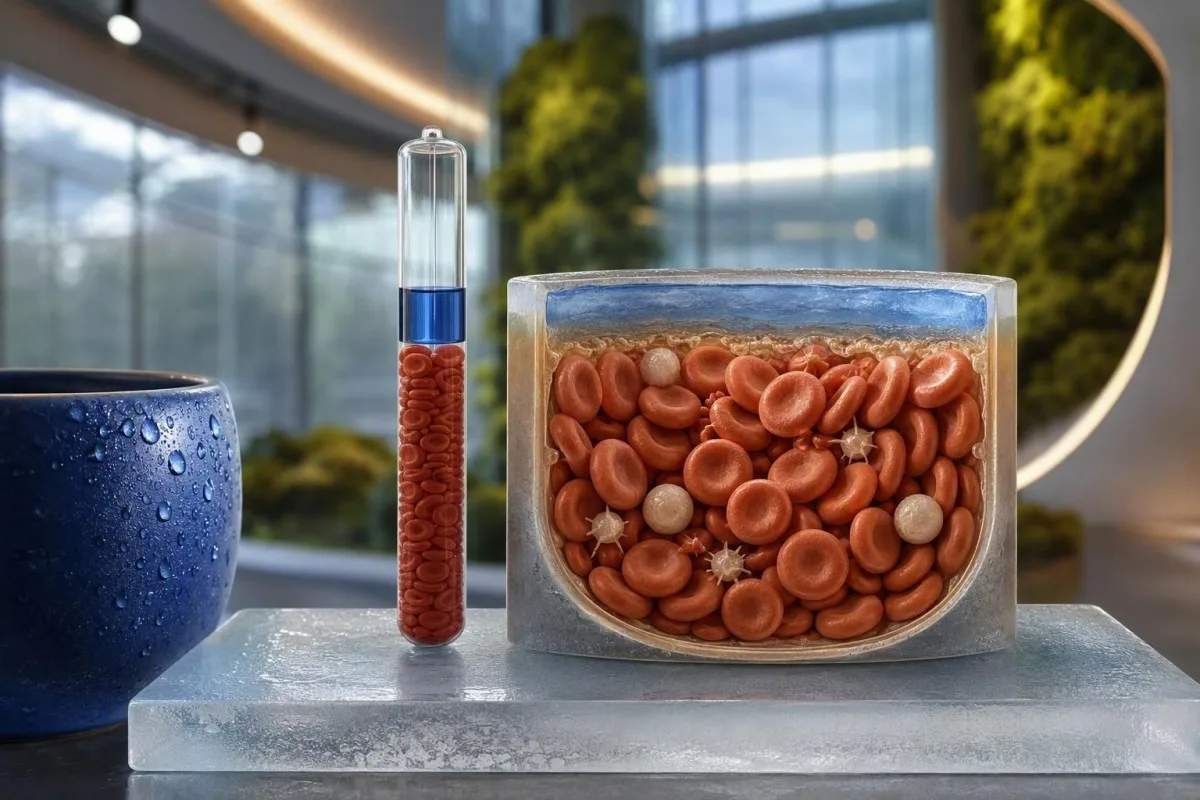
Alta RBC-nombro povas reflekti densigitan sangon anstataŭ troajn ruĝajn globulojn. La unua tasko estas distingi provizoran fluidperdon de persista altiĝo, kiu bezonas taŭgan esploradon.


- Relativa eritrocitozo signifas, ke plasmoakvo malkreskis, igante la RBC-nombron, hemoglobinon, kaj hematokriton aspekti altaj sen krei novajn ĉelojn.
- WHO-limo valoroj kiuj subtenas eblan policitemion veran estas hemoglobino super 16.5 g/dL ĉe viroj aŭ 16.0 g/dL ĉe virinoj, aŭ hematokrito super 49% kaj 48%, respektive.
- Re-testo post hidratigo estas kutime akceptebla por milda, izolita altiĝo post vomado, lakso, varmo-ekspozicio, fastado, aŭ streĉa ekzercado—se vi alie fartas bone.
- Diuretikoj povas altigi hematokriton per fluidperdo; ne ĉesu preskribitan medikamenton sen la klinika kuracisto kiu preskribis ĝin.
- Gravas la ŝablono: alta albumino, totala proteino, natrio, BUN/kreatinina rilato, kaj urina specifa pezo subtenas malhidratigon pli ol veran troproduktadon de ruĝaj globuloj.
- Ripeta horaron estas kutime 1–2 semajnoj post resaniĝo, normala fluidokonsumo, kaj 24–48 horoj sen nekutime malfacila ekzercado, krom se urĝaj simptomoj ĉeestas.
- Daŭra plialtiĝo post bona hidratigo pravigas taksadon pri fumado-ekspozicio, dorm-rilata spirado, alteco, testosterono, pulmo- aŭ ren-malsano, eritropoietino, kaj ofte JAK2-testado.
- Urĝaj simptomoj inkluzivas brustan doloron, novan spirmankon, unuflankan malfortecon, vidperdon, konfuzon, aŭ doloran ŝvelintan kruron; tiuj bezonas tujan zorgon, ne hejman reprobon.
Kion kutime signifas alta RBC-rezulto
Alta RBC-nombro povas esti falsa altaĵo pro senakviĝo, kiam likvoperdo koncentras la ĉelan parton de la sango; ĝi ne aŭtomate signifas, ke via medolo produktas tro da ruĝaj globuloj. La indiko estas ĉu hemoglobino kaj hematokrito normaliĝas post resaniĝo kaj ordinara trinkado, anstataŭ resti altaj en bone preparita ripetita CBC.
La RBC-nombro raportas la nombron de ruĝaj globuloj per litro, dum hematokrito raportas la frakcion de tuta sango okupata de tiuj ĉeloj. Adultaj referencaj intervaloj varias laŭ laboratorio, sed multaj uzas proksimume 4.5–5.9 × 10¹²/L por viroj kaj 4.1–5.1 × 10¹²/L por virinoj. Valoro iomete super la gamo ofte estas malpli informa ol la hemoglobino kaj hematokrito apud ĝi; nia gvidilo al kion inkluzivas CBC klarigas kial.
Senakviĝo malaltigas la likvan komponanton de sango ene de horoj, do la sama ruĝ-globula maso okupas pli malgrandan mezuritan volumenon. En kliniko, mi ofte vidas tion post stomaka viruso: RBC 5.8 × 10¹²/L, hemoglobino 17.1 g/dL, hematokrito 51%, poste normalaj valoroj post resaniĝo. Ĉi tio estas relativa eritrocitozo, ne laboratoria eraro kaj ne nepre malsano.
Kantesti estas AI-sangotesta analizilo kiu legas RBC, hemoglobinon, hematokriton, ruĝ-globulajn indikilojn, renajn markilojn kaj antaŭajn rezultojn kune. Ekde la 5-a de septembro 2026, nia klinika revizia laborfluo traktas ununuran liman CBC-signon kiel instigon por kontroli preparon kaj tendencon—ne kiel diagnozon.
RBC-nombro ne estas la sama kiel ruĝ-globula maso
CBC ne povas rekte mezuri totalan ruĝ-globulan mason. Ĝi mezuras koncentriĝon, kiu altiĝas kiam plasmovolumeno kuntiriĝas; specialigitaj izotopaj ruĝ-globul-masaj studoj nun estas malofte bezonataj, sed ili ilustras kial koncentrita CBC povas aspekti alarma sen fakta pliiĝo de ĉeloj.
Relativa eritrocitozo kontraŭ vera troo de ruĝaj globuloj
Relativa eritrocitozo estas alta RBC, hemoglobino aŭ hematokrito kaŭzita de reduktita plasmovolumeno, dum absoluta eritrocitozo reflektas vere pliigitan ruĝ-globulan mason. Hidratado povas korekti la unuan ŝablonon sed ne korektos la duan.
Vera eritrocitozo povas esti primara, kiel ĉe policitemio vera, aŭ sekundara al pliigita eritropoetino pro malalta oksigeno, medikamentoj aŭ malofte rena procezo. La kriterioj de la OMS de 2016 uzas hemoglobinon super 16.5 g/dL ĉe viroj aŭ 16.0 g/dL ĉe virinoj kiel sojlojn, kiuj devus levi la demandon pri policitemio vera, precipe kiam ĝi estas persista (Arber et al., 2016). Ununura valoro ne sufiĉas por diagnozi ĝin.
La praktika distingo estas la resto de la panelo. Senakviĝo alta RBC-nombro ŝablonoj ofte inkluzivas altan albuminon, totalan proteinon, ureon/BUN, natrion kaj koncentritan urinon; absoluta eritrocitozo povas lasi ĉi tiujn markilojn nerimarkindaj. Revizu nian fokusitan artikolon pri iomete levita hemoglobino se hemoglobino, anstataŭ nur RBC, estas la markita rezulto.
Normala RBC-nombro ne ekskludas eritrocitozon se hemoglobino aŭ hematokrito estas altaj, kaj levita RBC-nombro sole povas okazi kun malgrandaj ruĝaj globuloj pro feromanko aŭ talasemia trajto. Tial MCV kaj feritino gravas; alta RBC kun MCV sub 80 fL estas malsama klinika konversacio.
Kiel malhidratigo ŝanĝas la CBC kaj renajn markilojn
Senakviĝo kutime altigas RBC-nombron, hemoglobinon kaj hematokriton kune, kaj ĝi ofte altigas albuminon, totalan proteinon, ureon/BUN, kreatininon kaj urinkoncentriĝon. Miskongrua rezulto—ekzemple, alta RBC kun malalta hemoglobino—ne konvenas bone al simpla hemokoncentriĝo.
Raporto BUN/kreatinino super proksimume 20:1 en usonaj unuoj povas subteni reduktitan renan perfuzion pro perdo de likvaĵo, kvankam gastrointestina sangado, proteina konsumado, kortikosteroidoj kaj malalta muskola maso povas ŝanĝi la proporcion. Kreatinino povas modeste plialtiĝi post ekspono al varmo aŭ longa kurado, ĉar kaj la filtrado kaj la muskola metabolo ŝanĝiĝas. Nia gvidilo pri senhidratiĝo kaj eGFR traktas, kiam malalta eGFR devus esti ripetita.
Urina specifa pezo de 1.025 aŭ pli alta kongruas kun koncentrita urino, sed ĝi ne estas rekta mezurilo de hidratigo. Glukozo, proteino kaj kelkaj kontrastaj substancoj por bildigaj ekzamenoj ankaŭ povas ĝin pliigi, do klinikisto devus interpreti ĝin kune kun la simptomoj kaj elektrolitoj. A referenco pri urina specifa pezo estas utila, kiam la CBC kaj la urina analizo estis kolektitaj en la sama tago.
Mi konsilas kontraŭ provi normaligi teston per trinkado de pluraj litroj tuj antaŭ la sangokolekto. Rapida trotrinkado povas malaltigi natriaĵon kaj kreas alian ne-reprezentan specimenon; normalaj manĝoj kaj ordinaraj, laŭsoifaj likvaĵoj dum 24–48 horoj ĝenerale estas pli sekuraj por homoj sen likvaĵa limigo.
Vomado, lakso, varmego, fastado, kaj diuretikoj
Vomaĵoj, lakso, forta ŝvitado, longdaŭra fastado kaj diuretikaj medikamentoj ĉiuj povas kaŭzi portempan altan RBC-koncentriĝon per reduktado de la plasmakvanto. La grado de plialtiĝo dependas pli de la perdo kaj replenigo de likvaĵo ol de tio, kiom malsana persono sin sentas.
Akuta vomado ofte kaŭzas malaltan kloridon kaj foje altan bikarbonaton, ĉar gastrika acido kaj likvaĵo perdiĝas. Buklaj diuretikoj kiel furosemido kaj tiazidoj povas kaŭzi similan profilon de volumena kuntiriĝo, precipe ĉe pli maljunaj plenkreskuloj. Malalta klorida rezulto devas esti konsiderata en la sama klinika kunteksto; vidu indikaĵojn pri klorido rilatajn al vomado kaj diuretikoj por la ŝablono.
Ne ĉesu preskribitan diuretikon por plibonigi CBC sen medicina konsilo. Homoj prenantaj ĉi tiujn medikamentojn pro korinsuficienco, cirozo, rezista hipertensio aŭ rena malsano eble bezonas individuigitan planon pri likvaĵoj, ĉar senpripensa trinkado povas plimalbonigi ŝvelaĵon aŭ spirmankon. La ĝusta demando estas, ĉu la dozo, simptomoj, pezo, sangopremo kaj renaj rezultoj kongruas.
Soifo estas utila, sed neperfekta ĉe plenkreskuloj pli ol 65-jaraj kaj ĉe homoj kun diabeto, rena malsano aŭ certaj neŭrologiaj kondiĉoj. Malhelflava urino, seka buŝo, kapturniĝo ĉe ekstarado, malpli ofta urinado kaj malpliiĝo de pezo je 1 kg dum 24 horoj povas subteni la konkludon pri perdo de likvaĵo, sed severaj simptomoj meritas taksadon anstataŭ memkuracado.
Ekzercado povas provizore densigi vian sangon
Intensa eltenema ekzercado povas plialtigi hematokriton kaj hemoglobinon dum pluraj horoj pro perdo de ŝvito kaj ŝanĝoj en plasmakvanto, kvankam ripeta trejnado povas malaltigi la bazan hematokriton pro plivastiĝo de la plasmakvanto. Tial la tempigo estas nekutime grava por sportistoj.
90-minuta kurado en varma vetero povas forigi 1–3 litrojn da likvaĵo, depende de korpa grandeco, klimato kaj ŝvitrimedo. Specimenado tuj post konkurso ankaŭ povas montri pli altajn valorojn de kreatinino, CK, albumino kaj totala proteino; tiu kunaro estas pli utila ol rezulto de RBC sola. Nia gvidilo pri la ĝusta tempo por sangokontrolo ĉe maratonistoj diskutas la resaniĝajn markilojn, kiuj ofte ŝanĝiĝas.
Por rutina kontrolado, mi kutime sugestas eviti nekutime intensan ekzercadon dum 24–48 horoj antaŭ la sangopreno, alveni ripozinte kaj trinki normale la antaŭan tagon. Tio ne estas universala laboratorio-regulo, kaj kontrolado ĉe elitaj sportistoj povas intence testi sub ŝarĝo—sed konsekvenco estas pli grava ol perfekteco. D-ro Thomas Klein vidis multajn nenecesajn plusendojn malaperi, kiam sportisto estis retestita post normala semajno de resaniĝo.
Kantesti’s Gvidilo pri esplorado de BUN kaj kreatinino estas aparte utila, kiam eltenema sportisto havas kaj altan hematokriton kaj limrandan renan anomalion. Malpliiĝanta pezo, alta specifa pezo de urino kaj mallonga resaniĝa intervalo faras hemokoncentradon kredinda; muskola doloro, kolaokolora urino aŭ tre alta CK postulas alian nivelon de singardo.
Sekura plano por ripeti iomete altan CBC
Iomete pliigita RBC-kvanto kutime povas esti ripetita post 1–2 semajnoj da resaniĝo, ordinara hidratigo kaj stabila uzado de medikamentoj, se vi ne havas alarmajn simptomojn. Ripetu pli frue nur se via kuracisto tion petas aŭ se la komenca rezulto estis konsiderinde pliigita.
Antaŭ la ripeto, notu, ĉu vi havis diareon, vomadon, febron, alkoholonsumon, saŭnon, longan vojaĝon, eksponiĝon al alta altitudo, fastadon aŭ intensan ekzercadon dum la antaŭaj 72 horoj. Konservu vian kutiman dieton kaj medikamentan horaron, krom se via kuracisto diras alie. Tiu gvidilo pri preparado por bazlinia sangokontrolo enhavas praktikan kontrolliston por eviti neintencitan variadon.
Kiam eblas, uzu la saman laboratorion, ĉar analizilaj metodoj kaj referencintervaloj malsamas. Petu CBC kun hemoglobino, hematokrito, MCV, RDW, blankĉela nombro kaj trombocitoj; daŭra pliiĝo akompanata de altaj trombocitoj aŭ blankĉela nombro estas pli zorgiga pri medola procezo ol izolita eritrocitozo. Freŝa malsano povas influi tiujn ĉelajn liniojn en kontraŭaj direktoj, do la kompleta panelo gravas.
Kantesti estas AI-labora testa interpretservo kiu komparas novan CBC kun pli fruaj valoroj kaj markas ŝanĝojn, kiuj superas ordinaran variadon. Nia tendenca aliro ne anstataŭas kuraciston, sed ĝi povas konservi la decidan kuntekston—ekzercadon, malsanon, medikamentojn kaj antaŭan hematokriton—kiu ofte perdiĝas, kiam unuopa rezulto estas konsiderata aparte.
Kiam ripetita alta rezulto bezonas testadon pri eritrocitozo
Persiste alta hemoglobino super 16.5 g/dL ĉe viroj aŭ 16.0 g/dL ĉe virinoj, aŭ hematokrito super 49% aŭ 48%, devus instigi kuraciston taksi eritrocitozon post ekskludo de dehidratiĝo. La kutimaj unuaj testoj estas ripeta CBC, nivelo de eritropoetino, taksado de oksigenado kaj testado pri JAK2-mutacio, kiam taŭge.
Policitemio vera estas mieloproliferativa neoplasmo, en kiu JAK2-mutacioj troviĝas ĉe proksimume 98% de la koncernataj pacientoj. Malalta seruma eritropoetino subtenas primaran troproduktadon en la osta medolo, sed neniu sola sangokontrolo estu interpretata aparte. La gvidlinio de la Brita Societo pri Hematologio rekomendas strukturitan aliron, kiu apartigas primaran de sekundara eritrocitozo (McMullin et al., 2019).
Simptomoj povas esti subtilaj: kapdoloroj, malklara vidado, jukado post varma duŝo, nekutima vizaĝa ruĝiĝo, laceco aŭ antaŭa sangokoagulaĵo povas esti pli signifaj ol la preciza RBC-valoro. Por pli kompleta klarigo pri hematokrito, eritropoetino kaj JAK2, legu nian gvidilo pri simptomoj de poliglobuleco. Multaj homoj kun milda laboratorio-pliiĝo havas neniun el tiuj trajtoj.
Mi zorgas ne implici, ke ĉiu persiste alta nombro estas kancero. Fumad-rilata eksponiĝo al karbonmonooksido, netraktita dormapneo, pulma malsano, testosterono, alta altitudo kaj kelkaj renaj kondiĉoj estas pli oftaj klarigoj en multaj kuracaj praktikoj. Tamen, persisto estas ĝuste la kialo, pro kiu ripeta CBC ne fariĝu senfina ciklo de senpripensa retestado.
Malalta oksigeno, fumado, kaj dormapneo kiel kaŭzoj de alta RBC
Kronike malalta oksigeno povas stimuli eritropoetinon kaj kaŭzi vere pliigitan nombron de eritrocitoj; dormapneo, fumad-rilata eksponiĝo al karbonmonooksido kaj pulma malsano estas oftaj kaŭzoj. Normala taga oksigensaturiĝo ne plene ekskludas noktajn falojn de oksigeno.
Obstrukca dormapneo povas kaŭzi moderan eritrocitozon, aparte kiam ekzistas konsiderindaj noktaj oksigendesaturiĝoj. Laŭta ronkado, observitaj spirpaŭzoj, matenaj kapdoloroj, rezistema hipertensio kaj taga dormemo devus konduki al fokuso pri dormo en la anamnezo, anstataŭ al la supozo, ke dehidratiĝo klarigas ĉion. A spirmallaborema sangotesta gvidilo skizas la pli vastan kardiopulman kuntekston.
Cigaredfumado pliigas karboksihemoglobinon, kio reduktas liveradon de oksigeno malgraŭ tio, ke pulsoksimetro povas aspekti trankviliga. Vapumado ne kreas la saman eksponiĝon al karbonmonooksido kiel bruligebla tabako, sed ĝi havas aliajn sanriskojn kaj tamen devus esti honeste diskutata. Testado pri karbonmonooksido aŭ ko-oksimetrio foje estas pli utila ol rutina oksigensaturiĝo.
Kantesti AI interpretas altan RBC-rezulton kune kun hemoglobino, hematokrito, renaj markiloj kaj raportitaj faktoroj pri dormo aŭ fumado, anstataŭ prezenti ĝeneralan liston de kaŭzoj. Tia kunteksta legado estas aparte valora kiam la hematokrito estas 50% post rehidratiĝo kaj la paciento raportas nefreŝigan dormon.
Alteco, testosterono, kaj medikamentoj kiuj altigas RBC
Vivi aŭ trejniĝi je alta altitudo kaj uzi testosteronon povas pliigi la produktadon de eritrocitoj, do la pliiĝo povas esti reala anstataŭ kaŭzita de senhidratiĝo. La tempo de la eksponiĝo ofte respondas pli multe ol la komenca nombro.
Je alta altitudo, pli malalta oksigena premo stimulas eritropoietinon kaj pliigas hemoglobinon dum tagoj ĝis semajnoj; la atendata intervalo dependas de la alteco, daŭro, deveno kaj laboratoriaj referencaj datumoj. CBC kolektita dum aŭ baldaŭ post restado en montaro devus esti interpretata konsiderante tiun eksponiĝon. Nia gvidilo pri retestado de hemoglobino je altitudo klarigas, kial gravas la tempo de reveno al marnivelo.
Testosteronaj injektoj, ĝeloj, buletoj kaj kelkaj anabolaj substancoj povas kaŭzi eritrocitozon. Multaj preskribaj protokoloj reduktas aŭ paŭzigas terapion kiam la hematokrito atingas 54%, kvankam individuaj riskdecidoj malsamas, precipe ĉe homoj kun kardiovaskula malsano aŭ dormapneo. Neniam donacu sangon aŭ ŝanĝu preskribitan dozon kiel anstataŭaĵon por diskuti la rezulton kun la preskribanto.
Malpli ofte, SGLT2-medikamentoj kontraŭ diabeto povas kaŭzi etan pliiĝon de la hematokrito, parte pro efikoj al la plasmovolumo kaj eble pro signalado de eritropoietino. Medikamentlisto devus inkluzivi senreceptajn androgenajn produktojn, injekteblajn traktadojn kaj lastatempajn ŝanĝojn—ne nur medikamentojn presitajn en la elektronika dosiero.
CBC-indicoj kiuj ŝanĝas la nivelon de zorgo
Alta RBC estas pli zorgiga kiam hemoglobino kaj hematokrito ankaŭ estas altaj, precipe kun plialtigitaj trombocitoj, blankaj globuloj, malalta eritropoietino aŭ nenormalaj ĉeloj en sangŝmiraĵo. Alta RBC kun malalta MCV ofte anstataŭe indikas al malgrandĉelaj malsanoj.
MCV sub 80 fL kun relative alta eritrocitnombro povas okazi ĉe talasemio-portanteco, kie la ĉeloj estas malgrandaj sed abundaj. Feromanko ankaŭ povas malaltigi MCV, kvankam ĝi pli ofte malaltigas hemoglobinon laŭlonge de la tempo; ferritino kaj transferrinsaturiĝo klarigas la diferencon. Nia Komparo de MCV kaj MCH klarigas, kial nur la RBC-nombro povas misgvidi.
Altaj nombroj de blankaj globuloj aŭ trombocitoj kune kun alta hematokrito ne diagnozas veran policitemion, sed ili malaltigas la sojlon por hematologia taksado. Periferia sangŝmiraĵo, ferritino, eritropoietino, JAK2-testado kaj foje taksado de la osta medolo povas sekvi. Nia sangokancera testada vojo montras, kial tiuj testoj estas sinsekve planataj anstataŭ ordonataj sendistinge.
La praktika regulo de D-ro Thomas Klein estas simpla: serĉu kongruon inter sendependaj signaloj. Hematokrito de 52%, trombocitoj je 520 × 10⁹/L kaj malalta eritropoietino estas fundamente malsama ŝablono ol hematokrito de 50% post varmego kun albumino je 5,3 g/dL kaj koncentrita urino.
Simptomoj kaj risko de embolio: kiam alta RBC estas urĝa
Serĉu urĝan helpon ĉe alta RBC-rezulto kun brustodoloro, subita spirmanko, tusado de sango, svenado, nova malforteco, parolmalfacilaĵo, perdo de vidkapablo aŭ dolora ŝvelinta kruro. Tiuj simptomoj povas signifi koagulaĵon aŭ alian akutan staton kaj neniam devus atendi ripeton de CBC.
Pli alta hematokrito povas pliigi la viskozecon de la sango, sed simptomoj kaj la ĝenerala angia risko pli fidinde determinas urĝecon ol modesta izolita pliiĝo. Vera policitemio kunportas rekonitan trombozan riskon, precipe ĉe pli maljuna aĝo, antaŭa trombozo, kardiovaskulaj riskfaktoroj kaj nekontrolitaj nombroj. La revizio de Tefferi kaj Barbui el 2021 priskribas riskadaptitan traktadon, anstataŭ trakti ĉiun plialtigitan nombron same.
Nur kapdoloro estas ofta kaj nespecifa; kapdoloro kun novaj vidaj simptomoj, malforteco aŭ konfuzo ne estas. Same, jukado post varma duŝo povas okazi ĉe vera policitemio, sed ankaŭ ĉe seka haŭto kaj alergio, do ĝi estas indico, ne pruvo. Reviziu avertaj signoj en sangokontrolo ĉe brusta doloro se la simptomoj estas parto de la kialo, pro kiu la testo estis mendita.
Ne prenu aspirinon nur pro tio, ke la RBC-kalkulo estas alta, krom se via kuracisto rekomendas tion. Aspirino kunportas sangoriskojn kaj povas esti maltaŭga ĉe ulceroj, antikoaguliloj, malalta trombocitnombro aŭ certaj medicinaj historioj. Urĝaj servoj estas la pli sekura elekto kiam aperas fokusaj neŭrologiaj aŭ kardiopulmaj simptomoj.
Kial viaj antaŭaj CBC-oj povas respondi la demandon
Stabila, iomete alta RBC-kalkulo dum jaroj havas alian signifon ol rapida pliiĝo dum semajnoj, kaj tendencoj povas distingi personan baznivelon disde nova malsano. Komparu rezultojn uzante hemoglobinon, hematokriton, MCV, kaj la saman laboratorion kiam eble.
Biologia variado kaj analizila variado signifas, ke malgranda ŝanĝo ne ĉiam estas vera fiziologia ŝanĝo. Diferenco de 0.3 g/dL en hemoglobino inter du specimenoprenoj povas reflekti hidratigon, pozicion, tempon aŭ ordinaran variadon; daŭra kresko de 15.2 al 17.3 g/dL meritas pli da atento. Nia artikolo pri signifaj laboratoriaj ŝanĝoj klarigas la koncepton de referenc-ŝanĝvaloro.
Konservu simplan registron pri alteco, fumaĵstato, testosterona dozo, malsano, intensa ekzercado, menstrua sangado kaj fluidoperdo ĉe ĉiu specimenopreno. Tiu registro estas pli klinike utila ol serĉi unu ekzaktan “idealan” RBC-kalkulon. Laŭ mia sperto, la foresto de tiu kunteksto estas la kialo, pro kiu pacientoj ricevas kontraŭdirajn klarigojn ĉe malsamaj rendevuoj.
Kantesti, kiu estas AI-biomarkila interpretada platformo, povas montri sinsekvajn CBC-valorojn apud renaj kaj proteinaj markiloj por identigi koncentriĝajn ŝablonojn. Ni instigas uzantojn konsideri tendencanalizon kiel preparon por konversacio kun kuracisto, ne kiel anstataŭaĵon de ekzameno aŭ celita testado.
Konsideroj pri gravedeco, pli aĝa aĝo, kaj kronika malsano
Gravedeco kutime malaltigas hemoglobinon kaj hematokriton pro plivastiĝo de la plasmovolumo, do alta valoro dum gravedeco meritas taksadon fare de kuracisto anstataŭ neformalan supozon pri dehidratiĝo. Ĉe pli maljunaj plenkreskuloj kaj homoj kun kormalsano aŭ rena malsano, konsiloj pri fluidaĵoj devas esti individuigitaj.
Dum gravedeco, la plasmovolumo pligrandiĝas je proksimume 40–50%, kreante fiziologian diluon; multaj akuŝaj servoj esploras hemoglobinon super 16.0 g/dL, ĉar ĝi povas signali nesufiĉan plivastiĝon de la plasmo aŭ aliajn zorgojn. Severa vomado en frua gravedeco ankoraŭ povas koncentri la CBC, sed daŭra plialtiĝo devus esti diskutata kun la akuŝa teamo. Vidu gravedecaj sangotestaj alarmosignoj por samtagaj scenaroj.
Pli maljunaj plenkreskuloj eble ne fidinde raportas soifon, dum korinsuficienco kaj progresinta rena malsano povas igi troan fluidon danĝera. Rapida ŝanĝo en maleola ŝvelaĵo, pezo, spirmanko aŭ urina eligo estas pli grava ol provi atingi ĝeneralan akvocelon. Alĝustigoj de diuretikoj apartenas al la kuracisto, kiu mastrumas la suban malsanon.
Infanoj havas aĝspecifajn hemoglobinintervalojn, kaj valoro, kiu aspektas alta en plenkreskula portalo, povas esti taŭga je specifa aĝo aŭ alteco. Pediatria kuracisto devus interpreti daŭran plialtiĝon, aparte ĉe cianozo, denaska kormalsano aŭ malbona kresko.
Demandoj por alporti al via klinika kuracisto post alta RBC-nombro
Demandu, ĉu via rezulto reprezentas hemokoncentriĝon, ĉu hemoglobino kaj hematokrito ankaŭ estas altaj, kaj kiaj ripetaj kondiĉoj taŭgas laŭ via sanhistorio. Bonaj demandoj malhelpas kaj antaŭtempan alarmon kaj preteratenton de daŭra eritrocitozo.
Kunportu la kompletan raporton, ne nur la markitan RBC-valoron, kaj ankaŭ antaŭajn CBC-ojn kaj aktualan liston de medikamentoj. Demandu: “Ĉu albumino, totala proteino, natrio, kreatinino, BUN/ureo kaj urina koncentriĝo kongruis kun fluidoperdo?” Tio gvidilo pri serumaj proteinoj povas helpi vin kompreni, kial albumino apartenas en tiun diskuton.
Se la plialtiĝo daŭras, demandu, ĉu oksigena taksado, dormtestado, eritropoetino, feritino, JAK2-testado aŭ hematologia referenco taŭgas por via ŝablono. La respondo diferencos ĉe 28-jara eltena atleto kun hematokrito 50% kaj 67-jara fumanto kun hematokrito 55% kaj antaŭa koagulaĵo. Specifa historio ŝanĝas la esploradon.
La klinika metodaro de Kantesti estas kontrolata laŭ publikigitaj kvalitnormoj kaj kun kuracista kontribuo; legantoj povas revizii nian aliro al medicina validigo antaŭ ol uzi ajnan aŭtomatigitan interpreton. La ĉefa konkludo de D-ro Thomas Klein estas, ke hidratigo estas racia unua kontrolo ĉe milda izolita rezulto, sed persistaj altaj valoroj meritas veran klarigon.
La praktika resumo pri malhidratigo kaj alta RBC
Senhidratiĝo povas kaŭzi ŝajne altan rezulton de RBC pro la koncentriĝo de la sango, sed ĝi estu konsiderata nur kiel provizora klarigo kiam la klinika kunteksto kaj la akompanaj laboratoriaj markiloj kongruas. Normala ripeta testado post resaniĝo estas trankviliga; persista altiĝo estu esplorata.
Por izolita, modesta altiĝo post varmego, gastro-intesta malsano, fastado aŭ streĉa ekzercado, resaniĝu normale kaj ripetu la CBC sub konstantaj kondiĉoj post proksimume 1–2 semajnoj. Evitu ekstreman trinkadon de akvo, kaj ne ŝanĝu diuretikojn, testosteronon aŭ aliajn preskribitajn medikamentojn sen konsilo. Se vi ne certas, ĉu via rezulto estas nur marĝena, nia eksterintervala rezultogvidilo klarigas la laboratoriaj̆n atentigojn.
Se la hematokrito plurfoje superas 49% ĉe viroj aŭ 48% ĉe virinoj, aŭ se la hemoglobino superas 16.5 g/dL aŭ 16.0 g/dL, petu celitan taksadon anstataŭ senfine ripeti la teston. Ekspono al fumado, dormapneo, alteco, efikoj de medikamentoj, eritropoetino kaj JAK2-statuso estas ofte konsiderataj en la sekva fazo. Simptomoj sugestantaj koaguliĝon aŭ apopleksion postulas urĝan prizorgon.
Kantesti estas AI-movita ilo por analizo de sangotestoj kreita por organizi ĉi tiujn rezultojn kaj iliajn tendencojn por informita medicina diskuto. Niaj kuracistaj recenzistoj kaj Medicina Konsila Komisiono emfazas la saman principon: unue la kunteksto, ripeta testado kiam sekure, kaj rapida klinika revizio kiam la ŝablono persistas.
Oftaj Demandoj
Ĉu dehidratiĝo povas kaŭzi altan nombron de RBC?
Jes. Senhidratigo povas kaŭzi altan RBC-nombron ĉar perdo de plasma akvo koncentras eritrocitojn en pli malgranda sangovolumeno, ŝablono nomata relativa eritrocitozo. Hemoglobino kaj hematokrito kutime altiĝas kune kun la RBC-nombro, kaj albumino, totala proteino, BUN/ureo, aŭ specifa pezo de urino povas ankaŭ esti altaj. Leĝera izolita plialtiĝo ofte normaliĝas post resaniĝo kaj ordinara hidratigo, sed persista hematokrito super 49% ĉe viroj aŭ 48% ĉe virinoj bezonas klinikan taksadon.
Kiom da akvo mi devas trinki antaŭ ol ripeti teston pri alta RBC?
Plej multaj plenkreskuloj devas trinki sian kutiman kvanton laŭ soifo dum 24–48 horoj antaŭ ripetita CBC anstataŭ intence trinki troajn volumojn. Praktika celo estas palflava urino kaj normala urinurado, ne tute klara urino aŭ devigita akvokonsumo. Homoj kun korinsuficienco, progresinta renmalsano, cirozo, aŭ preskribita fluidolimigo devas peti sian klinikiston pri individua plano. Trinki plurajn litrojn rapide povas malaltigi natrion kaj produkti nereprezentativan rezulton.
Kiom longe post senakviĝo mi devus ripeti CBC-on?
Ripeta CBC estas ofte farata 1–2 semajnojn post kiam vomado, lakso, febro, varmeco-eksponiĝo aŭ signifa ekzercado ĉesis. Por ŝanĝoj rilataj al ekzercado, evitu nekutime malfacilan trejnadon dum 24–48 horoj antaŭ la specimeno kaj konservu normalan fluidan konsumadon. La tempo povas esti pli frua kiam hematokrito estas rimarkeble alta, simptomoj ĉeestas, aŭ renaj markiloj estas nenormalaj. Uzu la saman laboratorion kie eble, por ke referencaj intervaloj kaj analizilmetodoj estu kompareblaj.
Kia RBC-nombro estas konsiderata danĝere alta?
Ne ekzistas ununura RBC-nombro, kiu difinas danĝeron, ĉar la risko dependas pli de hematokrito, hemoglobino, simptomoj, kaŭzo kaj historio de embolioj. Hematokrito de ĉirkaŭ 60% aŭ pli alta ĝenerale pravigas tujan klinikan taksadon en la sama tago, dum persistaj valoroj super 49% ĉe viroj aŭ 48% ĉe virinoj pravigas esploradon pri eritrocitozo. Brustdoloro, subita spirmanko, vidperdo, malforteco, parolmalfacilaĵo aŭ dolora ŝvelinta gambo estas urĝaj sendepende de la preciza nombro. Tiuj simptomoj postulas krizan taksadon anstataŭ atendi por hidratiĝi aŭ ripeti la teston.
Ĉu diureziloj povas kaŭzi altigitan nombron de ruĝaj globuloj?
Diuretikoj povas kaŭzi altigitan koncentriĝon de eritrocitoj per reduktado de plasmovolumeno, precipe post dozaj pliiĝoj, varma vetero, nesufiĉa konsumo de fluidoj, vomado aŭ diareo. Ili kutime ne kaŭzas, ke la osta medolo produktas kromajn eritrocitojn, do la efiko povas inversiĝi kiam la fluida ekvilibro estas korektita. Ne ĉesu preni furosemidon, hidroklorotiazidon aŭ alian preskribitan diuretikon propravole, ĉar ĉi tiuj medikamentoj povas kontroli korinsuficiencon, sangopremon aŭ ŝvelaĵon. Diskutu la CBC kune kun pezo, sangopremo, kreatinino, natrio, kalio kaj simptomoj.
Ĉu alta RBC-nombro ĉiam signifas policitemion vera?
Ne. Plej multaj altaj RBC-rezultoj ne aŭtomate signifas policitemion veran; senakviĝo, karbonmonooksido pro fumado, dormapneo, altitudo, pulmomalsano kaj testosterono estas oftaj alternativoj. Policitemio vera iĝas pli verŝajna kiam hemoglobino restas super 16.5 g/dL ĉe viroj aŭ 16.0 g/dL ĉe virinoj, hematokrito restas super 49% aŭ 48%, eritropoietino estas malalta, kaj JAK2-testado estas pozitiva. Policitemio vera havas JAK2-mutacion en ĉirkaŭ 1% de kazoj. Klinikisto devas interpreti ĉi tiujn testojn kiel ŝablonon, ne diagnozi surbaze de unu CBC-averto.
Akiru hodiaŭ AI-movitan analizon de sangoanalizo
Aliĝu al pli ol 2 milionoj da uzantoj tutmonde, kiuj fidas je Kantesti por tuja, preciza analizo de laboratoriaj testoj. Alŝutu viajn rezultojn de sangoanalizo kaj ricevu ampleksan interpretadon de 15,000+-biomarkiloj en sekundoj.
📚 Referencitaj esplorpublikaĵoj
Klein, T., Mitchell, S., & Weber, H. (2026). Klarigo pri la Proporcio BUN/Kreatinino: Gvidilo pri Testoj de Rena Funkcio. Kantesti AI Medicina Esploro.
Klein, T., Mitchell, S., & Weber, H. (2026). Urobilinogeno en Urina Testo: Gvidilo pri Kompleta Urinanalizo 2026. Kantesti AI Medicina Esploro.
📖 Eksteraj medicinaj referencoj
⚕️ Medicina Deklaro
Ĉi tiu artikolo estas nur por edukaj celoj kaj ne konsistigas medicinan konsilon. Ĉiam konsultu kvalifikitan sanprovizanton por diagnozaj kaj traktadaj decidoj.
Signaloj de fido E-E-A-T
Sperto
Kuracista gvidata klinika revizio de laboratoriaj interpretaj laborfluoj.
Kompetenteco
Laboratoria medicino fokusiĝas pri kiel biomarkiloj kondutas en klinika kunteksto.
Aŭtoritateco
Skribita de d-ro Thomas Klein kun revizio de d-ro Sarah Mitchell kaj prof. d-ro Hans Weber.
Fidindeco
Evident-bazita interpretado kun klaraj sekvaj vojoj por redukti alarmon.