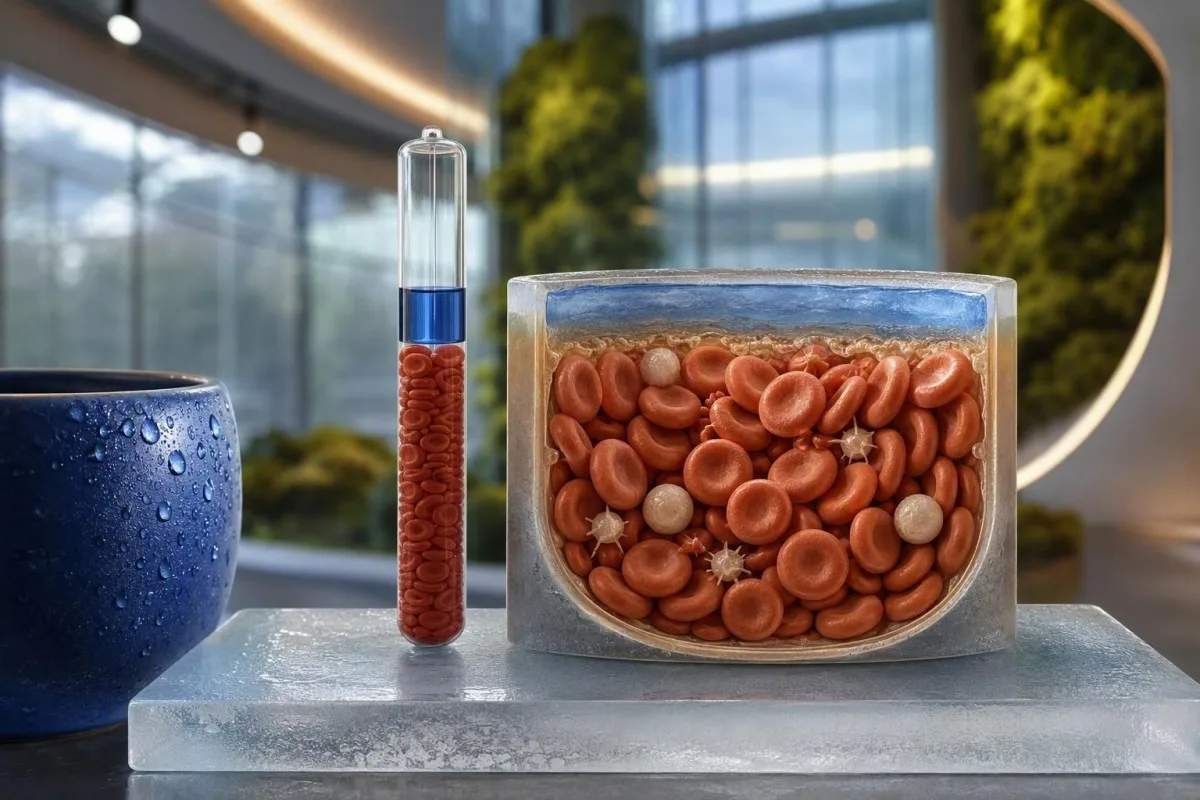
د RBC لوړ شمېر ښايي د اضافي سرو حجرو پر ځای د وینې د غلظت ښکارندويي وکړي. لومړی ګام د موقت مایعاتو د ضایع کېدو او د داسې دوامداره لوړوالي ترمنځ توپیر کول دي چې مناسبې طبي ارزونې ته اړتیا لري.


- نسبي اریتروسایتوسس معنا دا ده چې د پلازما اوبه کمې شوي، چې د نویو حجرو د جوړېدو پرته د RBC شمېر، هیموګلوبین او هیماټوکریټ لوړ ښکاري.
- د WHO حد هغه ارزښتونه چې د پولی سیتیمیا ویرا (polycythemia vera) احتمال تاییدوي، په نارینه وو کې د 16.5 g/dL او په ښځو کې د 16.0 g/dL څخه پورته هیموګلوبین، یا په ترتیب سره له 49٪ او 48٪ څخه پورته هیماټوکریټ دي.
- د هایډریشن (اوبو رسونې) بیاځلي معاینه معمولاً د کانګو، اسهال، ګرمۍ، روژې یا سخت ورزش وروسته د لږ، منزوي لوړوالي لپاره معقوله ده—که چېرې تاسو نور روغ یاست.
- ډایوریتیک درمل کولی شي د مایعاتو د ضایع کېدو له لارې هیماټوکریټ لوړ کړي؛ د ډاکټر له مشورې پرته چې نسخه یې درکړې، تجویز شوي درمل مه بندوئ.
- بڼه/الګو مهمه ده: لوړ البومین، ټول پروټین، سوډیم، د BUN/کریټینین تناسب، او د ادرار مخصوص ثقل د وینې د اصلي حجرو د تولید په پرتله د ډي هایډریشن (اوبو کمښت) زیات تاییدوي.
- د تکرار وخت معمولاً د رغېدو، عادي مایعاتو څښلو او له غیر معمولي سخت ورزش څخه د 24-48 ساعتونو پرېښودو وروسته 1-2 اونۍ وروسته وي، مګر که بیړنۍ نښې شتون ولري.
- دوامداره لوړوالی له ښې هایډریشن وروسته د سګرټو سره مخ کېدو، د خوب د اختلالاتو، لوړوالي، ټسټوسترون، د سږو یا پښتورګو ناروغۍ، اریتروپویټین، او ډیری وخت د JAK2 معاینې ته اړتیا لري.
- بیړني نښې د سینې درد، د ساه لنډۍ نوي پیل، د بدن یو اړخ کمزوري، د لید له لاسه ورکول، ګډوډي، یا د پښې دردناک پړسوب شامل دي؛ دا حالتونه عاجل پاملرنې ته اړتیا لري، نه په کور کې د بیا ازموینې ته.
د RBC لوړ پایله معمولاً څه معنا لري
د RBC لوړ شمېر کېدای شي د بدن د اوبو کمښت له امله یو غلط لوړوالی وي، کله چې د مایعاتو ضایع د وینې حجروي برخه متمرکزوي؛ دا په اتومات ډول پدې معنی نه ده چې ستاسو د هډوکي مغز ډېرې سرې حجرې تولیدوي. اصلي نښه دا ده چې آیا هیموګلوبین او هیماټوکریټ د رغېدو او عادي څښاک وروسته نورمال کېږي، نه دا چې د یو ښه چمتو شوي تکراري CBC په پایله کې لوړ پاتې شي.
د RBC شمېر په هر لیټر کې د سرو حجرو شمېر ښیي، په داسې حال کې چې هیماټوکریټ د ټولې وینې هغه برخه ښیي چې د دې حجرو لخوا نیول شوې ده. د لویانو لپاره د حوالې وقفه د لابراتوار له مخې توپیر لري، خو ډیری لابراتوارونه د نارینه وو لپاره نږدې 4.5–5.9 × 10¹²/L او د ښځو لپاره 4.1–5.1 × 10¹²/L کاروي. د حد څخه یو څه پورته ارزښت ډیری وختونه د هغې تر څنګ د هیموګلوبین او هیماټوکریټ په پرتله لږ معلوماتي وي؛ زموږ لارښود د CBC څه پکې شامل دي ولې تشریح کوي.
د بدن د اوبو کمښت د ساعتونو په ترڅ کې د وینې مایع برخه کموي، نو د سرو حجرو ورته اندازه په یو کوچني اندازه شوي حجم کې ځای پر ځای کیږي. په کلینیک کې، زه معمولاً دا د معدې له ناروغۍ وروسته وینم: RBC 5.8 × 10¹²/L، هیموګلوبین 17.1 g/dL، هیماټوکریټ 51%، بیا د رغېدو وروسته نورمال ارزښتونه. دا نسبي ایرتروسیتوسیس (relative erythrocytosis) ده, ، نه د لابراتوار تېروتنه او نه حتماً یوه ناروغي.
کانټیسټي یو دی د AI د وینې معاینې شنونکی چې RBC، هیموګلوبین، هیماټوکریټ، د سرو حجرو شاخصونه، د پښتورګو مارکرونه او پخوانۍ پایلې یوځای لولي. د ۲۰۲۶ کال د سپټمبر تر ۵مې پورې، زموږ د کلینیکي بیاکتنې کاري بهیر د CBC یو واحد پوله ییز (borderline) نښه د چمتووالي او رجحان د چک کولو لپاره د یوې اشارې په توګه کاروي—نه د تشخیص په توګه.
د RBC شمېر د سرو حجرو د ټولیزې اندازې (red-cell mass) سره توپیر لري
یو CBC نشي کولای په مستقیم ډول د سرو حجرو ټولیزه اندازه اندازه کړي. دا غلظت اندازه کوي، کوم چې هغه وخت لوړیږي کله چې د پلازما حجم کمیږي؛ ځانګړي ایزوټوپیک د سرو حجرو د اندازې ازموینې اوس په ندرت سره اړین دي، خو دا څرګندوي چې ولې یو متمرکز CBC د حجرو له اصلي زیاتوالي پرته ویرونکې ښکاري.
نسبي ايريتروزايتوسس د اصلي (حقيقي) سرو حجرو د زیاتوالي په مقابل کې
نسبي ایرتروسیتوسیس د RBC، هیموګلوبین یا هیماټوکریټ لوړوالی دی چې د پلازما حجم د کمښت له امله رامنځته کیږي، پداسې حال کې چې مطلق ایرتروسیتوسیس په ریښتینې توګه د سرو حجرو د زیاتې اندازې انعکاس کوي. هایدریشن (د اوبو پوره کول) کولای شي لومړی ډول سم کړي خو دویم ډول نه شي سمولی.
ریښتینی ایرتروسیتوسیس ښایي لومړنی وي، لکه د پولیسیتیمیا ویرا (polycythemia vera) په څیر، یا د ټیټ اکسیجن، درملو، یا په نادره توګه د پښتورګو د پروسې له امله د ایرتروپویټین (erythropoietin) د زیاتوالي په پایله کې ثانوي وي. د ۲۰۱۶ کال WHO معیارونه د نارینه وو لپاره له 16.5 g/dL او د ښځو لپاره له 16.0 g/dL څخه لوړ هیموګلوبین د حد په توګه کاروي، چې باید د پولیسیتیمیا ویرا په اړه پوښتنه راپورته کړي، په ځانګړې توګه کله چې دوامداره وي (Arber et al., 2016). یو واحد ارزښت د تشخیص لپاره کافي نه دی.
عملي توپیر د پینل په نورو برخو کې دی. د اوبو د کمښت له امله د RBC لوړ شمېر نمونې ډیری وختونه لوړ البومین، ټول پروټین، یوریا/BUN، سوډیم، او متمرکز ادرار شاملوي؛ مطلق ایرتروسیتوسیس ممکن دا مارکرونه بې اغیزې پریږدي. زموږ تمرکز مقاله ولولئ په لږ څه لوړ شوي هیموګلوبین که چیرې هیموګلوبین، نه یوازې RBC، هغه پایله وي چې په نښه شوې ده.
یو نورمال RBC شمېر د ایرتروسیتوسیس امکان نه ردوي که هیموګلوبین یا هیماټوکریټ لوړ وي، او یو لوړ RBC شمېر په یوازیتوب سره د اوسپنې کمښت یا تالاسیمیا ټریټ (thalassemia trait) له امله د کوچنیو سرو حجرو سره پیښ کیدی شي. له همدې امله MCV او فیرټین (ferritin) مهم دي؛ یو لوړ RBC چې MCV یې له 80 fL څخه ټیټ وي، یو جلا کلینیکي بحث دی.
د ډي هایډریشن (اوبو کمښت) څنګه د CBC او پښتورګو په نښه کوونکو (markers) اغیز کوي
د اوبو کمښت معمولاً RBC شمېر، هیموګلوبین، او هیماټوکریټ په یوځای لوړوي، او دا اکثراً البومین، ټول پروټین، یوریا/BUN، کریټینین، او د ادرار غلظت لوړوي. یوه ناسمه پایله—د بیلګې په توګه، لوړ RBC د ټیټ هیموګلوبین سره—د ساده هیموکنټریشن (hemoconcentration) سره ښه سمون نه خوري.
په امریکايي واحدونو کې د BUN/کریټینین نسبت له شاوخوا 20:1 څخه لوړوالی کولی شي د مایعاتو د کمښت له امله د پښتورګو د وینې د جریان د کمېدو ملاتړ وکړي، که څه هم د معدې او کولمو وینهبهېدنه، د پروټین مصرف، کورټیکوسټرویدونه، او د عضلاتو کمه کتله کولی شي پر دې نسبت اغېز وکړي. د تودوخې له تماس یا اوږدې منډې وروسته کریټینین لږ څه لوړېدای شي، ځکه چې هم تصفیه او هم د عضلاتو میتابولیزم بدلېږي. زموږ د ډیهایډریشن او eGFR لارښود مقاله هغه وختونه تشریح کوي چې د eGFR ټیټه کچه باید بیا تکرار شي.
د ادرار ځانګړې کثافت 1.025 یا له دې څخه لوړوالی له غلیظ ادرار سره سمون لري، خو دا د بدن د اوبو د وضعیت مستقیمه کچه نه ده. ګلوکوز، پروټین، او ځینې د انځور اخیستنې کانټراسټي مواد هم کولی شي دا کچه لوړه کړي؛ نو روغتیايي مسلکي کس باید دا د نښو او الکترولایتونو ترڅنګ تفسیر کړي. یوه د ادرار د ځانګړي کثافت مرجع هغه مهال ګټوره ده چې CBC او د ادرار ازموینه په همدې ورځ اخیستل شوي وي.
زه سپارښتنه نه کوم چې د نمونې اخیستلو څخه سمدستي مخکې څو لیتره اوبه وڅښئ څو ازموینه په زور عادي کړئ. په چټکۍ سره د ډېرو مایعاتو څښل کولی شي سوډیم راکم کړي او بله غیرنماینده نمونه رامنځته کړي؛ د هغو کسانو لپاره چې د مایعاتو محدودیت نه لري، د 24–48 ساعتونو لپاره عادي خواړه او د تندې له مخې معمول مایعات عموماً خوندي دي.
کانګې، اسهال، ګرمي، روژه نیول او ډایوریتیک (د ادرار زیاتوونکي) درمل
کانګې، نس ناستی، ډېره خولهوتنه، اوږده روژه، او د ادرار زیاتولو درمل ټول کولی شي د پلازما د اوبو په کمولو سره په لنډمهاله ډول د RBC غلظت لوړ کړي. د لوړوالي اندازه تر ډېره د مایعاتو پر لهلاسه ورکولو او بېرته پوره کولو پورې اړه لري، نه پر دې چې یو کس څومره ناروغ احساس کوي.
حادې کانګې ډېری وخت د کلوراید د ټیټې کچې او کله ناکله د بایکاربونیټ د لوړې کچې لامل کېږي، ځکه د معدې تېزاب او مایعات له لاسه وځي. لوپ ډایوریټیکونه لکه فوروسیمایډ او تیازایدونه کولی شي ورته د حجم د کمېدو بڼه رامنځته کړي، په ځانګړي ډول په زړو کسانو کې. د کلوراید ټیټه پایله باید په همدې کلینیکي چوکاټ کې وکتل شي؛ وګورئ د کانګو او ډایوریټیکونو اړوند د کلوراید نښې لپاره دا بڼه تشریح کوي.
د CBC د ښه کولو لپاره له طبي مشورې پرته تجویز شوی ډایوریټیک مه بندوئ. هغه کسان چې دا درمل د زړه د ناکامۍ، سیروز، مقاوم لوړ فشار، یا د پښتورګو د ناروغۍ لپاره اخلي، ښايي د مایعاتو ځانګړي پلان ته اړتیا ولري، ځکه بېاحتیاطه ډېر مایعات څښل کولی شي پړسوب یا د ساه لنډي خرابه کړي. اصلي پوښتنه دا ده چې ایا د درملو دوز، نښې، وزن، د وینې فشار، او د پښتورګو پایلې له یو بل سره سمون لري که نه.
تنده ګټوره ده، خو له 65 کلونو پورته لویانو او د شکرې، د پښتورګو ناروغۍ، یا ځینو عصبي حالتونو لرونکو کسانو کې بشپړه باوري نه ده. تیاره ژېړ ادرار، وچه خوله، د درېدو پر مهال سرګرځېدل، د ادرار کمېدل، او په 24 ساعتونو کې د 1 کیلوګرام وزن کمېدل د مایعاتو د لهلاسه ورکولو ملاتړ کولی شي، خو شدیدې نښې د ځاندرملنې پر ځای ارزونې ته اړتیا لري.
ورزش کولی شي په لنډمهاله توګه ستاسو وینه غلیظه کړي
سخت استقامتي تمرین کولی شي د خولېوتنې او د پلازما د حجم د بدلونونو له لارې د څو ساعتونو لپاره هماتوکریټ او هیموګلوبین لوړ کړي، که څه هم تکراري تمرین ښايي د پلازما د حجم د پراخېدو له امله د استراحت پر مهال هماتوکریټ راکم کړي. له همدې امله د وخت ټاکل د ورزشکارانو لپاره په ځانګړي ډول مهم دي.
په ګرمه هوا کې د ۹۰ دقیقو منډه د بدن د اندازې، اقلیم او د خولې د کچې له مخې ۱–۳ لیټره مایعات له منځه وړلی شي. له سیالۍ سمدستي وروسته نمونه اخیستل ښايي د کریټینین، CK، البومین او ټول پروټین لوړې کچې هم وښيي؛ دا مجموعه یوازې د RBC له پایلې څخه ډېره ګټوره ده. زموږ د ماراتون د وینې د ازموینې د وخت لارښود هغه د رغېدو نښې بیانوي چې معمولاً بدلېږي.
د عادي څارنې لپاره، زه عموماً وړاندیز کوم چې د وینې له اخیستلو مخکې له غیرمعمولي سخت ورزش څخه ډډه وکړئ، 24–48 ساعتونو په ارام حالت کې ورشئ، او یوه ورځ مخکې په عادي ډول مایعات وڅښئ. دا د لابراتوار نړیواله قاعده نه ده، او د غوره ورزشکارانو څارنه ښايي په قصدي ډول د بدني فشار پر مهال ترسره شي—خو دوامداري تر بشپړتیا ډېره مهمه ده. ډاکټر توماس کلاین لیدلي چې کله یو ورزشکار له یوې عادي رغېدونکې اوونۍ وروسته بیا وازمویل شي، ډېرې غیرضروري راجعکونې له منځه ځي.
Kantesti د BUN او کریټینین څېړنیز لارښود دا په ځانګړي ډول هغه وخت ګټوره ده چې د استقامت ورزشکار هم لوړ hematocrit ولري او هم د پښتورګو یوه سرحدي نښه. د وزن کمېدل، د ادرار لوړ ځانګړی وزن، او د رغېدو لنډه موده د وینې غلیظوالی محتمل کوي؛ د عضلاتو درد، د کولا په څېر رنګ لرونکی ادرار، یا ډېر لوړ CK د احتیاط بلې کچې ته اړتیا لري.
د لږ لوړ CBC د بیا تکرار لپاره یو خوندي پلان
د RBC لږ لوړ شمېر معمولاً هغه مهال له ۱–۲ اوونیو رغېدو، عادي مایعاتو څښلو او د درملو د ثابت استعمال وروسته بیا تکرارېدلی شي، چې د خطر نښې ونه لرئ. یوازې هغه وخت یې ژر تکرار کړئ چې ستاسو ډاکټر یې وغواړي یا لومړنۍ پایله د پام وړ لوړه وي.
له تکراري ازموینې مخکې ثبت کړئ چې ایا په تېرو ۷۲ ساعتونو کې مو نس ناستی، کانګې، تبه، الکول څښل، سونا، اوږد سفر، لوړې سیمې ته تګ، روژه، یا سخت ورزش درلود. خپل عادي خواړه او د درملو مهالوېش وساتئ، مګر که ډاکټر مو بل څه درته ووایي. دا د وینې د بنسټیزې ازموینې د چمتووالي لارښود د ناڅاپي بدلون د مخنیوي لپاره عملي چکلېست لري.
که امکان ولري، له هماغه لابراتوار څخه کار واخلئ، ځکه د تحلیلګر طریقې او مرجعفاصلې توپیر لري. د hemoglobin، hematocrit، MCV، RDW، سپینو حجرو شمېر او platelets سره د CBC غوښتنه وکړئ؛ دوامدار لوړوالی چې له لوړ platelets یا سپینو حجرو سره مل وي، د جلا erythrocytosis په پرتله د هډوکي مغز د ناروغۍ په اړه ډېره اندېښنه پیدا کوي. یوه وروستۍ ناروغي پر دغو حجروي کرښو په مخالفو لورو اغېز کولی شي، نو بشپړه مجموعه مهمه ده.
کانټیسټي یو دی د AI لاب ټېسټ د تفسیر خدمت چې نوی CBC له پخوانیو ارزښتونو سره پرتله کوي او هغه بدلونونه په نښه کوي چې له عادي توپیر څخه زیات وي. زموږ د بهیر ارزونه د ډاکټر ځای نه نیسي، خو هغه مهمه زمینه ساتلی شي—ورزش، ناروغي، درمل او پخوانی hematocrit—چې کله یوه پایله په یوازې ځان وکتل شي، ډېری وخت له منځه ځي.
کله چې یوه تکراري لوړه پایله د ايريتروزايتوسس معایناتو ته اړتیا لري
په نارینهوو کې له 16.5 g/dL او په ښځینهوو کې له 16.0 g/dL څخه په دوامدار ډول لوړ hemoglobin، یا له 49% او 48% څخه لوړ hematocrit، باید ډاکټر دې ته وهڅوي چې د اوبو د کمښت له ردولو وروسته erythrocytosis وارزوي. معمولاً لومړنۍ ازموینې تکراري CBC، د erythropoietin کچه، د اکسیجن ارزونه، او د اړتیا په صورت کې د JAK2 mutation ازموینه ده.
Polycythemia vera د myeloproliferative neoplasm یوه بڼه ده چې په شاوخوا 98% اغېزمنو ناروغانو کې JAK2 mutations موندل کېږي. د وینې د erythropoietin ټیټه کچه د هډوکي مغز د لومړني زیات تولید ملاتړ کوي، خو هېڅه یوه د وینې ازموینه باید په یوازې ځان تفسیر نه شي. د British Society for Haematology لارښود د یوې منظمې تګلارې سپارښتنه کوي چې لومړنی erythrocytosis له ثانوي erythrocytosis څخه بېلوي (McMullin et al., 2019).
نښې ښايي ډېرې پټې وي: سر درد، د لید تتوالی، له ګرم حمام وروسته خارښت، د مخ غیرمعمولي سوروالی، ستړیا، یا پخوانۍ وینهټینګه کېدل ښايي د RBC له دقیق ارزښت څخه ډېر اهمیت ولري. د hematocrit، erythropoietin او JAK2 د بشپړ وضاحت لپاره زموږ د polycythemia د نښو لارښود کې پوښل شوي دي.. ولولئ. ډېری هغه کسان چې د لابراتوار لږ لوړوالی لري، له دغو نښو څخه هېڅ یوه نه لري.
زه پام کوم چې داسې ونه ښیم چې هر دوامدار لوړ شمېر سرطان دی. په ډېرو طبي مرکزونو کې د سګرټ څکولو له امله د کاربن مونو اکساید تماس، درملنهنه شوې د خوب apnea، د سږو ناروغي، testosterone، لوړې سیمې او د پښتورګو ځینې حالتونه ډېرې عامې توضیحات دي. بیا هم، دوامداري هماغه دلیل دی چې ولې تکراري CBC باید د بېپروایۍ له مخې په نهپایېدونکي تکرار بدل نه شي.
د اکسیجن کمښت، سګرټ څکول او د خوب اپنیا (sleep apnea) د لوړ RBC د لاملونو په توګه
اوږدمهاله ټیټ اکسیجن کولی شي erythropoietin تحریک او د سرو وینې حجرو رښتینی لوړ شمېر رامنځته کړي؛ د خوب apnea، د سګرټ څکولو له امله د کاربن مونو اکساید تماس، او د سږو ناروغي یې عام لاملونه دي. د ورځې عادي oxygen saturation په بشپړه توګه د شپې د اکسیجن کمېدل نه ردوي.
د خوب obstructive apnea کولی شي د erythrocytosis لږ لوړوالی رامنځته کړي، په ځانګړي ډول هغه مهال چې د شپې د اکسیجن د پام وړ desaturations موجودې وي. لوړ خرخر، د ساه بندېدو لیدل شوي ځنډونه، د سهار سر درد، د درملنې پر وړاندې مقاوم لوړ فشار، او د ورځې خوبولي باید د خوب په اړه د ځانګړې مخینې اخیستلو لامل شي، نه دا چې هر څه د اوبو کمښت ته منسوب شي. A دليل فحص الدم لضيق التنفس د زړه او سږو پراخ عمومي وضعیت بیانوي.
د سګرټو څکول کاربوکسيهموګلوبین لوړوي، چې د اکسیجن رسونه کموي، که څه هم د نبض اکسیمېټر ښايي ډاډ ورکوونکی ښکاره شي. ویپ کول د سوځېدونکي تنباکو په څېر د کاربن مونو اکساید ورته تماس نه رامنځته کوي، خو نور روغتیايي خطرونه لري او باید لا هم په رښتینولۍ سره وڅېړل شي. د کاربن مونو اکساید ازموینه یا کو-اکسیمېټري کله ناکله د اکسیجن د عادي اشباعیت په پرتله ډېره ګټوره وي.
Kantesti AI د RBC لوړه پایله د هیموګلوبین، هماتوکریټ، د پښتورګو له شاخصونو، او د خوب یا سګرټ څکولو له راپور شوو عواملو سره یوځای تفسیر کوي، نه دا چې د عمومي لاملونو لړلیک وړاندې کړي. دا متني ارزونه په ځانګړي ډول هغه وخت ارزښتمنه ده چې هماتوکریټ له اوبو څښلو وروسته 50% وي او ناروغ د خوب نه تازه کوونکی حالت راپور کړي.
لوړوالی (Altitude)، ټسټوسترون او هغه درمل چې RBC زیاتوي
په لوړه ارتفاع کې اوسېدل یا تمرین کول او د ټسټوسټېرون کارول د سرو حجرو تولید زیاتولی شي؛ نو لوړوالی ښايي رښتینی وي، نه یوازې د اوبو د کمښت له امله. د تماس وخت ډېری وخت د لومړنۍ شمېرې په پرتله ډېر ځوابونه وړاندې کوي.
په لوړه ارتفاع کې د اکسیجن ټیټ فشار اریتروپویتین هڅوي او په څو ورځو تر څو اوونیو کې هیموګلوبین لوړوي؛ تمه کېدونکی حد د ارتفاع، مودې، توکم، او د لابراتوار د مرجع معلوماتو پورې اړه لري. هغه CBC چې په غرنیو سیمو کې د اوسېدو پر مهال یا لږ وروسته اخیستل شوی وي، باید د همدې تماس په پام کې نیولو سره تفسیر شي. زموږ د ارتفاع اړوند د هیموګلوبین د بیا ازموینې لارښود تشریح کوي چې د سمندر له سطحې سره د بېرته عیارېدو وخت ولې مهم دی.
د ټسټوسټېرون پېچکارۍ، جېلونه، پلېټونه، او ځینې انابولیک درمل د اریتروسایتوز لامل کېدای شي. د تجویز ډېری پروتوکولونه هغه مهال درملنه کموي یا دروي چې هماتوکریټ 54%, ته ورسېږي، که څه هم د انفرادي خطر په اړه پرېکړې توپیر لري، په ځانګړي ډول په هغو کسانو کې چې د زړه او رګونو ناروغي یا د خوب اپنه لري. هېڅکله وینه مه ورکوئ او نه هم د تجویز شوې اندازې بدلون د دې لپاره بدیل وګرځوئ چې د پایلې په اړه له تجویز کوونکي روغتیايي کارکوونکي سره خبرې وکړئ.
لږ عام ډول، د شکرې ناروغۍ SGLT2 درمل کولی شي د هماتوکریټ د لږ لوړوالي لامل شي؛ یوه برخه یې د پلازما د حجم د اغېزو او ښايي د اریتروپویتین د پیغامرسونې له لارې وي. د درملو په لړلیک کې باید له نسخې پرته د اندروجن محصولات، پېچکاري کېدونکي درمل، او وروستي بدلونونه هم شامل وي، نه یوازې هغه درمل چې په برېښنايي طبي ریکارډ کې چاپ شوي وي.
د CBC نښې چې د اندېښنې کچه بدلوي
لوړ RBC هغه وخت ډېر د اندېښنې وړ وي چې هیموګلوبین او هماتوکریټ هم لوړ وي، په ځانګړي ډول د پلیټلېټونو، سپینو حجرو، ټیټ اریتروپویتین، یا په وینېسمیر کې د غیرنورمال حجرو له لوړوالي سره. لوړ RBC له ټیټ MCV سره ډېری وخت پر ځای د کوچنیو حجرو اختلالاتو ته اشاره کوي.
د 80 fL څخه ټیټ MCV له نسبتاً لوړ RBC شمېر سره په تالاسیمیا ټرېټ کې لیدل کېدای شي، چېرته چې حجرې وړې خو شمېر یې ډېر وي. د اوسپنې کمښت هم MCV ټیټولی شي، که څه هم د وخت په تېرېدو سره معمولاً هیموګلوبین هم راکموي؛ فېرېټین او د ټرانسفرین اشباعیت د توپیر په روښانه کولو کې مرسته کوي. زموږ د MCV او MCH پرتله تشریح کوي چې ولې یوازې د RBC شمېر ګمراه کوونکی وي.
د لوړ هماتوکریټ ترڅنګ د سپینو حجرو یا پلیټلېټونو لوړوالی د پولیسایتیمیا ورا تشخیص نه کوي، خو د هماتولوژۍ د ارزونې لپاره د راجع کولو کچه ټیټوي. کېدای شي د وینې محیطی سمیر، فېرېټین، اریتروپویتین، JAK2 ازموینه، او کله ناکله د هډوکي مغز ارزونه ترسره شي. زموږ د وینې سرطان د ازموینې لار (pathway) ښيي چې ولې دا ازموینې په ترتیب سره ترسره کېږي، نه دا چې بېله ټاکلي ترتیب څخه ټولې وغوښتل شي.
د ډاکټر توماس کلاین عملي قاعده ساده ده: د خپلواکو نښو ترمنځ همغږي ولټوئ. د 52% هماتوکریټ، د 520 × 10⁹/L پلیټلېټونو، او ټیټ اریتروپویتین بڼه له هغه حالت سره بنسټیز توپیر لري چې د ګرمې څپې وروسته هماتوکریټ 50%، البومین 5.3 g/dL، او متمرکزه ادرار موجود وي.
نښې نښانې او د لخته کېدو خطر: کله چې د RBC لوړوالی بیړنی حالت وي
که د لوړ RBC پایلې سره د سینې درد، ناڅاپي ساه لنډي، د وینې ټوخلې، بېهوښۍ، نوې کمزوري، د خبرو ستونزه، د لید له لاسه ورکول، یا دردناکه پړسېدلې پښه وي، بیړنۍ روغتیايي پاملرنه وغواړئ. دا نښې ښايي د وینې له ټوټې یا بلې حادې ناروغۍ سره تړاو ولري او هېڅکله باید د تکراري CBC لپاره وځنډول شي.
لوړ هماتوکریټ کولی شي د وینې غلظت زیات کړي، خو نښې او د رګونو عمومي خطر د لږې جلا لوړوالي په پرتله بیړنی حالت په ډېر باوري ډول ټاکي. پولیسایتیمیا ورا د ترومبوز پېژندل شوی خطر لري، په ځانګړي ډول د لوړ عمر، د پخواني ترومبوز، د زړه او رګونو د خطر عواملو، او نهکنټرولېدلو شمېرونو په شتون کې. د Tefferi او Barbui د 2021 کال بیاکتنه د خطر پر بنسټ د درملنې یادونه کوي، نه دا چې هر لوړ شمېر په یوه ډول درملنه شي.
یوازې سر درد عام او غیراختصاصي دی؛ خو سر درد له نوو لیدیزو نښو، کمزورۍ، یا ګډوډۍ سره عادي نه دی. همدارنګه، د ګرمې اوبهلمبا وروسته خارښت په پولیسایتیمیا ورا کې رامنځته کېدای شي، خو په وچ پوستکي او الرژۍ کې هم لیدل کېږي؛ نو دا یوازې یوه نښه ده، قطعي ثبوت نه دی. بیاکتنه وکړئ. د سینې درد لپاره د وینې په ازموینه کې د خبرداري نښې که نښې نښانې د دې ازموینې د غوښتلو له لاملونو څخه وي.
یوازې د دې لپاره اسپرین مه اخلئ چې د RBC شمېر لوړ دی، تر هغه چې ستاسو روغتیاپال یې سپارښتنه ونه کړي. اسپرین د وینې بهېدو خطر لري او کېدای شي د معدې له زخمونو، د وینې رقیقوونکو درملو، د پلیټلېټونو له ټیټې کچې، یا د ځینو طبي مخینو سره مناسب نه وي. کله چې د عصبي سیستم د یوې برخې یا د زړه او سږو اړوند نښې رامنځته شي، بیړني خدمات خوندي انتخاب دی.
ولې ستاسو پخواني CBC پایلې ممکن د پوښتنې ځواب وي
د څو کلونو لپاره ثابت، لږ لوړ RBC شمېر له هغو چټک زیاتوالي سره چې په څو اوونیو کې رامنځته کېږي، توپیر لري؛ د پایلو بهیر کولی شي شخصي بنسټیزه کچه له نوې ناروغۍ څخه جلا کړي. پایلې د هیموګلوبین، هیماتوکریټ، MCV، او هرکله چې ممکنه وي د هماغه لابراتوار په کارولو سره پرتله کړئ.
بیولوژیکي بدلون او د شنونکي دستګاه بدلون دا معنا لري چې کوچنی بدلون تل یو واقعي فیزیولوژیکي بدلون نه وي. د دوو وینې اخیستنو ترمنځ د هیموګلوبین د 0.3 g/dL توپیر ښايي د بدن د اوبو کچې، حالت، وخت، یا عادي بدلون له امله وي؛ خو له 15.2 څخه 17.3 g/dL ته دوامدار زیاتوالی ډېرې پاملرنې ته اړتیا لري. زموږ د د پام وړ لابراتواري بدلونونه په اړه مقاله د مرجع-بدلون-ارزښت مفهوم تشریح کوي.
د هرې وینې اخیستنې پر مهال د ارتفاع، د سګرټ څکولو حالت، د ټېسټوسټېرون دوز، ناروغۍ، سخت ورزش، میاشتني وینې بهېدو، او د مایعاتو د ضایع کېدو ساده ریکارډ وساتئ. دا ریکارډ له دې څخه چې د RBC یوه دقیقه “ایډیال” کچه ولټوئ، له کلینیکي پلوه ډېر ګټور دی. زما د تجربې له مخې، د همدې مخینې نشتوالی لامل کېږي چې ناروغان له بېلابېلو ملاقاتونو څخه متضادې څرګندونې ترلاسه کړي.
Kantesti، یو د AI بایومارکر تفسیر پلیټفارم, ، کولی شي د پښتورګو او پروټین له نښو سره د CBC پرلهپسې پایلې څنګ په څنګ وښيي، څو د غلظت بېلګې وپېژندل شي. موږ کاروونکي هڅوو چې د بهیر تحلیل د روغتیاپال سره د خبرو لپاره چمتووالی وبولي، نه د معاینې یا هدفمندې ازموینې بدیل.
امیندوارۍ، زوړ عمر او د مزمنو ناروغیو په اړه ملاحظات
امیندوارۍ معمولاً د پلازما د حجم د زیاتېدو له امله هیموګلوبین او هیماتوکریټ راکموي؛ نو په امیندوارۍ کې لوړه کچه د روغتیاپال ارزونې ته اړتیا لري، نه دا چې په بېړه د اوبو کموالی وبلل شي. په مشرانو او هغو کسانو کې چې د زړه یا پښتورګو ناروغي لري، د مایعاتو سپارښتنه باید د هر شخص له حالت سره سمه ځانګړې شي.
د امیندوارۍ پر مهال د پلازما حجم نږدې 40–50% زیاتېږي او فیزیولوژیک رقیقوالی رامنځته کوي؛ د زېږون ډېری روغتیايي خدمتونه د 16.0 g/dL څخه د لوړ هیموګلوبین ارزونه کوي، ځکه دا ښايي د پلازما د ناکافي پراخېدو یا نورو اندېښنو نښه وي. د امیندوارۍ په لومړیو کې شدیدې کانګې بیا هم CBC غلیظولی شي، خو دوامدار لوړوالی باید د زېږون له روغتیايي ډلې سره مطرح شي. د هماغې ورځې د ارزونې لپاره د امیندوارۍ د وینې-ټیسټ خطر نښې وګورئ.
مشران ښايي تنده په باوري ډول احساس نه کړي، په داسې حال کې چې د زړه عدم کفایه او پرمختللې د پښتورګو ناروغي اضافي مایعات خطرناکولی شي. د پښو په پړسوب، وزن، ساه لنډۍ، یا د ادرار په اندازه کې چټک بدلون تر دې ډېر مهم دی چې د اوبو یوه عمومي ټاکلې اندازه پوره شي. د ادرار زیاتونکو درملو بدلون باید له هغه روغتیاپال سره ترسره شي چې اصلي ناروغي اداره کوي.
ماشومان د هیموګلوبین د عمر له مخې ځانګړې کچې لري، او هغه ارزښت چې د لویانو په پورټل کې لوړ ښکاري، ښايي په یوه ځانګړي عمر یا ارتفاع کې مناسب وي. د ماشومانو روغتیاپال باید دوامدار لوړوالی تفسیر کړي، په ځانګړي ډول که سیانوز، مورزادي د زړه ناروغي، یا کمزورې وده هم موجوده وي.
د RBC لوړې پایلې وروسته له خپل ډاکټر سره د پوښتنو لپاره
وپوښتئ چې ایا ستاسو پایله د وینې د غلظت استازیتوب کوي، ایا هیموګلوبین او هیماتوکریټ هم لوړ دي، او ستاسو د روغتیايي مخینې له مخې د بیا ازموینې لپاره کوم شرایط مناسب دي. ښې پوښتنې هم له وخت مخکې اندېښنې او هم د دوامدار اریتروسایتوز له له پامه غورځولو څخه مخنیوی کوي.
بشپړ راپور له ځان سره یوسئ، نه یوازې هغه RBC ارزښت چې نښه شوی وي؛ ورسره پخواني CBC راپورونه او د اوسنیو درملو لېست هم یوسئ. وپوښتئ: “ایا البومین، ټول پروټین، سوډیم، کریټینین، BUN/یوریا، او د ادرار غلظت د مایعاتو له ضایع کېدو سره سمون لري؟” دا ته اشاره وکړي، لوستونکي اکثره زموږ د کولی شي مرسته وکړي چې پوه شئ ولې البومین په دې بحث کې شامل دی.
که لوړوالی دوام وکړي، وپوښتئ چې ایا د اکسیجن ارزونه، د خوب ازموینه، اریتروپویټین، فیرېټین، د JAK2 ازموینه، یا د وینې ناروغیو متخصص ته مراجعه ستاسو له حالت سره سمون لري. ځواب به د یوه 28 کلن استقامتي ورزشکار لپاره چې هیماتوکریټ یې 50% دی، او د یوه 67 کلن سګرټ څکوونکي لپاره چې هیماتوکریټ یې 55% او پخوانی د وینې ټوټه لري، توپیر ولري. ځانګړې طبي مخینه د ارزونې بهیر بدلوي.
د Kantesti کلینیکي کړنلاره د خپرو شوو کیفیتي معیارونو او د ډاکټرانو د نظر تر څارنې لاندې ده؛ لوستونکي کولی شي زموږ د طبي تایید (validation) طریقه له کتلو وروسته هر ډول اتوماتیک تفسیر وکاروي. د ډاکټر توماس کلاین اساسي خبره دا ده چې د لږ او یوازې موجود لوړوالي لپاره د اوبو کچه کتل یو مناسب لومړنی ګام دی، خو دوامدارې لوړې کچې واقعي او څرګند دلیل ته اړتیا لري.
د ډي هایډریشن او لوړ RBC په اړه عملي پایله
د بدن د اوبو کموالی کولی شي د وینې د غلیظېدو له امله د RBC په پایله کې په ظاهره کاذب لوړوالی رامنځته کړي، خو دا باید یوازې هغه وخت د کاري توضیح په توګه په پام کې ونیول شي چې کلینیکي شرایط او مل لابراتواري شاخصونه ورسره سمون ولري. له رغېدو وروسته عادي تکراري پایله ډاډ ورکوونکې ده؛ خو دوامدار لوړوالی باید وڅېړل شي.
د تودوخې، د هاضمې ناروغۍ، روژې یا سخت تمرین وروسته د یوه جلا او لږ لوړوالي لپاره، په عادي ډول روغ شئ او شاوخوا ۱–۲ اوونۍ وروسته، د ثابتو شرایطو لاندې، CBC تکرار کړئ. له ډېرې اندازې اوبو څښلو ډډه وکړئ، او د مشورې پرته ډایوریټیک درمل، ټسټوسټېرون یا نور تجویز شوي درمل مه بدلوئ. که ډاډه نه یاست چې پایله مو یوازې لږه لوړه ده، زموږ د حد څخه بهر نتیجه لارښود د لابراتواري نښو وضاحت کوي.
په نارینهوو کې د هیماتوکریټ له 49% څخه پورته یا په ښځینهوو کې له 48% څخه پورته تکراري کچې، یا له 16.5 g/dL یا 16.0 g/dL څخه لوړ هیموګلوبین لپاره، د نامحدود تکرار پر ځای د هدفمندې ارزونې غوښتنه وکړئ. د سګرټ څکولو تماس، د خوب اپنه، لوړوالی، د درملو اغېزې، اریتروپویټین او د JAK2 حالت په راتلونکي پړاو کې په معمول ډول ارزول کېږي. هغه نښې چې د وینې ټینګېدو یا سکتې څرګندونه کوي، بېړنۍ پاملرنې ته اړتیا لري.
کانټیسټي یو دی د AI پر بنسټ د وینې ازموینې تحلیل وسیله د دې پایلو او د هغوی د بدلونونو د تنظیم لپاره جوړ شوی، څو له ډاکټر سره له معلوماتو ډکې طبي خبرې اترې اسانه شي. زموږ د ډاکټرانو ارزونکي او د طبي مشورتي بورډ پر همدې اصل ټینګار کوي: لومړی شرایط وارزوئ، کله چې خوندي وي تکراري ازموینه ترسره کړئ، او که دا بڼه دوام وکړي، ژر کلینیکي ارزونه وکړئ.
پوښتل شوې پوښتنې
ایا ډیهایډریشن کولی شي د RBC شمېرې لوړېدل سبب شي؟
هو. د بدن اوبهکموالی کولی شي د RBC کچه لوړه کړي، ځکه چې د پلازما د اوبو له لاسه ورکول سره سرې حجرې په لږې وینې کې متمرکزې کېږي؛ دې حالت ته نسبي اریتروسایتوز ویل کېږي. د هیموګلوبین او هیماتوکریت کچه هم معمولاً د RBC له کچې سره لوړېږي، او البومین، ټول پروټین، BUN/یوریا، یا د ادرار ځانګړې کثافت هم لوړ کېدای شي. لږه او یوازېنۍ لوړېدنه ډېری وخت له رغېدو او عادي اوبهڅښلو وروسته بېرته عادي کېږي، خو په نارینهوو کې د هیماتوکریت له 49% څخه او په ښځینهوو کې له 48% څخه لوړه دوامداره کچه طبي ارزونې ته اړتیا لري.
د RBC د لوړې کچې معاینې له تکرار مخکې باید څومره اوبه وڅښم؟
ډیری لویان باید د CBC له تکرار څخه ۲۴-۴۸ ساعته مخکې د قصدي ډېرې اوبه څښلو پر ځای، د خپلې تندې سره سم خپل معمول مقدار اوبه وڅښي. یو عملي هدف د کم رنګه ژېړ رنګ ادرار او عادي ادرار کول دي، نه په بشپړه توګه روښانه ادرار یا په زوره د اوبو څښل. هغه کسان چې د زړه ناکامۍ، د پښتورګو پرمختللې ناروغي، سیروسیس (د ځیګر سختوالی) لري، یا د مایعاتو د څښلو ټاکلی حد ورته ټاکل شوی وي، باید د خپل ډاکټر څخه یو ځانګړی پلان وغواړي. په چټکۍ سره د څو لیترو اوبو څښل کولی شي د سوډیم کچه ټیټه کړي او غیر واقعي پایله رامنځته کړي.
د ډیهایډریشن (اوبو کمښت) څخه څومره وخت وروسته باید زه CBC تکرار کړم؟
د کانګو، اسهال، تبې، ګرمۍ سره د مخامخ کېدو، یا د سخت ورزش له ښه کېدو څخه ۱-۲ اونۍ وروسته په عام ډول د CBC تکرار ترسره کېږي. د ورزش اړوند بدلونونو لپاره، د نمونې اخیستلو څخه ۲۴-۴۸ ساعته وړاندې له غیر معمولي سخت تمرین څخه ډډه وکړئ او د مایعاتو عادي مقدار وساتئ. که هېماټوکریټ (hematocrit) ډېر لوړ وي، نښې نښانې موجودې وي، یا د پښتورګو شاخصونه غیر معمولي وي، نو دا وخت ممکن ژر وي. که امکان ولري له ورته لابراتوار څخه استفاده وکړئ ترڅو د حوالې حدود او د تحلیل کونکي طریقې د پرتلې وړ وي.
د RBC کوم شمېر په خطرناک ډول لوړ ګڼل کېږي؟
د RBC کوم یو ځانګړی شمېر د خطر تعریف نه کوي، ځکه چې خطر تر ډېره حده په هېماټوکریټ، هیموګلوبین، نښو نښانو، لامل او د وینې د لخته کېدو په تاریخچې پورې اړه لري. د ۵۰٪ یا تر هغه لوړ هېماټوکریټ عموماً په همدې ورځ د عاجلې کلینیکي ارزونې غوښتنه کوي، پداسې حال کې چې په نارینه وو کې له ۴۹٪ یا په ښځو کې له ۴۸٪ څخه دوامداره لوړ ارزښتونه د اریتروسایتوسس (erythrocytosis) د څېړنې اړتیا لري. د سینې درد، ناڅاپي د ساه لنډۍ، د لید له لاسه ورکول، کمزورتیا، د خبرو کولو ستونزه، یا د پښې دردناک پړسوب د RBC د دقیق شمېر ته له کتنې پرته عاجل حالتونه ګڼل کېږي. دا نښې د اوبو څښلو یا بیا معاینې ته د انتظار پر ځای، سمدستي عاجلې ارزونې ته اړتیا لري.
آیا ډیوریتیکس (diuretics) کولای شي د سرو حجرو (red blood cells) د زیاتوالي لامل شي؟
دایورتیکونه (Diuretics) کولی شي د پلازما حجم د کمولو له لارې د وینې د سرو حجرو غلظت لوړ کړي، په ځانګړې توګه د دوز له زیاتوالي، ګرمې هوا، کم مایعاتو څښلو، کانګو، یا اسهال وروسته. دا درمل معمولاً د هډوکي د مغز (marrow) لخوا د اضافي سرو حجرو د تولید لامل نه کېږي، نو کله چې د بدن د مایعاتو توازن سم شي، دا حالت بېرته عادي کېدای شي. په خپلسري ډول د فوروسیمایډ (furosemide)، هایدروکلوروتیازایډ (hydrochlorothiazide)، یا بل کوم تجویز شوي دایورتیک درملو کارول مه بندوئ، ځکه چې دا درمل ممکن د زړه د ناکامۍ، وینې لوړ فشار، یا پړسوب کنټرول کړي. د CBC پایلې د وزن، وینې فشار، کریاټینین (creatinine)، سودیم، پوټاشیم او نښو نښانو سره یوځای وڅېړئ.
آیا د RBC لوړه کچه تل د پولي سيټميا ويرا (polycythemia vera) معنی لري؟
نه. د RBC ډېری لوړې پایلې په اتوماتيک ډول د پولی سایټیمیا ویرا (polycythemia vera) معنا نه لري؛ ډیهایډریشن، د سګرټ څکولو له امله کاربن مونو اکساید، د خوب اپنیا، لوړوالی، د سږو ناروغي، او ټیسټوسټیرون عام بدیل لاملونه دي. پولی سایټیمیا ویرا هغه وخت ډیر احتمال لري چې هیموګلوبین په نارینه وو کې له 16.5 g/dL او په ښځو کې له 16.0 g/dL څخه پورته پاتې شي، هیماتوکریټ له 49٪ یا 48٪ څخه پورته پاتې شي، اریتروپایټین کم وي، او د JAK2 ازموینه مثبته وي. پولی سایټیمیا ویرا د قضیو شاوخوا 97٪ کې د JAK2 بدلون لري. یو کلینیک باید دا ازموینې د یوې نمونې په توګه تشریح کړي، نه دا چې یوازې د یو CBC فلیګ څخه تشخیص وکړي.
همدا نن د AI په مرسته د وینې ازموینې تحلیل ترلاسه کړئ
له 2M+ څخه زیات کاروونکي په ټوله نړۍ کې زموږ په Kantesti باور لري چې د لابراتوار ازموینو تحلیل په فوري او دقیق ډول کوي. خپل د وینې ازموینې پایلې اپلوډ کړئ او په ثانیو کې د 15,000+ بایومارکرونو بشپړه تشریح ترلاسه کړئ.
📚 د څېړنې خپرونې چې حواله شوې دي
کلین، ټي، مېچېل، ایس، او وېبر، ایچ. (2026). د BUN/کریټینین تناسب تشریح شوی: د پښتورګو د فعالیت ازموینې لارښود. Kantesti د AI طبي څېړنه.
کلین، ټي، مېچېل، ایس، او وېبر، ایچ. (2026). د ادرار په ازموینه کې Urobilinogen: د بشپړ ادرار تحلیل لارښود 2026. Kantesti د AI طبي څېړنه.
📖 بهرني طبي مراجع
اربر DA او نور (2016). د 2016 کال د نړۍ روغتیايي سازمان (WHO) د طبقه بندۍ بیاکتنه د مایلوایډ نئوپلازمونو او حاد لیوکیمیا لپاره. Blood.
مک مولین MFF او نور. (2019). د پولی سیتییمیا ویرا د تشخیص او مدیریت لپاره لارښود.د برتانیا د هیماتولوژي ژورنال.
Tefferi A او Barbui T (2021). Polycythemia vera: د تشخیص، خطر د وېش او درملنې په اړه د ۲۰۲۱ تازه معلومات. د American Journal of Hematology.
⚕️ طبي ردونه
دا مقاله یوازې د زده کړې لپاره ده او طبي مشوره نه جوړوي. د تشخیص او درملنې د پرېکړو لپاره تل د وړ روغتیايي خدمت وړاندې کوونکي سره سلا وکړئ.
د E-E-A-T باور نښې
تجربه
د ډاکټر تر مشرۍ لاندې کلینیکي بیاکتنه د لابراتواري تفسیر د کاري بهیرونو لپاره.
تخصص
د لابراتواري طب تمرکز پر دې چې بایومارکرونه په کلینیکي شرایطو کې څنګه چلند کوي.
واک ورکول
د ډاکټر توماس کلاین له خوا لیکل شوی، د ډاکټر سارا میچل او پروف. ډاکټر هانس ویبر له خوا بیاکتنه.
اعتبار
د شواهدو پر بنسټ تفسیر د روښانه تعقیبي لارو چارو سره، تر څو اندیښنه کمه شي.