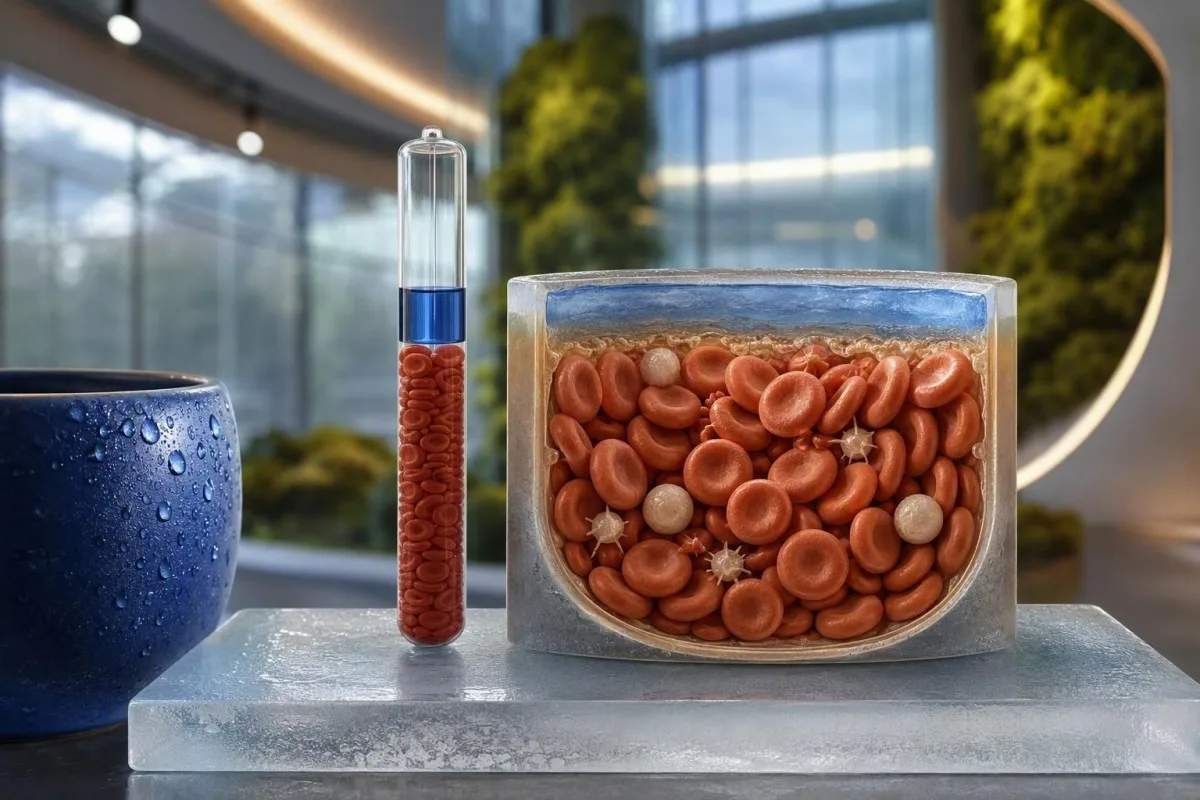
ຈຳນວນ RBC ສູງອາດສະທ້ອນເຖິງເລືອດທີ່ມີຄວາມເຂັ້ມຂຸ້ນຫຼາຍກວ່າການມີຈຸລັງເລືອດແດງເພີ່ມຂຶ້ນ. ວຽກງານທຳອິດແມ່ນການແຍກການສູນເສຍນ້ຳຊົ່ວຄາວອອກຈາກການເພີ່ມຂຶ້ນຢ່າງຕໍ່ເນື່ອງທີ່ຕ້ອງການການກວດສອບຢ່າງລະອຽດ.


- ภาวะเม็ดเลือดแดงเพิ่มขึ้นแบบสัมพัทธ์ (Relative erythrocytosis) ໝາຍເຖິງປະລິມານນ້ຳໃນພລາສມາຫຼຸດລົງ, ເຮັດໃຫ້ຈຳນວນ RBC, hemoglobin, ແລະ hematocrit ເບິ່ງຄືວ່າສູງໂດຍບໍ່ໄດ້ມີການສ້າງຈຸລັງໃໝ່ຂຶ້ນມາ.
- ເກນຂອງ WHO ຄ່າທີ່ສະໜັບສະໜູນຄວາມເປັນໄປໄດ້ຂອງ polycythemia vera ແມ່ນ hemoglobin ສູງກວ່າ 16.5 g/dL ໃນຜູ້ຊາຍ ຫຼື 16.0 g/dL ໃນຜູ້ຍິງ, ຫຼື hematocrit ສູງກວ່າ 49% ແລະ 48% ຕາມລຳດັບ.
- ການກວດຊ້ຳຫຼັງຈາກການດື່ມນ້ຳໃຫ້ພຽງພໍ ໂດຍປົກກະຕິແມ່ນສົມເຫດສົມຜົນສຳລັບການເພີ່ມຂຶ້ນເລັກນ້ອຍທີ່ພົບຢ່າງດຽວ ຫຼັງຈາກການຮາກ, ຖອກທ້ອງ, ການຖືກຄວາມຮ້ອນ, ການອົດອາຫານ, ຫຼື ການອອກກຳລັງກາຍຢ່າງໜັກ - ຖ້າຫາກທ່ານມີສຸຂະພາບແຂງແຮງດີໃນດ້ານອື່ນໆ.
- ຢາຂັບຍ່ຽວ (diuretics) ສາມາດເພີ່ມ hematocrit ຜ່ານການສູນເສຍນ້ຳ; ຢ່າຢຸດຢາທີ່ແພດສັ່ງເອງໂດຍບໍ່ປຶກສາແພດຜູ້ທີ່ສັ່ງຢານັ້ນ.
- ຮູບແບບມີຄວາມສຳຄັນ: ຄ່າ albumin, total protein, sodium, ອັດຕາສ່ວນ BUN/creatinine, ແລະ ຄວາມເຂັ້ມຂຸ້ນຂອງປັດສະວະ (urine specific gravity) ທີ່ສູງ ສະໜັບສະໜູນການຂາດນ້ຳຫຼາຍກວ່າການຜະລິດຈຸລັງເລືອດແດງເກີນຈິງ.
- ການຊ້ຳຕາມເວລາ ໂດຍທົ່ວໄປແມ່ນ 1–2 ອາທິດຫຼັງຈາກຟື້ນຕົວ, ການໄດ້ຮັບນ້ຳໃນປະລິມານປົກກະຕິ, ແລະ 24–48 ຊົ່ວໂມງໂດຍບໍ່ມີການອອກກຳລັງກາຍໜັກຜິດປົກກະຕິ, ເວັ້ນເສຍແຕ່ວ່າຈະມີອາການຮີບດ່ວນ.
- ການສູງຂຶ້ນຢ່າງຕໍ່ເນື່ອງ ຫຼັງຈາກການດື່ມນ້ຳຢ່າງພຽງພໍ ຄວນໄດ້ຮັບການປະເມີນກ່ຽວກັບການສູບຢາ, ບັນຫາການຫາຍໃຈຂະນະນອນຫຼັບ, ຄວາມສູງ, ຮໍໂມນ testosterone, ພະຍາດປອດ ຫຼື ໝາກໄຂ່ຫຼັງ, erythropoietin, ແລະ ມັກຈະຕ້ອງກວດ JAK2.
- ອາການດ່ວນ ລວມເຖິງອາການເຈັບໜ້າເອິກ, ຫາຍໃຈຝືດໃໝ່, ອຳມະພາດເຄິ່ງຊີກ, ຕາພ້າວົວ, ສັບສົນ, ຫຼື ຂາບວມ ແລະ ເຈັບ; ອາການເຫຼົ່ານີ້ຕ້ອງການການເບິ່ງແຍງທັນທີ, ບໍ່ແມ່ນການກວດຊ້ຳຢູ່ເຮືອນ.
ຜົນ RBC ສູງໂດຍທົ່ວໄປໝາຍຄວາມວ່າແນວໃດ
RBC ສູງອາດເປັນຜົນບວກລວງຈາກພາວະຂາດນ້ຳ ເມື່ອການສູນເສຍນ້ຳເຮັດໃຫ້ສ່ວນປະກອບຂອງເມັດເລືອດມີຄວາມເຂັ້ມຂຸ້ນຂຶ້ນ; ມັນບໍ່ໄດ້ໝາຍຄວາມວ່າໄຂກະດູກຂອງທ່ານກຳລັງຜະລິດເມັດເລືອດແດງຫຼາຍເກີນໄປໂດຍອັດຕະໂນມັດ. ຂໍ້ສັງເກດຄື ລະດັບຮີໂມໂກລບິນ (hemoglobin) ແລະ ຮີມາໂຕຄຣິດ (hematocrit) ກັບມາຢູ່ໃນລະດັບປົກກະຕິຫຼັງຈາກການຟື້ນຕົວ ແລະ ການດື່ມນ້ຳຕາມປົກກະຕິຫຼືບໍ່, ແທນທີ່ຈະຍັງຄົງສູງຢູ່ເມື່ອກວດ CBC ຊ້ຳໃນສະພາວະທີ່ກຽມຕົວພ້ອມ.
ຈຳນວນ RBC ລາຍງານຈຳນວນເມັດເລືອດແດງຕໍ່ລິດ, ໃນຂະນະທີ່ hematocrit ລາຍງານສັດສ່ວນຂອງເລືອດທັງໝົດທີ່ປະກອບດ້ວຍເມັດເລືອດເຫຼົ່ານັ້ນ. ຊ່ວງອ້າງອີງສຳລັບຜູ້ໃຫຍ່ຈະແຕກຕ່າງກັນໄປຕາມແຕ່ລະຫ້ອງທົດລອງ, ແຕ່ຫຼາຍແຫ່ງໃຊ້ປະມານ 4.5–5.9 × 10¹²/L ສຳລັບຜູ້ຊາຍ ແລະ 4.1–5.1 × 10¹²/L ສຳລັບຜູ້ຍິງ. ຄ່າທີ່ສູງກວ່າຊ່ວງອ້າງອີງເລັກນ້ອຍ ມັກຈະໃຫ້ຂໍ້ມູນໜ້ອຍກວ່າເມື່ອທຽບກັບຄ່າຮີໂມໂກລບິນ ແລະ ຮີມາໂຕຄຣິດທີ່ຢູ່ຂ້າງກັນ; ຄຳແນະນຳຂອງພວກເຮົາກ່ຽວກັບ អ្វីដែល CBC រួមបញ្ចូល ການກວດເລືອດທີ່ສາມາດຊີ້ໄປຫາມະເຮັງ.
ພາວະຂາດນ້ຳຈະເຮັດໃຫ້ສ່ວນປະກອບທີ່ເປັນຂອງແຫຼວໃນເລືອດຫຼຸດລົງພາຍໃນບໍ່ເທົ່າໃດຊົ່ວໂມງ, ດັ່ງນັ້ນມວນລວມຂອງເມັດເລືອດແດງເທົ່າເດີມຈຶ່ງຢູ່ໃນປະລິມານທີ່ວັດແທກໄດ້ໜ້ອຍລົງ. ໃນທາງຄລີນິກ, ຂ້ອຍມັກພົບເຫັນເລື່ອງນີ້ຫຼັງຈາກມີອາການທ້ອງບິດ: RBC 5.8 × 10¹²/L, ຮີໂມໂກລບິນ 17.1 g/dL, ຮີມາໂຕຄຣິດ 51%, ຈາກນັ້ນຄ່າຕ່າງໆກໍກັບມາປົກກະຕິຫຼັງຈາກຟື້ນຕົວ. ນີ້ແມ່ນ ພາວະເລືອດຂຸ້ນຈາກການຂາດນ້ຳ (relative erythrocytosis), ບໍ່ແມ່ນຄວາມຜິດພາດຂອງຫ້ອງທົດລອງ ແລະ ບໍ່ແມ່ນພະຍາດສະເໝີໄປ.
ແຄນເທສຕີ ເປັນ AI ເຄື່ອງວິເຄາະເລືອດ ທີ່ອ່ານຜົນ RBC, ຮີໂມໂກລບິນ, ຮີມາໂຕຄຣິດ, ຄ່າດັດຊະນີເມັດເລືອດແດງ, ຄ່າເຄື່ອງໝາຍການເຮັດວຽກຂອງໝາກໄຂ່ຫຼັງ, ແລະ ຜົນກວດກ່ອນໜ້າຮ່ວມກັນ. ນັບຕັ້ງແຕ່ວັນທີ 5 ກັນຍາ 2026 ເປັນຕົ້ນໄປ, ຂັ້ນຕອນການທົບທວນທາງຄລີນິກຂອງພວກເຮົາຈະຖືວ່າການແຈ້ງເຕືອນ CBC ທີ່ຜິດປົກກະຕິພຽງເລັກນ້ອຍ ເປັນການກະຕຸ້ນໃຫ້ກວດສອບການກະກຽມຕົວ ແລະ ແນວໂນ້ມ—ບໍ່ແມ່ນການບົ່ງມະຕິພະຍາດ.
ຈຳນວນ RBC ບໍ່ຄືກັນກັບມວນລວມຂອງເມັດເລືອດແດງ (red-cell mass)
CBC ບໍ່ສາມາດວັດແທກມວນລວມຂອງເມັດເລືອດແດງໄດ້ໂດຍກົງ. ມັນວັດແທກຄວາມເຂັ້ມຂຸ້ນ ເຊິ່ງຈະສູງຂຶ້ນເມື່ອປະລິມານພລາດສະມະລົດລົງ; ການສຶກສາມວນລວມເມັດເລືອດແດງດ້ວຍໄອໂຊໂທບ (isotope) ປັດຈຸບັນບໍ່ຄ່ອຍມີຄວາມຈຳເປັນ, ແຕ່ມັນຊ່ວຍໃຫ້ເຫັນພາບວ່າ CBC ທີ່ເຂັ້ມຂຸ້ນສາມາດເບິ່ງຄືວ່າເປັນອັນຕະລາຍໂດຍບໍ່ມີການເພີ່ມຂຶ້ນຂອງເມັດເລືອດແທ້ຈິງ.
Relative erythrocytosis ທຽບກັບການມີຈຸລັງເລືອດແດງເກີນຈິງ
ພາວະເລືອດຂຸ້ນຈາກການຂາດນ້ຳ (relative erythrocytosis) ຄືພາວະທີ່ RBC, ຮີໂມໂກລບິນ, ຫຼື ຮີມາໂຕຄຣິດສູງ ເນື່ອງຈາກປະລິມານພລາດສະມະລົດລົງ, ໃນຂະນະທີ່ພາວະເລືອດຂຸ້ນທີ່ແທ້ຈິງ (absolute erythrocytosis) ສະທ້ອນເຖິງມວນລວມຂອງເມັດເລືອດແດງທີ່ເພີ່ມຂຶ້ນຢ່າງແທ້ຈິງ. ການດື່ມນ້ຳໃຫ້ພຽງພໍສາມາດແກ້ໄຂຮູບແບບທຳອິດໄດ້ ແຕ່ບໍ່ສາມາດແກ້ໄຂຮູບແບບທີສອງໄດ້.
ພາວະເລືອດຂຸ້ນທີ່ແທ້ຈິງອາດເກີດຂຶ້ນເອງ (primary), ເຊັ່ນໃນພະຍາດເມັດເລືອດແດງຫຼາຍເກີນໄປ (polycythemia vera), ຫຼື ເກີດຕາມຫຼັງ (secondary) ຈາກການເພີ່ມຂຶ້ນຂອງຮໍໂມນອີຣິໂທຣໂພອີຕິນ (erythropoietin) ຈາກພາວະອົກຊີເຈນຕ່ຳ, ຢາ, ຫຼື ບາງຄັ້ງອາດມາຈາກຄວາມຜິດປົກກະຕິຂອງໝາກໄຂ່ຫຼັງ. ເກນຂອງອົງການອະນາໄມໂລກ (WHO) ປີ 2016 ໃຊ້ຄ່າຮີໂມໂກລບິນສູງກວ່າ 16.5 g/dL ໃນຜູ້ຊາຍ ຫຼື 16.0 g/dL ໃນຜູ້ຍິງ ເປັນເກນທີ່ຄວນເຮັດໃຫ້ເກີດການພິຈາລະນາເຖິງພະຍາດ polycythemia vera, ໂດຍສະເພາະເມື່ອມີອາການຕໍ່ເນື່ອງ (Arber et al., 2016). ການມີຄ່າພຽງຄ່າດຽວບໍ່ພຽງພໍທີ່ຈະບົ່ງມະຕິພະຍາດນີ້ໄດ້.
ຄວາມແຕກຕ່າງໃນທາງປະຕິບັດແມ່ນຂຶ້ນກັບຜົນກວດອື່ນໆໃນຊຸດດຽວກັນ. RBC ສູງຈາກພາວະຂາດນ້ຳ ຮູບແບບຕ່າງໆມັກຈະລວມເຖິງລະດັບອັລບູມິນ (albumin) ສູງ, ໂປຣຕີນລວມສູງ, Urea/BUN ສູງ, ໂຊດຽມສູງ, ແລະ ຍ່ຽວເຂັ້ມຂຸ້ນ; ສ່ວນພາວະເລືອດຂຸ້ນທີ່ແທ້ຈິງ (absolute erythrocytosis) ອາດຈະບໍ່ພົບຄວາມຜິດປົກກະຕິເຫຼົ່ານີ້. ກະລຸນາອ່ານບົດຄວາມທີ່ເນັ້ນເລື່ອງ ຮີໂມໂກລບິນສູງເລັກນ້ອຍ ຖ້າຮີໂມໂກລບິນ ເປັນຜົນທີ່ຖືກແຈ້ງເຕືອນ ແທນທີ່ຈະເປັນພຽງ RBC.
ຈຳນວນ RBC ປົກກະຕິບໍ່ໄດ້ໝາຍຄວາມວ່າບໍ່ມີພາວະເລືອດຂຸ້ນ (erythrocytosis) ຖ້າຮີໂມໂກລບິນ ຫຼື ຮີມາໂຕຄຣິດສູງ, ແລະ RBC ສູງພຽງຢ່າງດຽວສາມາດເກີດຂຶ້ນໄດ້ກັບເມັດເລືອດແດງຂະໜາດນ້ອຍຈາກພາວະຂາດທາດເຫຼັກ ຫຼື ທາລັດຊີເມຍ (thalassemia trait). ນີ້ແມ່ນເຫດຜົນວ່າເປັນຫຍັງ MCV ແລະ ເຟີຣິຕິນ (ferritin) ຈຶ່ງສຳຄັນ; ການທີ່ RBC ສູງໂດຍມີ MCV ຕ່ຳກວ່າ 80 fL ເປັນການສົນທະນາທາງຄລີນິກທີ່ແຕກຕ່າງກັນ.
ການຂາດນ້ຳປ່ຽນແປງ CBC ແລະ ຕົວຊີ້ວັດການເຮັດວຽກຂອງໝາກໄຂ່ຫຼັງແນວໃດ
ພາວະຂາດນ້ຳມັກຈະເຮັດໃຫ້ RBC, ຮີໂມໂກລບິນ, ແລະ ຮີມາໂຕຄຣິດສູງຂຶ້ນພ້ອມກັນ, ແລະ ມັກຈະເຮັດໃຫ້ອັລບູມິນ, ໂປຣຕີນລວມ, Urea/BUN, ຄຣີອາດີນິນ (creatinine), ແລະ ຄວາມເຂັ້ມຂຸ້ນຂອງຍ່ຽວສູງຂຶ້ນນຳ. ຜົນທີ່ບໍ່ສອດຄ່ອງກັນ—ຕົວຢ່າງ: RBC ສູງກັບຮີໂມໂກລບິນຕ່ຳ—ບໍ່ເໝາະສົມກັບພາວະເລືອດຂຸ້ນຈາກການຂາດນ້ຳທົ່ວໄປ.
A BUN/creatinine ratio ທີ່ສູງກວ່າປະມານ 20:1 ໃນໜ່ວຍສະຫະລັດສາມາດສະໜັບສະໜູນການຫຼຸດລົງຂອງການໄຫຼວຽນຂອງไตຈາກການສູນເສຍນ້ຳ, ເຖິງແມ່ນວ່າການມີເລືອດອອກໃນລະບົບຍ່ອຍອາຫານ, ການໄດ້ຮັບໂປຣຕີນ, corticosteroids, ແລະມวลກ້າມເນື້ອຕ່ຳສາມາດປ່ຽນແປງອັດຕາສ່ວນໄດ້. Creatinine ອາດເພີ່ມຂຶ້ນເລັກນ້ອຍຫຼັງຈາກໄດ້ຮັບຄວາມຮ້ອນ ຫຼືການແລ່ນໄລຍະຍາວ ເພາະທັງການກັ່ນຕອງ ແລະການເຜົາຜະນິດຂອງກ້າມເນື້ອປ່ຽນແປງ. ຂອງພວກເຮົາ ຄູ່ມືກ່ຽວກັບການຂາດນ້ໍາ ແລະ eGFR ກວມເອົາເວລາໃດທີ່ eGFR ຕ່ຳຄວນໄດ້ຮັບການເຮັດຊ້ຳ.
ຄວາມຖ້ວມສະເພາະຂອງນ້ຳຍ່ຽວ 1.025 ຫຼືສູງກວ່າແມ່ນເຂົ້າກັນໄດ້ກັບນ້ຳຍ່ຽວທີ່ເຂັ້ມຂຸ້ນ, ແຕ່ມັນບໍ່ແມ່ນເຄື່ອງວັດແທກນ້ຳທີ່ຊັດເຈນ. Glucose, protein, ແລະສານປະກອບການຖ່າຍຮູບບາງຢ່າງກໍ່ສາມາດເພີ່ມມັນໄດ້, ສະນັ້ນທ່ານໝໍຄວນຕີຄວາມໝາຍມັນກັບອາການແລະ electrolytes. A ຂໍ້ມູນອ້າງອີງຄວາມຖ້ວມສະເພາະຂອງນ້ຳຍ່ຽວ ມີປະໂຫຍດເມື່ອ CBC ແລະ urinalysis ຖືກເກັບໃນມື້ດຽວກັນ.
ຂ້ອຍຂໍແນະນຳຕໍ່ການພະຍາຍາມບັງຄັບໃຫ້ຜົນການທົດສອບເປັນປົກກະຕິໂດຍການດື່ມນ້ຳຫຼາຍລິດໃນທັນທີກ່ອນການກວດ. ການດື່ມນ້ຳຫຼາຍເກີນໄປຢ່າງໄວວາສາມາດຫຼຸດໂຊດຽມ, ແລະມັນສ້າງຕົວຢ່າງທີ່ບໍ່ເປັນຕົວແທນອີກຄັ້ງ; ອາຫານປົກກະຕິແລະນ້ຳດື່ມທຳມະດາທີ່ນຳທາງໂດຍຄວາມຫິວເປັນເວລາ 24–48 ຊົ່ວໂມງໂດຍທົ່ວໄປແລ້ວມີຄວາມປອດໄພກວ່າສຳລັບຄົນທີ່ບໍ່ມີການຈຳກັດນ້ຳ.
ການຮາກ, ຖອກທ້ອງ, ຄວາມຮ້ອນ, ການອົດອາຫານ, ແລະ ຢາຂັບປັດສະວະ
ການຮາກ, ຖອກທ້ອງ, ເຫື່ອອອກຫຼາຍ, ການອົດອາຫານດົນ, ແລະຢາຂັບປັດສະວະສາມາດເຮັດໃຫ້ຄວາມເຂັ້ມຂຸ້ນຂອງ RBC ສູງຂຶ້ນຊົ່ວຄາວໂດຍການຫຼຸດນ້ຳໃນພລາສມາ. ລະດັບການເພີ່ມຂຶ້ນຂຶ້ນກັບການສູນເສຍນ້ຳແລະການທົດແທນຫຼາຍກວ່າການຮູ້ສຶກບໍ່ສະບາຍຂອງຄົນນັ້ນ.
ການຮາກຢ່າງຮຸນແຮງມັກຈະເຮັດໃຫ້ຄລໍໄຮດີຕ່ຳແລະບາງຄັ້ງໂພແອດສຽມສູງເພາະອາຊິດກະເພາະອາຫານແລະນ້ຳໄດ້ສູນເສຍໄປ. ຢາຂັບປັດສະວະ loop ເຊັ່ນ furosemide ແລະ thiazides ສາມາດເຮັດໃຫ້ຮູບແບບການຫົດໂຕຂອງປະລິມານຄ້າຍຄືກັນ, ໂດຍສະເພາະໃນຜູ້ສູງອາຍຸ. ຜົນໄດ້ຮັບຄລໍໄຮດີຕ່ຳແມ່ນຢູ່ໃນກອບທາງຄລີນິກດຽວກັນ; ເບິ່ງ ຂໍ້ຄຶດກ່ຽວກັບການຮາກແລະການຂັບປັດສະວະຄລໍໄຮດີ ສຳລັບຮູບແບບນັ້ນ.
ຢ່າຢຸດຢາຂັບປັດສະວະທີ່ສັ່ງໂດຍບໍ່ມີຄຳແນະນຳທາງການແພດເພື່ອປັບປຸງ CBC. ຄົນທີ່ກິນຢາເຫຼົ່ານີ້ສຳລັບອາການຫົວໃຈວາຍ, ຕັບແຂງ, ຄວາມດັນເລືອດສູງທີ່ຕ້ານທານ, ຫຼືພະຍາດไตອາດຈະຕ້ອງການແຜນນ້ຳທີ່ເໝາະສົມ, ເພາະການດື່ມນ້ຳແບບບໍ່ຈຳແນກສາມາດເຮັດໃຫ້ອາການບວມຫຼືຫາຍໃຈລຳບາກຮ້າຍແຮງຂຶ້ນ. ຄຳຖາມທີ່ຖືກຕ້ອງແມ່ນວ່າຂະໜາດ, ອາການ, ນ້ຳໜັກ, ຄວາມດັນເລືອດ, ແລະຜົນການທົດສອບไตເຂົ້າກັນໄດ້ບໍ.
ຄວາມຫິວເປັນປະໂຫຍດແຕ່ບໍ່ສົມບູນແບບໃນຜູ້ໃຫຍ່ທີ່ມີອາຍຸຫຼາຍກວ່າ 65 ປີແລະໃນຄົນເຈັບເບົາຫວານ, ພະຍາດไต, ຫຼືພະຍາດລະບົບປະສາດບາງຊະນິດ. ນ້ຳຍ່ຽວສີເຫຼືອງເຂັ້ມ, ປາກແຫ້ງ, ວິງຫົວເມື່ອປ່ຽນທ່າ, ປັດສະວະຫຼຸດລົງ, ແລະນ້ຳໜັກຫຼຸດລົງ 1 ກິໂລໃນ 24 ຊົ່ວໂມງສາມາດສະໜັບສະໜູນການສູນເສຍນ້ຳ, ແຕ່ອາການຮ້າຍແຮງສົມຄວນໄດ້ຮັບການປະເມີນແທນການປິ່ນປົວຕົນເອງ.
ການອອກກຳລັງກາຍສາມາດເຮັດໃຫ້ເລືອດຂອງທ່ານມີຄວາມເຂັ້ມຂຸ້ນຊົ່ວຄາວ
ການອອກກຳລັງກາຍຢ່າງໜັກສາມາດເພີ່ມ hematocrit ແລະ hemoglobin ໄດ້ສຳລັບຫຼາຍຊົ່ວໂມງຜ່ານການສູນເສຍເຫື່ອແລະການປ່ຽນແປງປະລິມານພລາສມາ, ເຖິງແມ່ນວ່າການຝຶກອົບຮົມຊ້ຳໆອາດເຮັດໃຫ້ hematocrit ໃນລະດັບພື້ນຖານຫຼຸດລົງຜ່ານການເພີ່ມປະລິມານພລາສມາ. ດັ່ງນັ້ນ, ການກຳນົດເວລາຈຶ່ງມີຄວາມສຳຄັນຜິດປົກກະຕິສຳລັບນັກກິລາ.
ການແລ່ນ 90 ນາທີໃນສະພາບອາກາດອົບອຸ່ນສາມາດເຮັດໃຫ້ສູນເສຍນໍ້າໄດ້ 1–3 ລິດ, ຂຶ້ນກັບຂະໜາດຂອງຮ່າງກາຍ, ສະພາບອາກາດ, ແລະອັດຕາການເຫື່ອອອກ. ການເກັບຕົວຢ່າງທັນທີຫຼັງການແຂ່ງຂັນກໍ່ອາດຈະສະແດງ creatinine, CK, albumin, ແລະ total protein ສູງຂຶ້ນ; ກຸ່ມນີ້ມີປະໂຫຍດຫຼາຍກວ່າຜົນ R BC ຢ່າງດຽວ. ຂອງພວກເຮົາ ຄູ່ມືກໍານົດເວລາການກວດເລືອດໃນການແຂ່ງຂັນມາຣາທອນ ປຶກສາຫາລືກ່ຽວກັບຕົວຊີ້ບອກການຟື້ນຕົວທີ່ປ່ຽນແປງທົ່ວໄປ.
ສໍາລັບການຕິດຕາມກວດກາຕາມປົກກະຕິ, ຂ້າພະເຈົ້າໂດຍທົ່ວໄປແນະນໍາໃຫ້ຫຼີກລ້ຽງການອອກກໍາລັງກາຍທີ່ເຂັ້ມຂຸ້ນຜິດປົກກະຕິສໍາລັບ 24–48 ຊົ່ວໂມງ ກ່ອນການເກັບເລືອດ, ມາຮອດສະພາບພັກຜ່ອນ, ແລະດື່ມນໍ້າຕາມປົກກະຕິມື້ກ່ອນ. ນີ້ບໍ່ແມ່ນກົດ laboratory ທີ່ເປັນສາກົນ, ແລະການຕິດຕາມນັກກິລາຊັ້ນນໍາອາດຈະທົດສອບພາຍໃຕ້ພາລະທີ່ໄດ້ຮັບການທົດສອບຢ່າງຈົງໃຈ — ແຕ່ຄວາມສອດຄ່ອງມີຄວາມສໍາຄັນຫຼາຍກວ່າຄວາມສົມບູນແບບ. ທ່ານດຣ. Thomas Klein ໄດ້ເຫັນການສົ່ງຕໍ່ທີ່ບໍ່ຈໍາເປັນຫຼາຍຢ່າງຫາຍໄປເມື່ອໄດ້ທົດສອບນັກກິລາກັບຄືນຫຼັງຈາກອາທິດການຟື້ນຕົວປົກກະຕິ.
Kantesti’s ຄູ່ມືການຄົ້ນຄວ້າ BUN ແລະ creatinine ມີປະໂຫຍດໂດຍສະເພາະເມື່ອນັກກິລາກ່ຽວກັບຄວາມອົດທົນມີທັງ hematocrit ສູງ ແລະສັນຍານkidney ທີ່ຊາຍແດນ. ນ້ຳໜັກຫຼຸດລົງ, ຄວາມໜາແໜ້ນສະເພາະຂອງປັດສະວະສູງ, ແລະໄລຍະການຟື້ນຕົວສັ້ນເຮັດໃຫ້ hemoconcentration ເປັນໄປໄດ້; ອາການເຈັບກ້າມເນື້ອ, ປັດສະວະສີໂຄລ່າ, ຫຼື CK ສູງຫຼາຍຮຽກຮ້ອງໃຫ້ມີລະດັບຄວາມລະມັດລະວັງທີ່ແຕກຕ່າງກັນ.
ແຜນການທີ່ປອດໄພສຳລັບການກວດ CBC ຊ້ຳເມື່ອມີຄ່າສູງເລັກນ້ອຍ
ຈໍານວນ RBC ທີ່ສູງຂຶ້ນເລັກນ້ອຍໂດຍທົ່ວໄປສາມາດເຮັດຊ້ໍາໄດ້ຫຼັງຈາກ 1–2 ອາທິດຂອງການຟື້ນຕົວ, ການດື່ມນໍ້າຕາມປົກກະຕິ, ແລະການໃຊ້ຢາທີ່ຫມັ້ນຄົງເມື່ອທ່ານບໍ່ມີອາການສັນຍານສີແດງ. ເຮັດຊ້ໍາອີກຄັ້ງໄວໆນີ້ເທົ່ານັ້ນຖ້າແພດຂອງທ່ານຮ້ອງຂໍຫຼືຜົນໄດ້ຮັບເບື້ອງຕົ້ນສູງຫຼາຍ.
ກ່ອນການເຮັດຊ້ໍາ, ບັນທຶກວ່າທ່ານມີອາການຖອກທ້ອງ, ຮາກ, ໄຂ້, ດື່ມເຫຼົ້າ, ໃຊ້ sauna, ການເດີນທາງທີ່ຍາວນານ, ໄດ້ຮັບອາຍແກັສ, ອົດອາຫານ, ຫຼືອອກກໍາລັງກາຍຢ່າງຮຸນແຮງໃນ 72 ຊົ່ວໂມງກ່ອນໜ້ານີ້. ຮັກສາອາຫານແລະຕາຕະລາງຢາປົກກະຕິຂອງທ່ານເວັ້ນເສຍແຕ່ແພດຂອງທ່ານບອກທ່ານເປັນຢ່າງອື່ນ. ອັນນີ້ ຄູ່ມືການກຽມການກວດເລືອດພື້ນຖານ ມີລາຍການກວດສອບທີ່ໃຊ້ໄດ້ຈິງສໍາລັບການຫຼີກລ້ຽງການປ່ຽນແປງທີ່ເກີດຂຶ້ນໂດຍບໍ່ຕັ້ງໃຈ.
ໃຊ້ laboratory ດຽວກັນເມື່ອເປັນໄປໄດ້, ເພາະວ່າວິທີການວິເຄາະແລະຊ່ວງອ້າງອີງແຕກຕ່າງກັນ. ຂໍ CBC ພ້ອມດ້ວຍ hemoglobin, hematocrit, MCV, RDW, ຈໍານວນ white-cell, ແລະ platelets; ການເພີ່ມຂຶ້ນຢ່າງຕໍ່ເນື່ອງປະກອບດ້ວຍ platelets ຫຼື white cells ສູງແມ່ນຫນ້າເປັນຫ່ວງກວ່າ marrow process ກ່ວາ erythrocytosis ໂດດດ່ຽວ. ພະຍາດເມື່ອບໍ່ດົນມານີ້ສາມາດສົ່ງຜົນກະທົບຕໍ່ສາຍເຫຼົ່ານີ້ໃນທິດທາງກົງກັນຂ້າມ, ດັ່ງນັ້ນຈຶ່ງຕ້ອງມີ panel ທີ່ຄົບຖ້ວນ.
ແຄນເທສຕີ ເປັນ ບໍລິການຕີຄວາມຜົນການກວດຂອງ AI ທີ່ປຽບທຽບ CBC ໃໝ່ກັບຄ່າກ່ອນໜ້າ ແລະສະແດງການປ່ຽນແປງທີ່ເກີນກວ່າຄວາມແຕກຕ່າງທົ່ວໄປ. ວິທີການແນວໂນ້ມຂອງພວກເຮົາບໍ່ໄດ້ທົດແທນແພດ, ແຕ່ມັນສາມາດຮັກສາບໍລິບົດທີ່ສໍາຄັນ — ການອອກກໍາລັງກາຍ, ພະຍາດ, ຢາ, ແລະ hematocrit ກ່ອນໜ້າ — ທີ່ມັກຈະສູນເສຍໄປເມື່ອຜົນໄດ້ຮັບດຽວຖືກເບິ່ງຄົນດຽວ.
ເວລາໃດທີ່ຜົນກວດສູງຊ້ຳຄວນໄດ້ຮັບການກວດຫາ erythrocytosis
hemoglobin ສູງຢ່າງຕໍ່ເນື່ອງສູງກວ່າ 16.5 g/dL ໃນຜູ້ຊາຍຫຼື 16.0 g/dL ໃນຜູ້ຍິງ, ຫຼື hematocrit ສູງກວ່າ 49% ຫຼື 48%, ຄວນກະຕຸ້ນໃຫ້ແພດປະເມີນ erythrocytosis ຫຼັງຈາກ dehydration ຖືກຍົກເວັ້ນ. ການທົດສອບຄັ້ງທໍາອິດແມ່ນການເຮັດຊ້ໍາ CBC, ລະດັບ erythropoietin, ການປະເມີນ oxygen, ແລະການທົດສອບ JAK2 mutation ຖ້າເຫມາະສົມ.
Polycythemia vera ເປັນมะเร็ง myeloproliferative neoplasm ທີ່ພົບ JAK2 mutations ໃນປະມານ 98% ຂອງຄົນເຈັບທີ່ໄດ້ຮັບຜົນກະທົບ. erythropoietin serum ຕ່ໍາສະຫນັບສະຫນູນການຜະລິດ marrow ຕົ້ນຕໍ, ແຕ່ບໍ່ມີການທົດສອບເລືອດດຽວໃດໆຄວນໄດ້ຮັບການຕີລາຄາຢ່າງໂດດດ່ຽວ. ຄໍາແນະນໍາຂອງ British Society for Haematology ແນະນໍາໃຫ້ມີວິທີການທີ່ເປັນລະບົບທີ່ແຍກ erythrocytosis ຕົ້ນຕໍອອກຈາກຂັ້ນສອງ (McMullin et al., 2019).
ອາການສາມາດອ່ອນເພຍ: ເຈັບຫົວ, ຕາບອດ, ຄັນຫຼັງຈາກອາບນໍ້າອຸ່ນ, ຫນ້າແດງຜິດປົກກະຕິ, ອິດເມື່ອຍ, ຫຼືກ້າມເສັ້ນເລືອດໃນອະດີດອາດມີຄວາມສໍາຄັນຫຼາຍກວ່າຄ່າ RBC ທີ່ແນ່ນອນ. ສໍາລັບຄໍາອະທິບາຍຢ່າງເຕັມທີ່ກ່ຽວກັບ hematocrit, erythropoietin, ແລະ JAK2, ອ່ານ คู่มืออาการ polycythemia ของเรา. ຫຼາຍຄົນທີ່ມີລະດັບຫ້ອງທົດລອງອ່ອນໆບໍ່ມີຄຸນລັກສະນະເຫຼົ່ານີ້.
ຂ້າພະເຈົ້າລະມັດລະວັງບໍ່ໃຫ້ບອກເປັນນัยວ່າທຸກໆຈໍານວນສູງທີ່ຄົງຢູ່ແມ່ນມະເລັງ. ການສູບຢາທີ່ກ່ຽວຂ້ອງກັບຄາບອນໂມນອກໄຊ, ภาวะหยุดหายใจขณะหลับที่ไม่ได้รักษา, ພະຍາດປອດ, testosterone, ລະດັບຄວາມສູງ, ແລະບາງສະພາບkidney ຈະເປັນຄໍາອະທິບາຍທົ່ວໄປໃນຫຼາຍໆຫ້ອງການ. ເຖິງຢ່າງໃດກໍ່ຕາມ, ຄວາມຄົງຕົວແມ່ນເຫດຜົນທີ່ CBC ທີ່ເຮັດຊ້ໍາອີກຄັ້ງບໍ່ຄວນກາຍເປັນວົງຈອນການທົດສອບທີ່ບໍ່ສິ້ນສຸດ.
ອົກຊີເຈນຕ່ຳ, ການສູບຢາ, ແລະ ພາວະຢຸດຫາຍໃຈຂະນະນອນຫຼັບ ເປັນສາເຫດຂອງ RBC ສູງ
ภาวะขาดออกซิเจนเรื้อรังສາມາດກະຕຸ້ນ erythropoietin ແລະເຮັດໃຫ້ຈໍານວນເມັດເລືອດແດງສູງຂຶ້ນຢ່າງແທ້ຈິງ; ภาวะหยุดหายใจขณะหลับ, ການສູບຢາທີ່ກ່ຽວຂ້ອງກັບຄາບອນໂມນອກໄຊ, ແລະພະຍາດປອດເປັນສາເຫດທົ່ວໄປ. ລະດັບ oxygen ປົກກະຕິໃນເວລາກາງເວັນບໍ່ໄດ້ຍົກເວັ້ນການຫຼຸດລົງຂອງ oxygen ໃນເວລາກາງຄືນຢ່າງເຕັມທີ່.
ภาวะหยุดหายใจขณะหลับชนิดอุดกั้นสามารถทําให้เกิด erythrocytosis ปานกลาง, โดยเฉพาะอย่างยิ่งเมื่อมีการลดลงของระดับออกซิเจนในตอนกลางคืนอย่างมาก. การกรนเสียงดัง, การหยุดหายใจที่สังเกตได้, อาการปวดศีรษะตอนเช้า, ความดันโลหิตสูงที่ดื้อยา, และอาการง่วงนอนในเวลากลางวันควร กระตุ้นประวัติที่เน้นการนอนหลับ แทนที่จะสันนิษฐานว่าการขาดน้ำเป็นคำอธิบายทุกอย่าง. ຄູ່ມືກວດເລືອດຫາຍໃຈຝຶດ ບອກລາຍລະອຽດກ່ຽວກັບສະພາບລວມຂອງຫົວໃຈ ແລະ ປອດ.
ການສູບຢາເຮັດໃຫ້ຄາຣ໌ບົບບອນໂມໂນໄຊ (carboxyhemoglobin) ສູງຂຶ້ນ, ເຊິ່ງເຮັດໃຫ້ການຈັດສົ່ງອອກซิເຈນຫຼຸດລົງ ເຖິງແມ່ນວ່າເຄື່ອງວັດແທກອົກຊີແຊັນໃນເລືອດ (pulse oximeter) ອາດຈະເບິ່ງແລ້ວບໍ່ເປັນຫຍັງກໍ່ຕາມ. ການສູບຢາໄຟຟ້າ ບໍ່ໄດ້ເຮັດໃຫ້ເກີດການสัมผัสຄາຣ໌ບົບບອນໂມໂນໄຊ (carbon monoxide) ເທົ່າກັບການສູບຢາແບບໄຟລຸກ, ແຕ່ມັນມີຄວາມສ່ຽງຕໍ່ສຸຂະພາບອື່ນໆ ແລະ ຄວນໄດ້ຮັບການປຶກສາຢ່າງເປີດເຜີຍ. ການກວດຄາຣ໌ບົບບອນໂມໂນໄຊ (Carbon monoxide) ຫຼື co-oximetry ບາງຄັ້ງມີປະໂຫຍດຫຼາຍກ່ວາການວັດແທກຄວາມອີ່ມຕົວຂອງອອກซิເຈນແບບປົກກະຕິ.
Kantesti AI ຕີຄວາມໝາຍຜົນ RBC ສູງ ພ້ອມກັບ hemoglobin, hematocrit, ຕົວຊີ້ວັດຂອງไต, ແລະປັດໃຈການນອນຫຼືການສູບຢາທີ່ໄດ້ລາຍງານ ແທນທີ່ຈະນຳສະເໜີລາຍການສາເຫດທົ່ວໄປ. ການອ່ານສະພາບການນັ້ນ ມີຄຸນຄ່າສູງ ໂດຍສະເພາະເມື່ອ hematocrit ຢູ່ທີ່ 50% ຫຼັງຈາກໄດ້ຮັບນ້ຳ ແລະ ຄົນເຈັບລາຍງານການນອນທີ່ບໍ່ສົດຊື່ນ.
ຄວາມສູງ, ຮໍໂມນ testosterone, ແລະ ຢາທີ່ເຮັດໃຫ້ RBC ສູງຂຶ້ນ
ການອາໄສຢູ່ ຫຼື ການຝຶກອົບຮົມຢູ່ບ່ອນສູງ ແລະ ການໃຊ້ testosterone ສາມາດເພີ່ມການຜະລິດເມັດເລືອດແດງ, ດັ່ງນັ້ນ ການເພີ່ມຂຶ້ນນັ້ນ ອາດຈະເປັນຄວາມຈິງ ແທນທີ່ຈະກ່ຽວຂ້ອງກັບການຂາດນ້ຳ. ເວລາຂອງການสัมผัส ມັກຈະໃຫ້ຄຳຕອບຫຼາຍກ່ວາຕົວເລກເລີ່ມຕົ້ນ.
ຢູ່ບ່ອນສູງ, ຄວາມກົດດັນຂອງອົກຊີເຈນທີ່ຕໍ່າ ລົງຈະກະຕຸ້ນ erythropoietin ແລະ ເຮັດໃຫ້ hemoglobin ສູງຂຶ້ນໃນໄລຍະເວລາ ມື້ ຫາ ອາທິດ; ລະດັບທີ່ຄາດຫວັງ ຂຶ້ນກັບລະດັບຄວາມສູງ, ໄລຍະເວລາ, ເຊື້ອຊາດ, ແລະ ຂໍ້ມູນອ້າງອີງຂອງຫ້ອງທົດລອງ. CBC ທີ່ເກັບໄດ້ໃນລະຫວ່າງ ຫຼື ບໍ່ດົນຫຼັງຈາກການຢູ່ເທິງພູຄວນໄດ້ຮັບການຕີຄວາມໝາຍຕໍ່ກັບການสัมผัส ນັ້ນ. ຂອງພວກເຮົາ ຄູ່ມືການກວດ hemoglobin ທີ່ບ່ອນສູງຊ້ຳ ອະທິບາຍວ່າເປັນຫຍັງຈຶ່ງສຳຄັນຕໍ່ກັບເວລາທີ່ກັບຄືນສູ່ລະດັບນ້ຳທະເລ.
ການສັກຢາ testosterone, ຟ гле, pellets, ແລະສານ anabolic ບາງຊະນິດ ສາມາດເຮັດໃຫ້ເກີດ erythrocytosis. ຫຼາຍ protocol ທີ່ສັ່ງຢາ ຈະຫຼຸດ ຫຼື ຢຸດການປິ່ນປົວເມື່ອ hematocrit ໄປຮອດ 54%, ເຖິງແມ່ນວ່າການຕັດສິນໃຈຄວາມສ່ຽງຂອງແຕ່ລະບຸກຄົນຈະແຕກຕ່າງກັນ, ໂດຍສະເພາະໃນຜູ້ທີ່ມີພະຍາດຫົວໃຈຫຼື sleep apnea. ຢ່າບໍລິຈາກເລືອດ ຫຼື ປ່ຽນແປງປະລິມານຢາທີ່ສັ່ງເປັນການທົດແທນການປຶກສາຜົນກັບຜູ້ສັ່ງຢາ.
ທີ່ພົບເຫັນໄດ້ໜ້ອຍກວ່າ, ຢາ SGLT2 ທີ່ໃຊ້ສໍາລັບພະຍາດເບົາຫວານ ສາມາດເຮັດໃຫ້ hematocrit ເພີ່ມຂຶ້ນເລັກນ້ອຍ, ສ່ວນໜຶ່ງແມ່ນຜ່ານຜົນກະທົບຂອງ plasma-volume ແລະ ອາດຈະເປັນການສົ່ງສັນຍານ erythropoietin. ລາຍການຢາຄວນປະກອບມີຜະລິດຕະພັນ androgen ທີ່ຊື້ຂາຍໄດ້, ການປິ່ນປົວດ້ວຍການສັກ, ແລະການປ່ຽນແປງຫຼ້າສຸດ—ບໍ່ແມ່ນພຽງແຕ່ຢາທີ່ພິມຢູ່ໃນບັນທຶກເອເລັກໂຕຣນິກ.
ເບາະແສຈາກ CBC ທີ່ປ່ຽນລະດັບຄວາມກັງວົນ
RBC ສູງ ຄວນໜ້າເປັນຫ່ວງຫຼາຍກວ່າເມື່ອ hemoglobin ແລະ hematocrit ກໍ່ສູງ, ໂດຍສະເພາະເມື່ອມີ platelets, white cells, erythropoietin ຕ່ຳ, ຫລື cells ທີ່ຜິດປົກກະຕິໃນ smear. RBC ສູງ ທີ່ມີ MCV ຕ່ຳ ມັກຈະຊີ້ບອກເຖິງຄວາມຜິດປົກກະຕິຂອງຈຸລັງຂະໜາດນ້ອຍແທນ.
MCV ຕ່ຳກວ່າ 80 fL ດ້ວຍຈຳນວນ RBC ທີ່ສູງຂ້ອນຂ້າງ ສາມາດເກີດຂຶ້ນໄດ້ໃນ thalassemia trait, ບ່ອນທີ່ຈຸລັງມີຂະໜາດນ້ອຍແຕ່ມີຫຼາຍ. ການຂາດທາດເຫຼັກ ກໍ່ສາມາດເຮັດໃຫ້ MCV ຕ່ຳໄດ້ເຊັ່ນກັນ, ເຖິງແມ່ນວ່າມັນ ມັກຈະເຮັດໃຫ້ hemoglobin ຫຼຸດລົງໃນໄລຍະເວລາ; ferritin ແລະ transferrin saturation ຈະຊີ້ແຈງຄວາມແຕກຕ່າງ. ຂອງພວກເຮົາ ការប្រៀបធៀប MCV និង MCH ອະທິບາຍວ່າເປັນຫຍັງຕົວເລກ RBC ພຽງຢ່າງດຽວຈຶ່ງເຮັດໃຫ້ເຂົ້າໃຈຜິດ.
White cells ຫຼື platelets ສູງ ພ້ອມກັບ hematocrit ສູງ ບໍ່ໄດ້ບົ່ງມະຕິ polycythemia vera, ແຕ່ມັນຫຼຸດລະດັບການທົບທວນຂອງ haematology. Peripheral smear, ferritin, erythropoietin, ການກວດ JAK2, ແລະບາງຄັ້ງການປະເມີນໄຂກະດູກ ອາດຈະຕາມມາ. ຂອງພວກເຮົາ ເສັ້ນທາງການກວດມະເຮັງເລືອດ ສະແດງໃຫ້ເຫັນວ່າເປັນຫຍັງການກວດເຫຼົ່ານີ້ຈຶ່ງຖືກຈັດລຽງຕາມລຳດັບ ແທນທີ່ຈະສັ່ງແບບບໍ່ເລືອກ.
ກົດລະບຽບການປະຕິບັດຂອງທ່ານດຣ. Thomas Klein ແມ່ນງ່າຍດາຍ: ຊອກຫາຄວາມສອດຄ່ອງໃນທົ່ວສັນຍານທີ່ເປັນເອກະລາດ. Hematocrit 52%, platelets 520 × 10⁹/L, ແລະ erythropoietin ຕ່ຳ ເປັນຮູບແບບທີ່ແຕກຕ່າງຈາກ hematocrit 50% ຫຼັງຈາກຄື້ນຄວາມຮ້ອນດ້ວຍ albumin 5.3 g/dL ແລະ ປັດສະວະທີ່ເຂັ້ມຂຸ້ນ.
ອາການ ແລະ ຄວາມສ່ຽງຕໍ່ການເກີດກ້ອນເລືອດ: ເວລາໃດທີ່ RBC ສູງເປັນເລື່ອງຮີບດ່ວນ
ຂໍຄວາມຊ່ວຍເຫຼືອສຸກເສີນສຳລັບຜົນ RBC ສູງ ທີ່ມີອາການເຈັບໜ້າເອິກ, ຫາຍໃຈສັ້ນກະທັນຫັນ, ໄອເປັນເລືອດ, ເປັນລົມ, ອ່ອນເພຍໃໝ່, ຍາກໃນການເວົ້າ, ສາຍຕາເສຍ, ຫລື ຂາບວມຂຶ້ນຢ່າງເຈັບປວດ. ອາການເຫຼົ່ານີ້ ອາດສະທ້ອນເຖິງການເປັນກ້ອນເລືອດ ຫລື ສະພາບສ້ວຍແຫຼບອື່ນໆ ແລະ ບໍ່ຄວນລໍຖ້າການກວດ CBC ຊ້ຳ.
Hematocrit ທີ່ສູງຂຶ້ນ ສາມາດເພີ່ມຄວາມໜືດຂອງເລືອດໄດ້, ແຕ່ອາການ ແລະ ຄວາມສ່ຽງຕໍ່ເສັ້ນເລືອດໂດຍລວມ ຈະເປັນຕົວຊີ້ວັດຄວາມຮີບດ່ວນໄດ້ເຊື່ອຖືໄດ້ຫຼາຍກ່ວາການເພີ່ມຂຶ້ນເລັກນ້ອຍຢ່າງໂດດດ່ຽວ. Polycythemia vera ມີຄວາມສ່ຽງຕໍ່ການເປັນກ້ອນເລືອດທີ່ຮູ້ຈັກ, ໂດຍສະເພາະເມື່ອມີອາຍຸຫຼາຍ, ມີປະຫວັດການເປັນກ້ອນເລືອດ, ປັດໃຈຄວາມສ່ຽງຕໍ່ການເປັນພະຍາດຫົວໃຈ, ແລະ ລະດັບການນັບທີ່ຄວບຄຸມບໍ່ໄດ້. ການທົບທວນຂອງທ່ານ Tefferi ແລະ Barbui ປີ 2021 ໄດ້ອະທິບາຍເຖິງການປິ່ນປົວຕາມຄວາມສ່ຽງ ແທນທີ່ຈະປິ່ນປົວທຸກຄັ້ງທີ່ນັບເພີ່ມຂຶ້ນໃນລັກສະນະດຽວກັນ.
ເຈັບຫົວຢ່າງດຽວ ພົບເລື້ອຍ ແລະ ບໍ່ສະເພາະ; ເຈັບຫົວ ດ້ວຍອາການທາງສາຍຕາໃໝ່, ອ່ອນເພຍ, ຫລື ສັບສົນ ບໍ່ແມ່ນ. ດັ່ງນັ້ນ, ອາການຄັນໃນເວລາອາບນ້ຳອຸ່ນ ສາມາດເກີດຂຶ້ນໃນ polycythemia vera ແຕ່ກໍ່ຍັງເກີດຂຶ້ນໃນຜິວໜັງແຫ້ງ ແລະ ອາການແພ້, ດັ່ງນັ້ນ ມັນເປັນສັນຍານ, ບໍ່ແມ່ນຫຼັກຖານ. Review สัญญาณเตือนผลเลือดสำหรับอาการเจ็บหน้าอก หากอาการเป็นส่วนหนึ่งของเหตุผลที่สั่งตรวจ.
อย่ารับประทานยาแอสไพรินเพียงเพราะจำนวนเม็ดเลือดแดงสูง เว้นแต่แพทย์ของคุณจะแนะนำ แอสไพรินมีความเสี่ยงต่อการมีเลือดออกและอาจไม่เหมาะสมกับผู้ที่มีแผลในกระเพาะอาหาร ยาต้านการแข็งตัวของเลือด เกล็ดเลือดต่ำ หรือประวัติทางการแพทย์บางอย่าง บริการฉุกเฉินเป็นทางเลือกที่ปลอดภัยกว่าเมื่อมีอาการทางระบบประสาทเฉพาะที่หรือระบบหัวใจและปอด.
ເຫດຜົນທີ່ CBC ຜ່ານມາຂອງທ່ານອາດຕອບຄຳຖາມນີ້ໄດ້
จำนวนเม็ดเลือดแดงสูงเล็กน้อยคงที่ในช่วงหลายปีมีความหมายแตกต่างจากการเพิ่มขึ้นอย่างรวดเร็วในช่วงหลายสัปดาห์ และแนวโน้มสามารถแยกแยะระดับพื้นฐานของแต่ละบุคคลจากโรคใหม่ได้. เปรียบเทียบผลลัพธ์โดยใช้ฮีโมโกลบิน, ฮีมาโตคริต, MCV และห้องปฏิบัติการเดียวกันเสมอ.
ความแปรปรวนทางชีววิทยาและความแปรปรวนของเครื่องวิเคราะห์หมายความว่าการเปลี่ยนแปลงเล็กน้อยไม่ใช่การเปลี่ยนแปลงทางสรีรวิทยาที่แท้จริงเสมอไป ความแตกต่างของฮีโมโกลบิน 0.3 g/dL ระหว่างการเจาะสองครั้งอาจสะท้อนถึงภาวะขาดน้ำ ท่าทาง เวลา หรือความแปรปรวนทั่วไป การเพิ่มขึ้นอย่างต่อเนื่องจาก 15.2 เป็น 17.3 g/dL สมควรได้รับความสนใจมากขึ้น บทความของเราเกี่ยวกับ ການປ່ຽນແປງທີ່ມີຄວາມໝາຍຂອງຫ້ອງທົດລອງ อธิบายแนวคิดของค่าอ้างอิงการเปลี่ยนแปลง.
บันทึกระดับความสูง สถานะการสูบบุหรี่ ปริมาณยาฮอร์โมนเทสโทสเตอโรน การเจ็บป่วย การออกกำลังกายหนัก การมีเลือดประจำเดือน และการสูญเสียของเหลวในแต่ละครั้ง บันทึกนั้นมีประโยชน์ทางคลินิกมากกว่าการไล่ตามจำนวนเม็ดเลือดแดง “ในอุดมคติ” ที่แม่นยำเพียงครั้งเดียว จากประสบการณ์ของฉัน การขาดบริบทนี้เป็นเหตุผลที่ผู้ป่วยได้รับคำอธิบายที่ขัดแย้งกันจากการนัดหมายที่แตกต่างกัน.
Kantesti, ເຊິ່ງເປັນ ແພລດຟອມການຕີຄວາມໝາຍ biomarker ຂອງ AI, สามารถแสดงค่า CBC ตามลำดับข้างเครื่องหมายไตและโปรตีนเพื่อระบุรูปแบบความเข้มข้น เราสนับสนุนให้ผู้ใช้พิจารณาการวิเคราะห์แนวโน้มเป็นการเตรียมตัวสำหรับการสนทนากับแพทย์ ไม่ใช่การทดแทนการตรวจร่างกายหรือการตรวจที่ตรงเป้าหมาย.
ການພິຈາລະນາເລື່ອງການຖືພາ, ອາຍຸສູງ, ແລະ ພະຍາດຊຳເຮື້ອ
การตั้งครรภ์มักจะทำให้ฮีโมโกลบินและฮีมาโตคริตลดลงเนื่องจากการขยายตัวของปริมาณพลาสมา ดังนั้นค่าที่สูงในการตั้งครรภ์จึงสมควรได้รับการทบทวนโดยแพทย์ แทนที่จะสันนิษฐานภาวะขาดน้ำโดยทั่วไป. ในผู้สูงอายุและผู้ที่เป็นโรคหัวใจหรือไต คำแนะนำเกี่ยวกับของเหลวต้องปรับให้เหมาะกับแต่ละบุคคล.
ในระหว่างตั้งครรภ์ ปริมาณพลาสมาจะขยายตัวประมาณ 40–50% ทำให้เกิดการเจือจางทางสรีรวิทยา บริการดูแลมารดาหลายแห่งตรวจสอบฮีโมโกลบินที่สูงกว่า 16.0 g/dL เนื่องจากอาจบ่งชี้ถึงการขยายตัวของพลาสมาไม่เพียงพอหรือข้อกังวลอื่นๆ การอาเจียนอย่างรุนแรงในช่วงต้นของการตั้งครรภ์ยังคงสามารถทำให้ CBC เข้มข้นขึ้นได้ แต่ควรปรึกษาแพทย์เกี่ยวกับภาวะที่เพิ่มขึ้นอย่างต่อเนื่องในระหว่างตั้งครรภ์ ดู ສັນຍານເຕືອນສີແດງຂອງການກວດເລືອດໃນເວລາຖືພາ สำหรับสถานการณ์เดียวกันวัน.
ผู้สูงอายุอาจไม่แจ้งความรู้สึกกระหายน้ำอย่างน่าเชื่อถือ ในขณะที่ภาวะหัวใจล้มเหลวและโรคไตขั้นรุนแรงอาจทำให้ของเหลวส่วนเกินเป็นอันตราย การเปลี่ยนแปลงอย่างรวดเร็วของอาการบวมที่ข้อเท้า น้ำหนัก อาการหายใจถี่ หรือปริมาณปัสสาวะมีความสำคัญมากกว่าการพยายามบรรลุเป้าหมายน้ำทั่วไป การปรับยาขับปัสสาวะควรอยู่ภายใต้การดูแลของแพทย์ที่จัดการกับภาวะที่เกิดขึ้น.
เด็กมีช่วงฮีโมโกลบินเฉพาะอายุ และค่าที่ดูเหมือนสูงในพอร์ทัลของผู้ใหญ่ก็อาจเหมาะสมกับอายุหรือระดับความสูงที่กำหนด แพทย์เด็กควรตีความภาวะที่สูงอย่างต่อเนื่อง โดยเฉพาะอย่างยิ่งเมื่อมีอาการเขียว หายใจลำบาก โรคหัวใจพิการแต่กำเนิด หรือการเจริญเติบโตที่ผิดปกติ.
ຄຳຖາມທີ່ຈະນຳໄປປຶກສາແພດຂອງທ່ານຫຼັງຈາກພົບຄ່າ RBC ສູງ
ถามว่าผลของคุณแสดงถึงภาวะเลือดข้นหรือไม่ ฮีโมโกลบินและฮีมาโตคริตก็สูงด้วยหรือไม่ และเงื่อนไขการทำซ้ำที่เหมาะสมสำหรับประวัติสุขภาพของคุณคืออะไร. คำถามที่ดีช่วยป้องกันทั้งความตื่นตระหนกก่อนวัยอันควรและการมองข้ามภาวะเม็ดเลือดแดงสูงอย่างต่อเนื่อง.
นำรายงานฉบับสมบูรณ์มาด้วย ไม่ใช่แค่ค่า RBC ที่ถูกตั้งค่า แต่รวมถึง CBC ก่อนหน้าและรายการยาปัจจุบันด้วย ถามว่า “อัลบูมิน โปรตีนทั้งหมด โซเดียม ครีเอตินีน BUN/ยูเรีย และความเข้มข้นของปัสสาวะ สอดคล้องกับการสูญเสียของเหลวหรือไม่” สิ่งนี้ ຄູ່ມືໂປຣຕີນໃນເລືອດ (serum proteins) สามารถช่วยให้คุณเข้าใจว่าทำไมอัลบูมินจึงมีความสำคัญในการสนทนานั้น.
หากภาวะที่สูงยังคงอยู่ ให้ถามว่าการประเมินออกซิเจน การตรวจการนอนหลับ การตรวจอิริโทรโปเอติน เฟอร์ริติน JAK2 หรือการส่งต่อแพทย์ผู้เชี่ยวชาญด้านโลหิตวิทยา เหมาะสมกับรูปแบบของคุณหรือไม่ คำตอบจะแตกต่างกันไปสำหรับนักกีฬาความอดทนอายุ 28 ปี ที่มีฮีมาโตคริต 50% และผู้สูบบุหรี่อายุ 67 ปี ที่มีฮีมาโตคริต 55% และมีประวัติลิ่มเลือดมาก่อน ประวัติเฉพาะเจาะจงเปลี่ยนแปลงวิธีการตรวจ.
วิธีการทางคลินิกของ Kantesti ได้รับการดูแลด้วยมาตรฐานคุณภาพที่เผยแพร่และข้อมูลจากแพทย์ ผู้อ่านสามารถทบทวน ວິທີການຢືນຢັນທາງການແພດຂອງພວກເຮົາ ก่อนใช้การตีความอัตโนมัติใดๆ ข้อสรุปของ Dr. Thomas Klein คือ การดื่มน้ำเป็นวิธีตรวจสอบเบื้องต้นที่สมเหตุสมผลสำหรับผลลัพธ์ที่แยกได้เล็กน้อย แต่ค่าที่สูงอย่างต่อเนื่องสมควรได้รับคำอธิบายที่แท้จริง.
ສະຫຼຸບພາກປະຕິບັດກ່ຽວກັບການຂາດນ້ຳ ແລະ RBC ສູງ
ภาวะขาดน้ำสามารถทำให้ผล RBC สูงผิดปกติได้จากการทำให้เลือดเข้มข้น แต่ควรพิจารณาว่าเป็นคำอธิบายที่ใช้ได้เฉพาะเมื่อบริบททางคลินิกและเครื่องหมายในห้องปฏิบัติการที่เกี่ยวข้องสอดคล้องกัน. ຜົນການກວດຊ້ຳອີກຄັ້ງຫຼັງຈາກຟື້ນຕົວເປັນປົກກະຕິແມ່ນເປັນທີ່ໜ້າພໍໃຈ; ການເພີ່ມຂຶ້ນຢ່າງຕໍ່ເນື່ອງຄວນໄດ້ຮັບການກວດສອບ.
สำหรับการเพิ่มขึ้นเล็กน้อยที่เกิดขึ้นอย่างโดดเดี่ยวหลังจากมีไข้ อาการป่วยทางเดินอาหาร การอดอาหาร หรือการออกกำลังกายอย่างหนัก ให้ฟื้นตัวตามปกติและทำการตรวจ CBC ซ้ำภายใต้สภาวะที่สอดคล้องกันในอีกประมาณ 1–2 สัปดาห์ หลีกเลี่ยงการดื่มน้ำมากเกินไป และอย่าเปลี่ยนยาขับปัสสาวะ ยาทดสอบเทสโทสเตอโรน หรือยาที่สั่งจ่ายอื่น ๆ โดยไม่ได้รับคำแนะนำ หากคุณไม่แน่ใจว่าผลของคุณเป็นเพียงเล็กน้อยหรือไม่ ຜົນທີ່ຢູ່ນອກຊ່ວງອ້າງອີງ อธิบายสัญลักษณ์บนผลตรวจทางห้องปฏิบัติการ.
สำหรับค่าฮีมาโตคริตที่สูงกว่า 49% ในผู้ชาย หรือ 48% ในผู้หญิง หรือฮีโมโกลบินสูงกว่า 16.5 กรัม/เดซิลิตร หรือ 16.0 กรัม/เดซิลิตร ซ้ำ ๆ ให้ขอการประเมินโดยตรงแทนที่จะทำการตรวจซ้ำไปเรื่อย ๆ การสัมผัสควันบุหรี่ ภาวะหยุดหายใจขณะหลับ ระดับความสูง ผลของยา ยาอีริโทรโพอีติน และสถานะ JAK2 มักจะถูกพิจารณาในขั้นตอนต่อไป อาการที่บ่งชี้ถึงการแข็งตัวของเลือดหรือโรคหลอดเลือดสมองต้องการการดูแลอย่างเร่งด่วน.
ແຄນເທສຕີ ເປັນ ឧបករណ៍វិភាគតេស្តឈាមដែលដំណើរការដោយ AI สร้างขึ้นเพื่อจัดระเบียบผลลัพธ์เหล่านี้และแนวโน้มของผลลัพธ์เหล่านั้นสำหรับการปรึกษาทางการแพทย์อย่างมีข้อมูล แพทย์ผู้ตรวจสอบของเราและ ຄະນະທີ່ປຶກສາທາງການແພດ เน้นหลักการเดียวกัน: บริบทต้องมาก่อน การทดสอบซ้ำเมื่อปลอดภัย และการตรวจสอบทางคลินิกอย่างทันท่วงทีเมื่อรูปแบบยังคงอยู่.
ຄໍາຖາມທີ່ຖາມເລື້ອຍໆ
ການຂາດນ້ຳສາມາດເຮັດໃຫ້ຈຳນວນ RBC ສູງໄດ້ບໍ?
ແມ່ນແລ້ວ. ພາວະຂາດນ້ຳສາມາດເຮັດໃຫ້ຄ່າ RBC ສູງຂຶ້ນໄດ້ ເນື່ອງຈາກການສູນເສຍນ້ຳໃນປລາສະມາເຮັດໃຫ້ຈຸລັງເມັດເລືອດແດງມີຄວາມເຂັ້ມຂຸ້ນຂຶ້ນໃນປະລິມານເລືອດທີ່ໜ້ອຍລົງ ເຊິ່ງເປັນຮູບແບບທີ່ເອີ້ນວ່າ relative erythrocytosis. ໂດຍປົກກະຕິແລ້ວລະດັບຮີໂມໂກລບິນ ແລະ ຮີມາໂຕຄຣິດຈະເພີ່ມຂຶ້ນຕາມຄ່າ RBC, ແລະຄ່າອະລະບູມິນ (albumin), ໂປຣຕີນລວມ, BUN/ຢູເຣຍ, ຫຼື ຄວາມຖ່ວງຈຳເພາະຂອງປັດສະວະກໍອາດຈະສູງຂຶ້ນໄດ້ເຊັ່ນກັນ. ອາການທີ່ຄ່າສູງຂຶ້ນພຽງເລັກນ້ອຍໂດຍບໍ່ມີອາການອື່ນຮ່ວມມັກຈະກັບຄືນສູ່ສະພາບປົກກະຕິຫຼັງຈາກການຟື້ນຕົວ ແລະ ການໄດ້ຮັບນ້ຳໃນປະລິມານປົກກະຕິ, ແຕ່ຖ້າຫາກຄ່າຮີມາໂຕຄຣິດຍັງສູງກວ່າ 49% ໃນຜູ້ຊາຍ ຫຼື 48% ໃນຜູ້ຍິງຢ່າງຕໍ່ເນື່ອງ ຈຳເປັນຕ້ອງໄດ້ຮັບການປະເມີນທາງຄລີນິກ.
ຂ້ອຍຄວນດື່ມນ້ຳຫຼາຍປານໃດກ່ອນທີ່ຈະກວດຄ່າ RBC ຄືນໃໝ່?
ຜູ້ໃຫຍ່ສ່ວນໃຫຍ່ຄວນດື່ມນ້ຳໃນປະລິມານປົກກະຕິຕາມຄວາມຫິວເປັນເວລາ 24–48 ຊົ່ວໂມງ ກ່ອນການກວດ CBC ຊ້ຳ ແທນການດື່ມນ້ຳໃນປະລິມານຫຼາຍເກີນໄປໂດຍເຈດຕະນາ. ເປົ້າໝາຍທີ່ເໝາະສົມຄື ປັດສະວະມີສີເຫຼືອງອ່ອນ ແລະ ມີການຂັບຖ່າຍປັດສະວະປົກກະຕິ ບໍ່ແມ່ນປັດສະວະໃສຈົນເກີນໄປ ຫຼື ການບັງຄັບຕົນເອງໃຫ້ດື່ມນ້ຳ. ຜູ້ທີ່ມີພາວະຫົວໃຈລົ້ມເຫຼວ, ພະຍາດໝາກໄຂ່ຫຼັງຊຸດໂຊມ, ພະຍາດຕັບແຂງ ຫຼື ຜູ້ທີ່ມີການຈຳກັດປະລິມານນ້ຳຕາມແພດສັ່ງ ຄວນປຶກສາແພດເພື່ອວາງແຜນການດື່ມນ້ຳສະເພາະບຸກຄົນ. ການດື່ມນ້ຳຫຼາຍລິດຢ່າງໄວວາສາມາດເຮັດໃຫ້ລະດັບໂຊດຽມຫຼຸດລົງ ແລະ ເຮັດໃຫ້ຜົນກວດບໍ່ສະທ້ອນຄວາມເປັນຈິງ.
ຫຼັງຈາກການຂາດນ້ຳ, ຂ້ອຍຄວນກວດ CBC ຊ້ຳອີກເທື່ອໜຶ່ງໃນໄລຍະເວລາເທົ່າໃດ?
ການກວດ CBC ຄືນໃໝ່ ມັກຈະເຮັດຫຼັງຈາກອາການຮາກ, ຖອກທ້ອງ, ມີໄຂ້, ການໄດ້ຮັບຄວາມຮ້ອນ, ຫຼື ການອອກກຳລັງກາຍຢ່າງໜັກໄດ້ຫາຍດີແລ້ວ 1–2 ອາທິດ. ສຳລັບການປ່ຽນແປງທີ່ກ່ຽວຂ້ອງກັບການອອກກຳລັງກາຍ, ໃຫ້ຫຼີກເວັ້ນການຝຶກຊ້ອມທີ່ໜັກຜິດປົກກະຕິເປັນເວລາ 24–48 ຊົ່ວໂມງກ່ອນການເກັບຕົວຢ່າງ ແລະ ຮັກສາການດື່ມນ້ຳໃຫ້ເປັນປົກກະຕິ. ເວລາໃນການກວດອາດຈະໄວຂຶ້ນຫາກຄ່າ hematocrit ສູງຫຼາຍ, ມີອາການສະແດງ, ຫຼື ຕົວຊີ້ບອກການເຮັດວຽກຂອງໝາກໄຂ່ຫຼັງຜິດປົກກະຕິ. ຄວນໃຊ້ຫ້ອງທົດລອງດຽວກັນຖ້າເປັນໄປໄດ້ ເພື່ອໃຫ້ສາມາດປຽບທຽບລະດັບອ້າງອີງ ແລະ ວິທີການວິເຄາະໄດ້.
RBC ຈຳນວນເທົ່າໃດທີ່ຖືວ່າສູງຈົນເປັນອັນຕະລາຍ?
ບໍ່ມີຈຳນວນ RBC ໃດທີ່ສາມາດກຳນົດອັນຕະລາຍໄດ້ຢ່າງຊັດເຈນ ເນື່ອງຈາກຄວາມສ່ຽງຂຶ້ນຢູ່ກັບຄ່າ hematocrit, hemoglobin, ອາການ, ສາເຫດ ແລະ ປະຫວັດການເກີດກ້ອນເລືອດຫຼາຍກວ່າ. ໂດຍທົ່ວໄປແລ້ວ ຄ່າ hematocrit ປະມານ 56% ຫຼື ສູງກວ່ານັ້ນ ຈຳເປັນຕ້ອງໄດ້ຮັບການປະເມີນທາງຄລີນິກຢ່າງຮີບດ່ວນພາຍໃນມື້ດຽວກັນ, ໃນຂະນະທີ່ຄ່າທີ່ສູງກວ່າ 49% ໃນຜູ້ຊາຍ ຫຼື 48% ໃນຜູ້ຍິງຢ່າງຕໍ່ເນື່ອງ ແມ່ນສົມຄວນທີ່ຈະຕ້ອງໄດ້ຮັບການກວດຫາສາເຫດຂອງພາວະເມັດເລືອດແດງຫຼາຍເກີນໄປ (erythrocytosis). ອາການເຈັບໜ້າເອິກ, ຫາຍໃຈຝືດຢ່າງກະທັນຫັນ, ສູນເສຍການເບິ່ງເຫັນ, ອ່ອນເພຍ, ເວົ້າລຳບາກ, ຫຼື ອາການຂາບວມ ແລະ ເຈັບ ແມ່ນອາການຮີບດ່ວນໂດຍບໍ່ຈຳເປັນຕ້ອງສົນໃຈຕົວເລກທີ່ແນ່ນອນ. ອາການເຫຼົ່ານີ້ຕ້ອງການການປະເມີນແບບສຸກເສີນ ແທນທີ່ຈະລໍຖ້າການດື່ມນ້ຳໃຫ້ພຽງພໍ ຫຼື ການກວດຊ້ຳ.
ຢາຂັບປັດສະວະສາມາດເຮັດໃຫ້ຈຸລັງເມັດເລືອດແດງເພີ່ມຂຶ້ນໄດ້ບໍ?
ຢາຂັບປັດສະວະສາມາດເຮັດໃຫ້ຄວາມເຂັ້ມຂຸ້ນຂອງເມັດເລືອດແດງເພີ່ມຂຶ້ນ ໂດຍການຫຼຸດປະລິມານນ້ຳໃນເລືອດ (plasma volume), ໂດຍສະເພາະຫຼັງຈາກການເພີ່ມຂະໜາດຢາ, ສະພາບອາກາດຮ້ອນ, ການດື່ມນ້ຳບໍ່ພຽງພໍ, ການຮາກ, ຫຼື ຖອກທ້ອງ. ໂດຍປົກກະຕິແລ້ວ ຢາເຫຼົ່ານີ້ບໍ່ໄດ້ກະຕຸ້ນໃຫ້ໄຂກະດູກຜະລິດເມັດເລືອດແດງເພີ່ມຂຶ້ນ, ດັ່ງນັ້ນ ຜົນກະທົບດັ່ງກ່າວອາດຈະກັບຄືນສູ່ສະພາບປົກກະຕິເມື່ອລະດັບນ້ຳໃນຮ່າງກາຍສົມດຸນ. ຫ້າມຢຸດຢາ furosemide, hydrochlorothiazide ຫຼື ຢາຂັບປັດສະວະອື່ນໆທີ່ແພດສັ່ງດ້ວຍຕົນເອງ ເພາະຢາເຫຼົ່ານີ້ອາດຈະຊ່ວຍຄວບຄຸມພາວະຫົວໃຈລົ້ມເຫຼວ, ຄວາມດັນເລືອດ, ຫຼື ອາການບວມ. ຄວນປຶກສາຫາລືກ່ຽວກັບຜົນ CBC ຮ່ວມກັບນ້ຳໜັກ, ຄວາມດັນເລືອດ, ຄ່າ creatinine, ໂຊດຽມ, ໂປຕັສຊຽມ ແລະ ອາການຕ່າງໆ.
ຈຳນວນ RBC ສູງ ໝາຍເຖິງໂລກເລືອດຂຸ້ນ (polycythemia vera) ສະເໝີໄປຫຼືບໍ່?
ບໍ່. ຜົນ RBC ສູງສ່ວນໃຫຍ່ບໍ່ໄດ້ໝາຍຄວາມວ່າເປັນພະຍາດ Polycythemia vera ໂດຍອັດຕະໂນມັດ; ພາວະຂາດນ້ຳ, ທາດກາກບອນມອນອກໄຊທີ່ກ່ຽວຂ້ອງກັບການສູບຢາ, ພາວະຢຸດຫາຍໃຈຂະນະນອນຫຼັບ, ຄວາມສູງ, ພະຍາດປອດ, ແລະ ຮໍໂມນເທສໂຕສະເຕີໂຣນ ແມ່ນສາເຫດທາງເລືອກທີ່ພົບເຫັນທົ່ວໄປ. ພະຍາດ Polycythemia vera ຈະມີຄວາມເປັນໄປໄດ້ຫຼາຍຂຶ້ນເມື່ອລະດັບເຮໂມໂກລບິນຍັງຄົງສູງກວ່າ 16.5 g/dL ໃນຜູ້ຊາຍ ຫຼື 16.0 g/dL ໃນຜູ້ຍິງ, ຄ່າຮີມາໂຕຄຣິດ (hematocrit) ຍັງຄົງສູງກວ່າ 49% ຫຼື 48%, ລະດັບອີຣິດໂທຣພອຍອິຕິນ (erythropoietin) ຕ່ຳ, ແລະ ການກວດ JAK2 ໃຫ້ຜົນເປັນບວກ. ພະຍາດ Polycythemia vera ມີການກາຍພັນຂອງ JAK2 ໃນປະມານ 95% ຂອງກໍລະນີ. ແພດຄວນຕີຄວາມໝາຍຜົນກວດເຫຼົ່ານີ້ເປັນຮູບແບບລວມ, ບໍ່ຄວນວິນິດໄສຈາກການແຈ້ງເຕືອນໃນ CBC ພຽງຢ່າງດຽວ.
ຮັບການວິເຄາະຜົນກວດເລືອດດ້ວຍ AI ທັນທີ
ເຂົ້າຮ່ວມຜູ້ໃຊ້ຫຼາຍກວ່າ 2 ລ້ານຄົນທົ່ວໂລກ ທີ່ໄວ້ໃຈ Kantesti ສຳລັບການວິເຄາະການກວດເລືອດທີ່ທັນທີ ແລະຖືກຕ້ອງ. ອັບໂຫຼດຜົນກວດເລືອດຂອງທ່ານ ແລະຮັບການຕີຄວາມໝາຍຢ່າງຄົບຖ້ວນຂອງ biomarker 15,000+ ໃນວິນາທີ.
📚 ບົດຄວາມວິຈັຍທີ່ອ້າງອີງ
Klein, T., Mitchell, S., & Weber, H. (2026). ຄຳອະທິບາຍກ່ຽວກັບອັດຕາສ່ວນ BUN/Creatinine: ຄູ່ມືການທົດສອບການເຮັດວຽກຂອງໝາກໄຂ່ຫຼັງ. ການຄົ້ນຄວ້າທາງການແພດຂອງ AI Kantesti.
Klein, T., Mitchell, S., & Weber, H. (2026). Urobilinogen ໃນການກວດຍ່ຽວ: ຄູ່ມືການກວດຍ່ຽວຄົບຖ້ວນ 2026. ການຄົ້ນຄວ້າທາງການແພດຂອງ AI Kantesti.
📖 ເອກະສານອ້າງອີງທາງການແພດພາຍນອກ
⚕️ ຂໍ້ສັງເກດທາງການແພດ
ບົດຄວາມນີ້ມີຈຸດປະສົງເພື່ອການສຶກສາເທົ່ານັ້ນ ແລະບໍ່ແມ່ນຄຳແນະນຳທາງການແພດ. ຄວນປຶກສາຜູ້ໃຫ້ບໍລິການດ້ານສຸຂະພາບທີ່ມີຄຸນວຸດທິສະເໝີ ສຳລັບການວິນິດໄຊ ແລະ ການຕັດສິນໃຈດ້ານການຮັກສາ.
ສັນຍານຄວາມໄວ້ໃຈ E-E-A-T
ປະສົບການ
ການທົບທວນຄລີນິກຂອງແພດຜູ້ນຳພາ ກ່ຽວກັບຂັ້ນຕອນການຕີຄວາມໝາຍຜົນການກວດໃນຫ້ອງທົດລອງ.
ຄວາມຊ່ຽວຊານ
ວິຊາການແພດທົດລອງ (ການແພດທາງຫ້ອງທົດລອງ) ເນັ້ນໃສ່ວ່າຕົວຊີ້ວັດ (biomarkers) ມີພຶດຕິກຳແນວໃດໃນບັນບົດທາງຄລີນິກ.
ຄວາມເປັນອຳນາດ
ຂຽນໂດຍທ່ານດຣ. Thomas Klein ໂດຍມີການກວດທານໂດຍທ່ານດຣ. Sarah Mitchell ແລະ ສາດສະດາຈານດຣ. Hans Weber.
ຄວາມໜ້າເຊື່ອຖື
ການຕີຄວາມໝາຍອີງຕາມຫຼັກຖານດ້ວຍເສັ້ນທາງຕິດຕາມທີ່ຊັດເຈນ ເພື່ອຫຼຸດການຕົກໃຈ.