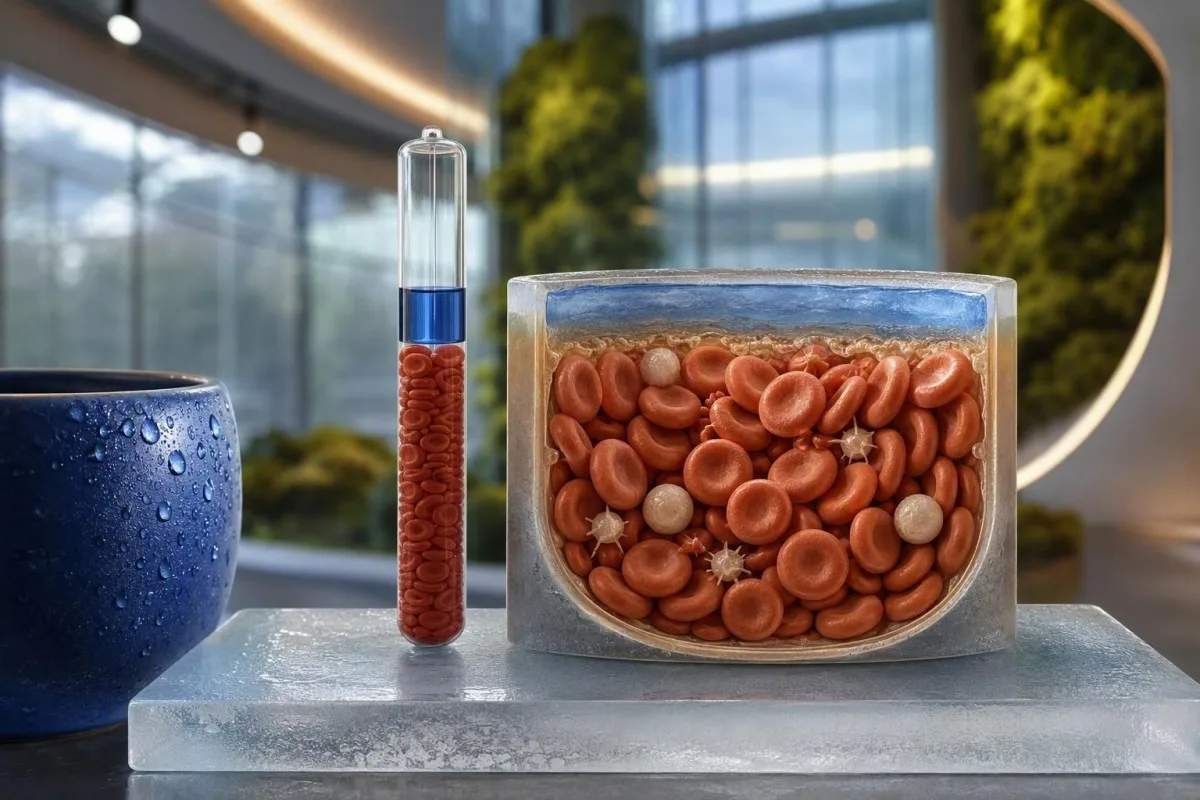
Një numër i lartë i qelizave të kuqe të gjakut (RBC) mund të pasqyrojë gjak të përqendruar e jo qeliza të kuqe shtesë. Detyra e parë është dallimi i humbjes së përkohshme të lëngjeve nga një ngritje e vazhdueshme që kërkon një vlerësim të duhur.


- Eritrocitozë relative do të thotë se uji i plazmës ka rënë, duke bërë që numri i RBC, hemoglobina dhe hematokriti të duken të larta pa krijuar qeliza të reja.
- Pragu i OBSH-së vlerat që mbështesin policiteminë vera të mundshme janë hemoglobina mbi 16.5 g/dL te burrat ose 16.0 g/dL te gratë, ose hematokriti mbi 49% dhe 48%, përkatësisht.
- Riprovimi pas hidratimit është zakonisht i arsyeshëm për një ngritje të lehtë dhe të izoluar pas të vjellave, diarresë, ekspozimit ndaj nxehtësisë, agjërimit ose ushtrimeve intensive—nëse përndryshe jeni mirë.
- Diuretikët mund të rrisin hematokritin përmes humbjes së lëngjeve; mos e ndërprisni ilaçin e përshkruar pa u këshilluar me mjekun që e ka përshkruar atë.
- rëndësi ka modeli: albumina e lartë, proteina totale, natriumi, raporti BUN/kreatininë dhe pesha specifike e urinës mbështesin dehidratimin më shumë sesa mbiprodhimin e vërtetë të qelizave të kuqe.
- Përsëritja e intervalit bëhet zakonisht 1–2 javë pas shërimit, marrjes normale të lëngjeve dhe 24–48 orë pa ushtrime fizike jashtëzakonisht të rënda, përveç nëse janë të pranishme simptoma urgjente.
- rritje e vazhdueshme pas një hidratimi të mirë kërkon vlerësim për ekspozimin ndaj duhanit, çrregullimet e frymëmarrjes gjatë gjumit, lartësinë mbidetare, testosteronin, sëmundjet e mushkërive ose veshkave, eritropoietinën dhe shpesh testimin JAK2.
- Simptoma urgjente përfshijnë dhimbjen e kraharorit, frymëmarrjen e vështirësuar të re, dobësinë në njërën anë, humbjen e shikimit, konfuzionin ose këmbën e fryrë dhe me dhimbje; këto kërkojnë kujdes të menjëhershëm, jo një ritestim në shtëpi.
Çfarë do të thotë zakonisht një rezultat i lartë i RBC
Një numër i lartë i RBC mund të jetë një vlerë e lartë e rreme për shkak të dehidrimit kur humbja e lëngjeve përqendron pjesën qelizore të gjakut; kjo nuk do të thotë automatikisht se palca juaj po prodhon shumë rruaza të kuqe. Pista kryesore është nëse hemoglobina dhe hematokriti normalizohen pas shërimit dhe pirjes së zakonshme të ujit, në vend që të mbeten të ngritura në një CBC të përsëritur të përgatitur mirë.
Numërimi i RBC tregon numrin e rruazave të kuqe për litër, ndërsa hematokriti raporton fraksionin e gjakut të plotë të zënë nga ato qeliza. Intervalet e referencës për të rritur ndryshojnë sipas laboratorit, por shumë përdorin afërsisht 4.5–5.9 × 10¹²/L për burrat dhe 4.1–5.1 × 10¹²/L për gratë. Një vlerë pak mbi normën shpesh është më pak informuese sesa hemoglobina dhe hematokriti përkrah saj; udhëzuesi ynë për çfarë përfshin një CBC shpjegon pse.
Dehidrimi ul komponentin e lëngshëm të gjakut brenda pak orësh, kështu që e njëjta masë e rruazave të kuqe zë një vëllim më të vogël të matur. Në klinikë, e shoh këtë shpesh pas një virusi stomaku: RBC 5.8 × 10¹²/L, hemoglobinë 17.1 g/dL, hematokrit 51%, pastaj vlera normale pas shërimit. Kjo është eritrocitozë relative, jo një gabim laboratorik dhe jo domosdoshmërisht një sëmundje.
Kantesti është një Analizues i testeve të gjakut AI që lexon RBC, hemoglobinën, hematokritin, indekset e rruazave të kuqe, shënuesit e veshkave dhe rezultatet e mëparshme së bashku. Që nga 5 shtatori 2026, rrjedha jonë e punës për rishikimin klinik trajton një shënues të vetëm kufitar të CBC si një nxitje për të kontrolluar përgatitjen dhe trendin—jo si një diagnozë.
Numërimi i RBC nuk është i njëjtë me masën e rruazave të kuqe
Një CBC nuk mund të matë drejtpërdrejt masën totale të rruazave të kuqe. Ajo mat përqendrimin, i cili rritet kur vëllimi i plazmës tkurret; studimet e specializuara të masës së rruazave të kuqe me izotope rrallëherë nevojiten tani, por ato ilustrojnë pse një CBC e përqendruar mund të duket alarmante pa një rritje aktuale të qelizave.
Eritrocitoza relative kundrejt tepricës së vërtetë të qelizave të kuqe
Eritrocitoza relative është një RBC, hemoglobinë ose hematokrit i lartë i shkaktuar nga vëllimi i zvogëluar i plazmës, ndërsa eritrocitoza absolute pasqyron një masë të rruazave të kuqe realisht të rritur. Hidratimi mund të korrigjojë modelin e parë, por nuk do të korrigjojë të dytin.
Eritrocitoza e vërtetë mund të jetë primare, si në policiteminë vera, ose sekondare ndaj eritropoietinës së rritur nga niveli i ulët i oksigjenit, ilaçet ose rrallëherë një proces i veshkave. Kriteret e OBSH-së të vitit 2016 përdorin hemoglobinën mbi 16.5 g/dL te burrat ose 16.0 g/dL te gratë si pragje që duhet të ngrenë dyshimin për policiteminë vera, veçanërisht kur është e vazhdueshme (Arber et al., 2016). Një vlerë e vetme nuk mjafton për ta diagnostikuar atë.
Dallimi praktik është pjesa tjetër e panelit. Dehidrimi numër i lartë i RBC modelet shpesh përfshijnë albuminë të lartë, proteina totale, ure/BUN, natrium dhe urinë të përqendruar; eritrocitoza absolute mund t'i lërë këta shënues brenda normës. Rishikoni artikullin tonë të fokusuar mbi hemoglobinë paksa të ngritur nëse hemoglobina, në vend të vetëm RBC, është rezultati i shënuar.
Një numërim normal i RBC nuk përjashton eritrocitozën nëse hemoglobina ose hematokriti janë të larta, dhe një numërim i ngritur i RBC vetëm mund të ndodhë me rruaza të kuqe të vogla nga anemia ferriprive ose tipari i talasemisë. Kjo është arsyeja pse MCV dhe feritina kanë rëndësi; një RBC e lartë me MCV nën 80 fL është një bisedë klinike ndryshe.
Si e ndryshon dehidratimi CBC dhe shënuesit e veshkave
Dehidrimi zakonisht rrit numrin e RBC, hemoglobinën dhe hematokritin së bashku, dhe shpesh rrit albuminën, proteinat totale, urenë/BUN, kreatininën dhe përqendrimin e urinës. Një rezultat i mospërputhur—për shembull, RBC e lartë me hemoglobinë të ulët—nuk përputhet mirë me hemokoncentrimin e thjeshtë.
Нивото на BUN/креатинин над приближно 20:1 во американски единици може да укажува на намалена бубрежна перфузија поради губење течности, иако гастроинтестинално крвавење, внесот на протеини, кортикостероидите и малата мускулна маса можат да го изменат односот. Креатининот може умерено да се зголеми по изложување на топлина или по долго трчање, бидејќи се менуваат и филтрацијата и мускулниот метаболизам. Нашиот dehidrimin dhe GFR опфаќа кога треба да се повтори нискиот eGFR.
Специфичната тежина на урината од 1.025 или повеќе е во согласност со концентрирана урина, но не претставува директен показател за хидратацијата. Глукозата, протеините и некои контрастни средства за снимање исто така можат да ја зголемат, па лекарот треба да ја толкува заедно со симптомите и електролитите. Една референтна вредност за специфичната тежина на урината е корисна кога CBC и анализата на урината се направени истиот ден.
Не советувам обид за присилно нормализирање на резултатот со пиење неколку литри непосредно пред земањето примерок. Брзото внесување премногу течности може да го намали натриумот и создава уште еден нерепрезентативен примерок; нормалните оброци и внесот на течности воден од вообичаената жед во текот на 24–48 часа обично се побезбедни кај лица без ограничување на течности.
Të vjellat, diarreja, nxehtësia, agjërimi dhe diuretikët
Повраќањето, дијарејата, обилното потење, продолженото гладување и диуретиците можат да предизвикаат привремено зголемена концентрација на RBC со намалување на водата во плазмата. Степенот на зголемувањето повеќе зависи од губењето и надоместувањето на течности отколку од тоа колку лошо се чувствува лицето.
Акутното повраќање често предизвикува низок хлорид, а понекогаш и висок бикарбонат, бидејќи се губат желудечната киселина и течностите. Луп-диуретиците, како фуросемидот, и тиазидите можат да предизвикаат сличен профил на волуменска контракција, особено кај постари лица. Нискиот резултат за хлорид треба да се разгледува во истиот клинички контекст; видете показатели поврзани со хлоридот при повраќање и употреба на диуретици për modelin.
Не прекинувајте пропишан диуретик за да го подобрите CBC без медицински совет. Лицата што ги земаат овие лекови поради срцева слабост, цироза, резистентна хипертензија или бубрежна болест може да имаат потреба од индивидуализиран план за внес на течности, бидејќи неконтролираното пиење може да го влоши отокот или отежнатото дишење. Вистинското прашање е дали дозата, симптомите, телесната тежина, крвниот притисок и бубрежните резултати се меѓусебно усогласени.
Жедта е корисна, но не и совршена кај возрасни над 65 години и кај лица со дијабетес, бубрежна болест или одредени невролошки состојби. Темножолтата урина, сувата уста, вртоглавицата при станување, намаленото мокрење и намалувањето на телесната тежина за 1 kg во текот на 24 часа можат да укажуваат на губење течности, но тешките симптоми бараат процена, а не самолекување.
Ushtrimet fizike mund ta përqendrojnë përkohësisht gjakun tuaj
Интензивното вежбање за издржливост може да го зголеми хематокритот и хемоглобинот неколку часа поради губење течности преку потењето и промени во волуменот на плазмата, иако повторуваното тренирање може да го намали основниот хематокрит поради зголемениот волумен на плазмата. Затоа времето на земање примерокот е особено важно за спортистите.
Një vrapim 90-minutësh në mot të ngrohtë mund të largojë 1–3 litra lëngje, në varësi të përmasave trupore, klimës dhe shkallës së djersitjes. Marrja e mostrës menjëherë pas një gare mund të tregojë gjithashtu kreatininë, CK, albuminë dhe proteinë totale më të larta; ky grup treguesish është më i dobishëm sesa vetëm një rezultat i RBC. Udhëzuesi ynë për kohën e kryerjes së analizave të gjakut pas maratonës trajton treguesit e rikuperimit që ndryshojnë zakonisht.
Për monitorimin rutinë, zakonisht sugjeroj shmangien e ushtrimeve jashtëzakonisht intensive për 24–48 orë para marrjes së mostrës, të paraqiteni të pushuar dhe të pini lëngje normalisht një ditë më parë. Ky nuk është një rregull universal laboratorik dhe monitorimi i atletëve elitarë mund të kryhet qëllimisht gjatë ngarkesës fizike—por qëndrueshmëria ka më shumë rëndësi sesa përsosmëria. Dr. Thomas Klein ka parë shumë referime të panevojshme të zhduken pasi atleti ritestohet pas një jave rikuperimi normal.
Kantesti’s Udhëzues kërkimor për BUN dhe kreatininë është veçanërisht i dobishëm kur një atlet i qëndrueshmërisë ka njëkohësisht hematokrit të lartë dhe një tregues kufitar të funksionit të veshkave. Rënia në peshë, dendësia e lartë specifike e urinës dhe intervali i shkurtër i rikuperimit e bëjnë të mundshme hemokoncentrimin; dhimbja muskulore, urina me ngjyrë kola ose CK shumë e lartë kërkojnë një nivel tjetër kujdesi.
Një plan i sigurt për përsëritjen e një CBC lehtësisht të lartë
Një numër i rritur lehtë i RBC zakonisht mund të përsëritet pas 1–2 javësh rikuperimi, hidratimi të zakonshëm dhe përdorimit të qëndrueshëm të barnave, kur nuk keni simptoma alarmi. Përsëriteni më herët vetëm nëse e kërkon mjeku juaj ose nëse rezultati fillestar ishte dukshëm i rritur.
Para përsëritjes, shënoni nëse gjatë 72 orëve të mëparshme keni pasur diarre, të vjella, temperaturë, konsum alkooli, qëndrim në saunë, udhëtim të gjatë, ekspozim në lartësi, agjërim ose ushtrime intensive. Mbani dietën dhe orarin e zakonshëm të barnave, përveçse kur mjeku juaj ju udhëzon ndryshe. Ky udhëzues bazë për përgatitjen e analizave të gjakut përmban një listë praktike kontrolli për të shmangur ndryshimet e paqëllimshme.
Kur është e mundur, përdorni të njëjtin laborator, sepse metodat e analizatorëve dhe intervalet referuese ndryshojnë. Kërkoni një CBC me hemoglobinë, hematokrit, MCV, RDW, numër të leukociteve dhe trombocite; rritja e vazhdueshme e shoqëruar me trombocite ose leukocite të larta është më shqetësuese për një proces të palcës së kockave sesa eritrocitoza e izoluar. Një sëmundje e kohëve të fundit mund të ndikojë në këto linja qelizore në drejtime të kundërta, ndaj ka rëndësi paneli i plotë.
Kantesti është një shërbimin e interpretimit të analizave të AI që krahason një CBC të ri me vlerat e mëparshme dhe sinjalizon ndryshimet që tejkalojnë variacionin e zakonshëm. Qasja jonë e ndjekjes së tendencës nuk zëvendëson mjekun, por mund të ruajë kontekstin thelbësor—ushtrimet, sëmundjen, barnat dhe hematokritin e mëparshëm—i cili shpesh humbet kur një rezultat i vetëm shihet i shkëputur.
Kur një rezultat i lartë i përsëritur kërkon testim për eritrocitozë
Hemoglobina e vazhdimisht e lartë, mbi 16.5 g/dL te burrat ose 16.0 g/dL te gratë, ose hematokriti mbi 49% ose 48%, duhet ta shtyjë mjekun të vlerësojë eritrocitozën pasi të përjashtohet dehidratimi. Testet e para të zakonshme janë CBC e përsëritur, niveli i eritropoietinës, vlerësimi i oksigjenimit dhe testimi për mutacionin JAK2, kur është i përshtatshëm.
Policitemia vera është një neoplazi mieloproliferative në të cilën mutacionet JAK2 gjenden në rreth 98% të pacientëve të prekur. Eritropoietina serike e ulët mbështet mbiprodhimin primar nga palca e kockave, por asnjë analizë e vetme gjaku nuk duhet interpretuar e shkëputur. Udhëzuesi i Shoqatës Britanike për Hematologjinë rekomandon një qasje të strukturuar që ndan eritrocitozën primare nga ajo sekondare (McMullin et al., 2019).
Simptomat mund të jenë të zbehta: dhimbjet e kokës, shikimi i turbullt, kruajtja pas një dushi të ngrohtë, skuqja e pazakontë e fytyrës, lodhja ose një mpiksje e mëparshme gjaku mund të kenë më shumë rëndësi sesa vlera e saktë e RBC. Për një shpjegim më të plotë të hematokritit, eritropoietinës dhe JAK2, lexoni udhëzuesin e simptomave të poliglobulisë. Shumë njerëz me rritje të lehtë laboratorike nuk kanë asnjë nga këto veçori.
Tregoj kujdes që të mos nënkuptoj se çdo numër i lartë i vazhdueshëm nënkupton kancer. Ekspozimi ndaj monoksidit të karbonit nga duhanpirja, apnea e patrajtuar e gjumit, sëmundja e mushkërive, testosteroni, lartësia e madhe dhe disa sëmundje të veshkave janë shpjegime më të zakonshme në shumë praktika. Megjithatë, pikërisht vazhdimësia është arsyeja pse një CBC e përsëritur nuk duhet të shndërrohet në një cikël të pafund ritestimesh rastësore.
Oksigjeni i ulët, duhani dhe apnea e gjumit si shkaqe të RBC të lartë
Oksigjeni i ulët kronik mund të stimulojë eritropoietinën dhe të shkaktojë një rritje të vërtetë të numrit të rruazave të kuqe të gjakut; apnea e gjumit, ekspozimi ndaj monoksidit të karbonit nga duhanpirja dhe sëmundja e mushkërive janë shkaqe të shpeshta. Një ngopje normale me oksigjen gjatë ditës nuk përjashton plotësisht uljet e oksigjenit gjatë natës.
Apnea obstruktive e gjumit mund të shkaktojë eritrocitozë të moderuar, veçanërisht kur ka desaturime të konsiderueshme të oksigjenit gjatë natës. Gërhitja e fortë, pauzat e vërejtura në frymëmarrje, dhimbjet e kokës në mëngjes, hipertensioni rezistent dhe përgjumja gjatë ditës duhet të nxisin një anamnezë të përqendruar te gjumi, në vend që të supozohet se gjithçka shpjegohet nga dehidratimi. Një udhëzues për analizat e gjakut për gulçim përshkruan kontekstin më të gjerë kardiopulmonar.
Pirja e cigareve rrit karboksihemoglobinën, e cila ul furnizimin me oksigjen, edhe pse pulsoksimetri mund të duket qetësuese. Avullimi nuk krijon të njëjtin ekspozim ndaj monoksidit të karbonit si duhani i djegshëm, por ka rreziqe të tjera shëndetësore dhe duhet të diskutohet me ndershmëri. Testimi për monoksid karboni ose ko-oksimetria ndonjëherë është më e dobishme se matja rutinë e ngopjes me oksigjen.
Kantesti AI e interpreton një rezultat të lartë të RBC së bashku me hemoglobinën, hematokritin, treguesit e funksionit të veshkave dhe faktorët e raportuar të gjumit ose pirjes së duhanit, në vend që të paraqesë një listë të përgjithshme shkaqesh. Ky interpretim kontekstual është veçanërisht i vlefshëm kur hematokriti është 50% pas hidratimit dhe pacienti raporton gjumë joçlodhës.
Lartësia mbidetare, testosteroni dhe ilaçet që rrisin RBC
Të jetuarit ose stërvitja në lartësi dhe përdorimi i testosteronit mund të rrisin prodhimin e qelizave të kuqe, ndaj rritja mund të jetë reale dhe jo e lidhur me dehidratimin. Koha e ekspozimit shpesh jep më shumë përgjigje sesa numri fillestar.
Në lartësi, presioni më i ulët i oksigjenit stimulon eritropoietinën dhe rrit hemoglobinën gjatë ditëve ose javëve; intervali i pritshëm varet nga lartësia, kohëzgjatja, prejardhja dhe të dhënat referuese laboratorike. Një CBC e kryer gjatë ose menjëherë pas qëndrimit në mal duhet të interpretohet duke marrë parasysh këtë ekspozim. Udhëzuesi ynë për ritestimin e hemoglobinës pas qëndrimit në lartësi shpjegon pse koha e kthimit në nivelin e detit ka rëndësi.
Injeksionet, xhelet dhe implantet e testosteronit, si edhe disa agjentë anabolikë, mund të shkaktojnë eritrocitozë. Shumë protokolle të përshkrimit e ulin ose e ndërpresin përkohësisht terapinë kur hematokriti arrin 54%, megjithëse vendimet individuale për rrezikun ndryshojnë, veçanërisht te personat me sëmundje kardiovaskulare ose apnea të gjumit. Mos dhuroni kurrë gjak dhe mos ndryshoni dozën e përshkruar si zëvendësim për diskutimin e rezultatit me mjekun që e ka përshkruar.
Më rrallë, barnat e diabetit të grupit SGLT2 mund të shkaktojnë një rritje të vogël të hematokritit, pjesërisht përmes efekteve në vëllimin plazmatik dhe ndoshta sinjalizimit të eritropoietinës. Lista e barnave duhet të përfshijë produktet androgjenike pa recetë, trajtimet injektuese dhe ndryshimet e fundit—jo vetëm barnat e paraqitura në kartelën elektronike.
Indiciet e CBC që ndryshojnë nivelin e shqetësimit
RBC e lartë është më shqetësuese kur edhe hemoglobina dhe hematokriti janë të larta, veçanërisht me trombocite të rritura, leukocite të rritura, eritropoietinë të ulët ose qeliza anormale në strisho. RBC e lartë me MCV të ulët shpesh tregon më tepër drejt çrregullimeve mikrocitare.
Një MCV nën 80 fL me një numër relativisht të lartë RBC mund të shfaqet në tiparin talasemik, ku qelizat janë të vogla, por të shumta. Mungesa e hekurit gjithashtu mund të ulë MCV, megjithëse me kalimin e kohës më shpesh ul hemoglobinën; ferritina dhe saturimi i transferrinës qartësojnë dallimin. Shpjegimi ynë Krahasimi MCV dhe MCH tregon pse vetëm numri i RBC mund të jetë çorientues.
Leukocitet ose trombocitet e larta krahas hematokritit të lartë nuk e diagnostikojnë policiteminë vera, por ulin pragun për një vlerësim hematologjik. Mund të kryhen strisho e gjakut periferik, ferritina, eritropoietina, testimi JAK2 dhe ndonjëherë vlerësimi i palcës së kockave. Shpjegimi ynë rruga e testimit për kancerin e gjakut tregon pse këto analiza kryhen në një rend të caktuar dhe jo pa kriter.
Rregulli praktik i Dr. Thomas Klein është i thjeshtë: kërkoni përputhje midis sinjaleve të pavarura. Një hematokrit prej 52%, trombocite prej 520 × 10⁹/L dhe eritropoietinë e ulët përbëjnë një model thelbësisht të ndryshëm nga hematokriti 50% pas një vale të nxehti, me albuminë 5.3 g/dL dhe urinë të përqendruar.
Simptomat dhe rreziku i mpiksjes: kur RBC i lartë është urgjent
Kërkoni kujdes urgjent nëse rezultati i RBC është i lartë dhe keni dhimbje gjoksi, vështirësi të papritur në frymëmarrje, kollitje me gjak, të fikët, dobësi të re, vështirësi në të folur, humbje të shikimit ose një këmbë të dhimbshme e të enjtur. Këto simptoma mund të tregojnë një mpiksje ose një gjendje tjetër akute dhe nuk duhet të presin kurrë për një CBC të përsëritur.
Hematokriti më i lartë mund të rrisë viskozitetin e gjakut, por simptomat dhe rreziku i përgjithshëm vaskular përcaktojnë urgjencën më me besueshmëri sesa një rritje e moderuar e izoluar. Policitemia vera mbart rrezik të njohur për trombozë, veçanërisht me moshë të madhe, trombozë të mëparshme, faktorë rreziku kardiovaskular dhe vlera të pakontrolluara. Rishikimi i Tefferi dhe Barbui i vitit 2021 përshkruan trajtimin e përshtatur sipas rrezikut, në vend që çdo vlerë e rritur të trajtohet në të njëjtën mënyrë.
Dhimbja e kokës vetëm është e zakonshme dhe jospecifike; dhimbja e kokës me çrregullime të reja të shikimit, dobësi ose konfuzion nuk është. Po kështu, kruajtja pas një dushi të ngrohtë mund të shfaqet në policiteminë vera, por edhe në lëkurën e thatë dhe alergji, ndaj është një e dhënë, jo provë. Rishikoni shenjat alarmuese në analizat e gjakut për dhimbjen e gjoksit nëse simptomat janë pjesë e arsyes pse është kërkuar analiza.
Mos merrni aspirinë vetëm sepse numri i RBC është i lartë, përveç rasteve kur jua rekomandon mjeku. Aspirina mbart rrezik gjakderdhjeje dhe mund të jetë e papërshtatshme në prani të ulcerave, antikoagulantëve, numrit të ulët të trombociteve ose historive të caktuara mjekësore. Shërbimet e urgjencës janë zgjedhja më e sigurt kur shfaqen simptoma neurologjike fokale ose kardiopulmonare.
Pse CBC-të tuaja të mëparshme mund t'i përgjigjen pyetjes
Një numër RBC lehtësisht i lartë dhe i qëndrueshëm për vite ka një kuptim të ndryshëm nga një rritje e shpejtë brenda javësh, dhe tendencat mund të dallojnë vlerën bazë personale nga një sëmundje e re. Krahasoni rezultatet duke përdorur hemoglobinën, hematokritin, MCV dhe, kur është e mundur, të njëjtin laborator.
Ndryshueshmëria biologjike dhe ndryshueshmëria e analizatorit nënkuptojnë se një ndryshim i vogël nuk është gjithmonë një ndryshim i vërtetë fiziologjik. Një diferencë prej 0,3 g/dL në hemoglobinë midis dy marrjeve të gjakut mund të pasqyrojë hidratimin, pozicionin e trupit, kohën e marrjes së mostrës ose ndryshueshmërinë e zakonshme; një rritje e qëndrueshme nga 15,2 në 17,3 g/dL meriton më shumë vëmendje. Artikulli ynë mbi ndryshime të rëndësishme laboratorike shpjegon konceptin e vlerës së ndryshimit të referencës.
Mbani një shënim të thjeshtë për lartësinë mbidetare, statusin e duhanpirjes, dozën e testosteronit, sëmundjen, ushtrimet e rënda, gjakderdhjen menstruale dhe humbjet e lëngjeve në çdo marrje mostre. Ky regjistër është klinikisht më i dobishëm sesa përpjekja për të gjetur një numër të vetëm “ideal” të RBC. Sipas përvojës sime, mungesa e këtij konteksti është arsyeja pse pacientët marrin shpjegime kontradiktore në vizita të ndryshme.
Kantesti, një platformë për interpretimin e biomarkerëve nga AI, mund të shfaqë vlerat e njëpasnjëshme të CBC-së krahas shënuesve të funksionit renal dhe proteinave për të identifikuar modelet e përqendrimit. Ne i nxisim përdoruesit ta trajtojnë analizën e tendencave si përgatitje për një bisedë me mjekun, jo si zëvendësim të ekzaminimit ose të analizave të synuara.
Konsideratat për shtatzëninë, moshën e thyer dhe sëmundjet kronike
Shtatzënia zakonisht ul hemoglobinën dhe hematokritin për shkak të zgjerimit të vëllimit plazmatik, ndaj një vlerë e lartë gjatë shtatzënisë kërkon vlerësim nga mjeku dhe jo supozimin e pakujdesshëm se shkaktohet nga dehidratimi. Te të moshuarit dhe personat me sëmundje të zemrës ose të veshkave, këshillat për marrjen e lëngjeve duhet të individualizohen.
Gjatë shtatzënisë, vëllimi plazmatik zgjerohet afërsisht me 40–50%, duke shkaktuar hollim fiziologjik; shumë shërbime obstetrike hetojnë hemoglobinën mbi 16,0 g/dL, sepse ajo mund të sinjalizojë zgjerim të pamjaftueshëm të plazmës ose shqetësime të tjera. Të vjellat e rënda në fillim të shtatzënisë mund ta përqendrojnë CBC-në, por një rritje e vazhdueshme duhet të diskutohet me ekipin obstetrik. Shihni për analizën e gjakut gjatë shtatzënisë për situatat që kërkojnë vlerësim po atë ditë.
Të moshuarit mund të mos e ndiejnë etjen në mënyrë të besueshme, ndërsa insuficienca kardiake dhe sëmundja e avancuar e veshkave mund ta bëjnë tepricën e lëngjeve të rrezikshme. Një ndryshim i shpejtë në ënjtjen e kyçeve të këmbëve, peshë, vështirësi në frymëmarrje ose sasinë e urinës ka më shumë rëndësi sesa përpjekja për të arritur një objektiv të përgjithshëm për ujin. Rregullimet e diuretikëve duhet të bëhen me mjekun që menaxhon sëmundjen themelore.
Fëmijët kanë intervale të hemoglobinës specifike për moshën dhe një vlerë që duket e lartë në një portal për të rritur mund të jetë e përshtatshme për një moshë ose lartësi mbidetare të caktuar. Një pediatër duhet të interpretojë një rritje të vazhdueshme, veçanërisht kur shoqërohet me cianozë, sëmundje kongjenitale të zemrës ose rritje të dobët.
Pyetje për t'ia bërë mjekut tuaj pas një numri të lartë të RBC
Pyetni nëse rezultati juaj përfaqëson hemokoncentrim, nëse hemoglobina dhe hematokriti janë gjithashtu të larta dhe cilat kushte për përsëritjen e analizës janë të përshtatshme për historinë tuaj shëndetësore. Pyetjet e duhura parandalojnë si alarmimin e parakohshëm, ashtu edhe moszbulimin e eritrocitozës së vazhdueshme.
Merrni me vete raportin e plotë, jo vetëm vlerën e shënuar të RBC-së, si dhe CBC-të e mëparshme dhe listën aktuale të barnave. Pyetni: “A ishin albumina, proteinat totale, natriumi, kreatinina, BUN/urea dhe përqendrimi i urinës në përputhje me humbjen e lëngjeve?” Kjo udhëzuesin për proteinat në serum mund t’ju ndihmojë të kuptoni pse albumina përfshihet në këtë diskutim.
Nëse rritja vazhdon, pyetni nëse vlerësimi i oksigjenimit, testimi i gjumit, eritropoetina, ferritina, testimi JAK2 ose referimi te hematologu përputhen me modelin tuaj. Përgjigjja do të ndryshojë për një atlet 28-vjeçar të qëndrueshmërisë me hematokrit 50% dhe një duhanpirës 67-vjeçar me hematokrit 55% dhe me histori të mëparshme tromboze. Historia specifike ndryshon hetimin diagnostik.
Metodologjia klinike e Kantesti mbikëqyret me standarde të publikuara cilësie dhe kontributin e mjekëve; lexuesit mund të shqyrtojnë e validimit mjekësor përpara se të përdorin ndonjë interpretim të automatizuar. Përfundimi i Dr. Thomas Klein është se hidratimi është një kontroll i parë i arsyeshëm për një rezultat të lehtë dhe të izoluar, por vlerat e larta të vazhdueshme meritojnë një shpjegim të vërtetë.
Përfundimi praktik mbi dehidratimin dhe RBC të lartë
Dehidratimi mund të shkaktojë një rezultat të rremë të lartë të RBC duke përqendruar gjakun, por duhet të konsiderohet vetëm si një shpjegim pune kur konteksti klinik dhe markerët laboratorikë shoqërues përputhen. Një përsëritje normale pas rikuperimit është qetësuese; një rritje e qëndrueshme duhet të hetohet.
Për një rritje të izoluar dhe të lehtë pas ekspozimit ndaj nxehtësisë, sëmundjes gastrointestinale, agjërimit ose ushtrimeve të sforcuara, rikuperohuni normalisht dhe përsëriteni CBC-në në kushte të njëjta pas rreth 1–2 javësh. Shmangni konsumimin ekstrem të ujit dhe mos ndryshoni diuretikët, testosteronin ose barna të tjera të përshkruara pa këshillë. Nëse nuk jeni të sigurt nëse rezultati juaj është vetëm pak mbi kufi, ju për rezultatet jashtë intervalit shpjegon flamujt laboratorikë.
Për hematokrit të përsëritur mbi 49% te burrat ose 48% te gratë, ose hemoglobinë mbi 16.5 g/dL ose 16.0 g/dL, kërkoni vlerësim të drejtuar në vend që ta përsëritni analizën pa fund. Ekspozimi ndaj duhanpirjes, apnea e gjumit, lartësia mbidetare, efektet e barnave, eritropoetina dhe statusi i JAK2 zakonisht merren në konsideratë në fazën pasuese. Simptomat që sugjerojnë mpiksje gjaku ose goditje në tru kërkojnë kujdes urgjent.
Kantesti është një Mjet për analizën e testeve të gjakut me AI krijuar për të organizuar këto rezultate dhe prirjet e tyre për një diskutim të informuar mjekësor. Rishikuesit tanë mjekësorë dhe Bordi Këshillimor Mjekësor theksojnë të njëjtin parim: së pari konteksti, përsëritja e analizave kur është e sigurt dhe rishikimi i shpejtë klinik kur modeli vazhdon.
Pyetje të Shpeshta
A mund të shkaktojë dehidratimi një numër të lartë të RBC?
Po. Dehidratimi mund të shkaktojë një numër të lartë të RBC për shkak se humbja e ujit të plazmës përqendron qelizat e kuqe në një vëllim më të vogël gjaku, një model i quajtur eritrocitozë relative. Hemoglobina dhe hematokriti zakonisht rriten me numrin e RBC, dhe albumina, proteina totale, BUN/ureja, ose pesha specifike e urinës mund të jenë gjithashtu të larta. Një rritje e lehtë dhe e izoluar shpesh normalizohet pas rikuperimit dhe hidratimit të zakonshëm, por hematokriti i vazhdueshëm mbi 49% tek burrat ose 48% tek gratë kërkon vlerësim klinik.
Sa ujë duhet të pi përpara se të përsëris një test të RBC?
Shumica e të rriturve duhet të pinë sasinë e tyre të zakonshme sipas etjes për 24–48 orë përpara një CBC të përsëritur, në vend që të pinë qëllimisht vëllime të tepërta. Një objektiv praktik është urina në ngjyrë të verdhë të çelur dhe urinimi normal, jo urina plotësisht e kthjellët ose marrja e detyruar e ujit. Personat me insuficiencë kardiake, sëmundje të avancuar të veshkave, cirrozë ose një kufizim të përshkruar të lëngjeve duhet t'i kërkojnë mjekut të tyre një plan individual. Pirja e disa litrave shpejt mund të ulë natriumin dhe të prodhojë një rezultat jo përfaqësues.
Sa kohë pas dehidratimit duhet ta përsëris një CBC?
Një CBC e përsëritur bëhet zakonisht 1–2 javë pasi të kenë kaluar të vjellat, diarreja, ethet, ekspozimi ndaj nxehtësisë ose ushtrimet fizike të rëndësishme. Për ndryshimet që lidhen me ushtrimet fizike, shmangni stërvitjen jashtëzakonisht të vështirë për 24–48 orë përpara marrjes së mostrës dhe ruani marrjen normale të lëngjeve. Kohëzgjatja mund të jetë më e shkurtër kur hematokriti është dukshëm i lartë, kur janë të pranishme simptoma ose kur treguesit e veshkave janë jonormalë. Përdorni të njëjtin laborator ku është e mundur, në mënyrë që intervalet e referencës dhe metodat e analizatorit të jenë të krahasueshme.
Cili numër i RBC konsiderohet si rrezikshëm i lartë?
Nuk ekziston një numër i vetëm i RBC që përcakton rrezikun, sepse rreziku varet më shumë nga hematokriti, hemoglobina, simptomat, shkaku dhe historia e mpiksjes. Një hematokrit rreth 60% ose më i lartë përgjithësisht kërkon vlerësim klinik të menjëhershëm brenda ditës, ndërsa vlerat e vazhdueshme mbi 49% tek burrat ose 48% tek gratë justifikojnë një analizë për eritrocitozë. Dhimbja në gjoks, gulçimi i papritur, humbja e shikimit, dobësia, vështirësia në të folur ose një këmbë e fryrë dhe e dhimbshme janë raste urgjente pavarësisht nga numri i saktë. Këto simptoma kërkojnë vlerësim emergjent në vend që të pritet për hidratim ose ri-testim.
A mund të shkaktojnë diuretikët rritje të rruazave të kuqe të gjakut?
Diuretikët mund të shkaktojnë përqendrim të lartë të rruazave të kuqe të gjakut duke ulur volumin e plazmës, veçanërisht pas rritjes së dozës, motit të nxehtë, marrjes së pamjaftueshme të lëngjeve, të vjellave ose diarresë. Ata zakonisht nuk e detyrojnë palcën kockore të prodhojë rruaza të kuqe shtesë, prandaj efekti mund të kthehet në normalitet kur ekuilibri i lëngjeve të jetë korrigjuar. Mos e ndërprisni furosemidin, hidroklorotiazidin ose ndonjë diuretik tjetër të përshkruar me iniciativën tuaj, sepse këto ilaçe mund të jenë duke kontrolluar insuficiencën kardiake, presionin e gjakut ose ënjtjen. Diskutoni rezultatet e CBC së bashku me peshën, presionin e gjakut, kreatininën, natriumin, kaliumin dhe simptomat.
A do të thotë gjithmonë një numër i lartë i RBC policitemia vera?
Jo. Shumica e rezultateve të larta të RBC nuk nënkuptojnë automatikisht policitemi vera; dehidratimi, monoksidi i karbonit nga duhani, apnea e gjumit, lartësia mbidetare, sëmundjet e mushkërive dhe testosteroni janë shkaktarë të tjerë të zakonshëm. Policitemia vera bëhet më e mundshme kur hemoglobina mbetet mbi 16.5 g/dL tek burrat ose 16.0 g/dL tek gratë, hematokriti qëndron mbi 49% ose 48%, eritropoietina është e ulët dhe testi JAK2 është pozitiv. Policitemia vera ka një mutacion JAK2 në rreth 97% të rasteve. Një mjek duhet t'i interpretojë këto teste si një model, jo të vendosë diagnozën bazuar vetëm në një tregues të CBC.
Merrni sot analizë të analizave të gjakut me AI
Bashkohuni me mbi 2 milionë përdorues në mbarë botën që i besojnë Kantesti për analizë të menjëhershme dhe të saktë të analizave laboratorike. Ngarkoni rezultatet e analizave të gjakut dhe merrni interpretim gjithëpërfshirës të biomarkerëve të 15,000+ brenda sekondash.
📚 Publikime kërkimore të cituara
Klein, T., Mitchell, S., & Weber, H. (2026). Raporti BUN/Kreatininë i Shpjeguar: Udhëzues për Testin e Funksionit të Veshkave. Kantesti Kërkim Mjekësor me AI.
Klein, T., Mitchell, S., & Weber, H. (2026). Testi i Urobilinogjenit në Urinë: Udhëzues i plotë për Analizën e Urinës 2026. Kantesti Kërkim Mjekësor me AI.
📖 Referenca të jashtme mjekësore
⚕️ Mohim përgjegjësie mjekësore
Ky artikull është vetëm për qëllime edukative dhe nuk përbën këshilla mjekësore. Gjithmonë konsultohuni me një ofrues të kualifikuar të kujdesit shëndetësor për vendimet e diagnozës dhe trajtimit.
Sinjalet e Besimit E-E-A-T
Përvoja
Rishikim klinik i udhëhequr nga mjeku i flukseve të punës për interpretimin e analizave.
Ekspertizë
Fokus i mjekësisë laboratorike mbi mënyrën se si sillen biomarkerët në kontekstin klinik.
Autoritariteti
Shkruar nga Dr. Thomas Klein me rishikim nga Dr. Sarah Mitchell dhe Prof. Dr. Hans Weber.
Besueshmëria
Interpretim i bazuar në prova, me rrugë të qarta për ndjekje për të reduktuar alarmin.