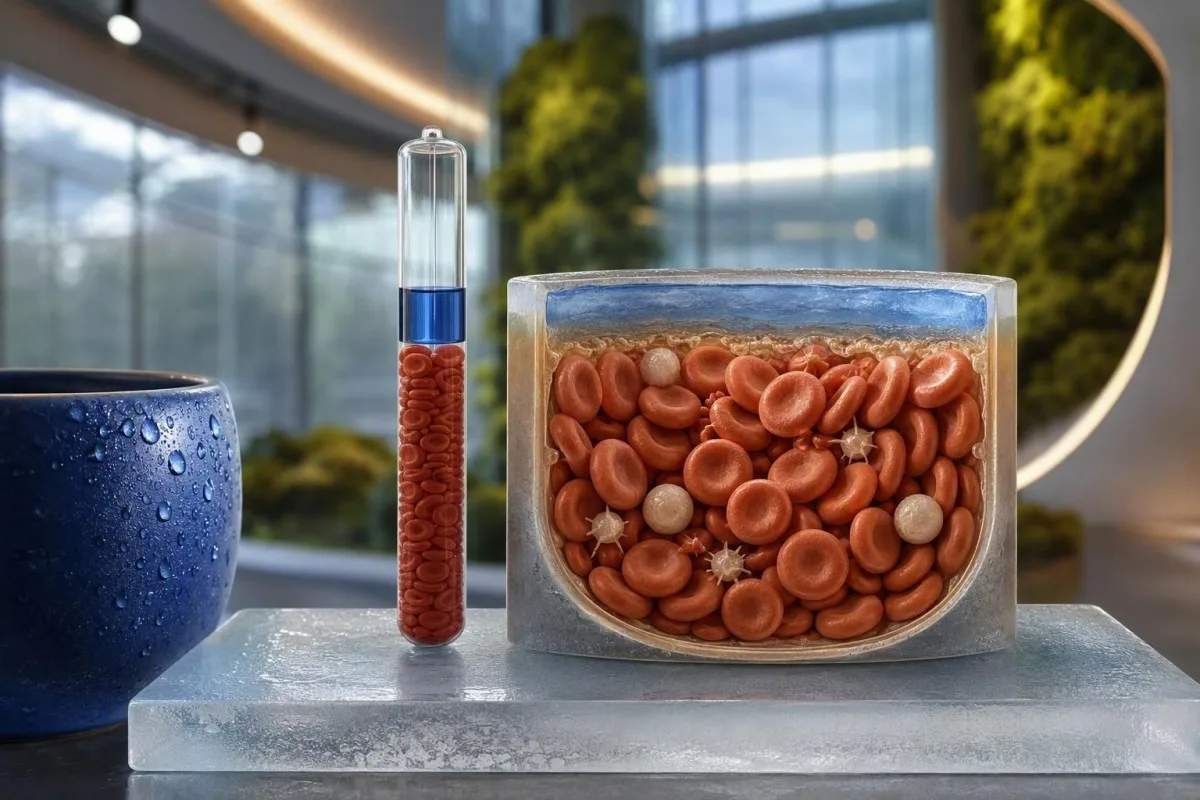
จำนวน RBC ที่สูงอาจสะท้อนถึงภาวะเลือดเข้มข้นมากกว่าการที่มีเม็ดเลือดแดงเกินมาจริงๆ หน้าที่แรกคือการแยกภาวะการสูญเสียของเหลวชั่วคราวออกจากภาวะที่มีค่าสูงอย่างต่อเนื่องซึ่งจำเป็นต้องได้รับการตรวจวินิจฉัยอย่างละเอียด.


- ภาวะเม็ดเลือดแดงมากสัมพัทธ์ หมายความว่าปริมาณน้ำในพลาสมาลดลง ทำให้จำนวน RBC ฮีโมโกลบิน และฮีมาโตคริตดูสูงขึ้นโดยไม่ได้มีการสร้างเซลล์ใหม่.
- เกณฑ์ WHO ค่าที่สนับสนุนความเป็นไปได้ของภาวะเม็ดเลือดแดงมากผิดปกติ (polycythemia vera) คือฮีโมโกลบินสูงกว่า 16.5 g/dL ในผู้ชาย หรือ 16.0 g/dL ในผู้หญิง หรือฮีมาโตคริตสูงกว่า 49% และ 48% ตามลำดับ.
- การตรวจซ้ำหลังได้รับน้ำเพียงพอ มักเป็นสิ่งที่สมเหตุสมผลสำหรับกรณีค่าสูงเพียงเล็กน้อยและเกิดขึ้นโดดๆ หลังจากอาเจียน ท้องเสีย สัมผัสความร้อน อดอาหาร หรือออกกำลังกายหนัก หากคุณไม่มีอาการอื่นร่วมด้วย.
- ยาขับปัสสาวะ สามารถเพิ่มค่าฮีมาโตคริตผ่านการสูญเสียของเหลว ห้ามหยุดยาที่ได้รับสั่งโดยแพทย์ด้วยตนเองหากไม่ได้รับคำแนะนำจากแพทย์ผู้สั่งจ่ายยา.
- รูปแบบมีความสำคัญ: อัลบูมิน โปรตีนรวม โซเดียม อัตราส่วน BUN/creatinine และความถ่วงจำเพาะของปัสสาวะที่สูง สนับสนุนภาวะขาดน้ำมากกว่าการผลิตเม็ดเลือดแดงเกินจริง.
- ระยะเวลาที่ต้องทำซ้ำ มักจะทำหลังจากฟื้นตัวครบ 1–2 สัปดาห์ รับประทานน้ำตามปกติ และงดการออกกำลังกายหนักเป็นพิเศษเป็นเวลา 24–48 ชั่วโมง เว้นแต่จะมีอาการเร่งด่วน.
- การสูงต่อเนื่อง หลังจากได้รับน้ำเพียงพอแล้ว จำเป็นต้องได้รับการประเมินเกี่ยวกับการได้รับควันบุหรี่ การหายใจผิดปกติขณะหลับ ระดับความสูงจากน้ำทะเล เทสโทสเตอโรน โรคปอดหรือโรคไต สารอีริโทรพอยอิติน และมักรวมถึงการตรวจหา JAK2.
- อาการที่ควรรีบด่วน รวมถึงอาการเจ็บหน้าอก อาการหอบเหนื่อยใหม่ อาการอ่อนแรงซีกเดียว การสูญเสียการมองเห็น ความสับสน หรืออาการขาบวมเจ็บ ซึ่งอาการเหล่านี้จำเป็นต้องได้รับการดูแลทันที ไม่ใช่การตรวจซ้ำที่บ้าน.
ความหมายโดยทั่วไปของผล RBC ที่สูง
ค่า RBC ที่สูงอาจเป็นค่าสูงลวงจากการขาดน้ำเมื่อการสูญเสียของเหลวทำให้ส่วนประกอบที่เป็นเซลล์ในเลือดมีความเข้มข้นขึ้น โดยไม่ได้หมายความว่าไขกระดูกของคุณกำลังสร้างเซลล์เม็ดเลือดแดงมากเกินไปโดยอัตโนมัติ. เบาะแสสำคัญคือค่าฮีโมโกลบินและฮีมาโตคริตกลับสู่ระดับปกติหรือไม่หลังจากฟื้นตัวและดื่มน้ำตามปกติ แทนที่จะยังคงสูงอยู่ในการตรวจ CBC ซ้ำที่เตรียมตัวมาอย่างดี.
ค่า RBC คือจำนวนเซลล์เม็ดเลือดแดงต่อลิตร ในขณะที่ ฮีมาโตคริต รายงานสัดส่วนของเลือดทั้งหมดที่ถูกครอบครองโดยเซลล์เหล่านั้น ช่วงอ้างอิงสำหรับผู้ใหญ่จะแตกต่างกันไปตามห้องปฏิบัติการ แต่หลายแห่งใช้ช่วงประมาณ 4.5–5.9 × 10¹²/L สำหรับผู้ชาย และ 4.1–5.1 × 10¹²/L สำหรับผู้หญิง ค่าที่สูงกว่าช่วงปกติเพียงเล็กน้อยมักให้ข้อมูลน้อยกว่าค่าฮีโมโกลบินและฮีมาโตคริตที่อยู่ข้างๆ; คำแนะนำของเราสำหรับ สิ่งที่ CBC ประกอบด้วย อธิบายว่าทำไม.
ภาวะขาดน้ำจะลดส่วนที่เป็นของเหลวในเลือดภายในไม่กี่ชั่วโมง ดังนั้นมวลเซลล์เม็ดเลือดแดงเท่าเดิมจึงกินพื้นที่ในปริมาตรที่วัดได้น้อยลง ในทางคลินิก ผมมักพบภาวะนี้หลังจากป่วยด้วยโรคทางเดินอาหาร: RBC 5.8 × 10¹²/L, ฮีโมโกลบิน 17.1 g/dL, ฮีมาโตคริต 51% แล้วค่าต่างๆ จะกลับมาปกติหลังจากฟื้นตัว นี่คือ relative erythrocytosis, ไม่ใช่ความผิดพลาดของห้องปฏิบัติการและไม่จำเป็นต้องเป็นโรค.
คันเตสตีเป็น เครื่องวิเคราะห์ผลเลือด AI ที่อ่านค่า RBC, ฮีโมโกลบิน, ฮีมาโตคริต, ดัชนีเม็ดเลือดแดง, ตัวบ่งชี้การทำงานของไต และผลตรวจก่อนหน้าพร้อมกัน ณ วันที่ 5 กันยายน 2026 กระบวนการตรวจสอบทางคลินิกของเราถือว่าการที่ผล CBC ขึ้นสถานะเตือนที่คาบเกี่ยวกันเพียงครั้งเดียวเป็นสัญญาณให้ตรวจสอบการเตรียมตัวและแนวโน้ม ไม่ใช่การวินิจฉัย.
ค่า RBC ไม่เหมือนกับมวลเม็ดเลือดแดง
CBC ไม่สามารถวัดมวลเม็ดเลือดแดงรวมได้โดยตรง โดยจะวัดความเข้มข้นซึ่งจะสูงขึ้นเมื่อปริมาตรพลาสมาลดลง การตรวจมวลเม็ดเลือดแดงด้วยไอโซโทปเฉพาะทางปัจจุบันแทบไม่จำเป็นต้องใช้แล้ว แต่สิ่งเหล่านี้แสดงให้เห็นว่าเหตุใด CBC ที่เข้มข้นจึงดูน่ากังวลทั้งที่ไม่ได้มีการเพิ่มขึ้นของเซลล์จริง.
ภาวะเม็ดเลือดแดงเข้มข้นแบบสัมพัทธ์เทียบกับภาวะเม็ดเลือดแดงเกินจริง
Relative erythrocytosis คือสภาวะที่ RBC, ฮีโมโกลบิน หรือฮีมาโตคริตสูงขึ้นเนื่องจากปริมาตรพลาสตาลดลง ในขณะที่ absolute erythrocytosis สะท้อนถึงมวลเม็ดเลือดแดงที่เพิ่มขึ้นจริงๆ. การให้ความชุ่มชื้นสามารถแก้ไขรูปแบบแรกได้ แต่ไม่สามารถแก้ไขรูปแบบที่สองได้.
True erythrocytosis อาจเป็นชนิดปฐมภูมิ เช่น ในโรค polycythemia vera หรือทุติยภูมิจากการที่ร่างกายได้รับ erythropoietin เพิ่มขึ้นเนื่องจากภาวะออกซิเจนต่ำ ยา หรือกระบวนการที่ไตซึ่งพบได้น้อย เกณฑ์ของ WHO ปี 2016 ใช้ค่าฮีโมโกลบินสูงกว่า 16.5 g/dL ในผู้ชาย หรือ 16.0 g/dL ในผู้หญิง เป็นเกณฑ์ที่ควรตั้งคำถามถึงโรค polycythemia vera โดยเฉพาะอย่างยิ่งเมื่อมีอาการต่อเนื่อง (Arber et al., 2016) ค่าเพียงค่าเดียวไม่เพียงพอต่อการวินิจฉัย.
ความแตกต่างในทางปฏิบัติอยู่ที่ส่วนที่เหลือของชุดการตรวจ. ค่า RBC สูงจากภาวะขาดน้ำ รูปแบบมักรวมถึงอัลบูมินสูง, โปรตีนรวมสูง, ยูเรีย/BUN สูง, โซเดียมสูง และปัสสาวะเข้มข้น; ในขณะที่ absolute erythrocytosis อาจมีตัวบ่งชี้เหล่านี้ปกติ โปรดอ่านบทความเฉพาะทางของเราเรื่อง ฮีโมโกลบินสูงเล็กน้อย หากผลที่แสดงการแจ้งเตือนคือค่าฮีโมโกลบินแทนที่จะเป็น RBC เพียงอย่างเดียว.
ค่า RBC ปกติไม่ได้ตัดประเด็น erythrocytosis ออกไปหากค่าฮีโมโกลบินหรือฮีมาโตคริตสูง และค่า RBC ที่สูงเพียงอย่างเดียวอาจเกิดขึ้นพร้อมกับเซลล์เม็ดเลือดแดงขนาดเล็กจากการขาดธาตุเหล็กหรือพาหะธาลัสซีเมีย นี่คือเหตุผลว่าทำไม MCV และเฟอร์ริตินจึงมีความสำคัญ; RBC สูงโดยมี MCV ต่ำกว่า 80 fL ถือเป็นการวินิจฉัยทางคลินิกที่แตกต่างกัน.
ภาวะขาดน้ำส่งผลต่อ CBC และตัวบ่งชี้การทำงานของไตอย่างไร
ภาวะขาดน้ำมักทำให้ค่า RBC, ฮีโมโกลบิน และฮีมาโตคริตสูงขึ้นพร้อมกัน และมักทำให้ค่าอัลบูมิน, โปรตีนรวม, ยูเรีย/BUN, ครีเอตินิน และความเข้มข้นของปัสสาวะสูงขึ้นด้วย. ผลลัพธ์ที่ไม่สอดคล้องกัน เช่น RBC สูงแต่ฮีโมโกลบินต่ำ ไม่เข้าข่ายภาวะเลือดข้นจากการขาดน้ำทั่วไป.
อัตราส่วน BUN/ครีอะตินีนที่สูงกว่าประมาณ 20:1 ในหน่วยแบบสหรัฐฯ อาจสนับสนุนภาวะเลือดไปเลี้ยงไตลดลงจากการสูญเสียสารน้ำ แม้ว่าการมีเลือดออกในทางเดินอาหาร การรับประทานโปรตีน คอร์ติโคสเตียรอยด์ และมวลกล้ามเนื้อต่ำอาจทำให้อัตราส่วนนี้เปลี่ยนแปลงได้ ครีอะตินีนอาจเพิ่มขึ้นเล็กน้อยหลังสัมผัสความร้อนหรือวิ่งระยะไกล เนื่องจากทั้งการกรองและเมแทบอลิซึมของกล้ามเนื้อมีการเปลี่ยนแปลง บทความของเรา ภาวะขาดน้ำและ eGFR ครอบคลุมว่าเมื่อใดควรตรวจ eGFR ที่ต่ำซ้ำ.
ความถ่วงจำเพาะของปัสสาวะตั้งแต่ 1.025 ขึ้นไปสอดคล้องกับปัสสาวะที่มีความเข้มข้น แต่ไม่ใช่เครื่องวัดระดับน้ำในร่างกายโดยตรง กลูโคส โปรตีน และสารทึบรังสีบางชนิดก็สามารถทำให้ค่านี้สูงขึ้นได้เช่นกัน ดังนั้นแพทย์ควรแปลผลร่วมกับอาการและระดับอิเล็กโทรไลต์ ตาราง ค่าอ้างอิงความถ่วงจำเพาะของปัสสาวะ มีประโยชน์เมื่อเก็บ CBC และการตรวจปัสสาวะในวันเดียวกัน.
ผม/ดิฉันไม่แนะนำให้พยายามทำให้ผลตรวจกลับสู่ค่าปกติโดยดื่มน้ำหลายลิตรทันทีก่อนเจาะเลือด การดื่มน้ำมากเกินไปอย่างรวดเร็วอาจทำให้โซเดียมในเลือดต่ำ และทำให้ได้ตัวอย่างที่ไม่สะท้อนภาวะปกติอีกครั้ง สำหรับผู้ที่ไม่มีข้อจำกัดด้านสารน้ำ โดยทั่วไปการรับประทานอาหารตามปกติและดื่มน้ำตามความกระหายตามปกติเป็นเวลา 24–48 ชั่วโมงจะปลอดภัยกว่า.
การอาเจียน ท้องเสีย ความร้อน การอดอาหาร และยาขับปัสสาวะ
การอาเจียน ท้องเสีย เหงื่อออกมาก การอดอาหารเป็นเวลานาน และยาขับปัสสาวะ ล้วนทำให้ความเข้มข้นของ RBC สูงขึ้นชั่วคราวได้จากการลดลงของน้ำในพลาสมา. ระดับการเพิ่มขึ้นขึ้นอยู่กับการสูญเสียสารน้ำและการทดแทนสารน้ำมากกว่าความรู้สึกไม่สบายของบุคคลนั้น.
การอาเจียนเฉียบพลันมักทำให้คลอไรด์ต่ำและบางครั้งทำให้ไบคาร์บอเนตสูง เนื่องจากมีการสูญเสียกรดและสารน้ำจากกระเพาะอาหาร ยาขับปัสสาวะแบบลูป เช่น ฟูโรซีไมด์ และยาขับปัสสาวะกลุ่มไทอะไซด์ อาจทำให้เกิดลักษณะการหดตัวของปริมาตรสารน้ำในลักษณะคล้ายกัน โดยเฉพาะในผู้สูงอายุ ผลคลอไรด์ต่ำควรได้รับการพิจารณาร่วมในบริบททางคลินิกเดียวกัน ดู เบาะแสจากคลอไรด์ในภาวะอาเจียนและการใช้ยาขับปัสสาวะ รูปแบบดังกล่าว.
อย่าหยุดยาขับปัสสาวะที่แพทย์สั่งเพื่อทำให้ผล CBC ดีขึ้นโดยไม่ได้รับคำแนะนำทางการแพทย์ ผู้ที่ใช้ยาเหล่านี้เพื่อรักษาภาวะหัวใจล้มเหลว โรคตับแข็ง ความดันโลหิตสูงที่ควบคุมได้ยาก หรือโรคไต อาจจำเป็นต้องมีแผนการจัดการสารน้ำเฉพาะบุคคล เนื่องจากการดื่มน้ำมากเกินไปโดยไม่พิจารณาปัจจัยอื่นอาจทำให้อาการบวม หรืออาการหายใจไม่อิ่มแย่ลง คำถามที่เหมาะสมคือ ขนาดยา อาการ น้ำหนัก ความดันโลหิต และผลการตรวจไตสอดคล้องกันหรือไม่.
ความกระหายน้ำมีประโยชน์แต่ไม่สมบูรณ์ในผู้ใหญ่อายุมากกว่า 65 ปี และในผู้ที่เป็นเบาหวาน โรคไต หรือมีภาวะทางระบบประสาทบางชนิด ปัสสาวะสีเหลืองเข้ม ปากแห้ง เวียนศีรษะเมื่อลุกยืน ปัสสาวะน้อยลง และน้ำหนักลดลง 1 กิโลกรัมภายใน 24 ชั่วโมง อาจสนับสนุนภาวะสูญเสียสารน้ำได้ แต่อาการรุนแรงควรได้รับการประเมินแทนการรักษาด้วยตนเอง.
การออกกำลังกายสามารถทำให้เลือดของคุณเข้มข้นขึ้นได้ชั่วคราว
การออกกำลังกายแบบใช้ความทนทานอย่างหนักสามารถทำให้ฮีมาโตคริตและฮีโมโกลบินสูงขึ้นเป็นเวลาหลายชั่วโมงจากการสูญเสียเหงื่อและการเปลี่ยนแปลงของปริมาตรพลาสมา แม้ว่าการฝึกซ้อมอย่างต่อเนื่องอาจทำให้ฮีมาโตคริตพื้นฐานลดลงจากปริมาตรพลาสมาที่เพิ่มขึ้น. ดังนั้น ช่วงเวลาจึงมีความสำคัญเป็นพิเศษสำหรับนักกีฬา.
การวิ่งเป็นเวลา 90 นาทีในสภาพอากาศอบอุ่นอาจทำให้สูญเสียของเหลว 1–3 ลิตร ขึ้นอยู่กับขนาดร่างกาย สภาพภูมิอากาศ และอัตราการเสียเหงื่อ การเก็บตัวอย่างทันทีหลังการแข่งขันอาจพบค่า creatinine, CK, albumin และโปรตีนรวมสูงขึ้นด้วย กลุ่มค่าดังกล่าวมีประโยชน์ในการประเมินมากกว่าผล RBC เพียงอย่างเดียว คู่มือของเรา คู่มือช่วงเวลาที่เหมาะสมในการตรวจเลือดสำหรับนักวิ่งมาราธอน กล่าวถึงตัวชี้วัดการฟื้นตัวที่มักเปลี่ยนแปลง.
สำหรับการติดตามตามปกติ โดยทั่วไปผมแนะนำให้หลีกเลี่ยงการออกกำลังกายที่หนักผิดปกติเป็นเวลา 24–48 ชั่วโมง ก่อนเจาะเลือด ไปถึงสถานที่ตรวจในสภาพพักผ่อน และดื่มน้ำตามปกติในวันก่อนหน้า นี่ไม่ใช่กฎสากลของห้องปฏิบัติการ และการติดตามนักกีฬาระดับยอดเยี่ยมอาจตั้งใจตรวจขณะร่างกายอยู่ภายใต้ภาระการออกกำลังกาย แต่ความสม่ำเสมอสำคัญกว่าความสมบูรณ์แบบ Dr. Thomas Klein พบว่าการส่งต่อผู้ป่วยที่ไม่จำเป็นจำนวนมากหมดไป เมื่อนักกีฬาได้รับการตรวจซ้ำหลังจากพักฟื้นตามปกติเป็นเวลาหนึ่งสัปดาห์.
Kantesti’s คู่มือการวิจัย BUN และครีเอตินิน มีประโยชน์เป็นพิเศษเมื่อนักกีฬาความทนทานมีทั้งค่า hematocrit สูงและตัวบ่งชี้ความผิดปกติของไตอยู่ในระดับก้ำกึ่ง น้ำหนักตัวที่ลดลง ความถ่วงจำเพาะของปัสสาวะสูง และช่วงเวลาพักฟื้นที่สั้น ทำให้นึกถึงภาวะเลือดเข้มข้นจากการขาดน้ำได้ ส่วนอาการปวดกล้ามเนื้อ ปัสสาวะสีน้ำโคล่า หรือค่า CK ที่สูงมาก ต้องใช้ความระมัดระวังในระดับที่แตกต่างออกไป.
แผนที่ปลอดภัยสำหรับการตรวจ CBC ซ้ำเมื่อมีค่าสูงเล็กน้อย
โดยทั่วไปสามารถตรวจซ้ำกรณีค่า RBC สูงเล็กน้อยได้หลังพักฟื้น 1–2 สัปดาห์ ดื่มน้ำตามปกติ และใช้ยาอย่างสม่ำเสมอ หากไม่มีอาการเตือนร้ายแรง. ควรตรวจซ้ำเร็วกว่านั้นเฉพาะเมื่อแพทย์ผู้ดูแลแนะนำ หรือเมื่อผลตรวจครั้งแรกสูงมากอย่างมีนัยสำคัญ.
ก่อนตรวจซ้ำ ให้บันทึกว่าคุณมีอาการท้องเสีย อาเจียน ไข้ ดื่มแอลกอฮอล์ ใช้ห้องซาวน่า เดินทางเป็นเวลานาน สัมผัสพื้นที่สูง อดอาหาร หรือออกกำลังกายอย่างหนักในช่วง 72 ชั่วโมงก่อนหน้าหรือไม่ รับประทานอาหารและใช้ยาตามตารางปกติ เว้นแต่แพทย์จะแนะนำเป็นอย่างอื่น นี่คือ คู่มือการเตรียมตัวตรวจเลือดเพื่อประเมินค่าพื้นฐาน ซึ่งมีรายการตรวจสอบที่ใช้ได้จริงเพื่อหลีกเลี่ยงความแปรปรวนโดยไม่ตั้งใจ.
หากเป็นไปได้ ให้ใช้ห้องปฏิบัติการเดิม เนื่องจากวิธีการตรวจของเครื่องวิเคราะห์และช่วงค่าอ้างอิงแตกต่างกัน ขอให้ตรวจ CBC ซึ่งประกอบด้วย hemoglobin, hematocrit, MCV, RDW, จำนวนเม็ดเลือดขาว และเกล็ดเลือด หากค่าที่สูงอย่างต่อเนื่องมาพร้อมกับเกล็ดเลือดหรือเม็ดเลือดขาวสูง จะน่ากังวลต่อความผิดปกติของไขกระดูกมากกว่าภาวะเม็ดเลือดแดงมากเกินที่เกิดขึ้นเดี่ยว ๆ การเจ็บป่วยเมื่อไม่นานมานี้อาจส่งผลต่อองค์ประกอบเลือดเหล่านี้ในทิศทางตรงข้ามกัน ดังนั้นจึงควรพิจารณาผลตรวจทั้งชุด.
คันเตสตีเป็น บริการตีความผลการทดสอบของ AI ซึ่งเปรียบเทียบ CBC ครั้งใหม่กับค่าก่อนหน้า และทำเครื่องหมายการเปลี่ยนแปลงที่เกินความแปรปรวนตามปกติ แนวทางติดตามแนวโน้มของเราไม่สามารถทดแทนแพทย์ได้ แต่ช่วยรักษาบริบทสำคัญ ได้แก่ การออกกำลังกาย การเจ็บป่วย ยา และค่า hematocrit ก่อนหน้า ซึ่งมักสูญหายไปเมื่อพิจารณาผลตรวจเพียงครั้งเดียว.
เมื่อใดที่ผลตรวจที่สูงซ้ำจำเป็นต้องได้รับการตรวจภาวะเม็ดเลือดแดงเข้มข้น (erythrocytosis)
หาก hemoglobin สูงอย่างต่อเนื่อง โดยสูงกว่า 16.5 g/dL ในผู้ชาย หรือ 16.0 g/dL ในผู้หญิง หรือ hematocrit สูงกว่า 49% หรือ 48% ควรให้แพทย์ประเมินภาวะเม็ดเลือดแดงมากเกิน หลัง排除ภาวะขาดน้ำแล้ว. การตรวจเบื้องต้นตามปกติ ได้แก่ CBC ซ้ำ ระดับ erythropoietin การประเมินออกซิเจน และการตรวจการกลายพันธุ์ JAK2 เมื่อเหมาะสม.
ภาวะเลือดข้นปฐมภูมิชนิด polycythemia vera เป็นเนื้องอกของไขกระดูกที่มีการเพิ่มจำนวนเซลล์ผิดปกติ โดยพบการกลายพันธุ์ JAK2 ในผู้ป่วยที่เป็นโรคนี้ประมาณ 98% ระดับ erythropoietin ในเลือดที่ต่ำสนับสนุนภาวะการสร้างเม็ดเลือดมากเกินจากไขกระดูกโดยตรง แต่ไม่ควรแปลผลการตรวจเลือดใด ๆ เพียงอย่างเดียว แนวทางของ British Society for Haematology แนะนำแนวทางที่เป็นระบบเพื่อแยกภาวะเม็ดเลือดแดงมากเกินปฐมภูมิออกจากภาวะทุติยภูมิ (McMullin et al., 2019).
อาการอาจไม่ชัดเจน เช่น ปวดศีรษะ มองเห็นไม่ชัด คันหลังอาบน้ำอุ่น หน้าแดงผิดปกติ อ่อนเพลีย หรือเคยมีลิ่มเลือด อาการเหล่านี้อาจมีความสำคัญมากกว่าค่า RBC ที่แน่นอน หากต้องการคำอธิบายเพิ่มเติมเกี่ยวกับ hematocrit, erythropoietin และ JAK2 โปรดอ่าน คู่มืออาการ polycythemia ของเรา. หลายคนที่มีค่าผิดปกติสูงเล็กน้อยไม่มีลักษณะเหล่านี้.
ผมระมัดระวังที่จะไม่สื่อว่าค่าที่สูงอย่างต่อเนื่องทุกรายหมายถึงมะเร็ง การได้รับคาร์บอนมอนอกไซด์จากการสูบบุหรี่ ภาวะหยุดหายใจขณะหลับที่ไม่ได้รับการรักษา โรคปอด การใช้ testosterone การอยู่ในพื้นที่สูง และโรคไตบางชนิด เป็นคำอธิบายที่พบได้บ่อยกว่าในสถานพยาบาลหลายแห่ง อย่างไรก็ตาม การที่ค่ายังคงสูงอยู่นั้นเป็นเหตุผลโดยตรงว่าทำไมการตรวจ CBC ซ้ำจึงไม่ควรกลายเป็นการตรวจซ้ำแบบไม่สิ้นสุดโดยไม่มีการประเมินเพิ่มเติม.
ระดับออกซิเจนต่ำ การสูบบุหรี่ และภาวะหยุดหายใจขณะหลับในฐานะสาเหตุที่ทำให้ RBC สูง
ภาวะออกซิเจนต่ำเรื้อรังสามารถกระตุ้น erythropoietin และทำให้จำนวนเม็ดเลือดแดงสูงขึ้นจริงได้ ภาวะหยุดหายใจขณะหลับจากการอุดกั้น การได้รับคาร์บอนมอนอกไซด์จากการสูบบุหรี่ และโรคปอด เป็นสาเหตุที่พบบ่อย. ค่าออกซิเจนในเลือดขณะกลางวันที่ปกติไม่สามารถตัดภาวะออกซิเจนลดลงในเวลากลางคืนได้ทั้งหมด.
ภาวะหยุดหายใจขณะหลับจากการอุดกั้นอาจทำให้เกิดภาวะเม็ดเลือดแดงมากเกินเล็กน้อย โดยเฉพาะเมื่อมีภาวะออกซิเจนในเลือดลดลงอย่างมากในช่วงกลางคืน การกรนเสียงดัง การหยุดหายใจที่ผู้อื่นสังเกตเห็น อาการปวดศีรษะตอนเช้า ความดันโลหิตสูงที่ควบคุมได้ยาก และอาการง่วงนอนในเวลากลางวัน ควรนำไปสู่การซักประวัติที่เน้นเรื่องการนอนหลับ แทนที่จะสรุปว่าทุกอย่างเกิดจากภาวะขาดน้ำ A คู่มือตรวจเลือดเรื่องหายใจถี่ ให้ภาพรวมบริบทด้านหัวใจและปอดที่กว้างขึ้น.
การสูบบุหรี่ทำให้ระดับคาร์บอกซีฮีโมโกลบินสูงขึ้น ซึ่งลดการส่งออกซิเจน แม้เครื่องวัดออกซิเจนปลายนิ้วอาจแสดงค่าที่ดูน่าไว้วางใจก็ตาม การสูบบุหรี่ไฟฟ้าไม่ได้ทำให้ได้รับคาร์บอนมอนอกไซด์ในระดับเดียวกับยาสูบที่เผาไหม้ แต่ยังมีความเสี่ยงต่อสุขภาพด้านอื่น ๆ และควรพูดคุยกันอย่างตรงไปตรงมา การตรวจคาร์บอนมอนอกไซด์หรือการตรวจ co-oximetry บางครั้งมีประโยชน์มากกว่าการตรวจค่าความอิ่มตัวของออกซิเจนตามปกติ.
Kantesti AI แปลผลค่า RBC ที่สูงร่วมกับฮีโมโกลบิน ฮีมาโตคริต ตัวชี้วัดการทำงานของไต และปัจจัยด้านการนอนหลับหรือการสูบบุหรี่ที่รายงาน แทนที่จะนำเสนอรายการสาเหตุทั่วไป การอ่านผลโดยคำนึงถึงบริบทเช่นนี้มีคุณค่าอย่างยิ่งเมื่อฮีมาโตคริตอยู่ที่ 50% หลังได้รับน้ำเพียงพอ และผู้ป่วยรายงานว่านอนหลับไม่สดชื่น.
ความสูงจากระดับน้ำทะเล เทสโทสเตอโรน และยาที่เพิ่มระดับ RBC
การอาศัยอยู่หรือฝึกซ้อมบนพื้นที่สูง และการใช้เทสโทสเตอโรน สามารถเพิ่มการสร้างเม็ดเลือดแดงได้ ดังนั้นค่าที่สูงขึ้นอาจเป็นภาวะที่เกิดขึ้นจริง ไม่ใช่ผลจากภาวะขาดน้ำ. ช่วงเวลาที่สัมผัสปัจจัยต่าง ๆ มักให้คำตอบได้มากกว่าตัวเลขเริ่มต้น.
บนพื้นที่สูง ความดันออกซิเจนที่ต่ำลงจะกระตุ้นอีริโทรโพอิตินและทำให้ฮีโมโกลบินสูงขึ้นภายในช่วงหลายวันถึงหลายสัปดาห์ ช่วงค่าที่คาดหมายขึ้นอยู่กับระดับความสูง ระยะเวลา เชื้อสาย และข้อมูลอ้างอิงของห้องปฏิบัติการ ควรแปลผล CBC ที่เก็บตัวอย่างระหว่างหรือไม่นานหลังจากอยู่บนภูเขาโดยคำนึงถึงการสัมผัสดังกล่าว คู่มือ การตรวจฮีโมโกลบินซ้ำหลังอยู่บนพื้นที่สูงของเรา อธิบายว่าเหตุใดช่วงเวลาหลังกลับสู่ระดับน้ำทะเลจึงมีความสำคัญ.
การฉีดเทสโทสเตอโรน เจล แผ่นฝังยา และสารอะนาโบลิกบางชนิดสามารถทำให้เกิดภาวะเม็ดเลือดแดงมากได้ แนวทางการสั่งยาหลายฉบับแนะนำให้ลดหรือหยุดการรักษาชั่วคราวเมื่อฮีมาโตคริตถึง 54%, แม้ว่าการประเมินความเสี่ยงของแต่ละบุคคลจะแตกต่างกัน โดยเฉพาะในผู้ที่มีโรคหัวใจและหลอดเลือดหรือภาวะหยุดหายใจขณะหลับ อย่าบริจาคเลือดหรือปรับขนาดยาที่แพทย์สั่งเองเพื่อทดแทนการพูดคุยผลตรวจนี้กับแพทย์ผู้สั่งยา.
ในกรณีที่พบได้น้อยกว่า ยารักษาเบาหวานกลุ่ม SGLT2 อาจทำให้ฮีมาโตคริตเพิ่มขึ้นเล็กน้อย ส่วนหนึ่งจากผลต่อปริมาตรพลาสมาและอาจเกี่ยวข้องกับการส่งสัญญาณของอีริโทรโพอิติน รายการยาควรรวมผลิตภัณฑ์แอนโดรเจนที่หาซื้อได้เอง การรักษาแบบฉีด และการเปลี่ยนแปลงยาที่เกิดขึ้นเมื่อไม่นานมานี้ ไม่ใช่เพียงยาที่พิมพ์อยู่ในเวชระเบียนอิเล็กทรอนิกส์เท่านั้น.
เบาะแสใน CBC ที่เปลี่ยนระดับความน่ากังวล
ค่า RBC สูงน่าเป็นห่วงมากขึ้นเมื่อฮีโมโกลบินและฮีมาโตคริตก็สูงด้วย โดยเฉพาะเมื่อมีเกล็ดเลือดสูง เม็ดเลือดขาวสูง อีริโทรโพอิตินต่ำ หรือพบเซลล์ผิดปกติจากการตรวจสเมียร์เลือด. ค่า RBC สูงร่วมกับ MCV ต่ำ มักชี้ไปที่ความผิดปกติของเม็ดเลือดขนาดเล็กมากกว่า.
ค่า MCV ต่ำกว่า 80 fL ร่วมกับจำนวน RBC ค่อนข้างสูง อาจพบในพาหะธาลัสซีเมีย ซึ่งเม็ดเลือดมีขนาดเล็กแต่มีจำนวนมาก ภาวะขาดธาตุเหล็กก็สามารถทำให้ MCV ต่ำได้เช่นกัน แม้เมื่อเวลาผ่านไปมักทำให้ฮีโมโกลบินต่ำลงมากกว่า การตรวจเฟอร์ริตินและความอิ่มตัวของทรานส์เฟอร์รินช่วยแยกความแตกต่างนี้ได้ คำอธิบายของเรา การเปรียบเทียบ MCV และ MCH อธิบายว่าเหตุใดการพิจารณาจำนวน RBC เพียงอย่างเดียวจึงทำให้เข้าใจผิด.
เม็ดเลือดขาวหรือเกล็ดเลือดสูงร่วมกับฮีมาโตคริตสูงไม่ได้ใช้วินิจฉัยภาวะเลือดข้นจากไขกระดูกผิดปกติ (polycythemia vera) แต่ทำให้ควรส่งปรึกษาแพทย์โลหิตวิทยาได้ง่ายขึ้น อาจมีการตรวจสเมียร์เลือดส่วนปลาย เฟอร์ริติน อีริโทรโพอิติน การตรวจ JAK2 และบางครั้งอาจประเมินไขกระดูกเพิ่มเติม คำอธิบายของเรา เส้นทางการตรวจโรคมะเร็งในเลือด แสดงให้เห็นว่าเหตุใดจึงจัดลำดับการตรวจเหล่านี้ แทนที่จะสั่งตรวจทั้งหมดโดยไม่เลือก.
หลักปฏิบัติของ Dr. Thomas Klein นั้นเรียบง่าย: มองหาความสอดคล้องกันระหว่างสัญญาณที่เป็นอิสระต่อกัน ฮีมาโตคริต 52% เกล็ดเลือด 520 × 10⁹/L และอีริโทรโพอิตินต่ำ เป็นรูปแบบที่แตกต่างโดยพื้นฐานจากฮีมาโตคริต 50% หลังคลื่นความร้อน ร่วมกับอัลบูมิน 5.3 g/dL และปัสสาวะเข้มข้น.
อาการและความเสี่ยงต่อลิ่มเลือด: เมื่อใดที่ RBC สูงเป็นภาวะเร่งด่วน
ควรไปพบแพทย์ฉุกเฉินหากมีค่า RBC สูงร่วมกับอาการเจ็บหน้าอก หายใจลำบากเฉียบพลัน ไอเป็นเลือด เป็นลม อ่อนแรงเกิดขึ้นใหม่ พูดลำบาก สูญเสียการมองเห็น หรือขาบวมและเจ็บ. อาการเหล่านี้อาจสะท้อนถึงภาวะลิ่มเลือดหรือภาวะเฉียบพลันอื่น ๆ และไม่ควรรอการตรวจ CBC ซ้ำ.
ฮีมาโตคริตที่สูงขึ้นอาจเพิ่มความหนืดของเลือด แต่อาการและความเสี่ยงต่อหลอดเลือดโดยรวมเป็นตัวกำหนดความเร่งด่วนได้แม่นยำกว่าการสูงขึ้นเพียงเล็กน้อยและเกิดขึ้นเดี่ยว ๆ ภาวะเลือดข้นจากไขกระดูกผิดปกติ (polycythemia vera) มีความเสี่ยงต่อการเกิดลิ่มเลือดที่ได้รับการยอมรับ โดยเฉพาะในผู้สูงอายุ ผู้ที่เคยมีลิ่มเลือดมาก่อน มีปัจจัยเสี่ยงด้านหัวใจและหลอดเลือด และมีค่าต่าง ๆ สูงโดยควบคุมไม่ได้ บทความทบทวนของ Tefferi และ Barbui ปี 2021 อธิบายการรักษาที่ปรับตามความเสี่ยง แทนที่จะรักษาผู้ที่มีค่าต่าง ๆ สูงทุกรายด้วยวิธีเดียวกัน.
อาการปวดศีรษะเพียงอย่างเดียวพบได้บ่อยและไม่จำเพาะเจาะจง แต่อาการปวดศีรษะร่วมกับความผิดปกติด้านการมองเห็นที่เกิดขึ้นใหม่ อ่อนแรง หรือสับสน ไม่ควรมองข้าม เช่นเดียวกัน อาการคันหลังอาบน้ำอุ่นอาจเกิดขึ้นในภาวะเลือดข้นจากไขกระดูกผิดปกติ (polycythemia vera) แต่ก็พบได้ในผิวแห้งและโรคภูมิแพ้ ดังนั้นจึงเป็นเพียงเบาะแส ไม่ใช่หลักฐานยืนยัน ทบทวน สัญญาณเตือนจากการตรวจเลือดในกรณีเจ็บหน้าอก หากอาการเป็นส่วนหนึ่งของเหตุผลที่สั่งตรวจ.
อย่ารับประทานแอสไพรินเพียงเพราะค่า RBC สูง เว้นแต่แพทย์ผู้ดูแลจะแนะนำ แอสไพรินมีความเสี่ยงต่อการมีเลือดออก และอาจไม่เหมาะสมหากมีแผลในกระเพาะอาหาร ใช้ยาต้านการแข็งตัวของเลือด เกล็ดเลือดต่ำ หรือมีประวัติทางการแพทย์บางประการ เมื่อมีอาการทางระบบประสาทเฉพาะที่หรืออาการทางหัวใจและปอดเกิดขึ้น การเรียกบริการฉุกเฉินเป็นทางเลือกที่ปลอดภัยกว่า.
เหตุใดผล CBC ก่อนหน้าของคุณจึงอาจตอบคำถามนี้ได้
ค่า RBC ที่สูงเล็กน้อยและคงที่เป็นเวลาหลายปีมีความหมายแตกต่างจากการเพิ่มขึ้นอย่างรวดเร็วภายในไม่กี่สัปดาห์ และแนวโน้มของค่าตรวจสามารถแยกค่าพื้นฐานเฉพาะบุคคลออกจากโรคที่เพิ่งเกิดขึ้นได้. เปรียบเทียบผลโดยใช้ค่า hemoglobin, hematocrit, MCV และห้องปฏิบัติการเดียวกันเมื่อทำได้.
ความแปรปรวนทางชีวภาพและความแปรปรวนของเครื่องวิเคราะห์หมายความว่าการเปลี่ยนแปลงเพียงเล็กน้อยไม่ได้สะท้อนการเปลี่ยนแปลงทางสรีรวิทยาที่เกิดขึ้นจริงเสมอไป ความแตกต่างของค่า hemoglobin 0.3 g/dL ระหว่างการเจาะเลือดสองครั้งอาจเกิดจากภาวะขาดน้ำหรือได้รับน้ำ ท่าทาง ช่วงเวลา หรือความแปรปรวนตามปกติ ส่วนการเพิ่มขึ้นอย่างต่อเนื่องจาก 15.2 เป็น 17.3 g/dL ควรได้รับความสนใจมากขึ้น บทความของเราเกี่ยวกับ การเปลี่ยนแปลงที่มีความหมายของห้องปฏิบัติการ อธิบายแนวคิดเรื่องค่าการเปลี่ยนแปลงอ้างอิง.
จดบันทึกอย่างง่ายเกี่ยวกับระดับความสูง สถานะการสูบบุหรี่ ขนาดยาเทสโทสเตอโรน การเจ็บป่วย การออกกำลังกายอย่างหนัก เลือดประจำเดือน และการสูญเสียสารน้ำในการตรวจแต่ละครั้ง บันทึกดังกล่าวมีประโยชน์ทางคลินิกมากกว่าการพยายามหาค่า RBC ที่เป็น “ค่าที่เหมาะสมที่สุด” เพียงค่าเดียว จากประสบการณ์ของฉัน การไม่มีข้อมูลบริบทเหล่านี้เป็นเหตุผลที่ผู้ป่วยได้รับคำอธิบายที่ขัดแย้งกันจากการนัดหมายแต่ละครั้ง.
Kantesti ซึ่งเป็น แพลตฟอร์มการตีความไบโอมาร์กเกอร์ด้วย AI, สามารถแสดงค่า CBC ที่ตรวจต่อเนื่องควบคู่กับตัวบ่งชี้การทำงานของไตและโปรตีน เพื่อระบุรูปแบบของการมีความเข้มข้นสูงขึ้น เราสนับสนุนให้ผู้ใช้มองการวิเคราะห์แนวโน้มเป็นการเตรียมตัวสำหรับพูดคุยกับแพทย์ ไม่ใช่สิ่งทดแทนการตรวจร่างกายหรือการตรวจเฉพาะเจาะจง.
ข้อควรพิจารณาในภาวะตั้งครรภ์ อายุที่มากขึ้น และโรคเรื้อรัง
โดยทั่วไปการตั้งครรภ์ทำให้ค่า hemoglobin และ hematocrit ลดลงจากการเพิ่มขึ้นของปริมาตรพลาสมา ดังนั้นค่าที่สูงในระหว่างตั้งครรภ์ควรได้รับการประเมินโดยแพทย์ แทนที่จะสรุปง่าย ๆ ว่าเกิดจากภาวะขาดน้ำ. ในผู้สูงอายุและผู้ที่มีโรคหัวใจหรือโรคไต คำแนะนำเรื่องการได้รับสารน้ำต้องปรับให้เหมาะกับแต่ละบุคคล.
ระหว่างตั้งครรภ์ ปริมาตรพลาสมาจะเพิ่มขึ้นประมาณ 40–50% ทำให้เกิดการเจือจางทางสรีรวิทยา หน่วยบริการฝากครรภ์หลายแห่งจะตรวจหาสาเหตุเมื่อค่า hemoglobin สูงกว่า 16.0 g/dL เนื่องจากอาจบ่งชี้ว่าปริมาตรพลาสมาเพิ่มขึ้นไม่เพียงพอหรือมีข้อกังวลอื่น ๆ การอาเจียนรุนแรงในช่วงต้นของการตั้งครรภ์ยังสามารถทำให้ค่า CBC มีความเข้มข้นสูงขึ้นได้ แต่หากค่าสูงอย่างต่อเนื่องควรปรึกษาทีมดูแลการตั้งครรภ์ ดู สัญญาณอันตรายของการตรวจเลือดขณะตั้งครรภ์ สำหรับกรณีที่ควรได้รับการประเมินภายในวันเดียวกัน.
ผู้สูงอายุอาจไม่รู้สึกกระหายน้ำได้อย่างน่าเชื่อถือ ขณะที่ภาวะหัวใจล้มเหลวและโรคไตระยะรุนแรงอาจทำให้การได้รับสารน้ำมากเกินไปเป็นอันตราย การเปลี่ยนแปลงอย่างรวดเร็วของอาการบวมที่ข้อเท้า น้ำหนัก การหายใจลำบาก หรือปริมาณปัสสาวะมีความสำคัญมากกว่าการพยายามดื่มน้ำให้ถึงเป้าหมายทั่วไป การปรับยาขับปัสสาวะควรดำเนินการร่วมกับแพทย์ผู้ดูแลโรคพื้นฐาน.
เด็กมีช่วงค่า hemoglobin เฉพาะตามอายุ และค่าที่ดูเหมือนสูงในระบบรายงานสำหรับผู้ใหญ่อาจเป็นค่าที่เหมาะสมสำหรับอายุหรือระดับความสูงบางแห่ง กุมารแพทย์ควรเป็นผู้ประเมินค่าที่สูงอย่างต่อเนื่อง โดยเฉพาะเมื่อมีภาวะเขียว โรคหัวใจแต่กำเนิด หรือการเจริญเติบโตไม่ดี.
คำถามที่ควรนำไปปรึกษาแพทย์ของคุณหลังจากพบค่า RBC สูง
สอบถามว่าผลตรวจของคุณสะท้อนภาวะเลือดเข้มข้นหรือไม่ ค่า hemoglobin และ hematocrit สูงด้วยหรือไม่ และควรตรวจซ้ำภายใต้เงื่อนไขใดที่เหมาะสมกับประวัติสุขภาพของคุณ. คำถามที่ตรงประเด็นช่วยป้องกันทั้งความตื่นตระหนกก่อนเวลาอันควรและการพลาดภาวะเม็ดเลือดแดงมากผิดปกติที่คงอยู่.
นำรายงานฉบับเต็มไปด้วย ไม่ใช่เพียงค่า RBC ที่ถูกแจ้งเตือน รวมถึงผล CBC ก่อนหน้าและรายการยาที่ใช้อยู่ในปัจจุบัน สอบถามว่า “ค่า albumin, total protein, sodium, creatinine, BUN/urea และความเข้มข้นของปัสสาวะสอดคล้องกับการสูญเสียสารน้ำหรือไม่?” สิ่งนี้ โปรตีนในซีรั่มเป็นแนวทาง อาจช่วยให้คุณเข้าใจว่าเหตุใด albumin จึงเป็นส่วนหนึ่งของการพูดคุยนี้.
หากค่ายังคงสูง ให้สอบถามว่าการประเมินออกซิเจน การตรวจการนอนหลับ การตรวจ erythropoietin, ferritin, JAK2 หรือการส่งต่อพบแพทย์โลหิตวิทยาเหมาะสมกับรูปแบบของคุณหรือไม่ คำตอบจะแตกต่างกันระหว่างนักกีฬาความทนทานอายุ 28 ปีที่มี hematocrit 50% กับผู้สูบบุหรี่อายุ 67 ปีที่มี hematocrit 55% และเคยมีลิ่มเลือดมาก่อน ประวัติเฉพาะบุคคลมีผลต่อแนวทางการตรวจหาสาเหตุ.
วิธีการทางคลินิกของ Kantesti อยู่ภายใต้การกำกับดูแลตามมาตรฐานคุณภาพที่เผยแพร่และข้อมูลจากแพทย์ ผู้อ่านสามารถตรวจสอบ แนวทางการยืนยันทางการแพทย์ ของเราได้ก่อนใช้การแปลผลแบบอัตโนมัติ ข้อสรุปของ Dr. Thomas Klein คือ การประเมินภาวะขาดน้ำเป็นขั้นตอนแรกที่สมเหตุสมผลสำหรับผลตรวจที่สูงเล็กน้อยและเป็นค่าเดียว แต่ค่าที่สูงอย่างต่อเนื่องควรได้รับคำอธิบายที่ชัดเจน.
สรุปประเด็นสำคัญในทางปฏิบัติเกี่ยวกับภาวะขาดน้ำและ RBC สูง
ภาวะขาดน้ำอาจทำให้ผล RBC ดูสูงเกินจริงจากการที่เลือดมีความเข้มข้นมากขึ้น แต่ควรถือเป็นเพียงคำอธิบายเบื้องต้นเมื่อบริบททางคลินิกและตัวชี้วัดทางห้องปฏิบัติการอื่น ๆ สอดคล้องกันเท่านั้น. หากตรวจซ้ำหลังฟื้นตัวแล้วได้ผลปกติ ก็เป็นสัญญาณที่น่าอุ่นใจ แต่หากค่ายังคงสูงควรได้รับการตรวจหาสาเหตุ.
หากค่าที่สูงขึ้นเล็กน้อยและพบเพียงค่าเดียวหลังสัมผัสความร้อน มีอาการเจ็บป่วยของระบบทางเดินอาหาร อดอาหาร หรือออกกำลังกายอย่างหนัก ให้พักฟื้นตามปกติและตรวจ CBC ซ้ำภายใต้เงื่อนไขที่สม่ำเสมอในเวลาประมาณ 1–2 สัปดาห์ หลีกเลี่ยงการดื่มน้ำในปริมาณมากเกินไป และอย่าปรับเปลี่ยนยาขับปัสสาวะ เทสโทสเทอโรน หรือยาที่แพทย์สั่งอื่น ๆ โดยไม่ได้รับคำแนะนำ หากไม่แน่ใจว่าผลของคุณสูงเพียงเล็กน้อยหรือไม่ our คำแนะนำผลตรวจนอกช่วง อธิบายความหมายของสัญญาณแจ้งเตือนจากห้องปฏิบัติการ.
หากตรวจพบค่า hematocrit สูงกว่า 49% ในผู้ชาย หรือ 48% ในผู้หญิงซ้ำ ๆ หรือค่า hemoglobin สูงกว่า 16.5 g/dL หรือ 16.0 g/dL ให้ขอรับการประเมินเฉพาะทาง แทนการตรวจซ้ำไปเรื่อย ๆ โดยทั่วไปในขั้นตอนถัดไปจะพิจารณาการสัมผัสควันบุหรี่ ภาวะหยุดหายใจขณะหลับ ระดับความสูง ผลของยา ระดับ erythropoietin และสถานะ JAK2 อาการที่บ่งชี้ภาวะลิ่มเลือดหรือโรคหลอดเลือดสมองจำเป็นต้องได้รับการดูแลฉุกเฉิน.
คันเตสตีเป็น เครื่องมือวิเคราะห์ผลตรวจเลือดที่ขับเคลื่อนด้วย AI ซึ่งจัดทำขึ้นเพื่อจัดระเบียบผลตรวจเหล่านี้และแนวโน้มของผลตรวจสำหรับการพูดคุยทางการแพทย์อย่างมีข้อมูล แพทย์ผู้ทบทวนของเราและ คณะกรรมการที่ปรึกษาทางการแพทย์ เน้นหลักการเดียวกัน ได้แก่ พิจารณาบริบทเป็นอันดับแรก ตรวจซ้ำเมื่อปลอดภัย และเข้ารับการประเมินทางคลินิกโดยเร็วเมื่อรูปแบบดังกล่าวยังคงอยู่.
คำถามที่พบบ่อย
การขาดน้ำสามารถทำให้ค่า RBC สูงได้หรือไม่?
ใช่ ภาวะขาดน้ำสามารถทำให้ค่า RBC สูงได้ เนื่องจากการสูญเสียน้ำในพลาสมาทำให้เม็ดเลือดแดงมีความเข้มข้นในปริมาตรเลือดที่น้อยลง ซึ่งเป็นรูปแบบที่เรียกว่าเม็ดเลือดแดงสูงสัมพัทธ์ โดยทั่วไปฮีโมโกลบินและฮีมาโตคริตจะเพิ่มขึ้นตามค่า RBC และอัลบูมิน โปรตีนทั้งหมด BUN/ยูเรีย หรือความถ่วงจำเพาะของปัสสาวะอาจสูงขึ้นด้วย การเพิ่มขึ้นเล็กน้อยแบบพบเพียงค่าเดียวมักกลับสู่ปกติหลังฟื้นตัวและได้รับน้ำตามปกติ แต่หากฮีมาโตคริตสูงเกิน 49% ในผู้ชาย หรือ 48% ในผู้หญิงอย่างต่อเนื่อง จำเป็นต้องได้รับการประเมินทางคลินิก.
ฉันควรดื่มน้ำมากเท่าใดก่อนที่จะทำการตรวจ RBC ซ้ำ
ผู้ใหญ่ส่วนใหญ่ควรดื่มน้ำตามปริมาณปกติที่รู้สึกกระหายเป็นเวลา 24–48 ชั่วโมงก่อนการตรวจ CBC ซ้ำ แทนที่จะดื่มน้ำในปริมาณมากเกินความจำเป็นโดยเจตนา เป้าหมายที่ปฏิบัติได้จริงคือการให้มีปัสสาวะสีเหลืองอ่อนและมีการขับถ่ายปัสสาวะตามปกติ ไม่ใช่ปัสสาวะที่ใสไม่มีสีหรือการฝืนดื่มน้ำ ผู้ที่มีภาวะหัวใจล้มเหลว โรคไตระยะลุกลาม โรคตับแข็ง หรือผู้ที่มีข้อจำกัดในการรับสารน้ำควรปรึกษาแพทย์เพื่อขอแผนการดูแลเฉพาะบุคคล การดื่มน้ำหลายลิตรอย่างรวดเร็วอาจทำให้ระดับโซเดียมลดลงและส่งผลให้ได้ผลลัพธ์ที่ไม่ตรงตามความเป็นจริง.
ฉันควรตรวจ CBC ซ้ำหลังจากภาวะขาดน้ำนานเท่าใด
โดยทั่วไปมักจะมีการตรวจ CBC ซ้ำหลังจากอาการอาเจียน ท้องเสีย ไข้ การสัมผัสความร้อน หรือการออกกำลังกายอย่างหนักหายไปแล้ว 1–2 สัปดาห์ สำหรับการเปลี่ยนแปลงที่เกี่ยวข้องกับการออกกำลังกาย ควรหลีกเลี่ยงการฝึกซ้อมที่หนักผิดปกติเป็นเวลา 24–48 ชั่วโมงก่อนเก็บตัวอย่าง และรักษาระดับการดื่มน้ำให้เป็นปกติ ระยะเวลาอาจเร็วกว่านี้หากค่าความเข้มข้นของเม็ดเลือดแดง (hematocrit) สูงอย่างเห็นได้ชัด มีอาการปรากฏ หรือผลบ่งชี้การทำงานของไตผิดปกติ หากเป็นไปได้ควรใช้ห้องปฏิบัติการเดิมเพื่อให้สามารถเปรียบเทียบช่วงค่าอ้างอิงและวิธีการวิเคราะห์ของเครื่องมือได้.
ค่า RBC เท่าใดที่ถือว่าสูงจนเป็นอันตราย
ไม่มีค่า RBC เพียงค่าเดียวที่กำหนดอันตรายได้ เนื่องจากความเสี่ยงขึ้นอยู่กับค่าความเข้มข้นของเลือด (hematocrit) ค่าฮีโมโกลบิน อาการ สาเหตุ และประวัติการเกิดลิ่มเลือดมากกว่า ค่าความเข้มข้นของเลือดที่ประมาณ 50% หรือสูงกว่า โดยทั่วไปจำเป็นต้องได้รับการประเมินทางคลินิกโดยทันทีภายในวันเดียวกัน ในขณะที่ค่าที่สูงกว่า 49% ในผู้ชาย หรือ 48% ในผู้หญิงอย่างต่อเนื่องนั้น เป็นเหตุผลที่ต้องทำการตรวจหาสาเหตุของภาวะเม็ดเลือดแดงมากผิดปกติ (erythrocytosis) อาการเจ็บหน้าอก หายใจไม่ออกกะทันหัน การมองเห็นสูญเสีย อ่อนแรง พูดลำบาก หรือขาบวมปวด ถือเป็นอาการเร่งด่วนไม่ว่าค่าตัวเลขจะเป็นเท่าใดก็ตาม อาการเหล่านี้จำเป็นต้องได้รับการประเมินฉุกเฉินแทนที่จะรอให้ร่างกายได้รับน้ำหรือทำการตรวจซ้ำ.
ยาขับปัสสาวะสามารถทำให้เซลล์เม็ดเลือดแดงสูงขึ้นได้หรือไม่?
ยาขับปัสสาวะอาจทำให้ความเข้มข้นของเซลล์เม็ดเลือดแดงสูงขึ้นได้จากการลดปริมาตรของพลาสมา โดยเฉพาะอย่างยิ่งหลังจากมีการเพิ่มขนาดยา อากาศร้อน การได้รับน้ำไม่เพียงพอ การอาเจียน หรืออาการท้องเสีย ยาดังกล่าวโดยปกติไม่ได้ไปกระตุ้นให้ไขกระดูกผลิตเซลล์เม็ดเลือดแดงเพิ่มขึ้น ดังนั้นผลกระทบนี้อาจกลับสู่ภาวะปกติเมื่อสมดุลของเหลวในร่างกายได้รับการแก้ไขแล้ว ห้ามหยุดยา furosemide, hydrochlorothiazide หรือยาขับปัสสาวะอื่น ๆ ที่ได้รับตามใบสั่งแพทย์ด้วยตนเอง เนื่องจากยาเหล่านี้อาจทำหน้าที่ควบคุมภาวะหัวใจล้มเหลว ความดันโลหิต หรืออาการบวมอยู่ ควรปรึกษาแพทย์เกี่ยวกับผล CBC ร่วมกับน้ำหนักตัว ความดันโลหิต ค่าครีเอตินีน (creatinine) โซเดียม โพแทสเซียม และอาการต่าง ๆ ที่เกิดขึ้น.
การที่ค่า RBC สูงเสมอไปหมายความว่าเป็นโรคเลือดข้น (polycythemia vera) หรือไม่?
ไม่ใช่ ผลตรวจ RBC ที่สูงส่วนใหญ่ไม่ได้หมายความว่าเป็นโรคเลือดข้น (polycythemia vera) โดยอัตโนมัติ ภาวะขาดน้ำ, คาร์บอนมอนอกไซด์จากการสูบบุหรี่, ภาวะหยุดหายใจขณะหลับ, ระดับความสูงจากน้ำทะเล, โรคปอด และการใช้เทสโทสเตอโรน เป็นสาเหตุอื่นที่พบบ่อย โรคเลือดข้นจะมีโอกาสเป็นไปได้มากขึ้นเมื่อฮีโมโกลบินยังคงสูงกว่า 16.5 กรัม/เดซิลิตรในผู้ชาย หรือ 16.0 กรัม/เดซิลิตรในผู้หญิง, ค่าความเข้มข้นของเม็ดเลือดแดง (hematocrit) ยังคงสูงกว่า 49% หรือ 48%, ระดับอิริโทรพอยอิติน (erythropoietin) ต่ำ และผลตรวจ JAK2 เป็นบวก โรคเลือดข้นมีการกลายพันธุ์ของยีน JAK2 ในประมาณ 97% ของผู้ป่วย แพทย์ควรตีความผลตรวจเหล่านี้เป็นรูปแบบหนึ่ง ไม่ควรวินิจฉัยจากผล CBC ที่ผิดปกติเพียงค่าเดียว.
รับการวิเคราะห์ผลตรวจเลือดด้วย AI วันนี้
เข้าร่วมผู้ใช้งานมากกว่า 2 ล้านคนทั่วโลกที่ไว้วางใจ Kantesti สำหรับการวิเคราะห์ผลตรวจทางห้องแล็บแบบทันทีและแม่นยำ อัปโหลดผลตรวจเลือดของคุณ แล้วรับการอ่านผลตรวจเลือดอย่างครอบคลุมของไบโอมาร์กเกอร์ 15,000+ ภายในไม่กี่วินาที.
📚 งานวิจัยที่อ้างอิง
Klein, T., Mitchell, S., & Weber, H. (2026). คำอธิบายอัตราส่วน BUN/Creatinine: คู่มือการตรวจการทำงานของไต.
Klein, T., Mitchell, S., & Weber, H. (2026). Urobilinogen ในการตรวจปัสสาวะ: คู่มือตรวจปัสสาวะครบถ้วน 2026.
📖 อ้างอิงทางการแพทย์ภายนอก
⚕️ ข้อสงวนสิทธิ์ทางการแพทย์
บทความนี้จัดทำเพื่อวัตถุประสงค์ด้านการศึกษาเท่านั้น และไม่ถือเป็นคำแนะนำทางการแพทย์ โปรดปรึกษาผู้ให้บริการด้านสุขภาพที่มีคุณสมบัติเหมาะสมเสมอสำหรับการตัดสินใจด้านการวินิจฉัยและการรักษา.
สัญญาณความน่าเชื่อถือ E-E-A-T
ประสบการณ์
การทบทวนเชิงคลินิกโดยแพทย์ที่นำโดยกระบวนการตีความผลตรวจในห้องแล็บ.
ความเชี่ยวชาญ
โฟกัสด้านเวชศาสตร์ห้องปฏิบัติการเกี่ยวกับพฤติกรรมของไบโอมาร์กเกอร์ในบริบททางคลินิก.
อำนาจ
เขียนโดย ดร. โธมัส ไคลน์ (Dr. Thomas Klein) พร้อมทบทวนโดย ดร. ซาราห์ มิตเชลล์ (Dr. Sarah Mitchell) และ ศ.ดร. ฮันส์ เวเบอร์ (Prof. Dr. Hans Weber).
ความน่าเชื่อถือ
การตีความที่อิงหลักฐาน พร้อมเส้นทางการติดตามที่ชัดเจนเพื่อลดความตื่นตระหนก.