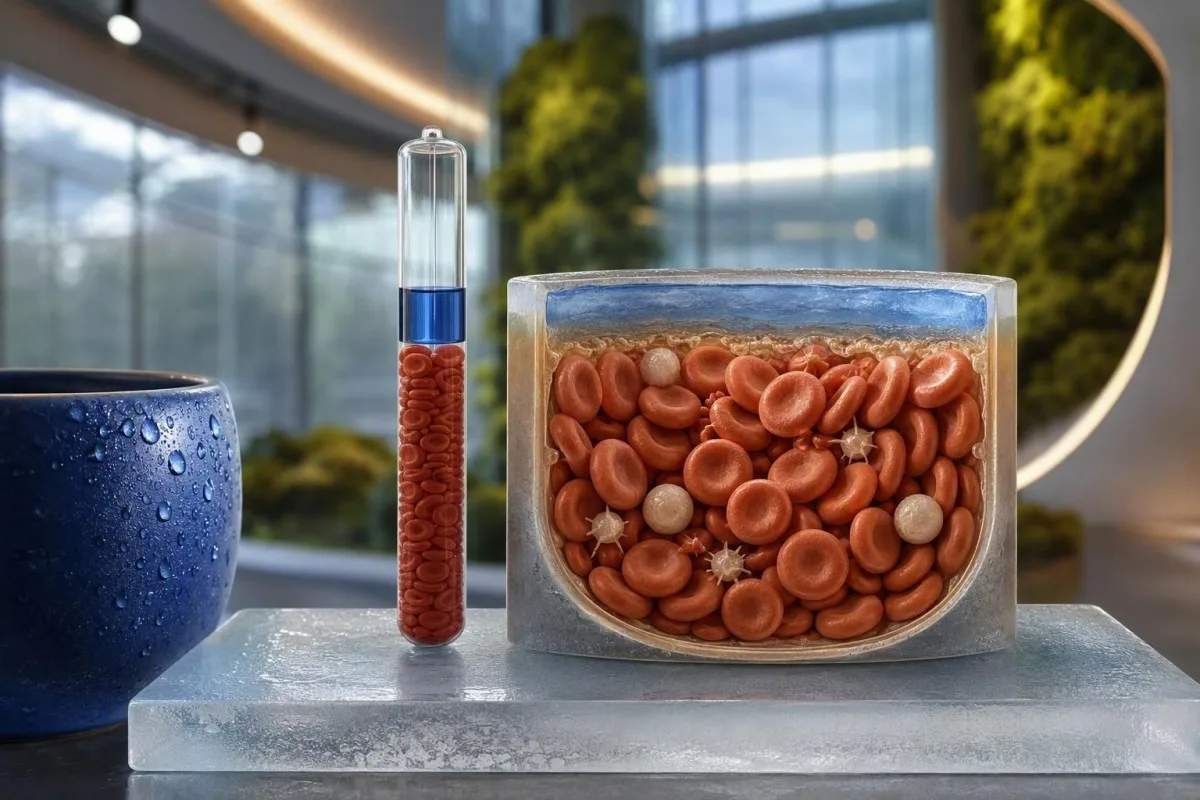
Высокое количество эритроцитов может отражать сгущение крови, а не увеличение числа эритроцитов. В первую очередь необходимо отличить временную потерю жидкости от стойкого повышения показателя, требующего полноценного обследования.


- Относительный эритроцитоз означает, что содержание воды в плазме снизилось, из-за чего количество RBC, гемоглобин и гематокрит выглядят повышенными без образования новых клеток.
- Порог ВОЗ показателями, указывающими на возможную истинную полицитемию, являются гемоглобин выше 16,5 г/дл у мужчин или 16,0 г/дл у женщин либо гематокрит выше 49% и 48% соответственно.
- Повторный анализ после восполнения жидкости обычно целесообразен при небольшом изолированном повышении после рвоты, диареи, пребывания на жаре, голодания или интенсивной физической нагрузки — если в остальном вы чувствуете себя хорошо.
- Диуретики может повышать гематокрит из-за потери жидкости; не прекращайте прием назначенного препарата без консультации с врачом, который его назначил.
- Важен характер изменений: высокий уровень альбумина, общего белка, натрия, соотношение BUN/креатинин и высокая относительная плотность мочи больше указывают на обезвоживание, чем на истинную гиперпродукцию эритроцитов.
- Повторная проверка: когда обычно проводится через 1–2 недели после выздоровления, при обычном потреблении жидкости и через 24–48 часов после прекращения необычно интенсивных физических нагрузок, если отсутствуют неотложные симптомы.
- стойкое повышение после достаточного восполнения жидкости требует обследования на воздействие табачного дыма, нарушения дыхания во сне, пребывание на высоте, прием тестостерона, заболевания легких или почек, эритропоэтин и часто — тестирование на JAK2.
- Срочные симптомы включают боль в груди, недавно возникшую одышку, слабость с одной стороны тела, потерю зрения, спутанность сознания или болезненную отёчную ногу; при этих симптомах нужна немедленная медицинская помощь, а не повторный домашний анализ.
Что обычно означает высокий результат RBC
Высокий показатель RBC может быть ложно повышенным из-за обезвоживания, когда потеря жидкости концентрирует клеточную часть крови; это не означает автоматически, что костный мозг вырабатывает слишком много эритроцитов. Важно, нормализуются ли гемоглобин и гематокрит после восстановления и обычного употребления жидкости, а не остаются ли повышенными при повторном CBC, выполненном после правильной подготовки.
Показатель RBC отражает количество эритроцитов в литре, тогда как гематокрит отражает долю общего объёма крови, занимаемую этими клетками. Референсные интервалы для взрослых различаются в разных лабораториях, но многие используют приблизительно 4,5–5,9 × 10¹²/л для мужчин и 4,1–5,1 × 10¹²/л для женщин. Значение, лишь немного превышающее референсный диапазон, часто менее информативно, чем указанные рядом гемоглобин и гематокрит; наше руководство по тому, что включает CBC объясняет почему.
Обезвоживание снижает жидкий компонент крови в течение нескольких часов, поэтому та же масса эритроцитов занимает меньший измеряемый объём. В клинике я часто вижу это после желудочно-кишечной инфекции: RBC 5,8 × 10¹²/л, гемоглобин 17,1 г/дл, гематокрит 51%, а после восстановления показатели нормализуются. Это относительный эритроцитоз, а не лабораторная ошибка и не обязательно заболевание.
Кантести — это Анализатор анализа крови на основе искусственного интеллекта который рассматривает RBC, гемоглобин, гематокрит, эритроцитарные индексы, показатели функции почек и предыдущие результаты в совокупности. По состоянию на 5 сентября 2026 года в рамках нашего клинического алгоритма единичный пограничный флаг CBC рассматривается как повод проверить подготовку и динамику показателей, а не как диагноз.
Показатель RBC — это не то же самое, что масса эритроцитов
CBC не может напрямую измерить общую массу эритроцитов. Он измеряет концентрацию, которая повышается при уменьшении объёма плазмы; специализированные изотопные исследования массы эритроцитов теперь требуются редко, однако они показывают, почему концентрированный CBC может выглядеть тревожно даже без фактического увеличения количества клеток.
Относительный эритроцитоз и истинное увеличение числа эритроцитов
Относительный эритроцитоз — это повышенные RBC, гемоглобин или гематокрит, вызванные уменьшением объёма плазмы, тогда как абсолютный эритроцитоз отражает действительно увеличенную массу эритроцитов. Восполнение жидкости может исправить первый вариант, но не устранит второй.
Истинный эритроцитоз может быть первичным, как при истинной полицитемии, или вторичным — вследствие повышенной выработки эритропоэтина из-за низкого уровня кислорода, лекарств или, редко, заболевания почек. Критерии ВОЗ 2016 года используют уровень гемоглобина выше 16,5 г/дл у мужчин или 16,0 г/дл у женщин как пороговые значения, при которых следует рассматривать возможность истинной полицитемии, особенно если повышение сохраняется (Arber et al., 2016). Одного значения недостаточно для постановки этого диагноза.
Практическое различие видно по остальным показателям панели. Высокий показатель RBC при обезвоживании часто сопровождается повышенными уровнями альбумина, общего белка, мочевины/BUN и натрия, а также концентрированной мочой; при абсолютном эритроцитозе эти показатели могут оставаться без особенностей. Ознакомьтесь с нашей специализированной статьёй о слегка повышенном гемоглобине если повышенным оказался именно гемоглобин, а не только RBC.
Нормальный показатель RBC не исключает эритроцитоз, если гемоглобин или гематокрит повышены, а повышенный показатель RBC сам по себе может наблюдаться при наличии мелких эритроцитов вследствие дефицита железа или носительства талассемии. Поэтому важны MCV и ферритин; высокий RBC при MCV ниже 80 фл — это уже другая клиническая ситуация.
Как обезвоживание изменяет показатели CBC и маркеры функции почек
Обезвоживание обычно одновременно повышает RBC, гемоглобин и гематокрит, а также часто повышает альбумин, общий белок, мочевину/BUN, креатинин и концентрацию мочи. Несоответствующий результат — например, высокий RBC при низком гемоглобине — плохо согласуется с простой гемоконцентрацией.
Соотношение BUN/креатинина выше примерно 20:1 в единицах, используемых в США, может указывать на снижение почечной перфузии вследствие потери жидкости, хотя желудочно-кишечное кровотечение, потребление белка, кортикостероиды и низкая мышечная масса могут изменять это соотношение. Креатинин может умеренно повышаться после воздействия жары или длительной пробежки, поскольку изменяются и фильтрация, и мышечный метаболизм. Наш руководство по обезвоживанию и eGFR материал посвящён случаям, когда низкий eGFR следует проверить повторно.
Удельный вес мочи 1,025 или выше соответствует концентрированной моче, но не является прямым показателем гидратации. Глюкоза, белок и некоторые рентгеноконтрастные вещества также могут повышать этот показатель, поэтому врач должен интерпретировать его с учётом симптомов и электролитов. A справочный диапазон удельного веса мочи полезен, если CBC и общий анализ мочи были выполнены в один и тот же день.
Я не рекомендую пытаться искусственно нормализовать анализ, выпивая несколько литров жидкости непосредственно перед сдачей крови. Чрезмерное быстрое употребление жидкости может снизить уровень натрия и привести к получению ещё одного нехарактерного образца; для людей без ограничений по жидкости обычно безопаснее придерживаться обычного питания и пить в соответствии с жаждой в течение 24–48 часов.
Рвота, диарея, жара, голодание и диуретики
Рвота, диарея, обильное потоотделение, длительное голодание и приём диуретиков могут временно повышать концентрацию RBC вследствие уменьшения объёма плазмы. Степень повышения в большей степени зависит от потери и восполнения жидкости, чем от того, насколько плохо человек себя чувствует.
Острая рвота часто приводит к снижению уровня хлорида и иногда к повышению уровня бикарбоната, поскольку теряются желудочная кислота и жидкость. Петлевые диуретики, такие как фуросемид, и тиазиды могут вызывать аналогичную картину сокращения объёма жидкости, особенно у пожилых людей. Низкий уровень хлорида следует рассматривать в том же клиническом контексте; см. признаки, связанные с хлоридом при рвоте и приёме диуретиков этому паттерну.
Не прекращайте приём назначенного диуретика для улучшения показателей CBC без консультации с врачом. Людям, принимающим эти препараты по поводу сердечной недостаточности, цирроза, резистентной гипертензии или заболевания почек, может потребоваться индивидуальный план употребления жидкости, поскольку бесконтрольное питьё может усилить отёки или одышку. Важно выяснить, согласуются ли между собой доза препарата, симптомы, масса тела, артериальное давление и показатели функции почек.
Жажда полезна, но у взрослых старше 65 лет и у людей с диабетом, заболеванием почек или некоторыми неврологическими состояниями она не всегда надёжна. Тёмно-жёлтая моча, сухость во рту, головокружение при вставании, уменьшение мочеиспускания и снижение массы тела на 1 кг за 24 часа могут указывать на потерю жидкости, однако при выраженных симптомах необходима медицинская оценка, а не самолечение.
Физическая нагрузка может временно привести к сгущению крови
Интенсивные тренировки на выносливость могут повышать гематокрит и гемоглобин на несколько часов вследствие потери жидкости с потом и перераспределения объёма плазмы, хотя регулярные тренировки могут снижать исходный гематокрит за счёт увеличения объёма плазмы. Поэтому для спортсменов время проведения анализа имеет особенно большое значение.
90-минутная пробежка в тёплую погоду может привести к потере 1–3 литров жидкости в зависимости от массы тела, климата и интенсивности потоотделения. Анализ, взятый сразу после забега, также может показать повышенные уровни креатинина, CK, альбумина и общего белка; эта совокупность показателей информативнее, чем один результат RBC. Наш гид по срокам сдачи анализов крови после марафона описывает маркеры восстановления, которые обычно изменяются.
Для планового мониторинга я обычно рекомендую избегать необычно интенсивных физических нагрузок в течение 24–48 часов перед сдачей анализа, прийти отдохнувшим и в течение предыдущего дня пить в обычном режиме. Это не универсальное лабораторное правило, и при мониторинге спортсменов высокого класса анализы могут намеренно проводиться в условиях нагрузки, однако последовательность важнее идеального соблюдения рекомендаций. Доктор Томас Кляйн наблюдал, как многие ненужные направления исчезали после повторного обследования спортсмена по завершении обычной недели восстановления.
Kantesti’s Руководство по исследованиям BUN и креатинина особенно полезен, когда у спортсмена, занимающегося видами спорта на выносливость, одновременно выявлены высокий гематокрит и пограничное отклонение показателей функции почек. Снижение массы тела, высокая относительная плотность мочи и короткий интервал восстановления делают гемоконцентрацию вероятной; мышечная боль, моча цвета колы или очень высокий уровень CK требуют иного уровня осторожности.
Безопасный план повторного выполнения CBC при небольшом повышении показателей
Незначительно повышенное количество RBC обычно можно повторно проверить через 1–2 недели восстановления, при обычном питьевом режиме и стабильном приёме лекарств, если у вас нет тревожных симптомов. Повторите анализ раньше только по просьбе врача или если исходный показатель был значительно повышен.
Перед повторным анализом запишите, были ли у вас в течение предыдущих 72 часов диарея, рвота, лихорадка, употребление алкоголя, посещение сауны, длительное путешествие, пребывание на высоте, голодание или интенсивная физическая нагрузка. Сохраняйте обычный рацион и режим приёма лекарств, если врач не дал иных указаний. Этот гид по подготовке к базовому анализу крови содержит практический контрольный список для предотвращения случайных вариаций.
По возможности сдавайте анализы в одной и той же лаборатории, поскольку методы анализаторов и референсные интервалы различаются. Попросите выполнить CBC с определением гемоглобина, гематокрита, MCV, RDW, количества лейкоцитов и тромбоцитов; стойкое повышение, сопровождающееся высоким количеством тромбоцитов или лейкоцитов, больше указывает на процесс в костном мозге, чем изолированный эритроцитоз. Недавнее заболевание может по-разному влиять на эти показатели, поэтому важна полная панель.
Кантести — это сервисе интерпретации тестов ИИ который сопоставляет новый CBC с предыдущими результатами и отмечает изменения, превышающие обычные колебания. Наш подход, основанный на отслеживании динамики, не заменяет консультацию врача, но помогает сохранить важный контекст — физические нагрузки, болезни, лекарства и предыдущий гематокрит, — который часто теряется, когда отдельный результат рассматривается изолированно.
Когда повторно высокий результат требует обследования по поводу эритроцитоза
Стойкое повышение гемоглобина выше 16.5 г/дл у мужчин или 16.0 г/дл у женщин либо гематокрита выше 49% или 48% должно стать поводом для обследования на эритроцитоз после исключения обезвоживания. Обычно сначала назначают повторный CBC, определение уровня эритропоэтина, оценку оксигенации и, при необходимости, тестирование на мутацию JAK2.
Истинная полицитемия — миелопролиферативное новообразование, при котором мутации JAK2 выявляются примерно у 98% пациентов. Низкий уровень эритропоэтина в сыворотке говорит в пользу первичной гиперпродукции в костном мозге, однако ни один анализ крови нельзя интерпретировать изолированно. Руководство Британского общества гематологии рекомендует структурированный подход, позволяющий отличить первичный эритроцитоз от вторичного (McMullin et al., 2019).
Симптомы могут быть малозаметными: головные боли, затуманенное зрение, зуд после тёплого душа, необычное покраснение лица, усталость или тромбоз в анамнезе могут иметь большее значение, чем точное значение RBC. Для более подробного объяснения гематокрита, эритропоэтина и JAK2 ознакомьтесь с нашим руководстве по симптомам полицитемии. У многих людей с незначительным повышением показателей отсутствуют какие-либо из этих признаков.
Я стараюсь не создавать впечатление, будто каждое стойкое повышение показателя означает рак. Более распространёнными объяснениями во многих клинических ситуациях являются воздействие угарного газа при курении, нелеченное апноэ сна, заболевания лёгких, приём тестостерона, пребывание на большой высоте и некоторые заболевания почек. Тем не менее именно сохранение повышения объясняет, почему повторный CBC не должен превращаться в бесконечный цикл небрежного повторного тестирования.
Низкий уровень кислорода, курение и апноэ сна как причины высокого RBC
Хроническая нехватка кислорода может стимулировать выработку эритропоэтина и приводить к истинному повышению количества эритроцитов; частыми причинами являются апноэ сна, воздействие угарного газа при курении и заболевания лёгких. Нормальная дневная сатурация кислорода не позволяет полностью исключить ночные падения уровня кислорода.
Обструктивное апноэ сна может вызывать умеренный эритроцитоз, особенно при значительных ночных эпизодах десатурации. Громкий храп, замеченные окружающими остановки дыхания, утренние головные боли, резистентная артериальная гипертензия и дневная сонливость должны стать поводом для целенаправленного сбора анамнеза сна, а не для предположения, что всё объясняется обезвоживанием. A руководство по анализу крови при одышке описывает более широкий кардиопульмональный контекст.
Курение сигарет повышает уровень карбоксигемоглобина, что снижает доставку кислорода, несмотря на показания пульсоксиметра, которые могут выглядеть обнадёживающе. Вейпинг не вызывает такого же воздействия угарного газа, как горючий табак, но связан с другими рисками для здоровья, о которых также следует честно рассказать. Анализ на угарный газ или кооксиметрия иногда информативнее, чем обычное измерение насыщения кислородом.
Kantesti AI интерпретирует высокий показатель RBC вместе с уровнями гемоглобина, гематокрита, маркерами функции почек и указанными факторами сна или курения, а не представляет общий список возможных причин. Такая контекстуальная оценка особенно ценна, когда гематокрит составляет 50% после восполнения жидкости, а пациент сообщает о неосвежающем сне.
Высота над уровнем моря, тестостерон и препараты, повышающие RBC
Проживание или тренировки на высоте, а также применение тестостерона могут усиливать продукцию эритроцитов, поэтому повышение показателей может быть реальным, а не связанным с обезвоживанием. Время воздействия часто даёт больше ответов, чем исходное число.
На высоте более низкое парциальное давление кислорода стимулирует выработку эритропоэтина и повышает уровень гемоглобина в течение нескольких дней или недель; ожидаемый диапазон зависит от высоты, продолжительности пребывания, этнического происхождения и референсных данных лаборатории. CBC, выполненный во время или вскоре после пребывания в горах, следует интерпретировать с учётом этого воздействия. Наше руководство по повторному анализу гемоглобина на высоте объясняет, почему важно учитывать время после возвращения на уровень моря.
Инъекции тестостерона, гели, имплантаты и некоторые анаболические препараты могут вызывать эритроцитоз. Многие протоколы назначения рекомендуют уменьшить дозу или приостановить терапию при достижении гематокрита 54%, хотя индивидуальные решения о риске различаются, особенно у людей с сердечно-сосудистыми заболеваниями или апноэ сна. Никогда не сдавайте кровь и не изменяйте назначенную дозу вместо обсуждения результата с лечащим врачом.
Реже небольшое повышение гематокрита могут вызывать противодиабетические препараты класса SGLT2, частично за счёт влияния на объём плазмы и, возможно, передачи сигнала эритропоэтина. В список лекарств следует включать безрецептурные андрогенные препараты, инъекционные средства и недавние изменения терапии, а не только лекарства, указанные в электронной медицинской карте.
Изменения в CBC, влияющие на степень настороженности
Высокий RBC вызывает большее беспокойство, когда одновременно повышены гемоглобин и гематокрит, особенно при повышенном количестве тромбоцитов и лейкоцитов, низком уровне эритропоэтина или наличии аномальных клеток в мазке крови. Высокий RBC при низком MCV чаще указывает на заболевания с микроцитозом.
MCV ниже 80 fL при относительно высоком количестве эритроцитов может наблюдаться при носительстве талассемии, когда клетки маленькие, но многочисленные. Дефицит железа также может снижать MCV, хотя со временем он чаще приводит к снижению гемоглобина; ферритин и насыщение трансферрина помогают уточнить различие. Наше Сравнение MCV и MCH объясняет, почему показатель RBC сам по себе может вводить в заблуждение.
Высокое количество лейкоцитов или тромбоцитов одновременно с высоким гематокритом не диагностирует истинную полицитемию, но снижает порог для консультации гематолога. В дальнейшем могут быть выполнены исследование мазка периферической крови, анализы на ферритин и эритропоэтин, тестирование JAK2, а иногда и исследование костного мозга. Наше путь тестирования на онкологические заболевания крови показывает, почему эти исследования назначают последовательно, а не без разбора.
Практическое правило доктора Томаса Кляйна простое: ищите согласованность между независимыми признаками. Гематокрит 52%, количество тромбоцитов 520 × 10⁹/L и низкий уровень эритропоэтина — это принципиально иная картина, чем гематокрит 50% после периода сильной жары при уровне альбумина 5,3 г/дл и концентрированной моче.
Симптомы и риск тромбоза: когда высокий RBC требует неотложной помощи
Обратитесь за неотложной медицинской помощью при высоком показателе RBC, сопровождающемся болью в груди, внезапной одышкой, кашлем с кровью, обмороком, впервые возникшей слабостью, нарушением речи, потерей зрения или болезненной отёчностью ноги. Эти симптомы могут указывать на тромб или другое острое состояние и ни в коем случае не должны откладываться до повторного CBC.
Повышенный гематокрит может увеличивать вязкость крови, но срочность надёжнее определяют симптомы и общий сосудистый риск, чем умеренное изолированное повышение. Истинная полицитемия связана с признанным риском тромбозов, особенно при пожилом возрасте, перенесённом тромбозе, сердечно-сосудистых факторах риска и неконтролируемых показателях крови. Обзор Tefferi и Barbui за 2021 год описывает лечение с учётом риска, а не одинаковый подход ко всем повышенным показателям.
Одна лишь головная боль — распространённый и неспецифичный симптом; головная боль с впервые возникшими нарушениями зрения, слабостью или спутанностью сознания — нет. Аналогично, зуд после тёплого душа может возникать при истинной полицитемии, но также при сухости кожи и аллергии, поэтому это подсказка, а не доказательство. Ознакомьтесь с обзором настораживающие признаки при анализе крови в случае боли в груди если симптомы стали одной из причин назначения анализа.
Не принимайте аспирин только потому, что количество RBC повышено, если только это не рекомендовано вашим врачом. Аспирин связан с риском кровотечения и может быть противопоказан при язвах, приёме антикоагулянтов, низком количестве тромбоцитов или определённых заболеваниях в анамнезе. При появлении очаговых неврологических или кардиопульмональных симптомов безопаснее обратиться за экстренной медицинской помощью.
Почему предыдущие результаты CBC могут ответить на этот вопрос
Стабильно слегка повышенное количество RBC на протяжении нескольких лет имеет иное значение, чем быстрое повышение за несколько недель; динамика показателей помогает отличить индивидуальную норму от нового заболевания. По возможности сравнивайте результаты, используя гемоглобин, гематокрит, MCV и данные одной и той же лаборатории.
Биологическая вариабельность и вариабельность анализатора означают, что небольшое изменение не всегда является реальным физиологическим изменением. Разница в гемоглобине 0,3 г/дл между двумя анализами может быть обусловлена гидратацией, положением тела, временем проведения анализа или обычной вариабельностью; устойчивое повышение с 15,2 до 17,3 г/дл требует большего внимания. Наша статья о значимых изменениях в лабораторных показателях объясняет концепцию референсного значения изменения.
Ведите простой учёт высоты над уровнем моря, статуса курения, дозы тестостерона, заболеваний, интенсивных физических нагрузок, менструальных кровотечений и потери жидкости при каждом анализе. Эти сведения клинически полезнее, чем попытки определить одно точное “идеальное” количество RBC. По моему опыту, именно отсутствие такого контекста приводит к тому, что пациенты получают противоречивые объяснения на разных приёмах.
Kantesti, разработанный платформа для интерпретации биомаркеров с помощью ИИ, позволяет отображать последовательные значения CBC рядом с показателями функции почек и белкового обмена для выявления закономерностей концентрации. Мы рекомендуем рассматривать анализ динамики как подготовку к разговору с врачом, а не как замену осмотру или целенаправленному обследованию.
Особенности при беременности, в пожилом возрасте и при хронических заболеваниях
При беременности уровень гемоглобина и гематокрит обычно снижаются из-за увеличения объёма плазмы, поэтому повышенный показатель во время беременности требует оценки врачом, а не поспешного объяснения обезвоживанием. У пожилых людей и пациентов с заболеваниями сердца или почек рекомендации по потреблению жидкости должны быть индивидуальными.
Во время беременности объём плазмы увеличивается примерно на 40–50%, вызывая физиологическое разведение крови; многие акушерские службы обследуют беременных при уровне гемоглобина выше 16,0 г/дл, поскольку это может указывать на недостаточное увеличение объёма плазмы или другие проблемы. Сильная рвота на ранних сроках беременности всё же может привести к концентрации показателей CBC, но сохраняющееся повышение следует обсудить с акушерской командой. См. «красные флаги» в анализе крови при беременности для ситуаций, требующих обращения в тот же день.
Пожилые люди могут не всегда надёжно ощущать жажду, тогда как сердечная недостаточность и тяжёлая хроническая болезнь почек могут сделать избыток жидкости опасным. Быстрое изменение отёка лодыжек, массы тела, одышки или объёма мочи важнее, чем попытки достичь универсальной целевой нормы потребления воды. Коррекцию дозы диуретиков должен проводить врач, наблюдающий основное заболевание.
У детей существуют возрастные диапазоны гемоглобина, и показатель, который выглядит высоким в системе для взрослых, может быть нормальным для определённого возраста или высоты над уровнем моря. Стойкое повышение должен оценить педиатр, особенно при цианозе, врождённом пороке сердца или недостаточной прибавке роста.
Какие вопросы задать врачу после выявления высокого количества RBC
Спросите, отражает ли ваш результат гемоконцентрацию, повышены ли также гемоглобин и гематокрит и в каких условиях следует повторить анализ с учётом вашей истории болезни. Правильные вопросы помогают избежать как преждевременной тревоги, так и пропуска стойкого эритроцитоза.
Возьмите полный отчёт, а не только отмеченное как отклонение значение RBC, а также предыдущие результаты CBC и актуальный список лекарств. Спросите: “Соответствовали ли уровни альбумина, общего белка, натрия, креатинина, BUN/мочевины и концентрация мочи потере жидкости?” Это руководстве по сывороточным белкам может помочь понять, почему альбумин следует учитывать в этом обсуждении.
Если повышение сохраняется, спросите, соответствуют ли вашей клинической картине оценка оксигенации, исследование сна, определение эритропоэтина, ферритина, тестирование JAK2 или направление к гематологу. Ответ будет разным для 28-летнего спортсмена, занимающегося выносливостными видами спорта, с гематокритом 50% и 67-летнего курильщика с гематокритом 55% и тромбом в анамнезе. Конкретные сведения об анамнезе меняют план обследования.
Методология Kantesti контролируется с использованием опубликованных стандартов качества и при участии врачей; перед применением любой автоматизированной интерпретации читатели могут ознакомиться с нашим подход к медицинской валидации . Главный вывод доктора Томаса Кляйна заключается в том, что проверка гидратации — разумный первый шаг при незначительном изолированном отклонении, но стойко повышенные значения требуют обоснованного объяснения.
Практический вывод о связи обезвоживания и высокого RBC
Обезвоживание может создать видимость повышенного RBC из-за сгущения крови, однако это следует считать лишь рабочим объяснением, если клинический контекст и сопутствующие лабораторные показатели ему соответствуют. Нормальный повторный анализ после восстановления является обнадёживающим признаком; сохраняющееся повышение требует обследования.
При изолированном, небольшом повышении после жары, желудочно-кишечного заболевания, голодания или интенсивной физической нагрузки восстановитесь в обычном режиме и повторите CBC в одинаковых условиях примерно через 1–2 недели. Избегайте чрезмерного употребления воды и не изменяйте приём диуретиков, тестостерона или других назначенных препаратов без консультации. Если вы не уверены, является ли результат лишь пограничным, наша руководство по результатам вне диапазона объясняет обозначения лабораторных отклонений.
При повторном гематокрите выше 49% у мужчин или 48% у женщин либо гемоглобине выше 16,5 г/дл или 16,0 г/дл попросите провести целенаправленное обследование, вместо того чтобы бесконечно повторять анализы. На следующем этапе обычно оценивают воздействие курения, апноэ сна, высоту над уровнем моря, влияние лекарств, эритропоэтин и статус JAK2. Симптомы, указывающие на тромбоз или инсульт, требуют неотложной медицинской помощи.
Кантести — это Инструмент анализа результатов анализа крови с ИИ созданный для систематизации этих результатов и их динамики в рамках информированного обсуждения с врачом. Наши врачи-рецензенты и Медицинский консультативный совет подчёркивают тот же принцип: сначала учитывать контекст, безопасно повторять анализы и своевременно обращаться к врачу, если изменения сохраняются.
Часто задаваемые вопросы
Может ли обезвоживание привести к повышенному уровню RBC?
Да. Обезвоживание может вызвать повышенное количество RBC, поскольку потеря воды плазмы концентрирует эритроциты в меньшем объёме крови; такое состояние называется относительным эритроцитозом. Уровни гемоглобина и гематокрита обычно повышаются вместе с количеством RBC, а альбумин, общий белок, BUN/мочевина или удельный вес мочи также могут быть повышены. Незначительное изолированное повышение часто нормализуется после восстановления и обычного восполнения жидкости, но при сохраняющемся гематокрите выше 49% у мужчин или 48% у женщин требуется клиническое обследование.
Сколько воды мне следует выпить перед повторной сдачей анализа, показавшего высокий RBC?
Большинству взрослых следует пить обычное количество жидкости, ориентируясь на чувство жажды, в течение 24–48 часов перед повторным CBC, а не намеренно употреблять чрезмерный объём жидкости. Практический ориентир — бледно-жёлтая моча и нормальное мочеиспускание, а не полностью прозрачная моча или вынужденное употребление воды. Людям с сердечной недостаточностью, тяжёлым заболеванием почек, циррозом печени или назначенным ограничением жидкости следует обсудить индивидуальный план с лечащим врачом. Быстрое употребление нескольких литров жидкости может снизить уровень натрия и привести к нерепрезентативному результату.
Через какое время после обезвоживания следует повторить CBC?
Повторный CBC обычно выполняют через 1–2 недели после исчезновения рвоты, диареи, лихорадки, последствий теплового воздействия или значительной физической нагрузки. При изменениях, связанных с физической нагрузкой, за 24–48 часов до сдачи образца следует избегать чрезмерно интенсивных тренировок и поддерживать обычный уровень потребления жидкости. Исследование может потребоваться раньше, если гематокрит значительно повышен, присутствуют симптомы или показатели функции почек отклонены от нормы. По возможности следует использовать ту же лабораторию, чтобы референсные интервалы и методы анализатора были сопоставимы.
Какое количество RBC считается опасно высоким?
Не существует единственного показателя RBC, который сам по себе определяет опасность, поскольку риск в большей степени зависит от гематокрита, гемоглобина, симптомов, причины и наличия тромбозов в анамнезе. Гематокрит около 60% или выше обычно требует незамедлительной медицинской оценки в тот же день, тогда как сохраняющиеся значения выше 49% у мужчин или 48% у женщин являются основанием для обследования по поводу эритроцитоза. Боль в груди, внезапная одышка, потеря зрения, слабость, нарушение речи или болезненная отёчная нога требуют срочного обращения за медицинской помощью независимо от точного показателя. При таких симптомах необходима экстренная медицинская оценка; не следует ждать, пока удастся восполнить жидкость или повторно сдать анализ.
Могут ли диуретики вызывать повышение количества эритроцитов?
Диуретики могут повышать концентрацию эритроцитов за счёт уменьшения объёма плазмы, особенно после увеличения дозы, в жаркую погоду, при недостаточном потреблении жидкости, рвоте или диарее. Обычно они не заставляют костный мозг вырабатывать дополнительные эритроциты, поэтому после восстановления водного баланса этот эффект может исчезнуть. Не прекращайте самостоятельно приём фуросемида, гидрохлоротиазида или другого назначенного диуретика, поскольку эти препараты могут контролировать сердечную недостаточность, артериальное давление или отёки. Обсудите результаты CBC вместе с показателями массы тела, артериального давления, креатинина, натрия, калия и имеющимися симптомами.
Всегда ли повышенное количество RBC означает истинную полицитемию?
Нет. Большинство высоких показателей RBC автоматически не означает истинную полицитемию; распространёнными альтернативными причинами являются обезвоживание, воздействие угарного газа при курении, апноэ сна, пребывание на большой высоте, заболевания лёгких и приём тестостерона. Истинная полицитемия становится более вероятной, если уровень гемоглобина сохраняется выше 16,5 г/дл у мужчин или 16,0 г/дл у женщин, гематокрит остаётся выше 49% или 48%, уровень эритропоэтина снижен, а результат тестирования на JAK2 положительный. Мутация JAK2 выявляется примерно в 98% случаев истинной полицитемии. Врач должен интерпретировать эти результаты как совокупность признаков, а не ставить диагноз на основании одного отклонения в CBC.
Получите анализ крови с помощью ИИ уже сегодня
Присоединяйтесь к более чем 2 миллионам пользователей по всему миру, которые доверяют Kantesti для мгновенного и точного анализа лабораторных тестов. Загрузите результаты анализа крови и получите комплексную интерпретацию биомаркеров 15,000+ за считанные секунды.
📚 Ссылки на научные публикации
Кляйн, Т., Митчелл, С., и Вебер, Х. (2026). Объяснение соотношения мочевины и креатинина: руководство по проведению анализов функции почек. Kantesti AI Medical Research.
Кляйн, Т., Митчелл, С., и Вебер, Х. (2026). Тест на уробилиноген в моче: полное руководство по общему анализу мочи 2026. Kantesti AI Medical Research.
📖 Внешние медицинские источники
⚕️ Медицинское предупреждение
Эта статья предназначена только для образовательных целей и не является медицинской консультацией. Всегда консультируйтесь с квалифицированным специалистом здравоохранения по вопросам диагностики и решений по лечению.
Сигналы доверия E-E-A-T
Опыт
Клинический обзор рабочих процессов интерпретации лабораторных данных под руководством врача.
Экспертиза
Акцент на лабораторной медицине: как биомаркеры ведут себя в клиническом контексте.
Авторитетность
Написано доктором Томасом Кляйном при рецензировании доктором Сарой Митчелл и профессором доктором Хансом Вебером.
Доверие
Интерпретация на основе доказательств с понятными маршрутами дальнейших действий, чтобы снизить тревожность.