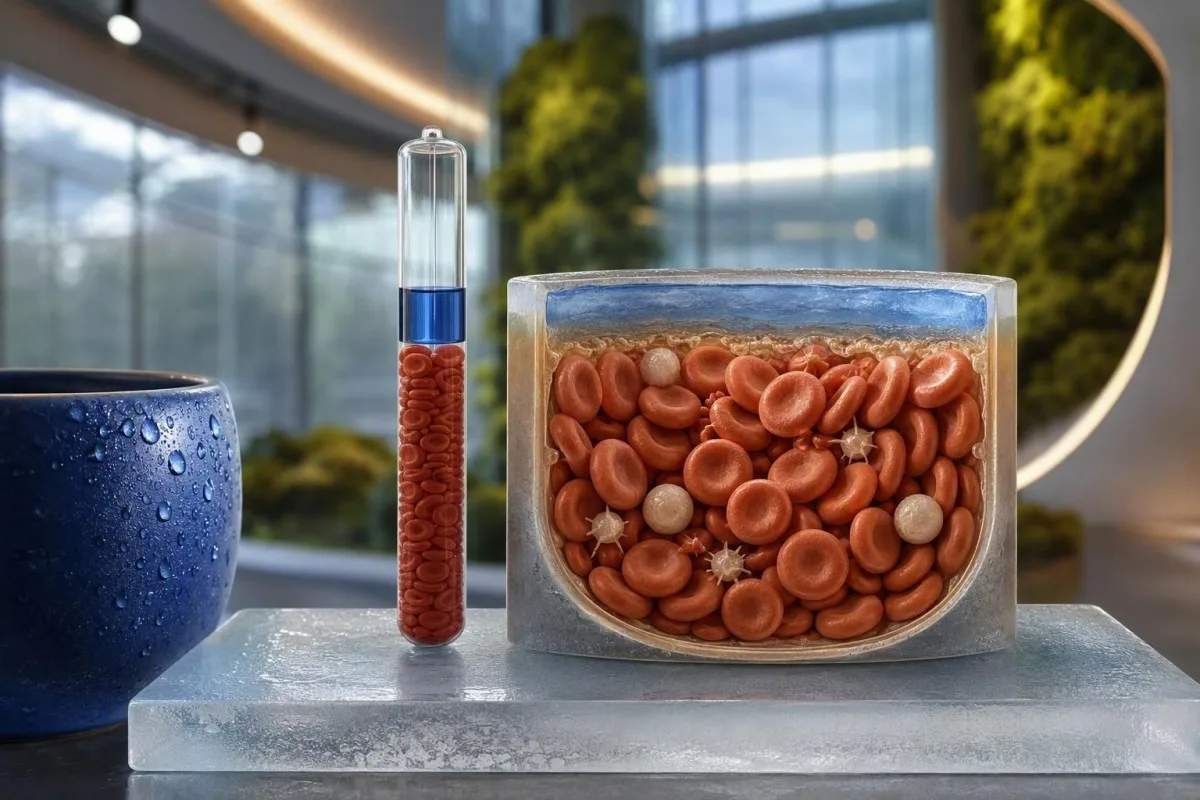
ಹೆಚ್ಚಿನ RBC ಸಂಖ್ಯೆಯು ಹೆಚ್ಚುವರಿ ರಕ್ತ ಕಣಗಳಿಗಿಂತ ಹೆಚ್ಚಾಗಿ ರಕ್ತದ ಸಾಂದ್ರತೆಯನ್ನು ಪ್ರತಿಬಿಂಬಿಸಬಹುದು. ಮೊದಲ ಕೆಲಸವೆಂದರೆ ತಾತ್ಕಾಲಿಕ ದ್ರವದ ನಷ್ಟವನ್ನು ಮತ್ತು ಸರಿಯಾದ ತಪಾಸಣೆಯ ಅಗತ್ಯವಿರುವ ನಿರಂತರ ಏರಿಕೆಯನ್ನು ಪ್ರತ್ಯೇಕಿಸುವುದು.


- ಸಾಪೇಕ್ಷ ಎರಿಥ್ರೋಸೈಟೋಸಿಸ್ ಎಂದರೆ ಪ್ಲಾಸ್ಮಾ ನೀರು ಕಡಿಮೆಯಾಗಿದೆ ಎಂದು, ಇದು ಹೊಸ ಕೋಶಗಳನ್ನು ಸೃಷ್ಟಿಸದೆ RBC ಸಂಖ್ಯೆ, ಹಿಮೋಗ್ಲೋಬಿನ್ ಮತ್ತು ಹೆಮಟೋಕ್ರಿಟ್ ಅನ್ನು ಹೆಚ್ಚಾಗಿ ತೋರಿಸುತ್ತದೆ.
- WHO ಮಿತಿ ಪಾಲಿ ಸೈಥೆಮಿಯಾ ವೆರಾ (polycythemia vera) ಇರುವ ಸಾಧ್ಯತೆಯನ್ನು ಬೆಂಬಲಿಸುವ ಮೌಲ್ಯಗಳೆಂದರೆ ಪುರುಷರಲ್ಲಿ 16.5 g/dL ಗಿಂತ ಹೆಚ್ಚು ಅಥವಾ ಮಹಿಳೆಯರಲ್ಲಿ 16.0 g/dL ಗಿಂತ ಹೆಚ್ಚಿನ ಹಿಮೋಗ್ಲೋಬಿನ್, ಅಥವಾ ಕ್ರಮವಾಗಿ 49% ಮತ್ತು 48% ಗಿಂತ ಹೆಚ್ಚಿನ ಹೆಮಟೋಕ್ರಿಟ್.
- ಜಲಸಂಚಯನ ಮರುಪರೀಕ್ಷೆ (Hydration retest) ವಾಂತಿ, ಅತಿಸಾರ, ಶಾಖದ ಅತಿಯಾದ ಸಂಪರ್ಕ, ಉಪವಾಸ ಅಥವಾ ಕಠಿಣ ವ್ಯಾಯಾಮದ ನಂತರ ಕಂಡುಬರುವ ಸೌಮ್ಯವಾದ, ಏಕಾಂಗಿ ಏರಿಕೆಗೆ ಸಾಮಾನ್ಯವಾಗಿ ಇದು ಸೂಕ್ತವಾಗಿದೆ—ಒಂದು ವೇಳೆ ನಿಮಗೆ ಬೇರೆ ಯಾವುದೇ ತೊಂದರೆ ಇಲ್ಲದಿದ್ದರೆ.
- ಮೂತ್ರವರ್ಧಕಗಳು ದ್ರವದ ನಷ್ಟದ ಮೂಲಕ ಹೆಮಟೋಕ್ರಿಟ್ ಅನ್ನು ಹೆಚ್ಚಿಸಬಹುದು; ಸೂಚಿಸಿದ ವೈದ್ಯರನ್ನು ಸಂಪರ್ಕಿಸದೆ ಸೂಚಿತ ಔಷಧಿಗಳನ್ನು ನಿಲ್ಲಿಸಬೇಡಿ.
- ಮಾದರಿ (ಪ್ಯಾಟರ್ನ್) ಮುಖ್ಯ: ಅಧಿಕ ಅಲ್ಬುಮಿನ್, ಒಟ್ಟು ಪ್ರೋಟೀನ್, ಸೋಡಿಯಂ, BUN/ಕ್ರಿಯೇಟಿನೈನ್ ಅನುಪಾತ ಮತ್ತು ಮೂತ್ರದ ಸಾಂದ್ರತೆಯು ನಿಜವಾದ ಕೆಂಪು ರಕ್ತ ಕಣಗಳ ಅತಿಯಾದ ಉತ್ಪಾದನೆಗಿಂತ ನಿರ್ಜಲೀಕರಣವನ್ನು ಹೆಚ್ಚು ಬೆಂಬಲಿಸುತ್ತದೆ.
- ಪುನರಾವರ್ತನೆ ಸಮಯ ಸಾಮಾನ್ಯವಾಗಿ ಚೇತರಿಕೆಯ 1-2 ವಾರಗಳ ನಂತರ, ಸಾಮಾನ್ಯ ದ್ರವ ಸೇವನೆ ಮತ್ತು 24-48 ಗಂಟೆಗಳ ಕಾಲ ಅತಿಯಾದ ಕಠಿಣ ವ್ಯಾಯಾಮವಿಲ್ಲದೆ ಮಾಡಲಾಗುತ್ತದೆ, ತುರ್ತು ರೋಗಲಕ್ಷಣಗಳು ಇಲ್ಲದಿದ್ದರೆ.
- ನಿರಂತರ ಹೆಚ್ಚಳ ಉತ್ತಮ ಜಲಸಂಚಯನದ ನಂತರವೂ ಹೆಚ್ಚಿನ ಮಟ್ಟವಿದ್ದರೆ, ಧೂಮಪಾನದ ಸಂಪರ್ಕ, ನಿದ್ರೆಗೆ ಸಂಬಂಧಿಸಿದ ಉಸಿರಾಟದ ತೊಂದರೆ, ಎತ್ತರ ಪ್ರದೇಶ, ಟೆಸ್ಟೋಸ್ಟೆರಾನ್, ಶ್ವಾಸಕೋಶ ಅಥವಾ ಮೂತ್ರಪಿಂಡದ ಕಾಯಿಲೆ, ಎರಿಥ್ರೋಪೊಯಿಟಿನ್ ಮತ್ತು ಆಗಾಗ್ಗೆ JAK2 ಪರೀಕ್ಷೆಯ ಮೌಲ್ಯಮಾಪನ ಅಗತ್ಯವಿರುತ್ತದೆ.
- ತುರ್ತು ಲಕ್ಷಣಗಳು ಎದೆ ನೋವು, ಹೊಸದಾಗಿ ಉಸಿರಾಟದ ತೊಂದರೆ, ಒಂದು ಬದಿಯ ದೌರ್ಬಲ್ಯ, ದೃಷ್ಟಿ ನಷ್ಟ, ಗೊಂದಲ ಅಥವಾ ನೋವಿನಿಂದ ಕೂಡಿದ ಊದಿಕೊಂಡ ಕಾಲು ಇವುಗಳನ್ನು ಒಳಗೊಂಡಿರುತ್ತದೆ; ಇವುಗಳಿಗೆ ಮನೆಯಲ್ಲಿ ಮರುಪರೀಕ್ಷೆ ಮಾಡುವುದಲ್ಲ, ತಕ್ಷಣದ ಆರೈಕೆಯ ಅಗತ್ಯವಿರುತ್ತದೆ.
ಹೆಚ್ಚಿನ RBC ಫಲಿತಾಂಶವು ಸಾಮಾನ್ಯವಾಗಿ ಏನು ಸೂಚಿಸುತ್ತದೆ
ನಿರ್ಜಲೀಕರಣದಿಂದ ದ್ರವದ ನಷ್ಟವು ರಕ್ತದ ಜೀವಕೋಶದ ಭಾಗವನ್ನು ಸಾಂದ್ರಗೊಳಿಸಿದಾಗ, ಹೆಚ್ಚಿನ RBC ಎಣಿಕೆಯು ತಪ್ಪು ಧನಾತ್ಮಕವಾಗಿರಬಹುದು; ಇದರರ್ಥ ನಿಮ್ಮ ಮಜ್ಜೆಯು ಅತಿಯಾದ ಕೆಂಪು ರಕ್ತ ಕಣಗಳನ್ನು ತಯಾರಿಸುತ್ತಿದೆ ಎಂದಲ್ಲ. ಸರಿಯಾದ ತಯಾರಿಯೊಂದಿಗೆ ಪುನರಾವರ್ತಿತ CBC ಪರೀಕ್ಷೆಯಲ್ಲಿ ಫಲಿತಾಂಶಗಳು ಏರಿಕೆಯಾಗಿಯೇ ಉಳಿಯುವ ಬದಲು, ಚೇತರಿಕೆ ಮತ್ತು ಸಾಮಾನ್ಯ ಸೇವನೆಯ ನಂತರ ಹಿಮೋಗ್ಲೋಬಿನ್ ಮತ್ತು ಹೆಮಟೋಕ್ರಿಟ್ ಸಾಮಾನ್ಯ ಸ್ಥಿತಿಗೆ ಮರಳುತ್ತವೆಯೇ ಎಂಬುದು ಮುಖ್ಯ ವಿಷಯವಾಗಿದೆ.
RBC ಎಣಿಕೆಯು ಪ್ರತಿ ಲೀಟರ್ಗೆ ಇರುವ ಕೆಂಪು ರಕ್ತ ಕಣಗಳ ಸಂಖ್ಯೆಯನ್ನು ವರದಿ ಮಾಡುತ್ತದೆ, ಆದರೆ ಹೆಮಟೋಕ್ರಿಟ್ ಆ ಜೀವಕೋಶಗಳು ಆಕ್ರಮಿಸಿಕೊಂಡಿರುವ ಪೂರ್ಣ ರಕ್ತದ ಭಾಗವನ್ನು ವರದಿ ಮಾಡುತ್ತದೆ. ವಯಸ್ಕರ ಉಲ್ಲೇಖದ ಮಿತಿಗಳು ಪ್ರಯೋಗಾಲಯದಿಂದ ಪ್ರಯೋಗಾಲಯಕ್ಕೆ ಬದಲಾಗುತ್ತವೆ, ಆದರೆ ಅನೇಕರು ಪುರುಷರಿಗೆ ಸರಿಸುಮಾರು 4.5–5.9 × 10¹²/L ಮತ್ತು ಮಹಿಳೆಯರಿಗೆ 4.1–5.1 × 10¹²/L ಅನ್ನು ಬಳಸುತ್ತಾರೆ. ವ್ಯಾಪ್ತಿಗಿಂತ ಸ್ವಲ್ಪ ಹೆಚ್ಚಿನ ಮೌಲ್ಯವು ಅದರ ಪಕ್ಕದಲ್ಲಿರುವ ಹಿಮೋಗ್ಲೋಬಿನ್ ಮತ್ತು ಹೆಮಟೋಕ್ರಿಟ್ಗಿಂತ ಕಡಿಮೆ ಮಾಹಿತಿಯನ್ನು ನೀಡುತ್ತದೆ; ನಮ್ಮ ಮಾರ್ಗದರ್ಶಿ CBCಯಲ್ಲಿ ಏನು ಒಳಗೊಂಡಿದೆ ಏಕೆ ಎಂದು ನಮ್ಮ ಲೇಖನದಲ್ಲಿ ವಿವರಿಸಲಾಗಿದೆ.
ನಿರ್ಜಲೀಕರಣವು ಗಂಟೆಗಳ ಒಳಗೆ ರಕ್ತದ ದ್ರವ ಅಂಶವನ್ನು ಕಡಿಮೆ ಮಾಡುತ್ತದೆ, ಆದ್ದರಿಂದ ಅದೇ ಕೆಂಪು-ರಕ್ತ ಕಣಗಳ ರಾಶಿಯು ಅಳತೆ ಮಾಡಿದ ಸಣ್ಣ ಪರಿಮಾಣವನ್ನು ಆಕ್ರಮಿಸುತ್ತದೆ. ಚಿಕಿತ್ಸಾಲಯದಲ್ಲಿ, ಹೊಟ್ಟೆಯ ಸೋಂಕಿನ ನಂತರ ನಾನು ಇದನ್ನು ಸಾಮಾನ್ಯವಾಗಿ ನೋಡುತ್ತೇನೆ: RBC 5.8 × 10¹²/L, ಹಿಮೋಗ್ಲೋಬಿನ್ 17.1 g/dL, ಹೆಮಟೋಕ್ರಿಟ್ 51%, ನಂತರ ಚೇತರಿಕೆಯ ನಂತರ ಸಾಮಾನ್ಯ ಮೌಲ್ಯಗಳು. ಇದು ಸಾಪೇಕ್ಷ ಎರಿಥ್ರೊಸೈಟೋಸಿಸ್, ಪ್ರಯೋಗಾಲಯದ ತಪ್ಪಲ್ಲ ಮತ್ತು ಅನಿವಾರ್ಯವಾಗಿ ರೋಗವಲ್ಲ.
ಕಾಂತೆಸ್ಟಿ ಒಬ್ಬ AI ರಕ್ತ ಪರೀಕ್ಷಾ ವಿಶ್ಲೇಷಕ ಇದು RBC, ಹಿಮೋಗ್ಲೋಬಿನ್, ಹೆಮಟೋಕ್ರಿಟ್, ಕೆಂಪು-ರಕ್ತ ಕಣಗಳ ಸೂಚ್ಯಂಕಗಳು (red-cell indices), ಕಿಡ್ನಿ ಮಾರ್ಕರ್ಗಳು ಮತ್ತು ಹಿಂದಿನ ಫಲಿತಾಂಶಗಳನ್ನು ಒಟ್ಟಾಗಿ ಓದುತ್ತದೆ. ಸೆಪ್ಟೆಂಬರ್ 5, 2026 ರಂತೆ, ನಮ್ಮ ಕ್ಲಿನಿಕಲ್ ಪರಿಶೀಲನಾ ಕಾರ್ಯಪ್ರವಾಹವು ಒಂದೇ ಗಡಿರೇಖೆಯ CBC ಫ್ಲ್ಯಾಗ್ ಅನ್ನು ರೋಗನಿರ್ಣಯವಾಗಿ ಪರಿಗಣಿಸದೆ, ತಯಾರಿ ಮತ್ತು ಪ್ರವೃತ್ತಿಯನ್ನು ಪರಿಶೀಲಿಸಲು ಒಂದು ಸೂಚನೆಯಾಗಿ ಪರಿಗಣಿಸುತ್ತದೆ.
RBC ಎಣಿಕೆಯು ಕೆಂಪು-ರಕ್ತ ಕಣಗಳ ರಾಶಿಯಂತೆಯೇ ಇರುವುದಿಲ್ಲ
CBC ಒಟ್ಟು ಕೆಂಪು-ರಕ್ತ ಕಣಗಳ ರಾಶಿಯನ್ನು ನೇರವಾಗಿ ಅಳೆಯಲು ಸಾಧ್ಯವಿಲ್ಲ. ಇದು ಸಾಂದ್ರತೆಯನ್ನು ಅಳೆಯುತ್ತದೆ, ಇದು ಪ್ಲಾಸ್ಮಾ ಪರಿಮಾಣ ಕಡಿಮೆಯಾದಾಗ ಹೆಚ್ಚಾಗುತ್ತದೆ; ವಿಶೇಷ ಐಸೋಟೋಪ್ ಕೆಂಪು-ರಕ್ತ ಕಣಗಳ ರಾಶಿ ಅಧ್ಯಯನಗಳು ಈಗ ಅಪರೂಪವಾಗಿ ಬೇಕಾಗುತ್ತವೆ, ಆದರೆ ಜೀವಕೋಶಗಳಲ್ಲಿ ನಿಜವಾದ ಹೆಚ್ಚಳವಿಲ್ಲದೆ ಸಾಂದ್ರೀಕೃತ CBC ಏಕೆ ಆತಂಕಕಾರಿಯಾಗಿ ಕಾಣುತ್ತದೆ ಎಂಬುದನ್ನು ಅವು ವಿವರಿಸುತ್ತವೆ.
ಸಾಪೇಕ್ಷ ಎರಿಥ್ರೋಸೈಟೋಸಿಸ್ ಮತ್ತು ನಿಜವಾದ ಕೆಂಪು ರಕ್ತಕಣಗಳ ಹೆಚ್ಚಳದ ನಡುವಿನ ವ್ಯತ್ಯಾಸ
ಸಾಪೇಕ್ಷ ಎರಿಥ್ರೊಸೈಟೋಸಿಸ್ ಎಂದರೆ ಪ್ಲಾಸ್ಮಾ ಪರಿಮಾಣದ ಕಡಿತದಿಂದ ಉಂಟಾಗುವ ಹೆಚ್ಚಿನ RBC, ಹಿಮೋಗ್ಲೋಬಿನ್ ಅಥವಾ ಹೆಮಟೋಕ್ರಿಟ್, ಆದರೆ ಸಂಪೂರ್ಣ ಎರಿಥ್ರೊಸೈಟೋಸಿಸ್ ನಿಜವಾಗಿಯೂ ಹೆಚ್ಚಾದ ಕೆಂಪು-ರಕ್ತ ಕಣಗಳ ರಾಶಿಯನ್ನು ಪ್ರತಿಬಿಂಬಿಸುತ್ತದೆ. ಜಲಸಂಚಯನವು (Hydration) ಮೊದಲ ಮಾದರಿಯನ್ನು ಸರಿಪಡಿಸಬಲ್ಲದು ಆದರೆ ಎರಡನೆಯದನ್ನು ಸರಿಪಡಿಸುವುದಿಲ್ಲ.
ನಿಜವಾದ ಎರಿಥ್ರೊಸೈಟೋಸಿಸ್ ಪ್ರಾಥಮಿಕವಾಗಿರಬಹುದು, ಉದಾಹರಣೆಗೆ ಪಾಲಿ ಸೈಥೆಮಿಯಾ ವೆರಾದಲ್ಲಿ, ಅಥವಾ ಕಡಿಮೆ ಆಮ್ಲಜನಕ, ಔಷಧಿಗಳು ಅಥವಾ ಅಪರೂಪವಾಗಿ ಕಿಡ್ನಿ ಪ್ರಕ್ರಿಯೆಯಿಂದ ಹೆಚ್ಚಾದ ಎರಿಥ್ರೋಪೊಯಿಟಿನ್ನಿಂದ ದ್ವಿತೀಯಕವಾಗಿರಬಹುದು. 2016 ರ WHO ಮಾನದಂಡಗಳು ಪುರುಷರಲ್ಲಿ 16.5 g/dL ಅಥವಾ ಮಹಿಳೆಯರಲ್ಲಿ 16.0 g/dL ಗಿಂತ ಹೆಚ್ಚಿನ ಹಿಮೋಗ್ಲೋಬಿನ್ ಅನ್ನು ಮಿತಿಗಳಾಗಿ ಬಳಸುತ್ತವೆ, ಇದು ವಿಶೇಷವಾಗಿ ನಿರಂತರವಾಗಿದ್ದಾಗ ಪಾಲಿ ಸೈಥೆಮಿಯಾ ವೆರಾ ಪ್ರಶ್ನೆಯನ್ನು ಹುಟ್ಟುಹಾಕಬೇಕು (Arber et al., 2016). ರೋಗನಿರ್ಣಯ ಮಾಡಲು ಒಂದೇ ಮೌಲ್ಯವು ಸಾಕಾಗುವುದಿಲ್ಲ.
ಪ್ರಾಯೋಗಿಕ ವ್ಯತ್ಯಾಸವೆಂದರೆ ಪ್ಯಾನಲ್ನ ಉಳಿದ ಭಾಗ. ನಿರ್ಜಲೀಕರಣದ ಹೆಚ್ಚಿನ RBC ಎಣಿಕೆ ಮಾದರಿಗಳು ಸಾಮಾನ್ಯವಾಗಿ ಹೆಚ್ಚಿನ ಆಲ್ಬುಮಿನ್, ಒಟ್ಟು ಪ್ರೋಟೀನ್, ಯೂರಿಯಾ/BUN, ಸೋಡಿಯಂ ಮತ್ತು ಸಾಂದ್ರೀಕೃತ ಮೂತ್ರವನ್ನು ಒಳಗೊಂಡಿರುತ್ತವೆ; ಸಂಪೂರ್ಣ ಎರಿಥ್ರೊಸೈಟೋಸಿಸ್ ಈ ಮಾರ್ಕರ್ಗಳನ್ನು ಗಮನಾರ್ಹವಲ್ಲದಂತೆ ಇರಿಸಬಹುದು. ನಮ್ಮ ಗಮನಹರಿಸಿದ ಲೇಖನವನ್ನು ಪರಿಶೀಲಿಸಿ ಸ್ವಲ್ಪ ಹೆಚ್ಚಾದ ಹಿಮೋಗ್ಲೋಬಿನ್ ಒಂದು ವೇಳೆ RBC ಮಾತ್ರವಲ್ಲದೆ ಹಿಮೋಗ್ಲೋಬಿನ್ ಫಲಿತಾಂಶವು ಫ್ಲ್ಯಾಗ್ ಆಗಿದ್ದರೆ.
ಹಿಮೋಗ್ಲೋಬಿನ್ ಅಥವಾ ಹೆಮಟೋಕ್ರಿಟ್ ಹೆಚ್ಚಾಗಿದ್ದರೆ ಸಾಮಾನ್ಯ RBC ಎಣಿಕೆಯು ಎರಿಥ್ರೊಸೈಟೋಸಿಸ್ ಅನ್ನು ತಳ್ಳಿಹಾಕುವುದಿಲ್ಲ, ಮತ್ತು ಕಬ್ಬಿಣದ ಕೊರತೆ ಅಥವಾ ಥಲಸ್ಸೇಮಿಯಾ ಟ್ರೇಟ್ನಿಂದಾಗಿ ಸಣ್ಣ ಕೆಂಪು ರಕ್ತ ಕಣಗಳೊಂದಿಗೆ ಕೇವಲ ಹೆಚ್ಚಿನ RBC ಎಣಿಕೆ ಉಂಟಾಗಬಹುದು. ಅದಕ್ಕಾಗಿಯೇ MCV ಮತ್ತು ಫೆರಿಟಿನ್ ಮುಖ್ಯ; MCV 80 fL ಗಿಂತ ಕಡಿಮೆ ಇರುವ ಹೆಚ್ಚಿನ RBC ಒಂದು ವಿಭಿನ್ನ ಕ್ಲಿನಿಕಲ್ ಚರ್ಚೆಯಾಗಿದೆ.
ನಿರ್ಜಲೀಕರಣವು (dehydration) CBC ಮತ್ತು ಕಿಡ್ನಿ ಮಾರ್ಕರ್ಗಳನ್ನು ಹೇಗೆ ಬದಲಾಯಿಸುತ್ತದೆ
ನಿರ್ಜಲೀಕರಣವು ಸಾಮಾನ್ಯವಾಗಿ RBC ಎಣಿಕೆ, ಹಿಮೋಗ್ಲೋಬಿನ್ ಮತ್ತು ಹೆಮಟೋಕ್ರಿಟ್ ಅನ್ನು ಒಟ್ಟಿಗೆ ಹೆಚ್ಚಿಸುತ್ತದೆ ಮತ್ತು ಇದು ಸಾಮಾನ್ಯವಾಗಿ ಆಲ್ಬುಮಿನ್, ಒಟ್ಟು ಪ್ರೋಟೀನ್, ಯೂರಿಯಾ/BUN, ಕ್ರಿಯೇಟಿನೈನ್ ಮತ್ತು ಮೂತ್ರದ ಸಾಂದ್ರತೆಯನ್ನು ಹೆಚ್ಚಿಸುತ್ತದೆ. ಹೊಂದಾಣಿಕೆಯಾಗದ ಫಲಿತಾಂಶ - ಉದಾಹರಣೆಗೆ, ಕಡಿಮೆ ಹಿಮೋಗ್ಲೋಬಿನ್ನೊಂದಿಗೆ ಹೆಚ್ಚಿನ RBC - ಸರಳ ಹೆಮೋಕಾನ್ಸೆಂಟ್ರೇಶನ್ಗೆ ಸರಿಯಾಗಿ ಹೊಂದಿಕೆಯಾಗುವುದಿಲ್ಲ.
US ಘಟಕಗಳಲ್ಲಿ BUN/ಕ್ರಿಯಾಟಿನಿನ್ ಅನುಪಾತವು ಸುಮಾರು 20:1ಕ್ಕಿಂತ ಹೆಚ್ಚಿದ್ದರೆ, ದ್ರವ ನಷ್ಟದಿಂದ ಮೂತ್ರಪಿಂಡಗಳಿಗೆ ಕಡಿಮೆಯಾದ ರಕ್ತಪೂರೈಕೆಯನ್ನು ಸೂಚಿಸಬಹುದು; ಆದರೆ ಜಠರಾಂತ್ರ ರಕ್ತಸ್ರಾವ, ಪ್ರೋಟೀನ್ ಸೇವನೆ, ಕಾರ್ಟಿಕೋಸ್ಟೆರಾಯ್ಡ್ಗಳು ಮತ್ತು ಕಡಿಮೆ ಸ್ನಾಯುಮಾಸು ಈ ಅನುಪಾತವನ್ನು ಬದಲಾಯಿಸಬಹುದು. ಬಿಸಿಗೆ ಒಡ್ಡಿಕೊಳ್ಳುವಿಕೆ ಅಥವಾ ದೀರ್ಘ ಓಟದ ನಂತರ ಕ್ರಿಯಾಟಿನಿನ್ ಸ್ವಲ್ಪ ಹೆಚ್ಚಾಗಬಹುದು, ಏಕೆಂದರೆ ಶೋಧನೆ ಮತ್ತು ಸ್ನಾಯು ಚಯಾಪಚಯ ಎರಡೂ ಬದಲಾಗುತ್ತವೆ. ನಮ್ಮ ನಿರ್ಜಲೀಕರಣ ಮತ್ತು eGFR ಮಾರ್ಗದರ್ಶಿ ಕಡಿಮೆ eGFR ಇದ್ದಾಗ ಅದನ್ನು ಯಾವಾಗ ಮರುಪರಿಶೀಲಿಸಬೇಕು ಎಂಬುದನ್ನು ಒಳಗೊಂಡಿದೆ.
1.025 ಅಥವಾ ಅದಕ್ಕಿಂತ ಹೆಚ್ಚಿನ ಮೂತ್ರದ ನಿರ್ದಿಷ್ಟ ಗುರುತ್ವವು ಸಾಂದ್ರೀಕೃತ ಮೂತ್ರಕ್ಕೆ ಹೊಂದಿಕೆಯಾಗುತ್ತದೆ, ಆದರೆ ಇದು ದೇಹದ ಜಲಾಂಶದ ನೇರ ಮಾಪಕವಲ್ಲ. ಗ್ಲೂಕೋಸ್, ಪ್ರೋಟೀನ್ ಮತ್ತು ಕೆಲವು ಇಮೇಜಿಂಗ್ ಕಾಂಟ್ರಾಸ್ಟ್ ಏಜೆಂಟ್ಗಳು ಕೂಡ ಇದನ್ನು ಹೆಚ್ಚಿಸಬಹುದು; ಆದ್ದರಿಂದ ವೈದ್ಯರು ರೋಗಲಕ್ಷಣಗಳು ಮತ್ತು ಎಲೆಕ್ಟ್ರೋಲೈಟ್ಗಳೊಂದಿಗೆ ಇದನ್ನು ವ್ಯಾಖ್ಯಾನಿಸಬೇಕು. ಒಂದು ಮೂತ್ರದ ನಿರ್ದಿಷ್ಟ ಗುರುತ್ವದ ಉಲ್ಲೇಖ CBC ಮತ್ತು ಮೂತ್ರಪರೀಕ್ಷೆಯನ್ನು ಒಂದೇ ದಿನದಲ್ಲಿ ಸಂಗ್ರಹಿಸಿದಾಗ ಉಪಯುಕ್ತವಾಗುತ್ತದೆ.
ರಕ್ತದ ಮಾದರಿ ತೆಗೆದುಕೊಳ್ಳುವ ಮೊದಲು ತಕ್ಷಣವೇ ಹಲವಾರು ಲೀಟರ್ ನೀರು ಕುಡಿದು ಪರೀಕ್ಷೆಯನ್ನು ಬಲವಂತವಾಗಿ ಸಾಮಾನ್ಯಗೊಳಿಸಲು ಪ್ರಯತ್ನಿಸುವುದನ್ನು ನಾನು ಸಲಹೆ ನೀಡುವುದಿಲ್ಲ. ಅತಿವೇಗವಾಗಿ ಹೆಚ್ಚು ನೀರು ಕುಡಿಯುವುದರಿಂದ ಸೋಡಿಯಂ ಕಡಿಮೆಯಾಗಬಹುದು ಮತ್ತು ಮತ್ತೊಂದು ಪ್ರತಿನಿಧಿತ್ವವಿಲ್ಲದ ಮಾದರಿ ಸೃಷ್ಟಿಯಾಗುತ್ತದೆ; ದ್ರವ ಸೇವನೆಗೆ ನಿರ್ಬಂಧವಿಲ್ಲದವರಲ್ಲಿ 24–48 ಗಂಟೆಗಳ ಕಾಲ ಸಾಮಾನ್ಯ ಆಹಾರ ಮತ್ತು ದಾಹಕ್ಕೆ ಅನುಗುಣವಾದ ಸಾಮಾನ್ಯ ದ್ರವ ಸೇವನೆ ಸಾಮಾನ್ಯವಾಗಿ ಹೆಚ್ಚು ಸುರಕ್ಷಿತವಾಗಿದೆ.
ವಾಂತಿ, ಅತಿಸಾರ, ಶಾಖ, ಉಪವಾಸ ಮತ್ತು ಮೂತ್ರವರ್ಧಕಗಳು (diuretics)
ವಾಂತಿ, ಅತಿಸಾರ, ಅಧಿಕ ಬೆವರುವುದು, ದೀರ್ಘಕಾಲ ಉಪವಾಸ ಮತ್ತು ಮೂತ್ರವರ್ಧಕ ಔಷಧಿಗಳು ಪ್ಲಾಸ್ಮಾ ನೀರನ್ನು ಕಡಿಮೆ ಮಾಡುವ ಮೂಲಕ ತಾತ್ಕಾಲಿಕವಾಗಿ ಹೆಚ್ಚಿನ RBC ಸಾಂದ್ರತೆಯನ್ನು ಉಂಟುಮಾಡಬಹುದು. ಏರಿಕೆಯ ಪ್ರಮಾಣವು ವ್ಯಕ್ತಿಗೆ ಎಷ್ಟು ಅಸ್ವಸ್ಥವಾಗಿ ಅನಿಸುತ್ತದೆ ಎಂಬುದಕ್ಕಿಂತ ದ್ರವ ನಷ್ಟ ಮತ್ತು ದ್ರವಪೂರಣದ ಮೇಲೆ ಹೆಚ್ಚು ಅವಲಂಬಿತವಾಗಿರುತ್ತದೆ.
ತೀವ್ರ ವಾಂತಿಯಿಂದ ಸಾಮಾನ್ಯವಾಗಿ ಕ್ಲೋರೈಡ್ ಕಡಿಮೆಯಾಗುತ್ತದೆ ಮತ್ತು ಕೆಲವೊಮ್ಮೆ ಬೈಕಾರ್ಬನೇಟ್ ಹೆಚ್ಚಾಗುತ್ತದೆ, ಏಕೆಂದರೆ ಜಠರದ ಆಮ್ಲ ಮತ್ತು ದ್ರವ ನಷ್ಟವಾಗುತ್ತದೆ. ಫ್ಯೂರೋಸೆಮೈಡ್ನಂತಹ ಲೂಪ್ ಮೂತ್ರವರ್ಧಕಗಳು ಮತ್ತು ಥಯಜೈಡ್ಗಳು ಇದೇ ರೀತಿಯ ದ್ರವ-ಸಂಕುಚಿತ ಸ್ಥಿತಿಯನ್ನು ಉಂಟುಮಾಡಬಹುದು, ವಿಶೇಷವಾಗಿ ವಯೋವೃದ್ಧರಲ್ಲಿ. ಕಡಿಮೆ ಕ್ಲೋರೈಡ್ ಫಲಿತಾಂಶವನ್ನು ಅದೇ ವೈದ್ಯಕೀಯ ಪರಿಪ್ರೇಕ್ಷ್ಯದಲ್ಲಿ ಪರಿಗಣಿಸಬೇಕು; ನೋಡಿ ವಾಂತಿ ಮತ್ತು ಮೂತ್ರವರ್ಧಕಗಳಿಂದ ಉಂಟಾಗುವ ಕ್ಲೋರೈಡ್ ಸೂಚನೆಗಳು ಆ ಮಾದರಿಗಾಗಿ.
ವೈದ್ಯಕೀಯ ಸಲಹೆಯಿಲ್ಲದೆ CBC ಸುಧಾರಿಸಲು ಸೂಚಿಸಲಾದ ಮೂತ್ರವರ್ಧಕ ಔಷಧಿಯನ್ನು ನಿಲ್ಲಿಸಬೇಡಿ. ಹೃದಯ ವೈಫಲ್ಯ, ಸಿರೋಸಿಸ್, ನಿಯಂತ್ರಿಸಲು ಕಷ್ಟವಾದ ರಕ್ತದೊತ್ತಡ ಅಥವಾ ಮೂತ್ರಪಿಂಡದ ಕಾಯಿಲೆಗಾಗಿ ಈ ಔಷಧಿಗಳನ್ನು ತೆಗೆದುಕೊಳ್ಳುವವರಿಗೆ ವೈಯಕ್ತಿಕಗೊಳಿಸಿದ ದ್ರವ ಯೋಜನೆ ಅಗತ್ಯವಾಗಬಹುದು, ಏಕೆಂದರೆ ವಿವೇಚನೆಯಿಲ್ಲದ ನೀರು ಸೇವನೆಯು ಊತ ಅಥವಾ ಉಸಿರಾಟದ ತೊಂದರೆಯನ್ನು ಹೆಚ್ಚಿಸಬಹುದು. ಸರಿಯಾದ ಪ್ರಶ್ನೆಯೆಂದರೆ ಪ್ರಮಾಣ, ರೋಗಲಕ್ಷಣಗಳು, ತೂಕ, ರಕ್ತದೊತ್ತಡ ಮತ್ತು ಮೂತ್ರಪಿಂಡದ ಫಲಿತಾಂಶಗಳು ಪರಸ್ಪರ ಹೊಂದಿಕೆಯಾಗುತ್ತವೆಯೇ ಎಂಬುದು.
65 ವರ್ಷಕ್ಕಿಂತ ಮೇಲ್ಪಟ್ಟ ವಯಸ್ಕರಲ್ಲಿ ಮತ್ತು ಮಧುಮೇಹ, ಮೂತ್ರಪಿಂಡದ ಕಾಯಿಲೆ ಅಥವಾ ಕೆಲವು ನರಮಂಡಲದ ಸ್ಥಿತಿಗಳಿರುವವರಲ್ಲಿ ದಾಹವು ಸಹಾಯಕವಾದರೂ ಅಪೂರ್ಣ ಸೂಚಕವಾಗಿದೆ. ಗಾಢ ಹಳದಿ ಮೂತ್ರ, ಒಣ ಬಾಯಿ, ನಿಂತಾಗ ತಲೆ ಹಗುರವಾಗುವುದು, ಮೂತ್ರ ವಿಸರ್ಜನೆ ಕಡಿಮೆಯಾಗುವುದು ಮತ್ತು 24 ಗಂಟೆಗಳಲ್ಲಿ 1 ಕೆ.ಜಿ. ತೂಕ ಇಳಿಯುವುದು ದ್ರವ ನಷ್ಟವನ್ನು ಬೆಂಬಲಿಸಬಹುದು; ಆದರೆ ತೀವ್ರ ರೋಗಲಕ್ಷಣಗಳಿದ್ದರೆ ಸ್ವಯಂ ಚಿಕಿತ್ಸೆಗಿಂತ ವೈದ್ಯಕೀಯ ಮೌಲ್ಯಮಾಪನ ಅಗತ್ಯ.
ವ್ಯಾಯಾಮವು ನಿಮ್ಮ ರಕ್ತವನ್ನು ತಾತ್ಕಾಲಿಕವಾಗಿ ಸಾಂದ್ರಗೊಳಿಸಬಹುದು
ಕಠಿಣ ಸಹನಶಕ್ತಿ ವ್ಯಾಯಾಮವು ಬೆವರು ನಷ್ಟ ಮತ್ತು ಪ್ಲಾಸ್ಮಾ ಪ್ರಮಾಣದ ಬದಲಾವಣೆಗಳಿಂದ ಹಲವಾರು ಗಂಟೆಗಳ ಕಾಲ ಹೆಮಾಟೋಕ್ರಿಟ್ ಮತ್ತು ಹಿಮೋಗ್ಲೋಬಿನ್ ಅನ್ನು ಹೆಚ್ಚಿಸಬಹುದು, ಆದರೂ ಪುನರಾವರ್ತಿತ ತರಬೇತಿಯು ಪ್ಲಾಸ್ಮಾ ಪ್ರಮಾಣ ವಿಸ್ತರಣೆಯಿಂದ ಮೂಲ ಹೆಮಾಟೋಕ್ರಿಟ್ ಅನ್ನು ಕಡಿಮೆ ಮಾಡಬಹುದು. ಆದ್ದರಿಂದ ಕ್ರೀಡಾಪಟುಗಳಲ್ಲಿ ಸಮಯದ ಆಯಾಮವು ಅಸಾಮಾನ್ಯವಾಗಿ ಮಹತ್ವದ್ದಾಗಿದೆ.
ಬೆಚ್ಚಗಿನ ಹವಾಮಾನದಲ್ಲಿ 90 ನಿಮಿಷ ಓಡುವುದರಿಂದ ದೇಹದ ಗಾತ್ರ, ಹವಾಮಾನ ಮತ್ತು ಬೆವರಿನ ಪ್ರಮಾಣವನ್ನು ಅವಲಂಬಿಸಿ 1–3 ಲೀಟರ್ ದ್ರವ ಕಡಿಮೆಯಾಗಬಹುದು. ಓಟದ ಸ್ಪರ್ಧೆ ಮುಗಿದ ತಕ್ಷಣ ಮಾದರಿ ತೆಗೆದುಕೊಂಡರೆ ಕ್ರಿಯಾಟಿನಿನ್, CK, ಆಲ್ಬ್ಯುಮಿನ್ ಮತ್ತು ಒಟ್ಟು ಪ್ರೋಟೀನ್ ಪ್ರಮಾಣವೂ ಹೆಚ್ಚಾಗಿ ಕಾಣಿಸಬಹುದು; ಈ ಸಮೂಹದ ಫಲಿತಾಂಶವು RBC ಫಲಿತಾಂಶವನ್ನು ಮಾತ್ರ ನೋಡುವುದಕ್ಕಿಂತ ಹೆಚ್ಚು ಉಪಯುಕ್ತವಾಗಿದೆ. ನಮ್ಮ ಮ್ಯಾರಥಾನ್ ರಕ್ತಪರೀಕ್ಷೆಯ ಸಮಯನಿರ್ಧಾರ ಮಾರ್ಗದರ್ಶಿ ಸಾಮಾನ್ಯವಾಗಿ ಬದಲಾಗುವ ಚೇತರಿಕೆ ಸೂಚಕಗಳನ್ನು ಚರ್ಚಿಸುತ್ತದೆ.
ನಿಯಮಿತ ಮೇಲ್ವಿಚಾರಣೆಗಾಗಿ, ಪರೀಕ್ಷೆಗೆ 24–48 ಗಂಟೆಗಳೊಳಗೆ ಮುನ್ನ ಅಸಾಮಾನ್ಯವಾಗಿ ತೀವ್ರವಾದ ವ್ಯಾಯಾಮವನ್ನು ತಪ್ಪಿಸಿ, ವಿಶ್ರಾಂತ ಸ್ಥಿತಿಯಲ್ಲಿ ಬಂದು, ಹಿಂದಿನ ದಿನ ಸಾಮಾನ್ಯವಾಗಿ ನೀರು ಕುಡಿಯುವಂತೆ ನಾನು ಸಾಮಾನ್ಯವಾಗಿ ಸಲಹೆ ನೀಡುತ್ತೇನೆ. ಇದು ಎಲ್ಲ ಪ್ರಯೋಗಾಲಯಗಳಿಗೂ ಅನ್ವಯಿಸುವ ಸಾರ್ವತ್ರಿಕ ನಿಯಮವಲ್ಲ; ಶ್ರೇಷ್ಠ ಕ್ರೀಡಾಪಟುಗಳ ಮೇಲ್ವಿಚಾರಣೆಯಲ್ಲಿ ಉದ್ದೇಶಪೂರ್ವಕವಾಗಿ ದೈಹಿಕ ಒತ್ತಡದ ಸ್ಥಿತಿಯಲ್ಲಿಯೇ ಪರೀಕ್ಷೆ ಮಾಡಬಹುದು—ಆದರೆ ಪರಿಪೂರ್ಣತೆಯಿಗಿಂತ ಸ್ಥಿರತೆ ಮುಖ್ಯ. ಸಾಮಾನ್ಯ ಚೇತರಿಕೆಯ ಒಂದು ವಾರದ ನಂತರ ಕ್ರೀಡಾಪಟುವನ್ನು ಮರುಪರೀಕ್ಷಿಸಿದಾಗ ಅನಗತ್ಯ ತಜ್ಞರ ಸಲಹೆಗಳಿಗೆ ಕಳುಹಿಸುವಿಕೆಗಳು ಕಣ್ಮರೆಯಾಗುವುದನ್ನು ಡಾ. ಥಾಮಸ್ ಕ್ಲೈನ್ ಅನೇಕ ಬಾರಿ ಕಂಡಿದ್ದಾರೆ.
Kantesti’s BUN ಮತ್ತು ಕ್ರಿಯಾಟಿನಿನ್ ಸಂಶೋಧನಾ ಮಾರ್ಗದರ್ಶಿ ಸಹನಶಕ್ತಿ ಕ್ರೀಡಾಪಟುವಿನಲ್ಲಿ ಹೆಚ್ಚಿನ ಹೆಮಟೋಕ್ರಿಟ್ ಜೊತೆಗೆ ಗಡಿಭಾಗದ ಮೂತ್ರಪಿಂಡ ಸೂಚಕವೂ ಇದ್ದಾಗ ಇದು ವಿಶೇಷವಾಗಿ ಸಹಾಯಕವಾಗುತ್ತದೆ. ತೂಕ ಇಳಿಕೆಯಾಗಿರುವುದು, ಮೂತ್ರದ ಹೆಚ್ಚಿನ ನಿರ್ದಿಷ್ಟ ಗುರುತ್ವ ಮತ್ತು ಕಡಿಮೆ ಚೇತರಿಕೆ ಅವಧಿ ಇದ್ದರೆ ರಕ್ತದ ಸಾಂದ್ರೀಕರಣ ಸಾಧ್ಯವೆಂದು ಪರಿಗಣಿಸಬಹುದು; ಸ್ನಾಯು ನೋವು, ಕೋಲಾ ಬಣ್ಣದ ಮೂತ್ರ ಅಥವಾ ಅತ್ಯಂತ ಹೆಚ್ಚಿನ CK ಇದ್ದರೆ ಬೇರೆ ಮಟ್ಟದ ಎಚ್ಚರಿಕೆ ಅಗತ್ಯ.
ಸ್ವಲ್ಪ ಮಟ್ಟಿಗೆ ಹೆಚ್ಚಿರುವ CBC ಅನ್ನು ಮರುಪರೀಕ್ಷಿಸಲು ಒಂದು ಸುರಕ್ಷಿತ ಯೋಜನೆ
ಯಾವುದೇ ಅಪಾಯಸೂಚಕ ಲಕ್ಷಣಗಳಿಲ್ಲದಿದ್ದರೆ, ಸ್ವಲ್ಪ ಹೆಚ್ಚಿದ RBC ಸಂಖ್ಯೆಯನ್ನು ಸಾಮಾನ್ಯವಾಗಿ 1–2 ವಾರಗಳ ಚೇತರಿಕೆ, ಸಾಮಾನ್ಯ ದ್ರವಪಾನ ಮತ್ತು ಔಷಧಿಗಳ ಸ್ಥಿರ ಬಳಕೆಯ ನಂತರ ಮರುಪರೀಕ್ಷಿಸಬಹುದು. ನಿಮ್ಮ ವೈದ್ಯರು ಸೂಚಿಸಿದರೆ ಮಾತ್ರ ಅಥವಾ ಆರಂಭಿಕ ಫಲಿತಾಂಶವು ಗಮನಾರ್ಹವಾಗಿ ಹೆಚ್ಚಿದ್ದರೆ ಮಾತ್ರ ಅದಕ್ಕೂ ಮುನ್ನ ಮರುಪರೀಕ್ಷಿಸಿ.
ಮರುಪರೀಕ್ಷೆಗೆ ಮುನ್ನ, ಹಿಂದಿನ 72 ಗಂಟೆಗಳಲ್ಲಿ ನಿಮಗೆ ಅತಿಸಾರ, ವಾಂತಿ, ಜ್ವರ, ಮದ್ಯಪಾನ, ಸೌನಾ, ದೀರ್ಘ ಪ್ರಯಾಣ, ಎತ್ತರ ಪ್ರದೇಶಕ್ಕೆ ಭೇಟಿ, ಉಪವಾಸ ಅಥವಾ ತೀವ್ರ ವ್ಯಾಯಾಮವಾಗಿತ್ತೇ ಎಂಬುದನ್ನು ದಾಖಲಿಸಿ. ನಿಮ್ಮ ವೈದ್ಯರು ಬೇರೆ ರೀತಿಯಲ್ಲಿ ತಿಳಿಸದಿದ್ದರೆ, ಸಾಮಾನ್ಯ ಆಹಾರ ಮತ್ತು ಔಷಧಿ ವೇಳಾಪಟ್ಟಿಯನ್ನು ಮುಂದುವರಿಸಿ. ಈ ಮೂಲಭೂತ ರಕ್ತಪರೀಕ್ಷೆ ಸಿದ್ಧತಾ ಮಾರ್ಗದರ್ಶಿ ಆಕಸ್ಮಿಕ ವ್ಯತ್ಯಾಸಗಳನ್ನು ತಪ್ಪಿಸಲು ಪ್ರಾಯೋಗಿಕ ಪರಿಶೀಲನಾ ಪಟ್ಟಿಯನ್ನು ಹೊಂದಿದೆ.
ಸಾಧ್ಯವಾದಾಗಲೆಲ್ಲಾ ಅದೇ ಪ್ರಯೋಗಾಲಯವನ್ನು ಬಳಸಿ, ಏಕೆಂದರೆ ವಿಶ್ಲೇಷಕ ವಿಧಾನಗಳು ಮತ್ತು ಉಲ್ಲೇಖ ಮಿತಿಗಳು ಬದಲಾಗುತ್ತವೆ. ಹಿಮೋಗ್ಲೋಬಿನ್, ಹೆಮಟೋಕ್ರಿಟ್, MCV, RDW, ಶ್ವೇತ ರಕ್ತಕಣಗಳ ಸಂಖ್ಯೆ ಮತ್ತು ಪ್ಲೇಟ್ಲೆಟ್ಗಳೊಂದಿಗೆ CBC ಅನ್ನು ಕೇಳಿ; ಹೆಚ್ಚಿನ ಪ್ಲೇಟ್ಲೆಟ್ಗಳು ಅಥವಾ ಶ್ವೇತ ರಕ್ತಕಣಗಳೊಂದಿಗೆ ನಿರಂತರ ಹೆಚ್ಚಳವಿದ್ದರೆ, ಪ್ರತ್ಯೇಕ ಎರಿತ್ರೋಸೈಟೋಸಿಸ್ಗಿಂತ ಅಸ್ಥಿಮಜ್ಜೆಯ ಪ್ರಕ್ರಿಯೆಯ ಬಗ್ಗೆ ಹೆಚ್ಚು ಆತಂಕ ಮೂಡುತ್ತದೆ. ಇತ್ತೀಚಿನ ಅನಾರೋಗ್ಯವು ಈ ರಕ್ತಕಣಗಳ ಮಟ್ಟಗಳನ್ನು ಪರಸ್ಪರ ವಿರುದ್ಧ ದಿಕ್ಕುಗಳಲ್ಲಿ ಬದಲಾಯಿಸಬಹುದು, ಆದ್ದರಿಂದ ಸಂಪೂರ್ಣ ಪ್ಯಾನೆಲ್ ಮುಖ್ಯವಾಗಿದೆ.
ಕಾಂತೆಸ್ಟಿ ಒಬ್ಬ AI ಲ್ಯಾಬ್ ಟೆಸ್ಟ್ ಇಂಟರ್ಪ್ರಿಟೇಶನ್ ಸೇವೆ ಹೊಸ CBC ಅನ್ನು ಹಿಂದಿನ ಮೌಲ್ಯಗಳೊಂದಿಗೆ ಹೋಲಿಸಿ, ಸಾಮಾನ್ಯ ವ್ಯತ್ಯಾಸವನ್ನು ಮೀರಿದ ಬದಲಾವಣೆಗಳನ್ನು ಗುರುತಿಸುವುದು. ನಮ್ಮ ಪ್ರವೃತ್ತಿ-ಆಧಾರಿತ ವಿಧಾನವು ವೈದ್ಯರನ್ನು ಬದಲಿಸುವುದಿಲ್ಲ; ಆದರೆ ವ್ಯಾಯಾಮ, ಅನಾರೋಗ್ಯ, ಔಷಧಿಗಳು ಮತ್ತು ಹಿಂದಿನ ಹೆಮಟೋಕ್ರಿಟ್ನಂತಹ, ಒಂದೇ ಫಲಿತಾಂಶವನ್ನು ಪ್ರತ್ಯೇಕವಾಗಿ ನೋಡಿದಾಗ ಸಾಮಾನ್ಯವಾಗಿ ಕಳೆದುಹೋಗುವ ಪ್ರಮುಖ ಸಂದರ್ಭವನ್ನು ಇದು ಉಳಿಸಬಹುದು.
ಮರುಪರೀಕ್ಷೆಯಲ್ಲೂ ಹೆಚ್ಚಿನ ಫಲಿತಾಂಶ ಬಂದಾಗ ಎರಿಥ್ರೋಸೈಟೋಸಿಸ್ ಪರೀಕ್ಷೆಯ ಅಗತ್ಯತೆ
ಪುರುಷರಲ್ಲಿ 16.5 g/dL ಅಥವಾ ಮಹಿಳೆಯರಲ್ಲಿ 16.0 g/dL ಗಿಂತ ನಿರಂತರವಾಗಿ ಹೆಚ್ಚಿನ ಹಿಮೋಗ್ಲೋಬಿನ್, ಅಥವಾ 49% ಅಥವಾ 48% ಗಿಂತ ಹೆಚ್ಚಿನ ಹೆಮಟೋಕ್ರಿಟ್ ಇದ್ದರೆ, ನಿರ್ಜಲೀಕರಣವನ್ನು ಹೊರತುಪಡಿಸಿದ ನಂತರ ವೈದ್ಯರು ಎರಿತ್ರೋಸೈಟೋಸಿಸ್ಗಾಗಿ ಮೌಲ್ಯಮಾಪನ ಮಾಡಬೇಕು. ಸಾಮಾನ್ಯವಾಗಿ ಮೊದಲಿಗೆ ಮಾಡುವ ಪರೀಕ್ಷೆಗಳು ಮರುಪರೀಕ್ಷೆಯ CBC, ಎರಿತ್ರೋಪೊಯಿಟಿನ್ ಮಟ್ಟ, ಆಮ್ಲಜನಕದ ಮೌಲ್ಯಮಾಪನ ಮತ್ತು ಸೂಕ್ತವಾಗಿದ್ದರೆ JAK2 ರೂಪಾಂತರ ಪರೀಕ್ಷೆ.
ಪಾಲಿಸೈಥೀಮಿಯಾ ವೆರಾ ಒಂದು ಮೈಯೆಲೋಪ್ರೊಲಿಫೆರೇಟಿವ್ ನಿಯೋಪ್ಲಾಸಮ್ ಆಗಿದ್ದು, ಪರಿಣಾಮಿತ ರೋಗಿಗಳಲ್ಲಿ ಸುಮಾರು 98% ಮಂದಿಯಲ್ಲಿ JAK2 ರೂಪಾಂತರಗಳು ಕಂಡುಬರುತ್ತವೆ. ಸೀರಮ್ ಎರಿತ್ರೋಪೊಯಿಟಿನ್ ಕಡಿಮೆಯಾಗಿರುವುದು ಅಸ್ಥಿಮಜ್ಜೆಯ ಪ್ರಾಥಮಿಕ ಅತಿಯಾದ ಉತ್ಪಾದನೆಯನ್ನು ಬೆಂಬಲಿಸುತ್ತದೆ; ಆದರೆ ಯಾವುದೇ ಒಂದು ರಕ್ತಪರೀಕ್ಷೆಯನ್ನು ಪ್ರತ್ಯೇಕವಾಗಿ ಅರ್ಥೈಸಬಾರದು. ಬ್ರಿಟಿಷ್ ಸೊಸೈಟಿ ಫಾರ್ ಹೀಮಟಾಲಜಿಯ ಮಾರ್ಗಸೂಚಿಯು ಪ್ರಾಥಮಿಕ ಮತ್ತು ದ್ವಿತೀಯಕ ಎರಿತ್ರೋಸೈಟೋಸಿಸ್ಗಳನ್ನು ಪ್ರತ್ಯೇಕಿಸುವ ಸಂರಚಿತ ವಿಧಾನವನ್ನು ಶಿಫಾರಸು ಮಾಡುತ್ತದೆ (McMullin et al., 2019).
ಲಕ್ಷಣಗಳು ಸೂಕ್ಷ್ಮವಾಗಿರಬಹುದು: ತಲೆನೋವು, ದೃಷ್ಟಿ ಮಸುಕಾಗುವುದು, ಬೆಚ್ಚಗಿನ ನೀರಿನಲ್ಲಿ ಸ್ನಾನ ಮಾಡಿದ ನಂತರ ಉರಿ ಅಥವಾ ತುರಿಕೆ, ಅಸಾಮಾನ್ಯ ಮುಖದ ಕೆಂಪಾಗುವಿಕೆ, ದಣಿವು ಅಥವಾ ಹಿಂದಿನ ರಕ್ತಗಟ್ಟಿಕೆ—ಇವು ನಿಖರವಾದ RBC ಮೌಲ್ಯಕ್ಕಿಂತ ಹೆಚ್ಚು ಮಹತ್ವದ್ದಾಗಿರಬಹುದು. ಹೆಮಟೋಕ್ರಿಟ್, ಎರಿತ್ರೋಪೊಯಿಟಿನ್ ಮತ್ತು JAK2 ಕುರಿತು ಇನ್ನಷ್ಟು ವಿವರವಾದ ವಿವರಣೆಗೆ ನಮ್ಮ ಪಾಲಿಸೈಥೀಮಿಯಾ ಲಕ್ಷಣ ಮಾರ್ಗದರ್ಶಿಯಲ್ಲಿ ವಿವರಿಸಿದ ಮಾದರಿಗಳೊಂದಿಗೆ ಹೊಂದಿಕೆಯಾಗುತ್ತವೆ.. ಸೌಮ್ಯ ಪ್ರಯೋಗಾಲಯ ಹೆಚ್ಚಳವಿರುವ ಅನೇಕ ಜನರಲ್ಲಿ ಈ ಲಕ್ಷಣಗಳಲ್ಲಿ ಯಾವುದೂ ಇರುವುದಿಲ್ಲ.
ನಿರಂತರವಾಗಿ ಹೆಚ್ಚಿನ ಸಂಖ್ಯೆಯಿರುವ ಪ್ರತಿಯೊಂದು ಪ್ರಕರಣವೂ ಕ್ಯಾನ್ಸರ್ ಎಂದು ಸೂಚಿಸದಂತೆ ನಾನು ಎಚ್ಚರಿಕೆಯಿಂದಿರುತ್ತೇನೆ. ಧೂಮಪಾನದಿಂದ ಉಂಟಾಗುವ ಕಾರ್ಬನ್ ಮಾನಾಕ್ಸೈಡ್ ಸಂಪರ್ಕ, ಚಿಕಿತ್ಸೆ ಪಡೆಯದ ಸ್ಲೀಪ್ ಅಪ್ನಿಯಾ, ಶ್ವಾಸಕೋಶದ ಕಾಯಿಲೆ, ಟೆಸ್ಟೋಸ್ಟೆರೋನ್, ಎತ್ತರ ಪ್ರದೇಶ ಮತ್ತು ಕೆಲವು ಮೂತ್ರಪಿಂಡದ ಸ್ಥಿತಿಗಳು ಅನೇಕ ವೈದ್ಯಕೀಯ ಅಭ್ಯಾಸಗಳಲ್ಲಿ ಹೆಚ್ಚು ಸಾಮಾನ್ಯವಾದ ಕಾರಣಗಳಾಗಿವೆ. ಆದರೂ, ಮರುಮರು CBC ಪರೀಕ್ಷೆಯನ್ನು ಉದ್ದೇಶವಿಲ್ಲದ ನಿರಂತರ ಮರುಪರೀಕ್ಷೆಯ ಚಕ್ರವಾಗಲು ಬಿಡಬಾರದು ಎಂಬುದಕ್ಕೇ ನಿರಂತರತೆ ಮುಖ್ಯ ಕಾರಣವಾಗಿದೆ.
ಕಡಿಮೆ ಆಮ್ಲಜನಕ, ಧೂಮಪಾನ ಮತ್ತು ಸ್ಲೀಪ್ ಅಪ್ನಿಯ (sleep apnea) ಹೆಚ್ಚಿನ RBC ಗೆ ಕಾರಣಗಳು
ದೀರ್ಘಕಾಲದ ಕಡಿಮೆ ಆಮ್ಲಜನಕ ಮಟ್ಟವು ಎರಿತ್ರೋಪೊಯಿಟಿನ್ ಅನ್ನು ಉತ್ತೇಜಿಸಿ ನಿಜವಾಗಿಯೂ ಹೆಚ್ಚಿದ ಕೆಂಪು ರಕ್ತಕಣಗಳ ಸಂಖ್ಯೆಗೆ ಕಾರಣವಾಗಬಹುದು; ಸ್ಲೀಪ್ ಅಪ್ನಿಯಾ, ಧೂಮಪಾನದಿಂದ ಉಂಟಾಗುವ ಕಾರ್ಬನ್ ಮಾನಾಕ್ಸೈಡ್ ಸಂಪರ್ಕ ಮತ್ತು ಶ್ವಾಸಕೋಶದ ಕಾಯಿಲೆಗಳು ಸಾಮಾನ್ಯ ಕಾರಣಗಳಾಗಿವೆ. ಹಗಲಿನ ಸಾಮಾನ್ಯ ಆಮ್ಲಜನಕ ಸ್ಯಾಚುರೇಷನ್ ರಾತ್ರಿಯಲ್ಲಿನ ಆಮ್ಲಜನಕ ಇಳಿಕೆಯನ್ನು ಸಂಪೂರ್ಣವಾಗಿ ಹೊರತುಪಡಿಸುವುದಿಲ್ಲ.
ಅಡ್ಡಿಪಡಿಸುವ ಸ್ಲೀಪ್ ಅಪ್ನಿಯಾ ಸ್ವಲ್ಪ ಪ್ರಮಾಣದ ಎರಿತ್ರೋಸೈಟೋಸಿಸ್ಗೆ ಕಾರಣವಾಗಬಹುದು, ವಿಶೇಷವಾಗಿ ರಾತ್ರಿಯಲ್ಲಿ ಆಮ್ಲಜನಕದ ಸ್ಯಾಚುರೇಷನ್ ಗಮನಾರ್ಹವಾಗಿ ಇಳಿಯುವಾಗ. ಜೋರಾಗಿ ಗೊರಕೆ ಹೊಡೆಯುವುದು, ನಿದ್ರೆಯಲ್ಲಿನ ಉಸಿರಾಟದ ವಿರಾಮಗಳನ್ನು ಇತರರು ಗಮನಿಸುವುದು, ಬೆಳಗಿನ ತಲೆನೋವು, ನಿಯಂತ್ರಣಕ್ಕೆ ಕಷ್ಟವಾದ ರಕ್ತದೊತ್ತಡ ಮತ್ತು ಹಗಲಿನ ನಿದ್ರಾವಸ್ಥೆ ಇದ್ದರೆ, ಎಲ್ಲವನ್ನೂ ನಿರ್ಜಲೀಕರಣದಿಂದ ವಿವರಿಸುವ ಬದಲು ನಿದ್ರೆಗೆ ಕೇಂದ್ರೀಕೃತವಾದ ವೈದ್ಯಕೀಯ ಇತಿಹಾಸವನ್ನು ತೆಗೆದುಕೊಳ್ಳಬೇಕು. ಒಂದು ಉಸಿರಾಟದ ತೊಂದರೆ ರಕ್ತ-ಪರೀಕ್ಷೆಯ ಮಾರ್ಗದರ್ಶಿ ವಿಶಾಲವಾದ ಹೃದಯ-ಶ್ವಾಸಕೋಶೀಯ ಸಂದರ್ಭವನ್ನು ರೂಪರೇಖೆಗೊಳಿಸುತ್ತದೆ.
ಸಿಗರೇಟ್ ಧೂಮಪಾನವು ಕಾರ್ಬಾಕ್ಸಿಹೀಮೋಗ್ಲೋಬಿನ್ ಅನ್ನು ಹೆಚ್ಚಿಸುತ್ತದೆ; ಇದರಿಂದ ಪಲ್ಸ್ ಆಕ್ಸಿಮೀಟರ್ನ ಓದು ಭರವಸೆಯಂತೆ ಕಂಡರೂ ಆಮ್ಲಜನಕದ ಪೂರೈಕೆ ಕಡಿಮೆಯಾಗುತ್ತದೆ. ದಹನಶೀಲ ತಂಬಾಕಿನಂತೆ ವೇಪಿಂಗ್ ಅದೇ ಪ್ರಮಾಣದ ಕಾರ್ಬನ್ ಮಾನಾಕ್ಸೈಡ್ ಸಂಪರ್ಕವನ್ನು ಉಂಟುಮಾಡುವುದಿಲ್ಲ, ಆದರೆ ಇದಕ್ಕೂ ಇತರ ಆರೋಗ್ಯ ಅಪಾಯಗಳಿವೆ ಮತ್ತು ಇದರ ಬಗ್ಗೆ ಪ್ರಾಮಾಣಿಕವಾಗಿ ಚರ್ಚಿಸಬೇಕು. ಸಾಮಾನ್ಯ ಆಮ್ಲಜನಕ ಸ್ಯಾಚುರೇಶನ್ ಪರೀಕ್ಷೆಗಿಂತ ಕಾರ್ಬನ್ ಮಾನಾಕ್ಸೈಡ್ ಪರೀಕ್ಷೆ ಅಥವಾ ಕೋ-ಆಕ್ಸಿಮೆಟ್ರಿ ಕೆಲವೊಮ್ಮೆ ಹೆಚ್ಚು ಉಪಯುಕ್ತವಾಗಬಹುದು.
Kantesti AI ಹೆಚ್ಚಿನ RBC ಫಲಿತಾಂಶವನ್ನು ಹಿಮೋಗ್ಲೋಬಿನ್, ಹೆಮಾಟೋಕ್ರಿಟ್, ಮೂತ್ರಪಿಂಡದ ಸೂಚಕಗಳು ಮತ್ತು ವರದಿಯಾದ ನಿದ್ರೆ ಅಥವಾ ಧೂಮಪಾನದ ಅಂಶಗಳೊಂದಿಗೆ ಸಂಯೋಜಿಸಿ ಅರ್ಥೈಸುತ್ತದೆ; ಸಾಮಾನ್ಯ ಕಾರಣಗಳ ಪಟ್ಟಿಯನ್ನು ಮಾತ್ರ ನೀಡುವುದಿಲ್ಲ. ಹೈಡ್ರೇಶನ್ ನಂತರ ಹೆಮಾಟೋಕ್ರಿಟ್ 50% ಆಗಿದ್ದಾಗ ಮತ್ತು ರೋಗಿಯು ನಿದ್ರೆಯಿಂದ ತಾಜಾತನವಾಗಿಲ್ಲವೆಂದು ಹೇಳಿದಾಗ, ಈ ಸಂದರ್ಭಾಧಾರಿತ ವಿಶ್ಲೇಷಣೆ ವಿಶೇಷವಾಗಿ ಮೌಲ್ಯಯುತವಾಗುತ್ತದೆ.
ಎತ್ತರ ಪ್ರದೇಶ, ಟೆಸ್ಟೋಸ್ಟೆರಾನ್ ಮತ್ತು RBC ಹೆಚ್ಚಿಸುವ ಔಷಧಿಗಳು
ಎತ್ತರ ಪ್ರದೇಶದಲ್ಲಿ ವಾಸಿಸುವುದು ಅಥವಾ ತರಬೇತಿ ಪಡೆಯುವುದು ಮತ್ತು ಟೆಸ್ಟೋಸ್ಟೆರೋನ್ ಬಳಸುವುದು ಕೆಂಪು ರಕ್ತಕಣಗಳ ಉತ್ಪಾದನೆಯನ್ನು ಹೆಚ್ಚಿಸಬಹುದು; ಆದ್ದರಿಂದ ಈ ಏರಿಕೆ ನಿರ್ಜಲೀಕರಣದಿಂದ ಮಾತ್ರ ಉಂಟಾದದ್ದಾಗಿರಬೇಕೆಂದಿಲ್ಲ. ಆರಂಭಿಕ ಸಂಖ್ಯೆಯಿಗಿಂತ ಸಂಪರ್ಕದ ಸಮಯವೇ ಹೆಚ್ಚಿನ ಉತ್ತರವನ್ನು ನೀಡುತ್ತದೆ.
ಎತ್ತರ ಪ್ರದೇಶದಲ್ಲಿ ಕಡಿಮೆಯಾದ ಆಮ್ಲಜನಕದ ಒತ್ತಡವು ಎರಿತ್ರೋಪೊಯಿಟಿನ್ ಅನ್ನು ಉತ್ತೇಜಿಸಿ, ದಿನಗಳಿಂದ ವಾರಗಳ ಅವಧಿಯಲ್ಲಿ ಹಿಮೋಗ್ಲೋಬಿನ್ ಅನ್ನು ಹೆಚ್ಚಿಸುತ್ತದೆ; ನಿರೀಕ್ಷಿತ ಮಿತಿ ಎತ್ತರ, ಅವಧಿ, ವಂಶಪಾರಂಪರ್ಯ ಮತ್ತು ಪ್ರಯೋಗಾಲಯದ ಉಲ್ಲೇಖ ದತ್ತಾಂಶವನ್ನು ಅವಲಂಬಿಸಿರುತ್ತದೆ. ಪರ್ವತ ಪ್ರದೇಶದಲ್ಲಿ ವಾಸಿಸುವ ಸಮಯದಲ್ಲಿ ಅಥವಾ ಅದಾದ ತಕ್ಷಣ ಸಂಗ್ರಹಿಸಿದ CBC ಅನ್ನು ಆ ಸಂಪರ್ಕದ ಆಧಾರದ ಮೇಲೆ ಅರ್ಥೈಸಬೇಕು. ನಮ್ಮ ಎತ್ತರ ಪ್ರದೇಶದ ಹಿಮೋಗ್ಲೋಬಿನ್ ಮರುಪರೀಕ್ಷೆ ಮಾರ್ಗದರ್ಶಿ ಸಮುದ್ರಮಟ್ಟಕ್ಕೆ ಮರಳಿದ ನಂತರದ ಸಮಯ ಏಕೆ ಮುಖ್ಯವೆಂಬುದನ್ನು ವಿವರಿಸುತ್ತದೆ.
ಟೆಸ್ಟೋಸ್ಟೆರೋನ್ ಇಂಜೆಕ್ಷನ್ಗಳು, ಜೆಲ್ಗಳು, ಪೆಲೆಟ್ಗಳು ಮತ್ತು ಕೆಲವು ಅನಾಬಾಲಿಕ್ ಔಷಧಿಗಳು ಎರಿತ್ರೋಸೈಟೋಸಿಸ್ ಉಂಟುಮಾಡಬಹುದು. ಹೆಮಾಟೋಕ್ರಿಟ್ ತಲುಪಿದಾಗ ಅನೇಕ ಔಷಧಿ ನೀಡುವ ಪ್ರೋಟೋಕಾಲ್ಗಳು ಚಿಕಿತ್ಸೆಯನ್ನು ಕಡಿಮೆಗೊಳಿಸುತ್ತವೆ ಅಥವಾ ತಾತ್ಕಾಲಿಕವಾಗಿ ನಿಲ್ಲಿಸುತ್ತವೆ 54%, ಆದರೆ ವೈಯಕ್ತಿಕ ಅಪಾಯದ ನಿರ್ಧಾರಗಳು ಭಿನ್ನವಾಗಿರಬಹುದು, ವಿಶೇಷವಾಗಿ ಹೃದಯರಕ್ತನಾಳದ ಕಾಯಿಲೆ ಅಥವಾ ಸ್ಲೀಪ್ ಅಪ್ನಿಯಾ ಇರುವವರಲ್ಲಿ. ಫಲಿತಾಂಶದ ಬಗ್ಗೆ ಔಷಧಿ ಸೂಚಿಸಿದ ವೈದ್ಯರೊಂದಿಗೆ ಚರ್ಚಿಸುವ ಬದಲಾಗಿ ಎಂದಿಗೂ ರಕ್ತದಾನ ಮಾಡಬೇಡಿ ಅಥವಾ ಸೂಚಿಸಲಾದ ಪ್ರಮಾಣವನ್ನು ಬದಲಾಯಿಸಬೇಡಿ.
ಕಡಿಮೆ ಸಾಮಾನ್ಯವಾಗಿ, SGLT2 ಮಧುಮೇಹ ಔಷಧಿಗಳು ಹೆಮಾಟೋಕ್ರಿಟ್ನಲ್ಲಿ ಸ್ವಲ್ಪ ಏರಿಕೆಯನ್ನು ಉಂಟುಮಾಡಬಹುದು; ಇದಕ್ಕೆ ಪ್ಲಾಸ್ಮಾ ಪ್ರಮಾಣದ ಪರಿಣಾಮಗಳು ಮತ್ತು ಎರಿತ್ರೋಪೊಯಿಟಿನ್ ಸಿಗ್ನಲಿಂಗ್ ಕಾರಣವಾಗಿರಬಹುದು. ಔಷಧಿಗಳ ಪಟ್ಟಿಯಲ್ಲಿ ವೈದ್ಯಕೀಯ ದಾಖಲೆಗಳಲ್ಲಿ ಮುದ್ರಿತವಾಗಿರುವ ಔಷಧಿಗಳಷ್ಟೇ ಅಲ್ಲದೆ, ವೈದ್ಯರ ಚೀಟಿ ಇಲ್ಲದೆ ಬಳಸುವ ಆಂಡ್ರೋಜನ್ ಉತ್ಪನ್ನಗಳು, ಇಂಜೆಕ್ಷನ್ ಚಿಕಿತ್ಸೆಗಳು ಮತ್ತು ಇತ್ತೀಚಿನ ಬದಲಾವಣೆಗಳನ್ನೂ ಸೇರಿಸಬೇಕು.
ಕಾಳಜಿಯ ಮಟ್ಟವನ್ನು ಬದಲಾಯಿಸುವ CBC ಸುಳಿವುಗಳು
ಹಿಮೋಗ್ಲೋಬಿನ್ ಮತ್ತು ಹೆಮಾಟೋಕ್ರಿಟ್ ಕೂಡ ಹೆಚ್ಚಾಗಿದ್ದಾಗ, ವಿಶೇಷವಾಗಿ ಪ್ಲೇಟ್ಲೆಟ್ಗಳು ಮತ್ತು ಬಿಳಿ ರಕ್ತಕಣಗಳು ಹೆಚ್ಚಾಗಿದ್ದರೆ, ಎರಿತ್ರೋಪೊಯಿಟಿನ್ ಕಡಿಮೆಯಾಗಿದ್ದರೆ ಅಥವಾ ಸ್ಮಿಯರ್ನಲ್ಲಿ ಅಸಾಮಾನ್ಯ ಕೋಶಗಳು ಕಂಡುಬಂದರೆ, ಹೆಚ್ಚಿನ RBC ಹೆಚ್ಚು ಚಿಂತಾಜನಕವಾಗುತ್ತದೆ. ಕಡಿಮೆ MCV ಜೊತೆಗೆ ಹೆಚ್ಚಿನ RBC ಇದ್ದರೆ, ಅದು ಸಾಮಾನ್ಯವಾಗಿ ಸಣ್ಣ-ಕೋಶೀಯ ಅಸ್ವಸ್ಥತೆಗಳತ್ತ ಸೂಚಿಸುತ್ತದೆ.
ಸಾಪೇಕ್ಷವಾಗಿ ಹೆಚ್ಚಿನ RBC ಸಂಖ್ಯೆಯೊಂದಿಗೆ 80 fLಗಿಂತ ಕಡಿಮೆ MCV ಥಲಸೆಮಿಯಾ ಟ್ರೇಟ್ನಲ್ಲಿ ಕಂಡುಬರಬಹುದು; ಅಲ್ಲಿ ಕೋಶಗಳು ಸಣ್ಣವಾಗಿದ್ದರೂ ಹೆಚ್ಚಿನ ಸಂಖ್ಯೆಯಲ್ಲಿ ಇರುತ್ತವೆ. ಕಬ್ಬಿಣದ ಕೊರತೆಯೂ MCV ಅನ್ನು ಕಡಿಮೆ ಮಾಡಬಹುದು, ಆದರೆ ಕಾಲಕ್ರಮೇಣ ಅದು ಹೆಚ್ಚಾಗಿ ಹಿಮೋಗ್ಲೋಬಿನ್ ಅನ್ನು ಕಡಿಮೆ ಮಾಡುತ್ತದೆ; ಫೆರಿಟಿನ್ ಮತ್ತು ಟ್ರಾನ್ಸ್ಫೆರಿನ್ ಸ್ಯಾಚುರೇಶನ್ ಈ ವ್ಯತ್ಯಾಸವನ್ನು ಸ್ಪಷ್ಟಪಡಿಸುತ್ತವೆ. ನಮ್ಮ MCV ಮತ್ತು MCH ಹೋಲಿಕೆ RBC ಸಂಖ್ಯೆ ಮಾತ್ರ ಏಕೆ ತಪ್ಪುದಾರಿಗೆಳೆಯಬಹುದು ಎಂಬುದನ್ನು ವಿವರಿಸುತ್ತದೆ.
ಹೆಚ್ಚಿನ ಹೆಮಾಟೋಕ್ರಿಟ್ ಜೊತೆಗೆ ಬಿಳಿ ರಕ್ತಕಣಗಳು ಅಥವಾ ಪ್ಲೇಟ್ಲೆಟ್ಗಳು ಹೆಚ್ಚಾಗಿರುವುದು ಪಾಲಿಸೈಥೀಮಿಯಾ ವೆರಾವನ್ನು ದೃಢೀಕರಿಸುವುದಿಲ್ಲ, ಆದರೆ ಹೆಮಟಾಲಜಿ ಪರಿಶೀಲನೆಯ ಅಗತ್ಯತೆಯ ಮಟ್ಟವನ್ನು ಕಡಿಮೆ ಮಾಡುತ್ತದೆ. ಪೆರಿಫೆರಲ್ ಸ್ಮಿಯರ್, ಫೆರಿಟಿನ್, ಎರಿತ್ರೋಪೊಯಿಟಿನ್, JAK2 ಪರೀಕ್ಷೆ ಮತ್ತು ಕೆಲವೊಮ್ಮೆ ಅಸ್ಥಿಮಜ್ಜೆ ಮೌಲ್ಯಮಾಪನವನ್ನು ಮುಂದುವರಿಸಿ ಮಾಡಬಹುದು. ನಮ್ಮ ರಕ್ತ ಕ್ಯಾನ್ಸರ್ ಪರೀಕ್ಷಾ ಮಾರ್ಗ ಈ ಪರೀಕ್ಷೆಗಳನ್ನು ಎಲ್ಲವನ್ನೂ ವಿವೇಚನೆಯಿಲ್ಲದೆ ಆದೇಶಿಸುವ ಬದಲು ಕ್ರಮಬದ್ಧವಾಗಿ ಏಕೆ ಮಾಡಲಾಗುತ್ತದೆ ಎಂಬುದನ್ನು ತೋರಿಸುತ್ತದೆ.
ಡಾ. ಥಾಮಸ್ ಕ್ಲೈನ್ ಅವರ ಪ್ರಾಯೋಗಿಕ ನಿಯಮ ಸರಳವಾಗಿದೆ: ಸ್ವತಂತ್ರ ಸೂಚಕಗಳ ನಡುವೆ ಹೊಂದಾಣಿಕೆಯನ್ನು ಹುಡುಕಿ. 52% ಹೆಮಾಟೋಕ್ರಿಟ್, 520 × 10⁹/L ಪ್ಲೇಟ್ಲೆಟ್ಗಳು ಮತ್ತು ಕಡಿಮೆ ಎರಿತ್ರೋಪೊಯಿಟಿನ್ ಇರುವ ಮಾದರಿಯು, ಬಿಸಿಗಾಳಿಯ ಅಲೆಯ ನಂತರ 50% ಹೆಮಾಟೋಕ್ರಿಟ್, 5.3 g/dL ಆಲ್ಬುಮಿನ್ ಮತ್ತು ಸಾಂದ್ರಗೊಂಡ ಮೂತ್ರ ಇರುವ ಮಾದರಿಗಿಂತ ಮೂಲಭೂತವಾಗಿ ವಿಭಿನ್ನವಾಗಿದೆ.
ರೋಗಲಕ್ಷಣಗಳು ಮತ್ತು ರಕ್ತ ಹೆಪ್ಪುಗಟ್ಟುವಿಕೆಯ ಅಪಾಯ: ಹೆಚ್ಚಿನ RBC ತುರ್ತಾದಾಗ
ಹೆಚ್ಚಿನ RBC ಫಲಿತಾಂಶದೊಂದಿಗೆ ಎದೆನೋವು, ಹಠಾತ್ ಉಸಿರಾಟದ ತೊಂದರೆ, ರಕ್ತ ಕೆಮ್ಮುವುದು, ಮೂರ್ಛೆ, ಹೊಸದಾಗಿ ಉಂಟಾದ ದೌರ್ಬಲ್ಯ, ಮಾತಿನ ತೊಂದರೆ, ದೃಷ್ಟಿ ಕಳೆತ ಅಥವಾ ನೋವಿನಿಂದ ಊದಿಕೊಂಡ ಕಾಲು ಕಂಡುಬಂದರೆ ತುರ್ತು ಚಿಕಿತ್ಸೆಯನ್ನು ಪಡೆಯಿರಿ. ಈ ಲಕ್ಷಣಗಳು ರಕ್ತಗಡ್ಡೆ ಅಥವಾ ಮತ್ತೊಂದು ತೀವ್ರ ಸ್ಥಿತಿಯನ್ನು ಸೂಚಿಸಬಹುದು ಮತ್ತು ಮರು CBC ಪರೀಕ್ಷೆಗಾಗಿ ಎಂದಿಗೂ ಕಾಯಬಾರದು.
ಹೆಚ್ಚಿನ ಹೆಮಾಟೋಕ್ರಿಟ್ ರಕ್ತದ ಸ್ನಿಗ್ಧತೆಯನ್ನು ಹೆಚ್ಚಿಸಬಹುದು, ಆದರೆ ತುರ್ತುಸ್ಥಿತಿಯನ್ನು ಸೌಮ್ಯವಾದ ಪ್ರತ್ಯೇಕ ಏರಿಕೆಗಿಂತ ಲಕ್ಷಣಗಳು ಮತ್ತು ಒಟ್ಟಾರೆ ರಕ್ತನಾಳದ ಅಪಾಯ ಹೆಚ್ಚು ವಿಶ್ವಾಸಾರ್ಹವಾಗಿ ನಿರ್ಧರಿಸುತ್ತವೆ. ಪಾಲಿಸೈಥೀಮಿಯಾ ವೆರಾ ರಕ್ತಗಡ್ಡೆ ಉಂಟಾಗುವ ಗುರುತಿಸಲ್ಪಟ್ಟ ಅಪಾಯವನ್ನು ಹೊಂದಿದೆ, ವಿಶೇಷವಾಗಿ ಹೆಚ್ಚಿನ ವಯಸ್ಸು, ಹಿಂದಿನ ಥ್ರಾಂಬೋಸಿಸ್, ಹೃದಯರಕ್ತನಾಳದ ಅಪಾಯದ ಅಂಶಗಳು ಮತ್ತು ನಿಯಂತ್ರಣದಲ್ಲಿರದ ರಕ್ತಕಣಗಳ ಸಂಖ್ಯೆಗಳಿರುವಾಗ. ಟೆಫೆರಿ ಮತ್ತು ಬಾರ್ಬುಯಿ ಅವರ 2021ರ ವಿಮರ್ಶೆಯು ಪ್ರತಿಯೊಂದು ಹೆಚ್ಚಿದ ಸಂಖ್ಯೆಯನ್ನೂ ಒಂದೇ ರೀತಿಯಲ್ಲಿ ಚಿಕಿತ್ಸೆ ನೀಡುವ ಬದಲು, ಅಪಾಯಕ್ಕೆ ಹೊಂದಿಕೊಂಡ ಚಿಕಿತ್ಸೆಯನ್ನು ವಿವರಿಸುತ್ತದೆ.
ತಲೆನೋವು ಮಾತ್ರ ಸಾಮಾನ್ಯ ಮತ್ತು ನಿರ್ದಿಷ್ಟವಲ್ಲ; ಆದರೆ ಹೊಸ ದೃಷ್ಟಿ ಲಕ್ಷಣಗಳು, ದೌರ್ಬಲ್ಯ ಅಥವಾ ಗೊಂದಲದೊಂದಿಗೆ ಕಾಣಿಸುವ ತಲೆನೋವು ಹಾಗಲ್ಲ. ಅದೇ ರೀತಿ, ಬಿಸಿ ನೀರಿನ ಸ್ನಾನದ ನಂತರದ ತುರಿಕೆ ಪಾಲಿಸೈಥೀಮಿಯಾ ವೆರಾದಲ್ಲಿ ಕಾಣಿಸಬಹುದು, ಆದರೆ ಒಣ ಚರ್ಮ ಮತ್ತು ಅಲರ್ಜಿಯಲ್ಲಿಯೂ ಉಂಟಾಗಬಹುದು; ಆದ್ದರಿಂದ ಅದು ಒಂದು ಸುಳಿವು ಮಾತ್ರ, ದೃಢವಾದ ಸಾಕ್ಷ್ಯವಲ್ಲ. ಪರಿಶೀಲಿಸಿ ಎದೆನೋವಿಗೆ ಸಂಬಂಧಿಸಿದ ರಕ್ತಪರೀಕ್ಷೆಯ ಎಚ್ಚರಿಕೆ ಸೂಚನೆಗಳು ಪರೀಕ್ಷೆಯನ್ನು ಮಾಡಿಸಲು ಕಾರಣಗಳಲ್ಲಿ ಲಕ್ಷಣಗಳೂ ಸೇರಿದ್ದರೆ.
RBC ಎಣಿಕೆ ಹೆಚ್ಚಾಗಿದೆ ಎಂಬ ಒಂದೇ ಕಾರಣಕ್ಕೆ, ನಿಮ್ಮ ವೈದ್ಯರು ಶಿಫಾರಸು ಮಾಡದಿದ್ದರೆ ಆಸ್ಪಿರಿನ್ ತೆಗೆದುಕೊಳ್ಳಬೇಡಿ. ಆಸ್ಪಿರಿನ್ನಿಂದ ರಕ್ತಸ್ರಾವದ ಅಪಾಯವಿದೆ ಮತ್ತು ಹುಣ್ಣುಗಳು, ರಕ್ತವನ್ನು ತೆಳುವಾಗಿಸುವ ಔಷಧಿಗಳು, ಕಡಿಮೆ ಪ್ಲೇಟ್ಲೆಟ್ಗಳು ಅಥವಾ ಕೆಲವು ವೈದ್ಯಕೀಯ ಹಿನ್ನೆಲೆಗಳಿದ್ದಾಗ ಅದು ಸೂಕ್ತವಾಗಿರದಿರಬಹುದು. ಸ್ಥಳೀಯ ನರಮಂಡಲ ಅಥವಾ ಹೃದಯ-ಶ್ವಾಸಕೋಶ ಸಂಬಂಧಿತ ಲಕ್ಷಣಗಳು ಕಾಣಿಸಿಕೊಂಡಾಗ ತುರ್ತು ಸೇವೆಗಳನ್ನು ಸಂಪರ್ಕಿಸುವುದೇ ಸುರಕ್ಷಿತ ಆಯ್ಕೆಯಾಗಿದೆ.
ನಿಮ್ಮ ಹಿಂದಿನ CBC ಫಲಿತಾಂಶಗಳು ಪ್ರಶ್ನೆಗೆ ಉತ್ತರವನ್ನು ಏಕೆ ನೀಡಬಹುದು
ವರ್ಷಗಳ ಕಾಲ ಸ್ಥಿರವಾಗಿರುವ ಸ್ವಲ್ಪ ಹೆಚ್ಚಿದ RBC ಎಣಿಕೆಯ ಅರ್ಥವು, ಕೆಲವು ವಾರಗಳಲ್ಲಿ ವೇಗವಾಗಿ ಹೆಚ್ಚಾಗುವುದಕ್ಕಿಂತ ಭಿನ್ನವಾಗಿರುತ್ತದೆ; ವೈಯಕ್ತಿಕ ಮೂಲಮಟ್ಟ ಮತ್ತು ಹೊಸ ರೋಗವನ್ನು ಪ್ರಗತಿಯು ಬೇರ್ಪಡಿಸಬಹುದು. ಸಾಧ್ಯವಾದಾಗಲೆಲ್ಲಾ ಹೀಮೋಗ್ಲೋಬಿನ್, ಹೀಮಾಟೋಕ್ರಿಟ್, MCV ಮತ್ತು ಅದೇ ಪ್ರಯೋಗಾಲಯವನ್ನು ಬಳಸಿಕೊಂಡು ಫಲಿತಾಂಶಗಳನ್ನು ಹೋಲಿಸಿ.
ಜೈವಿಕ ವ್ಯತ್ಯಾಸ ಮತ್ತು ವಿಶ್ಲೇಷಕದ ವ್ಯತ್ಯಾಸಗಳ ಕಾರಣದಿಂದ ಸಣ್ಣ ಬದಲಾವಣೆ ಯಾವಾಗಲೂ ನಿಜವಾದ ದೈಹಿಕ ಬದಲಾವಣೆಯಾಗಿರುವುದಿಲ್ಲ. ಎರಡು ಬಾರಿ ರಕ್ತ ತೆಗೆದಾಗ ಹೀಮೋಗ್ಲೋಬಿನ್ನಲ್ಲಿ 0.3 g/dL ವ್ಯತ್ಯಾಸವು ದೇಹದ ನೀರಿನ ಸ್ಥಿತಿ, ದೇಹದ ಭಂಗಿ, ಸಮಯ ಅಥವಾ ಸಾಮಾನ್ಯ ವ್ಯತ್ಯಾಸವನ್ನು ಪ್ರತಿಬಿಂಬಿಸಬಹುದು; ಆದರೆ 15.2ರಿಂದ 17.3 g/dLಗೆ ನಿರಂತರ ಏರಿಕೆಗೆ ಹೆಚ್ಚಿನ ಗಮನ ಅಗತ್ಯ. ನಮ್ಮ ಲೇಖನವು ಅರ್ಥಪೂರ್ಣ ಪ್ರಯೋಗಾಲಯ ಬದಲಾವಣೆಗಳು reference-change-value ಪರಿಕಲ್ಪನೆಯನ್ನು ವಿವರಿಸುತ್ತದೆ.
ಪ್ರತಿ ಬಾರಿ ರಕ್ತ ತೆಗೆದುಕೊಳ್ಳುವಾಗ ಎತ್ತರ, ಧೂಮಪಾನದ ಸ್ಥಿತಿ, ಟೆಸ್ಟೋಸ್ಟೆರೋನ್ ಪ್ರಮಾಣ, ಅನಾರೋಗ್ಯ, ತೀವ್ರ ವ್ಯಾಯಾಮ, ಮಾಸಿಕ ರಕ್ತಸ್ರಾವ ಮತ್ತು ದ್ರವ ನಷ್ಟಗಳ ಸರಳ ದಾಖಲೆಯನ್ನು ಇಟ್ಟುಕೊಳ್ಳಿ. ಒಂದು ನಿಖರವಾದ “ಆದರ್ಶ” RBC ಎಣಿಕೆಯನ್ನು ಬೆನ್ನಟ್ಟುವುದಕ್ಕಿಂತ ಆ ದಾಖಲೆಯು ವೈದ್ಯಕೀಯವಾಗಿ ಹೆಚ್ಚು ಉಪಯುಕ್ತವಾಗಿದೆ. ನನ್ನ ಅನುಭವದಲ್ಲಿ, ಈ ಹಿನ್ನೆಲೆ ಇಲ್ಲದಿರುವುದೇ ರೋಗಿಗಳಿಗೆ ವಿಭಿನ್ನ ಭೇಟಿಗಳಲ್ಲಿ ಪರಸ್ಪರ ವಿರೋಧಿ ವಿವರಣೆಗಳು ದೊರೆಯುವ ಕಾರಣವಾಗಿದೆ.
Kantesti, ವೈದ್ಯರ ಮೇಲ್ವಿಚಾರಣೆಯೊಂದಿಗೆ ಅಭಿವೃದ್ಧಿಪಡಿಸಲ್ಪಟ್ಟ ಒಂದು AI ಬಯೋಮಾರ್ಕರ್ ವ್ಯಾಖ್ಯಾನ ವೇದಿಕೆ, ಸರಣಿ CBC ಮೌಲ್ಯಗಳನ್ನು ಮೂತ್ರಪಿಂಡ ಮತ್ತು ಪ್ರೋಟೀನ್ ಸೂಚಕಗಳ ಪಕ್ಕದಲ್ಲಿ ತೋರಿಸಿ, ಸಾಂದ್ರತೆಯ ಮಾದರಿಗಳನ್ನು ಗುರುತಿಸಲು ಸಹಾಯ ಮಾಡಬಹುದು. ಪ್ರವೃತ್ತಿ ವಿಶ್ಲೇಷಣೆಯನ್ನು ವೈದ್ಯರೊಂದಿಗೆ ನಡೆಯುವ ಸಂಭಾಷಣೆಗೆ ಸಿದ್ಧತೆಯಾಗಿ ಪರಿಗಣಿಸುವಂತೆ ನಾವು ಬಳಕೆದಾರರನ್ನು ಪ್ರೋತ್ಸಾಹಿಸುತ್ತೇವೆ; ಅದು ಪರೀಕ್ಷೆ ಅಥವಾ ಗುರಿನಿರ್ದಿಷ್ಟ ತಪಾಸಣೆಗೆ ಪರ್ಯಾಯವಲ್ಲ.
ಗರ್ಭಧಾರಣೆ, ವಯಸ್ಸಾದವರು ಮತ್ತು ದೀರ್ಘಕಾಲದ ಕಾಯಿಲೆಗಳ ಪರಿಗಣನೆಗಳು
ಗರ್ಭಾವಸ್ಥೆಯಲ್ಲಿ ಪ್ಲಾಸ್ಮಾ ಪ್ರಮಾಣ ಹೆಚ್ಚಾಗುವುದರಿಂದ ಸಾಮಾನ್ಯವಾಗಿ ಹೀಮೋಗ್ಲೋಬಿನ್ ಮತ್ತು ಹೀಮಾಟೋಕ್ರಿಟ್ ಕಡಿಮೆಯಾಗುತ್ತವೆ. ಆದ್ದರಿಂದ ಗರ್ಭಾವಸ್ಥೆಯಲ್ಲಿ ಹೆಚ್ಚಿದ ಮೌಲ್ಯ ಕಂಡುಬಂದರೆ, ಅದನ್ನು ಸರಳವಾಗಿ ದೇಹದ ನೀರಿನ ಕೊರತೆ ಎಂದು ಊಹಿಸುವ ಬದಲು ವೈದ್ಯರ ಪರಿಶೀಲನೆ ಅಗತ್ಯ. ವಯೋವೃದ್ಧರು ಮತ್ತು ಹೃದಯ ಅಥವಾ ಮೂತ್ರಪಿಂಡದ ಕಾಯಿಲೆಯಿರುವವರಲ್ಲಿ ದ್ರವ ಸೇವನೆಯ ಸಲಹೆಯನ್ನು ವೈಯಕ್ತಿಕಗೊಳಿಸಬೇಕು.
ಗರ್ಭಾವಸ್ಥೆಯಲ್ಲಿ ಪ್ಲಾಸ್ಮಾ ಪ್ರಮಾಣವು ಸುಮಾರು 40–50%ರಷ್ಟು ಹೆಚ್ಚಾಗಿ, ದೈಹಿಕ ದ್ರಾವಣೀಕರಣವನ್ನು ಉಂಟುಮಾಡುತ್ತದೆ; ಅನೇಕ ಪ್ರಸೂತಿ ಸೇವೆಗಳು 16.0 g/dLಕ್ಕಿಂತ ಹೆಚ್ಚಿನ ಹೀಮೋಗ್ಲೋಬಿನ್ ಅನ್ನು ಪರಿಶೀಲಿಸುತ್ತವೆ, ಏಕೆಂದರೆ ಅದು ಅಪರ್ಯಾಪ್ತ ಪ್ಲಾಸ್ಮಾ ವಿಸ್ತರಣೆ ಅಥವಾ ಇತರ ಕಳವಳಗಳನ್ನು ಸೂಚಿಸಬಹುದು. ಗರ್ಭಾವಸ್ಥೆಯ ಆರಂಭದಲ್ಲಿ ತೀವ್ರ ವಾಂತಿ CBCಯನ್ನು ಇನ್ನೂ ಸಾಂದ್ರಗೊಳಿಸಬಹುದು, ಆದರೆ ನಿರಂತರ ಹೆಚ್ಚಳವಿದ್ದರೆ ಪ್ರಸೂತಿ ತಂಡದೊಂದಿಗೆ ಚರ್ಚಿಸಬೇಕು. ಅದೇ ದಿನದ ಪರಿಸ್ಥಿತಿಗಳಿಗಾಗಿ ನೋಡಿ ಗರ್ಭಧಾರಣೆಯ ರಕ್ತಪರೀಕ್ಷೆಯ ಕೆಂಪು ನಿಶಾನೆಗಳು .
ವಯೋವೃದ್ಧರು ಬಾಯಾರಿಕೆಯನ್ನು ವಿಶ್ವಾಸಾರ್ಹವಾಗಿ ತಿಳಿಸದೇ ಇರಬಹುದು; ಹೃದಯ ವೈಫಲ್ಯ ಮತ್ತು ಮುಂದುವರಿದ ಮೂತ್ರಪಿಂಡದ ಕಾಯಿಲೆಯಲ್ಲಿ ಹೆಚ್ಚುವರಿ ದ್ರವ ಅಪಾಯಕಾರಿಯಾಗಬಹುದು. ಸಾಮಾನ್ಯ ನೀರಿನ ಗುರಿಯನ್ನು ತಲುಪಲು ಪ್ರಯತ್ನಿಸುವುದಕ್ಕಿಂತ, ಕಣಕಾಲಿನ ಊತ, ತೂಕ, ಉಸಿರಾಟದ ತೊಂದರೆ ಅಥವಾ ಮೂತ್ರದ ಪ್ರಮಾಣದಲ್ಲಿನ ವೇಗವಾದ ಬದಲಾವಣೆ ಹೆಚ್ಚು ಮಹತ್ವದ್ದಾಗಿದೆ. ಮೂತ್ರವರ್ಧಕ ಔಷಧಿಗಳ ಬದಲಾವಣೆಗಳನ್ನು ಮೂಲ ಕಾಯಿಲೆಯನ್ನು ನಿರ್ವಹಿಸುವ ವೈದ್ಯರೊಂದಿಗೆ ಮಾಡಬೇಕು.
ಮಕ್ಕಳಿಗೆ ವಯಸ್ಸು-ನಿರ್ದಿಷ್ಟ ಹೀಮೋಗ್ಲೋಬಿನ್ ಮಿತಿಗಳಿರುತ್ತವೆ; ವಯಸ್ಕರ ಪೋರ್ಟಲ್ನಲ್ಲಿ ಹೆಚ್ಚಾಗಿ ಕಾಣುವ ಮೌಲ್ಯವು ನಿರ್ದಿಷ್ಟ ವಯಸ್ಸು ಅಥವಾ ಎತ್ತರದಲ್ಲಿ ಸೂಕ್ತವಾಗಿರಬಹುದು. ವಿಶೇಷವಾಗಿ ಸಯನೋಸಿಸ್, ಜನ್ಮಜಾತ ಹೃದಯ ಕಾಯಿಲೆ ಅಥವಾ ಬೆಳವಣಿಗೆ ಕುಂಠಿತವಾಗಿರುವಾಗ, ನಿರಂತರ ಹೆಚ್ಚಳವನ್ನು ಮಕ್ಕಳ ವೈದ್ಯರು ಅರ್ಥೈಸಬೇಕು.
ಹೆಚ್ಚಿನ RBC ಸಂಖ್ಯೆಯ ನಂತರ ನಿಮ್ಮ ವೈದ್ಯರ ಬಳಿ ಕೇಳಬೇಕಾದ ಪ್ರಶ್ನೆಗಳು
ನಿಮ್ಮ ಫಲಿತಾಂಶವು ಹೀಮೋಕಾನ್ಸೆಂಟ್ರೇಶನ್ ಅನ್ನು ಸೂಚಿಸುತ್ತದೆಯೇ, ಹೀಮೋಗ್ಲೋಬಿನ್ ಮತ್ತು ಹೀಮಾಟೋಕ್ರಿಟ್ ಕೂಡ ಹೆಚ್ಚಿದೆಯೇ, ಮತ್ತು ನಿಮ್ಮ ಆರೋಗ್ಯ ಇತಿಹಾಸಕ್ಕೆ ಯಾವ ಪರಿಸ್ಥಿತಿಗಳಲ್ಲಿ ಮರುಪರೀಕ್ಷೆ ಸೂಕ್ತವಾಗಿರುತ್ತದೆ ಎಂಬುದನ್ನು ಕೇಳಿ. ಉತ್ತಮ ಪ್ರಶ್ನೆಗಳು ಅಕಾಲಿಕ ಆತಂಕವನ್ನೂ ನಿರಂತರ ಎರಿತ್ರೋಸೈಟೋಸಿಸ್ ಗಮನಿಸದೆ ಹೋಗುವುದನ್ನೂ ತಡೆಯುತ್ತವೆ.
ಕೇವಲ ಸೂಚಿಸಲ್ಪಟ್ಟ RBC ಮೌಲ್ಯವಲ್ಲದೆ ಸಂಪೂರ್ಣ ವರದಿಯನ್ನು, ಹಿಂದಿನ CBCಗಳೊಂದಿಗೆ ಮತ್ತು ಪ್ರಸ್ತುತ ಔಷಧಿಗಳ ಪಟ್ಟಿಯೊಂದಿಗೆ ತರಿರಿ. ಹೀಗೆ ಕೇಳಿ: “ಆಲ್ಬ್ಯೂಮಿನ್, ಒಟ್ಟು ಪ್ರೋಟೀನ್, ಸೋಡಿಯಂ, ಕ್ರಿಯಾಟಿನಿನ್, BUN/ಯೂರಿಯಾ ಮತ್ತು ಮೂತ್ರದ ಸಾಂದ್ರತೆಗಳು ದ್ರವ ನಷ್ಟಕ್ಕೆ ಹೊಂದಿಕೆಯಾಗುತ್ತವೆಯೇ?” ಇದು eGFR ಲೇಖನ ಆ ಚರ್ಚೆಯಲ್ಲಿ ಆಲ್ಬ್ಯೂಮಿನ್ ಏಕೆ ಸೇರಿದೆ ಎಂಬುದನ್ನು ಅರ್ಥಮಾಡಿಕೊಳ್ಳಲು ನಿಮಗೆ ಸಹಾಯ ಮಾಡಬಹುದು.
ಹೆಚ್ಚಳ ಮುಂದುವರಿದರೆ, ಆಮ್ಲಜನಕದ ಮೌಲ್ಯಮಾಪನ, ನಿದ್ರೆ ಪರೀಕ್ಷೆ, ಎರಿತ್ರೋಪೊಯಿಟಿನ್, ಫೆರಿಟಿನ್, JAK2 ಪರೀಕ್ಷೆ ಅಥವಾ ರಕ್ತವಿಜ್ಞಾನ ತಜ್ಞರ ಸಲಹೆ ನಿಮ್ಮ ಮಾದರಿಗೆ ಸೂಕ್ತವಿದೆಯೇ ಎಂದು ಕೇಳಿ. ಹೀಮಾಟೋಕ್ರಿಟ್ 50% ಇರುವ 28 ವರ್ಷದ ಸಹನಶೀಲತಾ ಕ್ರೀಡಾಪಟು ಮತ್ತು ಹೀಮಾಟೋಕ್ರಿಟ್ 55% ಹಾಗೂ ಹಿಂದಿನ ರಕ್ತಗಟ್ಟುವಿಕೆ ಇರುವ 67 ವರ್ಷದ ಧೂಮಪಾನಿಯ ಪ್ರಕರಣಗಳಲ್ಲಿ ಉತ್ತರ ವಿಭಿನ್ನವಾಗಿರುತ್ತದೆ. ನಿರ್ದಿಷ್ಟ ಇತಿಹಾಸವು ಪರಿಶೀಲನಾ ಕ್ರಮವನ್ನು ಬದಲಾಯಿಸುತ್ತದೆ.
Kantestiಯ ವೈದ್ಯಕೀಯ ವಿಧಾನವನ್ನು ಪ್ರಕಟಿತ ಗುಣಮಟ್ಟದ ಮಾನದಂಡಗಳು ಮತ್ತು ವೈದ್ಯರ ಸಲಹೆಯೊಂದಿಗೆ ಮೇಲ್ವಿಚಾರಣೆ ಮಾಡಲಾಗುತ್ತದೆ; ಯಾವುದೇ ಸ್ವಯಂಚಾಲಿತ ವ್ಯಾಖ್ಯಾನವನ್ನು ಬಳಸುವ ಮೊದಲು ಓದುಗರು ನಮ್ಮ ವೈದ್ಯಕೀಯ ಮಾನ್ಯತಾ ವಿಧಾನ ಅನ್ನು ಪರಿಶೀಲಿಸಬಹುದು. ಡಾ. ಥಾಮಸ್ ಕ್ಲೈನ್ ಅವರ ಮುಖ್ಯ ಅಭಿಪ್ರಾಯವೆಂದರೆ, ಸ್ವಲ್ಪ ಮಟ್ಟಿಗೆ ಪ್ರತ್ಯೇಕವಾಗಿ ಹೆಚ್ಚಿದ ಫಲಿತಾಂಶಕ್ಕೆ ದೇಹದ ನೀರಿನ ಸ್ಥಿತಿಯನ್ನು ಮೊದಲು ಪರಿಶೀಲಿಸುವುದು ಸಮಂಜಸವಾದರೂ, ನಿರಂತರವಾಗಿ ಹೆಚ್ಚಿದ ಮೌಲ್ಯಗಳಿಗೆ ನಿಜವಾದ ವಿವರಣೆ ಅಗತ್ಯ.
ನಿರ್ಜಲೀಕರಣ ಮತ್ತು ಹೆಚ್ಚಿನ RBC ಕುರಿತಾದ ಪ್ರಾಯೋಗಿಕ ಸಾರಾಂಶ
ನಿರ್ಜಲೀಕರಣವು ರಕ್ತವನ್ನು ಸಾಂದ್ರಗೊಳಿಸುವ ಮೂಲಕ ತಪ್ಪಾಗಿ ಹೆಚ್ಚಿನ RBC ಫಲಿತಾಂಶದಂತೆ ಕಾಣುವಂತೆ ಮಾಡಬಹುದು, ಆದರೆ ವೈದ್ಯಕೀಯ ಸಂದರ್ಭ ಮತ್ತು ಜೊತೆಯ ಪ್ರಯೋಗಾಲಯ ಸೂಚಕಗಳು ಇದಕ್ಕೆ ಹೊಂದಿಕೆಯಾಗುವಾಗ ಮಾತ್ರ ಇದನ್ನು ಕಾರ್ಯನಿರ್ವಹಣಾ ವಿವರಣೆಯಾಗಿ ಪರಿಗಣಿಸಬೇಕು. ಚೇತರಿಕೆಯ ನಂತರ ಮರುಪರೀಕ್ಷೆಯ ಫಲಿತಾಂಶ ಸಾಮಾನ್ಯವಾಗಿದ್ದರೆ ಅದು ಸಮಾಧಾನಕರವಾಗಿದೆ; ನಿರಂತರವಾಗಿ ಹೆಚ್ಚಿದರೆ ತನಿಖೆ ನಡೆಸಬೇಕು.
ಬಿಸಿಲು, ಜಠರಾಂತ್ರದ ಅಸ್ವಸ್ಥತೆ, ಉಪವಾಸ ಅಥವಾ ತೀವ್ರ ವ್ಯಾಯಾಮದ ನಂತರ ಪ್ರತ್ಯೇಕವಾಗಿ ಕಂಡುಬರುವ ಸೌಮ್ಯ ಏರಿಕೆಗೆ, ಸಾಮಾನ್ಯವಾಗಿ ಚೇತರಿಸಿಕೊಂಡು, ಸುಮಾರು 1–2 ವಾರಗಳಲ್ಲಿ ಸ್ಥಿರ ಪರಿಸ್ಥಿತಿಗಳಲ್ಲಿ CBC ಅನ್ನು ಮರುಪರೀಕ್ಷಿಸಿ. ಅತಿಯಾದ ಪ್ರಮಾಣದಲ್ಲಿ ನೀರು ಕುಡಿಯುವುದನ್ನು ತಪ್ಪಿಸಿ ಮತ್ತು ಸಲಹೆಯಿಲ್ಲದೆ ಮೂತ್ರವರ್ಧಕಗಳು, ಟೆಸ್ಟೋಸ್ಟೆರೋನ್ ಅಥವಾ ಇತರ ವೈದ್ಯರು ಸೂಚಿಸಿದ ಔಷಧಿಗಳಲ್ಲಿ ಬದಲಾವಣೆ ಮಾಡಬೇಡಿ. ನಿಮ್ಮ ಫಲಿತಾಂಶವು ಕೇವಲ ಅಲ್ಪಮಟ್ಟಿಗೆ ಮಾತ್ರ ಹೆಚ್ಚಿದೆಯೇ ಎಂಬುದು ಖಚಿತವಿಲ್ಲದಿದ್ದರೆ, ನಮ್ಮ ರೇಂಜ್ ಹೊರಗಿನ ಫಲಿತಾಂಶ ಮಾರ್ಗದರ್ಶಿ ಪ್ರಯೋಗಾಲಯದ ಎಚ್ಚರಿಕೆಗಳನ್ನು ವಿವರಿಸುತ್ತದೆ.
ಪುರುಷರಲ್ಲಿ ಹೀಮಾಟೋಕ್ರಿಟ್ 49% ಕ್ಕಿಂತ ಹೆಚ್ಚು ಅಥವಾ ಮಹಿಳೆಯರಲ್ಲಿ 48% ಕ್ಕಿಂತ ಹೆಚ್ಚು, ಅಥವಾ ಹೀಮೋಗ್ಲೋಬಿನ್ ಕ್ರಮವಾಗಿ 16.5 g/dL ಅಥವಾ 16.0 g/dL ಕ್ಕಿಂತ ಹೆಚ್ಚಾಗಿ ಪುನಃಪುನಃ ಕಂಡುಬಂದರೆ, ಅನಂತವಾಗಿ ಮರುಪರೀಕ್ಷೆ ಮಾಡುವ ಬದಲು ಉದ್ದೇಶಿತ ಮೌಲ್ಯಮಾಪನವನ್ನು ಕೇಳಿ. ಧೂಮಪಾನದ ಸಂಪರ್ಕ, ನಿದ್ರೆಯಲ್ಲಿ ಉಸಿರುಕಟ್ಟುವಿಕೆ, ಎತ್ತರ ಪ್ರದೇಶ, ಔಷಧಿಗಳ ಪರಿಣಾಮಗಳು, ಎರಿತ್ರೋಪೊಯಿಟಿನ್ ಮತ್ತು JAK2 ಸ್ಥಿತಿಯನ್ನು ಮುಂದಿನ ಹಂತದಲ್ಲಿ ಸಾಮಾನ್ಯವಾಗಿ ಪರಿಗಣಿಸಲಾಗುತ್ತದೆ. ರಕ್ತಗಟ್ಟುವಿಕೆ ಅಥವಾ ಪಾರ್ಶ್ವವಾಯುವನ್ನು ಸೂಚಿಸುವ ಲಕ್ಷಣಗಳಿಗೆ ತುರ್ತು ಆರೈಕೆಯ ಅಗತ್ಯವಿದೆ.
ಕಾಂತೆಸ್ಟಿ ಒಬ್ಬ AI-ಚಾಲಿತ ರಕ್ತ ಪರೀಕ್ಷೆ ವಿಶ್ಲೇಷಣೆ ಸಾಧನ ತಿಳಿದ ವೈದ್ಯಕೀಯ ಚರ್ಚೆಗಾಗಿ ಈ ಫಲಿತಾಂಶಗಳು ಮತ್ತು ಅವುಗಳ ಪ್ರವೃತ್ತಿಗಳನ್ನು ವ್ಯವಸ್ಥಿತಗೊಳಿಸಲು ನಿರ್ಮಿಸಲಾಗಿದೆ. ನಮ್ಮ ವೈದ್ಯಕೀಯ ಪರಿಶೀಲಕರು ಮತ್ತು ವೈದ್ಯಕೀಯ ಸಲಹಾ ಮಂಡಳಿ ಇದೇ ತತ್ವವನ್ನು ಒತ್ತಿಹೇಳುತ್ತಾರೆ: ಮೊದಲು ಸಂದರ್ಭವನ್ನು ಪರಿಗಣಿಸಿ, ಸುರಕ್ಷಿತವಾಗಿರುವಾಗ ಮರುಪರೀಕ್ಷೆ ಮಾಡಿ, ಮತ್ತು ಮಾದರಿ ಮುಂದುವರಿದರೆ ತಕ್ಷಣ ವೈದ್ಯಕೀಯ ಪರಿಶೀಲನೆ ಪಡೆಯಿರಿ.
ಪದೇ ಪದೇ ಕೇಳಲಾಗುವ ಪ್ರಶ್ನೆಗಳು
ನಿರ್ಜಲೀಕರಣವು ಹೆಚ್ಚಿನ RBC ಎಣಿಕೆಗೆ ಕಾರಣವಾಗಬಹುದೇ?
ಹೌದು. ನಿರ್ಜಲೀಕರಣವು ಹೆಚ್ಚಿನ RBC ಎಣಿಕೆಗೆ ಕಾರಣವಾಗಬಹುದು, ಏಕೆಂದರೆ ಪ್ಲಾಸ್ಮಾದ ನೀರು ಕಡಿಮೆಯಾಗುವುದರಿಂದ ಕಡಿಮೆ ರಕ್ತದ ಪರಿಮಾಣದಲ್ಲಿ ಕೆಂಪು ರಕ್ತಕಣಗಳು ಹೆಚ್ಚು ಸಾಂದ್ರವಾಗುತ್ತವೆ; ಈ ಸ್ಥಿತಿಯನ್ನು ಸಾಪೇಕ್ಷ ಎರಿತ್ರೋಸೈಟೋಸಿಸ್ ಎಂದು ಕರೆಯಲಾಗುತ್ತದೆ. RBC ಎಣಿಕೆಯೊಂದಿಗೆ ಹಿಮೋಗ್ಲೋಬಿನ್ ಮತ್ತು ಹೆಮಾಟೋಕ್ರಿಟ್ ಸಾಮಾನ್ಯವಾಗಿ ಹೆಚ್ಚಾಗುತ್ತವೆ; ಆಲ್ಬ್ಯುಮಿನ್, ಒಟ್ಟು ಪ್ರೋಟೀನ್, BUN/ಯೂರಿಯಾ ಅಥವಾ ಮೂತ್ರದ ನಿರ್ದಿಷ್ಟ ಗುರುತ್ವವೂ ಹೆಚ್ಚಿರಬಹುದು. ಚೇತರಿಕೆ ಮತ್ತು ಸಾಮಾನ್ಯ ಪ್ರಮಾಣದ ದ್ರವಪಾನ ನಂತರ ಸ್ವಲ್ಪ ಮಟ್ಟಿನ ಪ್ರತ್ಯೇಕ ಏರಿಕೆ ಸಾಮಾನ್ಯವಾಗಿ ಸಹಜ ಸ್ಥಿತಿಗೆ ಮರಳುತ್ತದೆ; ಆದರೆ ಪುರುಷರಲ್ಲಿ 49% ಕ್ಕಿಂತ ಅಥವಾ ಮಹಿಳೆಯರಲ್ಲಿ 48% ಕ್ಕಿಂತ ಹೆಚ್ಚಿನ ಹೆಮಾಟೋಕ್ರಿಟ್ ಮುಂದುವರಿದರೆ ವೈದ್ಯಕೀಯ ಮೌಲ್ಯಮಾಪನ ಅಗತ್ಯ.
RBC ಪ್ರಮಾಣ ಹೆಚ್ಚಾಗಿ ಬಂದ ಪರೀಕ್ಷೆಯನ್ನು ಮರುಮಾಡುವ ಮೊದಲು ನಾನು ಎಷ್ಟು ನೀರು ಕುಡಿಯಬೇಕು?
ಹೆಚ್ಚಿನ ವಯಸ್ಕರು ಪುನರಾವರ್ತಿತ CBC ಪರೀಕ್ಷೆಗೆ 24–48 ಗಂಟೆಗಳ ಮೊದಲು ಉದ್ದೇಶಪೂರ್ವಕವಾಗಿ ಅತಿಯಾದ ಪ್ರಮಾಣದಲ್ಲಿ ನೀರನ್ನು ಕುಡಿಯುವ ಬದಲು, ತಮ್ಮ ಬಾಯಾರಿಕೆಗೆ ಅನುಗುಣವಾಗಿ ಸಾಮಾನ್ಯ ಪ್ರಮಾಣದ ನೀರನ್ನು ಕುಡಿಯಬೇಕು. ತಿಳಿ-ಹಳದಿ ಬಣ್ಣದ ಮೂತ್ರ ಮತ್ತು ಸಾಮಾನ್ಯ ಮೂತ್ರ ವಿಸರ್ಜನೆಯೇ ಪ್ರಾಯೋಗಿಕ ಗುರಿಯಾಗಿರಬೇಕು, ಸಂಪೂರ್ಣವಾಗಿ ಪಾರದರ್ಶಕವಾದ ಮೂತ್ರ ಅಥವಾ ಬಲವಂತವಾಗಿ ನೀರನ್ನು ಸೇವಿಸುವುದಲ್ಲ. ಹೃದಯ ವೈಫಲ್ಯ, ಮುಂದುವರಿದ ಮೂತ್ರಪಿಂಡ ಕಾಯಿಲೆ, ಸಿರೋಸಿಸ್ (cirrhosis) ಹೊಂದಿರುವವರು ಅಥವಾ ವೈದ್ಯರು ದ್ರವ ಸೇವನೆಗೆ ಮಿತಿ ವಿಧಿಸಿರುವವರು, ತಮ್ಮ ವೈದ್ಯರನ್ನು ಸಂಪರ್ಕಿಸಿ ವೈಯಕ್ತಿಕ ಯೋಜನೆಯನ್ನು ಪಡೆಯಬೇಕು. ಕೆಲವೇ ನಿಮಿಷಗಳಲ್ಲಿ ಹಲವಾರು ಲೀಟರ್ಗಳಷ್ಟು ನೀರು ಕುಡಿಯುವುದು ಸೋಡಿಯಂ ಮಟ್ಟವನ್ನು ಕಡಿಮೆ ಮಾಡಬಹುದು ಮತ್ತು ತಪ್ಪಾದ ಪರೀಕ್ಷಾ ಫಲಿತಾಂಶವನ್ನು ನೀಡಬಹುದು.
ನಿರ್ಜಲೀಕರಣದ ನಂತರ ಎಷ್ಟು ಸಮಯದ ಬಳಿಕ ನಾನು CBC ಪರೀಕ್ಷೆಯನ್ನು ಪುನರಾವರ್ತಿಸಬೇಕು?
ವಾಂತಿ, ಅತಿಸಾರ, ಜ್ವರ, ಅತಿಯಾದ ಶಾಖದ ಪ್ರಭಾವ ಅಥವಾ ತೀವ್ರ ದೈಹಿಕ ವ್ಯಾಯಾಮದ ನಂತರ 1–2 ವಾರಗಳ ಅವಧಿಯಲ್ಲಿ ಸಾಮಾನ್ಯವಾಗಿ ಪುನಃ CBC ಮಾಡಿಸಲಾಗುತ್ತದೆ. ವ್ಯಾಯಾಮಕ್ಕೆ ಸಂಬಂಧಿಸಿದ ಬದಲಾವಣೆಗಳಿಗಾಗಿ, ಮಾದರಿಯನ್ನು ನೀಡುವ 24–48 ಗಂಟೆಗಳ ಮೊದಲು ಅಸಾಮಾನ್ಯವಾಗಿ ಕಠಿಣ ತರಬೇತಿಯನ್ನು ತಪ್ಪಿಸಿ ಮತ್ತು ಸಾಮಾನ್ಯ ದ್ರವ ಸೇವನೆಯನ್ನು ಕಾಪಾಡಿಕೊಳ್ಳಿ. ಹೆಮಟೋಕ್ರಿಟ್ (hematocrit) ಪ್ರಮಾಣವು ಗಮನಾರ್ಹವಾಗಿ ಹೆಚ್ಚಾಗಿದ್ದಾಗ, ರೋಗಲಕ್ಷಣಗಳು ಕಂಡುಬಂದಾಗ ಅಥವಾ ಮೂತ್ರಪಿಂಡದ ಸೂಚಕಗಳು ಅಸಹಜವಾಗಿದ್ದಾಗ ಈ ಪರೀಕ್ಷೆಯನ್ನು ಬೇಗನೆ ಮಾಡಬಹುದು. ಉಲ್ಲೇಖ ಶ್ರೇಣಿಗಳು ಮತ್ತು ವಿಶ್ಲೇಷಕ ವಿಧಾನಗಳು ಹೋಲಿಸಬಹುದಾದಂತಿರಲು, ಸಾಧ್ಯವಾದಷ್ಟು ಒಂದೇ ಪ್ರಯೋಗಾಲಯವನ್ನು ಬಳಸಿ.
ಎಷ್ಟು RBC ಸಂಖ್ಯೆಯನ್ನು ಅಪಾಯಕಾರಿಯಾಗಿ ಹೆಚ್ಚು ಎಂದು ಪರಿಗಣಿಸಲಾಗುತ್ತದೆ?
ಅಪಾಯವನ್ನು ವ್ಯಾಖ್ಯಾನಿಸುವ ಒಂದೇ ಒಂದು ನಿರ್ದಿಷ್ಟ RBC ಸಂಖ್ಯೆಯಿಲ್ಲ, ಏಕೆಂದರೆ ಅಪಾಯವು ಹೆಮಟೋಕ್ರಿಟ್, ಹಿಮೋಗ್ಲೋಬಿನ್, ರೋಗಲಕ್ಷಣಗಳು, ಕಾರಣ ಮತ್ತು ರಕ್ತ ಹೆಪ್ಪುಗಟ್ಟುವಿಕೆಯ ಇತಿಹಾಸವನ್ನು ಅವಲಂಬಿಸಿರುತ್ತದೆ. ಸುಮಾರು 56% ಅಥವಾ ಅದಕ್ಕಿಂತ ಹೆಚ್ಚಿನ ಹೆಮಟೋಕ್ರಿಟ್ ಮಟ್ಟವಿದ್ದರೆ ಸಾಮಾನ್ಯವಾಗಿ ಅದೇ ದಿನ ತಕ್ಷಣದ ವೈದ್ಯಕೀಯ ಮೌಲ್ಯಮಾಪನದ ಅಗತ್ಯವಿರುತ್ತದೆ, ಆದರೆ ಪುರುಷರಲ್ಲಿ 49% ಅಥವಾ ಮಹಿಳೆಯರಲ್ಲಿ 48% ಕ್ಕಿಂತ ಹೆಚ್ಚು ಮೌಲ್ಯಗಳು ನಿರಂತರವಾಗಿ ಕಂಡುಬಂದರೆ ಎರಿಥ್ರೋಸೈಟೋಸಿಸ್ (erythrocytosis) ಪರೀಕ್ಷೆ ಅಗತ್ಯವಾಗಿರುತ್ತದೆ. ಎದೆ ನೋವು, ಹಠಾತ್ ಉಸಿರಾಟದ ತೊಂದರೆ, ದೃಷ್ಟಿ ಕಳೆದುಕೊಳ್ಳುವುದು, ದೌರ್ಬಲ್ಯ, ಮಾತನಾಡುವಲ್ಲಿ ತೊಂದರೆ ಅಥವಾ ನೋವಿನಿಂದ ಕೂಡಿದ ಊದಿಕೊಂಡ ಕಾಲು ಇವುಗಳು ನಿಖರವಾದ ಸಂಖ್ಯೆಯನ್ನು ಲೆಕ್ಕಿಸದೆ ತುರ್ತು ಪರಿಸ್ಥಿತಿಗಳಾಗಿವೆ. ಈ ರೋಗಲಕ್ಷಣಗಳು ಕಂಡುಬಂದರೆ, ಹೈಡ್ರೇಟ್ ಆಗಲು ಅಥವಾ ಮರುಪರೀಕ್ಷೆಗಾಗಿ ಕಾಯುವ ಬದಲು ತುರ್ತು ವೈದ್ಯಕೀಯ ಮೌಲ್ಯಮಾಪನದ ಅಗತ್ಯವಿರುತ್ತದೆ.
ಮೂತ್ರವರ್ಧಕಗಳು (diuretics) ಕೆಂಪು ರಕ್ತ ಕಣಗಳ ಹೆಚ್ಚಳಕ್ಕೆ ಕಾರಣವಾಗಬಹುದೇ?
ಮೂತ್ರವರ್ಧಕಗಳು (Diuretics) ಪ್ಲಾಸ್ಮಾ ಪರಿಮಾಣವನ್ನು ಕಡಿಮೆ ಮಾಡುವುದರ ಮೂಲಕ ಕೆಂಪು ರಕ್ತ ಕಣಗಳ ಸಾಂದ್ರತೆಯನ್ನು ಹೆಚ್ಚಿಸಬಹುದು, ವಿಶೇಷವಾಗಿ ಡೋಸ್ ಹೆಚ್ಚಾದಾಗ, ಬಿಸಿಯಾದ ಹವಾಮಾನ, ಕಡಿಮೆ ದ್ರವ ಸೇವನೆ, ವಾಂತಿ ಅಥವಾ ಅತಿಸಾರ ಸಂಭವಿಸಿದಾಗ. ಇವು ಸಾಮಾನ್ಯವಾಗಿ ಮೂಳೆ ಮಜ್ಜೆಯು ಹೆಚ್ಚುವರಿ ಕೆಂಪು ರಕ್ತ ಕಣಗಳನ್ನು ಉತ್ಪಾದಿಸುವಂತೆ ಮಾಡುವುದಿಲ್ಲ, ಆದ್ದರಿಂದ ದ್ರವದ ಸಮತೋಲನವು ಸರಿಹೋದಾಗ ಈ ಪರಿಣಾಮವು ಹಿಮ್ಮುಖವಾಗಬಹುದು. ಫ್ಯೂರೋಸೆಮೈಡ್ (furosemide), ಹೈಡ್ರೋಕ್ಲೋರೋಥಿಯಾಜೈಡ್ (hydrochlorothiazide) ಅಥವಾ ಇತರ ಸೂಚಿಸಲಾದ ಮೂತ್ರವರ್ಧಕಗಳನ್ನು ನೀವೇ ನಿಲ್ಲಿಸಬೇಡಿ, ಏಕೆಂದರೆ ಈ ಔಷಧಗಳು ಹೃದಯ ವೈಫಲ್ಯ, ರಕ್ತದೊತ್ತಡ ಅಥವಾ ಊತವನ್ನು ನಿಯಂತ್ರಿಸುತ್ತಿರಬಹುದು. CBC ಯೊಂದಿಗೆ ತೂಕ, ರಕ್ತದೊತ್ತಡ, ಕ್ರಿಯೇಟಿನೈನ್, ಸೋಡಿಯಂ, ಪೊಟ್ಯಾಸಿಯಮ್ ಮತ್ತು ರೋಗಲಕ್ಷಣಗಳ ಬಗ್ಗೆ ಚರ್ಚಿಸಿ.
ಅತಿಯಾದ RBC ಎಣಿಕೆ ಇರುವುದು ಯಾವಾಗಲೂ ಪಾಲಿ ಸೈಥೇಮಿಯಾ ವೆರಾವನ್ನೇ (polycythemia vera) ಸೂಚಿಸುತ್ತದೆಯೇ?
ಇಲ್ಲ. ಹೆಚ್ಚಿನ RBC ಫಲಿತಾಂಶಗಳು ಸ್ವಯಂಚಾಲಿತವಾಗಿ ಪಾಲಿಸೈಥೆಮಿಯಾ ವೆರಾವನ್ನು ಸೂಚಿಸುವುದಿಲ್ಲ; ನಿರ್ಜಲೀಕರಣ, ಧೂಮಪಾನ ಸಂಬಂಧಿತ ಕಾರ್ಬನ್ ಮೋನಾಕ್ಸೈಡ್, ಸ್ಲೀಪ್ ಅಪ್ನಿಯಾ, ಎತ್ತರದ ಪ್ರದೇಶ, ಶ್ವಾಸಕೋಶದ ಕಾಯಿಲೆ ಮತ್ತು ಟೆಸ್ಟೋಸ್ಟೆರಾನ್ ಇವು ಸಾಮಾನ್ಯ ಪರ್ಯಾಯ ಕಾರಣಗಳಾಗಿವೆ. ಪುರುಷರಲ್ಲಿ ಹಿಮೋಗ್ಲೋಬಿನ್ 16.5 g/dL ಗಿಂತ ಹೆಚ್ಚು ಅಥವಾ ಮಹಿಳೆಯರಲ್ಲಿ 16.0 g/dL ಗಿಂತ ಹೆಚ್ಚು ಇದ್ದಾಗ, ಹೆಮಟೋಕ್ರಿಟ್ 49% ಅಥವಾ 48% ಕ್ಕಿಂತ ಹೆಚ್ಚಿದ್ದಾಗ, ಎರಿತ್ರೋಪೊಯಿಟಿನ್ ಕಡಿಮೆಯಿದ್ದಾಗ ಮತ್ತು JAK2 ಪರೀಕ್ಷೆಯು ಧನಾತ್ಮಕವಾಗಿದ್ದಾಗ ಪಾಲಿಸೈಥೆಮಿಯಾ ವೆರಾ ಸಂಭವನೀಯತೆ ಹೆಚ್ಚಾಗುತ್ತದೆ. ಪಾಲಿಸೈಥೆಮಿಯಾ ವೆರಾ ಪ್ರಕರಣಗಳಲ್ಲಿ ಸುಮಾರು 97% ರಷ್ಟು JAK2 ರೂಪಾಂತರ ಕಂಡುಬರುತ್ತದೆ. ವೈದ್ಯರು ಈ ಪರೀಕ್ಷೆಗಳನ್ನು ಒಂದು ಮಾದರಿಯಾಗಿ ಪರಿಗಣಿಸಬೇಕು, ಕೇವಲ ಒಂದು CBC ಸೂಚಕದಿಂದ ರೋಗನಿರ್ಣಯ ಮಾಡಬಾರದು.
ಇಂದು AI-ಸಕ್ರಿಯ ರಕ್ತ ಪರೀಕ್ಷೆ ವಿಶ್ಲೇಷಣೆಯನ್ನು ಪಡೆಯಿರಿ
ತಕ್ಷಣದ, ನಿಖರವಾದ ಲ್ಯಾಬ್ ಪರೀಕ್ಷಾ ವಿಶ್ಲೇಷಣೆಗೆ Kantesti ಅನ್ನು ನಂಬುವ ವಿಶ್ವದಾದ್ಯಂತ 2 ಮಿಲಿಯನ್ಗಿಂತ ಹೆಚ್ಚು ಬಳಕೆದಾರರಿಗೆ ಸೇರಿ. ನಿಮ್ಮ ರಕ್ತ ಪರೀಕ್ಷೆ ಫಲಿತಾಂಶಗಳನ್ನು ಅಪ್ಲೋಡ್ ಮಾಡಿ ಮತ್ತು ಕೆಲವೇ ಸೆಕೆಂಡುಗಳಲ್ಲಿ 15,000+ ಬಯೋಮಾರ್ಕರ್ಗಳ ಸಮಗ್ರ ಅರ್ಥೈಸಿಕೆಯನ್ನು ಪಡೆಯಿರಿ.
📚 ಉಲ್ಲೇಖಿತ ಸಂಶೋಧನಾ ಪ್ರಕಟಣೆಗಳು
Klein, T., Mitchell, S., & Weber, H. (2026). BUN/ಕ್ರಿಯೇಟಿನೈನ್ ಅನುಪಾತದ ವಿವರಣೆ: ಮೂತ್ರಪಿಂಡದ ಕಾರ್ಯ ಪರೀಕ್ಷಾ ಮಾರ್ಗದರ್ಶಿ. Kantesti AI ವೈದ್ಯಕೀಯ ಸಂಶೋಧನೆ.
Klein, T., Mitchell, S., & Weber, H. (2026). ಮೂತ್ರ ಪರೀಕ್ಷೆಯಲ್ಲಿ ಯೂರೋಬಿಲಿನೋಜೆನ್: ಸಂಪೂರ್ಣ ಮೂತ್ರಪರೀಕ್ಷೆ ಮಾರ್ಗದರ್ಶಿ 2026. Kantesti AI ವೈದ್ಯಕೀಯ ಸಂಶೋಧನೆ.
📖 ಬಾಹ್ಯ ವೈದ್ಯಕೀಯ ಉಲ್ಲೇಖಗಳು
⚕️ ವೈದ್ಯಕೀಯ ಹಕ್ಕುತ್ಯಾಗ
ಈ ಲೇಖನವು ಕೇವಲ ಶಿಕ್ಷಣ ಉದ್ದೇಶಗಳಿಗಾಗಿ이며 ವೈದ್ಯಕೀಯ ಸಲಹೆಯನ್ನು ನೀಡುವುದಿಲ್ಲ. ರೋಗನಿರ್ಣಯ ಮತ್ತು ಚಿಕಿತ್ಸೆ ನಿರ್ಧಾರಗಳಿಗಾಗಿ ಸದಾ ಅರ್ಹ ಆರೋಗ್ಯ ಸೇವಾ ಪೂರೈಕೆದಾರರನ್ನು ಸಂಪರ್ಕಿಸಿ.
E-E-A-T ವಿಶ್ವಾಸ ಸಂಕೇತಗಳು
ಅನುಭವ
ಲ್ಯಾಬ್ ಅರ್ಥೈಸುವ ಕಾರ್ಯಪ್ರವಾಹಗಳ ಮೇಲೆ ವೈದ್ಯರಿಂದ ನೇತೃತ್ವದ ಕ್ಲಿನಿಕಲ್ ವಿಮರ್ಶೆ.
ಪರಿಣಿತಿ
ಕ್ಲಿನಿಕಲ್ ಸಂದರ್ಭದಲ್ಲಿನ ಬಯೋಮಾರ್ಕರ್ಗಳು ಹೇಗೆ ವರ್ತಿಸುತ್ತವೆ ಎಂಬುದರ ಮೇಲೆ ಪ್ರಯೋಗಾಲಯ ವೈದ್ಯಕೀಯದ ಕೇಂದ್ರೀಕರಣ.
ಅಧಿಕಾರಯುತತೆ
ಡಾ. ಥಾಮಸ್ ಕ್ಲೈನ್ ಬರಹ; ಡಾ. ಸಾರಾ ಮಿಚೆಲ್ ಮತ್ತು ಪ್ರೊ. ಡಾ. ಹಾನ್ಸ್ ವೆಬರ್ ಅವರ ವಿಮರ್ಶೆಯೊಂದಿಗೆ.
ವಿಶ್ವಾಸಾರ್ಹತೆ
ಎಚ್ಚರಿಕೆಯನ್ನು ಕಡಿಮೆ ಮಾಡಲು ಸ್ಪಷ್ಟವಾದ ಮುಂದಿನ ಹಂತಗಳೊಂದಿಗೆ ಸಾಕ್ಷ್ಯಾಧಾರಿತ ಅರ್ಥೈಸಿಕೆ.