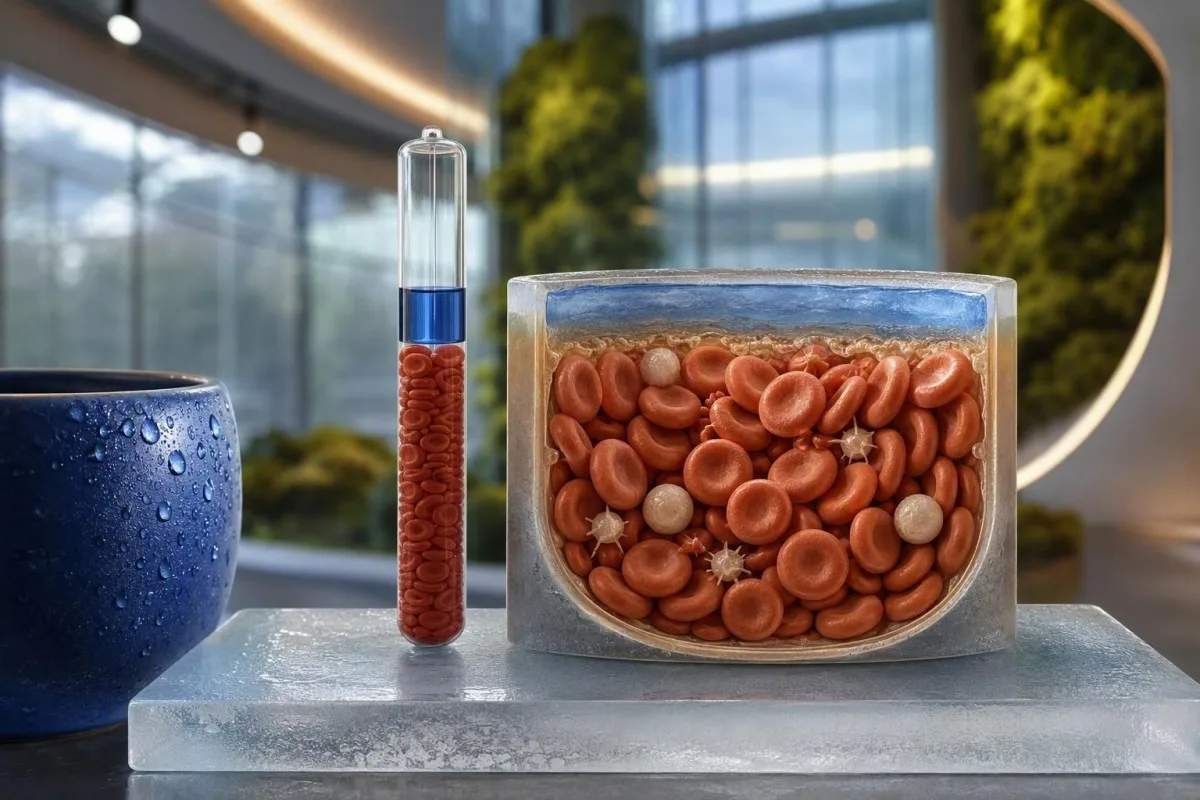
Էրիթրոցիտների բարձր քանակը կարող է արտացոլել ոչ թե էրիթրոցիտների ավելացում, այլ արյան խտացում։ Առաջին խնդիրը հեղուկի ժամանակավոր կորստը մշտական բարձրացումից տարբերելն է, որը պահանջում է համապատասխան հետազոտություն։.


- Հարաբերական էրիթրոցիտոզ նշանակում է, որ պլազմայի ջրի քանակը նվազել է, ինչի հետևանքով RBC-ի քանակը, հեմոգլոբինը և հեմատոկրիտը բարձր են երևում՝ առանց նոր բջիջների առաջացման։.
- ԱՀԿ-ի շեմ պոլիցիտեմիա վերայի հավանականությունը հաստատող արժեքներն են՝ տղամարդկանց մոտ 16.5 գ/դլ-ից կամ կանանց մոտ 16.0 գ/դլ-ից բարձր հեմոգլոբինը, կամ համապատասխանաբար 49%-ից և 48%-ից բարձր հեմատոկրիտը։.
- Հիդրատացումից հետո կրկնակի հետազոտություն սովորաբար ողջամիտ է թեթև, մեկուսացված բարձրացման դեպքում՝ փսխումից, փորլուծությունից, շոգի ազդեցությունից, քաղցած մնալուց կամ ծանր ֆիզիկական վարժություններից հետո, եթե ընդհանուր առմամբ լավ եք զգում։.
- Միզամուղներ կարող է բարձրացնել հեմատոկրիտը հեղուկի կորստի հետևանքով. մի դադարեցրեք նշանակված դեղամիջոցը առանց այն նշանակած բժշկի հետ խորհրդակցելու։.
- Կարևոր է օրինաչափությունը․․․ բարձր ալբումինը, ընդհանուր սպիտակուցը, նատրիումը, BUN/կրեատինին հարաբերակցությունը և մեզի տեսակարար կշիռը ավելի շատ վկայում են ջրազրկման, քան էրիթրոցիտների իրական գերարտադրության մասին։.
- Կրկնման ժամկետը սովորաբար կատարվում է ապաքինվելուց, հեղուկի նորմալ ընդունումը վերականգնելուց և 24–48 ժամ անսովոր ծանր ֆիզիկական վարժություններից խուսափելուց 1–2 շաբաթ անց, եթե շտապ ախտանիշներ չկան։.
- Երկարատև բարձրացում լավ հիդրատացումից հետո պահպանվող բարձրացումը պահանջում է գնահատում՝ ծխախոտի ազդեցության, քնի ընթացքում շնչառության խանգարումների, բարձրադիր վայրում գտնվելու, տեստոստերոնի, թոքերի կամ երիկամների հիվանդության, էրիթրոպոետինի և հաճախ նաև JAK2-ի հետազոտության համար։.
- Արտակարգ ախտանիշներ ներառել կրծքավանդակի ցավը, նոր առաջացած շնչահեղձությունը, մարմնի մի կողմի թուլությունը, տեսողության կորուստը, շփոթվածությունը կամ ցավոտ ու այտուցված ոտքը․ սրանք պահանջում են անհապաղ բուժօգնություն, ոչ թե տնային կրկնակի թեստավորում։.
Ինչ է սովորաբար նշանակում RBC-ի բարձր արդյունքը
RBC-ի բարձր ցուցանիշը կարող է ջրազրկման հետևանքով կեղծ բարձր լինել, երբ հեղուկի կորուստը խտացնում է արյան բջջային մասը․ դա ինքնաբերաբար չի նշանակում, որ ոսկրածուծը չափազանց շատ կարմիր բջիջներ է արտադրում։. Հուշող գործոնն այն է, թե արդյոք հեմոգլոբինը և հեմատոկրիտը վերականգնումից և սովորական հեղուկի ընդունումից հետո նորմալանում են, այլ ոչ թե մնում բարձր՝ պատշաճ նախապատրաստմամբ կրկնվող CBC-ի ժամանակ։.
RBC-ի հաշվարկը ցույց է տալիս մեկ լիտրում կարմիր բջիջների քանակը, մինչդեռ հեմատոկրիտ ցույց է տալիս ամբողջ արյան այն բաժինը, որը զբաղեցնում են այդ բջիջները։ Մեծահասակների հղումային միջակայքերը տարբեր են ըստ լաբորատորիայի, սակայն շատերը տղամարդկանց համար օգտագործում են մոտավորապես 4.5–5.9 × 10¹²/լ, իսկ կանանց համար՝ 4.1–5.1 × 10¹²/լ։ Սահմանային արժեքից փոքր-ինչ բարձր ցուցանիշը հաճախ ավելի քիչ տեղեկատվական է, քան դրա կողքին նշված հեմոգլոբինն ու հեմատոկրիտը․ մեր ուղեցույցը թե ինչ է ներառում CBC-ն բացատրում է՝ թե ինչու։.
Ջրազրկումը ժամերի ընթացքում նվազեցնում է արյան հեղուկ բաղադրիչը, ուստի նույն կարմիր բջիջների զանգվածը զբաղեցնում է չափված ավելի փոքր ծավալ։ Կլինիկայում ես հաճախ տեսնում եմ սա ստամոքսային վարակից հետո․ RBC՝ 5.8 × 10¹²/լ, հեմոգլոբին՝ 17.1 գ/դլ, հեմատոկրիտ՝ 51%, այնուհետև՝ նորմալ արժեքներ վերականգնումից հետո։ Սա հարաբերական էրիթրոցիտոզ է, ոչ թե լաբորատոր սխալ և պարտադիր չէ, որ հիվանդություն լինի։.
Կանտեստին մի է AI արյան անալիզատոր որը միասին գնահատում է RBC-ն, հեմոգլոբինը, հեմատոկրիտը, կարմիր բջիջների ինդեքսները, երիկամների ցուցանիշները և նախորդ արդյունքները։ 2026 թվականի սեպտեմբերի 5-ի դրությամբ մեր կլինիկական վերանայման գործընթացը CBC-ի մեկ սահմանային շեղումը դիտարկում է որպես նախապատրաստումը և դինամիկան ստուգելու ազդակ, ոչ թե ախտորոշում։.
RBC-ի հաշվարկը նույնը չէ, ինչ կարմիր բջիջների զանգվածը
CBC-ն չի կարող ուղղակիորեն չափել կարմիր բջիջների ընդհանուր զանգվածը։ Այն չափում է խտությունը, որը բարձրանում է պլազմայի ծավալի նվազման դեպքում․ կարմիր բջիջների զանգվածի մասնագիտացված իզոտոպային հետազոտություններն այժմ հազվադեպ են անհրաժեշտ, սակայն դրանք ցույց են տալիս, թե ինչու խտացած CBC-ն կարող է տագնապալի թվալ՝ առանց բջիջների իրական ավելացման։.
Հարաբերական էրիթրոցիտոզն ընդդեմ էրիթրոցիտների իրական ավելցուկի
Հարաբերական էրիթրոցիտոզը բարձր RBC-ն, հեմոգլոբինը կամ հեմատոկրիտն է, որն առաջանում է պլազմայի ծավալի նվազման հետևանքով, մինչդեռ բացարձակ էրիթրոցիտոզը արտացոլում է կարմիր բջիջների զանգվածի իրական ավելացումը։. Հիդրատացիան կարող է շտկել առաջին պատկերը, բայց չի շտկի երկրորդը։.
Իրական էրիթրոցիտոզը կարող է լինել առաջնային, ինչպես պոլիցիտեմիա վերայի դեպքում, կամ երկրորդային՝ թթվածնի ցածր մակարդակից, դեղամիջոցներից կամ, հազվադեպ, երիկամային գործընթացից առաջացած էրիթրոպոետինի ավելացման հետևանքով։ 2016 թվականի ԱՀԿ չափանիշները որպես շեմեր, որոնք պետք է բարձրացնեն պոլիցիտեմիա վերայի հարցը, օգտագործում են տղամարդկանց մոտ 16.5 գ/դլ-ից և կանանց մոտ 16.0 գ/դլ-ից բարձր հեմոգլոբինը, հատկապես երբ այն կայուն բարձր է (Arber et al., 2016)։ Մեկ արժեքը բավարար չէ այն ախտորոշելու համար։.
Գործնական տարբերակման բանալին վերլուծության մնացած մասն է։. Ջրազրկման հետևանքով բարձր RBC-ի պատկերները հաճախ ներառում են բարձր ալբումին, ընդհանուր սպիտակուց, միզանյութ/BUN, նատրիում և խտացված մեզ․ բացարձակ էրիթրոցիտոզի դեպքում այս ցուցանիշները կարող են մնալ անփոփոխ։ Կարդացեք մեր նպատակային հոդվածը փոքր-ինչ բարձր հեմոգլոբինի մասին , եթե շեղված արդյունքը վերաբերում է հեմոգլոբինին, այլ ոչ միայն RBC-ին։.
RBC-ի նորմալ քանակը չի բացառում էրիթրոցիտոզը, եթե հեմոգլոբինը կամ հեմատոկրիտը բարձր են, իսկ միայն RBC-ի բարձր ցուցանիշը կարող է առաջանալ երկաթի պակասի կամ թալասեմիայի հատկանիշի հետևանքով փոքր կարմիր բջիջների դեպքում։ Այդ պատճառով են կարևոր MCV-ն և ֆերիտինը․ MCV-ի 80 ֆլ-ից ցածր լինելու պայմաններում բարձր RBC-ն այլ կլինիկական քննարկում է։.
Ինչպես է ջրազրկումը փոխում CBC-ն և երիկամների մարկերները
Ջրազրկումը սովորաբար միասին բարձրացնում է RBC-ի քանակը, հեմոգլոբինը և հեմատոկրիտը, ինչպես նաև հաճախ բարձրացնում է ալբումինը, ընդհանուր սպիտակուցը, միզանյութ/BUN-ը, կրեատինինը և մեզի խտությունը։. Չհամապատասխանող արդյունքը, օրինակ՝ բարձր RBC-ն ցածր հեմոգլոբինի պայմաններում, լավ չի համապատասխանում պարզ հեմոկոնցենտրացիային։.
ԱՄՆ չափման միավորներով BUN/կրեատինին հարաբերակցությունը մոտ 20:1-ից բարձր լինելը կարող է վկայել հեղուկի կորստի հետևանքով երիկամների պերֆուզիայի նվազման մասին, թեև ստամոքսաղիքային արյունահոսությունը, սպիտակուցների ընդունումը, կորտիկոստերոիդները և մկանային ցածր զանգվածը կարող են փոխել այդ հարաբերակցությունը։ Կրեատինինը կարող է չափավոր բարձրանալ շոգին ենթարկվելուց կամ երկար վազքից հետո, քանի որ փոխվում են թե՛ ֆիլտրացիան, թե՛ մկանային նյութափոխանակությունը։ Մեր ջրազրկման և eGFR-ի ուղեցույցը նյութը ներկայացնում է, թե երբ պետք է կրկնել ցածր eGFR-ի հետազոտությունը։.
Մեզի տեսակարար կշիռը՝ 1.025 կամ ավելի բարձր, համապատասխանում է խտացված մեզին, սակայն այն խոնավացման ուղղակի չափիչ չէ։ Գլյուկոզը, սպիտակուցը և որոշ պատկերային հետազոտությունների կոնտրաստային նյութեր նույնպես կարող են բարձրացնել այդ ցուցանիշը, ուստի բժիշկը պետք է այն մեկնաբանի՝ հաշվի առնելով ախտանիշներն ու էլեկտրոլիտները։ A մեզի տեսակարար կշռի տեղեկատու արժեք օգտակար է, երբ CBC-ն և մեզի ընդհանուր քննությունը կատարվել են նույն օրը։.
Խորհուրդ չեմ տալիս փորձել հետազոտության արդյունքը նորմալացնել՝ արյուն հանձնելուց անմիջապես առաջ մի քանի լիտր հեղուկ խմելով։ Չափից արագ և մեծ քանակով հեղուկի ընդունումը կարող է իջեցնել նատրիումի մակարդակը և առաջացնել ևս մեկ ոչ ներկայացուցչական նմուշ։ Հեղուկի սահմանափակում չունեցող մարդկանց համար սովորական սնունդը և 24–48 ժամվա ընթացքում ծարավին համապատասխան սովորական հեղուկների ընդունումը, ընդհանուր առմամբ, ավելի անվտանգ են։.
Փսխում, փորլուծություն, շոգ, քաղցած մնալ և միզամուղներ
Փսխումը, փորլուծությունը, առատ քրտնարտադրությունը, երկարատև քաղցած մնալը և միզամուղ դեղերը կարող են ժամանակավորապես բարձրացնել RBC-ի կոնցենտրացիան՝ նվազեցնելով պլազմայի ջրի քանակը։. Բարձրացման աստիճանն ավելի շատ կախված է հեղուկի կորստից և լրացումից, քան նրանից, թե մարդն իրեն որքան վատ է զգում։.
Սուր փսխումը հաճախ առաջացնում է քլորիդի ցածր մակարդակ և երբեմն՝ բիկարբոնատի բարձր մակարդակ, քանի որ կորչում են ստամոքսային թթուն և հեղուկը։ Օղակային միզամուղները, օրինակ՝ ֆուրոսեմիդը, և թիազիդները կարող են առաջացնել ծավալի կծկմամբ պայմանավորված նմանատիպ պատկեր, հատկապես տարեցների շրջանում։ Քլորիդի ցածր արդյունքը պետք է դիտարկել նույն կլինիկական համատեքստում․ տես փսխման և միզամուղների հետ կապված քլորիդի ցուցումները այդ օրինաչափության համար։.
Առանց բժշկական խորհրդի մի դադարեցրեք նշանակված միզամուղի ընդունումը՝ CBC-ի արդյունքը բարելավելու նպատակով։ Սրտային անբավարարության, ցիռոզի, կայուն հիպերտենզիայի կամ երիկամների հիվանդության պատճառով այս դեղերն ընդունող մարդկանց կարող է անհրաժեշտ լինել հեղուկի անհատականացված ծրագիր, քանի որ չկարգավորված չափից շատ հեղուկի ընդունումը կարող է սրել այտուցը կամ շնչահեղձությունը։ Ճիշտ հարցն այն է, թե արդյոք դեղաչափը, ախտանիշները, քաշը, արյան ճնշումը և երիկամային ցուցանիշները համապատասխանում են միմյանց։.
Ծարավի զգացումը օգտակար է, բայց ոչ կատարյալ՝ 65 տարեկանից բարձր մեծահասակների, շաքարային դիաբետով, երիկամների հիվանդությամբ կամ որոշ նյարդաբանական վիճակներով մարդկանց շրջանում։ Մուգ դեղին մեզը, բերանի չորությունը, դիրքը փոխելիս առաջացող գլխապտույտը, միզարձակման նվազումը և 24 ժամում 1 կգ քաշի կորուստը կարող են վկայել հեղուկի կորստի մասին, սակայն ծանր ախտանիշների դեպքում անհրաժեշտ է բժշկական գնահատում, ոչ թե ինքնաբուժում։.
Ֆիզիկական վարժությունները կարող են ժամանակավորապես խտացնել արյունը
Ծանր դիմացկունության մարզումները կարող են մի քանի ժամով բարձրացնել հեմատոկրիտը և հեմոգլոբինը՝ քրտինքի կորստի և պլազմայի ծավալի փոփոխությունների պատճառով, թեև կրկնվող մարզումները կարող են նվազեցնել ելակետային հեմատոկրիտը՝ պլազմայի ծավալի ընդլայնման հետևանքով։. Հետևաբար մարզիկների համար ժամանակավորման հարցը չափազանց կարևոր է։.
Տաք եղանակին 90 րոպե վազքը կարող է հանգեցնել 1–3 լիտր հեղուկի կորստի՝ կախված մարմնի չափերից, կլիմայից և քրտնարտադրության արագությունից։ Մրցավազքից անմիջապես հետո կատարված նմուշառումը կարող է նաև ցույց տալ կրեատինինի, CK-ի, ալբումինի և ընդհանուր սպիտակուցի ավելի բարձր մակարդակներ․ այդ համադրությունն ավելի օգտակար է, քան միայն RBC-ի արդյունքը։ Մեր մարաթոնից հետո արյան թեստերի կատարման ժամանակացույցի ուղեցույցը քննարկում է վերականգնման այն ցուցանիշները, որոնք սովորաբար փոփոխվում են։.
Սովորական վերահսկման համար ես սովորաբար խորհուրդ եմ տալիս արյուն հանձնելուց առաջ խուսափել անսովոր ինտենսիվ ֆիզիկական վարժություններից 24–48 ժամվա ընթացքում , հանգստացած ներկայանալ և նախորդ օրը սովորական ռեժիմով հեղուկներ օգտագործել։ Սա լաբորատորիայի համընդհանուր կանոն չէ, և էլիտար մարզիկների վերահսկումը կարող է միտումնավոր իրականացվել ծանրաբեռնվածության պայմաններում, սակայն հետևողականությունն ավելի կարևոր է, քան կատարյալ պատրաստվածությունը։ Բժիշկ Թոմաս Քլայնը տեսել է, որ բազմաթիվ անհարկի ուղղորդումներ վերացել են այն բանից հետո, երբ մարզիկը կրկին հետազոտվել է վերականգնման սովորական շաբաթից հետո։.
Kantesti-ի BUN և կրեատինինի հետազոտությունների ուղեցույց հատկապես օգտակար է, երբ դիմացկունության մարզիկն ունի և՛ բարձր հեմատոկրիտ, և՛ երիկամների սահմանային շեղման ցուցանիշ։ Քաշի նվազումը, մեզի բարձր տեսակարար կշիռը և վերականգնման կարճ ընդմիջումը հավանական են դարձնում հեմոկոնցենտրացիան, իսկ մկանային ցավը, կոլայի գույնի մեզը կամ CK-ի շատ բարձր մակարդակը պահանջում են զգուշության այլ մակարդակ։.
Թեթև բարձր CBC-ն կրկնելու անվտանգ ծրագիր
RBC-ի փոքր-ինչ բարձր քանակը սովորաբար կարելի է կրկին ստուգել 1–2 շաբաթ վերականգնումից, սովորական ջրառից և դեղերի ընդունման կայուն ռեժիմից հետո, եթե չկան վտանգի նշաններ։. Ավելի շուտ կրկնեք միայն այն դեպքում, եթե ձեր բժիշկը դա խորհուրդ է տալիս, կամ եթե նախնական արդյունքը զգալիորեն բարձր էր։.
Կրկնակի հետազոտությունից առաջ գրանցեք՝ արդյոք նախորդ 72 ժամվա ընթացքում ունեցել եք փորլուծություն, փսխում, ջերմություն, ալկոհոլի օգտագործում, սաունա, երկար ճանապարհորդություն, բարձրադիր վայրում գտնվել, քաղցածություն կամ ինտենսիվ ֆիզիկական վարժություններ։ Պահպանեք ձեր սովորական սննդակարգը և դեղերի ընդունման ժամանակացույցը, եթե բժիշկը այլ ցուցում չի տվել։ Այս ելակետային արյան թեստի նախապատրաստման ուղեցույցը պարունակում է պատահական փոփոխություններից խուսափելու գործնական ստուգաթերթ։.
Հնարավորության դեպքում օգտագործեք նույն լաբորատորիան, քանի որ անալիզատորների մեթոդներն ու հղումային միջակայքերը տարբերվում են։ Խնդրեք կատարել CBC՝ հեմոգլոբինի, հեմատոկրիտի, MCV-ի, RDW-ի, լեյկոցիտների քանակի և թրոմբոցիտների որոշմամբ․ բարձր թրոմբոցիտների կամ լեյկոցիտների հետ ուղեկցվող կայուն բարձրացումն ավելի մտահոգիչ է ոսկրածուծային գործընթացի առումով, քան մեկուսացված էրիթրոցիտոզը։ Վերջերս տարած հիվանդությունը կարող է այս բջջային շարքերը հակառակ ուղղություններով փոփոխել, ուստի ամբողջական վահանակը կարևոր է։.
Կանտեստին մի է ԱԻ լաբորատոր թեստի մեկնաբանման ծառայությունում որը համեմատում է նոր CBC-ն նախորդ արժեքների հետ և նշում սովորական տատանումները գերազանցող փոփոխությունները։ Մեր դինամիկայի գնահատման մոտեցումը չի փոխարինում բժշկին, սակայն կարող է պահպանել կարևոր համատեքստը՝ ֆիզիկական վարժությունները, հիվանդությունը, դեղերը և նախկին հեմատոկրիտը, որը հաճախ կորչում է, երբ առանձին արդյունքը դիտարկվում է ինքնուրույն։.
Երբ կրկնակի բարձր արդյունքը պահանջում է էրիթրոցիտոզի հետազոտություն
Տղամարդկանց մոտ 16.5 գ/դլ-ից կամ կանանց մոտ 16.0 գ/դլ-ից բարձր հեմոգլոբինի, կամ 49%-ից կամ 48%-ից բարձր հեմատոկրիտի կայուն մակարդակը պետք է բժշկին դրդի գնահատել էրիթրոցիտոզը՝ ջրազրկումը բացառելուց հետո։. Սովորաբար առաջին հետազոտություններն են կրկնակի CBC-ն, էրիթրոպոետինի մակարդակը, թթվածնի գնահատումը և, համապատասխան դեպքերում, JAK2 մուտացիայի թեստավորումը։.
Պոլիցիտեմիա վերան միելոպրոլիֆերատիվ նորագոյացություն է, որի դեպքում JAK2 մուտացիաները հայտնաբերվում են հիվանդների մոտավորապես 98%-ի մոտ։ Շիճուկային էրիթրոպոետինի ցածր մակարդակը վկայում է առաջնային ոսկրածուծային գերարտադրության օգտին, սակայն ոչ մի արյան թեստ չպետք է մեկնաբանվի մեկուսացված կերպով։ Բրիտանական արյունաբանության ընկերության ուղեցույցը խորհուրդ է տալիս կառուցակարգված մոտեցում, որը տարանջատում է առաջնային և երկրորդային էրիթրոցիտոզը (McMullin et al., 2019)։.
Ախտանշանները կարող են լինել աննշան․ գլխացավերը, տեսողության մշուշումը, տաք ցնցուղից հետո առաջացող քորը, դեմքի արտասովոր կարմրությունը, հոգնածությունը կամ նախկին թրոմբը կարող են ավելի կարևոր լինել, քան RBC-ի ճշգրիտ արժեքը։ Հեմատոկրիտի, էրիթրոպոետինի և JAK2-ի ավելի ամբողջական բացատրության համար կարդացեք մեր מדריך תסמיני פוליציטמיה. ։ Թեթև լաբորատոր բարձրացում ունեցող շատ մարդկանց մոտ այս նշաններից ոչ մեկը չի դիտվում։.
Ես զգուշանում եմ ենթադրել, որ կայուն բարձր ցուցանիշ ունեցող յուրաքանչյուր դեպք քաղցկեղ է։ Ծխելու հետ կապված ածխածնի մոնօքսիդի ազդեցությունը, չբուժված քնի ապնոէն, թոքերի հիվանդությունը, տեստոստերոնը, բարձրադիր վայրերում գտնվելը և երիկամների որոշ հիվանդություններ շատ բժշկական պրակտիկաներում ավելի հաճախ հանդիպող բացատրություններ են։ Այնուամենայնիվ, կայունությունն է հենց պատճառը, որ կրկնակի CBC-ն չպետք է վերածվի պատահական կրկնակի հետազոտությունների անվերջ շրջանի։.
Թթվածնի ցածր մակարդակը, ծխելը և քնի ապնոէն՝ որպես RBC-ի բարձրացման պատճառներ
Թթվածնի քրոնիկ ցածր մակարդակը կարող է խթանել էրիթրոպոետինի արտադրությունը և առաջացնել էրիթրոցիտների քանակի իրական բարձրացում․ քնի ապնոէն, ծխելու հետ կապված ածխածնի մոնօքսիդի ազդեցությունը և թոքերի հիվանդությունը հաճախակի պատճառներ են։. Ցերեկային ժամերին թթվածնի հագեցվածության նորմալ մակարդակը լիովին չի բացառում գիշերվա ընթացքում թթվածնի անկումները։.
Օբստրուկտիվ քնի ապնոէն կարող է առաջացնել չափավոր էրիթրոցիտոզ, հատկապես երբ գիշերվա ընթացքում թթվածնի հագեցվածության զգալի անկումներ են լինում։ Բարձր խռմփոցը, քնի ընթացքում շնչառության դադարների ականատես լինելը, առավոտյան գլխացավերը, կայուն հիպերտենզիան և ցերեկային քնկոտությունը պետք է հիմք դառնան քնի վերաբերյալ նպատակային հարցման, այլ ոչ թե այն ենթադրության, որ ամեն ինչ ջրազրկմամբ է բացատրվում։ A շնչահեղձության արյան ցուցիչների ուղեցույցը ներկայացնում է սրտաթոքային ավելի լայն համատեքստը։.
Ծխախոտի ծխելը բարձրացնում է կարբօքսիհեմոգլոբինի մակարդակը, ինչը նվազեցնում է թթվածնի մատակարարումը, նույնիսկ եթե պուլսօքսիմետրի ցուցանիշը կարող է հանգստացնող թվալ։ Էլեկտրոնային ծխախոտի օգտագործումը չի առաջացնում ածխածնի երկօքսիդի այնպիսի ազդեցություն, ինչպիսին այրվող ծխախոտն է, սակայն այն ունի առողջական այլ ռիսկեր, և դրա մասին նույնպես պետք է անկեղծորեն խոսել։ Ածխածնի երկօքսիդի հետազոտությունը կամ կոօքսիմետրիան երբեմն ավելի օգտակար է, քան թթվածնի հագեցվածության սովորական չափումը։.
Kantesti AI-ն RBC-ի բարձր արդյունքը մեկնաբանում է հեմոգլոբինի, հեմատոկրիտի, երիկամների ցուցանիշների և քնի կամ ծխելու վերաբերյալ հաղորդված գործոնների հետ միասին՝ ընդհանուր պատճառների ցանկ ներկայացնելու փոխարեն։ Այդ համատեքստային ընթերցումը հատկապես արժեքավոր է, երբ հեմատոկրիտը ջրառից հետո կազմում է 50%, իսկ պացիենտը հայտնում է չվերականգնող քնի մասին։.
Բարձրադիր վայր, տեստոստերոն և RBC-ն բարձրացնող դեղամիջոցներ
Բարձրադիր վայրում ապրելը կամ մարզվելը և տեստոստերոնի օգտագործումը կարող են մեծացնել էրիթրոցիտների արտադրությունը, ուստի բարձրացումը կարող է իրական լինել, ոչ թե ջրազրկման հետևանք։. Ազդեցության ժամանակը հաճախ ավելի շատ բան է բացահայտում, քան սկզբնական թիվը։.
Բարձրադիր վայրում թթվածնի ցածր ճնշումը օրերի կամ շաբաթների ընթացքում խթանում է էրիթրոպոետինը և բարձրացնում հեմոգլոբինը․ ակնկալվող միջակայքը կախված է բարձրությունից, տևողությունից, ծագումից և լաբորատորիայի հղումային տվյալներից։ Լեռներում գտնվելու ընթացքում կամ դրանից կարճ ժամանակ անց կատարված CBC-ն պետք է մեկնաբանել՝ հաշվի առնելով այդ ազդեցությունը։ Մեր բարձրադիր վայրերում հեմոգլոբինի կրկնակի հետազոտության ուղեցույցը բացատրում է, թե ինչու է ծովի մակարդակ վերադառնալու ժամանակը կարևոր։.
Տեստոստերոնի ներարկումները, գելերը, իմպլանտները և որոշ անաբոլիկ միջոցներ կարող են առաջացնել էրիթրոցիտոզ։ Նշանակման բազմաթիվ արձանագրություններում բուժումը նվազեցվում կամ ժամանակավորապես դադարեցվում է, երբ հեմատոկրիտը հասնում է 54%, թեև անհատական ռիսկի վերաբերյալ որոշումները տարբեր են, հատկապես սրտանոթային հիվանդություն կամ քնի ապնոէ ունեցող անձանց մոտ։ Երբեք մի՛ արյունատվեք կամ մի՛ փոխեք նշանակված դեղաչափը՝ նշանակող բժշկի հետ արդյունքը քննարկելու փոխարեն։.
Ավելի հազվադեպ՝ SGLT2 խմբի շաքարախտի դեմ դեղամիջոցները կարող են առաջացնել հեմատոկրիտի փոքր բարձրացում՝ մասամբ պլազմայի ծավալի ազդեցության և, հնարավոր է, էրիթրոպոետինի ազդանշանավորման միջոցով։ Դեղերի ցանկը պետք է ներառի առանց դեղատոմսի ձեռք բերվող անդրոգենային արտադրանքները, ներարկային բուժումները և վերջին փոփոխությունները, այլ ոչ միայն էլեկտրոնային բժշկական գրառումներում տպված դեղերը։.
CBC-ի այն ցուցումները, որոնք փոխում են մտահոգության մակարդակը
Բարձր RBC-ն ավելի մտահոգիչ է, երբ հեմոգլոբինը և հեմատոկրիտը նույնպես բարձր են, հատկապես թրոմբոցիտների և սպիտակ բջիջների բարձրացման, էրիթրոպոետինի ցածր մակարդակի կամ քսուքի վրա հայտնաբերված աննորմալ բջիջների առկայության դեպքում։. Ցածր MCV-ով բարձր RBC-ն հաճախ փոխարենը մատնանշում է փոքր բջիջներով խանգարումներ։.
80 fL-ից ցածր MCV-ն՝ համեմատաբար բարձր RBC-ի քանակով, կարող է հանդիպել թալասեմիայի հատկանիշի դեպքում, երբ բջիջները փոքր են, բայց բազմաթիվ։ Երկաթի պակասը նույնպես կարող է նվազեցնել MCV-ն, թեև ժամանակի ընթացքում այն ավելի հաճախ նվազեցնում է հեմոգլոբինը․ ֆերիտինը և տրանսֆերինի հագեցվածությունը օգնում են տարբերակել այս վիճակները։ Մեր MCV-ի և MCH-ի համեմատություն բացատրում է, թե ինչու է միայն RBC-ի թիվը մոլորեցնում։.
Բարձր հեմատոկրիտի հետ մեկտեղ բարձր սպիտակ բջիջները կամ թրոմբոցիտները չեն ախտորոշում պոլիցիտեմիա վերա, սակայն նվազեցնում են հեմատոլոգիական վերանայման դիմելու շեմը։ Կարող են հաջորդել ծայրամասային արյան քսուքի հետազոտություն, ֆերիտինի, էրիթրոպոետինի, JAK2-ի հետազոտություն և երբեմն ոսկրածուծի գնահատում։ Մեր արյան քաղցկեղի հետազոտման ուղին ցույց է տալիս, թե ինչու են այս հետազոտությունները կատարվում հաջորդականությամբ, այլ ոչ թե նշանակվում անխտիր։.
Դոկտոր Թոմաս Քլայնի գործնական կանոնը պարզ է․ փնտրել անկախ ազդանշանների միջև համապատասխանություն։ 52% հեմատոկրիտը, 520 × 10⁹/L թրոմբոցիտները և ցածր էրիթրոպոետինը սկզբունքորեն այլ պատկեր են, քան շոգի ալիքից հետո 50% հեմատոկրիտը՝ 5.3 g/dL ալբումինով և խտացված մեզով։.
Ախտանիշներ և թրոմբի առաջացման ռիսկ. երբ է RBC-ի բարձրացումը շտապ վիճակ
Շտապ դիմեք բժշկական օգնության, եթե RBC-ի բարձր արդյունքին ուղեկցում են կրծքավանդակի ցավ, հանկարծակի շնչահեղձություն, արյունախխում, ուշագնացություն, նոր առաջացած թուլություն, խոսքի դժվարացում, տեսողության կորուստ կամ ցավոտ ու այտուցված ոտք։. Այս ախտանիշները կարող են վկայել թրոմբի կամ մեկ այլ սուր վիճակի մասին և երբեք չպետք է սպասեն կրկնակի CBC-ին։.
Բարձր հեմատոկրիտը կարող է մեծացնել արյան մածուցիկությունը, սակայն շտապության աստիճանն ավելի հուսալիորեն որոշվում է ախտանիշներով և ընդհանուր անոթային ռիսկով, քան մեկուսացված չափավոր բարձրացմամբ։ Պոլիցիտեմիա վերան կապված է թրոմբոզի ճանաչված ռիսկի հետ, հատկապես բարձր տարիքի, նախկին թրոմբոզի, սրտանոթային ռիսկի գործոնների և չվերահսկվող ցուցանիշների դեպքում։ Թեֆերիի և Բարբուիի 2021 թվականի ակնարկը նկարագրում է ռիսկին համապատասխանեցված բուժում՝ յուրաքանչյուր բարձր ցուցանիշը նույն կերպ բուժելու փոխարեն։.
Միայն գլխացավը տարածված և ոչ սպեցիֆիկ ախտանիշ է, իսկ նոր առաջացած տեսողական ախտանիշներով, թուլությամբ կամ շփոթվածությամբ ուղեկցվող գլխացավը՝ ոչ։ Նմանապես, տաք ցնցուղից առաջացող քորը կարող է հանդիպել պոլիցիտեմիա վերայի դեպքում, բայց նաև չոր մաշկի և ալերգիայի ժամանակ, ուստի այն հուշում է, ոչ թե ապացույց։ Վերանայել կրծքավանդակի ցավի դեպքում արյան անալիզի նախազգուշացնող նշաններ եթե ախտանիշները թեստը նշանակելու պատճառներից են։.
Մի ընդունեք ասպիրին միայն այն պատճառով, որ RBC-ի քանակը բարձր է, եթե ձեր բժիշկը դա չի խորհուրդ տվել։ Ասպիրինը պարունակում է արյունահոսության ռիսկեր և կարող է ոչ պիտանի լինել խոցերի, հակամակարդիչների, թրոմբոցիտների ցածր քանակի կամ որոշակի բժշկական պատմության դեպքում։ Շտապօգնության ծառայություններին դիմելը ավելի անվտանգ ընտրություն է, երբ ի հայտ են գալիս օջախային նյարդաբանական կամ սրտաթոքային ախտանիշներ։.
Ինչու ձեր նախկին CBC-ները կարող են պատասխանել այդ հարցին
Տարիների ընթացքում կայուն, թեթևակի բարձր RBC-ի քանակը այլ նշանակություն ունի, քան շաբաթների ընթացքում դրա արագ աճը, և դինամիկայի գնահատումը կարող է տարբերակել անհատական ելակետային մակարդակը նոր հիվանդությունից։. Հնարավորության դեպքում համեմատեք արդյունքները՝ օգտագործելով հեմոգլոբինը, հեմատոկրիտը, MCV-ն և նույն լաբորատորիան։.
Կենսաբանական և անալիզատորի տատանումները նշանակում են, որ փոքր փոփոխությունը միշտ չէ, որ իրական ֆիզիոլոգիական փոփոխություն է։ Երկու արյունառությունների միջև հեմոգլոբինի 0.3 գ/դլ տարբերությունը կարող է պայմանավորված լինել հիդրատացիայով, մարմնի դիրքով, ժամանակով կամ սովորական տատանումներով, մինչդեռ 15.2-ից մինչև 17.3 գ/դլ կայուն աճն ավելի մեծ ուշադրության է արժանի։ Մեր հոդվածը՝ նշանակալի լաբորատոր փոփոխություններ բացատրում է հղման արժեքի փոփոխության հայեցակարգը։.
Յուրաքանչյուր արյունառության ժամանակ պահեք բարձրության, ծխելու կարգավիճակի, տեստոստերոնի դեղաչափի, հիվանդության, ծանր ֆիզիկական վարժությունների, դաշտանային արյունահոսության և հեղուկի կորստի պարզ գրանցում։ Այդ գրանցումը կլինիկորեն ավելի օգտակար է, քան մեկ “իդեալական” RBC-ի ճշգրիտ արժեքի հետապնդումը։ Իմ փորձով՝ հենց այս համատեքստի բացակայությունն է պատճառը, որ տարբեր այցերի ընթացքում պացիենտները ստանում են հակասական բացատրություններ։.
Kantesti-ն՝ AI բիոմարկերների մեկնաբանման հարթակ, կարող է հաջորդական CBC արժեքները ցուցադրել երիկամային և սպիտակուցային ցուցանիշների կողքին՝ խտացման օրինաչափությունները հայտնաբերելու համար։ Մենք օգտատերերին խորհուրդ ենք տալիս միտումների վերլուծությունը դիտարկել որպես բժշկի հետ զրույցին նախապատրաստվելու միջոց, այլ ոչ թե զննման կամ նպատակային հետազոտության փոխարինող։.
Հղիության, մեծ տարիքի և քրոնիկ հիվանդությունների հետ կապված նկատառումներ
Հղիության ընթացքում սովորաբար հեմոգլոբինի և հեմատոկրիտի մակարդակները նվազում են պլազմայի ծավալի ավելացման պատճառով, ուստի հղիության ժամանակ բարձր արժեքը պետք է գնահատվի բժշկի կողմից, այլ ոչ թե պարզապես վերագրվի ջրազրկմանը։. Տարեցների և սրտային կամ երիկամային հիվանդություն ունեցող մարդկանց դեպքում հեղուկի ընդունման վերաբերյալ խորհուրդները պետք է անհատականացվեն։.
Հղիության ընթացքում պլազմայի ծավալն ավելանում է մոտավորապես 40–50%-ով՝ առաջացնելով ֆիզիոլոգիական նոսրացում։ Շատ մանկաբարձական ծառայություններ ուսումնասիրում են 16.0 գ/դլ-ից բարձր հեմոգլոբինի մակարդակը, քանի որ այն կարող է վկայել պլազմայի անբավարար ընդլայնման կամ այլ խնդիրների մասին։ Հղիության վաղ շրջանում ուժեղ փսխումը դեռ կարող է խտացնել CBC-ի ցուցանիշները, սակայն կայուն բարձրացումը պետք է քննարկել ծննդօգնության թիմի հետ։ Տե՛ս հղիության արյան անալիզի կարմիր դրոշները նույն օրվա ընթացքում գնահատում պահանջող իրավիճակների համար։.
Տարեցները կարող են ծարավը հուսալիորեն չզգալ, մինչդեռ սրտային անբավարարությունը և երիկամների առաջադեմ հիվանդությունը կարող են ավելորդ հեղուկը վտանգավոր դարձնել։ Կոճերի այտուցի, քաշի, շնչահեղձության կամ մեզի արտազատման արագ փոփոխությունն ավելի կարևոր է, քան ջրի ընդհանուր նպատակային քանակին հասնելու փորձը։ Միզամուղների դեղաչափի փոփոխությունները պետք է կատարվեն հիմքում ընկած հիվանդությունը կառավարող բժշկի հետ։.
Երեխաների համար հեմոգլոբինի նորմայի տարիքային միջակայքերը տարբեր են, և մեծահասակների պորտալում բարձր թվացող արժեքը կարող է համապատասխան լինել տվյալ տարիքին կամ բարձրությանը։ Մանկաբույժը պետք է գնահատի կայուն բարձրացումը, հատկապես ցիանոզի, բնածին սրտային հիվանդության կամ աճի դանդաղման առկայության դեպքում։.
Ինչ հարցեր տալ ձեր բժշկին RBC-ի բարձր քանակից հետո
Հարցրեք՝ արդյոք ձեր արդյունքը վկայում է հեմոկոնցենտրացիայի մասին, արդյոք հեմոգլոբինն ու հեմատոկրիտը նույնպես բարձր են, և առողջական պատմության համաձայն ինչ պայմաններում է նպատակահարմար կրկնել հետազոտությունը։. Ճիշտ հարցերը կանխում են ինչպես վաղաժամ անհանգստությունը, այնպես էլ կայուն էրիթրոցիտոզի անտեսումը։.
Ձեզ հետ բերեք ամբողջական հաշվետվությունը, ոչ միայն նշված RBC արժեքը, ինչպես նաև նախորդ CBC-ները և ընթացիկ դեղերի ցանկը։ Հարցրեք․ “Ալբումինը, ընդհանուր սպիտակուցը, նատրիումը, կրեատինինը, BUN/միզանյութը և մեզի խտությունը համապատասխանո՞ւմ էին հեղուկի կորստին”։ Սա շիճուկային սպիտակուցների ուղեցույցում կարող է օգնել հասկանալ, թե ինչու է ալբումինը ներառվում այդ քննարկման մեջ։.
Եթե բարձրացումը պահպանվում է, հարցրեք՝ արդյոք ձեր պատկերին համապատասխանում են թթվածնի գնահատումը, քնի հետազոտությունը, էրիթրոպոետինի, ֆերիտինի, JAK2-ի հետազոտությունը կամ հեմատոլոգի ուղեգրումը։ Պատասխանը տարբեր կլինի 28-ամյա տոկունության մարզիկի դեպքում, որի հեմատոկրիտը 50% է, և 67-ամյա ծխողի դեպքում, որի հեմատոկրիտը 55% է և որը նախկինում ունեցել է թրոմբ։ Հիվանդի առանձնահատուկ պատմությունը փոխում է հետազոտությունների ընթացքը։.
Kantesti-ի կլինիկական մեթոդաբանությունը վերահսկվում է հրապարակված որակի չափանիշներով և բժիշկների մասնակցությամբ․ ընթերցողները կարող են ծանոթանալ մեր բժշկական վավերացման մոտեցումը նյութին՝ որևէ ավտոմատացված մեկնաբանություն օգտագործելուց առաջ։ Դոկտոր Թոմաս Քլայնի հիմնական եզրակացությունն այն է, որ թեթև, մեկուսացված արդյունքի դեպքում հիդրատացիան ողջամիտ առաջին ստուգումն է, սակայն կայուն բարձր արժեքները պահանջում են իրական բացատրություն։.
Ջրազրկման և RBC-ի բարձրացման վերաբերյալ գործնական եզրակացությունը
Ջրազրկումը կարող է RBC-ի կեղծ բարձր արդյունքի տպավորություն ստեղծել՝ արյունը խտացնելու միջոցով, սակայն այն պետք է դիտարկել միայն որպես աշխատանքային բացատրություն, երբ կլինիկական համատեքստը և ուղեկցող լաբորատոր ցուցանիշները համապատասխանում են դրան։. Ապաքինվելուց հետո կրկնակի նորմալ արդյունքը հանգստացնող է, իսկ պահպանվող բարձրացումը պետք է հետազոտվի։.
Շոգից, աղեստամոքսային հիվանդությունից, քաղցած մնալուց կամ ծանր ֆիզիկական վարժությունից հետո առաջացած մեկուսացված, թեթև բարձրացման դեպքում վերականգնվեք սովորական ռեժիմով և մոտավորապես 1–2 շաբաթ անց կրկնեք CBC-ն՝ միատեսակ պայմաններում։ Խուսափեք ջրի չափազանց մեծ քանակություն օգտագործելուց և առանց բժշկի խորհրդի մի փոխեք միզամուղների, տեստոստերոնի կամ այլ նշանակված դեղերի ընդունումը։ Եթե վստահ չեք՝ արդյոք ձեր արդյունքը միայն սահմանային բարձրացում է, մեր սահմաններից դուրս արդյունքի ուղեցույցը բացատրում է լաբորատոր նշումները։.
Տղամարդկանց մոտ 49%-ից կամ կանանց մոտ 48%-ից բարձր հեմատոկրիտի կրկնվող արդյունքների, կամ համապատասխանաբար 16.5 գ/դլ-ից կամ 16.0 գ/դլ-ից բարձր հեմոգլոբինի դեպքում խնդրեք նպատակային գնահատում՝ անվերջ կրկնելու փոխարեն։ Հաջորդ փուլում սովորաբար դիտարկվում են ծխախոտի ազդեցությունը, քնի ապնոէն, բարձրությունը, դեղերի ազդեցությունը, էրիթրոպոետինը և JAK2-ի կարգավիճակը։ Թրոմբոզի կամ ինսուլտի մասին հուշող ախտանիշները պահանջում են շտապ բժշկական օգնություն։.
Կանտեստին մի է AI-ով աշխատող արյան թեստի վերլուծության գործիք ստեղծված է այս արդյունքները և դրանց փոփոխությունների միտումները կազմակերպելու համար՝ տեղեկացված բժշկական քննարկման նպատակով։ Մեր բժիշկ-վերանայողները և Բժշկական խորհրդատվական խորհուրդ ընդգծում են նույն սկզբունքը՝ նախ համատեքստը, անվտանգ լինելու դեպքում կրկնակի հետազոտություն, իսկ պահպանվող պատկերի դեպքում՝ արագ կլինիկական գնահատում։.
Հաճախակի տրվող հարցեր
Կարո՞ղ է ջրազրկումը բարձրացնել RBC-ի քանակը։
Այո։ Ջրազրկումը կարող է առաջացնել RBC-ի բարձր քանակ, քանի որ պլազմայի ջրի կորուստը խտացնում է կարմիր բջիջները արյան ավելի փոքր ծավալում․ այս երևույթը կոչվում է հարաբերական էրիթրոցիտոզ։ Հեմոգլոբինը և հեմատոկրիտը սովորաբար բարձրանում են RBC-ի քանակի հետ միասին, իսկ ալբումինը, ընդհանուր սպիտակուցը, BUN/միզանյութը կամ մեզի տեսակարար կշիռը նույնպես կարող են բարձր լինել։ Թեթև, մեկուսացված բարձրացումը հաճախ նորմալանում է ապաքինումից և սովորական հեղուկի ընդունումից հետո, սակայն տղամարդկանց մոտ 49%-ից կամ կանանց մոտ 48%-ից բարձր հեմատոկրիտի կայուն ցուցանիշը պահանջում է կլինիկական գնահատում։.
Որքա՞ն ջուր պետք է խմեմ RBC-ի բարձր ցուցանիշի թեստը կրկնելուց առաջ։
Մեծահասակների մեծ մասը CBC-ի կրկնակի հետազոտությունից առաջ 24–48 ժամվա ընթացքում պետք է խմեն իրենց սովորական քանակությամբ հեղուկ՝ ըստ ծարավի, այլ ոչ թե դիտավորյալ չափից ավելի: Գործնական նպատակը բաց դեղնավուն մեզն ու նորմալ միզարձակումն է, այլ ոչ թե լիովին թափանցիկ մեզը կամ հարկադիր ջրի ընդունումը: Սրտային անբավարարություն, երիկամների առաջացած հիվանդություն, ցիրոզ ունեցող կամ հեղուկի սահմանափակում ունեցող անձինք պետք է խորհրդակցեն իրենց բժշկի հետ՝ անհատական պլան կազմելու համար: Մի քանի լիտր հեղուկի արագ ընդունումը կարող է իջեցնել նատրիումի մակարդակը և հանգեցնել ոչ ներկայացուցչական արդյունքի:.
Ջրազրկումից որքա՞ն ժամանակ անց պետք է կրկնել CBC-ն:
Կրկնակի CBC սովորաբար կատարվում է փսխումից, լուծից, ջերմությունից, ջերմային ազդեցությունից կամ ծանր ֆիզիկական ծանրաբեռնվածությունից հետո՝ 1-2 շաբաթ անց: Ֆիզիկական ծանրաբեռնվածության հետ կապված փոփոխությունների դեպքում խուսափեք անսովոր ծանր մարզումներից նմուշի վերցումից 24-48 ժամ առաջ և պահպանեք հեղուկի նորմալ ընդունումը: Ժամկետը կարող է ավելի շուտ լինել, եթե հեմատոկրիտը նշալիորեն բարձր է, առկա են ախտանշաններ կամ երիկամային մարկերները շեղված են: Հնարավորության դեպքում օգտվեք նույն լաբորատորիայից, որպեսզի հղման միջակայքերը և անալիզատորի մեթոդները համադրելի լինեն:.
RBC-ի ո՞ր քանակն է համարվում վտանգավոր բարձր:
Չկա RBC-ի որևէ մեկ թիվ, որը կսահմանի վտանգը, քանի որ ռիսկն ավելի շատ կախված է հեմատոկրիտից, հեմոգլոբինից, ախտանիշներից, պատճառից և թրոմբների առաջացման պատմությունից: Հեմատոկրիտը շուրջ 54% կամ ավելի, որպես կանոն, պահանջում է անհապաղ՝ նույն օրը կատարվող կլինիկական հետազոտություն, մինչդեռ տղամարդկանց մոտ 49%-ից, իսկ կանանց մոտ 48%-ից բարձր կայուն արժեքները հիմք են հանդիսանում էրիթրոցիտոզի հետազոտման համար: Կրծքավանդակի ցավը, հանկարծակի հևոցը, տեսողության կորուստը, թուլությունը, խոսքի դժվարությունը կամ ցավոտ այտուցված ոտքը հրատապ են՝ անկախ հստակ թվից: Այս ախտանիշները պահանջում են շտապ հետազոտություն, այլ ոչ թե սպասում՝ հիդրատացիայի կամ վերստուգման համար:.
Կարո՞ղ են միզամուղները հանգեցնել արյան կարմիր բջիջների մակարդակի բարձրացման (CE):
Միզամուղները կարող են առաջացնել էրիթրոցիտների կոնցենտրացիայի բարձրացում՝ պլազմայի ծավալի կրճատման պատճառով, հատկապես դեղաչափի ավելացումից, շոգ եղանակից, անբավարար հեղուկի ընդունումից, փսխումից կամ լուծից հետո: Դրանք սովորաբար ոսկրածուծին չեն ստիպում արտադրել հավելյալ էրիթրոցիտներ, ուստի հեղուկային հաշվեկշիռը կարգավորվելուց հետո ազդեցությունը կարող է վերանալ: Մի դադարեցրեք ֆուրոսեմիդի, հիդրոքլորթիազիդի կամ նշանակված այլ միզամուղի ընդունումը ինքնուրույն, քանի որ այս դեղամիջոցները կարող են վերահսկել սրտային անբավարարությունը, զարկերակային ճնշումը կամ այտուցները: CBC-ն քննարկեք քաշի, զարկերակային ճնշման, կրեատինինի, նատրիումի, կալիումի և ախտանիշների հետ միասին:.
Արդյո՞ք RBC-ի բարձր մակարդակը միշտ նշանակում է պոլիցիտեմիա վերա:
Ոչ։ RBC-ի բարձր արդյունքների մեծ մասը ինքնաբերաբար չի նշանակում պոլիցիտեմիա վերա․ ջրազրկումը, ծխելու հետ կապված ածխածնի մոնօքսիդը, քնի ապնոէն, բարձրադիր վայրերում գտնվելը, թոքերի հիվանդությունները և տեստոստերոնը սովորական այլընտրանքային պատճառներ են։ Պոլիցիտեմիա վերան ավելի հավանական է դառնում, երբ հեմոգլոբինը տղամարդկանց մոտ մնում է 16.5 գ/դլ-ից բարձր կամ կանանց մոտ՝ 16.0 գ/դլ-ից բարձր, հեմատոկրիտը մնում է 49% կամ 48%-ից բարձր, էրիթրոպոետինի մակարդակը ցածր է, իսկ JAK2-ի հետազոտությունը դրական է։ Պոլիցիտեմիա վերայի դեպքերի մոտ 98%-ում առկա է JAK2 մուտացիա։ Բժիշկը պետք է այս հետազոտությունները մեկնաբանի որպես ամբողջական պատկեր, այլ ոչ թե ախտորոշում կատարի CBC-ի մեկ շեղված ցուցանիշի հիման վրա։.
Ստացեք AI-ով աշխատող արյան անալիզի վերլուծություն այսօր
Միացեք ավելի քան 2 միլիոն օգտատերերի ամբողջ աշխարհում, ովքեր վստահում են Kantesti-ին՝ լաբորատոր թեստերի ակնթարթային, ճշգրիտ վերլուծության համար։ Վերբեռնեք ձեր արյան անալիզի արդյունքները և ստացեք 15,000+ բիոմարկերների համապարփակ մեկնաբանություն վայրկյանների ընթացքում։.
📚 Հղված հետազոտական հրապարակումներ
Klein, T., Mitchell, S., & Weber, H. (2026). BUN/կրեատինին հարաբերակցության բացատրությունը. Երիկամների ֆունկցիայի թեստի ուղեցույց.։ Kantesti AI Medical Research.
Klein, T., Mitchell, S., & Weber, H. (2026). Մեզի մեջ ուրոբիլինոգեն. Մեզի ընդհանուր հետազոտության ուղեցույց 2026.։ Kantesti AI Medical Research.
📖 Արտաքին բժշկական հղումներ
⚕️ Բժշկական հրաժարում
Այս հոդվածը միայն կրթական նպատակների համար է և չի հանդիսանում բժշկական խորհրդատվություն։ Ախտորոշման և բուժման որոշումների համար միշտ խորհրդակցեք որակավորված բուժաշխատողի հետ։.
E-E-A-T վստահության ազդանշաններ
Փորձառություն
Բժշկի կողմից ղեկավարվող կլինիկական վերանայում՝ լաբորատոր մեկնաբանության աշխատանքային հոսքերի համար։.
Մասնագիտություն
Լաբորատոր բժշկության կենտրոնացում՝ այն բանի վրա, թե ինչպես են բիոմարկերները դրսևորվում կլինիկական համատեքստում։.
Հեղինակություն
Գրված է դոկտոր Թոմաս Քլայնի կողմից՝ դոկտոր Սառա Միթչելի և պրոֆեսոր դոկտոր Հանս Վեբերի կողմից վերանայմամբ։.
Հուսալիություն
Ապացույցների վրա հիմնված մեկնաբանություն՝ հստակ հետագա քայլերի ուղիներով՝ ահազանգերը նվազեցնելու համար։.