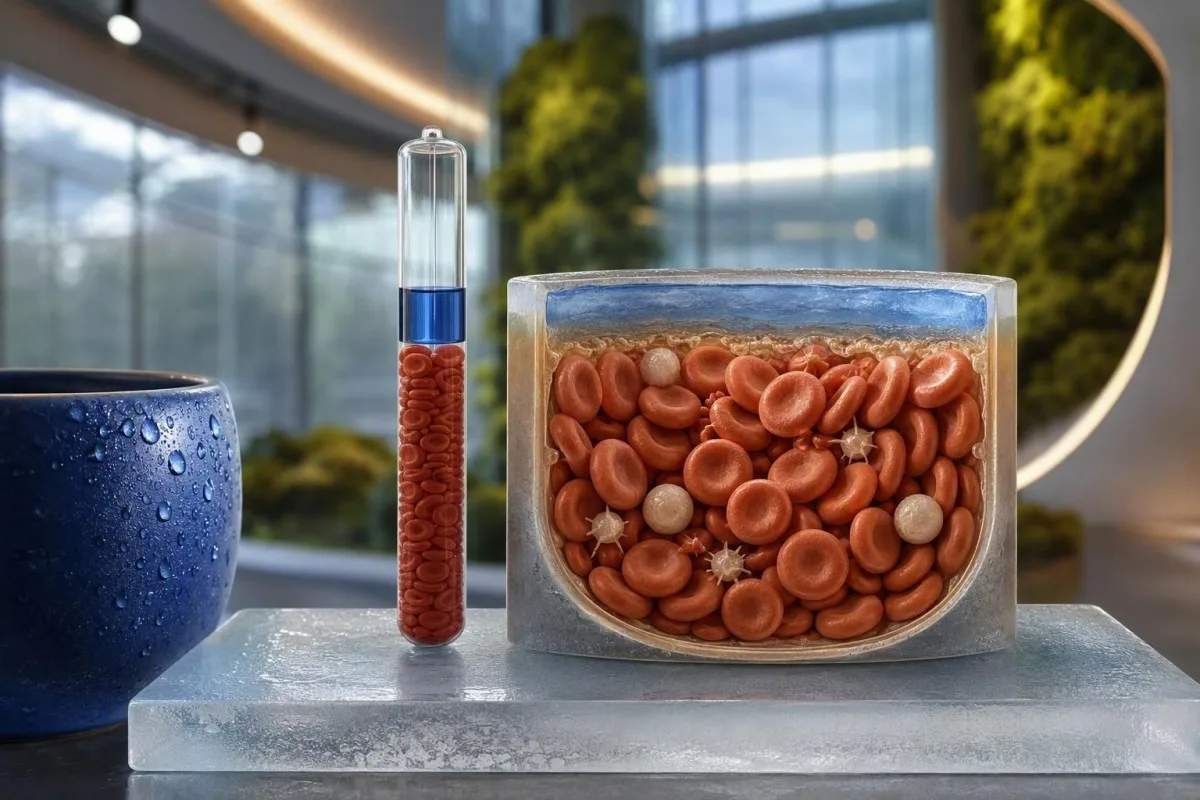
Эритроциттердин жогорку саны эритроциттердин көбөйүшүн эмес, кандын коюуланышын билдириши мүмкүн. Биринчи милдет — суюктуктун убактылуу жоголушун туура текшерүүнү талап кылган туруктуу жогору көрсөткүчтөн айырмалоо.


- Салыштырмалуу эритроцитоз бул плазмадагы суунун азайганын билдирет; натыйжада жаңы клеткалар пайда болбосо да, RBC саны, гемоглобин жана гематокрит жогору көрүнөт.
- ДСУ (WHO) босогосу полицитемия вера болушу мүмкүн экенин көрсөткөн көрсөткүчтөр — эркектерде гемоглобин 16,5 г/длден, аялдарда 16,0 г/длден жогору же гематокрит тиешелүүлүгүнө жараша 49% жана 48%дан жогору болушу.
- Суюктукту толуктап, кайра текшерүү эгер өзүңүздү башка жагынан жакшы сезсеңиз, кусуудан, ич өткөктөн, ысыкка каб dуу болуудан, ачка жүрүүдөн же катуу дене көнүгүүсүнөн кийин көрсөткүч бир аз жана обочолонуп жогоруласа, адатта негиздүү болот.
- Диуретиктер суюктуктун жоголушунан улам гематокритти жогорулатышы мүмкүн; дарыны аны жазып берген дарыгер менен кеңешпей туруп токтотпоңуз.
- үлгү маанилүү: альбуминдин, жалпы белоктун, натрийдин, BUN/креатинин катышынын жана зааранын салыштырма тыгыздыгынын жогору болушу эритроциттердин чыныгы ашыкча өндүрүлүшүнө караганда суусузданууну көбүрөөк колдойт.
- Кайра текшерүү мөөнөтү эгер шашылыш симптомдор болбосо, адатта айыккандан, суюктукту кадимкидей ичкенден жана адаттан тыш оор көнүгүүдөн 24–48 саат өткөндөн кийин 1–2 жума аралыгында жүргүзүлөт.
- туруктуу жогорулагандык жетиштүү суюктук ичкенден кийин да жогору бойдон калса, тамекинин таасирин, уйку учурундагы дем алуунун бузулушун, бийик тоолуу аймакта болууну, тестостеронду, өпкө же бөйрөк ооруларын, эритропоэтинди жана көп учурда JAK2 анализин баалоо керек.
- Шашылыш белгилер көкүрөк оорусу, жаңы пайда болгон демигүү, дененин бир тарабындагы алсыздык, көрүүнүн жоголушу, аң-сезимдин чаташуусу же ооруткан шишиген бут кирет; булар үйдө кайра текшерүүнү эмес, тез арада медициналык жардам алууну талап кылат.
RBC көрсөткүчүнүн жогору болушу адатта эмнени билдирет
RBC көрсөткүчүнүн жогору болушу суюктукту жоготуудан улам кандын клеткалык бөлүгү коюуланганда пайда болгон жалган жогорулоо болушу мүмкүн; бул сөзсүз түрдө жилик чучугу өтө көп эритроцит жасап жатат дегенди билдирбейт. Негизги белги — калыбына келип, кадимкидей суюктук ичкенден кийин гемоглобин менен гематокриттин нормалдашабы же туура даярдалып кайра тапшырылган CBC анализинде жогору бойдон калабы.
RBC көрсөткүчү бир литрдеги эритроциттердин санын билдирет, ал эми гематокрит кандын жалпы көлөмүнүн ошол клеткалар ээлеген бөлүгүн көрсөтөт. Чоңдор үчүн маалымдама аралыктары лабораторияга жараша айырмаланат, бирок көпчүлүк лабораториялар эркектер үчүн болжол менен 4.5–5.9 × 10¹²/л, аялдар үчүн 4.1–5.1 × 10¹²/л көрсөткүчтөрүн колдонушат. Нормадан бир аз жогору маани жанындагы гемоглобин жана гематокритке караганда азыраак маалымат берет; биздин CBC эмнелерди камтый турганы боюнча колдонмо эмне үчүн экенин түшүндүрөт.
Суусуздануу бир нече сааттын ичинде кандын суюк бөлүгүн азайтат, ошондуктан ошол эле эритроцит массасы өлчөнгөн көлөмдүн азыраак бөлүгүн ээлейт. Клиникада муну ашказан-ичеги инфекциясынан кийин көп кездештирем: RBC 5.8 × 10¹²/л, гемоглобин 17.1 г/дл, гематокрит 51%, андан кийин айыккандан соң көрсөткүчтөр нормалдашат. Бул салыштырмалуу эритроцитоз, лабораториялык ката эмес жана сөзсүз түрдө оору дегенди билдирбейт.
Кантести - бул AI кан анализи анализатору RBC, гемоглобинди, гематокритти, эритроциттердин индекстерин, бөйрөк көрсөткүчтөрүн жана мурунку жыйынтыктарды чогуу талдайт. 2026-жылдын 5-сентябрына карата биздин клиникалык кароо иш тартиби CBCдеги бир жолку чек аралык белгини диагноз катары эмес, анализге даярдыкты жана көрсөткүчтөрдүн динамикасын текшерүүгө негиз катары карайт.
RBC көрсөткүчү эритроцит массасы менен бирдей эмес
CBC жалпы эритроцит массасын түздөн-түз өлчөй албайт. Ал концентрацияны өлчөйт, ал плазманын көлөмү азайганда жогорулайт; атайын изотоптук эритроцит массасын изилдөөлөр азыр сейрек талап кылынат, бирок алар клеткалардын чыныгы саны көбөйбөсө да, коюуланган CBC эмне үчүн кооптуу көрүнүшү мүмкүн экенин түшүндүрөт.
Салыштырмалуу эритроцитоз жана эритроциттердин чыныгы ашыкчасы
Салыштырмалуу эритроцитоз — плазманын көлөмү азайгандыктан RBC, гемоглобин же гематокриттин жогорулашы, ал эми абсолюттук эритроцитоз эритроцит массасынын чындап көбөйүшүн билдирет. Суюктукту жетиштүү ичүү биринчи көрүнүштү оңдой алат, бирок экинчисин оңдой албайт.
Чыныгы эритроцитоз полицитемия верадагыдай биринчилик болушу мүмкүн же кычкылтектин аздыгынан, дары-дармектерден же сейрек учурда бөйрөккө байланыштуу процесстен эритропоэтиндин көбөйүшүнө байланыштуу экинчилик болушу мүмкүн. 2016-жылдагы ДСУнун критерийлери эркектерде 16.5 г/длден, аялдарда 16.0 г/длден жогору гемоглобинди, айрыкча туруктуу сакталганда, полицитемия вера мүмкүнчүлүгүн кароого негиз болуучу чек катары белгилейт (Arber et al., 2016). Бир жолку көрсөткүч бул диагнозду коюуга жетишсиз.
Практикалык айырмалоочу белги — панелдин калган бөлүгү. Суусузданууда RBC көрсөткүчүнүн жогору болушу көбүнчө альбуминдин, жалпы белоктун, мочевинанын/BUNдун, натрийдин жогорулашы жана зааранын коюуланышы менен коштолот; абсолюттук эритроцитоздо бул көрсөткүчтөр өзгөрүүсүз калышы мүмкүн. Эгер белгиленген көрсөткүч RBC эмес, гемоглобин болсо, биздин гемоглобиндин бир аз жогорулашы тууралуу атайын макалабызды караңыз.
RBC көрсөткүчүнүн нормалдуу болушу гемоглобин же гематокрит жогору болсо, эритроцитозду жокко чыгарбайт, ал эми RBC көрсөткүчүнүн жалгыз жогорулашы темир жетишсиздигинен же талассемия алып жүрүүчүлүгүнөн улам майда эритроциттерде кездешиши мүмкүн. Ошондуктан MCV жана ферритин маанилүү; MCV 80 fLден төмөн болгон жогорку RBC башкача клиникалык баалоону талап кылат.
Суусуздануу CBC жана бөйрөк көрсөткүчтөрүн кантип өзгөртөт
Суусуздануу адатта RBC, гемоглобин жана гематокритти бирге жогорулатат, ошондой эле альбуминди, жалпы белокту, мочевинаны/BUNду, креатининди жана зааранын концентрациясын көбөйтөт. Мисалы, RBC жогору, ал эми гемоглобин төмөн болгон дал келбеген жыйынтык жөнөкөй гемоконцентрацияга анча туура келбейт.
АКШ бирдиктеринде BUN/креатинин катышы болжол менен 20:1ден жогору болсо, суюктуктун жоголушунан улам бөйрөк перфузиясынын азайганын көрсөтүшү мүмкүн, бирок ичеги-карындан кан кетүү, белоктун керектелиши, кортикостероиддер жана булчуң массасынын аздыгы бул катышты өзгөртүшү мүмкүн. Ысыкта болуудан же узакка чуркоодон кийин креатинин бир аз жогорулашы мүмкүн, анткени фильтрация да, булчуңдардын метаболизми да өзгөрөт. Биздин суусуздануу жана eGFR боюнча колдонмо материалда eGFR төмөн болгондо анализди качан кайталоо керектиги камтылган.
Зааранын салыштырма тыгыздыгы 1.025 же андан жогору болсо, зааранын концентрациялангандыгына туура келет, бирок бул гидратацияны түздөн-түз өлчөөчү көрсөткүч эмес. Глюкоза, белок жана айрым сүрөттөөчү изилдөөлөрдө колдонулган контраст каражаттары да анын жогорулашына алып келиши мүмкүн, ошондуктан дарыгер аны симптомдор жана электролиттер менен бирге чечмелеши керек. Зааранын салыштырма тыгыздыгы боюнча маалымдама CBC жана жалпы заара анализи бир күндө алынганда пайдалуу.
Анализ тапшыраардан дароо мурун бир нече литр суу ичип, көрсөткүчтү атайылап нормага келтирүүгө аракет кылууну сунуштабайм. Сууну ашыкча жана тез ичүү натрийдин деңгээлин төмөндөтүшү мүмкүн, ошондой эле чыныгы абалды чагылдырбаган дагы бир үлгү жаралат; суюктукту чектөө көрсөтмөсү жок адамдар үчүн 24–48 саат ичинде кадимкидей тамактануу жана суусаганга жараша кадимки өлчөмдө суюктук ичүү негизинен коопсузураак.
Кусуу, ич өткөк, ысык, ачка жүрүү жана диуретиктер
Кусуу, ич өткөк, катуу тердөө, узакка ачка болуу жана диуретик дарылар плазмадагы суунун азайышынан RBC концентрациясынын убактылуу жогорулашына алып келиши мүмкүн. Жогорулаштын даражасы адамдын канчалык ооруп жатканынан көрө суюктукту канчалык жоготконуна жана анын ордун канчалык толтурганына көбүрөөк көз каранды.
Курч кусуу көбүнчө хлориддин төмөндөшүнө, кээде бикарбонаттын жогорулашына алып келет, анткени ашказан кычкылы жана суюктук жоголот. Фуросемид сыяктуу илмектик диуретиктер жана тиазиддер, айрыкча улгайган адамдарда, көлөмдүн кыскарышына мүнөздүү окшош көрүнүштү жаратышы мүмкүн. Хлориддин төмөн көрсөткүчү да ошол эле клиникалык контекстте каралышы керек; караңыз: кусуу жана диуретиктердеги хлорид боюнча белгилер үлгү боюнча.
CBC көрсөткүчүн жакшыртуу үчүн дарыгердин кеңешисиз дайындалган диуретикти токтотпоңуз. Бул дарыларды жүрөк жетишсиздиги, цирроз, дарылоого туруктуу гипертония же бөйрөк оорусу үчүн кабыл алган адамдарга суюктукту жекече пландаштыруу талап кылынышы мүмкүн, анткени суюктукту ойлонбой көп ичүү шишикти же демигүүнү күчөтүшү мүмкүн. Негизги суроо — доза, симптомдор, дене салмагы, кан басымы жана бөйрөк көрсөткүчтөрү бири-бирине шайкеш келеби дегенде.
Суусоо 65 жаштан ашкан чоңдордо жана кант диабети, бөйрөк оорусу же айрым неврологиялык оорулары бар адамдарда пайдалуу болгону менен, так көрсөткүч эмес. Кочкул сары заара, ооздун кургашы, турганда баш айлануу, зааранын азайышы жана 24 саат ичинде дене салмагынын 1 кгга төмөндөшү суюктуктун жоголгонун көрсөтүшү мүмкүн, бирок оор симптомдордо өз алдынча дарыланбай, медициналык баалоодон өтүү керек.
Дене көнүгүүсү каныңызды убактылуу коюулантышы мүмкүн
Оор чыдамкайлык көнүгүүлөрү тердин жоголушу жана плазманын көлөмүнүн өзгөрүшү аркылуу гематокрит менен гемоглобинди бир нече саатка жогорулатышы мүмкүн, бирок үзгүлтүксүз машыгуу плазманын көлөмүн кеңейтип, базалык гематокритти төмөндөтүшү мүмкүн. Ошондуктан спортчулар үчүн анализдин убактысы өзгөчө маанилүү.
Жылуу аба ырайында 90 мүнөт чуркоо дене өлчөмүнө, климатка жана тердөө ылдамдыгына жараша 1–3 литр суюктукту жоготууга алып келиши мүмкүн. Марафондон дароо кийин алынган анализдерде креатинин, CK, альбумин жана жалпы белок да жогору болушу мүмкүн; бул көрсөткүчтөрдүн топтому жалгыз RBC жыйынтыгына караганда пайдалуураак. Биздин марафон алдындагы кан анализин тапшыруу убактысы боюнча колдонмобуз адатта өзгөрүүчү калыбына келүү көрсөткүчтөрүн талкуулайт.
Күнүмдүк көзөмөл үчүн мен адаттан тыш күчтүү көнүгүүлөрдөн канча убакытка чейин баш тартууну сунуштайм 24–48 саатта анализ тапшырууга чейин, эс алып келүүнү жана бир күн мурун адаттагыдай суюктук ичүүнү. Бул жалпыга бирдей лабораториялык эреже эмес, ал эми элиталык спортчуларды көзөмөлдөөдө атайын күч келтирилген абалда анализ алынышы мүмкүн — бирок кемчиликсиздиктен көрө туруктуулук маанилүүрөөк. Доктор Томас Кляйн спортчу кадимкидей калыбына келген бир жумадан кийин кайра текшерилгенде, негизсиз жолдомолордун көбү жок болуп кеткенине күбө болгон.
Kantesti’s BUN жана креатинин боюнча изилдөөлөрдүн колдонмосу Бул чыдамкайлык спорту менен машыккан спортчуда гематокрит жогору жана бөйрөк көрсөткүчү чектеш мааниде болгондо өзгөчө пайдалуу. Дене салмагынын азайышы, зааранын салыштырма тыгыздыгынын жогору болушу жана калыбына келүү аралыгынын кыскалыгы гемоконцентрацияны ыктымал кылат; булчуңдардын оорушу, кола түстүү заара же CK көрсөткүчүнүн өтө жогору болушу этияттыктын башка деңгээлин талап кылат.
Бир аз жогору CBC көрсөткүчүн кайра текшерүүнүн коопсуз планы
Эгер сизде кооптуу белгилер жок болсо, RBC санынын бир аз жогорулашын адатта 1–2 жума калыбына келгенден кийин, кадимки деңгээлде суюктук ичип жана дары-дармектерди туруктуу колдонуп жүргөн шартта кайра текшерүүгө болот. Кайра текшерүүнү клиницист сунуштаганда же баштапкы көрсөткүч кыйла жогору болгондо гана эртерээк өткөрүңүз.
Кайра анализ тапшырар алдында мурунку 72 саат ичинде ич өткөк, кусуу, дене табынын көтөрүлүшү, алкоголдук ичимдик ичүү, сауна, узак сапар, бийик тоолуу аймакта болуу, ачка жүрүү же катуу көнүгүү болгон-болбогонун жазып алыңыз. Клиницист башкача айтпаса, кадимки тамактануу жана дары-дармек графигиңизди сактаңыз. Бул кан анализине баштапкы даярдык боюнча колдонмо кокус өзгөрүүлөрдү болтурбоо үчүн практикалык текшерүү тизмесин камтыйт.
Мүмкүн болсо, ошол эле лабораториядан анализ тапшырыңыз, анткени анализаторлордун ыкмалары жана референстик интервалдары айырмаланат. Гемоглобин, гематокрит, MCV, RDW, лейкоциттердин саны жана тромбоциттер менен CBC тапшырууну сураңыз; туруктуу жогору көрсөткүч тромбоциттердин же лейкоциттердин көп болушу менен коштолсо, бул обочолонгон эритроцитозго караганда жилик чучугундагы процесске көбүрөөк шек жаратат. Жакында болгон оору бул көрсөткүчтөрдү карама-каршы багытта өзгөртүшү мүмкүн, ошондуктан толук панель маанилүү.
Кантести - бул AI лабораториялык тест чечмелөө кызматы аркылуу жарыяланат бул жаңы CBC көрсөткүчтөрүн мурунку маанилер менен салыштырып, кадимки өзгөрмөлүүлүктөн ашкан өзгөрүүлөрдү белгилейт. Биздин динамиканы баалоо ыкмасы клиницистти алмаштырбайт, бирок жалгыз жыйынтык каралганда көп учурда жоголуп кеткен маанилүү контекстти — көнүгүүнү, ооруну, дары-дармектерди жана мурунку гематокритти — сактап калууга жардам берет.
Кайра текшерүүдөгү жогорку көрсөткүч эритроцитозго текшерүүнү талап кылганда
Эркектерде 16.5 г/длден же аялдарда 16.0 г/длден жогору гемоглобиндин, же 49% же 48% жогору гематокриттин туруктуу болушу суусуздануу жокко чыгарылгандан кийин клиницистти эритроцитозду баалоого түрткү бериши керек. Адатта биринчи текшерүүлөргө кайталанган CBC, эритропоэтиндин деңгээли, кычкылтекти баалоо жана ылайыктуу учурларда JAK2 мутациясына тест кирет.
Полицитемия вера — миелопролиферативдик неоплазма; жабыркаган бейтаптардын болжол менен 98% бөлүгүндө JAK2 мутациялары аныкталат. Сары суудагы эритропоэтиндин төмөн деңгээли жилик чучугунун биринчилик ашыкча өндүрүшүн колдойт, бирок бир да кан анализин өзүнчө чечмелөөгө болбойт. Британиялык Гематология коому тарабынан чыгарылган колдонмо биринчилик жана экинчилик эритроцитозду айырмалаган системалуу ыкманы сунуштайт (McMullin et al., 2019).
Белгилер билинээр-билинбес болушу мүмкүн: баш оору, көрүүнүн бүдөмүктөшү, жылуу душтан кийинки кычышуу, беттин адаттан тыш кызарышы, чарчоо же мурда кан уюган учур так RBC маанисине караганда маанилүүрөөк болушу мүмкүн. Гематокрит, эритропоэтин жана JAK2 тууралуу кеңири түшүндүрмө үчүн биздин полицитемия симптомдору боюнча колдонмодо камтылган үлгүлөр менен дал келет.. Лабораторияда көрсөткүчү бир аз жогору болгон адамдардын көбүндө бул белгилердин эч бири болбойт.
Ар бир туруктуу жогору көрсөткүч рак деген түшүнүк жаралбашы үчүн этият болом. Тамеки чегүүгө байланыштуу көмүртек кычкылынын таасири, дарыланбаган уйку апноэси, өпкө оорулары, тестостерон, бийик тоолуу аймакта жашоо жана айрым бөйрөк оорулары көптөгөн практикаларда кеңири кездешкен түшүндүрмөлөр болуп саналат. Ошентсе да көрсөткүчтүн туруктуу жогору болушу кайталап CBC тапшырууну жөн гана кайра-кайра жүргүзүлө берген текшерүүгө айландырбоонун негизги себеби болуп саналат.
Кычкылтектин аздыгы, тамеки тартуу жана уйку апноэси RBC жогору болушунун себептери катары
Кычкылтектин өнөкөт жетишсиздиги эритропоэтиндин бөлүнүшүн стимулдап, эритроциттердин санынын чындап жогорулашына алып келиши мүмкүн; уйку апноэси, тамеки чегүүгө байланыштуу көмүртек кычкылынын таасири жана өпкө оорулары көп кездешкен себептер болуп саналат. Күндүз өлчөнгөн кычкылтек менен каныгуу көрсөткүчүнүн нормалдуу болушу түн ичинде кычкылтектин төмөндөшүн толук жокко чыгарбайт.
Обструктивдүү уйку апноэси, өзгөчө түн ичинде кычкылтек менен каныгуу кыйла төмөндөгөндө, орточо деңгээлдеги эритроцитозго алып келиши мүмкүн. Катуу коңурук тартуу, уйкуда дем алуунун токтоп калганын байкоо, эртең мененки баш оору, дарылоого карабастан сакталган гипертония жана күндүз уйкучулук суусуздануу баарын түшүндүрөт деп болжолдоонун ордуна уйкуга багытталган анамнез чогултууга түрткү бериши керек. A дем алуунун кысылышын текшерүү боюнча колдонмо кеңири кардиопульмоналдык контекстти баяндайт.
Тамеки тартуу карбоксигемоглобиндин деңгээлин жогорулатат, бул пульсоксиметр тынчсыздандырбаган көрсөткүчтү көрсөтүп турушу мүмкүн болгонуна карабастан, кычкылтектин жеткирилишин азайтат. Вейпинг күйүүчү тамеки сыяктуу көмүртек кычкылынын таасирин жаратпайт, бирок анын башка ден соолукка коркунучтары бар жана бул тууралуу да чынчыл талкуу жүргүзүү керек. Көмүртек кычкылын аныктоо же кооксиметрия кээде кадимки кычкылтек каныгуусун өлчөөгө караганда пайдалуураак болот.
Kantesti AI жогорку RBC көрсөткүчүн жалпы себептердин тизмесин сунуштабастан, гемоглобин, гематокрит, бөйрөк көрсөткүчтөрү жана билдирилген уйку же тамеки тартуу факторлору менен бирге чечмелейт. Мындай контексттик баалоо гидратациядан кийин гематокрит 50% болуп, пациент уйкусу сергитпей турганын билдиргенде өзгөчө баалуу.
Бийик тоолуу аймак, тестостерон жана RBC деңгээлин жогорулатуучу дары-дармектер
Бийик тоолуу аймакта жашоо же машыгуу жана тестостерон колдонуу эритроциттердин өндүрүлүшүн күчөтүшү мүмкүн, ошондуктан жогору көрсөткүч суусузданууга байланыштуу эмес, чыныгы өзгөрүү болушу ыктымал. Таасирдин убактысы көбүнчө баштапкы сандан да көбүрөөк маалымат берет.
Бийик тоолуу шарттарда кычкылтек басымынын төмөндөшү эритропоэтинди стимулдап, бир нече күндөн бир нече жумага чейин гемоглобинди жогорулатат; күтүлүүчү диапазон бийиктикке, узактыкка, этникалык тегиӊизге жана лабораториянын маалымдама көрсөткүчтөрүнө жараша болот. Тоодо жүргөндө же андан көп өтпөй алынган CBC ошол таасирди эске алуу менен чечмелениши керек. Биздин бийик тоолуу шарттардан кийинки гемоглобинди кайра текшерүү боюнча колдонмобуз деңиз деңгээлине кайтып келгенден кийинки убакыт эмне үчүн маанилүү экенин түшүндүрөт.
Тестостерон инъекциялары, гелдери, импланттары жана айрым анаболикалык каражаттар эритроцитозго алып келиши мүмкүн. Көптөгөн дарылоо протоколдору гематокрит көрсөткүчү 54%, жеткенде дарылоону азайтууну же убактылуу токтотууну сунуштайт, бирок өзгөчө жүрөк-кан тамыр оорулары же уйку апноэси бар адамдарда жеке тобокелдик боюнча чечимдер айырмаланат. Натыйжаны дарыгер менен талкуулоонун ордуна эч качан кан тапшырбаңыз же дайындалган дозаны өзгөртпөңүз.
Сейрек учурларда, SGLT2 тобундагы диабетке каршы дарылар гематокриттин бир аз жогорулашына алып келиши мүмкүн; бул жарым-жартылай плазманын көлөмүнө болгон таасирлер жана мүмкүн болгон эритропоэтин сигналдашуусу менен байланыштуу. Дары-дармектердин тизмесине электрондук медициналык картада басылып чыккан дарылар менен гана чектелбестен, рецептсиз сатылган андроген препараттары, инъекциялык дарылоолор жана акыркы өзгөрүүлөр да киргизилиши керек.
Тынчсыздануу деңгээлин өзгөртүүчү CBC белгилери
Гемоглобин жана гематокрит да жогору болгондо, айрыкча тромбоциттердин, ак кан клеткаларынын көбөйүшү, эритропоэтиндин төмөн деңгээли же кан жағындысында анормалдуу клеткалар байкалганда, жогорку RBC көбүрөөк тынчсыздандырат. Төмөн MCV менен коштолгон жогорку RBC анын ордуна көбүнчө майда клеткалуу ооруларды көрсөтөт.
MCV 80 fLден төмөн болуп, RBC саны салыштырмалуу жогору болушу талассемиянын алып жүрүүчүлүк абалында кездешиши мүмкүн; мындайда клеткалар майда, бирок саны көп болот. Темирдин жетишсиздиги да MCVни төмөндөтүшү мүмкүн, бирок убакыттын өтүшү менен гемоглобинди көбүрөөк төмөндөтөт; ферритин жана трансферриндин каныгуу деңгээли айырмалоого жардам берет. Биздин MCV жана MCH салыштыруусу RBC санынын өзү эмне үчүн адаштыруучу болушу мүмкүн экенин түшүндүрөт.
Гематокрит жогору болгон учурда ак кан клеткаларынын же тромбоциттердин көбөйүшү полицитемия вера диагнозун билдирбейт, бирок гематологдун кароосуна жөнөтүү босогосун төмөндөтөт. Андан кийин перифериялык кан жағындысы, ферритин, эритропоэтин, JAK2 тести жана кээде жилик чучугун баалоо жүргүзүлүшү мүмкүн. Биздин кан рагы боюнча тестирлөө жолу бул тесттер эмне үчүн ирээттүү жүргүзүлөрүн, туш келди дайындалбай турганын көрсөтөт.
Доктор Томас Кляйндын практикалык эрежеси жөнөкөй: бири-биринен көз карандысыз көрсөткүчтөрдүн өз ара шайкештигин издеңиз. Гематокриттин 52%, тромбоциттердин 520 × 10⁹/L жана эритропоэтиндин төмөн болушу ысык толкундан кийин альбумин 5.3 g/dL болуп, заарасы коюуланган гематокриттин 50% болушунан түп-тамырынан айырмаланган көрүнүш.
Симптомдор жана кан уюу коркунучу: RBC жогору болгондо качан шашылыш жардам керек
Жогорку RBC көрсөткүчү көкүрөк оорусу, капыстан дем кысылышы, кан түкүрүү, эс-учун жоготуу, жаңы пайда болгон алсыздык, сүйлөө кыйындашы, көрүүнүн начарлашы же ооруп шишиген бут менен коштолсо, тез жардамга кайрылыңыз. Бул белгилер кан уюганын же башка курч абалды көрсөтүшү мүмкүн жана CBCни кайра текшерүүнү күтпөш керек.
Гематокриттин жогорулашы кандын илешкектүүлүгүн көбөйтүшү мүмкүн, бирок шашылыштыкту орточо деңгээлде өзүнчө жогорулаган көрсөткүчкө караганда белгилер жана жалпы кан тамыр тобокелдиги ишенимдүүрөөк аныктайт. Полицитемия вера тромбоздун таанылган тобокелдигине ээ, айрыкча улгайган куракта, мурда тромбоз болгон учурда, жүрөк-кан тамыр тобокелдик факторлору барда жана көрсөткүчтөр көзөмөлдөнбөгөндө. Tefferi жана Barbui тарабынан 2021-жылы жарыяланган сереп ар бир жогорулаган көрсөткүчтү бирдей дарылоонун ордуна, тобокелдикке ылайыкташтырылган дарылоону сүрөттөйт.
Жалгыз баш оору кеңири кездешет жана спецификалык эмес; бирок жаңы пайда болгон көрүү белгилери, алсыздык же аң-сезимдин чаташуусу менен коштолгон баш оору андай эмес. Ошол сыяктуу эле, жылуу душтан кийинки кычышуу полицитемия верада да, кургак териде жана аллергияда да болушу мүмкүн, ошондуктан бул далил эмес, болгону ишара. Карап чыгыңыз. көкүрөк оорусундагы кан анализиндеги кооптуу белгилер эгер симптомдор анализдин дайындалышынын себептеринин бири болсо.
RBC көрсөткүчү жогору болгону үчүн гана, эгер дарыгериңиз сунуштабаса, аспирин ичпеңиз. Аспирин кан кетүү коркунучун жаратат жана жарасы, антикоагулянттарды кабыл алган, тромбоциттери төмөн же айрым медициналык тарыхы бар адамдарга ылайыксыз болушу мүмкүн. Фокалдык неврологиялык же жүрөк-өпкө симптомдору пайда болгондо, тез жардам чакыруу коопсузураак.
Мурунку CBC анализдериңиз бул суроого эмне үчүн жооп бериши мүмкүн
Жылдар бою бир аз жогору болуп турган туруктуу RBC көрсөткүчүнүн мааниси бир нече жуманын ичинде тез жогорулаган көрсөткүчтөн айырмаланат, ал эми өзгөрүү динамикасы адамдын жеке баштапкы деңгээлин жаңы оорудан айырмалоого жардам берет. Мүмкүн болушунча жыйынтыктарды гемоглобин, гематокрит, MCV жана бир эле лабораториянын маалыматтары менен салыштырыңыз.
Биологиялык жана анализатордук өзгөрмөлүүлүк кичине өзгөрүү дайыма эле чыныгы физиологиялык өзгөрүү боло бербейт дегенди билдирет. Эки жолу алынган анализдин ортосундагы гемоглобиндин 0.3 g/dL айырмасы суюктук деңгээлине, дененин абалына, убакытка же кадимки өзгөрмөлүүлүккө байланыштуу болушу мүмкүн; ал эми 15.2ден 17.3 g/dLге чейин туруктуу өсүү көбүрөөк көңүл бурууга татыктуу. Биздин макала маанилүү лабораториялык өзгөрүүлөр маалымдама-өзгөрүү маанисинин түшүнүгүн түшүндүрөт.
Ар бир анализ алынган учурда бийиктикти, тамеки чегүү абалын, тестостерондун дозасын, ооруну, оор физикалык көнүгүүнү, этек кирдеги кан кетүүнү жана суюктукту жоготууну жөнөкөй түрдө жазып туруңуз. Бул жазуулар бир так “идеалдуу” RBC көрсөткүчүн издөөгө караганда клиникалык жактан пайдалуураак. Менин тажрыйбамда дал ушул маалыматтын жоктугу бейтаптардын ар башка кабыл алууларда бири-бирине карама-каршы түшүндүрмөлөрдү алышына себеп болот.
Kantesti — дарыгерлердин AI биомаркер чечмелөө платформасы, бөйрөк жана белок маркерлери менен катар бир нече жолу алынган CBC көрсөткүчтөрүн көрсөтүп, концентрациянын өзгөрүү үлгүлөрүн аныктоого жардам берет. Биз колдонуучуларга өзгөрүү динамикасын талдоону дарыгер менен сүйлөшүүгө даярдык катары кароону сунуштайбыз, бирок аны текшерүүнүн же максаттуу анализдердин ордуна колдонбоо керек.
Кош бойлуулук, улгайган курак жана өнөкөт ооруларга байланыштуу жагдайлар
Кош бойлуулукта плазманын көлөмү көбөйгөндүктөн гемоглобин жана гематокрит адатта төмөндөйт, ошондуктан кош бойлуулуктагы жогору көрсөткүчтү жөн гана суусуздануу деп эсептебестен, дарыгер баалашы керек. Улгайган адамдарда жана жүрөк же бөйрөк оорулары бар адамдарда суюктук ичүү боюнча кеңеш жекече берилүүгө тийиш.
Кош бойлуулук учурунда плазманын көлөмү болжол менен 40–50%ге көбөйүп, физиологиялык суюлушууну пайда кылат; көпчүлүк төрөт кызматтары гемоглобин 16.0 g/dLден жогору болсо текшерүү жүргүзүшөт, анткени бул плазманын жетишсиз кеңейишин же башка көйгөйлөрдү көрсөтүшү мүмкүн. Кош бойлуулуктун алгачкы мезгилиндеги катуу кусуу да CBC көрсөткүчтөрүн концентрацияландырышы мүмкүн, бирок көрсөткүчтүн туруктуу жогору болушун төрөт боюнча медициналык топ менен талкуулоо керек. Ошол эле күндө көңүл бурууну талап кылган жагдайлар үчүн кош бойлуулуктагы кан анализинин кызыл желектери караңыз.
Улгайган адамдар чаңкоону дайыма эле ишенимдүү сезе бербеши мүмкүн, ал эми жүрөк жетишсиздиги жана бөйрөк оорусунун акыркы баскычы ашыкча суюктукту кооптуу кылышы мүмкүн. Буттун томугундагы шишиктин, салмактын, дем кыстыгуунун же заара бөлүнүшүнүн тез өзгөрүшү жалпы суу ичүү максатын аткарууга аракет кылуудан маанилүүрөөк. Диуретиктердин дозасын негизги ооруну дарылоочу дарыгер өзгөртүшү керек.
Балдарда гемоглобиндин жаш куракка жараша өзүнчө ченемдери бар, ал эми чоңдор үчүн колдонулган порталдан жогору көрүнгөн көрсөткүч белгилүү бир жашка же бийиктикке ылайыктуу болушу мүмкүн. Туруктуу жогорулаган көрсөткүчтү, айрыкча цианоз, тубаса жүрөк оорусу же өсүштүн начардыгы менен коштолсо, педиатриялык дарыгер баалашы керек.
RBC саны жогору болгондон кийин дарыгериңизге бере турган суроолор
Сиздин жыйынтыгыңыз гемоконцентрацияны билдиреби, гемоглобин менен гематокрит да жогорубу жана ден соолук тарыхыңызга ылайык анализди кандай шарттарда кайталоо керектигин сураңыз. Туура берилген суроолор эрте дүрбөлөңгө түшүүдөн да, туруктуу эритроцитозду өткөрүп жиберүүдөн да сактайт.
Белгиленген RBC көрсөткүчүн гана эмес, толук отчетту, ошондой эле мурунку CBC анализдерин жана учурда кабыл алып жаткан дарылардын тизмесин алып барыңыз. “Альбумин, жалпы белок, натрий, креатинин, BUN/мочевина жана зааранын концентрациясы суюктукту жоготууга туура келеби?” деп сураңыз. Бул кан сарысуусундагы белоктор боюнча колдонмону альбумин эмне үчүн бул талкууга кирерин түшүнүүгө жардам берет.
Эгер көрсөткүч жогору бойдон калса, кычкылтек деңгээлин баалоо, уйкуну текшерүү, эритропоэтин, ферритин, JAK2 анализи же гематологго жолдомо сиздин көрүнүшүңүзгө туура келер-келбесин сураңыз. Гематокрити 50% болгон 28 жаштагы чыдамкайлык спортчусу менен гематокрити 55% болгон, тамеки чеккен жана мурда кан уюган 67 жаштагы адамдын жообу ар башка болот. Так анамнез текшерүү көлөмүн өзгөртөт.
Kantestiнин клиникалык методологиясы жарыяланган сапат стандарттары жана дарыгерлердин катышуусу менен көзөмөлдөнөт; окурмандар автоматташтырылган чечмелөөнү колдонуудан мурун биздин медициналык валидациялоо ыкмасы материалды карап чыга алышат. Доктор Томас Клейндин негизги тыянагы: жеңил даражадагы обочолонгон жыйынтык үчүн суюктукту жетиштүү ичүү — биринчи текшерүү катары туура кадам, бирок жогору көрсөткүчтөр туруктуу болсо, ага чыныгы түшүндүрмө керек.
Суусуздануу жана RBC жогору болушу боюнча практикалык жыйынтык
Суусуздануу канды топтоо аркылуу RBCнин жасалма жогору натыйжасын алып келиши мүмкүн, бирок бул клиникалык контекст жана коштоочу лабораториялык маркерлер дал келгенде гана иш жүзүндөгү түшүндүрмө катары каралышы керек. Калыбына келгенден кийин нормалдуу кайталоо ишенимдүү; туруктуу жогорулоо иликтөөнү талап кылат.
Жылуулук, ичеги-карын оорулары, орозо же күчтүү көнүгүүлөрдөн кийин обочолонгон, жеңил жогорулоо үчүн, нормалдуу калыбына келүү жана болжол менен 1-2 жумада туруктуу шарттарда толук кан анализин кайталаңыз. Ашыкча суу ичүүдөн алыс болуңуз жана кеңешсиз диуретиктерди, тестостеронду же башка дайындалган дары-дармектерди өзгөртпөңүз. Эгерде сиздин натыйжаңыз жөн гана чек арада экендигине ишенбесеңиз, биздин референстен тыс нәтиже жөніндегі нұсқаулық лабораториялык белгилерди түшүндүрөт.
Эркектерде 49% же аялдарда 48% жогору гематокрит же 16,5 г/л же 16,0 г/л жогору гемоглобин үчүн, кайра-кайра кайталап отурбастан, багытталган баалоону талап кылыңыз. Тамеки чегүү, уйку апноэ, бийиктик, дары-дармектердин таасири, эритропоэтин жана JAK2 статусу көбүнчө кийинки этапта каралат. Уюу же инсульт белгилери жетиштүү жардамды талап кылат.
Кантести - бул AI менен иштеген кан анализин талдоо куралы бул натыйжаларды жана алардын тенденцияларын маалыматтуу медициналык талкуу үчүн уюштуруу максатында курулган. Биздин дарыгер-кароочулар жана Медициналык кеңеш ошол эле принципти баса белгилешет: алгач контекст, коопсуз болгондо кайталап тестирлөө жана үлгү туруктуу болгондо тез клиникалык кароо.
Көп берилүүчү суроолор
Сусуздануу RBC санынын жогору болушуна себеп болушу мүмкүнбү?
Ооба. Суусуздануу RBC көрсөткүчүнүн жогорулашына алып келиши мүмкүн, анткени плазмадагы суунун жоголушу кызыл кан клеткаларын кандын азыраак көлөмүндө топтоп, салыштырмалуу эритроцитоз деп аталган көрүнүштү пайда кылат. Гемоглобин менен гематокрит адатта RBC көрсөткүчү менен бирге жогорулайт, ошондой эле альбумин, жалпы белок, BUN/мочевина же зааранын салыштырма тыгыздыгы да жогору болушу мүмкүн. Бир аз даражадагы обочолонгон жогорулаш айыгып, кадимкидей суюктук ичкенден кийин адатта нормалдашат, бирок эркектерде гематокрит 49%тен же аялдарда 48%тен жогору бойдон калса, клиникалык баалоо талап кылынат.
RBC тестин кайталаардын алдында мен канча суу ичишим керек?
Көпчүлүк чоңдор кайталап CBC тапшырардан 24–48 саат мурун атайын өтө көп суу ичпестен, суусаганына жараша кадимкидей эле суу ичиши керек. Практикалык максат — зааранын ачык сары түстө болушу жана кадимкидей заара кылуу, бирок заараны таптакыр тунук кылуу же мажбурлап суу ичүү эмес. Жүрөк жетишсиздиги, бөйрөктүн оор оорулары, цирроз менен ооруган же суюктук ичүүсү чектелген адамдар өздөрүнүн дарыгеринен жеке план сурашы керек. Бир нече литр сууну тез ичүү натрийдин деңгээлин төмөндөтүп, туура эмес жыйынтыкка алып келиши мүмкүн.
Суусуздануудан кийин канча убакыт өткөндө CBC анализин кайра тапшырышым керек?
Кусуу, ич өтүү, ысытма, ысыктын таасири же олуттуу физикалык көнүгүүлөр токтогондон кийин 1–2 жума өткөндөн кийин адатта кайрадан CBC тапшырылат. Көнүгүүгө байланыштуу өзгөрүүлөр үчүн, анализ тапшырардан 24–48 саат мурун адаттан тыш оор машыгуулардан качыңыз жана суюктуктун нормалдуу өлчөмүн сактаңыз. Гематокриттин көрсөткүчү өтө жогору болгондо, симптомдор байкалганда же бөйрөк маркерлери нормадан тышкары болгондо, анализди эртерээк тапшырууга болот. Шилтеме диапазондору жана анализатор ыкмалары салыштырылма болушу үчүн, мүмкүн болсо, ошол эле лабораторияны колдонуңуз.
RBC санынын канчасы өтө жогору деп эсептелет?
Коркунучту аныктай турган бирдиктүү RBC көрсөткүчү жок, анткени тобокелдик гематокритке, гемоглобинге, симптомдорго, себептерге жана тромбдордун тарыхына көбүрөөк көз каранды. 56% же андан жогору гематокрит дегеле ошол эле күнү клиникалык кароодон өтүүнү талап кылат, ал эми эркектерде 49% же аялдарда 48%дан ашкан туруктуу көрсөткүчтөр эритроцитозду изилдөөнү негиздейт. Көкүрөктөгү оору, күтүлбөгөн жерден дем алуунун кыйындашы, көрүүнүн начарлашы, алсыздык, сүйлөөдөгү кыйынчылык же ооруткан шишиген бут сандын так маанисине карабастан шашылыш болуп саналат. Бул симптомдор суу ичип же кайра анализ тапшырууну күтпөстөн, тез арада медициналык кароодон өтүүнү талап кылат.
Диуретиктер эритроциттердин деңгээлинин жогорулашына алып келиши мүмкүнбү?
Диуретиктер плазманын көлөмүн азайтуу менен эритроциттердин концентрациясын жогорулатышы мүмкүн, айрыкча дозаны көбөйткөндөн кийин, ысык аба ырайында, суюктукту аз ичкенде, кусканда же ич өткөндө. Алар, адатта, сөөк чучугун кошумча эритроциттерди иштеп чыгууга мажбурлабайт, ошондуктан суюктук балансы калыбына келтирилгенде бул таасир кайра калыбына келиши мүмкүн. Фуросемидди, гидрохлоротиазидди же башка дайындалган диуретиктерди өз алдынча токтотпоңуз, анткени бул дары-дармектер жүрөк жетишсиздигин, кан басымын же шишикти көзөмөлдөп турушу мүмкүн. CBC көрсөткүчтөрүн салмак, кан басымы, креатинин, натрий, калий жана симптомдор менен бирге талкуулаңыз.
RBC деңгээлинин жогору болушу ар дайым полицитемия вераны билдиреби?
Жок. RBC көрсөткүчүнүн жогору болушу автоматтык түрдө эле полицитемия вера (polycythemia vera) дегенди билдирбейт; суусуздануу, тамеки тартууга байланыштуу көмүртек монооксиди, уйку апноэси, бийиктик, өпкө оорулары жана тестостерон деңгээли бул абалга алып келүүчү кеңири таралган альтернативдүү себептер болуп саналат. Полицитемия вера эркектерде гемоглобин 16,5 г/дл, ал эми аялдарда 16,0 г/дл көрсөткүчүнөн жогору болгондо, гематокрит 49% же 48%дан жогору сакталганда, эритропоэтин төмөн болгондо жана JAK2 тести оң чыкканда ыктымалдуураак болот. Полицитемия вера учурларынын болжол менен 1%ында JAK2 мутациясы кездешет. Дарыгер бул тесттерди бирдиктүү CBC жыйынтыгы боюнча эмес, жалпы клиникалык сүрөттөмө катары карап, диагноз коюусу керек.
Бүгүн AI менен күчөтүлгөн кан анализин талдоону алыңыз
Дүйнө жүзү боюнча 2 миллиондон ашык колдонуучу Kantestiти заматта, так лабораториялык анализ талдоосу үчүн ишенет. Кан анализиңизди жүктөп, бир нече секунд ичинде 15,000+ биомаркерлеринин комплекстүү чечмелөөсүн алыңыз.
📚 Шилтемеленген изилдөө басылмалары
Кляйн, Т., Митчелл, С., & Вебер, Х. (2026). BUN/креатинин катышынын түшүндүрмөсү: бөйрөктүн функциясын текшерүү боюнча колдонмо. Kantesti AI медициналык изилдөө.
Кляйн, Т., Митчелл, С., & Вебер, Х. (2026). Заара анализиндеги уробилиноген: 2026-жыл үчүн толук заара анализи боюнча колдонмо. Kantesti AI медициналык изилдөө.
📖 Тышкы медициналык шилтемелер
⚕️ Медициналык эскертүү
Бул макала билим берүү максатында гана жана медициналык кеңеш болуп саналбайт. Диагноз коюу жана дарылоо чечимдери үчүн дайыма квалификациялуу саламаттыкты сактоо адисине кайрылыңыз.
E-E-A-T ишеним сигналдары
Тажрыйба
Дарыгер жетектеген лабораториялык чечмелөө иш процесстерин клиникалык кароо.
Экспертиза
Биомаркерлер клиникалык контекстте кандай жүрөрүнө лабораториялык медицина багыты.
Авторитеттүүлүк
Доктор Томас Клейн жазган, доктор Сара Митчелл жана профессор доктор Ханс Вебер тарабынан каралган.
Ишенимдүүлүк
Тынчсызданууну азайтуу үчүн так кийинки кадамдар менен далилге негизделген чечмелөө.