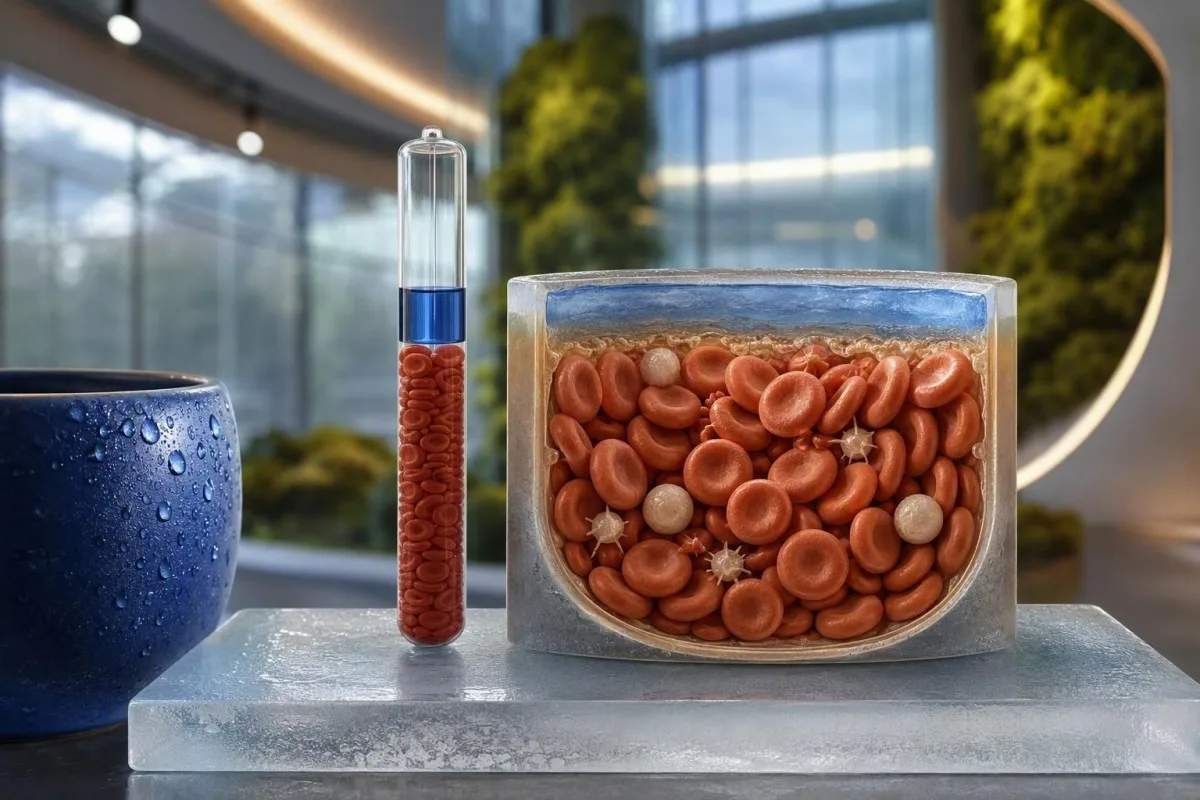
RBC အရေအတွက် များပြားနေခြင်းသည် သွေးနီဥများ ပိုလျှံနေခြင်းထက် သွေးပျစ်နေခြင်းကို ရည်ညွှန်းနေခြင်း ဖြစ်နိုင်သည်။ ပထမဦးဆုံးလုပ်ဆောင်ရမည့်အချက်မှာ ခေတ္တရေဓာတ်ခန်းခြောက်ခြင်းနှင့် စနစ်တကျ စစ်ဆေးမှုလိုအပ်သော ရေရှည်သွေးနီဥများနေခြင်းတို့ကို ခွဲခြားသတ်မှတ်ရန်ဖြစ်သည်။.


- ဆွေမျိုးစပ်သွေးနီဥများခြင်း (Relative erythrocytosis) ဆိုသည်မှာ ပလာစမာရေဓာတ် လျော့နည်းသွားခြင်းကြောင့် သွေးနီဥအသစ်များ မထွက်ပေါ်ဘဲ RBC အရေအတွက်၊ ဟေမိုဂလိုဘင်နှင့် ဟေမတ်တိုခရစ် (hematocrit) တို့ မြင့်မားနေခြင်း ဖြစ်သည်။.
- WHO threshold polycythemia vera ဖြစ်နိုင်ခြေကို အထောက်အကူပြုသော တန်ဖိုးများမှာ အမျိုးသားများတွင် ဟေမိုဂလိုဘင် 16.5 g/dL နှင့် အမျိုးသမီးများတွင် 16.0 g/dL အထက်ရှိခြင်း သို့မဟုတ် hematocrit 49% နှင့် 48% အသီးသီး အထက်ရှိခြင်းတို့ဖြစ်သည်။.
- ရေဓာတ်ဖြည့်တင်းပြီးနောက် ပြန်လည်စစ်ဆေးခြင်း အန်ခြင်း၊ ဝမ်းလျှောခြင်း၊ အပူလွန်ကဲခြင်း၊ အစာရှောင်ခြင်း သို့မဟုတ် ပြင်းထန်သော လေ့ကျင့်ခန်းလုပ်ပြီးနောက် အခြားကျန်းမာရေးပြဿနာမရှိပါက အနည်းငယ်မျှ မြင့်မားနေသော ရလဒ်အတွက် ပြန်လည်စစ်ဆေးခြင်းသည် ပုံမှန်အားဖြင့် သင့်လျော်ပါသည်။.
- ဆီးဆေးများ သည် အရည်ဓာတ်ဆုံးရှုံးမှုမှတစ်ဆင့် hematocrit ကို မြင့်တက်စေနိုင်ပါသည်။ ဆရာဝန်ညွှန်ကြားချက်မပါဘဲ သောက်သုံးနေသော ဆေးဝါးများကို ရပ်တန့်မပစ်ပါနှင့်။.
- ပုံစံ (pattern) က အရေးကြီးသည်: အယ်လ်ဘူမင်၊ စုစုပေါင်းပရိုတင်း၊ ဆိုဒီယမ်၊ BUN/creatinine အချိုးနှင့် ဆီး၏သိပ်သည်းဆ မြင့်မားနေခြင်းတို့သည် စစ်မှန်သော သွေးနီဥ ပိုလျှံထုတ်လုပ်မှုထက် ရေဓာတ်ခန်းခြောက်ခြင်းကို ပိုမိုထောက်ခံပြသနေသည်။.
- ထပ်မံစစ်ဆေးသည့် အချိန်ဇယား သည် ပုံမှန်အားဖြင့် ပြန်လည်သက်သာလာပြီးနောက် ၁-၂ ပတ်အကြာတွင် ပြုလုပ်လေ့ရှိပြီး ပုံမှန်အရည်များ သောက်သုံးကာ အရေးပေါ် လက္ခဏာများမရှိပါက ပုံမှန်ထက် ပြင်းထန်သော လေ့ကျင့်ခန်းမလုပ်ဘဲ ၂၄-၄၈ နာရီ နေထိုင်ပြီးမှ စစ်ဆေးခြင်းဖြစ်သည်။.
- ဆက်လက်မြင့်နေခြင်း ရေဓာတ်ကောင်းစွာ ဖြည့်တင်းပြီးနောက်တွင်လည်း ဆေးလိပ်သောက်ခြင်း၊ အိပ်စက်စဉ် အသက်ရှူလမ်းကြောင်းဆိုင်ရာ ပြဿနာများ၊ အမြင့်ပေ၊ တက်စတိုစတီရုန်း၊ အဆုတ် သို့မဟုတ် ကျောက်ကပ်ရောဂါ၊ erythropoietin နှင့် JAK2 စစ်ဆေးမှုများ လိုအပ်နိုင်ပါသည်။.
- အရေးပေါ် လက္ခဏာများ ရင်ဘတ်အောင့်ခြင်း၊ အသက်ရှူရခက်ခဲခြင်းအသစ်၊ တစ်ဖက်တည်း အားနည်းခြင်း၊ အမြင်အာရုံဆုံးရှုံးခြင်း၊ စိတ်ရှုပ်ထွေးခြင်း သို့မဟုတ် ခြေထောက်နာကျင်ပြီး ရောင်ရမ်းခြင်းတို့ ပါဝင်သည်။ ဤလက္ခဏာများသည် အိမ်တွင်ပြန်လည်စစ်ဆေးရန်မဟုတ်ဘဲ ချက်ချင်းကုသမှုခံယူရန် လိုအပ်ပါသည်။.
RBC ရလဒ် မြင့်မားနေခြင်းက အများအားဖြင့် ဘာကိုဆိုလိုသနည်း
RBC ပမာဏ မြင့်မားနေခြင်းသည် ခန္ဓာကိုယ်အတွင်း အရည်ဓာတ်ဆုံးရှုံးမှုကြောင့် သွေး၏ဆဲလ်ပိုင်းဆိုင်ရာအစိတ်အပိုင်းများ စုစည်းသွားပြီးနောက် ဖြစ်ပေါ်လာသည့် မှားယွင်းသော မြင့်မားမှုတစ်ခုဖြစ်နိုင်သည်။ ၎င်းသည် ရိုးတွင်းခြင်ဆီမှ သွေးနီဥများစွာ ထုတ်လုပ်နေသည်ဟု အလိုအလျောက် သတ်မှတ်၍မရပါ။. ၎င်း၏အဓိကအချက်မှာ ကောင်းစွာပြင်ဆင်ထားသော CBC ကို ထပ်မံစစ်ဆေးသည့်အခါတွင်လည်း ဆက်လက်မြင့်မားနေမည့်အစား ပြန်လည်သက်သာလာပြီးနောက်နှင့် ပုံမှန်ရေသောက်သုံးပြီးနောက်တွင် hemoglobin နှင့် hematocrit ပမာဏများ ပုံမှန်ပြန်ဖြစ်သွားခြင်း ရှိ၊ မရှိကို ကြည့်ရှုခြင်းဖြစ်သည်။.
RBC ပမာဏသည် တစ်လီတာလျှင် သွေးနီဥအရေအတွက်ကို ဖော်ပြပေးပြီး၊ hematocrit ထိုဆဲလ်များ သိမ်းပိုက်ထားသော သွေးတစ်ခုလုံး၏ အစိတ်အပိုင်းကို ဖော်ပြပေးသည်။ အရွယ်ရောက်ပြီးသူများအတွက် ရည်ညွှန်းချက်အကွာအဝေးသည် ဓာတ်ခွဲခန်းအလိုက် ကွာခြားနိုင်သော်လည်း များစွာသောဓာတ်ခွဲခန်းများသည် အမျိုးသားများအတွက် 4.5–5.9 × 10¹²/L နှင့် အမျိုးသမီးများအတွက် 4.1–5.1 × 10¹²/L ကို အသုံးပြုကြသည်။ အတိုင်းအတာထက် အနည်းငယ်သာ ပိုနေသော တန်ဖိုးသည် ၎င်းနှင့်တွဲလျက်ရှိသော hemoglobin နှင့် hematocrit ပမာဏလောက် အသုံးမဝင်တတ်ပါ။ ကျွန်ုပ်တို့၏ လမ်းညွှန်ချက် CBC မှာ ပါဝင်တာတွေ သွေးစစ်ဆေးမှုများအကြောင်း ကျွန်ုပ်တို့၏ ဆောင်းပါးက အဘယ်ကြောင့်ဆိုတာ ရှင်းပြထားပါတယ်။.
ရေဓာတ်ခန်းခြောက်ခြင်းသည် သွေး၏ အရည်အစိတ်အပိုင်းကို နာရီပိုင်းအတွင်း လျော့နည်းစေသဖြင့် သွေးနီဥပမာဏ တူညီသော်လည်း တိုင်းတာသည့် ပမာဏမှာ သေးငယ်သွားသည်။ ဆေးခန်းတွင် ဝမ်းလျှော၊ အော့အန်ခြင်း ဖြစ်ပြီးနောက် RBC 5.8 × 10¹²/L၊ hemoglobin 17.1 g/dL၊ hematocrit 51% ရှိပြီး ပြန်လည်သက်သာလာချိန်တွင် ပုံမှန်တန်ဖိုးများ ဖြစ်လာသည်ကို ကျွန်ုပ် မကြာခဏ တွေ့ရလေ့ရှိသည်။ ဤသည်မှာ relative erythrocytosis, ဖြစ်ပြီး ဓာတ်ခွဲခန်းမှားယွင်းမှု မဟုတ်သလို ရောဂါတစ်ခုဟုလည်း မဆိုနိုင်ပါ။.
ကန်တက်စတီသည် AI သွေးစမ်းသပ်မှုခွဲခြမ်းစိတ်ဖြာ RBC၊ hemoglobin၊ hematocrit၊ red-cell indices၊ ကျောက်ကပ်ဆိုင်ရာ အမှတ်အသားများနှင့် ယခင်ရလဒ်များကို အတူတကွ ဖတ်ရှုသည့်အချက်ဖြစ်သည်။ 2026 ခုနှစ်၊ စက်တင်ဘာလ 5 ရက်နေ့အထိ၊ ကျွန်ုပ်တို့၏ လက်တွေ့သုံးသပ်ချက် လုပ်ငန်းစဉ်တွင် CBC ရလဒ်တစ်ခုသာ အနည်းငယ်နယ်ကျော်နေပါက ရောဂါရှာဖွေမှုအဖြစ် သတ်မှတ်မည့်အစား စစ်ဆေးမှုပြင်ဆင်ပုံနှင့် ဖြစ်စဉ်လမ်းကြောင်းကို စစ်ဆေးရန် အချက်ပေးသည့်အနေဖြင့်သာ သတ်မှတ်ပါသည်။.
RBC ပမာဏသည် သွေးနီဥထုထည် (red-cell mass) နှင့် မတူညီပါ။
CBC သည် စုစုပေါင်းသွေးနီဥထုထည်ကို တိုက်ရိုက်တိုင်းတာနိုင်ခြင်း မရှိပါ။ ၎င်းသည် ပလာစမာပမာဏ လျော့နည်းသွားသည့်အခါ မြင့်တက်လာသော ပြင်းအားကိုသာ တိုင်းတာခြင်းဖြစ်သည်။ အထူးပြု ရေဒီယိုသတ္တိကြွ အိုင်ဆိုတုပ် သွေးနီဥထုထည် စမ်းသပ်မှုများကို ယခုအခါ အလွန်ရှားပါးစွာသာ လိုအပ်တော့သော်လည်း ၎င်းတို့သည် ဆဲလ်အရေအတွက် တိုးမလာဘဲ CBC ရလဒ်တစ်ခုက အဘယ်ကြောင့် စိုးရိမ်ဖွယ်ရာ ဖြစ်လာနိုင်သည်ကို ရှင်းပြပေးပါသည်။.
Relative erythrocytosis နှင့် စစ်မှန်သော သွေးနီဥပိုလျှံမှုတို့၏ ကွာခြားချက်
Relative erythrocytosis ဆိုသည်မှာ ပလာစမာပမာဏ လျော့နည်းခြင်းကြောင့် ဖြစ်ပေါ်လာသော RBC၊ hemoglobin သို့မဟုတ် hematocrit မြင့်မားခြင်းဖြစ်ပြီး၊ absolute erythrocytosis မှာမူ သွေးနီဥထုထည် တကယ်တမ်း တိုးပွားလာခြင်းကို ဆိုလိုသည်။. ရေဓာတ်ဖြည့်တင်းခြင်းသည် ပထမပုံစံကို ပြုပြင်ပေးနိုင်သော်လည်း ဒုတိယပုံစံကို ပြုပြင်ပေးနိုင်မည်မဟုတ်ပါ။.
အစစ်အမှန် erythrocytosis သည် polycythemia vera ကဲ့သို့ မူလဖြစ်ပွားခြင်း သို့မဟုတ် အောက်ဆီဂျင်နည်းခြင်း၊ ဆေးဝါးများ သို့မဟုတ် ကျောက်ကပ်ဆိုင်ရာ လုပ်ငန်းစဉ်တစ်ခုခုကြောင့် erythropoietin တိုးပွားလာခြင်းမှ ဒုတိယအဆင့်အနေဖြင့် ဖြစ်ပေါ်လာနိုင်သည်။ 2016 ခုနှစ် WHO စံနှုန်းများအရ အမျိုးသားများတွင် hemoglobin 16.5 g/dL နှင့် အမျိုးသမီးများတွင် 16.0 g/dL အထက်ရှိခြင်းသည် polycythemia vera ဖြစ်နိုင်ချေကို စဉ်းစားသင့်သည့် အတိုင်းအတာများအဖြစ် သတ်မှတ်ထားသည် (Arber et al., 2016)။ ရလဒ်တစ်ခုတည်းဖြင့် ရောဂါရှာဖွေရန် မလုံလောက်ပါ။.
လက်တွေ့ကျသော ခွဲခြားသတ်မှတ်ချက်မှာ ကျန်ရှိနေသော စစ်ဆေးမှုရလဒ်များပင် ဖြစ်သည်။. ရေဓာတ်ခန်းခြောက်ခြင်းကြောင့် ဖြစ်သော RBC မြင့်မားမှု ပုံစံများတွင် များသောအားဖြင့် albumin၊ total protein၊ urea/BUN၊ ဆိုဒီယမ် မြင့်မားခြင်းနှင့် ဆီးပြင်းအားများခြင်းတို့ ပါဝင်တတ်သည်။ Absolute erythrocytosis တွင်မူ ဤအမှတ်အသားများမှာ ပုံမှန်အတိုင်း ရှိနေတတ်သည်။ ကျွန်ုပ်တို့၏ အာရုံစိုက် ဆောင်းပါးကို ပြန်လည်ဖတ်ရှုပါ hemoglobin အနည်းငယ်မြင့်မားခြင်း အကယ်၍ RBC တစ်ခုတည်းမဟုတ်ဘဲ hemoglobin ရလဒ်မှာ နယ်ကျော်နေပါက။.
hemoglobin သို့မဟုတ် hematocrit မြင့်မားနေချိန်တွင် ပုံမှန် RBC ပမာဏရှိနေရုံဖြင့် erythrocytosis မဟုတ်ဟု မဆိုနိုင်ပါ။ ထို့အတူ RBC တစ်ခုတည်း မြင့်မားနေခြင်းသည် သံဓာတ်ချို့တဲ့ခြင်း သို့မဟုတ် သယ်လာဆီးမီးယား (thalassemia trait) ကြောင့် သွေးနီဥသေးငယ်နေခြင်းကြောင့်လည်း ဖြစ်နိုင်သည်။ ထို့ကြောင့် MCV နှင့် ferritin တို့သည် အရေးကြီးသည်။ MCV 80 fL အောက်တွင်ရှိပြီး RBC မြင့်မားနေပါက ၎င်းသည် မတူညီသော ကုသမှုဆိုင်ရာ ဆွေးနွေးချက်ဖြစ်သည်။.
ရေဓာတ်ခန်းခြောက်ခြင်းက CBC နှင့် ကျောက်ကပ်ဆိုင်ရာ တန်ဖိုးများကို မည်သို့ပြောင်းလဲစေသနည်း
ရေဓာတ်ခန်းခြောက်ခြင်းသည် များသောအားဖြင့် RBC ပမာဏ၊ hemoglobin နှင့် hematocrit တို့ကို တစ်ပြိုင်နက်တည်း မြင့်တက်စေပြီး albumin၊ total protein၊ urea/BUN၊ creatinine နှင့် ဆီးပြင်းအားတို့ကိုပါ မြင့်တက်စေတတ်သည်။. ရလဒ်တစ်ခုနှင့်တစ်ခု မကိုက်ညီခြင်း (ဥပမာ- RBC မြင့်မားသော်လည်း hemoglobin နည်းခြင်း) သည် ရိုးရှင်းသော သွေးသိပ်သည်းဆ မြင့်တက်ခြင်း (hemoconcentration) နှင့် မကိုက်ညီပါ။.
US ယူနစ်များအရ BUN/creatinine အချိုး ၂၀:၁ ခန့်ထက် မြင့်ပါက အရည်ဆုံးရှုံးမှုကြောင့် ကျောက်ကပ်သို့ သွေးစီးဆင်းမှု လျော့နည်းနေခြင်းကို ထောက်ခံနိုင်သော်လည်း အစာအိမ်နှင့် အူလမ်းကြောင်းသွေးယိုခြင်း၊ ပရိုတင်းစားသုံးမှု၊ corticosteroids နှင့် ကြွက်သားထုနည်းခြင်းတို့က အချိုးကို ပြောင်းလဲစေနိုင်သည်။ အပူနှင့် ထိတွေ့ပြီးနောက် သို့မဟုတ် အချိန်ကြာပြေးပြီးနောက် filtration နှင့် ကြွက်သားဇီဝဖြစ်စဉ် နှစ်မျိုးလုံး ပြောင်းလဲသောကြောင့် creatinine သည် အနည်းငယ် မြင့်တက်နိုင်သည်။ ကျွန်ုပ်တို့၏ ရေဓာတ်ခန်းခြောက်ခြင်းနှင့် eGFR လမ်းညွှန် eGFR နည်းနေပါက မည်သည့်အချိန်တွင် ပြန်လည်စစ်ဆေးသင့်သည်ကို ဖော်ပြထားသည်။.
ဆီး specific gravity 1.025 သို့မဟုတ် ထို့ထက်မြင့်ခြင်းသည် ဆီး濃နေခြင်းနှင့် ကိုက်ညီနိုင်သော်လည်း ၎င်းသည် ခန္ဓာကိုယ်ရေဓာတ်ကို တိုက်ရိုက်တိုင်းတာသည့် အညွှန်းမဟုတ်ပါ။ Glucose၊ ပရိုတင်းနှင့် ပုံရိပ်ဖော်စစ်ဆေးမှုတွင် အသုံးပြုသည့် contrast agent အချို့ကလည်း ၎င်းကို မြင့်တက်စေနိုင်သောကြောင့် ဆရာဝန်က ရောဂါလက္ခဏာများနှင့် electrolytes များနှင့်အတူ အဓိပ္ပာယ်ဖွင့်ဆိုသင့်သည်။ A ဆီး specific gravity ရည်ညွှန်းချက် သည် CBC နှင့် ဆီးစစ်ဆေးမှုကို တစ်နေ့တည်းတွင် ပြုလုပ်ထားပါက အသုံးဝင်သည်။.
စစ်ဆေးမှုမပြုမီ ချက်ချင်း ရေလီတာအတော်များများ သောက်၍ စစ်ဆေးမှုရလဒ်ကို ပုံမှန်ဖြစ်အောင် အတင်းလုပ်ရန် မအကြံပြုပါ။ ရေကို အလွန်မြန်မြန် အလွန်အကျွံသောက်ခြင်းက sodium ပမာဏကို လျော့ကျစေနိုင်ပြီး ကိုယ်စားပြုမှုမရှိသော နမူနာတစ်ခုကိုလည်း ဖြစ်စေနိုင်သည်။ အရည်သောက်သုံးမှု ကန့်သတ်ထားခြင်းမရှိသူများအတွက် ၂၄–၄၈ နာရီအတွင်း ပုံမှန်အစားအစာစားပြီး ရေငတ်သလို သာမန်အတိုင်း အရည်သောက်ခြင်းသည် ယေဘုယျအားဖြင့် ပိုလုံခြုံသည်။.
အန်ခြင်း၊ ဝမ်းလျှောခြင်း၊ အပူလွန်ကဲခြင်း၊ အစာရှောင်ခြင်းနှင့် ဆီးဆေးများ
အန်ခြင်း၊ ဝမ်းလျှောခြင်း၊ ချွေးအလွန်ထွက်ခြင်း၊ အချိန်ကြာ အစာရှောင်ခြင်းနှင့် diuretic ဆေးများသည် plasma ရေဓာတ်ကို လျော့ကျစေခြင်းဖြင့် RBC concentration ကို ယာယီမြင့်တက်စေနိုင်သည်။. မြင့်တက်မှုအဆင့်သည် လူတစ်ဦး မည်မျှနေမကောင်းသလို ခံစားရသည်ထက် အရည်ဆုံးရှုံးမှုနှင့် ပြန်လည်ဖြည့်တင်းမှုအပေါ် ပိုမိုမူတည်သည်။.
ရုတ်တရက်အန်ခြင်းကြောင့် chloride နည်းပါးခြင်းနှင့် တစ်ခါတစ်ရံ bicarbonate မြင့်တက်ခြင်း ဖြစ်နိုင်သည်၊ အကြောင်းမှာ အစာအိမ်အက်ဆစ်နှင့် အရည်များ ဆုံးရှုံးသောကြောင့်ဖြစ်သည်။ furosemide ကဲ့သို့ loop diuretic များနှင့် thiazide များသည် အထူးသဖြင့် အသက်ကြီးသူများတွင် အရည်ပမာဏကျုံ့သည့် အလားတူပုံစံကို ဖြစ်စေနိုင်သည်။ chloride နည်းပါးသော ရလဒ်ကိုလည်း တူညီသော ဆေးဘက်ဆိုင်ရာအခြေအနေအတွင်း ထည့်သွင်းစဉ်းစားသင့်သည်။ ကြည့်ပါ အန်ခြင်းနှင့် diuretic ကြောင့် chloride ပြောင်းလဲမှုဆိုင်ရာ အချက်များ ပုံစံအတွက်။.
CBC ရလဒ်ကောင်းမွန်စေရန် ဆရာဝန်၏ အကြံပြုချက်မရှိဘဲ ညွှန်ကြားထားသော diuretic ဆေးကို မရပ်ပါနှင့်။ နှလုံးပျက်ကွက်ခြင်း၊ အသည်းခြောက်ခြင်း၊ ထိန်းချုပ်ရခက်သော သွေးတိုးရောဂါ သို့မဟုတ် ကျောက်ကပ်ရောဂါအတွက် ဤဆေးများသောက်နေသူများသည် တစ်ဦးချင်းအလိုက် အရည်သောက်သုံးမှုအစီအစဉ် လိုအပ်နိုင်သည်၊ အကြောင်းမှာ မစဉ်းစားဘဲ ရေအလွန်အကျွံသောက်ခြင်းက ဖောရောင်ခြင်း သို့မဟုတ် အသက်ရှူမဝခြင်းကို ပိုဆိုးစေနိုင်သောကြောင့်ဖြစ်သည်။ မှန်ကန်သောမေးခွန်းမှာ ဆေးပမာဏ၊ ရောဂါလက္ခဏာများ၊ ကိုယ်အလေးချိန်၊ သွေးပေါင်ချိန်နှင့် ကျောက်ကပ်စစ်ဆေးမှုရလဒ်များ အချင်းချင်း ကိုက်ညီမှုရှိမရှိ ဖြစ်သည်။.
အသက် ၆၅ နှစ်ကျော်သူများနှင့် ဆီးချို၊ ကျောက်ကပ်ရောဂါ သို့မဟုတ် အာရုံကြောဆိုင်ရာ အခြေအနေအချို့ရှိသူများတွင် ရေငတ်ခြင်းသည် အထောက်အကူပြုသော်လည်း မပြည့်စုံပါ။ ဆီးအဝါရင့်ခြင်း၊ ပါးစပ်ခြောက်ခြင်း၊ ကိုယ်နေအထားပြောင်းချိန် မူးဝေခြင်း၊ ဆီးသွားနည်းခြင်းနှင့် ၂၄ နာရီအတွင်း ကိုယ်အလေးချိန် ၁ ကီလိုဂရမ် ကျဆင်းခြင်းတို့သည် အရည်ဆုံးရှုံးမှုကို ထောက်ခံနိုင်သော်လည်း ပြင်းထန်သော ရောဂါလက္ခဏာများရှိပါက ကိုယ်တိုင်ကုသခြင်းထက် ဆေးဘက်ဆိုင်ရာ စစ်ဆေးမှုခံယူသင့်သည်။.
လေ့ကျင့်ခန်းလုပ်ခြင်းက သွေးကို ခေတ္တမျှ ပျစ်သွားစေနိုင်သည်
ပြင်းထန်သော endurance လေ့ကျင့်ခန်းသည် ချွေးထွက်ခြင်းနှင့် plasma volume ပြောင်းလဲမှုများကြောင့် hematocrit နှင့် hemoglobin ကို နာရီအတော်ကြာ မြင့်တက်စေနိုင်သည်။ သို့သော် ထပ်ခါတလဲလဲ လေ့ကျင့်ခြင်းက plasma volume တိုးလာခြင်းကြောင့် အခြေခံ hematocrit ကို လျော့ကျစေနိုင်သည်။. ထို့ကြောင့် အားကစားသမားများအတွက် စစ်ဆေးသည့်အချိန်သည် ပုံမှန်ထက် ပိုမိုအရေးကြီးသည်။.
ပူနွေးသောရာသီဥတုတွင် မိနစ် ၉၀ ပြေးခြင်းသည် ကိုယ်ခန္ဓာအရွယ်အစား၊ ရာသီဥတုနှင့် ချွေးထွက်နှုန်းတို့အပေါ် မူတည်၍ အရည် ၁–၃ လီတာခန့်ကို ဆုံးရှုံးစေနိုင်သည်။ ပြိုင်ပွဲပြီးပြီးချင်း နမူနာယူစစ်ဆေးပါက creatinine၊ CK၊ albumin နှင့် စုစုပေါင်းပရိုတင်းတို့လည်း မြင့်တက်နေနိုင်သည်။ ထိုအချက်များကို စုပေါင်းကြည့်ရှုခြင်းသည် RBC ရလဒ်တစ်ခုတည်းထက် ပိုမိုအသုံးဝင်သည်။ ကျွန်ုပ်တို့၏ မာရသွန်ပြိုင်ပွဲအတွက် သွေးစစ်ဆေးချိန် သတ်မှတ်လမ်းညွှန် တွင် ပုံမှန်အားဖြင့် ပြောင်းလဲတတ်သော ပြန်လည်နာလန်ထူမှုဆိုင်ရာ အညွှန်းကိန်းများကို ဆွေးနွေးထားသည်။.
ပုံမှန်စောင့်ကြည့်စစ်ဆေးမှုအတွက် သွေးမယူမီ ထူးထူးခြားခြား ပြင်းထန်သောလေ့ကျင့်ခန်းများကို ရှောင်ရှားရန်၊ အနားယူပြီး ရောက်ရှိလာရန်၊ ယခင်နေ့တွင် ပုံမှန်အတိုင်း ရေသောက်ရန် ကျွန်ုပ်က အများအားဖြင့် အကြံပြုသည်။ 24–48 နာရီ ၎င်းသည် ဓာတ်ခွဲခန်းအားလုံးအတွက် တစ်ပြေးညီသတ်မှတ်ထားသော စည်းမျဉ်းမဟုတ်ပါ။ ထိပ်တန်းအားကစားသမားများ၏ စောင့်ကြည့်စစ်ဆေးမှုတွင် လေ့ကျင့်မှုဝန်အောက်၌ တမင်တကာ စစ်ဆေးခြင်းလည်း ရှိနိုင်သော်လည်း ပြည့်စုံမှုထက် တစ်သမတ်တည်းဖြစ်မှုက ပိုအရေးကြီးသည်။ အားကစားသမားတစ်ဦးသည် ပုံမှန်ပြန်လည်နာလန်ထူသည့် တစ်ပတ်အကြာတွင် ပြန်လည်စစ်ဆေးခံပြီးနောက် မလိုအပ်သော လွှဲပြောင်းကုသမှုများစွာ ပျောက်ကွယ်သွားသည်ကို ဒေါက်တာ Thomas Klein က တွေ့ကြုံထားသည်။.
Kantesti ၏ BUN과 크레아티닌 연구 가이드 ခံနိုင်ရည်အားကစားသမားတစ်ဦးတွင် hematocrit မြင့်ခြင်းနှင့် ကျောက်ကပ်ဆိုင်ရာ အနည်းငယ်မမှန်ကန်မှု အချက်ပြချက်တို့ နှစ်မျိုးလုံးရှိပါက အထူးအသုံးဝင်သည်။ ကိုယ်အလေးချိန်ကျဆင်းခြင်း၊ ဆီး၏ specific gravity မြင့်ခြင်းနှင့် ပြန်လည်နာလန်ထူချိန် တိုတောင်းခြင်းတို့က သွေး濃ထူခြင်း ဖြစ်နိုင်ကြောင်း ဖော်ပြသည်။ ကြွက်သားနာကျင်ခြင်း၊ ကိုလာရောင်ဆီးသွားခြင်း သို့မဟုတ် CK အလွန်မြင့်ခြင်းတို့ရှိပါက ပိုမိုသတိထားရမည့် အခြေအနေတစ်ရပ်ဖြစ်သည်။.
အနည်းငယ်မြင့်မားနေသော CBC ကို ပြန်လည်စစ်ဆေးရန် လုံခြုံစိတ်ချရသော အစီအစဉ်
အနီရောင်သွေးဆဲလ် RBC အရေအတွက် အနည်းငယ်မြင့်နေပါက အရေးပေါ်သတိပေးလက္ခဏာများ မရှိသည့်အခါ ပြန်လည်နာလန်ထူရန် ၁–၂ ပတ်ခန့်ပေးပြီး၊ ပုံမှန်အတိုင်း ရေဓာတ်ဖြည့်တင်းကာ ဆေးသောက်သုံးမှု တည်ငြိမ်နေချိန်တွင် ပုံမှန်အားဖြင့် ပြန်လည်စစ်ဆေးနိုင်သည်။. ဆရာဝန်က တောင်းဆိုပါက သို့မဟုတ် မူလရလဒ်မှာ သိသိသာသာ မြင့်တက်နေပါကသာ ပိုစော၍ ပြန်လည်စစ်ဆေးပါ။.
ပြန်လည်စစ်ဆေးမှုမပြုမီ ယခင် ၇၂ နာရီအတွင်း ဝမ်းလျှောခြင်း၊ အန်ခြင်း၊ ဖျားနာခြင်း၊ အရက်သောက်ခြင်း၊ sauna အသုံးပြုခြင်း၊ ခရီးဝေးသွားခြင်း၊ မြင့်မားသောအရပ်ဒေသသို့ ရောက်ရှိခြင်း၊ အစာရှောင်ခြင်း သို့မဟုတ် ပြင်းထန်သောလေ့ကျင့်ခန်းပြုလုပ်ခြင်း ရှိ၊ မရှိ မှတ်တမ်းတင်ပါ။ ဆရာဝန်က အခြားနည်းလမ်းညွှန်ကြားခြင်းမရှိပါက ပုံမှန်စားသောက်မှုနှင့် ဆေးသောက်ချိန်ဇယားကို ဆက်လက်လိုက်နာပါ။ ဤ အခြေခံသွေးစစ်ဆေးမှု ပြင်ဆင်ရေးလမ်းညွှန် တွင် မတော်တဆကွာခြားမှုများကို ရှောင်ရှားရန် လက်တွေ့အသုံးဝင်သော စစ်ဆေးရန်စာရင်း ပါရှိသည်။.
ဖြစ်နိုင်ပါက ဓာတ်ခွဲခန်းတစ်ခုတည်းတွင် စစ်ဆေးပါ၊ အကြောင်းမှာ analyser နည်းလမ်းများနှင့် ရည်ညွှန်းအကွာအဝေးများ ကွာခြားနိုင်သောကြောင့် ဖြစ်သည်။ ဟီမိုဂလိုဘင်၊ hematocrit၊ MCV၊ RDW၊ သွေးဖြူဆဲလ်အရေအတွက်နှင့် platelet များ ပါဝင်သော CBC စစ်ဆေးမှုကို တောင်းဆိုပါ။ မြင့်တက်မှု ဆက်လက်ရှိနေပြီး platelet သို့မဟုတ် သွေးဖြူဆဲလ်များလည်း မြင့်နေပါက သီးခြား erythrocytosis ထက် ရိုးတွင်းခြင်ဆီဆိုင်ရာ ဖြစ်စဉ်ကို ပိုမိုစိုးရိမ်ရသည်။ မကြာသေးမီက ဖြစ်ပွားခဲ့သော ရောဂါတစ်ခုသည် ဤသွေးဆဲလ်အမျိုးအစားများကို ဆန့်ကျင်ဘက်ဦးတည်ချက်များဖြင့် ပြောင်းလဲစေနိုင်သောကြောင့် panel တစ်ခုလုံးကို ထည့်သွင်းစဉ်းစားရန် အရေးကြီးသည်။.
ကန်တက်စတီသည် AI ဓာတ်ခွဲခန်း စစ်ဆေးမှု အနက်ဖွင့် ဝန်ဆောင်မှု ယခင်တန်ဖိုးများနှင့် CBC အသစ်ကို နှိုင်းယှဉ်ပြီး ပုံမှန်ကွာခြားမှုထက် ကျော်လွန်သော ပြောင်းလဲမှုများကို သတိပေးဖော်ပြသည့် စနစ်ဖြစ်သည်။ ကျွန်ုပ်တို့၏ trend နည်းလမ်းသည် ဆရာဝန်၏ အကဲဖြတ်မှုကို အစားထိုးခြင်းမပြုနိုင်သော်လည်း လေ့ကျင့်ခန်း၊ ရောဂါဖြစ်ပွားမှု၊ ဆေးဝါးများနှင့် ယခင် hematocrit တန်ဖိုးတို့ကဲ့သို့ တစ်ကြိမ်တည်းသော ရလဒ်ကိုသာ ကြည့်ရှုသောအခါ မကြာခဏ ပျောက်ဆုံးသွားတတ်သည့် အရေးကြီးသောနောက်ခံအချက်များကို ထိန်းသိမ်းပေးနိုင်သည်။.
ထပ်မံစစ်ဆေးရာတွင်လည်း မြင့်မားနေပါက မည်သည့်အချိန်တွင် Erythrocytosis အတွက် စစ်ဆေးမှုလိုအပ်သနည်း
အမျိုးသားများတွင် 16.5 g/dL နှင့် အမျိုးသမီးများတွင် 16.0 g/dL ထက် ဟီမိုဂလိုဘင် ဆက်လက်မြင့်နေခြင်း၊ သို့မဟုတ် hematocrit 49% သို့မဟုတ် 48% ထက် မြင့်နေခြင်းရှိပါက ရေဓာတ်ခမ်းခြောက်မှုကို ဖယ်ရှားပြီးနောက် ဆရာဝန်က erythrocytosis ရှိ၊ မရှိ စစ်ဆေးသင့်သည်။. ပုံမှန်အားဖြင့် ပထမဆုံးစစ်ဆေးမှုများမှာ CBC ပြန်လည်စစ်ဆေးခြင်း၊ erythropoietin အဆင့်တိုင်းတာခြင်း၊ အောက်ဆီဂျင်အခြေအနေ အကဲဖြတ်ခြင်းနှင့် သင့်လျော်ပါက JAK2 mutation စစ်ဆေးခြင်းတို့ ဖြစ်သည်။.
Polycythemia vera သည် ထိခိုက်ခံစားနေရသူများ၏ ခန့်မှန်းခြေ 98% တွင် JAK2 mutation တွေ့ရသော myeloproliferative neoplasm တစ်မျိုးဖြစ်သည်။ သွေးရည်ကြည် erythropoietin နည်းပါးခြင်းသည် ရိုးတွင်းခြင်ဆီမှ မူလအတိုင်းအတာထက် ပိုမိုထုတ်လုပ်နေခြင်းကို ထောက်ခံသော်လည်း သွေးစစ်ဆေးမှုတစ်ခုတည်းကို သီးခြားအဓိပ္ပာယ်ဖွင့်ဆိုခြင်း မပြုသင့်ပါ။ British Society for Haematology ၏ လမ်းညွှန်ချက်သည် မူလဖြစ်သော erythrocytosis နှင့် ဒုတိယဖြစ်သော erythrocytosis ကို ခွဲခြားသည့် စနစ်တကျနည်းလမ်းကို အကြံပြုထားသည် (McMullin et al., 2019)။.
လက္ခဏာများမှာ မသိသာနိုင်ပါ။ ခေါင်းကိုက်ခြင်း၊ အမြင်ဝါးခြင်း၊ ရေနွေးနွေးဖြင့် ရေချိုးပြီးနောက် ယားယံခြင်း၊ မျက်နှာနီမြန်းခြင်း၊ ပုံမှန်မဟုတ်သော ပင်ပန်းနွမ်းနယ်ခြင်း သို့မဟုတ် ယခင်က သွေးခဲဖူးခြင်းတို့သည် RBC တန်ဖိုးအတိအကျထက် ပိုမိုအရေးကြီးနိုင်သည်။ hematocrit၊ erythropoietin နှင့် JAK2 အကြောင်း ပိုမိုပြည့်စုံစွာ ရှင်းလင်းချက်အတွက် ကျွန်ုပ်တို့၏ polycythemia လက္ခဏာလမ်းညွှန်ထဲမှာ ဖော်ပြထားတဲ့ ပုံစံတွေနဲ့ ထပ်တူကျပါတယ်။. ကို ဖတ်ရှုပါ။ ဓာတ်ခွဲခန်းရလဒ် အနည်းငယ်မြင့်တက်နေသူများစွာတွင် ဤလက္ခဏာများ မရှိပါ။.
မြင့်မားသော သွေးဆဲလ်အရေအတွက် ဆက်လက်ရှိနေတိုင်း ကင်ဆာဖြစ်သည်ဟု မဆိုလိုစေရန် ကျွန်ုပ် သတိထားသည်။ ဆေးလိပ်သောက်ခြင်းနှင့် ဆက်နွှယ်သော ကာဗွန်မိုနောက်ဆိုဒ် ထိတွေ့မှု၊ မကုသရသေးသော အိပ်စက်စဉ်အသက်ရှူရပ်ခြင်း၊ အဆုတ်ရောဂါ၊ testosterone အသုံးပြုခြင်း၊ မြင့်မားသောအရပ်ဒေသနှင့် ကျောက်ကပ်အခြေအနေအချို့တို့သည် ဆေးကုသရေးလုပ်ငန်းများစွာတွင် ပိုမိုတွေ့ရများသော အကြောင်းရင်းများ ဖြစ်သည်။ သို့သော် ဆက်လက်မြင့်နေခြင်းကြောင့်ပင် CBC ပြန်လည်စစ်ဆေးမှုသည် အကြောင်းမဲ့ ထပ်ခါတလဲလဲ စစ်ဆေးနေသည့် စက်ဝိုင်းတစ်ခု မဖြစ်သင့်ပါ။.
အောက်ဆီဂျင်နည်းခြင်း၊ ဆေးလိပ်သောက်ခြင်းနှင့် အိပ်စက်စဉ် အသက်ရှူရပ်ခြင်းတို့သည် RBC မြင့်မားရခြင်း၏ အကြောင်းရင်းများ
နာတာရှည် အောက်ဆီဂျင်နည်းပါးမှုသည် erythropoietin ကို လှုံ့ဆော်ပေးပြီး အနီရောင်သွေးဆဲလ်အရေအတွက် အမှန်တကယ် မြင့်တက်စေနိုင်သည်။ အိပ်စက်စဉ်အသက်ရှူရပ်ခြင်း၊ ဆေးလိပ်သောက်ခြင်းနှင့် ဆက်နွှယ်သော ကာဗွန်မိုနောက်ဆိုဒ် ထိတွေ့မှုနှင့် အဆုတ်ရောဂါတို့သည် မကြာခဏတွေ့ရသော အကြောင်းရင်းများ ဖြစ်သည်။. နေ့ခင်းဘက် အောက်ဆီဂျင်ပြည့်ဝမှု ပုံမှန်ဖြစ်နေခြင်းက ညအိပ်ချိန်တွင် အောက်ဆီဂျင်ကျဆင်းမှုကို အပြည့်အဝ ဖယ်ရှားမပေးနိုင်ပါ။.
အတားအဆီးဖြစ်စေသော အိပ်စက်စဉ်အသက်ရှူရပ်ခြင်းသည် အထူးသဖြင့် ညအိပ်ချိန် အောက်ဆီဂျင်ပြည့်ဝမှု သိသိသာသာကျဆင်းမှုများရှိသည့်အခါ erythrocytosis အနည်းငယ် ဖြစ်စေနိုင်သည်။ အသံကျယ်စွာဟောက်ခြင်း၊ အိပ်နေစဉ် အသက်ရှူရပ်သွားသည်ကို အခြားသူများက တွေ့ရှိခြင်း၊ နံနက်ခင်းခေါင်းကိုက်ခြင်း၊ ကုသရခက်သော သွေးတိုးခြင်းနှင့် နေ့ခင်းဘက် အိပ်ငိုက်ခြင်းတို့ရှိပါက ရေဓာတ်ခမ်းခြောက်မှုက အရာအားလုံးကို ရှင်းပြနိုင်သည်ဟု မယူဆဘဲ အိပ်စက်မှုကို အာရုံစိုက်သည့် ရောဂါရာဇဝင်မေးမြန်းမှု ပြုလုပ်သင့်သည်။ A سانس جي تڪليف بلڊ ٽيسٽ گائيڊ ပိုမိုကျယ်ပြန့်သော နှလုံးနှင့်အဆုတ်ဆိုင်ရာ နောက်ခံအကြောင်းအရာကို အကျဉ်းချုပ်ဖော်ပြထားသည်။.
စီးကရက်သောက်ခြင်းသည် carboxyhemoglobin ကို မြင့်တက်စေပြီး pulse oximeter တွင် စိတ်ချရသကဲ့သို့ ပြသနေသော်လည်း အောက်ဆီဂျင်ပို့ဆောင်မှုကို လျော့နည်းစေသည်။ Vaping သည် မီးလောင်နိုင်သော ဆေးရွက်ကြီးကဲ့သို့ ကာဗွန်မိုနောက်ဆိုဒ် ထိတွေ့မှုကို မဖြစ်စေသော်လည်း အခြားကျန်းမာရေးအန္တရာယ်များ ရှိသဖြင့် ယင်းအကြောင်းကို ရိုးသားစွာ ဆွေးနွေးသင့်သည်။ တစ်ခါတစ်ရံတွင် ပုံမှန်အောက်ဆီဂျင်ပြည့်ဝမှုတိုင်းတာခြင်းထက် ကာဗွန်မိုနောက်ဆိုဒ် စစ်ဆေးခြင်း သို့မဟုတ် co-oximetry က ပိုမိုအသုံးဝင်နိုင်သည်။.
Kantesti AI သည် RBC မြင့်မားမှုရလဒ်ကို ယေဘုယျအကြောင်းရင်းစာရင်းတစ်ခုအဖြစ် တင်ပြခြင်းမပြုဘဲ ဟီမိုဂလိုဘင်၊ ဟီမတိုခရစ်၊ ကျောက်ကပ်ဆိုင်ရာ အမှတ်အသားများနှင့် လူနာဖော်ပြသည့် အိပ်စက်မှု သို့မဟုတ် ဆေးလိပ်သောက်မှုအချက်များနှင့်အတူ အဓိပ္ပာယ်ဖွင့်ဆိုသည်။ ဟီမတိုခရစ်သည် ရေဓာတ်ပြန်ဖြည့်ပြီးနောက် 50% ဖြစ်နေကာ လူနာက အိပ်ပြီးနောက် လန်းဆန်းမှုမရှိကြောင်း ဖော်ပြသည့်အခါ ဤနောက်ခံအခြေအနေအလိုက် ဖတ်ရှုသုံးသပ်ခြင်းသည် အထူးတန်ဖိုးရှိသည်။.
အမြင့်ပေ၊ တက်စတိုစတီရုန်းနှင့် RBC ကို မြင့်တက်စေသော ဆေးဝါးများ
မြင့်မားသောအရပ်ဒေသတွင် နေထိုင်ခြင်း သို့မဟုတ် လေ့ကျင့်ခြင်းနှင့် testosterone အသုံးပြုခြင်းတို့သည် သွေးနီဥထုတ်လုပ်မှုကို တိုးစေနိုင်သဖြင့် ဤမြင့်တက်မှုသည် ရေဓာတ်ခန်းခြောက်မှုကြောင့်မဟုတ်ဘဲ အမှန်တကယ် ဖြစ်နိုင်သည်။. ထိတွေ့မှုဖြစ်ပွားသည့်အချိန်ကနဦးကိန်းဂဏန်းထက် ပိုမိုရှင်းလင်းသော အဖြေကို ပေးလေ့ရှိသည်။.
မြင့်မားသောအရပ်ဒေသတွင် အောက်ဆီဂျင်ဖိအားနည်းခြင်းက erythropoietin ကို လှုံ့ဆော်ပြီး ရက်များမှ အပတ်များအတွင်း ဟီမိုဂလိုဘင်ကို မြင့်တက်စေသည်။ မျှော်မှန်းရမည့်အတိုင်းအတာသည် အမြင့်ပေ၊ ကြာချိန်၊ မျိုးနွယ်စုနောက်ခံနှင့် ဓာတ်ခွဲခန်းရည်ညွှန်းဒေတာတို့အပေါ် မူတည်သည်။ တောင်တန်းဒေသတွင် နေထိုင်နေစဉ် သို့မဟုတ် ပြန်လည်ရောက်ရှိပြီး မကြာမီ စစ်ဆေးထားသော CBC ကို ထိုထိတွေ့မှုအခြေအနေကို ထည့်သွင်းစဉ်းစား၍ အဓိပ္ပာယ်ဖွင့်ဆိုသင့်သည်။ ကျွန်ုပ်တို့၏ အမြင့်ပေဒေသတွင် ဟီမိုဂလိုဘင် ပြန်လည်စစ်ဆေးရန် လမ်းညွှန် သည် ပင်လယ်ရေမျက်နှာပြင်အမြင့်သို့ ပြန်ရောက်ပြီးနောက် စစ်ဆေးချိန်က အဘယ်ကြောင့် အရေးကြီးသည်ကို ရှင်းပြထားသည်။.
Testosterone ထိုးဆေးများ၊ ဂျယ်များ၊ အရေပြားအောက်ထည့်သွင်းသည့် ဆေးတောင့်များနှင့် anabolic ဆေးအချို့သည် erythrocytosis ဖြစ်စေနိုင်သည်။ ဟီမတိုခရစ်သည် 54%, သို့ ရောက်ရှိသောအခါ ဆေးညွှန်းရေးသည့် ပရိုတိုကောများစွာတွင် ကုသမှုကို လျှော့ချခြင်း သို့မဟုတ် ခေတ္တရပ်ခြင်း ပြုလုပ်သော်လည်း အထူးသဖြင့် နှလုံးသွေးကြောရောဂါ သို့မဟုတ် sleep apnea ရှိသူများတွင် တစ်ဦးချင်းအန္တရာယ်ဆုံးဖြတ်ချက်များ ကွာခြားနိုင်သည်။ ဆေးညွှန်းပေးသူနှင့် ရလဒ်ကို ဆွေးနွေးခြင်းအစား သွေးလှူခြင်း သို့မဟုတ် ဆေးညွှန်းပမာဏကို ကိုယ်တိုင်ပြောင်းလဲခြင်း မပြုပါနှင့်။.
ပိုမိုရှားပါးစွာ SGLT2 ဆီးချိုရောဂါဆေးများသည် သွေးရည်ပမာဏအပေါ် သက်ရောက်မှုနှင့် erythropoietin အချက်ပြမှုကြောင့် ဖြစ်နိုင်ခြေရှိသည့် သေးငယ်သော ဟီမတိုခရစ်မြင့်တက်မှုကို ဖြစ်စေနိုင်သည်။ ဆေးဝါးစာရင်းတွင် ဆေးညွှန်းမလိုဘဲ ဝယ်ယူနိုင်သော အန်ဒရိုဂျင်ထုတ်ကုန်များ၊ ထိုးဆေးကုသမှုများနှင့် မကြာသေးမီက ပြောင်းလဲမှုများကိုလည်း ထည့်သွင်းသင့်ပြီး အီလက်ထရွန်နစ်မှတ်တမ်းတွင် ပုံနှိပ်ဖော်ပြထားသော ဆေးများသာ မဖြစ်သင့်ပါ။.
စိုးရိမ်ရသည့်အဆင့်ကို ပြောင်းလဲပေးနိုင်သော CBC မှ အရိပ်အယောင်များ
ဟီမိုဂလိုဘင်နှင့် ဟီမတိုခရစ်တို့ပါ မြင့်မားနေသောအခါ၊ အထူးသဖြင့် platelet များမြင့်ခြင်း၊ သွေးဖြူဥများမြင့်ခြင်း၊ erythropoietin နည်းခြင်း သို့မဟုတ် သွေးလိမ်းစစ်ဆေးမှုတွင် ပုံမှန်မဟုတ်သော ဆဲလ်များတွေ့ရခြင်းတို့နှင့်အတူ RBC မြင့်မားမှုသည် ပိုမိုစိုးရိမ်ဖွယ်ရာ ဖြစ်သည်။. MCV နည်းနည်းနှင့်အတူ RBC မြင့်မားခြင်းသည် သေးငယ်သောဆဲလ်ဆိုင်ရာရောဂါများကို ပိုမိုညွှန်ပြလေ့ရှိသည်။.
MCV သည် 80 fL အောက်ရှိပြီး RBC အရေအတွက်မှာ နှိုင်းယှဉ်လျှင် မြင့်မားနေခြင်းသည် ဆဲလ်များသေးငယ်သော်လည်း အရေအတွက်များပြားသည့် thalassemia trait တွင် ဖြစ်နိုင်သည်။ သံဓာတ်ချို့တဲ့မှုသည်လည်း MCV ကို လျော့နည်းစေနိုင်သော်လည်း အချိန်ကြာလာသည်နှင့်အမျှ ဟီမိုဂလိုဘင်ကို ပိုမိုလျော့နည်းစေလေ့ရှိသည်။ ferritin နှင့် transferrin saturation တို့က ခွဲခြားသတ်မှတ်ရာတွင် ရှင်းလင်းစေသည်။ ကျွန်ုပ်တို့၏ MCV နှင့် MCH နှိုင်းယှဉ်ချက် သည် RBC အရေအတွက်တစ်ခုတည်းက အဘယ်ကြောင့် လမ်းလွဲစေနိုင်သည်ကို ရှင်းပြထားသည်။.
ဟီမတိုခရစ်မြင့်မားမှုနှင့်အတူ သွေးဖြူဥများ သို့မဟုတ် platelet များ မြင့်မားနေခြင်းက polycythemia vera ကို ရောဂါအတည်ပြုမပေးနိုင်သော်လည်း သွေးရောဂါအထူးကုထံ ပြသရန် လိုအပ်သည့် အဆင့်ကို လျော့နည်းစေသည်။ Peripheral smear၊ ferritin၊ erythropoietin၊ JAK2 စစ်ဆေးမှုနှင့် တစ်ခါတစ်ရံ ရိုးတွင်းခြင်ဆီ စစ်ဆေးမှုတို့ကို ဆက်လက်ပြုလုပ်နိုင်သည်။ ကျွန်ုပ်တို့၏ သွေး ကင်ဆာ စစ်ဆေးမှု လမ်းကြောင်း သည် ဤစစ်ဆေးမှုများကို အစီအစဉ်တကျ ပြုလုပ်ရခြင်း၊ ခွဲခြားမထားဘဲ အားလုံးကို တစ်ပြိုင်နက် မတောင်းဆိုရခြင်းကို ရှင်းပြထားသည်။.
Dr. Thomas Klein ၏ လက်တွေ့အသုံးချစည်းမျဉ်းမှာ ရိုးရှင်းသည်—တစ်ခုနှင့်တစ်ခု သီးခြားဖြစ်သော အချက်ပြမှုများအကြား ကိုက်ညီမှုရှိမရှိ ရှာဖွေပါ။ ဟီမတိုခရစ် 52%၊ platelet 520 × 10⁹/L နှင့် erythropoietin နည်းခြင်းတို့သည် အပူလှိုင်းဖြတ်သန်းပြီးနောက် ဟီမတိုခရစ် 50%၊ albumin 5.3 g/dL နှင့် ဆီး濃度မြင့်နေခြင်းတို့နှင့် အခြေခံအားဖြင့် လုံးဝကွဲပြားသော ပုံစံဖြစ်သည်။.
ရောဂါလက္ခဏာများနှင့် သွေးခဲနိုင်ခြေ - RBC မြင့်မားနေခြင်းသည် မည်သည့်အချိန်တွင် အရေးပေါ်ဖြစ်သနည်း
ရင်ဘတ်အောင့်ခြင်း၊ ရုတ်တရက် အသက်ရှူမဝခြင်း၊ သွေးပါချောင်းဆိုးခြင်း၊ မေ့လဲခြင်း၊ အသစ်ဖြစ်ပေါ်လာသော အားနည်းခြင်း၊ စကားပြောရခက်ခြင်း၊ အမြင်အာရုံဆုံးရှုံးခြင်း သို့မဟုတ် ခြေထောက်နာကျင်ပြီး ဖောရောင်ခြင်းတို့နှင့်အတူ RBC မြင့်မားနေပါက အရေးပေါ်ဆေးကုသမှု ခံယူပါ။. ဤလက္ခဏာများသည် သွေးခဲခြင်း သို့မဟုတ် အခြားပြင်းထန်သော အခြေအနေတစ်ရပ်ကို ညွှန်ပြနိုင်ပြီး CBC ပြန်လည်စစ်ဆေးမှုအတွက် မည်သည့်အခါမျှ မစောင့်သင့်ပါ။.
ဟီမတိုခရစ်မြင့်တက်ခြင်းသည် သွေး၏ပျစ်ဆိမ့်မှုကို တိုးစေနိုင်သော်လည်း အရေးပေါ်အခြေအနေကို အနည်းငယ်သာ မြင့်တက်နေသော တစ်ခုတည်းသောရလဒ်ထက် လက္ခဏာများနှင့် စုစုပေါင်း သွေးကြောဆိုင်ရာအန္တရာယ်က ပိုမိုယုံကြည်စိတ်ချရစွာ ဆုံးဖြတ်ပေးသည်။ Polycythemia vera တွင် သွေးခဲဖြစ်နိုင်ခြေရှိပြီး အသက်ကြီးခြင်း၊ ယခင်က သွေးခဲဖြစ်ဖူးခြင်း၊ နှလုံးသွေးကြောဆိုင်ရာ အန္တရာယ်အချက်များနှင့် မထိန်းချုပ်နိုင်သော သွေးဆဲလ်အရေအတွက်များရှိသူများတွင် ပိုမိုမြင့်မားသည်။ Tefferi နှင့် Barbui တို့၏ 2021 ခုနှစ် သုံးသပ်ချက်တွင် မြင့်မားသော သွေးဆဲလ်အရေအတွက်ရှိသူတိုင်းကို တစ်ပုံစံတည်း မကုသဘဲ အန္တရာယ်အလိုက် ချိန်ညှိကုသမှုကို ဖော်ပြထားသည်။.
ခေါင်းကိုက်ခြင်းတစ်ခုတည်းသည် အဖြစ်များပြီး သီးခြားမညွှန်ပြနိုင်သော်လည်း ခေါင်းကိုက်ခြင်းနှင့်အတူ အသစ်ဖြစ်ပေါ်လာသော အမြင်အာရုံလက္ခဏာများ၊ အားနည်းခြင်း သို့မဟုတ် စိတ်ရှုပ်ထွေးခြင်းရှိပါက ထိုသို့မဟုတ်ပါ။ ထိုနည်းတူ ရေနွေးနွေးဖြင့် ရေချိုးပြီးနောက် ယားယံခြင်းသည် polycythemia vera တွင် ဖြစ်နိုင်သော်လည်း အရေပြားခြောက်သွေ့ခြင်းနှင့် ဓာတ်မတည့်မှုတို့တွင်လည်း ဖြစ်နိုင်သောကြောင့် ၎င်းသည် သဲလွန်စသာဖြစ်ပြီး အတည်ပြုချက်မဟုတ်ပါ။ ပြန်လည်သုံးသပ်ပါ။ ရင်ဘတ်အောင့်ခြင်းအတွက် သွေးစစ်ဆေးမှုတွင် သတိပြုရမည့် လက္ခဏာများ လက္ခဏာများသည် စစ်ဆေးမှုမှာကြားရသည့် အကြောင်းရင်းများထဲတွင် ပါဝင်ခြင်းရှိမရှိ။.
RBC အရေအတွက် မြင့်နေခြင်းတစ်ခုတည်းကြောင့် သင့်ဆေးဘက်ဆိုင်ရာဝန်ထမ်းက အကြံပြုခြင်းမရှိပါက အက်စပရင်ကို မသောက်ပါနှင့်။ အက်စပရင်တွင် သွေးထွက်နိုင်ခြေရှိပြီး အစာအိမ်အနာ၊ သွေးကျဲဆေးများ၊ သွေးမွှားအရေအတွက်နည်းခြင်း သို့မဟုတ် အချို့သော ဆေးဘက်ဆိုင်ရာမှတ်တမ်းများရှိပါက မသင့်လျော်နိုင်ပါ။ အာရုံကြောစနစ် သို့မဟုတ် နှလုံးနှင့်အသက်ရှူလမ်းကြောင်းဆိုင်ရာ လက္ခဏာများ တိတိကျကျ ပေါ်ပေါက်လာပါက အရေးပေါ်ဝန်ဆောင်မှုကို ခေါ်ယူခြင်းက ပိုမိုလုံခြုံသော ရွေးချယ်မှုဖြစ်သည်။.
ယခင်ပြုလုပ်ခဲ့သော CBC များက မည်သို့အဖြေပေးနိုင်သနည်း
နှစ်များတစ်လျှောက် အနည်းငယ်မြင့်နေသော်လည်း တည်ငြိမ်သော RBC အရေအတွက်သည် ရက်သတ္တပတ်အနည်းငယ်အတွင်း လျင်မြန်စွာ မြင့်တက်လာခြင်းနှင့် အဓိပ္ပာယ်မတူပါ။ အချိန်အလိုက်ပြောင်းလဲမှုများကို ကြည့်ခြင်းဖြင့် မိမိ၏ပုံမှန်အခြေအနေနှင့် ရောဂါအသစ်ကို ခွဲခြားနိုင်သည်။. ဖြစ်နိုင်သမျှ ဟီမိုဂလိုဘင်၊ ဟီမတိုခရစ်၊ MCV နှင့် ဓာတ်ခွဲခန်းတစ်ခုတည်းမှ ရလဒ်များကို အသုံးပြု၍ နှိုင်းယှဉ်ပါ။.
ကိုယ်ခန္ဓာ၏ သဘာဝပြောင်းလဲမှုနှင့် စမ်းသပ်စက်ပြောင်းလဲမှုတို့ကြောင့် အနည်းငယ်ပြောင်းလဲမှုသည် အမြဲတမ်း အမှန်တကယ် ကိုယ်ခန္ဓာဗေဒဆိုင်ရာ ပြောင်းလဲမှုဖြစ်သည်ဟု မဆိုနိုင်ပါ။ သွေးနမူနာနှစ်ကြိမ်ကြား ဟီမိုဂလိုဘင် 0.3 g/dL ကွာခြားမှုသည် ရေဓာတ်အခြေအနေ၊ ကိုယ်နေဟန်ထား၊ အချိန်ကာလ သို့မဟုတ် ပုံမှန်ပြောင်းလဲမှုကြောင့် ဖြစ်နိုင်သည်။ သို့သော် 15.2 မှ 17.3 g/dL သို့ ဆက်တိုက်မြင့်တက်လာခြင်းက ပိုမိုအာရုံစိုက်ရန် လိုအပ်သည်။ ကျွန်ုပ်တို့၏ ဆောင်းပါးတွင် အဓိပ္ပါယ်ရှိသော ဓာတ်ခွဲခန်းပြောင်းလဲမှုများ ရည်ညွှန်းတန်ဖိုးပြောင်းလဲမှု (reference-change-value) အယူအဆကို ရှင်းပြထားသည်။.
စစ်ဆေးမှုတစ်ကြိမ်စီတွင် အမြင့်ပေ၊ ဆေးလိပ်သောက်မှုအခြေအနေ၊ တက်စတိုစတီရုန်းပမာဏ၊ နာမကျန်းဖြစ်မှု၊ ပြင်းထန်သောလေ့ကျင့်ခန်း၊ ရာသီသွေးဆင်းမှုနှင့် ကိုယ်ခန္ဓာမှ အရည်ဆုံးရှုံးမှုတို့ကို ရိုးရှင်းစွာ မှတ်တမ်းတင်ထားပါ။ ထိုမှတ်တမ်းသည် “အကောင်းဆုံး” RBC အရေအတွက်တစ်ခုတည်းကို လိုက်လံရှာဖွေခြင်းထက် ဆေးဘက်ဆိုင်ရာအရ ပိုမိုအသုံးဝင်သည်။ ကျွန်ုပ်၏အတွေ့အကြုံအရ ဤအကြောင်းအရာများ မပါရှိခြင်းကြောင့် လူနာများသည် ချိန်းဆိုမှုတစ်ကြိမ်နှင့်တစ်ကြိမ် မတူညီသော ရှင်းလင်းချက်များကို ရရှိကြသည်။.
Kantesti၊ ဆရာဝန်ကြီးကြပ်မှုနဲ့ တီထွင်ထားတဲ့ AI biomarker အဓိပ္ပာယ်ဖော်ခြင်း ပလက်ဖောင်း, သည် စဉ်ဆက်မပြတ် CBC တန်ဖိုးများကို ကျောက်ကပ်နှင့် ပရိုတင်းအမှတ်အသားများဘေးတွင် ဖော်ပြပေးနိုင်ပြီး အာရုံစူးစိုက်မှုဆိုင်ရာ ပုံစံများကို ရှာဖွေဖော်ထုတ်နိုင်သည်။ လမ်းကြောင်းခွဲခြမ်းစိတ်ဖြာမှုကို ဆေးဘက်ဆိုင်ရာဝန်ထမ်းနှင့် ဆွေးနွေးရန် ပြင်ဆင်မှုအဖြစ်သာ သတ်မှတ်အသုံးပြုရန်၊ စစ်ဆေးခြင်း သို့မဟုတ် ရည်ရွယ်ချက်ရှိသော စမ်းသပ်မှုများအစားထိုးအဖြစ် မသုံးရန် ကျွန်ုပ်တို့ တိုက်တွန်းပါသည်။.
ကိုယ်ဝန်ဆောင်ခြင်း၊ အသက်အရွယ်ကြီးရင့်ခြင်းနှင့် နာတာရှည်ရောဂါဆိုင်ရာ ထည့်သွင်းစဉ်းစားချက်များ
ကိုယ်ဝန်ဆောင်စဉ် ပလာစမာပမာဏ တိုးလာခြင်းကြောင့် ဟီမိုဂလိုဘင်နှင့် ဟီမတိုခရစ်သည် ပုံမှန်အားဖြင့် လျော့နည်းတတ်သည်။ ထို့ကြောင့် ကိုယ်ဝန်ဆောင်စဉ် တန်ဖိုးမြင့်နေပါက ရေဓာတ်ခမ်းခြောက်မှုဟု လွယ်လွယ်ကူကူ မယူဆဘဲ ဆေးဘက်ဆိုင်ရာဝန်ထမ်းက ပြန်လည်သုံးသပ်သင့်သည်။. အသက်ကြီးသူများနှင့် နှလုံး သို့မဟုတ် ကျောက်ကပ်ရောဂါရှိသူများတွင် အရည်သောက်သုံးရန် အကြံပြုချက်ကို တစ်ဦးချင်းအလိုက် သတ်မှတ်ရမည်။.
ကိုယ်ဝန်ဆောင်စဉ် ပလာစမာပမာဏသည် ခန့်မှန်းခြေအားဖြင့် 40–50% တိုးလာသဖြင့် ကိုယ်ခန္ဓာဗေဒအရ သွေးရည်ကျဲမှု ဖြစ်ပေါ်သည်။ မီးဖွားဆေးဘက်ဝန်ဆောင်မှုအများအပြားသည် ဟီမိုဂလိုဘင် 16.0 g/dL အထက်ရှိပါက စစ်ဆေးလေ့ရှိကြသည်၊ အကြောင်းမှာ ပလာစမာတိုးချဲ့မှု မလုံလောက်ခြင်း သို့မဟုတ် အခြားစိုးရိမ်ဖွယ်အခြေအနေများကို ပြသနိုင်သောကြောင့် ဖြစ်သည်။ ကိုယ်ဝန်အစောပိုင်းတွင် ပြင်းထန်စွာ အန်ခြင်းက CBC ကို စုစည်းမြင့်တက်စေနိုင်သော်လည်း ဆက်လက်မြင့်နေပါက မီးဖွားဆေးအဖွဲ့နှင့် ဆွေးနွေးသင့်သည်။ တစ်နေ့တည်းအတွင်း ဆောင်ရွက်ရန်လိုသော အခြေအနေများအတွက် 경고 신호 ကို ကြည့်ပါ။.
အသက်ကြီးသူများသည် ရေငတ်ခြင်းကို ယုံကြည်စိတ်ချရစွာ မခံစားမိနိုင်ပါ။ ထို့အပြင် နှလုံးပျက်ကွက်မှုနှင့် အဆင့်မြင့်ကျောက်ကပ်ရောဂါတို့တွင် အရည်ပိုလျှံခြင်းသည် အန္တရာယ်ရှိနိုင်သည်။ ခြေကျင်းဝတ်ဖောင်းခြင်း၊ ကိုယ်အလေးချိန်၊ အသက်ရှူမဝခြင်း သို့မဟုတ် ဆီးထွက်ပမာဏတို့တွင် လျင်မြန်သောပြောင်းလဲမှုသည် အထွေထွေရေသောက်ပမာဏတစ်ခု ပြည့်မီရန်ကြိုးစားခြင်းထက် ပိုမိုအရေးကြီးသည်။ ဆီးရွှင်ဆေးပမာဏ ပြင်ဆင်ခြင်းကို အခြေခံရောဂါကို စောင့်ရှောက်နေသော ဆေးဘက်ဆိုင်ရာဝန်ထမ်းနှင့်သာ ဆောင်ရွက်သင့်သည်။.
ကလေးများတွင် အသက်အလိုက် ဟီမိုဂလိုဘင်အတိုင်းအတာများ သတ်မှတ်ထားပြီး အရွယ်ရောက်သူများအတွက် ဖော်ပြသော ပေါ်တယ်တွင် မြင့်နေသကဲ့သို့မြင်ရသော တန်ဖိုးသည် သတ်မှတ်အသက်အရွယ် သို့မဟုတ် အမြင့်ပေတစ်ခုတွင် ပုံမှန်ဖြစ်နိုင်သည်။ အထူးသဖြင့် အရေပြားနှင့် နှုတ်ခမ်းပြာခြင်း၊ မွေးရာပါနှလုံးရောဂါ သို့မဟုတ် ကြီးထွားမှုနှေးကွေးခြင်းတို့နှင့်အတူ မြင့်တက်မှု ဆက်လက်ရှိပါက ကလေးအထူးကုဆရာဝန်က အဓိပ္ပာယ်ဖွင့်ဆိုသင့်သည်။.
RBC အရေအတွက် မြင့်မားနေပြီးနောက် ဆရာဝန်နှင့် တိုင်ပင်ဆွေးနွေးရန် မေးခွန်းများ
သင့်ရလဒ်သည် သွေးရည်စုစည်းမှုကြောင့်လား၊ ဟီမိုဂလိုဘင်နှင့် ဟီမတိုခရစ်လည်း မြင့်နေသလား၊ သင့်ကျန်းမာရေးမှတ်တမ်းအရ မည်သည့်အခြေအနေများတွင် ပြန်လည်စစ်ဆေးသင့်သလဲဟု မေးပါ။. မေးခွန်းကောင်းများသည် အချိန်မတိုင်မီ စိုးရိမ်ပူပန်ခြင်းနှင့် ဆက်လက်ဖြစ်နေသော အီရစ်ထရိုဆိုက်တိုစစ်ကို မတွေ့မိခြင်း နှစ်မျိုးလုံးကို ကာကွယ်ပေးသည်။.
သတိပေးချက်ပါ RBC တန်ဖိုးတစ်ခုတည်းမဟုတ်ဘဲ အပြည့်အစုံသော အစီရင်ခံစာ၊ ယခင် CBC ရလဒ်များနှင့် လက်ရှိသောက်သုံးနေသော ဆေးစာရင်းကို ယူဆောင်လာပါ။ “အယ်လ်ဘျူမင်၊ စုစုပေါင်းပရိုတင်း၊ ဆိုဒီယမ်၊ ခရီးယာတီနင်း၊ BUN/ယူရီးယားနဲ့ ဆီး濃度တို့ဟာ အရည်ဆုံးရှုံးမှုနဲ့ ကိုက်ညီပါသလား” ဟု မေးပါ။ ဤအချက်သည် သွေးရည်ကြည် ပရိုတင်းများ လမ်းညွှန် ဤဆွေးနွေးမှုတွင် အယ်လ်ဘျူမင် ပါဝင်ရသည့်အကြောင်းကို နားလည်ရန် ကူညီနိုင်သည်။.
မြင့်တက်မှု ဆက်လက်ရှိပါက အောက်ဆီဂျင်အကဲဖြတ်ခြင်း၊ အိပ်စက်မှုစစ်ဆေးခြင်း၊ အီရစ်ထရိုပိုအီတင်၊ ဖယ်ရစ်တင်၊ JAK2 စစ်ဆေးခြင်း သို့မဟုတ် သွေးရောဂါအထူးကုထံ လွှဲပြောင်းခြင်းတို့သည် သင့်အခြေအနေနှင့် ကိုက်ညီမှုရှိမရှိ မေးပါ။ ဟီမတိုခရစ် 50% ရှိသော အသက် 28 နှစ်အရွယ် ခံနိုင်ရည်အားကစားသမားနှင့် ဟီမတိုခရစ် 55% ရှိပြီး ယခင်က သွေးခဲဖူးသော အသက် 67 နှစ်အရွယ် ဆေးလိပ်သောက်သူတို့အတွက် အဖြေက မတူညီပါ။ တိကျသော ဆေးဘက်ဆိုင်ရာမှတ်တမ်းသည် စစ်ဆေးမှုလုပ်ငန်းစဉ်ကို ပြောင်းလဲစေသည်။.
Kantesti ၏ ဆေးဘက်ဆိုင်ရာနည်းစနစ်ကို ထုတ်ပြန်ထားသော အရည်အသွေးစံနှုန်းများနှင့် ဆရာဝန်များ၏ အကြံပြုချက်များဖြင့် ကြီးကြပ်ထားသည်။ အလိုအလျောက်အဓိပ္ပာယ်ဖွင့်ဆိုမှု မပြုမီ စာဖတ်သူများသည် ကျွန်ုပ်တို့၏ medical validation ချဉ်းကပ်နည်း ကို ပြန်လည်သုံးသပ်နိုင်သည်။ ဒေါက်တာ Thomas Klein ၏ အနှစ်ချုပ်အရ အနည်းငယ်သာ သီးခြားမြင့်တက်နေသော ရလဒ်အတွက် ရေဓာတ်အခြေအနေကို ပထမဆုံးစစ်ဆေးခြင်းသည် သင့်လျော်သော်လည်း တန်ဖိုးမြင့်မှု ဆက်လက်ရှိပါက အမှန်တကယ် ရှင်းလင်းချက်တစ်ရပ် လိုအပ်သည်။.
ရေဓာတ်ခန်းခြောက်ခြင်းနှင့် RBC မြင့်မားခြင်းဆိုင်ရာ လက်တွေ့ကျသော အနှစ်ချုပ်
ရေဓာတ်ခမ်းခြောက်ခြင်းသည် သွေးကို အုံထူစေခြင်းဖြင့် အဆင်တန်ဆာအဖြစ် မြင့်မားနေသော RBC ရလဒ်ကို ဖြစ်စေနိုင်သည်၊ သို့သော် ဆေးဘက်ဆိုင်ရာအခြေအနေနှင့် အဖော်ဓာတ်ခွဲခန်းအမှတ်အသားများ သဘောတူညီသောအခါတွင်သာ အလုပ်လုပ်သော ရှင်းလင်းချက်အဖြစ် ထည့်သွင်းစဉ်းစားသင့်သည်။. ပြန်လည်ကောင်းမွန်ပြီးနောက် ပုံမှန် ပြန်စစ်ဆေးမှုသည် နှစ်သိမ့်စေသည်; ဆက်လက်မြင့်တက်နေခြင်းကို စုံစမ်းစစ်ဆေးသင့်သည်။.
အပူ၊ အစာအိမ်-အူလမ်းကြောင်းဆိုင်ရာရောဂါ၊ အစာရှောင်ခြင်း သို့မဟုတ် ပြင်းထန်သော ကိုယ်လက်လေ့ကျင့်ခန်းများပြီးနောက် တစ်ခုတည်း၊ အလယ်အလတ် မြင့်မားနေပါက၊ ပုံမှန်ပြန်လည်ကောင်းမွန်ပြီး အခြေအနေများနှင့် ကိုက်ညီစွာ အနည်းငယ် 1–2 ပတ်အတွင်း CBC ကို ပြန်လည်စစ်ဆေးပါ။ လွန်ကဲသောရေတင်ခြင်းကို ရှောင်ကြဉ်ပါ၊ နှင့် တိုင်ပင်ဆွေးနွေးမှုမရှိဘဲ ဆီးကျဆေးများ၊ testosterone သို့မဟုတ် ညွှန်ကြားထားသော အခြားဆေးများကို မပြောင်းလဲပါနှင့်။ သင့်ရလဒ်သည် အနည်းငယ်သာဖြစ်ကြောင်း သေချာမသိပါက ကျွန်ုပ်တို့၏ out-of-range ရလဒ်လမ်းညွှန် (guide) ဓာတ်ခွဲခန်း အလံများကို ရှင်းပြသည်။.
အမျိုးသားများတွင် hematocrit 49% သို့မဟုတ် အမျိုးသမီးများတွင် 48% ထက် ပိုများသော သို့မဟုတ် hemoglobin 16.5 g/dL သို့မဟုတ် 16.0 g/dL ထက် ပိုများသော၊ ထပ်ခါတလဲလဲစစ်ဆေးခြင်းထက် ညွှန်ကြားထားသော အကဲဖြတ်မှုကို တောင်းခံပါ။ ဆေးလိပ်သောက်ခြင်း၊ အိပ်စက်ခြင်း၊ အမြင့်၊ ဆေးဝါးများ၏သက်ရောက်မှုများ၊ erythropoietin နှင့် JAK2 အခြေအနေများသည် နောက်အဆင့်တွင် အများအားဖြင့် ထည့်သွင်းစဉ်းစားကြသည်။ သွေးခဲခြင်း သို့မဟုတ် လေဖြတ်ခြင်းကို အရိပ်အယောင်ပြသော လက္ခဏာများသည် အရေးပေါ်စောင့်ရှောက်မှု လိုအပ်သည်။.
ကန်တက်စတီသည် AI-powered သွေးစစ်ဆေးမှု ခွဲခြမ်းစိတ်ဖြာ ကိရိယာ ဤရလဒ်များနှင့် ၎င်းတို့၏ရေစီးကြောင်းများကို သတင်းအချက်အလက်ပေးသော ဆေးဘက်ဆိုင်ရာဆွေးနွေးမှုအတွက် စီစဉ်ရန် တည်ဆောက်ထားသည်။ ကျွန်ုပ်တို့၏ ဆရာဝန်သုံးသပ်သူများနှင့် ဆေးဘက်ဆိုင်ရာအကြံပေးဘုတ်အဖွဲ့ အလားတူ မူကို အလေးပေးသည်- အရင်ဆုံး အခြေအနေ၊ အန္တရာယ်ကင်းသောအခါ ပြန်လည်စစ်ဆေးခြင်း၊ နှင့် ပုံစံဆက်လက်ရှိနေပါက အမြန်ဆုံး ဆေးဘက်ဆိုင်ရာ သုံးသပ်ခြင်း။.
အမေးများသောမေးခွန်းများ
ရေဓာတ်ခန်းခြောက်ခြင်းက RBC အရေအတွက် မြင့်ခြင်းကို ဖြစ်စေနိုင်ပါသလား။
ဟုတ်ကဲ့။ ရေဓာတ်ခမ်းခြောက်ခြင်းသည် RBC ပမာဏ မြင့်တက်စေနိုင်ပါသည်။ အကြောင်းမှာ သွေးရည်ကြည် (plasma) မှ ရေဓာတ်ဆုံးရှုံးမှုကြောင့် သွေးပမာဏနည်းသွားပြီး သွေးနီဥများ ပိုမိုစုစည်းသွားသောကြောင့်ဖြစ်ပြီး ၎င်းကို relative erythrocytosis ဟု ခေါ်သည်။ Hemoglobin နှင့် hematocrit တို့သည် များသောအားဖြင့် RBC ပမာဏနှင့်အတူ မြင့်တက်တတ်ပြီး albumin၊ total protein၊ BUN/urea သို့မဟုတ် ဆီး၏သိပ်သည်းဆ (urine specific gravity) တို့မှာလည်း မြင့်တက်နေနိုင်ပါသည်။ အနည်းငယ်သာ မြင့်တက်ခြင်းသည် ပြန်လည်သက်သာလာပြီး ပုံမှန်အတိုင်း ရေဓာတ်ဖြည့်တင်းပြီးနောက်တွင် ပုံမှန်အတိုင်း ပြန်ဖြစ်သွားလေ့ရှိသော်လည်း အမျိုးသားများတွင် hematocrit 49% နှင့် အမျိုးသမီးများတွင် 48% ထက် ကျော်လွန်၍ ဆက်လက်မြင့်တက်နေပါက ဆေးပညာအရ စစ်ဆေးမှုခံယူရန် လိုအပ်ပါသည်။.
မြင့်မားနေသော RBC စစ်ဆေးမှုကို ထပ်မံမပြုလုပ်မီ ရေမည်မျှသောက်သင့်သနည်း။
လူကြီးအများစုသည် CBC ထပ်မံစစ်ဆေးခြင်းမပြုမီ ၂၄ နာရီမှ ၄၈ နာရီအတွင်း ရေကို ရည်ရွယ်ချက်ရှိရှိ အလွန်အကျွံသောက်မည့်အစား မိမိ၏ ရေငတ်သည့်အတိုင်း ပုံမှန်အတိုင်းသာ သောက်သင့်သည်။ လက်တွေ့ကျသော ပစ်မှတ်မှာ ဆီးအရောင် ဖျော့သော အဝါရောင်ရှိပြီး ပုံမှန်ဆီးသွားခြင်းဖြစ်သင့်ပြီး လုံးဝကြည်လင်သော ဆီးဖြစ်ရန် သို့မဟုတ် အတင်းအကျပ် ရေများများသောက်ရန် မဟုတ်ပါ။ နှလုံးအားနည်းရောဂါ၊ ကျောက်ကပ်ရောဂါအဆင့်မြင့်သူများ၊ အသည်းခြောက်ရောဂါရှိသူများ သို့မဟုတ် ဆရာဝန်က ရေဓာတ်သတ်မှတ်ပေးထားသူများသည် ၎င်းတို့အတွက် သီးသန့်စီမံချက်ကို ၎င်းတို့၏ ဆရာဝန်နှင့် တိုင်ပင်သင့်သည်။ ရေလီတာအနည်းငယ်ကို အလျင်အမြန်သောက်ခြင်းသည် ဆိုဒီယမ်ဓာတ်ကို လျော့နည်းစေပြီး မမှန်ကန်သော ရလဒ်များကို ဖြစ်ပေါ်စေနိုင်သည်။.
ရေဓာတ်ခန်းခြောက်ပြီးနောက် မည်မျှကြာမှ CBC ကို ပြန်လည်စစ်ဆေးသင့်ပါသနည်း။
အော့အန်ခြင်း၊ ဝမ်းလျှောခြင်း၊ ဖျားနာခြင်း၊ အပူလွန်ကဲခြင်း သို့မဟုတ် ပြင်းထန်သော လေ့ကျင့်ခန်းပြုလုပ်ခြင်းများ သက်သာပျောက်ကင်းပြီး ၁-၂ ပတ်အကြာတွင် CBC ကို ထပ်မံစစ်ဆေးလေ့ရှိသည်။ လေ့ကျင့်ခန်းကြောင့် ဖြစ်ပေါ်လာသော ပြောင်းလဲမှုများအတွက် စစ်ဆေးမှုမပြုလုပ်မီ ၂၄-၄၈ နာရီအတွင်း ပုံမှန်ထက် ပိုမိုပြင်းထန်သော လေ့ကျင့်ခန်းများပြုလုပ်ခြင်းကို ရှောင်ကြဉ်ပြီး ပုံမှန်အတိုင်း အရည်သောက်သုံးမှု ရှိပါစေ။ ဟေမာတိုခရစ် (hematocrit) ပမာဏ အလွန်မြင့်မားနေခြင်း၊ ရောဂါလက္ခဏာများ ရှိနေခြင်း သို့မဟုတ် ကျောက်ကပ်ဆိုင်ရာအညွှန်းကိန်းများ ပုံမှန်မဟုတ်ခြင်းတို့ ဖြစ်ပေါ်ပါက စောစီးစွာ စစ်ဆေးမှုပြုလုပ်ရန် လိုအပ်နိုင်သည်။ ရည်ညွှန်းတန်ဖိုးများနှင့် စက်ပစ္စည်းနည်းလမ်းများ တူညီမှုရှိစေရန်အတွက် တတ်နိုင်သမျှ တူညီသောဓာတ်ခွဲခန်းတွင်သာ စစ်ဆေးသင့်သည်။.
မည်သည့် RBC ပမာဏကို အန္တရာယ်ရှိလောက်အောင် မြင့်မားသည်ဟု သတ်မှတ်သနည်း။
အန္တရာယ်ရှိသည်ဟု သတ်မှတ်နိုင်သည့် တစ်ခုတည်းသော RBC အရေအတွက် မရှိပါ၊ အကြောင်းမှာ အန္တရာယ်ဖြစ်နိုင်ခြေသည် hematocrit၊ hemoglobin၊ ရောဂါလက္ခဏာများ၊ ဖြစ်ပွားရသည့်အကြောင်းရင်းနှင့် သွေးခဲမှုရာဇဝင်တို့အပေါ်တွင် ပိုမိုမူတည်နေသောကြောင့်ဖြစ်သည်။ hematocrit တန်ဖိုး 60% သို့မဟုတ် ထိုထက်ပိုပါက ယေဘုယျအားဖြင့် ထိုနေ့ချင်းပင် ဆေးကုသမှုဆိုင်ရာ အကဲဖြတ်စစ်ဆေးမှု ခံယူရန် လိုအပ်ပြီး၊ အမျိုးသားများတွင် 49% သို့မဟုတ် အမျိုးသမီးများတွင် 48% ထက် ကျော်လွန်၍ ဆက်လက်ရှိနေပါက erythrocytosis အတွက် စစ်ဆေးမှုများ ပြုလုပ်ရန် လိုအပ်သည်။ ရင်ဘတ်အောင့်ခြင်း၊ ရုတ်တရက် အသက်ရှူကြပ်ခြင်း၊ မျက်စိမှုန်/အမြင်အာရုံဆုံးရှုံးခြင်း၊ အားနည်းခြင်း၊ စကားပြောရခက်ခဲခြင်း သို့မဟုတ် ခြေထောက်နာကျင်ပြီး ရောင်ရမ်းခြင်းတို့သည် RBC အရေအတွက် မည်မျှပင်ရှိစေကာမူ အရေးပေါ်အခြေအနေများ ဖြစ်ကြသည်။ ဤလက္ခဏာများ ခံစားရပါက ရေဓာတ်ဖြည့်တင်းရန် သို့မဟုတ် ပြန်လည်စစ်ဆေးရန် စောင့်ဆိုင်းမနေဘဲ အရေးပေါ် ဆေးကုသမှု ခံယူရန် လိုအပ်ပါသည်။.
ဆီးသွားစေသောဆေးဝါးများ (diuretics) သည် သွေးနီဥဆဲလ်များ တိုးပွားလာစေနိုင်ပါသလား?
Diuretics သည် plasma volume ကို လျော့နည်းစေခြင်းဖြင့် (အထူးသဖြင့် ဆေးပမာဏတိုးခြင်း၊ ပူပြင်းသောရာသီဥတု၊ အရည်ပမာဏ လုံလောက်စွာ မသောက်သုံးခြင်း၊ အန်ခြင်း သို့မဟုတ် ဝမ်းလျှောခြင်းတို့တွင်) သွေးနီဥပမာဏကို မြင့်တက်စေနိုင်သည်။ ၎င်းတို့သည် များသောအားဖြင့် ရိုးတွင်းခြင်ဆီကို သွေးနီဥများ ထပ်မံထုတ်လုပ်စေခြင်းမျိုး မဟုတ်သောကြောင့် ခန္ဓာကိုယ်တွင်း အရည်ဓာတ်မျှတမှု ပြန်လည်ကောင်းမွန်လာသောအခါ ဤအခြေအနေမှာ ပြန်လည်ပုံမှန်ဖြစ်သွားနိုင်သည်။ Furosemide၊ hydrochlorothiazide သို့မဟုတ် အခြားသတ်မှတ်ပေးထားသော diuretic ဆေးများကို မိမိသဘောဖြင့် ရပ်တန့်ခြင်းမပြုပါနှင့်၊ အကြောင်းမှာ ဤဆေးများသည် နှလုံးလုပ်ဆောင်ချက်ချို့ယွင်းခြင်း၊ သွေးပေါင်ချိန် သို့မဟုတ် ရောင်ရမ်းခြင်းများကို ထိန်းချုပ်ပေးနေသောကြောင့် ဖြစ်သည်။ CBC ကို ကိုယ်အလေးချိန်၊ သွေးပေါင်ချိန်၊ creatinine၊ ဆိုဒီယမ်၊ ပိုတက်စီယမ်နှင့် ရောဂါလက္ခဏာတို့နှင့်အတူ ဆွေးနွေးပါ။.
RBC အရေအတွက် များနေတိုင်း polycythemia vera ဖြစ်နေသည်ဟု အမြဲဆိုလိုပါသလား။
မဟုတ်ပါ။ RBC မြင့်မားသည့် ရလဒ်အများစုသည် polycythemia vera ကို အလိုအလျောက် သက်ရောက်မှုမရှိပါ။ ရေဓာတ်ခန်းခြောက်ခြင်း၊ ဆေးလိပ်သောက်ခြင်းကြောင့်ဖြစ်သော ကာဗွန်မိုနောက်ဆိုဒ်၊ အိပ်စက်စဉ် အသက်ရှူရပ်ခြင်း၊ အမြင့်ပေမြင့်ခြင်း၊ အဆုတ်ရောဂါနှင့် တက်စတိုစတီရုန်းဓာတ်တို့သည် အခြားဖြစ်နိုင်ခြေများ ဖြစ်ကြသည်။ အမျိုးသားများတွင် ဟေမိုဂလိုဘင် 16.5 g/dL ထက်ကျော်လွန်ခြင်း သို့မဟုတ် အမျိုးသမီးများတွင် 16.0 g/dL ထက်ကျော်လွန်ခြင်း၊ ဟေမတိုခရစ် (hematocrit) 49% သို့မဟုတ် 48% အထက်တွင် ဆက်လက်ရှိနေခြင်း၊ အီရစ်သရိုပိုအိုင်တင် (erythropoietin) နည်းပါးခြင်းနှင့် JAK2 စစ်ဆေးမှု အဖြေအပြုသဘောဆောင်ခြင်းတို့ ဖြစ်ပေါ်လာပါက polycythemia vera ဖြစ်နိုင်ခြေ ပိုများသည်။ Polycythemia vera တွင် ဖြစ်စဉ်များ၏ 95% ခန့်၌ JAK2 ဗီဇပြောင်းလဲမှု ရှိနေတတ်သည်။ ဆရာဝန်တစ်ဦးသည် ဤစစ်ဆေးမှုရလဒ်များကို CBC အချက်ပေးမှုတစ်ခုတည်းဖြင့် ရောဂါရှာဖွေခြင်းမပြုဘဲ ပုံစံတစ်ခုအနေဖြင့်သာ အဓိပ္ပာယ်ဖွင့်ဆိုသင့်ပါသည်။.
AI ပါဝါသုံး သွေးစစ်ဆေးမှု ရလဒ်ကို ယနေ့ စတင် ခွဲခြမ်းစိတ်ဖြာပါ
Kantesti ကို အချိန်မီ၊ တိကျသော ဓာတ်ခွဲခန်း စစ်ဆေးမှု ရလဒ်ခွဲခြမ်းစိတ်ဖြာမှုအတွက် ယုံကြည်သည့် ကမ္ဘာတစ်ဝန်း အသုံးပြုသူ 2 သန်းကျော်နှင့် ပူးပေါင်းပါ။ သင့် သွေးစစ်ဆေးမှု ရလဒ်များကို တင်ပြီး စက္ကန့်ပိုင်းအတွင်း 15,000+ biomarker များ၏ ပြည့်စုံသော အဓိပ္ပာယ်ဖတ်ချက်ကို ရယူပါ။.
📚 ကိုးကားထားသော သုတေသန ထုတ်ဝေမှုများ
Klein, T., Mitchell, S., & Weber, H. (2026). BUN/Creatinine အချိုးအကြောင်း ရှင်းပြချက်- ကျောက်ကပ်လုပ်ဆောင်ချက် စစ်ဆေးခြင်းလမ်းညွှန်. Kantesti AI Medical Research.
Klein, T., Mitchell, S., & Weber, H. (2026). ဆီး Urobilinogen စစ်ဆေးမှု- ပြည့်စုံသော ဆီးစစ်ဆေးမှု လမ်းညွှန် 2026. Kantesti AI Medical Research.
📖 ပြင်ပ ဆေးဘက်ဆိုင်ရာ ကိုးကားချက်များ
⚕️ ဆေးဘက်ဆိုင်ရာ ရှင်းလင်းချက်
ဤဆောင်းပါးသည် ပညာရေးဆိုင်ရာ ရည်ရွယ်ချက်အတွက်သာ ဖြစ်ပြီး ဆေးဘက်ဆိုင်ရာ အကြံဉာဏ် မဟုတ်ပါ။ ရောဂါရှာဖွေခြင်းနှင့် ကုသမှု ဆုံးဖြတ်ချက်များအတွက် အရည်အချင်းပြည့်မီသော ကျန်းမာရေးစောင့်ရှောက်မှုပေးသူနှင့် အမြဲတမ်း တိုင်ပင်ပါ။.
E-E-A-T ယုံကြည်မှု အချက်ပြများ
အတွေ့အကြုံ
ဆရာဝန်ဦးဆောင်သည့် ဓာတ်ခွဲခန်း အဓိပ္ပာယ်ဖတ်ခြင်း လုပ်ငန်းစဉ်များကို ပြန်လည်သုံးသပ်ခြင်း။.
ကျွမ်းကျင်မှု
biomarker များသည် ဆေးဘက်ဆိုင်ရာ အခြေအနေတွင် မည်သို့ ပြုမူနေသည်ကို အာရုံစိုက်သည့် ဓာတ်ခွဲခန်း ဆေးပညာ။.
အခွင့်အာဏာရှိခြင်း
ဒေါက်တာ Thomas Klein မှ ရေးသားပြီး ဒေါက်တာ Sarah Mitchell နှင့် ပါမောက္ခ ဒေါက်တာ Hans Weber တို့က ပြန်လည်သုံးသပ်ထားသည်။.
ယုံကြည်စိတ်ချရမှု
စိတ်ပူစရာများကို လျော့ချရန်အတွက် ရှင်းလင်းသော နောက်ဆက်တွဲ လမ်းကြောင်းများပါဝင်သည့် သက်သေအထောက်အထားအခြေပြု အဓိပ္ပာယ်ဖတ်ချက်။.