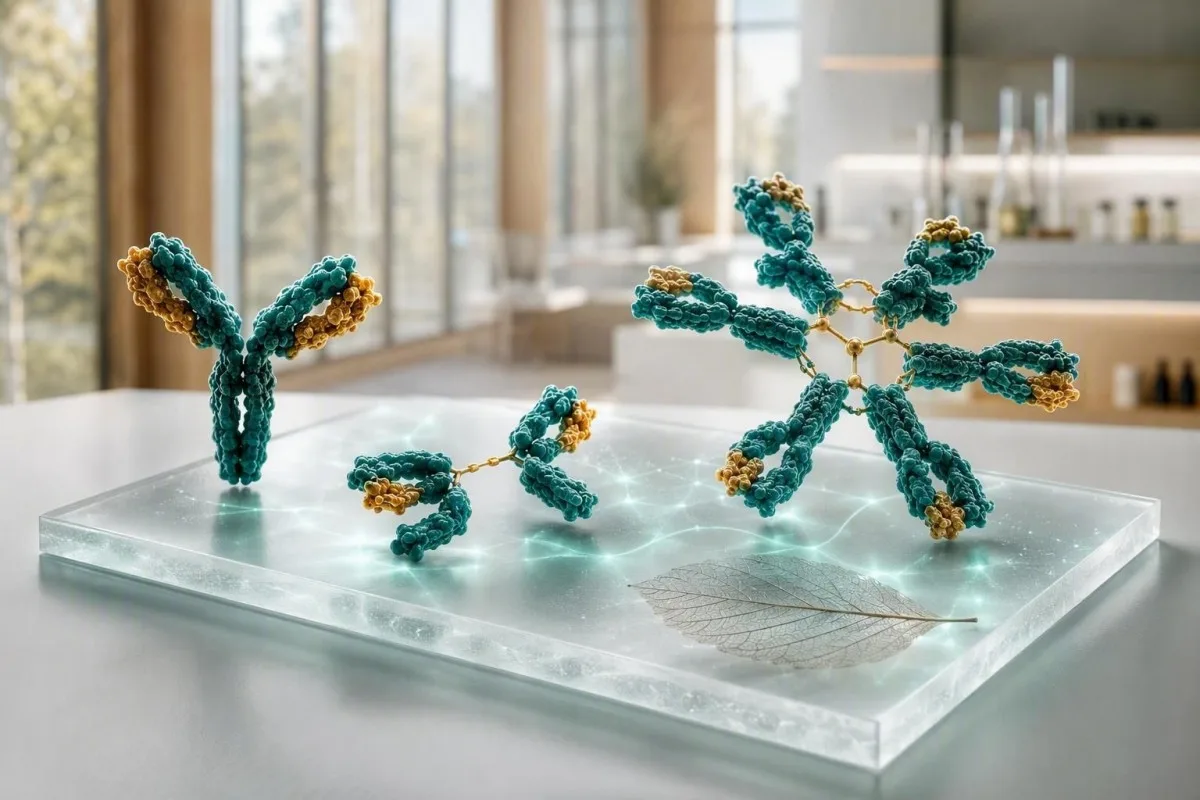
Immunoglobulina proba baliogarriena da IgG, IgA eta IgM eredu gisa irakurtzen direnean, hiru banderako isolatu gisa baino. Balio altuek sistema immunologikoaren aktibazio zabala edo proteina anormal bakar bat islatu dezakete; balio baxuek botikak, proteina galera edo antigorputz ekoizpen kaltetua adieraz dezakete.


- IgG helduetan 700-1.600 mg/dL izan ohi da; hainbat klaseetan gorakada iraunkor batek sarritan hantura kronikoa edo gibeleko gaixotasuna islatzen du.
- IgA helduetan 70-400 mg/dL izan ohi da; defizientzia selektibo batek IgA oinarritutako koelia proba negatiboa fidagarria ez izatea eragin dezake.
- IgM helduetan 40-230 mg/dL izan ohi da; gorakada isolatu eta iraunkor batek proteina monoklonal bat baztertzeko serumeko elektroforesi behar du.
- Guztiak hiru baxuak emaitza baxu bakar bat baino kezka handiagoa da eta infekzioak, botikak, proteina galera eta txertoen antigorputzen erantzunak berrikustea eskatzen du.
- Altuera poliklonala immunoglobulina klase ugari altuak direla esan nahi du; gaixotasun autoimmunea, gibeleko gaixotasun kronikoa edo infekzio luzea laguntzen du ohikoan.
- Eredu monoklonala klase bat neurriz kanpo altxatuta dagoela edo elektroforesian banda estua agertzen dela esan nahi du; immunofixazio baieztatzailea eta kate arin askearen probak behar ditu.
- Berrikuspen premiazkoa sukarra da sukarrarekin batera infekzio larriak, nahasmendu berria, arnas gutxiegitasuna, ikterizia, pisua galtzea, hezurretako mina edo proteina totalaren igoera azkarra izatea.
- Joerak garrantzia du delako 10-20%-ko aldea deshidratazioagatik, saiakuntzaren aldagarritasunagatik, azken gaixotasunagatik edo laborategiko beste metodo batengatik sor daiteke.
Nola irakurri immunoglobulina proba eredu gisa
IgG, IgA eta IgM emaitzek elkarrekin esanahi desberdina dute bakarrik baino. Panela zabalduz altxatzeak normalean estimulazio immune poliklonala adierazten du, klase nagusi batek—batez ere proteina total altuarekin—proteina monoklonal baten galdera bereizia sortzen du. 2026ko irailaren 5etik aurrera, bereizketa hori lehen urrats praktikoa izaten jarraitzen du immunoglobulina odol-azterketari diagnostiko bat erantsi aurretik.
Helduen erreferentzia-tarteak metodoaren arabera aldatzen dira, baina laborategi askok erabiltzen dute IgG 700-1.600 mg/dL, IgA 70-400 mg/dL eta IgM 40-230 mg/dL. Barruti batetik kanpoko balio bat ez da automatikoki gaixotasuna; Lehenik eta behin, laborategiko tartea, adina, haurdunaldiaren egoera, azken infekzioa, giltzurrunetako galera eta zain barneko immunoglobulinaren ondoren hartu zen lagina egiaztatzen dut.
Kantesti bat da. AI odol-analisi analizatzailea IgG, IgA eta IgM proteina totalarekin, albuminarekin, gibeleko markagailuekin, kreatininarekin eta CBCrekin batera irakurtzen duena, berehalako egoera diagnostikotzat hartu beharrean. Egiaztapen hori erabilgarria da, globulina altuak dituen albumina baxuak deshidratazioak baino istorio oso ezberdina kontatzen duelako, bi balioak kontzentratuta; gure biomarkatzaile-gidak neurketa erlazionatuak azaltzen ditu.
Nire lan klinikoan, panela birsortzaileena ez da inoiz batez bestekoa baina egonkorra izaten da: adibidez, IgG 1.690 mg/dL hiru aldiz 18 hilabetetan zehar elektroforesi normalarekin eta sintomarik gabe. Thomas Klein doktoreak oraindik galdetuko luke begi lehorrak, artikulazioen hantura, infekzio errepikatuak eta botikak izan balitu, baina aldaketa leuna egonkortasunak gutxitan du sei hilabetetan 600 mg/dL igotzearen adinako pisua.
Immunoglobulina hirurak hizkera arruntean
IgM erantzule zabal goiztiarra da, IgA arnasbideetako eta hestegorriko azalera mukosak babesten ditu, eta IgG antigorputz-jarduera iraunkorra ematen du. Beraien erdi-bizitzak desberdinak dira nabarmen: IgG-k 21 egun irauten du, IgA-k 6 egun serumetan, eta IgM-k 5 egun inguru, beraz, aldaketa segizialak ez dira abiadura berean mugitzen.
Helduen ohiko tarteak eta zergatik zure laborategiak desberdina izan dezakeen
Zure emaitzaren ondoan inprimatutako erreferentzia-tarteak lehentasuna du edozein lineako tartearen gainetik. Nephelometriak, turbidimetriako eta adin-kalibratutako laborategi-populazioek mugak apur bat desberdinak sortzen dituzte, bereziki IgA eta IgM-rentzat.
IgG 700-1.600 mg/dL, IgA 70-400 mg/dL eta IgM 40-230 mg/dL helduentzako tarteek gutxi gorabehera 7-16 g/L, 0,7-4,0 g/L eta 0,4-2,3 g/L bihurtzen dira. Haurrek adinaren araberako balio nabarmenak dituzte, eta helduen tarte bat ez da inoiz erabili behar jaioberri bat edo nerabe bat baloratzeko.
Ebaki-puntutik hurbil dagoen emaitza bereziki zaurgarria da ohiko aldakuntza biologikoari. Arnas-gaixotasun baten ondoren IgM 238 mg/dL bada, 230 mg/dL-ko goiko mugaren aurka, 8-12 aste barru errepikatzea askotan agerian uzten du berehalako bateria handi bat eskatzea baino; ikusi gure gida odol-analisi batetik bestera benetako aldaketak.
Ez da normalean janaririk behar inportazio immunoglobulinetarako, baina deshidratazio larriak proteinak kontzentratu ditzake eta zain barneko immunoglobulinak IgG neurtua handitu dezake astetan zehar. Galdetu panel eskatzen duen medikuari ea antigorputz-ordezkapena, rituximab, kortikosteroideak, anticonvulsiboak edo anti-CD20 tratamendua jaso duzun aurreko 6 hilabeteetan.
Hiru immunoglobulina klaseak altuak direnean
IgG, IgA eta IgM altuak elkarrekin, normalean, aktibazio immune poliklonala adierazten dute, klon anomalo batena baino gehiago. Gibel-gaixotasun kronikoa, nahaste autoimmuneak, infekzio iraunkorra eta hesteetako hanturazko nahaste batzuk egoera kliniko ohikoak dira.
Igoera poliklonala batek sarritan zabaldu egiten du gamma-eskualdea serumeko proteinen elektroforesian, tontor zorrotz eta estu bat sortu beharrean. Praktikoki, IgG 2.100 mg/dL, IgA 520 mg/dL eta IgM 310 mg/dL, CRP altuarekin, beste bi klaseak motelduak dituen IgG 2.400 mg/dL-ren bidetik desberdina dela iradokitzen du.
Gaixotasun autoimmuneak patroi hau sor dezake, baina sintomek gidatzen dute hurrengo proba. Begi eta aho lehor iraunkorrak, giltzura puztuak, erupzioa, beherakoa edoneuropatiak autoantigorputz eta osagarri probak bideratu ditzakete; gurea C3 eta C4 gidak azalduz osagarri baxuek interpretazio hori nola aldatzen duten.
Infekzio kronikoak ere klase batzuk hilabetez igo ditzake, nahiz eta immunoglobulinekin ezin den organismoa identifikatu edo infekzio aktiboa frogatu. ESR altuak eta sintoma konstituzionalek berrikuspen klinikoa merezi dute, eta gure azalpenak ESR altuaren kausak erakusten du zergatik markatzaile ez-espezifiko batek ezin duen kausa finkatu.
Zer esan dezake IgM altu isolatu batek
IgM altu isolatua azken infekzio baten ondoren ager daiteke, kolestasi baten gibel-gaixotasun autoimmunearekin, edo IgM proteina monoklonala izan daiteke. Iraunkortasunak, igoeraren gradua, sintomek eta elektroforesiak zenbaki bakar zalantzagarri bat baino garrantzi handiagoa dute.
IgM antigorputz pentameriko handia da, eta 230 mg/dL-tik gorako mailak sarritan finkatzen dira erronka immune baten ondoren. 800 mg/dL edo 1.200 mg/dL-ko IgM errepikatua, batez ere IgG eta IgA normalekin edo baxuekin, serumeko proteinen elektroforesia, immunofixazioa eta serumeko argi-kate askeen probak abiarazi beharko lituzke, asmatze hutsak baino gehiago.
Kolangitis behazun primarioa klasikoki lotzen da IgM altuarekin, batez ere fosfatasa alkalinoa eta gamma-glutamil transferasa ere altuak direnean. EASL jarraibideak kolestasi-gibeleko gaixotasuna ebaluatzea gomendatzen du fosfatasa alkalinoa etengabe altua denean eta antimikrosomala antigorputza dagoenean (EASL, 2017); gurea kolestasi-ereduaren gida lagun diren markatzaileak biltzen ditu.
IgM proteina monoklonala ez da berdina Waldenström makroglobulinemiarekin, eta gammopatia monoklonal txiki bat duten pertsona gehienek ez dute berehalako minbizi-diagnostikorik. Hala ere, ikusmen lausotzea, buruko minak, sudurreko odoljarioak, neuropatia berria edo neke itxurazkoa bezalako sintomek berehalako ebaluazioa behar dute, IgM oso altuak serumeko biskositatea alda dezakeelako; irakurri gehiago IgM altuak eragiten du.
IgA baxua: koelia probaren tranpa eta infekzioaren arrastoak
IgA baxuak zeliako gaixotasunerako IgA ehun-transglutaminasa proba faltsuki negatiboa egin dezake. IgA gabezia selektiboa sarritan definitzen da serumeko IgA 7 mg/dL baino gutxiago izatean 4 urtetik gorako pertsona batean, IgG eta IgM normalak dituenean, nahiz eta tokiko definizioek eta errepikatutako probak garrantzia izan.
IgA totala baxua bada, klinikoek normalean erabiltzen dute IgG-oinarritutako gliadin-peptido deamidatua edo IgG ehun-transglutaminasa proba historia klinikoarekin batera. Ez hasi dieta glutenik gabeko dieta proba egokiak egin aurretik, aholkatzen bada izan ezik, izan ere, antigorputz mailak jaitsi eta emaitza lausotu dezakete; gure gida gluten-aren erronkari buruzkoa denbora arazoa deskribatzen du.
IgA defizientzia partziala duten pertsona askok ez dute osasun arazo larririk izaten, beste batzuek, berriz, sinus, bularreko edo gastrointestinaleko infekzio errepikatuak izaten dituzte. Maiztasunak, larritasunak eta bakterio kausa frogatuek neguan bi katarro arruntez gehiago balio dute; txertaketa historia eta pneumokokoen antigorputz erantzuna informazio gehiago eman dezakete IgA osoa baino.
Odol produktuaren erreakzioak arraroak baina garrantzitsuak dira: IgA defizientzia larria eta anti-IgA antigorputzak dituzten pertsonek osagai bereziak behar ditzakete transfusioa beharrezkoa bada. Hau da ospitaleko taldeei defizientzia larria baieztatua izateaz ohartarazteko arrazoia, beharrezkoa den zainketa medikua saihesteko arrazoia ez; ikusi gure eztabaida sakonagoa IgA baxuko emaitzei buruzkoa.
IgG baxua eta infekzio errekurrenteak: emaitzak axola duenean
IgG baxua klinikoki esanguratsua bihurtzen da infekzio errepikatuak, ezohiko larriak edo behar bezala sendatzen ez direnak laguntzen dituenean. 400 mg/dL baino gutxiagoko helduen IgG orokorrean 650 mg/dL balio bat baino kezka handiagoa da, baina txertoaren erantzun funtzionalek kantitatean bakarrik oinarritutako hipotesiak irauli ditzakete.
Inmunologoek pausatzera eramaten dituzten infekzioak pneumonia errepikatuak, bronkiektasia, antibiotiko ugari behar dituzten bakterien sinus infekzio errepikatuak, bakterioen gaixotasun inbaditzailea edo giardiasi kronikoa dira. Haur-zaintzaile batean lau katarro biriko txiki ez dira baliokideak 24 hilabetetan erradiologikoki baieztatutako hiru pneumoniekin.
Kausa sekundarioak ohikoak dira: rituximab eta beste B zelulei zuzendutako terapiek, kortikosteroideen ahozko erabilera luzeak, zenbait aurrez aurrekoak, proteinen galera-nefrotiko-tarteak, enteropatia proteinak galtzen dituena eta linfoide-malignitateak IgG jaitsi dezakete. Gernu proteina, albumina, linfozito kopurua eta botiken historia sarritan beste ausazko antigorputz panel bat baino gehiago ematen dute; gure gernuko proteinaren gida galera-bide nagusia azaltzen du.
Bonilla et al. (2015)-ek immunoglubulinak kuantitatiboak eta antigorputz espezifikoen erantzunak batera ebaluatzea gomendatzen dute, lehen mailako immunodefizientzia susmatzen denean. Nire esperientzian, txertoaren ondorengo erantzun normala lasaigarria izan daiteke IgG apur bat baxua denean ere, txertoaren ondorengo erantzun eskasa 500 mg/dL-ko IgG baino gutxiagorekin espezialista baten iritzia merezi du.
IgG, IgA eta IgM guztiak baxuak direnean
IgG, IgA eta IgM baxuak batera hipogammaglobulinaemia deitzen dira eta lan osoa merezi dute, batez ere infekzioekin. Ereduak antigorputz produkzioaren nahastea, botiken eragina, proteinen galera, linfoideen gaixotasun aurreratua edo, gutxiagotan, gaixotasun osteko aldaketa aldi bateratua ispilu dezake.
IgG 360 mg/dL, IgA 28 mg/dL eta IgM 18 mg/dL-ko panel bat ez da itxaron eta ikusteko emaitza pertsonak sukarra, bularreko infekzio errepikatuak edo pisua galtzea badu. Klinikari batek panela errepikatu dezake, elektroforesa, linfozito diferentzialdun CBC, giltzurrun eta gibeleko probak, gernu proteina eta txerto-espezifikoen antigorputzak aztertu, eta gero immunologia kliniko edo hematologiara bidali.
Immunoefizientzia aldatzaile komunak askotan helduaroan agertzen da, baina bere diagnostikoak zenbaki soilak baino gehiago eskatzen ditu: sintomak, baztertutako bigarren mailako kausak eta antigorputz funtzionalen produkzio murriztua dira nagusi. Kantesti AI bat da AI laborategiko proba interpretatzeko zerbitzuan inguruko aurkikuntza hauek mediku-bisita laburpen batean antolatu ditzakeena, baina ezin du immunitate defizientziarik diagnostikatu edo immunoglubulinaren ordezkoa erabaki.
Immunoglubulinaren ordezkoa paziente hautatuetan infekzio larriak prebenitzeko agintzen da, ez laborategiko emaitza bat normalizatzeko. Erregimen tipikoak banan-banan moldatzen dira eta hilero 400-600 mg/kg ingurutan hasten dira zain barneko edo azalpeko bideen bidez, dosia infekzioaren kontroletara eta IgG bideratzera egokituz, helburu unibertsala baino gehiago; gure gida sistema immunearen odol-probak tarteek testuinguru erabilgarria ematen dute.
Nola adieraz dezake immunoglobulina proba batek proteina monoklonal bat
Proteina monoklonala iradokitzen da immunglubulin klase bat nabarmen altua denean, beste klase batzuk zapalduta daudenean, edo elektroforesiaren banda estu bat erakusten duenean. Immunoglubulin kuantitatiboek bakarrik ezin dute klonalitatea frogatu; serumeko elektroforesiak eta immunofixazioak dira tresna egiaztagarriak.
Kontuan hartu IgG 2.900 mg/dL IgA 38 mg/dL eta IgM 21 mg/dL-rekin: eredu hori hiru guztiak apur bat altu egotea baino susmagarriagoa da. Proteina total altua, albumina-globulin ratio baxua, anemia, eGFR murriztua, kaltzio altua, hezurretako mina edo infekzio errepikatuak premia klinikoa gehitzen dute; berrikusi gure gida proteina total altuari buruzkoa.
International Myeloma Working Group erakundeak MGUSa mieloma aktibotik bereizten du proteina-kantitatea, hezur-muinaren aurkikuntzak eta organoetako ondorioak erabiliz, eta ez immunoglobulinen emaitza bakarrik (Rajkumar et al., 2014). M-proteina 3 g/dL-tik beherakoa izanda ere, jarraipena egitea beharrezkoa izan daiteke; aldiz, balio txikiago batek, anemiarekin edo giltzurrunetako kaltearekin batera, hematologiako ebaluazio azkarragoa behar dezake.
Ez utzi proteina total normala izateak engaina zaitzan. Kate arineko nahasmenduek ageriko proteina-igoerarik ez eragin dezakete; horregatik, klinikariek serumeko kate arinekin, immunofixazioarekin eta gernu-azterketekin batera ebaluatzen dute kasu egoki batean; gure odol-minbiziaren proba egiteko bide-orria hurrengo urratsen azalpenak zer gertatzen den azaltzen du.
Gibeleko gaixotasunen ereduak: IgA, IgG eta IgM arrastoak
Gibeleko gaixotasunek immunoglobulinak igo ditzakete, baina nagusitzen den klaseak pista bat baino ez du ematen, ez diagnostiko bat. IgA sarritan handitzen da alkoholarekin lotutako gibeleko kaltean, IgG hepatitis autoimmunean, eta IgM behazun-kolangitis primarioan; gainjartzea ohikoa da.
IgG maila normaltasunaren goiko mugaren 1,1 aldiz baino handiagoa izateak hepatitis autoimmunea izatearen alde egiten du transaminasen eta autoantigorputzen emaitzak ere bateragarriak direnean, baina ez da nahikoa sentikorra edo espezifikoa bakarrik diagnostikatzeko. Infekzio biriko akutuak, gibeleko kalte kronikoak eta gaixotasun autoimmune sistemikoek antzeko seinalea sor dezakete; horregatik, klinikariek irudi-probak eta espezialistak agindutako azterketak erabili ohi dituzte.
IgAren igoera, GGT, AST eta makrozitosi handiekin batera, alkoholarekin lotutako gibeleko kaltearekin bateragarria izan daiteke; hala ere, alkohol-kontsumoa ez da inoiz analitika batetik ondorioztatu behar. Botiken eraginak, gibel gantzatsuaren gaixotasun metabolikoa eta beste arrazoi batzuk ohikoak dira; gure ALT emaitzen azalpenak entzimak immunoglobulinen ondoan kokatzen laguntzen du.
Segurtasun-mezu erabilgarria da ikteriziak, gernu ilunak, gorozki zurbilak, nahasmenak, sabeleko hanturak edo odola botatzeak premiazko arreta medikoa behar dutela, immunoglobulinen balioak edozein direla ere. 430 mg/dL-ko IgA igoera isolatu eta egonkor batek ez ditu sintoma horiek eragiten, eta ez luke berehalako ebaluaziotik arreta desbideratu behar.
Infekzioa, hantura eta jarduera autoimmuneak bereiztea
Immunoglobulinen mailak astiroegi eta modu ez-espezifikoan igotzen dira, beren kabuz infekzio akutu bat diagnostikatzeko. CRP, odol-analisi osoa, kultiboak edo patogeno jakinentzako probak hobeak dira berehalako infekzio-galderei erantzuteko; immunoglobulinek, berriz, immunitatearen testuinguru zabalagoa deskribatzen dute.
IgM infekzioaren hasierako antigorputz gisa deskribatu ohi da, baina serumeko IgM totala ez da patogeno jakin baten aurkako IgM proba baten gauza bera. 290 mg/dL-ko IgM total batek ezin du gripea, Epstein-Barr birusa edo gernu-infekzioa baieztatu; sintomek eta zuzeneko probek zehazten dute tratamendua behar den ala ez.
Hantura autoimmuneak IgG urtez igo dezake diagnostikoa argi egon aurretik, bereziki hipergammaglobulinemia eta elektroforesi-eredu zabalarekin batera. ANA, faktore erreumatoidea eta ENA panelak galdera kliniko bati erantzuteko eskatu behar dira, ez ausazko bilaketa gisa; adibidez, gure anti-dsDNA gidak azaltzen du zergatik behar duen emaitza positibo batek giltzurrunen eta konplementuaren testuingurua.
Thomas Klein doktoreak ikusi izan ditu infekzio biriko baten ondoren IgG altu batek beldurtutako pazienteak; hiru hilabete geroago egindako kontrolean balioa normalizatu egin zitzaien. Aldiz, 2.000 mg/dL-tik gorako IgG iraunkorra, C3 baxuarekin, proteinuriarekin eta artikulazio-sintomekin batera, ez nuke urtebetez atzeratuko; aurkikuntza horiek batera egoteak garaiz ebaluazio klinikoa egitea justifikatzen du.
Emaitzak aldatzen dituzten botikak, proteina galera eta denbora efektuak
Sendagaiek eta proteina-galerak immunoglobulinak jaitsi ditzakete, immunitate-sistemaren lehen mailako nahasmendurik egon gabe. Anti-CD20 botikek IgM jaitsi dezakete lehenik eta IgG geroago; giltzurrunetako edo hesteetako proteina-galerak, berriz, hainbat klase jaits ditzake albuminarekin batera.
Rituximabarekin lotutako hipogammaglobulinemia azken infusiotik hilabete batzuetara ager daiteke, B zelulen berreskurapena eta antigorputzen berreskurapena ez direlako gauza bera. Eraman botika-zerrenda osoa hitzordura —biologikoak, esteroideen dosia, konbultsioen aurkako sendagaiak eta kimioterapia barne—; gure sendagaien segurtasun-joeren gidak azaltzen du zergatik diren garrantzitsuak datak.
Proteina galtzeko egoerek beste aztarna batzuk ere uzten dituzte maiz: albumina baxua, 3,5 g/dL ingurutik behera; edema; beherakoa; gernuko albumina-kreatinina erlazio handia; edo proteina total murriztua. Aitzitik, deshidratazioak immunoglobulinak altu agertzea eragin dezake, albumina eta hematokritoa elkarren paraleloan igotzen diren bitartean.
Oro har, hobe da proba errepikatzea klinikoki egonkor zaudenean, eta, ahal bada, laborategi bera erabiliz. Kantesti-k datadun PDF edo argazki bat aurreko emaitzekin alderatu eta aldaketa handia seinala dezake, baina kargatu aurretik egiaztapen zaindua egitea zentzuzkoa da, unitateak eta erreferentzia-tarteak oker jaso baitaitezke.
Analisi anormal bat argitzen duten jarraipen-probak
Jarraipeneko proba egokia emaitzen ereduaren araberakoa da: elektroforesia, igoerak neurrigabeak direnean; txertoen aurkako antigorputzak, urritasuna susmatzen denean; eta gernu- edo gibeleko probak, proteina-galera edo gibeleko zantzuak daudenean. Galderarik gabe hiru zenbaki berberak errepikatzeak ekarpen txikia egin ohi du.
Emaitza altu edo desorekatuetarako, klinikariek serumezko proteinen elektroforesia, immunofinkapena, serumeko kate arin askeak, odol-analisi osoa, kaltzioa, kreatinina, albumina eta gibeleko entzimak eskatzen dituzte maiz. Elektroforesian banda estu bat agertzen bada, immunofinkapen bidez tipifikatu behar da, klaseak —IgG, IgA edo IgM— diagnostiko diferentziala eta jarraipen-plana aldatzen baititu.
Infekzioekin batera emaitza baxuak daudenean, probetan IgG azpiklaseak eta tetanosaren, Haemophilus influenzae b motaren edo pneumokokoaren serotipoen aurkako antigorputzen tituluak sar daitezke, txertoa hartu aurretik eta ondoren. Ez dago laborategi eta adin-talde guztietarako balio duen pneumokokoaren atalase babesle bakarrik; horregatik, espezialistaren interpretazioak online dagoen ebaki-balio batek baino garrantzi handiagoa du.
Kantesti bat da. AI bidezko odol-analisien analisi-tresna emaitza horiek kronologia batean antola ditzake eta falta den testuingurua identifika dezake, hala nola albumina edo elektroforesiaren emaitzarik ez egotea, zure klinikariak kontuan har dezan. Gure teknologia-gida dokumentuak azaltzen du nola sortzen diren testuinguru-seinaleak, erabaki medikoak ordeztu gabe.
Errepikapen arrunt baten zain egon behar ez duten sintomak
Immunoglobulina-emaitza batek bakarrik oso gutxitan sortzen du larrialdi bat, baina zenbait sintomak bai. Eskatu egun bereko premiazko ebaluazioa, sukar altua gaixotasun larriarekin, arnasa hartzeko zailtasuna, nahasmena, ahultasun berria, ikterizia, gernu-kantitatearen murrizketa nabarmena, ikusmen-aldaketarekin batera doan buruko min larria edo kontrolatu gabeko odoljarioa badituzu.
Immunoglobulina-maila baxuak eta 38,0 °C-ko edo gehiagoko sukarra kezkagarriagoak dira kimioterapia, dosi handiko kortikoideak edo B zeluei zuzendutako terapia jasotzen duen pertsona batengan, edo infekzio inbaditzaileen aurrekariak dituenean. Ez itxaron atariko mezurik, arnasa hartzea zaila bada, oxigeno-mailak baxuak badira edo pertsona nahastuta edo ohiz kanpo logura badago.
Balizko proteina monoklonal batek azterketa azkarragoa behar du hezurretako min berriarekin, azaldu gabeko anemiarekin, kreatinina igotzearekin, kaltzioa tokiko goiko mugatik gora egotearekin, neuropatiarekin edo nahi gabeko pisu-galerarekin batera agertzen denean. Horiek ez dira plasma-zelulen nahaste baten froga, baina klinikariek probak lehenesteko erabiltzen dituzten ezaugarriak dira; gure bigarren iritziaren gida tresnak galderak prestatzen lagun dezake.
Alarma-zantzurik gabeko anomalia arin eta egonkorretarako, hainbat asteko epean programatutako hitzordua egitea egokia izan ohi da. Eraman aurreko emaitzak, infekzioen datak, medikazio-aldaketak eta familia-aurrekariak; 2 urteko grafikoa askotan klinikoki erabilgarriagoa da nabarmendutako zenbaki bakar bat baino.
Adimen Artifizialaren interpretazioa segurtasunez erabiltzea immunoglobulina emaitzetarako
AIk immunoglobulinen emaitzen eredua antola dezake, baina ezin du zehaztu pertsona batek immunoeskasiarik, gibeleko gaixotasunik edo nahaste monoklonalik duen. Interpretazio seguruak laborategiko tartea, sintomak, medikazioak, joerak eta berrespen-probak ikusgai mantentzen ditu.
Kantesti AIk IgG, IgA eta IgM aztertzen ditu haien esanahia aldatzen duten proteinekin eta organo-markatzaileekin batera, eta ondoren jarraipeneko galderak aurkezten ditu, diagnostiko bat adierazi beharrean. Gure analisiaren lan-fluxuan, IgA baxu isolatu batek zeliakiaren probetarako zuhurtzia eragiten du; aldiz, hiru balioak baxuak direnean eta albumina ere baxua denean, galera, medikazioen ondorioak eta immunologia klinikoaren berrikuspena hartzen dira kontuan.
Pribatutasunak garrantzia du immunitatearekin eta minbiziarekin lotutako emaitzetan. Kantesti Ltd-k GDPR-rekin bat datorren kudeaketa erabiltzen du, eta gure baliozkotze medikoaren orriak dokumentuak laborategien interpretazio automatikoaren atzean dagoen gainbegiratze klinikoa eta mugak azaltzen ditu.
Txosten on batek galdera hau egiten lagundu beharko lizuke: “Aktibazio immunitario orokorra al da, proteina-galera, ekoizpen murriztua edo proteina bakarra?” Hori da ziurtasun-maila egokia, elektroforesiak edo espezialista baten ebaluazioak erantzuna eman aurretik.
Immunoglobulina analisi anormal baten ondoren galdetzeko galderak
Hurrengo galdera onena normalean “zein eredu da hau?” izaten da, “nola jaitsi edo igo dezaket zenbaki hau?” baino.” Galdetu ea emaitza iraunkorra den, poliklonala ala monoklonala den, infekzioek funtzio urritua iradokitzen duten eta bigarren mailako zein kausa aztertu diren.
Galdera erabilgarriak hauek dira: Serumeko proteinen elektroforesia egin al da? Albumina, gernuko proteinak eta gibeleko entzimak bateragarriak al dira galerarekin edo gibeleko gaixotasunarekin? Txertoen aurkako antigorputzen azterketa egin beharko nuke? Beharrezkoa al da azterketa 8-12 asteren buruan errepikatzea? Galdera horiek osagarriak erostea baino emankorragoak dira, osagarriek ez baitute modu fidagarrian zuzentzen klinikoki esanguratsua den antigorputz-defizientzia.
Espezialistarengana bideratzea aurreikusten bada, dokumentatu azken 12 hilabeteetan antibiotikoekin tratatutako infekzioen kopurua, ospitaleko bisitak, irudien bidez baieztatutako pneumoniak eta botiken erabilera. Erregistro zehatz batek —“hiru antibiotiko-tratamendu eta pneumonia bat”— “askotan gaixotzen naiz” esaldiak baino gehiago laguntzen du; gure analisi-emaitzen jarraitzaile guluak erregistro-formatu praktikoa eskaintzen du.
Gure Medikuntza Aholku Batzordea Kantesti-ren berrikuspen klinikorako estandarrak babesten ditu, baina zure medikuak izaten jarraitzen du zu azter dezakeen, baieztapen-probak eskatu ditzakeen eta aurkikuntza larrien aurrean jardun dezakeen pertsona. Paziente gehienek ikusten dute ereduetan oinarritutako elkarrizketa lasai batek kezkagarri dirudien alerta hurrengo urrats kudeagarri bihurtzen duela.
Maiz egiten diren galderak
Zer da immunoglobulin proba normalaren tartea helduentzat?
Helduen immunoglobulina tarte tipikoak hauek dira: IgG 700-1.600 mg/dL, IgA 70-400 mg/dL eta IgM 40-230 mg/dL, nahiz eta interpretaziorako laborategi bakoitzaren tarte inprimatua erabili behar den. Emaitzak g/L-tan ere ematen dira herrialde askotan: 7-16 g/L IgG-rako, 0,7-4,0 g/L IgA-rako eta 0,4-2,3 g/L IgM-rako. Tarteaz kanpoko emaitza txiki batek azken gaixotasuna, hidratazioa edo saiakuntza-aldaketa bat islatu dezake. Iraunkorrak diren anomaliak eta sintomak erabakitzen dute jarraipena behar den ala ez.
Zer esan nahi du IgG, IgA eta IgM maila altuak batera?
IgG, IgA eta IgM maila altuek, elkarrekin, gehienbat aktibazio immune poliklonala adierazten dute, hantura kroniko, gaixotasun autoimmune, infekzio iraunkor edo gibeleko gaixotasun batengatik. Hiru klase guztietako igoera zabal bat desberdina da proteina monoklonal batengandik, honek normalean klase bat modu desproportzionatuan altuago sortzen baitu edo elektroforesiaren banda estu bat. IgG 2.000 mg/dL, IgA 500 mg/dL eta IgM 300 mg/dL bezalako balioak CRP, gibeleko probak, albumina eta serumeko elektroforesiarekin interpretatu behar dira. Eredu honek bakarrik ez du gaixotasun autoimmune edo infekzio bat diagnostikatzen.
Immunglobulina maila baxuek infekzioak sarri izatea eragin dezakete?
Inmunoglobulina maila baxuek arnasbideetako edo gastrointestinaletako infekzio bakteriano errepikatuak izateko arriskua areagotu dezakete, bereziki IgG 400-500 mg/dL azpitik dagoenean edo txertoen erantzun antigorputzak ahulak direnean. Kezka gehien sortzen duen eredua pneumonia errepikatua, bronkiektasia, infekzio bakteriano inbaditzailea edo antibiotikoz tratatutako sinus-infekzio ugari izatea da, noizbehinkako katarro birikoak baino gehiago. IgG, IgA eta IgM baxuek batera sendagaiak, giltzurrunetako edo hesteetako proteina-galera, baldintza linfoideak eta lehen mailako defizientzia immunologikoa berrikustera bultzatu beharko lukete. Antigorputz funtzionalen probak askotan balio osozko IgG batek baino hobeto argitzen du arriskua.
Zerikusi zuzena al du IgA baxuak zeliakiaren gaixotasunaren probak egitearekin?
IgA baxuak celiakiaren aurkako IgA transglutaminasa ehunaren proba faltsu-negatiboa sor dezake, probak IgA antigorputzen produkzioan oinarritzen baita. IgA defizientzia selektiboa, sarritan, 4 urtetik gorako haurrengan 7 mg/dL-tik beherako IgA gisa definitzen da, IgG eta IgM normalak izanik. IgA totala baxua denean, klinikoek, orokorrean, IgG deamidatutako gliadin peptidoa edo IgG transglutaminasa ehunaren probak erabiltzen dituzte ordez. Jarraitu glutena jaten probak egiteko plana adostu arte, glutena saihesteak antigorputz-mailak jaitsi eta probaren sentsibilitatea murriztu dezakeelako.
Zein probak berresten du proteina monoclonal bat?
Odoleko proteina elektroforesiak proteina patroi anormal bat detektatzen du, eta immunofixazioak immunoglobulin monoklonal bat dagoen ala ez baieztatzen du eta bere klasea identifikatzen du. Odoleko kate arinen proba batzuk ere egiten dira, kate arin batzuk plasmazelulen nahasmenduetan nagusiki sortzen direlako eta baliteke proteina osoa nabarmen ez handitzea. Emaitza monoklonal batek M proteina-kontzentrazioaren, odol-konteoko, kaltzioaren, giltzurrun-funtzioaren eta sintomen ebaluazioa eskatzen du; M proteina bakarrak ez du automatikoki esan nahi minbizia denik. Kasu hautatuetan, gernuko proteinen azterketak ere beharrezkoak izan daitezke.
Estresak IgG, IgA edo IgM altua izatea eragin dezake?
Eguneroko estres psikologikoak ez du normalean IgG, IgA edo IgM-ren igoera isolatu handirik eragiten immunoglobulina odol-analisian. Estresak loari, infekzioarekiko suszeptibilitateari eta seinaleztapen inflamatzaileari eragin diezaieke, baina balio iraunkorrak laborategiko goiko mugatik gora ez dira estres gisa baztertu behar, gibeleko markatzaileak, CRP, botikak eta proteinen elektroforesiak berrikusi gabe, egokia denean. 10-20%-ko aldaketa txiki bat gerta daiteke analisi batetik bestera, aldaketa biologiko eta analitiko normalen ondorioz. Panela 8-12 aste geroago errepikatzea, klinikoki ondo dagoenean, askotan lehen urrats zentzuduna da azaldu gabeko igoera txiki baterako.
Lortu gaur AI bidezko odol-analisien analisia
Batu mundu osoko 2 milioi erabiltzaile baino gehiagok Kantesti-n konfiantza dutenak, laborategiko analisiak berehala eta zehaztasunez aztertzeko. Igo zure odol-analisien emaitzak eta jaso 15,000+ biomarkatzaileen interpretazio integrala segundo gutxitan.
📚 Erreferentziatutako ikerketa-argitalpenak
Klein, T., Mitchell, S., & Weber, H. (2026). Kantesti LTD. (2026). AI Odol Analizatzailea: 2.5M Analizatutako Testak | Osasun Globalaren Txostena 2026. Zenodo.. Kantesti AI Medical Research.
Klein, T., Mitchell, S., & Weber, H. (2026). Kantesti LTD. (2026). RDW Odol-analisia: RDW-CV, MCV eta MCHC-rako gida osoa. Zenodo.. Kantesti AI Medical Research.
📖 Kanpoko erreferentzia medikoak
⚕️ Ohar medikoa
Artikulu hau hezkuntza-helburuetarako da soilik eta ez du mediku-aholkurik ematen. Diagnostiko- eta tratamendu-erabakietarako, beti kontsultatu osasun-profesional kualifikatu bati.
E-E-A-T Konfiantza-seinaleak
Esperientzia
Medikuek gidatutako berrikuspen klinikoa laborategiko interpretazioaren lan-fluxuei buruz.
Espezializazioa
Laborategiko medikuntzaren ikuspegia biomarkatzaileek testuinguru klinikoan nola jokatzen duten aztertzean.
Autoritatea
Dr. Thomas Klein-ek idatzia, eta Dr. Sarah Mitchell eta Prof. Dr. Hans Weber-ek berrikusia.
Fidagarritasuna
Ebidentzian oinarritutako interpretazioa, alarma murrizteko jarraipen-bide argiekin.