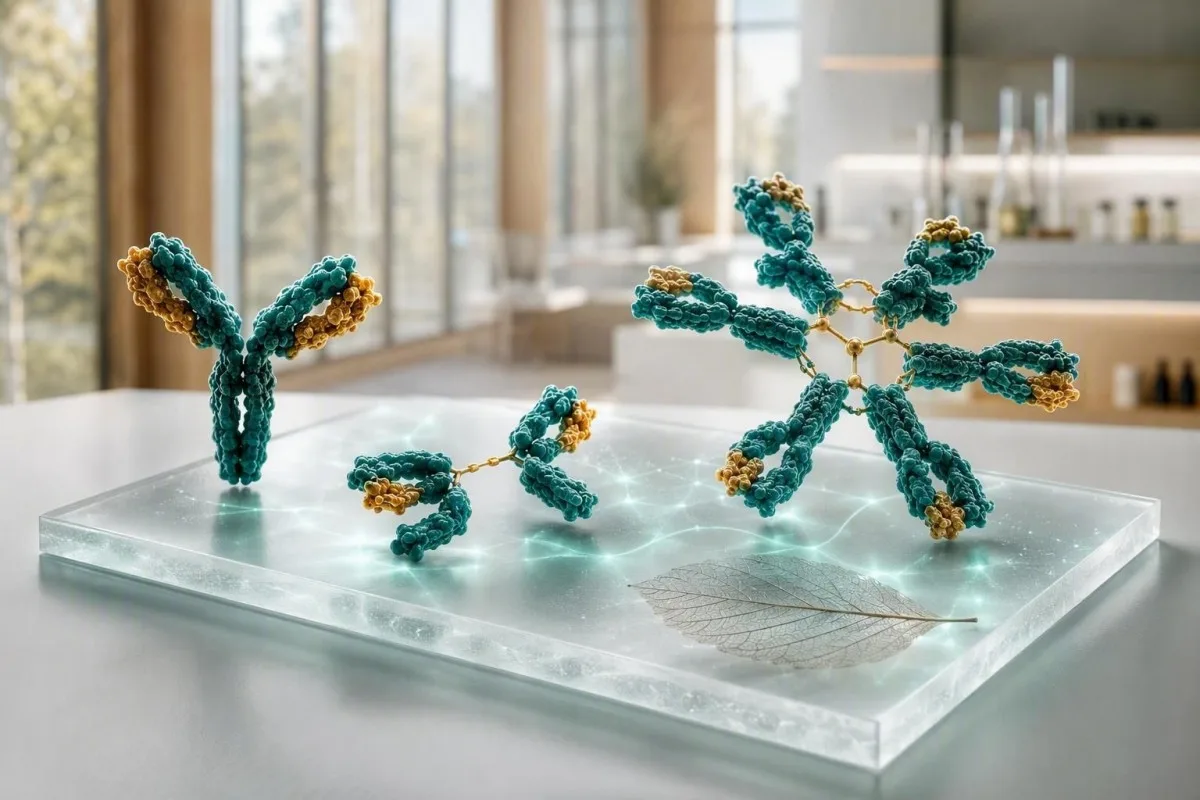
ඉමියුනොග්ලොබුලින් පරීක්ෂණයක් IgG, IgA සහ IgM රටාවක් ලෙස කියවන විට වඩාත් ප්රයෝජනවත් වේ, තුන් දෙනෙකුගේ හුදකලා කොඩි නොවේ. ඉහළ අගයන් පුළුල් ප්රතිශක්තිකරණ සක්රිය කිරීම හෝ තනි අසාමාන්ය ප්රෝටීනයක් පිළිබිඹු කළ හැකිය; අඩු අගයන් ඖෂධ, ප්රෝටීන් අහිමි වීම හෝ දුර්වල ප්රතිදේහ නිෂ්පාදනයක් දැක්විය හැකිය.


- IgG වැඩිහිටියන් තුළ සාමාන්යයෙන් 700-1,600 mg/dL වේ; කිහිප දෙනෙකුගේ පන්තිවල ස්ථාවර ಏබීමක් බොහෝ විට නිදන්ගත දැවිල්ල හෝ අක්මා රෝගය පිළිබිඹු කරයි.
- IgA වැඩිහිටියන් තුළ සාමාන්යයෙන් 70-400 mg/dL වේ; තෝරාගත් ඌපේක්ෂාව IgA- පාදක CE පරීක්ෂණය විශ්වාස කළ නොහැකි කළ හැකිය.
- IgM වැඩිහිටියන් තුළ සාමාන්යයෙන් 40-230 mg/dL වේ; හුදකලා, ස්ථාවර ಏබීමක් මොනොක්ලෝනල් ප්රෝටීනයක් බැහැර කිරීම සඳහා සෙරුම් ප්රෝටීන් ඉලෙක්ට්රෝෆොරසිස් අවශ්ය වේ.
- තුනම අඩුයි එක් අඩු ප්රතිඵලයකට වඩා සැලකිල්ලක් දක්වන අතර ආසාදන, ඖෂධ, ප්රෝටීන් අහිමි වීම සහ එන්නත් ප්රතිදේහ ප්රතිචාර සමාලෝචනය කිරීම වටී.
- පොලික්ලෝනල් උන්නතිය විවිධ ඉමියුනොග්ලොබුලින් පන්ති ඉහළ මට්ටම්වල පවතින බව අදහස් වේ; එය බොහෝ විට ස්වයං ප්රතිශක්තිකරණ රෝග, නිදන්ගත අක්මා රෝගය හෝ දිගුකාලීන ආසාදනය සමඟ ඇත.
- මොනොක්ලෝනල් රටාව එක් පන්තියක් අසමානුපාතිකව ඉහළ ගොස් ඇති බව හෝ ඉලෙක්ට්රෝෆොරසිස් මත පටු කලාපයක් දිස්වන බව අදහස් වේ; එය තහවුරු කිරීමේ ඉමියුනොෆික්සේෂන් සහ නිදහස්-ආලෝක-චේන් පරීක්ෂණ අවශ්ය වේ.
- හදිසි පරීක්ෂාවක් උණ, නැවත ඇතිවන බරපතල ආසාදන, නව අවුල් සහගත බව, හුස්ම හිරවීම, කහ-අධික වීම, බර අඩු වීම, අස්ථි වේදනාව හෝ අධික ලෙස ඉහළ යන මුළු ප්රෝටීන් ප්රමාණයට එය අර්ථවත් වේ.
- ප්රවණතාව වැදගත්ය මන්ද, 10-20% වෙනසක් ඇතිවිය හැක්කේ විජලනය, පරීක්ෂණ වෙනස්කම්, මෑතකදී ඇති වූ අසනීපයක් හෝ වෙනස් රසායනාගාර ක්රමයක් නිසාය.
ඉමියුනොග්ලොබුලින් පරීක්ෂණයක් රටාවක් ලෙස කියවන ආකාරය
IgG, IgA සහ IgM ප්රතිඵල තනි තනිව මෙන් නොව, එක්ව වෙනස් අර්ථයන් ලබා දෙයි. පුළුල් ලෙස ඉහළ ගිය පුවරුවක් සාමාන්යයෙන් පොලික්ලෝනල් ප්රතිශක්තිකරණ උත්තේජනයක් සංඥා කරයි, අතර ආධිපත්යය දරන එක් පන්තියක් - විශේෂයෙන් ඉහළ මුළු ප්රෝටීන් සමඟ - මොනොක්ලෝනල් ප්රෝටීනයක වෙනම ප්රශ්නයක් මතු කරයි. සැප්තැම්බර් 5, 2026 වන විට, එම වෙනස ප්රතිශරීර ග්ලෝබුලින් රුධිර පරීක්ෂණයට රෝග විනිශ්චයක් සම්බන්ධ කිරීමට පෙර ප්රායෝගික පළමු පියවර ලෙස පවතී.
වැඩිහිටි විමර්ශන පරතරයන් ක්රමය අනුව වෙනස් වේ, නමුත් බොහෝ රසායනාගාර භාවිතා කරයි IgG 700-1,600 mg/dL, IgA 70-400 mg/dL, සහ IgM 40-230 mg/dL. පරතරයෙන් පිටත ඇති අගයක් ස්වයංක්රීයව රෝගයක් නොවේ; මම මුලින්ම රසායනාගාර පරතරය, වයස, ගැබ්ගැනීමේ තත්ත්වය, මෑතකදී ඇති වූ ආසාදනය, වකුගඩු අලාභය සහ අභ්යන්තර ග්ලෝබුලින් ලබා ගැනීමෙන් පසුව නියැදිය ගෙන තිබේද යන්න පරීක්ෂා කරමි.
කන්ටෙස්ටි යනු AI රුධිර පරීක්ෂණ විශ්ලේෂකය මුළු ප්රෝටීන්, ඇල්බුමින්, අක්මා සලකුණු, ක්රියේටිනින් සහ CBC අසල IgG, IgA සහ IgM කියවන අතර රතු කොඩියක් රෝග විනිශ්චයක් ලෙස සලකනවා වෙනුවට. එම හරස්-පරීක්ෂාව ප්රයෝජනවත් වන්නේ ඉහළ ගිය ග්ලෝබුලින් සමඟ අඩු ඇල්බුමින් දෙකම සංකේන්ද්රණය වූ විජලනයට වඩා ඉතා වෙනස් කතාවක් කියන නිසාය; අපේ අවශ්ය වේ, සම්බන්ධිත මිනුම් පැහැදිලි කරයි.
මගේ සායනික කාර්යයේදී, බොහෝ විට වඩාත් සැනසිලිදායක පුවරුව පරිපූර්ණ සාමාන්ය නොව ස්ථායී වේ: උදාහරණයක් ලෙස, IgG 1,690 mg/dL මාස 18 කට වැඩි කාලයක් තුනේ ඇඳීම් මත සාමාන්ය ඉලෙක්ට්රෝෆොරසිස් සහ රෝග ලක්ෂණ නොමැතිව. ආචාර්ය තෝමස් ක්ලයින් තවමත් වියළි ඇස්, සන්ධි ඉදිමීම, නැවත ඇතිවන ආසාදන සහ ඖෂධ ගැන විමසනු ඇත, නමුත් ස්ථායී මෘදු වෙනස මාස හයකින් 600 mg/dL නැගීමක් තරම් බරක් නොදරයි.
සාමාන්ය භාෂාවෙන් තුනේ ප්රතිශරීර ග්ලෝබුලින්
IgM මුල් පුළුල් ප්රතිචාරකයා වේ, IgA ශ්වසන පත්ර සහ බඩවැල් වල ශ්ලේෂ්මල පෘෂ්ඨයන් ආරක්ෂා කරයි, සහ IgG වඩාත්ම කල් පවතින සංසරණ ප්රතිදේහ ක්රියාකාරිත්වය සපයයි. ඒවායේ ජීව විද්යාත්මක අර්ධ-ආයු කාලය සැලකිය යුතු ලෙස වෙනස් වේ: IgG දින 21 ක් පමණ, IgA සේරම් වල දින 6 ක් පමණ, සහ IgM දින 5 ක් පමණ පවතී, එබැවින් අනුක්රමික වෙනස්කම් එකම වේගයකින් චලනය නොවේ.
සාමාන්ය වැඩිහිටි පරාසයන් සහ ඔබේ රසායනාගාරය වෙනස් විය හැක්කේ ඇයි
ඔබේම ප්රතිඵලය අසල මුද්රණය කර ඇති විමර්ශන පරතරය අන්තර්ජාල පරතරයට වඩා ප්රමුඛතාවයක් ගනී. නෙෆෙලෝමෙට්රි, ටර්බිඩිමෙට්රි සහ වයස්-මාලික රසායනාගාර ජනගහනය මධ්යස්ථව වෙනස් සීමාවන් නිපදවයි, විශේෂයෙන් IgA සහ IgM සඳහා.
IgG 700-1,600 mg/dL, IgA 70-400 mg/dL සහ IgM 40-230 mg/dL යන පොදු වැඩිහිටි පරතරයන් දළ වශයෙන් 7-16 g/L, 0.7-4.0 g/L සහ 0.4-2.3 g/L බවට පරිවර්තනය වේ. ළමුන්ට වයස අනුව සැලකිය යුතු අගයන් ඇත, සහ වැඩිහිටි පරතරයක් කිසි විටෙක ළදරුවෙකු හෝ නව යොවුන් වියේ පසුවන්නෙකු විනිශ්චය කිරීමට භාවිතා නොකළ යුතුය.
කප්-අවුට් අසල ඇති ප්රතිඵලයක් සාමාන්ය ජීව විද්යාත්මක වෙනස්කම් වලට විශේෂයෙන් ගොදුරු වේ. ශ්වසන රෝගයකින් පසු IgM 230 mg/dL හි ඉහළ සීමාවට එරෙහිව 238 mg/dL නම්, වහාම විශාල බැටරියක් ඇණවුම් කිරීමට වඩා 8-12 සති වලදී නැවත කිරීම බොහෝ විට වැඩි යමක් හෙළි කරයි; වෙත අපගේ මාර්ගෝපදේශය බලන්න රුධිර පරීක්ෂණ අතර ඇති සැබෑ වෙනස්කම්.
ගුණාත්මක ප්රතිශරීර ග්ලෝබුලින් සඳහා සාමාන්යයෙන් නිරාහාරව සිටීම අවශ්ය නොවේ, නමුත් දරුණු විජලනය ප්රෝටීන සංකේන්ද්රණය කළ හැකි අතර IV ග්ලෝබුලින් මගින් මනින ලද IgG සති ගණනක් ඉහළ නංවයි. පසුගිය මාස 6 තුළ ඔබ ප්රතිදේහ ප්රතිස්ථාපනය, රිටුසිමාබ්, කෝටිකොස්ටෙරොයිඩ්, ප්රති-අපස්මාර නාශක හෝ ප්රති-CD20 ප්රතිකාර ලබා ගත්තේද යන්න විමසන වෛද්යවරයාගෙන් අසන්න.
සියලුම ඉමියුනොග්ලොබුලින් පන්ති තුනම ඉහළ මට්ටම්වල පවතින විට
IgG, IgA සහ IgM තුනම එකවර ඉහළ මට්ටමක පැවතීම සාමාන්යයෙන් එක් අසාමාන්ය ක්ලෝනයකට වඩා බහුක්ලෝනීය ප්රතිශක්ති සක්රීය වීමක් පෙන්නුම් කරයි. නිදන්ගත අක්මා රෝග, ස්වයංප්රතිශක්ති තත්ත්ව, අඛණ්ඩ ආසාදන සහ සමහර අන්ත්ර ප්රදාහකාරී ආබාධ මෙවැනි සායනික පසුබිම්වල සාමාන්යයෙන් දක්නට ලැබේ.
බහුක්ලෝනීය ඉහළ යාමක් සාමාන්යයෙන් සීරම් ප්රෝටීන විද්යුත් විභේදනයේදී ගැමා කලාපය පුළුල් කරයි; තියුණු, පටු උච්චයක් ඇති නොකරයි. ප්රායෝගිකව, CRP ඉහළ මට්ටමක පවතින විට IgG 2,100 mg/dL, IgA 520 mg/dL සහ IgM 310 mg/dL යන අගයන්, අනෙක් පන්ති දෙක මර්දනය වී ඇති IgG 2,400 mg/dL තත්ත්වයට වඩා වෙනස් මාර්ගයක් පෙන්නුම් කරයි.
ස්වයංප්රතිශක්ති රෝගයක් මෙම රටාව ඇති කළ හැකි නමුත්, ඊළඟ පරීක්ෂණය තීරණය කරන්නේ රෝග ලක්ෂණ වේ. අඛණ්ඩව පවතින ඇස් සහ මුඛ වියළීම, සන්ධි ඉදිමීම, රෑෂ්, පාචනය හෝ ස්නායු රෝග ලක්ෂණ නිශ්චිත ස්වයංප්රතිදේහ සහ පූරක පරීක්ෂණ සාධාරණීකරණය කළ හැක; අපගේ C3 සහ C4 මාර්ගෝපදේශය අඩු පූරක මට්ටම එම අර්ථකථනය වෙනස් කරන්නේ මන්දැයි පැහැදිලි කරයි.
නිදන්ගත ආසාදනයක් ද මාස ගණනක් පුරා ප්රතිදේහ පන්ති කිහිපයක් ඉහළ නැංවිය හැකි නමුත්, ප්රතිශක්තිග්ලොබියුලින් මඟින් ආසාදකය හඳුනාගැනීමට හෝ සක්රීය ආසාදනයක් තහවුරු කිරීමට නොහැක. ව්යවස්ථාමය රෝග ලක්ෂණ සමඟ ESR ඉහළ මට්ටමක පවතී නම් සායනික සමාලෝචනයක් අවශ්ය වේ; සහ අපගේ ඉහළ ESR හේතු නිශ්චිත නොවන ප්රදාහකාරී සලකුණකට හේතුව තීරණය කළ නොහැක්කේ මන්දැයි පැහැදිලි කරයි.
හුදකලා ඉහළ IgM යන්නෙන් අදහස් කරන්නේ කුමක්ද?
හුදකලා ලෙස ඉහළ IgM ප්රතිඵලයක් මෑතකාලීන ආසාදනයකින් පසුව ඇති විය හැකි අතර, කොලෙස්ටැටික් ස්වයංප්රතිශක්තික අක්මා රෝගයකදී දක්නට ලැබිය හැකි හෝ IgM මොනොක්ලෝනීය ප්රෝටීනයක් නිරූපණය කළ හැක. එක් වරක් ලැබෙන සීමාවට ආසන්න අගයකට වඩා අඛණ්ඩතාව, ඉහළ යාමේ ප්රමාණය, රෝග ලක්ෂණ සහ විද්යුත් විභේදන ප්රතිඵල වැදගත් වේ.
IgM යනු විශාල පංචක ඒකකීය ප්රතිදේහයක් වන අතර, 230 mg/dL ට මඳක් ඉහළ මට්ටම් ප්රතිශක්ති අභියෝගයකින් පසු බොහෝවිට සාමාන්ය තත්ත්වයට පත්වේ. විශේෂයෙන් IgG සහ IgA සාමාන්ය හෝ අඩු මට්ටමක පවතින විට, නැවත නැවතත් IgM 800 mg/dL හෝ 1,200 mg/dL ලෙස ලැබේ නම්, අනුමාන කිරීම වෙනුවට සීරම් ප්රෝටීන විද්යුත් විභේදනය, ප්රතිශක්ති ස්ථාපනය සහ සීරම් නිදහස් සැහැල්ලු-දාම පරීක්ෂණ සිදු කළ යුතුය.
ප්රාථමික බිලියරි කොලැන්ජයිටිස් රෝගය සාමාන්යයෙන් ඉහළ IgM සමඟ සම්බන්ධ වන අතර, විශේෂයෙන් ක්ෂාරීය ෆොස්ෆටේස් සහ ගැමා-ග්ලූටමයිල් ට්රාන්ස්ෆරේස් ද ඉහළ මට්ටමක පවතින විටය. ක්ෂාරීය ෆොස්ෆටේස් අඛණ්ඩව ඉහළ මට්ටමක පවතින විට සහ ප්රති-මයිටොකොන්ඩ්රියල් ප්රතිදේහ පවතින විට කොලෙස්ටැටික් අක්මා රෝගයක් සඳහා ඇගයීමක් සිදු කළ යුතු බව EASL මාර්ගෝපදේශය උපදෙස් දෙයි (EASL, 2017); අපගේ cholestasis රටා මාර්ගෝපදේශය ඒ සමඟ ඇති සලකුණු ආවරණය කරයි.
මොනොක්ලෝනීය IgM ප්රෝටීනයක් Waldenström macroglobulinaemia හා සමාන නොවන අතර, කුඩා මොනොක්ලෝනීය ගැමපතිකාවක් ඇති බොහෝ පුද්ගලයන්ට වහාම පිළිකා රෝග විනිශ්චයක් නොලැබේ. එසේ වුවද, දෘෂ්ටි බොඳවීම, හිසරදය, නාසයෙන් ලේ ගැලීම, අලුතින් ඇති වූ ස්නායු රෝග ලක්ෂණ හෝ පැහැදිලි කළ නොහැකි තෙහෙට්ටුව වැනි රෝග ලක්ෂණවලට වහාම ඇගයීමක් අවශ්ය වේ; මන්ද ඉතා ඉහළ IgM මඟින් සීරම් දුස්ස්රාවිතාව වෙනස් කළ හැකි බැවිනි; පිළිබඳ වැඩිදුර කියවන්න ඉහළ IgM.
අඩු IgA: CE පරීක්ෂණ උගුල සහ ආසාදන පිළිබඳ ඉඟි
අඩු IgA මට්ටමක් IgA පටක-ට්රාන්ස්ග්ලූටමිනේස් සීලියැක් පරීක්ෂණයක ව්යාජ-ඍණ ප්රතිඵලයක් ඇති කළ හැක. තෝරාගත් IgA ඌනතාවය සාමාන්යයෙන් නිර්වචනය කරන්නේ, වයස අවුරුදු 4ට වැඩි පුද්ගලයකුගේ IgG සහ IgM සාමාන්ය මට්ටමක පවතින විට සීරම් IgA 7 mg/dL ට අඩු වීම ලෙසය; කෙසේ වෙතත්, ප්රාදේශීය නිර්වචන සහ නැවත පරීක්ෂා කිරීම වැදගත් වේ.
සමස්ත IgA මට්ටම අඩු නම්, වෛද්යවරු සාමාන්යයෙන් භාවිතා කරන්නේ IgG මත පදනම් වූ ඩිඅමයිනේටඩ් ග්ලියඩින් පෙප්ටයිඩ් හෝ IgG පටක-ට්රාන්ස්ග්ලූටමිනේස් පරීක්ෂණයකි. සායනික ඉතිහාසය සමඟ. සුදුලූනු රහිත ආහාර වේලක් ආරම්භ කිරීමට පෙර සුදුසු පරීක්ෂණ සිදු කරගන්න; වෛද්ය උපදෙස් නොමැතිව එය ආරම්භ නොකරන්න, මන්ද ප්රතිදේහ මට්ටම් අඩුවී ප්රතිඵලය अस्पष्ट විය හැකි බැවිනි; අපගේ සුදුලූනු රහිත ආහාර අභියෝග මාර්ගෝපදේශය පරීක්ෂණ කාලසීමාව සම්බන්ධ ගැටලුව විස්තර කරයි.
අර්ධ IgA ඌනතාව ඇති බොහෝ දෙනෙකුට ප්රධාන සෞඛ්ය ගැටලු නොමැති අතර, තවත් සමහරු නැවත නැවත ඇතිවන සයිනස්, පපුවේ හෝ ආමාශ ආන්ත්රික ආසාදන වාර්තා කරති. ශීත ඍතුවක සාමාන්ය සෙම්ප්රතිශ්යාවන් දෙකක් තිබීමකට වඩා ආසාදනවල සංඛ්යාතය, තීව්රතාව සහ ලේඛනගත බැක්ටීරියා හේතු වැදගත් වේ; සම්පූර්ණ IgA ප්රමාණයට වඩා එන්නත් ඉතිහාසය සහ pneumococcal ප්රතිදේහ ප්රතිචාරය වැඩි තොරතුරු සැපයිය හැක.
රුධිර නිෂ්පාදනවලට ඇතිවන ප්රතික්රියා දුර්ලභ නමුත් අදාළ වේ: දැඩි IgA ඌනතාවක් සහ anti-IgA ප්රතිදේහ ඇති පුද්ගලයන්ට රුධිර පාරවිලයනයක් අවශ්ය වූ විට විශේෂයෙන් තෝරාගත් සංඝටක අවශ්ය විය හැක. තහවුරු කළ දැඩි ඌනතාවක් පිළිබඳ රෝහල් කණ්ඩායම්වලට දැනුම් දීමට මෙය හේතුවකි; වෛද්යමය වශයෙන් අවශ්ය ප්රතිකාර වළක්වා ගැනීමට හේතුවක් නොවේ; අපගේ වඩාත් සවිස්තරාත්මක සාකච්ඡාව බලන්න: අඩු IgA ප්රතිඵල.
අඩු IgG සහ පුනරාවර්තන ආසාදන: ප්රතිඵලය වැදගත් වන විට
අඩු IgG සායනිකව වැදගත් වන්නේ එය නැවත නැවත ඇතිවන, අසාමාන්ය ලෙස තීව්ර හෝ පහසුවෙන් සුව නොවන ආසාදන සමඟ පවතින විටය. වැඩිහිටියෙකුගේ IgG අගය 400 mg/dL ට අඩු වීම සාමාන්යයෙන් 650 mg/dL අගයකට වඩා වැඩි අවධානයක් අවශ්ය කරයි; එහෙත් ක්රියාකාරී එන්නත්-ප්රතිදේහ ප්රතිචාර මඟින් ප්රමාණය පමණක් මත පදනම් වූ උපකල්පන වෙනස් කළ හැක.
ප්රතිශක්ති විද්යාඥයන්ගේ අවධානයට ලක්වන ආසාදන වන්නේ නැවත නැවත ඇතිවන නියුමෝනියාව, bronchiectasis, ප්රතිජීවක කිහිපයක් අවශ්ය වන නැවත නැවත ඇතිවන බැක්ටීරියානු සයිනස් ආසාදන, ආක්රමණශීලී බැක්ටීරියානු රෝග හෝ දිගුකාලීන giardiasis ය. ළමා සුරැකුම් සේවකයෙකුට ඇතිවන සුළු වෛරස් සෙම්ප්රතිශ්යාවන් හතරක්, මාස 24ක් තුළ විකිරණ පරීක්ෂණ මඟින් තහවුරු කළ නියුමෝනියා තුනකට සමාන නොවේ.
ද්විතීයික හේතු බහුලය: rituximab සහ අනෙකුත් B-සෛල ඉලක්ක කරගත් ප්රතිකාර, දිගුකාලීන මුඛ corticosteroids, ඇතැම් ප්රතිකම්පන ඖෂධ, nephrotic-range ප්රෝටීන අහිමිවීම, ප්රෝටීන අහිමිවන enteropathy සහ lymphoid malignancy මඟින් IgG අඩු කළ හැක. තවත් අහඹු ප්රතිදේහ පැනලයකට වඩා මුත්රා ප්රෝටීන, albumin, lymphocyte ගණන සහ ඖෂධ ඉතිහාසය බොහෝ විට වැඩි තොරතුරු සපයයි; අපගේ මුත්රාවේ protein මාර්ගෝපදේශය මාර්ගෝපදේශය ප්රධාන අහිමිවීමේ මාර්ගයක් පැහැදිලි කරයි.
ප්රාථමික ප්රතිශක්ති ඌනතාවක් සැක කරන විට, නිශ්චිත ප්රතිදේහ ප්රතිචාර සමඟ ප්රමාණාත්මක immunoglobulins ඇගයීමට Bonilla et al. (2015) නිර්දේශ කරති. මගේ අත්දැකීම අනුව, IgG මඳක් අඩු වුවද එන්නතෙන් පසු සාමාන්ය ප්රතිචාරයක් සහනදායක විය හැක; එහෙත් 500 mg/dL ට අඩු IgG සමඟ දුර්වල ප්රතිචාර පවතින්නේ නම් විශේෂඥ උපදෙස් ලබාගත යුතුය.
IgG, IgA සහ IgM සියල්ලම අඩු වූ විට
IgG, IgA සහ IgM තුනම අඩු වීම hypogammaglobulinaemia ලෙස හැඳින්වෙන අතර, විශේෂයෙන් ආසාදන සමඟ පවතින විට ක්රමවත් පරීක්ෂණයක් අවශ්ය වේ. මෙම රටාව දුර්වල ප්රතිදේහ නිෂ්පාදනය, ඖෂධ බලපෑම්, ප්රෝටීන අහිමිවීම, උසස් අදියරේ lymphoid රෝගය හෝ අඩුවෙන් දක්නට ලැබෙන තාවකාලික පශ්චාත්-අසනීප වෙනසක් පිළිබිඹු කළ හැක.
IgG 360 mg/dL, IgA 28 mg/dL සහ IgM 18 mg/dL යන ප්රතිඵල, පුද්ගලයාට උණ, නැවත නැවත ඇතිවන පපුවේ ආසාදන හෝ බර අඩුවීම තිබේ නම්, බලා සිටිය හැකි ප්රතිඵලයක් නොවේ. වෛද්යවරයෙකු පැනලය නැවත පරීක්ෂා කර, electrophoresis, differential සහිත CBC, වකුගඩු හා අක්මා පරීක්ෂණ, මුත්රා ප්රෝටීන සහ එන්නත්-විශේෂිත ප්රතිදේහ පරීක්ෂා කර, පසුව clinical immunology හෝ haematology අංශයට යොමු කළ හැක.
Common variable immunodeficiency බොහෝ විට වැඩිහිටි වියේදී ප්රකාශ වුවද, එහි රෝග විනිශ්චය සඳහා අඩු සංඛ්යා පමණක් ප්රමාණවත් නොවේ: රෝග ලක්ෂණ, ද්විතීයික හේතු බැහැර කිරීම සහ ක්රියාකාරී ප්රතිදේහ නිෂ්පාදනය අඩුවීම මූලික වේ. Kantesti AI යනු AI රසායනාගාර පරීක්ෂණ අර්ථකථන සේවාව මෙම අවට සොයාගැනීම් වෛද්ය හමුවකට ගෙන යා හැකි සාරාංශයකට සංවිධානය කළ හැකි මෙවලමකි; එහෙත් එයට ප්රතිශක්ති ඌනතාවක් හඳුනාගැනීමට හෝ immunoglobulin replacement පිළිබඳ තීරණය කිරීමට නොහැක.
Immunoglobulin replacement නියම කරන්නේ රසායනාගාර ප්රතිඵලයක් සාමාන්යකරණය කිරීමට පමණක් නොව, තෝරාගත් රෝගීන්ගේ බරපතළ ආසාදන වැළැක්වීමටය. සාමාන්ය replacement ක්රම පුද්ගලයා අනුව වෙනස් වන අතර, සාමාන්යයෙන් මාසයකට 400–600 mg/kg පමණ intravenous හෝ subcutaneous මාර්ගයෙන් ආරම්භ කරයි; මාත්රාව සර්වසාධාරණ ඉලක්කයකට නොව ආසාදන පාලනය සහ trough IgG මත පදනම්ව සකස් කරයි; අපගේ මාර්ගෝපදේශය: ප්රතිශක්තිකරණ පද්ධතියේ රුධිර පරීක්ෂණ අමතර ප්රයෝජනවත් සන්දර්භයක් එක් කරයි.
ඉමියුනොග්ලොබුලින් පරීක්ෂණයක් මොනොක්ලෝනල් ප්රෝටීනයක් දක්වා පෙන්විය හැකි ආකාරය
එක් immunoglobulin පන්තියක් අසමාන ලෙස ඉහළ මට්ටමක පවතින විට, අනෙකුත් පන්ති මර්දනය වී ඇති විට හෝ electrophoresis මඟින් පටු band එකක් පෙන්වන විට monoclonal protein එකක් සැක කෙරේ. ප්රමාණාත්මක immunoglobulins පමණක් clonality තහවුරු කළ නොහැක; serum protein electrophoresis සහ immunofixation තහවුරු කිරීමේ පරීක්ෂණ වේ.
IgG 2,900 mg/dL, IgA 38 mg/dL සහ IgM 21 mg/dL යන රටාව, තුනම මධ්යස්ථ ලෙස ඉහළ මට්ටමක පවතින තත්ත්වයකට වඩා සැකසහිතය. ඉහළ සම්පූර්ණ ප්රෝටීන, අඩු albumin-to-globulin අනුපාතය, රක්තහීනතාව, අඩු eGFR, ඉහළ calcium, අස්ථි වේදනාව හෝ නැවත නැවත ඇතිවන ආසාදන සායනික හදිසිභාවය වැඩි කරයි; අපගේ මාර්ගෝපදේශය බලන්න: ඉහළ සම්පූර්ණ ප්රෝටීන.
ජාත්යන්තර මයිලෝමා ක්රියාකාරී කණ්ඩායම MGUS සහ සක්රීය මයිලෝමා වෙන්කර හඳුනාගන්නේ ඉමියුනොග්ලොබියුලින් ප්රතිඵලය පමණක් නොව, ප්රෝටීන ප්රමාණය, අස්ථිමජ්ජා සොයාගැනීම් සහ අවයවවලට ඇති බලපෑම් මතය (Rajkumar et al., 2014). M-ප්රෝටීනය 3 g/dL ට අඩු වුවද නිරීක්ෂණය අවශ්ය විය හැකි අතර, රක්තහීනතාවය හෝ වකුගඩු හානිය සමඟ අඩු අගයක් තිබේ නම් වඩා ඉක්මන් රක්තවේද ඇගයීමක් අවශ්ය විය හැක.
සාමාන්ය සමස්ත ප්රෝටීන මට්ටමකින් නොමඟ නොයන්න. ලයිට්-චේන් පමණක් සහිත ආබාධවලදී පැහැදිලි ප්රෝටීන ඉහළ යාමක් නොපෙනිය හැකි බැවින්, සුදුසු සායනික තත්ත්වයකදී වෛද්යවරු සීරම් නිදහස් ලයිට් චේන්, ඉමියුනොෆික්සේෂන් සහ මුත්රා පරීක්ෂණ ඒකාබද්ධ කරති; අපගේ රුධිර පිළිකා පරීක්ෂණ මාර්ගය මීළඟට සිදුවන්නේ කුමක්ද යන්න පැහැදිලි කරයි.
අක්මා රෝග රටා: IgA, IgG සහ IgM පිළිබඳ ඉඟි
අක්මා රෝගය ඉමියුනොග්ලොබියුලින් ඉහළ නැංවිය හැකි නමුත්, ප්රමුඛ පන්තිය හුදෙක් ඉඟියක් පමණක් වන අතර රෝග විනිශ්චයක් නොවේ. මත්පැන් ආශ්රිත අක්මා හානිය සමඟ IgA, ස්වයංප්රතිශක්තික හෙපටයිටിസ് සමඟ IgG සහ ප්රාථමික පිත්තනාල ප්රදාහය සමඟ IgM බොහෝ විට ඉහළ යයි; පන්ති අතර අතිච්ඡාදනය සාමාන්ය දෙයකි.
සාමාන්යයේ ඉහළ සීමාව මෙන් 1.1 ගුණයකට වඩා වැඩි IgG මට්ටමක්, ට්රාන්ස්ඇමිනේස් සහ ස්වයංප්රතිදේහ ප්රතිඵල ගැළපෙන විට ස්වයංප්රතිශක්තික හෙපටයිටിസ് සඳහා සහාය දක්වයි; නමුත් එය පමණක් රෝග විනිශ්චය කිරීමට තරම් සංවේදී හෝ විශේෂිත නොවේ. උග්ර වෛරස් රෝග, දිගුකාලීන අක්මා හානිය සහ පද්ධතිමය ස්වයංප්රතිශක්තික රෝග සියල්ලටම සමාන සංඥාවක් ඇති කළ හැකි බැවින්, වෛද්යවරු බොහෝ විට රූපගත කිරීම සහ විශේෂඥයන් විසින් යොමු කරන ලද පරීක්ෂණ භාවිත කරති.
GGT, AST ඉහළ යාම සහ මැක්රොසයිටෝසිස් සමඟ IgA ඉහළ යාම මත්පැන් ආශ්රිත අක්මා හානියට ගැළපිය හැකි නමුත්, පරීක්ෂණ මණ්ඩලයක් මත පදනම්ව මත්පැන් භාවිතය කිසිවිටෙක උපකල්පනය නොකළ යුතුය. ඖෂධ බලපෑම්, පරිවෘත්තීයමය මේදමය අක්මා රෝගය සහ වෙනත් හේතු නිතර දක්නට ලැබේ; අපගේ ALT ප්රතිඵල පිළිබඳ පැහැදිලි කිරීම ඉමියුනොග්ලොබියුලින් සමඟ එන්සයිම සලකා බැලිය යුතු ආකාරය පැහැදිලි කරයි.
වැදගත් ආරක්ෂිත පණිවිඩය වන්නේ ඉමියුනොග්ලොබියුලින් අගයන් කුමක් වුවද, සෙංගමාලය, අඳුරු මුත්රා, පැහැය අඩු මල, ව්යාකූලතාව, උදරය ඉදිමීම හෝ ලේ වමනය වීම ඇති විට හදිසි වෛද්ය ප්රතිකාර අවශ්ය බවයි. 430 mg/dL ක ස්ථාවර, හුදකලා IgA ඉහළ යාමක් මෙම රෝග ලක්ෂණ ඇති නොකරන අතර, එය වහාම සිදු කළ යුතු ඇගයීමෙන් අවධානය වෙනතකට යොමු නොකළ යුතුය.
ආසාදන, දැවිල්ල සහ ස්වයං ප්රතිශක්තිකරණ ක්රියාකාරකම් වෙන් කිරීම
ඉමියුනොග්ලොබියුලින් මට්ටම් තනිවම උග්ර ආසාදනයක් හඳුනාගැනීමට තරම් වේගයෙන් හෝ විශේෂිතව ඉහළ නොයයි. ක්ෂණික ආසාදන සම්බන්ධ ප්රශ්නවලට CRP, සම්පූර්ණ රුධිර ගණනය, සංස්කෘති පරීක්ෂණ හෝ ඉලක්කගත රෝගකාරක පරීක්ෂණ වඩාත් හොඳ පිළිතුරු සපයන අතර, ඉමියුනොග්ලොබියුලින් මගින් පුළුල් ප්රතිශක්ති පසුබිම විස්තර කරයි.
IgM බොහෝ විට මුල් අවධියේ ආසාදන ප්රතිදේහයක් ලෙස විස්තර කළද, සම්පූර්ණ සීරම් IgM යනු රෝගකාරක-විශේෂිත IgM පරීක්ෂණයට සමාන නොවේ. 290 mg/dL ක සම්පූර්ණ IgM මට්ටමකින් ඉන්ෆ්ලුවෙන්සා, එප්ස්ටයින්–බාර් වෛරසය හෝ මුත්රා ආසාදනයක් තහවුරු කළ නොහැක; ප්රතිකාර අවශ්යද යන්න තීරණය කරන්නේ රෝග ලක්ෂණ සහ සෘජු පරීක්ෂණ මගිනි.
ස්වයංප්රතිශක්තික ප්රදාහය, විශේෂයෙන් හයිපර්ගැමාග්ලොබියුලීනීමියා සහ පුළුල් විද්යුත්විශ්ලේෂණ රටාවක් සමඟ, රෝග විනිශ්චය පැහැදිලි වීමට වසර ගණනකට පෙර IgG ඉහළ නැංවිය හැක. ANA, රියුමැටොයිඩ් සාධකය සහ ENA පැනල නියම කළ යුත්තේ සායනික ප්රශ්නයකට පිළිතුරු ලබාගැනීමට මිස අරමුණක් නොමැතිව සෙවීමක් ලෙස නොවේ; උදාහරණයක් ලෙස, අපගේ anti-dsDNA මාර්ගෝපදේශය ධනාත්මක ප්රතිඵලයකට වකුගඩු සහ කොම්ප්ලිමන්ට් පිළිබඳ සන්දර්භය අවශ්ය වන්නේ මන්දැයි පැහැදිලි කරයි.
වෛරස් රෝගයකින් පසු ඉහළ IgG අගයක් නිසා බියට පත් වූ, මාස 3කට පසු නැවත පරීක්ෂා කළ විට එය සාමාන්ය වූ රෝගීන් වෛද්ය තෝමස් ක්ලයින් දැක ඇත. අනෙක් අතට, 2,000 mg/dL ට වැඩි IgG මට්ටමක් දිගටම පැවතීම, අඩු C3, ප්රෝටීනියුරියා සහ සන්ධි රෝග ලක්ෂණ සමඟ තිබේ නම්, එය වසරක් ප්රමාද කළ යුතු තත්ත්වයක් නොවේ—මෙම ඒකාබද්ධ සොයාගැනීම් කාලෝචිත සායනික ඇගයීමක් සාධාරණීකරණය කරයි.
ප්රතිඵල වෙනස් කරන ඖෂධ, ප්රෝටීන් අහිමි වීම සහ කාලය පිළිබඳ බලපෑම්
ප්රාථමික ප්රතිශක්ති ආබාධයක් නොමැතිව ඖෂධ සහ ප්රෝටීන අහිමිවීම ඉමියුනොග්ලොබියුලින් මට්ටම් අඩු කළ හැක. Anti-CD20 ඖෂධ මගින් පළමුව IgM ද පසුව IgG ද අඩු කළ හැකි අතර, වකුගඩු හෝ ආන්ත්රික ප්රෝටීන අහිමිවීම නිසා ඇල්බියුමින් සමඟ පන්ති කිහිපයක්ම අඩු විය හැක.
අවසාන ඉන්ෆියුෂනයෙන් මාස කිහිපයකට පසු රිටුක්සිමැබ් සම්බන්ධ හයිපෝගැමාග්ලොබියුලීනීමියා මතුවිය හැක්කේ B-සෛල ප්රතිසාධනය සහ ප්රතිදේහ ප්රතිසාධනය එකිනෙකට සමාන නොවන බැවිනි. ජෛව ඖෂධ, ස්ටෙරොයිඩ් මාත්රාව, අපස්මාර නාශක ඖෂධ සහ රසායනික ප්රතිකාර ඇතුළුව සම්පූර්ණ ඖෂධ ලැයිස්තුවක් හමුවීමට රැගෙන එන්න; අපගේ ඖෂධ ආරක්ෂිත ප්රවණතා මාර්ගෝපදේශය දින වැදගත් වන්නේ මන්දැයි පැහැදිලි කරයි.
ප්රෝටීන් අහිමිවන තත්ත්වයන්හිදී බොහෝවිට අමතර සලකුණු දක්නට ලැබේ: ඇල්බියුමින් 3.5 g/dL පමණට අඩුවීම, ශෝථය, පාචනය, ඉහළ මුත්රා ඇල්බියුමින්-ක්රියේටිනින් අනුපාතයක් හෝ අඩු සමස්ත ප්රෝටීන් මට්ටමක්. ඊට ප්රතිවිරුද්ධව, දියරහරණය නිසා ප්රතිශක්තිග්ලොබියුලින් මට්ටම් ඉහළ ලෙස පෙනිය හැකි අතර, ඇල්බියුමින් සහ රක්ත සංකේන්ද්රණය සමාන්තරව ඉහළ යයි.
ඔබ සායනිකව ස්ථාවරව සිටින විට, හැකි නම් එම රසායනාගාරයම භාවිත කරමින් පරීක්ෂණය නැවත සිදු කිරීම සාමාන්යයෙන් වඩාත් සුදුසුය. Kantesti හට දිනය සඳහන් PDF ගොනුවක් හෝ ඡායාරූපයක් පෙර ප්රතිඵල සමඟ සසඳා විශාල වෙනසක් සලකුණු කළ හැකි නමුත්, ප්රවේශමෙන් උඩුගත කිරීම පරීක්ෂා කිරීම යෝග්ය වේ, මන්ද ඒකක සහ සමුද්දේශ පරාස වැරදි ලෙස සටහන් විය හැකි බැවිනි.
අසාමාන්ය පුවරුවක් පැහැදිලි කරන අනුගාමික පරීක්ෂණ
සුදුසු පසු විපරම් පරීක්ෂණය ප්රතිඵල රටාව මත රඳා පවතී: අසමානුපාතික ඉහළ යාම් සඳහා විද්යුත් විච්ඡේදනය, සැක කෙරෙන ඌනතාවක් සඳහා එන්නත් ප්රතිදේහ, සහ ප්රෝටීන් අහිමිවීමක් හෝ අක්මාව සම්බන්ධ ඉඟි සඳහා මුත්රා හෝ අක්මා පරීක්ෂණ. ප්රශ්නයක් නොමැතිව එම සංඛ්යා තුනම නැවත නැවත පරීක්ෂා කිරීමෙන් බොහෝවිට ලැබෙන්නේ සුළු ප්රයෝජනයකි.
ඉහළ හෝ අසමාන ප්රතිඵල සඳහා, වෛද්යවරුන් සාමාන්යයෙන් සීරම් ප්රෝටීන් විද්යුත් විච්ඡේදනය, ප්රතිශක්ති ස්ථාවරකරණ පරීක්ෂණය, සීරම් නිදහස් සැහැල්ලු දාම, සම්පූර්ණ රුධිර ගණනය, කැල්සියම්, ක්රියේටිනින්, ඇල්බියුමින් සහ අක්මා එන්සයිම ඉල්ලා සිටිති. විද්යුත් විච්ඡේදනයේදී පටු පටියක් දක්නට ලැබේ නම්, එය ප්රතිශක්ති ස්ථාවරකරණ පරීක්ෂණයෙන් වර්ගීකරණය කළ යුතුය, මන්ද එහි වර්ගය—IgG, IgA හෝ IgM—අවකල්පනීය රෝග විනිශ්චය සහ පසු විපරම් සැලැස්ම වෙනස් කරන බැවිනි.
ආසාදන සමඟ අඩු ප්රතිඵල පවතින විට, එන්නත ලබාදීමට පෙර සහ පසු IgG උපවර්ග तथा ටීටනස්, Haemophilus influenzae වර්ගය b හෝ නියුමොකොකල් සෙරොටයිප් සඳහා ප්රතිදේහ මාත්රා පරීක්ෂා කිරීම ඇතුළත් විය හැක. සෑම රසායනාගාරයකටම සහ සෑම වයස් කාණ්ඩයකටම ගැළපෙන එකම ආරක්ෂිත නියුමොකොකල් සීමාවක් නොමැත. එබැවින් මෙය මාර්ගගත සීමාවකට වඩා විශේෂඥ අර්ථකථනය වැදගත් වන ක්ෂේත්රයකි.
කන්ටෙස්ටි යනු AI මගින් බලගැන්වූ රුධිර පරීක්ෂණ විශ්ලේෂණ මෙවලම එම ප්රතිඵල කාලරේඛාවකට එක්කර, ඇල්බියුමින් හෝ විද්යුත් විච්ඡේදන ප්රතිඵල නොමැති වීම වැනි අහිමි වූ පසුබිම් තොරතුරු හඳුනාගෙන, ඔබේ වෛද්යවරයාට සලකා බැලීමට ඉදිරිපත් කළ හැකි තාක්ෂණික මාර්ගෝපදේශය සන්දර්භීය සලකුණු වෛද්ය තීරණ ගැනීම වෙනුවට ක්රියා නොකරමින් ජනනය කරන ආකාරය අපගේ ක්රියාවලිය පැහැදිලි කරයි.
සාමාන්ය පුනරාවර්තනයක් සඳහා බලා සිටිය යුතු රෝග ලක්ෂණ
ප්රතිශක්තිග්ලොබියුලින් ප්රතිඵලයක් පමණක් කලාතුරකින් හදිසි තත්ත්වයක් ඇති කරයි, නමුත් ඇතැම් රෝග ලක්ෂණ එසේ කරයි. දැඩි අසනීපභාවය සමඟ ඉහළ උණ, හුස්ම ගැනීමේ අපහසුතාව, ව්යාකූලත්වය, අලුතින් ඇති වූ දුර්වලතාව, කාමලාව, මුත්රා ප්රමාණය සැලකිය යුතු ලෙස අඩුවීම, දෘශ්ය වෙනස්කම් සමඟ දැඩි හිසරදය හෝ පාලනය කළ නොහැකි රුධිර වහනයක් ඇති විට එදිනම හදිසි වෛද්ය ඇගයීමක් ලබාගන්න.
රසායනික ප්රතිකාර, ඉහළ මාත්රා ස්ටෙරොයිඩ්, B-සෛල ඉලක්කගත ප්රතිකාර ලබන හෝ ආක්රමණශීලී ආසාදන පිළිබඳ ඉතිහාසයක් ඇති පුද්ගලයකුගේ ප්රතිශක්තිග්ලොබියුලින් මට්ටම් අඩු වීම සමඟ 38.0°C හෝ ඊට වැඩි උණක් පැවතීම වඩාත් සැලකිලිමත් විය යුතු තත්ත්වයකි. හුස්ම ගැනීම අපහසු නම්, ඔක්සිජන් මට්ටම් අඩු නම්, හෝ පුද්ගලයා ව්යාකූලව හෝ අසාමාන්ය ලෙස නිදිමතව පෙනේ නම්, ද්වාර පණිවිඩයක් එන තෙක් බලා නොසිටින්න.
නව අස්ථි වේදනාව, පැහැදිලි කළ නොහැකි රක්තහීනතාව, ක්රියේටිනින් ඉහළ යාම, ප්රාදේශීය ඉහළ සීමාවට වඩා කැල්සියම් ඉහළ වීම, ස්නායු රෝග ලක්ෂණ හෝ අනපේක්ෂිත බර අඩුවීම සමඟ ඇති විට, හැකි මොනොක්ලෝනල් ප්රෝටීනයක් පිළිබඳව වේගවත් සමාලෝචනයක් අවශ්ය වේ. මේවා ප්ලාස්මා-සෛල ආබාධයකට නිශ්චිත සාක්ෂි නොවන නමුත්, පරීක්ෂණ සඳහා ප්රමුඛතාව තීරණය කිරීමට වෛද්යවරුන් භාවිත කරන ලක්ෂණ වේ; අපගේ second-opinion මාර්ගෝපදේශය ප්රශ්න සූදානම් කිරීමට උපකාර කළ හැක.
අනතුරු ඇඟවීමේ ලක්ෂණ නොමැති, මෘදු සහ ස්ථාවර අසාමාන්යතා සඳහා සති කිහිපයක් ඇතුළත සැලසුම් කළ හමුවක් සාමාන්යයෙන් යෝග්ය වේ. පෙර ප්රතිඵල, ආසාදන ඇති වූ දින, ඖෂධ වෙනස්කම් සහ පවුල් ඉතිහාසය රැගෙන එන්න; තනිව ඉස්මතු කළ සංඛ්යාවකට වඩා වසර 2ක ප්රස්තාරයක් බොහෝවිට සායනිකව ප්රයෝජනවත් වේ.
ඉමියුනොග්ලොබුලින් ප්රතිඵල සඳහා AI අර්ථ නිරූපණය ආරක්ෂිතව භාවිතා කිරීම
AI හට ප්රතිශක්තිග්ලොබියුලින් පරීක්ෂණ රටාවක් සංවිධානය කළ හැකි නමුත්, පුද්ගලයකුට ප්රතිශක්ති ඌනතාවක්, අක්මා රෝගයක් හෝ මොනොක්ලෝනල් ආබාධයක් තිබේදැයි තීරණය කළ නොහැක. ආරක්ෂිත අර්ථකථනයේදී රසායනාගාර පරාසය, රෝග ලක්ෂණ, ඖෂධ, ප්රවණතා සහ තහවුරු කිරීමේ පරීක්ෂණ පැහැදිලිව පෙනෙන ලෙස තබා ගනී.
Kantesti AI මගින් IgG, IgA සහ IgM ඒවායේ අර්ථය වෙනස් කරන ප්රෝටීන සහ අවයව සලකුණු සමඟ සමාලෝචනය කර, රෝග විනිශ්චයක් ප්රකාශ කිරීම වෙනුවට පසු විපරම් ප්රශ්න ඉදිරිපත් කරයි. අපගේ විශ්ලේෂණ ක්රියාවලියේදී, හුදකලා අඩු IgA අගයක් සීලියැක් රෝග පරීක්ෂණය පිළිබඳ අවධානයක් යොමු කරවන අතර, ඇල්බියුමින් අඩුවීම සමඟ ප්රතිඵල තුනම අඩු වීම අහිමිවීම, ඖෂධ බලපෑම් සහ සායනික ප්රතිශක්තිවිද්යා සමාලෝචනය සලකා බැලීමට යොමු කරයි.
ප්රතිශක්ති හා පිළිකා සම්බන්ධ ප්රතිඵල සඳහා පෞද්ගලිකත්වය වැදගත් වේ. Kantesti Ltd මගින් GDPR සමඟ අනුකූලව දත්ත හසුරුවන අතර, අපගේ වෛද්ය සත්යාපන පිටුව ස්වයංක්රීය රසායනාගාර අර්ථකථනය පිටුපස ඇති සායනික අධීක්ෂණය සහ සීමාවන් විස්තර කරයි.
හොඳ වාර්තාවක් ඔබට මෙසේ විමසීමට උපකාර කළ යුතුය: “මෙය පුළුල් ප්රතිශක්ති සක්රීය වීමක්ද, ප්රෝටීන් අහිමිවීමක්ද, නිෂ්පාදනය අඩුවීමක්ද, නැතහොත් තනි ප්රෝටීනයක්ද?” විද්යුත් විච්ඡේදනය හෝ විශේෂඥ ඇගයීම මගින් පිළිතුරක් ලබා දීමට පෙර සුදුසු නිශ්චිතභාවයේ මට්ටම මෙයයි.
අසාමාන්ය ඉමියුනොග්ලොබුලින් පුවරුවක් ලැබීමෙන් පසු ඇසීමට ප්රශ්න
සාමාන්යයෙන් හොඳම ඊළඟ ප්රශ්නය වන්නේ “මෙය කුමන රටාවක්ද?” යන්නයි; “මෙම සංඛ්යාව අඩු කරන්නේ හෝ වැඩි කරන්නේ කෙසේද?” යන්න නොවේ.” ප්රතිඵලය අඛණ්ඩව පවතින්නේද, බහුක්ලෝනීයද හෝ ඒකක්ලෝනීයද, ආසාදනවලින් ප්රතිශක්තිකරණ ක්රියාකාරිත්වය දුර්වල බවක් පෙනේද, සහ කුමන ද්විතීය හේතු පරීක්ෂා කර තිබේද යන්න විමසන්න.
ප්රයෝජනවත් ප්රශ්න අතරට මෙවැනි දෑ ඇතුළත් වේ: සීරම් ප්රෝටීන් විද්යුත් විච්ඡේදනය සිදු කළාද? ඇල්බියුමින්, මුත්රා ප්රෝටීන් සහ අක්මා එන්සයිම ප්රෝටීන් අහිමිවීමක් හෝ අක්මා රෝගයක් සමඟ අනුකූලද? මට එන්නත්-ප්රතිදේහ පරීක්ෂාවක් කළ යුතුද? සති 8–12කින් නැවත පරීක්ෂා කිරීම අවශ්යද? සායනිකව වැදගත් ප්රතිදේහ ඌනතාවක් විශ්වාසනීය ලෙස නිවැරදි නොකරන බැවින්, අතිරේක ද්රව්ය මිලදී ගැනීමට වඩා මෙම ප්රශ්න වඩාත් ප්රයෝජනවත් වේ.
විශේෂඥ වෛද්යවරයෙකු වෙත යොමු කිරීමක් සැලසුම් කරන්නේ නම්, පසුගිය මාස 12 තුළ ප්රතිජීවක මඟින් ප්රතිකාර කළ ආසාදන සංඛ්යාව, රෝහල් පැමිණීම්, රූපකරණයෙන් තහවුරු කළ නියුමෝනියා අවස්ථා සහ ඖෂධ භාවිතය සටහන් කරන්න. “මට නිතර අසනීප වෙනවා” යන්නට වඩා—“ප්රතිජීවක පාඨමාලා තුනක් සහ එක් නියුමෝනියා අවස්ථාවක්”—වැනි නිවැරදි වාර්තාවක් වඩාත් උපකාරී වේ; අපගේ රසායනාගාර ප්රතිඵල ට්රැකර් (lab result tracker) ප්රායෝගික වාර්තා ආකෘතියක් ඉදිරිපත් කරයි.
අපගේ වෛද්ය උපදේශක මණ්ඩලය Kantesti හි සායනික සමාලෝචන ප්රමිතීන්ට සහාය දක්වයි, නමුත් ඔබව පරීක්ෂා කිරීමට, තහවුරුකරණ පරීක්ෂණ නියම කිරීමට සහ හදිසි සොයාගැනීම් සම්බන්ධයෙන් ක්රියා කිරීමට හැකි පුද්ගලයා තවමත් ඔබේම වෛද්යවරයාය. බොහෝ රෝගීන්ට සන්සුන්, රටාව මත පදනම් වූ සංවාදයක් කනස්සල්ලට හේතු වූ සලකුණක් කළමනාකරණය කළ හැකි ඊළඟ පියවරක් බවට පත් කරන බව පෙනේ.
නිතර අසන ප්රශ්න
වැඩිහිටියන් සඳහා සාමාන්ය ඉමියුනොග්ලොබුලින් පරීක්ෂණ පරාසය කුමක්ද?
සාමාන්ය වැඩිහිටි ඉමියුනොග්ලොබුලින් පරාසයන් වන්නේ IgG 700-1,600 mg/dL, IgA 70-400 mg/dL සහ IgM 40-230 mg/dL, නමුත් අර්ථ නිරූපණය සඳහා සෑම රසායනාගාරයකම මුද්රිත පරතරය භාවිතා කළ යුතුය. බොහෝ රටවල g/L ලෙසද ප්රතිඵල වාර්තා වේ: IgG සඳහා 7-16 g/L, IgA සඳහා 0.7-4.0 g/L සහ IgM සඳහා 0.4-2.3 g/L. පරාසයෙන් තරමක් පිටත ප්රතිඵලයක් මෑත අසනීප, ජල පානය හෝ පරීක්ෂණ වෙනස්කම් පිළිබිඹු කළ හැකිය. අඛණ්ඩ අසාමාන්යතා සහ රෝග ලක්ෂණ මගින් අනුගාමික නිරීක්ෂණ අවශ්ය දැයි තීරණය කරයි.
ඉහළ IgG, IgA සහ IgM එකට අදහස් කරන්නේ කුමක්ද?
ඉහළ IgG, IgA සහ IgM එකට බොහෝ විට නිදන්ගත දැවිල්ල, ස්වයං ප්රතිශක්තිකරණ රෝග, පවතින ආසාදනය හෝ අක්මා රෝගයකින් පොලික්ලෝනල් ප්රතිශක්තිකරණ සක්රීයතාවයක් දැක්විය හැකිය. මෙම පන්ති තුන පුරාම පුළුල් වැඩිවීමක් මොනොක්ලෝනල් ප්රෝටීනයකින් වෙනස් වේ, එය සාමාන්යයෙන් එක් අතිශය ඉහළ පන්තියක් හෝ පටු ඉලෙක්ට්රෝෆොරසිස් පටියක් නිර්මාණය කරයි. CRP, අක්මා පරීක්ෂණ, ඇල්බියුමින් සහ සෙරුම් ප්රෝටීන් ඉලෙක්ට්රෝෆොරසිස් සමඟ IgG 2,000 mg/dL, IgA 500 mg/dL සහ IgM 300 mg/dL වැනි අගයන් අර්ථකථනය කළ යුතුය. රටාව පමණක් ස්වයං ප්රතිශක්තිකරණ රෝගයක් හෝ ආසාදනයක් හඳුනා නොගනී.
අඩු ඉම్యුනොග්ලොබුලින් මට්ටම් නිසා නිතර ආසාදන ඇති විය හැකිද?
අඩු immunoglobuline මට්ටම්, විශේෂයෙන් IgG 400-500 mg/dL ට වඩා අඩු වන විට හෝ එන්නත් ප්රතිදේහ ප්රතිචාර දුර්වල වන විට, නැවත නැවත ඇතිවන බැක්ටීරියා ශ්වසන හෝ ආමාශ ආන්ත්ර ආසාදන ඇතිවීමේ අවදානම වැඩි කළ හැකිය. වඩාත්ම කනස්සල්ලට හේතුවන රටාව වන්නේ කිහිප විටක් ඇතිවන නියුමෝනියාව, bronchiectasis, ආක්රමණශීලී බැක්ටීරියා ආසාදන හෝ කිහිප විටක් ප්රතිජීවක ඖෂධ වලින් ප්රතිකාර කරන ලද සයිනස් ආසාදන, ඉඳහිට ඇතිවන වෛරස් සෙම්ප්රතිශ්යාවට වඩාය. අඩු IgG, IgA සහ IgM එකට ඖෂධ, වකුගඩු හෝ බඩවැල් ප්රෝටීන් අහිමිවීම, lymphoid තත්වයන් සහ ප්රාථමික ප්රතිශක්ති ඌනතාවය සඳහා සමාලෝචනයක් කිරීමට පෙළඹවිය යුතුය. ක්රියාකාරී ප්රතිදේහ පරීක්ෂාව බොහෝ විට සම්පූර්ණ IgG අගයකට වඩා අවදානම පැහැදිලි කරයි.
IgA ඌė
ª ¯ ¯ ¯ ¯ ¯ ¯ ¯ ¯ ¯ ¯ ¯ ¯ ¯ ¯ ¯ ¯ ¯ ¯ ¯ ¯ ¯ ¯ ¯ ¯ ¯ ¯ ¯ ¯ ¯ ¯ ¯ ¯ ¯ ¯ ¯ ¯ ¯ ¯ ¯ ¯ ¯ ¯ ¯ ¯ ¯ ¯ ¯ ¯ ¯ ¯ ¯ ¯ ¯ ¯ ¯ ¯ ¯ ¯ ¯ ¯ ¯ ¯ ¯ ¯ ¯ ¯ ¯ ¯ ¯ ¯ ¯ ¯ ¯ ¯ ¯ ¯ ¯ ¯ ¯ ¯ ¯ ¯ ¯ ¯ ¯ ¯ ¯ ¯ ¯ ¯ ¯ ¯ ¯ ¯ ¯ ¯ ¯ ¯ ¯ ¯ ¯ ¯ ¯ ¯ ¯ ¯ ¯ ¯ ¯ ¯ ¯ ¯ ¯ ¯ ¯ ¯ ¯ ¯ ¯ ¯ ¯ ¯ ¯ ¯ ¯ ¯ ¯ ¯ ¯ ¯ ¯ ¯ ¯ ¯ ¯ ¯ ¯ ¯ ¯ ¯ ¯ ¯ ¯ ¯ ¯ ¯ ¯ ¯ ¯ ¯ ¯ ¯ ¯ ¯ ¯ ¯ ¯ ¯ ¯ ¯ ¯ ¯ ¯ ¯ ¯ ¯ ¯ ¯ ¯ ¯ ¯ ¯ ¯ ¯ ¯ ¯ ¯ ¯ ¯ ¯ ¯ ¯ ¯ ¯ ¯ ¯ ¯ ¯ ¯ ¯ ¯ ¯ ¯ ¯ ¯ ¯ ¯ ¯ ¯ ¯ ¯ ¯ ¯ ¯ ¯ ¯ ¯ ¯ ¯ ¯ ¯ ¯ ¯ ¯ ¯ ¯ ¯ ¯ ¯ ¯ ¯ ¯ ¯ ¯ ¯ ¯ ¯ ¯ ¯ ¯ ¯ ¯ ¯ ¯ ¯ ¯ ¯ ¯ ¯ ¯ ¯ ¯ ¯ ¯ ¯ ¯ ¯ ¯ ¯ ¯ ¯ ¯ ¯ ¯ ¯ ¯ ¯ ¯ ¯ ¯ ¯ ¯ ¯ ¯ ¯ ¯ ¯ ¯ ¯ ¯ ¯ ¯ ¯ ¯ ¯ ¯ ¯ ¯ ¯ ¯ ¯ ¯ ¯ ¯ ¯ ¯ ¯ ¯ ¯ ¯ ¯ ¯ ¯ ¯ ¯ ¯ ¯ ¯ ¯ ¯ ¯ ¯ ¯ ¯ ¯ ¯ ¯ ¯ ¯ ¯ ¯ ¯ ¯ ¯ ¯ ¯ ¯ ¯ ¯ ¯ ¯ ¯ ¯ ¯ ¯ ¯ ¯ ¯ ¯ ¯ ¯ ¯ ¯ ¯ ¯ ¯ ¯ ¯ ¯ ¯ ¯ ¯ ¯ ¯ ¯ ¯ ¯ ¯ ¯ ¯ ¯ ¯ ¯ ¯ ¯ ¯ ¯ ¯ ¯ ¯ ¯ ¯ ¯ ¯ ¯ ¯ ¯ ¯ ¯ ¯ ¯ ¯ ¯ ¯ ¯ ¯ ¯ ¯ ¯ ¯ ¯ ¯ ¯ ¯ ¯ ¯ ¯ ¯ ¯ ¯ ¯ ¯ ¯ ¯ ¯ ¯ ¯ ¯ ¯ ¯ ¯ ¯ ¯ ¯ ¯ ¯ ¯ ¯ ¯ ¯ ¯ ¯ ¯ ¯ ¯ ¯ ¯ ¯ ¯ ¯ ¯ ¯ ¯ ¯ ¯ ¯ ¯ ¯ ¯ ¯ ¯ ¯ ¯ ¯ ¯ ¯ ¯ ¯ ¯ ¯ ¯ ¯ ¯ ¯ ¯ ¯ ¯ ¯ ¯ ¯ ¯ ¯ ¯ ¯ ¯ ¯ ¯ ¯ ¯ ¯ ¯ ¯ ¯ ¯ ¯ ¯ ¯ ¯ ¯ ¯ ¯ ¯ ¯ ¯ ¯ ¯ ¯ ¯ ¯ ¯ ¯ ¯ ¯ ¯ ¯ ¯ ¯ ¯ ¯ ¯ ¯ ¯ ¯ ¯ ¯ ¯ ¯ ¯ ¯ ¯ ¯ ¯ ¯ ¯ ¯ ¯ ¯ ¯ ¯ ¯ ¯ ¯ ¯ ¯ ¯ ¯ ¯ ¯ ¯ ¯ ¯ ¯ ¯ ¯ ¯ ¯ ¯ ¯ ¯ ¯ ¯ ¯ ¯ ¯ ¯ ¯ ¯ ¯ ¯ ¯ ¯ ¯ ¯ ¯ ¯ ¯ ¯ ¯ ¯ ¯ ¯ ¯ ¯ ¯ ¯ ¯ ¯ ¯ ¯ ¯ ¯ ¯ ¯ ¯ ¯ ¯ ¯ ¯ ¯ ¯ ¯ ¯ ¯ ¯ ¯ ¯ ¯ ¯ ¯ ¯ ¯ ¯ ¯ ¯ ¯ ¯ ¯ ¯ ¯ ¯ ¯ ¯ ¯ ¯ ¯ ¯ ¯ ¯ ¯ ¯ ¯ ¯ ¯ ¯ ¯ ¯ ¯ ¯ ¯ ¯ ¯ ¯ ¯ ¯ ¯ ¯ ¯ ¯ ¯ ¯ ¯ ¯ ¯ ¯ ¯ ¯ ¯ ¯ ¯ ¯ ¯ ¯ ¯ ¯ ¯ ¯ ¯ ¯ ¯ ¯ ¯ ¯ ¯ ¯ ¯ ¯ ¯ ¯ ¯ ¯ ¯ ¯ ¯ ¯ ¯ ¯ ¯ ¯ ¯ ¯ ¯ ¯ ¯ ¯ ¯ ¯ ¯ ¯ ¯ ¯ ¯ ¯ ¯ ¯ ¯ ¯ ¯ ¯ ¯ ¯ ¯ ¯ ¯ ¯ ¯ ¯ ¯ ¯ ¯ ¯ ¯ ¯ ¯ ¯ ¯ ¯ ¯ ¯ ¯ ¯ ¯ ¯ ¯ ¯ ¯ ¯ ¯ ¯ ¯ ¯ ¯ ¯ ¯ ¯ ¯ ¯ ¯ ¯ ¯ ¯ ¯ ¯ ¯ ¯ ¯ ¯ ¯ ¯ ¯ ¯ ¯ ¯ ¯ ¯ ¯ ¯ ¯ ¯ ¯ ¯ ¯ ¯ ¯ ¯ ¯ ¯ ¯ ¯ ¯ ¯ ¯ ¯ ¯ ¯ ¯ ¯ ¯ ¯ ¯ ¯ ¯ ¯ ¯ ¯ ¯ ¯ ¯ ¯ ¯ ¯ ¯ ¯ ¯ ¯ ¯ ¯ ¯ ¯ ¯ ¯ ¯ ¯ ¯ ¯ ¯ ¯ ¯ ¯ ¯ ¯ ¯ ¯ ¯ ¯ ¯ ¯ ¯ ¯ ¯ ¯ ¯ ¯ ¯ ¯ ¯ ¯ ¯ ¯ ¯ ¯ ¯ ¯ ¯ ¯ ¯ ¯ ¯ ¯ ¯ ¯ ¯ ¯ ¯ ¯ ¯ ¯ ¯ ¯ ¯ ¯ ¯ ¯ ¯ ¯ ¯ ¯ ¯ ¯ ¯ ¯ ¯ ¯ ¯ ¯ ¯ ¯ ¯ ¯ ¯ ¯ ¯ ¯ ¯ ¯ ¯ ¯ ¯ ¯ ¯ ¯ ¯ ¯ ¯ ¯ ¯ ¯ ¯ ¯ ¯ ¯ ¯ ¯ ¯ ¯ ¯ ¯ ¯ ¯ ¯ ¯ ¯ ¯ ¯ ¯ ¯ ¯ ¯ ¯ ¯ ¯ ¯ ¯ ¯ ¯ ¯ ¯ ¯ ¯ ¯ ¯ ¯ ¯ ¯ ¯ ¯ ¯ ¯ ¯ ¯ ¯ ¯ ¯ ¯ ¯ ¯ ¯ ¯ ¯ ¯ ¯ ¯ ¯ ¯ ¯ ¯ ¯ ¯ ¯ ¯ ¯ ¯ ¯ ¯ ¯ ¯ ¯ ¯ ¯ ¯ ¯ ¯ ¯ ¯ ¯ ¯ ¯ ¯ ¯ ¯ ¯ ¯ ¯ ¯ ¯ ¯ ¯ ¯ ¯ ¯ ¯ ¯ ¯ ¯ ¯ ¯ ¯ ¯ ¯ ¯ ¯ ¯ ¯ ¯ ¯ ¯ ¯ ¯ ¯ ¯ ¯ ¯ ¯ ¯ ¯ ¯ ¯ ¯ ¯ ¯ ¯ ¯ ¯ ¯ ¯ ¯ ¯ ¯ ¯ ¯ ¯ ¯ ¯ ¯ ¯ ¯ ¯ ¯ ¯ ¯ ¯ ¯ ¯ ¯ ¯ ¯ ¯ ¯ ¯ ¯ ¯ ¯ ¯ ¯ ¯ ¯ ¯ ¯ ¯ ¯ ¯ ¯ ¯ ¯ ¯ ¯ ¯ ¯ ¯ ¯ ¯ ¯ ¯ ¯ ¯ ¯ ¯ ¯ ¯ ¯ ¯ ¯ ¯ ¯ ¯ ¯ ¯ ¯ ¯ ¯ ¯ ¯ ¯ ¯ ¯ ¯ ¯ ¯ ¯ ¯ ¯ ¯ ¯ ¯ ¯ ¯ ¯ ¯ ¯ ¯ ¯ ¯ ¯ ¯ ¯ ¯ ¯ ¯ ¯ ¯ ¯ ¯ ¯ ¯ ¯ ¯ ¯ ¯ ¯ ¯ ¯ ¯ ¯ ¯ ¯ ¯ ¯ ¯ ¯ ¯ ¯ ¯ ¯ ¯ ¯ ¯ ¯ ¯ ¯ ¯ ¯ ¯ ¯ ¯ ¯ ¯ ¯ ¯ ¯ ¯ ¯ ¯ ¯ ¯ ¯ ¯ ¯ ¯ ¯ ¯ ¯ ¯ ¯ ¯ ¯ ¯ ¯ ¯ ¯ ¯ ¯ ¯ ¯ ¯ ¯ ¯ ¯ ¯ ¯ ¯ ¯ ¯ ¯ ¯ ¯ ¯ ¯ ¯ ¯ ¯ ¯ ¯ ¯ ¯ ¯ ¯ ¯ ¯ ¯ ¯ ¯ ¯ ¯ ¯ ¯ ¯ ¯ ¯ ¯ ¯ ¯ ¯ ¯ ¯ ¯ ¯ ¯ ¯ ¯ ¯ ¯ ¯ ¯ ¯ ¯ ¯ ¯ ¯ ¯ ¯ ¯ ¯ ¯ ¯ ¯ ¯ ¯ ¯ ¯ ¯ ¯ ¯ ¯ ¯ ¯ ¯ ¯ ¯ ¯ ¯ ¯ ¯ ¯ ¯ ¯ ¯ ¯ ¯ ¯ ¯ ¯ ¯ ¯ ¯ ¯ ¯ ¯ ¯ ¯ ¯ ¯ ¯ ¯ ¯ ¯ ¯ ¯ ¯ ¯ ¯ ¯ ¯ ¯ ¯ ¯ ¯ ¯ ¯ ¯ ¯ ¯ ¯ ¯ ¯ ¯ ¯ ¯ ¯ ¯ ¯ ¯ ¯ ¯ ¯ ¯ ¯ ¯ ¯ ¯ ¯ ¯ ¯ ¯ ¯ ¯ ¯ ¯ ¯ ¯ ¯ ¯ ¯ ¯ ¯ ¯ ¯ ¯ ¯ ¯ ¯ ¯ ¯ ¯ ¯ ¯ ¯ ¯ ¯ ¯ ¯ ¯ ¯ ¯ ¯ ¯ ¯ ¯ ¯ ¯ ¯ ¯ ¯ ¯ ¯ ¯ ¯ ¯ ¯ ¯ ¯ ¯ ¯ ¯ ¯ ¯ ¯ ¯ ¯ ¯ ¯ ¯ ¯ ¯ ¯ ¯ ¯ ¯ ¯ ¯ ¯ ¯ ¯ ¯ ¯ ¯ ¯ ¯ ¯ ¯ ¯ ¯ ¯ ¯ ¯ ¯ ¯ ¯ ¯ ¯ ¯ ¯ ¯ ¯ ¯ ¯ ¯ ¯ ¯ ¯ ¯ ¯ ¯ ¯ ¯ ¯ ¯ ¯ ¯ ¯ ¯ ¯ ¯ ¯ ¯ ¯ ¯ ¯ ¯ ¯ ¯ ¯ ¯ ¯ ¯ ¯ ¯ ¯ ¯ ¯ ¯ ¯ ¯ ¯ ¯ ¯ ¯ ¯ ¯ ¯ ¯ ¯ ¯ ¯ ¯ ¯ ¯ ¯ ¯ ¯ ¯ ¯ ¯ ¯ ¯ ¯ ¯ ¯ ¯ ¯ ¯ ¯ ¯ ¯ ¯ ¯ ¯ ¯ ¯ ¯ ¯ ¯ ¯ ¯ ¯ ¯ ¯ ¯ ¯ ¯ ¯ ¯ ¯ ¯ ¯ ¯ ¯ ¯ ¯ ¯ ¯ ¯ ¯ ¯ ¯ ¯ ¯ ¯ ¯ ¯ ¯ ¯ ¯ ¯ ¯ ¯ ¯ ¯ ¯ ¯ ¯ ¯ ¯ ¯ ¯ ¯ ¯ ¯ ¯ ¯ ¯ ¯ ¯ ¯ ¯ ¯ ¯ ¯ ¯ ¯ ¯ ¯ ¯ ¯ ¯ ¯ ¯ ¯ ¯ ¯ ¯ ¯ ¯ ¯ ¯ ¯ ¯ ¯ ¯ ¯ ¯ ¯ ¯ ¯ ¯ ¯ ¯ ¯ ¯ ¯ ¯ ¯ ¯ ¯ ¯ ¯ ¯ ¯ ¯ ¯ ¯ ¯ ¯ ¯ ¯ ¯ ¯ ¯ ¯ ¯ ¯ ¯ ¯ ¯ ¯ ¯ ¯ ¯ ¯ ¯ ¯ ¯ ¯ ¯ ¯ ¯ ¯ ¯ ¯ ¯ ¯ ¯ ¯ ¯ ¯ ¯ ¯ ¯ ¯ ¯ ¯ ¯ ¯ ¯ ¯ ¯ ¯ ¯ ¯ ¯ ¯ ¯ ¯ ¯ ¯ ¯ ¯ ¯ ¯ ¯ ¯ ¯ ¯ ¯ ¯ ¯ ¯ ¯ ¯ ¯ ¯ ¯ ¯ ¯ ¯ ¯ ¯ ¯ ¯ ¯ ¯ ¯ ¯ ¯ ¯ ¯ ¯ ¯ ¯ ¯ ¯ ¯ ¯ ¯ ¯ ¯ ¯ ¯ ¯ ¯ ¯ ¯ ¯ ¯ ¯ ¯ ¯ ¯ ¯ ¯ ¯ ¯ ¯ ¯ ¯ ¯ ¯ ¯ ¯ ¯ ¯ ¯ ¯ ¯ ¯ ¯ ¯ ¯ ¯ ¯ ¯ ¯ ¯ ¯ ¯ ¯ ¯ ¯ ¯ ¯ ¯ ¯ ¯ ¯ ¯ ¯ ¯ ¯ ¯ ¯ ¯ ¯ ¯ ¯ ¯ ¯ ¯ ¯ ¯ ¯ ¯ ¯ ¯ ¯ ¯ ¯ ¯ ¯ ¯ ¯ ¯ ¯ ¯ ¯ ¯ ¯ ¯ ¯ ¯ ¯ ¯ ¯ ¯ ¯ ¯ ¯ ¯ ¯ ¯ ¯ ¯ ¯ ¯ ¯ ¯ ¯ ¯ ¯ ¯ ¯ ¯ ¯ ¯ ¯ ¯ ¯ ¯ ¯ ¯ ¯ ¯ ¯ ¯ ¯ ¯ ¯ ¯ ¯ ¯ ¯ ¯ ¯ ¯ ¯ ¯ ¯ ¯ ¯ ¯ ¯ ¯ ¯ ¯ ¯ ¯ ¯ ¯ ¯ ¯ ¯ ¯ ¯ ¯ ¯ ¯ ¯ ¯ ¯ ¯ ¯ ¯ ¯ ¯ ¯ ¯ ¯ ¯ ¯ ¯ ¯ ¯ ¯ ¯ ¯ ¯ ¯ ¯ ¯ ¯ ¯ ¯ ¯ ¯ ¯ ¯ ¯ ¯ ¯ ¯ ¯ ¯ ¯ ¯ ¯ ¯ ¯ ¯ ¯ ¯ ¯ ¯ ¯ ¯ ¯ ¯ ¯ ¯ ¯ ¯ ¯ ¯ ¯ ¯ ¯ ¯ ¯ ¯ ¯ ¯ ¯ ¯ ¯ ¯ ¯ ¯ ¯ ¯ ¯ ¯ ¯ ¯ ¯ ¯ ¯ ¯ ¯ ¯ ¯ ¯ ¯ ¯ ¯ ¯ ¯ ¯ ¯ ¯ ¯ ¯ ¯ ¯ ¯ ¯ ¯ ¯ ¯ ¯ ¯ ¯ ¯ ¯ ¯ ¯ ¯ ¯ ¯ ¯ ¯ ¯ ¯ ¯ ¯ ¯ ¯ ¯ ¯ ¯ ¯ ¯ ¯ ¯ ¯ ¯ ¯ ¯ ¯ ¯ ¯ ¯ ¯ ¯ ¯ ¯ ¯ ¯ ¯ ¯ ¯ ¯ ¯ ¯ ¯ ¯ ¯ ¯ ¯ ¯ ¯ ¯ ¯ ¯ ¯ ¯ ¯ ¯ ¯ ¯ ¯ ¯ ¯ ¯ ¯ ¯ ¯ ¯ ¯ ¯ ¯ ¯ ¯ ¯ ¯ ¯ ¯ ¯ ¯ ¯ ¯ ¯ ¯ ¯ ¯ ¯ ¯ ¯ ¯ ¯ ¯ ¯ ¯ ¯ ¯ ¯ ¯ ¯ ¯ ¯ ¯ ¯ ¯ ¯ ¯ ¯ ¯ ¯ ¯ ¯ ¯ ¯ ¯ ¯ ¯ ¯ ¯ ¯ ¯ ¯ ¯ ¯ ¯ ¯ ¯ ¯ ¯ ¯ ¯ ¯ ¯ ¯ ¯ ¯ ¯ ¯ ¯ ¯ ¯ ¯ ¯ ¯ ¯ ¯ ¯ ¯ ¯ ¯ ¯ ¯ ¯ ¯ ¯ ¯ ¯ ¯ ¯ ¯ ¯ ¯ ¯ ¯ ¯ ¯ ¯ ¯ ¯ ¯ ¯ ¯ ¯ ¯ ¯ ¯ ¯ ¯ ¯ ¯ ¯ ¯ ¯ ¯ ¯ ¯ ¯ ¯ ¯ ¯ ¯ ¯ ¯ ¯ ¯ ¯ ¯ ¯ ¯ ¯ ¯ ¯ ¯ ¯ ¯ ¯ ¯ ¯ ¯ ¯ ¯ ¯ ¯ ¯ ¯ ¯ ¯ ¯ ¯ ¯ ¯ ¯ ¯ ¯ ¯ ¯ ¯ ¯ ¯ ¯ ¯ ¯ ¯ ¯ ¯ ¯ ¯ ¯ ¯ ¯ ¯ ¯ ¯ ¯ ¯ ¯ ¯ ¯ ¯ ¯ ¯ ¯ ¯ ¯ ¯ ¯ ¯ ¯ ¯ ¯ ¯ ¯ ¯ ¯ ¯ ¯ ¯ ¯ ¯ ¯ ¯ ¯ ¯ ¯ ¯ ¯ ¯ ¯ ¯ ¯ ¯ ¯ ¯ ¯ ¯ ¯ ¯ ¯ ¯ ¯ ¯ ¯ ¯ ¯ ¯ ¯ ¯ ¯ ¯ ¯ ¯ ¯ ¯ ¯ ¯ ¯ ¯ ¯ ¯ ¯ ¯ ¯ ¯ ¯ ¯ ¯ ¯ ¯ ¯ ¯ ¯ ¯ ¯ ¯ ¯ ¯ ¯ ¯ ¯ ¯ ¯ ¯ ¯ ¯ ¯ ¯ ¯ ¯ ¯ ¯ ¯ ¯ ¯ ¯ ¯ ¯ ¯ ¯ ¯ ¯ ¯ ¯ ¯ ¯ ¯ ¯ ¯ ¯ ¯ ¯ ¯ ¯ ¯ ¯ ¯ ¯ ¯ ¯ ¯ ¯ ¯ ¯ ¯ ¯ ¯ ¯ ¯ ¯ ¯ ¯ ¯ ¯ ¯ ¯ ¯ ¯ ¯ ¯ ¯ ¯ ¯ ¯ ¯ ¯ ¯ ¯ ¯ ¯ ¯ ¯ ¯ ¯ ¯ ¯ ¯ ¯ ¯ ¯ ¯ ¯ ¯ ¯ ¯ ¯ ¯ ¯ ¯ ¯ ¯ ¯ ¯ ¯ ¯ ¯ ¯ ¯ ¯ ¯ ¯ ¯ ¯ ¯ ¯ ¯ ¯ ¯ ¯ ¯ ¯ ¯ ¯ ¯ ¯ ¯ ¯ ¯ ¯ ¯ ¯ ¯ ¯ ¯ ¯ ¯ ¯ ¯ ¯ ¯ ¯ ¯ ¯ ¯ ¯ ¯ ¯ ¯ ¯ ¯ ¯ ¯ ¯ ¯ ¯ ¯ ¯ ¯ ¯ ¯ ¯ ¯ ¯ ¯ ¯ ¯ ¯ ¯ ¯ ¯ ¯ ¯ ¯ ¯ ¯ ¯ ¯ ¯ ¯ ¯ ¯ ¯ ¯ ¯ ¯ ¯ ¯ ¯ ¯ ¯ ¯ ¯ ¯ ¯ ¯ ¯ ¯ ¯ ¯ ¯ ¯ ¯ ¯ ¯ ¯ ¯ ¯ ¯ ¯ ¯ ¯ ¯ ¯ ¯ ¯ ¯ ¯ ¯ ¯ ¯ ¯ ¯ ¯ ¯ ¯ ¯ ¯ ¯ ¯ ¯ ¯ ¯ ¯ ¯ ¯ ¯ ¯ ¯ ¯ ¯ ¯ ¯ ¯ ¯ ¯ ¯ ¯ ¯ ¯ ¯ ¯ ¯ ¯ ¯ ¯ ¯ ¯ ¯ ¯ ¯ ¯ ¯ ¯ ¯ ¯ ¯ ¯ ¯ ¯ ¯ ¯ ¯ ¯ ¯ ¯ ¯ ¯ ¯ ¯ ¯ ¯ ¯ ¯ ¯ ¯ ¯ ¯ ¯ ¯ ¯ ¯ ¯ ¯ ¯ ¯ ¯ ¯ ¯ ¯ ¯ ¯ ¯ ¯ ¯ ¯ ¯ ¯ ¯ ¯ ¯ ¯ ¯ ¯ ¯ ¯ ¯ ¯ ¯ ¯ ¯ ¯ ¯ ¯ ¯ ¯ ¯ ¯ ¯ ¯ ¯ ¯ ¯ ¯ ¯ ¯ ¯ ¯ ¯ ¯ ¯ ¯ ¯ ¯ ¯ ¯ ¯ ¯ ¯ ¯ ¯ ¯ ¯ ¯ ¯ ¯ ¯ ¯ ¯ ¯ ¯ ¯ ¯ ¯ ¯ ¯ ¯ ¯ ¯ ¯ ¯ ¯ ¯ ¯ ¯ ¯ ¯ ¯ ¯ ¯ ¯ ¯ ¯ ¯ ¯ ¯ ¯ ¯ ¯ ¯ ¯ ¯ ¯ ¯ ¯ ¯ ¯ ¯ ¯ ¯ ¯ ¯ ¯ ¯ ¯ ¯ ¯ ¯ ¯ ¯ ¯ ¯ ¯ ¯ ¯ ¯ ¯ ¯ ¯ ¯ ¯ ¯ ¯ ¯ ¯ ¯ ¯ ¯ ¯ ¯ ¯ ¯ ¯ ¯ ¯ ¯ ¯ ¯ ¯ ¯ ¯ ¯ ¯ ¯ ¯ ¯ ¯ ¯ ¯ ¯ ¯ ¯ ¯ ¯ ¯ ¯ ¯ ¯ ¯ ¯ ¯ ¯ ¯ ¯ ¯ ¯ ¯ ¯ ¯ ¯ ¯ ¯ ¯ ¯ ¯ ¯ ¯ ¯ ¯ ¯ ¯ ¯ ¯ ¯ ¯ ¯ ¯ ¯ ¯ ¯ ¯ ¯ ¯ ¯ ¯ ¯ ¯ ¯ ¯ ¯ ¯ ¯ ¯ ¯ ¯ ¯ ¯ ¯ ¯ ¯ ¯ ¯ ¯ ¯ ¯ ¯ ¯ ¯ ¯ ¯ ¯ ¯ ¯ ¯ ¯ ¯ ¯ ¯ ¯ ¯ ¯ ¯ ¯ ¯ ¯ ¯ ¯ ¯ ¯ ¯ ¯ ¯ ¯ ¯ ¯ ¯ ¯ ¯ ¯ ¯ ¯ ¯ ¯ ¯ ¯ ¯ ¯ ¯ ¯ ¯ ¯ ¯ ¯ ¯ ¯ ¯ ¯ ¯ ¯ ¯ ¯ ¯ ¯ ¯ ¯ ¯ ¯ ¯ ¯ ¯ ¯ ¯ ¯ ¯ ¯ ¯ ¯ ¯ ¯ ¯ ¯ ¯ ¯ ¯ ¯ ¯ ¯ ¯ ¯ ¯ ¯ ¯ ¯ ¯ ¯ ¯ ¯ ¯ ¯ ¯ ¯ ¯ ¯ ¯ ¯ ¯ ¯ ¯ ¯ ¯ ¯ ¯ ¯ ¯ ¯ ¯ ¯ ¯ ¯ ¯ ¯ ¯ ¯ ¯ ¯ ¯ ¯ ¯ ¯ ¯ ¯ ¯ ¯ ¯ ¯ ¯ ¯ ¯ ¯ ¯ ¯ ¯ ¯ ¯ ¯ ¯ ¯ ¯ ¯ ¯ ¯ ¯ ¯ ¯ ¯ ¯ ¯ ¯ ¯ ¯ ¯ ¯ ¯ ¯ ¯ ¯ ¯ ¯ ¯ ¯ ¯ ¯ ¯ ¯ ¯ ¯ ¯ ¯ ¯ ¯ ¯ ¯ ¯ ¯ ¯ ¯ ¯ ¯ ¯ ¯ ¯ ¯ ¯ ¯ ¯ ¯ ¯ ¯ ¯ ¯ ¯ ¯ ¯ ¯ ¯ ¯ ¯ ¯ ¯ ¯ ¯ ¯ ¯ ¯ ¯ ¯ ¯ ¯ ¯ ¯ ¯ ¯ ¯ ¯ ¯ ¯ ¯ ¯ ¯ ¯ ¯ ¯ ¯ ¯ ¯ ¯ ¯ ¯ ¯ ¯ ¯ ¯ ¯ ¯ ¯ ¯ ¯ ¯ ¯ ¯ ¯ ¯ ¯ ¯ ¯ ¯ ¯ ¯ ¯ ¯ ¯ ¯ ¯ ¯ ¯ ¯ ¯ ¯ ¯ ¯ ¯ ¯ ¯ ¯ ¯ ¯ ¯ ¯ ¯ ¯ ¯ ¯ ¯ ¯ ¯ ¯ ¯ ¯ ¯ ¯ ¯ ¯ ¯ ¯ ¯ ¯ ¯ ¯ ¯ ¯ ¯ ¯ ¯ ¯ ¯ ¯ ¯ ¯ ¯ ¯ ¯ ¯ ¯ ¯ ¯ ¯ ¯ ¯ ¯ ¯ ¯ ¯ ¯ ¯ ¯ ¯ ¯ ¯ ¯ ¯ ¯ ¯ ¯ ¯ ¯ ¯ ¯ ¯ ¯ ¯ ¯ ¯ ¯ ¯ ¯ ¯ ¯ ¯ ¯ ¯ ¯ ¯ ¯ ¯ ¯ ¯ ¯ ¯ ¯ ¯ ¯ ¯ ¯ ¯ ¯ ¯ ¯ ¯ ¯ ¯ ¯ ¯ ¯ ¯ ¯ ¯ ¯ ¯ ¯ ¯ ¯ ¯ ¯ ¯ ¯ ¯ ¯ ¯ ¯ ¯ ¯ ¯ ¯ ¯ ¯ ¯ ¯ ¯ ¯ ¯ ¯ ¯ ¯ ¯ ¯ ¯ ¯ ¯ ¯ ¯ ¯ ¯ ¯ ¯ ¯ ¯ ¯ ¯ ¯ ¯ ¯ ¯ ¯ ¯ ¯ ¯ ¯ ¯ ¯ ¯ ¯ ¯ ¯ ¯ ¯ ¯ ¯ ¯ ¯ ¯ ¯ ¯ ¯ ¯ ¯ ¯ ¯ ¯ ¯ ¯ ¯ ¯ ¯ ¯ ¯ ¯ ¯ ¯ ¯ ¯ ¯ ¯ ¯ ¯ ¯ ¯ ¯ ¯ ¯ ¯ ¯ ¯ ¯ ¯ ¯ ¯ ¯ ¯ ¯ ¯ ¯ ¯ ¯ ¯ ¯ ¯ ¯ ¯ ¯ ¯ ¯ ¯ ¯ ¯ ¯ ¯ ¯ ¯ ¯ ¯ ¯ ¯ ¯ ¯ ¯ ¯ ¯ ¯ ¯ ¯ ¯ ¯ ¯ ¯ ¯ ¯ ¯ ¯ ¯ ¯ ¯ ¯ ¯ ¯ ¯ ¯ ¯ ¯ ¯ ¯ ¯ ¯ ¯ ¯ ¯ ¯ ¯ ¯ ¯ ¯ ¯ ¯ ¯ ¯ ¯ ¯ ¯ ¯ ¯ ¯ ¯ ¯ ¯ ¯ ¯ ¯ ¯ ¯ ¯ ¯ ¯ ¯ ¯ ¯ ¯ ¯ ¯ ¯ ¯ ¯ ¯ ¯ ¯ ¯ ¯ ¯ ¯ ¯ ¯ ¯ ¯ ¯ ¯ ¯ ¯ ¯ ¯ ¯ ¯ ¯ ¯ ¯ ¯ ¯ ¯ ¯ ¯ ¯ ¯ ¯ ¯ ¯ ¯ ¯ ¯ ¯ ¯ ¯ ¯ ¯ ¯ ¯ ¯ ¯ ¯ ¯ ¯ ¯ ¯ ¯ ¯ ¯ ¯ ¯ ¯ ¯ ¯ ¯ ¯ ¯ ¯ ¯ ¯ ¯ ¯ ¯ ¯ ¯ ¯ ¯ ¯ ¯ ¯ ¯ ¯ ¯ ¯ ¯ ¯ ¯ ¯ ¯ ¯ ¯ ¯ ¯ ¯ ¯ ¯ ¯ ¯ ¯ ¯ ¯ ¯ ¯ ¯ ¯ ¯ ¯ ¯ ¯ ¯ ¯ ¯ ¯ ¯ ¯ ¯ ¯ ¯ ¯ ¯ ¯ ¯ ¯ ¯ ¯ ¯ ¯ ¯ ¯ ¯ ¯ ¯ ¯ ¯ ¯ ¯ ¯ ¯ ¯ ¯ ¯ ¯ ¯ ¯ ¯ ¯ ¯ ¯ ¯ ¯ ¯ ¯ ¯ ¯ ¯ ¯ ¯ ¯ ¯ ¯ ¯ ¯ ¯ ¯ ¯ ¯ ¯ ¯ ¯ ¯ ¯ ¯ ¯ ¯ ¯ ¯ ¯ ¯ ¯ ¯ ¯ ¯ ¯ ¯ ¯ ¯ ¯ ¯ ¯ ¯ ¯ ¯ ¯ ¯ ¯ ¯ ¯ ¯ ¯ ¯ ¯ ¯ ¯ ¯ ¯ ¯ ¯ ¯ ¯ ¯ ¯ ¯ ¯ ¯ ¯ ¯ ¯ ¯ ¯ ¯ ¯ ¯ ¯ ¯ ¯ ¯ ¯ ¯ ¯ ¯ ¯ ¯ ¯ ¯ ¯ ¯ ¯ ¯ ¯ ¯ ¯ ¯ ¯ ¯ ¯ ¯ ¯ ¯ ¯ ¯ ¯ ¯ ¯ ¯ ¯ ¯ ¯ ¯ ¯ ¯ ¯ ¯ ¯ ¯ ¯ ¯ ¯ ¯ ¯ ¯ ¯ ¯ ¯ ¯ ¯ ¯ ¯ ¯ ¯ ¯ ¯ ¯ ¯ ¯ ¯ ¯ ¯ ¯ ¯ ¯ ¯ ¯ ¯ ¯ ¯ ¯ ¯ ¯ ¯ ¯ ¯ ¯ ¯ ¯ ¯ ¯ ¯ ¯ ¯ ¯ ¯ ¯ ¯ ¯ ¯ ¯ ¯ ¯ ¯ ¯ ¯ ¯ ¯ ¯ ¯ ¯ ¯ ¯ ¯ ¯ ¯ ¯ ¯ ¯ ¯ ¯ ¯ ¯ ¯ ¯ ¯ ¯ ¯ ¯ ¯ ¯ ¯ ¯ ¯ ¯ ¯ ¯ ¯ ¯ ¯ ¯ ¯ ¯ ¯ ¯ ¯ ¯ ¯ ¯ ¯ ¯ ¯ ¯ ¯ ¯ ¯ ¯ ¯ ¯ ¯ ¯ ¯ ¯ ¯ ¯ ¯ ¯ ¯ ¯ ¯ ¯ ¯ ¯ ¯ ¯ ¯ ¯ ¯ ¯ ¯ ¯ ¯ ¯ ¯ ¯ ¯ ¯ ¯ ¯ ¯ ¯ ¯ ¯ ¯ ¯ ¯ ¯ ¯ ¯ ¯ ¯ ¯ ¯ ¯ ¯ ¯ ¯ ¯ ¯ ¯ ¯ ¯ ¯ ¯ ¯ ¯ ¯ ¯ ¯ ¯ ¯ ¯ ¯ ¯ ¯ ¯ ¯ ¯ ¯ ¯ ¯ ¯ ¯ ¯ ¯ ¯ ¯ ¯ ¯ ¯ ¯ ¯ ¯ ¯ ¯ ¯ ¯ ¯ ¯ ¯ ¯ ¯ ¯ ¯ ¯ ¯ ¯ ¯ ¯ ¯ ¯ ¯ ¯ ¯ ¯ ¯ ¯ ¯ ¯ ¯ ¯ ¯ ¯ ¯ ¯ ¯ ¯ ¯ ¯ ¯ ¯ ¯ ¯ ¯ ¯ ¯ ¯ ¯ ¯ ¯ ¯ ¯ ¯ ¯ ¯ ¯ ¯ ¯ ¯ ¯ ¯ ¯ ¯ ¯ ¯ ¯ ¯ ¯ ¯ ¯ ¯ ¯ ¯ ¯ ¯ ¯ ¯ ¯ ¯ ¯ ¯ ¯ ¯ ¯ ¯ ¯ ¯ ¯ ¯ ¯ ¯ ¯ ¯ ¯ ¯ ¯ ¯ ¯ ¯ ¯ ¯ ¯ ¯ ¯ ¯ ¯ ¯ ¯ ¯ ¯ ¯ ¯ ¯ ¯ ¯ ¯ ¯ ¯ ¯ ¯ ¯ ¯ ¯ ¯ ¯ ¯ ¯ ¯ ¯ ¯ ¯ ¯ ¯ ¯ ¯ ¯ ¯ ¯ ¯ ¯ ¯ ¯ ¯ ¯ ¯ ¯ ¯ ¯ ¯ ¯ ¯ ¯ ¯ ¯ ¯ ¯ ¯ ¯ ¯ ¯ ¯ ¯ ¯ ¯ ¯ ¯ ¯ ¯ ¯ ¯ ¯ ¯ ¯ ¯ ¯ ¯ ¯ ¯ ¯ ¯ ¯ ¯ ¯ ¯ ¯ ¯ ¯ ¯ ¯ ¯ ¯ ¯ ¯ ¯ ¯ ¯ ¯ ¯ ¯ ¯ ¯ ¯ ¯ ¯ ¯ ¯ ¯ ¯ ¯ ¯ ¯ ¯ ¯ ¯ ¯ ¯ ¯ ¯ ¯ ¯ ¯ ¯ ¯ ¯ ¯ ¯ ¯ ¯ ¯ ¯ ¯ ¯ ¯ ¯ ¯ ¯ ¯ ¯ ¯ ¯ ¯ ¯ ¯ ¯ ¯ ¯ ¯ ¯ ¯ ¯ ¯ ¯ ¯ ¯ ¯ ¯ ¯ ¯ ¯ ¯ ¯ ¯ ¯ ¯ ¯ ¯ ¯ ¯ ¯ ¯ ¯ ¯ ¯ ¯ ¯ ¯ ¯ ¯ ¯ ¯ ¯ ¯ ¯ ¯ ¯ ¯ ¯ ¯ ¯ ¯ ¯ ¯ ¯ ¯ ¯ ¯ ¯ ¯ ¯ ¯ ¯ ¯ ¯ ¯ ¯ ¯ ¯ ¯ ¯ ¯ ¯ ¯ ¯ ¯ ¯ ¯ ¯ ¯ ¯ ¯ ¯ ¯ ¯ ¯ ¯ ¯ ¯ ¯ ¯ ¯ ¯ ¯ ¯ ¯ ¯ ¯ ¯ ¯ ¯ ¯ ¯ ¯ ¯ ¯ ¯ ¯ ¯ ¯ ¯ ¯ ¯ ¯ ¯ ¯ ¯ ¯ ¯ ¯ ¯ ¯ ¯ ¯ ¯ ¯ ¯ ¯ ¯ ¯ ¯ ¯ ¯ ¯ ¯ ¯ ¯ ¯ ¯ ¯ ¯ ¯ ¯ ¯ ¯ ¯ ¯ ¯ ¯ ¯ ¯ ¯ ¯ ¯ ¯ ¯ ¯ ¯ ¯ ¯ ¯ ¯ ¯ ¯ ¯ ¯ ¯ ¯ ¯ ¯ ¯ ¯ ¯ ¯ ¯ ¯ ¯ ¯ ¯ ¯ ¯ ¯ ¯ ¯ ¯ ¯ ¯ ¯ ¯ ¯ ¯ ¯ ¯ ¯ ¯ ¯ ¯ ¯ ¯ ¯ ¯ ¯ ¯ ¯ ¯ ¯ ¯ ¯ ¯ ¯ ¯ ¯ ¯ ¯ ¯ ¯ ¯ ¯ ¯ ¯ ¯ ¯ ¯ ¯ ¯ ¯ ¯ ¯ ¯ ¯ ¯ ¯ ¯ ¯ ¯ ¯ ¯ ¯ ¯ ¯ ¯ ¯ ¯ ¯ ¯ ¯ ¯ ¯ ¯ ¯ ¯ ¯ ¯ ¯ ¯ ¯ ¯ ¯ ¯ ¯ ¯ ¯ ¯ ¯ ¯ ¯ ¯ ¯ ¯ ¯ ¯ ¯ ¯ ¯ ¯ ¯ ¯ ¯ ¯ ¯ ¯ ¯ ¯ ¯ ¯ ¯ ¯ ¯ ¯ ¯ ¯ ¯ ¯ ¯ ¯ ¯ ¯ ¯ ¯ ¯ ¯ ¯ ¯ ¯ ¯ ¯ ¯ ¯ ¯ ¯ ¯ ¯ ¯ ¯ ¯ ¯ ¯ ¯ ¯ ¯ ¯ ¯ ¯ ¯ ¯ ¯ ¯ ¯ ¯ ¯ ¯ ¯ ¯ ¯ ¯ ¯ ¯ ¯ ¯ ¯ ¯ ¯ ¯ ¯ ¯ ¯ ¯ ¯ ¯ ¯ ¯ ¯ ¯ ¯ ¯ ¯ ¯ ¯ ¯ ¯ ¯ ¯ ¯ ¯ ¯ ¯ ¯ ¯ ¯ ¯ ¯ ¯ ¯ ¯ ¯ ¯ ¯ ¯ ¯ ¯ ¯ ¯ ¯ ¯ ¯ ¯ ¯ ¯ ¯ ¯ ¯ ¯ ¯ ¯ ¯ ¯ ¯ ¯ ¯ ¯ ¯ ¯ ¯ ¯ ¯ ¯ ¯ ¯ ¯ ¯ ¯ ¯ ¯ ¯ ¯ ¯ ¯ ¯ ¯ ¯ ¯ ¯ ¯ ¯ ¯ ¯ ¯ ¯ ¯ ¯ ¯ ¯ ¯ ¯ ¯ ¯ ¯ ¯ ¯ ¯ ¯ ¯ ¯ ¯ ¯ ¯ ¯ ¯ ¯ ¯ ¯ ¯ ¯ ¯ ¯ ¯ ¯ ¯ ¯ ¯ ¯ ¯ ¯ ¯ ¯ ¯ ¯ ¯ ¯ ¯ ¯ ¯ ¯ ¯ ¯ ¯ ¯ ¯ ¯ ¯ ¯ ¯ ¯ ¯ ¯ ¯ ¯ ¯ ¯ ¯ ¯ ¯ ¯ ¯ ¯ ¯ ¯ ¯ ¯ ¯ ¯ ¯ ¯ ¯ ¯ ¯ ¯ ¯ ¯ ¯ ¯ ¯ ¯ ¯ ¯ ¯ ¯ ¯ ¯ ¯ ¯ ¯ ¯ ¯ ¯ ¯ ¯ ¯ ¯ ¯ ¯ ¯ ¯ ¯ ¯ ¯ ¯ ¯ ¯ ¯ ¯ ¯ ¯ ¯ ¯ ¯ ¯ ¯ ¯ ¯ ¯ ¯ ¯ ¯ ¯ ¯ ¯ ¯ ¯ ¯ ¯ ¯ ¯ ¯ ¯ ¯ ¯ ¯ ¯ ¯ ¯ ¯ ¯ ¯ ¯ ¯ ¯ ¯ ¯ ¯ ¯ ¯ ¯ ¯ ¯ ¯ ¯ ¯ ¯ ¯ ¯ ¯ ¯ ¯ ¯ ¯ ¯ ¯ ¯ ¯ ¯ ¯ ¯ ¯ ¯ ¯ ¯ ¯ ¯ ¯ ¯ ¯ ¯ ¯ ¯ ¯ ¯ ¯ ¯ ¯ ¯ ¯ ¯ ¯ ¯ ¯ ¯ ¯ ¯ ¯ ¯ ¯ ¯ ¯ ¯ ¯ ¯ ¯ ¯ ¯ ¯ ¯ ¯ ¯ ¯ ¯ ¯ ¯ ¯ ¯ ¯ ¯ ¯ ¯ ¯ ¯ ¯ ¯ ¯ ¯ ¯ ¯ ¯ ¯ ¯ ¯ ¯ ¯ ¯ ¯ ¯ ¯ ¯ ¯ ¯ ¯ ¯ ¯ ¯ ¯ ¯ ¯ ¯ ¯ ¯ ¯ ¯ ¯ ¯ ¯ ¯ ¯ ¯ ¯ ¯ ¯ ¯ ¯ ¯ ¯ ¯ ¯ ¯ ¯ ¯ ¯ ¯ ¯ ¯ ¯ ¯ ¯ ¯ ¯ ¯ ¯ ¯ ¯ ¯ ¯ ¯ ¯ ¯ ¯ ¯ ¯ ¯ ¯ ¯ ¯ ¯ ¯ ¯ ¯ ¯ ¯ ¯ ¯ ¯ ¯ ¯ ¯ ¯ ¯ ¯ ¯ ¯ ¯ ¯ ¯ ¯ ¯ ¯ ¯ ¯ ¯ ¯ ¯ ¯ ¯ ¯ ¯ ¯ ¯ ¯ ¯ ¯ ¯ ¯ ¯ ¯ ¯ ¯ ¯ ¯ ¯ ¯ ¯ ¯ ¯ ¯ ¯ ¯ ¯ ¯ ¯ ¯ ¯ ¯ ¯ ¯ ¯ ¯ ¯ ¯ ¯ ¯ ¯ ¯ ¯ ¯ ¯ ¯ ¯ ¯ ¯ ¯ ¯ ¯ ¯ ¯ ¯ ¯ ¯ ¯ ¯ ¯ ¯ ¯ ¯ ¯ ¯ ¯ ¯ ¯ ¯ ¯ ¯ ¯ ¯ ¯ ¯ ¯ ¯ ¯ ¯ ¯ ¯ ¯ ¯ ¯ ¯ ¯ ¯ ¯ ¯ ¯ ¯ ¯ ¯ ¯ ¯ ¯ ¯ ¯ ¯ ¯ ¯ ¯ ¯ ¯ ¯ ¯ ¯ ¯ ¯ ¯ ¯ ¯ ¯ ¯ ¯ ¯ ¯ ¯ ¯ ¯ ¯ ¯ ¯ ¯ ¯ ¯ ¯ ¯ ¯ ¯ ¯ ¯ ¯ ¯ ¯ ¯ ¯ ¯ ¯ ¯ ¯ ¯ ¯ ¯ ¯ ¯ ¯ ¯ ¯ ¯ ¯ ¯ ¯ ¯ ¯ ¯ ¯ ¯ ¯ ¯ ¯ ¯ ¯ ¯ ¯ ¯ ¯ ¯ ¯ ¯ ¯ ¯ ¯ ¯ ¯ ¯ ¯ ¯ ¯ ¯ ¯ ¯ ¯ ¯ ¯ ¯ ¯ ¯ ¯ ¯ ¯ ¯ ¯ ¯ ¯ ¯ ¯ ¯ ¯ ¯ ¯ ¯ ¯ ¯ ¯ ¯ ¯ ¯ ¯ ¯ ¯ ¯ ¯ ¯ ¯ ¯ ¯ ¯ ¯ ¯ ¯ ¯ ¯ ¯ ¯ ¯ ¯ ¯ ¯ ¯ ¯ ¯ ¯ ¯ ¯ ¯ ¯ ¯ ¯ ¯ ¯ ¯ ¯ ¯ ¯ ¯ ¯ ¯ ¯ ¯ ¯ ¯ ¯ ¯ ¯ ¯ ¯ ¯ ¯ ¯ ¯ ¯ ¯ ¯ ¯ ¯ ¯ ¯ ¯ ¯ ¯ ¯ ¯ ¯ ¯ ¯ ¯ ¯ ¯ ¯ ¯ ¯ ¯ ¯ ¯ ¯ ¯ ¯ ¯ ¯ ¯ ¯ ¯ ¯ ¯ ¯ ¯ ¯ ¯ ¯ ¯ ¯ ¯ ¯ ¯ ¯ ¯ ¯ ¯ ¯ ¯ ¯ ¯ ¯ ¯ ¯ ¯ ¯ ¯ ¯ ¯ ¯ ¯ ¯ ¯ ¯ ¯ ¯ ¯ ¯ ¯ ¯ ¯ ¯ ¯ ¯ ¯ ¯ ¯ ¯ ¯ ¯ ¯ ¯ ¯ ¯ ¯ ¯ ¯ ¯ ¯ ¯ ¯ ¯ ¯ ¯ ¯ ¯ ¯ ¯ ¯ ¯ ¯ ¯ ¯ ¯ ¯ ¯ ¯ ¯ ¯ ¯ ¯ ¯ ¯ ¯ ¯ ¯ ¯ ¯ ¯ ¯ ¯ ¯ ¯ ¯ ¯ ¯ ¯ ¯ ¯ ¯ ¯ ¯ ¯ ¯ ¯ ¯ ¯ ¯ ¯ ¯ ¯ ¯ ¯ ¯ ¯ ¯ ¯ ¯ ¯ ¯ ¯ ¯ ¯ ¯ ¯ ¯ ¯ ¯ ¯ ¯ ¯ ¯ ¯ ¯ ¯ ¯ ¯ ¯ ¯ ¯ ¯ ¯ ¯ ¯ ¯ ¯ ¯ ¯ ¯ ¯ ¯ ¯ ¯ ¯ ¯ ¯ ¯ ¯ ¯ ¯ ¯ ¯ ¯ ¯ ¯ ¯ ¯ ¯ ¯ ¯ ¯ ¯ ¯ ¯ ¯ ¯ ¯ ¯ ¯ ¯ ¯ ¯ ¯ ¯ ¯ ¯ ¯ ¯ ¯ ¯ ¯ ¯ ¯ ¯ ¯ ¯ ¯ ¯ ¯ ¯ ¯ ¯ ¯ ¯ ¯ ¯ ¯ ¯ ¯ ¯ ¯ ¯ ¯ ¯ ¯ ¯ ¯ ¯ ¯ ¯ ¯ ¯ ¯ ¯ ¯ ¯ ¯ ¯ ¯ ¯ ¯ ¯ ¯ ¯ ¯ ¯ ¯ ¯ ¯ ¯ ¯ ¯ ¯ ¯ ¯ ¯ ¯ ¯ ¯ ¯ ¯ ¯ ¯ ¯ ¯ ¯ ¯ ¯ ¯ ¯ ¯ ¯ ¯ ¯ ¯ ¯ ¯ ¯ ¯ ¯ ¯ ¯ ¯ ¯ ¯ ¯ ¯ ¯ ¯ ¯ ¯ ¯ ¯ ¯ ¯ ¯ ¯ ¯ ¯ ¯ ¯ ¯ ¯ ¯ ¯ ¯ ¯ ¯ ¯ ¯ ¯ ¯ ¯ ¯ ¯ ¯ ¯ ¯ ¯ ¯ ¯ ¯ ¯ ¯ ¯ ¯ ¯ ¯ ¯ ¯ ¯ ¯ ¯ ¯ ¯ ¯ ¯ ¯ ¯ ¯ ¯ ¯ ¯ ¯ ¯ ¯ ¯ ¯ ¯ ¯ ¯ ¯ ¯ ¯ ¯ ¯ ¯ ¯ ¯ ¯ ¯ ¯ ¯ ¯ ¯ ¯ ¯ ¯ ¯ ¯ ¯ ¯ ¯ ¯ ¯ ¯ ¯ ¯ ¯ ¯ ¯ ¯ ¯ ¯ ¯ ¯ ¯ ¯ ¯ ¯ ¯ ¯ ¯ ¯ ¯ ¯ ¯ ¯ ¯ ¯ ¯ ¯ ¯ ¯ ¯ ¯ ¯ ¯ ¯ ¯ ¯ ¯ ¯ ¯ ¯ ¯ ¯ ¯ ¯ ¯ ¯ ¯ ¯ ¯ ¯ ¯ ¯ ¯ ¯ ¯ ¯ ¯ ¯ ¯ ¯ ¯ ¯ ¯ ¯ ¯ ¯ ¯ ¯ ¯ ¯ ¯ ¯ ¯ ¯ ¯ ¯ ¯ ¯ ¯ ¯ ¯ ¯ ¯ ¯ ¯ ¯ ¯ ¯ ¯ ¯ ¯ ¯ ¯ ¯ ¯ ¯ ¯ ¯ ¯ ¯ ¯ ¯ ¯ ¯ ¯ ¯ ¯ ¯ ¯ ¯ ¯ ¯ ¯ ¯ ¯ ¯ ¯ ¯ ¯ ¯ ¯ ¯ ¯ ¯ ¯ ¯ ¯ ¯ ¯ ¯ ¯ ¯ ¯ ¯ ¯ ¯ ¯ ¯ ¯ ¯ ¯ ¯ ¯ ¯ ¯ ¯ ¯ ¯ ¯ ¯ ¯ ¯ ¯ ¯ ¯ ¯ ¯ ¯ ¯ ¯ ¯ ¯ ¯ ¯ ¯ ¯ ¯ ¯ ¯ ¯ ¯ ¯ ¯ ¯ ¯ ¯ ¯ ¯ ¯ ¯ ¯ ¯ ¯ ¯ ¯ ¯ ¯ ¯ ¯ ¯ ¯ ¯ ¯ ¯ ¯ ¯ ¯ ¯ ¯ ¯ ¯ ¯ ¯ ¯ ¯ ¯ ¯ ¯ ¯ ¯ ¯ ¯ ¯ ¯ ¯ ¯ ¯ ¯ ¯ ¯ ¯ ¯ ¯ ¯ ¯ ¯ ¯ ¯ ¯ ¯ ¯ ¯ ¯ ¯ ¯ ¯ ¯ ¯ ¯ ¯ ¯ ¯ ¯ ¯ ¯ ¯ ¯ ¯ ¯ ¯ ¯ ¯ ¯ ¯ ¯ ¯ ¯ ¯ ¯ ¯ ¯ ¯ ¯ ¯ ¯ ¯ ¯ ¯ ¯ ¯ ¯ ¯ ¯ ¯ ¯ ¯ ¯ ¯ ¯ ¯ ¯ ¯ ¯ ¯ ¯ ¯ ¯ ¯ ¯ ¯ ¯ ¯ ¯ ¯ ¯ ¯ ¯ ¯ ¯ ¯ ¯ ¯ ¯ ¯ ¯ ¯ ¯ ¯ ¯ ¯ ¯ ¯ ¯ ¯ ¯ ¯ ¯ ¯ ¯ ¯ ¯ ¯ ¯ ¯ ¯ ¯ ¯ ¯ ¯ ¯ ¯ ¯ ¯ ¯ ¯ ¯ ¯ ¯ ¯ ¯ ¯ ¯ ¯ ¯ ¯ ¯ ¯ ¯ ¯ ¯ ¯ ¯ ¯ ¯ ¯ ¯ ¯ ¯ ¯ ¯ ¯ ¯ ¯ ¯ ¯ ¯ ¯ ¯ ¯ ¯ ¯ ¯ ¯ ¯ ¯ ¯ ¯ ¯ ¯ ¯ ¯ ¯ ¯ ¯ ¯ ¯ ¯ ¯ ¯ ¯ ¯ ¯ ¯ ¯ ¯ ¯ ¯ ¯ ¯ ¯ ¯ ¯ ¯ ¯ ¯ ¯ ¯ ¯ ¯ ¯ ¯ ¯ ¯ ¯ ¯ ¯ ¯ ¯ ¯ ¯ ¯ ¯ ¯ ¯ ¯ ¯ ¯ ¯ ¯ ¯ ¯ ¯ ¯ ¯ ¯ ¯ ¯ ¯ ¯ ¯ ¯ ¯ ¯ ¯ ¯ ¯ ¯ ¯ ¯ ¯ ¯ ¯ ¯ ¯ ¯ ¯ ¯ ¯ ¯ ¯ ¯ ¯ ¯ ¯ ¯ ¯ ¯ ¯ ¯ ¯ ¯ ¯ ¯ ¯ ¯ ¯ ¯ ¯ ¯ ¯ ¯ ¯ ¯ ¯ ¯ ¯ ¯ ¯ ¯ ¯ ¯ ¯ ¯ ¯ ¯ ¯ ¯ ¯ ¯ ¯ ¯ ¯ ¯ ¯ ¯ ¯ ¯ ¯ ¯ ¯ ¯ ¯ ¯ ¯ ¯ ¯ ¯ ¯ ¯ ¯ ¯ ¯ ¯ ¯ ¯ ¯ ¯ ¯ ¯ ¯ ¯ ¯ ¯ ¯ ¯ ¯ ¯ ¯ ¯ ¯ ¯ ¯ ¯ ¯ ¯ ¯ ¯ ¯ ¯ ¯ ¯ ¯ ¯ ¯ ¯ ¯ ¯ ¯ ¯ ¯ ¯ ¯ ¯ ¯ ¯ ¯ ¯ ¯ ¯ ¯ ¯ ¯ ¯ ¯ ¯ ¯ ¯ ¯ ¯ ¯ ¯ ¯ ¯ ¯ ¯ ¯ ¯ ¯ ¯ ¯ ¯ ¯ ¯ ¯ ¯ ¯ ¯ ¯ ¯ ¯ ¯ ¯ ¯ ¯ ¯ ¯ ¯ ¯ ¯ ¯ ¯ ¯ ¯ ¯ ¯ ¯ ¯ ¯ ¯ ¯ ¯ ¯ ¯ ¯ ¯ ¯ ¯ ¯ ¯ ¯ ¯ ¯ ¯ ¯ ¯ ¯ ¯ ¯ ¯ ¯ ¯ ¯ ¯ ¯ ¯ ¯ ¯ ¯ ¯ ¯ ¯ ¯ ¯ ¯ ¯ ¯ ¯ ¯ ¯ ¯ ¯ ¯ ¯ ¯ ¯ ¯ ¯ ¯ ¯ ¯ ¯ ¯ ¯ ¯ ¯ ¯ ¯ ¯ ¯ ¯ ¯ ¯ ¯ ¯ ¯ ¯ ¯ ¯ ¯ ¯ ¯ ¯ ¯ ¯ ¯ ¯ ¯ ¯ ¯ ¯ ¯ ¯ ¯ ¯ ¯ ¯ ¯ ¯ ¯ ¯ ¯ ¯ ¯ ¯ ¯ ¯ ¯ ¯ ¯ ¯ ¯ ¯ ¯ ¯ ¯ ¯ ¯ ¯ ¯ ¯ ¯ ¯ ¯ ¯ ¯ ¯ ¯ ¯ ¯ ¯ ¯ ¯ ¯ ¯ ¯ ¯ ¯ ¯ ¯ ¯ ¯ ¯ ¯ ¯ ¯ ¯ ¯ ¯ ¯ ¯ ¯ ¯ ¯ ¯ ¯ ¯ ¯ ¯ ¯ ¯ ¯ ¯ ¯ ¯ ¯ ¯ ¯ ¯ ¯ ¯ ¯ ¯ ¯ ¯ ¯ ¯ ¯ ¯ ¯ ¯ ¯ ¯ ¯ ¯ ¯ ¯ ¯ ¯ ¯ ¯ ¯ ¯ ¯ ¯ ¯ ¯ ¯ ¯ ¯ ¯ ¯ ¯ ¯ ¯ ¯ ¯ ¯ ¯ ¯ ¯ ¯ ¯ ¯ ¯ ¯ ¯ ¯ ¯ ¯ ¯ ¯ ¯ ¯ ¯ ¯ ¯ ¯ ¯ ¯ ¯ ¯ ¯ ¯ ¯ ¯ ¯ ¯ ¯ ¯ ¯ ¯ ¯ ¯ ¯ ¯ ¯ ¯ ¯ ¯ ¯ ¯ ¯ ¯ ¯ ¯ ¯ ¯ ¯ ¯ ¯ ¯ ¯ ¯ ¯ ¯ ¯ ¯ ¯ ¯ ¯ ¯ ¯ ¯ ¯ ¯ ¯ ¯ ¯ ¯ ¯ ¯ ¯ ¯ ¯ ¯ ¯ ¯ ¯ ¯ ¯ ¯ ¯ ¯ ¯ ¯ ¯ ¯ ¯ ¯ ¯ ¯ ¯ ¯ ¯ ¯ ¯ ¯ ¯ ¯ ¯ ¯ ¯ ¯ ¯ ¯ ¯ ¯ ¯ ¯ ¯ ¯ ¯ ¯ ¯ ¯ ¯ ¯ ¯ ¯ ¯ ¯ ¯ ¯ ¯ ¯ ¯ ¯ ¯ ¯ ¯ ¯ ¯ ¯ ¯ ¯ ¯ ¯ ¯ ¯ ¯ ¯ ¯ ¯ ¯ ¯ ¯ ¯ ¯ ¯ ¯ ¯ ¯ ¯ ¯ ¯ ¯ ¯ ¯ ¯ ¯ ¯ ¯ ¯ ¯ ¯ ¯ ¯ ¯ ¯ ¯ ¯ ¯ ¯ ¯ ¯ ¯ ¯ ¯ ¯ ¯ ¯ ¯ ¯ ¯ ¯ ¯ ¯ ¯ ¯ ¯ ¯ ¯ ¯ ¯ ¯ ¯ ¯ ¯ ¯ ¯ ¯ ¯ ¯ ¯ ¯ ¯ ¯ ¯ ¯ ¯ ¯ ¯ ¯ ¯ ¯ ¯ ¯ ¯ ¯ ¯ ¯ ¯ ¯ ¯ ¯ ¯ ¯ ¯ ¯ ¯ ¯ ¯ ¯ ¯ ¯ ¯ ¯ ¯ ¯ ¯ ¯ ¯ ¯ ¯ ¯ ¯ ¯ ¯ ¯ ¯ ¯ ¯ ¯ ¯ ¯ ¯ ¯ ¯ ¯ ¯ ¯ ¯ ¯ ¯ ¯ ¯ ¯ ¯ ¯ ¯ ¯ ¯ ¯ ¯ ¯ ¯ ¯ ¯ ¯ ¯ ¯ ¯ ¯ ¯ ¯ ¯ ¯ ¯ ¯ ¯ ¯ ¯ ¯ ¯ ¯ ¯ ¯ ¯ ¯ ¯ ¯ ¯ ¯ ¯ ¯ ¯ ¯ ¯ ¯ ¯ ¯ ¯ ¯ ¯ ¯ ¯ ¯ ¯ ¯ ¯ ¯ ¯ ¯ ¯ ¯ ¯ ¯ ¯ ¯ ¯ ¯ ¯ ¯ ¯ ¯ ¯ ¯ ¯ ¯ ¯ ¯ ¯ ¯ ¯ ¯ ¯ ¯ ¯ ¯ ¯ ¯ ¯ ¯ ¯ ¯ ¯ ¯ ¯ ¯ ¯ ¯ ¯ ¯ ¯ ¯ ¯ ¯ ¯ ¯ ¯ ¯ ¯ ¯ ¯ ¯ ¯ ¯ ¯ ¯ ¯ ¯ ¯ ¯ ¯ ¯ ¯ ¯ ¯ ¯ ¯ ¯ ¯ ¯ ¯ ¯ ¯ ¯ ¯ ¯ ¯ ¯ ¯ ¯ ¯ ¯ ¯ ¯ ¯ ¯ ¯ ¯ ¯ ¯ ¯ ¯ ¯ ¯ ¯ ¯ ¯ ¯ ¯ ¯ ¯ ¯ ¯ ¯ ¯ ¯ ¯ ¯ ¯ ¯ ¯ ¯ ¯ ¯ ¯ ¯ ¯ ¯ ¯ ¯ ¯ ¯ ¯ ¯ ¯ ¯ ¯ ¯ ¯ ¯ ¯ ¯ ¯ ¯ ¯ ¯ ¯ ¯ ¯ ¯ ¯ ¯ ¯ ¯ ¯ ¯ ¯ ¯ ¯ ¯ ¯ ¯ ¯ ¯ ¯ ¯ ¯ ¯ ¯ ¯ ¯ ¯ ¯ ¯ ¯ ¯ ¯ ¯ ¯ ¯ ¯ ¯ ¯ ¯ ¯ ¯ ¯ ¯ ¯ ¯ ¯ ¯ ¯ ¯ ¯ ¯ ¯ ¯ ¯ ¯ ¯ ¯ ¯ ¯ ¯ ¯ ¯ ¯ ¯ ¯ ¯ ¯ ¯ ¯ ¯ ¯ ¯ ¯ ¯ ¯ ¯ ¯ ¯ ¯ ¯ ¯ ¯ ¯ ¯ ¯ ¯ ¯ ¯ ¯ ¯ ¯ ¯ ¯ ¯ ¯ ¯ ¯ ¯ ¯ ¯ ¯ ¯ ¯ ¯ ¯ ¯ ¯ ¯ ¯ ¯ ¯ ¯ ¯ ¯ ¯ ¯ ¯ ¯ ¯ ¯ ¯ ¯ ¯ ¯ ¯ ¯ ¯ ¯ ¯ ¯ ¯ ¯ ¯ ¯ ¯ ¯ ¯ ¯ ¯ ¯ ¯ ¯ ¯ ¯ ¯ ¯ ¯ ¯ ¯ ¯ ¯ ¯ ¯ ¯ ¯ ¯ ¯ ¯ ¯ ¯ ¯ ¯ ¯ ¯ ¯ ¯ ¯ ¯ ¯ ¯ ¯ ¯ ¯ ¯ ¯ ¯ ¯ ¯ ¯ ¯ ¯ ¯ ¯ ¯ ¯ ¯ ¯ ¯ ¯ ¯ ¯ ¯ ¯ ¯ ¯ ¯ ¯ ¯ ¯ ¯ ¯ ¯ ¯ ¯ ¯ ¯ ¯ ¯ ¯ ¯ ¯ ¯ ¯ ¯ ¯ ¯ ¯ ¯ ¯ ¯ ¯ ¯ ¯ ¯ ¯ ¯ ¯ ¯ ¯ ¯ ¯ ¯ ¯ ¯ ¯ ¯ ¯ ¯ ¯ ¯ ¯ ¯ ¯ ¯ ¯ ¯ ¯ ¯ ¯ ¯ ¯ ¯ ¯ ¯ ¯ ¯ ¯ ¯ ¯ ¯ ¯ ¯ ¯ ¯ ¯ ¯ ¯ ¯ ¯ ¯ ¯ ¯ ¯ ¯ ¯ ¯ ¯ ¯ ¯ ¯ ¯ ¯ ¯ ¯ ¯ ¯ ¯ ¯ ¯ ¯ ¯ ¯ ¯ ¯ ¯ ¯ ¯ ¯ ¯ ¯ ¯ ¯ ¯ ¯ ¯ ¯ ¯ ¯ ¯ ¯ ¯ ¯ ¯ ¯ ¯ ¯ ¯ ¯ ¯ ¯ ¯ ¯ ¯ ¯ ¯ ¯ ¯ ¯ ¯ ¯ ¯ ¯ ¯ ¯ ¯ ¯ ¯ ¯ ¯ ¯ ¯ ¯ ¯ ¯ ¯ ¯ ¯ ¯ ¯ ¯ ¯ ¯ ¯ ¯ ¯ ¯ ¯ ¯ ¯ ¯ ¯ ¯ ¯ ¯ ¯ ¯ ¯ ¯ ¯ ¯ ¯ ¯ ¯ ¯ ¯ ¯ ¯ ¯ ¯ ¯ ¯ ¯ ¯ ¯ ¯ ¯ ¯ ¯ ¯ ¯ ¯ ¯ ¯ ¯ ¯ ¯ ¯ ¯ ¯ ¯ ¯ ¯ ¯ ¯ ¯ ¯ ¯ ¯ ¯ ¯ ¯ ¯ ¯ ¯ ¯ ¯ ¯ ¯ ¯ ¯ ¯ ¯ ¯ ¯ ¯ ¯ ¯ ¯ ¯ ¯ ¯ ¯ ¯ ¯ ¯ ¯ ¯ ¯ ¯ ¯ ¯ ¯ ¯ ¯ ¯ ¯ ¯ ¯ ¯ ¯ ¯ ¯ ¯ ¯ ¯ ¯ ¯ ¯ ¯ ¯ ¯ ¯ ¯ ¯ ¯ ¯ ¯ ¯ ¯ ¯ ¯ ¯ ¯ ¯ ¯ ¯ ¯ ¯ ¯ ¯ ¯ ¯ ¯ ¯ ¯ ¯ ¯ ¯ ¯ ¯ ¯ ¯ ¯ ¯ ¯ ¯ ¯ ¯ ¯ ¯ ¯ ¯ ¯ ¯ ¯ ¯ ¯ ¯ ¯ ¯ ¯ ¯ ¯ ¯ ¯ ¯ ¯ ¯ ¯ ¯ ¯ ¯ ¯ ¯ ¯ ¯ ¯ ¯ ¯ ¯ ¯ ¯ ¯ ¯ ¯ ¯ ¯ ¯ ¯ ¯ ¯ ¯ ¯ ¯ ¯ ¯ ¯ ¯ ¯ ¯ ¯ ¯ ¯ ¯ ¯ ¯ ¯ ¯ ¯ ¯ ¯ ¯ ¯ ¯ ¯ ¯ ¯ ¯ ¯ ¯ ¯ ¯ ¯ ¯ ¯ ¯ ¯ ¯ ¯ ¯ ¯ ¯ ¯ ¯ ¯ ¯ ¯ ¯ ¯ ¯ ¯ ¯ ¯ ¯ ¯ ¯ ¯ ¯ ¯ ¯ ¯ ¯ ¯ ¯ ¯ ¯ ¯ ¯ ¯ ¯ ¯ ¯ ¯ ¯ ¯ ¯ ¯ ¯ ¯ ¯ ¯ ¯ ¯ ¯ ¯ ¯ ¯ ¯ ¯ ¯ ¯ ¯ ¯ ¯ ¯ ¯ ¯ ¯ ¯ ¯ ¯ ¯ ¯ ¯ ¯ ¯ ¯ ¯ ¯ ¯ ¯ ¯ ¯ ¯ ¯ ¯ ¯ ¯ ¯ ¯ ¯ ¯ ¯ ¯ ¯ ¯ ¯ ¯ ¯ ¯ ¯ ¯ ¯ ¯ ¯ ¯ ¯ ¯ ¯ ¯ ¯ ¯ ¯ ¯ ¯ ¯ ¯ ¯ ¯ ¯ ¯ ¯ ¯ ¯ ¯ ¯ ¯ ¯ ¯ ¯ ¯ ¯ ¯ ¯ ¯ ¯ ¯ ¯ ¯ ¯ ¯ ¯ ¯ ¯ ¯ ¯ ¯ ¯ ¯ ¯ ¯ ¯ ¯ ¯ ¯ ¯ ¯ ¯ ¯ ¯ ¯ ¯ ¯ ¯ ¯ ¯ ¯ ¯ ¯ ¯ ¯ ¯ ¯ ¯ ¯ ¯ ¯ ¯ ¯ ¯ ¯ ¯ ¯ ¯ ¯ ¯ ¯ ¯ ¯ ¯ ¯ ¯ ¯ ¯ ¯ ¯ ¯ ¯ ¯ ¯ ¯ ¯ ¯ ¯ ¯ ¯ ¯ ¯ ¯ ¯ ¯ ¯ ¯ ¯ ¯ ¯ ¯ ¯ ¯ ¯ ¯ ¯ ¯ ¯ ¯ ¯ ¯ ¯ ¯ ¯ ¯ ¯ ¯ ¯ ¯ ¯ ¯ ¯ ¯ ¯ ¯ ¯ ¯ ¯ ¯ ¯ ¯ ¯ ¯ ¯ ¯ ¯ ¯ ¯ ¯ ¯ ¯ ¯ ¯ ¯ ¯ ¯ ¯ ¯ ¯ ¯ ¯ ¯ ¯ ¯ ¯ ¯ ¯ ¯ ¯ ¯ ¯ ¯ ¯ ¯ ¯ ¯ ¯ ¯ ¯ ¯ ¯ ¯ ¯ ¯ ¯ ¯ ¯ ¯ ¯ ¯ ¯ ¯ ¯ ¯ ¯ ¯ ¯ ¯ ¯ ¯ ¯ ¯ ¯ ¯ ¯ ¯ ¯ ¯ ¯ ¯ ¯ ¯ ¯ ¯ ¯ ¯ ¯ ¯ ¯ ¯ ¯ ¯ ¯ ¯ ¯ ¯ ¯ ¯ ¯ ¯ ¯ ¯ ¯ ¯ ¯ ¯ ¯ ¯ ¯ ¯ ¯ ¯ ¯ ¯ ¯ ¯ ¯ ¯ ¯ ¯ ¯ ¯ ¯ ¯ ¯ ¯ ¯ ¯ ¯ ¯ ¯ ¯ ¯ ¯ ¯ ¯ ¯ ¯ ¯ ¯ ¯ ¯ ¯ ¯ ¯ ¯ ¯ ¯ ¯ ¯ ¯ ¯ ¯ ¯ ¯ ¯ ¯ ¯ ¯ ¯ ¯ ¯ ¯ ¯ ¯ ¯ ¯ ¯ ¯ ¯ ¯ ¯ ¯ ¯ ¯ ¯ ¯ ¯ ¯ ¯ ¯ ¯ ¯ ¯ ¯ ¯ ¯ ¯ ¯ ¯ ¯ ¯ ¯ ¯ ¯ ¯ ¯ ¯ ¯ ¯ ¯ ¯ ¯ ¯ ¯ ¯ ¯ ¯ ¯ ¯ ¯ ¯ ¯ ¯ ¯ ¯ ¯ ¯ ¯ ¯ ¯ ¯ ¯ ¯ ¯ ¯ ¯ ¯ ¯ ¯ ¯ ¯ ¯ ¯ ¯ ¯ ¯ ¯ ¯ ¯ ¯ ¯ ¯ ¯ ¯ ¯ ¯ ¯ ¯ ¯ ¯ ¯ ¯ ¯ ¯ ¯ ¯ ¯ ¯ ¯ ¯ ¯ ¯ ¯ ¯ ¯ ¯ ¯ ¯ ¯ ¯ ¯ ¯ ¯ ¯ ¯ ¯ ¯ ¯ ¯ ¯ ¯ ¯ ¯ ¯ ¯ ¯ ¯ ¯ ¯ ¯ ¯ ¯ ¯ ¯ ¯ ¯ ¯ ¯ ¯ ¯ ¯ ¯ ¯ ¯ ¯ ¯ ¯ ¯ ¯ ¯ ¯ ¯ ¯ ¯ ¯ ¯ ¯ ¯ ¯ ¯ ¯ ¯ ¯ ¯ ¯ ¯ ¯ ¯ ¯ ¯ ¯ ¯ ¯ ¯ ¯ ¯ ¯ ¯ ¯ ¯ ¯ ¯ ¯ ¯ ¯ ¯ ¯ ¯ ¯ ¯ ¯ ¯ ¯ ¯ ¯ ¯ ¯ ¯ ¯ ¯ ¯ ¯ ¯ ¯ ¯ ¯ ¯ ¯ ¯ ¯ ¯ ¯ ¯ ¯ ¯ ¯ ¯ ¯ ¯ ¯ ¯ ¯ ¯ ¯ ¯ ¯ ¯ ¯ ¯ ¯ ¯ ¯ ¯ ¯ ¯ ¯ ¯ ¯ ¯ ¯ ¯ ¯ ¯ ¯ ¯ ¯ ¯ ¯ ¯ ¯ ¯ ¯ ¯ ¯ ¯ ¯ ¯ ¯ ¯ ¯ ¯ ¯ ¯ ¯ ¯ ¯ ¯ ¯ ¯ ¯ ¯ ¯ ¯ ¯ ¯ ¯ ¯ ¯ ¯ ¯ ¯ ¯ ¯ ¯ ¯ ¯ ¯ ¯ ¯ ¯ ¯ ¯ ¯ ¯ ¯ ¯ ¯ ¯ ¯ ¯ ¯ ¯ ¯ ¯ ¯ ¯ ¯ ¯ ¯ ¯ ¯ ¯ ¯ ¯ ¯ ¯ ¯ ¯ ¯ ¯ ¯ ¯ ¯ ¯ ¯ ¯ ¯ ¯ ¯ ¯ ¯ ¯ ¯ ¯ ¯ ¯ ¯ ¯ ¯ ¯ ¯ ¯ ¯ ¯ ¯ ¯ ¯ ¯ ¯ ¯ ¯ ¯ ¯ ¯ ¯ ¯ ¯ ¯ ¯ ¯ ¯ ¯ ¯ ¯ ¯ ¯ ¯ ¯ ¯ ¯ ¯ ¯ ¯ ¯ ¯ ¯ ¯ ¯ ¯ ¯ ¯ ¯ ¯ ¯ ¯ ¯ ¯ ¯ ¯ ¯ ¯ ¯ ¯ ¯ ¯ ¯ ¯ ¯ ¯ ¯ ¯ ¯ ¯ ¯ ¯ ¯ ¯ ¯ ¯ ¯ ¯ ¯ ¯ ¯ ¯ ¯ ¯ ¯ ¯ ¯ ¯ ¯ ¯ ¯ ¯ ¯ ¯ ¯ ¯ ¯ ¯ ¯ ¯ ¯ ¯ ¯ ¯ ¯ ¯ ¯ ¯ ¯ ¯ ¯ ¯ ¯ ¯ ¯ ¯ ¯ ¯ ¯ ¯ ¯ ¯ ¯ ¯ ¯ ¯ ¯ ¯ ¯ ¯ ¯ ¯ ¯ ¯ ¯ ¯ ¯ ¯ ¯ ¯ ¯ ¯ ¯ ¯ ¯ ¯ ¯ ¯ ¯ ¯ ¯ ¯ ¯ ¯ ¯ ¯ ¯ ¯ ¯ ¯ ¯ ¯ ¯ ¯ ¯ ¯ ¯ ¯ ¯ ¯ ¯ ¯ ¯ ¯ ¯ ¯ ¯ ¯ ¯ ¯ ¯ ¯ ¯ ¯ ¯ ¯ ¯ ¯ ¯ ¯ ¯ ¯ ¯ ¯ ¯ ¯ ¯ ¯ ¯ ¯ ¯ ¯ ¯ ¯ ¯ ¯ ¯
අඩු IgA මඟින් IgA ටිෂූ-ට්රාන්ස්ග්ලූටමිනේස් CE රෝගී පරීක්ෂණයක වැරදි-සෘණ ප්රතිඵලයක් ඇතිවිය හැක, මන්ද පරීක්ෂණය IgA ප්රතිදේහ නිෂ්පාදනය මත රඳා පවතී. වයස අවුරුදු 4 න් පසු IgA 7 mg/dL ට වඩා අඩුවෙන් තිබීම, සාමාන්ය IgG සහ IgM සමඟ, තෝරාගත් IgA ඌනතාවය ලෙස බොහෝ විට අර්ථ දැක්වේ. මුළු IgA මට්ටම අඩු වූ විට, වෛද්යවරුන් සාමාන්යයෙන් ඒ වෙනුවට IgG ඩීමයිඩේටඩ් ග්ලියාඩින් පෙප්ටයිඩ් හෝ IgG ටිෂූ-ට්රාන්ස්ග්ලූටමිනේස් පරීක්ෂණ භාවිතා කරයි. පරීක්ෂණ සැලැස්මක් එකඟ වන තෙක් දිගටම ග්ලූටන් අනුභව කරන්න, මන්ද ග්ලූටන් මගහැරීම ප්රතිදේහ මට්ටම් අඩු කර පරීක්ෂණ සංවේදීතාවය අඩු කළ හැකිය.
මොනොක්ලෝනල් ඉමියුනොග්ලොබුලින් ප්රෝටීනයක් තහවුරු කරන පරීක්ෂණය කුමක්ද?
සෙරුම් ප්රෝටීන් විද්යුත් චලනය (Serum protein electrophoresis) අසාමාන්ය ප්රෝටීන් රටාවක් හඳුනාගන්නා අතර, ප්රතිශක්ති ස්ථායීකරණය (immunofixation) මගින් තනි කළ ප්රෝටීන් (monoclonal immunoglobulin) තිබේද යන්න තහවුරු කර එයට අයත් පන්තිය හඳුනා ගනී. සෙරුම් නිදහස්-ආලෝක-පළාත් පරීක්ෂණය (Serum free-light-chain testing) සාමාන්යයෙන් එකතු කරනු ලබන්නේ, සමහර ප්ලාස්මා-සෛල ආබාධ (plasma-cell disorders) ප්රධාන වශයෙන් ආලෝක-පළාත් (light chains) නිපදවන අතර සමස්ත ප්රෝටීන් මට්ටම කැපී පෙනෙන ලෙස ඉහළ නොනංවන බැවිනි. තනි කළ ප්රෝටීන ප්රතිඵලයක් (monoclonal result) සඳහා M-ප්රෝටීන සාන්ද්රණය, රුධිර ගණනය, කැල්සියම්, වකුගඩු ක්රියාකාරිත්වය සහ රෝග ලක්ෂණ තක්සේරු කිරීම අවශ්ය වේ; M-ප්රෝටීනයක් පමණක් වීමෙන් ස්වයංක්රීයව පිළිකාවක් අදහස් නොවේ. තෝරාගත් අවස්ථා වලදී මුත්රා ප්රෝටීන අධ්යයනයන් (Urine protein studies) ද අවශ්ය විය හැකිය.
ආතතිය IgG, IgA හෝ IgM ඉහළ නංවන්නට පුළුවන්ද?
සාමාන්ය එදිනෙදා මානසික ආතතිය සාමාන්යයෙන් ඉමියුනොග්ලොබුලින් රුධිර පරීක්ෂණයකදී IgG, IgA හෝ IgM වල විශාල හුදකලා වැඩිවීමක් ඇති නොකරයි. ආතතිය නින්ද, ආසාදන වලට ගොදුරු වීමේ හැකියාව සහ දැවිල්ල සංඥා කිරීමට බලපෑම් කළ හැකිය, නමුත් රසායනාගාරයේ ඉහළ සීමාවට වඩා පවතින අගයන්, අක්මා සලකුණු, CRP, ඖෂධ සහ සුදුසු පරිදි ප්රෝටීන් ඉලෙක්ට්රෝෆොරසිස් සමාලෝචනය නොකර ආතතිය ලෙස බැහැර නොකළ යුතුය. සාමාන්ය ජීව විද්යාත්මක සහ විශ්ලේෂණාත්මක වෙනස්කම් හේතුවෙන් නැවත පරීක්ෂා කිරීම් අතර 10-20% වෙනසක් සිදුවිය හැකිය. සායනිකව යහපත් වූ විට 8-12 සති 2 න් පසු පැනලය නැවත කිරීම, නොපැහැදිලි සුළු වැඩිවීමක් සඳහා බොහෝ විට ප්රඥාවන්ත පළමු පියවරකි.
අදම AI බලයෙන් රුධිර පරීක්ෂණ විශ්ලේෂණය ලබාගන්න
තත්පර කිහිපයකින් ක්ෂණික හා නිවැරදි රසායනාගාර පරීක්ෂණ විශ්ලේෂණය සඳහා Kantesti විශ්වාස කරන ලොව පුරා මිලියන 2කට වැඩි පරිශීලකයන්ට එක්වන්න. ඔබගේ රුධිර පරීක්ෂණ ප්රතිඵල උඩුගත කර, තත්පර කිහිපයකින් 15,000+ ජෛව සලකුණු පිළිබඳ සවිස්තර අර්ථකථනය ලබාගන්න.
📚 යොමු කර ඇති පර්යේෂණ ප්රකාශන
ක්ලයින්, ටී., මිචෙල්, එස්., සහ වෙබර්, එච්. (2026). Kantesti LTD. (2026). AI රුධිර පරීක්ෂණ විශ්ලේෂකය: 2.5M පරීක්ෂණ විශ්ලේෂණය කරන ලදී | ගෝලීය සෞඛ්ය වාර්තාව 2026. Zenodo.. Kantesti AI වෛද්ය පර්යේෂණ.
ක්ලයින්, ටී., මිචෙල්, එස්., සහ වෙබර්, එච්. (2026). Kantesti LTD. (2026). RDW රුධිර පරීක්ෂණය: RDW-CV, MCV සහ MCHC පිළිබඳ සම්පූර්ණ මාර්ගෝපදේශය. Zenodo.. Kantesti AI වෛද්ය පර්යේෂණ.
📖 බාහිර වෛද්ය යොමු
⚕️ වෛද්ය වියාචනය
මෙම ලිපිය අධ්යාපනික අරමුණු සඳහා පමණක් වන අතර වෛද්ය උපදෙස් ලෙස නොසැලකේ. රෝග නිદાન සහ ප්රතිකාර තීරණ සඳහා සෑම විටම සුදුසුකම් ලත් සෞඛ්ය සේවා සපයන්නෙකුගෙන් උපදෙස් ලබාගන්න.
E-E-A-T විශ්වාස සංඥා
අත්දැකීම්
වෛද්යවරයා විසින් මෙහෙයවන ලද රසායනාගාර අර්ථකථන ක්රියාවලි පිළිබඳ සමාලෝචනය.
ප්රවීණතාව
සායනික සන්දර්භය තුළ ජෛව සලකුණු (biomarkers) හැසිරෙන ආකාරය පිළිබඳ රසායනාගාර වෛද්ය විද්යා අවධානය.
අධිකාරීත්වය
ආචාර්ය තෝමස් ක්ලයින් විසින් ලියන ලද අතර ආචාර්ය සාරා මිචෙල් සහ මහාචාර්ය ආචාර්ය හෑන්ස් වෙබර් විසින් සමාලෝචනය කරන ලදී.
විශ්වසනීයත්වය
අනතුරු ඇඟවීම් අඩු කිරීමට පැහැදිලි පසුකැඳවීම් මාර්ග සහිත සාක්ෂි-පාදක අර්ථකථනය.