Tes imunoglobulin luwih migunani nalika IgG, IgA, lan IgM diwaca minangka pola, dudu telung tandha sing kapisah. Nilai sing dhuwur bisa nggambarake aktivasi kekebalan sing akeh utawa protein abnormal tunggal; nilai sing sithik bisa nuduhake obat-obatan, ilang protein, utawa produksi antibodi sing kurang.


- IgG biasane 700-1.600 mg/dL ing wong diwasa; paningkatan sing terus-terusan ing sawetara kelas asring nggambarake inflamasi kronis utawa penyakit ati.
- IgA biasane 70-400 mg/dL ing wong diwasa; kekurangan selektif bisa nggawe tes coeliac negatif adhedhasar IgA ora bisa dipercaya.
- antibodi IgM biasane 40-230 mg/dL ing wong diwasa; paningkatan sing kapisah lan terus-terusan mbutuhake elektroforesis protein serum kanggo ngilangi protein monoklonal.
- Kabeh telu sithik luwih nguwatirake tinimbang siji asil sing sithik lan mbutuhake peninjauan infeksi, obat-obatan, ilang protein, lan respons antibodi vaksin.
- Peningkatan poliklonal tegese sawetara kelas imunoglobulin dhuwur; asring ngiringi penyakit otoimun, penyakit ati kronis, utawa infeksi sing berkepanjangan.
- Pola monoklonal tegese siji kelas luwih dhuwur utawa pita sempit katon ing elektroforesis; mbutuhake imunofixation konfirmasi lan tes rantai-ringan gratis.
- Tinjauan mendesak cocog kanggo demam kanthi infeksi serius sing bola-bali, kebingungan anyar, sesak ambegan, penyakit kuning, mundhut bobot, lara balung utawa total protein sing cepet mundhak.
- Tren iku wigati amarga bedane 10-20% bisa muncul saka hidrasi, variasi uji, penyakit anyar utawa metode laboratorium sing beda.
Carane maca tes imunoglobulin minangka siji pola
asil IgG, IgA lan IgM tegese beda-beda bebarengan tinimbang piyambak. Panel sing akeh biasane nuduhake stimulasi kekebalan poliklonal, dene siji kelas dominan—terutama kanthi total protein dhuwur—nyebabake pitakonan protein monoklonal sing kapisah. Wiwit 5 September 2026, prabédan kasebut tetep minangka langkah pisanan praktis sadurunge nggandhengake diagnosis menyang tes getih immunoglobulin.
Interval referensi diwasa beda-beda gumantung saka metode, nanging akeh laboratorium nggunakake IgG 700-1.600 mg/dL, IgA 70-400 mg/dL, lan IgM 40-230 mg/dL. Nilai 5% ing njaba sawetara ora kanthi otomatis penyakit; Aku mriksa interval laboratorium, umur, status meteng, infeksi anyar, mundhut ginjal lan apa sampel dijupuk sawise immunoglobulin intravena.
Kantesti iku sawijining Analisa tes getih AI sing maca IgG, IgA lan IgM ing jejere total protein, albumin, tandha ati, kreatinin lan CBC tinimbang nambani tandha abang minangka diagnosis. Pemeriksaan silang kasebut migunani amarga albumin sing kurang kanthi globulin sing diunggahake nyritakake crita sing beda banget saka dehidrasi kanthi nilai loro sing konsentrasi; kita biomarker nerangake pangukuran sing gegandhengan.
Ing pakaryan klinisku, panel sing paling njamin asring ora rata-rata nanging stabil: umpamane, IgG 1.690 mg/dL ing telung gambaran sajrone 18 wulan kanthi elektroforesis normal lan tanpa gejala. Dr. Thomas Klein isih bakal takon babagan mata garing, bengkak sendi, infeksi berulang lan obat-obatan, nanging variasi cilik sing stabil arang-arang bobote kaya pendakian 600 mg/dL ing nem wulan.
Telung immunoglobulin ing basa lugu
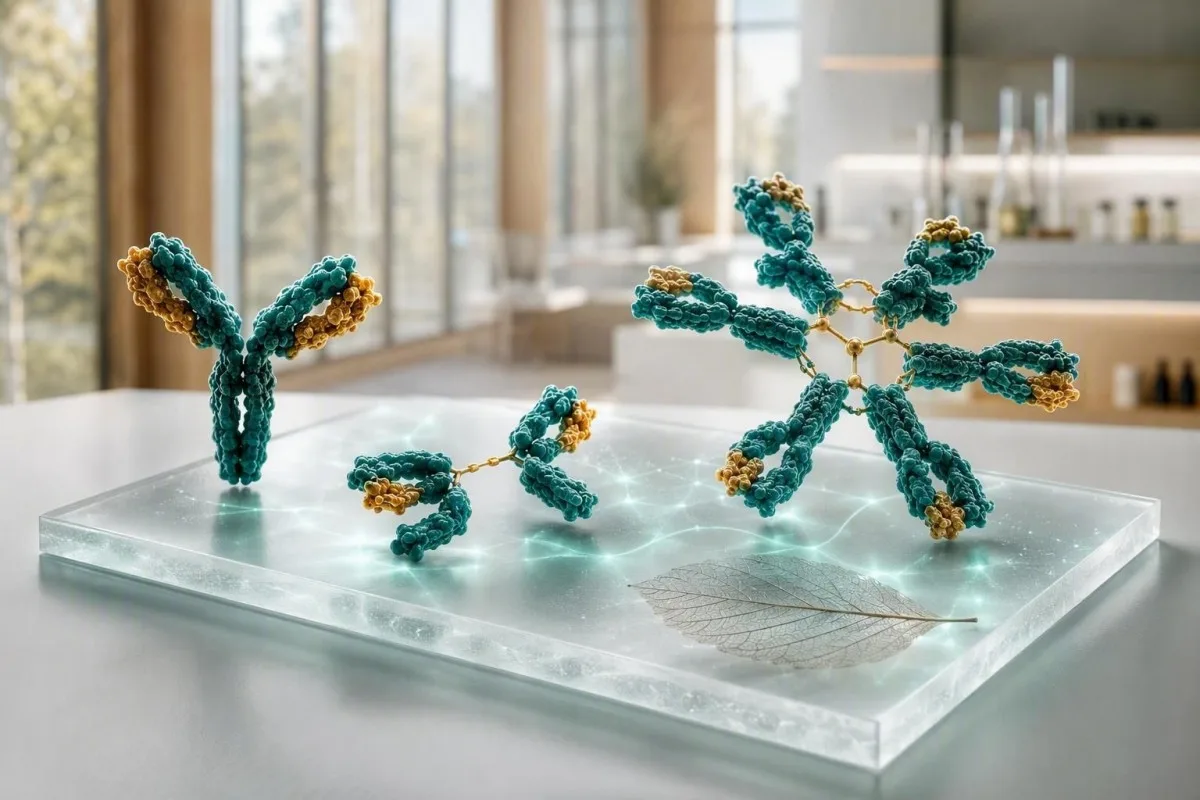
antibodi IgM minangka responder awal sing akeh, IgA nglindhungi lumahing mukosa ing saluran napas lan usus, lan IgG nyedhiyakake aktivitas antibodi sirkulasi sing paling awet. Uríp-uripé béda banget: IgG tahan kira-kira 21 dina, IgA kira-kira 6 dina ing serum, lan IgM kira-kira 5 dina, mula owah-owahan serial ora obah kanthi cepet sing padha.
Kisaran diwasa biasane lan ngapa laboratorium sampeyan bisa beda
Kisaran referensi sing dicithak ing jejere asil sampeyan luwih diutamakake tinimbang kisaran online apa wae. Nephelometry, turbidimetry lan populasi laboratorium sing dikalibrasi umur ngasilake wates sing beda-beda, utamane kanggo IgA lan IgM.
Interval diwasa umum IgG 700-1.600 mg/dL, IgA 70-400 mg/dL lan IgM 40-230 mg/dL dikonversi kira-kira dadi 7-16 g/L, 0,7-4,0 g/L lan 0,4-2,3 g/L. Bocah-bocah duwe nilai sing gumantung banget saka umur, lan kisaran diwasa ora kena digunakake kanggo ngadili bayi utawa remaja.
Asil sing cedhak karo ambang batas utamane rentan marang variasi biologis biasa. Yen IgM 238 mg/dL marang wates ndhuwur 230 mg/dL sawise penyakit pernapasan, mbaleni ing 8-12 minggu asring luwih ngungkapake tinimbang pesenake gedhe sanalika; delengen pandhuan kita menyang owah-owahan nyata ing antarane tes getih.
Puasa biasane ora dibutuhake kanggo immunoglobulin kuantitatif, nanging dehidrasi sing abot bisa ngonsentrasi protein lan immunoglobulin IV bisa ngunggahake IgG sing diukur nganti pirang-pirang minggu. Takon dokter sing mesen panel apa sampeyan nampa penggantian antibodi, rituximab, kortikosteroid, anticonvulsan utawa perawatan anti-CD20 ing 6 wulan sadurunge.
Nalika telung kelas imunoglobulin kabeh dhuwur
IgG, IgA, lan IgM sing dhuwur bebarengan biasane nuduhake aktivasi kekebalan poliklonal tinimbang siji klon abnormal. Penyakit ati kronis, kondisi autoimun, infeksi sing terus-terusan, lan sawetara kelainan usus radhang umum ditemoni.
Kenaikan poliklonal asring nggedhekake wilayah gamma ing elektroforesis protein serum tinimbang nggawe lonjakan sempit sing cetha. Ing prakara praktis, IgG 2.100 mg/dL, IgA 520 mg/dL, lan IgM 310 mg/dL kanthi CRP sing dhuwur nuduhake jalur sing beda saka IgG 2.400 mg/dL kanthi rong kelas liyane sing ditekan.
Penyakit autoimun bisa ngasilake pola iki, nanging gejala kasebut nuntun tes sabanjure. Mripat lan cangkem garing sing terus-terusan, sendi bengkak, ruam, diare, utawa neuropati bisa dadi bukti kanggo antibodi auto lan tes komplemen sing ditargetake; kita C3 lan C4 nerangake ngapa komplemen sing kurang ngowahi interpretasi kasebut.
Infeksi kronis uga bisa ngunggahake sawetara kelas nganti pirang-pirang wulan, sanajan imunoglobulin ora ngenali organisme utawa mbuktekake infeksi aktif. ESR sing dhuwur kanthi gejala konstitusional mbutuhake tinjauan klinis, lan panjelasan kita babagan panyebab ESR sing dhuwur nuduhake ngapa tandha peradangan non-spesifik ora bisa netepake sababe.
Apa sing bisa diarteni IgM dhuwur sing kapisah
Asil IgM sing dhuwur sing kapisah bisa kedadeyan sawise infeksi anyar, kedadeyan karo penyakit ati autoimun kolestatik, utawa nuduhake protein monoklonal IgM. persistence, tingkat kenaikan, gejala, lan elektroforesis luwih penting tinimbang siji nomer bates.
IgM minangka antibodi pentamerik gedhe, lan tingkat mung luwih saka 230 mg/dL asring mandheg sawise tantangan kekebalan. IgM sing diulang 800 mg/dL utawa 1.200 mg/dL, utamane kanthi IgG lan IgA normal utawa kurang, kudu nyebabake elektroforesis protein serum, imunofiksasi, lan tes rantai-ringan bebas serum tinimbang dugaan.
Primary biliary cholangitis klasik nggandhengake karo IgM sing dhuwur, utamane nalika alkali fosfatase lan gamma-glutamyl transferase uga dhuwur. Pedoman EASL nyaranake evaluasi kanggo penyakit ati kolestatik nalika alkali fosfatase terus-terusan mundhak lan antibodi antimitochondrial ana (EASL, 2017); kita pola kolestasis nutupi tandha-tandha sing nyertai.
Protein IgM monoklonal ora padha karo Waldenström macroglobulinaemia, lan umume wong sing duwe gammopati monoklonal cilik ora duwe diagnosis kanker langsung. Nanging, gejala kayata pandangan kabur, lara sirah, mimisan, neuropati anyar, utawa kesel sing ora bisa diterangake mbutuhake evaluasi cepet amarga IgM sing dhuwur banget bisa ngganti kekentalan serum; waca liyane babagan IgM dhuwur nyebabake.
IgA sing sithik: bebaya tes coeliac lan tandha-tandha infeksi
IgA sing kurang bisa nggawe skrining coeliac IgA tissue-transglutaminase palsu negatif. Kekurangan IgA selektif biasane diarteni minangka IgA serum ing ngisor 7 mg/dL ing wong sing umure luwih saka 4 taun kanthi IgG lan IgM normal, sanajan definisi lokal lan tes ulang penting.
Yen total IgA kurang, klinisi biasane nggunakake peptide gliadin deamidated adhedhasar IgG utawa tes tissue-transglutaminase IgG ing ngèlmu klinis. Aja miwiti diet bebas gluten sadurunge tes sing cocog kajaba diwenehi instruksi, amarga tingkat antibodi bisa mudhun lan nutupi asil; pandhuan tantangan gluten njlèntrèhaké masalah wektu.
Wong akeh kanthi IgA parsial ora duwe masalah kesehatan sing gedhe, nalika wong liya nglaporake infeksi sinus, dada, utawa gastrointestinal sing bola-bali. Frekuensi, tingkat keparahan lan panyebab bakteri sing wis didokumentasikake luwih penting tinimbang duwe rong selesma biasa ing mangsa salju; riwayat vaksinasi lan respon antibodi pneumokokus bisa luwih informatif tinimbang total IgA wae.
Reaksi produk getih arang nanging relevan: wong kanthi IgA sing jero lan antibodi anti-IgA mbutuhake komponen sing dipilih kanthi khusus yen perlu transfusi. Iki minangka alasan kanggo menehi katrangan marang tim rumah sakit babagan kekurangan sing wis dikonfirmasi, dudu alesan kanggo ngindhari perawatan sing dibutuhake sacara medis; waca diskusi kita sing luwih lengkap babagan asil IgA sing sithik.
IgG sing sithik lan infeksi bola-bali: nalika asil penting
IgG sing sithik dadi penting sacara klinis nalika ngiringi infeksi sing bola-bali, ora biasa banget utawa ora mari kanthi apik. IgG diwasa ing ngisor 400 mg/dL umume luwih kuwatir tinimbang nilai 650 mg/dL, nanging respon antibodi vaksin fungsional bisa ngilangi asumsi adhedhasar jumlah mung.
Infeksi sing nggawe ahli imunologi mandheg yaiku pneumonia sing bola-bali, bronkiektasis, infeksi sinus bakteri sing bola-bali mbutuhake sawetara antibiotik, penyakit bakteri invasif utawa giardiasis kronis. Papat selesma virus minor ing staf perawatan bocah ora padha karo telung pneumonia sing dikonfirmasi radiologis sajrone 24 wulan.
Panyebab sekunder umum: rituximab lan terapi liyane sing fokus ing sel B, kortikosteroid oral sing suwe, sawetara antikonvulsan, mundhut protein ing kisaran nefrotik, enteropati sing ngilangi protein lan keganasan limfoid bisa nyuda IgG. Protein urin, albumin, jumlah limfosit lan riwayat obat asring ngasilake luwih saka panel antibodi acak liyane; pandhuan protein ing urin njlèntrèhaké jalur mundhut utama.
Bonilla et al. (2015) nyaranake ngukur imunoglobulin kuantitatif bebarengan karo respon antibodi tartamtu nalika ana ketidakcukupan kekebalan primer. Miturut pengalaman saya, respon pasca-vaksin sing normal bisa nggampangake sanajan IgG rada sithik, dene respon sing ala kanthi IgG ing ngisor 500 mg/dL mbutuhake input spesialis.
Nalika IgG, IgA, lan IgM kabeh sithik
IgG, IgA lan IgM sing sithik bebarengan diarani hipogammaglobulinaemia lan mbutuhake kerja sing terstruktur, utamane kanthi infeksi. Pola kasebut bisa nuduhake produksi antibodi sing kurang, efek obat, mundhut protein, penyakit limfoid maju utawa, luwih jarang, owah-owahan sementara sawise lara.
Panel IgG 360 mg/dL, IgA 28 mg/dL lan IgM 18 mg/dL dudu asil sing kudu ditunggu yen wong kasebut demam, infeksi dada sing bola-bali utawa mundhut bobot. Dokter bisa mbaleni panel kasebut, mriksa elektroforesis, CBC kanthi diferensial, tes ginjel lan ati, protein urin lan antibodi spesifik vaksin, banjur ngrujuk menyang imunologi klinis utawa hematologi.
Kekurangan imun variabel sing umum asring muncul ing wong diwasa, nanging diagnosis mbutuhake luwih saka nomer sing sithik: gejala, panyebab sekunder sing ditolak lan produksi antibodi fungsional sing suda dadi pusat. Kantesti AI iku layanan interpretasi tes lab AI sing bisa ngatur temuan-temuan ing saubengé iki dadi ringkesan kunjungan dhokter, nanging ora bisa ndiagnosis kekurangan imun utawa mutusake babagan penggantian imunoglobulin.
Penggantian imunoglobulin diwenehake kanggo nyegah infeksi serius ing pasien sing dipilih, ora mung kanggo normalake asil laboratorium. Rezim penggantian khas diindividualake lan umume diwiwiti watara 400-600 mg/kg saben wulan kanthi rute intravena utawa subkutan, kanthi dosis diatur kanggo kontrol infeksi lan IgG trough tinimbang target universal; pandhuan kita kanggo tes getih sistem imun nambah konteks sing migunani.
Carane tes imunoglobulin bisa nuduhake protein monoklonal
Protein monoklonal disaranake nalika siji kelas imunoglobulin luwih dhuwur, kelas liyane ditekan, utawa elektroforesis nuduhake pita sing sempit. Imunoglobulin kuantitatif mung ora bisa mbuktekake klonalitas; elektroforesis protein serum lan imunofiksasi minangka alat konfirmasi.
Pertimbangna IgG 2.900 mg/dL kanthi IgA 38 mg/dL lan IgM 21 mg/dL: pola kasebut luwih curiga tinimbang ketigane munggah moderat. Protein total sing dhuwur, rasio albumin-to-globulin sing sithik, anemia, eGFR sing suda, kalsium sing dhuwur, nyeri balung utawa infeksi sing bola-bali nambah urgensi klinis; waca pandhuan kita kanggo protein total sing dhuwur.
International Myeloma Working Group mbédakake MGUS saka myeloma aktif nggunakake jumlah protein, temuan sungsum balung lan efek organ—dudu mung asil imunoglobulin (Rajkumar et al., 2014). M-protein ing sangisore 3 g/dL isih bisa mbutuhake pemantauan, dene nilai sing luwih murah kanthi anemia utawa cidera ginjel bisa uga mbutuhake penilaian hematologi sing luwih cepet.
Aja kejebak dening protein total sing normal. Kelainan sing mung nggunakake light-chain bisa uga ora ngasilake kenaikan protein sing nyata, mulane klinisi nggabungake serum free light chains, imunofiksasi lan studi urin ing presentasi sing cocog; kita jalur pemeriksaan kanker getih njlentrehake apa sing kedadeyan sabanjure.
Pola penyakit ati: tandha-tandha IgA, IgG, lan IgM
Penyakit ati bisa nambah imunoglobulin, nanging kelas dominan mung menehi petunjuk, dudu diagnosis. IgA asring mundhak amarga cidera ati sing ana gandhengane karo alkohol, IgG karo hepatitis autoimun, lan IgM karo kolangitis bilier primer; tumpang tindih iku umum.
IgG sing mundhak ing sadhuwure 1,1 kaping wates ndhuwur normal ndhukung hepatitis autoimun nalika transaminase lan autoantibodi pas, nanging ora sensitif utawa spesifik kanggo diagnosa dhewe. Penyakit virus akut, cidera ati kronis, lan penyakit autoimun sistemik kabeh bisa nggawe sinyal sing padha, saengga klinisi asring nggunakake pencitraan lan tes sing dipandu spesialis.
Kenaikan IgA bebarengan karo kenaikan GGT, AST lan makrositosis bisa cocog karo cidera ati sing ana gandhengane karo alkohol, nanging panggunaan alkohol ora kudu dianggep saka panel. Efek obat, penyakit ati lemak metabolik lan panyebab liyane iku asring kedadeyan; penjelasan kita babagan asil ALT mbantu nempatake enzim ing jejere imunoglobulin.
Pesen safety sing migunani yaiku jaundice, urin peteng, feces pucet, kebingungan, pembengkakan weteng utawa muntah getih mbutuhake perawatan medis darurat ora preduli nilai imunoglobulin. Kenaikan IgA terisolasi sing stabil 430 mg/dL ora nyebabake gejala kasebut lan ora kena ngganggu evaluasi langsung.
Ngilangake infeksi, inflamasi, lan aktivitas otoimun
Tingkat imunoglobulin mundhak alon banget lan ora spesifik kanggo diagnosa infeksi akut kanthi dhewe. CRP, hitungan darah lengkap, kultur utawa tes patogen sing ditargetake njawab pitakonan infeksi langsung kanthi luwih apik, dene imunoglobulin nggambarake latar mburi kekebalan sing luwih jembar.
IgM asring digambarake minangka antibodi infeksi awal, nanging IgM serum total ora padha karo tes IgM spesifik patogen. Total IgM 290 mg/dL ora bisa konfirmasi influenza, virus Epstein-Barr utawa infeksi urin; gejala lan tes langsung nemtokake apa perawatan dibutuhake.
Inflamasi autoimun bisa nambah IgG nganti pirang-pirang taun sadurunge diagnosis jelas, utamane karo hipergammaglobulinemia lan pola elektroforesis sing amba. Panel ANA, faktor rheumatoid lan ENA kudu dipesen kanggo njawab pitakonan klinis, dudu minangka upaya golek-golek; contone, kita pandhuan anti-dsDNA njlentrehake kenapa asil positif mbutuhake konteks ginjel lan CE.
Dr. Thomas Klein wis ndeleng pasien sing wedi amarga IgG dhuwur sawise penyakit virus sing normal maneh nalika diulang 3 wulan sabanjure. Kosok baline, IgG terus-terusan ing sadhuwure 2.000 mg/dL ditambah C3 rendah, proteinuria lan gejala sendi dudu perkara sing bakal dak tunda setaun—temuan gabungan kasebut mbenerake penilaian klinis sing pas wektune.
Obat-obatan, ilang protein, lan efek wektu sing ngganti asil
Obat-obatan lan mundhut protein bisa nyuda imunoglobulin tanpa kelainan kekebalan utama. Obat anti-CD20 bisa nyuda IgM dhisik lan IgG sabanjure, dene mundhut protein ginjel utawa usus bisa nyuda sawetara kelas bebarengan karo albumin.
Hipogammaglobulinemia sing ana gandhengane karo Rituximab bisa muncul sawetara wulan sawise infus pungkasan amarga pemulihan sel-B lan pemulihan antibodi ora padha. Gawa dhaptar obat lengkap—kalebu biologis, dosis steroid, obat anti-kejang lan kemoterapi—menyang janjian; kita pandhuan tren safety obat njlentrehake kenapa tanggal iku penting.
Kahanan kelangan protein asring ninggalake tandha tambahan: albumin kurang saka kira-kira 3,5 g/dL, oedema, diare, rasio albumin-kreatinin urin sing mundhak utawa total protein sing mudhun. Kosok baline, dehidrasi bisa nggawe imunoglobulin katon dhuwur nalika albumin lan hematokrit mundhak bebarengan.
Tes ulang biasane paling apik nalika sampeyan stabil kanthi klinis, nggunakake laboratorium sing padha yen bisa. Kantesti bisa mbandhingake PDF utawa foto sing ana tanggal karo asil sadurunge lan menehi tandha yen ana owah-owahan gedhe, nanging mriksa unggahan kanthi teliti iku wicaksana amarga unit lan kisaran referensi bisa wae kejupuk kanthi salah.
Tes tindak lanjut sing njlentrehake panel sing ora normal
Tes tindak lanjut sing bener gumantung ing pola: elektroforesis kanggo mundhake sing ora proporsional, antibodi vaksin kanggo curiga defisiensi, lan tes urin utawa ati kanggo kelangan protein utawa petunjuk ati. Ngulang telung angka sing padha tanpa pitakon asring ora menehi guna.
Kanggo asil sing dhuwur utawa ora rata, dokter biasane njaluk elektroforesis protein serum, imunofiksasi, rantai ringan bebas serum, itungan getih lengkap, kalsium, kreatinin, albumin lan enzim ati. Pita sempit ing elektroforesis kudu diketik nganggo imunofiksasi amarga kelas—IgG, IgA utawa IgM—ngowahi rencana diferensial lan tindak lanjut.
Kanggo asil kurang karo infeksi, tes bisa kalebu subkelas IgG lan titer antibodi kanggo tetanus, Haemophilus influenzae tipe b utawa serotipe pneumokokus sadurunge lan sawise vaksinasi. Ora ana ambang pneumokokus protèktif tunggal sing cocog karo saben laboratorium lan klompok umur, sing dadi salah sawijining wilayah ing ngendi interpretasi spesialis luwih penting tinimbang cutoff online.
Kantesti iku sawijining Piranti analisis tes getih berbasis AI sing bisa ngumpulake asil kasebut dadi garis wektu lan ngenali konteks sing ilang, kayata albumin utawa elektroforesis sing ora ana, kanggo dipertimbangake dening dokter sampeyan. Kita pandhuan teknologi nerangake carane tandha kontekstual digawe tanpa ngganti nggawe keputusan medis.
Gejala sing ora kudu ngenteni pangulangan rutin
Asil imunoglobulin wae arang banget nyebabake darurat, nanging gejala tartamtu bisa. Goleki penilaian darurat ing dina sing padha kanggo demam dhuwur kanthi penyakit abot, sesak napas, bingung, kelemahane anyar, kuning (jaundice), urin sing mudhun drastis, sirah abot kanthi owah-owahan visual, utawa pendarahan sing ora bisa dikontrol.
Tingkat imunoglobulin sing kurang ditambah demam 38,0°C utawa luwih dhuwur luwih nggumunake kanggo wong sing nampa kemoterapi, steroid dosis dhuwur, terapi sing dituju sel-B, utawa kanthi riwayat infeksi invasif. Aja ngenteni pesen portal yen angel ambegan, tingkat oksigen kurang, utawa wong kasebut katon bingung utawa ngantuk banget.
Protein monoklonal sing bisa kedadeyan mbutuhake tinjauan luwih cepet nalika ana nyeri balung anyar, anemia sing ora jelas, kenaikan kreatinin, kalsium ing ndhuwur kisaran ndhuwur lokal, neuropati utawa bobot awak mudhun sing ora disengaja. Iki dudu bukti kelainan sel plasma, nanging fitur sing digunakake dokter kanggo prioritas tes; kita kanggo pendapat kapindho bisa mbantu nyiapake pitakon.
Kanggo kelainan stabil sing entheng tanpa tandha bebaya, janjian sing direncanakake sajrone sawetara minggu biasane cukup. Gawa asil sadurunge, tanggal infeksi, owah-owahan obat lan riwayat kulawarga; grafik 2 taun asring luwih migunani kanthi klinis tinimbang siji angka sing disorot.
Nganggo interpretasi AI kanthi aman kanggo asil imunoglobulin
AI bisa ngatur pola tes imunoglobulin, nanging ora bisa nemtokake manawa wong duwe kekurangan imun, penyakit ati utawa kelainan monoklonal. Interpretasi sing aman njaga kisaran laboratorium, gejala, obat-obatan, tren lan tes konfirmasi tetep katon.
Kantesti AI nyemak IgG, IgA lan IgM bebarengan karo protein lan penanda organ sing ngowahi tegese, banjur menehi pitakon tindak lanjut tinimbang nyatakake diagnosis. Ing alur kerja analisis kita, IgA kurang sing terisolasi njaluk ati-ati tes coeliac, dene telung nilai kurang ditambah albumin kurang njaluk pertimbangan kelangan protein, efek obat lan tinjauan imunologi klinis.
Privasi iku penting kanggo asil sing ana gandhengane karo kekebalan lan kanker. Kantesti Ltd nggunakake penanganan sing selaras karo GDPR, lan kita kaca validasi medis nerangake pengawasan klinis lan watesan ing mburi interpretasi lab otomatis.
Laporan sing apik kudu mbantu sampeyan takon, “Apa iki aktivasi imun sing jembar, kelangan protein, produksi mudhun, utawa protein tunggal?” Iki minangka tingkat kepastian sing cocog sadurunge elektroforesis utawa evaluasi spesialis menehi jawaban.
Pitakon sing kudu ditakoni sawise panel imunoglobulin sing ora normal
Pitakon sabanjuré sing paling migunani biasané yaiku “pola apa iki?” tinimbang “kepiyé carané ngedhunaké utawa ningkataké angka iki?” Takon apa asil kasebut tetep, poliklonal utawa monoklonal, apa infèksi nuduhaké fungsi sing kaganggu, lan sebab sekunder apa waé sing wis dipriksa.
Pitakon sing migunani antara liya: Apa elektroforesis protein serum wis ditindakaké? Apa albumin, protein urin lan enzim ati cocog karo anané kelangan protein utawa penyakit ati? Apa aku perlu tes antibodi vaksin? Apa perlu tes ulang sajroning 8–12 minggu? Pitakon-pitakon iki luwih produktif tinimbang tuku suplemen, sing ora mesthi bisa mbeneraké defisiensi antibodi sing duwé makna klinis.
Yen rujukan menyang spesialis wis direncanakaké, cathet jumlah infèksi sing diobati nganggo antibiotik sajroning 12 sasi pungkasan, kunjungan menyang rumah sakit, pneumonia sing dikonfirmasi nganggo pencitraan, lan paparan obat. Cathetan sing cetha—“telung terapi antibiotik lan siji pneumonia”—luwih migunani tinimbang “aku kerep lara”; kita pelacak asil lab nyedhiyakaké format cathetan sing praktis.
kita Dewan Penasehat Medis ndhukung standar tinjauan klinis Kantesti, nanging klinisi sampeyan dhéwé tetep dadi wong sing bisa mriksa sampeyan, mrentahaké tes konfirmasi lan nangani temuan sing mbutuhaké tumindak cepet. Akèh pasien rumangsa yèn rembugan sing tenang lan adhedhasar pola bisa ngowahi tandha sing nguwatiraké dadi langkah sabanjuré sing bisa ditangani.
Pitakonan sing Sering Ditakoni
Pira rentangan normal tes imunoglobulin kanggo wong diwasa?
Rentang immunoglobulin di kalangan dewasa biasane yaiku IgG 700-1.600 mg/dL, IgA 70-400 mg/dL lan IgM 40-230 mg/dL, sanadyan interval kang dicethakaké saben laboratorium kudu digunakaké kanggo interpretasi. Asil uga dilapuraké minangka g/L ing pirang-pirang negara: 7-16 g/L kanggo IgG, 0,7-4,0 g/L kanggo IgA lan 0,4-2,3 g/L kanggo IgM. Asil kang rada metu saka rentang bisa nuduhake lara anyar, hidrasi utawa variasi assay. Kelainan sing terus-terusan lan gejala nemtokake manawa perlu tindak lanjut.
Apa tegese IgG, IgA lan IgM sing dhuwur bebarengan?
IgG, IgA, lan IgM singgil nalika bebarengan paling asring nuduhake aktivasi kekebalan poliklonal saka peradangan kronis, penyakit autoimun, infeksi sing terus-terusan utawa penyakit ati. Peningkatan sing wiyar ing kabeh telung kelas beda saka protein monoklonal, sing biasane nggawe siji kelas sing dhuwur banget utawa pita elektroforesis sing sempit. Nilai kayata IgG 2.000 mg/dL, IgA 500 mg/dL lan IgM 300 mg/dL kudu diinterpretasikake kanthi CRP, tes ati, albumin lan elektroforesis protein serum. Pola kasebut dhewe ora ngobati penyakit autoimun utawa infeksi.
Apa tingkat imunoglobulin sing kurang bisa nyebabake infeksi bola-bali?
Tingkat imunoglobulin sing kurang bisa nambah risiko infeksi pernapasan utawa saluran cerna bakteri sing bola-bali, mligine yen IgG kurang saka 400-500 mg/dL utawa respon antibodi vaksin kurang apik. Pola sing paling ngawatirake yaiku pneumonia sing bola-bali, bronchiectasis, infeksi bakteri invasif utawa sawetara infeksi sinus sing diobati nganggo antibiotik, tinimbang pilek virus sing sporadis. Kurange IgG, IgA lan IgM bebarengan kudu nyebabake review kanggo obat-obatan, ilang protein ginjel utawa usus, kondisi limfoid lan defisiensi kekebalan primer. Tes antibodi fungsional asring njlentrehake risiko luwih becik tinimbang siji nilai IgG total.
Apa IgA sing kurang mengaruhi tes coeliac disease?
IgA sing sithik bisa nyebabake asil tes coeliac IgA tissue-transglutaminase sing negatif palsu amarga tes kasebut gumantung marang produksi antibodi IgA. Kekurangan IgA sing selektif asring diarteni minangka IgA ing ngisor 7 mg/dL sawise umur 4 taun kanthi IgG lan IgM normal. Nalika IgA total sithik, klinisi umume nggunakake tes IgG deamidated gliadin peptide utawa IgG tissue-transglutaminase. Terusake mangan gluten nganti rencana tes disetujoni, amarga ngindhari gluten bisa nyuda tingkat antibodi lan ngrusak sensitivitas tes.
Tes apa sing negesake anané protéin imunoglobulin monoklonal?
Elektroforesis protein serum ngadeteksi pola protein sing ora normal, lan imunofiksasi negesake manawa ana imunoglobulin monoklonal lan ngenali kelasé. Tes rantai ringan bebas serum biasane ditambah amarga sawetara kelainan sel plasma mung ngasilake rantai ringan lan bisa uga ora patiya nambah protein total. Asil monoklonal mbutuhake evaluasi konsentrasi protein M, jumlah getih, kalsium, fungsi ginjal lan gejala; protein M piyambak ora ateges kanker. Studi protein urin uga bisa dibutuhake ing kasus tartamtu.
Apa stres bisa nggawe IgG, IgA utawa IgM dhuwur?
Stres psikologis saben dina biasane ora nyebabake paningkatan IgG, IgA, utawa IgM sing gedhe lan terisolasi ing tes getih imunoglobulin. Stres bisa mengaruhi turu, kerentanan infeksi, lan sinyal inflamasi, nanging nilai sing terus-terusan luwih dhuwur saka wates ndhuwur laboratorium ora kudu dianggep amarga stres tanpa mriksa penanda ati, CRP, obat-obatan, lan elektroforesis protein yen perlu. Owah-owahan cilik 10-20% bisa kedadeyan ing antarane gambar amarga variasi biologis lan analitik normal. Ngulang panel sawise 8-12 minggu nalika sehat kanthi klinis asring minangka langkah pisanan sing masuk akal kanggo kenaikan sing ora bisa dijelasake.
Entuk Analisis Tes Getih Berbasis AI Dina Iki
Gabung karo luwih saka 2 yuta pangguna ing saindenging jagad sing percaya Kantesti kanggo analisis tes lab sing instan lan akurat. Unggah asil tes getihmu lan tampa interpretasi lengkap saka 15,000+ biomarker sajrone sawetara detik.
📚 Publikasi Riset sing Dirujuk
Klein, T., Mitchell, S., & Weber, H. (2026). Kantesti LTD. (2026). Penganalisis Tes Darah AI: 2.5 Juta Tes Dianalisis | Laporan Kesehatan Global 2026. Zenodo.. Riset Medis AI Kantesti.
Klein, T., Mitchell, S., & Weber, H. (2026). Kantesti LTD. (2026). Tes Getih RDW: Pandhuan Lengkap kanggo RDW-CV, MCV & MCHC. Zenodo.. Riset Medis AI Kantesti.
📖 Referensi Medis Eksternal
⚕️ Penafian Medis
Artikel iki mung kanggo tujuan edukasi lan ora dadi saran medis. Tansah konsultasi karo panyedhiya layanan kesehatan sing mumpuni kanggo keputusan diagnosis lan perawatan.
Sinyal Kepercayaan E-E-A-T
Pengalaman
Tinjauan klinis sing dipimpin dokter babagan alur kerja interpretasi lab.
Keahlian
Fokus kedokteran laboratorium babagan carane biomarker tumindak ing konteks klinis.
Kewibawaan
Ditulis dening Dr. Thomas Klein kanthi ditinjau dening Dr. Sarah Mitchell lan Prof. Dr. Hans Weber.
Kapercayan
Interpretasi adhedhasar bukti kanthi tindak lanjut sing cetha kanggo nyuda rasa kaget.