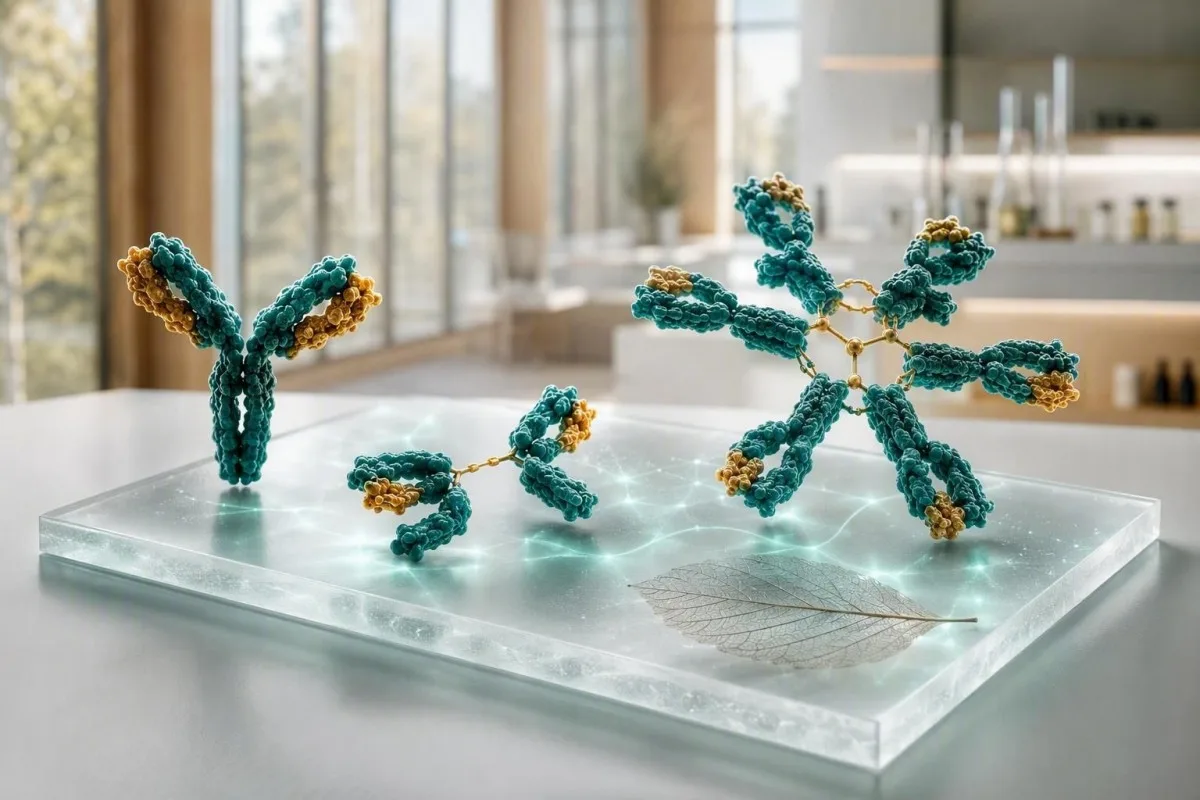
ઇમ્યુનોગ્લોબ્યુલિન (immunoglobulin) પરીક્ષણ ત્યારે સૌથી વધુ ઉપયોગી છે જ્યારે IgG, IgA અને IgM ને ત્રણ અલગ-અલગ સંકેતો (flags) તરીકે નહીં, પરંતુ એક પેટર્ન (pattern) તરીકે વાંચવામાં આવે. ઉચ્ચ મૂલ્યો વ્યાપક રોગપ્રતિકારક સક્રિયકરણ (immune activation) અથવા એકલ અસામાન્ય પ્રોટીન (abnormal protein) ને પ્રતિબિંબિત કરી શકે છે; નીચા મૂલ્યો દવાઓ (medicines), પ્રોટીન ગુમાવવું (protein loss), અથવા ક્ષતિગ્રસ્ત એન્ટિબોડી (antibody) ઉત્પાદન તરફ નિર્દેશ કરી શકે છે.


- IgG પુખ્ત વયના લોકોમાં સામાન્ય રીતે 700-1,600 mg/dL હોય છે; અનેક વર્ગોમાં સતત વધારો ઘણીવાર ક્રોનિક (chronic) બળતરા (inflammation) અથવા લીવર (liver) રોગને પ્રતિબિંબિત કરે છે.
- IgA પુખ્ત વયના લોકોમાં સામાન્ય રીતે 70-400 mg/dL હોય છે; પસંદગીયુક્ત ઉણપ (deficiency) IgA (immunoglobulin A) આધારિત સેલિયાક (coeliac) પરીક્ષણને અવિશ્વસનીય બનાવી શકે છે.
- IgM પુખ્ત વયના લોકોમાં સામાન્ય રીતે 40-230 mg/dL હોય છે; અલગ, સતત વધારા માટે મોનોક્લોનલ પ્રોટીન (monoclonal protein) ને બાકાત રાખવા માટે સીરમ પ્રોટીન ઇલેક્ટ્રોફોરેસિસ (serum protein electrophoresis) ની જરૂર પડે છે.
- ત્રણેય ઓછા એક ઓછા પરિણામ (result) કરતાં વધુ ચિંતાજનક છે અને ચેપ (infections), દવાઓ (medicines), પ્રોટીન ગુમાવવું (protein loss) અને રસી (vaccine) એન્ટિબોડી (antibody) પ્રતિભાવો (responses) ની સમીક્ષા (review) યોગ્ય છે.
- પોલીક્લોનલ (Polyclonal) ઉન્નતિ (elevation) એટલે કે અનેક ઇમ્યુનોગ્લોબ્યુલિન (immunoglobulin) વર્ગો ઉચ્ચ છે; તે સામાન્ય રીતે સ્વયંપ્રતિરક્ષા રોગ (autoimmune disease), ક્રોનિક (chronic) લીવર (liver) રોગ અથવા લાંબા સમય સુધી ચાલતા ચેપ (prolonged infection) સાથે હોય છે.
- મોનોક્લોનલ (Monoclonal) પેટર્ન (pattern) એટલે કે એક વર્ગ અપ્રમાણસર રીતે વધેલો છે અથવા ઇલેક્ટ્રોફોરેસિસ (electrophoresis) પર એક સાંકડી પટ્ટી દેખાય છે; તેને પુષ્ટિકરણ (confirmatory) ઇમ્યુનોફિક્શેશન (immunofixation) અને ફ્રી-લાઇટ-ચેઇન (free-light-chain) પરીક્ષણની જરૂર પડે છે.
- તાત્કાલિક સમીક્ષા તાવ સાથે વારંવાર ગંભીર ચેપ, નવી મૂંઝવણ, શ્વાસ લેવામાં તકલીફ, કમળો, વજન ઘટાડવું, હાડકાનો દુખાવો અથવા ઝડપથી વધી રહેલા કુલ પ્રોટીન માટે યોગ્ય છે.
- ટ્રેન્ડ મહત્વનો છે કારણ કે 10-20% નો તફાવત હાઇડ્રેશન, એસે પરીક્ષણ ભિન્નતા, તાજેતરનો રોગ અથવા અલગ પ્રયોગશાળા પદ્ધતિથી આવી શકે છે.
ઇમ્યુનોગ્લોબ્યુલિન (immunoglobulin) પરીક્ષણને એક પેટર્ન (pattern) તરીકે કેવી રીતે વાંચવું
IgG, IgA અને IgM પરિણામો એકલા કરતાં સાથે મળીને જુદા જુદા અર્થ ધરાવે છે. એક વ્યાપકપણે વધેલો પેનલ સામાન્ય રીતે પોલીક્લોનલ ઇમ્યુન ઉત્તેજના સૂચવે છે, જ્યારે એક પ્રબળ વર્ગ - ખાસ કરીને ઉચ્ચ કુલ પ્રોટીન સાથે - મોનોક્લોનલ પ્રોટીનના અલગ પ્રશ્નને ઉભો કરે છે. 5 સપ્ટેમ્બર, 2026 સુધીમાં, ઇમ્યુનોગ્લોબ્યુલિન રક્ત પરીક્ષણ સાથે નિદાન જોડતા પહેલા તે તફાવત વ્યવહારુ પ્રથમ પગલું રહે છે.
પુખ્ત વયના સંદર્ભ અંતરાલો પદ્ધતિ દ્વારા બદલાય છે, પરંતુ ઘણી પ્રયોગશાળાઓ ઉપયોગ કરે છે IgG 700-1,600 mg/dL, IgA 70-400 mg/dL, અને IgM 40-230 mg/dL. રેન્જની બહારનું મૂલ્ય આપમેળે રોગ નથી; હું પહેલા પ્રયોગશાળા અંતરાલ, ઉંમર, ગર્ભાવસ્થાની સ્થિતિ, તાજેતરનો ચેપ, રેનલ નુકશાન અને નસમાં ઇમ્યુનોગ્લોબ્યુલિન લીધા પછી નમૂનો લેવાયો હતો કે કેમ તે તપાસું છું.
કાન્ટેસ્ટી એક છે AI રક્ત પરીક્ષણ વિશ્લેષક જે કુલ પ્રોટીન, આલ્બ્યુમિન, યકૃત માર્કર્સ, ક્રિએટિનાઇન અને CBC ની બાજુમાં IgG, IgA અને IgM વાંચે છે, તેના બદલે લાલ ધ્વજને નિદાન તરીકે ગણાવવાને બદલે. તે ક્રોસ-ચેક ઉપયોગી છે કારણ કે ઉછેર પામેલા ગ્લોબ્યુલિન સાથે ઓછું આલ્બ્યુમિન, બંને મૂલ્યો કેન્દ્રિત હોવા સાથે ડિહાઇડ્રેશન કરતાં ખૂબ જ અલગ વાર્તા કહે છે; અમારું બાયોમાર્કર માર્ગદર્શિકા સંબંધિત માપદંડો સમજાવે છે.
મારા ક્લિનિકલ કાર્યમાં, સૌથી વધુ આશ્વાસન આપતો પેનલ ઘણીવાર સંપૂર્ણપણે સરેરાશ નથી પરંતુ સ્થિર હોય છે: ઉદાહરણ તરીકે, 18 મહિના દરમિયાન ત્રણ વખત IgG 1,690 mg/dL સામાન્ય ઇલેક્ટ્રોફોરેસીસ અને કોઈ લક્ષણો વિના. ડૉ. થોમસ ક્લેઇન હજી પણ સૂકી આંખો, સાંધામાં સોજો, વારંવાર ચેપ અને દવાઓ વિશે પૂછશે, પરંતુ છ મહિનામાં 600 mg/dL નો વધારો સ્થિર હળવી ભિન્નતા ભાગ્યે જ સમાન વજન ધરાવે છે.
સરળ ભાષામાં ત્રણ ઇમ્યુનોગ્લોબ્યુલિન
IgM પ્રારંભિક બ્રોડ રિસ્પોન્ડર છે, IgA શ્વસન માર્ગ અને આંતરડાની મ્યુકોસલ સપાટીઓનું રક્ષણ કરે છે, અને IgG સૌથી ટકાઉ ફરતી એન્ટિબોડી પ્રવૃત્તિ પૂરી પાડે છે. તેમની જૈવિક અર્ધ-આયુષ્ય નોંધપાત્ર રીતે અલગ પડે છે: IgG લગભગ 21 દિવસ, IgA સીરમમાં લગભગ 6 દિવસ, અને IgM લગભગ 5 દિવસ ચાલે છે, તેથી શ્રેણીબદ્ધ ફેરફારો સમાન ગતિએ આગળ વધતા નથી.
પુખ્ત વયના લોકો માટે સામાન્ય રેન્જ (ranges) અને તમારું પ્રયોગશાળા (laboratory) કેમ અલગ હોઈ શકે છે
તમારા પોતાના પરિણામની બાજુમાં છાપેલ રેફરન્સ રેન્જ કોઈપણ ઓનલાઈન રેન્જ કરતાં પ્રાધાન્ય લે છે. નેફેલોમેટ્રી, ટર્બિડિમેટ્રી અને વય-કેલિબ્રેટેડ લેબોરેટરી પોપ્યુલેશન્સ, ખાસ કરીને IgA અને IgM માટે, મધ્યમ રીતે અલગ મર્યાદાઓ ઉત્પન્ન કરે છે.
IgG 700-1,600 mg/dL, IgA 70-400 mg/dL અને IgM 40-230 mg/dL ના સામાન્ય પુખ્ત અંતરાલો આશરે 7-16 g/L, 0.7-4.0 g/L અને 0.4-2.3 g/L માં રૂપાંતરિત થાય છે. બાળકોમાં નોંધપાત્ર રીતે વય-આશ્રિત મૂલ્યો હોય છે, અને શિશુ અથવા કિશોરનું મૂલ્યાંકન કરવા માટે ક્યારેય પુખ્ત રેન્જનો ઉપયોગ કરવો જોઈએ નહીં.
કટઓફની નજીકનું પરિણામ ખાસ કરીને સામાન્ય જૈવિક ભિન્નતા માટે સંવેદનશીલ હોય છે. જો શ્વસન બિમારી પછી IgM 230 mg/dL ની ઉપલી મર્યાદા સામે 238 mg/dL હોય, તો તરત જ મોટી બેટરીનો ઓર્ડર આપવા કરતાં 8-12 અઠવાડિયામાં પુનરાવર્તન કરવું વધુ revealing છે; અમારા માર્ગદર્શિકા જુઓ રક્ત પરીક્ષણો વચ્ચેના વાસ્તવિક ફેરફારો.
માત્રાત્મક ઇમ્યુનોગ્લોબ્યુલિન માટે સામાન્ય રીતે ઉપવાસ જરૂરી નથી, પરંતુ ગંભીર ડિહાઇડ્રેશન પ્રોટીનને કેન્દ્રિત કરી શકે છે અને IV ઇમ્યુનોગ્લોબ્યુલિન અઠવાડિયા સુધી માપેલ IgG વધારી શકે છે. પેનલ ઓર્ડર કરનાર ચિકિત્સકને પૂછો કે શું તમને અગાઉના 6 મહિનામાં એન્ટિબોડી રિપ્લેસમેન્ટ, રિટુક્સિમેબ, કોર્ટીકોસ્ટેરોઈડ્સ, એન્ટિકોનવલ્સેન્ટ્સ અથવા એન્ટી-CD20 સારવાર મળી છે.
જ્યારે ત્રણેય ઇમ્યુનોગ્લોબ્યુલિન (immunoglobulin) વર્ગો ઉચ્ચ હોય
ઊંચું IgG, IgA અને IgM એકસાથે સામાન્ય રીતે એક અસામાન્ય ક્લોનની સરખામણીમાં પોલીક્લોનલ રોગપ્રતિકારક શક્તિ સક્રિયતા સૂચવે છે. ક્રોનિક લિવર રોગ, સ્વયંપ્રતિરક્ષા સ્થિતિઓ, સતત ચેપ અને કેટલાક ઇન્ફ્લેમેટરી આંતરડાના વિકારો સામાન્ય ક્લિનિકલ સેટિંગ્સ છે.
પોલીક્લોનલ વધારો ઘણીવાર સીરમ પ્રોટીન ઇલેક્ટ્રોફોરેસિસ પર ગ્મા પ્રદેશને સાંકડી શરસ્પાઇક બનાવવાને બદલે પહોળો કરે છે. વ્યવહારુ શબ્દોમાં, CRP ઊંચું સાથે 2,100 mg/dL IgG, 520 mg/dL IgA અને 310 mg/dL IgM, IgG 2,400 mg/dL સાથે અન્ય બે વર્ગો દબાયેલા હોય તેના કરતાં અલગ માર્ગ સૂચવે છે.
સ્વયંપ્રતિરક્ષા રોગ આ પેટર્ન ઉત્પન્ન કરી શકે છે, પરંતુ લક્ષણો આગામી પરીક્ષણનું માર્ગદર્શન આપે છે. સતત સૂકી આંખો અને મોં, સોજો સાંધા, ચકામા, ઝાડા અથવા ન્યુરોપથી લક્ષિત ઓટોએન્ટિબોડીઝ અને કોમ્પ્લિમેન્ટ પરીક્ષણ માટે યોગ્ય ઠેરવી શકે છે; અમારું C3 અને C4 માર્ગદર્શિકા સમજાવે છે કે શા માટે ઓછું કોમ્પ્લિમેન્ટ તે અર્થઘટનને બદલે છે.
ક્રોનિક ચેપ પણ મહિનાઓ સુધી ઘણા વર્ગો વધારી શકે છે, જોકે ઇમ્યુનોગ્લોબ્યુલિન જીવાણુઓની ઓળખ કરતા નથી અથવા સક્રિય ચેપ સાબિત કરતા નથી. બંધારણીય લક્ષણો સાથે ઊંચો ESR ક્લિનિકલ સમીક્ષાને પાત્ર છે, અને અમારું સમજૂતી ઊંચા ESRના કારણો દર્શાવે છે કે શા માટે અસ્પષ્ટ ઇન્ફ્લેમેટરી માર્કર કારણ નક્કી કરી શકતો નથી.
અલગ IgM (immunoglobulin M) ઉચ્ચ હોવાનો અર્થ શું હોઈ શકે છે
અલગ ઊંચું IgM પરિણામ તાજેતરના ચેપ પછી આવી શકે છે, કોલેસ્ટેટિક સ્વયંપ્રતિરક્ષા યકૃત રોગ સાથે થઈ શકે છે, અથવા IgM મોનોક્લોનલ પ્રોટીન રજૂ કરી શકે છે. સતતતા, ઉન્નતિની ડિગ્રી, લક્ષણો અને ઇલેક્ટ્રોફોરેસિસ એક જ સીમારેખા નંબર કરતાં વધુ મહત્વપૂર્ણ છે.
IgM એક મોટો પેન્ટામેરિક એન્ટિબોડી છે, અને 230 mg/dL થી થોડો વધારે સ્તર ઘણીવાર ઇમ્યુન ચેલેન્જ પછી સ્થિર થાય છે. 800 mg/dL અથવા 1,200 mg/dL નું પુનરાવર્તિત IgM, ખાસ કરીને સામાન્ય અથવા ઓછું IgG અને IgA સાથે, અનુમાનને બદલે સીરમ પ્રોટીન ઇલેક્ટ્રોફોરેસિસ, ઇમ્યુનોફિક્સેશન અને સીરમ ફ્રી-લાઇટ-ચેઇન પરીક્ષણને ટ્રિગર કરવું જોઈએ.
પ્રાથમિક પિત્ત નળીનો શોથ (Primary biliary cholangitis) શાસ્ત્રીય રીતે ઊંચું IgM સાથે સંકળાયેલો છે, ખાસ કરીને જ્યારે આલ્કલાઇન ફોસ્ફેટase અને ગામા-ગ્લુટામાઇલ ટ્રાન્સફેરેઝ પણ ઊંચા હોય. EASL માર્ગદર્શિકા કોલેસ્ટેટિક યકૃત રોગ માટે મૂલ્યાંકનની સલાહ આપે છે જ્યારે આલ્કલાઇન ફોસ્ફેટase સતત ઊંચું હોય અને એન્ટિમાઇટોકોન્ડ્રીયલ એન્ટિબોડી હાજર હોય (EASL, 2017); અમારું કોલેસ્ટેસિસ પેટર્ન માર્ગદર્શિકા સાથેના માર્કર્સને આવરી લે છે.
મોનોક્લોનલ IgM પ્રોટીન વોલ્ડેનસ્ટ્રોમ મેક્રોગ્લોબ્યુલિનમિયા (Waldenström macroglobulinaemia) જેવું નથી, અને મોટાભાગના લોકો નાના મોનોક્લોનલ ગેમોપથી સાથે તાત્કાલિક કેન્સર નિદાન ધરાવતા નથી. તેમ છતાં, દ્રષ્ટિ ઝાંખી, માથાનો દુખાવો, નાકમાંથી લોહી નીકળવું, નવી ન્યુરોપથી અથવા અસ્પષ્ટ થાક જેવા લક્ષણોને તાત્કાલિક મૂલ્યાંકનની જરૂર છે કારણ કે ખૂબ ઊંચું IgM સીરમ સ્નિગ્ધતાને બદલી શકે છે; વિશે વધુ વાંચો ઊંચું IgM કારણ બને છે.
ઓછું IgA (immunoglobulin A): સેલિયાક (coeliac) પરીક્ષણની મુશ્કેલી અને ચેપ (infection) ના સંકેતો
ઓછું IgA, IgA ટિશ્યુ-ટ્રાન્સગ્લુટામિનેઝ સેલિયાક સ્ક્રીનને ખોટી રીતે નકારાત્મક બનાવી શકે છે. સિલેક્ટિવ IgA ઉણપ સામાન્ય રીતે 4 વર્ષથી વધુ ઉંમરના વ્યક્તિમાં 7 mg/dL થી નીચેના સીરમ IgA તરીકે વ્યાખ્યાયિત કરવામાં આવે છે, જેમાં IgG અને IgM સામાન્ય હોય છે, જોકે સ્થાનિક વ્યાખ્યાઓ અને પુનરાવર્તિત પરીક્ષણ મહત્વપૂર્ણ છે.
જો કુલ IgA ઓછું હોય, તો ચિકિત્સકો સામાન્ય રીતે IgG-આધારિત ડીએમિડેટેડ ગ્લિયાડિન પેપ્ટાઇડ અથવા IgG ટિશ્યુ-ટ્રાન્સગ્લુટામિનેઝ પરીક્ષણનો ઉપયોગ કરે છે. ક્લિનિકલ ઇતિહાસ સાથે. યોગ્ય પરીક્ષણ પહેલાં ગ્લુટેન-મુક્ત આહાર શરૂ કરશો નહીં સિવાય કે સલાહ આપવામાં આવે, કારણ કે એન્ટિબોડીનું સ્તર ઘટી શકે છે અને પરિણામને અસ્પષ્ટ કરી શકે છે; અમારું ગ્લુટેન ચેલેન્જ માર્ગદર્શિકા સમયની સમસ્યાનું વર્ણન કરે છે.
ઘણા લોકોમાં આંશિક IgA ની ઉણપ હોય છે જેમને કોઈ મોટી આરોગ્ય સમસ્યા હોતી નથી, જ્યારે અન્ય લોકો વારંવાર સાઇનસ, છાતી અથવા પાચનતંત્રના ચેપની જાણ કરે છે. આવર્તન, ગંભીરતા અને દસ્તાવેજીકૃત બેક્ટેરિયલ કારણો શિયાળામાં બે સામાન્ય શરદી થવા કરતાં વધુ મહત્વ ધરાવે છે; રસીકરણનો ઇતિહાસ અને ન્યુમોકોકલ એન્ટિબોડી પ્રતિભાવ ફક્ત કુલ IgA કરતાં વધુ માહિતીપ્રદ હોઈ શકે છે.
રક્ત ઉત્પાદન પ્રત્યેની પ્રતિક્રિયાઓ અસામાન્ય છે પરંતુ સંબંધિત છે: પ્રોફાઉન્ડ IgA ઉણપ અને એન્ટિ-IgA એન્ટિબોડી ધરાવતા લોકોને જો ટ્રાન્સફ્યુઝનની જરૂર પડે તો ખાસ પસંદ કરેલા ઘટકોની જરૂર પડી શકે છે. આ હોસ્પિટલ ટીમોને પુષ્ટિ થયેલ ગંભીર ઉણપ વિશે જણાવવાનું કારણ છે, તબીબી રીતે જરૂરી સંભાળ ટાળવાનું કારણ નથી; અમારા વિસ્તૃત ચર્ચા જુઓ ઓછું IgA પરિણામ.
ઓછું IgG (immunoglobulin G) અને વારંવાર થતા ચેપ (infections): જ્યારે પરિણામ (result) મહત્વનું હોય
ઓછું IgG ત્યારે ક્લિનિકલી નોંધપાત્ર બને છે જ્યારે તે વારંવાર, અસામાન્ય રીતે ગંભીર અથવા ધીમે ધીમે સાજા થતા ચેપ સાથે જોવા મળે છે. 400 mg/dL કરતાં ઓછું પુખ્ત IgG સામાન્ય રીતે 650 mg/dL ના મૂલ્ય કરતાં વધુ ચિંતાજનક હોય છે, પરંતુ કાર્યાત્મક રસી-એન્ટિબોડી પ્રતિભાવ ફક્ત જથ્થાના આધારે ધારણાઓને ઉલટાવી શકે છે.
જે ચેપ ઇમ્યુનોલોજિસ્ટને રોકી દે છે તે છે વારંવાર ન્યુમોનિયા, શ્વાસનળીનો સોજો, વારંવાર બેક્ટેરિયલ સાઇનસ ચેપ જેમાં ઘણા એન્ટિબાયોટિક્સની જરૂર પડે છે, આક્રમક બેક્ટેરિયલ રોગ અથવા ક્રોનિક જિઆર્ડિઆસિસ. બાળ-સંભાળ કાર્યકરના ચાર હળવા વાયરલ શરદી 24 મહિનામાં ત્રણ રેડિયોલોજિકલી પુષ્ટિ થયેલ ન્યુમોનિયાના સમકક્ષ નથી.
ગૌણ કારણો સામાન્ય છે: રિટુક્સિમેબ અને અન્ય બી-સેલ-ડાયરેક્ટેડ ઉપચારો, લાંબા સમય સુધી મૌખિક કોર્ટીકોસ્ટેરોઇડ્સ, કેટલાક એન્ટીકોનવલ્સેન્ટ્સ, નેફ્રોટિક-રેન્જ પ્રોટીન લોસ, પ્રોટીન-લૂઝિંગ એન્ટરપથી અને લિમ્ફોઇડ મેલિગ્નન્સી IgG ઘટાડી શકે છે. પેશાબ પ્રોટીન, આલ્બ્યુમિન, લિમ્ફોસાઇટ ગણતરી અને દવા ઇતિહાસ ઘણીવાર અન્ય રેન્ડમ એન્ટિબોડી પેનલ કરતાં વધુ આપે છે; અમારું યુરિનમાં પ્રોટીન માટે માર્ગદર્શિકા એક મુખ્ય નુકશાન માર્ગ સમજાવે છે.
બોનિલા એટ અલ. (2015) પ્રાથમિક ઇમ્યુનોડેફિસિયન્સી શંકાસ્પદ હોય ત્યારે જથ્થાત્મક ઇમ્યુનોગ્લોબ્યુલિનનું મૂલ્યાંકન ચોક્કસ એન્ટિબોડી પ્રતિભાવો સાથે કરવાની ભલામણ કરે છે. મારા અનુભવમાં, IgG સહેજ ઓછું હોય ત્યારે પણ સામાન્ય પોસ્ટ-વેક્સિન પ્રતિભાવ આશ્વાસન આપી શકે છે, જ્યારે 500 mg/dL કરતાં ઓછું IgG સાથે નબળા પ્રતિભાવો નિષ્ણાત ઇનપુટને યોગ્ય ઠેરવે છે.
જ્યારે IgG (immunoglobulin G), IgA (immunoglobulin A) અને IgM (immunoglobulin M) બધા ઓછા હોય
ઓછું IgG, IgA અને IgM એકસાથે હાઇપોગામાગ્લોબ્યુલિનમિયા કહેવાય છે અને ખાસ કરીને ચેપ સાથે, સુવ્યવસ્થિત તપાસને યોગ્ય ઠેરવે છે. આ પેટર્ન એન્ટિબોડી ઉત્પાદનમાં ક્ષતિ, દવાઓની અસરો, પ્રોટીન નુકશાન, અદ્યતન લિમ્ફોઇડ રોગ અથવા, ઓછી વાર, અસ્થાયી પોસ્ટ-ઇલનેસ ફેરફારને પ્રતિબિંબિત કરી શકે છે.
IgG 360 mg/dL, IgA 28 mg/dL અને IgM 18 mg/dL નું પેનલ જો વ્યક્તિને તાવ, વારંવાર છાતીના ચેપ અથવા વજન ઘટવું હોય તો રાહ જોવાનો પરિણામ નથી. ચિકિત્સક પેનલ પુનરાવર્તિત કરી શકે છે, ઇલેક્ટ્રોફોરેસિસ, તફાવત સાથે CBC, કિડની અને લીવર પરીક્ષણો, પેશાબ પ્રોટીન અને રસી-વિશિષ્ટ એન્ટિબોડીઝ ચકાસી શકે છે, પછી ક્લિનિકલ ઇમ્યુનોલોજી અથવા હેમેટોલોજીનો સંપર્ક કરી શકે છે.
કોમન વેરીએબલ ઇમ્યુનોડેફિસિયન્સી ઘણીવાર પુખ્તાવસ્થામાં જોવા મળે છે, પરંતુ તેના નિદાન માટે ઓછી સંખ્યા કરતાં વધુની જરૂર પડે છે: લક્ષણો, બાકાત રાખવામાં આવેલા ગૌણ કારણો અને ઘટાડેલું કાર્યાત્મક એન્ટિબોડી ઉત્પાદન કેન્દ્રિય છે. Kantesti AI એક AI લેબ ટેસ્ટ ઇન્ટરપ્રિટેશન સર્વિસ પર પ્રકાશિત થાય છે છે જે આ આસપાસના તારણોને ડોક્ટર-વિઝિટ સારાંશમાં ગોઠવી શકે છે, પરંતુ તે રોગપ્રતિકારક શક્તિની ઉણપનું નિદાન કરી શકતું નથી અથવા ઇમ્યુનોગ્લોબ્યુલિન રિપ્લેસમેન્ટ પર નિર્ણય લઈ શકતું નથી.
ઇમ્યુનોગ્લોબ્યુલિન રિપ્લેસમેન્ટ પસંદ કરેલા દર્દીઓમાં ગંભીર ચેપને રોકવા માટે સૂચવવામાં આવે છે, ફક્ત લેબોરેટરી પરિણામને સામાન્ય બનાવવા માટે નહીં. લાક્ષણિક રિપ્લેસમેન્ટ રિજીમેન વ્યક્તિગત હોય છે અને સામાન્ય રીતે દર મહિને 400-600 mg/kg થી શરૂ થાય છે, નસમાં અથવા સબક્યુટેનીયસ માર્ગો દ્વારા, ચેપ નિયંત્રણ અને ટ્રફ IgG ને સાર્વત્રિક લક્ષ્યાંકને બદલે સમાયોજિત ડોઝ સાથે; અમારા માર્ગદર્શિકા ઇમ્યુન-સિસ્ટમના રક્ત પરીક્ષણો ઉપયોગી સંદર્ભ ઉમેરે છે.
ઇમ્યુનોગ્લોબ્યુલિન (immunoglobulin) પરીક્ષણ મોનોક્લોનલ પ્રોટીન (monoclonal protein) તરફ કેવી રીતે નિર્દેશ કરી શકે છે
એક મોનોક્લોનલ પ્રોટીન સૂચવવામાં આવે છે જ્યારે એક ઇમ્યુનોગ્લોબ્યુલિન વર્ગ અસામાન્ય રીતે ઊંચો હોય, અન્ય વર્ગો દબાવવામાં આવે, અથવા ઇલેક્ટ્રોફોરેસિસ સાંકડી બેન્ડ દર્શાવે છે. જથ્થાત્મક ઇમ્યુનોગ્લોબ્યુલિન એકલા ક્લોનાલિટી સાબિત કરી શકતા નથી; સીરમ પ્રોટીન ઇલેક્ટ્રોફોરેસિસ અને ઇમ્યુનોફિક્સેશન પુષ્ટિ સાધનો છે.
IgG 2,900 mg/dL IgA 38 mg/dL અને IgM 21 mg/dL સાથે ધ્યાનમાં લો: તે પેટર્ન ત્રણેયના મધ્યમ વધારા કરતાં વધુ શંકાસ્પદ છે. ઉચ્ચ કુલ પ્રોટીન, ઓછું આલ્બ્યુમિન-ટુ-ગ્લોબ્યુલિન ગુણોત્તર, એનિમિયા, ઘટાડેલું eGFR, ઉચ્ચ કેલ્શિયમ, હાડકાનો દુખાવો અથવા વારંવાર ચેપ ક્લિનિકલ તાકીદ ઉમેરે છે; અમારા માર્ગદર્શિકાની સમીક્ષા કરો ઉચ્ચ કુલ પ્રોટીન.
આંતરરાષ્ટ્રીય માયેલોમા વર્કિંગ ગ્રુપ પ્રોટીનની માત્રા, અસ્થિમજ્જાના તારણો અને અંગો પર થતી અસરોના આધારે MGUS ને સક્રિય માયેલોમાથી અલગ પાડે છે—માત્ર ઇમ્યુનોગ્લોબ્યુલિનના પરિણામના આધારે નહીં (Rajkumar et al., 2014). 3 g/dL કરતાં ઓછું M-પ્રોટીન હોવા છતાં દેખરેખ જરૂરી બની શકે છે, જ્યારે એનિમિયા અથવા કિડનીને થયેલી ઇજા સાથેનું ઓછું મૂલ્ય વધુ ઝડપી હેમેટોલોજી મૂલ્યાંકનની જરૂરિયાત દર્શાવી શકે છે.
કુલ પ્રોટીન સામાન્ય હોય તો ગેરમાર્ગે દોરાશો નહીં. માત્ર લાઇટ-ચેઇન સંબંધિત વિકારોમાં પ્રોટીનમાં સ્પષ્ટ વધારો ન પણ થાય, તેથી યોગ્ય ક્લિનિકલ સ્થિતિમાં તબીબો સીરમ ફ્રી લાઇટ ચેઇન્સ, ઇમ્યુનોફિક્સેશન અને મૂત્ર પરીક્ષણોને એકસાથે ધ્યાનમાં લે છે; અમારું બ્લડ કેન્સર ટેસ્ટિંગ પાથવે આગળ શું થાય છે તે સમજાવે છે.
લીવર (liver) રોગની પેટર્ન (patterns): IgA (immunoglobulin A), IgG (immunoglobulin G) અને IgM (immunoglobulin M) ના સંકેતો
યકૃતનો રોગ ઇમ્યુનોગ્લોબ્યુલિન વધારી શકે છે, પરંતુ કયો વર્ગ મુખ્યત્વે વધ્યો છે તે માત્ર એક સંકેત આપે છે, નિદાન નહીં. આલ્કોહોલ સાથે સંકળાયેલી યકૃતની ઇજામાં IgA, ઑટોઇમ્યુન હેપેટાઇટિસમાં IgG અને પ્રાથમિક બિલિયરી કોલેન્જાઇટિસમાં IgM ઘણીવાર વધે છે; જોકે ઓવરલેપ સામાન્ય છે.
ટ્રાન્સએમિનેઝ અને ઑટોએન્ટિબોડીના પરિણામો અનુરૂપ હોય ત્યારે સામાન્યની ઉપલી મર્યાદાના 1.1 ગણા કરતાં વધુ IgG ઑટોઇમ્યુન હેપેટાઇટિસને સમર્થન આપે છે, પરંતુ એકલા તેના આધારે નિદાન કરવા માટે તે પૂરતું સંવેદનશીલ કે વિશિષ્ટ નથી. તીવ્ર વાયરલ બીમારી, લાંબા સમયથી ચાલતી યકૃતની ઇજા અને પ્રણાલીગત ઑટોઇમ્યુન રોગ—આ બધાં સમાન સંકેત પેદા કરી શકે છે, તેથી તબીબો ઘણીવાર ઇમેજિંગ અને નિષ્ણાત દ્વારા સૂચિત પરીક્ષણોનો ઉપયોગ કરે છે.
વધેલા GGT, AST અને મેક્રોસાઇટોસિસ સાથે IgAમાં વધારો આલ્કોહોલ સાથે સંકળાયેલી યકૃતની ઇજા સાથે સુસંગત હોઈ શકે છે, છતાં માત્ર પેનલના આધારે આલ્કોહોલના ઉપયોગનું અનુમાન ક્યારેય ન કરવું જોઈએ. દવાઓની અસરો, મેટાબોલિક ફેટી લિવર ડિસીઝ અને અન્ય કારણો સામાન્ય છે; અમારું ALT પરિણામો અંગેનું સમજૂતી ઇમ્યુનોગ્લોબ્યુલિનની સાથે એન્ઝાઇમ્સનું મૂલ્યાંકન કરવામાં મદદ કરે છે.
મહત્વપૂર્ણ સલામતી સંદેશો એ છે કે કમળો, ઘેરો મૂત્ર, ફિક્કા રંગનું મળ, ગૂંચવણ, પેટમાં સોજો અથવા લોહીની ઊલટી—ઇમ્યુનોગ્લોબ્યુલિનના મૂલ્યો ગમે તે હોય—તાત્કાલિક તબીબી સારવારની જરૂરિયાત દર્શાવે છે. 430 mg/dLનું સ્થિર, એકલું IgA વધવું આ લક્ષણો કરતું નથી અને તાત્કાલિક મૂલ્યાંકનથી ધ્યાન ભટકાવવું જોઈએ નહીં.
ચેપ (infection), બળતરા (inflammation) અને સ્વયંપ્રતિરક્ષા (autoimmune) પ્રવૃત્તિને અલગ પાડવી
ઇમ્યુનોગ્લોબ્યુલિનના સ્તરો તીવ્ર ચેપનું એકલા હાથે નિદાન કરવા માટે ખૂબ ધીમે અને અસપષ્ટ રીતે વધે છે. તાત્કાલિક ચેપ સંબંધિત પ્રશ્નોના જવાબ માટે CRP, સંપૂર્ણ રક્ત ગણતરી, કલ્ચર અથવા નિશાનાબદ્ધ પેથોજન પરીક્ષણો વધુ ઉપયોગી છે, જ્યારે ઇમ્યુનોગ્લોબ્યુલિન સમગ્ર રોગપ્રતિકારક પૃષ્ઠભૂમિ દર્શાવે છે.
IgM ને ઘણીવાર ચેપની શરૂઆતમાં બનતી એન્ટિબોડી તરીકે વર્ણવવામાં આવે છે, પરંતુ કુલ સીરમ IgM અને પેથોજન-વિશિષ્ટ IgM પરીક્ષણ એકસરખાં નથી. કુલ IgMનું 290 mg/dLનું મૂલ્ય ઇન્ફ્લુએન્ઝા, એપસ્ટીન-બાર વાયરસ અથવા મૂત્રમાર્ગના ચેપની પુષ્ટિ કરી શકતું નથી; સારવાર જરૂરી છે કે નહીં તે લક્ષણો અને સીધા પરીક્ષણો નક્કી કરે છે.
ઑટોઇમ્યુન સોજો નિદાન સ્પષ્ટ થાય તે પહેલાં વર્ષો સુધી IgG વધારી શકે છે, ખાસ કરીને હાઇપરગામાગ્લોબ્યુલિનેમિયા અને વ્યાપક ઇલેક્ટ્રોફોરેસિસ પેટર્ન સાથે. ANA, ર્યુમેટોઇડ ફેક્ટર અને ENA પેનલ ક્લિનિકલ પ્રશ્નનો જવાબ મેળવવા માટે કરાવવી જોઈએ, અંધાધૂંધ તપાસ માટે નહીં; ઉદાહરણ તરીકે, અમારું anti-dsDNA માર્ગદર્શિકા સમજાવે છે કે હકારાત્મક પરિણામનું અર્થઘટન કિડની અને કોમ્પ્લિમેન્ટના સંદર્ભ સાથે શા માટે કરવું જરૂરી છે.
ડૉ. થોમસ ક્લાઇનએ એવા દર્દીઓ જોયા છે જેઓ વાયરલ બીમારી પછી વધેલા IgGથી ગભરાઈ ગયા હતા, પરંતુ 3 મહિના પછીના પુનઃપરીક્ષણમાં તે સામાન્ય થઈ ગયું હતું. બીજી તરફ, 2,000 mg/dLથી વધુનું સતત IgG, નીચું C3, પ્રોટીન્યુરિયા અને સાંધાના લક્ષણો હોય ત્યારે હું એક વર્ષ સુધી રાહ જોવાની સલાહ ન આપું—આ સંયુક્ત તારણો સમયસર ક્લિનિકલ મૂલ્યાંકનને યોગ્ય ઠેરવે છે.
દવાઓ (medicines), પ્રોટીન ગુમાવવું (protein loss) અને સમયની અસરો (timing effects) જે પરિણામો (results) બદલી શકે છે
પ્રાથમિક રોગપ્રતિકારક વિકાર વિના પણ દવાઓ અને પ્રોટીનની ખોટ ઇમ્યુનોગ્લોબ્યુલિન ઘટાડે શકે છે. એન્ટિ-CD20 દવાઓ પહેલાં IgM અને પછી IgG ઘટાડે શકે છે, જ્યારે કિડની અથવા આંતરડામાંથી પ્રોટીનની ખોટને કારણે એલ્બ્યુમિન સાથે અનેક વર્ગોના સ્તરો ઘટી શકે છે.
રિટુક્સિમેબ સંબંધિત હાઇપોગામાગ્લોબ્યુલિનેમિયા છેલ્લી ઇન્ફ્યુઝનના મહિનાઓ પછી વિકસી શકે છે, કારણ કે B-કોષોની પુનઃપ્રાપ્તિ અને એન્ટિબોડીની પુનઃપ્રાપ્તિ એકસરખી હોતી નથી. મુલાકાત વખતે દવાઓની સંપૂર્ણ યાદી—બાયોલોજિક દવાઓ, સ્ટેરોઇડની માત્રા, આંચકી-રોધક દવાઓ અને કીમોથેરાપી સહિત—સાથે લાવો; અમારું દવાઓની સલામતીના પ્રવાહો અંગેનું માર્ગદર્શિકા તારીખો શા માટે મહત્વપૂર્ણ છે તે સમજાવે છે.
પ્રોટીન ગુમાવતી સ્થિતિઓ ઘણીવાર વધારાના સંકેતો છોડી જાય છે: લગભગ 3.5 g/dLથી ઓછું એલ્બ્યુમિન, સોજો, ઝાડા, વધેલો મૂત્ર એલ્બ્યુમિન-ક્રિએટિનિન ગુણોત્તર અથવા ઘટેલું કુલ પ્રોટીન. તેનાથી વિપરીત, નિર્જલીકરણને કારણે ઇમ્યુનોગ્લોબ્યુલિનનું સ્તર ઊંચું દેખાઈ શકે છે, જ્યારે એલ્બ્યુમિન અને હિમેટોક્રિટ સમાંતર રીતે વધે છે.
સામાન્ય રીતે તબીબી રીતે સ્થિર હો ત્યારે, શક્ય હોય તો એ જ પ્રયોગશાળામાં પુનઃપરીક્ષણ કરાવવું શ્રેષ્ઠ છે. Kantesti તારીખવાળી PDF અથવા ફોટોની અગાઉના પરિણામો સાથે તુલના કરી મોટો ફેરફાર સૂચવી શકે છે, પરંતુ સાવચેત અપલોડ તપાસ કરવી સમજદારીભર્યું છે, કારણ કે એકમો અને સંદર્ભ શ્રેણીઓ ખોટી રીતે નોંધાઈ શકે છે.
અસામાન્ય પેનલ (panel) ને સ્પષ્ટ કરતી ફોલો-અપ (follow-up) પરીક્ષણો
યોગ્ય અનુસરણ પરીક્ષણ પરિણામોના પેટર્ન પર આધાર રાખે છે: અસમાનુપાતી વધારા માટે ઇલેક્ટ્રોફોરેસિસ, શંકાસ્પદ ઉણપ માટે રસીના પ્રતિદ્રવ્યો, અને પ્રોટીન નુકસાન અથવા યકૃત સંબંધિત સંકેતો માટે મૂત્ર અથવા યકૃત પરીક્ષણો. કોઈ ચોક્કસ પ્રશ્ન વિના એ જ ત્રણ સંખ્યાઓનું પુનરાવર્તન કરવાથી ઘણીવાર વિશેષ લાભ થતો નથી.
ઊંચા અથવા અસમાન પરિણામો માટે તબીબો સામાન્ય રીતે સીરમ પ્રોટીન ઇલેક્ટ્રોફોરેસિસ, ઇમ્યુનોફિક્સેશન, સીરમ ફ્રી લાઇટ ચેઇન્સ, સંપૂર્ણ રક્ત ગણતરી, કેલ્શિયમ, ક્રિએટિનિન, એલ્બ્યુમિન અને યકૃત એન્ઝાઇમ્સની તપાસ કરાવે છે. ઇલેક્ટ્રોફોરેસિસમાં સાંકડો બેન્ડ દેખાય તો ઇમ્યુનોફિક્સેશન દ્વારા તેનું પ્રકારનિર્ધારણ કરવું જોઈએ, કારણ કે વર્ગ—IgG, IgA અથવા IgM—વિભેદક નિદાન અને અનુસરણની યોજનામાં ફેરફાર કરે છે.
ચેપ સાથે નીચા પરિણામો હોય ત્યારે, રસીકરણ પહેલાં અને પછી IgG ઉપવર્ગો તથા ટિટનસ, Haemophilus influenzae પ્રકાર b અથવા ન્યુમોકોકલ સિરોટાઇપ્સ સામેના પ્રતિદ્રવ્ય ટાઇટર્સની તપાસ કરવામાં આવી શકે છે. દરેક પ્રયોગશાળા અને વયજૂથ માટે લાગુ પડે તેવી ન્યુમોકોકલ સંરક્ષણની એકમાત્ર મર્યાદા નથી; તેથી ઓનલાઈન કટઓફ કરતાં નિષ્ણાતનું અર્થઘટન વધુ મહત્વનું બને છે.
કાન્ટેસ્ટી એક છે AI-સંચાલિત બ્લડ ટેસ્ટ એનાલિસિસ ટૂલ જે આ પરિણામોને સમયરેખામાં ગોઠવી શકે અને તમારા તબીબના વિચાર માટે ગેરહાજર એલ્બ્યુમિન અથવા ઇલેક્ટ્રોફોરેસિસ જેવી ખૂટતી માહિતી ઓળખી શકે. ટેકનોલોજી માર્ગદર્શિકા અમારી સમજાવે છે કે તબીબી નિર્ણય લેવાની પ્રક્રિયાને બદલે નહીં, પરંતુ સંદર્ભ આધારિત સંકેતો કેવી રીતે તૈયાર કરવામાં આવે છે.
લક્ષણો (symptoms) જે નિયમિત પુનરાવર્તન (repeat) ની રાહ જોવી ન જોઈએ
માત્ર ઇમ્યુનોગ્લોબ્યુલિનનું પરિણામ ભાગ્યે જ આપાતકાલીન સ્થિતિ ઊભી કરે છે, પરંતુ કેટલાક લક્ષણો કરે છે. ગંભીર બીમારી સાથે ઊંચો તાવ, શ્વાસ લેવામાં તકલીફ, ગૂંચવણ, નવી નબળાઈ, કમળો, મૂત્રમાં નોંધપાત્ર ઘટાડો, દૃષ્ટિમાં ફેરફાર સાથેનો ગંભીર માથાનો દુખાવો અથવા અનિયંત્રિત રક્તસ્રાવ હોય તો એ જ દિવસે તાત્કાલિક તબીબી મૂલ્યાંકન કરાવો.
કીમોથેરાપી, ઊંચી માત્રાના સ્ટેરોઇડ્સ, B-સેલને લક્ષિત કરતી સારવાર લેતી વ્યક્તિમાં અથવા આક્રમક ચેપનો ઇતિહાસ ધરાવતી વ્યક્તિમાં 38.0°C અથવા તેથી વધુ તાવ સાથે ઇમ્યુનોગ્લોબ્યુલિનનું નીચું સ્તર વધુ ચિંતાજનક છે. શ્વાસ લેવામાં તકલીફ હોય, ઓક્સિજનનું સ્તર ઓછું હોય અથવા વ્યક્તિ ગૂંચવાયેલી કે અસામાન્ય રીતે ઊંઘાળુ લાગે તો પોર્ટલ સંદેશની રાહ ન જુઓ.
નવી હાડકાંની પીડા, અસ્પષ્ટ એનિમિયા, ક્રિએટિનિનમાં વધારો, સ્થાનિક સામાન્ય મર્યાદા કરતાં વધુ કેલ્શિયમ, ન્યુરોપથી અથવા અનિચ્છિત વજન ઘટાડા સાથે સંભવિત મોનોક્લોનલ પ્રોટીન જોવા મળે ત્યારે વધુ ઝડપથી સમીક્ષા જરૂરી છે. આ પ્લાઝ્મા-સેલ વિકારનો પુરાવો નથી, પરંતુ પરીક્ષણને પ્રાથમિકતા આપવા માટે તબીબો આ લક્ષણોનો ઉપયોગ કરે છે; અમારી second-opinion guide પ્રશ્નો તૈયાર કરવામાં મદદ કરી શકે છે.
લાલ સંકેતો વિના હળવી અને સ્થિર અસામાન્યતાઓ માટે, સામાન્ય રીતે કેટલાક અઠવાડિયામાં આયોજનબદ્ધ મુલાકાત યોગ્ય હોય છે. અગાઉના પરિણામો, ચેપની તારીખો, દવાઓમાં થયેલા ફેરફારો અને કુટુંબનો તબીબી ઇતિહાસ સાથે લાવો; એક જ ખાસ દર્શાવેલી સંખ્યા કરતાં 2 વર્ષનો ગ્રાફ ઘણીવાર તબીબી રીતે વધુ ઉપયોગી હોય છે.
ઇમ્યુનોગ્લોબ્યુલિન (immunoglobulin) પરિણામો (results) માટે AI (Artificial Intelligence) અર્થઘટન (interpretation) નો સુરક્ષિત રીતે ઉપયોગ કરવો
AI ઇમ્યુનોગ્લોબ્યુલિન પરીક્ષણના પેટર્નને ગોઠવી શકે છે, પરંતુ વ્યક્તિને રોગપ્રતિકારક ઉણપ, યકૃતનો રોગ અથવા મોનોક્લોનલ વિકાર છે કે નહીં તે નક્કી કરી શકતું નથી. સલામત અર્થઘટનમાં પ્રયોગશાળાની સંદર્ભ શ્રેણી, લક્ષણો, દવાઓ, સમયાંતરના ફેરફારો અને પુષ્ટિકારક પરીક્ષણો સ્પષ્ટપણે ધ્યાનમાં રાખવામાં આવે છે.
Kantesti AI IgG, IgA અને IgMની સમીક્ષા તેમના અર્થને બદલતા પ્રોટીન અને અંગોના માર્કર્સ સાથે કરે છે અને નિદાન જાહેર કરવાને બદલે અનુસરણ માટેના પ્રશ્નો રજૂ કરે છે. અમારી વિશ્લેષણ કાર્યપ્રવાહમાં, માત્ર IgAનું નીચું સ્તર સીલિયાક રોગના પરીક્ષણ અંગે સાવચેતી સૂચવે છે, જ્યારે ત્રણેયનું નીચું સ્તર અને નીચું એલ્બ્યુમિન નુકસાન, દવાઓની અસરો અને ક્લિનિકલ ઇમ્યુનોલોજી સમીક્ષા અંગે વિચારણા સૂચવે છે.
રોગપ્રતિકારક અને કેન્સર સંબંધિત પરિણામોમાં ગોપનીયતા મહત્વપૂર્ણ છે. Kantesti Ltd GDPR સાથે સુસંગત પ્રક્રિયા અપનાવે છે, અને અમારી તબીબી વેલિડેશન પેજ સ્વચાલિત પ્રયોગશાળા અર્થઘટન પાછળની તબીબી દેખરેખ અને મર્યાદાઓનું વર્ણન કરે છે.
સારો અહેવાલ તમને પૂછવામાં મદદ કરવો જોઈએ: “શું આ વ્યાપક રોગપ્રતિકારક સક્રિયતા છે, પ્રોટીનનું નુકસાન છે, ઉત્પાદનમાં ઘટાડો છે કે એકલ પ્રોટીન છે?” ઇલેક્ટ્રોફોરેસિસ અથવા નિષ્ણાતના મૂલ્યાંકનથી જવાબ મળે તે પહેલાં નિશ્ચિતતાનું આ યોગ્ય સ્તર છે.
અસામાન્ય ઇમ્યુનોગ્લોબ્યુલિન (immunoglobulin) પેનલ (panel) પછી પૂછવા માટેના પ્રશ્નો
સામાન્ય રીતે શ્રેષ્ઠ આગળનો પ્રશ્ન “આ કઈ પેટર્ન છે?” હોય છે, “આ સંખ્યા કેવી રીતે ઘટાડું કે વધારું?” નહીં.” પરિણામ સતત છે, પોલીક્લોનલ છે કે મોનોક્લોનલ છે, ચેપોથી કાર્યક્ષમતામાં ઘટાડો સૂચવે છે કે નહીં, અને કયા દ્વિતીય કારણોની તપાસ કરવામાં આવી છે—તે પૂછો.
ઉપયોગી પ્રશ્નોમાં સામેલ છે: શું સીરમ પ્રોટીન ઇલેક્ટ્રોફોરેસિસ કરવામાં આવ્યું હતું? શું એલ્બ્યુમિન, મૂત્રમાં પ્રોટીન અને યકૃત એન્ઝાઇમ્સ પ્રોટીનની ખોટ અથવા યકૃતના રોગ સાથે સુસંગત છે? શું મારે રસી-એન્ટિબોડી પરીક્ષણ કરાવવું જોઈએ? શું 8–12 અઠવાડિયામાં પુનઃપરીક્ષણ જરૂરી છે? આ પ્રશ્નો પૂરક આહાર ખરીદવા કરતાં વધુ ઉપયોગી છે, કારણ કે પૂરક આહાર તબીબી રીતે મહત્વપૂર્ણ એન્ટિબોડીની અપૂર્ણતાને વિશ્વસનીય રીતે સુધારતા નથી.
જો નિષ્ણાતને રેફરલ કરવાની યોજના હોય, તો છેલ્લા 12 મહિનામાં એન્ટિબાયોટિકથી સારવાર કરાયેલા ચેપોની સંખ્યા, હોસ્પિટલની મુલાકાતો, ઇમેજિંગ દ્વારા પુષ્ટિ થયેલો ન્યુમોનિયા અને દવાઓનો સંપર્ક નોંધો. ચોક્કસ નોંધ—“એન્ટિબાયોટિકના ત્રણ કોર્સ અને ન્યુમોનિયાનો એક પ્રસંગ”—“મને વારંવાર બીમારી થાય છે” કરતાં વધુ મદદરૂપ થાય છે; અમારું લેબ પરિણામ ટ્રેકર વ્યવહારુ નોંધ-ફોર્મેટ પ્રદાન કરે છે.
અમારા તબીબી સલાહકાર મંડળ Kantesti ના ક્લિનિકલ-સમીક્ષા ધોરણોને સમર્થન આપે છે, પરંતુ તમારી તપાસ કરી શકે, પુષ્ટિકારક પરીક્ષણો કરાવી શકે અને તાત્કાલિક તારણો પર કાર્યવાહી કરી શકે તેવી વ્યક્તિ તમારા પોતાના તબીબ જ છે. મોટાભાગના દર્દીઓને લાગે છે કે શાંત, પેટર્ન-આધારિત વાતચીત ચિંતાજનક સંકેતને વ્યવસ્થાપિત કરી શકાય તેવા આગલા પગલામાં ફેરવી દે છે.
વારંવાર પૂછાતા પ્રશ્નો
પુખ્ત વયના લોકો માટે સામાન્ય ઇમ્યુનોગ્લોબ્યુલિન પરીક્ષણ શ્રેણી શું છે?
પુખ્ત વયના લોકોમાં ઇમ્યુનોગ્લોબ્યુલિનની સામાન્ય શ્રેણી IgG 700-1,600 mg/dL, IgA 70-400 mg/dL અને IgM 40-230 mg/dL છે, જોકે અર્થઘટન માટે દરેક પ્રયોગશાળાના છાપેલા અંતરાલનો ઉપયોગ કરવો જોઈએ. ઘણા દેશોમાં પરિણામો g/L માં પણ નોંધવામાં આવે છે: IgG માટે 7-16 g/L, IgA માટે 0.7-4.0 g/L અને IgM માટે 0.4-2.3 g/L. શ્રેણીની થોડી બહારનું પરિણામ તાજેતરની બીમારી, હાઇડ્રેશન અથવા એસે વેરીએશનને પ્રતિબિંબિત કરી શકે છે. સતત અસાધારણતા અને લક્ષણો નક્કી કરે છે કે ફોલો-અપની જરૂર છે કે કેમ.
IgG, IgA અને IgM નું ઊંચું સ્તર સાથે મળીને શું સૂચવે છે?
IgG, IgA અને IgM નું ઊંચું પ્રમાણ મોટે ભાગે ક્રોનિક ઇન્ફ્લેમેશન, ઓટોઇમ્યુન રોગ, સતત ચેપ અથવા લીવર રોગમાંથી પોલીક્લોનલ ઇમ્યુન એક્ટિવેશન સૂચવે છે. ત્રણેય ક્લાસમાં વ્યાપક વધારો મોનોક્લોનલ પ્રોટીનથી અલગ છે, જે સામાન્ય રીતે એક અપ્રમાણસર રીતે ઊંચો ક્લાસ અથવા સાંકડી ઇલેક્ટ્રોફોરેસિસ બેન્ડ બનાવે છે. IgG 2,000 mg/dL, IgA 500 mg/dL અને IgM 300 mg/dL જેવા મૂલ્યોનું અર્થઘટન CRP, લીવર ટેસ્ટ, એલ્બ્યુમિન અને સીરમ પ્રોટીન ઇલેક્ટ્રોફોરેસિસ સાથે થવું જોઈએ. આ પેટર્ન એકલા ઓટોઇમ્યુન રોગ અથવા ચેપનું નિદાન કરતી નથી.
શું ઓછું ઇમ્યુનોગ્લોબ્યુલિન સ્તર વારંવાર ચેપનું કારણ બની શકે છે?
ઓછી ઇમ્યુનોગ્લોબ્યુલિનનું સ્તર, પુનરાવર્તિત બેક્ટેરિયલ શ્વસન માર્ગ અથવા જઠરાંત્રિય ચેપનું જોખમ વધારી શકે છે, ખાસ કરીને જ્યારે IgG 400-500 mg/dL થી ઓછું હોય અથવા રસીના એન્ટિબોડી પ્રતિભાવો નબળા હોય. સૌથી ચિંતાજનક પેટર્ન વારંવાર ન્યુમોનિયા, બ્રોન્કિએક્ટેસિસ, આક્રમક બેક્ટેરિયલ ચેપ અથવા અનેક એન્ટિબાયોટિક-સારવારવાળા સાઇનસ ચેપ છે, પ્રસંગોપાત વાયરલ શરદી કરતાં. ઓછી IgG, IgA અને IgM એકસાથે દવાઓ, કિડની અથવા આંતરડાના પ્રોટીનનું નુકસાન, લિમ્ફોઇડ સ્થિતિઓ અને પ્રાથમિક રોગપ્રતિકારક શક્તિની ઉણપ માટે સમીક્ષા કરવી જોઈએ. કાર્યાત્મક એન્ટિબોડી પરીક્ષણ ઘણીવાર એક કુલ IgG મૂલ્ય કરતાં વધુ સારી રીતે જોખમ સ્પષ્ટ કરે છે.
શું IgA ની ઓછી માત્રા સીલિયાક રોગના પરીક્ષણને અસર કરે છે?
ઓછું IgA, IgA ટ્રાન્સગ્લુટામિનેઝ સેલિયાક પરીક્ષણમાં ખોટો-નકારાત્મક (false-negative) પરિણામ લાવી શકે છે કારણ કે આ પરીક્ષણ IgA એન્ટિબોડી ઉત્પાદન પર આધાર રાખે છે. 4 વર્ષની ઉંમર પછી 7 mg/dL કરતાં ઓછું IgA, જ્યારે IgG અને IgM સામાન્ય હોય, તેને સામાન્ય રીતે સિલેક્ટિવ IgA ડેફિસિયન્સી (Selective IgA deficiency) તરીકે વ્યાખ્યાયિત કરવામાં આવે છે. જ્યારે કુલ IgA ઓછું હોય, ત્યારે ડોકટરો સામાન્ય રીતે IgG ડીએમિડેટેડ ગ્લુટેન પેપ્ટાઇડ (IgG deamidated gliadin peptide) અથવા IgG ટ્રાન્સગ્લુટામિનેઝ (IgG tissue-transglutaminase) પરીક્ષણનો ઉપયોગ કરે છે. પરીક્ષણ યોજના પર સહમતી થાય ત્યાં સુધી ગ્લુટેન ખાવાનું ચાલુ રાખો, કારણ કે ગ્લુટેન ટાળવાથી એન્ટિબોડીનું સ્તર ઘટી શકે છે અને પરીક્ષણની સંવેદનશીલતા (sensitivity) ઓછી થઈ શકે છે.
કયો ટેસ્ટ મોનોક્લોનલ ઇમ્યુનોગ્લોબ્યુલિન પ્રોટીનની પુષ્ટિ કરે છે?
સીરમ પ્રોટીન ઇલેક્ટ્રોફોરેસિસ (Serum protein electrophoresis) અસામાન્ય પ્રોટીન પેટર્નની શોધ કરે છે, અને ઇમ્યુનોફિક્સેશન (immunofixation) મોનોક્લોનલ ઇમ્યુનોગ્લોબ્યુલિન (monoclonal immunoglobulin) ની હાજરીની પુષ્ટિ કરે છે અને તેના વર્ગને ઓળખે છે. સીરમ ફ્રી-લાઇટ-ચેઇન (Serum free-light-chain) પરીક્ષણ સામાન્ય રીતે ઉમેરવામાં આવે છે કારણ કે કેટલાક પ્લાઝ્મા-સેલ ડિસઓર્ડર (plasma-cell disorders) મુખ્યત્વે લાઇટ ચેઇન (light chains) ઉત્પન્ન કરે છે અને કુલ પ્રોટીનમાં નોંધપાત્ર વધારો ન પણ કરી શકે. મોનોક્લોનલ (monoclonal) પરિણામ માટે એમ-પ્રોટીન (M-protein) ની સાંદ્રતા, બ્લડ કાઉન્ટ (blood count), કેલ્શિયમ (calcium), કિડની કાર્ય (kidney function) અને લક્ષણોનું મૂલ્યાંકન જરૂરી છે; ફક્ત એમ-પ્રોટીન (M-protein) આપોઆપ કેન્સર (cancer) સૂચવતું નથી. પસંદગીના કિસ્સાઓમાં પેશાબ પ્રોટીન અભ્યાસ (Urine protein studies) ની પણ જરૂર પડી શકે છે.
શું તણાવ IgG, IgA અથવા IgM ને વધારી શકે છે?
રોજિંદુ મનોવૈજ્ઞાનિક તણાવ સામાન્ય રીતે ઇમ્યુનોગ્લોબ્યુલિન રક્ત પરીક્ષણમાં IgG, IgA અથવા IgM માં મોટી અલગ વૃદ્ધિનું કારણ બનતું નથી. તણાવ ઊંઘ, ચેપની સંવેદનશીલતા અને બળતરા સંકેતોને અસર કરી શકે છે, પરંતુ પ્રયોગશાળાની ઉપલી મર્યાદાથી ઉપરના સતત મૂલ્યોને યકૃત માર્કર્સ, CRP, દવાઓ અને પ્રોટીન ઇલેક્ટ્રોફોરેસિસની સમીક્ષા કર્યા વિના તણાવ તરીકે નકારી શકાય નહીં. સામાન્ય જૈવિક અને વિશ્લેષણાત્મક ભિન્નતાને કારણે ડ્રો વચ્ચે 10-20% નો નજીવો ફેરફાર થઈ શકે છે. જો ક્લિનિકલી સ્વસ્થ હોય તો 8-12 અઠવાડિયા પછી પેનલનું પુનરાવર્તન કરવું એ હળવા અસ્પષ્ટ વધારા માટે ઘણીવાર સમજદાર પ્રથમ પગલું છે.
આજે જ AI-સંચાલિત બ્લડ ટેસ્ટ વિશ્લેષણ મેળવો
વિશ્વભરના 2 મિલિયનથી વધુ વપરાશકર્તાઓ જોડાઓ જેઓ તાત્કાલિક, ચોક્કસ લેબ ટેસ્ટ વિશ્લેષણ માટે Kantesti પર વિશ્વાસ કરે છે. તમારાં બ્લડ ટેસ્ટ રિપોર્ટ અપલોડ કરો અને સેકન્ડોમાં 15,000+ બાયોમાર્કર્સની વ્યાપક સમજૂતી મેળવો.
📚 સંદર્ભિત સંશોધન પ્રકાશનો
ક્લાઇન, ટી., મિચેલ, એસ., અને વેબર, એચ. (2026). Kantesti LTD. (2026). AI બ્લડ ટેસ્ટ એનાલાઇઝર: 2.5M પરીક્ષણોનું વિશ્લેષણ | ગ્લોબલ હેલ્થ રિપોર્ટ 2026. Zenodo.. Kantesti AI Medical Research.
ક્લાઇન, ટી., મિચેલ, એસ., અને વેબર, એચ. (2026). Kantesti LTD. (2026). RDW બ્લડ ટેસ્ટ: RDW-CV, MCV અને MCHC માટે સંપૂર્ણ માર્ગદર્શિકા. Zenodo.. Kantesti AI Medical Research.
📖 બાહ્ય તબીબી સંદર્ભો
⚕️ તબીબી અસ્વીકરણ
આ લેખ માત્ર શૈક્ષણિક હેતુઓ માટે છે અને તે તબીબી સલાહનું સ્વરૂપ નથી. નિદાન અને સારવાર સંબંધિત નિર્ણય માટે હંમેશા લાયક આરોગ્યસેવા પ્રદાતા સાથે પરામર્શ કરો.
E-E-A-T વિશ્વાસ સંકેતો
અનુભવ
લેબ રિપોર્ટની વ્યાખ્યાયન વર્કફ્લોઝનું ડૉક્ટર-આધારિત ક્લિનિકલ સમીક્ષણ.
કુશળતા
લેબોરેટરી મેડિસિનનો ફોકસ કે બાયોમાર્કર્સ ક્લિનિકલ સંદર્ભમાં કેવી રીતે વર્તે છે તેના પર.
સત્તાવાદ
ડૉ. થોમસ ક્લાઇન દ્વારા લખાયેલ અને ડૉ. સારાહ મિચેલ તથા પ્રો. ડૉ. હાન્સ વેબર દ્વારા સમીક્ષિત.
વિશ્વસનીયતા
પુરાવા આધારિત વ્યાખ્યાયન સાથે સ્પષ્ટ અનુસરણ માર્ગો, જેથી ચિંતા/અલાર્મ ઓછું થાય.