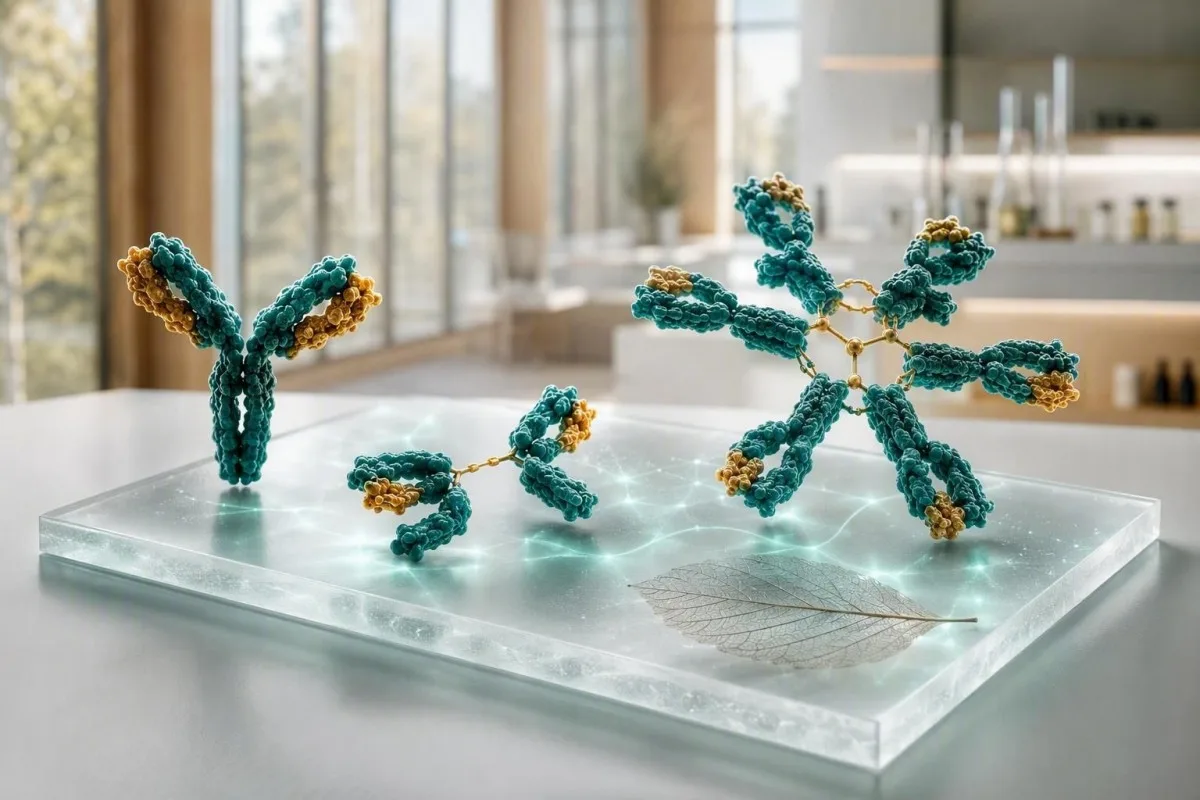
'n Immunoglobulinetoets is die nuttigste wanneer IgG, IgA en IgM as 'n patroon gelees word, nie drie geïsoleerde vlae nie. Hoë waardes kan breë immuunaktivering of 'n enkele abnormale proteïen weerspieël; lae waardes kan dui op medisyne, proteïenverlies of verswakte teenliggaamproduksie.


- IgG is gewoonlik 700-1.600 mg/dL by volwassenes; 'n aanhoudende styging in verskeie klasse weerspieël dikwels chroniese inflammasie of lewersiekte.
- IgA is gewoonlik 70-400 mg/dL by volwassenes; selektiewe tekort kan 'n negatiewe IgA-gebaseerde coeliakietoets onbetroubaar maak.
- IgM is gewoonlik 40-230 mg/dL by volwassenes; 'n geïsoleerde, aanhoudende styging benodig serumproteïenelektroforese om 'n monoklonale proteïen uit te sluit.
- Al drie laag is meer kommerwekkend as een lae resultaat en regverdig ondersoek van infeksies, medisyne, proteïenverlies en entstof teenliggaamresponsbly.
- Polislonale verhoging beteken dat veelvuldige immunoglobulinklasse hoog is; dit vergesel algemeen outo-immuun siekte, chroniese lewersiekte of langdurige infeksie.
- Monoklonale patroon beteken dat een klas buitensporig verhoog is of 'n smal band op elektroforese verskyn; dit benodig bevestigende immunofiksasie en vry-ligketting toetsing.
- Onmiddellike hersiening is geskik vir koors met herhalende ernstige infeksies, nuwe verwarring, kortasem, geelsug, gewigsverlies, beenpyn of vinnig stygende totale proteïen.
- Neiging maak saak omdat 'n 10-20% verskil kan ontstaan as gevolg van hidrasie, toetsvariasie, onlangse siekte of 'n ander laboratoriummetode.
Hoe om 'n immunoglobulinetoets as een patroon te lees
IgG, IgA en IgM resultate beteken verskillende dinge saam as alleen. 'n Breë verhoogde paneel dui gewoonlik op polisklonale immuunstimulasie, terwyl een dominante klas—veral met hoë totale proteïen—die aparte vraag van 'n monoklonale proteïen opper. Vanaf 5 September 2026 bly daardie onderskeid die praktiese eerste stap voordat 'n diagnose aan 'n immunoglobulien bloedtoets geheg word.
Volwasse verwysingsintervalle wissel per metode, maar baie laboratoriums gebruik IgG 700-1.600 mg/dL, IgA 70-400 mg/dL, en IgM 40-230 mg/dL. 'n Waarde 5% buite 'n reeks is nie outomaties siekte nie; Ek kyk eers na die laboratoriuminterval, ouderdom, swangerskapstatus, onlangse infeksie, renale verlies en of die monster geneem is na binneaarse immunoglobulien.
Kantesti is 'n KI-bloedtoetsontleder wat IgG, IgA en IgM lees langs totale proteïen, albumien, lewermerkers, kreatinien en die CBC eerder as om 'n rooi vlag as 'n diagnose te behandel. Daardie kruisnasien is nuttig omdat lae albumien met verhoogde globuliene 'n baie ander storie vertel as dehidrasie met beide waardes gekonsentreer; ons biomerkergids verduidelik die verwante metings.
In my kliniese werk is die mees gerusstellende paneel dikwels nie perfek gemiddeld nie, maar stabiel: byvoorbeeld, IgG 1.690 mg/dL op drie trekke oor 18 maande met normale elektroforese en geen simptome nie. Dr. Thomas Klein sal steeds vra oor droë oë, gewrigswelling, herhalende infeksies en medisyne, maar stabiele ligte variasie dra selde dieselfde gewig as 'n 600 mg/dL klim in ses maande.
Die drie immunoglobuliene in eenvoudige taal
IgM is die vroeë breë reageerder, IgA beskerm mukosale oppervlaktes in die lugweë en ingewande, en IgG bied die meeste duursame sirkulerende teenliggaamaktiwiteit. Hul biologiese halfleeftyd verskil aansienlik: IgG duur ongeveer 21 dae, IgA ongeveer 6 dae in serum, en IgM ongeveer 5 dae, so opeenvolgende veranderinge beweeg nie teen dieselfde spoed nie.
Gewone volwasse reekse en waarom u laboratorium mag verskil
Die verwysingsreeks wat langs jou eie resultaat gedruk is, geniet voorkeur bo enige aanlyn reeks. Nefelometrie, turbidimetrie en ouderdom-gekalibreerde laboratoriumbevolkings produseer effens verskillende limiete, veral vir IgA en IgM.
Die algemene volwasse intervalle van IgG 700-1.600 mg/dL, IgA 70-400 mg/dL en IgM 40-230 mg/dL word omgeskakel na ongeveer 7-16 g/L, 0.7-4.0 g/L en 0.4-2.3 g/L. Kinders het aansienlik ouderdom-afhanklike waardes, en 'n volwasse reeks moet nooit gebruik word om 'n baba of tiener te beoordeel nie.
'n Resultaat naby 'n afsnyding is veral vatbaar vir gewone biologiese variasie. Indien IgM 238 mg/dL is teen 'n boonste limiet van 230 mg/dL na 'n respiratoriese siekte, is herhaling oor 8-12 weke dikwels meer onthullend as om dadelik 'n groot battery te bestel; sien ons gids na werklike veranderinge tussen bloedtoetse.
Vas is gewoonlik nie nodig vir kwantitatiewe immunoglobuliene nie, maar ernstige dehidrasie kan proteïene konsentreer en IV immunoglobulien kan gemete IgG vir weke verhoog. Vra die klinikus wat die paneel aanvra of jy teenvervanging, rituximab, kortikosteroïede, anti-konvulsante of 'n anti-CD20 behandeling in die vorige 6 maande ontvang het.
Wanneer al drie immunoglobulinklasse hoog is
Hoë IgG, IgA en IgM tesame dui gewoonlik op polisoklonale immuunaktivering eerder as een abnormale kloon. Chroniese lewersiekte, outo-immuun toestande, aanhoudende infeksie en sommige inflammatoriese dermsiektes is algemene kliniese situasies.
'n Polisoklonale styging verbreed dikwels die gammastreek op serumproteïenelektroforese in plaas daarvan om 'n skerp, nou spikkel te skep. In praktiese terme, IgG 2,100 mg/dL, IgA 520 mg/dL en IgM 310 mg/dL met 'n verhoogde CRP dui op 'n ander pad as IgG 2,400 mg/dL met die ander twee klasse onderdruk.
Outo-immuun siekte kan hierdie patroon produseer, maar die simptome lei die volgende toets. Aanhoudende droë oë en mond, geswelde gewrigte, uitslag, diarree of neuropatie kan geteikelde outo-antiliggame en komplement toetsing regverdig; ons C3 en C4-gids verduidelik waarom lae komplement daardie interpretasie verander.
Chroniese infeksie kan ook verskeie klasse vir maande verhoog, hoewel immunoglobuliene nie die organisme identifiseer of aktiewe infeksie bewys nie. 'n Hoë ESR met konstitutionele simptome verdien kliniese oorsig, en ons verduideliking van hoë ESR-oorsake wys hoekom 'n onsêpige inflammatoriese merker nie die oorsaak kan bepaal nie.
Wat geïsoleerde hoë IgM kan beteken
'n Geïsoleerde hoë IgM-resultaat kan volg op onlangse infeksie, voorkom met cholestatiese outo-immuun lewersiekte, of 'n IgM monoklonale proteïen verteenwoordig. Aanhoudendheid, graad van verhoging, simptome en elektroforese is belangriker as 'n enkele grenslyn nommer.
IgM is 'n groot pentameriese antiliggaam, en vlakke net bo 230 mg/dL stabiliseer dikwels na 'n immuunuitdaging. 'n Herhaalde IgM van 800 mg/dL of 1,200 mg/dL, veral met normale of lae IgG en IgA, moet serumproteïenelektroforese, immunofiksasie en serum vry-ligketting toetsing teweegbring eerder as raaiwerk.
Primêre bilirêre cholangitis assosieer klassiek met verhoogde IgM, veral wanneer alkaliese fosfatase en gamma-glutamiel transferase ook hoog is. Die EASL-riglyn adviseer evaluasie vir cholestatiese lewersiekte wanneer alkaliese fosfatase aanhoudend verhoog is en antimitochondriale antiliggaam teenwoordig is (EASL, 2017); ons cholestase-patroongids dek die bykomende merkers.
'n Monoklonale IgM proteïen is nie dieselfde as Waldenström makroglobulinemie nie, en die meeste mense met 'n klein monoklonale gammopatie het nie 'n onmiddellike kanker diagnose nie. Nietemin, simptome soos visuele vervaging, hoofpyne, neusbloeding, nuwe neuropatie of onverklaarbare moegheid benodig vinnige assessering omdat baie hoë IgM serumviskositeit kan verander; lees meer oor hoë IgM veroorsaak.
Lae IgA: die coeliakietoets-valkuil en infeksie-leidrade
Lae IgA kan 'n IgA weefsel-transglutaminase coeliakie-skerm vals negatief maak. Selektiewe IgA-tekort word algemeen gedefinieer as serum IgA onder 7 mg/dL in 'n persoon ouer as 4 jaar met normale IgG en IgM, hoewel plaaslike definisies en herhaalde toetsing belangrik is.
Indien totale IgA laag is, gebruik klinici gewoonlik 'n IgG-gebaseerde gedeamineerde gliadin peptied of IgG-weefseltransglutaminase-toets tesame met die kliniese geskiedenis. Moenie 'n glutenlose dieet begin voordat toepaslike toetse gedoen is nie, tensy dit aanbeveel word, omdat antiliggaamvlakke kan daal en die resultaat kan verdoesel; ons gluten-uitdaginggids beskryf die tydsberekeningsprobleem.
Baie mense met gedeeltelike IgA-tekort het geen groot gesondheidsprobleem nie, terwyl ander herhalende sinus-, bors- of spysverteringkanaalinfeksies rapporteer. Die frekwensie, erns en gedokumenteerde bakteriële oorsake tel meer as om twee gewone verkoue in 'n winter te hê; inentingsgeskiedenis en pneumokokkale antiliggaamrespons kan meer insiggewend wees as totale IgA alleen.
Bloedproduk reaksies is ongewoon, maar relevant: mense met ernstige IgA-tekort en anti-IgA-antiliggame mag spesiaal geselekteerde komponente benodig indien transfusie nodig is. Dit is 'n rede om hospitaalspanne in te lig oor 'n bevestigde ernstige tekort, nie 'n rede om medies noodsaaklike sorg te vermy nie; sien ons vollediger bespreking van lae IgA-resultate.
Lae IgG en herhalende infeksies: wanneer die resultaat saak maak
Lae IgG word klinies betekenisvol wanneer dit gepaard gaan met herhalende, ongewoon ernstige of swak opruimende infeksies. 'n Volwasse IgG onder 400 mg/dL is oor die algemeen 'n sterker bekommernis as 'n waarde van 650 mg/dL, maar funksionele entstof-antiliggaam response kan aannames omkeer wat slegs op hoeveelheid gebaseer is.
Die infeksies wat immunoloë laat huiwer, is herhalende longontsteking, brongiektase, herhaalde bakteriële sinusinfeksies wat verskeie antibiotika benodig, indringende bakteriële siektes of chroniese giardiasis. Vier ligte virale verkoue by 'n kinderversorger is nie gelykstaande aan drie radiologies bevestigde longontstekings in 24 maande nie.
Sekondêre oorsake is algemeen: rituximab en ander B-sel-gerigte terapieë, langdurige orale kortikosteroïede, sommige anti-konvulsiewe middels, nefrotiese-reeks proteïenverlies, proteïenverlies enteropatie en limfoïde maligniteit kan IgG verlaag. Urine proteïen, albumien, limfosiet-telling en medikasiegeskiedenis lewer dikwels meer as nog 'n ewekansige antiliggaampaniel; ons proteïen in urine gids verduidelik 'n sleutelverliespad.
Bonilla et al. (2015) beveel aan om kwantitatiewe immunoglobuliene saam met spesifieke antiliggaam response te assesseer wanneer primêre immuniteitsgebrek vermoed word. Na my ervaring, kan 'n normale post-entstof respons gerusstellend wees, selfs wanneer IgG effens laag is, terwyl swak response met IgG onder 500 mg/dL spesialis insette verdien.
Wanneer IgG, IgA en IgM almal laag is
Lae IgG, IgA en IgM saam word hipogammaglobulinaemie genoem en verdien 'n gestruktureerde ondersoek, veral met infeksies. Die patroon mag verswakte antiliggaamproduksie, medikasie-effekte, proteïenverlies, gevorderde limfoïede siekte of, minder dikwels, 'n tydelike post-siekte verandering weerspieël.
'n Paniel van IgG 360 mg/dL, IgA 28 mg/dL en IgM 18 mg/dL is nie 'n wag-en-kyk resultaat as die persoon koors, herhalende borsinfeksies of gewigsverlies het nie. 'n Klinikus mag die paniel herhaal, elektroforese, CBC met differensiaal, nier- en lewertoetse, urine proteïen en entstof-spesifieke antiliggame nagaan, en dan verwys na kliniese immunologie of hematologie.
AlgemeneAinsi-geïnduseerde immuniteitsgebrek bied dikwels in volwassenheid aan, maar die diagnose vereis meer as lae getalle: simptome, uitgeslote sekondêre oorsake en verminderde funksionele antiliggaamproduksie is sentraal. Kantesti AI is 'n KI-labtoets-interpretasiediens wat hierdie omringende bevindings in 'n dokterbesoekopsomming kan organiseer, maar dit kan nie 'n immuun-gebrek diagnoseer of besluit oor immunoglobulien vervanging nie.
Immunoglobulien vervanging word voorgeskryf om ernstige infeksies by geselekteerde pasiënte te voorkom, nie bloot om 'n laboratoriumresultaat te normaliseer nie. Tipiese vervangingsregime is geïndividualiseer en begin algemeen rondom 400-600 mg/kg elke maand via binneaarse of subkutane roetes, met dosering aangepas by infeksiebeheer en trog IgG eerder as 'n universele teiken; ons gids na immuunstelsel-bloedtoetse nuttige konteks by.
Hoe 'n immunoglobulinetoets na 'n monoklonale proteïen kan wys
'n Monoklonale proteïen word voorgestel wanneer een immunoglobulienklas disproporsioneel hoog is, ander klasse onderdruk word, of elektroforese 'n noue band toon. Kwantitatiewe immunoglobuliene alleen kan nie klonaliteit bewys nie; serum proteïen elektroforese en immunofiksasie is die bevestigende gereedskap.
Oorweeg IgG 2,900 mg/dL met IgA 38 mg/dL en IgM 21 mg/dL: daardie patroon is meer verdag as wat al drie beskeie verhoog word. Hoë totale proteïen, 'n lae albumien-tot-globulien verhouding, anemie, verminderde eGFR, hoë kalsium, beenpyn of herhalende infeksie voeg kliniese dringendheid by; hersien ons gids na hoë totale proteïen.
Die International Myeloma Working Group onderskei MGUS van aktiewe miëloom op grond van die proteïenhoeveelheid, beenmurgbevindinge en orgaaneffekte—nie die immunoglobulienuitslag alleen nie (Rajkumar et al., 2014). ’n M-proteïen van minder as 3 g/dL kan steeds monitering regverdig, terwyl ’n laer waarde saam met anemie of nierbesering ’n vinniger hematologiese beoordeling kan vereis.
Moenie deur ’n normale totale proteïen mislei word nie. Slegs-ligekettingafwykings produseer moontlik nie ’n duidelike styging in proteïen nie, en daarom kombineer klinici serumvrye ligekettings, immunofiksasie en urinetoetse wanneer die kliniese beeld dit regverdig; ons bloedkanker-toetsroete sit uiteen wat volgende gebeur.
Lewersiekte-patrone: IgA, IgG en IgM leidrade
Lewersiekte kan immunoglobuliene verhoog, maar die dominante klas bied slegs ’n leidraad, nie ’n diagnose nie. IgA is dikwels verhoog by alkoholgeassosieerde lewerbesering, IgG by outo-immuunhepatitis en IgM by primêre biliêre cholangitis; oorvleueling is algemeen.
’n Verhoogde IgG bo 1,1 keer die boonste grens van normaal ondersteun outo-immuunhepatitis wanneer transaminases en outo-teenliggaampies daarmee ooreenstem, maar dit is nóg sensitief nóg spesifiek genoeg om dit alleen te diagnoseer. Akute virussiekte, chroniese lewerbesering en sistemiese outo-immuunsiekte kan almal ’n soortgelyke sein veroorsaak, daarom gebruik klinici dikwels beeldvorming en spesialisgerigte toetsing.
’n IgA-verhoging saam met verhoogde GGT, AST en makrositose kan by alkoholgeassosieerde lewerbesering pas, maar alkoholverbruik moet nooit op grond van ’n paneel aanvaar word nie. Medikasie-effekte, metaboliese vetterige lewersiekte en ander oorsake kom dikwels voor; ons verduideliking van ALT-uitslae help om die ensieme langs die immunoglobuliene te plaas.
Die belangrike veiligheidsboodskap is dat geelsug, donker urine, bleek stoelgang, verwarring, abdominale swelling of bloedbraking dringende mediese sorg vereis, ongeag immunoglobulienwaardes. ’n Stabiele geïsoleerde IgA-verhoging van 430 mg/dL veroorsaak nie daardie simptome nie en behoort nie aandag van onmiddellike evaluering af te lei nie.
Infeksie, inflammasie en outo-immuunaktiwiteit skei
Immunoglobulienvlakke styg te stadig en te niespesifiek om op hul eie ’n akute infeksie te diagnoseer. CRP, ’n volledige bloedtelling, kulture of geteikende patogeentoetse beantwoord onmiddellike infeksievrae beter, terwyl immunoglobuliene die breër immuunagtergrond beskryf.
IgM word dikwels as ’n vroeë infeksie-teenliggaam beskryf, maar totale serum-IgM is nie dieselfde as ’n patogeenspesifieke IgM-toets nie. ’n Totale IgM van 290 mg/dL kan nie griep, Epstein-Barr-virus of ’n urienweginfeksie bevestig nie; simptome en direkte toetsing bepaal of behandeling nodig is.
Outo-immuunontsteking kan IgG jare lank verhoog voordat ’n diagnose duidelik is, veral met hipergammaglobulinemie en ’n breë elektroforesepatroon. ANA-, rumatoïedfaktor- en ENA-panele behoort aangevra te word om ’n kliniese vraag te beantwoord, nie as ’n lukrake ondersoek nie; byvoorbeeld, ons gids oor anti-dsDNA verduidelik waarom ’n positiewe uitslag nier- en komplementkonteks benodig.
Dr. Thomas Klein het pasiënte gesien wat deur ’n hoë IgG ná ’n virussiekte bang geword het, maar wat op ’n herhalingstoets ná 3 maande genormaliseer het. Omgekeerd is aanhoudende IgG bo 2 000 mg/dL tesame met lae C3, proteïenurie en gewrigsimptome nie iets wat ek vir ’n jaar sou uitstel nie—daardie gekombineerde bevindings regverdig tydige kliniese beoordeling.
Medisyne, proteïenverlies en tydseffekte wat resultate verander
Medisyne en proteïenverlies kan immunoglobuliene verlaag sonder dat daar ’n primêre immuunafwyking is. Anti-CD20-middels kan IgM eerste en IgG later verlaag, terwyl nier- of dermproteïenverlies verskeie klasse saam met albumien kan verlaag.
Rituximabverwante hipogammaglobulinemie kan maande ná die laaste infusie ontstaan omdat B-selherstel en teenliggaamherstel nie identies is nie. Bring ’n volledige medikasielys na die afspraak—insluitend biologiese middels, steroïedosis, medisyne teen aanvalle en chemoterapie; ons gids oor medikasieveiligheidstendense verduidelik waarom datums saak maak.
Toestande waarin proteïene verlore gaan, laat dikwels bykomende leidrade: lae albumien onder ongeveer 3.5 g/dL, edeem, diarree, ’n verhoogde urine-albumien-kreatinien-verhouding of verlaagde totale proteïen. Daarenteen kan dehidrasie immunoglobuliene hoog laat lyk terwyl albumien en hematokrit parallel styg.
Herhaalde toetsing is gewoonlik die beste wanneer jy klinies stabiel is, met dieselfde laboratorium indien moontlik. Kantesti kan ’n gedateerde PDF of foto met vorige resultate vergelyk en ’n groot verandering aandui, maar ’n noukeurige oplaaikontrole is verstandig omdat eenhede en verwysingsbereike verkeerd vasgelê kan word.
Opvolgtoetse wat 'n abnormale paneel verhelder
Die regte opvolgtoets hang van die patroon af: elektroforese vir buite verhouding verhoogde waardes, entstofteenliggaampies vir vermoedelike tekort, en urine- of lewertoetse vir proteïenverlies of leidrade van die lewer. Om dieselfde drie syfers sonder ’n vraag te herhaal, lewer dikwels min bykomende inligting.
Vir hoë of ongelyke resultate versoek klinici algemeen serumproteïenelektroforese, immunofiksasie, vrye ligte kettings in serum, volledige bloedtelling, kalsium, kreatinien, albumien en lewerensieme. ’n Smal band op elektroforese behoort met immunofiksasie getipeer te word omdat die klas—IgG, IgA of IgM—die differensiële diagnose en opvolgplan verander.
Vir lae resultate met infeksies kan toetsing IgG-subklasse en teenliggaamtiters teen tetanus, Haemophilus influenzae tipe b of pneumokokkale serotipes voor en ná inenting insluit. Daar is geen enkele beskermende pneumokokkale drempelwaarde wat by elke laboratorium en ouderdomsgroep pas nie; dit is een gebied waar spesialisinterpretasie belangriker is as ’n aanlyn afsnypunt.
Kantesti is 'n KI-aangedrewe bloedtoets-analisehulpmiddel wat hierdie resultate in ’n tydlyn kan saamvoeg en ontbrekende konteks, soos ontbrekende albumien of elektroforese, kan identifiseer vir jou klinikus om te oorweeg. Ons tegnologiegids verduidelik hoe kontekstuele waarskuwings gegenereer word sonder om mediese besluitneming te vervang.
Simptome wat nie wag vir 'n roetine-herhaling nie
’n Immunoglobulienresultaat alleen veroorsaak selde ’n noodgeval, maar sekere simptome wel. Kry dringende assessering dieselfde dag vir hoë koors met ernstige siekte, kortasemigheid, verwarring, nuwe swakheid, geelsug, ’n merkbaar verminderde urienuitset, erge hoofpyn met sigveranderinge of onbeheerde bloeding.
Lae immunoglobulienvlakke plus ’n koors van 38.0°C of hoër is meer kommerwekkend by iemand wat chemoterapie, hoë dosis steroïede of B-selgerigte terapie ontvang, of ’n geskiedenis van indringende infeksies het. Moenie vir ’n portaalboodskap wag as asemhaling moeilik is, suurstofvlakke laag is, of die persoon verward of buitengewoon lomerig voorkom nie.
’n Moontlike monoklonale proteïen benodig vinniger beoordeling wanneer dit saam met nuwe beenpyn, onverklaarde anemie, ’n styging in kreatinien, kalsium bo die plaaslike boonste verwysingsgrens, neuropatie of onbedoelde gewigsverlies voorkom. Dit is nie bewys van ’n plasmaselafwyking nie, maar dit is die kenmerke wat klinici gebruik om toetsing te prioritiseer; ons tweedopinie-gids kan help om vrae voor te berei.
Vir ligte, stabiele abnormaliteite sonder waarskuwingstekens is ’n beplande afspraak binne etlike weke gewoonlik redelik. Bring vorige resultate, datums van infeksies, veranderinge in medikasie en familiegeskiedenis saam; ’n grafiek oor 2 jaar is dikwels klinies nuttiger as ’n enkele gemerkte syfer.
CE-interpretasie veilig gebruik vir immunoglobulineresultate
KI kan ’n immunoglobulientoetspatroon organiseer, maar dit kan nie bepaal of ’n persoon immuungebrek, lewersiekte of ’n monoklonale afwyking het nie. Veilige interpretasie hou die laboratoriumreeks, simptome, medikasie, tendense en bevestigingstoetse sigbaar.
Kantesti KI hersien IgG, IgA en IgM saam met die proteïene en orgaanmerkers wat hul betekenis verander, en bied dan opvolgvrae aan eerder as om ’n diagnose te verklaar. In ons ontledingswerkvloei lei ’n geïsoleerde lae IgA tot ’n waarskuwing oor coeliakietoetsing, terwyl al drie lae waardes plus lae albumien oorweging van verlies, medikasie-effekte en ’n kliniese immunologiehersiening aanspoor.
Privaatheid is belangrik met immuun- en kankerverwante resultate. Kantesti Ltd gebruik GDPR-belynde hantering, en ons mediese valideringsbladsy beskryf die kliniese toesig en grense agter geoutomatiseerde laboratoriuminterpretasie.
“n Goeie verslag behoort u te help vra: ”Is dit breë immuunaktivering, proteïenverlies, verminderde produksie of ’n enkele proteïen?” Dit is die gepaste vlak van sekerheid voordat elektroforese of spesialisbeoordeling ’n antwoord verskaf.
Vrae om te vra na 'n abnormale immunoglobulienpaneel
Die beste volgende vraag is gewoonlik “watter patroon is dit?” eerder as “hoe verlaag of verhoog ek hierdie getal?” Vra of die uitslag aanhoudend, poliklonal of monoklonal is, of infeksies op verswakte funksie dui, en watter sekondêre oorsake nagegaan is.
Nuttige vrae sluit in: Is serumproteïenelektroforese gedoen? Is albumien, urienproteïen en lewerensieme in ooreenstemming met verlies of lewersiekte? Behoort ek entstof-teenliggaamtoetse te laat doen? Is herhaling van die toets binne 8–12 weke nodig? Hierdie vrae is meer produktief as om aanvullings te koop, wat nie ’n klinies betekenisvolle teenliggaamtekort betroubaar regstel nie.
Indien “n verwysing na ”n spesialis beplan word, dokumenteer die aantal infeksies wat in die afgelope 12 maande met antibiotika behandel is, hospitaalbesoeke, beeldvorming-bevestigde longontsteking en blootstelling aan medikasie. “n Presiese rekord—”drie antibiotikakursusse en een geval van longontsteking”—help meer as “ek word dikwels siek”; ons laboratoriumuitslag-opspoorer bied ’n praktiese rekordformaat.
Ons Mediese Adviesraad ondersteun Kantesti se standaarde vir kliniese beoordeling, maar u eie klinikus bly die persoon wat u kan ondersoek, bevestigende toetse kan aanvra en dringend aandag vergende bevindings kan hanteer. Die meeste pasiënte vind dat ’n kalm, patroon-gebaseerde gesprek ’n kommerwekkende vlag in ’n hanteerbare volgende stap verander.
Gereelde vrae
Wat is 'n normale immunoglobulien toetsreeks vir volwassenes?
Tipiese volwasse immunoglobulienreekse is IgG 700-1 600 mg/dL, IgA 70-400 mg/dL en IgM 40-230 mg/dL, hoewel elke laboratorium se gedrukte interval vir interpretasie gebruik moet word. Resultate word ook in baie lande as g/L gerapporteer: 7-16 g/L vir IgG, 0.7-4.0 g/L vir IgA en 0.4-2.3 g/L vir IgM. 'n Resultaat effens buite die reeks mag onlangse siekte, hidrasie of toetsvariasie weerspieël. Aanhoudende abnormaliteite en simptome bepaal of opvolg nodig is.
Wat beteken hoë IgG, IgA en IgM saam?
Hoë IgG, IgA en IgM tesame dui meestal op polisklonale immuunaktivering van chroniese inflammasie, outo-immuun siekte, volgehoue infeksie of lewersiekte. 'n Breë toename oor al drie klasse verskil van 'n monoklonale proteïen, wat gewoonlik een ongelyk hoë klas of 'n noue elektroforese band skep. Waardes soos IgG 2,000 mg/dL, IgA 500 mg/dL en IgM 300 mg/dL moet geïnterpreteer word met CRP, lewertoetse, albumien en serumproteïen elektroforese. Die patroon alleen diagnoseer nie 'n outo-immuun siekte of infeksie nie.
Kan lae immunoglobulienvlakke gereelde infeksies veroorsaak?
Lae immunoglobulienvlakke kan die risiko van herhalende bakteriële respiratoriese of gastro-intestinale infeksies verhoog, veral wanneer IgG onder 400-500 mg/dL is of entstof-teenliggaamrespons swak is. Die mees kommerwekkende patroon is herhalende longontsteking, brongiektase, invasiewe bakteriële infeksie of verskeie sinusinfeksies wat met antibiotika behandel is, eerder as af en toe virale verkoue. Lae IgG, IgA en IgM tesame moet aanleiding gee tot 'n ondersoek vir medikasie, proteïenverlies deur die niere of ingewande, limfoïede toestande en primêre immuungebrek. Funksionele teenliggaamtoetsing verduidelik die risiko dikwels beter as 'n enkele totale IgG-waarde.
Beïnvloed lae IgA koeliakietoetse?
Lae IgA kan 'n vals-negatiewe IgA-weefseltransglutaminase-coeliakietoets veroorsaak omdat die toets afhanklik is van IgA-teenliggaamproduksie. Selektiewe IgA-tekort word dikwels gedefinieer as IgA onder 7 mg/dL na ouderdom 4 jaar met normale IgG en IgM. Wanneer totale IgA laag is, gebruik klinici algemeen IgG-gedesamineerde gliadienpeptied- of IgG-weefseltransglutaminase-toetse in plaas daarvan. Hou aan om gluten te eet totdat die toetsplan ooreengekom is, omdat die vermyding van gluten teenliggaamvlakke kan verlaag en die toetsgevoeligheid kan verminder.
Watter toets bevestig 'n monoklonale immunoglobulienproteïen?
Serumproteïenelektroforese bespeur 'n abnormale proteïenpatroon, en immunofiksasie bevestig of 'n monoklonale immunoglobulien teenwoordig is en identifiseer sy klas. Serumvrye-ligte-keteltoetsing word gewoonlik bygevoeg omdat sommige plasmaselafwykings hoofsaaklik ligte kettings produseer en moontlik nie die totale proteïen aansienlik verhoog nie. 'n Monoklonale resultaat vereis assessering van die M-proteïenkonsentrasie, bloedtelling, kalsium, nierfunksie en simptome; 'n M-proteïen alleen beteken nie outomaties kanker nie. Urinproteïenstudies kan ook in uitgesoekte gevalle benodig word.
Kan stres IgG, IgA of IgM verhoog?
Alledaagse sielkundige stres veroorsaak gewoonlik nie 'n groot geïsoleerde toename in IgG, IgA of IgM op 'n immunoglobulien bloedtoets nie. Stres kan slaap, vatbaarheid vir infeksies en inflammatoriese sein beïnvloed, maar volgehoue waardes bo die laboratorium se boonste limiet moet nie as stres afgemaak word sonder om lewermerkers, CRP, medikasie en proteïenelektroforese, waar toepaslik, te hersien nie. 'n Beskeie verandering van 10-20% kan tussen bloedtrekkings plaasvind as gevolg van normale biologiese en analitiese variasie. Om die paneel na 8-12 weke te herhaal wanneer klinies goed, is dikwels 'n sinvolle eerste stap vir 'n ligte onverklaarde styging.
Kry vandag KI-aangedrewe bloedtoets-analise
Sluit aan by meer as 2 miljoen gebruikers wêreldwyd wat Kantesti vertrou vir onmiddellike, akkurate laboratoriumtoetsanalise. Laai jou bloedtoetsresultate op en ontvang omvattende interpretasie van 15,000+-biomerkers binne sekondes.
📚 Verwysde navorsingspublikasies
Klein, T., Mitchell, S., & Weber, H. (2026). Kantesti LTD. (2026). KI Bloedtoets-ontleder: 2.5M toetse geanaliseer | Globale Gesondheidsverslag 2026. Zenodo.. Kantesti KI Mediese Navorsing.
Klein, T., Mitchell, S., & Weber, H. (2026). Kantesti LTD. (2026). RDW-bloedtoets: Volledige gids tot RDW-CV, MCV en MCHC. Zenodo.. Kantesti KI Mediese Navorsing.
📖 Eksterne mediese verwysings
⚕️ Mediese Vrywaring
Hierdie artikel is slegs vir opvoedkundige doeleindes en vorm nie mediese advies nie. Raadpleeg altyd ’n gekwalifiseerde gesondheidsorgverskaffer vir besluite oor diagnose en behandeling.
E-E-A-T Vertrouenseine
Ervaring
Kliniese oorsig gelei deur ’n geneesheer van laboratorium-interpretasie-werksvloei.
Kundigheid
Laboratoriumgeneeskunde fokus op hoe biomerkers in ’n kliniese konteks optree.
Gesagsvermoë
Geskryf deur dr. Thomas Klein met hersiening deur dr. Sarah Mitchell en prof. dr. Hans Weber.
Betroubaarheid
Bewysgebaseerde interpretasie met duidelike opvolgpaaie om alarm te verminder.