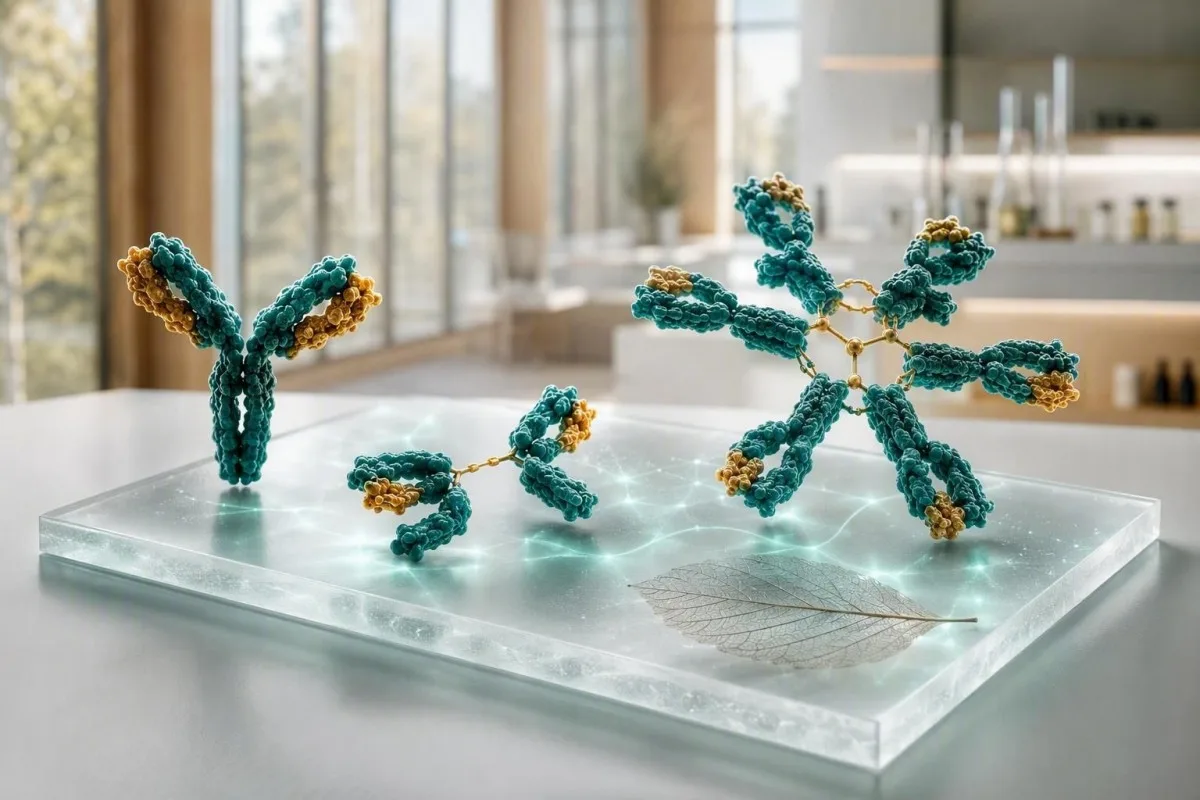
Иммуноглобулиннарны тикшерү IgG, IgA һәм IgM гадәти күрсәткечләр түгел, ә бергәләп каралганда иң файдалы. Югары күрсәткечләр иммунитетның киң активлашуын яки бер абнормал аксымны күрсәтә ала; түбән күрсәткечләр даруларны, аксым югалуны яки антитән эшләп чыгаруның бозылуын күрсәтә ала.


- IgG ğadättä 700-1,600 mg/dL täşkil itä; ber niçä klassnıñ däwam itüçe artuı çığanaqlı yallğanu yäki bağiär aurığın kğrsätä.
- IgA ğadättä 70-400 mg/dL täşkil itä; selektiv citmäwçänlek IgA-ğa nigezlängän koeliak testın yärqsez itärgä mömkin.
- IgM ğadättä 40-230 mg/dL täşkil itä; izolatsiyälängän, däwamlı artu mоnоklоnаl akımnı kğrä basıu öçen qan proteın elektroforezını täşkil itärgä.
- Barısı da tübän ber tübän näticädän kübräk borçılıqlı häm infeksiälär, däwalär, akıım yuğaltuı häm vaktsina antıtnanlarnıñ cawapların tikşeräne taläp itä.
- Poliklonаl kütereläw küp immunoglobulın klassnıñ yuğarı buluın añlata; ul ğädättä avtoimmün aurılar, däwamlı bağiär aurılar yäki ozaqqa suzılğan infeksiälär belän bergä kilä.
- Monoclonal pattern ber klassnıñ artıq yuğarı buluın yäki elektroforezda tar bandnıñ kğrelewıñ añlata; anı täşkil itär öçen immunofiksatsiä häm azat yul çiklären täşkil itärgä.
- ашыгыч тикшерү кайнауга, кабатланучы авыр йогышлар, яңа буталу, тын бетү, сары, авырлыкны югалту, сөяк авыртуы яки тиз күтәрелүче гомуми аксым белән килгәндә, бу сизгер.
- Үсеш (тенденция) мөһим чөнки 10-20% аерма гидратация, анализның үзгәрүчәнлеге, күптән түгел булган авыру яки бүтән лаборатория ысулыннан килеп чыга ала.
Иммуноглобулин сынавын бер үрнәк итеп ничек укырга
IgG, IgA һәм IgM нәтиҗәләре бергәләп аларның аерым торганыннан аерым мәгънәгә ия. Киңәйтелгән панель гадәттә поликлональ иммун стимулны күрсәтә, ә бер өстенлекле класс — аеруча югары гомуми аксым белән — моноклональ аксымның аерым соравын күтәрә. 5 сентябрь, 2026 елга, бу аерма иммуноглобулин кан анализына диагноз кушу алдыннан практик беренче адым булып кала.
Олылар өчен интерваллар ысул буенча үзгәрә, ләкин күп кенә лабораторияләр куллана IgG 700-1,600 мг/дл, IgA 70-400 мг/дл һәм IgM 40-230 мг/дл. Диапазоннан читтәге күрсәткеч һичшиксез авыру түгел; Мин башта лаборатория интервалын, яшен, йөклелек статусын, күптән түгел булган йогышны, бөерләрнең югалуын һәм интравеноз иммуноглобулин алганнан соң үрнәк алынганмы-юкмы икәнен тикшерәм.
Кантести - ЯИ анализы бу IgG, IgA һәм IgMны гомуми аксым, альбумин, бавыр маркерлары, креатинин һәм CBC белән беррәттән укый, кызыл флагны диагноз итеп карамый. Бу кросс-чек файдалы, чөнки түбән альбумин югары глобулиннар белән концентрланган ике күрсәткечле дегидратация белән бик аерым хикәя сөйли; безнең биомаркер кулланмасы бәйле үлчәүләрне аңлата.
Минем клиник эшемдә, иң ышанычлы панель еш кына бик гадәти түгел, ләкин тотрыклы: мәсәлән, 18 ай дәвамында өч тапкыр сыналган IgG 1690 мг/дл, электрофорез нормаль булган һәм симптомнар булмаган. Доктор Томас Кляйн әле дә коры күзләр, буыннарның шешүе, кабатланучы йогышлар һәм дарулар турында сорар, ләкин тотрыклы кечкенә үзгәреш алты ай эчендә 600 мг/дл күтәрелү белән бертигез авырлыкка ия түгел.
Гади тел белән өч иммуноглобулин
IgM иртә киң җавап бирүче, IgA һава юллары һәм эчәклектәге лайлалы өслекләрне саклый, һәм IgG иң чыдам циркуляцияләүче антитәнчек активлыгын тәэмин итә. Аларның биологик ярты гомере бик нык аерыла: IgG якынча 21 көн, IgA якынча 6 көн серумда, һәм IgM якынча 5 көн дәвам итә, шуңа күрә эзлекле үзгәрешләр бер тизлектә бармый.
Гадәти өлкәннәр өчен күрсәткечләр һәм ни өчен сезнең лаборатория аерылып торырга мөмкин
Сезнең нәтиҗәгез янында бастырылган чикләү диапазоны онлайн диапазоннан өстенлекле. Нефелометрия, турбидиметрия һәм яшькә карап калибрланган лаборатория популяцияләре, аеруча IgA һәм IgM өчен, аз гына аерым чикләр бирә.
IgG 700-1,600 мг/дл, IgA 70-400 мг/дл һәм IgM 40-230 мг/дл гадәти олылар интерваллары якынча 7-16 г/л, 0.7-4.0 г/л һәм 0.4-2.3 г/л га күчерелә. Балаларның яшькә бәйле бик күп күрсәткечләре бар, һәм олылар диапазоны беркайчан да сабый яки үсмерне бәяләү өчен кулланылмый.
Чиккә якын нәтиҗә, гадәти биологик үзгәрешләргә бик бирешә. Әгәр IgM сулыш юллары авыруыннан соң 230 мг/дл өске чигенә каршы 238 мг/дл булса, 8-12 атнадан соң кабатлау, еш кына берьюлы зур батарея заказ бирүдән күбрәк күрсәтә; безнең кулланманы карагыз кан анализлары арасындагы реаль үзгәрешләр.
Катнашмаган ашау гадәттә санлы иммуноглобулиннар өчен кирәк түгел, ләкин каты дегидратация аксымнарны концентрлашырга мөмкин һәм IV иммуноглобулин күп атналар дәвамында үлчәнгән IgGны күтәрергә мөмкин. Панельне заказ бирүче клиницисттан соңгы 6 ай эчендә антитәнчек алмадыгызмы, ритуксимаб, кортикостероидлар, антиконвульсантлар яки анти-CD20 терапиясе алдыгызмы, дип сорагыз.
Өч иммуноглобулин классы да югары булганда
The GgG, IgA һәм IgM югары булуы, гадәттә, бер аномаль клонга караганда, поликлональ иммун активлашуны күрсәтә. Хроник бавыр авырулары, аутоиммун халәтләр, даими инфекция һәм кайбер ялкынсыну эчәк авырулары киң таралган клиник күренешләр.
Поликлональ күтәрелү еш кына сыворотка протеиннары электрофорезында гамма өлкәсен киңәйтә, кискен тар туберкул ясау урынына. Практик терминнарда, IgG 2,100 мг/дл, IgA 520 мг/дл һәм IgM 310 мг/дл, югары CRP белән, IgG 2,400 мг/длдан аермалы юлны күрсәтә, икенче ике класс басылган.
Аутоиммун авыру бу үрнәкне тудырырга мөмкин, ләкин симптомнар киләсе тестны билгели. Даими коры күзләр һәм авыз, шешкән буыннар, тимгел, диарея яки нейропатия максатлы аутоантитәнлекләрне һәм комплементны тикшерүне аклый; безнең C3 һәм C4 кулланмасы ни өчен түбән комплемент бу интерпретацияне үзгәртә икәнен аңлата.
Хроник инфекция берничә айга берничә класны күтәрергә мөмкин, гәрчә бу иммуноглобулиннар организмны ачыкламый яки актив инфекцияне исбатламый. Конституцияле симптомнар белән югары ESR клиник тикшерүгә лаек, һәм безнең аңлату югары ESR сәбәпләре ни өчен специфик булмаган ялкынсыну маркеры сәбәпне хәл итә алмый икәнен күрсәтә.
izolatsiyälärdä IgM ning yuğarı buluı nimäne añlatqan
Аерым югары IgM нәтиҗәсе соңгы инфекциядән соң булырга мөмкин, холестатик аутоиммун бавыр авыруы белән була, яки IgM моноклональ протеинны тәшкил итә. Даимилек, күтәрелү дәрәҗәсе, симптомнар һәм электрофорез бер чик саннан күбрәк әһәмияткә ия.
IgM - зур пентамерик антитәнлек, һәм 230 мг/длдан бераз югарырак дәрәҗәләр еш кына иммун чакырудан соң тынычлана. 800 мг/дл яки 1,200 мг/дл IgMны кабатлау, аеруча нормаль яки түбән IgG һәм IgA белән, хәтердән баш тарту урынына сыворотка протеиннары электрофорезы, иммунофиксация һәм сыворотка ирекле-төсле чылбырны тикшерүне башларга тиеш.
Башлангыч билиар холангит, гадәттә, IgM күтәрелү белән бәйле, аеруча эшле алкалы фосфатаза һәм гамма-глутамилтрансфераза да югары булганда. EASL җитәкчелеге холестатик бавыр авыруын эзләргә киңәш итә, эшле алкалы фосфатаза даими күтәрелгән һәм антимитохондрия антитәнлеге булганда (EASL, 2017); безнең холестаз үрнәге буенча кулланма аның белән бергә баручы маркерларны үз эченә ала.
Моноклональ IgM протеины Waldenström макроглобулинемиясе белән бер үк түгел, һәм кечкенә моноклональ гаммапатия булган күпчелек кешеләрнең тиз яман шеш диагнозы юк. Шуңа да карамастан, күзнең бозылуы, баш авыртулары, борыннан кан китү, яңа нейропатия яки аңлашылмаган арыклык кебек симптомнар тиз бәяләүне таләп итә, чөнки бик югары IgM сыворотка вискозлыгын үзгәртергә мөмкин; тулырак укыгыз югары IgM китерә.
IgA ning tübän buluı: koeliakiyä testınñ xätärlelege häm infeksiya bilgeläre
Түбән IgA, IgA тукыма-трансглутаминаза кебек корылык скринингын ялган тискәре итә ала. Селектив IgA дефициты, гадәттә, 4 яшьтән өлкәнрәк кешедә 7 мг/длдан түбән IgA сывороткасы белән билгеләнә, нормаль IgG һәм IgM булганда, ләкин җирле билгеләмәләр һәм кабатлау бәяләү әһәмиятле.
Әгәр дә гомуми IgA түбән булса, клиницистлар гадәттә куллана IgG-ка нигезләнгән деамидланган глиадин пептиды яки IgG тукымалы трансглютаминаза тесты клиник тарихы белән бергә. Тиешле тестлар алдыннан глютенсыз диетага керешмәгез, әгәр киңәш ителмәсә, чөнки антитәнәчәләр дәрәҗәсе кимеп, нәтиҗәне тоныкландырырга мөмкин; безнең глютен сынавы кулланмасы вакытлы проблеманы тасвирлый.
IgA җитмәүчелекнең күпчелек кешеләрендә зур сәламәтлек проблемасы юк, ә башкалар кабатлаучы синус, күкрәк яки гастроинтестиналь инфекцияләр турында хәбәр итәләр. Ешлыгы, катылыгы һәм расланган бактерия сәбәпләре кышын ике гади салкын тиюгә караганда күбрәк; вакцинация тарихы һәм пневмококк антитәнәчәсенең реакциясе тулаем IgA дан күбрәк мәгълүматлы булырга мөмкин.
Кан продуктларына реакцияләр сирәк, ләкин мөһим: IgA җитмәүчелеге һәм анти-IgA антитәнәләре булган кешеләргә, трансфузия кирәк булса, махсус сайланган компонентлар кирәк булырга мөмкин. Бу тулысынча авыр җитмәү турында хастаханә командаларына хәбәр итү сәбәбе, медицина ягыннан кирәкле караудан баш тарту сәбәбе түгел; безнең тулырак дискуссиясен карагыз түбән IgA нәтиҗәләре.
IgG ning tübän buluı häm qaytalıq infeksiälär: näticä möxim bulğanda
Түбән IgG кабатлаучы, гадәттән тыш каты яки начар чишелүче инфекцияләр белән бергә булганда клиник яктан мөһимгә әйләнә. 400 мг/дл дан түбән булган олы яшьтәге IgG, гадәттә, 650 мг/дл караганда күбрәк борчылыш уята, ләкин функциональ вакцина-антитәнә реакцияләре саннарга гына нигезләнгән гипотезаларны инкарь итә ала.
Иммунологларны тукталырга мәҗбүр итә торган инфекцияләр - кабатлаучы пневмония, бронхоэктазия, берничә антибиотик таләп итүче бактериаль синус инфекцияләре, инвазив бактерия авырулары яки хроник гиардиазис. Балалар бакчасында эшләүче кешенең дүрт кечкенә вируслы салкын тиюе 24 ай эчендә рентген аша расланган өч пневмониягә тиң түгел.
Икенчел сәбәпләр еш очрый: ритуксимаб һәм башка B-күзәнәккә юнәлтелгән терапияләр, озакка сузылган ораль кортикостероидлар, кайбер антиконвульсантлар, нефротик-диапазон протеин югалту, протеин югалту энтеропатиясе һәм лимфоид яман шешләре IgGны киметергә мөмкин. Сидек протеины, альбумин, лимфоцитлар саны һәм дарулар тарихы еш кына башка бер тапкыр очрый торган антитәнәләр панеленнән күбрәк; безнең сидектәге протеин буенча кулланма бер төп югалту юлын аңлата.
Bonilla et al. (2015) беренчел иммунодефицит шик тудырганда, санлы иммуноглобулиннарны специфик антитәнә реакцияләре белән бергә бәяләргә киңәш итәләр. Минем тәҗрибәмдә, нормаль пост-вакцинация реакциясе, IgG бераз түбән булса да, ышанычлы булырга мөмкин, шул ук вакытта начар реакцияләр, IgG 500 мг/дл дан түбән булса, махсус инкяр итүне таләп итә.
IgG, IgA häm IgM barısı da tübän bulğanda
Түбән IgG, IgA һәм IgM бергә гипогаммаглобулинемия дип атала һәм структур тикшерүне таләп итә, аеруча инфекцияләр белән. Паттерн антитәнә җитештерү, дарулар йогынтысы, протеин югалту, алдынгы лимфоид авыру яки, сирәгрәк, авырудан соң вакытлыча үзгәрешләрне күрсәтергә мөмкин.
IgG 360 мг/дл, IgA 28 мг/дл һәм IgM 18 мг/дл панеле, кешедә температура, кабатлаучы күкрәк инфекцияләре яки авырлык югалту булса, карау өчен нәтиҗә түгел. Клиницист панельне кабатларга, электрофорезны, дифференциаль кан анализын (CBC), бөер һәм бавыр тестларын, сидек протеинын һәм вакцинага-специфик антитәнәләрне тикшерергә, аннары клиник иммунологиягә яки гематологиягә мөрәҗәгать итәргә мөмкин.
Гомуми үзгәрүчән иммунодефицит еш кына олы яшьтә күренә, ләкин аның диагнозы саннардан күбрәкне таләп итә: симптомнар, чыгарылган икенчел сәбәпләр һәм функциональ антитәнә җитештерүнең кимүе үзәк булып тора. Kantesti AI - ул AI лаборатория тестларын аңлату хезмәтендә басылып чыга бу тирә-юньдәге фактларны табиб-визит йомгагына оештырырга мөмкин, ләкин ул иммунодефицитны диагнозлый яки иммуноглобулин алмаштыру турында карар кабул итә алмый.
Иммуноглобулин алмаштыру сайланган пациентларда авыр инфекцияләрне булдырмас өчен билгеләнә, лаборатория нәтиҗәсен нормальләштерү өчен генә түгел. Типик алмаштыру режимнары индивидуальләштерелгән һәм еш кына ай саен 400-600 мг/кг тирәсендә вена эченә яки астына юллар белән башлана, доза инфекция контроленә һәм тулаем IgGга караганда гомуми максатка түгел, ә төп IgGга көйләнә; безнең кулланмабыз иммун-система кан анализлары файдалы контекст өсти.
Immunoглобулин сынавы моноклональ аксымга ничек күрсәтә ала
Монгоклек протеины, бер иммуноглобулин классы бик югары булганда, башка класслар басылганда яки электрофорез тасманың тар полосасын күрсәткәндә, тәкъдим ителә. Санлы иммуноглобулиннар гына клонопияне исбатлый алмый; сыворотка протеин электрофорезы һәм иммунофиксация раслаучы кораллар булып тора.
IgG 2,900 мг/дл, IgA 38 мг/дл һәм IgM 21 мг/дл карагыз: бу паттерн өчесе дә уртача күтәрелгәннәргә караганда шикле. Югары тулаем протеин, түбән альбумин-глобулин коэффициенты, анемия, кимү eGFR, югары кальций, сөяк авыртуы яки кабатлаучы инфекция клиник шартларны өсти; безнең кулланмабызны карагыз гомуми аксымның югары булуы.
Халыкара миелома буенча эшче төркем MGUS-ны актив миеломадан аксым күләме, сөяк кимесе тикшеренүләре һәм әгъзаларга тәэсире буенча аера, тик иммуноглобулин нәтиҗәсе буенча гына түгел (Rajkumar et al., 2014). M-аксымның 3 г/дл-дан түбән булуы күзәтүне таләп итәргә мөмкин, ә азрак кыйммәтләр анемия яки бөер зарарлануы белән бергә булса, гематологның тизрәк консультациясен таләп итә ала.
Гомуми аксымның нормаль булуы сезне ялгыш юлга кертмәсен. Тик җиңел чылбырлы бозылулар аксымның сизелерлек артуына китермәскә мөмкин, шуңа күрә клиницистлар тиешле очракларда кан сарыгындагы ирекле җиңел чылбырларны, иммунофиксацияне һәм сидек тикшеренүләрен бергә кулланалар; безнең кан яман шешен тикшерү юлы алга таба нәрсә булачагын тасвирлый.
Bağırsaq aurularınnıñ ürnäkläre: IgA, IgG häm IgM bilgeläre
Бавыр авырулары иммуноглобулиннарны арттырырга мөмкин, ләкин өстенлек итүче класс диагноз кую өчен түгел, ә бары тик ишарә генә бирә. Алкоголь белән бәйле бавыр зарарланганда IgA еш арта, аутоиммун гепатитта — IgG, ә беренчел билиар холангитта — IgM; еш кына алар бер-берсенә кушылалар.
IgG-ның норманың югары чигеннән 1,1 тапкыр артуы, трансаминазалар һәм аутоантигèннәр туры килгәндә, аутоиммун гепатитны раслый, ләкин бу күрсәткеч үзе генә диагноз кую өчен җитәрлек сизгер яки төгәл түгел. Кискен вируслы авырулар, бавырның хроник зарарлануы һәм системалы аутоиммун авырулар барысы да охшаш сигнал бирә ала, шуңа күрә клиницистлар еш кына визуализация һәм белгечләр билгеләгән тикшеренүләрдән файдаланалар.
GGT, AST артуы һәм макроцитоз белән беррәттән IgA-ның күтәрелүе алкоголь белән бәйле бавыр зарарлануына туры килергә мөмкин, ләкин тикшерү панеленә карап кына алкоголь куллану турында нәтиҗә ясарга ярамый. Даруларның тәэсире, метаболик майлы бавыр авыруы һәм башка сәбәпләр еш очрый; безнең ALT нәтиҗәләре турындагы аңлатмабыз ферментларны иммуноглобулиннар белән беррәттән урнаштырырга ярдәм итә.
Төп куркынычсызлык хәбәре шуннан гыйбарәт: сары авыруы, куе төстәге сидек, төссез тизәк, аңның буталуы, корсак бүртү яки кан белән косу иммуноглобулин күрсәткечләренә карамастан, ашыгыч медицина ярдәмен таләп итә. IgA-ның 430 мг/дл дәрәҗәсендә тотрыклы изоляцияләнгән артуы бу симптомнарны китереп чыгармый һәм ашыгыч бәяләүдән игътибарны читкә юнәлтергә тиеш түгел.
Infeksiya, yallğanu häm avtoimmün aktivlıknı ayıru
Иммуноглобулин дәрәҗәләре кискен инфекцияне үзләре генә диагнозлау өчен бик әкрен һәм төгәл булмаган рәвештә арта. CRP, канның гомуми анализы, культуралар яки максатчан патоген тестлары инфекция сорауларына тизрәк җавап бирә, ә иммуноглобулиннар киңрәк иммун фонны сурәтли.
IgM еш кына иртә инфекция антитәнчеге дип атала, ләкин кан сарыгындагы гомуми IgM патогенга хас IgM тесты белән бер түгел. Гомуми IgM 290 мг/дл булуы гриппны, Эпштейн-Барр вирусын яки сидек юллары инфекциясен раслый алмый; симптомнар һәм турыдан-туры тестлар дәвалау кирәклеген билгели.
Аутоиммун ялкынсыну диагноз ачыкланганчы ук еллар дәвамында IgG-ны күтәрергә мөмкин, аеруча гипергаммаглобулинемия һәм электрофорезның киң үрнәге булганда. ANA, ревматоид фактор һәм ENA панельләре клиник сорауга җавап бирү өчен билгеләнергә тиеш, ә тикшерү эзләве өчен түгел; мәсәлән, безнең anti-dsDNA кулланмасы уңай нәтиҗәнең ни өчен бөерләр һәм комплемент контекстын таләп иткәнен аңлата.
Доктор Томас Клейн вируслы авырудан соң югары IgG күрсәткече аркасында курыккан пациентларны күргән, алар 3 айдан соң кабат тикшерүдә нормальләшкән. Киресенчә, IgG-ның 2000 мг/дл-дан югары булуы һәм түбән C3, протеинурия һәм буын симптомнары белән бергә булуы — мин бер елга калдыра торган хәл түгел; бу кушылган нәтиҗәләр үз вакытында клиник бәяләүне таләп итә.
Däwalär, akıım yuğaltuı häm waqıt tä'sirläre näticälärne üzgärte
Дарулар һәм аксым югалту беренчел иммун бозылусыз да иммуноглобулиннарны киметергә мөмкин. Anti-CD20 дарулары башта IgM-ны, ә соңрак IgG-ны киметергә мөмкин, ә бөер яки эчәк аша аксым югалту альбумин белән беррәттән берничә класны да киметә ала.
Ритуксимаб белән бәйле гипогаммаглобулинемия соңгы инфузиядән берничә ай үткәч тә килеп чыгарга мөмкин, чөнки B-күзәнәкләр һәм антитәнчекләрнең яңаруы бертигез түгел. Кабул итүгә даруларның тулы исемлеген алып килегез — биологик препаратлар, стероид дозасы, тирышлыкка каршы дарулар һәм химиотерапия кертеп; безнең дарулар куркынычсызлыгы тенденцияләре кулланмасы даталарның ни өчен мөһим булуын аңлата.
Аксым югалту халәтләре еш кына өстәмә эзләр калдыра: 3.5 г/дл-дан түбән альбумин, шешләр, диарея, сидектәге альбумин-креатинин нисбәтенең югары булуы яки гомуми аксымның кимүе. Киресенчә, сусызлану (дегидратация) иммуноглобулиннарны югары күрсәтергә мөмкин, ә альбумин һәм гематокрит параллель рәвештә күтәрелә.
Кабат анализны, мөмкин булса, бер үк лабораториядә һәм клиник яктан тотрыклы вакытта ясату хәерле. [AI] дата куелган PDF файлны яки фотоны алдагы нәтиҗәләр белән чагыштырып, зур үзгәрешләрне ачыклый ала, ләкин җентекләп тикшереп йөкли торган юл бик урынлы, чөнки үлчәү берәмлекләре һәм референс күрсәткечләре дөрес булмаган рәвештә эләктерелергә мөмкин.
Abnormal panelnı añlatuçı yañaraq testlar
Тиешле икенчел тикшерү нәтиҗәләрнең характерына бәйле: пропорциональ булмаган күтәрелешләр өчен электрофорез, иммунитет җитешсезлеге шиге булганда вакцина антитәнчекләре, ә аксым югалту яки бавыр белән бәйле мәсьәләләр өчен сидек яки бавыр тестлары кирәк. Сораусыз гына бер үк өч санны кабатлау еш кына файдасыз.
Югары яки тигез булмаган нәтиҗәләр булганда, табиблар гадәттә кан сарымы электрофорезын, иммунофиксацияне, сарымы ирекле җиңел чылбырларын, тулы кан анализын, кальцийны, креатининны, альбуминны һәм бавыр ферментларын тикшерүне сорыйлар. Электрофорездагы тар полоса иммунофиксация ярдәмендә ачыкланырга тиеш, чөнки IgG, IgA яки IgM сыйныфы дифференциаль диагнозны һәм алга таба дәвалау планын үзгәртә.
Инфекцияләр белән бәйле түбән нәтиҗәләр булганда, тикшерү IgG субклассларын һәм столбняк, Haemophilus influenzae b төре яки пневмококк серотипларына вакцинациягә кадәр һәм аннан соң антитәнчекләр титрларын үз эченә алырга мөмкин. Барлык лабораторияләр һәм яшь төркемнәре өчен яраклы бердәнбер пневмококк саклау чиге юк, шуңа күрә монда онлайн нормалардан бигрәк белгеч фикере мөһимрәк.
Кантести - AI нигезендәге кан анализы тикшерү коралы бу нәтиҗәләрне хронологик тәртиптә туплап, табиб игътибар итәргә тиешле җитмәгән мәгълүматларны (мәсәлән, альбумин яки электрофорез нәтиҗәләренең юклыгын) ачыклый ала. Безнең технология кулланмасы медицина карарлары кабул итүне алмаштырмыйча, контекстуаль билгеләрнең ничек ясалуын аңлата.
Qaytalıq tikşerüne kötmägän simptomlar
Иммуноглобулин нәтиҗәсе генә сирәк очракта ашыгыч хәл тудыра, ләкин кайбер симптомнар моны таләп итә. Югары температура белән авыр чир, сулыш алуның кыенлашуы, аңның буталуы, яңа барлыкка килгән хәлсезлек, сары төсмер, сидекнең бик кимүе, күрү сәләтенең үзгәрүе белән көчле баш авыртуы яки контрольдә булмаган кан агу очракларында шул ук көнне ашыгыч ярдәм сорагыз.
Химиотерапия, югары дозалы стероидлар, B-күзәнәк терапиясе алучы яки инвазив инфекцияләр кичергән кешеләрдә иммуноглобулиннарның түбән булуы һәм 38.0°C яки аннан югары температура борчу тудыра. Әгәр сулыш алу кыенлашса, кислород дәрәҗәсе түбәнәйсә яки кеше аңын югалтса яки гадәттән тыш йокычан булса, порталдагы хәбәрне көтмәгез.
Яңа сөяк авыртуы, сәбәпсез анемия, креатинин күтәрелүе, кальцийның нормадан югары булуы, нейропатия яки сәбәпсез ябыгу белән бергә күзәтелгән моноклональ аксым шиге булганда тизрәк тикшерү кирәк. Болар плазма күзәнәкләре бозылуын расламый, ләкин табиблар тикшерүне өстенлекле итеп билгеләү өчен нәкъ менә шушы билгеләрне кулланалар; безнең икенче фикер кулланмасы сораулар әзерләргә ярдәм итә ала.
Куркыныч билгеләр булмаган җиңел үзгәрешләр вакытында берничә атна эчендә планлы бару гадәттә җитәрлек. Элекке нәтиҗәләрне, инфекция даталарын, дарулардагы үзгәрешләрне һәм гаилә тарихын үзегез белән алыгыз; 2 еллык график бер генә күрсәткечкә караганда клиник яктан файдалырак.
Immunoglobulins yulı näticälären isemläw öçen AI yärdämen qullanu
AI иммуноглобулин тест нәтиҗәләрен тәртипкә китерә ала, ләкин ул кешедә иммунодефицит, бавыр чире яки моноклональ бозылу бармы-юкмы икәнен билгели алмый. Имин интерпретация лаборатория нормаларын, симптомнарны, даруларны, тенденцияләрне һәм раслаучы тестларны күренмәле итеп саклый.
[AI] IgG, IgA һәм IgM-ны аларның мәгънәсен үзгәртә торган аксымнар һәм орган маркерлары белән бергә карый, аннары диагноз кую урынына, өстәмә сораулар тәкъдим итә. Безнең анализ эш процессында, IgA-ның аерым түбән булуы целиакиягә тикшерү кирәклеген искәртсә, ә өч күрсәткечнең дә түбән булуы һәм альбуминның кимүе аксым югалтуын, даруларның тәэсирен һәм клиник иммунология буенча киңәшмәне уйлап карарга этәрә.
Иммун һәм яман шеш белән бәйле нәтиҗәләр булганда мәхфият мөһим. [AI] GDPR-га туры килгән эшкәртүне куллана, һәм безнең медицина валидация битенә автоматлаштырылган лаборатория интерпретациясе артындагы клиник күзәтчелекне һәм чикләрне тасвирлый.
Яхшы отчёт сезгә: “Бу киң таралган иммун активлашу, аксымнар югалуы, җитештерүнең кимүе яки бер генә аксым белән бәйлеме?” — дип сорарга ярдәм итәргә тиеш. Электрофорез яки белгеч бәяләве җавап биргәнче, ышанычлылыкның тиешле дәрәҗәсе шул.
Abnormal immunoglobulins panelennän soñ birerga sorawlar
Иң яхшы чираттагы сорау гадәттә: “Бу нинди үрнәк?” — “Бу санны ничек киметергә яки арттырырга?” түгел.” Нәтиҗәнең тотрыклымы, поликлональмы яки моноклональмы, инфекцияләр иммун функциянең бозылуын күрсәтәме һәм нинди икенчел сәбәпләр тикшерелгәнме икәнен сорагыз.
Файдалы сораулар: Сыворотка аксымнары электрофорезы үткәрелдеме? Альбумин, сидектәге аксым һәм бавыр ферментлары аксым югалуга яки бавыр авыруына туры киләме? Вакцина антитәнчекләренә тест үткәрергә кирәкме? 8–12 атнадан соң кабат тикшерү кирәкме? Бу сораулар өстәмәләр сатып алуга караганда нәтиҗәлерәк, чөнки алар клиник яктан әһәмиятле антитәнчекләр җитешмәвен ышанычлы төзәтми.
Әгәр белгечкә юллама планлаштырылса, соңгы 12 айда антибиотиклар белән дәваланган инфекцияләр санын, хастаханәгә мөрәҗәгать итүләрне, тикшерүләр белән расланган пневмония очракларын һәм дарулар куллануны теркәгез. “Өч антибиотик курсы һәм бер пневмония” кебек төгәл язма “мин еш авырыйм” дигәнгә караганда күбрәк ярдәм итә; безнең лаборатория нәтиҗәләре күзәткече гамәли теркәү форматын тәкъдим итә.
Безнең Медицина консультатив советы Kantestiның клиник тикшерү стандартларын хуплый, әмма сезне тикшерә, раслаучы тестлар билгели һәм ашыгыч нәтиҗәләр буенча чара күрә алган кеше — барыбер сезнең табибыгыз. Күпчелек пациентлар тыныч, үрнәккә нигезләнгән сөйләшү борчулы күрсәткечне идарә итәргә мөмкин булган чираттагы адымга әйләндерүен күрә.
Еш бирелә торган сораулар
Олы яшьтәге кешеләр өчен нормаль иммуноглобулиннарны тикшерү күләме нинди?
Гадәттәге олылар иммуноглобулин күрсәткечләре: IgG 700-1600 мг/дл, IgA 70-400 мг/дл һәм IgM 40-230 мг/дл, ләкин һәр лабораториянең үз диапазонын интерпретация өчен кулланырга кирәк. Күп илләрдә нәтиҗәләр г/л итеп тә тәкъдим ителә: IgG өчен 7-16 г/л, IgA өчен 0.7-4.0 г/л һәм IgM өчен 0.4-2.3 г/л. Чиктән бераз читләшкән нәтиҗә соңгы вакыттагы авыруны, гидратацияне яки анализның үзгәрүен чагылдырырга мөмкин. Даими аномалияләр һәм симптомнар тагын тикшерү кирәклеген ачыклый.
IgG, IgA һәм IgMның югары булуы бергә нәрсә аңлата?
Югары IgG, IgA һәм IgM бергә еш кына хроник ялкынсыну, аутоиммун авыру, озакка сузылган йогышлы авыру яки бавыр авыруыннан поликлональ иммун активацияне күрсәтә. Өч класста да киң арту монокларлы аксымнан аерылып тора, ул гадәттә бер пропорциональ югары класс яки тар электрофорез тасмасы тудыра. IgG 2000 мг/дл, IgA 500 мг/дл һәм IgM 300 мг/дл кебек кыйммәтләр CRP, бавыр тестлары, альбумин һәм сыворотка аксым электрофорез белән интерпретацияләнергә тиеш. Бу үрнәк кенә аутоиммун авыруны яки йогышлы авыруны диагнозламый.
Түбән иммуноглобулин дәрәҗәләре еш инфекцияләргә китерергә мөмкинме?
Түбән иммуноглобулин дәрәҗәләре кабатланган бактериаль сулыш яки эчәклек инфекцияләре куркынычын арттырырга мөмкин, аеруча IgG 400-500 мг/дл дан түбән булганда яки вакцина антителалары җавабы начар булганда. Иң борчулы күренеш - берничә тапкыр пневмония, бронхоэктаз, инвазив бактериаль инфекция яки берничә антибиотик белән дәваланган синус инфекцияләре, чикләнгән вируслар суынудан аермалы буларак. Түбән IgG, IgA һәм IgM бергәләп дарулар, бөер яки эчәклекнең аксым югалуы, лимфоид шартлар һәм беренчел иммун җитешмәүчелек өчен карап торырга кирәк. Функцияле антителалар сынавы еш кына гомуми IgG кыйммәтеннән яхшырак куркынычны ачыклый.
Аз IgA колик авыруын ачыклауга йогынты ясыймы?
IgAның түбән булуы IgA-га бәйле булганлыктан, IgA трансглютаминаза колик тестының ялган-тискәре нәтиҗәсенә китерергә мөмкин. Сайлап алынган IgA дефициты, гадәттә, 4 яшьтән соң IgAны 7 мг/длдан түбәнрәк, ә IgG һәм IgMны нормаль дип билгели. Гомуми IgA түбән булганда, табиблар еш кына IgG деамидланган глиадин пептиды яки IgG трансглютаминаза тестын кулланалар. Тест планын килешкәнче глютен ашауны дәвам итегез, чөнки глютеннан баш тарту антитәннәр дәрәҗәсен төшерергә һәм тест сизгерлеген киметергә мөмкин.
Моноклональ иммуноглобулин протеинын раслый торган тест кайсы?
Сакы сывороткасының электрофорез электрофорезы аномаль аксым үрнәген ачыклый, һәм иммунофиксация моноклональ иммуноглобулин бармы-юкмы икәнен раслый һәм аның классын билгели. Сакының ирекле сызыклы чылбыр тесты гадәттә өстәлә, чөнки кайбер плазма-күзекләр чирләре күбесенчә ирекле сызыклы чылбырлар чыгаралар һәм гомуми аксымны күп диярлек күтәрмәскә мөмкин. Моноклональ нәтиҗә M-аксым концентрациясен, кан санын, кальцийны, бөер функциясен һәм симптомнарны бәяләүне таләп итә; M-аксым берүзе яман шеш дигәнне автоматик рәвештә аңлатмый. Кайбер очракларда бәвел аксымны өйрәнү дә кирәк булырга мөмкин.
Стресс IgG, IgA яки IgM ны күтәрә аламы?
Көндәлек психологик стресс гадәттә иммуноглобулиннар кан анализында IgG, IgA яки IgMның зур аерым артуын китерми. Стресс йокыга, инфекциягә бирешүчәнлеккә һәм ялкынсыну билгеләренә йогынты ясарга мөмкин, ләкин лабораториянең югары чигеннән арткан тотрыклы кыйммәтләрне бавыр маркерларын, CRP, даруларны һәм кирәк булганда аксым электрофорезны тикшермичә стресс дип кире кагарга ярамый. Нормаль биологик һәм аналитик үзгәрешләр аркасында 10-20% үзгәреше ике тапкыр анализ алганда булырга мөмкин. Клиник яктан яхшы булганда 8-12 атнадан соң панельне кабатлау, аңлашылмаган бераз күтәрелү өчен акыллы беренче адым булып тора.
Бүген үк AI белән эшләнгән кан анализы тикшерүе
Дөнья буенча 2 миллионнан артык кулланучы кушылыгыз: алар Kantestiны тиз һәм төгәл лаборатория анализы өчен ышана. Кан анализы нәтиҗәләрегезне йөкләгез һәм 15,000+ биомаркерларын секундлар эчендә тулы аңлатма белән алыгыз.
📚 Сылтама бирелгән тикшеренү басмалары
Klein, T., Mitchell, S., & Weber, H. (2026). Kantesti LTD. (2026). AI Каны анализлаучы аппарат: 2.5M анализланган тест | Дөнья сәламәтлек отчеты 2026. Zenodo.. Kantesti AI медицина тикшеренүе.
Klein, T., Mitchell, S., & Weber, H. (2026). Kantesti LTD. (2026). RDW кан анализы: RDW-CV, MCV һәм MCHC өчен тулы кулланма. Zenodo.. Kantesti AI медицина тикшеренүе.
📖 Тышкы медицина белешмәләре
⚕️ Медицина кисәтүе
Бу мәкалә бары тик белем бирү максатларында гына һәм медицина киңәше булып тормый. Диагноз һәм дәвалау карарлары өчен һәрвакыт квалификацияле сәламәтлек саклау белгеченә мөрәҗәгать итегез.
E-E-A-T ышаныч сигналлары
Тәҗрибә
Табиб җитәкчелегендә лаборатория нәтиҗәләрен аңлату эш процессларын клиник тикшерү.
Белгечлек
Лаборатория медицинасы: биомаркерларның клиник контекстта үз-үзләрен тотышын аңлау.
Авторититет
Доктор Томас Кляйн тарафыннан язылган, доктор Сара Митчелл һәм профессор доктор Ханс Вебер тарафыннан тикшерелгән.
Ышанычлылык
Ачык күзәтү юллары белән куркуны киметү өчен дәлилләргә нигезләнгән аңлату.