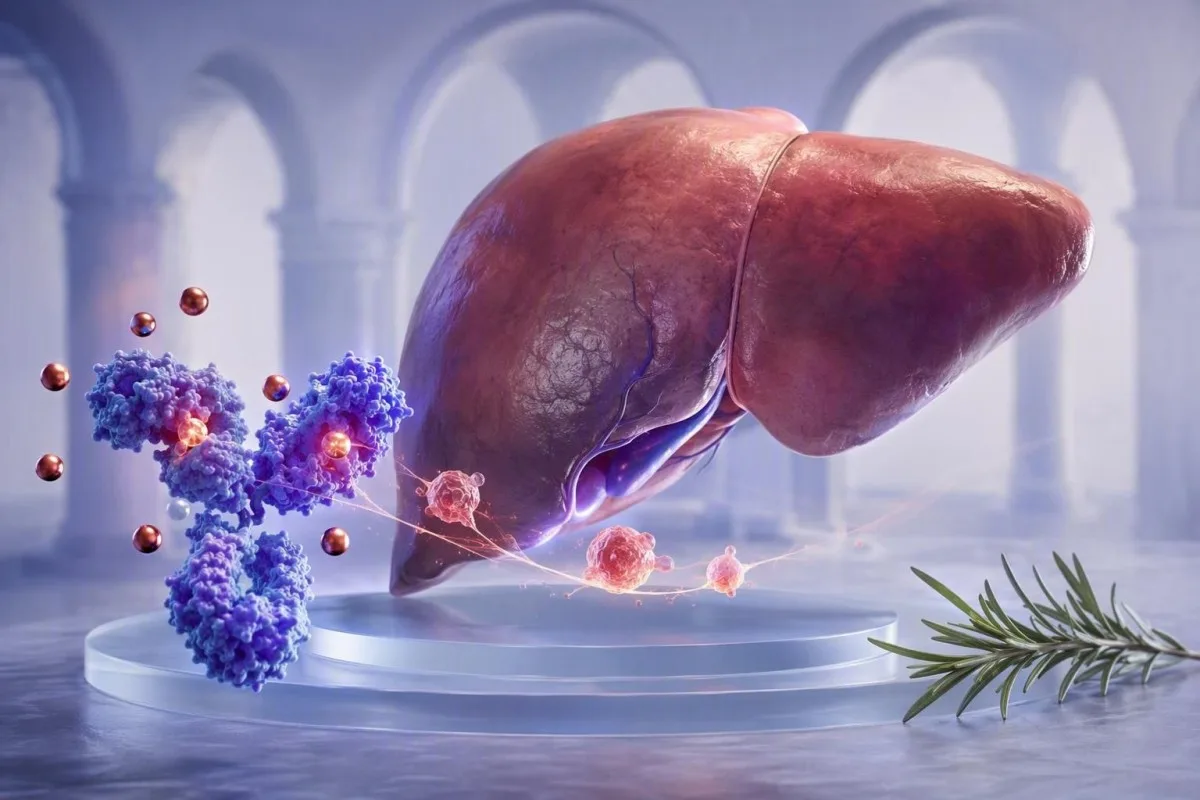
'n Lae transferrienresultaat kan die lewer se reaksie op inflammasie weerspieël eerder as uitgeputte ysterreserwes. Die lees van serumyster, ferritien, CRP, en transferrien saam voorkom algemene foute.


- Negatiewe akute-fase proteïen: Transferrien val algemeen tydens infeksie, outo-immuun aktiwiteit, chirurgie, en ander inflammatoriese toestande, selfs wanneer liggaam se ysterreserwes voldoende is.
- Tipiese volwasse omvang: Die meeste laboratoriums gebruik 'n transferrien verwysingsinterval naby 200-360 mg/dL (2.0-3.6 g/L), maar plaaslike toetsreekse geniet voorkeur.
- TSAT berekening: Transferrienasaturasie is gelyk aan serumyster gedeel deur TIBC vermenigvuldig met 100; 'n lae TIBC kan saturasie minder abnormaal laat lyk as verwag.
- Ferritien-voorbehoud: Ferritien styg met inflammasie, so 'n ferritien onder 30 ng/mL ondersteun sterk ystertekort, terwyl 'n waarde van 100 ng/mL dit nie betroubaar uitsluit nie wanneer CRP verhoog is.
- Nuttige metgesel toets: Oplosbare transferrienreseptor word gewoonlik minder deur inflammasie as ferritien of transferrien beïnvloed en kan help om gemengde anemie te verhelder.
- Her-toets-tydsberekening: Vir nie-dringende abnormaliteite, om ysterstudies ongeveer 2-4 weke nadat 'n kort siekte opgelos het, te herhaal gee dikwels 'n meer verteenwoordigende basislyn.
- Moenie blindelings self behandel nie: Ystersupplemente kan nuttig wees in bewese tekorte, maar kan onvanpas wees in ysteroorlading, aktiewe lewersiekte, of anemie wat hoofsaaklik deur inflammasie gedryf word.
Waarom val 'n transferrientest tydens inflammasie?
Inflammasie verlaag transferrien omdat transferrien 'n negatiewe akute-fase-proteïen is. Sitokiene, veral interleukien-6, sein die lewer om transferrienproduksie te verminder terwyl hepcidin yster release in plasma beperk; dit kan lae transferrien en lae serumyster produseer sonder om te bewys dat ystervoorrade uitgeput is.
Die kort weergawe is dat die liggaam tydelik yster minder beskikbaar maak tydens immuunaktivering. Hepcidin verminder ferroportien-gemedieerde ysteruitvoer uit enterosiete en makrofage, so serumyster daal dikwels binne 24-48 uur; die lewer kan terselfdertyd transferriensintese verminder. Hierdie patroon is 'n gasheer-verdedigingsrespons, nie 'n direkte meting van dieetyster-inname nie.
In my kliniese werk kan “n persoon met ”n CRP van 68 mg/L na bakteriële longontsteking serumyster van 22 µg/dL en transferrien van 165 mg/dL hê, tog ferritien van 240 ng/mL. Om daardie geïsoleerde patroon "ysteroorlading" te noem of ystertekort met selfvertroue uit te sluit, sal beide foute wees. Ysterstudies gids verduidelik die onderliggende berekeninge in meer diepte.
Kantesti is 'n KI-bloedtoetsontleder wat transferrien lees langs CRP, ferritien, volledige bloedtelling indekse, lewermerkers, en vorige resultate eerder as om 'n enkele lae waarde as 'n diagnose te behandel. Dr. Thomas Klein se praktiese reël is eenvoudig: 'n transferrienresultaat verkry tydens koors, opvlamming, of herstel moet as konteks-sensitief gemerk word voordat enige behandelingsbesluit geneem word.
Die akute-fase rigting maak saak
CRP, ferritien, fibrinogeen, en haptoglobien styg gewoonlik as positiewe akute-fase-proteïene, terwyl transferrien en albumien kan daal. 'n CRP bo 10 mg/L maak 'n enkele ferritienwaarde materieel moeiliker om te interpreteer, hoewel geen universele CRP-drempel elke pasiënt se resultaat kan regstel nie.
Wat is normale transferrien- en TIBC-reekse?
Volwasse transferrien wissel gewoonlik van ongeveer 200-360 mg/dL, en TIBC wissel gewoonlik van ongeveer 250-450 µg/dL. Hierdie intervalle verskil volgens laboratoriummetode, geslag, swangerskapstatus, en plaaslike rapporteeneenhede, so die reeks wat langs jou eie resultaat gedruk word, is die een om te gebruik.
Transferrien word gewoonlik direk in mg/dL of g/L gemeet, terwyl totale ysterbindende kapasiteit, of TIBC, skat hoeveel yster die beskikbare transferrien kan bind. Baie laboratoriums lei TIBC af van transferrien eerder as om dit apart te meet; 'n ruwe omskakeling is TIBC in µg/dL gelyk aan transferrien in mg/dL vermenigvuldig met 1.25. Daardie verwantskap is nuttig vir oriëntasie, nie vir die oorheersing van die laboratorium se eie berekening nie.
Transferriensaturasie, afgekort TSAT, word bereken as serumyster gedeel deur TIBC maal 100. 'n TSAT naby 20-45% is tipies in baie volwasse laboratoriums; waardes onder 20% dui op beperkte sirkulerende yster, maar hulle onderskei nie op hul eie absoluut ystertekort van inflammasie-gedrewe yster sequestration nie. Lae transferriensaturasie dek daardie onderskeid.
Sommige Europese laboratoriums rapporteer transferrien in g/L, waar 2.0-3.6 g/L breedweg ooreenstem met 200-360 mg/dL. 'n Resultaat kan net onder die reeks sit na 'n virale siekte en genormaliseer word by herhaling, terwyl aanhoudende waardes onder 150 mg/dL 'n doelgerigte soeke na lewer sintese probleme, proteïenverlies, beduidende inflammasie, of ondervoeding verdien.
Hoe moet ysterstudies as 'n patroon geïnterpreteer word?
Ystermetings is veiligste wanneer serumyster, transferrien of TIBC, TSAT, ferrietien, en 'n inflammatoriese merker saam geïnterpreteer word. Serumyster alleen verander aansienlik gedurende die dag en kan met meer as 30% tussen monsters by dieselfde persoon daal.
Klassieke ongekompliseerde ystertekort produseer gewoonlik lae serumyster, hoë transferrien of TIBC, TSAT onder 10%, en ferrietien onder 30 ng/mL. Die hoë TIBC kom voor omdat die lewer transferrienproduksie verhoog wanneer ystertoegang laag is. 'n Toenemende rooibloedselverspreidingswydte kan verskyn voordat hemoglobien val; sien ons gids vir RDW-veranderinge na ysterterapie vir die tydsverloop.
Anemie van inflammasie produseer meer dikwels lae serumyster, lae of normale transferrien, lae TSAT, en ferrietien wat normaal of hoog is. Weiss en Goodnough het dit beskryf as yster-gerestrikteerde eritropoeïese wat veroorsaak word deur belemmerde ystertoegang eerder as noodwendig afwesige gestoorde yster (Weiss & Goodnough, 2005). Die twee toestande kom dikwels saam voor, veral in inflammatoriese dermsiekte, rumatoïede artritis, chroniese niersiekte, en kanker.
Een minder ooglopende slaggat is rekenkunde: as serumyster 30 µg/dL is en TIBC tot 180 µg/dL onderdruk word, is TSAT 17%. As TIBC 360 µg/dL was, sou dieselfde serumyster 8% oplewer. Die laer deler kan verberg hoeveel yster sirkuleer, daarom lae serumyster benodig konteks eerder as 'n refleks voorskrif.
'n Praktiese gemengde patroon leidraad
Ferrietien tussen 30 en 100 ng/mL met TSAT onder 10% en CRP bo 10 mg/L is dikwels 'n gryssone, nie gerusstelling nie. In daardie situasie kan klinici oplosbare transferrienreseptor, retikulosiet hemoglobieninhoud, neigingsdata, of 'n terapeutiese plan wat aangepas is vir die onderliggende siekte gebruik.
Waarom ferritien normaal kan lyk wanneer yster laag is
Ferrietien is beide 'n ysteropbergingsproteïen en 'n positiewe akute-fase reaktant, so inflammasie kan dit verhoog, onafhanklik van gestoorde yster. 'n Ferrietien onder 30 ng/mL ondersteun sterk ystertekort by die meeste volwassenes, maar 'n hoër waarde kan nie tekort betroubaar uitsluit wanneer CRP of ESR verhoog is nie.
Die Wêreldgesondheidsorganisasie se 2020 ferrietienriglyn adviseer om inflammasiemerkers saam met ferrietien te meet waar infeksie of inflammasie algemeen is. By volwassenes met inflammasie, stel WGO voor dat ferrietien onder 70 µg/L ystertekort kan aandui; dit is 'n populasi-geïnformeerde drempel, nie 'n plaasvervanger vir 'n individuele kliniese assessering nie (WHO, 2020).
Ek sien dikwels pasiënte wat ontsteld is oor ferrietien van 180 ng/mL na 'n inflammatoriese opvlamming, en aanvaar dat hul ystervoorrade volop moet wees. Soms is hulle dit. Tog kan ferrietien styg na strawwe oefening, lewerselbesering, metaboliese siekte, alkoholblootstelling, en immuunaktiwiteit, so die getal is nie 'n selfstandige voorraadtelling nie. Ferrietien en CRP is 'n nuttige aanvullende bespreking.
Kantesti is 'n AI bloedtoets interpretasie platform wat die ongeharmoniseerde kombinasie van lae transferrien, lae TSAT, en verhoogde CRP as moontlike inflammasie-geassosieerde ysterbeperking uitroep. Ons 1% gebruikersdata is nie 'n plaasvervanger vir diagnostiese navorsing nie, maar dit versterk herhaaldelik 'n klinikus se ou les: ferrietien gedra hom anders wanneer die pasiënt aktief siek is.
Ferrietienwaardes wat 'n ander gesprek benodig
Ferrietien bo 1,000 ng/mL vereis tydige mediese oorsig omdat ernstige inflammasie, beduidende lewerbesering, ysteroorladingsindroom, en verskeie ander toestande daardie reeks kan produseer. Die dringendheid hang af van simptome, lewerensieme, transferrientevrediging, en die spoed van verandering eerder as die ferrietiengetal alleen.
Watter toetse verhelder ystertekort tydens inflammasie?
Oplosbare transferrienreseptor en retikulosit hemoglobieninhoud kan help om yster-geremde rooibloedselproduksie te identifiseer wanneer feritien en transferrien verskil. Oplosbare transferrienreseptor styg oor die algemeen met sellulêre ysterbehoefte en word minder verwring deur akute inflammasie as feritien.
Oplosbare transferrienreseptor, of sTfR, weerspieël transferrienreseptor-uitdrukking vanaf eritroïede voorlopers. Dit styg gewoonlik in absolute ystertekort en is dikwels normaal in suiwer anemie van inflammasie; ontleding-verwysingsintervalle is egter nie gestandaardiseer nie, en hemolise of hoë eritropoïetiese aktiwiteit kan dit verhoog. Dit is een van daardie gebiede waar die presiese laboratoriummetode meer saak maak as aanlyn afsnypunte.
Retikulosit hemoglobieninhoud, gerapporteer as CHr of Ret-He afhangende van die ontleder, weerspieël yster beskikbaar vir nuut-geproduseerde rooibloedselle oor ongeveer die vorige 2-4 dae. Waardes onder ongeveer 28-30 pg kan yster-geremde eritropoëse ondersteun, hoewel plaaslike drempels en nier-siekte protokolle verskil. Oplosbare transferrienreseptor toetsing verduidelik waar dit inpas.
Murgyster kleur bly 'n historiese verwysingsmetode, maar is selde nodig om slegs 'n roetine buitepasiënt ysterpaneel op te los. Dr Thomas Klein verkies oor die algemeen om monsters te herhaal na herstel, bloeding- en dieetgeskiedenis te hersien, en sTfR of retikulosit metings te gebruik wanneer die antwoord behandeling werklik sal verander; ekstra toetse sonder 'n besluit wat daaraan gekoppel is, skep geneig om geraas te skep.
Die sTfR-ferritien indeks
Sommige spesialiste bereken die sTfR/log feritien indeks, wat diskriminasie in inflammatoriese omgewings kan verbeter. Afsnypunte wissel aansienlik per toets, dikwels van ongeveer 1.0 tot 3.2, so 'n resultaat moet geïnterpreteer word met die laboratorium se gevalideerde metode eerder as 'n geleende internet drempel.
Wanneer moet 'n transferrientest herhaal word?
'n Transferrien toets word die beste herhaal nadat 'n kortstondige infeksie, koors, of groot inflammatoriese gebeurtenis bedaar het, gewoonlik na 2-4 weke indien die situasie nie dringend is nie. Oggendversameling en konsekwente pre-toetstoestande verminder vermybare variasie in serumyster en TSAT.
Serumyster het daaglikse variasie en kan later in die dag laer wees, terwyl onlangse orale yster dit tydelik kan verhoog. Baie klinici versoek 'n oggendmonster na 'n oornag vas van ongeveer 8-12 uur wanneer hulle 'n skoon vergelyking benodig, hoewel vas nie verpligtend is vir elke ystertoets nie. Volg die besturende klinikus se instruksies eerder as om voorgeskrewe medikasie op eie houtjie te stop.
'n Transferrien resultaat geneem 48 uur na 'n marathon, tandheelkundige prosedure, entstof, of akute respiratoriese siekte mag 'n akute-fase respons weerspieël eerder as 'n blywende ysterpatroon. Oefening kan ook CK, plasma volume, en feritien verander; endurance atlete mag ons hardloper yster toets gids nuttig vind.
Kantesti se neiging-analise vergelyk datums, nie bloot verwysingsvlae nie, en kan 'n val van 310 mg/dL tot 180 mg/dL uitlig wat saamval met CRP wat van 1 tot 52 mg/L styg. Dit is klinies meer insiggewend as enige geïsoleerde resultaat. Hersien TIBC toets voorbereiding voordat 'n beplande herhaling gereël word.
Wanneer om nie te wag vir 'n herhaling nie
Moenie mediese oorsig vir herhaaltoetsing uitstel indien ernstige kortasem, borspyn, flouval, swart stoelgange, swaar deurlopende bloeding, geelsug, of vinnig verslegtende swakheid teenwoordig is. Hemoglobien onder 80 g/L (8 g/dL) is dikwels klinies betekenisvol, maar dringendheid hang af van simptome, tempo van val, swangerskapstatus, en kardiovaskulêre siekte.
Hoe verduidelik CRP, ESR, en hepcidien lae transferrien?
CRP en ESR meet nie ysterreserwes nie, maar hulle toon of inflammasie 'n transferrien toets mag verwring. CRP styg en daal oor ure tot dae, terwyl ESR vir weke verhoog kan bly omdat dit beïnvloed word deur fibrinogeen, anemie, ouderdom, en immunoglobuliene.
Interleukien-6 stimuleer die lewer se produksie van hepsidien, en hepsidien bind aan ferroportien, wat verminderde ysteruitvoer uit makrofage en dermselle veroorsaak. Ganz en Nemeth se oorsig beskryf hierdie baan as sentraal tot anemie van inflammasie en ysterbeperkte eritropoïese (Ganz & Nemeth, 2012). Die gevolg kan lae serumyster binne ’n dag wees, terwyl transferrien daal as deel van dieselfde sistemiese reaksie.
CRP onder 5 mg/L word dikwels as binne die verwysingsgebied beskou, hoewel laboratoriums verskil. ’n CRP van 40 mg/L identifiseer nie die oorsaak van inflammasie nie, maar dit behoort ’n klinikus meer versigtig te maak om ystertekort slegs op grond van ferritien of transferrien te diagnoseer. Oorsake van hoë ESR verduidelik waarom ESR stadiger en minder spesifiek is.
Kantesti KI interpreteer transferrienuitslae deur die rigting van CRP, ferritien, albumien, witbloedseltelling en onlangse tendense te vergelyk. Dit is nie ’n diagnostiese enjin vir infeksie of outo-immuunsiekte nie; dit is ’n gestruktureerde aansporing om te vra of die ysterpaneel tydens ’n biologies onstabiele oomblik verkry is.
Waarom hepsidien nie roetinegewys gemeet word nie
Hepsidientoetse word steeds beperk deur beskikbaarheid, standaardisering en omkeertyd in die gewone praktyk. ’n Hepsidienwaarde kan insiggewend wees in spesialisnavorsing of ongewone anemiegevalle, maar serumferritien, TSAT, CRP, nierfunksie en bloedtelling-indekse bly die praktiese eerstelyn-instrumente.
Hoe verskil inflammasie-anemie van ystertekort?
Absolute ystertekort beteken dat die totale liggaamsyster onvoldoende is, terwyl anemie van inflammasie beteken dat yster teenwoordig is, maar swak beskikbaar is vir rooibloedselproduksie. Albei kan moegheid, lae TSAT en ’n dalende hemoglobien veroorsaak, en hulle kom dikwels saam voor.
By ongekompliseerde ystertekort is ferritien gewoonlik laag en transferrien styg dikwels bo 360 mg/dL namate die bindingskapasiteit toeneem. By anemie van inflammasie daal transferrien gewoonlik onder 200 mg/dL, ferritien is dikwels bo 100 ng/mL, en CRP kan verhoog wees. Geen van hierdie patrone is absoluut nie; chroniese niersiekte en lewersiekte toon veral dikwels oorvleueling.
Hemoglobien en MCV kan agterweë bly by ysterbeperking. ’n Persoon kan ferritien van 18 ng/mL, TSAT 14% en ’n normale hemoglobien van 132 g/L hê, veral vroeg in ystertekort; omgekeerd kan inflammasie anemie met ’n normale MCV van 82–100 fL veroorsaak. Wat hemoglobien beteken help om die CBC saam met ysterstudies te beoordeel.
Die rede waarom ons bekommerd is oor lae transferrien saam met lae albumien, is dat hulle saam óf ’n sterker inflammatoriese las, verswakte lewersintese óf proteïenverlies suggereer, terwyl lae transferrien alleen ná ’n verkoue dikwels verbygaande is. ’n Klinikus behoort nierfunksie, urienproteïen, lewertoetse, voeding, medikasie, bloedingsgeskiedenis en die verloop oor minstens twee bloedtrekkings te hersien.
Behandeling is nie uitruilbaar nie
Orale yster verbeter dikwels absolute ystertekort, maar dit kan ’n beperkte uitwerking hê terwyl inflammasie hepsidien hoog hou. In geselekteerde toestande, soos chroniese niersiekte of aktiewe inflammatoriese dermsiekte, kan klinici binneaarse yster gebruik of eers die inflammatoriese drywer behandel; die benadering hang af van die diagnose, simptome, hemoglobien en veiligheidsoorwegings.
Waarom lae transferrien transferrienasaturasie kan verdraai
Lae transferrien kan transferrienversadiging minder laag laat lyk, omdat TSAT TIBC as sy noemer gebruik. ’n Normale of effens lae TSAT beteken nie altyd dat yweraflewering voldoende is wanneer TIBC deur inflammasie of lewerdisfunksie onderdruk word nie.
Oorweeg serumyster van 36 µg/dL. Met ’n TIBC van 360 µg/dL is TSAT 10%; met ’n TIBC van 180 µg/dL is TSAT 20%. Die tweede uitslag lyk wiskundig minder kommerwekkend, maar albei monsters bevat dieselfde lae sirkulerende yster. Daarom behoort klinici die rou waardes te ondersoek, nie slegs die persentasie nie.
Die teenoorgestelde slaggat kom voor by gevorderde lewerbesering of akute hepatosellulêre skade: transferrienproduksie kan daal en serumyster kan styg weens veranderde hantering, wat ’n verhoogde TSAT veroorsaak. TSAT wat aanhoudend bo 45% is, verdien evaluering vir ysteroorlading in die regte konteks, maar dit behoort nie gebruik te word om oorerflike hemochromatose tydens ’n akute lewerinsident te diagnoseer nie. Lees ons leidrade in bloedtoetse by sirrose vir ’n breër hepatiese konteks.
Kantesti is 'n KI-aangedrewe bloedtoets-analisehulpmiddel word in 127+ lande gebruik, dus normaliseer dit eenhede voordat versadiging bereken word en merk dit uitslae wat wiskundig onstabiel kan wees omdat TIBC buitengewoon laag is. Die uitset behoort die klinikus te ondersteun, nie te vervang nie; die klinikus weet of ’n pasiënt koors, hepatitis, nefrotiese sindroom of onlangse ysterbehandeling het.
Moenie TSAT as ’n hidrasiemerker gebruik nie
Dehidrasie kan verskeie serummetings konsentreer, maar dit skep nie ’n betroubare patroon van ysteroorlading nie. Indien albumien, hematokrit, ureum en natrium op ’n verlaagde plasmavolume dui, kan dit sinvol wees om die paneel te herhaal nadat normale hidrasie herstel is voordat betekenis aan ’n grenswaardige TSAT geheg word.
Wat anders veroorsaak lae transferrien behalwe inflammasie?
Lae transferrien kom ook voor met verminderde lewersintese, proteïenverlies deur die niere of dermkanaal, onvoldoende proteïen-energie-inname, en selde aangebore afwykings. Inflammasie kom algemeen voor, maar dit moet nooit ’n allesomvattende verklaring word sonder om die res van die paneel na te gaan nie.
Die lewer sintetiseer transferrien, dus kan lae transferrien saam met verhoogde bilirubien, INR, AST, ALT of lae albumien op lewersiekte eerder as ysterstatus dui. Ernstige lewerdisfunksie kan transferrien tot onder 150 mg/dL verlaag. Uitslae van die lewerpaneel help bepaal of daardie verklaring waarskynlik is.
Urinêre proteïenverlies binne die nefrotiese reeks kan transferrien saam met albumien en ander proteïene verwyder. ’n Urinêre albumien-kreatinien-verhouding bo 300 mg/g, of 30 mg/mmol, dui op ernstig verhoogde albuminurie en vereis ’n niergerigte beoordeling; proteïen alleen op ’n peilstokkie is nie voldoende vir ’n volledige antwoord nie. Sien ons gids oor proteïen in urine.
Swak inname, wanabsorpsie of ernstige kataboliese siekte kan transferrien verlaag, hoewel transferrien te sensitief vir inflammasie is om op sy eie as ’n voedingsmerker te dien. Aangebore atransferrienemie is buitengewoon seldsaam en tree gewoonlik baie vroeër in die lewe op met ernstige anemie en paradoksale sistemiese ysterlading. Hierdie ongewone kombinasie vereis insette van ’n spesialis-hematoloog.
Effekte van medikasie en hormone
Blootstelling aan estrogeen en swangerskap kan transferrien verhoog, terwyl androgene dit effens kan verlaag. Hierdie verskuiwings is gewoonlik kleiner as die gevolge van beduidende inflammasie of lewersiekte, maar dit kan ’n grenswaardige uitslag verklaar wanneer die res van die ysterpaneel stabiel is.
Hoe verander swangerskap en menstruele bloedverlies transferrien?
Swangerskap verhoog dikwels transferrien en TIBC, terwyl ysterbehoeftes die sterkste in die tweede en derde trimesters toeneem. Daarom verdien ’n lae transferrienuitslag tydens swangerskap besondere aandag aan inflammasie, lewerfunksie, proteïenverlies en laboratoriumkonteks.
Plasmavolume brei tydens swangerskap uit, en estrogeen verhoog transferri ensintese, dus styg TIBC dikwels bo die nie-swanger reeks. Ferritien neig ook normaalweg om af te neem namate swangerskap vorder; ’n ferritien onder 30 µg/L word algemeen gebruik om uitgeputte ysterstore tydens swangerskap te identifiseer, hoewel plaaslike kraamriglyne kan verskil. Ferritien volgens trimester verskaf praktiese reekse.
Swaar menstruele bloeding is “n algemene oorsaak van absolute ystertekort, veral wanneer ferritien onder 30 ng/mL is en transferrien verhoog eerder as onderdruk is. Tog kan iemand met ”n outo-immuunsiekte en swaar menstruasie beide bloedverliestekort en inflammasie hê; ’n “normale” ferritien van 75 ng/mL beantwoord nie die vraag wanneer CRP 24 mg/L is nie.
Nuwe lae transferrien saam met hoë bloeddruk, swelling, proteïenurie, hoofpyn, pyn in die regter boonste buik of abnormale lewertoetse tydens swangerskap vereis ’n dringende verloskundige beoordeling. Dit is nie ’n manier om pre-eklampsie te diagnoseer nie, maar die breër proteïen- en lewerpatroon kan veel belangriker wees as die ysteruitslag alleen.
Hoe word transferrien geïnterpreteer in niersiekte en chroniese siekte?
Chroniese niersiekte veroorsaak algemeen funksionele ystertekort omdat inflammasie en verminderde eritropoëtien die beskikbare yster vir rooibloedselproduksie beperk. In hierdie konteks ondersteun TSAT onder 20% en ferritien onder 100 ng/mL dikwels ystertekort voor dialise, hoewel behandelingsdrempels volgens riglyn en kliniese konteks verskil.
KDIGO-riglyne het histories ’n proefbehandeling met yster binne ’n raamwerk gebruik by baie volwassenes met CKD wanneer TSAT op of onder 30% en ferritien op of onder 500 ng/mL is, mits die kliniese doel is om hemoglobien te verhoog of die gebruik van eritropoëse-stimulerende behandeling te verminder. Dit is behandelingsoorwegings, nie universele definisies van normale ysterstore nie, en die plafon van 500 ng/mL word dikwels verkeerd verstaan.
’n Pasiënt met eGFR 28 mL/min/1.73 m², hemoglobien 96 g/L, TSAT 16%, ferritien 220 ng/mL en CRP 12 mg/L kan funksionele tekort hê ondanks nie-lae ferritien. Orale ysterabsorpsie kan verminder wees, en klinici moet ook B12, folaat, verborge bloedverlies, die gebruik van eritropoëtien en die verloop van nierfunksie beoordeel. CKD-stadiëring bied nuttige agtergrond.
Kantesti KI kan transferrien in ’n longitudinale niergesondheidskonteks plaas, maar dit kan nie bepaal of intraveneuse yster, eritropoïese-stimulerende behandeling of verwysing na ’n spesialis toepaslik is nie. Daardie besluit vereis simptome, bloeddruk, infeksiestatus, ’n medikasie-oorsig en die volledige nierrekord.
Watter geskiedenisbesonderhede maak 'n transferrienresultaat meer nuttig?
Die nuttigste interpretasie van transferrien sluit simptome, onlangse siekte, menstruele of gastro-intestinale bloedverlies, dieet, alkoholinname, medisyne, oefening en vorige waardes in. ’n Enkele monster is ’n momentopname; twee vergelykbare monsters toon dikwels of die verandering fisiologies, inflammatories of aanhoudend is.
Vra of daar koors, ’n inenting, besering, hospitalisasie, tandheelkundige werk, intensiewe opleiding of ’n bekende opvlamming was in die 14 dae voor die bloedafname. Teken ook ystertablette, multivitamiene, protonpompremmers, nie-steroïdale anti-inflammatoriese middels, antikoagulante en onlangse dieetveranderings aan. Hierdie besonderhede kan óf ysterabsorpsie óf die waarskynlikheid van okkulte bloedverlies beïnvloed.
’n Verandering van transferrien 290 na 205 mg/dL is belangriker indien CRP van 2 na 35 mg/L gestyg het en albumien van 44 na 37 g/L gedaal het. Daarteenoor kan ’n verandering van 10 mg/dL met stabiele CRP en identiese tydsberekening van die monsterinsameling binne biologiese en analitiese variasie val. Vergelyking van bloedtoetse verduidelik waarom klein veranderinge nie altyd werklike veranderinge is nie.
Kantesti se veeltalige rekordhulpmiddels stel mense in staat om konteks langs ’n uitslag te stoor, insluitend datums van siekte en veranderinge in aanvullings, oor 75+ tale heen. Daardie geskiedenis maak ’n klinikus se beoordeling veiliger; ons longitudinale bloedtoets-riglyn lys die praktiese besonderhede wat die moeite werd is om te bewaar.
Simptome is nie spesifiek nie
Moegheid, verminderde oefenvermoë, haarverlies, rustelose bene en swak konsentrasie kan by ystertekort, inflammasie, skildkliersiekte, slaapversteuring, depressie en baie ander toestande voorkom. Simptome behoort tot toepaslike evaluering aanleiding te gee, maar dit kan nie aandui of lae transferrien op uitgeputte ysterstore dui nie.
Wanneer benodig 'n lae transferrienresultaat dringende oorsig?
Lae transferrien vereis spoedige mediese beoordeling wanneer dit gepaardgaan met beduidende anemie, geelsug, swelling, swaar bloeding, swart stoelgang, onverklaarde gewigsverlies of tekens van nier- of lewerdisfunksie. Die uitslag self is selde ’n noodgeval, maar die toestand daaragter is dit soms.
Dieselfde-dag-beoordeling is verstandig by borspyn, floute, ernstige kortasemigheid, verwarring, swart teeragtige stoelgang, bloedbraking of vinnig toenemende swelling. Hemoglobien onder 70 g/L (7 g/dL), bilirubien bo 50 µmol/L met geelsug, of ’n onverwags hoë INR vereis individuele kliniese oordeel en kan dringende evaluering nodig maak. Moenie probeer om hierdie patrone slegs met yster wat sonder voorskrif verkry is, reg te stel nie.
Vir ’n stabiele, effens lae transferrien van 185 mg/dL met normale hemoglobien, normale lewertoetse en CRP 18 mg/L tydens ’n gedokumenteerde lugweginfeksie, is ’n herhaling van die paneel ná herstel dikwels redelik. Indien dit langer as 6–8 weke voortduur, brei klinici die beoordeling gewoonlik uit na ’n lewerpaneel, urineproteïen, voedingsgeskiedenis, aktiwiteit van inflammatoriese siekte en bronne van bloeding.
Ons kliniese inhoud word hersien met die ondersteuning van die Mediese Adviesraad, en Kantesti se interpretasielogika word deur ons mediese valideringsraamwerk. gedokumenteer. Op 5 September 2026 bly die veiligste boodskap onveranderd: ’n lae transferrienuitslag is ’n leidraad oor ystertransport en sistemiese fisiologie, nie op sigself ’n diagnose nie.
Gereelde vrae
Kan inflammasie lae transferrien veroorsaak sonder ystertekort?
Ja. Inflammasie kan transferrien verlaag selfs wanneer ysterreserwes voldoende is omdat transferrien 'n negatiewe akute-fase-proteïen is wat deur die lewer geproduseer word. 'n Persoon met 'n CRP bo 10 mg/L mag lae transferrien, lae serumyster, en ferritien bo 100 ng/mL hê weens inflammasie-verwante ysterbeslaglegging eerder as suiwer ysteruitputting. Ystertekort kan steeds saamval, veral wanneer TSAT onder 20% of ferritien onder 30 ng/mL is. 'n Klinikus moet die volledige patroon en die oorsaak van inflammasie interpreteer.
Beteken lae transferrien lae yster?
Lae transferrien beteken nie outomaties lae ystervoorraad in die liggaam nie. Lae transferrien kom algemeen voor tydens inflammasie, lewersiekte, proteïenverlies deur die niere en onvoldoende proteïen-inname, terwyl klassieke ystertekort dikwels transferrien verhoog bo ongeveer 360 mg/dL. Serumyster onder 50 µg/dL kan voorkom in óf ystertekort óf inflammasie, so ferritien, CRP, TIBC, TSAT en die bloedtelling is nodig. 'n Transferrien-resultaat onder 200 mg/dL moet geïnterpreteer word met die laboratorium se verwysingsreeks en kliniese geskiedenis.
Kan lae transferrien transferrienvulsadigting normaal laat lyk?
Ja. Transferriensaturasie is serumyster gedeel deur TIBC vermenigvuldig met 100, so 'n lae TIBC veroorsaak deur lae transferrien skep 'n kleiner denomitor. Byvoorbeeld, serumyster van 36 µg/dL produseer 'n TSAT van 10% met TIBC van 360 µg/dL maar 20% met TIBC van 180 µg/dL. Dit beteken dat 'n grensgrens TSAT ysterbeperking kan onderskat wanneer transferrien onderdruk word. Klinici moet beide die persentasie en die rou serumyster- en TIBC-waardes inspekteer.
Watter ferritienvlak bevestig ystertekort tydens inflammasie?
Ferritien onder 30 ng/mL of µg/L ondersteun sterk ystertekort by die meeste volwassenes, insluitend baie mense met ligte inflammasie. Die WGO 2020-riglyn stel voor dat ferritien onder 70 µg/L ystertekort kan aandui by volwassenes met bewyse van inflammasie, maar hierdie drempel is nie absoluut vir elke individu nie. Ferritien kan styg met CRP-verhoging, lewerskade en metaboliese siektes, so waardes tussen 30 en 100 ng/mL vereis dikwels TSAT, CRP, en soms oplosbare transferrienreseptor toetsing. 'n Ferritien bo 100 ng/mL sluit nie altyd ystertekort uit wanneer inflammatoriese aktiwiteit teenwoordig is nie.
Hoe lank na siekte moet ek 'n transferrientoets herhaal?
Vir 'n geringe selfbeperkende siekte is dit dikwels redelik om 'n transferrientoets ongeveer 2-4 weke na die resolusie van simptome en koors te herhaal indien daar geen dringende kenmerke is nie. CRP kan binne dae opklaar, maar ESR, ferritien, albumien en transferrien kan langer neem om na die basislyn terug te keer. Gebruik soortgelyke toestande vir die herhaalde bloedtrekking, ideaal 'n oggendversameling en dieselfde laboratorium wanneer prakties. Moenie die ondersoek vertraag indien hemoglobien daal, bloeding voortduur, of lewer- en nierresultate abnormaal is nie.
Moet ek ysteraanvullings neem vir lae transferrien?
Lae transferrien alleen is nie 'n rede om ysteraanvullings te begin nie. Orale yster word gewoonlik oorweeg wanneer daar bewyse is van absolute ystertekort, soos ferritien onder 30 ng/mL, lae TSAT, versoenbare simptome, of 'n duidelike bron van verlies; dosis en skedule moet geïndividualiseer word. In bloedarmoede van inflammasie kan yster swak geabsorbeer word of onbeskikbaar wees omdat hepcidien hoog is, en die behandeling van die onderliggende toestand mag belangriker wees. Yster kan skadelik of misleidend wees in yster-oorladingsversteurings en sommige lewertoestande, so bevestig die patroon met 'n klinikus.
Kry vandag KI-aangedrewe bloedtoets-analise
Sluit aan by meer as 2 miljoen gebruikers wêreldwyd wat Kantesti vertrou vir onmiddellike, akkurate laboratoriumtoetsanalise. Laai jou bloedtoetsresultate op en ontvang omvattende interpretasie van 15,000+-biomerkers binne sekondes.
📚 Verwysde navorsingspublikasies
Klein, T., Mitchell, S., & Weber, H. (2026). ’n Vooraf-geregistreerde, Rubriek-gebaseerde Outomatiese Tegniese Benchmark van die Kantesti Bloedtoets-Interpretasie-enjin op 100 000 Sintetiese Toetsgevalle. Kantesti KI Mediese Navorsing.
Klein, T., Mitchell, S., & Weber, H. (2026). Kliniese Valideringsraamwerk v2.0 (Mediese Valideringsbladsy). Kantesti KI Mediese Navorsing.
📖 Eksterne mediese verwysings
Wêreldgesondheidsorganisasie (2020). WGO-riglyn oor die gebruik van ferritienkonsentrasies om ysterstatus by individue en bevolkings te beoordeel. Wêreldgesondheidsorganisasie.
⚕️ Mediese Vrywaring
Hierdie artikel is slegs vir opvoedkundige doeleindes en vorm nie mediese advies nie. Raadpleeg altyd ’n gekwalifiseerde gesondheidsorgverskaffer vir besluite oor diagnose en behandeling.
E-E-A-T Vertrouenseine
Ervaring
Kliniese oorsig gelei deur ’n geneesheer van laboratorium-interpretasie-werksvloei.
Kundigheid
Laboratoriumgeneeskunde fokus op hoe biomerkers in ’n kliniese konteks optree.
Gesagsvermoë
Geskryf deur dr. Thomas Klein met hersiening deur dr. Sarah Mitchell en prof. dr. Hans Weber.
Betroubaarheid
Bewysgebaseerde interpretasie met duidelike opvolgpaaie om alarm te verminder.