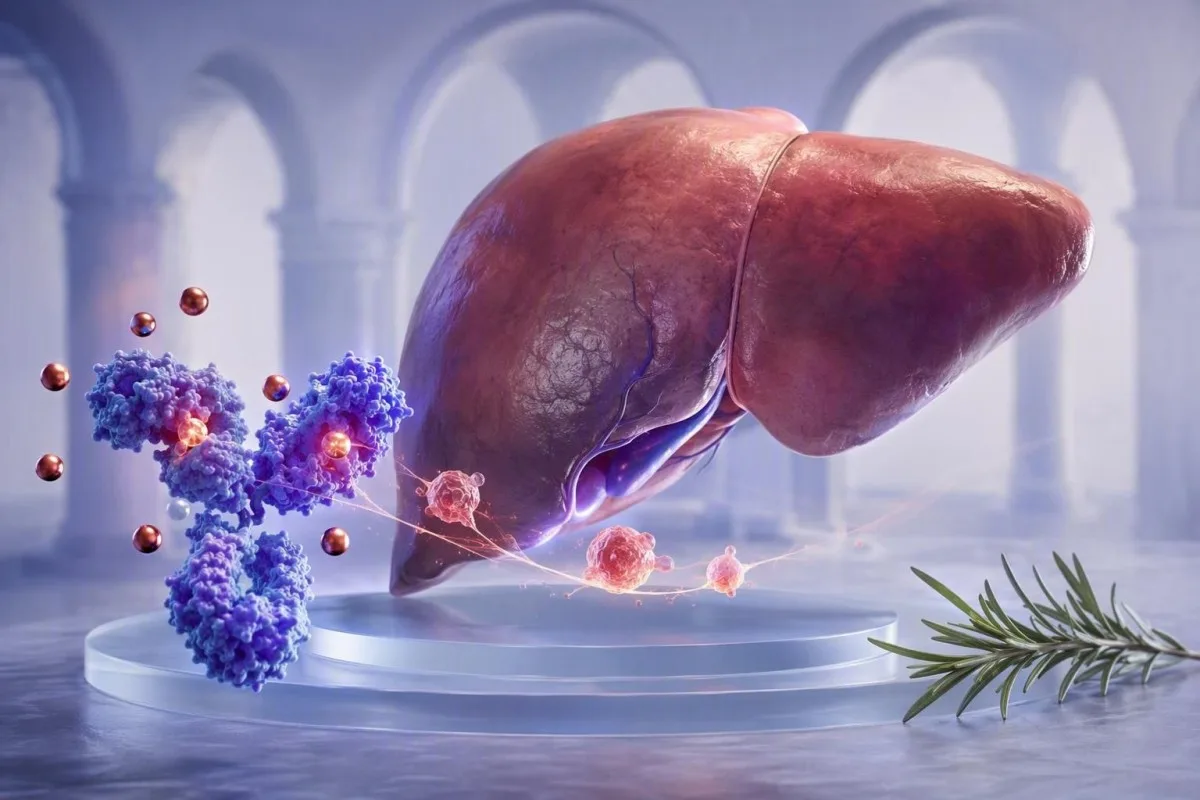
Mažas transferino rodiklis gali atspindėti kepenų reakciją į uždegimą, o ne išeikvotas geležies atsargas. Serumo geležies, feritino, CRP ir transferino rodiklių vertinimas kartu padeda išvengti dažnų klaidų.


- Neigiamas ūminės fazės baltymas: Transferino rodiklis paprastai mažėja infekcijos, autoimuninės veiklos, operacijų ir kitų uždegiminių būklių metu, net jei organizmo geležies atsargos yra pakankamos.
- Tipinis suaugusiųjų intervalas: Dauguma laboratorijų naudoja transferino referencinį intervalą apie 200–360 mg/dL (2,0–3,6 g/L), tačiau vietiniai tyrimų diapazonai yra svarbesni.
- TSAT skaičiavimas: Transferino sotis lygi serumo geležiai, padalytai iš TIBC ir padaugintai iš 100; mažas TIBC gali lemti mažesnę nei tikėtasi nenormalią sotį.
- Pastaba dėl feritino: Feritino rodiklis didėja sergant uždegimu, todėl feritino rodiklis žemiau 30 ng/mL tvirtai patvirtina geležies trūkumą, o 100 ng/mL rodiklis nepatikimai jį paneigia, kai CRP yra padidėjęs.
- Naudingas papildomas tyrimas: Tirpus transferino receptorius paprastai mažiau paveikia uždegimas nei feritinas ar transferinas ir gali padėti paaiškinti mišrią anemiją.
- Pakartotinio tyrimo laikas: Esant ne skubiam sutrikimui, geležies tyrimų pakartojimas maždaug 2–4 savaites po trumpalaikės ligos pagerėjimo dažnai suteikia labiau atspindinčią pradinę būklę.
- Nevartokite vaistų aklai: Geležies papildai gali būti naudingi, kai nustatytas jos trūkumas, tačiau gali būti netinkami esant geležies pertekliui, aktyviai kepenų ligai ar anemijai, kurią daugiausia sukelia uždegimas.
Kodėl transferino tyrimas mažėja uždegimo metu?
Uždegimas mažina transferino kiekį, nes transferinas yra neigiamas ūminės fazės baltymas. Citoikinai, ypač interleukin-6, signalizuoja kepenims mažinti transferino gamybą, o hepcidinas riboja geležies išsiskyrimą į plazmą; tai gali lemti mažą transferino ir mažą serumo geležies kiekį, nors geležies atsargos nėra išeikvotos.
Trumpai tariant, organizmas laikinai apriboja geležies prieinamumą imuninės aktyvacijos metu. Hepcidinas mažina feroportino tarpininkaujamą geležies eksportą iš enterocitų ir makrofagų, todėl serumo geležies kiekis dažnai nukrinta per 24–48 valandas; kepenys tuo pat metu gali sumažinti transferino sintezę. Šis modelis yra šeiminės gynybos atsakas, o ne tiesioginis maistinės geležies suvartojimo matavimas.
Mano klinikinėje praktikoje asmeniui, kuriam po bakterinės pneumonijos nustatytas CRP 68 mg/L, gali būti serumo geležies kiekis 22 µg/dL ir transferino kiekis 165 mg/dL, tačiau feritino kiekis 240 ng/mL. Šį izoliuotą modelį vadinti “geležies pertekliumi” arba užtikrintai atmesti geležies trūkumą būtų klaidos. Geležies tyrimų vadovas nuodugniau paaiškina pagrindinius skaičiavimus.
Kantesti yra AI kraujo tyrimo analizatorius kuriame transferinas vertinamas kartu su CRP, feritinu, bendro kraujo tyrimo rodikliais, kepenų žymenimis ir ankstesniais rezultatais, o ne laikant vieną mažą vertę diagnoze. Dr. Thomaso Kleino praktiška taisyklė yra paprasta: transferino rezultatas, gautas karščiuojant, paūmėjimo metu ar atsigaunant, turėtų būti pažymėtas kaip priklausantis nuo konteksto prieš priimant bet kokį gydymo sprendimą.
Ūminės fazės kryptis yra svarbi
CRP, feritinas, fibrinogenas ir haptoglobinas paprastai didėja kaip teigiami ūminės fazės baltymai, o transferinas ir albuminas gali mažėti. CRP, viršijantis 10 mg/L, padaro vieną feritino vertę reikšmingai sunkiau interpretuojamą, nors joks universalus CRP ribinis dydis negali pataisyti kiekvieno paciento rezultato.
Kokie yra normalūs transferino ir TIBC rodikliai?
Suaugusiųjų transferino kiekis paprastai svyruoja nuo maždaug 200–360 mg/dL, o bendras geležies prisijungimo pajėgumas (TIBC) – nuo maždaug 250–450 µg/dL. Šie intervalai skiriasi priklausomai nuo laboratorinio metodo, lyties, nėštumo būklės ir vietinių ataskaitų vienetų, todėl diapazonas, atspausdintas šalia jūsų rezultato, yra tas, kurį reikia naudoti.
Transferinas paprastai matuojamas tiesiogiai mg/dL arba g/L, o bendras geležies prisijungimo pajėgumas, arba TIBC, įvertina, kiek geležies gali prisijungti turimas transferinas. Daugelis laboratorijų apskaičiuoja TIBC iš transferino, o ne matuoja jį atskirai; apytikslis perskaičiavimas yra toks: TIBC µg/dL lygu transferinui mg/dL, padaugintam iš 1,25. Šis ryšys naudingas orientacijai, o ne laboratorijos pateikto skaičiavimo pakeitimui.
Transferino satūracija, sutrumpintai TSAT, apskaičiuojama kaip serumo geležies kiekis, padalintas iš TIBC ir padaugintas iš 100. TSAT, artimas 20-45%, yra tipinis daugelyje suaugusiųjų laboratorijų; vertės žemiau 20% rodo ribotą cirkuliuojančios geležies kiekį, tačiau pačios savaime neatskiriamos absoliučiojo geležies trūkumo nuo uždegiminės geležies sekvestracijos. Maža transferino saturacija apima šį skirtumą.
Kai kurios Europos laboratorijos praneša apie transferino kiekį g/L, kur 2,0–3,6 g/L apytiksliai atitinka 200–360 mg/dL. Rezultatas gali būti šiek tiek žemiau normos ribos po virusinės ligos ir normalizuotis pakartojus tyrimą, o nuolat žemesnės nei 150 mg/dL vertės reikalauja tikslingos kepenų sintezės problemų, baltymų netekimo, reikšmingo uždegimo ar nepakankamos mitybos paieškos.
Kaip vertinti geležies tyrimus pagal nustatytą modelį?
Geležies tyrimai yra saugiausi, kai kartu interpretuojami serumo geležies, transferino ar TIBC, TSAT, feritino ir uždegimo žymuo. Serumo geležies kiekis per dieną smarkiai svyruoja ir gali nukristi daugiau nei 30% tarp mėginių to paties asmens.
Klasikinis nekomplikuotas geležies trūkumas paprastai sukelia mažą serumo geležies kiekį, didelį transferino ar TIBC, TSAT mažiau nei 16%, o feritino mažiau nei 30 ng/mL. Didesnis TIBC atsiranda, nes kepenys padidina transferino gamybą, kai geležies prieinamumas yra mažas. Didėjantis raudonųjų kraujo kūnelių pasiskirstymo plotis gali pasirodyti prieš nukrintant hemoglobiną; žr. mūsų vadovą RDW pokyčiai po geležies terapijos pagal laiko eigą.
Uždegimo sukeltas anemija dažniau sukelia mažą serumo geležies kiekį, mažą ar normalų transferiną, mažą TSAT ir normalų ar didelį feritino kiekį. Weiss ir Goodnough apibūdino tai kaip geležies apribotą eritropoezę, kurią sukelia sutrikęs geležies prieinamumas, o ne būtinai nepakankamai sukaupta geležis (Weiss & Goodnough, 2005). Šios dvi būklės dažnai egzistuoja kartu, ypač sergant uždegiminėmis žarnyno ligomis, reumatoidiniu artritu, lėtine inkstų liga ir vėžiu.
Vienas mažiau akivaizdus spąstai yra aritmetika: jei serumo geležies kiekis yra 30 µg/dL, o TIBC sumažėja iki 180 µg/dL, TSAT yra 17%. Jei TIBC būtų 360 µg/dL, ta pati serumo geležis duotų 8%. Žemesnis vardiklis gali nuslėpti, kaip mažai geležies cirkuliuoja, todėl žema serumo geležis reikalingas kontekstas, o ne atsitiktinis receptas.
Praktinis mišraus modelio požymis
Feritinas tarp 30 ir 100 ng/mL su TSAT mažiau nei 16% ir CRP virš 10 mg/L dažnai yra neaiški zona, o ne paguoda. Tokiu atveju gydytojai gali naudoti tirpų transferino receptorių, retikulocitų hemoglobino kiekį, tendencijos duomenis arba terapinį planą, pritaikytą pagrindinei ligai.
Kodėl feritino rodiklis gali atrodyti normalus, kai geležies trūksta
Feritinas yra ir geležies kaupimo baltymas, ir teigiamas ūminės fazės reaktantas, todėl uždegimas gali jį padidinti nepriklausomai nuo sukauptos geležies. Feritinas žemiau 30 ng/mL daugeliui suaugusiųjų tvirtai patvirtina geležies trūkumą, tačiau didesnė vertė negali patikimai atmesti trūkumo, kai CRP ar ESR yra padidėję.
Pasaulio sveikatos organizacijos 2020 m. feritino rekomendacija pataria matuoti uždegimo žymenis kartu su feritinu, kai paplitusi infekcija ar uždegimas. Suaugusiems, sergantiems uždegimu, PSO siūlo, kad feritinas žemiau 70 µg/L gali rodyti geležies trūkumą; tai yra populiacija pagrįstas slenkstis, o ne individualaus klinikinio vertinimo pakaitalas (PSO, 2020).
Aš dažnai matau pacientus, susikrimtusius dėl 180 ng/mL feritino po uždegimo paūmėjimo, manydami, kad jų geležies atsargos turi būti gausios. Kartais jos būna. Tačiau feritino kiekis gali padidėti po intensyvaus fizinio krūvio, kepenų ląstelių pažeidimo, medžiagų apykaitos ligų, alkoholio poveikio ir imuninės sistemos veiklos, todėl skaičius nėra atskiras atsargų skaičius. Feritinas ir CRP yra naudinga papildoma diskusija.
Kantesti yra AI kraujo tyrimo rezultatų interpretavimo platforma kuris pažymi nenuoseklų mažo transferino, mažo TSAT ir padidėjusio CRP derinį kaip galimą su uždegimu susijusį geležies apribojimą. Mūsų 102M+ vartotojų duomenų rinkinys nepakeičia diagnostinių tyrimų, tačiau nuolat sustiprina seną gydytojo pamoką: feritino elgsena skiriasi, kai pacientas aktyviai serga.
Feritino vertės, kurios reikalauja kitokios diskusijos
Feritinas virš 1000 ng/mL reikalauja laiku medicininės apžvalgos, nes tokią vertę gali sukelti stiprus uždegimas, reikšmingas kepenų pažeidimas, geležies pertekliaus sindromai ir kelios kitos būklės. Skubumas priklauso nuo simptomų, kepenų fermentų, transferino prisotinimo ir pokyčių greičio, o ne tik nuo feritino skaičiaus.
Kokie tyrimai patikslina geležies trūkumą uždegimo metu?
Tirpus transferino receptorius ir tinklinio raudonųjų kraujo kūnelių hemoglobino kiekis gali padėti nustatyti geležies trūkumu ribojamą eritropoezę, kai feritinas ir transferinas nesutampa. Tirpus transferino receptorius paprastai didėja, kai ląstelėms reikia geležies, ir yra mažiau paveiktas ūminio uždegimo nei feritinas.
Tirpus transferino receptorius, arba sTfR, atspindi transferino receptorių ekspresiją iš eritroidinių pirmtakų. Paprastai jis didėja esant absoliučiam geležies trūkumui ir dažnai būna normalus esant grynai uždegimo anemijai; tačiau tyrimų etaloniniai intervalai nėra standartizuoti, o hemolizė ar didelis eritropoezės aktyvumas gali jį padidinti. Tai yra viena iš tų sričių, kur tikslus laboratorinis metodas yra svarbesnis nei internetiniai ribiniai rodikliai.
Tinklinio raudonųjų kraujo kūnelių hemoglobino kiekis, priklausomai nuo analizatoriaus, pateikiamas kaip CHr arba Ret-He, atspindi geležies kiekį naujai susidariusiems raudoniesiems kraujo kūneliams per maždaug pastarąsias 2–4 dienas. Vertės, mažesnės nei maždaug 28–30 pg, gali patvirtinti geležies trūkumu ribojamą eritropoezę, nors vietiniai ribiniai rodikliai ir inkstų ligų protokolai skiriasi. Tirpų transferino receptorių tyrimas paaiškina, kur jis tinka.
Kaulų čiulpų geležies dažymas išlieka istorinis etaloninis metodas, tačiau retai kada yra būtinas vien tam, kad būtų išspręstas įprastas ambulatorinis geležies tyrimų rinkinys. Dr. Thomas Klein paprastai rekomenduoja pakartoti tyrimus po pasveikimo, peržiūrėti kraujavimo ir mitybos istoriją, ir naudoti sTfR ar tinklinio raudonųjų kraujo kūnelių matavimus, kai rezultatas iš tiesų pakeis gydymą; papildomi tyrimai be sprendimo linkę sukelti triukšmą.
sTfR-feritino indeksas
Kai kurie specialistai apskaičiuoja sTfR/log feritino indeksą, kuris gali pagerinti diskriminaciją uždegiminėse situacijose. Ribiniai rodikliai žymiai skiriasi priklausomai nuo tyrimo, dažnai nuo maždaug 1,0 iki 3,2, todėl rezultatas turėtų būti interpretuojamas su laboratorijos patvirtintu metodu, o ne su pasiskolintu internetiniu ribiniu rodikliu.
Kada reikėtų pakartoti transferino tyrimą?
Transferino tyrimas geriausiai pakartojamas po to, kai praeina trumpalaikė infekcija, karščiavimas ar didelis uždegiminis įvykis, paprastai po 2–4 savaičių, jei situacija nėra skubi. Ryto mėginio paėmimas ir nuoseklios sąlygos prieš tyrimą sumažina nepageidaujamą serumo geležies ir TSAT svyravimą.
Serum geležies kiekis svyruoja paros metu ir gali būti žemesnis vėliau dienos metu, o neseniai vartotas per burną vartojamas geležies preparatas gali jį laikinai padidinti. Daugelis gydytojų prašo ryte paimti mėginį po maždaug 8–12 valandų nevalgymo, kai jiems reikia aiškaus palyginimo, nors nevalgymas nėra privalomas kiekvienam geležies tyrimui. Laikykitės gydančio gydytojo nurodymų, o ne nutraukite paskirtus vaistus savarankiškai.
Transferino rezultatas, gautas praėjus 48 valandoms po maratono, dantų procedūros, vakcinacijos ar ūmios kvėpavimo takų ligos, gali atspindėti ūminės fazės reakciją, o ne ilgalaikį geležies profilį. Fizinis krūvis taip pat gali pakeisti CK, plazmos tūrį ir feritino kiekį; ištvermės sportininkams gali praversti mūsų vadovas geležies tyrimams, skirtas bėgikams naudingą.
Kantesti tendencijų analizė palyginama su datomis, o ne vien su etaloniniais ženklais, ir gali pabrėžti kritimą nuo 310 mg/dL iki 180 mg/dL, sutampantį su CRP padidėjimu nuo 1 iki 52 mg/L. Tai yra kliniškai informatyviau nei bet kuris atskiras rezultatas. Peržiūrėkite parengiamuosius TIBC tyrimui veiksmus prieš planuojant pakartotinį tyrimą.
Kada nelaukti pakartotinio tyrimo
Neatidėkite medicininės apžiūros pakartotiniam tyrimui, jei pasireiškia stiprus dusulys, krūtinės skausmas, alpimas, juodos išmatos, gausus tęstinis kraujavimas, gelta ar greitai silpnėjantis silpnumas. Hemoglobinas, mažesnis nei 80 g/L (8 g/dL), dažnai yra kliniškai reikšmingas, tačiau skubumas priklauso nuo simptomų, kritimo greičio, nėštumo būklės ir širdies bei kraujagyslių ligų.
Kaip CRP, ESR ir hepcidinas paaiškina mažą transferino rodiklį?
CRP ir ESR nematuoja geležies atsargų, tačiau jie parodo, ar uždegimas gali iškreipti transferino tyrimą. CRP didėja ir mažėja per kelias valandas ar dienas, o ESR gali likti padidėjęs kelias savaites, nes jam įtakos turi fibrinogenas, anemija, amžius ir imunoglobulinai.
Interleukinas-6 stimuliuoja hepcidino gamybą kepenyse, o hepcidas jungiasi su ferroportinu, dėl ko sumažėja geležies eksportas iš makrofagų ir žarnyno ląstelių. Ganz ir Nemeth apžvalgoje šis kelias apibūdinamas kaip pagrindinis uždegiminės anemijos ir geležies stokos eritropoezės mechanizmas (Ganz & Nemeth, 2012). Rezultatas gali būti mažas serumo geležies kiekis per parą, o transferino kiekis tuo pačiu metu sumažėja kaip sisteminės reakcijos dalis.
CRP žemiau 5 mg/L dažnai laikomas normaliu diapazonu, nors laboratorijos skiriasi. 40 mg/L CRP nenustato uždegimo priežasties, tačiau gydytojas turėtų būti atsargesnis diagnozuodamas geležies trūkumą remdamasis vien feritino ar transferino kiekiais. Didelio ESR priežastys paaiškina, kodėl ESR yra lėtesnis ir mažiau specifinis.
Kantesti AI interpretuoja transferino rezultatus, palygindamas CRP, feritino, albumino, baltųjų kraujo ląstelių skaičiaus ir neseniai buvusių tendencijų kryptis. Tai nėra infekcijos ar autoimuninės ligos diagnozavimo variklis; tai struktūrizuotas raginimas paklausti, ar geležies tyrimų rinkinys buvo atliktas biologiškai nestabiliai akimirkai.
Kodėl hepcidas nėra rutiniškai matuojamas
Hepcidino tyrimams įprastoje praktikoje vis dar trukdo prieinamumas, standartizacija ir tyrimų atlikimo trukmė. Hepcidino vertė gali būti informatyvi specializuotuose tyrimuose arba neįprastais anemijos atvejais, tačiau feritino, TSAT, CRP, inkstų funkcijos ir kraujo ląstelių rodikliai išlieka praktiniais pirmos eilės įrankiais.
Kuo anemija dėl uždegimo skiriasi nuo geležies stokos anemijos?
Absoliutus geležies trūkumas reiškia, kad bendras organizmo geležies kiekis yra nepakankamas, o uždegiminė anemija reiškia, kad geležies yra, bet ji sunkiai prieinama raudonųjų kraujo ląstelių gamybai. Abu gali sukelti nuovargį, mažą TSAT ir mažėjantį hemoglobiną, ir jie dažnai pasireiškia kartu.
Esant nekomplikuotam geležies trūkumui, feritinas paprastai būna mažas, o transferino kiekis dažnai pakyla virš 360 mg/dL, nes padidėja prisijungimo talpa. Sergant uždegimine anemija, transferino kiekis dažnai nukrinta žemiau 200 mg/dL, feritino kiekis dažnai būna virš 100 ng/mL, o CRP gali būti padidėjęs. Nė vienas modelis nėra absoliutus; lėtinė inkstų liga ir kepenų liga ypač linkusios persidengti.
Hemoglobinas ir MCV gali atsilikti nuo geležies apribojimo. Žmogus gali turėti feritino 18 ng/mL, TSAT 14%, ir normalų hemoglobino kiekį 132 g/L, ypač ankstyvose stadijose; atvirkščiai, uždegimas gali sukelti anemiją su normaliu MCV 82-100 fL. Ką reiškia hemoglobinas padeda suderinti CBC su geležies tyrimais.
Priežastis, dėl kurios nerimaujame dėl mažo transferino kartu su mažu albumino kiekiu, yra ta, kad kartu jie rodo arba stipresnį uždegiminį krūvį, sutrikusią kepenų sintezę, arba baltymų netekimą, o vien tik mažas transferino kiekis po peršalimo dažnai yra laikinas. Gydytojas turėtų peržiūrėti inkstų funkciją, šlapimo baltymus, kepenų tyrimus, mitybą, vaistus, kraujavimo istoriją ir tyrimų eigą bent per du tyrimus.
Gydymas nėra keičiamas
Oralinis geležies preparatas dažnai pagerina absoliutų trūkumą, tačiau jo poveikis gali būti ribotas, kol uždegimas palaiko aukštą hepcidino kiekį. Atrinktais atvejais, pvz., lėtinės inkstų ligos ar aktyvios uždegiminės žarnyno ligos atveju, gydytojai gali skirti intraveninį geležies preparatą arba pirmiausia gydyti uždegimo priežastį; požiūris priklauso nuo diagnozės, simptomų, hemoglobino ir saugumo aspektų.
Kodėl mažas transferino rodiklis gali iškreipti transferino sotį?
Mažas transferino kiekis gali priversti transferino sotį atrodyti mažiau sumažėjusią, nes TSAT naudoja TIBC kaip vardiklį. Normalus arba šiek tiek sumažėjęs TSAT ne visada reiškia, kad geležies tiekimas yra pakankamas, kai TIBC slopinamas uždegimo ar kepenų disfunkcijos.
Apsvarstykite serumo geležies kiekį 36 µg/dL. Kai TIBC yra 360 µg/dL, TSAT yra 10%; kai TIBC yra 180 µg/dL, TSAT yra 20%. Antrasis rezultatas matematiškai atrodo mažiau nerimą keliantis, tačiau abiejuose mėginiuose yra tas pats mažas cirkuliuojančios geležies kiekis. Štai kodėl gydytojai turėtų apžiūrėti žalias vertes, o ne tik procentus.
Priešingas spąstai atsiranda esant pažengusiam kepenų pažeidimui ar ūminiam hepatoceliuliniam pažeidimui: transferino gamyba gali sumažėti, o serumo geležies kiekis gali padidėti dėl pakitusio jos tvarkymo, dėl ko padidėja TSAT. Nuolat virš 45% esantis TSAT vertas įvertinimo dėl geležies pertekliaus tinkamame kontekste, tačiau jo neturėtų būti naudojama diagnozuojant paveldimą hemochromatozę ūminio kepenų įvykio metu. Skaitykite mūsų cirozės kraujo tyrimų užuominas platesniam kepenų kontekstui.
Kantesti yra AI pagrindu veikiantis kraujo tyrimų analizės įrankis naudojamas 127+ šalyse, todėl jis normalizuoja vienetus prieš apskaičiuojant sotį ir žymi rezultatus, kurie gali būti matematiškai nestabilūs, nes TIBC yra neįprastai mažas. Išvestis turėtų paremti, o ne pakeisti gydytoją, kuris žino, ar pacientas karščiuoja, serga hepatitu, nefrotiniu sindromu, ar neseniai buvo gydomas geležies preparatais.
Nenaudokite TSAT kaip hidratacijos žymeklio.
Dehidracija gali sutelkti kelis serumo matavimus, tačiau nesukuria patikimo geležies pertekliaus modelio. Jei albuminas, hematokritas, karbamidas ir natris rodo sumažėjusį plazmos tūrį, gali būti tikslinga pakartoti tyrimų seriją po normalios hidratacijos, prieš suteikiant reikšmę ribinei TSAT reikšmei.
Koks dar veiksnys, be uždegimo, sukelia mažą transferino rodiklį?
Mažai transferino taip pat pasitaiko dėl sumažėjusios kepenų sintezės, baltymų netekimo per inkstus ar žarnyną, nepakankamo baltymų ir energijos suvartojimo bei retų įgimtų sutrikimų. Uždegimas yra dažnas, tačiau jis niekada neturėtų tapti universaliu paaiškinimu, nepatikrinus likusios tyrimų serijos.
Transferiną sintetina kepenys, todėl mažai transferino kartu su padidėjusiu bilirubinu, INR, AST, ALT arba mažu albumino kiekiu gali rodyti kepenų ligą, o ne geležies būklę. Sunkus kepenų funkcijos sutrikimas gali sumažinti transferino kiekį iki mažiau nei 150 mg/dL. Kepenų tyrimų rezultatai padeda nustatyti, ar toks paaiškinimas yra tikėtinas.
Baltymų netekimas su šlapimu nefrotinio diapazono metu gali pašalinti transferiną kartu su albuminu ir kitais baltymais. Šlapimo albumino ir kreatinino santykis, viršijantis 300 mg/g arba 30 mg/mmol, rodo sunkų albuminuriją ir reikalauja inkstų funkcijos įvertinimo; vien tik baltymų kiekio patikrinimas su testine juostele nepakankamas visapusiškam atsakymui gauti. Žr. mūsų vadovą baltymus šlapime.
Bloga mityba, malabsorbcija arba sunki katabolinė liga gali sumažinti transferino kiekį, nors transferinas yra per daug jautrus uždegimui, kad pats vienas tarnautų kaip mitybos žymuo. Įgimta atransferinemija yra nepaprastai reta ir paprastai pasireiškia daug anksčiau gyvenime su sunkia anemija ir paradoksaliu sisteminiu geležies kaupimu. Toks neįprastas derinys reikalauja specialisto hematologo konsultacijos.
Vaistų ir hormonų poveikis
Estrogenų poveikis ir nėštumas gali padidinti transferino kiekį, o androgenai gali jį šiek tiek sumažinti. Šie pokyčiai paprastai yra mažesni nei reikšmingo uždegimo ar kepenų ligos poveikis, tačiau jie gali paaiškinti ribinį rezultatą, kai likusi geležies tyrimų dalis yra stabili.
Kaip nėštumas ir menstruacijų sukeltas kraujavimas pakeičia transferino rodiklį?
Nėštumas dažnai padidina transferino ir TIBC kiekį, o geležies poreikis labiausiai padidėja antrojo ir trečiojo trimestro metu. Todėl mažai transferino nėštumo metu reikalauja ypatingo dėmesio uždegimui, kepenų funkcijai, baltymų netekimui ir laboratorinei aplinkai.
Nėštumo metu plazmos tūris plečiasi, o estrogenai didina transferino sintezę, todėl TIBC dažnai pakyla virš ne nėščių moterų diapazono. Feritinas taip pat paprastai mažėja nėštumui progresuojant; feritino kiekis mažesnis nei 30 µg/L dažnai naudojamas nustatyti išeikvotas atsargas nėštumo metu, nors vietinės moterų sveikatos gairės gali skirtis. Feritinas pagal trimestrą pateikia praktinius diapazonus.
Gausus mėnesinių kraujavimas yra dažna absoliutaus geležies trūkumo priežastis, ypač kai feritinas yra mažesnis nei 30 ng/mL, o transferinas yra padidėjęs, o ne sumažėjęs. Tačiau asmuo, sergantis autoimunine liga ir gausiomis mėnesinėmis, gali turėti tiek kraujavimo sukeltą trūkumą, tiek uždegimą; “normalus” 75 ng/mL feritino kiekis nepadeda išspręsti klausimo, kai CRP yra 24 mg/L.
Naujas mažas transferino kiekis kartu su aukštu kraujospūdžiu, patinimu, proteinurija, galvos skausmu, skausmu dešiniajame viršutiniame pilvo kvadrate arba nenormaliais kepenų tyrimų rezultatais nėštumo metu reikalauja skubios akušerinės konsultacijos. Tai nėra būdas diagnozuoti preeklampsiją, tačiau platesnis baltymų ir kepenų profilis gali būti daug svarbesnis nei vien tik geležies tyrimo rezultatas.
Kaip transferino rodiklis interpretuojamas sergant inkstų ligomis ir lėtinėmis ligomis?
Lėtinė inkstų liga dažnai sukelia funkcinį geležies trūkumą, nes uždegimas ir sumažėjęs eritropoetinas riboja panaudojamą geležį raudonųjų kraujo kūnelių gamybai. Šiame kontekste TSAT mažesnis nei 20% ir feritinas mažesnis nei 100 ng/mL dažnai patvirtina geležies trūkumą prieš dializę, nors gydymo ribos skiriasi priklausomai nuo gairių ir klinikinės aplinkos.
KDIGO gairės istoriškai naudojo geležies bandymo sistemą daugeliui suaugusiųjų, sergančių CKD, kai TSAT yra 30% arba mažesnis, o feritinas yra 500 ng/mL arba mažesnis, su sąlyga, kad klinikinio tikslo yra padidinti hemoglobiną arba sumažinti eritropoetiną stimuliuojančią terapiją. Tai yra gydymo aspektai, o ne universalūs normalaus geležies atsargų apibrėžimai, ir 500 ng/mL riba dažnai neteisingai suprantama.
Pacientas, kurio eGFR yra 28 mL/min/1.73 m², hemoglobinas 96 g/L, TSAT 16%, feritinas 220 ng/mL ir CRP 12 mg/L, gali turėti funkcinį trūkumą, nepaisant ne žemo feritino kiekio. Oralinio geležies absorbcija gali būti sumažėjusi, o gydytojai taip pat turi įvertinti B12, folio rūgštį, paslėptą kraujavimą, eritropoetino vartojimą ir inkstų būklės trajektoriją. Lėtinės inkstų ligos stadijavimas pateikia naudingą pagrindinę informaciją.
Kantesti gali įvertinti transferiną ilgalaikės inkstų sveikatos kontekste, tačiau negali nustatyti, ar tikslinga skirti intraveninę geležį, eritropoezę stimuliuojantį gydymą arba siųsti pacientą specialisto konsultacijai. Tam sprendimui reikia įvertinti simptomus, kraujospūdį, infekcijos būklę, peržiūrėti vartojamus vaistus ir išsamius inkstų tyrimų duomenis.
Kokie anamnezės duomenys padaro transferino rodiklį naudingesnį?
Naudingiausiai transferinas interpretuojamas atsižvelgiant į simptomus, neseniai persirgtas ligas, menstruacinį ar virškinimo trakto kraujavimą, mitybą, alkoholio vartojimą, vaistus, fizinį krūvį ir ankstesnius rodiklius. Vienas mėginys yra momentinė būklės nuotrauka; du palyginami mėginiai dažnai padeda nustatyti, ar pokytis yra fiziologinis, uždegiminis ar išliekantis.
Paklauskite, ar per 14 dienų iki kraujo paėmimo buvo karščiavimas, skiepijimas, trauma, hospitalizacija, odontologinė procedūra, intensyvios treniruotės ar žinomas ligos paūmėjimas. Taip pat užregistruokite geležies tablečių, multivitaminų, protonų siurblio inhibitorių, nesteroidinių vaistų nuo uždegimo, antikoaguliantų vartojimą ir neseniai pakeistą mitybą. Šios aplinkybės gali turėti įtakos tiek geležies pasisavinimui, tiek slapto kraujavimo tikimybei.
Transferino pokytis nuo 290 iki 205 mg/dL yra reikšmingesnis, jei CRP padidėjo nuo 2 iki 35 mg/L, o albumino kiekis sumažėjo nuo 44 iki 37 g/L. Priešingai, 10 mg/dL pokytis, kai CRP stabilus, o mėginys paimtas tuo pačiu laiku ir tokiomis pačiomis sąlygomis, gali patekti į biologinės ir analitinės variacijos ribas. Kraujo tyrimų palyginimas paaiškina, kodėl nedideli pokyčiai ne visada reiškia tikrus pokyčius.
Kantesti daugiakalbiai įrašų įrankiai leidžia žmonėms šalia tyrimo rezultato išsaugoti papildomą informaciją, įskaitant ligos datas ir maisto papildų pakeitimus, 75+ kalbomis. Tokia istorija padeda gydytojui saugiau įvertinti būklę; mūsų ilgalaikio kraujo tyrimo gaires pateikiama praktinė informacija, kurią verta išsaugoti.
Simptomai nėra specifiniai
Nuovargis, sumažėjusi fizinio krūvio tolerancija, plaukų slinkimas, neramių kojų sindromas ir sutrikusi koncentracija gali pasireikšti esant geležies trūkumui, uždegimui, skydliaukės ligai, miego sutrikimams, depresijai ir daugeliui kitų būklių. Simptomai turėtų paskatinti tinkamą ištyrimą, tačiau jie negali parodyti, ar mažas transferino kiekis reiškia išeikvotas geležies atsargas.
Kada mažas transferino rodiklis reikalauja skubaus įvertinimo?
Kai mažas transferino kiekis nustatomas kartu su reikšminga anemija, gelta, tinimu, gausiu kraujavimu, juodomis išmatomis, nepaaiškinamu svorio kritimu ar inkstų arba kepenų funkcijos sutrikimo požymiais, būtina skubi medicininė apžiūra. Pats tyrimo rezultatas retai yra skubi būklė, tačiau jį sukėlusi būklė kartais gali būti tokia.
Tą pačią dieną reikėtų kreiptis į medikus dėl krūtinės skausmo, apalpimo, stipraus dusulio, sumišimo, juodų deguto pavidalo išmatų, vėmimo krauju ar greitai didėjančio tinimo. Hemoglobino kiekis, mažesnis nei 70 g/L (7 g/dL), bilirubino kiekis, didesnis nei 50 µmol/L, kartu esant geltai, arba netikėtai didelis INR reikalauja individualaus klinikinio įvertinimo ir gali prireikti skubios apžiūros. Nebandykite koreguoti šių būklių vien nereceptiniais geležies preparatais.
Jei transferino kiekis yra stabiliai ir nežymiai sumažėjęs (185 mg/dL), hemoglobino kiekis ir kepenų funkcijos tyrimai yra normalūs, o CRP yra 18 mg/L dokumentuotos kvėpavimo takų infekcijos metu, dažnai tikslinga pakartoti tyrimų rinkinį pasveikus. Jei pokytis išlieka ilgiau nei 6–8 savaites, gydytojai paprastai išplečia ištyrimą: atliekami kepenų funkcijos tyrimai, tiriamas baltymas šlapime, įvertinama mitybos istorija, uždegiminės ligos aktyvumas ir galimi kraujavimo šaltiniai.
Mūsų klinikinį turinį peržiūri specialistai, padedami Medicinos patariamoji taryba, o Kantesti interpretavimo logika dokumentuojama mūsų medicininio patvirtinimo sistema. 2026 m. rugsėjo 5 d. saugiausia žinutė išlieka nepakitusi: mažas transferino kiekis yra geležies pernašos ir sisteminės fiziologinės būklės požymis, o ne savarankiška diagnozė.
Dažnai užduodami klausimai
Ar uždegimas gali sukelti žemą transferino kiekį be geležies stokos?
Taip. Uždegimas gali sumažinti transferino kiekį, net jei geležies atsargos yra pakankamos, nes transferinas yra neigiamas ūminės fazės baltymas, gaminamas kepenyse. Asmuo, kurio CRP yra didesnis nei 10 mg/L, gali turėti žemą transferino kiekį, žemą serumo geležies kiekį ir feritino kiekį, didesnį nei 100 ng/mL, dėl uždegimo sukelto geležies sekvestracijos, o ne dėl gryno geležies trūkumo. Geležies trūkumas vis tiek gali pasireikšti kartu, ypač kai TSAT yra žemesnis nei 20% arba feritino kiekis yra žemesnis nei 30 ng/mL. Klinicistas turėtų interpretuoti visą vaizdą ir uždegimo priežastį.
Ar mažas transferino kiekis reiškia mažą geležies kiekį?
Mažas transferino kiekis automatiškai nereiškia mažo bendrojo geležies kiekio organizme. Mažas transferino kiekis dažnai pasireiškia uždegimo, kepenų ligų, inkstų baltymų netekimo ir nepakankamo baltymų suvartojimo metu, o klasikinis geležies trūkumas dažnai padidina transferino kiekį virš maždaug 360 mg/dL. Geležies kiekis serume žemiau 50 µg/dL gali pasireikšti tiek dėl geležies trūkumo, tiek dėl uždegimo, todėl reikalingi feritino, CRP, TIBC, TSAT ir kraujo tyrimų rodikliai. Transferino rodmuo, mažesnis nei 200 mg/dL, turėtų būti vertinamas atsižvelgiant į laboratorijos referencinį diapazoną ir klinikinę istoriją.
Ar mažas transferino kiekis gali lemti normalią transferino saturaciją?
Taip. Pernešimo baltymo (transferino) soties laipsnis yra serumo geležies kiekis, padalytas iš bendro geležies prisijungimo pajėgumo (TIBC) ir padaugintas iš 100, taigi mažas TIBC, kurį lemia sumažėjęs transferino kiekis, sukuria mažesnį vardiklį. Pavyzdžiui, 36 µg/dL serumo geležies sudaro 10% soties laipsnį esant 360 µg/dL TIBC, bet 20% soties laipsnį esant 180 µg/dL TIBC. Tai reiškia, kad ribinis soties laipsnis gali nepakankamai atspindėti geležies apribojimą, kai transferino kiekis yra sumažėjęs. Klinicistas turėtų patikrinti tiek procentinį rodiklį, tiek žaliuosius serumo geležies ir TIBC kiekius.
Koks feritino lygis patvirtina geležies trūkumą uždegimo metu?
Feritinas, žemesnis nei 30 ng/mL arba µg/L, daugeliui suaugusiųjų, įskaitant daugelį žmonių, turinčių lengvą uždegimą, stipriai rodo geležies trūkumą. Pasaulio sveikatos organizacijos (PSO) 2020 m. rekomendacijoje teigiama, kad feritino kiekis, mažesnis nei 70 µg/L, gali rodyti geležies trūkumą suaugusiems žmonėms, turintiems uždegimo požymių, tačiau šis rodiklis nėra absoliutus kiekvienam asmeniui. Feritinas gali padidėti kartu su CRP padidėjimu, kepenų pažeidimu ir metabolinėmis ligomis, todėl vertės tarp 30 ir 100 ng/mL dažnai reikalauja TSAT, CRP ir kartais tirpaus transferino receptoriaus tyrimų. Feritino kiekis, didesnis nei 100 ng/mL, ne visada paneigia geležies trūkumą, kai yra uždegiminis aktyvumas.
Kiek laiko po ligos reikėtų kartoti transferino tyrimą?
Dėl lengvos, savaime praeinančios ligos, transferino tyrimą dažnai tikslinga pakartoti praėjus maždaug 2–4 savaitėms po simptomų ir karščiavimo išnykimo, jei nėra skubių požymių. CRP gali normalizuotis per kelias dienas, tačiau ESR, feritino, albumino ir transferino normalizavimasis iki pradinio lygio gali užtrukti ilgiau. Kartojant tyrimą, naudokite panašias sąlygas: pageidautina tyrimą atlikti ryte ir, jei įmanoma, tame pačiame laboratorijoje. Neatidėliokite apžiūros, jei mažėja hemoglobinas, tęsiasi kraujavimas arba kepenų ir inkstų rodikliai yra nenormalūs.
Ar turėčiau vartoti geležies papildus, jei man nustatytas mažas transferino kiekis?
Mažas transferino kiekis savaime nėra priežastis pradėti vartoti geležies papildus. Oralinis geležies vartojimas paprastai svarstomas, kai yra absoliučiojo geležies trūkumo požymių, pvz., feritino kiekis žemesnis kaip 30 ng/mL, mažas TSAT, atitinkami simptomai arba aiški netekimo priežastis; dozė ir vartojimo grafikas turėtų būti individualizuojami. Esant uždegimo sukeltam anemijai, geležis gali būti prastai absorbuojama arba neprieinama dėl didelio hepcidino kiekio, ir pagrindinės būklės gydymas gali būti svarbesnis. Geležis gali būti žalinga arba klaidinanti sergant geležies pertekliaus sutrikimais ir kai kuriomis kepenų ligomis, todėl patvirtinkite šią tendenciją pasikonsultavę su gydytoju.
Gaukite AI pagrįstą kraujo tyrimo analizę jau šiandien
Prisijunkite prie daugiau nei 2 milijonų naudotojų visame pasaulyje, kurie pasitiki Kantesti dėl momentinės, tikslios laboratorinių tyrimų analizės. Įkelkite savo kraujo tyrimo rezultatus ir per kelias sekundes gaukite išsamią 15,000+ biomarkerių interpretaciją.
📚 Nuorodomis pagrįsti moksliniai leidiniai
Klein, T., Mitchell, S., & Weber, H. (2026). Iš anksto užregistruotas, pagal rubrikas paremtas automatizuotas techninis Kantesti kraujo tyrimo interpretavimo variklio etaloninis vertinimas 100 000 sintetinių testų atvejų. Kantesti AI Medical Research.
Klein, T., Mitchell, S., & Weber, H. (2026). Klinikinio patvirtinimo sistema v2.0 (Medicininio patvirtinimo puslapis). Kantesti AI Medical Research.
📖 Išorinės medicininės nuorodos
Pasaulio sveikatos organizacija (2020). PSO rekomendacijos dėl feritino koncentracijų naudojimo vertinant geležies būklę asmenims ir populiacijoms. Pasaulio sveikatos organizacija.
⚕️ Medicininis atsakomybės apribojimas
Šis straipsnis skirtas tik mokymo tikslais ir nesudaro medicininės konsultacijos. Visada kreipkitės į kvalifikuotą sveikatos priežiūros specialistą dėl diagnozės ir gydymo sprendimų.
E-E-A-T patikimumo signalai
Patirtis
Gydytojo vadovaujama klinikinė laboratorinių tyrimų interpretavimo darbo eigų peržiūra.
Ekspertizė
Laboratorinės medicinos dėmesys tam, kaip biomarkeriai elgiasi klinikiniame kontekste.
Autoritetas
Parašyta dr. Thomas Klein, peržiūrėjo dr. Sarah Mitchell ir prof. dr. Hans Weber.
Patikimumas
Įrodymais pagrįsta interpretacija su aiškiais tolesnių veiksmų keliais, siekiant sumažinti nerimą.