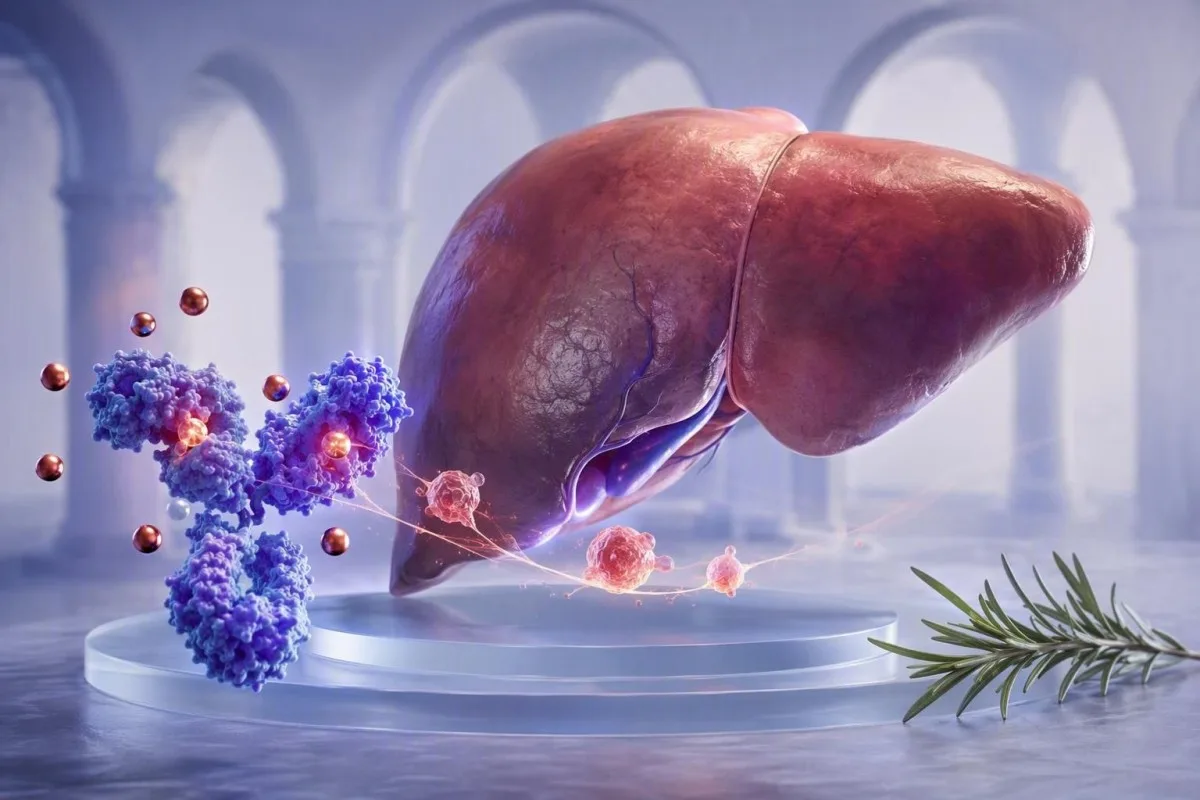
Faicneachd ìosal de thar-flannain faodaidh e nochdadh freagairt na h-afradh gu sèid seach stòrasan iarainn a tha air an lughdachadh. Leughadh iarann serum, ferritin, CRP, agus tar-flannain còmhla a’ casg mearachdan cumanta.


- Pròtain searbhagach àicheil: Bidh tar-flannain a’ tuiteam gu cumanta rè galar, gnìomhachd fèin-ghluasadach, obair-lannsa, agus suidheachaidhean sèid eile, eadhon nuair a tha stòrasan iarainn an bodhaig iomchaidh.
- Raon àbhaisteach inbheach: Bidh a’ mhòr-chuid de naobhlannan a’ cleachdadh raon iomraidh tar-flannain faisg air 200-360 mg/dL (2.0-3.6 g/L), ach tha raointean ionadail an tòiseachaidh a’ faighinn prìomhachas.
- Àireamhachadh TSAT: Tha làn-ghabhail tar-flannain co-ionann ri iarann serum air a roinn le TIBC air iomadachadh le 100; faodaidh TIBC ìosal a bhith a’ dèanamh làn-ghabhail a’ coimhead nas lugha de neo-àbhaisteach na bha dùil.
- *Freagairt air Ferritin:* Bidh ferritin a’ dol am meud le sèid, mar sin tha ferritin fo 30 ng/mL a’ toirt taic làidir do dh’ easbhaidh iarainn, fhad ‘s nach eil luach 100 ng/mL a’ cur às gu earbsach dha nuair a tha CRP air àrdachadh.
- Deuchainn companach feumail: Mar as trice chan eil receptor tar-flannain so-ruigsinneach cho buailteach do shìneadh ri ferritin no tar-flannain agus faodaidh e cuideachadh le bhith a’ soilleireachadh anemia measgaichte.
- Cuin ath-dheuchainn: Airson neo-chunbhalachd neo-èiginn, bidh ath-aithris sgrùdaidhean iarainn mu 2-4 seachdainean às deidh do thinneas goirid a bhith air fhaighinn air ais gu tric a’ toirt bun-loidhne nas riochdaile.
- Na dèan fèin-leigheas dall: Faodaidh stuthan iarainn a bhith feumail ann an dìth dearbhte ach faodaidh iad a bhith neo-iomchaidh ann an cus iarainn, galar grùthan gnìomhach, no anemia air a stiùireadh sa mhòr-chuid le sèid.
Carson a thuiteas deuchainn tar-flannain rè sèid?
Tha sèid a’ lughdachadh transferrin leis gu bheil transferrin na phròtain ìre-dhìomhair àicheil. Bidh cytokines, gu sònraichte interleukin-6, a’ comharrachadh an grùthan gus cinneasachadh transferrin a lughdachadh fhad ‘s a chuireas hepcidin stad air leigeil a-mach iarainn a-steach do plasma; faodaidh seo toradh a thoirt air transferrin ìosal agus iarann serum ìosal gun a bhith a’ dearbhadh gu bheil stòran iarainn air an crìonadh.
Is e an dreach goirid gu bheil a’ bhuidheann a’ dèanamh iarann cho furasta ri fhaighinn gu sealach rè gnìomhachd dìonach. Bidh hepcidin a’ lughdachadh às-phortaileadh iarainn bho enterocytes agus macrophages air a stiùireadh le ferroportin, mar sin mar as trice bidh iarann serum a’ tuiteam taobh a-staigh 24-48 uairean; faodaidh an grùthan aig an aon àm cinneasachadh transferrin a lughdachadh. Tha am pàtran seo mar fhreagairt dìon-aoigheachd, chan e tomhas dìreach den bhiadh iarainn a thathas ag ithe.
Nam obair clionaigeach, faodaidh neach le CRP de 68 mg/L às deidh neumòinia bacterial a bhith aig iarann serum de 22 µg/dL agus transferrin de 165 mg/dL, ach fhathast aig ferritin de 240 ng/mL. Bhiodh a bhith a“ gairm an fhoirm sin a-mhàin ”cus iarainn” no gu misneachail a’ dùnadh a-mach dìth iarainn nan uireasbhaidhean. Stiùireadh airson sgrùdaidhean iarainn a’ mìneachadh na h-àireamhan bunaiteach nas doimhne.
Tha Kantesti na Anailisiche deuchainn fala AI a leughas transferrin ri taobh CRP, ferritin, clàr-amhairc fala iomlan, comharran grùthan, agus toraidhean roimhe na bhith a’ làimhseachadh aon luach ìosal mar dhearbhadh. Tha riaghailt phractaigeach an Dotair Thomas Klein sìmplidh: bu chòir toradh transferrin a gheibhear rè fiabhras, lasadh, no faighinn seachad air a bhith air a chomharrachadh mar chomharradh-fiosrachaidh mus dèanar co-dhùnadh làimhseachaidh sam bith.
Tha an stiùireadh ìre-dhìomhair cudromach
Bidh CRP, ferritin, fibrinogen, agus haptoglobin mar as trice ag èirigh mar phròtainean ìre-dhìomhair deimhinneach, fhad ‘s a dh’ fhaodadh transferrin agus albumin tuiteam. Tha CRP os cionn 10 mg/L a’ fàgail luach ferritin singilte nas duilghe a mhìneachadh, ged nach urrainn ìre CRP uile-choitcheann ceartachadh a thoirt air toradh a h-uile euslainteach.
Dè na raointean àbhaisteach airson tar-flannain agus TIBC?
Mar as trice tha transferrin inbheach eadar timcheall air 200-360 mg/dL, agus mar as trice tha TIBC eadar timcheall air 250-450 µg/dL. Tha na h-eadar-ama seo eadar-dhealaichte a rèir modh obair-lann, gnè, staid torrachais, agus aonadan aithris ionadail, mar sin is e an raon a tha clò-bhuailte ri taobh do thoraidh fhèin an tè a chleachdas tu.
Mar as trice bidh transferrin air a thomhas gu dìreach ann an mg/dL no g/L, fhad ‘s a tha an comas ceangailte iarainn gu lèir, no TIBC, a’ measadh dè an iarann a dh’ fhaodas an transferrin a tha ri fhaighinn a cheangal. Bidh mòran obair-lann a’ toirt a-mach TIBC bho transferrin seach a bhith ga thomhas air leth; tha tionndadh garbh a’ ciallachadh gu bheil TIBC ann an µg/dL co-ionann ri transferrin ann an mg/dL air a iomadachadh le 1.25. Tha an dàimh seo feumail airson stiùireadh, chan ann airson a bhith a’ cur às do àireamhachadh an obair-lann fhèin.
Sàthadh transferrin, air a ghiorrachadh TSAT, air a thomhas mar iarann serum air a roinn le TIBC air a iomadachadh le 100. Tha TSAT faisg air 20-45% àbhaisteach ann am mòran obair-lann inbheach; tha luachan fo 20% a’ comharrachadh iarann cuairteachaidh cuibhrichte, ach chan eil iad leotha fhèin a’ comharrachadh dìth iarainn iomlan bho ghlaodh iarainn air a stiùireadh le sèid. Saturation transferrin ìosal a’ còmhdach an eadar-dhealachaidh sin.
Bidh cuid de dh’ obair-lannan Eòrpach ag aithris air transferrin ann an g/L, far a bheil 2.0-3.6 g/L gu farsaing a’ freagairt ri 200-360 mg/dL. Faodaidh toradh a bhith dìreach fo raon às deidh tinneas viral agus normalachadh air ath-aithris, fhad ‘s a tha luachan leantainneach fo 150 mg/dL airidh air sgrùdadh ro-làimh airson duilgheadasan cinneasachaidh grùthan, call pròtain, sèid mhòr, no dìth beathachaidh.
Ciamar bu chòir sgrùdaidhean iarainn a mhìneachadh mar phàtran?
Tha sgrùdaidhean iarainn as sàbhailte nuair a thèid iarann serum, transferrin no TIBC, TSAT, ferritin, agus comharra sè a mhìneachadh còmhla. Bidh iarann serum a-mhàin ag atharrachadh gu mòr tron latha agus faodaidh e tuiteam còrr air 30% eadar samples san aon neach.
Mar as trice bidh dìth iarainn clasaigeach gun duilgheadas a’ toirt a-mach iarann serum ìosal, transferrin no TIBC àrd, TSAT fo 16%, agus ferritin fo 30 ng/mL. Tha an TIBC àrd a’ tachairt leis gu bheil an grùthan a’ meudachadh cinneasachadh transferrin nuair a tha iarann ri fhaighinn ìosal. Faodaidh àrdachadh ann an trast-thomhas cheallan-fala dearga nochdadh mus tuit an hemoglobin; faic an stiùireadh againn gu Atharrachaidhean RDW às deidh leigheas iarainn airson an ùine.
Bidh anemia sè nas trice a’ toirt a-mach iarann serum ìosal, transferrin ìosal no àbhaisteach, TSAT ìosal, agus ferritin a tha àbhaisteach no àrd. Mhìnich Weiss agus Goodnough seo mar erythropoiesis cuingealaichte le iarann air adhbhrachadh le solar iarainn air a mhilleadh seach iarann stòraichte a tha gu riatanach a dhìth (Weiss & Goodnough, 2005). Gu tric bidh an dà staid a’ tachairt còmhla, gu sònraichte ann an galar innidh sè, arthritis reumatoid, tinneas dubhaig leantainneach, agus aillse.
Is e aon ribe nach eil cho follaiseach obrachadh a-mach: ma tha iarann serum 30 µg/dL agus tha TIBC air a chuir sìos gu 180 µg/dL, tha TSAT 17%. Nam biodh TIBC 360 µg/dL, bhiodh an aon iarann serum a’ toirt 8%. Faodaidh an cuspair nas ìsle falach dè cho beag de dh’ iarann a tha a’ cuairteachadh, is e sin as coireach gu bheil serum iron ìosal feumach air co-theacsa seach òrdugh reflex.
Clue pàtran measgaichte practaigeach
Tha Ferritin eadar 30 agus 100 ng/mL le TSAT fo 16% agus CRP os cionn 10 mg/L gu tric na raon liath, gun gealltainn. Anns an t-suidheachadh sin, faodaidh luchd-clionaigeach portar gabhadair transferrin soluble, susbaint hemoglobin reticulocyte, dàta gluasad, no plana leigheis a tha air a dhèanamh a rèir an t-slàinteachais bunaiteach a chleachdadh.
Carson a dh’ fhaodas ferritin a bhith a’ coimhead àbhaisteach nuair a tha iarann ìosal
Tha Ferritin an dà chuid na phròtain stòraidh iarainn agus na neach-freagairt ìre acute dearbhach, agus mar sin faodaidh sè a thogail gu neo-eisimeileach bho iarann stòraichte. Tha ferritin fo 30 ng/mL a’ toirt taic làidir do dhìth iarainn anns a’ mhòr-chuid de dh’inbhich, ach chan urrainn do luach nas àirde casg a chuir air dìth gu earbsach nuair a tha CRP no ESR air a thogail.
Tha stiùireadh ferritin 2020 bho Bhuidheann Slàinte na Cruinne a’ moladh tomhas comharran sè còmhla ri ferritin far a bheil galar no sè cumanta. Ann an inbhich le sè, tha an WHO a’ moladh gum faodadh ferritin fo 70 µg/L a bhith a’ nochdadh dìth iarainn; is e sin stairsneach stèidhichte air a’ phoball, chan e àite airson measadh clionaigeach fa leth (WHO, 2020).
Bidh mi gu tric a’ faicinn euslaintich air an uabhasachadh le ferritin de 180 ng/mL às deidh lasair sè, a’ gabhail ris gu bheil na stòrasan iarainn aca bu chòir a bhith pailt. Uaireannan tha iad. Ach faodaidh ferritin èirigh às deidh eacarsaich làidir, dochann cealla grùthan, tinneas metabolach, nochdadh deoch làidir, agus gnìomhachd dìonach, agus mar sin chan e an àireamh cunntas stoc a-mhàin a th’ anns an àireamh. Ferritin agus CRP na chòmhraidiche companach cuideachail.
Tha Kantesti na àrd-ùrlar mìneachaidh deuchainn fala AI a tha a’ comharrachadh an measgachadh neo-chunbhalach de transferrin ìosal, TSAT ìosal, agus CRP àrd mar chuingealachadh iarainn co-cheangailte ri sè. Chan eil ar dàta luchd-cleachdaidh 75% na àite airson rannsachadh breithneachaidh, ach bidh e ag ath-aithris leasan sean neach-clionaigeach: tha ferritin ag obair gu eadar-dhealaichte nuair a tha an t-euslainteach gu gnìomhach tinn.
Luachan ferritin a dh’ fheumas còmhraidhean eadar-dhealaichte
Tha Ferritin os cionn 1,000 ng/mL a’ cur feum air ath-sgrùdadh meidigeach ann an deagh àm leis gum faod droch shèid, droch leòn grùthan, syndrome cus iarainn, agus grunn chumhaichean eile an raon sin a thoirt a-mach. Tha an èiginn an urra ri comharraidhean, enzymes grùthan, làn-shàthachadh transferrin, agus an astar atharrachaidh seach dìreach an àireamh ferritin.
Dè na deuchainnean a nì soilleir easbhaidh iarainn rè sèid?
Faodaidh sàr-ghràdh searbhag searbhach searbhach agus susbaint haemoglobin reticulocyte cuideachadh le bhith a' comharrachadh toradh cheallan fola dearga a tha air an cuingealachadh le iarann nuair a tha ferritin agus transferrin mì-chòrdail. Tha sàr-ghràdh searbhag searbhach searbhach gu h-àraid a' dol suas le feum iarainn cealla agus tha e nas lugha de dhruim-fhuaim le sèid acrach na tha ferritin.
Sàr-ghràdh searbhag searbhach searbhach, no sTfR, a' nochdadh taisbeanadh gabhadair transferrin bho ro-theachdaichean erythroid. Mar as trice bidh e a' dol suas ann an dìth iarainn iomlan agus gu tric tha e àbhaisteach ann an anemia sèid fìor-ghlan; ge-tà, chan eil raointean iomraidh deuchainn air an co-chòrdadh, agus faodaidh hemolysis no gnìomhachd erythropoietic àrd a thogail suas. Is e seo aon de na raointean sin far a bheil an dearbh dhòigh obair-lann nas cudromaiche na tha crìochan air-loidhne.
Tha susbaint haemoglobin reticulocyte, air aithris mar CHr no Ret-He a rèir an anailisiche, a' nochdadh an iarann a tha ri fhaighinn do cheallan fola dearga ùr-ghinte thairis air na 2-4 latha a dh'fhalbh gu timcheall. Faodaidh luachan fo timcheall air 28-30 pg taic a thoirt do erythropoiesis cuingealaichte le iarann, ged a tha crìochan ionadail agus protocolaidhean galair dubha eadar-dhealaichte. Deuchainn sàr-ghràdh searbhag searbhach searbhach a' mìneachadh far a bheil e a' freagairt.
Tha staining iarainn smior cnàimh fhathast na dhòigh iomraidh eachdraidheil ach is ann ainneamh a tha feum air a-mhàin gus pannal iarainn euslainteach cunbhalach fhuasgladh. Mar as trice is fheàrr le Dr. Thomas Klein ath-aithris a dhèanamh air sampallan às deidh faighinn seachad air, a' sgrùdadh eachdraidh sèididh agus daithead, agus a' cleachdadh sTfR no tomhais reticulocyte nuair a dh'atharraicheas an fhreagairt gu fìrinneach an làimhseachadh; bidh deuchainnean a bharrachd às aonais co-dhùnadh ceangailte a' cruthachadh fuaim.
An clàr-amais sTfR-ferritin
Bidh cuid de eòlaichean a' cunntadh clàr-amais sTfR/log ferritin, a dh'fhaodas a bhith a' leasachadh eadar-dhealachadh ann an suidheachaidhean sèididh. Tha crìochan gu mòr eadar-dhealaichte a rèir an deuchainn, gu tric bho timcheall air 1.0 gu 3.2, agus mar sin bu chòir toradh a bhith air a mhìneachadh leis an dòigh dearbhte san obair-lann seach crìoch eadar-lìn a chaidh air iasad.
Cuin a bu chòir deuchainn tar-flannain ath-aithris?
Is fheàrr deuchainn transferrin ath-aithris às deidh tinneas goirid, fiabhras, no tachartas sèididh mòr a bhith air socrachadh, mar as trice às deidh 2-4 seachdainean mura h-eil an suidheachadh èiginneach. Bidh cruinneachadh sa mhadainn agus suidheachaidhean ro-dheuchainn cunbhalach a' lughdachadh atharrachadh a ghabhas seachnadh ann an iarann serum agus TSAT.
Tha atharrachadh latha-oidhche aig iarann serum agus faodaidh e a bhith nas ìsle nas fhaide air adhart san latha, agus faodaidh iarann beòil o chionn ghoirid a thogail suas gu neo-sheasmhach. Bidh mòran de luchd-clionaigeach ag iarraidh sampall sa mhadainn às deidh fastadh tron oidhche de timcheall air 8-12 uairean nuair a tha feum aca air coimeas glan, ged nach eil fastadh riatanach airson a h-uile sgrùdadh iarainn. Lean stiùireadh an dotair òrdachaidh seach stad a chur air cungaidhean òrdaichte leat fhèin.
Faodaidh toradh transferrin a chaidh a thoirt 48 uairean às deidh marathon, modh-obrach fhiaclaireachd, banachdach, no tinneas analach acrach nochdadh freagairt ìre acrach seach pàtran iarainn maireannach. Faodaidh eacarsaich cuideachd CK, tomhas-lìonaidh plasma, agus ferritin atharrachadh; faodaidh lùth-chleasaichean seasmhachd an stiùireadh deuchainn iarainn ràbhair a lorg feumail.
a lorg gu bheil mion-sgrùdadh clàr-ama Kantesti a' dèanamh coimeas eadar cinn-latha, chan ann dìreach brataichean iomraidh, agus faodaidh e nochdadh tuiteam bho 310 mg/dL gu 180 mg/dL a thachras aig an aon àm ri àrdachadh CRP bho 1 gu 52 mg/L. Tha sin nas fhiosrachail gu clionaigeach na toradh sam bith a tha air leth. Ath-sgrùdadh ullachadh deuchainn TIBC mus dèan thu rèiteachadh ath-aithris.
Cuin nach bu chòir feitheamh airson ath-aithris
Na cuir dàil air ath-sgrùdadh meidigeach airson ath-aithris deuchainn ma tha giorrad analach, pian broilleach, fàiligeadh, stòl dubh, fuil mhòr leantainneach, buidheachas, no laigse a tha a' fàs gu luath an làthair. Bidh haemoglobin fo 80 g/L (8 g/dL) gu tric cudromach gu clionaigeach, ach tha èiginn an crochadh air comharraidhean, ìre tuiteam, inbhe trom, agus galair cridhe.
Ciamar a mhìnicheas CRP, ESR, agus hepcidin tar-flannain ìosal?
Chan eil CRP agus ESR a' tomhas stòran iarainn, ach tha iad a' sealltainn a bheil sèid a' faodadh deuchainn transferrin a dhruim-fhuaim. Bidh CRP a' dol suas agus a' tuiteam thairis air uairean gu làithean, ach faodaidh ESR fuireach àrdaichte airson seachdainean oir tha buaidh aig fibrinogen, anemia, aois, agus immunoglobulins air.
Bidh interleukin-6 a’ brosnachadh cinneasachadh hepcidin san ghrùthan, agus bidh hepcidin a’ ceangal ri ferroportin, ag adhbharachadh lùghdachadh ann an às-mhalairt iarainn bho macrophages agus cheallan intestinal. Tha lèirmheas Ganz agus Nemeth a’ mìneachadh an t-slighe seo mar phrìomh phàirt de anaemia sèididh agus erythropoiesis le cuingealachadh iarainn (Ganz & Nemeth, 2012). Dh’fhaodadh an toradh a bhith na iarann serum ìosal taobh a-staigh latha, fhad ’s a thuiteas transferrin mar phàirt den aon fhreagairt shiostamaich.
Thathar gu tric a’ meas CRP fo 5 mg/L mar thaobh a-staigh an raoin iomraidh, ged a tha diofar eadar deuchainn-lannan. Chan eil CRP de 40 mg/L a’ comharrachadh adhbhar an t-sèididh, ach bu chòir dha dotair a dhèanamh nas fhaiceallaiche mu bhith a’ breithneachadh easbhaidh iarainn stèidhichte air ferritin no transferrin a-mhàin. Adhbharan ESR àrd a’ mìneachadh carson a tha ESR nas slaodaiche agus nas lugha sònraichte.
Bidh Kantesti AI a’ mìneachadh toraidhean transferrin le bhith a’ dèanamh coimeas eadar gluasad CRP, ferritin, albumin, cunntas cheallan fala geala, agus gluasadan o chionn ghoirid. Chan e einnsean breithneachaidh a tha seo airson galar gabhaltach no galar fèin-dìonach; ’s e brosnachadh structaraichte a th’ ann airson faighneachd an deach am pannal iarainn fhaighinn aig àm a bha neo-sheasmhach gu bith-eòlach.
Carson nach eil hepcidin air a thomhas gu riaghailteach
Tha measaidhean hepcidin fhathast cuingealaichte a thaobh ruigsinneachd, cunbhalachd agus ùine tionndaidh ann an cleachdadh àbhaisteach. Faodaidh luach hepcidin a bhith feumail ann an rannsachadh speisealta no ann an cùisean anaemia neo-àbhaisteach, ach tha ferritin serum, TSAT, CRP, obair nan dubhagan agus clàran-amais cunntas nan ceallan fala fhathast nan innealan practaigeach ciad-loidhne.
Ciamar a tha anemia sèid eadar-dhealaichte bho easbhaidh iarainn?
Tha easbhaidh iomlan iarainn a’ ciallachadh nach eil iarann bodhaig iomlan gu leòr ann, fhad ’s a tha anaemia sèididh a’ ciallachadh gu bheil iarann an làthair ach nach eil e ri fhaighinn gu math airson cinneasachadh cheallan fala dearga. Faodaidh an dà chuid sgìths, TSAT ìosal agus haemoglobin a’ tuiteam adhbharachadh, agus bidh iad tric a’ tachairt còmhla.
Ann an easbhaidh iarainn neo-thoinnte, tha ferritin mar as trice ìosal agus bidh transferrin tric ag èirigh os cionn 360 mg/dL mar a bhios comas ceangail a’ meudachadh. Ann an anaemia sèididh, bidh transferrin gu tric a’ tuiteam fo 200 mg/dL, tha ferritin gu tric os cionn 100 ng/mL, agus dh’fhaodadh CRP a bhith àrd. Chan eil pàtran seach pàtran eile iomlan; tha galar dubhaig leantainneach agus galar grùtha gu sònraichte buailteach a bhith a’ dol thairis air a chèile.
Faodaidh haemoglobin agus MCV a bhith air dheireadh air cuingealachadh iarainn. Faodaidh ferritin de 18 ng/mL, TSAT 14% agus haemoglobin àbhaisteach de 132 g/L a bhith aig neach, gu h-àraidh tràth ann an easbhaidh; air an làimh eile, faodaidh sèididh anaemia adhbharachadh le MCV àbhaisteach de 82-100 fL. Na tha haemoglobin a’ ciallachadh a’ cuideachadh le bhith a’ cur an CBC ri taobh sgrùdaidhean iarainn.
’S e an adhbhar a tha dragh oirnn mu transferrin ìosal còmhla ri albumin ìosal gu bheil iad còmhla a’ moladh uallaich sèididh nas làidire, droch-chinneasachadh hepatic, no call pròtain, ach gu bheil transferrin ìosal leis fhèin às dèidh fuachd gu tric sealach. Bu chòir do dhotair ath-sgrùdadh a dhèanamh air obair nan dubhagan, pròtain anns an fhual, deuchainnean grùtha, beathachadh, cungaidhean, eachdraidh sèididh agus an gluasad thar co-dhiù dà thomhas.
Chan eil na leigheasan eadar-mhalairteach
Bidh iarann beòil gu tric a’ leasachadh easbhaidh iomlan, ach dh’fhaodadh nach bi mòran buaidh aige fhad ’s a chumas sèididh hepcidin àrd. Ann an suidheachaidhean taghte, leithid galar dubhaig leantainneach no galar sèididh gnìomhach nan caolan, faodaidh dotairean iarann intravenous a chleachdadh no an t-adhbhar sèididh a làimhseachadh an toiseach; tha an dòigh-obrach an urra ri breithneachadh, comharraidhean, haemoglobin agus beachdachaidhean sàbhailteachd.
Carson a dh’ fhaodas tar-flannain ìosal a bhith a’ dèanamh ana-mìneachadh air làn-ghabhail tar-flannain
Faodaidh transferrin ìosal toirt air sàthachd transferrin nochdadh nach eil i cho ìosal, leis gu bheil TSAT a’ cleachdadh TIBC mar ainmiche. Chan eil TSAT àbhaisteach no beagan ìosal an-còmhnaidh a’ ciallachadh gu bheil lìbhrigeadh iarainn iomchaidh nuair a tha TIBC air a chumail sìos le sèididh no mì-obrachadh grùtha.
Beachdaich air iarann serum de 36 µg/dL. Le TIBC de 360 µg/dL, tha TSAT aig 10%; le TIBC de 180 µg/dL, tha TSAT aig 20%. Tha an dàrna toradh a’ nochdadh nach eil e cho draghail gu matamataigeach, ach tha an aon iarann ìosal san fhuil anns an dà shampall. Sin as coireach gum bu chòir do dhotairean sgrùdadh a dhèanamh air na luachan amh, chan ann air a’ cheudad a-mhàin.
Bidh an duilgheadas eile a’ tachairt ann an dochann adhartach grùtha no milleadh geur air ceallan an grùtha: faodaidh cinneasachadh transferrin tuiteam agus faodaidh iarann serum èirigh mar thoradh air làimhseachadh atharraichte, a’ cruthachadh TSAT àrd. Tha TSAT a tha gu leantainneach os cionn 45% airidh air measadh airson cus iarainn anns a’ cho-theacsa cheart, ach cha bu chòir a chleachdadh gus haemochromatosis oighreachail a bhreithneachadh aig àm tachartais gheur grùtha. Leugh ar sanasan bho dheuchainnean fala cirrhosis airson co-theacsa hepatic nas fharsainge.
Tha Kantesti na Inneal mion-sgrùdaidh deuchainn fala le cumhachd AI air a chleachdadh ann an dùthchannan 127+, agus mar sin bidh e ag àbhaisteachadh nan aonadan mus obraich e a-mach sàthachd agus a’ comharrachadh thoraidhean a dh’fhaodadh a bhith neo-sheasmhach gu matamataigeach leis gu bheil TIBC gu h-annasach ìosal. Bu chòir don toradh taic a thoirt don dotair, chan e àite a ghabhail an àite an dotair aig a bheil fios a bheil fiabhras, hepatitis, syndrome nephrotic no làimhseachadh iarainn o chionn ghoirid aig euslainteach.
Na cleachd TSAT mar chomharra uisgeachaidh
Faodaidh dìth uisge grunn thomhasan serum a dhèanamh nas dùmhaile, ach chan eil i a’ cruthachadh pàtran earbsach de chus iarainn. Ma tha albumin, haematocrit, urea agus sodium a’ moladh lùghdachadh ann an tomhas plasma, dh’fhaodadh gum biodh e ciallach am pannal ath-aithris an dèidh uisgeachadh àbhaisteach mus tèid brìgh a chur ri TSAT a tha faisg air an stairsneach.
Dè eile a dh’ adhbharaicheas tar-flannain ìosal ach sèid?
Bidh transferrin ìosal cuideachd a’ nochdadh le lùghdachadh ann an co-chur hepatic, call pròtain tro na dubhagan no an t-slighe gastrointestinal, cion biadhadh pròtain-lùtha iomchaidh, agus, gu tearc, eas-òrdughan congenital. Tha sèid cumanta, ach cha bu chòir dha a bhith na mhìneachadh coitcheann gun a bhith a’ sgrùdadh a’ chòrr den phannal.
Bidh an grùthan a’ co-chur transferrin, mar sin faodaidh transferrin ìosal le bilirubin àrdaichte, INR, AST, ALT, no albumin ìosal a bhith a’ comharrachadh galar hepatic seach inbhe iarainn. Faodaidh droch mhì-ghnìomh grùtha transferrin a lùghdachadh fo 150 mg/dL. Toraidhean pannail an grùtha cuidichidh iad le bhith a’ dearbhadh a bheil am mìneachadh sin so-chreidsinneach.
Faodaidh call pròtain urinary aig ìre nephrotic transferrin a thoirt air falbh còmhla ri albumin agus pròtainean eile. Tha co-mheas albumin-creatinine fual os cionn 300 mg/g, no 30 mg/mmol, a’ ciallachadh albuminuria a tha air àrdachadh gu mòr agus tha feum air measadh a tha ag amas air na dubhagan; chan eil pròtain air dipstick leis fhèin gu leòr airson freagairt iomlan. Faic an stiùireadh againn air pròtain san fhuaim.
Faodaidh droch bhiadhadh, malabsorption, no tinneas catabolic dona transferrin a lùghdachadh, ged a tha transferrin ro mhothachail do shèid airson a bhith na chomharra beathachaidh leis fhèin. Tha atransferrinemia congenital air leth tearc agus mar as trice nochdaidh i fada nas tràithe nam beatha le anemia dona agus cus iarainn siostaimteach paradoxach. Feumaidh an cothlamadh neo-àbhaisteach seo comhairle bho haematologist speisealta.
Buaidhean chungaidhean-leigheis agus hormonaichean
Faodaidh nochdadh do estrogen agus torrachas transferrin àrdachadh, agus faodaidh androgens a lùghdachadh beagan. Mar as trice tha na h-atharrachaidhean sin nas lugha na buaidhean sèid chudromaich no galar grùtha, ach faodaidh iad toradh faisg air an stairsneach a mhìneachadh nuair a tha an còrr den phannal iarainn seasmhach.
Ciamar a dh’ atharraicheas torrachas agus call fala mìosach tar-flannain?
Bidh torrachas gu tric ag àrdachadh transferrin agus TIBC, agus bidh feumalachdan iarainn ag èirigh as luaithe anns an dàrna agus an treas tritheamh. Mar sin, tha feum aig toradh transferrin ìosal rè torrachais air aire shònraichte do shèid, obair an grùtha, call pròtain, agus co-theacsa an obair-lann.
Bidh tomhas plasma a’ leudachadh rè torrachais, agus bidh estrogen a’ meudachadh co-chur transferrin, agus mar sin bidh TIBC gu tric ag èirigh os cionn an raoin neo-thorrachais. Mar as trice bidh ferritin cuideachd a’ gluasad sìos mar a thèid an torrachas air adhart; bithear a’ cleachdadh ferritin fo 30 µg/L gu tric gus stòran lùghdaichte a chomharrachadh rè torrachais, ged a dh’fhaodadh stiùiridhean màthaireil ionadail a bhith eadar-dhealaichte. Ferritin a rèir tritheamh a’ toirt seachad raointean practaigeach.
Tha bleeding menstrual trom na adhbhar cumanta airson dìth iarainn iomlan, gu h-àraidh nuair a tha ferritin fo 30 ng/mL agus transferrin àrdaichte seach air a chumail sìos. Ach faodaidh neach le galar autoimmune agus amannan trom a bhith an dà chuid le dìth bho chall fala agus sèid; chan eil ferritin “àbhaisteach” de 75 ng/mL a’ fuasgladh na ceist nuair a tha CRP aig 24 mg/L.
Feumaidh transferrin ùr ìosal còmhla ri bruthadh-fala àrd, at, proteinuria, ceann goirt, pian ann am pàirt àrd dheas na bronn, no deuchainnean grùtha neo-àbhaisteach rè torrachais measadh obstetric luath. Chan e dòigh a th’ ann airson pre-eclampsia a dhearbhadh, ach faodaidh am pàtran nas fharsainge de phròtain agus grùthan a bhith fada nas cudromaiche na toradh iarainn leis fhèin.
Ciamar a thèid tar-flannain a mhìneachadh ann an tinneas dubhaig agus galair leantainneach?
Bidh galar dubhaig leantainneach gu tric ag adhbharachadh dìth iarainn gnìomhach oir tha sèid agus erythropoietin lùghdaichte a’ cuingealachadh na tha de iarann ri chleachdadh airson ceallan fala dearga a dhèanamh. Anns an t-suidheachadh seo, bidh TSAT fo 20% agus ferritin fo 100 ng/mL gu tric a’ toirt taic do dhìth iarainn ro dialysis, ged a bhios stairsneachan làimhseachaidh eadar-dhealaichte a rèir an stiùiridh agus an t-suidheachaidh chlionaigich.
Tha stiùireadh KDIGO gu h-eachdraidheil air frèam deuchainn-iarainn a chleachdadh ann am mòran inbheach le CKD nuair a tha TSAT aig no fo 30% agus ferritin aig no fo 500 ng/mL, fhad ’s a tha an t-amas clionaigeach hemoglobin àrdachadh no leigheas a bhrosnaicheas erythropoiesis a lùghdachadh. ’S e beachdachadh làimhseachaidh a tha annta seo, chan e mìneachaidhean uile-choitcheann air stòran iarainn àbhaisteach, agus thathar gu tric a’ mì-thuigsinn crìoch 500 ng/mL.
Faodaidh easbhaidh gnìomhach a bhith aig euslainteach le eGFR 28 mL/min/1.73 m², hemoglobin 96 g/L, TSAT 16%, ferritin 220 ng/mL, agus CRP 12 mg/L a dh’aindeoin nach eil ferritin ìosal. Faodaidh gabhail a-steach iarainn beòil a bhith air a lùghdachadh, agus feumaidh luchd-clionaigeach measadh a dhèanamh cuideachd air B12, folate, call fala falaichte, cleachdadh erythropoietin, agus gluasad obair nan dubhagan. Ìreachadh galar dubhaig leantainneach a’ tabhann cùl-fhiosrachadh feumail.
Faodaidh Kantesti AI tarraing a chur ann an co-theacsa slàinte nan dubhagan thar ùine, ach chan urrainn dha dearbhadh a bheil iarann intravenous, leigheas brosnachaidh erythropoiesis, no cur air adhart gu eòlaiche iomchaidh. Feumaidh an co-dhùnadh sin comharraidhean, bruthadh-fala, inbhe ghalaran, ath-sgrùdadh chungaidhean, agus an clàr dubhaig slàn.
Dè na mion-fhiosrachadh eachdraidh a nì toradh tar-flannain nas feumail?
Tha an eadar-mhìneachadh as fheumaile de transferrin a’ gabhail a-steach comharraidhean, tinneas o chionn ghoirid, call fala menstrual no gastrointestinal, daithead, caitheamh deoch làidir, cungaidhean, eacarsaich, agus luachan roimhe. ’S e dealbh aig aon àm a th’ ann an aon shampall; bidh dà shampall choimeasach gu tric a’ nochdadh an e atharrachadh fiosaigeach, sèidteach, no leantainneach a th’ ann.
Faighnich an robh fiabhras, banachdach, leòn, ospadalachadh, obair fhiaclaireachd, trèanadh dian, no lasachadh aithnichte anns na 14 latha ron t-sampall. Cuideachd clàraich tablaidean iarainn, multivitamins, bacadairean pumpa proton, drogaichean neo-steroidal an aghaidh sèid, anticoagulants, agus atharrachaidhean daithead o chionn ghoirid. Faodaidh na mion-fhiosrachadh seo atharrachadh a dhèanamh air sùghadh iarainn no air coltas call fala falaichte.
Tha atharrachadh bho transferrin 290 gu 205 mg/dL nas cudromaiche ma dh’èirich CRP bho 2 gu 35 mg/L agus ma thuit albumin bho 44 gu 37 g/L. Air an làimh eile, dh’fhaodadh atharrachadh de 10 mg/dL le CRP seasmhach agus an aon àm cruinneachaidh a bhith taobh a-staigh caochlaidheachd bith-eòlasach agus anailisich. A’ coimeas dheuchainnean fala a’ mìneachadh carson nach eil atharrachaidhean beaga an-còmhnaidh nan fìor atharrachaidhean.
Tha innealan chlàran ioma-chànanach Kantesti a’ leigeil le daoine co-theacsa a shàbhaladh ri taobh toraidh, a’ gabhail a-steach cinn-latha tinneis agus atharrachaidhean ann an stuthan-leasachaidh, thar 75+ chànanan. Tha an eachdraidh sin a’ dèanamh ath-sgrùdadh an lighiche nas sàbhailte; tha ar stiùireadh deuchainn fala fad-ùine a’ liostadh nam mion-fhiosrachadh practaigeach as fhiach a chumail.
Chan eil comharraidhean sònraichte
Faodaidh sgìths, lùghdachadh ann an comas eacarsaich, call fuilt, casan neo-shocrach, agus droch chuimseachadh tachairt ann an easbhaidh iarainn, sèid, galar thyroid, aimhreit cadail, trom-inntinn, agus iomadh suidheachadh eile. Bu chòir do chomharran measadh iomchaidh a bhrosnachadh, ach chan urrainn dhaibh innse a bheil transferrin ìosal a’ riochdachadh stòrasan lùghdaichte.
Cuin a tha feum air ath-sgrùdadh luath air toradh tar-flannain ìosal?
Feumaidh transferrin ìosal ath-sgrùdadh meidigeach luath nuair a tha e an cois anemia chudromaich, buidheach, at, sèididh throm, stòl dubh, call cuideim gun mhìneachadh, no fianais air mì-obrachadh nan dubhagan no an grùthan. Is ann ainneamh a tha an toradh fhèin na èiginn, ach uaireannan tha an suidheachadh air a chùlaibh na èiginn.
Tha measadh air an aon latha ciallach airson pian ciste, fannachadh, giorrad analach mhòr, troimh-chèile, stòl dubh coltach ri teàrr, cur a-mach fala, no at a tha a’ meudachadh gu luath. Feumaidh haemoglobin fo 70 g/L (7 g/dL), bilirubin os cionn 50 µmol/L le buidheach, no INR ris nach robh dùil a bhith àrd breithneachadh clionaigeach fa leth agus dh’fhaodadh gum bi feum air measadh èiginneach. Na feuch ris na pàtranan sin a cheartachadh le iarann thar-chunntair a-mhàin.
Airson transferrin beagan ìosal agus seasmhach de 185 mg/dL le haemoglobin àbhaisteach, deuchainnean grùtha àbhaisteach, agus CRP 18 mg/L rè galar analach clàraichte, tha e tric reusanta pannal ath-aithris a dhèanamh an dèidh faighinn seachad air. Ma mhaireas e còrr is 6–8 seachdainean, mar as trice leudaichidh lighichean an ath-sgrùdadh gu pannal grùtha, pròtain fual, eachdraidh beathachaidh, gnìomhachd galair shèidich, agus stòran sèididh.
Tha an susbaint chlinigeach againn air ath-sgrùdadh le taic bhon Bòrd Comhairleachaidh Meidigeach, agus tha loidsig eadar-mhìneachaidh Kantesti air a clàradh tron frèam-obrach dearbhaidh meidigeach. Air 5 Sultain 2026, tha an teachdaireachd as sàbhailte fhathast gun atharrachadh: tha toradh transferrin ìosal na chomharra mu ghiùlan iarainn agus fiosa-eòlas siostaim, chan e breithneachadh leis fhèin.
Ceistean Bitheanta
An urrainn do sè a bhith ag adhbhrachadh ìrean ìseal de transferrin às aonais dìth iarainn?
Seadh. Faodaidh sèid ìsleachadh a thoirt air transferrin eadhon nuair a tha tasgaidhean iarainn gu leòr oir is e pròtain deimhinneach de dhroch ìre a th’ ann an transferrin a bhios an grùthan a’ dèanamh. Dh’ fhaodadh gu bheil transferrin ìosal, iarann serum ìosal, agus ferritin os cionn 100 ng/mL aig neach le CRP os cionn 10 mg/L bho ghlasadh iarainn co-cheangailte ri sèid seach dìth iarainn fìor. Faodaidh dìth iarainn a bhith ann fhathast, gu sònraichte nuair a tha TSAT fo 20% no ferritin fo 30 ng/mL. Bu chòir do neach-clionaigeach an làn phàtran agus an adhbhar sèid a mhìneachadh.
A bheil ìosal de transferrin a’ ciallachadh gu bheil iarann ìosal?
Chan eil transferrin ìosal gu fèin-ghluasadach a’ ciallachadh gu bheil iarann iomlan sa bhodhaig ìosal. Bidh transferrin ìosal gu tric a’ tachairt aig àm sèid, galar grùthan, call pròtain dubhaig, agus dìth pròtain gu leòr, fhad ‘s a bhios dìth iarainn clasaigeach gu tric a’ togail transferrin os cionn timcheall air 360 mg/dL. Faodaidh iarann serum fo 50 µg/dL tachairt an dà chuid ann an dìth iarainn no sèid, mar sin tha feum air ferritin, CRP, TIBC, TSAT, agus an cunntas fala. Bu chòir toradh transferrin fo 200 mg/dL a mhìneachadh leis an raon iomraidh san obair-lann agus eachdraidh clionaigeach.
An urrainn do ìrean ìosal de transferrin a bhith a’ dèanamh gum bi an ìre saturation transferrin a’ coimhead àbhaisteach?
Seadh. 'S e searbhag iarainn serum air a roinn le TIBC air a thomhas le 100, mar sin bidh ìosal TIBC air adhbhrachadh le ìosal transferrin a' cruthachadh nas lugha de roinnear. Mar eisimpleir, bidh searbhag iarainn de 36 µg/dL a' toirt TSAT de 10% le TIBC de 360 µg/dL ach 20% le TIBC de 180 µg/dL. Tha seo a' ciallachadh gum faod TSAT air an taobh a-muigh a bhith a' toirt air falbh cuingealachadh iarainn nuair a tha transferrin air a chumail sìos. Bu chòir do luchd-clionaigeach sgrùdadh a dhèanamh air an dà cheudad agus na luachan searbhag iarainn serum agus TIBC amh.
Dè an ìre de ferritin a dhearbhas dìth iarainn aig àm sèid?
Tha am’fèarritin fo 30 ng/mL no µg/L a’ cur làidir ris an dìth iarainn anns a’ mhòr-chuid de dh’inbhich, a’ gabhail a-steach mòran dhaoine le sèid bheag. Tha stiùireadh WHO 2020 a’ moladh gum faodadh am’fèarritin fo 70 µg/L a bhith a’ comharrachadh dìth iarainn ann an inbhich aig a bheil fianais air sèid, ach chan eil an crìoch seo cinnteach do gach neach fa-leth. Faodaidh am fèarritin èirigh le àrdachadh CRP, leòn ae, agus tinneas metabolach, mar sin feumaidh luachan eadar 30 agus 100 ng/mL gu tric TSAT, CRP, agus uaireannan deuchainn gabhadair soluble transferrin. Chan eil fèarritin os cionn 100 ng/mL an-còmhnaidh a’ dùnadh a-mach dìth iarainn nuair a tha gnìomh sèid an làthair.
Cia fhad às dèidh tinneis a bu chòir dhomh deuchainn transferrin ath-aithris?
Airson tinneas beag fèin-chuingeach, tha ath-aithris deuchainn transferrin timcheall air 2-4 seachdainean às dèidh do chomharran agus fiabhras a bhith air falbh gu tric reusanta mura h-eil feartan èiginneach ann. Faodaidh CRP socrachadh taobh a-staigh làithean, ach faodaidh ESR, ferritin, albumin, agus transferrin barrachd ùine a thoirt air ais a dh’ionnsaigh an t-suidheachaidh bunaiteach. Cleachd cumhaichean coltach airson an tarraing ath-aithris, gu h-àraidh cruinneachadh sa mhadainn agus an aon obair-lann nuair a tha sin practaigeach. Na cuir dàil air ath-sgrùdadh ma tha an hemoglobin a’ tuiteam, tha fuil a’ leantainn, no ma tha toraidhean an grùthan agus nan dubhan neo-àbhaisteach.
Am bu chòir dhomh stuthan iarainn a ghabhail airson ìosal transferrin?
Chan eil ìrean ìseal de transferrin leis fhèin na adhbhar airson stuthan iarainn a ghabhail. Mar as trice thathas a’ beachdachadh air iarann beòil nuair a tha fianais ann air dìth iarainn iomlan, leithid ferritin fo 30 ng/mL, TSAT ìseal, comharran co-fhreagarrach, no stòr soilleir de chall; bu chòir an dòs agus an clàr-ama a bhith air an dèanamh freagarrach. Ann an anemia sèid, faodaidh iarann a bhith air a ghlacadh gu dona no neo-ruigsinneach leis gu bheil hepcidin àrd, agus faodaidh a bhith a’ làimhseachadh an t-suidheachaidh bhunaiteach a bhith nas cudromaiche. Faodaidh iarann a bhith cronail no meallta ann an suidheachaidhean cus iarainn agus cuid de dhòsan ae, mar sin dearbhaich an dùil leis an dotair.
Faigh Mion-sgrùdadh Deuchainn Fala le Cumhachd AI an-diugh
Thig còmhla ri còrr is 2 mhillean neach air feadh an t-saoghail a tha a’ earbsa Kantesti airson mion-sgrùdadh sa bhad, ceart air deuchainnean obair-lann. Luchdaich suas na toraidhean deuchainn fala agad agus faigh mìneachadh coileanta air biomarcair 15,000+ ann an diogan.
📚 Foillseachaidhean Rannsachaidh le Iomraidhean
Klein, T., Mitchell, S., & Weber, H. (2026). Sgrùdadh Teicnigeach fèin-ghluasadach stèidhichte air Rubric a chaidh a chlàradh ro-làimh de Inneal Mìneachaidh Deuchainn Fala Kantesti air 100,000 cùis deuchainn fuadain. Rannsachadh Leigheis AI Kantesti.
Klein, T., Mitchell, S., & Weber, H. (2026). Frèam Dearbhaidh Clionaigeach v2.0 (Duilleag Dearbhaidh Meidigeach). Rannsachadh Leigheis AI Kantesti.
📖 Iomraidhean Meidigeach Taobh a-muigh
Buidheann Slàinte na Cruinne (2020). Stiùireadh WHO mu chleachdadh dùmhlachdan ferritin gus inbhe iarainn a mheasadh ann an daoine fa leth agus ann an sluagh. Buidheann Slàinte na Cruinne.
⚕️ Àicheadh Meidigeach
Tha an artaigil seo dìreach airson adhbharan foghlaim agus chan eil e a’ dèanamh comhairle mheidigeach. Cuir fios an-còmhnaidh gu solaraiche cùram slàinte teisteanasach airson co-dhùnaidhean breithneachaidh is leigheis.
Comharran earbsa E-E-A-T
Eòlas
Lèirmheas clionaigeach air a stiùireadh le lighiche air sruthan-obrach mìneachaidh obair-lann.
Eòlas
Fòcas air leigheas obair-lann air mar a bhios bith-chomharraidhean (biomarkers) a’ giùlan ann an co-theacsa clionaigeach.
Ùghdarrasachd
Air a sgrìobhadh le Dr. Thomas Klein le ath-sgrùdadh le Dr. Sarah Mitchell agus Prof. Dr. Hans Weber.
Earbsachd
Mìneachadh stèidhichte air fianais le slighean leanmhainn soilleir gus dragh a lughdachadh.