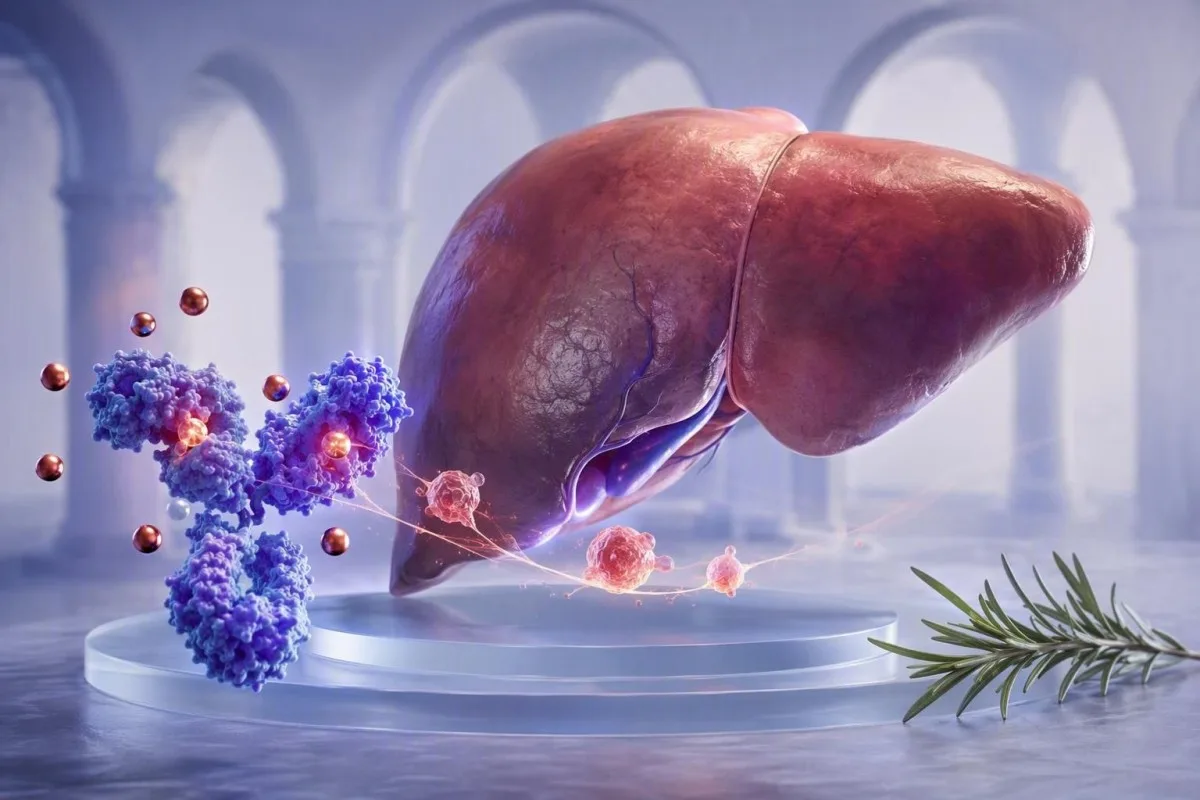
Төмөнкү трансферриндин жыйынтыгы темирдин жетишсиздигин эмес, боордун сезгенүүгө жооп беришин чагылдырышы мүмкүн. Кандын темир, ферритин, CRP жана трансферринди бирге окуу жалпы каталардан сактайт.


- Терс курч фаза протеини: Темирдин жетиштүү запасы болсо да, трансферрин көбүнчө инфекция, аутоиммундук активдүүлүк, операция жана башка сезгенүү абалдарында төмөндөйт.
- Чоңдор үчүн мүнөздүү диапазон: Лабораториялардын көбү трансферриндин шилтеме интервалын 200-360 мг/дл (2.0-3.6 г/л) жакын колдонушат, бирок жергиликтүү анализ диапазону артыкчылыкка ээ.
- TSAT эсептөө: Трансферриндин каныккандыгы = кандын темир / TIBC * 100; төмөн TIBC каныккандыкты күткөндөн аз анормалдуу кылып көрсөтүшү мүмкүн.
- Ферритин эскертүүсү: Ферритин сезгенүү менен көбөйөт, ошондуктан 30 нг/мл төмөн ферритин темирдин жетишсиздигин бекем колдойт, ал эми 100 нг/мл мааниси CRP жогорулаганда аны ишенимдүү түрдө четке какпайт.
- Пайдалуу коштоочу тест: Эриген трансферрин рецептору адатта ферритин же трансферринге караганда сезгенүүгө азыраак таасир этет жана аралаш анемияны тактоого жардам берет.
- Кайра текшерүү убактысы: Убактылуу эмес өзгөчөлүктөр үчүн, кыска оорудан кийин 2-4 жумадан кийин темирди изилдөөлөрдү кайталоо көбүнчө көбүрөөк өкүлчүлүктүү базалык сызыкты берет.
- Өз алдынча дарыланбаңыз: Темир кошумчалары далилденген жетишсиздикте пайдалуу болушу мүмкүн, бирок темирдин ашыкча болушунда, активдүү боор оорусунда же негизинен сезгенүүгө байланыштуу анемияда туура эмес болушу мүмкүн.
Семирүү учурунда трансферрин тести эмне үчүн төмөндөйт?
Сезгенүү трансферринди төмөндөтөт, анткени трансферрин терс курч фазадагы протеин болуп саналат. Цитокиндер, айрыкча интерлейкин-6, боорго трансферрин өндүрүүнү азайтууну сигнал берет, ал эми гепсидин плазмага темирдин бөлүнүп чыгышын чектейт; бул темир кампаларынын сарпталгандыгын далилдебестен, трансферриндин жана кандын темир деңгээлинин төмөндөшүнө алып келиши мүмкүн.
Кыскача айтканда, организм иммундук активдештирүү учурунда темирди убактылуу жеткиликтүү кылбайт. Гепсидин энтероциттерден жана макрофагдардан темирдин экспорттолушун ферропортин аркылуу азайтат, ошондуктан кандын темир деңгээли көбүнчө 24-48 сааттын ичинде төмөндөйт; боор ошол эле учурда трансферрин синтезин азайтышы мүмкүн. Бул көрүнүш диеталык темирдин инteksesinin тикелей өлчөө эмес, организмдин коргонуу реакциясы болуп саналат.
Менин клиникалык ишимде, бактериялык пневмониядан кийин CRP 68 мг/л болгон адамда кандагы темирдин деңгээли 22 мкг/дл жана трансферрин 165 мг/дл, ал эми ферритин 240 нг/мл болушу мүмкүн. Бул жалгыз көрүнүштү “темирдин ашыкча болушу” деп атоого же темирдин жетишсиздигин ишенимдүү түрдө четке кагууга да эки учурда тең ката кетирилген болот. Темир изилдөөлөрүнүн көрсөтмөсү астындагы эсептөөлөрдү кененирээк түшүндүрөт.
Кантести - бул AI кан анализи анализатору трансферринди CRP, ферритин, толук кандын санынын индекстери, боор маркерлери жана мурунку натыйжалары менен бирге карап, бир төмөн маанини диагноз катары кабыл албайт. Доктор Томас Клейдин практикалык эрежеси жөнөкөй: ысытма, күчөп кетүү же айыгуу учурунда алынган трансферрин натыйжасы кандайдыр бир дарылоо чечими кабыл алынганга чейин контекстке сезгич деп белгилениши керек.
Курч фазанын багыты маанилүү
CRP, ферритин, фибриноген жана хаптоглобин, адатта, оң курч фазадагы протеиндер катары жогорулайт, ал эми трансферрин жана альбумин төмөндөшү мүмкүн. 10 мг/л жогору болгон CRP бир ферритин маанисин интерпретациялоону материалдык жактан кыйындатат, бирок эч кандай универсалдуу CRP чеги ар бир пациенттин натыйжасын тууралай албайт.
Трансферриндин жана TIBCнин нормалдуу диапазону кандай?
Чоңдордо трансферриндин көлөмү, адатта, 200-360 мг/дл, ал эми TIBC көлөмү, адатта, 250-450 мкг/дл. Бул интервалдар лабораториялык ыкма, жынысы, кош бойлуулук статусу жана жергиликтүү отчеттук бирдиктер боюнча айырмаланат, андыктан өз натыйжаңыздын жанында басылган диапазон - бул колдонууга тийиш болгон диапазон.
Трансферрин, адатта, түздөн-түз мг/дл же г/л менен өлчөнөт, ал эми жалпы темирди байланыштыруу жөндөмү, же TIBC, жеткиликтүү трансферрин канча темирди байланыштыра аларын баалайт. Көптөгөн лабораториялар TIBCди өзүнчө өлчөөнүн ордуна трансферринден алышат; болжолдуу конверсия TIBC мкг/дл трансферрин мг/дл менен 1.25ке көбөйтүлгөнгө барабар. Бул мамиле багыттоо үчүн пайдалуу, лабораториянын өз эсептөөсүн жокко чыгаруу үчүн эмес.
Трансферриндин каныккандыгы, кыскартылган TSAT, кандын темир деңгээлин TIBCге бөлгөнгө көбөйтүү менен 100гө барабар. Көптөгөн чоңдор үчүн лабораторияларда TSAT 20-45% жакын, бул типтүү; 20% төмөнкү баалар циркуляциядагы темирдин чектелгендигин көрсөтөт, бирок алар бир эле учурда абсолюттук темирдин жетишсиздигин сезгенүүгө байланыштуу темирдин бөлүнүп чыгышынан айырмалабайт. Трансферрин каныккандыгынын төмөн болушу бул айырманы түшүндүрөт.
Кээ бир европалык лабораториялар трансферринди г/л менен отчет беришет, мында 2.0-3.6 г/л жалпысынан 200-360 мг/длге туура келет. Вирустук оорудан кийин диапазондун төмөн жагында жайгашкан натыйжа кайрадан нормалдашы мүмкүн, ал эми 150 мг/длден төмөн туруктуу маанилер боордун синтез проблемалары, протеин жоготуу, олуттуу сезгенүү же жетишсиз тамактануу үчүн атайылап издөөгө татыктуу.
Темирди изилдөөлөрдү кантип үлгү катары чечмелөө керек?
Сыворотка темир, transferrin же TIBC, TSAT, ферритин жана сезгенүү маркерлери чогуу каралганда, темир изилдөөлөрү эң ишенимдүү болот. Сыворотка темир күндүз өзгөрүп турат жана бир эле адамда үлгүлөрдүн ортосунда 30% дан ашык төмөндөшү мүмкүн.
Темирдин классикалык татаал эмес жетишсиздиги, адатта, сыворотка темирдин төмөн болушуна, transferrin же TIBCнин жогору болушуна, TSAT 15% дан төмөн болушуна жана ферритиндин 30 нг/мл төмөн болушуна алып келет. Темирдин жеткиликтүүлүгү төмөн болгондо боор transferrin өндүрүшүн көбөйткөндүктөн, TIBC жогорулайт. Гемоглобин төмөндөгөнгө чейин кызыл кан клеткаларынын бөлүштүрүү туурасынын өсүшү пайда болушу мүмкүн; биздин колдонмону караңыз Темир терапиясынан кийин RDW өзгөрүүлөрү убакыттын өтүшү менен.
Сезгенүүнүн анемиясы көбүнчө сыворотка темирдин төмөн болушуна, transferrinдин төмөн же нормалдуу болушуна, TSATнын төмөн болушуна жана ферритиндин нормалдуу же жогору болушуна алып келет. Вайс жана Гудноу муну темирдин камдалган темирдин жоктугу эмес, темирдин жеткиликтүүлүгүнүн начарлашынан улам пайда болгон темир-чектелген эритропоэз деп сүрөттөшкөн (Weiss & Goodnough, 2005). Бул эки абал, айрыкча сезгенүү ичеги ооруларында, ревматоиддик артритте, өнөкөт бөйрөк ооруларында жана ракта кеңири жайылган.
Азыраак көрүнүктүү тузак - арифметика: эгерде сыворотка темир 30 мкг/дл жана TIBC 180 мкг/дл чейин төмөндөсө, TSAT 17% болот. Эгерде TIBC 360 мкг/дл болсо, ошол эле сыворотка темир 8% берет. Төмөнкү бөлүмчө кан айлануудагы темирдин канчалык аз экенин жашырып коюшу мүмкүн, ошондуктан сарысудагы темирдин төмөн болушу рефлексивдүү рецепттин ордуна контекстти талап кылат.
Практикалык аралаш үлгүлүү белги
Ферритин 30 жана 100 нг/мл ортосунда, TSAT 20% дан төмөн жана CRP 10 мг/л жогору болгон учурда, бул көбүнчө ишенимсиздик эмес, боз зона. Бул учурда дарыгерлер эритроциттин кабылдашынын эритроциттин гемоглобин мазмунун, тенденциялуу маалыматтарды же негизги ооруга ылайыкташтырылган терапевтикалык планын колдонушу мүмкүн.
Эмне үчүн темир аз болгондо ферритин нормалдуу көрүнөт
Ферритин темир-сактоочу белок жана оң курч фазалуу реактант болуп саналат, андыктан сезгенүү аны сакталган темирден көз карандысыз жогорулатышы мүмкүн. Ферритиндин 30 нг/мл төмөн болушу көпчүлүк чоңдордо темирдин жетишсиздигин күчтүү колдойт, бирок CRP же ESR жогорулаганда жогорку маани жетишсиздикти ишенимдүү түрдө жокко чыгара албайт.
Дүйнөлүк саламаттыкты сактоо уюмунун 2020-жылдагы ферритин боюнча көрсөтмөсү инфекция же сезгенүү кеңири жайылган учурда ферритин менен бирге сезгенүүнүн маркерлерин өлчөөнү сунуштайт. Чоңдордо сезгенүү болгон учурда, ДСУ ферритиндин 70 мкг/л төмөн болушу темирдин жетишсиздигин көрсөтүшү мүмкүн деп эсептейт; бул калкка негизделген чектөө, инсандык клиникалык баалоого алмаштыруучу эмес (WHO, 2020).
Мен көп учурда сезгенүү күчөгөндөн кийин 180 нг/мл ферритинден корккон бейтаптарды көрөм, алардын темир запастары мол деп ойлошот. Кээде алар бар. Бирок, ферритин катуу көнүгүү, боор клеткасынын жаракаты, зат алмашуу оорулары, алкоголдук таасир жана иммундук активдүүлүктөн кийин жогорулашы мүмкүн, ошондуктан сан жекече эсептелбейт. Ферритин жана CRP жардамчы талкуу болуп саналат.
Кантести - бул AI кан анализинин жыйынтыгы платформасы төмөнкү transferrin, төмөнкү TSAT жана жогорулаган CRPнин шайкеш эмес айкалышын сезгенүүгө байланыштуу темирдин чектелишин көрсөткөн белги. Биздин 1% колдонуучулардагы маалыматтар диагностикалык изилдөөнү алмаштыра албайт, бирок ал дарыгердин эски сабагын кайра-кайра бекемдейт: ферритин бейтап активдүү ооруп жатканда башкача иштейт.
Башкача сүйлөшүүнү талап кылган ферритин маанилери
1000 нг/мл жогору болгон ферритин өз убагында медициналык кароону талап кылат, анткени оор сезгенүү, олуттуу боор жаракаты, темирдин ашыкча болушунун синдромдору жана башка бир нече шарттар бул диапазонду жаратышы мүмкүн. Шыктануу симптомдорго, боор ферменттерине, transferrin каныккандыгына жана өзгөрүү ылдамдыгына, ферритиндин санына гана эмес, көз каранды.
Семирүү учурунда темирдин жетишсиздигин кайсы тесттер тактайт?
Эритроциттердин темир менен камсыз болушун аныктоого эриген трансферрин рецептору жана ретикулоциттердин гемоглобин мазмуну жардам бере алат, эгерде ферритин жана трансферрин бири-бирине карама-каршы келсе. Эриген трансферрин рецептору, адатта, клеткалардын темирге болгон муктаждыгы менен бирге жогорулайт жана ферритинге караганда курч сезгенүүдөн азыраак бузулат.
Эриген трансферрин рецептору, же sTfR, эритроиддик прекурсорлордун трансферрин рецепторунун экспрессиясын чагылдырат. Ал, адатта, абсолюттук темирдин жетишсиздигинде жогорулайт жана көбүнчө сезгенүү анемиясында нормалдуу болот; бирок, анализдин шилтеме интервалдары стандартташтырылган эмес, ал эми гемолиз же жогорку эритропоэздик активдүүлүк аны жогорулатышы мүмкүн. Бул жерде лабораториянын так ыкмасы онлайн чектерден көбүрөөк маанилүү болгон аймактардын бири.
Ретикулоциттердин гемоглобин мазмуну, анализаторго жараша CHr же Ret-He катары көрсөтүлөт, ал болжол менен мурунку 2-4 күндүн ичинде жаңы өндүрүлгөн эритроциттер үчүн жеткиликтүү темирди чагылдырат. Болжол менен 28-30 pg төмөн болгон көрсөткүчтөр темирдин жетишсиздигинен улам эритропоэзди колдоого алат, бирок жергиликтүү чектик маанилер жана бөйрөк ооруларынын протоколдору айырмаланат. Эриген трансферрин рецепторун текшерүү ал кайсы жерде экенин түшүндүрөт.
Сөөк чучугундагы темирды боёп текшерүү тарыхый шилтеме ыкмасы болуп саналат, бирок күнү бою бейтаптардын темир панелин чечүү үчүн сейрек эле талап кылынат. Доктор Томас Кляйн, адатта, калыбына келгенден кийин үлгүлөрдү кайрадан алууну, кан кетүү жана тамактануу тарыхын карап чыгууну, ошондой эле жооп дарылоону чындыгында өзгөртө турган болсо, sTfR же ретикулоциттердин өлчөөлөрүн колдонууну жактырат; чечимдерсиз кошумча тесттер ызы-чууну жаратышы мүмкүн.
sTfR-ферритин индекси
Айрым адистер sTfR/log ферритин индексин эсептешет, бул сезгенүү шарттарында айырмалоону жакшыртат. Чектер анализге жараша бир кыйла айырмаланат, көбүнчө болжол менен 1.0 ден 3.2 ге чейин, ошондуктан натыйжаны алынган интернет чектерге караганда лабораториянын ырасталган ыкмасы менен интерпретациялоо керек.
Трансферрин тестин качан кайталоо керек?
Трансферрин анализин кыска мөөнөттүү инфекция, ысытма же олуттуу сезгенүү окуясы өтүп кеткенден кийин, адатта, 2-4 жумадан кийин, эгерде абал шашылыш болбосо, кайрадан тапшыруу жакшы. Эртең мененки чогултуу жана тест алдындагы ырааттуу шарттар кандын темир жана TSAT боюнча кокустук өзгөрүүнү азайтат.
Кандын темир курамы күндүз өзгөрүп турат жана күндүн аягында төмөн болушу мүмкүн, ал эми жакында оозеки темирди ичүү убактылуу жогорулатат. Көптөгөн клиницисттер так салыштырууну каалашканда, кечки тамактан 8-12 саат бою ач карын менен эртең мененки үлгү сурашат, бирок ар бир темир изилдөөсү үчүн ач карын болуу милдеттүү эмес. Өз алдынча дары-дармектерди токтотпостон, дарыгердин көрсөтмөлөрүн аткарыңыз.
Марафондон, тиш дарылоодон, эмдөөдөн же курч респиратордук оорудан 48 саат өткөндөн кийин алынган трансферрин анализи туруктуу темир үлгүсүнө караганда курч фаза реакциясын чагылдырышы мүмкүн. Көнүгүү ошондой эле CK, плазманын көлөмүн жана ферритинди өзгөртүшү мүмкүн; чыдамкай спортчулар биздин жөө күлүк темирди текшерүү боюнча колдонмону пайдалы деп табуы мүмкін.
Kantesti тенденция анализи даталарды, жөн гана шилтеме белгилерин эмес, салыштырат жана CRP 1 мг/л ден 52 мг/л чейин жогорулаганына дал келген 310 мг/дл ден 180 мг/дл ге чейин төмөндөгөндү баса белгилей алат. Бул ар бир өз алдынча натыйжадан клиникалык жактан көбүрөөк маалымат берет. Карап чыгуу TIBC тестин даярдоо пландалган кайталап алууну уюштуруудан мурун.
Качан кайталап алууну күтпөш керек
Эгерде оор дем алуу, көкүрөк ооруу, эстен кетүү, кара ич, катуу кан кетүү, сарык же тез начарлап бараткан алсыздык болсо, кайталап текшерүү үчүн медициналык кароону кийинкиге калтырбаңыз. Гемоглобиндин 80 г/л (8 г/дл) дан төмөн болушу көбүнчө клиникалык жактан маанилүү, бирок шашылыш абалы симптомдорго, төмөндөө ылдамдыгына, кош бойлуулук абалына жана жүрөк-кан тамыр ооруларына жараша болот.
CRP, ESR жана гепсидин кантип төмөн трансферринди түшүндүрөт?
CRP жана ESR темирдин запастарын өлчөбөйт, бирок алар трансферрин анализин сезгенүү бузуп жаткандыгын көрсөтөт. CRP сааттардан күндөргө чейин жогорулап, төмөндөйт, ал эми ESR фибриноген, анемия, жаш курак жана иммуноглобулиндерден улам жумалар бою жогору бойдон калышы мүмкүн.
Интерлейкин-6 боордо гепсидиндин өндүрүлүшүн стимулдайт, ал эми гепсидин ферропортинге байланып, макрофагдардан жана ичеги клеткаларынан темирдин бөлүнүп чыгышын азайтат. Ganz жана Nemethтин сереби бул жолду сезгенүүдөгү анемиянын жана темир чектелген эритропоэздин негизги механизми катары сүрөттөйт (Ganz & Nemeth, 2012). Натыйжада бир күндүн ичинде эле сары суудагы темир төмөндөшү мүмкүн, ошол эле системалык жооптун бир бөлүгү катары трансферрин да азаят.
CRP 5 мг/лден төмөн болсо, лабораториялардын көрсөткүчтөрү айырмаланганы менен, көбүнчө референстик диапазондун чегинде деп эсептелет. CRP 40 мг/л болушу сезгенүүнүн себебин аныктабайт, бирок ферритин же трансферриндин негизинде гана темир жетишсиздигин аныктоодо клиницистти этият болууга түртүшү керек. Жогорку ESR себептери ESR эмне үчүн жайыраак жана спецификалуулугу төмөн экенин түшүндүрөт.
Kantesti AI трансферриндин жыйынтыктарын CRP, ферритин, альбумин, лейкоциттердин саны жана акыркы өзгөрүүлөрдүн багытын салыштыруу аркылуу чечмелейт. Бул инфекция же аутоиммундук оорулар үчүн диагноз коюучу система эмес; ал темир көрсөткүчтөрү организм биологиялык жактан туруксуз болгон учурда алынган-алынбаганын текшерүүгө багытталган түзүмдүү эскертме.
Эмне үчүн гепсидин үзгүлтүксүз өлчөнбөйт
Кадимки практикада гепсидинди аныктоо анализдери жеткиликтүүлүктүн, стандартташтыруунун жана жыйынтык чыгаруу убактысынын чектелүүлүгүнө байланыштуу бойдон калууда. Гепсидиндин көрсөткүчү адистештирилген изилдөөлөрдө же анемиянын адаттан тыш учурларында пайдалуу болушу мүмкүн, бирок сары суудагы ферритин, TSAT, CRP, бөйрөктүн функциясы жана кан клеткаларынын көрсөткүчтөрү практикалык биринчи катардагы негизги инструменттер бойдон калат.
Семирүү анемиясы темирдин жетишсиздигинен кантип айырмаланат?
Абсолюттук темир жетишсиздиги организмдеги темирдин жалпы көлөмү жетишсиз экенин билдирет, ал эми сезгенүүдөгү анемияда темир бар, бирок эритроциттерди өндүрүү үчүн начар жеткиликтүү болот. Экөө тең чарчоону, төмөн TSAT деңгээлин жана гемоглобиндин төмөндөшүн пайда кылышы мүмкүн жана алар көп учурда бирге кездешет.
Татаалдашпаган темир жетишсиздигинде ферритин адатта төмөн болот, ал эми темирди байланыштыруучу жөндөмдүүлүк жогорулагандыктан трансферрин көп учурда 360 мг/длден ашат. Сезгенүүдөгү анемияда трансферрин адатта 200 мг/длден төмөндөйт, ферритин көп учурда 100 нг/млден жогору болот жана CRP жогорулашы мүмкүн. Эки үлгү тең абсолюттук эмес; өнөкөт бөйрөк оорусу жана боор оорусу өзгөчө бири-бирине дал келген белгилерге жакын.
Гемоглобин жана MCV темирдин жетишсиз жеткиликтүүлүгүнөн кийинчерээк өзгөрүшү мүмкүн. Айрыкча жетишсиздиктин алгачкы стадиясында адамда ферритин 18 нг/мл, TSAT 14% болуп, гемоглобини 132 г/л деңгээлинде нормалдуу болушу мүмкүн; тескерисинче, сезгенүү MCV 82–100 фл болгон нормоцитардык анемияга алып келиши мүмкүн. Гемоглобин эмнени билдирет CBC көрсөткүчтөрүн темир боюнча изилдөөлөр менен катар кароого жардам берет.
Төмөн трансферриндин альбуминдин төмөн деңгээли менен айкалышынан кооптонгонубуздун себеби — экөө чогуу сезгенүү жүгүнүн күчтүүрөөк экенин, боордогу синтездин бузулганын же белоктун жоголушун көрсөтүшү мүмкүн; ал эми суук тийгенден кийинки жалгыз төмөн трансферрин көбүнчө убактылуу болот. Клиницист бөйрөктүн функциясын, заарадагы белокту, боор анализдерин, тамактанууну, дары-дармектерди, кан кетүү тарыхын жана кеминде эки текшерүүдөгү динамиканы карап чыгышы керек.
Дарылоо ыкмалары бири-бирин алмаштыра албайт
Ичке кабыл алынуучу темир көбүнчө абсолюттук жетишсиздикти жакшыртат, бирок сезгенүү гепсидиндин деңгээлин жогору кармап турганда анын таасири чектелүү болушу мүмкүн. Өнөкөт бөйрөк оорусу же активдүү сезгенүү ичеги оорусу сыяктуу айрым абалдарда клиницисттер вена ичине темир бериши же адегенде сезгенүүнү пайда кылган себепти дарылоосу мүмкүн; ыкма диагнозго, симптомдорго, гемоглобинге жана коопсуздукка байланыштуу жагдайларга жараша болот.
Эмне үчүн төмөн трансферрин трансферриндин каныккандыгын бурмалашы мүмкүн
Төмөн трансферрин трансферриндин каныгуусун анчалык төмөн эмес кылып көрсөтүшү мүмкүн, анткени TSAT бөлүүчүсү катары TIBC колдонулат. TIBC сезгенүүдөн же боордун функциясынын бузулушунан басаңдаганда, нормалдуу же бир аз төмөн TSAT дайыма эле темирдин жеткирилиши жетиштүү дегенди билдирбейт.
Сары суудагы темир 36 мкг/дл деп алалы. TIBC 360 мкг/дл болгондо, TSAT 10%; TIBC 180 мкг/дл болгондо, TSAT 20% болот. Экинчи жыйынтык математикалык жактан анча кооптуу эместей көрүнөт, бирок эки үлгүдө тең кан айлануудагы темирдин көлөмү бирдей төмөн. Ошондуктан клиницисттер пайыздык көрсөткүчтү гана эмес, баштапкы маанилерди да карашы керек.
Тескери көйгөй боордун оор жабыркашында же боор клеткаларынын курч бузулушунда пайда болот: трансферриндин өндүрүлүшү азайып, темирдин өзгөргөн алмашуусунан сары суудагы темир жогорулашы мүмкүн, натыйжада TSAT жогорулайт. Тийиштүү клиникалык контекстте TSATтин 45%ден туруктуу жогору болушу темирдин ашыкча топтолушун изилдөөнү талап кылат, бирок боордун курч жабыркашы учурунда тукум куучулук гемохроматозду аныктоо үчүн колдонулбашы керек. Биздин цирроздогу кан анализдеринин белгилери боорго байланыштуу кеңири контекст үчүн.
Кантести - бул AI менен иштеген кан анализин талдоо куралы 127+ өлкөлөрүндө колдонулат, ошондуктан каныгууну эсептөөдөн мурун бирдиктерди стандартташтырат жана TIBC адаттан тыш төмөн болгондуктан математикалык жактан туруксуз болушу мүмкүн болгон жыйынтыктарды белгилейт. Бул жыйынтык пациентте дене табынын көтөрүлүшү, гепатит, нефротикалык синдром же жакында темир менен дарылоо болгон-болбогонун билген клиницистти колдоого тийиш, бирок анын ордун баспашы керек.
TSATты гидратациянын маркери катары колдонбоңуз
Суусуздануу сары суудагы бир нече көрсөткүчтүн концентрациясын жогорулатышы мүмкүн, бирок темирдин ашыкча топтолушуна мүнөздүү ишенимдүү көрүнүштү жаратпайт. Эгер альбумин, гематокрит, мочевина жана натрий плазманын көлөмү азайганын көрсөтсө, чек арадагы TSATка мааниси бар деп баа берүүдөн мурун, суюктук жетиштүү деңгээлге келгенден кийин анализдерди кайталоо туура болушу мүмкүн.
Семирүүдөн башка дагы эмне төмөн трансферринге себеп болот?
Трансферриндин төмөн болушу боор синтезинин азайышында, бөйрөк же ичеги аркылуу белок жоготууда, белок-энергетикалык тамактануунун жетишсиздигинде жана сейрек кездешүүчү тубаса ооруларда да болот. Сезгенүү көп кездешет, бирок анализдердин калган бөлүгүн текшербей туруп, аны бардык нерсени түшүндүргөн себеп катары кабыл алууга болбойт.
Боор трансферринди синтездейт, ошондуктан билирубин, INR, AST же ALT жогорулап, альбумин төмөндөгөн учурда трансферриндин аз болушу темирдин абалына караганда боор оорусун көрсөтүшү мүмкүн. Боордун оор дисфункциясы трансферринди 150 мг/длден төмөндөтүшү мүмкүн. Боор анализдеринин жыйынтыктары бул түшүндүрмөнүн канчалык ыктымал экенин аныктоого жардам берет.
Нефротикалык диапазондогу заарадагы белок жоготуусу трансферринди альбумин жана башка белоктор менен кошо чыгарып салышы мүмкүн. Заарадагы альбумин-креатинин катышы 300 мг/гдан же 30 мг/ммольден жогору болсо, бул альбуминуриянын өтө жогору экенин көрсөтөт жана бөйрөккө багытталган баалоону талап кылат; толук жыйынтык чыгаруу үчүн тест-тилкедеги белоктун өзү жетишсиз. Биздин колдонмону караңыз: заарадагы белок боюнча гиддерде камтылган.
Тамак-ашты жетишсиз кабыл алуу, мальабсорбция же оор катаболикалык абал трансферринди төмөндөтүшү мүмкүн, бирок трансферрин сезгенүүгө өтө сезгич болгондуктан, аны өз алдынча тамактануу абалынын маркери катары колдонууга болбойт. Тубаса атрансферринемия өтө сейрек кездешет жана адатта жашоонун алгачкы мезгилинде оор анемия жана парадоксалдуу системалык темир топтолушу менен көрүнөт. Мындай адаттан тыш айкалыш гематологдун адистештирилген кеңешин талап кылат.
Дары-дармектердин жана гормондордун таасири
Эстрогендин таасири жана кош бойлуулук трансферринди жогорулатышы мүмкүн, ал эми андрогендер аны бир аз төмөндөтүшү ыктымал. Бул өзгөрүүлөр адатта олуттуу сезгенүүнүн же боор оорусунун таасиринен азыраак болот, бирок темир панелинин калган көрсөткүчтөрү туруктуу болгондо, чек арадагы жыйынтыкты түшүндүрүшү мүмкүн.
Кош бойлуулук жана этек кирден кан жоготуу трансферринди кантип өзгөртөт?
Кош бойлуулукта трансферрин жана TIBC көп учурда жогорулайт, ал эми темирге болгон муктаждык экинчи жана үчүнчү триместрлерде эң кескин көбөйөт. Ошондуктан кош бойлуулуктагы трансферриндин төмөн жыйынтыгында сезгенүүгө, боордун функциясына, белок жоготууга жана лабораториялык контекстке өзгөчө көңүл буруу керек.
Кош бойлуулук учурунда плазманын көлөмү көбөйөт, ал эми эстроген трансферриндин синтезин күчөтөт, ошондуктан TIBC кош бойлуу эмес адамдардагы диапазондон көп учурда жогору болот. Кош бойлуулук өрчүгөн сайын ферритин да адатта төмөндөйт; ферритиндин 30 мкг/лден төмөн болушу кош бойлуулуктагы темир запастарынын азайганын аныктоо үчүн кеңири колдонулат, бирок жергиликтүү акушердик көрсөтмөлөр айырмаланышы мүмкүн. Триместрлер боюнча ферритин практикалык диапазондорду көрсөтөт.
Этек кирдин көп келиши абсолюттук темир жетишсиздигинин кеңири тараган себеби болуп саналат, айрыкча ферритин 30 нг/млден төмөн, ал эми трансферрин басаңдабастан жогорулаганда. Бирок аутоиммундук оорусу жана этек кири көп келген адамда кан жоготуудан болгон жетишсиздик менен сезгенүү бир убакта болушу мүмкүн; CRP 24 мг/л болгондо ферритиндин “нормалдуу” 75 нг/мл болушу маселени чечпейт.
Кош бойлуулук учурунда трансферриндин жаңыдан төмөндөшү кан басымдын жогорулашы, шишик, протеинурия, баш оору, оң кабырганын алдындагы оору же боор анализдеринин өзгөрүшү менен коштолсо, акушердик тез арада баалоону талап кылат. Бул преэклампсияны аныктоонун ыкмасы эмес, бирок белок жана боор көрсөткүчтөрүнүн кеңири көрүнүшү темирдин жыйынтыгына караганда кыйла маанилүү болушу мүмкүн.
Бөйрөк ооруларында жана өнөкөт ооруларда трансферринди кантип чечмелөө керек?
Өнөкөт бөйрөк оорусу көп учурда функционалдык темир жетишсиздигин пайда кылат, анткени сезгенүү жана эритропоэтиндин азайышы эритроциттерди түзүү үчүн жеткиликтүү темирди чектейт. Мындай учурда диализге чейин TSAT 20%тен төмөн жана ферритин 100 нг/млден төмөн болушу көп учурда темир жетишсиздигин колдойт, бирок дарылоо босоголору колдонмого жана клиникалык жагдайга жараша өзгөрөт.
KDIGO көрсөтмөлөрүндө тарыхый жактан өнөкөт бөйрөк оорусу бар көптөгөн чоң кишилерде TSAT 30%ке барабар же андан төмөн, ал эми ферритин 500 нг/млге барабар же андан төмөн болгондо, гемоглобинди жогорулатуу же эритропоэзди стимулдаштыруучу дарылоону азайтуу максаты коюлган шартта, темир менен дарылоону сынап көрүү ыкмасы колдонулган. Бул дарылоо боюнча чечимдер, темир запастарынын нормалдуу болушунун универсалдуу аныктамасы эмес; 500 нг/мл чеги да көп учурда туура эмес түшүнүлөт.
eGFR 28 мл/мин/1,73 м², гемоглобини 96 г/л, TSAT 16%, ферритини 220 нг/мл жана CRP 12 мг/л болгон бейтапта ферритин төмөн болбосо да функционалдык жетишсиздик болушу мүмкүн. Ичке кабыл алынган темирдин сиңиши азайышы мүмкүн, ошондой эле дарыгерлер B12ни, фолатты, жашыруун кан жоготууну, эритропоэтинди колдонууну жана бөйрөк функциясынын өзгөрүү динамикасын да баалашы керек. ӨБӨ оорусунун стадиялары пайдалуу жалпы маалымат берет.
Kantesti AI трансферринди бөйрөктүн узак мөөнөттүү саламаттыгынын контекстинде кароого жардам бере алат, бирок вена ичине темир берүү, эритропоэзди стимулдоочу дарылоону баштоо же адиске жөнөтүү туурабы-жокпу аныктай албайт. Бул чечим симптомдорду, кан басымды, инфекциянын абалын, дары-дармектерди кайра карап чыгууну жана бөйрөк боюнча толук медициналык маалыматтарды талап кылат.
Кайсы тарыхый деталдар трансферриндин натыйжасын пайдалуураак кылат?
Трансферринди эң пайдалуу чечмелөөдө симптомдор, жакындагы оору, этек кир же ичеги-карындан кан кетүү, тамактануу, алкоголдун таасири, дары-дармектер, көнүгүү жана мурунку көрсөткүчтөр эске алынат. Бир жолку үлгү — ошол учурдун гана көрсөткүчү; салыштырууга боло турган эки үлгү өзгөрүү физиологиялыкпы, сезгенүүгө байланыштуубу же туруктуубу — көп учурда көрсөтөт.
Анализ алынганга чейинки 14 күндө дене табы көтөрүлгөн- көтөрүлбөгөнүн, эмдөө болгон-болбогонун, жаракатты, ооруканага жатууну, тиш дарылоону, күчтүү машыгууну же белгилүү оорунун күчөшүн сураңыз. Ошондой эле темир таблеткаларын, мультивитаминдерди, протон помпасынын ингибиторлорун, стероиддик эмес сезгенүүгө каршы дарыларды, антикоагулянттарды жана тамактануудагы акыркы өзгөрүүлөрдү каттаңыз. Бул маалыматтар темирдин сиңишине же жашыруун кан жоготуу ыктымалдыгына таасир этиши мүмкүн.
Трансферриндин 290дан 205 мг/длге өзгөрүшү CRP 2ден 35 мг/лге жогорулап, альбумин 44төн 37 г/лге төмөндөгөндө көбүрөөк мааниге ээ. Ал эми CRP туруктуу болуп, үлгү алуу убактысы бирдей болсо, 10 мг/длдеги өзгөрүү биологиялык жана аналитикалык өзгөрмөлүүлүктүн чегинде болушу мүмкүн. Кан анализдерин салыштыруу эмне үчүн кичине өзгөрүүлөр дайыма эле чыныгы өзгөрүү боло бербесин түшүндүрөт.
Kantestiнин көп тилдүү медициналык жазуу куралдары адамдарга оорунун даталарын жана кошумчалардагы өзгөрүүлөрдү камтыган контекстти 75+ тилдеринде натыйжанын жанына сактоого мүмкүндүк берет. Бул тарых дарыгердин баалоосун коопсузураак кылат; биздин узунунан байкоо жүргүзүлгөн кан анализи боюнча колдонмо сактап коюуга арзый турган практикалык маалыматтарды тизмектейт.
Симптомдор өзгөчө мүнөзгө ээ эмес
Чарчоо, көнүгүүгө чыдамдуулуктун төмөндөшү, чачтын түшүшү, буттардын тынчсыздануу синдрому жана көңүл топтоонун начарлашы темир жетишсиздигинде, сезгенүүдө, калкан сымал бездин ооруларында, уйкунун бузулушунда, депрессияда жана башка көптөгөн абалдарда кездешиши мүмкүн. Симптомдор тиешелүү текшерүүдөн өтүүгө түрткү бериши керек, бирок алар трансферриндин төмөн болушу темир запастарынын азайганын билдиреби-жокпу аныктай албайт.
Качан төмөн трансферриндин жыйынтыгы тез карап чыгууну талап кылат?
Төмөн трансферрин олуттуу анемия, сарык, шишик, көп кан кетүү, кара заң, түшүнүксүз арыктоо же бөйрөк менен боордун функциясы бузулганын көрсөткөн белгилер менен коштолсо, тез арада медициналык кароону талап кылат. Натыйжанын өзү сейрек учурда шашылыш абал болот, бирок анын артындагы абал кээде шашылыш болушу мүмкүн.
Көкүрөк ооруса, эстен тансаңыз, катуу дем кыстыкса, аң-сезим чаташса, кара чайыр сымал заң чыкса, кан куссаңыз же шишик тез күчөсө, ошол эле күнү текшерилүү туура. Гемоглобин 70 г/лден (7 г/длден) төмөн болсо, сарык менен коштолгон билирубин 50 мкмоль/лден жогору болсо же INR күтүүсүз жогоруласа, жеке клиникалык баалоо талап кылынат жана тез арада текшерүү зарыл болушу мүмкүн. Мындай көрүнүштөрдү рецептсиз сатылган темир препараттары менен гана оңдоого аракет кылбаңыз.
Гемоглобини нормалдуу, боор анализдери нормалдуу жана документтештирилген респиратордук инфекция учурунда CRP 18 мг/л болгон, трансферрини 185 мг/длге бир аз төмөн, абалы туруктуу адамда айыккандан кийин анализдерди кайра тапшыруу көп учурда ылайыктуу. Эгер бул көрсөткүч 6–8 жумадан ашык сакталса, дарыгерлер адатта боор көрсөткүчтөрүн, заарадагы белокту, тамактануу тарыхын, сезгенүү оорусунун активдүүлүгүн жана кан кетүү булактарын кошумча текшеришет.
Биздин клиникалык мазмунубуз төмөнкү уюмдун колдоосу менен каралат: Медициналык кеңеш, ал эми Kantestiнин чечмелөө логикасы төмөнкү булакта документтештирилген: медициналык валидациялоо алкагы. 2026-жылдын 5-сентябрына карата эң коопсуз билдирүү өзгөргөн жок: трансферфиндин төмөн натыйжасы темирдин ташылышы жана организмдин жалпы физиологиясы жөнүндө белги, бирок өз алдынча диагноз эмес.
Көп берилүүчү суроолор
Себеби сезгенүү темирдин жетишсиздиги жок болгондо да трансферриндин төмөндөшүнө алып келиши мүмкүнбү?
Ооба. Себеби трансферрин боор тарабынан чыгарылган терс курч фазадагы протеин болгондуктан, сезгенүү темирдин жетиштүү запасы бар болсо дагы, трансферринди төмөндөтүшү мүмкүн. CRP 10 мг/л жогору болгон адамда сезгенүүгө байланыштуу темирдин бөлүнүшүнөн улам темирдин жетишсиздигинен эмес, трансферриндин төмөндүгү, кан сывороткасындагы темирдин төмөндүгү жана ферритиндин 100 нг/мл жогору болушу мүмкүн. TSAT 20% төмөн же ферритин 30 нг/мл төмөн болгондо, темирдин жетишсиздиги дагы эле болушу мүмкүн. Дарыгер сезгенүүнүн толук көрүнүшүн жана себебин чечмелеши керек.
Трансферриндин төмөндүгү темирдин төмөндүгүн билдиреби?
Трансферриндин төмөндүгү жалпы организмдеги темирдин аздыгын билдирбейт. Трансферриндин төмөндүгү көбүнчө сезгенүү, боор оорусу, бөйрөктөн белок жоготуу жана белоктун жетишсиздиги учурунда пайда болот, ал эми темирдин классикалык жетишсиздиги көбүнчө трансферринди болжол менен 360 мг/дл жогорулатат. Кандын темир деңгээли 50 мкг/дл төмөн болсо, темирдин жетишсиздигинде да, сезгенүүдө да байкалышы мүмкүн, ошондуктан ферритин, CRP, TIBC, TSAT жана кандын анализи керек. Трансферриндин 200 мг/дл төмөн болгон натыйжасын лабораториянын шилтеме диапазону жана клиникалык тарыхы менен бирге чечмелөө керек.
Трансферриндин төмөндүгү трансферриндин каныккандыгын нормалдуу көрсөтө алабы?
Ооба. Трансферриндин каныккандыгы – бул сывороткадагы темирдин ЖИКке (жалпы темирди байланыштыруучу сыйымдуулук) катышынын 100% көбөйтүлгөнү, андыктан трансферриндин аздыгынан улам ЖИКтин төмөндөшү знаменателди кичирейтет. Мисалы, 36 мкг/дл сывороткадагы темир ЖИК 360 мкг/дл болгондо 10% TSAT берет, бирок ЖИК 180 мкг/дл болгондо 20% берет. Бул трансферрин басылганда чек арадагы TSAT темирдин жетишсиздигин төмөндөтүшү мүмкүн дегенди билдирет. Дарыгерлер пайызды да, сывороткадагы темирдин жана ЖИКтин баштапкы маанилерин да текшериши керек.
Семирүү же сезгенүү учурунда темирдин жетишсиздигин тастыктаган ферритиндин деңгээли кайсы?
Чоңдордо, анын ичинде көптөгөн жеңил сезгенүүсү бар адамдарда темирдин жетишсиздигин 30 нг/мл же мкг/л төмөн ферритин күчтүү колдойт. ДСУнун 2020-жылдагы жобосунда сезгенүүнүн белгилери бар чоңдордо ферритиндин 70 мкг/л төмөн болушу темирдин жетишсиздигин көрсөтүшү мүмкүн деп сунушталат, бирок бул чектөө ар бир адам үчүн абсолюттук эмес. Ферритин CRP көтөрүлүшү, боордун жабыркашы жана метаболизм оорулары менен жогорулашы мүмкүн, ошондуктан 30 жана 100 нг/мл ортосундагы маанилер көбүнчө TSAT, CRP жана кээде эрибеген трансферрин рецепторунун анализин талап кылат. 100 нг/мл жогору ферритин сезгенүү активдүүлүгү болгондо ар дайым темирдин жетишсиздигин жокко чыгарбайт.
Transferrin текшерүүсүн оорудан кийин канча убакыттан кийин кайталашым керек?
Жөнөкөй, өзүнөн-өзү өтүп кетүүчү оору үчүн, эгерде шашылыш белгилер жок болсо, симптомдор жана ысытма басылгандан кийин 2-4 жумадан кийин трансферринди кайрадан текшерүү, адатта, акылга сыярлык. CRP бир нече күндүн ичинде калыбына келиши мүмкүн, бирок ESR, ферритин, альбумин жана трансферриндин кадимки абалына кайтып келүү үчүн көбүрөөк убакыт талап кылынышы мүмкүн. Кайталап алуу үчүн ушундай шарттарды колдонуңуз, идеалдуу түрдө эртең мененки чогултуу жана мүмкүн болсо, бир эле лаборатория. Гемоглобин төмөндөп жатса, кан кетүү уланып жатса, же боор жана бөйрөк натыйжалары анормалдуу болсо, кароону кечиктирбеңиз.
Темир жетишсиздиги үчүн темир кошулмаларын ичиш керекпи?
Трансферриндин төмөн болушу эле темир кошулмаларын баштоого себеп боло албайт. Оозеки темир, адатта, абсолюттук темир жетишсиздигинин белгилери болгондо, мисалы, ферритин 30 нг/мл төмөн болсо, TSAT төмөн болсо, шайкеш симптомдор болсо же кан жоготуунун ачык булагы болсо, каралат; дозасы жана графиги жекече аныкталышы керек. Се30згенүү анемиясында темир начар сиңип кетиши же жеткиликсиз болушу мүмкүн, анткени гепсидин жогору, жана негизги себептерин дарылоо көбүрөөк мааниге ээ болушу мүмкүн. Темирдин ашыкча болушунун бузулушунда жана кээ бир боор ооруларында темир зыяндуу же адаштыруучу болушу мүмкүн, андыктан клиницист менен кеңешип, маалымдаманы ырастаңыз.
Бүгүн AI менен күчөтүлгөн кан анализин талдоону алыңыз
Дүйнө жүзү боюнча 2 миллиондон ашык колдонуучу Kantestiти заматта, так лабораториялык анализ талдоосу үчүн ишенет. Кан анализиңизди жүктөп, бир нече секунд ичинде 15,000+ биомаркерлеринин комплекстүү чечмелөөсүн алыңыз.
📚 Шилтемеленген изилдөө басылмалары
Кляйн, Т., Митчелл, С., & Вебер, Х. (2026). Kantesti Blood-Test Interpretation Engine үчүн 100,000 синтетикалык тест учурларында алдын ала катталган, рубрика-негизделген автоматташтырылган техникалык бенчмарк. Kantesti AI медициналык изилдөө.
Кляйн, Т., Митчелл, С., & Вебер, Х. (2026). Клиникалык тастыктоо алкагы v2.0 (Медициналык тастыктоо барагы). Kantesti AI медициналык изилдөө.
📖 Тышкы медициналык шилтемелер
Дүйнөлүк саламаттык сактоо уюму (2020). Ферритин концентрацияларын адамдарда жана калкта темир абалын баалоо үчүн колдонуу боюнча ДСУнун көрсөтмөсү. Дүйнөлүк саламаттык сактоо уюму.
⚕️ Медициналык эскертүү
Бул макала билим берүү максатында гана жана медициналык кеңеш болуп саналбайт. Диагноз коюу жана дарылоо чечимдери үчүн дайыма квалификациялуу саламаттыкты сактоо адисине кайрылыңыз.
E-E-A-T ишеним сигналдары
Тажрыйба
Дарыгер жетектеген лабораториялык чечмелөө иш процесстерин клиникалык кароо.
Экспертиза
Биомаркерлер клиникалык контекстте кандай жүрөрүнө лабораториялык медицина багыты.
Авторитеттүүлүк
Доктор Томас Клейн жазган, доктор Сара Митчелл жана профессор доктор Ханс Вебер тарабынан каралган.
Ишенимдүүлүк
Тынчсызданууну азайтуу үчүн так кийинки кадамдар менен далилге негизделген чечмелөө.