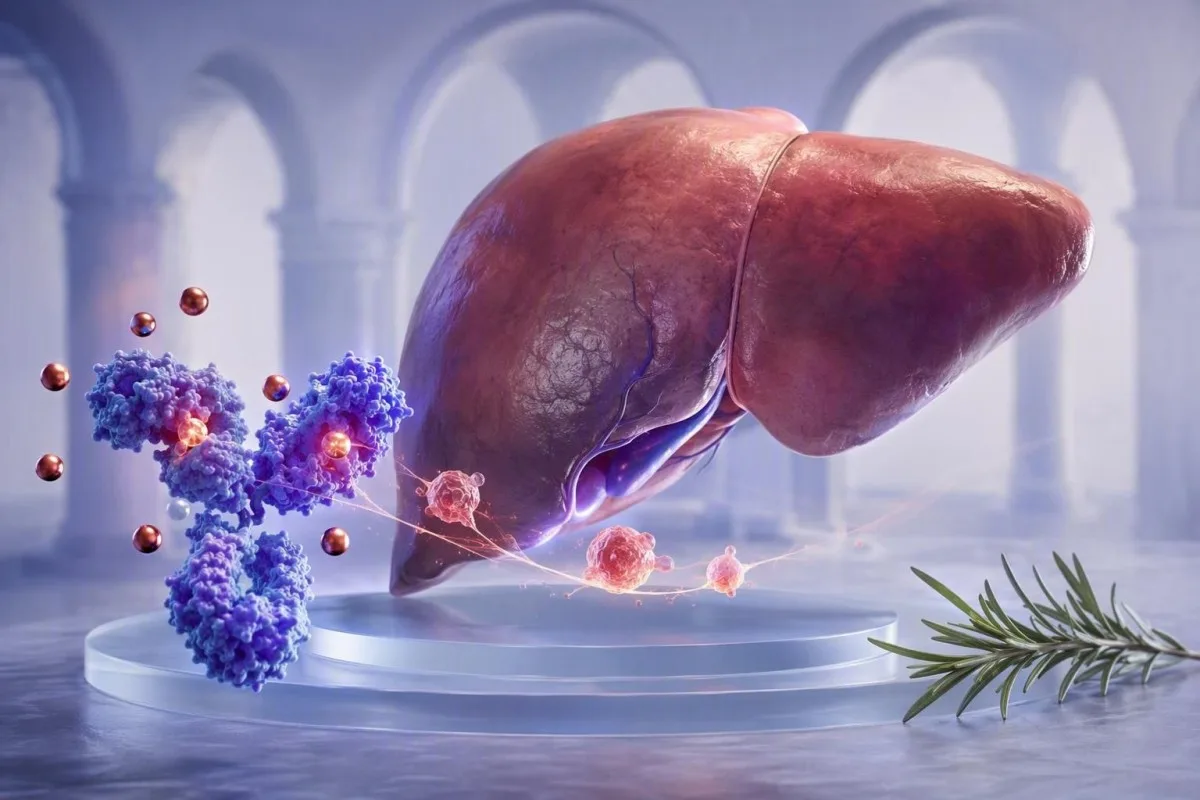
Niska razina transferina može odražavati odgovor jetre na upalu, a ne iscrpljene zalihe željeza. Čitanje serumske razine željeza, feritina, CRP-a i transferina zajedno sprječava uobičajene pogreške.


- Negativni proteini akutne faze: Transferin obično pada tijekom infekcije, autoimune aktivnosti, operacije i drugih upalnih stanja, čak i kada su zalihe željeza u tijelu adekvatne.
- Tipični raspon za odrasle: Većina laboratorija koristi referentni interval transferina blizu 200-360 mg/dL (2,0-3,6 g/L), ali lokalni rasponi analize imaju prednost.
- Izračun TSAT-a: Saturacija transferina jednaka je serumska razina željeza podijeljena s TIBC-om pomnoženom sa 100; niska razina TIBC-a može učiniti da saturacija izgleda manje abnormalna nego što se očekivalo.
- Napomena o feritinu: Feritin raste s upalom, pa feritin ispod 30 ng/mL snažno podupire nedostatak željeza, dok vrijednost od 100 ng/mL ne može pouzdano isključiti kada je CRP povišen.
- Korisni prateći test: Topljivi receptor za transferin obično je manje pogođen upalom nego feritin ili transferin i može pomoći u razjašnjavanju miješane anemije.
- Vrijeme ponovne provjere: Za nehitne abnormalnosti, ponavljanje studija željeza otprilike 2-4 tjedna nakon što se kratka bolest povukla često daje reprezentativniju početnu vrijednost.
- Nemojte se samoliječiti naslijepo: Dodaci željeza mogu biti korisni kod dokazanog nedostatka, ali mogu biti neprikladni kod preopterećenja željezom, aktivne bolesti jetre ili anemije potaknute uglavnom upalom.
Zašto razina transferina pada tijekom upale?
Upala snižava transferin jer je transferin negativni protein akutne faze. Citokini, posebno interleukin-6, signaliziraju jetri da smanji proizvodnju transferina, dok hepcidin ograničava oslobađanje željeza u plazmu; to može proizvesti nizak transferin i nizak serumski željezo bez dokazivanja da su zalihe željeza iscrpljene.
Ukratko, tijelo privremeno čini željezo manje dostupnim tijekom aktivacije imunološkog sustava. Hepcidin smanjuje izvoz željeza iz enterocita i makrofaga posredovan ferroportinom, pa serumske razine željeza često padaju unutar 24-48 sati; jetra može istovremeno smanjiti sintezu transferina. Ovaj obrazac je odgovor domaćina za obranu, a ne izravno mjerenje unosa željeza prehranom.
U svom kliničkom radu, osoba s CRP-om od 68 mg/L nakon bakterijske upale pluća može imati serumsko željezo od 22 µg/dL i transferin od 165 mg/dL, ali feritin od 240 ng/mL. Nazvati taj izolirani obrazac “preopterećenjem željezom” ili samouvjereno isključiti nedostatak željeza oboje bi bile pogreške. Vodič za analizu metabolizma željeza detaljnije objašnjava temeljne izračune.
Kantesti je Analizator krvnih testova s umjetnom inteligencijom koja čita transferin uz CRP, feritin, pokazatelje kompletne krvne slike, jetrene markere i prethodne rezultate, umjesto da jednu nisku vrijednost tretira kao dijagnozu. Praktično pravilo dr. Thomasa Kleina je jednostavno: rezultat transferina dobiven tijekom vrućice, pogoršanja ili oporavka treba označiti kao osjetljiv na kontekst prije donošenja bilo kakve odluke o liječenju.
Smjer akutne faze je bitan
CRP, feritin, fibrinogen i haptoglobin općenito rastu kao pozitivni proteini akutne faze, dok transferin i albumin mogu pasti. CRP iznad 10 mg/L čini pojedinačnu vrijednost feritina materijalno težom za tumačenje, iako nikakav univerzalni prag CRP-a ne može ispraviti svaki rezultat pacijenta.
Koje su normalne vrijednosti transferina i TIBC-a?
Uobičajeni raspon transferina u odraslih kreće se od oko 200-360 mg/dL, a TIBC od oko 250-450 µg/dL. Ovi intervali se razlikuju prema laboratorijskoj metodi, spolu, statusu trudnoće i lokalnim jedinicama izvješćivanja, tako da je raspon ispisan pored vašeg rezultata onaj koji treba koristiti.
Transferin se obično mjeri izravno u mg/dL ili g/L, dok ukupni kapacitet vezanja željeza, ili TIBC, procjenjuje koliko željeza može vezati dostupni transferin. Mnogi laboratoriji izračunavaju TIBC iz transferina umjesto da ga mjere zasebno; približna konverzija je TIBC u µg/dL jednak transferinu u mg/dL pomnoženom s 1.25. Taj odnos je koristan za orijentaciju, a ne za nadjačavanje laboratorijskog izračuna.
Zasićenost transferina, skraćeno TSAT, izračunava se kao serumsko željezo podijeljeno s TIBC-om puta 100. TSAT blizu 20-45% je tipičan u mnogim odraslim laboratorijima; vrijednosti ispod 20% ukazuju na ograničeno cirkulirajuće željezo, ali same po sebi ne razlikuju apsolutni nedostatak željeza od sekvestracije željeza potaknute upalom. Nisko zasićenje transferinom pokriva tu razliku.
Neki europski laboratoriji izvješćuju transferin u g/L, gdje 2,0-3,6 g/L u širokom rasponu odgovara 200-360 mg/dL. Rezultat može biti neposredno ispod raspona nakon virusne bolesti i normalizirati se ponovljenim testiranjem, dok vrijednosti ispod 150 mg/dL zaslužuju promišljenu potragu za problemima sinteze jetre, gubitkom proteina, značajnom upalom ili pothranjenošću.
Kako interpretirati studije željeza kao obrazac?
Ispitivanja željeza najsigurnija su kada se serumsko željezo, transferin ili TIBC, TSAT, feritin i marker upale tumače zajedno. Serumsko željezo samo po sebi značajno varira tijekom dana i može pasti za više od 30% između uzoraka kod iste osobe.
Klasični nekomplicirani nedostatak željeza obično uzrokuje nisko serumsko željezo, visok transferin ili TIBC, TSAT ispod 20% i feritin ispod 30 ng/mL. Visoki TIBC nastaje jer jetra povećava proizvodnju transferina kada je dostupnost željeza niska. Porast širine distribucije eritrocita može se pojaviti prije pada hemoglobina; pogledajte naš vodič za Promjene RDW nakon terapije željezom za vremenski tijek.
Anemija uzrokovana upalom češće uzrokuje nisko serumsko željezo, nizak ili normalan transferin, nizak TSAT i feritin koji je normalan ili visok. Weiss i Goodnough opisali su to kao eritropoezu ograničenu željezom uzrokovanu narušenom dostupnošću željeza, a ne nužno odsutnim pohranjenim željezom (Weiss & Goodnough, 2005). Dva stanja često koegzistiraju, posebno kod upalne bolesti crijeva, reumatoidnog artritisa, kronične bubrežne bolesti i raka.
Jedna manje očita zamka je aritmetika: ako je serumsko željezo 30 µg/dL i TIBC je suprimiran na 180 µg/dL, TSAT je 17%. Da je TIBC bio 360 µg/dL, isto bi serumsko željezo dalo 8%. Niži nazivnik može prikriti koliko malo željeza cirkulira, zbog čega nisko serumsko željezo zahtijeva kontekst umjesto refleksnog recepta.
Praktičan trag mješovitog obrasca
Feritin između 30 i 100 ng/mL s TSAT-om ispod 20% i CRP-om iznad 10 mg/L često je siva zona, a ne utjeha. U tom se okruženju kliničari mogu koristiti topivim receptora transferina, sadržajem hemoglobina u retikulocitima, podacima o trendovima ili terapijskim planom prilagođenim temeljnoj bolesti.
Zašto feritin može izgledati normalno kada je željezo nisko
Feritin je i protein za pohranu željeza i pozitivni reaktant akutne faze, pa ga upala može povisiti neovisno o pohranjenom željezu. Feritin ispod 30 ng/mL snažno podupire nedostatak željeza kod većine odraslih osoba, ali viša vrijednost ne može pouzdano isključiti nedostatak kada su CRP ili ESR povišeni.
Smjernica SZO-a iz 2020. za feritin savjetuje mjerenje markera upale uz feritin gdje su infekcija ili upala česti. Kod odraslih osoba s upalom, SZO sugerira da feritin ispod 70 µg/L može ukazivati na nedostatak željeza; to je prag informiran populacijom, a ne zamjena za individualnu kliničku procjenu (WHO, 2020).
Često viđam pacijente uznemirene feritinom od 180 ng/mL nakon upalne epizode, pretpostavljajući da su im zalihe željeza obilne. Ponekad i jesu. Međutim, feritin se može povisiti nakon snažne tjelovježbe, ozljede jetrenih stanica, metaboličke bolesti, izloženosti alkoholu i imunološke aktivnosti, tako da brojka nije samostalni popis inventara. Feritin i CRP je koristan prateći razgovor.
Kantesti je Platforma za tumačenje krvnih nalaza pomoću AI-a koji označava neskladnu kombinaciju niskog transferina, niskog TSAT-a i povišenog CRP-a kao moguće ograničenje željeza povezano s upalom. Naš skup podataka korisnika 2M+ nije zamjena za dijagnostička istraživanja, ali više puta potvrđuje staru lekciju kliničara: feritin se ponaša drugačije kada je pacijent aktivno bolestan.
Vrijednosti feritina koje zahtijevaju drugačiji razgovor
Feritin iznad 1.000 ng/mL zahtijeva pravovremeni medicinski pregled jer teške upale, značajna ozljeda jetre, sindromi preopterećenja željezom i nekoliko drugih stanja mogu proizvesti taj raspon. Hitnost ovisi o simptomima, jetrenim enzimima, zasićenosti transferina i brzini promjene, a ne samo o vrijednosti feritina.
Koji testovi razjašnjavaju nedostatak željeza tijekom upale?
Topljivi receptori za transferin i udio hemoglobina u retikulocitima mogu pomoći u identifikaciji produkcije eritrocita ograničene željezom kada se feritin i transferin ne slažu. Topljivi receptori za transferin općenito rastu s potrebom stanica za željezom i manje su iskrivljeni akutnom upalom nego feritin.
Topljivi receptori za transferin, ili sTfR, odražavaju ekspresiju receptora za transferin iz eritroidnih prekursora. Obično raste kod apsolutnog nedostatka željeza i često je normalan kod čiste anemije uzrokovane upalom; međutim, referentni intervali testa nisu standardizirani, a hemoliza ili visoka eritropoietska aktivnost mogu ga povisiti. Ovo je jedno od onih područja gdje točna laboratorijska metoda ima veću važnost od online graničnih vrijednosti.
Udio hemoglobina u retikulocitima, koji se označava kao CHr ili Ret-He ovisno o analizatoru, odražava željezo dostupno novonastalim eritrocitima u otprilike prethodna 2-4 dana. Vrijednosti ispod otprilike 28-30 pg mogu poduprijeti eritropoezu ograničenu željezom, iako se lokalne granične vrijednosti i protokoli za bubrežne bolesti razlikuju. Testiranje topljivih receptora za transferin objašnjava gdje se to uklapa.
Bojanje koštane srži za željezo ostaje povijesna referentna metoda, ali rijetko je potrebno samo za rješavanje rutinskog ambulantnog panel testa na željezo. Dr. Thomas Klein općenito preferira ponavljanje uzoraka nakon oporavka, pregled povijesti krvarenja i prehrane te korištenje mjerenja sTfR ili retikulocita kada će odgovor istinski promijeniti liječenje; dodatni testovi bez odluke obično stvaraju buku.
Indeks sTfR-feritin
Neki stručnjaci izračunavaju indeks sTfR/log feritin, koji može poboljšati diskriminaciju u upalnim uvjetima. Granične vrijednosti značajno variraju ovisno o testu, često od otprilike 1,0 do 3,2, stoga se rezultat treba tumačiti s laboratorijskom validiranom metodom, a ne posuđenom internetskom graničnom vrijednosti.
Kada treba ponoviti test transferina?
Test transferina najbolje je ponoviti nakon što se kratkotrajna infekcija, vrućica ili značajan upalni događaj smire, obično nakon 2-4 tjedna ako situacija nije hitna. Jutarnje uzimanje uzorka i dosljedni pretestni uvjeti smanjuju izbježno odstupanje u serumske željezo i TSAT.
Serumsko željezo ima dnevne varijacije i može biti niže kasnije tijekom dana, dok ga nedavno oralno uzimanje željeza može prolazno povisiti. Mnogi kliničari traže jutarnji uzorak nakon noćnog gladovanja od otprilike 8-12 sati kada im je potrebna čista usporedba, iako gladovanje nije obavezno za svaku studiju o željezu. Slijedite upute liječnika koji je naručio test, umjesto da sami prekidate propisane lijekove.
Rezultat transferina uzet 48 sati nakon maratona, stomatološkog zahvata, cijepljenja ili akutne respiratorne bolesti može odražavati akutnu faznu reakciju, a ne trajni obrazac željeza. Vježbanje također može promijeniti CK, volumen plazme i feritin; sportaši izdržljivosti mogu pronaći naš vodič za testiranje željeza kod trkača korisnim.
Analiza trendova Kantesti uspoređuje datume, a ne samo referentne zastavice, i može istaknuti pad s 310 mg/dL na 180 mg/dL koji se podudara s porastom CRP-a s 1 na 52 mg/L. To je klinički informativnije od svakog izoliranog rezultata. Pregledajte pripremu za TIBC test prije planiranja planiranog ponavljanja.
Kada ne čekati na ponavljanje
Nemojte odgađati medicinski pregled radi ponovnog testiranja ako su prisutni jaka otežano disanje, bol u prsima, nesvjestica, crna stolica, jako trajno krvarenje, žutica ili brzo pogoršanje slabosti. Hemoglobin ispod 80 g/L (8 g/dL) često je klinički značajan, ali hitnost ovisi o simptomima, brzini pada, statusu trudnoće i kardiovaskularnoj bolesti.
Kako CRP, ESR i hepcidin objašnjavaju nisku razinu transferina?
CRP i ESR ne mjere zalihe željeza, ali pokazuju može li upala iskriviti test transferina. CRP raste i pada tijekom sati do dana, dok ESR može ostati povišen tjednima jer na njega utječu fibrinogen, anemija, dob i imunoglobulini.
Interleukin-6 potiče jetrenu proizvodnju hepcidina, a hepcidin se veže za ferroportin, uzrokujući smanjeni izvoz željeza iz makrofaga i crijevnih stanica. Pregled Ganz i Nemetha opisuje ovaj put kao ključan za anemiju uzrokovanu upalom i eritropoezu ograničenu željezom (Ganz & Nemeth, 2012). Rezultat može biti niska razina serumskog željeza unutar jednog dana, dok transferin pada kao dio iste sistemske reakcije.
CRP ispod 5 mg/L često se smatra unutar referentnog raspona, iako se laboratoriji razlikuju. CRP od 40 mg/L ne identificira uzrok upale, ali bi trebao učiniti kliničara opreznijim u dijagnosticiranju nedostatka željeza samo na temelju feritina ili transferina. Uzroci visokog ESR-a objašnjava zašto je ESR sporiji i manje specifičan.
AI tumači rezultate transferina uspoređujući smjer CRP-a, feritina, albumina, broja bijelih krvnih stanica i nedavnih trendova. Ovo nije dijagnostički alat za infekcije ili autoimune bolesti; to je strukturirani poticaj za pitanje je li panel željeza dobiven tijekom biološki nestabilnog trenutka.
Zašto se hepcidin ne mjeri rutinski
Testovi na hepcidin i dalje su ograničeni dostupnošću, standardizacijom i vremenom obrade u redovitoj praksi. Vrijednost hepcidina može biti informativna u specijalističkim istraživanjima ili neobičnim slučajevima anemije, ali serumske feritin, TSAT, CRP, bubrežna funkcija i indeksi krvne slike ostaju praktični alati prve linije.
Kako se anemija upale razlikuje od nedostatka željeza?
Apsolutni nedostatak željeza znači da je ukupno tjelesno željezo nedovoljno, dok anemija uzrokovana upalom znači da je željezo prisutno, ali slabo dostupno za proizvodnju crvenih krvnih stanica. Oboje mogu uzrokovati umor, niski TSAT i pad hemoglobina, a često se javljaju zajedno.
Kod nekompliciranog nedostatka željeza, feritin je obično nizak, a transferin često raste iznad 360 mg/dL kako se povećava kapacitet vezanja. Kod anemije uzrokovane upalom, transferin se često spušta ispod 200 mg/dL, feritin je često iznad 100 ng/mL, a CRP može biti povišen. Ni jedan uzorak nije apsolutan; kronična bolest bubrega i bolest jetre posebno su sklone preklapanju.
Hemoglobin i MCV mogu zaostajati za restrikcijom željeza. Osoba može imati feritin 18 ng/mL, TSAT 14%, i normalan hemoglobin od 132 g/L, osobito rano u nedostatku; obrnuto, upala može uzrokovati anemiju s normalnim MCV od 82-100 fL. Što znači hemoglobin pomaže staviti CBC pored pretraga željeza.
Razlog zašto brinemo o niskoj razini transferina u kombinaciji s niskom razinom albumina je taj što zajedno sugeriraju ili jače upalno opterećenje, oslabljenu jetrenu sintezu ili gubitak proteina, dok je nizak transferin sam po sebi nakon prehlade često prolazan. Kliničar bi trebao pregledati bubrežnu funkciju, proteine u urinu, jetrene testove, prehranu, lijekove, povijest krvarenja i trajektoriju tijekom najmanje dva uzorka.
Liječenje nije zamjenjivo
Oralno željezo često poboljšava apsolutni nedostatak, ali može imati ograničen učinak dok upala održava hepcidin visokim. U odabranim stanjima, kao što su kronična bolest bubrega ili aktivna upalna bolest crijeva, kliničari mogu koristiti intravensko željezo ili prvo liječiti upalni pokretač; pristup ovisi o dijagnozi, simptomima, hemoglobinu i sigurnosnim razmatranjima.
Zašto niska razina transferina može iskriviti saturaciju transferina
Nizak transferin može učiniti da zasićenost transferinom izgleda manje niska jer TSAT koristi TIBC kao nazivnik. Normalan ili blago nizak TSAT ne znači uvijek da je isporuka željeza adekvatna kada TIBC potiskuje upala ili disfunkcija jetre.
Uzmite u obzir serumsko željezo od 36 µg/dL. S TIBC-om od 360 µg/dL, TSAT je 10%; s TIBC-om od 180 µg/dL, TSAT je 20%. Drugi rezultat matematički izgleda manje zabrinjavajuće, ali oba uzorka sadrže isto nisko cirkulirajuće željezo. Zato bi kliničari trebali pregledati sirove vrijednosti, a ne samo postotak.
Suprotna zamka događa se kod uznapredovale ozljede jetre ili akutnog hepatocelularnog oštećenja: proizvodnja transferina može pasti, a serumsko željezo može porasti zbog promijenjenog metabolizma, što dovodi do povišenog TSAT-a. TSAT uporno iznad 45% zaslužuje procjenu za preopterećenje željezom u pravom kontekstu, ali se ne smije koristiti za dijagnosticiranje nasljedne hemohromatoze tijekom akutnog jetrenog događaja. Pročitajte naš tragove krvnih pretraga za cirozu za širi jetreni kontekst.
Kantesti je Alat za analizu krvnih nalaza uz pomoć AI-a koristi se u 30 zemalja, stoga normalizira jedinice prije izračunavanja zasićenosti i označava rezultate koji mogu biti matematički nestabilni jer je TIBC neuobičajeno nizak. Izlaz bi trebao podržati, a ne zamijeniti, kliničara koji zna ima li pacijent groznicu, hepatitis, nefrotski sindrom ili nedavnu terapiju željezom.
Ne koristiti TSAT kao marker hidratacije
Dehidracija može koncentrirati nekoliko serumske vrijednosti, ali ne stvara pouzdan obrazac preopterećenja željezom. Ako albumin, hematokrit, urea i natrij ukazuju na smanjeni volumen plazme, ponavljanje panela nakon normalne hidratacije može biti smisleno prije pridavanja značenja graničnom TSAT-u.
Što drugo uzrokuje nisku razinu transferina osim upale?
Niska razina transferina također se javlja kod smanjene jetrene sinteze, gubitka proteina putem bubrega ili crijeva, nedovoljnog unosa proteina i energije te rijetko kod kongenitalnih poremećaja. Upala je česta, ali nikada ne bi smjela postati sveobuhvatno objašnjenje bez provjere ostatka panela.
Jetra sintetizira transferin, stoga niska razina transferina uz povišen bilirubin, INR, AST, ALT ili nizak albumin može ukazivati na bolest jetre, a ne na status željeza. Teško oštećenje jetre može sniziti transferin ispod 150 mg/dL. Rezultati jetrenog panela pomažu u određivanju je li to objašnjenje vjerojatno.
Gubitak proteina u urinu u nefrotskom rasponu može ukloniti transferin zajedno s albuminom i drugim proteinima. Omjer albumina i kreatinina u urinu iznad 300 mg/g, ili 30 mg/mmol, predstavlja teško povećanu albuminuriju i zahtijeva procjenu usmjerenu na bubrege; samo testna traka za proteine nije dovoljna za potpuni odgovor. Pogledajte naš vodič za protein u urinu.
Loš unos, malapsorpcija ili teška katabolička bolest mogu sniziti razinu transferina, iako je transferin previše osjetljiv na upale da bi samostalno služio kao nutritivni marker. Kongenitalna atransferinemija je izuzetno rijetka i obično se manifestira mnogo ranije u životu sa teškom anemijom i paradoksalnim sustavnim opterećenjem željezom. Ta neobična kombinacija zahtijeva stručni hematološki uvid.
Učinci lijekova i hormona
Izloženost estrogenu i trudnoća mogu povećati transferin, dok ga androgeni mogu umjereno sniziti. Ti pomaci su obično manji od učinaka značajne upale ili bolesti jetre, ali mogu objasniti granični rezultat kada je ostatak panel za željezo stabilan.
Kako trudnoća i menstrualno krvarenje mijenjaju razinu transferina?
Trudnoća često povećava razinu transferina i TIBC, dok se potrebe za željezom najviše povećavaju u drugom i trećem tromjesečju. Stoga, niski rezultat transferina u trudnoći zaslužuje posebnu pozornost na upalu, funkciju jetre, gubitak proteina i laboratorijski kontekst.
Volumen plazme se povećava tijekom trudnoće, a estrogen povećava sintezu transferina, stoga TIBC često raste iznad razine u nenamjernoj trudnoći. Feritin također normalno pada kako trudnoća napreduje; feritin ispod 30 µg/L se često koristi za identifikaciju iscrpljenih zaliha u trudnoći, iako lokalne smjernice za trudnice mogu varirati. Feritin po tromjesečju pruža praktične raspona.
Jako menstrualno krvarenje čest je uzrok apsolutnog nedostatka željeza, osobito kada je feritin ispod 30 ng/mL, a transferin povišen, a ne snižen. Međutim, osoba s autoimunom bolešću i jakim mjesečnicama može imati i nedostatak zbog gubitka krvi i upalu; “normalan” feritin od 75 ng/mL ne rješava problem kada je CRP 24 mg/L.
Novi niski transferin uz visoki krvni tlak, oticanje, proteinuriju, glavobolju, bol u gornjem desnom dijelu trbuha ili abnormalne jetrene testove tijekom trudnoće zahtijeva hitnu opstetričku procjenu. To nije način za dijagnosticiranje preeklampsije, ali širi obrazac proteina i jetre može biti puno važniji od samog rezultata željeza.
Kako se interpretira transferin kod bolesti bubrega i kroničnih bolesti?
Kronična bolest bubrega često uzrokuje funkcionalni nedostatak željeza jer upala i smanjeni eritropoetin ograničavaju iskoristivo željezo za proizvodnju crvenih krvnih stanica. U tom okruženju, TSAT ispod 20% i feritin ispod 100 ng/mL često podupiru nedostatak željeza prije dijalize, iako pragovi liječenja variraju prema smjernicama i kliničkom okruženju.
KDIGO smjernice povijesno su koristile okvir probnog liječenja željezom u mnogih odraslih osoba s CKD kada je TSAT bio na ili ispod 30% i feritin na ili ispod 500 ng/mL, pod uvjetom da je klinički cilj povećanje hemoglobina ili smanjenje terapije stimulacije eritropoeze. Ovo su razmatranja liječenja, a ne univerzalne definicije normalnih zaliha željeza, a gornja granica od 500 ng/mL često se pogrešno shvaća.
Pacijent s eGFR 28 mL/min/1.73 m², hemoglobin 96 g/L, TSAT 16%, feritin 220 ng/mL i CRP 12 mg/L može imati funkcionalni nedostatak unatoč ne-niskoj razini feritina. Oralna apsorpcija željeza može biti smanjena, a kliničari moraju također procijeniti B12, folat, skriveni gubitak, upotrebu eritropoetina i bubrežnu putanju. Stadiji CKD-a pruža korisnu pozadinu.
Kantesti AI može staviti transferin u kontekst dugoročnog zdravlja bubrega, ali ne može utvrditi jesu li primjena intravenskog željeza, terapija koja stimulira eritropoezu ili upućivanje specijalistu primjereni. Ta odluka zahtijeva podatke o simptomima, krvnom tlaku, statusu infekcije, pregledu terapije i cjelokupnoj bubrežnoj dokumentaciji.
Koji detalji iz anamneze čine rezultat transferina korisnijim?
Najkorisnije tumačenje transferina uključuje simptome, nedavnu bolest, menstrualni ili gastrointestinalni gubitak krvi, prehranu, izloženost alkoholu, lijekove, tjelesnu aktivnost i prethodne vrijednosti. Jedan uzorak predstavlja trenutni presjek; dva usporediva uzorka često otkrivaju je li promjena fiziološka, upalna ili trajna.
Pitajte je li u 14 dana prije uzimanja uzorka bilo vrućice, cijepljenja, ozljede, hospitalizacije, stomatološkog zahvata, intenzivnog treninga ili poznatog pogoršanja bolesti. Također zabilježite tablete željeza, multivitamine, inhibitore protonske pumpe, nesteroidne protuupalne lijekove, antikoagulanse i nedavne promjene prehrane. Ti detalji mogu utjecati na apsorpciju željeza ili vjerojatnost okultnog gubitka krvi.
Promjena transferina s 290 na 205 mg/dL važnija je ako je CRP porastao s 2 na 35 mg/L, a albumin pao s 44 na 37 g/L. Nasuprot tome, promjena od 10 mg/dL uz stabilan CRP i isto vrijeme uzimanja uzorka može biti unutar biološke i analitičke varijabilnosti. Usporedba krvnih pretraga objašnjava zašto male promjene nisu uvijek stvarne promjene.
Višejezični alati za vođenje dokumentacije usluge Kantesti omogućuju korisnicima da uz nalaz pohrane kontekst, uključujući datume bolesti i promjene dodataka prehrani, na 75+ jezika. Ta povijest čini liječničku procjenu sigurnijom; naš vodič za longitudinalno testiranje krvi navodi praktične pojedinosti koje vrijedi sačuvati.
Simptomi nisu specifični
Umor, smanjena tolerancija napora, ispadanje kose, sindrom nemirnih nogu i loša koncentracija mogu se pojaviti kod manjka željeza, upale, bolesti štitnjače, poremećaja spavanja, depresije i mnogih drugih stanja. Simptomi bi trebali potaknuti odgovarajuću obradu, ali ne mogu pokazati znači li niska razina transferina iscrpljene zalihe željeza.
Kada niska razina transferina zahtijeva hitnu reviziju?
Niska razina transferina zahtijeva pravodobnu liječničku procjenu kada je praćena značajnom anemijom, žuticom, oticanjem, obilnim krvarenjem, crnom stolicom, neobjašnjivim gubitkom tjelesne mase ili znakovima poremećaja funkcije bubrega ili jetre. Sam nalaz rijetko predstavlja hitno stanje, ali stanje koje se iza njega krije povremeno može biti hitno.
Procjena istoga dana razumna je u slučaju boli u prsima, nesvjestice, teškog nedostatka zraka, smetenosti, crne katranaste stolice, povraćanja krvi ili brzo rastućeg oticanja. Hemoglobin ispod 70 g/L (7 g/dL), bilirubin iznad 50 µmol/L uz žuticu ili neočekivano visok INR zahtijevaju individualnu kliničku procjenu i mogu zahtijevati hitnu obradu. Ne pokušavajte te obrasce ispraviti samo željezom koje se izdaje bez recepta.
Kod stabilno blago snižene razine transferina od 185 mg/dL uz normalan hemoglobin, uredne jetrene nalaze i CRP od 18 mg/L tijekom dokumentirane respiratorne infekcije često je razumno ponoviti panel nakon oporavka. Ako se promjena zadrži dulje od 6–8 tjedana, liječnici obično proširuju obradu na jetrene testove, proteine u mokraći, procjenu prehrane, aktivnost upalne bolesti i izvore krvarenja.
Naš klinički sadržaj pregledava se uz potporu Medicinski savjetodavni odbor, a logika tumačenja usluge Kantesti dokumentirana je kroz naš okvir za medicinsku validaciju. Na dan 5. rujna 2026. najsigurnija poruka ostaje nepromijenjena: nizak nalaz transferina naznaka je o transportu željeza i sistemskoj fiziologiji, a ne samostalna dijagnoza.
Često postavljana pitanja
Može li upala uzrokovati niski transferin bez nedostatka željeza?
Da. Upala može sniziti transferin čak i kada su zalihe željeza adekvatne jer je transferin negativni akutni protein koji proizvodi jetra. Osoba s CRP-om iznad 10 mg/L može imati nizak transferin, nizak serumski željezo i feritin iznad 100 ng/mL zbog sekvestracije željeza povezane s upalom, a ne čiste iscrpljenosti željeza. Nedostatak željeza još uvijek može postojati, osobito kada je TSAT ispod 20% ili feritin ispod 30 ng/mL. Kliničar bi trebao interpretirati cjelokupni obrazac i uzrok upale.
Znači li nizak transferin nizak željezo?
Niska razina transferina ne znači automatski nizak ukupni željezo u tijelu. Niska razina transferina često se javlja tijekom upale, bolesti jetre, gubitka bjelančevina bubrega i nedovoljnog unosa bjelančevina, dok klasični nedostatak željeza često povisuje transferin iznad otprilike 360 mg/dL. Razina željeza u serumu ispod 50 µg/dL može se pojaviti kod nedostatka željeza ili upale, stoga su potrebni feritin, CRP, TIBC, TSAT i krvna slika. Rezultat transferina ispod 200 mg/dL treba tumačiti uz referentni raspon laboratorija i kliničku povijest.
Može li nizak transferin učiniti da zasićenost transferinom izgleda normalno?
Da. Zasićenost transferinom je serumsko željezo podijeljeno s TIBC-om pomnoženo sa 100, tako da nizak TIBC uzrokovan niskim transferinom stvara manji nazivnik. Na primjer, serumsko željezo od 36 µg/dL daje TSAT od 10% s TIBC-om od 360 µg/dL, ali 20% s TIBC-om od 180 µg/dL. To znači da granični TSAT može podcijeniti ograničenje željeza kada je transferin potisnut. Kliničari bi trebali provjeriti postotak i sirove vrijednosti serumskog željeza i TIBC-a.
Koja razina feritina potvrđuje nedostatak željeza tijekom upale?
Feritin ispod 30 ng/mL ili µg/L snažno podupire nedostatak željeza kod većine odraslih osoba, uključujući mnoge osobe s blagom upalom. Smjernica SZO-a iz 2020. sugerira da feritin ispod 70 µg/L može ukazivati na nedostatak željeza kod odraslih osoba s dokazima upale, ali ova granica nije apsolutna za svaku osobu. Feritin može porasti s povišenjem CRP-a, oštećenjem jetre i metaboličkim bolestima, stoga vrijednosti između 30 i 100 ng/mL često zahtijevaju testiranje TSAT-a, CRP-a i ponekad topljivog receptora za transferin. Feritin iznad 100 ng/mL ne isključuje uvijek nedostatak željeza kada je prisutna upalna aktivnost.
Koliko dugo nakon bolesti trebam ponoviti test transferina?
Za manju samoograničavajuću bolest, ponavljanje testa transferina otprilike 2-4 tjedna nakon što simptomi i vrućica prođu često je razumno ako nema hitnih značajki. CRP se može normalizirati unutar nekoliko dana, ali ESR, feritin, albumin i transferin mogu potrajati duže da se vrate na početnu razinu. Koristite slične uvjete za ponovno uzorkovanje, idealno jutarnje uzimanje uzorka i istu laboratoriju kada je to praktično. Nemojte odgađati pregled ako hemoglobin pada, krvarenje je u tijeku, ili su jetreni i bubrežni nalazi nenormalni.
Trebam li uzimati dodatke željeza za nizak transferin?
Niska razina transferina sama po sebi nije razlog za započinjanje suplementacije željezom. Oralno željezo se obično razmatra kada postoje dokazi o apsolutnom nedostatku željeza, kao što je feritin ispod 30 ng/mL, nizak TSAT, odgovarajući simptomi ili jasan izvor gubitka; doza i raspored trebaju biti individualizirani. Kod anemije kronične bolesti, željezo može biti slabo apsorbirano ili nedostupno jer je hepcidin povišen, a liječenje osnovnog stanja može biti važnije. Željezo može biti štetno ili dovesti do pogrešnih zaključaka kod poremećaja preopterećenja željezom i nekih jetrenih stanja, stoga potvrdite obrazac s liječnikom.
Isprobajte analizu krvne slike uz AI već danas
Pridružite se više od 2 milijuna korisnika diljem svijeta koji vjeruju Kantesti-u za trenutačnu i točnu analizu laboratorijskih nalaza. Prenesite svoje rezultate krvne slike i dobijte sveobuhvatno tumačenje 15,000+ biomarkera u sekundama.
📚 Referirane znanstvene publikacije
Klein, T., Mitchell, S., & Weber, H. (2026). Predregistrirano, rubrikama vođeno automatizirano tehničko mjerilo interpretacije krvnih testova motora Kantesti na 100.000 sintetičkih testnih slučajeva. Kantesti AI Medical Research.
Klein, T., Mitchell, S., & Weber, H. (2026). Okvir kliničke validacije v2.0 (stranica medicinske validacije). Kantesti AI Medical Research.
📖 Vanjske medicinske reference
Svjetska zdravstvena organizacija (2020). WHO smjernice za primjenu koncentracija feritina za procjenu statusa željeza kod pojedinaca i populacija. Svjetska zdravstvena organizacija.
⚕️ Medicinska izjava o odricanju odgovornosti
Ovaj je članak samo u obrazovne svrhe i ne predstavlja medicinski savjet. Za odluke o dijagnozi i liječenju uvijek se posavjetujte s kvalificiranim pružateljem zdravstvenih usluga.
E-E-A-T signal(i) povjerenja
Iskustvo
Liječnički vođena klinička revizija radnih tokova tumačenja laboratorijskih nalaza.
Stručnost
Fokus laboratorijske medicine na to kako se biomarkeri ponašaju u kliničkom kontekstu.
Autoritativnost
Napisao dr. Thomas Klein, uz recenziju dr. Sarah Mitchell i prof. dr. Hans Weber.
Pouzdanost
Tumačenje utemeljeno na dokazima, s jasnim putovima praćenja kako bi se smanjila uzbuna.