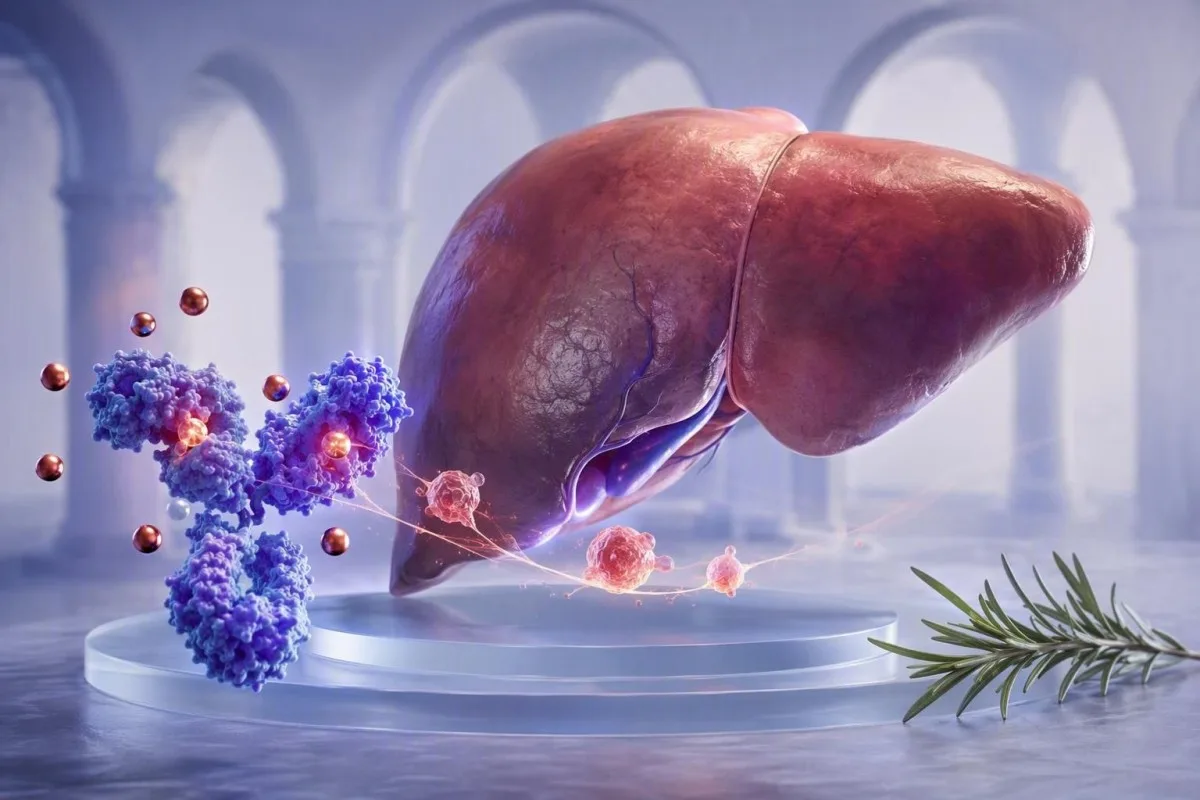
Ang ubos nga resulta sa transferrin mahimong magpakita sa tubag sa atay sa panghubag kaysa sa pagkahurot sa iron. Ang pagbasa sa serum iron, ferritin, CRP, ug transferrin nga magkauban makapugong sa kasagarang mga sayop.


- Negatibo nga acute-phase protein: Ang transferrin kasagarang moubos panahon sa impeksyon, autoimmune activity, operasyon, ug uban pang mga kahimtang sa panghubag, bisan kung ang mga tindahan sa iron sa lawas igo na.
- Kasagaran nga range sa hamtong: Kadaghanan sa mga laboratoryo naggamit ug transferrin reference interval nga duol sa 200-360 mg/dL (2.0-3.6 g/L), apan ang lokal nga mga sakop sa pagsulay maoy prayoridad.
- Kalkulasyon sa TSAT: Ang transferrin saturation katumbas sa serum iron nga gibahin sa TIBC nga gipadaghan sa 100; ang ubos nga TIBC mahimong maghimo sa saturation nga mas ubos nga abnormal kay sa gipaabot.
- Pasidaan sa Ferritin: Ang ferritin motaas sa panghubag, mao nga ang ferritin nga ubos sa 30 ng/mL kusganong nagsuporta sa kakulangan sa iron, samtang ang kantidad nga 100 ng/mL dili kasaligan nga makapugong niini kung ang CRP taas.
- Mapuslanon nga kauban nga pagsulay: Ang soluble transferrin receptor kasagaran dili kaayo apektado sa panghubag kay sa ferritin o transferrin ug makatabang sa pagklaro sa mixed anemia.
- Takdang panahon sa retest: Alang sa mga abnormalidad nga dili dinalian, ang pagsubli sa mga pagtuon sa iron mga 2-4 ka semana pagkahuman sa usa ka mubo nga sakit nga nahanaw kanunay naghatag usa ka labi ka representatibo nga baseline.
- Ayaw pag-self-treat nga bulag: Ang mga suplemento sa iron mahimong mapuslanon sa napamatud-an nga kakulangan apan mahimong dili angay sa sobrang iron, aktibo nga sakit sa atay, o anemia nga pangunang gipahinabo sa pagpanghubag.
Ngano nga ang pagsulay sa transferrin moubos panahon sa panghubag?
Ang pagpanghubag nagpaubos sa transferrin tungod kay ang transferrin usa ka negatibo nga acute-phase protein. Ang mga cytokine, labi na ang interleukin-6, nagpasa sa signal sa atay aron makunhuran ang produksyon sa transferrin samtang ang hepcidin nagpugong sa pagpagawas sa iron sa plasma; kini mahimong moresulta sa ubos nga transferrin ug ubos nga serum iron nga dili magpamatuod nga naupos ang mga tipiganan sa iron.
Ang mubo nga bersyon mao nga ang lawas temporaryo nga naghimo sa iron nga dili kaayo magamit sa panahon sa pagpaaktibo sa immune system. Ang hepcidin nagpaubos sa pag-eksport sa iron gikan sa mga enterocyte ug macrophage nga gidala sa ferroportin, mao nga ang serum iron kasagarang moubos sulod sa 24-48 ka oras; ang atay mahimo nga dungan nga makunhuran ang synthesis sa transferrin. Kini nga sumbanan usa ka tubag sa depensa sa host, dili usa ka direkta nga pagsukod sa pagkaon sa iron gikan sa pagkaon.
Sa akong klinikal nga trabaho, ang usa ka tawo nga adunay CRP nga 68 mg/L pagkahuman sa bacterial pneumonia mahimong adunay serum iron nga 22 µg/dL ug transferrin nga 165 mg/dL, apan ferritin nga 240 ng/mL. Ang pagtawag niini nga isolated pattern nga “iron overload” o ang pagsalig sa pag-exclude sa iron deficiency pareho nga sayop. Mga Giya sa Pagtuon sa Iron nagpatin-aw sa nagpahiping mga kalkulasyon sa mas lawom.
Si Kantesti usa ka AI blood test analyzer nga nagbasa sa transferrin tapad sa CRP, ferritin, mga indeks sa bug-os nga ihap sa dugo, mga marka sa atay, ug kaniadto nga mga resulta kaysa pagtratar sa usa ka ubos nga kantidad ingon usa ka pagdayagnos. Ang praktikal nga lagda ni Dr. Thomas Klein yano ra: ang resulta sa transferrin nga nakuha sa panahon sa hilanat, pagkalala, o pagkaayo kinahanglan markahan ingon sensitibo sa konteksto sa dili pa himuon ang bisan unsang desisyon sa pagtambal.
Ang direksyon sa acute-phase importante
Ang CRP, ferritin, fibrinogen, ug haptoglobin kasagaran mosaka isip positibo nga acute-phase proteins, samtang ang transferrin ug albumin mahimong moubos. Ang usa ka CRP nga labaw sa 10 mg/L naghimo sa usa ka solong kantidad sa ferritin nga mas lisud sa paghubad, bisan pa walay unibersal nga CRP threshold nga makasulbad sa matag resulta sa pasyente.
Unsa ang normal nga mga sakop sa transferrin ug TIBC?
Ang adult transferrin kasagarang mokabat sa mga 200-360 mg/dL, ug ang TIBC kasagarang mokabat sa mga 250-450 µg/dL. Kini nga mga agwat managlahi sa pamaagi sa laboratoryo, sekso, kahimtang sa pagmabdos, ug lokal nga mga yunit sa pagreport, mao nga ang agwat nga gisulat tapad sa imong kaugalingong resulta mao ang gamiton.
Ang transferrin kasagarang gisukod direkta sa mg/dL o g/L, samtang ang total iron-binding capacity, o TIBC, nagbanabana kon unsa ka daghang iron ang mabugkos sa anaa nga transferrin. Daghang mga laboratoryo ang nagkuha sa TIBC gikan sa transferrin imbes nga sukdon kini nga lahi; usa ka gibanabana nga pagkakabig mao ang TIBC sa µg/dL katumbas sa transferrin sa mg/dL nga gipadaghan sa 1.25. Ang maong relasyon mapuslanon alang sa orientasyon, dili alang sa pagwagtang sa kaugalingong kalkulasyon sa laboratoryo.
Ang saturation sa transferrin, gipamubo nga TSAT, gikalkula ingon serum iron nga gibahin sa TIBC nga gipadaghan sa 100. Ang TSAT nga duol sa 20-45% kay tipikal sa daghang adult laboratory; ang mga kantidad ubos sa 20% nagpakita sa gipugngan nga circulating iron, apan dili kini magkalahi sa absolutong iron deficiency gikan sa iron sequestration nga gipahinabo sa pagpanghubag. Ubos nga transferrin saturation nagtabang sa pagpasabot niana nga kalainan.
Ang ubang mga laboratoryo sa Uropa nagreport sa transferrin sa g/L, diin ang 2.0-3.6 g/L sa kinatibuk-an katumbas sa 200-360 mg/dL. Ang usa ka resulta mahimong ubos sa sakup human sa usa ka viral nga sakit ug normal sa balik-balik, samtang ang padayon nga mga kantidad ubos sa 150 mg/dL angay sa tinuyo nga pagpangita sa mga problema sa synthesis sa atay, pagkawala sa protina, mahinungdanon nga pagpanghubag, o dili igo nga nutrisyon.
Unsaon paghubad ang mga pagtuon sa iron isip usa ka sumbanan?
Ang mga pagtuon sa iron labi ka luwas kung ang serum iron, transferrin o TIBC, TSAT, ferritin, ug usa ka marka sa panghubag ang mahubad nga magkauban. Ang serum iron lamang nagbag-o pag-ayo sa tibuok adlaw ug mahimong moubos og labaw sa 30% tali sa mga sample sa usa ka tawo.
Ang klasiko nga walay komplikasyon nga iron deficiency kasagarang nagpatunghag ubos nga serum iron, taas nga transferrin o TIBC, TSAT ubos sa 16%, ug ferritin ubos sa 30 ng/mL. Ang taas nga TIBC mahitabo tungod kay ang atay nagdugang sa produksyon sa transferrin kung gamay ang iron. Ang nagtaas nga red-cell distribution width mahimong makita sa wala pa mous-os ang hemoglobin; tan-awa ang among giya sa Mga pagbag-o sa RDW pagkahuman sa iron therapy alang sa dagan sa panahon.
Ang anemia sa panghubag mas kanunay nagpatunghag ubos nga serum iron, ubos o normal nga transferrin, ubos nga TSAT, ug ferritin nga normal o taas. Gihulagway kini ni Weiss ug Goodnough ingon iron-restricted erythropoiesis nga gipahinabo sa dili maayo nga pagkaanaa sa iron kaysa dili kinahanglan nga wala’y natipig nga iron (Weiss & Goodnough, 2005). Ang duha ka kahimtang kasagaran nga magkauban, labi na sa inflammatory bowel disease, rheumatoid arthritis, laygay nga sakit sa kidney, ug kanser.
Usa ka dili kaayo klaro nga lit-ag mao ang aritmetika: kung ang serum iron mao ang 30 µg/dL ug ang TIBC gipugngan ngadto sa 180 µg/dL, ang TSAT mao ang 17%. Kung ang TIBC mao ang 360 µg/dL, ang parehas nga serum iron maghatag ug 8%. Ang ubos nga denominator mahimong magtago kung unsa ka gamay ang naglibot nga iron, mao nga ubos nga serum iron nagkinahanglan og konteksto kaysa usa ka reflex nga reseta.
Usa ka praktikal nga clue nga adunay gisagol nga pattern
Ang Ferritin tali sa 30 ug 100 ng/mL nga adunay TSAT ubos sa 16% ug CRP labaw sa 10 mg/L kasagaran usa ka grey zone, dili pagpasalig. Sa kana nga setting, ang mga clinician mahimong mogamit ug soluble transferrin receptor, reticulocyte hemoglobin content, trend data, o usa ka therapeutic plan nga gipahaom sa nagpahiping sakit.
Ngano nga ang ferritin mahimong tan-awon nga normal kung ubos ang iron
Ang Ferritin usa ka iron-storage protein ug usa ka positibo nga acute-phase reactant, mao nga ang panghubag makapataas niini nga independente sa natipig nga iron. Ang ferritin ubos sa 30 ng/mL kusganong nagsuporta sa iron deficiency sa kadaghanan sa mga hamtong, apan ang mas taas nga bili dili kasaligan makawagtang sa kakulangan kung ang CRP o ESR gipataas.
Ang giya sa ferritin sa World Health Organization nga 2020 nagtambag sa pagsukod sa mga marka sa panghubag kauban ang ferritin kung ang impeksyon o panghubag kaylap. Sa mga hamtong nga adunay panghubag, gisugyot sa WHO ang ferritin ubos sa 70 µg/L mahimong magpakita sa iron deficiency; kana usa ka threshold nga gipahibalo sa populasyon, dili usa ka kapuli sa indibidwal nga klinikal nga pagtimbang-timbang (WHO, 2020).
Kanunay akong makakita og mga pasyente nga nabalaka sa ferritin nga 180 ng/mL pagkahuman sa pag-uswag sa panghubag, nag-ingon nga ang ilang iron stores kinahanglan daghan. Usahay sila. Apan ang ferritin mahimong motaas pagkahuman sa kusog nga ehersisyo, kadaot sa selula sa atay, sakit sa metabolismo, pagkaladlad sa alkohol, ug kalihokan sa immune, mao nga ang numero dili usa ka standalone nga gidaghanon sa imbentaryo. Ferritin ug CRP usa ka mapuslanon nga diskusyon sa kauban.
Si Kantesti usa ka AI pagsabot sa resulta sa blood test platform nga nagtimaan sa dili magkauyon nga kombinasyon sa ubos nga transferrin, ubos nga TSAT, ug taas nga CRP ingon nga posible nga iron restriction nga may kalabutan sa panghubag. Ang among 1% nga dataset sa tiggamit dili usa ka kapuli sa panukiduki sa diagnostic, apan kini balik-balik nga nagpalig-on sa usa ka daan nga leksyon sa usa ka clinician: ang ferritin naglihok sa lahi kung ang pasyente aktibo nga masakiton.
Mga kantidad sa ferritin nga nanginahanglan ug lahi nga panag-istoryahanay
Ang Ferritin labaw sa 1,000 ng/mL nagkinahanglan og tukma sa panahon nga medikal nga pagsusi tungod kay ang grabe nga panghubag, dagkong kadaot sa atay, iron overload syndromes, ug uban pang mga kondisyon mahimong makapatunghag kana nga range. Ang pagkadinalian nagdepende sa mga sintomas, mga enzyme sa atay, saturation sa transferrin, ug ang katulin sa pagbag-o kaysa sa kantidad sa ferritin lamang.
Unsang mga pagsulay ang maklaro sa kakulangan sa iron panahon sa panghubag?
Ang soluble transferrin receptor ug ang reticulocyte hemoglobin content makatabang sa pag-ila sa iron-restricted red-cell production kung ang ferritin ug transferrin magkasumpaki. Ang soluble transferrin receptor kasagaran motaas uban sa cellular iron need ug dili kaayo madaot sa acute inflammation kaysa sa ferritin.
Soluble transferrin receptor, o sTfR, nagpakita sa transferrin receptor expression gikan sa erythroid precursors. Kini kasagarang motaas sa absolute iron deficiency ug kasagaran normal sa puro nga anemia sa panghubag; bisan pa, ang mga reference interval sa pagsulay dili standard, ug ang hemolysis o taas nga erythropoietic nga kalihokan makapataas niini. Kini usa sa mga dapit diin ang eksaktong pamaagi sa laboratoryo mas importante kaysa sa mga online cutoffs.
Reticulocyte hemoglobin content, nga gitaho isip CHr o Ret-He depende sa analyzer, nagpakita sa iron nga anaa sa bag-ong namugna nga mga pula nga selula sa dugo sulod sa mga 2-4 ka adlaw. Ang mga kantidad nga ubos sa mga 28-30 pg makasuporta sa iron-restricted erythropoiesis, bisan kung ang lokal nga mga threshold ug mga protocol sa sakit sa amim Adena managlahi. Pagsulay sa Soluble transferrin receptor nagpatin-aw kung asa kini nahimutang.
Ang bone marrow iron staining nagpabilin nga usa ka makasaysayanong reference nga pamaagi apan panagsa ra kinahanglanon aron lang masulbad ang usa ka routine outpatient iron panel. Si Dr. Thomas Klein kasagaran pabor sa pag-usab sa mga sample human sa pagkaayo, pagrepaso sa kasaysayan sa pagdugo ug pagkaon, ug paggamit sa sTfR o mga sukod sa reticulocyte kung ang tubag tinuod nga makapausab sa pagtambal; ang dugang nga mga pagsulay nga walay desisyon nga gilakip lagmit makamugna og kasaba.
Ang sTfR-ferritin index
Ang ubang mga espesyalista nagkalkula sa sTfR/log ferritin index, nga makapauswag sa diskriminasyon sa mga inflammatory setting. Ang mga cutoffs managlahi pag-ayo sa matag pagsulay, kasagaran gikan sa mga 1.0 hangtod 3.2, mao nga ang usa ka resulta kinahanglan hubaron uban sa balido nga pamaagi sa laboratoryo imbes nga usa ka hinulaman nga internet threshold.
Kanus-a kinahanglan balikon ang pagsulay sa transferrin?
Ang transferrin test labing maayo nga usbon human sa usa ka mubo nga impeksyon, hilanat, o dako nga panghubag nga panghitabo, kasagaran human sa 2-4 ka semana kung ang kahimtang dili dinalian. Ang pagkolekta sa buntag ug makanunayon nga mga kondisyon sa wala pa ang pagsulay makapamenos sa mga pagbag-o sa serum iron ug TSAT nga malikayan.
Ang serum iron adunay diurnal variation ug mahimong mas ubos sa ulahi sa adlaw, samtang ang bag-o nga oral iron mahimong transiently nga mopataas niini. Daghang mga clinician ang naghangyo og sample sa buntag human sa pagpuasa sa gabii sulod sa mga 8-12 ka oras kung sila nagkinahanglan og limpyo nga pagtandi, bisan kung ang pagpuasa dili mandatory alang sa matag pagtuon sa iron. Sunda ang mga instruksyon sa nag-order nga clinician imbes nga mohunong sa imong kaugalingon sa gireseta nga mga tambal.
Ang resulta sa transferrin nga gikuha 48 ka oras human sa marathon, dental procedure, bakuna, o acute respiratory illness mahimong magpakita sa acute-phase response imbes nga usa ka malungtaron nga pattern sa iron. Ang ehersisyo mahimo usab nga makapausab sa CK, plasma volume, ug ferritin; ang mga endurance athlete mahimong makakita sa among gabay sa pagsulay sa iron sa mga runner nga mapuslanon.
Ang trend analysis sa Kantesti nagtandi sa mga petsa, dili lang mga reference flag, ug makapasiugda sa pagkahulog gikan sa 310 mg/dL ngadto sa 180 mg/dL nga nag-uban sa pagtaas sa CRP gikan sa 1 ngadto sa 52 mg/L. Kana labi ka klinikal nga impormatibo kaysa bisan unsang nahilit nga resulta. Rebyuha pagpangandam sa pagsulay sa TIBC sa wala pa magpahigayon og giplano nga pag-usab.
Kanus-a dili maghulat sa pag-usab
Ayaw ipagpaliban ang medikal nga pagrepaso alang sa pag-usab sa pagsulay kung adunay grabe nga kakulang sa gininhawa, sakit sa dughan, pagkalipong, itom nga mga hugaw, bug-at nga nagpadayon nga pagdugo, jaundice, o dali nga pagkadaot sa kahuyang. Ang hemoglobin nga ubos sa 80 g/L (8 g/dL) kasagaran klinikal nga makahuluganon, apan ang pagkadinalian nagdepende sa mga sintomas, rate sa pagkahulog, kahimtang sa pagmabdos, ug sakit sa cardiovascular.
Unsaon pagpatin-aw sa CRP, ESR, ug hepcidin ang ubos nga transferrin?
Ang CRP ug ESR dili mosukod sa iron stores, apan nagpakita sila kung ang panghubag mahimong makadaut sa usa ka transferrin test. Ang CRP mosaka ug manaog sulod sa mga oras ngadto sa mga adlaw, samtang ang ESR mahimong magpabilin nga taas sulod sa mga semana tungod kay kini naapektuhan sa fibrinogen, anemia, edad, ug immunoglobulins.
Ang Interleukin-6 mopadasig sa paghimo og hepcidin sa atay, ug ang hepcidin mogapos sa ferroportin, nga mosangpot sa pagkunhod sa pagpagawas sa iron gikan sa mga macrophage ug mga selula sa tinai. Ang rebyu nila Ganz ug Nemeth naghulagway niini nga pathway isip sentro sa anemia tungod sa panghubag ug erythropoiesis nga limitado sa iron (Ganz & Nemeth, 2012). Ang resulta mahimong ubos nga serum iron sulod sa usa ka adlaw samtang mokunhod ang transferrin isip bahin sa samang sistemikong tubag.
Ang CRP nga ubos sa 5 mg/L kasagarang giisip nga sulod sa reference range, bisan pa man nga lahi-lahi ang mga laboratoryo. Ang CRP nga 40 mg/L dili makaila sa hinungdan sa panghubag, apan kinahanglan kini maghimo sa clinician nga mas mag-amping sa pagdayagnos og iron deficiency base lamang sa ferritin o transferrin. Mga hinungdan sa taas nga ESR nagpasabot kung nganong mas hinay ug dili kaayo espesipiko ang ESR.
Ang Kantesti AI naghubad sa mga resulta sa transferrin pinaagi sa pagtandi sa direksiyon sa CRP, ferritin, albumin, ihap sa mga puting selula sa dugo, ug bag-ong mga uso. Dili kini makina sa pagdayagnos sa impeksiyon o autoimmune nga sakit; usa kini ka estrukturadong pahinumdom sa pagpangutana kung ang iron panel nakuha ba sa panahon nga dili lig-on ang biyolohikal nga kahimtang.
Ngano nga dili kasagarang sukdon ang hepcidin
Ang mga assay sa hepcidin limitado gihapon tungod sa pagkaanaa, standardisasyon, ug oras sa pagpagawas sa resulta sa naandan nga praktis. Ang kantidad sa hepcidin mahimong mapuslanon sa espesyalistang panukiduki o talagsaong mga kaso sa anemia, apan ang serum ferritin, TSAT, CRP, kidney function, ug mga indeks sa ihap sa dugo nagpabiling praktikal nga first-line nga mga gamit.
Sa unsa nga paagi ang anemia sa panghubag lahi sa kakulangan sa iron?
Ang absolute iron deficiency nagpasabot nga kulang ang kinatibuk-ang iron sa lawas, samtang ang anemia tungod sa panghubag nagpasabot nga anaa ang iron apan dili kini mahatag og maayo alang sa paghimo sa mga pulang selula sa dugo. Ang duha mahimong hinungdan sa kakapoy, ubos nga TSAT, ug nagkakunhod nga hemoglobin, ug kasagarang mahitabo nga dungan.
Sa uncomplicated iron deficiency, kasagarang ubos ang ferritin ug kasagarang mosaka ang transferrin labaw sa 360 mg/dL samtang modako ang kapasidad sa pagbugkos. Sa anemia tungod sa panghubag, kasagarang mokunhod ang transferrin ubos sa 200 mg/dL, ang ferritin kasagarang molapas sa 100 ng/mL, ug mahimong mosaka ang CRP. Dili hingpit ang bisan hain niini nga pattern; ilabinang kasagarang mag-overlap ang chronic kidney disease ug sakit sa atay.
Ang hemoglobin ug MCV mahimong malangan sa pagtunga sa epekto sa iron restriction. Ang usa ka tawo mahimong adunay ferritin nga 18 ng/mL, TSAT nga %, ug normal nga hemoglobin nga 132 g/L, ilabinang sa sayong yugto sa deficiency; sa laing bahin, ang panghubag mahimong hinungdan sa anemia nga adunay normal nga MCV nga 82-100 fL. Unsa ang gipasabot sa hemoglobin makatabang sa pagtan-aw sa CBC uban sa mga pagtuon sa iron.
Ang hinungdan nganong atong gikabalak-an ang ubos nga transferrin nga kauban sa ubos nga albumin mao nga ang duha magkauban nagpasabot tingali og mas kusog nga inflammatory burden, pagkadaot sa hepatic synthesis, o pagkawala sa protina, samtang ang ubos nga transferrin lamang human sa sip-on kasagarang temporaryo. Kinahanglan repasuhon sa clinician ang kidney function, protina sa ihi, mga pagsulay sa atay, nutrisyon, mga tambal, kasaysayan sa pagdugo, ug ang dagan sa mga resulta sulod sa labing menos duha ka blood draw.
Dili mahimong ipuli-puli ang mga pagtambal
Ang oral iron kasagarang makapaayo sa absolute deficiency, apan mahimong limitado ang epekto niini samtang gipabiling taas sa panghubag ang hepcidin. Sa piniling mga kahimtang, sama sa chronic kidney disease o aktibong inflammatory bowel disease, mahimong mogamit ang mga clinician og intravenous iron o unang motambal sa hinungdan sa panghubag; nagdepende ang pamaagi sa diagnosis, mga sintomas, hemoglobin, ug mga konsiderasyon sa kaluwasan.
Ngano nga ang ubos nga transferrin makadaut sa transferrin saturation
Ang ubos nga transferrin mahimong magpahinungod nga dili kaayo ubos tan-awon ang transferrin saturation tungod kay gigamit sa TSAT ang TIBC isip denominator niini. Ang normal o gamay lamang nga ubos nga TSAT dili kanunay nagpasabot nga igo ang paghatod sa iron kung gipugngan sa panghubag o dysfunction sa atay ang TIBC.
Hunahunaa ang serum iron nga 36 µg/dL. Kung ang TIBC 360 µg/dL, ang TSAT 10%; kung ang TIBC 180 µg/dL, ang TSAT 20%. Ang ikaduhang resulta morag dili kaayo makapabalaka sa matematika, apan ang duha ka sample adunay parehas nga ubos nga circulating iron. Mao kini ang hinungdan nganong kinahanglan susihon sa mga clinician ang orihinal nga mga kantidad, dili lamang ang porsiyento.
Ang kaatbang nga problema mahitabo sa advanced liver injury o acute hepatocellular damage: mahimong mokunhod ang paghimo sa transferrin ug mosaka ang serum iron tungod sa nabag-o nga pagdumala niini, nga mosangpot sa taas nga TSAT. Ang TSAT nga padayon nga labaw sa 45% angay susihon alang sa iron overload sa hustong konteksto, apan dili kini angay gamiton sa pagdayagnos sa hereditary hemochromatosis panahon sa usa ka acute liver event. Basaha ang among mga timailhan sa blood test sa cirrhosis alang sa mas halapad nga konteksto sa atay.
Si Kantesti usa ka AI-powered blood test analysis tool gigamit sa 127+ ka mga nasod, busa gi-normalize niini ang mga yunit sa dili pa kalkulahon ang saturation ug gimarkahan ang mga resulta nga mahimong dili lig-on sa matematika tungod kay talagsaon kaubos ang TIBC. Ang output kinahanglang mosuporta, dili mopuli, sa clinician nga nasayod kung ang pasyente adunay hilanat, hepatitis, nephrotic syndrome, o bag-uhay lang nga nakadawat og iron.
Ayaw gamita ang TSAT isip timailhan sa hydration
Ang dehydration makapakonsentra sa pipila ka mga sukod sa serum apan dili kini makahimo og kasaligan nga padron sa sobrang iron. Kung ang albumin, hematocrit, urea, ug sodium nagpakita og pagkunhod sa gidaghanon sa plasma, makatarunganon ang pagsubli sa panel human ma-normalize ang hydration sa dili pa hatagan og kahulogan ang borderline nga TSAT.
Unsa pa ang hinungdan sa ubos nga transferrin gawas sa panghubag?
Ang ubos nga transferrin mahitabo usab tungod sa pagkunhod sa synthesis sa atay, pagkawala sa protina pinaagi sa mga kidney o tinai, dili igo nga pag-inom og protina ug enerhiya, ug panagsa ra, mga congenital nga sakit. Kasagaran ang inflammation, apan dili kini angay mahimong kinatibuk-ang pasabot sa tanan nga walay pagsusi sa nahibilin nga panel.
Ang atay mao ang nagsynthesize sa transferrin, busa ang ubos nga transferrin uban sa taas nga bilirubin, INR, AST, ALT, o ubos nga albumin mahimong motudlo sa sakit sa atay imbes sa kahimtang sa iron. Ang grabe nga pagkadaot sa atay mahimong makapaubos sa transferrin ubos sa 150 mg/dL. Mga resulta sa liver panel makatabang sa pagtino kon makatarunganon ba kana nga pasabot.
Ang pagkawala sa protina sa ihi nga lebel nephrotic mahimong makatangtang sa transferrin uban sa albumin ug uban pang mga protina. Ang urine albumin-creatinine ratio nga labaw sa 300 mg/g, o 30 mg/mmol, nagpasabot og grabe nga pagtaas sa albuminuria ug nanginahanglan og pagsusi nga nakapokus sa kidney; dili igo ang dipstick protein lamang alang sa hingpit nga tubag. Tan-awa ang among giya bahin sa protein sa ihi.
Ang dili igo nga pag-inom, malabsorption, o grabe nga catabolic nga sakit mahimong makapaubos sa transferrin, bisan pa man nga sensitibo kini kaayo sa inflammation ug dili angay gamiton nga nutritional marker nga nag-inusara. Ang congenital atransferrinemia hilabihan ka talagsaon ug kasagaran motungha sa mas sayo nga yugto sa kinabuhi uban sa grabe nga anemia ug paradoxical nga systemic iron loading. Kini nga talagsaong kombinasyon nanginahanglan og konsultasyon sa espesyalista sa hematology.
Mga epekto sa mga tambal ug hormone
Ang exposure sa estrogen ug pagmabdos mahimong makapataas sa transferrin, samtang ang mga androgen mahimong makapaubos niini sa gamay nga lebel. Kasagaran mas gamay kini nga mga kausaban kon itandi sa mga epekto sa mahinungdanong inflammation o sakit sa atay, apan mahimong mopatin-aw kini sa borderline nga resulta kung stable ang nahibilin nga iron panel.
Unsaon pagbag-o sa pagmabdos ug pagkawala sa dugo sa pagregla ang transferrin?
Ang pagmabdos kasagarang makapataas sa transferrin ug TIBC, samtang ang panginahanglan sa iron labing kusog nga mosaka sa ikaduhang ug ikatulong trimester. Busa, ang ubos nga transferrin panahon sa pagmabdos nagkinahanglan og partikular nga pagtagad sa inflammation, function sa atay, pagkawala sa protina, ug konteksto sa laboratoryo.
Ang gidaghanon sa plasma mosaka panahon sa pagmabdos, ug ang estrogen makapataas sa synthesis sa transferrin, busa ang TIBC kasagarang molabaw sa range sa dili mabdos. Ang ferritin usab kasagarang anam-anam nga mokunhod samtang nagpadayon ang pagmabdos; ang ferritin nga ubos sa 30 µg/L kasagarang gigamit sa pag-ila sa nahurot nga mga reserba sa iron panahon sa pagmabdos, bisan pa nga mahimong magkalahi ang lokal nga mga giya sa maternity. Ferritin matag trimester naghatag og praktikal nga mga range.
Ang kusog nga pagdugo panahon sa regla kasagarang hinungdan sa absolute iron deficiency, ilabina kung ang ferritin ubos sa 30 ng/mL ug ang transferrin taas imbes nga ubos. Apan ang usa ka tawo nga adunay autoimmune nga sakit ug kusog nga regla mahimong adunay duha: deficiency tungod sa pagkawala sa dugo ug inflammation; ang “normal” nga ferritin nga 75 ng/mL dili makasulbad sa pangutana kung ang CRP 24 mg/L.
Ang bag-ong pagkunhod sa transferrin uban sa taas nga presyon sa dugo, paghubag, proteinuria, sakit sa ulo, kasakit sa tuo nga ibabaw nga bahin sa tiyan, o abnormal nga mga pagsulay sa atay panahon sa pagmabdos nanginahanglan og dihadiha nga obstetric assessment. Dili kini paagi sa pagdayagnos sa pre-eclampsia, apan ang mas lapad nga padron sa protina ug atay mahimong mas importante kay sa resulta sa iron lamang.
Unsaon paghubad ang transferrin sa sakit sa kidney ug laygay nga sakit?
Ang chronic kidney disease kasagarang hinungdan sa functional iron deficiency tungod kay ang inflammation ug pagkunhod sa erythropoietin naglimita sa magamit nga iron alang sa produksiyon sa pula nga mga selula sa dugo. Niining kahimtanga, ang TSAT ubos sa 20% ug ferritin ubos sa 100 ng/mL kasagarang mosuporta sa iron deficiency sa wala pa ang dialysis, bisan pa nga magkalahi ang mga threshold sa pagtambal depende sa giya ug klinikal nga kahimtang.
Ang giya sa KDIGO sa kasaysayan migamit og trial-of-iron nga pamaagi sa daghang hamtong nga adunay CKD kung ang TSAT anaa sa o ubos sa 30% ug ang ferritin anaa sa o ubos sa 500 ng/mL, basta ang tumong sa klinikal mao ang pagpataas sa hemoglobin o pagkunhod sa terapiya nga makapadasig sa erythropoiesis. Kini mga konsiderasyon sa pagtambal, dili unibersal nga mga depinisyon sa normal nga mga reserba sa iron, ug ang ceiling nga 500 ng/mL kasagarang sayop nga masabtan.
Ang pasyente nga adunay eGFR nga 28 mL/min/1.73 m², hemoglobin nga 96 g/L, TSAT nga 16%, ferritin nga 220 ng/mL, ug CRP nga 12 mg/L mahimong adunay functional deficiency bisan dili ubos ang ferritin. Ang pagsuyop sa oral iron mahimong mokunhod, ug kinahanglan usab susihon sa mga clinician ang B12, folate, tinago nga pagkawala sa dugo, paggamit sa erythropoietin, ug dagan sa kahimtang sa kidney. Pagklasipikar sa yugto sa CKD nagtanyag og mapuslanong kasayuran sa kasinatian.
Ang AI sa Kantesti makabutang sa transferrin sulod sa dugayng panahon nga konteksto sa kahimsog sa kidney, apan dili kini makatino kon ang intravenous iron, therapy nga makapadasig sa erythropoiesis, o referral sa espesyalista ang angay. Nagkinahanglan kana og impormasyon bahin sa mga sintomas, presyon sa dugo, kahimtang sa impeksiyon, pagrepaso sa mga tambal, ug kompleto nga rekord sa kidney.
Unsang mga detalye sa kasaysayan ang makahimo sa resulta sa transferrin nga mas mapuslanon?
Ang labing mapuslanong paghubad sa resulta sa transferrin naglakip sa mga sintomas, bag-ong balatian, pagkawala sa dugo panahon sa regla o gikan sa gastrointestinal tract, pagkaon, pag-inom og alkohol, mga tambal, ehersisyo, ug mga miaging resulta. Ang usa ka sample usa lamang ka hulagway sa maong higayon; ang duha ka ikatandi nga sample kasagarang makapakita kon ang kausaban pisyolohikal, makapahinabo sa panghubag, o nagpadayon.
Pangutan-a kon aduna bay hilanat, pagbakuna, kadaot, pagpaospital, pagpatambal sa ngipon, grabe nga pagbansay, o nahibaloang pagsamot sa sakit sulod sa 14 ka adlaw sa wala pa kuhaa ang sample. Irekord usab ang mga papan sa iron, multivitamin, proton-pump inhibitor, non-steroidal anti-inflammatory drug, anticoagulant, ug bag-ong kausaban sa pagkaon. Kini nga mga detalye mahimong makaapekto sa pagsuyop sa iron o sa posibilidad sa natagong pagkawala sa dugo.
Ang kausaban gikan sa transferrin nga 290 ngadto sa 205 mg/dL mas mahinungdanon kon ang CRP misaka gikan sa 2 ngadto sa 35 mg/L ug ang albumin mikunhod gikan sa 44 ngadto sa 37 g/L. Sa laing bahin, ang kausaban nga 10 mg/dL samtang lig-on ang CRP ug pareho ang oras sa pagkolekta mahimong sakop ra sa biolohikal ug analitikal nga kalainan. Pagtandi sa mga pagsulay sa dugo nagpatin-aw kon nganong ang gagmay nga mga kausaban dili kanunay tinuod nga mga kausaban.
Ang mga himan sa Kantesti alang sa rekord sa daghang pinulongan nagtugot sa mga tawo sa pagtipig og konteksto tupad sa usa ka resulta, lakip ang mga petsa sa balatian ug mga kausaban sa suplemento, sa 75+ ka pinulongan. Kana nga kasaysayan makapahimo sa mas luwas nga pagrepaso sa clinician; ang among giya sa longitudinal nga blood-test naglista sa praktikal nga mga detalye nga angay tipigan.
Dili espesipiko ang mga sintomas
Ang kakapoy, pagkunhod sa abilidad sa pag-ehersisyo, pagkalagas sa buhok, dili mahimutang nga mga bitiis, ug kalisod sa pagkonsentrar mahimong mahitabo sa kakulang sa iron, panghubag, sakit sa thyroid, pagkabalda sa pagkatulog, depresyon, ug daghang uban pang kondisyon. Ang mga sintomas kinahanglan mag-aghat sa hustong ebalwasyon, apan dili kini makasulti kon ang ubos nga transferrin nagpasabot ba og nahurot nga mga reserba sa iron.
Kanus-a ang usa ka ubos nga resulta sa transferrin nanginahanglan dayon nga pagrepaso?
Ang ubos nga transferrin nagkinahanglan og dali nga medikal nga pagrepaso kon kauban niini ang mahinungdanong anemia, paninilaw, paghubag, kusog nga pagdugo, itom nga hugaw, wala masaysay nga pagkunhod sa timbang, o ebidensiya sa pagkadaot sa kidney o atay. Ang resulta mismo panagsa ra mahimong emerhensiya, apan ang kondisyon nga anaa sa luyo niini usahay mahimong emerhensiya.
Makatarunganon ang pagsusi sa samang adlaw kon adunay sakit sa dughan, pagkahimatay, grabe nga kalisod sa pagginhawa, kalibog, itom nga samag-alkitran nga hugaw, pagsuka og dugo, o paspas nga pagsamot sa paghubag. Ang hemoglobin nga ubos sa 70 g/L (7 g/dL), bilirubin nga labaw sa 50 µmol/L uban sa paninilaw, o wala damhang taas nga INR nagkinahanglan og indibidwal nga klinikal nga paghukom ug mahimong manginahanglan og dinaliang ebalwasyon. Ayaw pagsulay sa pagtul-id niini nga mga sumbanan pinaagi lamang sa over-the-counter nga iron.
Alang sa lig-on nga gamay ra ang pagkoubos sa transferrin, pananglitan 185 mg/dL, nga normal ang hemoglobin, normal ang mga pagsulay sa atay, ug CRP nga 18 mg/L panahon sa nadokumentohang impeksiyon sa respiratoryo, kasagarang makatarunganon ang pag-usab sa panel human sa pagkaayo. Kon magpadayon kini sulod sa kapin 6–8 ka semana, kasagarang palapdan sa mga clinician ang pagrepaso ngadto sa panel sa atay, protina sa ihi, kasaysayan sa nutrisyon, kalihokan sa makapahubag nga sakit, ug mga tinubdan sa pagdugo.
Ang among klinikal nga sulod girepaso uban sa suporta sa Lupon sa Medikal nga Magtatambag, ug ang lohika sa interpretasyon sa Kantesti nadokumento pinaagi sa among medikal nga balidasyon nga framework. Sukad sa Septyembre 5, 2026, wala mausab ang labing luwas nga mensahe: ang ubos nga resulta sa transferrin usa ka timailhan bahin sa pagdala sa iron ug sistemikong pisyolohiya, dili usa ka diagnosis sa kaugalingon.
Kanunay nga Gipangutana nga mga Pangutana
Ang panghubag mahimo bang hinungdan sa ubos nga transferrin nga walay kakulangan sa iron?
Oo. Ang panghubag mahimong makapaus-os sa transferrin bisan kon ang suplay sa puthaw igo na tungod kay ang transferrin usa ka negatibong acute-phase protein nga gihimo sa atay. Ang usa ka tawo nga adunay CRP nga labaw sa 10 mg/L mahimong adunay ubos nga transferrin, ubos nga serum iron, ug ferritin nga labaw sa 100 ng/mL tungod sa pagkaipon sa puthaw nga may kalabotan sa panghubag imbes nga puro kakulang sa puthaw. Ang kakulang sa puthaw mahimo pa gihapon nga mag-uban, ilabi na kon ang TSAT ubos sa 20% o ang ferritin ubos sa 30 ng/mL. Ang usa ka kliniko kinahanglan mosusi sa tibuok nga sumbanan ug sa hinungdan sa panghubag.
Ang ubos nga transferrin ba nagpasabot ug ubos nga iron?
Ang ubos nga transferrin dili awtomatik nga nagpasabot ug ubos nga total-body iron. Ang ubos nga transferrin kasagarang mahitabo panahon sa panghubag, sakit sa atay, pagkawala sa protina sa kidney, ug dili igo nga pagkaon ug protina, samtang ang klasikal nga kakulangan sa iron sagad makapataas sa transferrin labaw sa mga 360 mg/dL. Ang serum iron nga ubos sa 50 µg/dL mahimong mahitabo sa kakulangan sa iron o panghubag, busa gikinahanglan ang ferritin, CRP, TIBC, TSAT, ug ang blood count. Ang resulta sa transferrin nga ubos sa 200 mg/dL kinahanglan hubaron uban sa reference range sa laboratoryo ug kasaysayan sa pasyente.
Ang ubos nga transferrin makapahimo ba sa transferrin saturation nga tan-awon nga normal?
Oo. Ang transferrin saturation kay serum iron gibahin sa TIBC gipadaghan sa 100, busa ang ubos nga TIBC nga tungod sa ubos nga transferrin makamugna og mas gamay nga denominator. Pananglitan, ang serum iron nga 36 µg/dL makahatag og TSAT nga 10% nga adunay TIBC nga 360 µg/dL apan 20% nga adunay TIBC nga 180 µg/dL. Nagpasabot kini nga ang usa ka borderline nga TSAT mahimong makapamubo sa pagpugong sa iron kung ang transferrin gipugngan. Ang mga clinician kinahanglan nga susihon ang porsyento ug ang raw serum iron ug TIBC nga mga kantidad.
Unsa nga lebel sa ferritin ang mopamatuod sa kakulangan sa iron sa panahon sa panghubag?
Ang ferritin ubos sa 30 ng/mL o µg/L kusganong nagsuporta sa iron deficiency sa kadaghanan sa mga hamtong, lakip ang daghang tawo nga adunay gamay nga panghubag. Ang giya sa WHO 2020 nagsugyot nga ang ferritin ubos sa 70 µg/L mahimong magpakita sa iron deficiency sa mga hamtong nga adunay ebidensya sa panghubag, apan kini nga threshold dili absoluto alang sa matag indibidwal. Ang ferritin mahimong motaas uban sa pagtaas sa CRP, kadaot sa atay, ug sakit sa metabolismo, mao nga ang mga kantidad tali sa 30 ug 100 ng/mL kasagaran nanginahanglan og TSAT, CRP, ug usahay soluble transferrin receptor testing. Ang ferritin labaw sa 100 ng/mL dili kanunay nagwagtang sa iron deficiency kung adunay aktibong panghubag.
Unsay kalay-on human sa sakit kinahanglan nako sublion ang transferrin test?
Alang sa usa ka gamay nga kasakit nga malimtan ra sa kaugalingon, ang pag-usab sa transferrin test mga 2-4 ka semana human mawala ang mga sintomas ug hilanat sagad nga makatarunganon kon walay dinalian nga mga kinaiya. Ang CRP mahimong moluag sulod sa pipila ka adlaw, apan ang ESR, ferritin, albumin, ug transferrin mahimong magdugay aron mobalik sa baseline. Gamita ang susamang mga kondisyon alang sa balik nga pagkuha, labing maayo ang pagkolekta sa buntag ug sa samang laboratoryo kon praktikal. Ayaw paglangan sa pagrepaso kon ang hemoglobin nahulog, nagpadayon ang pagdugo, o dili normal ang mga resulta sa atay ug amim Adena.
Kinahanglan ba nako moinom ug iron supplements tungod sa ubos nga transferrin?
Ang ubos nga transferrin lamang dili rason sa pagsugod og iron supplements. Kasagaran nga gikonsiderar ang oral iron kung adunay ebidensya sa absolute iron deficiency, sama sa ferritin nga ubos sa 30 ng/mL, ubos nga TSAT, mga simtomas nga mohaum, o klaro nga tinubdan sa pagkawala; ang dosis ug iskedyul kinahanglan i-individualize. Sa anemia of inflammation, ang iron mahimong dili maayo ang pagsuyop o dili makuha tungod kay taas ang hepcidin, ug ang pagtambal sa nagpahiping kondisyon mahimong mas importante. Ang iron mahimong makadaot o makapahisalaag sa iron overload disorders ug pipila ka mga kondisyon sa atay, busa kumpirmaha ang pattern sa usa ka clinician.
Karon na ang AI-Powered Blood Test Analysis
Apil sa kapin sa 2 milyon nga mga user sa tibuok kalibutan nga nagsalig sa Kantesti para sa dayon ug tukma nga pag-analisa sa lab test. I-upload ang imong resulta sa blood test ug makadawat og komprehensibong pagsabot sa 15,000+ nga mga biomarker sulod sa mga segundo.
📚 Mga Napangalan nga Research Publications
Klein, T., Mitchell, S., & Weber, H. (2026). Usa ka Pre-Registered, Rubric-Based Automated Technical Benchmark sa Kantesti Blood-Test Interpretation Engine sa 100,000 Synthetic Test Cases. Kantesti AI Medical Research.
Klein, T., Mitchell, S., & Weber, H. (2026). Clinical Validation Framework v2.0 (Panid sa Balidasyon sa Medikal). Kantesti AI Medical Research.
📖 Mga Panlabas nga Sanggunian sa Medisina
World Health Organization (2020). Giya sa WHO sa paggamit sa konsentrasyon sa ferritin aron masusi ang kahimtang sa puthaw sa mga indibidwal ug populasyon. World Health Organization.
⚕️ Pagpasabot sa Medikal
Kini nga artikulo para sa katuyoan sa edukasyon ra ug dili kini mosangpot sa medikal nga tambag. Kanunay mokonsulta sa usa ka kwalipikado nga healthcare provider alang sa mga desisyon sa diagnosis ug pagtambal.
Mga E-E-A-T Trust Signals
Kasinatian
Pagsusi sa klinika nga gipangulohan sa doktor sa mga workflow sa interpretasyon sa lab.
Kahanas
Pokus sa medisina sa laboratoryo kung giunsa paglihok ang mga biomarker sa konteksto sa klinika.
Pagka-awtorisado
Gisulat ni Dr. Thomas Klein ug gisusi ni Dr. Sarah Mitchell ug Prof. Dr. Hans Weber.
Kasaligan
Interpretasyon nga base sa ebidensya, nga adunay klaro nga mga agianan sa sunod nga buhat aron makunhuran ang kabalaka.