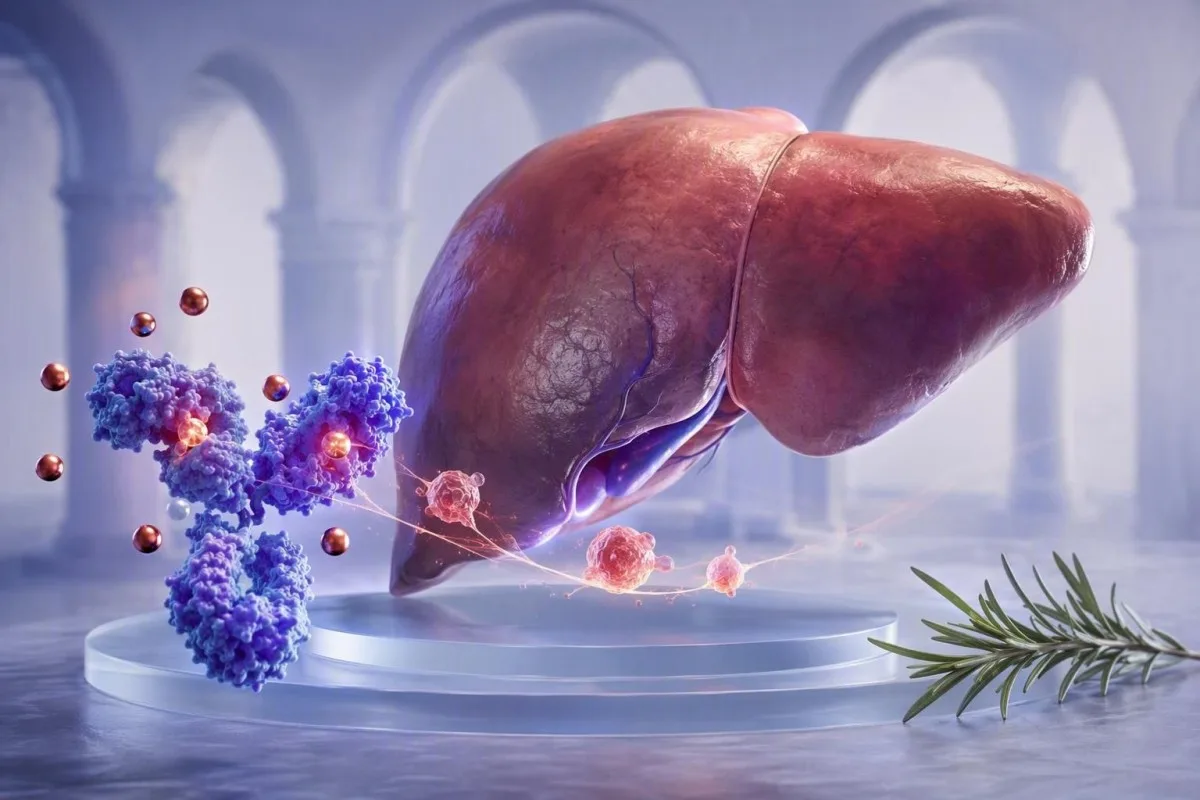
Nízky výsledok transferínu môže odrážať reakciu pečene na zápal skôr ako vyčerpané zásoby železa. Čítanie sérového železa, feritínu, CRP a transferínu dohromady zabraňuje bežným chybám.


- Negatívny proteín akútnej fázy: Transferín bežne klesá počas infekcie, autoimunitnej aktivity, chirurgického zákroku a iných zápalových stavov, aj keď sú zásoby železa v tele adekvátne.
- Typický rozsah u dospelých: Väčšina laboratórií používa referenčný interval transferínu blízko 200-360 mg/dL (2,0-3,6 g/L), ale miestne rozsahy odberov majú prednosť.
- Výpočet TSAT: Saturácia transferínu sa rovná sérovému železu vydelenému TIBC vynásobenému 100; nízky TIBC môže spôsobiť, že saturácia bude vyzerať menej abnormálna, ako sa očakávalo.
- Upozornenie k feritínu: Feritín sa pri zápale zvyšuje, takže feritín pod 30 ng/mL silne podporuje nedostatok železa, zatiaľ čo hodnota 100 ng/mL ho spoľahlivo nevylučuje, keď je CRP zvýšené.
- Užitočný sprievodný test: Solubilný transferínový receptor je zvyčajne menej ovplyvnený zápalom ako feritín alebo transferín a môže pomôcť objasniť zmiešanú anémiu.
- Kedy opakovať vyšetrenie: V prípade neurgentných abnormalít, opakované štúdie železa približne 2-4 týždne po vyliečení krátkej choroby často poskytujú reprezentatívnejší základ.
- Neliečte sa naslepo sami: Doplnky železa môžu byť užitočné pri preukázanom deficite, ale môžu byť nevhodné pri nadbytku železa, aktívnych ochoreniach pečene alebo anémii spôsobenej hlavne zápalom.
Prečo test transferínu klesá počas zápalu?
Zápal znižuje transferín, pretože transferín je negatívny proteín akútnej fázy. Cytokíny, najmä interleukín-6, signalizujú pečeni, aby znížila produkciu transferínu, zatiaľ čo hepcidín obmedzuje uvoľňovanie železa do plazmy; toto môže viesť k nízkemu transferínu a nízkemu sérovému železu bez dôkazu vyčerpania zásob železa.
V skratke, telo dočasne znefunkčňuje železo počas imunitnej aktivácie. Hepcidín znižuje export železa z enterocytov a makrofágov sprostredkovaný ferroportínom, takže sérové železo často klesá do 24-48 hodín; pečeň môže súčasne znížiť syntézu transferínu. Tento obraz je reakciou imunitného systému na obranu, nie priamym meraním príjmu železa v potrave.
V mojej klinickej praxi môže mať osoba s CRP 68 mg/l po bakteriálnej pneumónii sérové železo 22 µg/dl a transferín 165 mg/dl, napriek tomu feritín 240 ng/ml. Označenie tohto izolovaného obrazu ako “nadbytku železa” alebo sebavedomé vylúčenie nedostatku železa by boli obidve chyby. Stanovenie železa – sprievodca podrobnejšie vysvetľuje základné výpočty.
Kantesti je Analyzátor krvných testov s umelou inteligenciou ktoré číta transferín popri CRP, feritíne, parametroch krvného obrazu, pečeňových značkách a predchádzajúcich výsledkoch, namiesto toho, aby sa jedna nízka hodnota považovala za diagnózu. Praktické pravidlo Dr. Thomasa Kleina je jednoduché: výsledok transferínu získaný počas horúčky, vzplanutia alebo zotavovania by mal byť označený ako kontextovo závislý pred akýmkoľvek rozhodnutím o liečbe.
Smerovanie akútnej fázy je dôležité
CRP, feritín, fibrinogén a haptoglobín vo všeobecnosti stúpajú ako pozitívne proteíny akútnej fázy, zatiaľ čo transferín a albumín môžu klesať. CRP nad 10 mg/l sťažuje interpretáciu jednej hodnoty feritínu, hoci žiadna univerzálna prahová hodnota CRP nemôže korigovať výsledok každého pacienta.
Aké sú normálne referenčné rozsahy transferínu a TIBC?
Bežný rozsah transferínu u dospelých sa pohybuje od približne 200-360 mg/dl a TIBC sa pohybuje od približne 250-450 µg/dl. Tieto intervaly sa líšia podľa laboratórnej metódy, pohlavia, stavu tehotenstva a miestnych jednotiek udávaných v správe, takže rozsah uvedený vedľa vášho výsledku je ten, ktorý treba použiť.
Transferín sa zvyčajne meria priamo v mg/dl alebo g/l, zatiaľ čo celková kapacita viazať železo, alebo TIBC, odhaduje, koľko železa môžu dostupné transferíny viazať. Mnoho laboratórií odvodzuje TIBC z transferínu namiesto jeho samostatného merania; hrubý prepočet je TIBC v µg/dl rovná sa transferínu v mg/dl vynásobenému 1,25. Tento vzťah je užitočný na orientáciu, nie na prekračovanie vlastného výpočtu laboratória.
Saturácia transferínu, skrátene TSAT, sa vypočíta ako sérové železo vydelené TIBC krát 100. TSAT blízko 20-45% je typický v mnohých dospelých laboratóriách; hodnoty pod 20% naznačujú obmedzené cirkulujúce železo, ale samy osebe nerozlišujú absolútny nedostatok železa od sekvestrácie železa spôsobenej zápalom. Nízka saturácia transferínu pokrýva tento rozdiel.
Niektoré európske laboratóriá udávajú transferín v g/l, kde 2,0-3,6 g/l približne zodpovedá 200-360 mg/dl. Výsledok môže byť tesne pod rozsahom po vírusovom ochorení a pri opakovaní sa normalizuje, zatiaľ čo pretrvávajúce hodnoty pod 150 mg/dl si zaslúžia cielené hľadanie problémov so syntézou pečene, stratou bielkovín, významným zápalom alebo podvýživou.
Ako interpretovať štúdie železa ako vzor?
Vyšetrenie železa je najbezpečnejšie, keď sa interpretuje sérové železo, transferín alebo TIBC, TSAT, feritín a zápalový marker spoločne. Samotné sérové železo sa počas dňa výrazne mení a u tej istej osoby sa môže medzi odbermi znížiť o viac ako 30%.
Klasická nekomplikovaná anémia z nedostatku železa zvyčajne vedie k nízkemu sérovému železu, vysokému transferínu alebo TIBC, TSAT pod 10%, a feritínu pod 30 ng/ml. Vysoká hodnota TIBC nastáva preto, že pečeň zvyšuje produkciu transferínu, keď je dostupnosť železa nízka. Rastúca šírka distribúcie červených krviniek sa môže objaviť pred poklesom hemoglobínu; pozri náš sprievodca Zmeny RDW po liečbe železom pre časový priebeh.
Anémia zo zápalu častejšie vedie k nízkemu sérovému železu, nízkemu alebo normálnemu transferínu, nízkej TSAT a feritínu, ktorý je normálny alebo vysoký. Weiss a Goodnough to opísali ako erytropoézu obmedzenú železom spôsobenú narušenou dostupnosťou železa, nie nevyhnutne absenciou uskladneného železa (Weiss & Goodnough, 2005). Tieto dva stavy sa často vyskytujú spoločne, najmä pri zápalových ochoreniach čriev, reumatoidnej artritíde, chronickom ochorení obličiek a rakovine.
Jednou z menej zrejmých pascí je aritmetika: ak je sérové železo 30 µg/dl a TIBC je potlačený na 180 µg/dl, TSAT je 17%. Ak by TIBC bolo 360 µg/dl, rovnaké sérové železo by dalo 8%. Nižší menovateľ môže skryť, ako málo železa cirkuluje, preto nízke sérové železo potrebuje kontext, nie reflexný predpis.
Praktický kľúč zmiešaného vzoru
Feritín medzi 30 a 100 ng/ml s TSAT pod 10% a CRP nad 10 mg/l je často sivá zóna, nie upokojenie. V tomto prípade môžu lekári použiť rozpustný transferínový receptor, hemoglobínový obsah retikulocytov, trendy údajov alebo terapeutický plán prispôsobený základnému ochoreniu.
Prečo feritín môže vyzerať normálne, keď je železo nízke
Feritín je zásobujúci proteín železa aj pozitívny akútny fázový reaktant, takže zápal ho môže zvýšiť nezávisle od uskladneného železa. Feritín pod 30 ng/ml silne podporuje nedostatok železa u väčšiny dospelých, ale vyššia hodnota nemôže spoľahlivo vylúčiť nedostatok, keď je CRP alebo ESR zvýšené.
Usmernenie Svetovej zdravotníckej organizácie (WHO) z roku 2020 o feritíne odporúča merať zápalové markery spolu s feritínom tam, kde je infekcia alebo zápal rozšírený. U dospelých so zápalom WHO navrhuje, že feritín pod 70 µg/l môže naznačovať nedostatok železa; toto je prahom informovaným populáciou, nie náhradou individuálneho klinického posúdenia (WHO, 2020).
Často vidím pacientov znepokojených feritínom 180 ng/ml po zápalovom vzplanutí, ktorí predpokladajú, že ich zásoby železa musia byť dostatočné. Niekedy sú. Feritín sa však môže zvýšiť po intenzívnom cvičení, poškodení pečeňových buniek, metabolických ochoreniach, expozícii alkoholu a imunitnej aktivite, takže táto hodnota nie je samostatným inventárnym počtom. Feritín a CRP je užitočná sprievodná diskusia.
Kantesti je platforma na interpretáciu krvného testu AI ktorá označuje nesúlad medzi nízkym transferínom, nízkou TSAT a zvýšeným CRP ako možnú zápalom asociovanú retrikciu železa. Náš používateľský súbor údajov nie je náhradou diagnostického výskumu, ale opakovane posilňuje starú lekársku lekciu: feritín sa správa inak, keď je pacient aktívne chorý.
Hodnoty feritínu, ktoré vyžadujú inú diskusiu
Feritín nad 1000 ng/ml si vyžaduje včasné lekárske posúdenie, pretože závažný zápal, významné poškodenie pečene, syndrómy nadbytku železa a niekoľko ďalších stavov môžu spôsobiť tento rozsah. Naliehavosť závisí od symptómov, pečeňových enzýmov, saturácie transferínu a rýchlosti zmeny, nie len od samotnej hodnoty feritínu.
Ktoré testy objasňujú nedostatok železa počas zápalu?
Rozpustný receptor pre transferín a obsah hemoglobínu v retikulocytoch môžu pomôcť identifikovať produkciu červených krviniek obmedzenú železom, keď sa feritín a transferín rozchádzajú. Rozpustný receptor pre transferín vo všeobecnosti stúpa s bunkovou potrebou železa a je menej skreslený akútnym zápalom ako feritín.
Rozpustný receptor pre transferín, alebo sTfR, odráža expresiu transferínového receptora z erytroidných prekurzorov. Zvyčajne stúpa pri absolútnom nedostatku železa a často je normálny pri čistej anémii zo zápalu; avšak referenčné intervaly na analýzu nie sú štandardizované a hemolýza alebo vysoká erytropoetická aktivita ho môžu zvýšiť. Toto je jedna z tých oblastí, kde presná laboratórna metóda znamená viac ako online hraničné hodnoty.
Obsah hemoglobínu v retikulocytoch, hlásený ako CHr alebo Ret-He v závislosti od analyzátora, odráža železo dostupné novo vytvoreným červeným krvinkám približne za predchádzajúce 2-4 dni. Hodnoty pod približne 28-30 pg môžu podporiť erytropoézu obmedzenú železom, aj keď lokálne prahové hodnoty a protokoly ochorení obličiek sa líšia. Testovanie rozpustného receptora pre transferín vysvetľuje, kam to zapadá.
Farbenie kostnej drene na železo zostáva historickou referenčnou metódou, ale zriedka je potrebné len na vyriešenie rutinného ambulantného panelu železa. Dr. Thomas Klein vo všeobecnosti uprednostňuje opakované odbery vzoriek po zotavení, kontrolu anamnézy krvácania a stravovacích návykov a použitie sTfR alebo meraní retikulocytov, keď odpoveď skutočne zmení liečbu; dodatočné testy bez pripojeného rozhodnutia majú tendenciu vytvárať šum.
Index sTfR-feritín
Niektorí špecialisti vypočítavajú index sTfR/log feritínu, ktorý môže zlepšiť diskrimináciu v zápalových podmienkach. Hraničné hodnoty sa podstatne líšia podľa analýzy, často od približne 1,0 do 3,2, takže výsledok by sa mal interpretovať s validovanou metódou laboratória, nie s požičanou internetovou hraničnou hodnotou.
Kedy treba zopakovať test transferínu?
Vyšetrenie transferínu je najlepšie zopakovať po ustúpení krátkodobej infekcie, horúčky alebo významnej zápalovej udalosti, zvyčajne po 2-4 týždňoch, ak situácia nie je urgentná. Ranný odber a konzistentné predtestové podmienky znižujú zbytočné variácie v sérovom železe a TSAT.
Sérové železo má denné výkyvy a môže byť neskôr počas dňa nižšie, zatiaľ čo nedávne perorálne užitie železa ho môže prechodne zvýšiť. Mnohí lekári požadujú rannú vzorku po nočnom pôste približne 8-12 hodín, keď potrebujú jasné porovnanie, aj keď pôst nie je pre každú štúdiu železa povinný. Dodržujte pokyny predpisujúceho lekára namiesto toho, aby ste sami prerušili predpísané lieky.
Výsledok transferínu odobratý 48 hodín po maratóne, stomatologickom zákroku, očkovaní alebo akútnej respiračnej chorobe môže odrážať akútnu fázovú odpoveď namiesto trvalého vzorca železa. Cvičenie môže tiež zmeniť CK, plazmatický objem a feritín; vytrvalostní športovci môžu nájsť náš sprievodca testovaním železa u bežcov užitočné.
Analýza trendov Kantesti porovnáva dátumy, nielen referenčné príznaky, a môže zvýrazniť pokles z 310 mg/dl na 180 mg/dl, ktorý sa zhoduje so zvýšením CRP z 1 na 52 mg/l. To je klinicky informatívnejšie ako akýkoľvek izolovaný výsledok. Skontrolujte prípravu na test TIBC pred plánovaním opakovaného odberu.
Kedy nečakať na opakovaný odber
Neodkladajte lekárske vyšetrenie na opakované testovanie, ak je prítomné silná dýchavičnosť, bolesť na hrudníku, mdloby, čierna stolica, silné prebiehajúce krvácanie, žltačka alebo rýchlo sa zhoršujúca slabosť. Hemoglobín pod 80 g/l (8 g/dl) je často klinicky významný, ale naliehavosť závisí od symptómov, rýchlosti poklesu, tehotenského stavu a kardiovaskulárneho ochorenia.
Ako CRP, ESR a hepcidín vysvetľujú nízky transferín?
CRP a ESR nemerajú zásoby železa, ale ukazujú, či zápal môže skresliť vyšetrenie transferínu. CRP stúpa a klesá počas hodín až dní, zatiaľ čo ESR môže zostať zvýšené týždne, pretože je ovplyvnené fibrinogénom, anémiou, vekom a imunoglobulínmi.
Interleukín-6 stimuluje tvorbu hepcidínu v pečeni a hepcidín sa viaže na ferroportín, čím spôsobuje znížený vývoz železa z makrofágov a črevných buniek. Prehľad Ganzovej a Nemethovej práce opisuje túto dráhu ako ústrednú pre anémiu pri zápale a erytropoézu s obmedzenou dostupnosťou železa (Ganz & Nemeth, 2012). Výsledkom môže byť nízka hladina železa v sére už v priebehu jedného dňa, pričom transferín klesá ako súčasť tej istej systémovej odpovede.
CRP pod 5 mg/l sa často považuje za hodnotu v rámci referenčného rozmedzia, hoci jednotlivé laboratóriá sa líšia. Hodnota CRP 40 mg/l neurčuje príčinu zápalu, ale mala by lekára viesť k väčšej opatrnosti pri diagnostike nedostatku železa len na základe feritínu alebo transferínu. Príčiny vysokej ESR vysvetľuje, prečo je ESR pomalší a menej špecifický.
Kantesti AI interpretuje výsledky transferínu porovnaním smerovania CRP, feritínu, albumínu, počtu bielych krviniek a najnovších trendov. Nejde o diagnostický nástroj na infekčné ani autoimunitné ochorenia; je to štruktúrovaná pomôcka na posúdenie, či bol panel železa vyšetrený v období biologickej nestability.
Prečo sa hepcidín rutinne nemeria
Vyšetrenia hepcidínu sú v bežnej praxi stále obmedzené dostupnosťou, štandardizáciou a časom potrebným na získanie výsledku. Hodnota hepcidínu môže byť užitočná v špecializovanom výskume alebo pri neobvyklých prípadoch anémie, no feritín v sére, TSAT, CRP, funkcia obličiek a parametre krvného obrazu zostávajú praktickými nástrojmi prvej voľby.
Ako sa anémia zo zápalu líši od nedostatku železa?
Absolútny nedostatok železa znamená, že celkové zásoby železa v tele sú nedostatočné, zatiaľ čo anémia pri zápale znamená, že železo je prítomné, ale je nedostatočne dostupné na tvorbu červených krviniek. Obe stavy môžu spôsobovať únavu, nízku hodnotu TSAT a klesajúcu hladinu hemoglobínu a často sa vyskytujú súčasne.
Pri nekomplikovanom nedostatku železa je feritín zvyčajne nízky a transferín často stúpa nad 360 mg/dl, keďže sa zvyšuje väzbová kapacita. Pri anémii pri zápale transferín zvyčajne klesá pod 200 mg/dl, feritín je často vyšší ako 100 ng/ml a CRP môže byť zvýšené. Ani jeden z týchto vzorcov nie je absolútny; chronické ochorenie obličiek a ochorenie pečene sa obzvlášť často prekrývajú.
Hemoglobín a MCV môžu zaostávať za obmedzenou dostupnosťou železa. Človek môže mať feritín 18 ng/ml, TSAT 14% a normálny hemoglobín 132 g/l, najmä v počiatočnom štádiu nedostatku; naopak, zápal môže spôsobiť anémiu s normálnou hodnotou MCV 82 – 100 fl. Čo znamená hemoglobín pomáha zaradiť CBC vedľa vyšetrení železa.
Dôvodom, prečo nás znepokojuje nízky transferín v kombinácii s nízkym albumínom, je skutočnosť, že spolu môžu poukazovať na výraznejšiu zápalovú záťaž, narušenú syntézu v pečeni alebo straty bielkovín, zatiaľ čo samotný nízky transferín po prechladnutí býva často prechodný. Lekár by mal skontrolovať funkciu obličiek, bielkoviny v moči, pečeňové testy, výživu, lieky, anamnézu krvácania a vývoj hodnôt aspoň pri dvoch odberoch.
Liečba nie je vzájomne zameniteľná
Perorálne železo často zlepšuje absolútny nedostatok železa, ale jeho účinok môže byť obmedzený, kým zápal udržiava hladinu hepcidínu vysokú. Pri vybraných stavoch, ako sú chronické ochorenie obličiek alebo aktívne zápalové ochorenie čriev, môžu lekári použiť intravenózne železo alebo najskôr liečiť príčinu zápalu; postup závisí od diagnózy, príznakov, hladiny hemoglobínu a bezpečnostných hľadísk.
Prečo nízky transferín môže skresliť saturáciu transferínu
Nízky transferín môže spôsobiť, že saturácia transferínu bude vyzerať menej znížená, pretože TSAT používa ako menovateľ TIBC. Normálna alebo mierne znížená hodnota TSAT nemusí vždy znamenať dostatočné zásobovanie železom, keď je TIBC potlačená zápalom alebo poruchou funkcie pečene.
Zvážme hladinu železa v sére 36 µg/dl. Pri TIBC 360 µg/dl je TSAT 10%; pri TIBC 180 µg/dl je TSAT 20%. Druhý výsledok vyzerá z matematického hľadiska menej znepokojivo, ale obe vzorky obsahujú rovnaké nízke množstvo železa v cirkulácii. Preto by lekári mali hodnotiť pôvodné hodnoty, nielen percentuálny podiel.
Opačný problém sa vyskytuje pri pokročilom poškodení pečene alebo akútnom poškodení hepatocytov: tvorba transferínu môže klesnúť a hladina železa v sére môže v dôsledku zmeneného metabolizmu stúpnuť, čo vedie k zvýšenej hodnote TSAT. Dlhodobo zvýšená hodnota TSAT nad 45% si v správnom kontexte vyžaduje vyšetrenie na preťaženie železom, ale nemala by sa používať na diagnostiku hereditárnej hemochromatózy počas akútnej príhody postihujúcej pečeň. Prečítajte si naše indície z krvných testov pri cirhóze pre širší kontext ochorení pečene.
Kantesti je Nástroj na analýzu krvných testov poháňaný AI používaný v krajinách 127+, preto pred výpočtom saturácie zjednocuje jednotky a označuje výsledky, ktoré môžu byť matematicky nestabilné, pretože TIBC je nezvyčajne nízka. Výstup má podporovať, nie nahrádzať lekára, ktorý vie, či má pacient horúčku, hepatitídu, nefrotický syndróm alebo nedávno užíval železo.
Nepoužívajte TSAT ako marker hydratácie
Dehydratácia môže koncentrovať viaceré merané hodnoty v sére, ale nevytvára spoľahlivý obraz preťaženia železom. Ak albumín, hematokrit, močovina a sodík naznačujú znížený objem plazmy, pred pripísaním významu hraničnej hodnote TSAT môže byť rozumné zopakovať vyšetrenie po normalizácii hydratácie.
Čo iné spôsobuje nízky transferín okrem zápalu?
Nízka hladina transferínu sa vyskytuje aj pri zníženej syntéze v pečeni, stratách bielkovín obličkami alebo črevom, nedostatočnom príjme bielkovín a energie a zriedkavo pri vrodených poruchách. Zápal je častý, ale nikdy by nemal byť všeobecným vysvetlením bez kontroly zvyšku panelu.
Pečeň syntetizuje transferín, preto nízka hladina transferínu spolu so zvýšeným bilirubínom, INR, AST, ALT alebo nízkym albumínom môže poukazovať skôr na ochorenie pečene než na stav železa. Závažná porucha funkcie pečene môže znížiť hladinu transferínu pod 150 mg/dl. Výsledky pečeňového panelu pomáhajú určiť, či je toto vysvetlenie pravdepodobné.
Straty bielkovín močom v nefrotickom rozsahu môžu odstrániť transferín spolu s albumínom a ďalšími bielkovinami. Pomer albumínu ku kreatinínu v moči nad 300 mg/g alebo 30 mg/mmol predstavuje závažnú albuminúriu a vyžaduje vyšetrenie zamerané na obličky; samotný testovací prúžok na bielkoviny neposkytuje úplnú odpoveď. Pozrite si našu príručku k bielkoviny v moči.
Nedostatočný príjem, malabsorpcia alebo závažné katabolické ochorenie môžu znížiť hladinu transferínu, hoci transferín je príliš citlivý na zápal na to, aby sám slúžil ako nutričný marker. Vrodená atranazferrinémia je mimoriadne zriedkavá a zvyčajne sa prejavuje oveľa skôr v živote ťažkou anémiou a paradoxným systémovým preťažením železom. Táto nezvyčajná kombinácia si vyžaduje vyšetrenie hematológom.
Vplyv liekov a hormónov
Expozícia estrogénom a tehotenstvo môžu zvyšovať hladinu transferínu, zatiaľ čo androgény ju môžu mierne znižovať. Tieto zmeny sú zvyčajne menšie než účinky významného zápalu alebo ochorenia pečene, ale môžu vysvetliť hraničný výsledok, keď je zvyšok panelu železa stabilný.
Ako tehotenstvo a menštruačná strata krvi menia transferín?
Tehotenstvo často zvyšuje hladinu transferínu a TIBC, pričom potreba železa sa najvýraznejšie zvyšuje v druhom a treťom trimestri. Preto si nízka hladina transferínu v tehotenstve vyžaduje osobitnú pozornosť venovanú zápalu, funkcii pečene, stratám bielkovín a laboratórnemu kontextu.
Počas tehotenstva sa objem plazmy zväčšuje a estrogén zvyšuje syntézu transferínu, takže TIBC často stúpa nad rozmedzie typické pre netehotné ženy. Aj feritín má s postupujúcim tehotenstvom zvyčajne klesajúcu tendenciu; feritín pod 30 µg/l sa v tehotenstve bežne používa na identifikáciu vyčerpaných zásob, hoci miestne pôrodnícke odporúčania sa môžu líšiť. Feritín podľa trimestra poskytuje praktické referenčné rozmedzia.
Silné menštruačné krvácanie je častou príčinou absolútneho nedostatku železa, najmä keď je feritín pod 30 ng/ml a transferín je zvýšený, nie znížený. Osoba s autoimunitným ochorením a silnou menštruáciou však môže mať súčasne nedostatok železa v dôsledku straty krvi aj zápal; “normálna” hodnota feritínu 75 ng/ml túto otázku nevyrieši, keď je CRP 24 mg/l.
Novozistená nízka hladina transferínu spolu s vysokým krvným tlakom, opuchmi, proteinúriou, bolesťou hlavy, bolesťou v pravom nadbrušku alebo abnormálnymi pečeňovými testami počas tehotenstva si vyžaduje bezodkladné pôrodnícke vyšetrenie. Nie je to spôsob diagnostiky preeklampsie, ale širší obraz bielkovín a funkcie pečene môže byť oveľa dôležitejší než samotný výsledok vyšetrenia železa.
Ako sa interpretuje transferín pri ochorení obličiek a chronických chorobách?
Chronické ochorenie obličiek často spôsobuje funkčný nedostatok železa, pretože zápal a znížená tvorba erytropoetínu obmedzujú využiteľnosť železa na tvorbu červených krviniek. V tejto situácii hodnoty TSAT pod 20% a feritínu pod 100 ng/ml často podporujú diagnózu nedostatku železa pred dialýzou, hoci prahy liečby sa líšia podľa odporúčaní a klinickej situácie.
Odporúčania KDIGO historicky používali v mnohých prípadoch u dospelých s CKD postup založený na skúšobnej liečbe železom, keď je TSAT na úrovni 30% alebo nižšej a feritín je 500 ng/ml alebo nižší, za predpokladu, že cieľom je zvýšiť hemoglobín alebo znížiť potrebu liečby stimulujúcej erytropoézu. Ide o úvahy týkajúce sa liečby, nie o univerzálne definície normálnych zásob železa, a horná hranica 500 ng/ml sa často nesprávne interpretuje.
Pacient s eGFR 28 ml/min/1,73 m², hemoglobínom 96 g/l, TSAT 16%, feritínom 220 ng/ml a CRP 12 mg/l môže mať funkčný nedostatok železa napriek tomu, že feritín nie je nízky. Absorpcia perorálneho železa môže byť znížená a lekári musia posúdiť aj hladiny B12 a folátu, okultné straty, užívanie erytropoetínu a vývoj funkcie obličiek. Staging CKD poskytuje užitočné východiskové informácie.
Kantesti AI môže zaradiť transferín do dlhodobého kontextu zdravia obličiek, ale nedokáže určiť, či je vhodné intravenózne podávanie železa, liečba stimulujúca erytropoézu alebo odporúčanie na vyšetrenie u špecialistu. Toto rozhodnutie si vyžaduje zohľadnenie príznakov, krvného tlaku, infekcie, kontroly liekov a kompletných údajov o stave obličiek.
Ktoré podrobnosti v anamnéze robia výsledok transferínu užitočnejším?
Najužitočnejšia interpretácia transferínu zahŕňa príznaky, nedávne ochorenie, menštruačné alebo gastrointestinálne krvácanie, stravu, konzumáciu alkoholu, lieky, fyzickú aktivitu a predchádzajúce hodnoty. Jedna vzorka je len momentkou; dve porovnateľné vzorky často ukážu, či je zmena fyziologická, zápalová alebo pretrvávajúca.
Zistite, či sa počas 14 dní pred odberom vyskytla horúčka, očkovanie, úraz, hospitalizácia, stomatologické ošetrenie, intenzívny tréning alebo známe vzplanutie ochorenia. Zaznamenajte tiež užívanie tabliet železa, multivitamínov, inhibítorov protónovej pumpy, nesteroidových protizápalových liekov, antikoagulancií a nedávne zmeny v stravovaní. Tieto údaje môžu ovplyvniť absorpciu železa alebo pravdepodobnosť okultného krvácania.
Zmena transferínu z 290 na 205 mg/dl je významnejšia, ak CRP vzrástol z 2 na 35 mg/l a albumín klesol zo 44 na 37 g/l. Naopak, zmena o 10 mg/dl pri stabilnom CRP a rovnakom načasovaní odberu môže spadať do rozsahu biologickej a analytickej variability. Porovnávanie krvných testov vysvetľuje, prečo malé zmeny nie sú vždy skutočnými zmenami.
Viacjazyčné nástroje Kantesti na vedenie záznamov umožňujú ľuďom ukladať kontext vedľa výsledku vrátane dátumov ochorení a zmien v užívaní doplnkov v 75+ jazykoch. Táto história zvyšuje bezpečnosť lekárskeho posúdenia; naše sprievodcu pozdĺžnym krvným testom uvádza praktické údaje, ktoré sa oplatí uchovávať.
Príznaky nie sú špecifické
Únava, znížená tolerancia fyzickej záťaže, vypadávanie vlasov, syndróm nepokojných nôh a zhoršená koncentrácia sa môžu vyskytovať pri nedostatku železa, zápale, ochoreniach štítnej žľazy, poruchách spánku, depresii a mnohých ďalších stavoch. Príznaky by mali viesť k primeranému vyšetreniu, ale nedokážu určiť, či nízky transferín predstavuje vyčerpanie zásob železa.
Kedy si nízky výsledok transferínu vyžaduje okamžité preskúmanie?
Nízka hladina transferínu si vyžaduje urýchlené lekárske posúdenie, ak sa vyskytuje spolu s významnou anémiou, žltačkou, opuchmi, silným krvácaním, čiernou stolicou, nevysvetliteľným úbytkom hmotnosti alebo známkami poruchy funkcie obličiek či pečene. Samotný výsledok je len zriedka urgentný, ale stav, ktorý je jeho príčinou, môže byť urgentný.
Vyšetrenie v ten istý deň je rozumné pri bolesti na hrudníku, mdlobe, závažnej dýchavičnosti, zmätenosti, čiernej dechtovitej stolici, vracaní krvi alebo rýchlo sa zväčšujúcich opuchoch. Hemoglobín pod 70 g/l (7 g/dl), bilirubín nad 50 µmol/l so žltačkou alebo neočakávane vysoké INR si vyžadujú individuálne klinické posúdenie a môžu vyžadovať urgentné vyšetrenie. Nepokúšajte sa tieto stavy upraviť iba voľnopredajným železom.
Pri stabilne mierne zníženej hladine transferínu 185 mg/dl s normálnym hemoglobínom, normálnymi pečeňovými testami a CRP 18 mg/l počas zdokumentovanej infekcie dýchacích ciest je často rozumné zopakovať vyšetrenie po uzdravení. Ak pretrváva dlhšie než 6 – 8 týždňov, lekári zvyčajne rozšíria vyšetrenie o pečeňový panel, bielkovinu v moči, nutričnú anamnézu, aktivitu zápalového ochorenia a zdroje krvácania.
Náš klinický obsah sa posudzuje s podporou Lekárska poradná rada, a interpretačná logika Kantesti je zdokumentovaná prostredníctvom nášho rámec lekárskej validácie. K 5. septembru 2026 zostáva najbezpečnejšie posolstvo nezmenené: nízka hladina transferínu je vodítkom o transporte železa a systémovej fyziológii, nie samostatnou diagnózou.
Často kladené otázky
Môže zápal spôsobiť nízky transferín bez nedostatku železa?
Áno. Zápal môže znížiť transferín aj pri adekvátnych zásobách železa, pretože transferín je negatívny proteín akútnej fázy produkovaný pečeňou. Osoba s CRP nad 10 mg/L môže mať nízky transferín, nízke sérové železo a feritín nad 100 ng/mL v dôsledku sekvestrácie železa súvisiacej so zápalom, a nie čistej deplecie železa. Anémia z nedostatku železa môže stále koexistovať, najmä keď je TSAT pod 20% alebo feritín pod 30 ng/mL. Lekár by mal interpretovať celý obraz a príčinu zápalu.
Znamená nízka hladina transferínu nízku hladinu železa?
Nízky transferín automaticky neznamená nízke celkové množstvo železa v tele. Nízky transferín sa bežne vyskytuje pri zápale, ochorení pečene, strate bielkovín obličkami a nedostatočnom príjme bielkovín, zatiaľ čo klasický nedostatok železa často zvyšuje transferín nad približne 360 mg/dl. Sérové železo pod 50 µg/dl sa môže vyskytnúť pri nedostatku železa alebo zápale, takže sú potrebné feritín, CRP, TIBC, TSAT a krvný obraz. Výsledok transferínu pod 200 mg/dl by sa mal interpretovať s ohľadom na referenčný rozsah laboratória a klinickú anamnézu.
Môže nízky transferín spôsobiť, že saturácia transferínu bude vyzerať normálne?
Áno. Saturácia transferínu je sérové železo vydelené TIBC vynásobené 100, takže nízke TIBC spôsobené nízkym transferínom vytvára menší menovateľ. Napríklad sérové železo 36 µg/dL produkuje TSAT 10% pri TIBC 360 µg/dL, ale 20% pri TIBC 180 µg/dL. To znamená, že hraničný TSAT môže podhodnotiť obmedzenie železa, keď je transferín potlačený. Lekári by mali skontrolovať percentuálne aj surové hodnoty sérového železa a TIBC.
Aká hladina feritínu potvrdzuje nedostatok železa počas zápalu?
Feritín pod 30 ng/mL alebo µg/L silne naznačuje nedostatok železa u väčšiny dospelých, vrátane mnohých ľudí s miernym zápalom. Smernica WHO z roku 2020 navrhuje, že feritín pod 70 µg/L môže naznačovať nedostatok železa u dospelých s dôkazmi zápalu, ale táto hranica nie je absolútna pre každého jednotlivca. Feritín môže stúpať so zvýšeným CRP, poškodením pečene a metabolickými chorobami, preto hodnoty medzi 30 a 100 ng/mL často vyžadujú testovanie TSAT, CRP a niekedy aj rozpustného receptora pre transferín. Feritín nad 100 ng/mL nemusí vždy vylúčiť nedostatok železa pri prítomnosti zápalovej aktivity.
Ako dlho po chorobe mám zopakovať transferínový test?
Pri miernom samoobmedzujúcom ochorení je často rozumné zopakovať test transferínu približne 2-4 týždne po ústupe symptómov a horúčky, ak nie sú prítomné žiadne naliehavé príznaky. CRP sa môže upraviť v priebehu dní, ale ESR, feritín, albumín a transferín sa môžu dlhšie vracať k základnej hodnote. Použite podobné podmienky pre opakovaný odber, ideálne ranný odber a v rámci možností v rovnakom laboratóriu. Neodkladajte kontrolu, ak klesá hemoglobín, pokračuje krvácanie alebo sú výsledky pečene a obličiek abnormálne.
Mám užívať doplnky železa pri nízkom transférine?
Nízka hladina transferínu sama o sebe nie je dôvodom na začatie suplementácie železa. Perorálne železo sa zvyčajne zvažuje pri dôkazoch absolútneho nedostatku železa, ako je feritín pod 30 ng/mL, nízky TSAT, zodpovedajúce príznaky alebo zrejmý zdroj straty; dávka a režim by mali byť individualizované. Pri anémii zo zápalu môže byť železo slabo absorbované alebo nedostupné, pretože hepcidín je zvýšený, a liečba základného stavu môže byť dôležitejšia. Železo môže byť škodlivé alebo zavádzajúce pri poruchách preťaženia železom a niektorých ochoreniach pečene, preto si vzor potvrďte s lekárom.
Získajte analýzu krvných testov s podporou AI už dnes
Pridajte sa k viac než 2 miliónom používateľov na celom svete, ktorí dôverujú Kantesti pri okamžitej a presnej analýze laboratórnych testov. Nahrajte svoje výsledky krvných testov a získajte komplexnú interpretáciu biomarkerov 15,000+ v priebehu sekúnd.
📚 Citované publikácie výskumu
Klein, T., Mitchell, S., & Weber, H. (2026). Predregistrovaný, rubrikou riadený automatizovaný technický benchmark interpretácie výsledkov krvných testov pre motor Kantesti na 100 000 syntetických testovacích prípadoch. Kantesti AI Medical Research.
Klein, T., Mitchell, S., & Weber, H. (2026). Rámec klinickej validácie v2.0 (Stránka lekárskej validácie). Kantesti AI Medical Research.
📖 Externé lekárske referencie
Svetová zdravotnícka organizácia (2020). Usmernenie WHO k používaniu koncentrácií feritínu na posúdenie stavu železa u jednotlivcov a populácií. Svetová zdravotnícka organizácia.
⚕️ Vyhlásenie o lekárskej starostlivosti
Tento článok je určený len na vzdelávacie účely a nepredstavuje lekárske poradenstvo. Pri rozhodnutiach o diagnostike a liečbe sa vždy poraďte s kvalifikovaným poskytovateľom zdravotnej starostlivosti.
Signály dôvery E-E-A-T Trust Signals
Skúsenosti
Klinické hodnotenie vedené lekárom pracovných postupov interpretácie laboratórnych výsledkov.
Odbornosť
Laboratórna medicína so zameraním na to, ako sa biomarkery správajú v klinickom kontexte.
Autoritatívnosť
Napísané Dr. Thomasom Kleinom, recenzia Dr. Sarah Mitchell a prof. Dr. Hans Weber.
Dôveryhodnosť
Interpretácia založená na dôkazoch s jasnými následnými krokmi na zníženie poplachu.