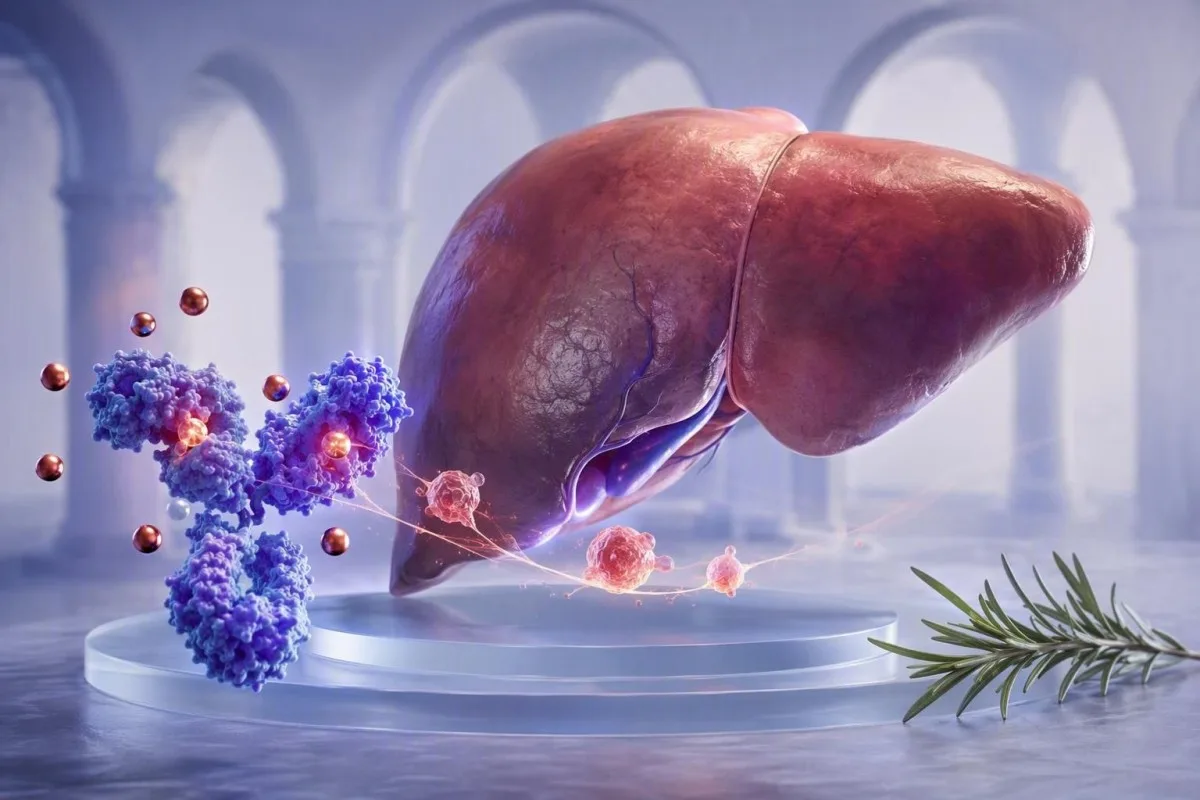
Nizka vrednost transferina lahko odraža odziv jeter na vnetje, ne pa izčrpane zaloge železa. Branje serumskega železa, feritina, CRP in transferina skupaj preprečuje pogoste napake.


- Negativni beljakovina akutne faze: Transferin se običajno zniža med okužbo, avtoimunsko aktivnostjo, operacijo in drugimi vnetnimi stanji, tudi ko so zaloge železa v telesu zadostne.
- Tipičen razpon pri odraslih: Večina laboratorijev uporablja referenčni interval transferina blizu 200-360 mg/dL (2,0-3,6 g/L), vendar imajo prednost lokalna območja testa.
- Izračun TSAT: Nasičenost transferina je enaka serumskemu železu, deljenemu s TIBC, pomnoženim s 100; nizek TIBC lahko povzroči, da nasičenost izgleda manj nenormalna, kot je pričakovati.
- Ferritin opozorilo: Feritin se z vnetjem dvigne, zato feritin pod 30 ng/mL močno podpira pomanjkanje železa, medtem ko vrednost 100 ng/mL tega zanesljivo ne izključuje, ko je CRP povišan.
- Uporaben spremljevalni test: Topni transferinski receptor je običajno manj prizadet zaradi vnetja kot feritin ali transferin in lahko pomaga pojasniti mešano anemijo.
- Čas ponovnega preverjanja: Za ne-nujne nepravilnosti ponovitev študij železa približno 2-4 tedne po tem, ko se je kratka bolezen pozdravila, pogosto daje bolj reprezentativno izhodišče.
- Ne zdravite se slepo sami: Nadomestki železa so lahko koristni pri dokazani pomanjkljivosti, vendar so lahko neprimerni pri preobremenjenosti z železom, aktivni jetrni bolezni ali anemiji, ki jo povzroča predvsem vnetje.
Zakaj se test transferina med vnetjem zniža?
Vnetje znižuje transferin, ker je transferin negativen beljak akutne faze. Citokini, zlasti interleukin-6, signalizirajo jetrom, naj zmanjšajo proizvodnjo transferina, medtem ko hepcidin omejuje sproščanje železa v plazmo; to lahko povzroči nizek transferin in nizek serumski železo, ne da bi dokazali izčrpanost zalog železa.
Krajša razlaga je, da telo med imunsko aktivacijo začasno zmanjša razpoložljivost železa. Hepcidin zmanjšuje izvoz železa iz enterocitov in makrofagov preko feroportina, zato serumsko železo pogosto pade v 24-48 urah; jetra lahko istočasno zmanjšajo sintezo transferina. Ta vzorec je odziv gostiteljske obrambe, ne neposredna meritev vnosa železa iz prehrane.
Pri svojem kliničnem delu ima oseba z vrednostjo CRP 68 mg/L po bakterijski pljučnici lahko serumsko železo 22 µg/dL in transferin 165 mg/dL, vendar feritin 240 ng/mL. Klicanje tega izoliranega vzorca “preobremenjenost z železom” ali samozavestno izključevanje pomanjkanja železa bi bili napaki. Vodilo za preiskave železa podrobneje pojasnjuje osnovne izračune.
Kantesti je AI analizator krvi ki bere transferin poleg CRP, feritina, indeksov popolne krvne slike, jetrnih markerjev in prejšnjih rezultatov, namesto da bi eno nizko vrednost obravnaval kot diagnozo. Praktično pravilo dr. Thomasa Kleina je preprosto: rezultat transferina, pridobljen med vročino, poslabšanjem ali okrevanjem, je treba označiti kot kontekstno odvisen, preden se sprejme kakršna koli odločitev o zdravljenju.
Smer akutne faze je pomembna
CRP, feritin, fibrinogen in haptoglobin se običajno zvišajo kot pozitivni beljakovine akutne faze, medtem ko se transferin in albumin lahko znižata. CRP nad 10 mg/L bistveno oteži interpretacijo posamezne vrednosti feritina, čeprav noben univerzalni prag CRP ne more popraviti vsakega rezultata bolnika.
Kakšne so normalne vrednosti transferina in TIBC?
Območje odraslega transferina se običajno giblje med približno 200-360 mg/dL, TIBC pa med približno 250-450 µg/dL. Ti intervali se razlikujejo glede na laboratorijsko metodo, spol, nosečnostni status in lokalne enote poročanja, zato je območje, natisnjeno ob vašem rezultatu, tisto, ki ga morate uporabiti.
Transferin se običajno meri neposredno v mg/dL ali g/L, medtem ko skupna sposobnost vezanja železa, ali TIBC, ocenjuje, koliko železa lahko vezano razpoložljivo transferin. Mnogi laboratoriji izpeljejo TIBC iz transferina, namesto da bi ga merili ločeno; groba pretvorba je TIBC v µg/dL enaka transferinu v mg/dL, pomnoženo z 1,25. Ta povezava je uporabna za orientacijo, ne za preklic lastnega izračuna laboratorija.
Nasičenost transferina, skrajšano TSAT, se izračuna kot serumsko železo deljeno s TIBC, pomnoženo s 100. TSAT blizu 20-45% je tipičen v mnogih odraslih laboratorijih; vrednosti pod 20% kažejo na omejeno kroženje železa, vendar same ne razlikujejo absolutnega pomanjkanja železa od zajetja železa, ki ga povzroča vnetje. Nizka nasičenost transferina pokriva to razliko.
Nekateri evropski laboratoriji poročajo transferin v g/L, kjer 2,0-3,6 g/L v grobem ustreza 200-360 mg/dL. Rezultat je lahko tik pod območjem po virusni okužbi in se ob ponovitvi normalizira, medtem ko vztrajne vrednosti pod 150 mg/dL zahtevajo premišljeno iskanje težav s sintezo jeter, izgube beljakovin, znatnega vnetja ali podhranjenosti.
Kako je treba razlagati študije železa kot vzorec?
Analize železa so najvarnejše, kadar se serumsko železo, transferin ali TIBC, TSAT, feritin in vnetni marker interpretirajo skupaj. Serumsko železo se samo čez dan močno spreminja in lahko pri isti osebi med vzorci pade za več kot 30%.
Klasična ne zapletena pomanjkljivost železa običajno povzroči nizko serumske železo, visoko transferinsko vrednost ali TIBC, TSAT pod 20% in feritin pod 30 ng/mL. Visok TIBC se pojavi, ker jetra povečajo proizvodnjo transferina, ko je železa malo. Naraščajoča širina porazdelitve rdečih krvnih celic se lahko pojavi pred padcem hemoglobina; glejte naš vodnik po Spremembe RDW po terapiji z železom za časovni potek.
Anemija zaradi vnetja pogosteje povzroča nizko serumske železo, nizko ali normalno transferinsko vrednost, nizko TSAT in feritin, ki je nizek ali normalen. Weiss in Goodnough sta to opisala kot eritropoezo, omejeno z železom, ki jo povzroča okrnjena razpoložljivost železa, in ne nujno odsotno shranjeno železo (Weiss & Goodnough, 2005). Obe stanji pogosto sobivata, zlasti pri vnetni črevesni bolezni, revmatoidnem artritisu, kronični ledvični bolezni in raku.
Manj očitna past je aritmetika: če je serumsko železo 30 µg/dL in je TIBC zmanjšan na 180 µg/dL, je TSAT 17%. Če bi bil TIBC 360 µg/dL, bi enako serumsko železo dalo 8%. Nižji imenovalec lahko prikrije, kako malo železa kroži, zato nizko serumsko železo potrebuje kontekst in ne odzivno naročilo.
Praktičen namig mešanega vzorca
Feritin med 30 in 100 ng/mL s TSAT pod 20% in CRP nad 10 mg/L je pogosto siva cona, ne zagotovilo. V tem primeru lahko zdravniki uporabijo topni transferinski receptor, vsebnost hemoglobina v retikulocitih, trendne podatke ali terapevtski načrt, prilagojen osnovni bolezni.
Zakaj je feritin lahko normalen, ko je železo nizko
Feritin je tako beljakovina za shranjevanje železa kot pozitivni akutni fazni reaktant, zato ga lahko vnetje dvigne neodvisno od shranjenega železa. Feritin pod 30 ng/mL močno podpira pomanjkljivost železa pri večini odraslih, vendar višja vrednost ne more zanesljivo izključiti pomanjkljivosti, kadar je CRP ali ESR povišan.
Smernice Svetovne zdravstvene organizacije (WHO) za feritin iz leta 2020 svetujejo merjenje vnetnih označevalcev skupaj z feritinom, kadar je okužba ali vnetje razširjeno. Pri odraslih z vnetjem WHO predlaga, da feritin pod 70 µg/L lahko kaže na pomanjkljivost železa; to je populacijsko usmerjen prag, ne nadomestilo za individualno klinično oceno (WHO, 2020).
Pogosto vidim bolnike, ki jih po vnetni epizodi skrbi feritin 180 ng/mL, ker domnevajo, da imajo zaloge železa obilne. Včasih jih imajo. Vendar se lahko feritin dvigne po naporne vadbi, poškodbi jetrnih celic, metabolični bolezni, izpostavljenosti alkoholu in imunski aktivnosti, zato številka ni samostojen popis zalog. Feritin in CRP je koristen spremljevalni pogovor.
Kantesti je platforma za razlaga krvne slike z AI ki označi neskladno kombinacijo nizkega transferina, nizkega TSAT in povišanega CRP kot možno omejitev železa, povezano z vnetjem. Naš uporabniški nabor podatkov 2M+ ni nadomestilo za diagnostične raziskave, vendar vedno znova potrjuje staro lekcijo zdravnika: feritin se obnaša drugače, ko je bolnik aktivno bolan.
Vrednosti feritina, ki zahtevajo drugačen pogovor
Feritin nad 1.000 ng/mL zahteva pravočasen zdravniški pregled, saj lahko hudo vnetje, znatna poškodba jeter, sindromi preobremenjenosti z železom in številna druga stanja povzročijo to območje. Nujnost je odvisna od simptomov, jetrnih encimov, nasičenosti transferina in hitrosti sprememb, ne le od vrednosti feritina.
Kateri testi pojasnjujejo pomanjkanje železa med vnetjem?
Topljivi transferinski receptor in količina hemoglobina v retikulocitih lahko pomagata pri prepoznavanju produkcije rdečih krvničk, omejene z železom, kadar se vrednosti feritina in transferina ne ujemajo. Topljivi transferinski receptor običajno narašča s celično potrebo po železu in ga akutna vnetja manj popačijo kot feritin.
Topljivi transferinski receptor ali sTfR, odraža izražanje transferinskega receptorja iz eritroidnih predhodnikov. Običajno naraste pri absolutni pomanjkljivosti železa in je pogosto normalen pri čisti anemiji zaradi vnetja; vendar referenčni intervali za testiranje niso standardizirani, hemoliza ali visoka eritropoietska aktivnost pa ga lahko zvišata. To je eno tistih področij, kjer je natančen laboratorijski način pomembnejši od spletnih mejnih vrednosti.
Količina hemoglobina v retikulocitih, poročana kot CHr ali Ret-He, odvisno od analizatorja, odraža železo, ki je na voljo novonastalim rdečim krvničkam v približno zadnjih 2-4 dneh. Vrednosti pod približno 28-30 pg lahko podpirajo eritropoezo, ki je omejena z železom, čeprav se lokalni pragovi in protokoli za ledvične bolezni razlikujejo. Testiranje topljivega transferinskega receptorja pojasnjuje, kam spada.
Barvanje železa v kostnem mozgu ostaja zgodovinska referenčna metoda, vendar je redko potrebno samo za reševanje rutinske ambulantne preiskave železa. Dr. Thomas Klein na splošno podpira ponavljanje vzorcev po okrevanju, pregled zgodovine krvavitev in prehrane ter uporabo sTfR ali meritev retikulocitov, kadar bo odgovor resnično vplival na zdravljenje; dodatni testi brez priložene odločitve običajno ustvarijo šum.
Indeks sTfR-feritin
Nekateri strokovnjaki izračunajo indeks sTfR/log feritin, ki lahko izboljša razlikovanje v vnetnih pogojih. Mejne vrednosti se bistveno razlikujejo glede na test, pogosto od približno 1,0 do 3,2, zato je treba rezultat razlagati z validirano metodo laboratorija in ne s sposojeno spletno mejno vrednostjo.
Kdaj je treba ponoviti test transferina?
Test transferina je najbolje ponoviti po kratkotrajni okužbi, vročini ali večjem vnetnem dogodku, ko se stanje umiri, običajno po 2-4 tednih, če situacija ni nujna. Jutranje jemanje vzorcev in dosledni pogoji pred preiskavo zmanjšajo neizogibne spremembe v serumskem železu in TSAT.
Serumsko železo ima dnevne spremembe in je lahko nižje pozneje čez dan, medtem ko ga nedavna peroralna uporaba železa lahko začasno zviša. Številni klinični zdravniki zahtevajo jutranji vzorec po 8-12 urnem postu, ko potrebujejo jasno primerjavo, čeprav post ni obvezen za vsako preiskavo železa. Sledite navodilom naročajočega zdravnika in ne prekinjajte predpisanih zdravil sami.
Rezultat transferina, odvzet 48 ur po maratonu, zobozdravstvenem posegu, cepljenju ali akutni respiratorni bolezni, lahko odraža odziv akutne faze in ne trajen vzorec železa. Vadba lahko spremeni tudi CK, plazemski volumen in feritin; vzdržljivostni športniki lahko najdejo naš vodnik za testiranje železa pri tekačih uporabno.
Analiza trendov Kantesti primerja datume, ne le referenčnih zastav, in lahko poudari padec z 310 mg/dL na 180 mg/dL, ki sovpada z naraščanjem CRP z 1 na 52 mg/L. To je klinično bolj informativno kot kateri koli samostojen rezultat. Preglejte pripravo na test TIBC pred načrtovanjem ponovnega odvzema.
Kdaj ne čakati na ponovni odvzem
Ne prelagajte zdravniškega pregleda za ponovno testiranje, če je prisotna huda težka sapa, bolečina v prsih, omedlevica, črno blato, močna stalna krvavitev, zlatenica ali hitro poslabšanje šibkosti. Hemoglobin pod 80 g/L (8 g/dL) je pogosto klinično pomemben, vendar je nujnost odvisna od simptomov, hitrosti padca, nosečnosti in srčno-žilnih bolezni.
Kako CRP, ESR in hepcidin pojasnjujejo nizek transferin?
CRP in ESR ne merita zalog železa, vendar pokažeta, ali lahko vnetje popači test transferina. CRP naraste in pade v urah do dneh, medtem ko lahko ESR ostane povišan več tednov, ker nanj vplivajo fibrinogen, anemija, starost in imunoglobulini.
Interlevkin-6 spodbuja nastajanje jetrnega hepcidina, hepcidin pa se veže na feroportin, kar povzroči zmanjšano izvoz železa iz makrofagov in celic črevesa. Pregled Ganz in Nemeth opisuje to pot kot osrednjo za anemijo zaradi vnetja in eritropoezo, omejeno z železom (Ganz & Nemeth, 2012). Rezultat je lahko nizka vsebnost železa v serumu v enem dnevu, medtem ko se transferin zmanjša kot del iste sistemske odzivnosti.
CRP pod 5 mg/L se pogosto šteje kot v referenčnem območju, čeprav se laboratoriji razlikujejo. CRP 40 mg/L ne določi vzroka vnetja, vendar bi moral biti zdravnik bolj previden pri diagnosticiranju pomanjkanja železa le iz feritina ali transferina. Vzroki za visok ESR pojasnjuje, zakaj je ESR počasnejši in manj specifičen.
Kantesti AI interpretira rezultate transferina s primerjavo smeri CRP, feritina, albumina, števila belih krvnih celic in nedavnih trendov. To ni diagnostični motor za okužbe ali avtoimunske bolezni; je strukturiran poziv, da se vprašamo, ali je bil panel železa pridobljen med biološko nestabilnim trenutkom.
Zakaj hepcidin ni rutinsko merjen
Diagnostika hepcidina ostaja omejena zaradi razpoložljivosti, standardizacije in časa obdelave v običajni praksi. Vrednost hepcidina je lahko informativna pri specialističnih raziskavah ali nenavadnih primerih anemije, vendar feritin v serumu, TSAT, CRP, ledvična funkcija in indeksi krvne slike ostajajo praktična orodja prve izbire.
Kako se anemija zaradi vnetja razlikuje od pomanjkanja železa?
Absolutno pomanjkanje železa pomeni, da je železa v telesu premalo, medtem ko anemija zaradi vnetja pomeni, da je železo prisotno, vendar slabo dostopno za proizvodnjo rdečih krvnih celic. Obe stanji lahko povzročita utrujenost, nizek TSAT in padajoč hemoglobin, pogosto pa se pojavljata skupaj.
Pri nekompliciranem pomanjkanju železa je feritin običajno nizek, transferin pa se pogosto dvigne nad 360 mg/dL zaradi povečane vezalne sposobnosti. Pri anemiji zaradi vnetja transferin pogosto pade pod 200 mg/dL, feritin je pogosto nad 100 ng/mL, CRP pa je lahko povišan. Noben vzorec ni absolutni; kronična ledvična bolezen in bolezen jeter se še posebej pogosto prekrivata.
Hemoglobin in MCV lahko zaostajata za omejitvijo železa. Oseba lahko ima feritin 18 ng/mL, TSAT 14% in normalen hemoglobin 132 g/L, zlasti zgodaj v pomanjkanju; nasprotno, vnetje lahko povzroči anemijo z normalnim MCV 82-100 fL. Kaj pomeni hemoglobin pomaga postaviti CBC poleg preiskav železa.
Razlog, zakaj nas skrbijo nizek transferin v kombinaciji z nizkim albuminom, je ta, da skupaj kažejo na močnejše vnetno breme, okvarjeno jetrno sintezo ali izgubo beljakovin, medtem ko je nizek transferin sam po prehladu pogosto prehoden. Zdravnik bi moral pregledati ledvično funkcijo, beljakovine v urinu, jetrne teste, prehrano, zdravila, zgodovino krvavitev in potek v najmanj dveh odvzetoih vzorcih.
Zdravljenje ni zamenljivo
Peroralno železo pogosto izboljša absolutno pomanjkanje, vendar je lahko njegov učinek omejen, medtem ko vnetje ohranja visok nivo hepcidina. Pri izbranih stanjih, kot sta kronična ledvična bolezen ali aktivna vnetna bolezen črevesja, lahko zdravniki uporabijo intravensko železo ali najprej zdravijo vnetni vzrok; pristop je odvisen od diagnoze, simptomov, hemoglobina in varnostnih vidikov.
Zakaj nizek transferin lahko izkrivlja nasičenost transferina
Nizek transferin lahko povzroči, da se nasičenost s transferinom zdi manj nizka, ker TSAT uporablja TIBC kot imenovalec. Normalni ali rahlo nizki TSAT ne pomeni vedno, da je dostava železa ustrezna, ko TIBC zavira vnetje ali jetrna disfunkcija.
Upoštevajte serumsko železo 36 µg/dL. Z TIBC 360 µg/dL je TSAT 10%; z TIBC 180 µg/dL je TSAT 20%. Drugi rezultat se matematično zdi manj zaskrbljujoč, vendar oba vzorca vsebujeta isto nizko krožno železo. Zato bi morali zdravniki pregledati surove vrednosti, ne le odstotke.
Nasprotna past se zgodi pri napredovali jetrni poškodbi ali akutni jetrni celicični škodi: proizvodnja transferina se lahko zmanjša, serumsko železo pa se lahko zviša zaradi spremenjenega ravnanja, kar povzroči povišan TSAT. TSAT, ki je vztrajno nad 45%, si zasluži oceno za preobremenitev z železom v pravem kontekstu, vendar se ne sme uporabljati za diagnosticiranje dedne hemokromatoze med akutnim jetrnim dogodkom. Preberite naš namigi za jetrne teste pri cirozi za širši jetrni kontekst.
Kantesti je Orodje za analizo krvnih testov z umetno inteligenco uporabljen v 127+ državah, zato normalizira enote pred izračunom nasičenosti in označi rezultate, ki so lahko matematično nestabilni, ker je TIBC nenavadno nizek. Izpis naj podpira, ne nadomesti, zdravnika, ki ve, ali ima bolnik vročino, hepatitis, nefrotski sindrom ali nedavno zdravljenje z železom.
Ne uporabljajte TSAT kot označevalca hidracije
Dehidracija lahko zgosti več serumskih meritev, vendar ne ustvari zanesljivega vzorca preobremenitve z železom. Če albumin, hematokrit, sečnina in natrij kažejo na zmanjšan plazemski volumen, je ponovitev analize po normalni hidraciji lahko smiselna, preden pripisujete pomen mejnemu TSAT.
Kaj drugega poleg vnetja povzroča nizek transferin?
Nizka transferinska vezava (transferrin) se pojavi tudi pri zmanjšani sintezi v jetrih, izgubi beljakovin skozi ledvice ali črevesje, nezadostnem vnosu beljakovin in energije ter redko pri prirojenih motnjah. Vnetje je pogosto, vendar nikoli ne sme postati izgovor za vse, ne da bi preverili ostale rezultate analize.
Jetra sintetizirajo transferinsko vezavo (transferrin), zato lahko nizka transferinska vezava z zvišanim bilirubinom, INR, AST, ALT ali nizkim albuminom kaže na bolezen jeter namesto na stanje železa. Hudo jetrno obolenje lahko zmanjša transferinsko vezavo (transferrin) pod 150 mg/dL. Rezultati jetrne analize pomagajo ugotoviti, ali je ta razlaga verjetna.
Izguba beljakovin v urinu v nefrotičnem območju lahko odstrani transferinsko vezavo (transferrin) skupaj z albuminom in drugimi beljakovinami. Razmerje med albuminom in kreatininom v urinu nad 300 mg/g ali 30 mg/mmol pomeni hudo zvišano albuminurijo in zahteva oceno osredotočeno na ledvice; proteinski test iz urinskega traku sam ni dovolj za popoln odgovor. Glejte naš vodnik po beljakovine v urinu.
Slab vnos, malabsorpcija ali huda katabolna bolezen lahko znižajo transferinsko vezavo (transferrin), čeprav je transferinska vezava (transferrin) preveč občutljiva na vnetje, da bi sama služila kot prehranski označevalec. Prirojena atransferinemija je izjemno redka in se običajno pojavi veliko zgodaj v življenju s hudo anemijo in paradoksno sistemsko obremenitvijo z železom. Ta nenavadna kombinacija zahteva strokovno hematološko pomoč.
Učinki zdravil in hormonov
Izpostavljenost estrogenu in nosečnost lahko povečata transferinsko vezavo (transferrin), medtem ko jo lahko androgeni skromno znižajo. Ti premiki so običajno manjši od učinkov pomembnega vnetja ali bolezni jeter, vendar lahko pojasnijo mejni rezultat, ko je preostali del analize železa stabilen.
Kako nosečnost in menstrualna izguba krvi spremenita transferin?
Nosečnost pogosto zviša transferinsko vezavo (transferrin) in TIBC, medtem ko se potrebe po železu najbolj povečajo v drugem in tretjem trimesečju. Zato rezultat nizke transferinske vezave (transferrin) med nosečnostjo zahteva posebno pozornost glede vnetja, jetrne funkcije, izgube beljakovin in laboratorijskega konteksta.
Med nosečnostjo se volumen plazme poveča, estrogen pa poveča sintezo transferina, zato se TIBC pogosto dvigne nad raven pri nenenosečih ženskah. Feritin se prav tako običajno znižuje z napredovanjem nosečnosti; feritin pod 30 µg/L se pogosto uporablja za ugotavljanje izčrpanih zalog med nosečnostjo, čeprav se lahko lokalne smernice za materinstvo razlikujejo. Feritin po trimesečju zagotavlja praktične razpone.
Močna menstrualna krvavitev je pogost vzrok absolutne pomanjkljivosti železa, zlasti kadar je feritin pod 30 ng/mL in je transferinska vezava (transferrin) povišana namesto znižana. Vendar oseba z avtoimunsko boleznijo in močnimi menstruacijami lahko ima tako pomanjkanje zaradi izgube krvi kot vnetje; “normalen” feritin 75 ng/mL ne reši vprašanja, ko je CRP 24 mg/L.
Nova nizka transferinska vezava (transferrin) z visokim krvnim tlakom, oteklino, proteinurijo, glavobolom, bolečino v zgornjem desnem delu trebuha ali nenormalnimi jetrnimi testi med nosečnostjo zahteva takojšnjo porodničarsko oceno. Ni način za diagnosticiranje preeklampsije, vendar lahko širši vzorec beljakovin in jeter pomeni veliko več kot le rezultat železa.
Kako se transferin razlaga pri ledvični bolezni in kronični bolezni?
Kronična ledvična bolezen pogosto povzroča funkcionalno pomanjkanje železa, ker vnetje in zmanjšana eritropoetina omejujeta uporabno železo za proizvodnjo rdečih krvnih celic. V tem okolju TSAT pod 20% in feritin pod 100 ng/mL pogosto podpirata pomanjkanje železa pred dializo, čeprav se pragovi za zdravljenje razlikujejo glede na smernice in klinično okolje.
Smernice KDIGO so zgodovinsko uporabljale okvir poskusa z železom pri mnogih odraslih s CKD, kadar je bil TSAT pri ali pod 30% in feritin pri ali pod 500 ng/mL, pod pogojem, da je klinični cilj dvigniti hemoglobin ali zmanjšati terapijo s stimulirajočimi eritropoezo. To so upoštevanja zdravljenja, ne univerzalne opredelitve normalnih zalog železa, in zgornja meja 500 ng/mL se pogosto napačno razume.
Bolnik z eGFR 28 mL/min/1.73 m², hemoglobinom 96 g/L, TSAT 16%, feritinom 220 ng/mL in CRP 12 mg/L ima lahko funkcionalno pomanjkanje kljub neznižanemu feritinu. Absorcija železa peroralno je lahko zmanjšana, klinični zdravniki pa morajo oceniti tudi B12, folat, okultno izgubo, uporabo eritropoezina in potek ledvične bolezni. Stadiji CKD ponuja koristno ozadje.
Kantesti lahko transferrin umesti v vzdolžni kontekst zdravja ledvic, vendar ne more določiti, ali so primerni intravensko železo, zdravljenje, ki spodbuja eritropoezo, ali napotitev k specialistu. Za to odločitev so potrebni podatki o simptomih, krvnem tlaku, prisotnosti okužbe, pregledu zdravil in celotni ledvični dokumentaciji.
Kateri podatki iz anamneze naredijo rezultat transferina bolj uporaben?
Najkoristnejša razlaga vrednosti transferrina vključuje simptome, nedavno bolezen, menstrualne ali prebavne krvavitve, prehrano, uživanje alkohola, zdravila, telesno vadbo in prejšnje vrednosti. En sam vzorec je le trenutni posnetek; dva primerljiva vzorca pogosto pokažeta, ali je sprememba fiziološka, vnetna ali vztrajna.
Vprašajte, ali so se v 14 dneh pred odvzemom krvi pojavili vročina, cepljenje, poškodba, hospitalizacija, zobozdravstveni poseg, intenzivna vadba ali znano poslabšanje bolezni. Zabeležite tudi jemanje železovih tablet, multivitaminov, zaviralcev protonske črpalke, nesteroidnih protivnetnih zdravil, antikoagulantov in nedavne spremembe prehrane. Te podrobnosti lahko vplivajo na absorpcijo železa ali verjetnost prikritih krvavitev.
Sprememba transferrina z 290 na 205 mg/dL je pomembnejša, če se je CRP povečal z 2 na 35 mg/L, albumin pa se je znižal s 44 na 37 g/L. Nasprotno pa je sprememba za 10 mg/dL ob stabilnem CRP in enakem času odvzema lahko znotraj biološke in analitične variabilnosti. Primerjava krvnih preiskav pojasnjuje, zakaj majhne spremembe niso vedno resnične spremembe.
Večjezična orodja Kantesti za vodenje zdravstvenih zapisov omogočajo shranjevanje konteksta ob izvidu, vključno z datumi bolezni in spremembami prehranskih dopolnil, v 75+ jezikih. Ta zgodovina omogoča varnejšo zdravniško presojo; naš vodilo za longitudinalne krvne teste navaja praktične podrobnosti, ki jih je vredno ohraniti.
Simptomi niso specifični
Utrujenost, zmanjšana telesna zmogljivost, izpadanje las, sindrom nemirnih nog in slabša zbranost se lahko pojavijo pri pomanjkanju železa, vnetju, bolezni ščitnice, motnjah spanja, depresiji in številnih drugih stanjih. Simptomi naj spodbudijo ustrezno obravnavo, vendar sami ne morejo pokazati, ali nizek transferrin pomeni izčrpane zaloge železa.
Kdaj je treba nizek rezultat transferina nujno pregledati?
Nizek transferrin zahteva hiter zdravniški pregled, kadar ga spremljajo pomembna anemija, zlatenica, otekanje, močne krvavitve, črno blato, nepojasnjeno hujšanje ali znaki motenega delovanja ledvic ali jeter. Sam izvid je le redko nujen, vendar je stanje, ki je v njegovem ozadju, občasno lahko nujno.
Pregled še isti dan je smiseln pri bolečini v prsih, omedlevici, hudi kratki sapi, zmedenosti, črnem katranastem blatu, bruhanju krvi ali hitro naraščajočem otekanju. Hemoglobin pod 70 g/L (7 g/dL), bilirubin nad 50 µmol/L z zlatenico ali nepričakovano visok INR zahtevajo individualno klinično presojo in morda nujno obravnavo. Teh vzorcev ne poskušajte popraviti samo z železom brez recepta.
Pri stabilno nekoliko znižanem transferrinu 185 mg/dL z normalnim hemoglobinom, normalnimi jetrnimi testi in CRP 18 mg/L med dokumentirano okužbo dihal je pogosto smiselno ponoviti sklop preiskav po okrevanju. Če vztraja več kot 6–8 tednov, zdravniki običajno razširijo pregled na jetrne teste, beljakovine v urinu, prehransko anamnezo, aktivnost vnetne bolezni in vire krvavitev.
Našo klinično vsebino pregledujemo ob podpori Zdravniški svetovalni odbor, logika razlage Kantesti pa je dokumentirana prek našega medicinski validacijski okvir. Na dan 5. septembra 2026 ostaja najvarnejše sporočilo nespremenjeno: nizek izvid transferrina je namig o transportu železa in sistemski fiziologiji, ne pa samostojna diagnoza.
Pogosto zastavljena vprašanja
Ali lahko vnetje povzroči nizek transferin brez pomanjkanja železa?
Da. Vnetje lahko zniža transferin, tudi ko so zaloge železa zadostne, ker je transferin negativni beljak akutne faze, ki ga proizvaja jetra. Oseba s CRP nad 10 mg/L lahko ima nizek transferin, nizek serumski železo in feritin nad 100 ng/mL zaradi sekvestracije železa, povezane z vnetjem, in ne zaradi čiste izčrpanosti železa. Pomanjkanje železa lahko še vedno obstaja, zlasti ko je TSAT pod 20% ali feritin pod 30 ng/mL. Klinični zdravnik naj interpretira celoten vzorec in vzrok vnetja.
Ali nizka transferinska raven pomeni nizek nivo železa?
Nizka transferinska vrednost ne pomeni nujno nizke količine železa v telesu. Nizka vrednost transferina se pogosto pojavi med vnetjem, boleznimi jeter, izgubo beljakovin v ledvicah in nezadostnim vnosom beljakovin, medtem ko klasična nečistoča železa pogosto zviša transferin nad približno 360 mg/dL. Serumsko železo pod 50 µg/dL se lahko pojavi pri nečistoči železa ali vnetju, zato so potrebni feritin, CRP, TIBC, TSAT in krvna slika. Rezultat transferina pod 200 mg/dL je treba razlagati glede na referenčne vrednosti laboratorija in klinično zgodovino.
Ali lahko nizek transferin prikaže normalno nasičenost transferina?
Da. Nasičenost transferina je serumsko železo deljeno s skupno kapaciteto vezave železa (TIBC) pomnoženo s 100, zato nizek TIBC, ki ga povzroča nizek transferin, ustvari manjši imenovalec. Na primer, serumsko železo 36 µg/dL povzroči TSAT 10% pri TIBC 360 µg/dL, vendar 20% pri TIBC 180 µg/dL. To pomeni, da lahko mejni TSAT podcenjuje omejitev železa, ko je transferin znižan. Kliniki naj pregledajo tako odstotek kot surove vrednosti serumske železa in TIBC.
Kakšna raven feritina potrjuje pomanjkanje železa med vnetjem?
Feritin pod 30 ng/mL ali µg/L močno podpira anemijo zaradi pomanjkanja železa pri večini odraslih, vključno s številnimi osebami z blago vnetjem. Smernice SZO iz leta 2020 predlagajo, da lahko feritin pod 70 µg/L kaže na pomanjkanje železa pri odraslih z znaki vnetja, vendar ta vrednost ni absolutna za vsakega posameznika. Feritin se lahko zviša ob povišanju CRP, poškodbi jeter in metaboličnih boleznih, zato vrednosti med 30 in 100 ng/mL pogosto zahtevajo testiranje TSAT, CRP in včasih topnega receptorja za transferin. Feritin nad 100 ng/mL ne izključuje vedno anemije zaradi pomanjkanja železa, kadar je prisotna vnetna aktivnost.
Kako dolgo po bolezni naj ponovim test transferina?
Pri manjši samoomejitveni bolezni je pogosto smiselno ponoviti test transferina približno 2-4 tedne po umiritvi simptomov in vročine, če ni nujnih znakov. CRP se lahko normalizira v nekaj dneh, medtem ko lahko ESR, feritin, albumin in transferin potrebujejo več časa, da se vrnejo na izhodišče. Uporabite podobne pogoje za ponovno odvzem, idealno jutranji odvzem in po možnosti v istem laboratoriju. Ne odlašajte s pregledom, če raven hemoglobina pada, krvavitev še traja ali so jetrni in ledvični izvidi nenormalni.
Ali naj jemljem železove dodatke za nizek transferin?
Samotno nizka transferinska vrednost ni razlog za začetek nadomeščanja z železom. Oralno železo se običajno upošteva ob dokazih o absolutni pomanjkanju železa, kot so feritin pod 30 ng/mL, nizka TSAT, združljivi simptomi ali jasen vir izgube; odmerek in urnik je treba prilagoditi posamezniku. Pri slabokrvnosti zaradi vnetja lahko železo slabo absorbira ali ni na voljo, ker je hepcidin visok, in obravnavanje osnovnega stanja je lahko pomembnejše. Železo je lahko škodljivo ali zavajajoče pri motnjah preobremenjenosti z železom in nekaterih jetrnih stanjih, zato vzorec potrdite s kliničnim zdravnikom.
Danes pridobite analizo krvnih preiskav z umetno inteligenco
Pridružite se več kot 2 milijonoma uporabnikov po vsem svetu, ki zaupajo Kantesti za takojšnjo, natančno analizo laboratorijskih preiskav. Naložite svoje rezultate krvnih preiskav in v nekaj sekundah prejmite celovito razlago biomarkerjev 15,000+.
📚 Citirane raziskovalne publikacije
Klein, T., Mitchell, S., & Weber, H. (2026). Predregistrirana, na rubrikah temelječa avtomatizirana tehnična primerjava interpretacijskega stroja za krvne teste Kantesti na 100.000 sintetičnih testnih primerih. Kantesti AI Medical Research.
Klein, T., Mitchell, S., & Weber, H. (2026). Okvir klinične validacije v2.0 (stran za medicinsko validacijo). Kantesti AI Medical Research.
📖 Zunanje medicinske reference
Svetovna zdravstvena organizacija (2020). Smernice SZO o uporabi koncentracij feritina za oceno statusa železa pri posameznikih in populacijah. Svetovna zdravstvena organizacija.
⚕️ Medicinska izjava o omejitvi odgovornosti
Ta članek je namenjen izobraževalnim namenom in ne predstavlja medicinskega nasveta. Za odločitve o diagnozi in zdravljenju se vedno posvetujte z usposobljenim izvajalcem zdravstvenih storitev.
E-E-A-T zaupanja vredni signali
Izkušnje
Zdravniški klinični pregled delovnih postopkov za interpretacijo laboratorijskih izvidov.
Strokovno znanje
Laboratorijska medicina s poudarkom na tem, kako se biomarkerji obnašajo v kliničnem kontekstu.
Avtoritativnost
Napisal dr. Thomas Klein, pregledala dr. Sarah Mitchell in prof. dr. Hans Weber.
Zanesljivost
Interpretacija na podlagi dokazov z jasnimi nadaljnjimi potmi za zmanjšanje alarmiranja.