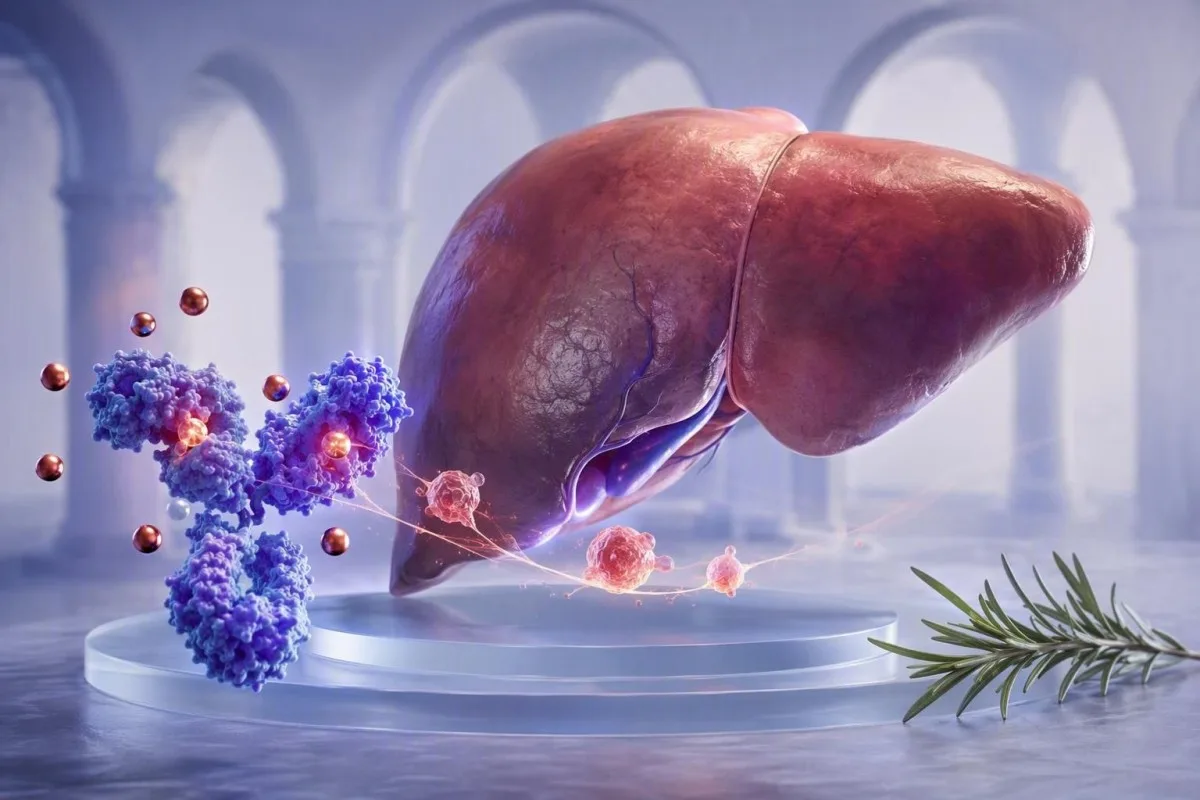
Kamayda transferrin darajasi, organizmdagi temir zaxiralarining kamayib ketganidan ko'ra, jigar tomonidan yallig'lanishga javobni aks ettirishi mumkin. Serom temir, ferritin, CRP va transferrinni birgalikda o'qish umumiy xatolarni oldini oladi.


- Salbiy o'tkir faza oqsili: Organizmdagi temir zaxiralari etarli bo'lsa ham, transferrin odatda infektsiya, autoimmun faollik, jarrohlik va boshqa yallig'lanish holatlarida pasayadi.
- Kattalar uchun odatiy diapazon: Ko'pgina laboratoriyalar transferrin uchun taxminan 200-360 mg/dL (2,0-3,6 g/L) ga yaqin ma'lumotnomadan foydalanadilar, ammo mahalliy tahlil diapazonlari ustunlikka ega.
- TSAT hisob-kitobi: Transferrin to'yinganligi serum temirini TIBC ga bo'lib, 100 ga ko'paytirishga teng; past TIBC to'yinganlikni kutilganidan kamroq g'ayritabiiy ko'rsatishi mumkin.
- Temirning ehtiyot choralari: ferritin yallig'lanish bilan ortadi, shuning uchun 30 ng/mL dan past bo'lgan ferritin temir tanqisligini qat'iy qo'llab-quvvatlaydi, 100 ng/mL qiymati esa CRP ko'tarilganida uni ishonchli istisno qilmaydi.
- Foydali hamrohlik testi: Eritilgan transferrin retseptorlari odatda ferritin yoki transferringa qaraganda yallig'lanishdan kamroq ta'sirlanadi va aralash kamqonlikni aniqlashtirishga yordam beradi.
- Qayta tekshiruv vaqti: Chong'i bo'lmagan g'ayritabiiy holatlar uchun, qisqa kasallik bartaraf etilgandan keyin taxminan 2-4 hafta o'tgach, temir tadqiqotlarini takrorlash ko'pincha ko'proq vakillikni beradi.
- Ko'r-ko'rona o'zini davolamang: Temir qo'shimchalari tasdiqlangan etishmovchilikda foydali bo'lishi mumkin, ammo temirning ko'payishi, jigar kasalligining faol bosqichi yoki asosan yallig'lanishdan kelib chiqqan kamqonlikda noto'g'ri bo'lishi mumkin.
Nima uchun yallig'lanish paytida transferrin darajasi pasayadi?
Yallig'lanish transferrinni pasaytiradi, chunki transferrin salbiy o'tkir fazali oqsil hisoblanadi. Sitokinlar, ayniqsa interleykin-6, jigarga transferrin ishlab chiqarishni kamaytirishni buyuradi, shu bilan birga gepcidin plazmaga temir ajralishini cheklaydi; bu transferrin va plazmadagi temir miqdorini pasaytirishi mumkin, temir zaxiralari kamayganligini tasdiqlamasdan.
Qisqacha aytganda, tana immunitet faollashuvi paytida vaqtincha temirni kamroq mavjud qiladi. Gepcidin enterotsitlar va makrofaglardan temirning ferroportin orqali chiqarilishini kamaytiradi, shuning uchun plazmadagi temir ko'pincha 24-48 soat ichida pasayadi; jigar bir vaqtning o'zida transferrin sintezini kamaytirishi mumkin. Ushbu naqsh parhez temir iste'molini to'g'ridan-to'g'ri o'lchash emas, balki xost-himoya reaktsiyasi hisoblanadi.
O'z klinik faoliyatimda bakterial pnevmoniyadan keyin 68 mg/l CRP ga ega bo'lgan odamda plazmadagi temir 22 mkg/dl va transferrin 165 mg/dl, lekin ferritin 240 ng/ml bo'lishi mumkin. Ushbu izolyatsiya qilingan naqshni “temirning ko'payishi” deb atash yoki temir etishmovchiligini ishonch bilan istisno qilish ham xato bo'ladi. Temirni o'rganish bo'yicha yo'riqnoma asosiy hisob-kitoblarni batafsilroq tushuntiradi.
Kantesti - bu AI qon testi analizatori bu transferrinni CRP, ferritin, to'liq qon soni ko'rsatkichlari, jigar markerlari va oldingi natijalarga nisbatan o'qiydi, bir past qiymatni tashxis sifatida qabul qilishdan ko'ra. Doktor Tomas Keynning amaliy qoidasi sodda: isitma, kuchayish yoki tiklanish paytida olingan transferrin natijasi har qanday davolash qaroridan oldin kontekstga bog'liq deb belgilanishi kerak.
O'tkir fazali yo'nalish muhim
CRP, ferritin, fibrinogen va haptoglobin odatda ijobiy o'tkir fazali oqsillar sifatida ko'tariladi, transferrin va albumin esa pasayishi mumkin. 10 mg/l dan yuqori bo'lgan CRP bitta ferritin qiymatini sezilarli darajada tushunishni qiyinlashtiradi, garchi universal CRP chegarasi har bir bemorning natijasini to'g'irlay olmasa ham.
Normal transferrin va TIBC diapazonlari qanday?
Kattalar transferrinining umumiy diapazoni taxminan 200-360 mg/dl ni, TIBC esa taxminan 250-450 mkg/dl ni tashkil qiladi. Ushbu intervallar laboratoriya usuli, jins, homiladorlik holati va mahalliy hisobot birliklariga qarab farq qiladi, shuning uchun sizning natijangiz yonidagi diapazondan foydalanish kerak.
Transferrin odatda mg/dl yoki g/l o'lchovida to'g'ridan-to'g'ri o'lchanadi, umumiy temirni bog'lash qobiliyati, yoki TIBC, mavjud transferrin qancha temirni bog'lay oladi. Ko'pgina laboratoriyalar TIBC ni alohida o'lchamasdan, transferrindan hosil qiladi; taxminan konversiya TIBC mkg/dl da transferrin mg/dl ni 1.25 ga ko'paytirilganiga teng. Bu munosabat orientatsiya uchun foydalidir, laboratoriyaning o'z hisob-kitobini bekor qilish uchun emas.
Transferrinning to'yinganligi, qisqartirilgan TSAT, plazmadagi temirni TIBC ga bo'lib, 100 ga ko'paytirish orqali hisoblanadi. Ko'pgina kattalar laboratoriyalarida 20-45% ga yaqin TSAT odatiy hisoblanadi; 20% dan past qiymatlar aylanadigan temirning cheklanganligini ko'rsatadi, ammo ular mutlaq temir etishmovchiligini yallig'lanishdan kelib chiqqan temirni to'plashdan o'zlari ajrata olmaydi. Transferrin saturatsiyasi past bu farqni tushuntiradi.
Ba'zi Yevropa laboratoriyalari transferrinni g/l o'lchovida hisobot qilishadi, bu yerda 2.0-3.6 g/l taxminan 200-360 mg/dl ga to'g'ri keladi. Natija virusli kasallikdan keyin diapazon ostida bo'lishi mumkin va takroriy tekshiruvda normal holatga kelishi mumkin, ammo 150 mg/dl dan past doimiy qiymatlar jigar sintez muammolari, oqsil yo'qotilishi, sezilarli yallig'lanish yoki noto'g'ri ovqatlanish uchun maqsadli qidiruvni talab qiladi.
Temir tadqiqotlari qanday tartibda talqin qilinishi kerak?
Temirni oʻrganish eng xavfsiz boʻladi, agar zardobdagi temir, transferrin yoki TIBC, TSAT, ferritin va yalligʻlanish koʻrsatkichi birgalikda talqin qilinsa. Zardobdagi temir miqdori kun davomida keskin oʻzgarib turadi va bir kishining oʻzida namunalarda 30% dan koʻproq kamayishi mumkin.
Klassik murakkab boʻlmagan temir tanqisligi odatda past zardob temiri, yuqori transferrin yoki TIBC, 15% dan past TSAT va 30 ng/mL dan past ferritini hosil qiladi. Agar temir mavjudligi kam boʻlsa, jigar tomonidan transferrin ishlab chiqarish koʻpayishi natijasida TIBC koʻtariladi. Qizil qon hujayralari taqsimlanishining kengayishi gemoglobin tushishidan oldin paydo boʻlishi mumkin; yoʻriqnomamizga qarang Temir terapiyasidan keyin RDW oʻzgarishlari vaqt oʻtishi uchun.
Yalligʻlanish anemiyasi koʻpincha past zardob temiri, past yoki normal transferrin, past TSAT va normal yoki yuqori ferritini hosil qiladi. Weiss va Goodnough buni temirning mavjud emasligidan koʻra, mavjud temirning kamayganligi sababli temir bilan cheklangan eritropoez deb taʼriflagan (Weiss & Goodnough, 2005). Bu ikki holat koʻpincha birga uchraydi, ayniqsa yalligʻlanishli ichak kasalliklari, revmatoid artrit, surunkali buyrak kasalliklari va saratonda.
Kamroq seziladigan tuzoqlardan biri bu hisoblashdir: agar zardob temiri 30 µg/dL boʻlsa va TIBC 180 µg/dL ga tushirilgan boʻlsa, TSAT 17% ni tashkil qiladi. Agar TIBC 360 µg/dL boʻlsa, bir xil zardob temiri 8% ni beradi. Pastki denominator aylanib yurgan temirning qanchalik kamligini yashirishi mumkin, shuning uchun past zardobdagi temir tekshiruv asosida buyurtma berish oʻrniga kontekstni talab qiladi.
Amaliy aralash naqsh koʻrsatkichi
30 dan 100 ng/mL gacha boʻlgan ferritin, 15% dan past TSAT va 10 mg/L dan yuqori CRP koʻpincha shubhali holatni bildiradi, xotirjamlikni emas. Bu holatda, shifokorlar eruvchan transferrin retseptorlari, retikulotsit gemoglobin miqdori, tendensiya maʼlumotlari yoki asosiy kasallikka moslashtirilgan davolash rejasidan foydalanishlari mumkin.
Nima uchun temir kam bo'lganda ferritin normal ko'rinishi mumkin?
Ferritin ham temirni saqlovchi oqsil, ham musbat oʻtkir fazali reaktantdir, shuning uchun yalligʻlanish uni saqlangan temirdan mustaqil ravishda koʻtarishi mumkin. Koʻpgina kattalarda 30 ng/mL dan past ferritin temir tanqisligini kuchli qoʻllab-quvvatlaydi, ammo CRP yoki ESR koʻtarilganida yuqori qiymat tanqislikni ishonchli ravishda istisno qila olmaydi.
Jahon Sogʻliqni Saqlash Tashkilotining 2020-yildagi ferritini boʻyicha koʻrsatmasi infektsiya yoki yalligʻlanish keng tarqalgan joylarda ferritin bilan birga yalligʻlanish markerlarini oʻlchashni tavsiya etadi. Yalligʻlanishli kattalarda, JSST 70 µg/L dan past ferritin temir tanqisligini koʻrsatishi mumkinligini taklif qiladi; bu aholi tomonidan maʼlumotli chegaradir, individual klinik baholash oʻrnini bosmaydi (JSST, 2020).
Men koʻpincha yalligʻlanish zoʻrayganidan keyin 180 ng/mL ferritinni koʻrgan bemorlarni uchrataman, ular oʻzlarining temir zaxiralari koʻp deb taxmin qilishadi. Baʼzan shunday boʻladi. Biroq, ferritin kuchli jismoniy mashqlar, jigar hujayralarining shikastlanishi, metabolik kasalliklar, alkogol taʼsiri va immunitet faolligidan keyin koʻtarilishi mumkin, shuning uchun bu raqam yakka inventarizatsiya hisobi emas. Ferritin va CRP foydali hamrohi.
Kantesti - bu AI qon tahlili natijalari platformasi bu past transferrin, past TSAT va yuqori CRP ning yalligʻlanish bilan bogʻliq temir cheklovini koʻrsatishi mumkin boʻlgan nomuvofiq kombinatsiyasini belgilaydi. Bizning 1000 foydalanuvchi maʼlumotlar toʻplamimiz diagnostika tadqiqotlarining oʻrnini bosmaydi, lekin u takroran shifokorning eski sabogʻini kuchaytiradi: bemor faol ravishda kasal boʻlganda ferritin boshqacha harakat qiladi.
Boshqa suhbatni talab qiladigan ferritin qiymatlari
1000 ng/mL dan yuqori ferritin darhol tibbiy koʻrib chiqishni talab qiladi, chunki jiddiy yalligʻlanish, sezilarli jigar shikastlanishi, temirning ortiqcha yuklanishi sindromlari va boshqa bir qator holatlar bu diapazonni hosil qilishi mumkin. Shoshilinchlik alomatlarga, jigar fermentlariga, transferrin toʻyinganligiga va faqat ferritin raqamiga emas, balki oʻzgarish tezligiga bogʻliq.
Qaysi testlar yallig'lanish paytida temir tanqisligini aniqlashtiradi?
Eritrositlar ishlab chiqarilishini temir bilan cheklashni aniqlashda erigan transferrin retseptorlari va retikulotsit gemoglobin miqdori, agar ferritin va transferrin bir-biriga zid bo'lsa, yordam beradi. Eritrositlar ishlab chiqarilishini temir bilan cheklashni aniqlashda erigan transferrin retseptorlari odatda hujayralardagi temirga bo'lgan ehtiyoj bilan ortadi va fermentin singari o'tkir yallig'lanishdan kamroq buziladi.
Erigan transferrin retseptorlari yoki sTfR, eritroid prekursorlardan transferrin retseptorining ekspressiyasini aks ettiradi. U odatda mutlaq temir tanqisligida ko'tariladi va ko'pincha faqat yallig'lanishli anemiyada normal bo'ladi; ammo, tahlilning mos yozuvlar intervallari standartlashtirilmagan, va gemoliz yoki yuqori eritropoez faolligi uni ko'tarishi mumkin. Bu laboratoriya usulining onlayn chegara qiymatlaridan ko'ra muhimroq bo'lgan joylardan biridir.
Retikulotsit gemoglobin miqdori, analizatorga qarab CHr yoki Ret-He sifatida xabar qilinadi, taxminan so'nggi 2-4 kun ichida yangi ishlab chiqarilgan qizil qon hujayralari uchun mavjud bo'lgan temirni aks ettiradi. Taxminan 28-30 pg dan past qiymatlar temir bilan cheklangan eritropoezni qo'llab-quvvatlashi mumkin, garchi mahalliy chegaralar va buyrak kasalliklari protokollari farq qiladi. Erigan transferrin retseptorlarini tekshirish uning o'rnini tushuntirib beradi.
Suyak iligining temir bo'yash usuli tarixiy mos yozuvlar usuli bo'lib qolmoqda, ammo u odatda ambulatoriya temir paneli natijalarini tasdiqlash uchun kamdan-kam hollarda zarur. Doktor Tomas Keyn odatda tiklanishdan keyin namunalarni takrorlashni, qon ketishi va parhez tarixini ko'rib chiqishni va sTfR yoki retikulotsit o'lchovlarini ishlatishni afzal ko'radi, agar natija haqiqatan ham davolashni o'zgartirsa; qo'shimcha testlar qabul qilinadigan qaror bo'lmasa, shovqin hosil qiladi.
sTfR-ferritin indeksi
Ba'zi mutaxassislar sTfR/log ferritin indeksini hisoblaydilar, bu yallig'lanishli sharoitlarda diskriminatsiyani yaxshilashi mumkin. Chegara qiymatlari tahlilga qarab sezilarli darajada farq qiladi, ko'pincha taxminan 1,0 dan 3,2 gacha, shuning uchun natija qarzga olingan internet chegarasi o'rniga laboratoriyaning tasdiqlangan usuli bilan talqin qilinishi kerak.
Transferrin testi qachon takrorlanishi kerak?
Qisqa muddatli infektsiya, isitma yoki asosiy yallig'lanish hodisasi bartaraf etilgandan keyin, agar vaziyat shoshilinch bo'lmasa, odatda 2-4 hafta o'tgach, transferrin testi takrorlangan ma'qul. Erta tongda olingan namuna va testdan oldin bir xil sharoitlar sarum temir va TSAT ning oldini olish mumkin bo'lgan o'zgarishini kamaytiradi.
Sarum temirning kunduzgi o'zgarishi bor va kunning keyinroq vaqtlarida past bo'lishi mumkin, shu bilan birga yaqinda og'iz orqali qabul qilingan temir uni vaqtincha ko'tarishi mumkin. Ko'pgina shifokorlar aniq taqqoslashni istasalar, taxminan 8-12 soatlik tunni ko'rgan holda ertalabki namuna olishni buyurishadi, ammo har bir temir tadqiqoti uchun ochlik majburiy emas. O'zingiz dori-darmonlarni to'xtatish o'rniga, buyurgan shifokorning ko'rsatmalariga amal qiling.
Marathon, tish muolajasi, vaktsina yoki o'tkir respirator kasallikdan 48 soat keyin olingan transferrin natijasi doimiy temir naqshidan ko'ra o'tkir faza reaktsiyasini aks ettirishi mumkin. Jismoniy mashqlar CK, plazma hajmi va fermentinni ham o'zgartirishi mumkin; chidamlilik sportchilari bizning yuguruvchi temirni tekshirish bo'yicha qo'llanmamizni topishlari mumkin. foydali deb topishi mumkin.
Kantesti ning trend tahlili sanalarni taqqoslaydi, nafaqat mos yozuvlar bayroqlarini, va 310 mg/dL dan 180 mg/dL gacha pasayishni ko'rsatishi mumkin, bu CRP 1 dan 52 mg/L gacha ko'tarilishi bilan bir vaqtga to'g'ri keladi. Bu har bir alohida natijadan ko'ra klinik jihatdan ko'proq ma'lumot beradi. Ko'rib chiqing TIBC testi tayyorgarligi rejalashtirilgan takroriy tekshiruvni tashkil qilishdan oldin.
Qachon takrorlash uchun kutmaslik kerak
Agar og'ir nafas qisilish, ko'krak qafasidagi og'riq, hushidan ketish, qora najas, kuchli davomiy qon ketishi, sariqlik yoki tezda yomonlashayotgan zaiflik mavjud bo'lsa, takroriy tekshiruv uchun tibbiy ko'rikni kechiktirmang. Gemoglobin 80 g/L (8 g/dL) dan past bo'lishi ko'pincha klinik ahamiyatga ega, ammo shoshilinchlik simptomlarga, pasayish tezligiga, homiladorlik holatiga va yurak-qon tomir kasalligiga bog'liq.
CRP, ESR va gepsidin qanday qilib kamaygan transferrinni tushuntiradi?
CRP va ESR temir zaxiralarini o'lchamaydi, lekin ular yallig'lanish transferrin testini buzishi mumkinligini ko'rsatadi. CRP soatlab kunlarda ko'tariladi va tushadi, ESR esa fibrinogen, anemiya, yosh va immünoglobulinlar ta'sirida bo'lganligi sababli haftalab yuqori bo'lishi mumkin.
Interleykin-6 jigar gepsidin ishlab chiqarishni rag'batlantiradi va gepsidin ferropotinni bog'laydi, bu makrofaglar va ichak hujayralaridan temir eksportini kamayishiga olib keladi. Ganz va Nemethning sharhida bu yo'l yallig'lanish anemiyasi va temir tanqisligi eritropoezi uchun asosiy ekanligi tasvirlangan (Ganz & Nemeth, 2012). Natijada bir kun ichida qonda temir miqdori kamayishi mumkin, shu bilan birga transferrin ham shu tizimli javobning bir qismi sifatida tushadi.
5 mg/L dan past CRP ko'pincha normal diapazon hisoblanadi, garchi laboratoriyalar farq qilsa ham. 40 mg/L CRP yallig'lanish sababini aniqlamaydi, lekin bu shifokorni faqat ferritin yoki transferrin asosida temir tanqisligini tashxislashda ehtiyot bo'lishga majbur qilishi kerak. Yuqori ESR sabablari ESR nima uchun sekinroq va kamroq o'ziga xos ekanligini tushuntiradi.
Kantesti AI CRP, ferritin, albumin, oq qon hujayralari soni va oxirgi tendentsiyalarning yo'nalishini solishtirish orqali transferrin natijalarini talqin qiladi. Bu infektsiya yoki otoimmün kasallik uchun diagnostika vositasi emas; bu temir paneli biologik beqaror lahzada olinganligini so'rash uchun tuzilgan ko'rsatma.
Nima uchun gepsidin muntazam ravishda o'lchanmaydi
Gepsidin tahlili oddiy amaliyotda mavjudlik, standartlash va javob vaqti bilan cheklangan. Gepsidin qiymati mutaxassis tadqiqotlarida yoki g'ayrioddiy kamqonlik holatlarida ma'lumot berishi mumkin, ammo serum ferritin, TSAT, CRP, buyrak faoliyati va qon-rasm indekslari amaliy birinchi qator vositalar bo'lib qolmoqda.
Yallig'lanishning kamqonligi temir tanqisligidan qanday farq qiladi?
Mutlaq temir tanqisligi organizmdagi umumiy temirning yetarli emasligini, yallig'lanish anemiyasi esa temir mavjud bo'lib, lekin qizil qon hujayralari ishlab chiqarish uchun yomon mavjudligini bildiradi. Ikkala holat ham charchoq, past TSAT va kamayib borayotgan gemoglobinni keltirib chiqarishi mumkin va ular ko'pincha birga yuzaga keladi.
Murakkab bo'lmagan temir tanqisligida, ferritin odatda past bo'ladi va transferrin bog'lanish qobiliyati oshishi sababli ko'pincha 360 mg/dL dan yuqori ko'tariladi. Yallig'lanish anemiyasida transferrin odatda 200 mg/dL dan pastga tushadi, ferritin ko'pincha 100 ng/mL dan yuqori bo'ladi va CRP ko'tarilishi mumkin. Hech bir pola mutlaq emas; surunkali buyrak kasalligi va jigar kasalligi ayniqsa kesishishga moyil.
Gemoglobin va MCV temir cheklovidan orqada qolishi mumkin. Biror kishi ferritin 18 ng/mL, TSAT 14% va normal gemoglobin 132 g/L ga ega bo'lishi mumkin, ayniqsa tanqislikning boshlang'ich bosqichida; aksincha, yallig'lanish normal MCV 82-100 fL bilan kamqonlikka olib kelishi mumkin. Gemoglobin nimani anglatadi CBC ni temir tadqiqotlari yoniga qo'yishga yordam beradi.
Past transferrin va past albumin birikmasidan xavotirga tushishimizning sababi shundaki, ular birgalikda kuchliroq yallig'lanish yukini, jigar sintezining buzilishini yoki oqsil yo'qotilishini ko'rsatadi, shu bilan birga sovuqdan keyingi past transferrin ko'pincha vaqtincha bo'ladi. Shifokor buyrak faoliyatini, siydik oqsilini, jigar testlarini, ovqatlanishni, dorilarni, qon ketishi tarixini va kamida ikkita namuna davomidagi traektoriyani ko'rib chiqishi kerak.
Davolash almashtirilmaydi
Og'iz orqali temir ko'pincha mutlaq tanqislikni yaxshilaydi, ammo yallig'lanish gepsidinni yuqori saqlab tursa, u cheklangan ta'sirga ega bo'lishi mumkin. Tanlangan holatlarda, masalan, surunkali buyrak kasalligi yoki faol yallig'lanishli ichak kasalligi, shifokorlar tomir ichiga temir ishlatishlari yoki avval yallig'lanish qo'zg'atuvchisini davolashlari mumkin; yondashuv diagnostika, alomatlar, gemoglobin va xavfsizlik masalalariga bog'liq.
Nima uchun kamaygan transferrin transferrin to'yinganligini buzishi mumkin?
Past transferrin transferrin to'yinganligini kamroq past ko'rsatishi mumkin, chunki TSAT TIBC ni denominator sifatida ishlatadi. Agar TIBC yallig'lanish yoki jigar disfunksiyasi tomonidan bostirilgan bo'lsa, normal yoki engil past TSAT har doim ham temir etkazib berishning etarli ekanligini anglatmaydi.
Serum temirini 36 mkg/dL deb hisoblang. TIBC 360 mkg/dL bo'lsa, TSAT 10%; TIBC 180 mkg/dL bo'lsa, TSAT 20%. Ikkinchi natija matematik jihatdan kamroq tashvishli ko'rinadi, lekin ikkala namunada ham bir xil past aylanib yuruvchi temir mavjud. Shuning uchun shifokorlar faqat foizni emas, balki xom qiymatlarni ham ko'rib chiqishlari kerak.
Teskari tuzoq ilg'or jigar shikastlanishi yoki o'tkir gepatotsellyulyar shikastlanishda yuzaga keladi: transferrin ishlab chiqarilishi kamayishi va o'zgargan ishlov berishdan serum temiri ko'tarilishi mumkin, bu esa ko'tarilgan TSATni hosil qiladi. TSAT doimiy ravishda 45% dan yuqori bo'lishi, to'g'ri kontekstda temirning ortiqcha to'planishini baholashga loyiqdir, ammo uni o'tkir jigar hodisasi paytida irsiy gemoxromatozni tashxislash uchun ishlatmaslik kerak. Bizning... o'qing sirroz qon-test maslahatlari kengroq jigar konteksti uchun.
Kantesti - bu AI asosidagi qon tahlili analiz vositasi 127+ mamlakatlarda qo'llaniladi, shuning uchun u to'yinganlikni hisoblashdan oldin birliklarni normallashtiradi va TIBC g'ayrioddiy darajada past bo'lganligi sababli matematik jihatdan beqaror bo'lishi mumkin bo'lgan natijalarni belgilaydi. Chiqish shifokorni qo'llab-quvvatlashi kerak, o'rnini bosmasligi kerak, chunki bemorning isitmasi, gepatit, nefrotik sindrom yoki yaqinda temir bilan davolanganligi ma'lum.
GIDRATATSIYA belgisi sifatida TSATdan foydalanmang
Suvsizlanish ba'zi qon o'lchovlarini konsentratsiyalashi mumkin, ammo bu temirning ortiqcha yuklanishining ishonchli namunasi emas. Agar albumin, gematokrit, karbamid va natriy plazma hajmining kamayganligini ko'rsatsa, chegaradosh TSATga ma'no berishdan oldin normal gidratatsiyadan keyin panelni takrorlash maqsadga muvofiq bo'lishi mumkin.
Yallig'lanishdan tashqari kamaygan transferrinning boshqa sabablari nima?
Past transferrin jigarda kamaygan sintez, buyraklar yoki ichak orqali oqsil yo'qotish, oqsil-energiya iste'molining etarli emasligi va kamdan-kam hollarda tug'ma nuqsonlar bilan ham yuzaga keladi. Yallig'lanish keng tarqalgan, ammo qolgan panelni tekshirmasdan uni hech qachon barcha sabablarga to'g'ri keladigan tushuntirishga aylantirmaslik kerak.
Jigar transferrinni sintez qiladi, shuning uchun yuqori bilirubin, INR, AST, ALT yoki past albumin bilan past transferrin jigar holatiga qaraganda jigar kasalligiga ishora qilishi mumkin. Jigar funktsiyasining og'ir buzilishi transferrinni 150 mg/dl dan kamaytirishi mumkin. Jigar paneli natijalari bu tushuntirishning maqsadga muvofiqligini aniqlashga yordam beradi.
Nefrotik diapazondagi siydik oqsilining yo'qolishi albumin va boshqa oqsillar bilan birga transferrinni olib tashlashi mumkin. Alyumin-kreatinin nisbati 300 mg/g yoki 30 mg/mmol dan yuqori bo'lgan siydik qattiq albuminuriya ko'rsatkichidir va buyrakka yo'naltirilgan baholashni talab qiladi; faqat dipstick oqsili to'liq javob uchun etarli emas. Bizning qo'llanmamizga qarang siydikdagi protein.
Yomon iste'mol qilish, malabsorbsiya yoki og'ir katabolik kasallik transferrinni pasaytirishi mumkin, garchi transferrin oziqlanish belgisi sifatida o'zi uchun juda sezgir bo'lsa ham. Tug'ma atransferrinemiya juda kam uchraydi va odatda hayotning ancha erta bosqichida og'ir anemiya va paradoksal tizimli temir yuklanishi bilan namoyon bo'ladi. Bu g'ayrioddiy kombinatsiya maxsus gematologiya yordamini talab qiladi.
Dori vositalari va gormon ta'siri
Estrogen ta'siri va homiladorlik transferrinni oshirishi mumkin, androgenlar esa uni kamaytirishi mumkin. Bu o'zgarishlar odatda sezilarli yallig'lanish yoki jigar kasalligining ta'siridan kichikroqdir, ammo ular temir panelining qolgan qismi barqaror bo'lganida chegaradosh natijani tushuntirishi mumkin.
Homiladorlik va hayz ko'rish qon yo'qotilishi transferrinni qanday o'zgartiradi?
Homiladorlik ko'pincha transferrin va TIBCni oshiradi, temir talabi esa homiladorlikning ikkinchi va uchinchi trimestrlarida eng keskin ortadi. Shu sababli, homiladorlikda past transferrin natijasi yallig'lanish, jigar funktsiyasi, oqsil yo'qotish va laboratoriya kontekstiga alohida e'tibor qaratishni talab qiladi.
Homiladorlik paytida plazma hajmi kengayadi va estrogen transferrin sintezini oshiradi, shuning uchun TIBC ko'pincha homilador bo'lmagan diapazonidan yuqori ko'tariladi; ferritin ham odatda homiladorlik rivojlanishi bilan pasayib boradi; homiladorlikda zaxiralar kamayganligini aniqlash uchun 30 mkg/l dan past ferritin ko'pincha ishlatiladi, ammo mahalliy akusherlik ko'rsatmalari farq qilishi mumkin. Trimester bo'yicha ferritin amaliy diapazonlarni taqdim etadi.
Kuchli hayz ko'rish qon yo'qotishi mutlaq temir tanqisligining keng tarqalgan sababidir, ayniqsa ferritin 30 ng/mL dan past bo'lsa va transferrin pasayganidan ko'ra ko'tarilgan bo'lsa. Biroq, otoimmün kasalligi va kuchli davrlari bo'lgan odamda qon yo'qotish tanqisligi va yallig'lanish ham bo'lishi mumkin; CRP 24 mg/L bo'lsa, 75 ng/mL “normal” ferritin savolni hal qilmaydi.
Yuqori qon bosimi, shish, proteinuriya, bosh og'rig'i, o'ng yuqori qorin og'rig'i yoki homiladorlik paytida jigar testlarining g'ayrioddiy natijalari bilan yangi past transferrin darhol akusherlik tekshiruvini talab qiladi. Bu preeklampsiyani tashxislash usuli emas, lekin kengroq oqsil va jigar namunalari faqat temir natijasidan ko'ra muhimroq bo'lishi mumkin.
Buyrak kasalliklari va surunkali kasalliklarda transferrin qanday talqin qilinadi?
Surunkali buyrak kasalligi ko'pincha funktsional temir tanqisligiga sabab bo'ladi, chunki yallig'lanish va kamaygan eritropoetin qizil qon hujayralari ishlab chiqarish uchun ishlatiladigan temirni cheklaydi. Bu sharoitda, TSAT 20% dan past va ferritin 100 ng/mL dan past bo'lsa, dializdan oldin temir tanqisligini ko'pincha qo'llab-quvvatlaydi, garchi davolash chegaralari ko'rsatmalarga va klinik sharoitlarga qarab farq qiladi.
KDIGO ko'rsatmalari tarixan ko'plab kattalar CKD bemorlarida TSAT 30% yoki undan past va ferritin 500 ng/mL yoki undan past bo'lganida temir sinovi doirasidan foydalangan, agar klinik maqsad gemoglobinni ko'tarish yoki eritropoezni rag'batlantiruvchi terapiyani kamaytirish bo'lsa. Bular davolash masalalaridir, normal temir zaxiralarining universal ta'riflari emas va 500 ng/mL shift ko'pincha noto'g'ri tushuniladi.
eGFR 28 ml/min/1.73 m², gemoglobin 96 g/l, TSAT 16%, ferritin 220 ng/ml va CRP 12 mg/l bo'lgan bemor past ferritin bo'lmasligiga qaramay, funktsional tanqislikka ega bo'lishi mumkin. Og'zaki temirning so'rilishi kamayishi mumkin va klinisy shuningdek B12, folat, yashirin yo'qotish, eritropoetin ishlatilishi va buyrak traektoriyasini baholashi kerak. CKD bosqichlari foydali umumiy ma’lumot beradi.
Kantesti AI transferrinni buyrak salomatligining uzoq muddatli kontekstida joylashtira oladi, biroq vena ichiga temir yuborish, eritropoezni rag‘batlantiruvchi davolash yoki mutaxassisga yo‘llanma zarurligini aniqlay olmaydi. Bu qaror simptomlar, qon bosimi, infeksiya holati, dori vositalarini ko‘rib chiqish va buyraklar haqidagi to‘liq tibbiy ma’lumotlarni talab qiladi.
Qaysi tarixiy ma'lumotlar transferrin natijasini yanada foydali qiladi?
Transferrinni eng foydali tarzda talqin qilishda simptomlar, yaqinda o‘tkazilgan kasallik, hayz yoki me’da-ichak yo‘llaridan qon ketishi, ovqatlanish, alkogol iste’moli, dori vositalari, jismoniy mashqlar va avvalgi ko‘rsatkichlar hisobga olinadi. Bitta namuna faqat muayyan paytdagi holatni ko‘rsatadi; taqqoslash mumkin bo‘lgan ikkita namuna o‘zgarish fiziologik, yallig‘lanish bilan bog‘liq yoki doimiy ekanini ko‘pincha ko‘rsatib beradi.
Tahlil topshirishdan oldingi 14 kun ichida isitma, emlash, jarohat, shifoxonaga yotish, stomatologik muolaja, kuchli mashg‘ulot yoki ma’lum kasallik zo‘rayishi bo‘lgan-bo‘lmaganini so‘rang. Shuningdek, temir tabletkalari, multivitaminlar, proton nasosi ingibitorlari, nosteroid yallig‘lanishga qarshi dorilar, antikoagulyantlar va yaqinda ovqatlanishdagi o‘zgarishlarni qayd eting. Bu tafsilotlar temirning so‘rilishiga yoki yashirin qon ketish ehtimoliga ta’sir qilishi mumkin.
Transferrin 290 dan 205 mg/dL gacha o‘zgargani CRP 2 dan 35 mg/L gacha oshgan va albumin 44 dan 37 g/L gacha kamaygan bo‘lsa, ko‘proq ahamiyatga ega. Aksincha, CRP barqaror bo‘lib, namuna olish vaqti bir xil bo‘lganida 10 mg/dL lik o‘zgarish biologik va tahliliy variatsiya doirasida bo‘lishi mumkin. Qon tahlillarini taqqoslash kichik o‘zgarishlar nima uchun har doim ham haqiqiy o‘zgarish bo‘lmasligini tushuntiradi.
Kantesti’ning ko‘p tilli tibbiy ma’lumotlarni qayd etish vositalari foydalanuvchilarga kasallik sanalari va qo‘shimcha vositalardagi o‘zgarishlarni o‘z ichiga olgan kontekstni natija yonida 75+ tilda saqlash imkonini beradi. Bu tarix klinitsistning ko‘rib chiqishini xavfsizroq qiladi; bizning uzunlamasına qon testi bo‘yicha qo‘llanma saqlab qo‘yishga arziydigan amaliy tafsilotlarni sanab o‘tadi.
Simptomlar o‘ziga xos emas
Charchoq, jismoniy mashqlarga chidamlilikning pasayishi, soch to‘kilishi, bezovta oyoqlar sindromi va diqqatni jamlashning yomonlashuvi temir tanqisligi, yallig‘lanish, qalqonsimon bez kasalligi, uyqu buzilishi, depressiya va boshqa ko‘plab holatlarda kuzatilishi mumkin. Simptomlar tegishli tekshiruvdan o‘tishga undashi kerak, biroq ular transferrinning pastligi temir zaxiralari tugaganini anglatadimi-yo‘qmi, buni ko‘rsata olmaydi.
Kamaygan transferrin natijasi qachon shoshilinch ko'rib chiqishni talab qiladi?
Transferrin pastligi sezilarli anemiya, sariqlik, shish, ko‘p qon ketishi, qora najas, sababsiz vazn yo‘qotish yoki buyrak yoxud jigar faoliyati buzilishi belgilari bilan birga kechsa, tezkor tibbiy ko‘rik zarur. Natijaning o‘zi kamdan-kam hollarda shoshilinch holat bo‘ladi, biroq uning ortidagi sabab ba’zan shoshilinch bo‘lishi mumkin.
Ko‘krak qafasidagi og‘riq, hushdan ketish, kuchli nafas qisishi, ong chalkashishi, qora qatrondek najas, qon qusish yoki shishning tez kuchayishi bo‘lsa, shu kunning o‘zida ko‘rikdan o‘tish maqsadga muvofiq. Gemoglobin 70 g/L (7 g/dL) dan past bo‘lsa, sariqlik bilan birga bilirubin 50 µmol/L dan yuqori bo‘lsa yoki INR kutilmaganda yuqori chiqsa, individual klinik baholash talab etiladi va shoshilinch tekshiruv zarur bo‘lishi mumkin. Bunday holatlarni faqat retseptsiz temir preparatlari bilan tuzatishga urinmang.
Gemoglobin darajasi normal, jigar tahlillari normal va hujjatlashtirilgan nafas yo‘llari infeksiyasi vaqtida CRP 18 mg/L bo‘lgan, transferrin esa barqaror tarzda biroz past — 185 mg/dL bo‘lsa, sog‘aygandan keyin kengaytirilgan tahlillarni takrorlash ko‘pincha maqbuldir. Agar bu holat 6–8 haftadan ortiq davom etsa, klinitsistlar odatda jigar paneli, siydikdagi oqsil, ovqatlanish tarixi, yallig‘lanishli kasallik faolligi va qon ketish manbalarini ham tekshiradilar.
Bizning klinik kontentimiz quyidagilar ko‘magida ko‘rib chiqiladi: Tibbiy maslahat kengashi, Kantesti’ning talqin qilish mantiqi esa bizning quyidagimiz orqali hujjatlashtirilgan: tibbiy validatsiya asoslari. 2026-yil 5-sentabr holatiga ko‘ra, eng xavfsiz xabar o‘zgarmaydi: transferrin pastligi temir transporti va tizimli fiziologiya haqidagi ishora bo‘lib, o‘z-o‘zicha tashxis emas.
Tez-tez so'raladigan savollar
Yalligʻlanish temir tanqisligi boʻlmagan holda past transferringa sabab boʻla oladimi?
Ha. Yalligʻlanish temir zaxiralari etarli boʻlgan taqdirda ham transferrinni pasaytirishi mumkin, chunki transferrin jigarda ishlab chiqariladigan salbiy oʻtkir fazali oqsil hisoblanadi. CRP darajasi 10 mg/L dan yuqori boʻlgan shaxs yalligʻlanish bilan bogʻliq temir sekvestratsiyasi tufayli, sof temir tanqisligi oʻrniga, kam transferrin, kam zardob temiri va 100 ng/mL dan yuqori ferritin koʻrsatishi mumkin. TSAT 20% dan past yoki ferritin 30 ng/mL dan past boʻlsa, temir tanqisligi hali ham mavjud boʻlishi mumkin. Shifokor toʻliq namuna va yalligʻlanish sababini sharhlashi kerak.
Kam transferrin kam temirni bildiramizmi?
Kam transferrin avtomatik ravishda organizmdagi temirning kamayishini anglatmaydi. Kam transferrin ko'pincha yallig'lanish, jigar kasalliklari, buyraklarda oqsil yo'qotilishi va oqsilning yetarli emasligi paytida yuzaga keladi, klassik temir tanqisligi esa ko'pincha transferrinni taxminan 360 mg/dL dan yuqori ko'taradi. Tana temirining 50 mkg/dL dan past bo'lishi temir tanqisligi yoki yallig'lanishda ham kuzatilishi mumkin, shuning uchun ferritin, CRP, TIBC, TSAT va qon tekshiruvi kerak. Laboratoriya ma'lumotnomasi diapazoni va klinik tarixi bilan 200 mg/dL dan past transferrin natijasini sharhlash kerak.
Past transferrin miyara transferrin to'yinganligini normal ko'rsatishi mumkinmi?
Ha. Transferrin to'yinganligi serumlu temirning umumiy temirni bog'lash qobiliyatiga (TIBC) bo'lingan va 100 ga ko'paytirilgan qiymati hisoblanadi, shuning uchun past transferrin sababli past TIBC kichikroq maxrajni hosil qiladi. Masalan, 36 µg/dl serumlu temir TIBC 360 µg/dl bo'lganda 10% TSAT ni, TIBC 180 µg/dl bo'lganda esa 20% TSAT ni hosil qiladi. Bu shuni anglatadiki, chegaradagi TSAT transferrin kamayganda temir cheklanishini kam baholashi mumkin. Shifokorlar foizni ham, serumlu temir va TIBC ning asl qiymatlarini ham tekshirishlari kerak.
Yallig'lanish paytida temir tanqisligini tasdiqlaydigan ferritin darajasi qanday?
Ko'pchilik kattalarda, shu jumladan ko'pgina yengil yallig'lanishli odamlarda ham, 30 ng/mL yoki µg/L dan past ferritin darajasi temir tanqisligini kuchli qo'llab-quvvatlaydi. JSST 2020 yilgi ko'rsatmasi shuni taklif qiladiki, yallig'lanish belgilari bo'lgan kattalarda 70 µg/L dan past ferritin temir tanqisligini ko'rsatishi mumkin, ammo bu chegaraviy qiymat har bir kishi uchun mutlaq emas. CRP ko'tarilishi, jigar shikastlanishi va metabolik kasalliklar bilan ferritin ko'tarilishi mumkin, shuning uchun 30 dan 100 ng/mL gacha bo'lgan qiymatlar ko'pincha TSAT, CRP va ba'zan eruvchan transferrin retseptorlarini tekshirishni talab qiladi. Yallig'lanish faolligi mavjud bo'lganda 100 ng/mL dan yuqori ferritin har doim ham temir tanqisligini istisno qilmaydi.
Kasallikdan qancha vaqt o'tgach, transferrin testini takrorlashim kerak?
Agar shoshilinch belgilar bo'lmasa, kichik, o'z-o'zidan o'tib ketadigan kasallik holatida, alomatlar va isitma yo'qolgandan keyin 2-4 hafta o'tgach, transferrin testini takrorlash ko'pincha maqsadga muvofiqdir. CRP kunlar ichida normallashishi mumkin, ammo ESR, feritin, albumin va transferrin asosiy holatga qaytishi uzoqroq vaqt olishi mumkin. Qayta topshirishda shunga o'xshash sharoitlardan foydalaning, imkon bo'lsa, ideal holda ertalab namuna olish va shu laboratoriyada tekshirtirish. Gemoglobin kamayayotgan bo'lsa, qon ketishi davom etayotgan bo'lsa yoki jigar va buyrak natijalari g'ayritabiiy bo'lsa, ko'rikni kechiktirmang.
Temirning past darajasi uchun temir qo'shimchasini qabul qilishim kerakmi?
Pastirferrinning kamayishi temir qo'shimchalarini boshlash uchun yakka o'zi sabab bo'la olmaydi. Og'iz orqali qabul qilinadigan temir odatda mutlaq temir tanqisligi belgilari mavjud bo'lganda, masalan, ferritinning 30 ng/mL dan past bo'lishi, TSAT ning pastligi, mos keladigan alomatlar yoki aniq yo'qotish manbai mavjud bo'lganda ko'rib chiqiladi; dozasi va jadvali shaxsiy ravishda belgilanadi. Yallig'lanishli kamqonlikda, hepcidinning yuqori bo'lishi sababli temir yomon so'rilishi yoki mavjud bo'lmasligi mumkin va asosiy holatni davolash ko'proq ahamiyatga ega bo'lishi mumkin. Temir ortiqcha yuklanish kasalliklarida va ba'zi jigar kasalliklarida zararli yoki chalg'ituvchi bo'lishi mumkin, shuning uchun ushbu holatni shifokor bilan tasdiqlang.
Bugun AI asosidagi qon tahlilini tahlil qilishni oling
Kantesti’ga tezkor va aniq laboratoriya tahlili uchun ishonadigan butun dunyo bo‘ylab 2 milliondan ortiq foydalanuvchiga qo‘shiling. Qon tahlili natijalaringizni yuklang va soniyalar ichida 15,000+ biomarkerlarining to‘liq talqinini oling.
📚 Havola qilingan ilmiy tadqiqot nashrlari
Klein, T., Mitchell, S., & Weber, H. (2026). Kantesti qon testi talqin qilish dvigateli bo‘yicha 100 000 ta sintetik test holatida Kantesti uchun oldindan ro‘yxatdan o‘tkazilgan, rubrika asosidagi avtomatlashtirilgan texnik benchmark. Kantesti AI tibbiy tadqiqoti.
Klein, T., Mitchell, S., & Weber, H. (2026). Klinik validatsiya asoslari v2.0 (Tibbiy validatsiya sahifasi). Kantesti AI tibbiy tadqiqoti.
📖 Tashqi tibbiy manbalar
Jahon sog‘liqni saqlash tashkiloti (2020). Ferritin konsentratsiyalaridan shaxslar va populyatsiyalarda temir holatini baholash uchun foydalanish bo‘yicha JSST yo‘riqnomasi. Jahon sog‘liqni saqlash tashkiloti.
⚕️ Tibbiy ogohlantirish
Ushbu maqola faqat ta’lim maqsadlari uchun mo‘ljallangan va tibbiy maslahatni anglatmaydi. Tashxis va davolash bo‘yicha qarorlar uchun har doim malakali sog‘liqni saqlash mutaxassisiga murojaat qiling.
E-E-A-T ishonch signallari
Tajriba
Shifokor boshchiligidagi laboratoriya talqin qilish ish jarayonlarini klinik ko‘rib chiqish.
Tajriba
Laboratoriya tibbiyoti biomarkerlarning klinik kontekstda qanday o‘zini tutishini yoritadi.
Vakolatlilik
Dr. Tomas Klein tomonidan yozilgan, Dr. Sarah Mitchell va Prof. Dr. Hans Weber tomonidan ko‘rib chiqilgan.
Ishonchlilik
Xavotirni kamaytirish uchun aniq keyingi qadamlar yo‘nalishlari bilan dalillarga asoslangan talqin.