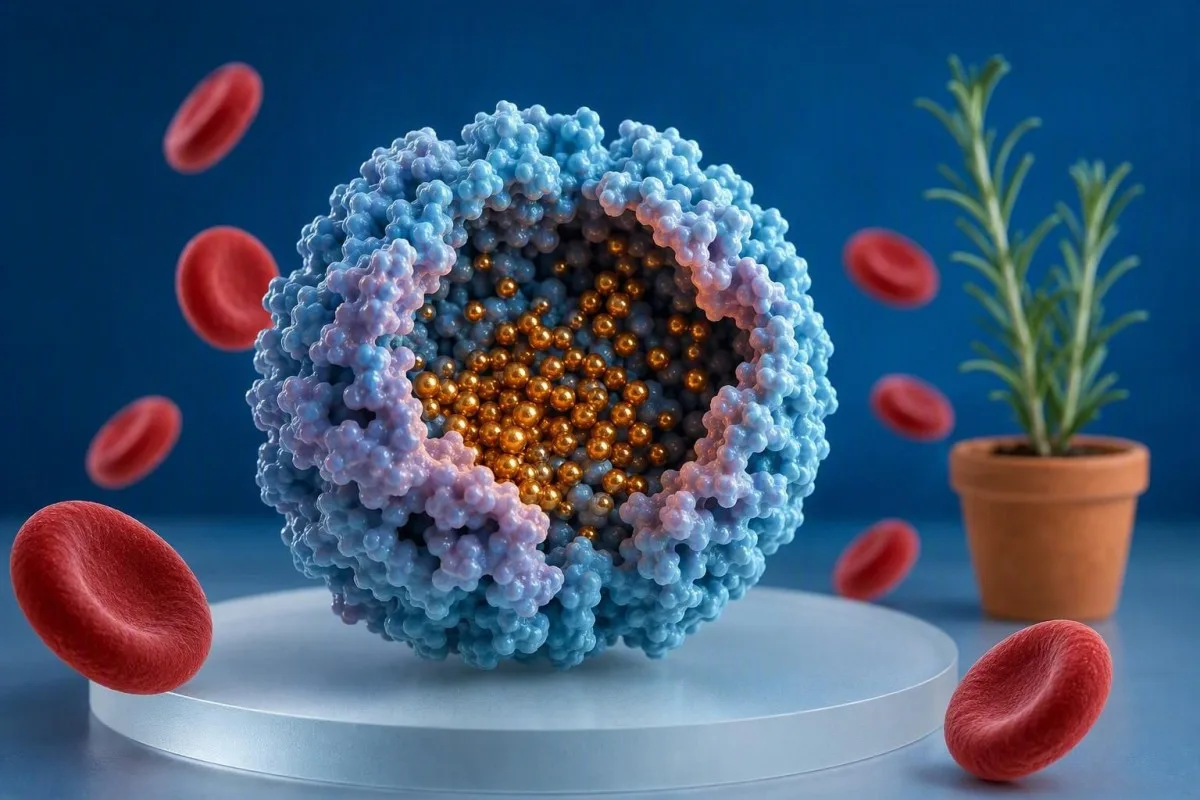
Ang Ferritin kasagaran moubos samtang nagpadayon ang pagmabdos, apan ang ubos nga resulta makapakita gihapon sa naupaw nga mga tipiganan sa iron sa dili pa moubos ang haemoglobin. Ang trimester, mga marka sa panghubag, ug ang imong bug-os nga ihap sa dugo nagbag-o sa interpretasyon.


- Kinahanglanon sa pagmabdos: Ang resulta sa ferritin nga ubos sa 30 ng/mL (µg/L) kasagaran giisip nga kakulangan sa iron sa pagmabdos, bisan kung ang haemoglobin nagpabilin nga normal.
- Kinahanglanon sa WHO: Ferritin ubos sa 15 ng/mL nagpaila sa kakulangan sa iron sa daw himsog nga mga hamtong, apan ang mga espesyalista sa pagmabdos kanunay nga molihok sa sayo pa.
- Gipaabot nga kausaban: Ang Ferritin kasagaran moubos gikan sa una hangtod sa ikatulo nga trimester tungod kay ang gidaghanon sa plasma motaas ug ang panginahanglan sa iron sa fetus-placenta motaas.
- Kahulugan sa anemia: Hemoglobin ubos 110 g/L sa una o ikatulo nga trimester, o ubos 105 g/L sa ikaduha nga trimester, nakab-ot sa mga sumbanan sa WHO alang sa anemia sa pagmabdos.
- Mapuslanong kaakibat nga mga test: Ang Ferritin kinahanglan basahon kauban ang hemoglobin, MCV, transferrin saturation, CRP, ug usahay soluble transferrin receptor.
- Pag-usab sa pagsulay: Human sa pagsugod sa oral iron, ang mga clinician sagad magbalik sa usa ka bug-os nga ihap sa dugo sa 2 hangtod 4 ka semana ug ferritin sa ulahi, depende sa mga sintomas ug pagmabdos.
- Mga sintomas nga kinahanglan ug daliang pagtan-aw: Ang kasakit sa dughan, pagkalipong, pagkawala sa gininhawa sa pagpahulay, bug-at nga pagtulo sa dugo sa kinatawo, o pagkunhod sa paglihok sa fetus nagkinahanglan og dinalian nga pagtimbang-timbang sa pagpanganak imbes nga usa ka rutina nga ferritin retest.
- Pahimangno sa taas nga ferritin: Ang Ferritin mahimong motaas sa impeksyon, kadaot sa atay, katambok, ug sakit nga panghubag, busa ang normal o taas nga resulta dili kanunay magpamatuod sa igo nga magamit nga iron.
Unsaon paghukom sa resulta sa ferritin sa pagmabdos karon
A normal nga range alang sa ferritin sa usa ka dili mabdos nga taho sa laboratoryo mahimong makapahisalaag sa panahon sa pagmabdos. Sa praktikal nga pag-atiman sa pagpanganak, ang ferritin ubos 30 ng/mL (µg/L) kasagaran nagpaila sa ubos nga mga tindahan sa iron ug angayan sa panaghisgot sa imong midwife o obstetric clinician, samtang ang mga kantidad sa 30 ng/mL o mas taas mas makapadasig kung ang CRP dili taas ug ang ihap sa dugo lig-on.
Ang Ferritin mao ang porma sa pagtipig sa iron sa lawas, dili direkta nga sukod sa iron nga naglibot nianang buntag. Ang pagmabdos nagpalapad sa gidaghanon sa plasma sa mga 40% ngadto sa 50%, busa ang hemoglobin ug hematocrit moubos pinaagi sa pagdilute; ang ferritin moubos usab tungod kay ang gitipigan nga iron gigamit. Ang ubos nga ferritin busa dili lamang “pagdilute sa pagmabdos.” Kini kasagaran usa ka nahurot nga reserba. Tan-awa ang among giya sa pagtuon sa puthaw alang sa mga may kalabutan nga mga marka.
Ang British Society for Haematology guideline naggamit ang ferritin nga ubos sa 30 µg/L isip usa ka pag-trigger sa pagtanyag og iron supplementation sa pagmabdos, ilabi na gikan sa 28 ka semana paingon (Pavord et al., 2020). Ang ubos nga diagnostic cutoff sa WHO nga 15 µg/L taas kaayo nga espesipiko, apan ang paghulat hangtod sa 15 mahimong makalimtan ang usa ka klinikal nga mapuslanon nga panahon sa pagpugong. Kadto nga duha ka mga cutoff dili usa ka dili pagsinabtanay bahin sa biyolohiya; nagsilbi sila sa lainlaing mga katuyoan sa klinika.
Sa Agosto 30, 2026, dili nako hukman ang resulta sa ferritin sa pagmabdos gikan lamang sa sakup sa hamtong nga babaye sa laboratoryo. Kantesti usa ka AI blood test analyzer nga nagbutang sa ferritin sunod sa edad sa pagmabdos, hemoglobin, MCV, CRP, ug miaging mga resulta, tungod kay ang pattern naghatag kanato labi pa kaysa usa ka gipasiugda nga bandila.
Ferritin sa pagmabdos kada trimester: praktikal nga mga banda sa reperensya
Ang Ferritin kasagaran mous-os sa pagmabdos, apan walay usa ka trimester-specific “normal” nga interval ang gidawat sa matag laboratoryo. Usa ka praktikal nga pagbasa sa klinika mao nga 30 ng/mL o labaw pa nagpakita ug makatarunganon nga mga tipiganan, 15 hangtod 29 ng/mL nagpakita ug gikunhoran o hapit na maubos nga mga tipiganan, ug ubos sa 15 ng/mL lig-ong nagsuporta sa kakulangan sa iron kung walay paghubag.
Ang usa ka mapuslanon nga dagan sa trabaho sa unang trimester mao ang gibana-bana nga 20 hangtod 150 ng/mL, apan ang lapad nga taas nga tumoy nagpakita sa paghubag ingon man usab sa mga tipiganan sa iron. Sa ikaduha ug ikatulo nga trimester, daghang himsog nga mga pasyente ang adunay ubos nga mga kantidad, sagad 10 hangtod 60 ng/mL. Ang nag-unang pangutana sa klinika dili kung ang usa ka kantidad mohaum sa usa ka lapad nga agianan sa populasyon; kini kung kini nagkaduol sa kakulangan sa iron samtang ang panginahanglan sa iron nagpadali.
Ang ferritin nga 22 ng/mL sa 10 ka semana ug ang sama nga resulta sa 34 ka semana dili managsamang mga sitwasyon. Sa 10 ka semana, adunay panahon sa pagtukod pag-usab sa mga tipiganan sa hinay-hinay; sa 34 ka semana, ang kombinasyon sa usa ka ubos nga reserba ug usa ka hemoglobin nga 104 g/L sagad nagtugot sa dinalian nga pagplano sa pagtambal. Mao kini ang hinungdan mga red flag sa blood test sa panahon sa pagbuntis gihubad uban sa pagka-gestational timing.
Ang ubang mga serbisyo sa pagpanganak sa Europa naggamit ug ferritin threshold nga 30 µg/L sa tibuok pagmabdos, samtang ang uban nagreserba sa marka nga “kakulangan” alang sa mga kantidad nga ubos sa 15 µg/L. Ang klinikal nga panan-aw ni Dr. Thomas Klein mao nga ang duha mahimong mapuslanon: ubos sa 15 nagpamatuod sa dakong pagkadeliskado, samtang ang 15 hangtod 29 nagpaila sa mga pasyente nga mahimong magkalisud sa anemia sa wala pa manganak.
Ubos ba ang imong ferritin tungod sa normal nga pagdilute o tinuod nga pagkaubos sa iron?
Ang pagkahulog sa hemoglobin mahimong bahin nga makadaldal sa pagmabdos, apan ang ubos nga ferritin dili mapasabut sa pagkadaldal lamang. Ang ferritin nga ubos sa 30 ng/mL nagpunting sa pagkunhod sa mga tipiganan sa iron; ang ubos nga hemoglobin nga adunay ferritin nga 30 ng/mL o labaw pa nagkinahanglan ug mas lapad nga pagtimbang-timbang sa anemia.
Ang physiological haemodilution moabot sa kinapungkayan niini mga 28 hangtod 32 ka semana, kung ang gidaghanon sa plasma motaas labaw pa sa masa sa pula nga mga selula. Kana mahimong makapaus-os sa hemoglobin sa mga 5 hangtod 10 g/L nga walay proseso sa sakit. Ang Ferritin lahi ang pamatasan: nagpakita kini sa magamit nga iron sa pagtipig, ug ang makanunayon nga resulta nga 12 ng/mL nagpasabut nga ang iron cupboard hapit na gayud maubos.
Ang labing mapadayag nga sumbanan mao ang ferritin ubos sa 30 ng/mL, MCV nga nagalihis paubos 80 fL, nagtaas nga RDW, ug transferrin saturation paubos 20%. Sa laing bahin, ang haemoglobin nga 106 g/L nga adunay ferritin nga 55 ng/mL, MCV nga 88 fL, ug normal nga CRP mahimo nga panguna nga dilutional. Ang among artikulo bahin sa ubos nga mga hinungdan sa hematocrit nagpatin-aw ngano ang mga pagbag-o sa konsentrasyon makapalisud sa usa ka CBC.
Panagsa ra ako makakita og mga pasyente nga gisultihan nga ang kakapoy “pagmabdos lang” kung ang ilang ferritin nahulog gikan sa 48 hangtod 14 ng/mL sulod sa 12 ka semana. Ang kakapoy lamang dili piho, sa tinuud, apan ang paubos nga dagan mas makapakombinsir kaysa bisan unsang resulta sa ilang kaugalingon. Kantesti Ang AI nagsuporta sa sunod-sunod nga pagrepaso kaysa pagtratar sa matag resulta ingon usa ka standalone nga panghitabo.
Basaha ang ferritin uban ang haemoglobin, MCV, ug RDW
Ang Ferritin nagpaila sa mga reserba sa iron, samtang ang hemoglobin nagpakita kung ang kapasidad sa pagdala sa oxygen nahulog na. Ang usa ka mabdos nga pasyente mahimong adunay ferritin nga 9 ng/mL nga adunay hemoglobin nga 116 g/L; kana mao ang kakulangan sa iron nga walay anemia, dili usa ka normal nga resulta nga ibaliwala.
Ang WHO naghubit sa anemia sa pagmabdos ingon nga hemoglobin nga ubos sa 110 g/L sa una ug ikatulo nga trimester ug ubos sa 105 g/L sa ikaduha nga trimester. Kining mas ubos nga mga sukaranan sa ikaduha nga trimester nag-ila sa pagpalapad sa plasma, dili sa ubos nga panginahanglan sa nutrisyon. Ang kompletong count nagpabilin nga importante tungod kay ang hemoglobin lamang dili makapakita kung ang mga tindahan sa iron gigamit.
Ang MCV nga ubos sa 80 fL nagsuporta sa iron-restricted red-cell production, bisan tuod kini mahimong magpabilin nga normal sa sayo nga kakulangan ug mahimong madugangan sa B12 o folate deficiency. Ang RDW sagad motaas sa dili pa mahulog ang MCV tungod kay ang bag-ong giprodyus nga mga selula mahimong mas gamay kaysa sa mas karaan nga mga selula. Ang nagbag-o nga RDW pagkahuman sa pagtambal mahimong gilauman; basaha ang among giya sa RDW human sa iron therapy sa dili pa magtuo nga nagkagrabe ang resulta.
Si Kantesti usa ka AI pagsabot sa resulta sa blood test platform gidisenyo aron basahon ang ferritin kauban ang bug-os nga blood count imbes nga ideklarar ang usa ka resulta nga normal tungod kay kini hiktin nga nakapasar sa usa ka generic nga reference limit. Sa akong kasinatian, ang kombinasyon sa ferritin nga ubos sa 30 ng/mL ug usa ka paubos nga trend sa hemoglobin mas mahimong aksyonan kaysa bisan unsang marker sa ilang kaugalingon.
Kung ang CRP o sakit maghimo sa ferritin nga mas maayo tan-awon kaysa sa tinuod
Ang Ferritin motaas panahon sa panghubag, mao nga ang usa ka normal o taas nga ferritin dili kasaligan nga makawagtang sa kakulangan sa iron kung ang CRP taas. Sa pagmabdos, ang ferritin nga 45 ng/mL nga adunay CRP 20 mg/L mahimong nagrepresentar sa pagkunhod sa iron nga gitabunan sa panghubag imbes nga daghang mga reserba sa iron.
Ang Ferritin usa ka acute-phase reactant. Ang viral illness, autoimmune disease, obesity, kadaot sa selula sa atay, ug bisan ang bag-o nga pagbakuna makapataas niini nga independente sa gitipigan nga iron. Ang CRP nga labaw sa kinatas-an nga limitasyon sa laboratoryo—sagad Gipasiugda niini nga hulagway ang mga companion labs nga kasagaran makausab sa kahulugan sa resulta sa RF.—kinahanglan maghimo sa clinician nga mas mabinantayon bahin sa pagtawag sa usa ka ferritin result nga makapahupay.
sa kana nga kahimtang, ang transferrin saturation ubos pa 20%, ubos nga serum iron, o taas nga soluble transferrin receptor mahimong makahatag ug mapuslanong pagpamatuod. Ang serum iron mismo nag-usab-usab sa oras sa adlaw ug bag-o nga pagkaon, busa dili ko gayud mag-diagnose og iron deficiency sa pagmabdos gikan lang sa serum iron. Ang among pagpatin-aw sa ferritin ug CRP naglakip niining kasagarang dili pagtugma.
Ang pasyente nga adunay hilanat sa 30 ka semana nga adunay ferritin 70 ng/mL, CRP 64 mg/L, ug hemoglobin 96 g/L nagkinahanglan og klinikal nga pagsusi alang sa sakit ingon man usa ka plano sa iron. Ayaw pag-inom og daghang dosis sa iron gikan lang sa usa ka naghubag nga panel; ang hinungdan sa anemia mahimong sagol.
Mga simtomas sa ubos nga ferritin sa pagmabdos: makatabang nga mga timailhan, dili pamatuod
Ang ubos nga ferritin sa pagmabdos mahimong walay sintomas, ilabi na sa ibabaw sa 15 ng/mL, apan ang pagkunhod sa kapasidad sa pag-ehersisyo, dili kasagaran nga kakapoy, palpitations, sakit sa ulo, restless legs, ug pag-agwanta sa yelo mahimong mahitabo. Ang mga sintomas dili makalahi sa iron deficiency gikan sa kakulang sa tulog, sakit sa thyroid, impeksyon, o kabalaka nga walay konteksto sa laboratoryo.
Ang pag-agwanta sa yelo, gitawag nga pagophagia, usa sa mas espesipikong mga timailhan nga akong madungog sa klinika; kini mahimong molambo dayon pagkahuman sa pagtul-id sa iron deficiency. Ang kakulang sa gininhawa sa pagsaka sa hagdanan mahimong mahitabo usab sa normal nga pagmabdos, busa ang pagbalhin gikan sa “kasagaran nga paningkamot” ngadto sa usa ka bag-ong limitasyon mas importante kay sa yano nga presensya sa sintomas. Ang hemoglobin ubos pa sa 100 g/L naghimo sa usa ka pagpatin-aw sa laboratoryo nga mas lagmit.
Ang restless legs sa gabii nalangkit sa ubos nga mga tipiganan sa iron, ug ang pipila ka mga giya sa tambal sa pagkatulog naggamit ug ferritin ubos pa sa 75 ng/mL sa dihang gikonsiderar ang iron sa mga hamtong nga dili mabdos. Dili kana nagpasabot nga ang matag mabdos kinahanglan makaabot sa 75 ng/mL. Kini nagpatin-aw ngano nga ang usa ka ferritin nga 24 ng/mL mahimong importante bisan sa wala pa makita ang anemia.
Ang bag-ong dakong kakulang sa gininhawa, ang rate sa kasingkasing sa pagpahulay nga kanunay nga labaw pa sa 120 ka tibok kada minuto, pagkalipong, sakit sa dughan, o kawalay katakus sa pagdumala sa ordinaryong kalihokan nagkinahanglan ug pagtambag sa maternity o dinalian nga pag-atiman sa samang adlaw. Alang sa mas gipunting nga triage, tan-awa ang among giya sa blood-test alang sa kalisod sa pagginhawa.
Unsay kasagarang buhaton sa mga doktor kung ang ferritin ubos sa 30
Ferritin ubos sa 30 ng/mL sa pagmabdos sagad mosangpot sa tambag sa pagkaon dugang pa sa oral iron, diin ang dosis ug pagkadinalian gipahaom sa hemoglobin, mga sintomas, pagmabdos, ug pagtugot. Ang oral elemental iron doses nga 40 ngadto sa 100 mg kausa sa usa ka adlaw o sa alternatibong mga adlaw kaylap nga gigamit, apan ang eksaktong produkto kinahanglan mouyon sa imong maternity team.
Ang alternatibong adlaw-adlaw nga pag-inom adunay usa ka plausible physiological nga bentaha: ang hepcidin motaas human sa usa ka dosis sa iron ug mahimong temporaryo nga makunhuran ang pagsuyop gikan sa sunod nga dosis. Ang klinikal nga praktis nagkalainlain, ug ang ebidensya sa pagmabdos nag-uswag pa, busa dili ko ipresenta ang alternatibong adlaw-adlaw nga pag-inom ingon nga labaw sa tanan. Ang kasukaon, constipation, ug reflux sagad nagtino kung unsa ang mahimo sa usa ka pasyente.
Pag-inom og oral iron nga layo sa tsaa, kape, mga suplemento sa calcium, ug antacids kung mahimo; kini makapakunhod sa pagsuyop. Ang pagkaon nga dato sa Vitamin C mahimong gamay nga makapauswag sa pagsuyop sa non-haem iron, apan ang mahal nga mga produkto sa Vitamin C panagsa ra gikinahanglan. Ang among giya sa iron-rich nga mga pagkaon nagtanyag og praktikal nga mga kombinasyon sa pagkaon.
Ang intravenous iron kasagaran gikonsiderar pagkahuman sa unang trimester kung ang oral nga pagtambal mapakyas, dili maagwanta, lagmit ang malabsorption, o ang dakong anemia nadiskobrehan sa ulahi. Ang pasyente nga 34 ka semana nga adunay hemoglobin 84 g/L dili na lang maghulat ug mga bulan aron molihok ang mga pagbag-o sa pagkaon. Ang obstetric team kinahanglan nga timbangon ang IV iron, ang oras sa pagpanganak, ug ang peligro sa pagkawala sa dugo.
Kanus-a sublion ang ferritin ug bug-os nga ihap sa dugo
Human ang puthaw, ang bug-os nga ihap sa dugo sagad gisubli sa 2 hangtod 4 ka semana aron makumpirma ang tubag, samtang ang ferritin kasagarang gisusi pag-usab sa ulahi tungod kay mahimo kini nga hinay ug magkalahi sa panghubag. Ang pagtaas sa hemoglobin nga gibana-bana nga 10 g/L sulod sa 2 hangtod 4 ka semana nagpalig-on sa epektibo nga pagtambal kung ang pagsunod ug pagsuyop igo na.
Ang tubag sa reticulocyte mahimong magsugod sa sulod sa 7 hangtod 10 ka adlaw, bisan pa nga kini dili kanunay gisukod sa matag maternity clinic. Kung ang hemoglobin wala molihok human sa 2 hangtod 4 ka semana, susihon sa mga clinician ang dosis, mga nawala nga dosis, pagsuka, paggamit og antacid, padayon nga pagdugo, kahimtang sa B12 ug folate, ug kung husto ba ang orihinal nga pagdayagnos. Ayaw pagdoble sa dosis sa imong kaugalingon sa wala pa ang pagrepaso.
Ang Ferritin mahimong dili tinuod nga taas sulod sa pipila ka semana human sa intravenous iron, mao nga ang usa ka dihadiha nga lebel human sa infusion dili magpakita sa lig-on nga mga tindahan sa lawas. Alang sa oral treatment, daghang mga team ang nagpadayon sa therapy sulod sa labing menos 3 ka bulan human normal ang hemoglobin ug sa panahon pagkahuman sa pagpanganak, apan ang lokal nga mga protocol magkalainlain. Ang giya sa timeline sa pagsusi sa dugo nagpatin-aw ngano nga ang mga agwat importante.
Ang Kantesti AI makahimo sa pagtandi sa sunod-sunod nga ferritin, MCV, hemoglobin, ug RDW nga mga resulta aron mailhan ang usa ka makahuluganon nga tubag imbes nga ipasiugda ang gagmay nga mga kausaban sa analytical. Alang sa mga sumbanan sa interpretasyon ug mga proseso sa pagrepaso sa klinikal, ang among mga magbabasa mahimong mokonsulta sa medikal nga validation.
Kanus-a ang ubos nga ferritin nagkinahanglan og dinalian nga pagtimbang-timbang sa inahan
Ang ubos nga ferritin mismo panagsa ra usa ka emerhensya, apan ang mga sintomas sa anemia o mga timailhan sa pagdugo mahimong mao. Pangitaa dayon ang pagtimbang-timbang sa maternity alang sa pagkalipong, kasakit sa dughan, kakulang sa gininhawa sa pagpahulay, usa ka padayon nga pulso nga labaw sa 120 ka tibok kada minuto, bug-at nga pagkawala sa vaginal fluid, o pagkunhod sa paglihok sa fetus—bisan unsa pa ang imong kataposang numero sa ferritin.
Hemoglobin ubos 70 g/L sa pagmabdos usa ka grabe nga anemia ug nagkinahanglan og dinalian nga espesyalistang pagtimbang-timbang; ang saktong pagtambal nagdepende sa mga sintomas, edad sa pagmabdos, hinungdan, ug aktibo nga pagkawala. Ang resulta nga 85 g/L mahimo usab nga magkinahanglan og gipadali nga aksyon sa ulahing bahin sa pagmabdos o sa usa ka tawo nga adunay mga simtomas sa kasingkasing ug baga. Ang mga numero naggiya sa pagkadinalian, apan ang tawo sa atong atubangan mas importante.
Itom, tarry nga mga hugaw sa wala pa gisugdan ang iron, pagsuka og dugo, padayon nga sakit sa tiyan, o usa ka kaagi sa sakit sa tinai nagkinahanglan og medikal nga pagrepaso imbes nga ang pangagpas nga ang pagmabdos nagpahinabo sa kakulangan sa iron. Sa higayon nga magsugod na ang oral iron, ang mga hugaw sagad modulom; kana nga gipaabot nga epekto dili angay ikalibog sa pagdugo sa gastrointestinal. Kining kalainan gisakop sa among giya sa pagsusi sa dugo sa luspad nga panit.
Tawagi ang mga serbisyo sa emerhensya alang sa pagkalipong, grabe nga kasakit sa dughan, grabe nga kalisud sa pagginhawa, o bug-at nga pagdugo. Kontaka ang imong maternity unit sa samang adlaw alang sa pagkunhod sa mga lihok o bag-ong kombinasyon sa pagkalipong ug palpitations. Mas maayo nga susihon ug pahapsayon kaysa maghulat alang sa usa ka iskedyul nga pagkuha sa dugo.
Mahimo bang sobrang taas ang ferritin sa panahon sa pagmabdos?
Ang Ferritin nga labaw sa laboratory range sa pagmabdos dili sagad tungod lang sa sobra nga iron sa pagkaon. Ang mga kantidad nga labaw sa 150 hangtod 200 ng/mL kinahanglan mag-aghat sa mga clinician sa pagkonsiderar sa panghubag, sakit sa atay, metabolic nga mga kondisyon, kaagi sa pagtambal sa iron, o dili kaayo kasagaran ang iron overload, labi na kung ang transferrin saturation molapas sa 45%.
Ang Ferritin sagad moubos sa panahon sa usa ka uncomplicated nga pagmabdos, mao nga ang nagtaas nga lebel nagkinahanglan og usa ka contextual nga pagtan-aw. Ang CRP, ALT, AST, transferrin saturation, ug usa ka maampingon nga kaagi sa tambal mas impormatibo kaysa sa ferritin lamang. Ang taas nga ferritin nga adunay ubos nga transferrin saturation kasagaran usa ka inflammatory pattern, dili pruweba nga ang iron kinahanglan ibalewala hangtod sa hangtod.
Ang hereditary haemochromatosis dili kasagaran nga hinungdan sa pagtaas sa ferritin sa pagmabdos, ug ang pagmabdos mahimong makapamenos sa mga tipiganan pinaagi sa panginahanglan sa fetus ug pagkawala sa dugo sa pagpanganak. Bisan pa, ang padayon nga ferritin labaw sa 300 ng/mL nga adunay transferrin saturation labaw sa 45% naghatag ug katungod sa dili dinalian nga pagsusi sa clinician human mapakawala ang acute illness. Basaha ang among overview sa mga timailhan sa iron overload para sa pattern.
Likayi ang pag-inom og dugang nga iron kung gisultihan ka sa clinician nga taas ang imong ferritin hangtod nga masusi ang tibuuk nga iron panel. Sa laing bahin, ang paghunong sa usa ka gireseta nga prenatal vitamin tungod sa kasarangan nga pagtaas sa ferritin nga walay tambag mahimong makamugna og lain nga problema. Ang konteksto mao ang modaog dinhi.
Mga kapilian sa pagkaon nga makatabang kung ubos ang ferritin sa pagmabdos
Ang pagkaon nagsuporta sa pagpuno sa iron apan panagsa ra makasulbad sa anemia sa kakulangan sa iron sa katapusang bahin sa pagmabdos sa iyang kaugalingon. Ang heme iron gikan sa karne, manok, ug isda kasagarang mas epektibo nga masuhop kaysa non-haem iron gikan sa beans, lentils, tofu, lugas, ug mga berdeng dahon nga utanon; pareho adunay lugar sa pagmabdos.
Ang pagkaon nga adunay lentils o beans dugang mga sili, citrus, kamatis, o kiwi makapadugang sa pagsuyop sa non-haem iron pinaagi sa bitamina C. Ang tsaa ug kape makapamenos sa pagsuyop kung imnon uban sa samang pagkaon tungod kay ang mga polyphenol nagbugkos sa iron. Ang pagbahin kanila sa mga sa mga setting sa ospital. Sa laing bahin, ang usa ka realistiko nga pagkompromiso alang sa kadaghanan sa mga pasyente.
Ang mga prenatal vitamin kasagarang adunay tali sa 14 ug 30 mg sa elemental iron, nga mahimong makapugong sa kakulangan apan dili kini makapuno niini sa higayon nga ang ferritin kay 8 ng/mL. Susiha ang label tungod kay ang “iron 65 mg” mahimong maghulagway sa gibug-aton sa asin imbes nga elemental iron; ang ferrous sulfate 325 mg adunay mga 65 mg elemental iron. Kana nga detalye sa pag-label hinungdan sa daghang kalibog.
Si Kantesti usa ka AI-powered blood test analysis tool nga makakonektar sa ubos nga pattern sa ferritin sa pagplano sa nutrisyon, samtang nagagiya gihapon ang mga mabdos nga tiggamit ngadto sa ilang kaugalingon nga clinician alang sa mga kapilian sa pagtambal. Kung nalakip ang mga suplemento, ang among Giya sa suplemento sa pagmabdos naghisgot sa mga pangutana bahin sa dosis ug kaluwasan nga angay ipangutana.
Espesyal nga mga sitwasyon: mga diyeta nga vegetarian, kambal, kanhing bariatric surgery, ug thalassaemia trait
Ang pagmabdos sa kambal, mubo nga gilay-on human sa usa ka miaging pagpanganak, vegetarian o vegan nga pagkaon, pagmabdos sa mga tin-edyer, bug-at nga mga period sa wala pa pagmabdos, ug bariatric surgery tanan makadugang sa posibilidad sa pag-deplete sa iron. Ang thalassaemia trait mahimo usab nga makamugna og ubos nga MCV, apan kini dili nanalipod sa usa ka tawo gikan sa pagpalambo sa kakulangan sa iron sa samang higayon.
Ang mga tawo human sa sleeve gastrectomy o gastric bypass mahimong dili maayo nga mosuhop sa oral iron ug manginahanglan og sayo nga espesyalista nga input. Ang usa ka ferritin ubos sa 30 ng/mL dugang sa padayon nga anemia bisan pa sa maayong pagkuha sa oral regimen kinahanglan nga mopataas niana nga posibilidad. Ang Coeliac disease, inflammatory bowel disease, ug dugay nga acid suppression mahimong makamugna og susama nga mga babag sa pagsuyop.
Sa thalassaemia trait, ang MCV mahimong ubos sa 75 fL bisan kung normal ang ferritin, busa ang pagtambal sa matag gamay nga pattern sa selula nga adunay iron usa ka sayup. Ang Ferritin, transferrin saturation, kasaysayan sa haemoglobin electrophoresis, ug kaliwatan sa pamilya naggiya sa kalainan. Ang among explainer sa ubos nga transferrin saturation nagpakita kung diin makatabang kana nga sukod.
Si Dr. Thomas Klein nakakita usab sa kaatbang nga sayop: naghunahuna nga ang usa ka nailhan nga thalassaemia trait nagpatin-aw sa tanan nga microcytosis ug nagpasagop sa usa ka ferritin nga 6 ng/mL. Ang mga sagol nga hinungdan igo na nga ang tibuuk nga panel mas luwas kaysa usa ka single-label nga pagpatin-aw.
Ngano nga hinungdanon ang pagsunod sa ferritin pagkahuman sa pagpanganak
Ang Ferritin kinahanglan nga balik-balikan pagkahuman sa pagpanganak kung adunay antenatal nga kakulangan sa iron, pagkawala sa dugo human sa pagpanganak, o padayon nga kakapoy. Usa ka bug-os nga ihap sa dugo sa 4 hangtod 8 ka semana human manganak kasagarang girekomendar human sa dakong pagkawala sa dugo o anemia sa wala pa manganak, bisan tuod ang eksaktong iskedyul nagdepende sa lokal nga polisiya sa pagkainahan.
Ang ferritin sa unang pipila ka semana human manganak mahimong lisud basahon tungod kay ang pagpanganak nagpatunghag tubag sa panghubag nga mahimong temporaryong makapataas niini. Ang hemoglobin, mga sintomas, gibanabana nga pagkawala sa dugo, ug kasaysayan sa pagtambal kasagarang mas maayo nga naggiya sa sayo nga mga desisyon. Ang ulahi nga pagsulay naghatag ug mas tin-aw nga pagtan-aw kung nabutang ba ang mga tindahan.
Ang pagpadayon sa gireseta nga puthaw human manganak mahimong importante bisan kung ang hemoglobin nagsugod na sa pag-ayo, labi na human sa pagkawala sa dugo nga 500 mL o labaw pa human sa normal nga pagpanganak o 1,000 mL o labaw pa human sa pagpanganak pinaagi sa caesarean—ang kasagarang mga sukod nga gigamit sa paghubit sa postpartum hemorrhage. Ang pagpasuso dili mismo makaguba sa mga reserba sa puthaw, apan ang mga panginahanglanon sa pagkaayo tinuod.
Para sa luwas nga pagrepaso sa uso, ang Kantesti AI nagbasa sa mga resulta nga gi-upload sa klinikal nga konteksto ug nagsuporta sa daghang pinulongan nga mga pagpatin-aw sa 75+ ka mga pinulongan; kini dili mopuli sa pag-atiman sa pagkainahan. Ang among medical advisory board nagdumala sa mga klinikal nga sumbanan nga gigamit niining buhat pang-edukasyon.
Mga pangutana nga dad-on sa imong midwife, GP, o appointment sa obstetrics
Ang labing mapuslanon nga pangutana dili “Normal ba ang akong ferritin?” kondili “Ang akong ferritin, hemoglobin, MCV, mga sintomas, ug edad sa pagmabdos nagpaila ba nga kinahanglan nako ang pagtambal karon?” Dad-a ang aktuwal nga mga kantidad, yunit, petsa sa pagsulay, semana sa pagmabdos, ngalan sa suplemento, ug bisan unsang miaging mga resulta.
Pangutan-a kung ang imong resulta sa ferritin gisukod atol sa impeksyon, human sa IV iron, o adunay taas nga CRP. Pangutan-a kung ang transferrin saturation, B12, folate, thyroid testing, o screening sa hemoglobinopathy importante sa imong kaso. Kining mga pangutana ilabinang mapuslanon kon ang hemoglobin ubos pa sa 105 g/L sa ikaduhang trimester o ubos sa 110 g/L sa gawas niini.
Pangutan-a usab kung kanus-a balikon ang CBC, kung ang imong dosis sa puthaw gipahayag isip elemental iron, ug unsang mga side effect ang angay magpugos sa pagbag-o sa pormulasyon. Kung nagpaopera ka sa bariatric, adunay sakit sa tinai, kanhi grabe nga anemia, o gikatakda nga pagpanganak sulod sa 6 ka semana, pangutan-a dayon kung igo na ba ang oral iron. Usa ka mubo checklist sa pag-adto sa doktor mahimong mas sayon kana nga panag-istoryahanay.
Ang klinikal nga workflow sa Kantesti AI gidesinyo sa pag-organisar sa mga resulta, dili sa pag-diagnose sa mga komplikasyon sa pagmabdos o pagreseta og tambal. Ang mga magbabasa nga interesado sa kung giunsa pagdumala sa among mga modelo ang konteksto sa laboratoryo mahimong magrepaso sa giya sa teknolohiya sa AI; ang katapusang mga desisyon nahisakop sa clinician nga responsable sa imong pagmabdos.
Kanunay nga Gipangutana nga mga Pangutana
Unsa ang normal nga lebel sa ferritin panahon sa pagmabdos?
Usa ka lebel sa ferritin nga 30 ng/mL (µg/L) o mas taas pa kasagarang giisip nga makapahupay alang sa mga reserba sa puthaw panahon sa pagmabdos kung walay aktibo nga panghubag. Ang Ferritin tali sa 15 ug 29 ng/mL nagpaila sa ubos o border line nga mga reserba ug kasagarang nagdasig sa mga clinician sa pagkainahan sa pagrekomendar og suporta sa puthaw. Ferritin ubos pa sa 15 ng/mL kusganong nagsuporta sa kakulangan sa iron sa usa ka tawo nga walay panghubag. Ang dili mabdos nga range sa babaye sa laboratoryo dili kinahanglan gamiton isip bugtong giya tungod kay ang ferritin kasagarang moubos samtang ang pagmabdos nagpadayon.
Ubos ba ang ferritin nga 20 sa pagmabdos?
Ferritin sa 20 ng/mL sa pagmabdos kasagaran giisip nga ubos nga iron stores, bisan kung ang haemoglobin normal gihapon. Daghang mga giya sa pagpanganak ang naggamit 30 ng/mL isip threshold sa paghalad ug iron supplementation tungod kay kini nag-ila sa depletion sa dili pa ang iron-deficiency anemia molambo. Ang pagka-apurahan nagdepende sa semana sa pagmabdos, haemoglobin, MCV, mga sintomas, ug nangaging mga uso. Ang lebel nga 20 ng/mL sa 34 ka semana kasagarang nagkinahanglan og mas dinalian nga plano kaysa sa samang lebel sa sayong bahin sa unang trimester.
Ngano man ubos ang ferritin panahon sa pagmabdos?
Ang Ferritin moubos panahon sa pagmabdos tungod kay ang nagtubo nga fetus ug placenta nagkinahanglan ug iron, ang maternal red-cell mass modaghan, ug ang natipig nga iron ma-mobilize. Ang plasma volume modako usab mga 40% ngadto sa 50%, nga makatampo sa mas ubos nga gisukod nga mga konsentrasyon sa daghang mga blood marker. Bisan pa, ang dilution lamang dili makapatin-aw sa usa ka resulta sa ferritin nga ubos sa 30 ng/mL; kana nga resulta kasagaran nagpakita sa limitado nga iron reserves. Busa, ang Ferritin makatabang sa pag-ila sa gipaabot nga haemodilution gikan sa nag-uswag nga iron deficiency.
Kanus-a angay usab nga susihon ang ferritin human magsugod sa iron sa pagmabdos?
Ang bug-os nga blood count kasagarang gisubli 2 hangtod 4 ka semana human magsugod sa oral iron sa pagmabdos, samtang ang ferritin mahimong i-recheck sa ulahi depende sa gestation ug mga sintomas. Ang pagtaas sa haemoglobin mga 10 g/L sulod sa 2 hangtod 4 ka semana nagsugyot nga ang pagtambal nagtrabaho kung husto ang pagdayagnos ug pagsunod. Ang Ferritin mahimong temporaryo nga makapahisalaag human sa intravenous iron o sa panahon sa impeksyon tungod kay kini motaas ingon usa ka acute-phase reactant. Ang imong maternity clinician kinahanglan magtakda sa interval kung ang anemia kasarangan, ulahi na sa pagmabdos, o nalangkit sa mga sintomas.
Posible ba nga mababa ang imong ferritin apan normal ang imong haemoglobin panahon sa pagmabdos?
Oo. Ang Ferritin mahimong ubos sa 15 o 30 ng/mL samtang ang haemoglobin nagpabilin nga mas taas sa threshold sa anemia sa pagmabdos, nga gitawag ug iron deficiency nga walay anemia. Kini nga yugto nagpasabut nga ang pagtipig sa iron nahurot apan ang kapasidad sa pagdala sa oxygen wala pa igo nga nahulog aron matuman ang mga sumbanan sa anemia. Ang pagtambal niini mahimong makunhuran ang tsansa nga maugmad ang mas grabe nga anemia sa wala pa ang pagpanganak, bisan kung ang eksaktong rehimen nagdepende sa mga kahimtang sa klinika. Ang Haemoglobin nga ubos sa 110 g/L sa unang o ikatulo nga trimester, o ubos sa 105 g/L sa ikaduha, nakatuman sa WHO anemia criteria.
Unsa nga lebel sa ferritin ang delikado nga ubos sa pagmabdos?
Walay ferritin number lang nga naghubit ug emerhensya, apan ang ferritin nga ubos sa 15 ng/mL nagpakita sa marka nga iron depletion ug nagkinahanglan ug clinical follow-up. Ang pagka-apurahan motaas kung ang ubos nga ferritin mahitabo sa haemoglobin nga ubos sa 70 g/L, pagkaluya, sakit sa dughan, kakulang sa gininhawa sa pahulay, makanunayon nga tachycardia, grabe nga pagdugo sa kinatawo, o pagkunhod sa paglihok sa fetus. Ang usa ka tawo sa 36 ka semana nga adunay ferritin nga 8 ng/mL ug haemoglobin nga 85 g/L nagkinahanglan ug mas paspas nga pagplano sa pagpanganak kaysa sa usa ka himsog nga tawo sa 10 ka semana nga adunay parehas nga ferritin. Ang mga sintomas ug edad sa gestation parehas kaimportante sa resulta sa ferritin.
Karon na ang AI-Powered Blood Test Analysis
Apil sa kapin sa 2 milyon nga mga user sa tibuok kalibutan nga nagsalig sa Kantesti para sa dayon ug tukma nga pag-analisa sa lab test. I-upload ang imong resulta sa blood test ug makadawat og komprehensibong pagsabot sa 15,000+ nga mga biomarker sulod sa mga segundo.
📚 Mga Napangalan nga Research Publications
Klein, T., Mitchell, S., & Weber, H. (2026). Kantesti LTD. (2026). BUN/Creatinine Ratio Explained: kidney function test Guide. Zenodo.. Kantesti AI Medical Research.
Klein, T., Mitchell, S., & Weber, H. (2026). Kantesti LTD. (2026). Urobilinogen sa Ihi nga Pagsulay: Kumpleto nga Giya sa Pagsusi sa Ihi 2026. Zenodo.. Kantesti AI Medical Research.
📖 Mga Panlabas nga Sanggunian sa Medisina
Pavord S et al. (2020). Mga giya sa UK sa pagdumala sa kakulangan sa puthaw sa panahon sa pagbuntis. British Journal of Haematology.
World Health Organization (2012). Adlaw-adlaw nga iron ug folic acid supplementation sa mabdos. WHO Guideline.
⚕️ Pagpasabot sa Medikal
Kini nga artikulo para sa katuyoan sa edukasyon ra ug dili kini mosangpot sa medikal nga tambag. Kanunay mokonsulta sa usa ka kwalipikado nga healthcare provider alang sa mga desisyon sa diagnosis ug pagtambal.
Mga E-E-A-T Trust Signals
Kasinatian
Pagsusi sa klinika nga gipangulohan sa doktor sa mga workflow sa interpretasyon sa lab.
Kahanas
Pokus sa medisina sa laboratoryo kung giunsa paglihok ang mga biomarker sa konteksto sa klinika.
Pagka-awtorisado
Gisulat ni Dr. Thomas Klein ug gisusi ni Dr. Sarah Mitchell ug Prof. Dr. Hans Weber.
Kasaligan
Interpretasyon nga base sa ebidensya, nga adunay klaro nga mga agianan sa sunod nga buhat aron makunhuran ang kabalaka.